Compuestos y reactivos bioquímicos
Los bioquímicos y reactivos son sustancias fundamentales para la investigación y el desarrollo en campos como la biotecnología, la biología molecular, la farmacología y la medicina. Estos productos son esenciales para una variedad de aplicaciones, incluyendo la síntesis de compuestos, el análisis de muestras biológicas, la investigación de procesos metabólicos y la producción de medicamentos. En CymitQuimica, ofrecemos una amplia selección de bioquímicos y reactivos de alta calidad y pureza, adecuados para diversas necesidades científicas e industriales. Nuestro catálogo incluye enzimas, anticuerpos, ácidos nucleicos, aminoácidos, y muchos otros productos, todos diseñados para apoyar a los investigadores y profesionales en sus proyectos de investigación y desarrollo, asegurando resultados confiables y reproducibles.
Subcategorías de "Compuestos y reactivos bioquímicos"
- Biomoléculas(99.116 productos)
- Por objetivo biológico(99.076 productos)
- Según efectos farmacológicos(6.785 productos)
- Crioconservantes(21 productos)
- Desinfectantes y compuestos relacionados(28 productos)
- Hormonas(346 productos)
- Biología Vegetal(6.698 productos)
- Metabolitos secundarios(14.220 productos)
Se han encontrado 130579 productos de "Compuestos y reactivos bioquímicos"
Ordenar por
Pureza (%)
0
100
|
0
|
50
|
90
|
95
|
100
CNR1 Blocking Peptide
<p>A synthetic peptide for use as a blocking control in assays to test for specificity of CSTB antibody, catalog no. 70R-9694</p>Pureza:Min. 95%SLC15A2 antibody
<p>SLC15A2 antibody was raised using a synthetic peptide corresponding to a region with amino acids GNENNSLLIESIKSFQKTPHYSKLHLKTKSQDFHFHLKYHNLSLYTEHSV</p>Pureza:Min. 95%GIT1 antibody
<p>The GIT1 antibody is a polyclonal antibody used in Life Sciences research. It specifically targets the endonuclease GIT1, which plays a crucial role in various cellular processes. This antibody has been shown to interact with TGF-beta, collagen, and sugar moieties, indicating its involvement in extracellular matrix remodeling. Additionally, it has been found to possess EGF-like domains that may contribute to its binding affinity and specificity. The GIT1 antibody also exhibits hyaluronidase activity, suggesting its potential role in modulating the extracellular matrix composition. Studies have demonstrated its presence in human serum and its ability to regulate epidermal growth factor signaling pathways. Furthermore, this antibody has been investigated for its potential use as a therapeutic agent due to its ability to target glycoproteins and enhance hyaluronidase activity. Its pegylated form has shown promising results in inhibiting angiogenesis by reducing microvessel density.</p>Dopamine Receptor 2 Blocking Peptide (Rat)
<p>A synthetic Dopamine Receptor 2 Blocking peptide for use as a blocking control in assays to test for specificity of Dopamine Receptor 2 antibody, catalog no. 70R-DR001</p>Pureza:Min. 95%ACY1 antibody
<p>The ACY1 antibody is a monoclonal antibody that targets the ACY1 protein. ACY1 is an enzyme involved in various biological processes, including dopamine metabolism and apoptosis regulation. This antibody specifically binds to ACY1 and can be used for research purposes in the field of life sciences.</p>B4GALT2 antibody
<p>B4GALT2 antibody was raised using the middle region of B4GALT2 corresponding to a region with amino acids RLLIEFTSPMPLERVQRENPGVLMGGRYTPPDCTPAQTVAVIIPFRHREH</p>Pureza:Min. 95%GALE antibody
<p>GALE antibody was raised using the N terminal of GALE corresponding to a region with amino acids AEKVLVTGGAGYIGSHTVLELLEAGYLPVVIDNFHNAFRGGGSLPESLRR</p>Keratin K19 antibody
<p>Keratin K19 antibody was raised in mouse using Keratin K19 isolated human bladder cell line T24 as the immunogen.</p>TMED1 antibody
<p>TMED1 antibody was raised using the middle region of TMED1 corresponding to a region with amino acids FTLESPQGVLLVSESRKADGVHTVEPTEAGDYKLCFDNSFSTISEKLVFF</p>Pureza:Min. 95%FRK antibody
<p>The FRK antibody is a monoclonal antibody that targets chemokines and plays a crucial role in oxidative damage. This antibody is widely used in the field of Life Sciences for research purposes. It has been shown to inhibit the activity of epidermal growth factor and anti-HER2 antibodies, which are involved in endothelial growth and collagen synthesis. Additionally, the FRK antibody has been found to activate actin filaments and regulate the expression of E-cadherin. Its ability to detect autoantibodies makes it a valuable tool for studying various diseases and immune responses.</p>Dog IgM
<p>Dog IgM is a hypomethylating monoclonal antibody that belongs to the class of Immunoglobulins. It is a cytotoxic antibody that targets specific proteins in the body, making it an effective tool in Life Sciences research. Dog IgM has been shown to have acetylation properties, which can alter gene expression and cellular function. Additionally, it has been found to neutralize extracellular histones and inhibit tyrosine kinase receptors, such as those targeted by imatinib. This purified immunoglobulin has also demonstrated the ability to stimulate colony-stimulating factors, promoting cell growth and differentiation. With its unique characteristics, Dog IgM offers promising applications in various fields of research and therapeutic development.</p>Pureza:Min. 95%ADRB1 Blocking Peptide
<p>A synthetic peptide for use as a blocking control in assays to test for specificity of ADRB1 antibody, catalog no. 70R-5939</p>Pureza:Min. 95%14-3-3 zeta antibody
<p>The 14-3-3 zeta antibody is a polyclonal antibody that specifically targets the 14-3-3 zeta protein. This protein plays a crucial role in various cellular processes, including cell growth and survival. The antibody can be used for research purposes in the field of life sciences to study the function and regulation of the 14-3-3 zeta protein. It can also be utilized in experiments involving growth factors, helicobacter, interleukin-6, e-cadherin expression, and il-17a. With its high specificity and affinity, this monoclonal antibody provides reliable and accurate results in immunoassays and other detection methods. Researchers can rely on this specific antibody to further their understanding of various biological processes and mechanisms.</p>Pura Blocking Peptide
<p>A synthetic peptide for use as a blocking control in assays to test for specificity of Pura antibody, catalog no. 70R-8275</p>Pureza:Min. 95%ZNF687 Blocking Peptide
<p>A synthetic peptide for use as a blocking control in assays to test for specificity of ZNF687 antibody, catalog no. 70R-8350</p>Pureza:Min. 95%EPSTI1 antibody
<p>EPSTI1 antibody was raised using a synthetic peptide corresponding to a region with amino acids RRLGGSQSETEVRQKQQLQLMQSKYKQKLKREESVRIKKEAEEAELQKMK</p>Pureza:Min. 95%Insulin + Proinsulin antibody
<p>Insulin/Proinsulin antibody was raised in guinea pig using synthetic human proinsulin as the immunogen.</p>Pureza:Min. 95%Abcb10 Blocking Peptide
<p>A synthetic peptide for use as a blocking control in assays to test for specificity of Abcb10 antibody, catalog no. 70R-8570</p>Pureza:Min. 95%DNAJB1 Blocking Peptide
<p>A synthetic peptide for use as a blocking control in assays to test for specificity of DNAJB1 antibody, catalog no. 70R-3606</p>Pureza:Min. 95%RHOU antibody
<p>RHOU antibody was raised using the C terminal of RHOU corresponding to a region with amino acids LKEVFDAAIVAGIQYSDTQQQPKKSKSRTPDKMKNLSKSWWKKYCCFV</p>Pureza:Min. 95%SEMA4A antibody
<p>The SEMA4A antibody is a polyclonal antibody that specifically targets the protein SEMA4A, which belongs to the family of costimulatory molecules. This antibody can be used in various life sciences applications, including immunomodulatory research and dendritic cell studies. By binding to SEMA4A, this antibody can inhibit its interaction with membrane-bound receptors, thereby modulating immune responses. The SEMA4A antibody is a valuable tool for researchers studying the role of costimulatory molecules in immune regulation and developing novel immunotherapies.</p>PUF60 antibody
<p>PUF60 antibody was raised using the C terminal of PUF60 corresponding to a region with amino acids EIIVKIFVEFSIASETHKAIQALNGRWFAGRKVVAEVYDQERFDNSDLSA</p>CHIA antibody
<p>CHIA antibody was raised using the N terminal of CHIA corresponding to a region with amino acids MVSTPENRQTFITSVIKFLRQYEFDGLDFDWEYPGSRGSPPQDKHLFTVL</p>Pureza:Min. 95%C17ORF71 Blocking Peptide
<p>A synthetic peptide for use as a blocking control in assays to test for specificity of C17orf71 antibody, catalog no. 70R-4365</p>Pureza:Min. 95%Saquinavir Mesylate
<p>Saquinavir Mesylate (USP grade powder) chemical reference substance</p>Pureza:Min. 95%TRAF3IP3 antibody
<p>TRAF3IP3 antibody was raised using the middle region of TRAF3IP3 corresponding to a region with amino acids KQKMVILQDLLSTLIQASDSSWKGQLNEDKLKGKLRSLENQLYTCTQKYS</p>Pureza:Min. 95%CD54 antibody
<p>The CD54 antibody is a monoclonal antibody used in Life Sciences research. It is designed to target and bind to the CD54 protein, also known as intercellular adhesion molecule-1 (ICAM-1). This protein plays a crucial role in cell-cell adhesion and is involved in various physiological processes such as immune response and inflammation.</p>PDX1 antibody
<p>The PDX1 antibody is a highly specialized monoclonal antibody used in the field of Life Sciences. It acts as an inhibitory factor, targeting specific growth factors and phosphatases to regulate cellular processes. This antibody has been extensively studied and proven effective in various research applications.</p>TRIM59 antibody
<p>The TRIM59 antibody is a highly specific monoclonal antibody that targets the colony-stimulating factor (CSF) receptor. It plays a vital role in regulating cell growth, differentiation, and survival. This antibody binds to the CSF receptor with high affinity, leading to the activation of downstream signaling pathways involved in cell proliferation and survival.</p>Cyclin D-Type Binding-Protein 1 antibody
<p>Cyclin D-Type Binding-Protein 1 antibody was raised using the middle region of CCNDBP1 corresponding to a region with amino acids KNVDFVKDAHEEMEQAVEECDPYSGLLNDTEENNSDNHNHEDDVLGFPSN</p>IL1 α antibody
<p>IL1 alpha antibody was raised in goat using highly pure recombinant rat IL-1a as the immunogen.</p>Pureza:Min. 95%PDE4B Blocking Peptide
<p>A synthetic peptide for use as a blocking control in assays to test for specificity of PDE4B antibody, catalog no. 70R-2285</p>Pureza:Min. 95%HCII antibody
<p>HCII antibody was raised in goat using human HCII purified from plasma as the immunogen.</p>E2F1 antibody
<p>The E2F1 antibody is a polyclonal antibody used in Life Sciences research. It specifically targets and binds to the E2F1 protein, which is involved in cell cycle regulation and apoptosis. This antibody can be used for various applications, including Western blotting, immunohistochemistry, and immunofluorescence. The E2F1 antibody has been shown to be effective in detecting the activation of tumor necrosis factor-alpha (TNF-α) and beta-catenin signaling pathways. It can also be used to study adipose tissue development and function. With its high specificity and sensitivity, this antibody is a valuable tool for researchers studying various cellular processes and signaling pathways.</p>LOC652825 Blocking Peptide
<p>A synthetic peptide for use as a blocking control in assays to test for specificity of LOC652825 antibody, catalog no. 70R-2983</p>Pureza:Min. 95%ZNF433 antibody
<p>ZNF433 antibody was raised in rabbit using the N terminal of ZNF433 as the immunogen</p>Pureza:Min. 95%A2BP1 Blocking Peptide
<p>A synthetic peptide for use as a blocking control in assays to test for specificity of A2BP1 antibody, catalog no. 70R-8489</p>Pureza:Min. 95%IL5 protein (Mouse)
<p>Region of IL5 protein corresponding to amino acids MEIPMSTVVK ETLTQLSAHR ALLTSNETMR LPVPTHKNHQ LCIGEIFQGL DILKNQTVRG GTVEMLFQNL SLIKKYIDRQ KEKCGEERRR TRQFLDYLQE FLGVMSTEWA MEG.</p>Pureza:Min. 95%C9orf95 antibody
<p>C9orf95 antibody was raised in rabbit using the N terminal of C9orf95 as the immunogen</p>Pureza:Min. 95%Ergoloid Mesylates
<p>Ergoloid Mesylates (USP grade powder) chemical reference substance</p>Pureza:Min. 95%VCAM1 antibody
<p>The 6-Fluoro-3-indoxyl-beta-D-galactopyranoside is a powerful antituberculosis drug that falls under the class of rifamycins. It is specifically designed to combat tuberculosis infections by targeting active compounds and exhibiting bactericidal activity. This drug works by binding to DNA-dependent RNA polymerase, preventing transcription and replication, thus inhibiting bacterial growth. Its effectiveness has been proven through extensive testing using the patch-clamp technique on human erythrocytes. The active form of this drug undergoes various metabolic transformations, including hydrolysis by esterases or glucuronidases, oxidation by cytochrome P450 enzymes, reduction by glutathione reductase, or conjugation with glucuronic acid. Additionally, it binds to markers expressed at high levels in Mycobacterium tuberculosis strains and inhibits cell growth in culture.</p>CD36 Blocking Peptide
<p>A synthetic peptide for use as a blocking control in assays to test for specificity of CD36 antibody, catalog no. 70R-6098</p>Pureza:Min. 95%HDAC1 antibody
<p>The HDAC1 antibody is a highly specialized monoclonal antibody that targets the histone deacetylase 1 enzyme. This enzyme plays a crucial role in regulating gene expression by removing acetyl groups from histone proteins, thereby affecting chromatin structure and transcriptional activity. The HDAC1 antibody specifically binds to HDAC1 and inhibits its function, leading to increased acetylation of histones and altered gene expression patterns.</p>SLU7 antibody
<p>SLU7 antibody was raised using a synthetic peptide corresponding to a region with amino acids KKKELEEQRKLGNAPAEVDEEGKDINPHIPQYISSVPWYIDPSKRPTLKH</p>ZNF708 Blocking Peptide
<p>A synthetic peptide for use as a blocking control in assays to test for specificity of ZNF708 antibody, catalog no. 70R-8963</p>Pureza:Min. 95%Rb antibody
<p>The Rb antibody is a highly specialized chemokine that plays a crucial role in various biological processes. It is commonly used in Life Sciences research and has proven to be an invaluable tool in studying different cellular pathways. This monoclonal antibody specifically targets the Rb protein, which is involved in regulating cell growth and division. By binding to the Rb protein, this antibody allows researchers to study its function and explore its potential as a therapeutic target.</p>DSG1 antibody
<p>The DSG1 antibody is a highly specialized monoclonal antibody that has been activated to target and neutralize the growth factor known as HER2. This antibody is designed to specifically bind to the HER2 receptor, inhibiting its function and preventing the activation of downstream signaling pathways. By blocking HER2, the DSG1 antibody effectively halts the growth and proliferation of cancer cells that rely on this receptor for survival. In addition, this antibody has shown promising results in treating multidrug-resistant tumors, making it a valuable tool in the fight against cancer. With its unique amino group and carbonyl group structure, the DSG1 antibody exhibits high affinity and specificity for HER2, ensuring potent and targeted therapy. Trust in this cutting-edge antibody to deliver life-saving results in the field of oncology.</p>OAS1 Blocking Peptide
<p>A synthetic peptide for use as a blocking control in assays to test for specificity of OAS1 antibody, catalog no. 70R-5887</p>Pureza:Min. 95%AGPAT4 antibody
<p>The AGPAT4 antibody is a monoclonal antibody designed for hybridization in the field of Life Sciences. It specifically targets and activates the AGPAT4 protein, which plays a crucial role in various biological processes. This antibody has been shown to interact with oncostatin, osteopontin, basic protein, e-cadherin, serum albumin protein, and β-catenin. By binding to these proteins, the AGPAT4 antibody can modulate their expression and function. Additionally, this antibody has demonstrated high specificity and affinity for human serum samples. It can be used in various research applications such as Western blotting, immunohistochemistry, and ELISA assays. The AGPAT4 antibody is an invaluable tool for scientists studying cellular signaling pathways and investigating potential therapeutic targets.</p>Pureza:Min. 95%KLF11 antibody
<p>The KLF11 antibody is a histidine monoclonal antibody that targets β-catenin, a protein involved in cell adhesion and signaling pathways. This antibody has cytotoxic effects on cancer cells and has been shown to inhibit the growth of tumors in preclinical studies. Additionally, the KLF11 antibody has inhibitory properties against epidermal growth factor (EGF) and diacylglycerol (DAG), both of which play important roles in cellular processes. This antibody can be used in various applications within the life sciences field, including research and diagnostics. It is a valuable tool for studying signal transduction pathways and developing new therapeutic strategies for cancer treatment.</p>SUV39H2 antibody
<p>The SUV39H2 antibody is a high-quality polyclonal antibody that specifically targets the human protein SUV39H2. It can also be used in an antigen-antibody reaction to detect and measure the expression of SUV39H2 in various biological samples, such as granulosa cells. This antibody recognizes a unique amino-acid sequence in SUV39H2 and has been extensively validated for its specificity and sensitivity.</p>HAGH antibody
<p>HAGH antibody was raised using the C terminal of HAGH corresponding to a region with amino acids STLAEEFTYNPFMRVREKTVQQHAGETDPVTTMRAVRREKDQFKMPRD</p>XBP1 antibody
<p>XBP1 antibody was raised in Mouse using a purified recombinant fragment of human XBP1 expressed in E. coli as the immunogen.</p>HOXA9 Blocking Peptide
<p>A synthetic peptide for use as a blocking control in assays to test for specificity of HOXA9 antibody, catalog no. 70R-8438</p>Pureza:Min. 95%CK18 antibody
<p>The CK18 antibody is a highly specialized monoclonal antibody that targets collagen in the body. Collagen is an essential protein that provides structure and support to various tissues and organs. This antibody specifically binds to collagen, allowing for targeted therapy and research applications.</p>(E)-Ceftiofur
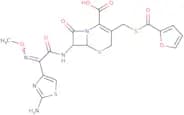
CAS:<p>(E)-Ceftiofur is a protein that has been shown to induce apoptosis in cancer cells. It is an analog of the antibiotic ceftiofur and acts as an anticancer agent by inhibiting kinases, which are enzymes involved in cell signaling pathways. (E)-Ceftiofur has been found to be effective against various types of cancers in both human and Chinese hamster ovary cells. It has also been shown to inhibit tumor growth in vivo. This drug may have potential as a novel kinase inhibitor for cancer therapy due to its ability to induce apoptosis and inhibit tumor growth.</p>Fórmula:C19H17N5O7S3Pureza:Min. 95%Peso molecular:523.6 g/mol7-Chloro-3,4-dihydro-2-(3-pyridyl)-1(2H)-naphthalenone
CAS:<p>7-Chloro-3,4-dihydro-2-(3-pyridyl)-1(2H)-naphthalenone is a prenylated aromatic amine that is metabolized to 1,4-benzodioxane by cytochrome P450 enzymes. The enzyme activities of 7-chloro-3,4-dihydro-2-(3-pyridyl)-1(2H)-naphthalenone have been shown to be dose dependent in rat liver microsomes and in testicular incubations. This compound is not reactive with the electron spin resonance spectrometer (ESR) at room temperature but becomes highly reactive when it is warmed up. This increased reactivity may be due to an increase in the concentration of free radicals or an increase in the number of accessible sites on the molecule after warming.</p>Fórmula:C15H12ClNOPureza:Min. 95%Peso molecular:257.71 g/mol(4R)-3-(4-Chlorophenyl)-N-[(4-chlorophenyl)sulfonyl]-4,5-dihydro-N'-methyl-4-phenyl-1H-pyrazole-1-carboximidamide
CAS:<p>(4R)-3-(4-Chlorophenyl)-N-[(4-chlorophenyl)sulfonyl]-4,5-dihydro-N'-methyl-4-phenyl-1H-pyrazole-1-carboximidamide is a peptide that acts as an inhibitor. It binds to the ion channel and blocks the flow of ions. The peptide has been shown to inhibit potassium channels and sodium channels in cell biology experiments. The compound also has high purity and can be used as a research tool or an antibody. This product is not for sale to customers in the USA.</p>Fórmula:C23H20Cl2N4O2SPureza:Min. 95%Peso molecular:487.4 g/molING3 antibody
<p>ING3 antibody was raised using the middle region of ING3 corresponding to a region with amino acids LSSGTGAGAITMAAAQAVQATAQMKEGRRTSSLKASYEAFKNNDFQLGKE</p>MOS Blocking Peptide
<p>A synthetic peptide for use as a blocking control in assays to test for specificity of MOS antibody, catalog no. 70R-5628</p>Pureza:Min. 95%GSTA4 Blocking Peptide
<p>A synthetic peptide for use as a blocking control in assays to test for specificity of GSTA4 antibody, catalog no. 70R-2577</p>Pureza:Min. 95%MARCO antibody
<p>MARCO antibody was raised using the N terminal of MARCO corresponding to a region with amino acids QARLRVLEMYFLNDTLAAEDSPSFSLLQSAHPGEHLAQGASRLQVLQAQL</p>Pureza:Min. 95%RFC2 antibody
<p>The RFC2 antibody is a synthetic inhibitor that targets sirtuins, a class of enzymes involved in various cellular processes. This antibody acts as a peptide mimic and binds to the recombinant antigen, blocking its activity. It is widely used in industrial settings for research purposes and has been extensively studied for its efficacy in identifying epitopes and recombinant allergens. The RFC2 antibody can be conjugated with alkaline phosphatase or used as part of polyclonal antibodies for various applications. Additionally, it can serve as a protein kinase inhibitor, targeting specific kinases involved in signaling pathways. Its versatility makes it an essential tool for studying protein-protein interactions, drug discovery, and analyzing food extracts for specific polypeptide sequences.</p>HEATR4 Blocking Peptide
<p>A synthetic peptide for use as a blocking control in assays to test for specificity of HEATR4 antibody, catalog no. 70R-4280</p>Pureza:Min. 95%DDIT4L antibody
<p>DDIT4L antibody was raised using the middle region of DDIT4L corresponding to a region with amino acids KLGCSKVLVPEKLTQRIAQDVLRLSSTEPCGLRGCVMHVNLEIENVCKKL</p>EphB6 antibody
<p>EphB6 antibody was raised in Mouse using a purified recombinant fragment of EphB6(aa601-750) expressed in E. coli as the immunogen.</p>Paxillin antibody
<p>The Paxillin antibody is a highly specialized antibody used in the field of Life Sciences. It is available in both polyclonal and monoclonal forms, providing researchers with options for their specific experimental needs. This antibody targets various proteins, including alpha-synuclein, lipoprotein lipase, glp-1, circumsporozoite protein, fibrinogen, hemoglobin, elastase protein, natriuretic peptides, myostatin, and many others.</p>Pureza:Min. 95%RGS16 antibody
<p>The RGS16 antibody is a highly specialized growth factor that plays a crucial role in various biological processes. It interacts with the apical membrane of cells and facilitates the binding of antibodies to specific targets. This antibody is particularly effective in recognizing and binding to human folate, which is essential for healthy cell growth and development. Additionally, the RGS16 antibody has been found to be involved in glycosylation processes, promoting proper protein structure and function.</p>EPHB4 antibody
<p>EPHB4 antibody was raised in Mouse using a purified recombinant fragment of EPHB4 expressed in E. coli as the immunogen.</p>DDX47 antibody
<p>DDX47 antibody was raised using a synthetic peptide corresponding to a region with amino acids MAAPEEHDSPTEASQPIVEEEETKTFKDLGVTDVLCEACDQLGWTKPTKI</p>PPAPDC2 Blocking Peptide
<p>A synthetic peptide for use as a blocking control in assays to test for specificity of PPAPDC2 antibody, catalog no. 70R-6944</p>Pureza:Min. 95%

















![(4R)-3-(4-Chlorophenyl)-N-[(4-chlorophenyl)sulfonyl]-4,5-dihydro-N'-methyl-4-phenyl-1H-pyrazole-1-…](/_next/image/?url=https%3A%2Fstatic.cymitquimica.com%2Fproducts%2F3D%2Fthumb-webp%2FGBB82786.webp&w=3840&q=75)