Compuestos y reactivos bioquímicos
Los bioquímicos y reactivos son sustancias fundamentales para la investigación y el desarrollo en campos como la biotecnología, la biología molecular, la farmacología y la medicina. Estos productos son esenciales para una variedad de aplicaciones, incluyendo la síntesis de compuestos, el análisis de muestras biológicas, la investigación de procesos metabólicos y la producción de medicamentos. En CymitQuimica, ofrecemos una amplia selección de bioquímicos y reactivos de alta calidad y pureza, adecuados para diversas necesidades científicas e industriales. Nuestro catálogo incluye enzimas, anticuerpos, ácidos nucleicos, aminoácidos, y muchos otros productos, todos diseñados para apoyar a los investigadores y profesionales en sus proyectos de investigación y desarrollo, asegurando resultados confiables y reproducibles.
Subcategorías de "Compuestos y reactivos bioquímicos"
- Biomoléculas(99.115 productos)
- Por objetivo biológico(99.074 productos)
- Según efectos farmacológicos(6.785 productos)
- Crioconservantes(21 productos)
- Desinfectantes y compuestos relacionados(28 productos)
- Hormonas(346 productos)
- Biología Vegetal(6.693 productos)
- Metabolitos secundarios(14.219 productos)
Se han encontrado 130577 productos de "Compuestos y reactivos bioquímicos"
Ordenar por
Pureza (%)
0
100
|
0
|
50
|
90
|
95
|
100
Clostridium difficile Toxoid A protein
<p>Purified Native Clostridium difficile Toxoid A protein</p>Pureza:Min. 95%MTHFR antibody
<p>The MTHFR antibody is a monoclonal antibody used in the field of life sciences. It is designed to target and bind to the enzyme methylenetetrahydrofolate reductase (MTHFR). This antibody is commonly used in various research applications, including hybridization studies, where it can be used to detect and visualize the presence of MTHFR in biological samples.</p>Leptin protein
<p>Region of Leptin protein corresponding to amino acids MVPIQKVQDD TKTLIKTIVT RINDISHTQS VSSKQKVTGL DFIPGLHPIL TLSKMDQTLA VYQQILTSMP SRNVIQISND LENLRDLLHV LAFSKSCHLP WASGLETLDS LGGVLEASGY STEVVALSRL QGSLQDMLWQ LDLSPGC.</p>Pureza:Min. 95%SIN3A antibody
<p>SIN3A antibody was raised in rabbit using the N terminal of SIN3A as the immunogen</p>Pureza:Min. 95%SIL1 antibody
<p>SIL1 antibody was raised using a synthetic peptide corresponding to a region with amino acids KETKAEEELDAEVLEVFHPTHEWQALQPGQAVPAGSHVRLNLQTGEREAK</p>Pureza:Min. 95%Twist 1 antibody
<p>The Twist 1 antibody is a polyclonal antibody that has neutralizing properties against the growth factor Twist 1. This antibody specifically targets and inhibits the activity of Twist 1, a transcription factor involved in cell differentiation and embryonic development. By blocking the function of Twist 1, this antibody can prevent abnormal cell growth and promote normal cellular processes.</p>Pureza:Min. 95%4,4'-Methylenebis(5-methyl-1H-pyrrole-2-carbaldehyde)
CAS:<p>4,4'-Methylenebis(5-methyl-1H-pyrrole-2-carbaldehyde) is a ligand that binds to the GABAA receptor. It has been shown to activate this receptor by binding to the alpha subunit of the GABAAR. This receptor is responsible for mediating inhibitory signals in the brain. Activation of this receptor leads to an increase in chloride ion influx, which causes hyperpolarization of neurons and thus reduces neuronal activity. 4,4'-Methylenebis(5-methyl-1H-pyrrole-2-carbaldehyde) has also been shown to be a competitive inhibitor of peptides that bind to the GABAA receptor, such as baclofen and muscimol.<br>!--END--></p>Fórmula:C13H14N2O2Pureza:Min. 95%Peso molecular:230.26 g/molSIAH1 antibody
<p>The SIAH1 antibody is a highly specialized antibody that targets the phosphatase histidine. It exhibits cytotoxic properties and is commonly used in multidrug treatments. This antibody is available in both polyclonal and monoclonal forms, providing researchers with options for their specific needs. It has been extensively used in various life sciences applications, including ophthalmic formulations, chemokine studies, hybridization assays, growth factor research, and immunoassays. The SIAH1 antibody is known for its high specificity and sensitivity, making it a valuable tool for scientists studying cellular signaling pathways and protein regulation. Whether you're conducting basic research or developing new therapeutic approaches, this antibody is an essential component of your toolkit.</p>p53 antibody
<p>p53 antibody was raised in mouse using recombinant human p53 (transcription domain within the NH2 terminus) as the immunogen.</p>ITGB3 antibody
<p>ITGB3 antibody was raised in rabbit using a synthetic peptide conjugated to KLH as the immunogen.</p>Pureza:Min. 95%MST1R antibody
<p>MST1R antibody was raised in rabbit using a synthetic peptide conjugated to KLH as the immunogen.</p>Pureza:Min. 95%SNX27 antibody
<p>The SNX27 antibody is a highly effective monoclonal antibody used in Life Sciences. It is specifically designed to target thrombocytopenia, a condition characterized by low platelet count. This powerful antibody works by binding to specific receptors on the surface of platelets, promoting their activation and preventing their destruction. In addition to its role in treating thrombocytopenia, the SNX27 antibody has also shown promise in other areas of research. It can be used in assays to detect and quantify various proteins, such as collagen and anti-mesothelin antibodies. Furthermore, this antibody has been found to inhibit the activity of urokinase plasminogen activator, an enzyme involved in blood clot dissolution. With its cytotoxic properties and ability to neutralize inhibitors present in human serum, the SNX27 antibody is a valuable tool for both laboratory research and therapeutic applications.</p>EWSR1 antibody
<p>EWSR1 antibody was raised in rabbit using the middle region of EWSR1 as the immunogen</p>Pureza:Min. 95%NUMB antibody
<p>The NUMB antibody is a monoclonal antibody that specifically targets adiponectin, a growth factor found in adipose tissue. This antibody is widely used in Life Sciences research to study the role of adiponectin in various physiological processes. It has been shown to be effective in detecting and quantifying adiponectin levels in samples such as serum, plasma, and cell lysates. The NUMB antibody can also be used for immunohistochemistry and Western blot analysis to visualize the expression of adiponectin in different tissues. Additionally, this antibody has been used to investigate the presence of autoantibodies against adiponectin in certain diseases, including insulin resistance and diabetes. Its high specificity and sensitivity make it a valuable tool for researchers studying adipocyte biology and related disorders.</p>RABEP1 antibody
<p>The RABEP1 antibody is a polyclonal antibody that has high specificity for interferon and alpha-fetoprotein. It recognizes specific glycan and fatty acid molecules and can be used in various applications in the field of Life Sciences. This monoclonal antibody exhibits high specific activity, making it a valuable tool for research purposes. It can be used to detect the presence of RABEP1 protein in samples such as human serum or cell lysates. Additionally, this antibody has been shown to have superoxide activity and may play a role in regulating lipoprotein lipase activity. With its versatility and reliability, the RABEP1 antibody is an essential component for any laboratory conducting research in these areas.</p>PGM2L1 antibody
<p>PGM2L1 antibody was raised using the N terminal of PGM2L1 corresponding to a region with amino acids KEDNGYKVYWETGAQITSPHDKEILKCIEECVEPWNGSWNDNLVDTSPLK</p>LPCAT1 antibody
<p>LPCAT1 antibody was raised using the middle region of LPCAT1 corresponding to a region with amino acids LRLPADTCLLEFARLVRGLGLKPEKLEKDLDRYSERARMKGGEKIGIAEF</p>Pureza:Min. 95%PIK3R4 antibody
<p>PIK3R4 antibody was raised using the N terminal of PIK3R4 corresponding to a region with amino acids HDLPEKAEGEPKENGLVILVSVITSCLQTLKYCDSKLAALELILHLAPRL</p>Pureza:Min. 95%SLITRK6 antibody
<p>SLITRK6 antibody was raised using the N terminal of SLITRK6 corresponding to a region with amino acids NFITVIEPSAFSKLNRLKVLILNDNAIESLPPNIFRFVPLTHLDLRGNQL</p>Pureza:Min. 95%BCL2 antibody
<p>The BCL2 antibody is a highly specialized monoclonal antibody that targets the B-cell lymphoma 2 (BCL2) protein, which plays a crucial role in regulating cell survival. This antibody specifically binds to the BCL2 protein, inhibiting its function and promoting apoptosis (cell death) in cancer cells.</p>DPH2 Blocking Peptide
<p>A synthetic peptide for use as a blocking control in assays to test for specificity of DPH2 antibody, catalog no. 70R-3317</p>Pureza:Min. 95%PYGB antibody
<p>PYGB antibody was raised using the N terminal of PYGB corresponding to a region with amino acids ADDWLRYGNPWEKARPEYMLPVHFYGRVEHTPDGVKWLDTQVVLAMPYDT</p>Rex1 antibody
<p>The Rex1 antibody is a polyclonal antibody that is widely used in life sciences research. It is commonly used in assays and immunohistochemical studies to detect the presence of Rex1, a protein expressed in pluripotent stem cells. This antibody has been shown to be highly specific and sensitive, making it an ideal tool for studying the properties and behavior of stem cells. Additionally, the Rex1 antibody can be used as an inhibitor to block the activity of Rex1, allowing researchers to investigate its function and role in cellular processes. Its application extends beyond basic research, as it has potential uses in the development of new medicines and therapies targeting pluripotent stem cells. With its unique ability to recognize and bind to Rex1, this antibody offers valuable insights into the complex mechanisms underlying cell differentiation and development.</p>Pureza:Min. 95%XPA antibody
<p>The XPA antibody is a polyclonal antibody used in Life Sciences research. It is specifically designed to target and bind to the XPA protein, which plays a crucial role in DNA repair. This antibody is commonly used in studies involving mesenchymal stem cells, as well as in investigations related to thrombocytopenia and growth factors. The XPA antibody can also be utilized for the detection and quantification of various chemokines, antibodies, inhibitors, collagens, and other proteins of interest. Its high specificity and affinity make it an invaluable tool for researchers looking to understand the molecular mechanisms underlying different biological processes. With its colloidal properties and ability to bind to specific epitopes, this monoclonal antibody offers accurate and reliable results. Additionally, its low viscosity allows for easy handling and efficient use in various experimental protocols.</p>Cyclobenzaprine-D3 hydrochloride
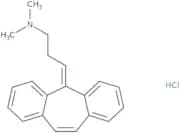
CAS:<p>Cyclobenzaprine-D3 hydrochloride is a synthetic tricyclic compound that has been used as a research tool in the field of pharmacology and cell biology. Cyclobenzaprine-D3 hydrochloride is a potent ligand for the alpha-2A receptor, but it also inhibits the binding of serotonin to its receptors. Cyclobenzaprine-D3 hydrochloride binds to the receptor and can be used as an activator or inhibitor, depending on the type of experiment being run. Cyclobenzaprine-D3 hydrochloride is a high purity reagent.</p>Fórmula:C20H22ClNPureza:Min. 95%Peso molecular:314.9 g/molCaspase 6 antibody
<p>The Caspase 6 antibody is a highly effective monoclonal antibody used in Life Sciences. This glycoprotein antibody specifically targets caspase 6, an enzyme involved in programmed cell death. By binding to caspase 6, this antibody inhibits its activity and prevents the initiation of apoptosis.</p>RPA1 antibody
<p>The RPA1 antibody is a monoclonal antibody that targets fatty acids and has antiviral properties. It specifically binds to cellulose and lipoprotein lipase, inhibiting their activity. This antibody also interacts with interferons, playing a role in immune response modulation. In the field of Life Sciences, RPA1 antibody is widely used for its neutralizing effects on various growth factors. Additionally, it has been found to have potential therapeutic applications in the treatment of autoimmune diseases due to its ability to target autoantibodies. With its acid modifications, this antibody offers enhanced stability and efficacy in research and diagnostic applications.</p>ZNF252 antibody
<p>ZNF252 antibody was raised in rabbit using the middle region of ZNF252 as the immunogen</p>Pureza:Min. 95%DLL1 antibody
<p>DLL1 antibody was raised using a synthetic peptide corresponding to a region with amino acids GSRCALALAVLSALLCQVWSSGVFELKLQEFVNKKGLLGNRNCCRGGAGP</p>Pureza:Min. 95%Androgen receptor antibody
<p>The Androgen Receptor Antibody is a highly specialized monoclonal antibody used in the field of Life Sciences. This antibody specifically targets and binds to the androgen receptor, a protein that plays a crucial role in cell growth and development. By binding to the androgen receptor, this antibody inhibits its activation, thereby preventing the downstream signaling pathways involved in cell proliferation.</p>TMEM91 antibody
<p>TMEM91 antibody was raised using the N terminal of TMEM91 corresponding to a region with amino acids MDSPSLRELQQPLLEGTECETPAQKPGRHELGSPLREIAFAESLRGLQFL</p>Pureza:Min. 95%GPR81 antibody
<p>GPR81 antibody was raised in rabbit using a synthetic peptide conjugated to KLH as the immunogen.</p>Pureza:Min. 95%12:0 N-Biotinyl fatty acid, NHS
CAS:<p>Biotin is a coenzyme that is used to attach other molecules, such as proteins, to other molecules. Biotinylated fatty acids are used in the production of biotin-binding peptides and cell surface receptors for protein-protein interactions. Biotinylated fatty acids are also used as research tools in pharmacology and cell biology.</p>Fórmula:C26H42N4O6SPureza:Min. 95%Peso molecular:538.7 g/molCD42b antibody
<p>The CD42b antibody is a highly specific monoclonal antibody that targets nuclear β-catenin. It is widely used in Life Sciences research for its neutralizing properties and ability to detect and quantify β-catenin levels. This antibody can be used in various applications, including flow cytometry, immunohistochemistry, and Western blotting.</p>PD1 antibody
<p>The PD1 antibody is a monoclonal antibody that has been developed as a pneumococcal vaccine. It works by targeting and binding to the PD1 receptor on immune cells, which helps to enhance the body's immune response against pneumococcal infections. In addition to its role in immunity, the PD1 antibody also has other potential applications in the field of life sciences.</p>KI67 antibody
<p>The 6-Fluoro-3-indoxyl-beta-D-galactopyranoside is a powerful antituberculosis drug belonging to the rifamycin class. It is specifically designed to combat tuberculosis infections by targeting active compounds and exhibiting potent bactericidal activity. This drug works by binding to DNA-dependent RNA polymerase, preventing transcription and replication, thus inhibiting bacterial growth. Its efficacy has been extensively studied using advanced techniques like the patch-clamp technique on human erythrocytes. Additionally, it undergoes various metabolic transformations including hydrolysis, oxidation, reduction, and conjugation with glucuronic acid. Furthermore, this medication selectively binds to markers expressed in Mycobacterium tuberculosis strains and effectively inhibits their growth in culture.</p>COLEC12 antibody
<p>COLEC12 antibody was raised in rabbit using the middle region of COLEC12 as the immunogen</p>Pureza:Min. 95%LRRC8B Blocking Peptide
<p>A synthetic peptide for use as a blocking control in assays to test for specificity of LRRC8B antibody, catalog no. 70R-6538</p>Pureza:Min. 95%TRPV3 antibody
<p>The TRPV3 antibody is a highly specialized antibody that targets the cation channel TRPV3. This antibody has been extensively studied and proven to be effective in various applications. It can be used as a colloidal or cross-linking agent in experiments involving TNF-α activation. The TRPV3 antibody is available in both monoclonal and polyclonal forms, providing researchers with options for their specific needs.</p>TOX antibody
<p>TOX antibody was raised in rabbit using the N terminal of TOX as the immunogen</p>Pureza:Min. 95%KCNMA1 antibody
<p>KCNMA1 antibody was raised using the middle region of KCNMA1 corresponding to a region with amino acids CFGIYRLRDAHLSTPSQCTKRYVITNPPYEFELVPTDLIFCLMQFDHNAG</p>Pureza:Min. 95%FAM55D Blocking Peptide
<p>A synthetic peptide for use as a blocking control in assays to test for specificity of FAM55D antibody, catalog no. 70R-1827</p>Pureza:Min. 95%Giredestrant
CAS:<p>Giredestrant is a synthetic peptide that can be used as a research tool in pharmacology and cell biology. Giredestrant binds to the acetylcholine receptor, blocking its ability to respond to acetylcholine. Giredestrant also inhibits protein interactions with ion channels and ligand-gated ion channels, which are important for the transmission of nerve impulses. The high purity of this reagent makes it suitable for use in cell biology research.</p>Fórmula:C27H31F5N4OPureza:Min. 95%Peso molecular:522.6 g/molTBC1D10C antibody
<p>TBC1D10C antibody was raised using the N terminal of TBC1D10C corresponding to a region with amino acids MAQALGEDLVQPPELQDDSSSLGSDSELSGPGPYRQADRYGFIGGSSAEP</p>ADRA1B antibody
<p>ADRA1B antibody was raised in rabbit using a synthetic peptide conjugated to KLH as the immunogen.</p>Pureza:Min. 95%ALOX15B antibody
<p>ALOX15B antibody was raised using the N terminal of ALOX15B corresponding to a region with amino acids MAEFRVRVSTGEAFGAGTWDKVSVSIVGTRGESPPLPLDNLGKEFTAGAE</p>GHRHR antibody
<p>GHRHR antibody was raised using the C terminal of GHRHR corresponding to a region with amino acids YWWIIKGPIVLSVGVNFGLFLNIIRILVRKLEPAQGSLHTQSQYWYCVFV</p>Pureza:Min. 95%Catalase antibody
<p>Catalase antibody was raised using the middle region of CAT corresponding to a region with amino acids LKDAQIFIQKKAVKNFTEVHPDYGSHIQALLDKYNAEKPKNAIHTFVQSG</p>SH3BP5 antibody
<p>The SH3BP5 antibody is a powerful tool used in life sciences research. It is a monoclonal antibody that specifically targets and binds to SH3BP5, an important protein involved in various cellular processes. This antibody has been extensively studied for its role in interferon signaling and apoptosis induction.</p>LTA4H antibody
<p>The LTA4H antibody is a highly effective test substance used in various applications such as electrophoresis, erythropoietin analysis, and phalloidin staining. This antibody specifically targets LTA4H, an enzyme involved in the synthesis of leukotriene B4 (LTB4), which plays a crucial role in inflammation and immune response. The LTA4H antibody is widely used in the field of Life Sciences for research purposes, including the study of actin filaments, growth factors, chemokines, and monoclonal antibodies. It is also utilized as a neutralizing agent or medicament for therapeutic applications. With its high specificity and reliability, the LTA4H antibody is an essential tool for scientists and researchers in their pursuit of understanding complex biological processes.</p>HSP90AB1 antibody
<p>The HSP90AB1 antibody is a monoclonal antibody used in Life Sciences research. It is specifically designed to target and bind to the HSP90AB1 protein, which plays a crucial role in various cellular processes. This antibody has been extensively studied and validated for its high specificity and sensitivity.</p>SF4 antibody
<p>SF4 antibody was raised in rabbit using the C terminal of SF4 as the immunogen</p>Pureza:Min. 95%MEMO1 antibody
<p>MEMO1 antibody was raised using the middle region of MEMO1 corresponding to a region with amino acids AMESHKDEFTIIPVLVGALSESKEQEFGKLFSKYLADPSNLFVVSSDFCH</p>ADAM19 antibody
<p>ADAM19 antibody was raised using a synthetic peptide corresponding to a region with amino acids GRELILDLEKNEQLFAPSYTETHYTSSGNPQTTTRKLEDHCFYHGTVRET</p>Pureza:Min. 95%RPA4 antibody
<p>RPA4 antibody was raised using the middle region of RPA4 corresponding to a region with amino acids VPVSPSEVNDAGDNDESHRNFIQDEVLRLIHECPHQEGKSIHELRAQLCD</p>Pureza:Min. 95%RBBP4 antibody
<p>The RBBP4 antibody is a polyclonal antibody used in Life Sciences research. It specifically targets the RBBP4 protein, which plays a crucial role in various cellular processes. This antibody has been shown to bind to albumin and activate it, leading to changes in human serum composition. Additionally, it has been found to interact with alpha-synuclein, a protein associated with neurodegenerative diseases.</p>IL15Ra antibody
<p>The IL15Ra antibody is a highly specialized antibody used in Life Sciences research. It targets the IL-15 receptor alpha chain, which plays a crucial role in immune response and cell proliferation. This antibody is commonly used in studies involving colony-stimulating factors and macrophage colony-stimulating factors.</p>ACADSB antibody
<p>ACADSB antibody was raised using the middle region of ACADSB corresponding to a region with amino acids GLRASSTCPLTFENVKVPEANILGQIGHGYKYAIGSLNEGRIGIAAQMLG</p>PROTAC cIAP1 degrader-4
CAS:<p>PROTAC cIAP1 degrader-4 is a peptide inhibitor of the protein IAP1. It is a recombinant fusion protein consisting of the C terminus of human caspase-recruitment domain (CARD) with the N terminus of mouse IgG2a Fc region. The CARD domain binds to and inhibits the activity of IAP1, which is an inhibitor of apoptosis. This product can be used as a research tool and antibody probe for studying protein interactions, ligands, receptors, ion channels, and other proteins in cell biology research.</p>Fórmula:C60H83N7O10Pureza:Min. 95%Peso molecular:1,062.3 g/molLCMV antibody
<p>LCMV antibody was raised in mouse using LCMV isolated from human HeLa cells as the immunogen.</p>E Tag antibody
<p>The E Tag antibody is a highly specific monoclonal antibody that is used for hybridization experiments. It binds to the E Tag sequence, which is commonly attached to proteins of interest for detection and purification purposes. The E Tag antibody has a high affinity for the E Tag sequence, allowing for sensitive and accurate detection of tagged proteins in various applications. This antibody can be used in immunoprecipitation, western blotting, flow cytometry, and other techniques to study protein-protein interactions, protein localization, and protein expression levels. The E Tag antibody is produced using advanced monoclonal antibody technology and is purified to ensure high specificity and low background signal. With its exceptional performance and reliability, the E Tag antibody is an essential tool for researchers working in molecular biology, cell biology, and biochemistry.</p>MRPL28 antibody
<p>MRPL28 antibody was raised using the middle region of MRPL28 corresponding to a region with amino acids EDPERRAAIYDKYKEFAIPEEEAEWVGLTLEEAIEKQRLLEEKDPVPLFK</p>Influenza B antibody
<p>The Influenza B antibody is a monoclonal antibody that has been developed to specifically target and neutralize the Influenza B virus. This antibody is a powerful tool in the fight against influenza, as it can recognize and bind to specific proteins on the surface of the virus, preventing it from infecting host cells.</p>Karyopherin α 1 antibody
<p>Karyopherin Alpha 1 antibody was raised using a synthetic peptide corresponding to a region with amino acids NMEMAPGGVITSDMIEMIFSKSPEQQLSATQKFRKLLSKEPNPPIDEVIS</p>