Compuestos y reactivos bioquímicos
Los bioquímicos y reactivos son sustancias fundamentales para la investigación y el desarrollo en campos como la biotecnología, la biología molecular, la farmacología y la medicina. Estos productos son esenciales para una variedad de aplicaciones, incluyendo la síntesis de compuestos, el análisis de muestras biológicas, la investigación de procesos metabólicos y la producción de medicamentos. En CymitQuimica, ofrecemos una amplia selección de bioquímicos y reactivos de alta calidad y pureza, adecuados para diversas necesidades científicas e industriales. Nuestro catálogo incluye enzimas, anticuerpos, ácidos nucleicos, aminoácidos, y muchos otros productos, todos diseñados para apoyar a los investigadores y profesionales en sus proyectos de investigación y desarrollo, asegurando resultados confiables y reproducibles.
Subcategorías de "Compuestos y reactivos bioquímicos"
- Biomoléculas(99.104 productos)
- Por objetivo biológico(99.074 productos)
- Según efectos farmacológicos(6.784 productos)
- Crioconservantes(21 productos)
- Desinfectantes y compuestos relacionados(28 productos)
- Hormonas(346 productos)
- Biología Vegetal(6.693 productos)
- Metabolitos secundarios(14.218 productos)
Se han encontrado 130576 productos de "Compuestos y reactivos bioquímicos"
Ordenar por
Pureza (%)
0
100
|
0
|
50
|
90
|
95
|
100
HBP1 antibody
<p>HBP1 antibody was raised in rabbit using the N terminal of HBP1 as the immunogen</p>Pureza:Min. 95%CDKN2AIP antibody
<p>CDKN2AIP antibody was raised using the N terminal of CDKN2AIP corresponding to a region with amino acids RRDFLLRNAGDLAPAGGAASASTDEAADAESGTRNRQLQQLISFSMAWAN</p>Norovirus GI.1 Recombinant P Domain
<p>Norovirus GI.1 Recombinant P Domain is a life science tool for use in pharmaceutical and diagnostic applications. Please enquire for more information about Norovirus GI.1 Recombinant P Domain including the price, delivery time and more detailed product information at the technical inquiry form on this page.</p>AST-487 (NVP-AST487)
CAS:<p>AST-487 is a molecule that inhibits tyrosine kinase activity, which is associated with the proliferation and survival of cancer cells. It binds to the catalytic domain of the flt3 tyrosine kinase and blocks the activation of this enzyme. This drug has been shown to inhibit the formation of leukocyte antigen-expressing cells in vivo, which may be due to its ability to inhibit erythropoiesis. The structural analysis revealed that AST-487 binds to a region on Kinesin that is close to its ATP binding site. This binding prevents ATP from interacting with Kinesin, thereby inhibiting its function.</p>Fórmula:C26H30F3N7O2Pureza:Min. 95%Peso molecular:529.56 g/molPkcζ pseudosubstrate inhibitor
CAS:<p>Pkcζ pseudosubstrate inhibitor is a synthetic peptide inhibitor, which is derived from a specific sequence of the PKCζ enzyme, known for its role in signal transduction pathways. It is sourced through chemical synthesis to mimic the autoinhibitory domain of PKCζ, allowing it to competitively inhibit the activity of the enzyme.</p>Fórmula:C68H130N30O9Pureza:Min. 95%Peso molecular:1,512 g/molC19ORF28 antibody
<p>C19ORF28 antibody was raised using the N terminal Of C19Orf28 corresponding to a region with amino acids MGPGPPAAGAAPSPRPLSLVARLSYAVGHFLNDLCASMWFTYLLLYLHSV</p>Pureza:Min. 95%TentaGel® S CHO
<p>TentaGel is a synthetic resin that has been designed to bind to the surface of particles. It has the ability to form a continuous matrix around the particle and has shown potential for use in drug delivery, biotechnology, and nanotechnology. TentaGel can be used as building blocks by adding monomers or polymers which will then be embedded within the gel. This allows for more control over the properties of the final product.</p>Pureza:Min. 95%6,7-Dimethoxy-N-(3-phenoxyphenyl)quinolin-4-amine hydrochloride
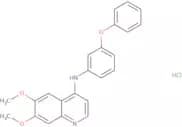
CAS:<p>6,7-Dimethoxy-N-(3-phenoxyphenyl)quinolin-4-amine hydrochloride is an inhibitor of the N-methyl-D-aspartate receptor, which regulates synaptic transmission. This drug was developed as a research tool to study the function of ion channels and receptors.</p>Fórmula:C23H21ClN2O3Pureza:Min. 95%Peso molecular:408.9 g/molEr 27319 maleate
CAS:<p>Er 27319 maleate is a synthetic, nonsteroidal compound that has been used in the treatment of cancer and chronic lymphocytic leukemia (CLL). It has been shown to activate the progesterone receptor, which may be due to its ability to bind with high affinity to the epithelial mesenchymal transition molecule. Er 27319 maleate also inhibits cholesterol synthesis by inhibiting 3-hydroxy-3-methylglutaryl-coenzyme A reductase activity. This inhibition leads to an increased excretion of bile acids from the liver, which in turn decreases plasma levels of low-density lipoproteins and triglycerides. Er 27319 maleate also has properties that are beneficial for the treatment of heart disease, diabetes, and diabetic neuropathy.</p>Fórmula:C20H22N2O5Pureza:Min. 95%Peso molecular:370.4 g/molAPOL6 antibody
<p>APOL6 antibody was raised in rabbit using the middle region of APOL6 as the immunogen</p>Pureza:Min. 95%7-(2,3-Di-p-tolyl-7,8-dihydropyrido[2,3-b]pyrazin-5(6H)-yl)heptanoic acid
CAS:<p>7-(2,3-Di-p-tolyl-7,8-dihydropyrido[2,3-b]pyrazin-5(6H)-yl)heptanoic acid is a peptide that belongs to the class of activators. It is used as a research tool for studying ion channels and receptor interactions. This peptide has been shown to inhibit the binding of ligands to their corresponding receptors. 7-(2,3-Di-p-tolyl-7,8-dihydropyrido[2,3-b]pyrazin-5(6H)-yl)heptanoic acid has been shown to activate the calcium channel in rat brain neurons. The CAS number for this compound is 1356331-63-9.</p>Fórmula:C28H33N3O2Pureza:Min. 95%Peso molecular:443.6 g/molEpCAM antibody
<p>The EpCAM antibody is a retinoid that exhibits cytotoxic properties. It belongs to the class of Monoclonal Antibodies and has been shown to inhibit the production of tumor necrosis factor-α (TNF-α). This antibody specifically targets EpCAM, a protein that is highly expressed in cancer cells, particularly in breast cancer (MCF-7). By binding to EpCAM, the antibody inhibits cell growth and induces apoptosis. Additionally, this antibody has been found to modulate hepatocyte growth factor/fibroblast growth factor signaling pathways, which are involved in cell proliferation and migration. The EpCAM antibody can also interact with other extracellular matrix components such as creatine, collagen, and fibronectin. Its multidrug resistance inhibitors have shown promising results in preclinical studies, making it a potential therapeutic option in the field of Life Sciences. With its high specificity and low viscosity, the EpCAM antibody offers great potential for targeted therapy against various types of cancer.</p>STAT5A antibody
<p>The 6-Fluoro-3-indoxyl-beta-D-galactopyranoside is a powerful antituberculosis drug belonging to the rifamycins class. It is specifically designed to combat tuberculosis infection by targeting the active compounds responsible for bactericidal activity. Through its unique mechanism of action, this drug binds to DNA-dependent RNA polymerase, inhibiting transcription and replication processes in bacteria. Extensive research has shown its high efficacy using advanced techniques like transcription-quantitative polymerase chain and patch-clamp technique. Additionally, it undergoes various metabolic transformations such as hydrolysis by esterases, oxidation by cytochrome p450 enzymes, reduction by glutathione reductase, or conjugation with glucuronic acid. Remarkably, 6-Fluoro-3-indoxyl-beta-D-galactopyranoside exhibits high affinity towards Mycobacterium tuberculosis strains and effectively inhibits their growth in culture.</p>ZNF584 antibody
<p>ZNF584 antibody was raised in rabbit using the middle region of ZNF584 as the immunogen</p>Pureza:Min. 95%MUC1 antibody
<p>The MUC1 antibody is an acidic glycopeptide that belongs to the family of Monoclonal Antibodies. It has been widely used in Life Sciences research for its cyclase-activating and neutralizing properties. This antibody specifically targets the MUC1 antigen, which is expressed at low densities on various cell types. The MUC1 antibody is highly specific and has been extensively characterized for its binding affinity and effectiveness in different experimental settings. It is commonly used as a primary antibody in immunoassays and can be conjugated with different labels for detection purposes. The MUC1 antibody is formulated with high-quality excipients to ensure stability and long shelf life. It does not contain any transferrin or other interfering substances that could affect the assay results. This antibody is suitable for a wide range of applications, including immunohistochemistry, flow cytometry, and Western blotting. Its excellent glycosylation profile ensures optimal performance and reliable results. Additionally, the MUC1 antibody</p>Topfluor pi(4)P
CAS:<p>Topfluor pi(4)P is a research tool that activates receptors and ion channels. It has been used as a ligand and an inhibitor in cell biology research. Topfluor pi(4)P is highly purified and can be used in pharmacology studies to study protein interactions, such as antibodies, peptides and ion channels. This product is also a high-quality reagent for use in life science research, such as studying the effects of inhibitors on cells or proteins.</p>Fórmula:C50H88BF2N5O17P2Pureza:Min. 95%Peso molecular:1,142.01 g/molAltertoxin III
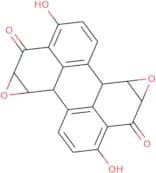
CAS:<p>Altertoxin III is a potent inhibitor of protein kinases that has shown promising results in the treatment of cancer. It is an analog of the natural compound Altertoxin, which was isolated from Chinese medicinal herbs. Altertoxin III has been shown to inhibit cyclin-dependent kinases (CDKs) and induce apoptosis in cancer cells. This inhibitor has also demonstrated anti-tumor activity in animal models, making it a promising candidate for further development as an anticancer agent. Additionally, Altertoxin III can be detected in human urine and may serve as a useful biomarker for monitoring cancer progression and response to therapy.</p>Fórmula:C20H12O6Pureza:Min. 95%Peso molecular:348.3 g/molMCP3 antibody
<p>MCP3 antibody was raised in goat using with highly pure recombinant human MCP-3 as the immunogen.</p>Pureza:Min. 95%Dextromethorphan antibody
<p>Dextromethorphan antibody is an antibody that specifically targets and binds to dextromethorphan, a commonly used cough suppressant. This antibody has been shown to have various effects on adipocytes, including modulation of glycosylation and regulation of E-cadherin expression. Additionally, it has been found to interact with insulin antibodies and impact superoxide production. Both polyclonal and monoclonal forms of this antibody are available, allowing for different applications and research needs. The use of dextromethorphan antibody can provide valuable insights into the mechanisms underlying the effects of this cough suppressant on cellular processes such as fatty acid metabolism and immune responses mediated by IFN-gamma.</p>Pureza:Min. 95%S6 antibody
<p>The S6 antibody is a powerful tool used in various research applications. It is a cholinergic growth factor that has been extensively studied in the context of breast cancer, particularly in the MCF-7 cell line. This antibody targets acetyltransferase, an enzyme involved in the synthesis of acetylcholine, a neurotransmitter implicated in cell growth and proliferation.</p>ARL6IP2 antibody
<p>ARL6IP2 antibody was raised using the C terminal of ARL6IP2 corresponding to a region with amino acids MEQVCGGDKPYIAPSDLERKHLDLKEVAIKQFRSVKKMGGDEFCRRYQDQ</p>Pureza:Min. 95%ISG15 antibody
<p>ISG15 antibody was raised in rabbit using the middle region of ISG15 as the immunogen</p>Pureza:Min. 95%UCPH-102
CAS:<p>UCPH-102 is a potent and selective inhibitor of acid transporter (AT) with a trimeric structure. It has been shown to inhibit glutamate release, synaptic function, and profile in vivo. UCPH-102 was found to be active in vivo with carboxy as the bioavailability enhancer and against human ATs. It is also an analog of UCPH-101 and it shows inhibitory activities against uptake of glutamate by rat brain synaptosomes with low bioavailability in vivo due to modifications on the molecule.<br>UCPH-102 has been shown to be more potent than UCPH-101 in vitro and in vivo, with a lower Km for glutamate uptake inhibition, higher potency for inhibiting synaptic function, and better penetration into the brain than UCPH-101.</p>Fórmula:C21H18N2O2Pureza:Min. 95%Peso molecular:330.4 g/molGoat anti Human IgG (biotin)
<p>This antibody reacts with heavy chains on human IgG (gamma chain).</p>Pureza:Min. 95%LGALS3BP antibody
<p>LGALS3BP antibody was raised using the middle region of LGALS3BP corresponding to a region with amino acids NLSLYWSHEALFQKKTLQALEFHTVPFQLLARYKGLNLTEDTYKPRIYTS</p>Pureza:Min. 95%PP2 Analog
CAS:<p>PP2 is a member of the PP2A protein phosphatase family. It is an inhibitor of the catalytic subunit of PP1, which is involved in the regulation of cell signaling pathways. This inhibitory effect is achieved by binding to the regulatory subunits of PP1 and competitively inhibiting their ability to bind to the catalytic subunit. The binding site for this inhibitor has been identified as a hydrophobic pocket. The PP2 analogs are used as research tools and activators for antibody production in research laboratories, and can be obtained from commercial suppliers.</p>Fórmula:C16H17ClN4Pureza:Min. 95%Peso molecular:300.78 g/molClodoxopone
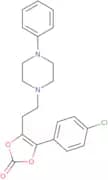
CAS:<p>Hypolipidemic agent</p>Fórmula:C21H21ClN2O3Pureza:Min. 95%Peso molecular:384.86 g/molTrans-capsaicin-d3
CAS:<p>Trans-capsaicin-d3 is an analog of capsaicin, a compound found in chili peppers. It has been shown to have potent anticancer properties and acts as an inhibitor of protein kinases involved in cancer cell proliferation. In Chinese hamster ovary cells, Trans-capsaicin-d3 has been shown to induce apoptosis (cell death) in cancer cells. This compound has also been detected in human urine after ingestion of capsaicin, indicating that it may have potential as a therapeutic agent for the treatment of cancer.</p>Fórmula:C18H27NO3Pureza:Min. 95%Peso molecular:305.4 g/molCHRM3 antibody
<p>CHRM3 antibody was raised in rabbit using a synthetic peptide conjugated to KLH as the immunogen.</p>Pureza:Min. 95%J51
CAS:<p>J51 is a mutant strain of p. aeruginosa that has been modified to express green fluorescent protein (GFP) under the control of the lacZ promoter. This strain can be used as a model system for studying gene expression and regulation in bacteria, specifically how cells respond to changes in their environment. The J51 strain has been shown to produce GFP when exposed to light at wavelengths of 490 nm or greater, which is one characteristic that distinguishes it from the wild type strain. The J51 strain also produces more GFP than the wild-type strain when exposed to iron-deficient conditions.</p>Fórmula:(C72H93F2N3S6)nPureza:Min. 95%NTSR1 antibody
<p>NTSR1 antibody was raised using a synthetic peptide corresponding to a region with amino acids FGNASGNASERVLAAPSSELDVNTDIYSKVLVTAVYLALFVVGTVGNTVT</p>Pureza:Min. 95%Casein Kinase 1 α antibody
<p>Casein Kinase 1 alpha antibody was raised in mouse using recombinant human Casein Kinase 1 alpha (1-337aa) purified from E. coli as the immunogen.</p>4,4'-(7-Hydroxychroman-3,4-diyl)diphenol
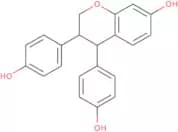
CAS:<p>4,4'-(7-Hydroxychroman-3,4-diyl)diphenol (DHP) is a synthetic small molecule that is being studied for its anticancer activity. DHP has been shown to inhibit mitochondrial membrane potential, which is essential for tumor cell proliferation and metastasis. DHP has also been shown to have toxicities in vivo, including increased levels of liver enzymes in mice. This drug has been used as a probe for the study of β-catenin signaling, and it has been shown to inhibit cancer cells with high levels of β-catenin. It also inhibits tumor growth in mice by inhibiting the initiation phase of mitosis. In addition, DHP may be able to reduce the risk of escalation from colon cancer to metastatic colorectal cancer by targeting mitochondria. There are currently no clinical trials using this drug as an anti-cancer therapy. However, there are some data suggesting that this drug may be promising</p>Fórmula:C21H18O4Pureza:Min. 95%Peso molecular:334.4 g/molFGF 8 Human
<p>Fibroblast growth factor 8 (FGF8) is a cytokine that belongs to the family of fibroblast growth factors. It is a protein that is secreted by cells in the family of organs, including liver, kidney, lung, and heart. FGF8 has been shown to promote cell growth and organogenesis. In addition, FGF8 has been shown to stimulate tumor growth in animal models and humans. The function of FGF8 is mediated through binding to its receptor FGFR-2 on the cell surface. This receptor activates signaling pathways inside the cell by interacting with other proteins such as PI3K or Ras.</p>Pureza:Min. 95%TPD52 antibody
<p>TPD52 antibody was raised using the middle region of TPD52 corresponding to a region with amino acids AGQKASAAFSSVGSVITKKLEDVKNSPTFKSFEEKVENLKSKVGGTKPAG</p>SF3A3 Blocking Peptide
<p>A synthetic peptide for use as a blocking control in assays to test for specificity of SF3A3 antibody, catalog no. 70R-4856</p>Pureza:Min. 95%UBTD2 antibody
<p>UBTD2 antibody was raised in rabbit using the C terminal of UBTD2 as the immunogen</p>RHOC antibody
<p>The RHOC antibody is a highly specialized product used in the field of Life Sciences. This antibody specifically targets the basic protein RHOC, which plays a crucial role in various cellular processes. The RHOC antibody is available as both polyclonal and monoclonal antibodies, providing researchers with options for their specific experimental needs.</p>RPA4 antibody
<p>RPA4 antibody was raised using the C terminal of RPA4 corresponding to a region with amino acids HQEGKSIHELRAQLCDLSVKAIKEAIDYLTVEGHIYPTVDREHFKSAD</p>Pureza:Min. 95%Parainfluenza Virus Type 2 Antigen
<p>Parainfluenza virus type 2 (Greer strain), is a member of the Paramyxoviridae family. It is an enveloped virus measuring approximately 150–200 nm in diameter, with a single-stranded, negative-sense RNA genome. The virus causes a highly contagious respiratory illness.Parainfluenza Virus Type 2 Antigen is a biological reagent, which is derived from cultured viral particles. It contains specific proteins from the Parainfluenza Virus Type 2, designed for use in scientific research and diagnostic assays.Parainfluenza Virus Type 2 Antigen is an antibody for use in IVD applications. Please enquire for more information about Parainfluenza Virus Type 2 Antigen including the price, delivery time and more detailed product information at the technical inquiry form on this page.</p>Ikk-γ, gst tagged human
CAS:<p>Ikk-γ, gst tagged human is a recombinant antibody that recognizes the protein Ikk-γ. The Ikk-γ (IκB kinase γ) protein is involved in regulating the production of inflammatory cytokines and immune cells. It interacts with many proteins, including ion channels and receptors. Ikk-γ is also involved in cell signaling pathways related to the immune system and inflammation. This antibody can be used as a research tool for studying protein interactions, ion channels, high purity, cell biology, pharmacology, and more.</p>Pureza:Min. 95%Anti Pancreatic Polypeptide (18-36), humanSerum
<p>Anti Pancreatic Polypeptide (18-36), humanSerum is a recombinant protein that belongs to the group of peptides. It is an activator of ion channels, which are proteins that regulate the flow of ions across cell membranes. This product is used as a research tool in pharmacology and cell biology. Anti Pancreatic Polypeptide (18-36), humanSerum has been shown to inhibit the activity of ion channels by binding to their ligands, thereby preventing activation. The purified recombinant protein has no detectable endotoxin levels and is suitable for use in research applications.</p>Pureza:Min. 95%GSK9311
CAS:<p>GSK9311 is a chemical compound, classified as a small molecule inhibitor, which is a synthetic product developed through advanced medicinal chemistry techniques. Its mode of action involves selectively binding to specific target proteins or enzymes in biological pathways, leading to the modulation of these pathways to achieve a desired pharmacological effect.</p>Fórmula:C24H31N5O3Pureza:Min. 95%Peso molecular:437.53 g/molThioredoxin 2 antibody
<p>Thioredoxin 2 antibody was raised using the middle region of TXN2 corresponding to a region with amino acids QHGKVVMAKVDIDDHTDLAIEYEVSAVPTVLAMKNGDVVDKFVGIKDEDQ</p>Estrogen-Related Receptor γ Blocking Peptide
<p>A synthetic peptide for use as a blocking control in assays to test for specificity of ESRRG antibody, catalog no. 70R-2648</p>Pureza:Min. 95%Sevoflurane
CAS:Producto controlado<p>Sevoflurane is an experimental drug that belongs to the group of intravenous anaesthetics. It has been shown to be effective in the prevention and treatment of myocardial infarcts. Sevoflurane inhibits polymerase chain reaction by binding to dinucleotide phosphate, which prevents DNA synthesis. It also inhibits oxidative injury in the heart, as well as genotoxic activity. Sevoflurane is a potent chemical inhibitor of the ryanodine receptor, which regulates calcium release from the sarcoplasmic reticulum. This inhibition results in reduced contractility and relaxation of vascular smooth muscle cells, leading to vasodilation and increased blood flow.</p>Fórmula:C4H3F7OPureza:Min. 95%Forma y color:Colorless PowderPeso molecular:200.05 g/molN1,N2-Dimethyl-N1-((3-(4-((1R,3R)-3-(2-(tetrahydro-2H-pyran-4-yl)ethoxy)cyclobutoxy)phenyl)-1H-pyrazol-4-yl)methyl)ethane-1,2-diamin e dihydrochloride
CAS:<p>(1R,3R)-3-(2-(Tetrahydro-2H-pyran-4-yl)ethoxy)cyclobutanol is a potent and selective activator of the GABAA receptor. It is a beta blocker that inhibits the binding of GABA to the GABA receptor. The potency of (1R,3R)-3-(2-(tetrahydro-2H-pyran-4-yl)ethoxy)cyclobutanol at the GABAA receptor has been shown in rat cortical membranes and calf thymus DNA. (1R,3R)-3-(2-(Tetrahydro-2H-pyran-4-yl)ethoxy)cyclobutanol is a specific ligand for the alpha subunit of GABA receptors, which are ligand gated ion channels that are important for regulating neuronal excitability. The synthesis of (1R,3R)-3</p>Fórmula:C25H40Cl2N4O3Pureza:Min. 95%Peso molecular:515.5 g/molIL10 antibody
<p>IL10 antibody was raised in rabbit using highly pure recombinant rat IL-10 as the immunogen.</p>Pureza:Min. 95%Lamin A antibody
<p>The Lamin A antibody is a cytotoxic monoclonal antibody that targets elastase, autoantibodies, lectins, insulin, fibronectin, and collagen. It is commonly used in Life Sciences research to detect and study the expression of Lamin A protein. This antibody specifically binds to Lamin A and can be used in various applications such as immunofluorescence, immunohistochemistry, and Western blotting. Additionally, it has been shown to have anti-VEGF (vascular endothelial growth factor) activity and can be used in the development of therapeutic treatments for angiogenesis-related diseases. The Lamin A antibody is an essential tool for researchers studying cellular processes and protein interactions involved in various biological pathways.</p>RIG-1 modulator 1
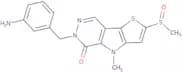
CAS:<p>RIG-1 modulator 1 is a ligand of the RIG-1 receptor, which is a member of the TLR family. It can activate the transcription factor NF-κB and promote the production of inflammatory cytokines. This compound has been shown to inhibit protein interactions that result in apoptosis.</p>Fórmula:C14H17N5OS2Pureza:Min. 95%Peso molecular:335.45 g/molZika Virus Envelope Antigen Mouse Monoclonal Antibody
<p>This mouse monoclonal antibody is complementary to the Zika envelope protein, with batches of the IgG1k immunoglobulin subclass available. It has been purified by DEAE column chromatography and is presented as a liquid in 0.015M potassium phosphate, 0.85% NaCl, pH 7.2.<br>Transmitted by infected mosquitoes, the Zika virus, although it causes asymptotic and mild symptoms in the majority of cases, it can lead to neurological complications and Guillain-Barré syndrome in adults. Furthermore during pregnancy, infants may be born with microcephaly and congenital malformations, known as Zika syndrome. The envelope protein located on the Zika viral membrane and to which this mouse Mab is complementary, is involved in virus and host cell surface receptor binding. It has 3 domains (I, II and III) and a stem-transmembrane domain. Domain I functions to link Domain III (which is the host cell receptor binding domain) to Domain II in order to dimerise and form a fusion loop.<br>The accessible location of the Envelope protein on the viral membrane means it can be an important target for neutralising antibodies and vaccine development. This product can further be used in the rapid lateral flow detection of Zika envelope protein and other antibody and antigen interaction dependent assays such as ELISA and western blot.</p>Pureza:>90% By Sds-Page.Hexokinase 1 human
CAS:<p>Hexokinase 1 is a human protein that catalyzes the first step in the glycolysis pathway. It is a hexameric protein with a molecular weight of about 380 kDa. Hexokinase 1 is an important enzyme for glucose metabolism and has been used as a transgene to study the effects of high blood sugar levels on vascular function in mice.</p>Pureza:Min. 95%Bencianol
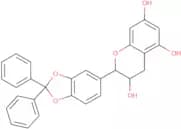
CAS:<p>Bencianol is a microparticle consisting of a core of benzoic acid and sodium hydroxide, which are surrounded by a shell of polyvinyl alcohol. Bencianol is used for the treatment of cerebral edema caused by conditions such as brain tumors and hydrocephalus. It is implanted into the cerebral ventricles by means of an iontophoresis device to reduce the intracranial pressure. This drug has been shown to be effective in vitro against human cancer cells, but not against bacteria. Bencianol is insoluble in water and must be reconstituted with a diluent before use.</p>Fórmula:C28H22O6Pureza:Min. 95%Peso molecular:454.5 g/molPheleuin
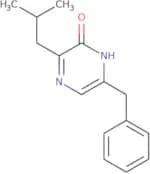
CAS:<p>Pheleuin is a ligand that binds to ion channels and receptor proteins. It is used as a research tool in pharmacology and cell biology to study protein interactions, as well as for the identification of new peptide drugs. Pheleuin is also an inhibitor of ion channels, which can be used in the treatment of various diseases, including Alzheimer's disease. Pheleuin has a CAS number of 169195-23-7 and can be purities up to 99%.</p>Fórmula:C15H18N2OPureza:Min. 95%Peso molecular:242.3 g/molYM-46303
CAS:<p>YM-46303 is a potent and selective activator of the human TRPA1 ion channel. It activates TRPA1 in cells expressing this channel by binding to the ligand-binding domain, thereby activating it with high potency. This compound has been shown to inhibit calcium influx in mouse sensory neurons. YM-46303 is a novel, potent, and selective TRPA1 activator that can be used as a research tool for studying the role of this ion channel in physiological responses such as pain sensation.</p>Fórmula:C20H23ClN2O2Pureza:Min. 95%Peso molecular:358.9 g/molADL5859 HCl
CAS:<p>ADL5859 HCl is a partial agonist for the δ-opioid receptor. It has shown to stimulate neuronal function and inhibit convulsions in animal studies. ADL5859 HCl has been administered to epileptic patients and clinical studies have shown it to be effective in reducing seizures. ADL5859 HCl binds to the δ-opioid receptor, which is found on neurons in the brain and regulates their activity. The binding of ADL5859 HCl leads to activation of G proteins, which are protein molecules that act as molecular switches by regulating other proteins inside cells. This activation leads to increased production of the neurotransmitter GABA, which inhibits neuronal activity.<br>ADL5859 HCl also appears to bind with high affinity to the placental alkaline phosphatase enzyme, an enzyme that plays a role in maternal metabolism, fetal development, and placental function.</p>Fórmula:C24H28N2O3·HClPureza:Min. 95%Peso molecular:428.95 g/molPBI 51
CAS:<p>PBI 51 is a monoclonal antibody that binds to the extracellular domain of human Epidermal Growth Factor Receptor 2 (HER2). It is used as an experimental research tool in cell biology, pharmacology, and other life science fields. PBI 51 has been shown to inhibit the activation of HER2-dependent signaling pathways by preventing ligand binding and receptor dimerization. It also blocks the opening of ion channels, which leads to inhibition of calcium-dependent signal transduction pathways. PBI 51 is a high purity antibody with a CAS number 130694-74-5.</p>Fórmula:C15H22O3Pureza:Min. 95%Peso molecular:250.33 g/mol(2R)-1-[3-[4-[2-(1-Azetidinyl)-5,7-dihydro-6H-pyrrolo[3,4-d]pyrimidin-6-yl]-6-(3,5-dimethyl-4-isoxazolyl)-5-methyl-2-pyrimidinyl]-4- chlorophenoxy]-3-(methylamino)-2-propanol
CAS:<p>(2R)-1-[3-[4-[2-(1-Azetidinyl)-5,7-dihydro-6H-pyrrolo[3,4-d]pyrimidin-6-yl]-6-(3,5-dimethyl-4-isoxazolyl)-5-methyl-2-pyrimidinyl]-4- chlorophenoxy]-3-(methylamino)-2-propanol is a small molecule that inhibits the activity of ion channels. It has been shown to be an agonist for the calcium channel and to activate potassium channels. (2R)-1-[3-[4-[2-(1-Azetidinyl)-5,7-dihydro--6H--pyrrolo[3,4--d]pyrimidin--6--yl]-6-(3,5--dimethyl--4--isoxazolyl)-- 5--methyl--</p>Fórmula:C29H33ClN8O3Pureza:Min. 95%Peso molecular:577.1 g/molLactacystin, synthetic
CAS:<p>Lactacystin is a peptide that belongs to the group of inhibitors. It is a potent inhibitor of protein interactions, such as antibody-antigen reactions, and has been used as a research tool for cell biology and pharmacology. Lactacystin is an inhibitor of ion channels, including voltage-gated potassium channels. It also inhibits ligand binding to receptor sites, which may be due to its ability to bind covalently with cysteine residues in proteins. Lactacystin is the synthetic form of Cytolysin A found in "Lactobacillus acidophilus" bacteria. This compound was first isolated in 1969 by Drs. Michael Sveda and Ruth Sveda at Purdue University. The CAS number for this compound is 1258004-00-0.</p>Fórmula:C15H24N2O7SPureza:Min. 95%Peso molecular:376.43 g/molSacCHArin-13C6
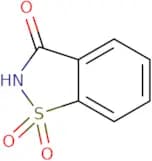
CAS:<p>Please enquire for more information about SacCHArin-13C6 including the price, delivery time and more detailed product information at the technical inquiry form on this page</p>Fórmula:C7H5NO3SPureza:Min. 95%Peso molecular:189.14 g/molAselacin C
CAS:<p>Aselacin C is a peptide that has been shown to function as an activator of the G protein-coupled receptor. It is a high-purity, biologically active reagent that can be used in research and cell biology applications.</p>Fórmula:C46H66N8O11Pureza:Min. 95%Peso molecular:907.10 g/molWD2000-012547
CAS:<p>WD2000-012547 is a potent and selective activator of the GPRC6A receptor, which is implicated in the regulation of pain sensitivity. WD2000-012547 was shown to be a high affinity ligand for the GPRC6A receptor, with a Ki value of 1.5 nM. It also inhibited protein phosphatase 2A at micromolar concentrations, which may account for its analgesic effects. WD2000-012547 has been shown to have no effect on ion channels or on cell viability and proliferation in vitro. This compound has not been tested in vivo but can be used as a research tool for studying the role of GPRC6A receptors in pain sensitivity.</p>Fórmula:C17H14N2OPureza:Min. 95%Peso molecular:262.3 g/molYellow Fever Virus NS1 Antigen Mouse Monoclonal Antibody
<p>A mouse monoclonal antibody (Mab) purified by ion exchange chromatography, presented as a liquid in 0.015M potassium phosphate, 0.85% NaCl, pH 7.2, is a cell-culture derived lysate from strain 17D. Immunoglobulin subclasses IgG1k and IgG2a are available and are potentially suitable for ELISA, rapid lateral flow applications and other immunoassay formats for detection of the Yellow Fever NS1 protein.<br>The occurrence of the viral infection Yellow Fever is largely in Africa and South America where Mosquitoes infected with this Flaviviridae family virus bite humans and transmit the virus. Although symptoms can be mild, severe cases can lead to diseases such as hepatitis and renal failure. The NS1 glycoprotein, complementary to the mouse mab to the Yellow Fever Virus (YFV), is one of 7 non-structural proteins (NS1, NS2A, NS2B, NS3, NS4A, NS4B, and NS5) encoded for by the single stranded RNA of the YFV. Interestingly NS1 can be found within the viral cell as a monomer, on the cell surface as a hydrophobic dimer and as a hexameric species when secreted. NS1 plays a role in virus assembly and it's 12 invariant cysteine residues allow it to function within RNA replication and hence contribute to reducing the host's immune response. Monoclonal antibodies complementary to the NS1 protein bind and inhibit activity and hence can be used in vaccine to offer immunity against YF.</p>Pureza:>90% By Sds-Page.Obinutuzumab - Buffer solution
CAS:<p>Activates B-cell apoptosis; treatment of B-cell malignancies</p>Pureza:Min. 95%Forma y color:PowderALOX15 antibody
<p>ALOX15 antibody was raised using the middle region of ALOX15 corresponding to a region with amino acids QHASVHLGQLDWYSWVPNAPCTMRLPPPTTKDATLETVMATLPNFHQASL</p>Pureza:Min. 95%CD235a antibody
<p>The CD235a antibody is a neutralizing monoclonal antibody that is used in Life Sciences research. It has been shown to have natriuretic effects and can be used to study amyloid plaque formation in the brain. This antibody specifically targets activated chimeric proteins and can be used in various applications, such as electrode coating for enhanced signal detection. Additionally, the CD235a antibody has cytotoxic properties and can be conjugated with drugs or toxins for targeted therapy. It also binds to tissue transglutaminase and brain natriuretic peptide, making it a valuable tool for studying these proteins in different biological systems.</p>SSTR1 antibody
<p>The SSTR1 antibody is a powerful tool used in Life Sciences research. It belongs to the class of antibodies and serves as a serum marker for various studies. This antibody specifically targets glycogen synthase kinase, which plays a crucial role in cell signaling and regulation. The SSTR1 antibody can be used as an active agent in experiments involving anti-mesothelin, telomerase, and methyl transferase. It is also widely used in Polyclonal Antibody assays to detect the presence of specific proteins or glycoproteins. Researchers rely on the SSTR1 antibody to explore interferon-stimulated gene expression and develop inhibitors for chloride channels. With its diverse applications, this antibody is an essential component in the development of new medicines and therapies.</p>ACADS antibody
<p>ACADS antibody was raised using the middle region of ACADS corresponding to a region with amino acids FTSGDKIGCFALSEPGNGSDAGAASTTARAEGDSWVLNGTKAWITNAWEA</p>Parainfluenza Virus Type 3 Antigen
<p>Parainfluenza Virus Type 3 Antigen is an antibody for use in IVD applications. Please enquire for more information about Parainfluenza Virus Type 3 Antigen including the price, delivery time and more detailed product information at the technical inquiry form on this page.</p>Pureza:Min. 95%PLUNC antibody
<p>PLUNC antibody was raised using the middle region of PLUNC corresponding to a region with amino acids GLNNIIDIKVTDPQLLELGLVQSPDGHRLYVTIPLGIKLQVNTPLVGASL</p>Pureza:Min. 95%TEPP-46
CAS:<p>Activator of pyruvate kinase PKM2</p>Fórmula:C17H16N4O2S2Pureza:Min. 95%Forma y color:PowderPeso molecular:372.47 g/molrac Deoxy-o-desmethyl venlafaxine
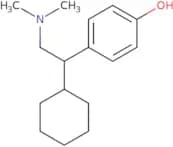
CAS:<p>Rac Deoxy-o-desmethyl venlafaxine is a compound that exhibits various characteristics and potential applications. It has been studied in the field of Life Sciences and has shown interactions with palbociclib, glutamate, cellulose, acidic environments, methanol, glycine, xylose, chamomile extract, pomalidomide, hydroxyl groups, sulfadiazine, fatty acids, biomass, and growth factors. The exact mechanisms and effects of rac Deoxy-o-desmethyl venlafaxine are still being explored by researchers in order to fully understand its potential applications.</p>Fórmula:C16H25NOPureza:Min. 95%Peso molecular:247.38 g/molMKRN2 antibody
<p>MKRN2 antibody was raised using the C terminal of MKRN2 corresponding to a region with amino acids ACKYFEQGKGTCPFGSKCLYRHAYPDGRLAEPEKPRKQLSSQGTVRFFNS</p>






![7-(2,3-Di-p-tolyl-7,8-dihydropyrido[2,3-b]pyrazin-5(6H)-yl)heptanoic acid](/_next/image/?url=https%3A%2Fstatic.cymitquimica.com%2Fproducts%2F3D%2Fthumb-webp%2FGEC33163.webp&w=3840&q=75)


















![(2R)-1-[3-[4-[2-(1-Azetidinyl)-5,7-dihydro-6H-pyrrolo[3,4-d]pyrimidin-6-yl]-6-(3,5-dimethyl-4-isox…](/_next/image/?url=https%3A%2Fstatic.cymitquimica.com%2Fproducts%2F3D%2Fthumb-webp%2FNAD32889.webp&w=3840&q=75)