Compuestos y reactivos bioquímicos
Los bioquímicos y reactivos son sustancias fundamentales para la investigación y el desarrollo en campos como la biotecnología, la biología molecular, la farmacología y la medicina. Estos productos son esenciales para una variedad de aplicaciones, incluyendo la síntesis de compuestos, el análisis de muestras biológicas, la investigación de procesos metabólicos y la producción de medicamentos. En CymitQuimica, ofrecemos una amplia selección de bioquímicos y reactivos de alta calidad y pureza, adecuados para diversas necesidades científicas e industriales. Nuestro catálogo incluye enzimas, anticuerpos, ácidos nucleicos, aminoácidos, y muchos otros productos, todos diseñados para apoyar a los investigadores y profesionales en sus proyectos de investigación y desarrollo, asegurando resultados confiables y reproducibles.
Subcategorías de "Compuestos y reactivos bioquímicos"
- Biomoléculas(99.129 productos)
- Por objetivo biológico(99.160 productos)
- Según efectos farmacológicos(6.787 productos)
- Crioconservantes(21 productos)
- Desinfectantes y compuestos relacionados(28 productos)
- Hormonas(346 productos)
- Biología Vegetal(6.742 productos)
- Metabolitos secundarios(14.222 productos)
Se han encontrado 130579 productos de "Compuestos y reactivos bioquímicos"
Ordenar por
Pureza (%)
0
100
|
0
|
50
|
90
|
95
|
100
MBD1 antibody
<p>MBD1 antibody was raised using the C terminal of MBD1 corresponding to a region with amino acids VKQEPPDPEEDKEENKDDSASKLAPEEEAGGAGTPVITEIFSLGGTRFRD</p>Smpdl3a Blocking Peptide
<p>A synthetic peptide for use as a blocking control in assays to test for specificity of Smpdl3a antibody, catalog no. 70R-9153</p>Pureza:Min. 95%Physalaemin
<p>Physalaemin is a vasoactive intestinal peptide that belongs to the family of exocrine hormones. It is resistant to intracellular degradation and has been shown to be a potent inhibitor of vasopressin. Physalaemin has been shown to affect blood pressure by stimulating receptors in the brain that decrease blood pressure, as well as blocking naloxone-induced increases in blood pressure. Physalaemin also interacts with pancreatic cells, which may be due to its amino acid composition and ability to inhibit the release of caerulein from the pancreas. The effects on muscle cells are unknown, but it has been shown to have an inhibitory effect on the pancreas and intestine.</p>Fórmula:C58H84N14O16S•CH3COOH•3H2OPureza:Min. 95%Peso molecular:1,379.51 g/molGRF, humanAntiserum
<p>Rabbit serum against growth hormone-releasing factor (GRF) or GHRH (growth hormone-releasing hormone).</p>Pureza:Min. 95%Hepatitis E Virus ORF2 (452-617 a.a.) Recombinant
<p>Hepatitis E virus (HEV) is a virus that infects the liver and causes hepatitis. Recombinant HEV ORF2 protein was produced by recombinant techniques in Escherichia coli. The recombinant HEV ORF2 protein has been shown to be immunogenic in mice, rabbits, and humans. Immunodominant epitopes were found at amino acid positions 448-456 and 468-480.</p>Pureza:Min. 95%INSL5
<p>Insulin-like 5 (INSL5) is a protein that in humans is encoded by the INSL5 gene. It belongs to the insulin family of proteins and has been shown to have a role in various biological functions. INSL5 binds to the insulin receptor, which induces apoptosis in cancer cells by inhibiting cyclin-dependent kinase activity and inducing cell cycle arrest. The expression of INSL5 can be used as a diagnostic marker for cervical cancer and may also be used as a potential biomarker for cancer tissues.</p>Pureza:Min. 95%Anti NO Synthase II (77-105) (Rat) Serum
<p>The Anti NO Synthase II (77-105) (Rat) Serum is a research tool that can be used to activate, ligand or receptor. It can also be used to study cell biology as well as protein interactions. The Anti NO Synthase II (77-105) (Rat) Serum can inhibit ion channels and is a high purity antibody. This serum is made of peptides and proteins.</p>Pureza:Min. 95%Human CRF ELISA (1ea)
<p>Human CRF ELISA (1ea) is a high-quality, competitively priced ELISA kit for the quantitative measurement of human CRF in rat serum. This assay has been designed for use in detecting the presence of CRF in biological fluids for research purposes. The kit contains all necessary components to perform the assay and detailed instructions are included.</p>Pureza:Min. 95%Amyloid β (1-42)
<p>Please enquire for more information about Amyloid β (1-42) including the price, delivery time and more detailed product information at the technical inquiry form on this page</p>Pureza:Min. 95%Des-Arg10-Kallidin
<p>Kallidin is a peptide that has regulatory effects on tissue remodeling, inflammatory responses, and the growth of new blood vessels. It is found in a number of tissues, including extracellular matrix proteins, where it acts as a regulator. Kallidin has been shown to regulate kinins, which are hormones that are responsible for the regulation of inflammation. Kallidin also regulates collagen and fibrinogen production by stabilizing these proteins. This peptide also induces leukocyte recruitment and polymorphonuclear leukocytes (PMN) activity. Kallidin can stimulate growth factor production and may play an important role in the stabilization of matrix proteins such as fibronectin.</p>Fórmula:C50H73N13O11•2CH3COOH•4H2OPureza:Min. 95%Peso molecular:1,224.36 g/molCD31 antibody (FITC)
<p>CD31 antibody (FITC) was raised in rat using murine leukocyte cell line 32D as the immunogen.</p>Pureza:Min. 95%Peso molecular:0 g/molCD16 antibody (Spectral Red)
<p>CD16 antibody (Spectral Red) was raised in rat using murine CD16/32 (CD16/Fc gamma II and CD32/Fc gamma III receptors)</p>Pureza:Min. 95%Peso molecular:0 g/molCD25 antibody (PE-CY7)
<p>CD25 antibody (PE) was raised in rat using IL-2-dependent BALB/c mouse helper T-cell clone HT-2 as the immunogen.</p>Pureza:Min. 95%Peso molecular:0 g/molCD19 antibody (CY5)
<p>CD19 antibody (CY5) was raised in rat using murine CD19-expressing K562 human erythroleukemia cells as the immunogen.</p>Pureza:Min. 95%Peso molecular:0 g/molCD19 antibody (PE)
<p>CD19 antibody (PE) was raised in mouse using CD19+ murine pre-B cell line as the immunogen.</p>Pureza:Min. 95%Peso molecular:0 g/molCD4a antibody (PE)
<p>CD4a antibody (PE) was raised in mouse using CD4a as the immunogen.</p>Pureza:Min. 95%Peso molecular:0 g/molCD19 antibody (FITC)
<p>CD19 antibody (FITC) was raised in mouse using CD19+ murine pre-B cell line as the immunogen.</p>Pureza:Min. 95%Peso molecular:0 g/molCD11a antibody (PE-CY7)
<p>CD11a antibody (PE-CY7) was raised in rat using murine CD11a (LFA-1a) as the immunogen.</p>Pureza:Min. 95%Peso molecular:0 g/molLOC728864 Blocking Peptide
<p>A synthetic peptide for use as a blocking control in assays to test for specificity of LOC728864 antibody, catalog no. 70R-6851</p>Pureza:Min. 95%1-Benzyl-1,7-diazaspiro[4.5]decane dihydrochloride
CAS:<p>1-Benzyl-1,7-diazaspiro[4.5]decane dihydrochloride is a research tool for studying ion channels and ligand-receptor interactions. It is a potent inhibitor of the potassium channel Kv1.2, which is expressed in erythrocytes, and it has been used to study the role of these channels in regulating cell volume. 1-Benzyl-1,7-diazaspiro[4.5]decane dihydrochloride binds to the binding site of potassium channels that are activated by ATP and can act as an activator or antagonist depending on the protein expression level. This compound has also been used as a pharmacological probe for peptides, demonstrating its potential use as an antibody reagent.</p>Fórmula:C15H24Cl2N2Pureza:Min. 95%Peso molecular:303.3 g/molKaliotoxin (1-37)
<p>Kaliotoxin (1-37) is a peptide that is used as a research tool in cell biology and pharmacology. It has been shown to activate the glycine receptor and inhibit the potassium channel. Kaliotoxin (1-37) binds to the glycine receptor and activates it, which leads to an influx of calcium ions into the cell. This increases intracellular levels of calcium ions, which then activate other processes including protein synthesis and cell division.</p>Fórmula:C165H271N53O48S8Pureza:Min. 95%Peso molecular:4,021.8 g/molIL 17 Rat
<p>IL-17 Rat is a recombinant protein that is used as an immunological research tool. It is also used as a ligand to study the IL-17 receptor. IL-17 is a cytokine that activates cells in the immune system, such as T cells, B cells, and natural killer cells. This protein can be used in cell biology experiments to study cytokine signaling pathways and has been shown to inhibit ion channels. IL 17 rat can also be used in pharmacology studies to assess its effects on peptides and proteins within the body.</p>Pureza:Min. 95%Pigment Yellow 120
CAS:<p>Pigment Yellow 120 is a pigment that belongs to the group of amide colorants. It has a yellow-orange hue and high thermal stability. Pigment Yellow 120 has been shown to be soluble in organic solvents, such as n-propyl ether, but insoluble in water. The molecular weight of pigment yellow 120 ranges from 800 to 1200 g/mol. Pigment Yellow 120 is produced by the polymerization reaction of monomers containing an amide group and a hydroxyl or basic group with a metal ion, such as copper or nickel, as a catalyst. This process also produces polycarboxylic acid groups and particles with diameters ranging from 0.1 micrometers to 2 micrometers.</p>Fórmula:C21H19N5O7Pureza:Min. 95%Forma y color:PowderPeso molecular:453.41 g/molCD44 antibody (Allophycocyanin)
<p>CD44 antibody (Allophycocyanin) was raised in mouse using chicken CD44 as the immunogen.</p>Pureza:Min. 95%Peso molecular:0 g/molCD16 antibody (PE-CY7)
<p>CD16 antibody (PE) was raised in rat using murine CD16/32 (CD16/Fc gamma II and CD32/Fc gamma III receptors)</p>Pureza:Min. 95%Peso molecular:0 g/molStreptococcus Group A antibody (HRP)
<p>Streptococcus group A antibody (biotin) was raised in goat using group A Streptococci as the immunogen.</p>CD117 antibody (Spectral Red)
<p>CD117 antibody (PE) was raised in rat using murine CD117/c-Kit as the immunogen.</p>Pureza:Min. 95%Peso molecular:0 g/molCD117 antibody (Spectral Red)
<p>CD117 antibody (Spectral Red) was raised in rat using murine CD117/c-Kit as the immunogen.</p>Pureza:Min. 95%Peso molecular:0 g/molCD21 antibody (biotin)
<p>CD21 antibody (biotin) was raised in mouse using porcine CD21 as the immunogen.</p>Pureza:Min. 95%Peso molecular:0 g/molC2orf25 antibody
<p>C2orf25 antibody was raised using a synthetic peptide corresponding to a region with amino acids GSSGSDESHVAAAPPDICSRTVWPDETMGPFGPQDQRFQLPGNIGFDCHL</p>CD25 antibody (FITC)
<p>CD25 antibody (FITC) was raised in rat using IL-2-dependent BALB/c murine helper T-cell clone HT-2 as the immunogen.</p>Pureza:Min. 95%Peso molecular:0 g/molCD45RB antibody
<p>CD45RB antibody was raised in rat using cloned mouse Th2 cell lines as the immunogen.</p>Pureza:Min. 95%Peso molecular:0 g/molCD152 antibody (PE)
<p>CD152 antibody (FITC) was raised in hamster using murine CD152/CTLA-4 as the immunogen.</p>Pureza:Min. 95%Peso molecular:0 g/molCD117 antibody (Spectral Red)
<p>CD117 antibody (biotin) was raised in rat using murine CD117/c-Kit as the immunogen.</p>Pureza:Min. 95%Peso molecular:0 g/molCD19 antibody (biotin)
<p>CD19 antibody (biotin) was raised in rat using murine CD19-expressing K562 human erythroleukemia cells as the immunogen.</p>Pureza:Min. 95%Peso molecular:0 g/molCD28 antibody (biotin)
<p>CD28 antibody (biotin) was raised in mouse using chicken CD28 as the immunogen.</p>Pureza:Min. 95%Peso molecular:0 g/molCD31 antibody (PE-CY7)
<p>CD31 antibody (PE-CY7) was raised in Rat using mouse leukocyte cell line 32D as the immunogen.</p>Pureza:Min. 95%Peso molecular:0 g/molCD38 antibody (FITC)
<p>CD38 antibody (FITC) was raised in rat using CD38 as the immunogen.</p>Pureza:Min. 95%Peso molecular:0 g/molCD40 antibody (FITC)
<p>CD40 antibody (FITC) was raised in rat using CD40 as the immunogen</p>Pureza:Min. 95%Peso molecular:0 g/molCD154 antibody (Azide Free)
<p>CD154 antibody (Azide free) was raised in hamster using activated murine Th1 clone D1.6 as the immunogen.</p>TCL1A Blocking Peptide
<p>A synthetic peptide for use as a blocking control in assays to test for specificity of TCL1A antibody, catalog no. 70R-2449</p>Pureza:Min. 95%CD45R antibody (Spectral Red)
<p>CD45R antibody (Allophycocyanin) was raised in rat using abelson murine leukemia virus-induced pre-B tumor cells as the immunogen.</p>Pureza:Min. 95%Peso molecular:0 g/molCD3e antibody (Allophycocyanin)
<p>CD3e antibody (Allophycocyanin) was raised in rat using CD3e as the immunogen.</p>Pureza:Min. 95%Peso molecular:0 g/molCD38 antibody (Allophycocyanin)
<p>CD38 antibody (Allophycocyanin) was raised in rat using CD38 as the immunogen.</p>Pureza:Min. 95%Peso molecular:0 g/molCD23 antibody (PE-CY7)
<p>CD23 antibody (PE-CY7) was raised in rat using CD23 low affinity IgE Fc receptor as the immunogen.</p>Pureza:Min. 95%Peso molecular:0 g/molCD21 antibody (FITC)
<p>CD21 antibody (FITC) was raised in mouse using porcine CD21 as the immunogen.</p>Pureza:Min. 95%Peso molecular:0 g/molTrastuzumab emtansine
CAS:<p>Antibody-drug conjugate (ADC) of HER2-targeted trastuzumab with cytotoxic microtubule-inhibitory agent DM1 (derivative of maytansine).</p>Troponin T protein
<p>Troponin T protein is a highly specific biomarker used in the diagnosis of cardiac conditions. It is a DNA aptamer that binds to troponin T, neutralizing its activity. This protein is found in human serum and its levels are elevated in cases of myocardial infarction or other cardiac events. Troponin T protein can be measured using immunoassays, such as monoclonal antibody-based assays or electrode immobilization techniques. It is commonly used in clinical settings to assess cardiac health and monitor patients undergoing treatment with medications like sorafenib. The use of Troponin T protein in Life Sciences research has significantly contributed to advancements in the understanding of cardiac diseases and the development of new diagnostic tools.</p>Pureza:Min. 95%CD8a antibody (Azide Free)
<p>CD8a antibody (Azide free) was raised in rat using murine thymus or spleen as the immunogen.</p>Pureza:Min. 95%Peso molecular:0 g/molCD25 antibody (Spectral Red)
<p>CD25 antibody (Spectral Red) was raised in rat using IL-2-dependent BALB/c mouse helper T-cell clone HT-2 as the immunogen.</p>Pureza:Min. 95%Peso molecular:0 g/molIvuxolimab
CAS:<p>Ivuxolimab is an OX40 (also known as CD134; TNFRSF4) agonist monoclonal antibody.</p>CD16 antibody (biotin)
<p>CD16 antibody (biotin) was raised in rat using murine CD16/32 (CD16/Fc gamma II and CD32/Fc gamma III receptors)</p>Pureza:Min. 95%Peso molecular:0 g/molCD45 antibody (Allophycocyanin)
<p>CD45 antibody (Allophycocyanin) was raised in mouse using chicken CD45 as the immunogen.</p>Pureza:Min. 95%Peso molecular:0 g/molCD49d antibody (Azide Free)
<p>CD49d antibody (Azide free) was raised in rat using the alpha-4 chain of the VLA-4 integrin heterodimer as the immunogen.</p>FCER1G Blocking Peptide
<p>A synthetic peptide for use as a blocking control in assays to test for specificity of FCER1G antibody, catalog no. 70R-8649</p>Pureza:Min. 95%CD49b antibody (PE)
<p>CD49b antibody (PE) was raised in rat using RIL-2-propagated NK1.1+ cells from C57BL/6 mice as the immunogen.</p>Pureza:Min. 95%Peso molecular:0 g/molCD106 antibody (Azide Free)
<p>CD106 antibody (Azide free) was raised in rat using murine CD106/VCAM-1 as the immunogen.</p>CD117 antibody (Spectral Red)
<p>CD117 antibody (Allophycocyanin) was raised in rat using murine CD117/c-Kit as the immunogen.</p>Pureza:Min. 95%Peso molecular:0 g/molCD25 antibody (Allophycocyanin)
<p>CD25 antibody (Allophycocyanin) was raised in rat using IL-2-dependent BALB/c mouse helper T-cell clone HT-2 as the immunogen.</p>Pureza:Min. 95%Peso molecular:0 g/molCD11b antibody (Spectral Red)
<p>CD11b antibody (biotin) was raised in rat using C57BL/10 murine splenic T-cells and concanavalin A-activted C57BL/10 splenocytes as the immunogen.</p>Pureza:Min. 95%Peso molecular:0 g/molCD30 antibody (PE)
<p>CD30 antibody (PE) was raised in hamster using recombinant murine CD30 extracellular domain-mouse IgG1 fusion protein as the immunogen.</p>Pureza:Min. 95%Peso molecular:0 g/molCD25 antibody (PE-CY7)
<p>CD25 antibody (PE) was raised in rat using alpha chain IL-2 receptor as the immunogen.</p>Pureza:Min. 95%Peso molecular:0 g/molCD20 antibody (PE-CY7)
<p>CD20 antibody (PE-CY7) was raised in mouse using human CD20 as the immunogen.</p>Pureza:Min. 95%Peso molecular:0 g/molCD45RB antibody (Spectral Red)
<p>CD45RB antibody (Spectral Red) was raised in rat using cloned murine Th2 cell lines as the immunogen.</p>CD3e antibody (FITC)
<p>CD3e antibody (FITC) was raised in hamster using H-2Kb-specific murine cytotoxic T lymphocyte as the immunogen.</p>Pureza:Min. 95%Peso molecular:0 g/molCD45 antibody (FITC)
<p>CD45 antibody was raised in Rat using CD45/LCA as the immunogen.</p>Pureza:Min. 95%Peso molecular:0 g/molStreptococcus Group A antibody (HRP)
<p>Streptococcus group A antibody (FITC) was raised in goat using group A Streptococci as the immunogen.</p>CD45.2 antibody (Spectral Red)
<p>CD45.2 antibody (Spectral Red) was raised in mouse using CD45.2 as the immunogen.</p>Pureza:Min. 95%Peso molecular:0 g/molCD107b antibody (FITC)
<p>CD107b antibody (Allophycocyanin) was raised in rat using glycoproteins purified from BALB/c mouse embryo 3T3 cell line as the immunogen.</p>Pureza:Min. 95%Peso molecular:0 g/molCD3 antibody (Allophycocyanin-CY7)
<p>CD3 antibody (Allophycocyanin-CY7) was raised in mouse using the epsilon chain of CD3/T-cell antigen receptor complex as the immunogen.</p>Pureza:Min. 95%Peso molecular:0 g/molCD45RB antibody (Spectral Red)
<p>CD45RB antibody (biotin) was raised in rat using cloned murine Th2 cell lines as the immunogen.</p>CD11b antibody (Spectral Red)
<p>CD11b antibody (CY5) was raised in rat using C57BL/10 murine splenic T-cells and concanavalin A-activted C57BL/10 splenocytes as the immunogen.</p>Pureza:Min. 95%Peso molecular:0 g/molCD3e antibody (FITC)
<p>CD3e antibody (FITC) was raised in mouse using porcine CD3e as the immunogen.</p>Pureza:Min. 95%Peso molecular:0 g/molCatestatin, human
<p>Catestatin is a peptide that belongs to the family of activators. Catestatin is an activator of potassium channels and can be used as a research tool. It has been shown to bind to the Kv1.2 receptor, which is expressed in human heart and skeletal muscle cells. This peptide also inhibits calcium-activated potassium channels, thereby blocking the transmission of nerve impulses. Catestatin has been shown to inhibit protein interactions with G protein-coupled receptors (GPCRs) and ion channels, thereby regulating cellular signaling pathways involved in cell growth and differentiation.</p>Pureza:Min. 95%1-Myristoyl-sn-glycero-3-phosphocholine
CAS:<p>1-Myristoyl-sn-glycero-3-phosphocholine is a phospholipid that is used as a surfactant. It has been shown to increase the volume of human serum and pancreatic enzymes, which may be due to its matrix effect on tissue samples. 1-Myristoyl-sn-glycero-3-phosphocholine also binds with fatty acids and kynurenine in vitro. In this experiment, it was observed that 1-myristoyl-sn glycero 3 phosphatecholine increased the activity of kynurenine hydroxylase, an enzyme involved in the metabolism of tryptophan. This suggests that 1 myristoyl sn glycero 3 phosphocholine may be beneficial for patients with chronic fatigue syndrome or depression who are deficient in serotonin.</p>Fórmula:C22H46NO7PPureza:Min. 95%Peso molecular:467.58 g/molMMP9 antibody
<p>The MMP9 antibody is a polyclonal antibody that is widely used in the field of Life Sciences. It has been specifically designed to target and bind to the activated form of matrix metalloproteinase 9 (MMP9). This biomolecule plays a crucial role in various physiological and pathological processes, including cell-extracellular matrix interactions, tissue remodeling, and inflammation.</p>LY 225910
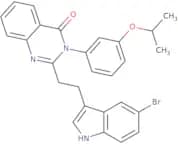
CAS:<p>LY 225910 is a polymerase chain inhibitor that prevents the formation of new DNA. It has been shown to inhibit the activity of gamma-aminobutyric acid (GABA) in rat model systems and to reduce symptoms of epilepsy. LY 225910 has also been shown to inhibit chelerythrine, an inhibitor of protein kinases, and whole-cell recordings have demonstrated that LY 225910 inhibits cellular physiology by reducing fatty acid metabolism. This drug also binds to bradykinin B2 receptors and neurotrophic factors, such as endocannabinoids, growth factors, and glutamate.</p>Fórmula:C27H24BrN3O2Pureza:Min. 95%Peso molecular:502.4 g/molH-Asp-Leu-OH
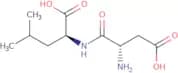
CAS:<p>Please enquire for more information about H-Asp-Leu-OH including the price, delivery time and more detailed product information at the technical inquiry form on this page</p>Fórmula:C10H18N2O5Pureza:Min. 95 Area-%Forma y color:PowderPeso molecular:246.26 g/mol2',7'-Dichlorofluorescein diacetate
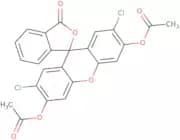
CAS:<p>Fluorogenic probe used for the detection of reactive oxygen species</p>Fórmula:C24H14Cl2O7Pureza:Min. 95%Forma y color:PowderPeso molecular:485.27 g/molDesmin Blocking Peptide
<p>A synthetic peptide for use as a blocking control in assays to test for specificity of DES antibody, catalog no. 70R-3807</p>Pureza:Min. 95%Human Albumin
<p>Please enquire for more information about Human Albumin including the price, delivery time and more detailed product information at the technical inquiry form on this page</p>Ovarian Cancer Antigen (CA 125)
<p>Please enquire for more information about Ovarian Cancer Antigen (CA 125) including the price, delivery time and more detailed product information at the technical inquiry form on this page</p>PLCB1 Blocking Peptide
<p>A synthetic peptide for use as a blocking control in assays to test for specificity of PLCB1 antibody, catalog no. 70R-5669</p>Pureza:Min. 95%TNF Receptor Type II protein
<p>Region of TNF Receptor Type II protein corresponding to amino acids MAPEPGSTCR LREYYDQTAQ MCCSKCSPGQ HAKVFCTKTS DTVCDSCEDS TYTQLWNWVP ECLSCGSRCS SDQVETQACT REQNRICTCR PGWYCALSKQ EGCRLCAPLR KCRPGFGVAR PGTETSDVVC KPCAPGTFSN TTSSTDICRP HQICNVVAIP GNASMDAVCT STSP.</p>Pureza:Min. 95%SERPINB13 Blocking Peptide
<p>A synthetic peptide for use as a blocking control in assays to test for specificity of SERPINB13 antibody, catalog no. 70R-7068</p>Pureza:Min. 95%HIV1 gp120 protein
<p>The HIV1 gp120 protein is a growth factor and monoclonal antibody that plays a crucial role in the replication of the HIV virus. It binds to CD4 receptors on human cells, allowing the virus to enter and infect the host. The gp120 protein has been extensively studied in Life Sciences research, particularly in the development of vaccines and antiretroviral therapies. It can be used as a target for neutralizing antibodies and as a tool for studying the interaction between the virus and human serum. The recombinant form of gp120 exhibits high purity and photostability, making it ideal for various laboratory applications. Additionally, studies have shown that this protein interacts with other molecules such as glutamate, interferon, dopamine, tgf-beta, imatinib, and collagen, suggesting its involvement in multiple cellular processes.</p>Pureza:Min. 95%CD11b antibody (Spectral Red)
<p>CD11b antibody (FITC) was raised in rat using C57BL/10 murine splenic T-cells and concanavalin A-activted C57BL/10 splenocytes as the immunogen.</p>Pureza:Min. 95%Peso molecular:0 g/molCD26 antibody (FITC)
<p>CD26 antibody (FITC) was raised in mouse using human T cell clone as the immunogen.</p>Pureza:Min. 95%Peso molecular:0 g/molCD11a antibody (PE)
<p>CD11a antibody (biotin) was raised in mouse using human CD11a (LFA-1a) as the immunogen.</p>Pureza:Min. 95%Peso molecular:0 g/molCD49e antibody (PE)
<p>CD49e antibody (PE) was raised in rat using C57BL/6 x A/J F1 murine mast cell line MC/9 as the immunogen.</p>Pureza:Min. 95%Peso molecular:0 g/molCD3e antibody (FITC)
<p>CD3e antibody (FITC) was raised in mouse using porcine CD3e as the immunogen.</p>Pureza:Min. 95%Peso molecular:0 g/molInfluenza A antibody (FITC)
<p>Influenza A antibody (FITC) was raised in mouse using Influenza A nucleoprotein as the immunogen.</p>CD66acde antibody
<p>CD66acde antibody was raised in mouse using human granulocytes as the immunogen.</p>Pureza:Min. 95%Peso molecular:0 g/molCD11b antibody (Spectral Red)
<p>CD11b antibody (PE) was raised in rat using C57BL/10 murine splenic T-cells and concanavalin A-activted C57BL/10 splenocytes as the immunogen.</p>Pureza:Min. 95%Peso molecular:0 g/molCD11b antibody (Spectral Red)
<p>CD11b antibody (PE was raised in rat using C57BL/10 murine splenic T-cells and concanavalin A-activted C57BL/10 splenocytes as the immunogen.</p>Pureza:Min. 95%Peso molecular:0 g/molCD106 antibody (PE)
<p>CD106 antibody (FITC) was raised in rat using murine CD106/VCAM-1 as the immunogen.</p>Pureza:Min. 95%Peso molecular:0 g/molCD45R antibody (Spectral Red)
<p>CD45R antibody (CY5) was raised in rat using abelson murine leukemia virus-induced pre-B tumor cells as the immunogen.</p>Pureza:Min. 95%Peso molecular:0 g/molCD45.2 antibody (CY5)
<p>CD45.2 antibody (CY5) was raised in mouse using CD45.2 as the immunogen.</p>Pureza:Min. 95%Peso molecular:0 g/molLuteinizing Hormone (Intact) (> 98% pure)
<p>Purified native Human Luteinizing Hormone (Intact) (> 98% pure)</p>Pureza:≥98% (By Sds - Page)CD24 antibody (Spectral Red)
<p>CD24 antibody (Spectral Red) was raised in rat using murine heat stable antigen as the immunogen.</p>Pureza:Min. 95%Peso molecular:0 g/molCD3e antibody (FITC)
<p>CD3e antibody (FITC) was raised in hamster using T cell receptor complexes derived from C6VL-BS thymoma cells as the immunogen.</p>Pureza:Min. 95%Peso molecular:0 g/molCD44 antibody (FITC)
<p>CD44 antibody (FITC) was raised in mouse using chicken CD44 as the immunogen.</p>Pureza:Min. 95%Peso molecular:0 g/molCD38 antibody (Spectral Red)
<p>CD38 antibody (Spectral Red) was raised in rat using CD38 as the immunogen.</p>Pureza:Min. 95%Peso molecular:0 g/molCD3 antibody (Allophycocyanin-CY7)
<p>CD3 antibody (Allophycocyanin) was raised in mouse using the epsilon chain of CD3/T-cell antigen receptor complex as the immunogen.</p>Pureza:Min. 95%Peso molecular:0 g/molCD19 antibody (Spectral Red)
<p>CD19 antibody (Spectral Red) was raised in rat using murine CD19-expressing K562 human erythroleukemia cells as the immunogen.</p>Pureza:Min. 95%Peso molecular:0 g/molCD3e antibody (Spectral Red)
<p>CD3e antibody (Spectral Red) was raised in rat using CD3e as the immunogen.</p>Pureza:Min. 95%Peso molecular:0 g/molCD40 antibody (Allophycocyanin)
<p>CD40 antibody (Allophycocyanin) was raised in rat using CD40 as the immunogen</p>Pureza:Min. 95%Peso molecular:0 g/molCD107a antibody (FITC)
<p>CD107a antibody (FITC) was raised in mouse using human CD107a/LAMP-1 as the immunogen.</p>Pureza:Min. 95%Peso molecular:0 g/molCD41a antibody (biotin)
<p>CD41a antibody (biotin) was raised in ouse using human PBL as the immunogen.</p>Pureza:Min. 95%Peso molecular:0 g/molCD45.1 antibody (PE)
<p>CD45.1 antibody (PE-CY5.5) was raised in mouse using CD45.1 as the immunogen.</p>Pureza:Min. 95%Peso molecular:0 g/molCD166 antibody (FITC)
<p>CD166 antibody (biotin) was raised in mouse using human thymic epithelial cells as the immunogen.</p>Pureza:Min. 95%Peso molecular:0 g/molCD11b antibody (PE)
<p>CD11b antibody (biotin) was raised in rat using peritoneal macrophages from C57 B1/6 x DBA/2 F1 hybrid mice as the immunogen.</p>Pureza:Min. 95%Peso molecular:0 g/molMirvetuximab
CAS:<p>Mirvetuximab is an antibody-drug conjugate (ADC), which is a targeted cancer therapy designed to deliver cytotoxic agents specifically to cancer cells. This ADC is derived from a monoclonal antibody that specifically binds to the folate receptor alpha (FRα), a protein overexpressed in certain types of cancer cells, including ovarian cancer. The mode of action involves the binding of Mirvetuximab to FRα on the cancer cell surface, followed by internalization of the complex. Once inside the cell, the cytotoxic drug is released, leading to cell death.Mirvetuximab is primarily utilized in the treatment of FRα-positive ovarian cancer, particularly in patients with platinum-resistant disease. By exploiting the differential expression of FRα, Mirvetuximab can deliver lethal doses of chemotherapy directly to the cancer cells, thereby minimizing systemic toxicity. This targeted approach enhances the therapeutic index of the treatment, improving efficacy while reducing adverse effects typically associated with conventional chemotherapy. Ongoing clinical trials are exploring its potential in other FRα-expressing malignancies, making it a pivotal component in the advancement of personalized cancer therapy.</p>CD107b antibody (FITC)
<p>CD107b antibody (FITC) was raised in mouse using human CD107b/LAMP-2 as the immunogen.</p>Pureza:Min. 95%Peso molecular:0 g/molQPCTL Blocking Peptide
<p>A synthetic peptide for use as a blocking control in assays to test for specificity of QPCTL antibody, catalog no. 70R-7419</p>Pureza:Min. 95%CD11a antibody (PE)
<p>CD11a antibody (PE) was raised in mouse using human CD11a (LFA-1a) as the immunogen.</p>Pureza:Min. 95%Peso molecular:0 g/molCD20 antibody (PE-CY7)
<p>CD20 antibody (PE) was raised in mouse using human CD20 as the immunogen.</p>Pureza:Min. 95%Peso molecular:0 g/molCD11a antibody (PE-CY7)
<p>CD11a antibody (FITC) was raised in rat using murine CD11a (LFA-1a) as the immunogen.</p>Pureza:Min. 95%Peso molecular:0 g/molCD117 antibody (PE)
<p>CD117 antibody (PE) was raised in mouse using human MO7e tumor cells as the immunogen.</p>Pureza:Min. 95%Peso molecular:0 g/molCD19 antibody (PE-CY7)
<p>CD19 antibody (PE) was raised in mouse using human CD19 as the immunogen.</p>Pureza:Min. 95%Peso molecular:0 g/molCD11b antibody (Spectral Red)
<p>CD11b antibody (Allophycocyanin) was raised in rat using C57BL/10 murine splenic T cells and concanavalin A-activated C57BL/10 splenocytes as the immunogen.</p>Pureza:Min. 95%Peso molecular:0 g/molCD26 antibody (biotin)
<p>CD26 antibody (biotin) was raised in mouse using human T cell clone as the immunogen.</p>Pureza:Min. 95%Peso molecular:0 g/molCD22 antibody (Allophycocyanin)
<p>CD22 antibody (Allophycocyanin) was raised in rat using CD22 as the immunogen.</p>Pureza:Min. 95%Peso molecular:0 g/molCD117 antibody (Azide Free)
<p>CD117 antibody (Azide Free) was raised in rat using murine CD117/c-Kit as the immunogen.</p>AKT1S1 Blocking Peptide
<p>A synthetic peptide for use as a blocking control in assays to test for specificity of AKT1S1 antibody, catalog no. 70R-3068</p>Pureza:Min. 95%SEPHS1 Blocking Peptide
<p>A synthetic peptide for use as a blocking control in assays to test for specificity of SEPHS1 antibody, catalog no. 70R-1203</p>Pureza:Min. 95%RPS16 Blocking Peptide
<p>A synthetic peptide for use as a blocking control in assays to test for specificity of RPS16 antibody, catalog no. 20R-1083</p>Pureza:Min. 95%ZNF41 Blocking Peptide
<p>A synthetic peptide for use as a blocking control in assays to test for specificity of ZNF41 antibody, catalog no. 70R-8765</p>Pureza:Min. 95%FBXL2 Blocking Peptide
<p>A synthetic peptide for use as a blocking control in assays to test for specificity of FBXL2 antibody, catalog no. 70R-3091</p>Pureza:Min. 95%KLK1 antibody
<p>The KLK1 antibody is a highly reactive polyclonal antibody used in Life Sciences research. It is specifically designed to target and bind to KLK1, also known as kallikrein 1, an enzyme involved in the antigen-antibody reaction. This antibody has been extensively tested and validated for its specificity and sensitivity in detecting KLK1 in various biological samples.</p>H6PD Blocking Peptide
<p>A synthetic peptide for use as a blocking control in assays to test for specificity of H6PD antibody, catalog no. 70R-5347</p>Pureza:Min. 95%Ornithine decarboxylase antibody
<p>The Ornithine decarboxylase antibody is a family kinase inhibitor that belongs to the group of antibodies. It is specifically designed to target and inhibit the activity of ornithine decarboxylase, an enzyme involved in polyamine synthesis. This antibody can be used in various research applications in the life sciences field, including studying the role of ornithine decarboxylase in cellular processes such as cell growth, proliferation, and differentiation.</p>PARP1 antibody
<p>PARP1 antibody was raised using a synthetic peptide corresponding to a region with amino acids ISRLPKGKHSVKGLGKTTPDPSANISLDGVDVPLGTGISSGVIDTSLLYN</p>GLRX5 Blocking Peptide
<p>A synthetic peptide for use as a blocking control in assays to test for specificity of GLRX5 antibody, catalog no. 70R-3854</p>Pureza:Min. 95%PRKAB2 Blocking Peptide
<p>A synthetic peptide for use as a blocking control in assays to test for specificity of PRKAB2 antibody, catalog no. 70R-3694</p>Pureza:Min. 95%PDHB Blocking Peptide
<p>A synthetic peptide for use as a blocking control in assays to test for specificity of PDHB antibody, catalog no. 70R-3744</p>Pureza:Min. 95%VDAC2 Blocking Peptide
<p>A synthetic peptide for use as a blocking control in assays to test for specificity of VDAC2 antibody, catalog no. 70R-5053</p>Pureza:Min. 95%ABCF3 Blocking Peptide
<p>A synthetic peptide for use as a blocking control in assays to test for specificity of ABCF3 antibody, catalog no. 70R-6278</p>Pureza:Min. 95%LPIN2 Blocking Peptide
<p>A synthetic peptide for use as a blocking control in assays to test for specificity of LPIN2 antibody, catalog no. 70R-10338</p>Pureza:Min. 95%C14ORF21 Blocking Peptide
<p>A synthetic peptide for use as a blocking control in assays to test for specificity of C14orf21 antibody, catalog no. 70R-4983</p>Pureza:Min. 95%LYN Blocking Peptide
<p>A synthetic peptide for use as a blocking control in assays to test for specificity of LYN antibody, catalog no. 70R-3701</p>Pureza:Min. 95%(±)8(9)-DiHETE
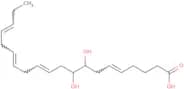
CAS:<p>(±)8(9)-DiHETE is an analog that has shown potent anticancer activity in various tumor models. It acts as an inhibitor of human cancer cell growth by blocking the activity of kinases, which are enzymes that play a critical role in cell proliferation and survival. This compound has been tested in Chinese hamster ovary cells and has been found to induce apoptosis, or programmed cell death, in these cells. (±)8(9)-DiHETE is a promising medicinal compound for the development of kinase inhibitors for the treatment of cancer. Its potential as an anticancer agent is being investigated further, and it holds great promise for future treatments targeting this disease.</p>Fórmula:C20H32O4Pureza:Min. 95%Peso molecular:336.5 g/mol1,2-Dioleoyl-rac-glycerol-13C3
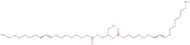
CAS:<p>Please enquire for more information about 1,2-Dioleoyl-rac-glycerol-13C3 including the price, delivery time and more detailed product information at the technical inquiry form on this page</p>Fórmula:C39H72O5Pureza:Min. 95%Peso molecular:624 g/mol17(R)-Resolvin d1 methyl ester
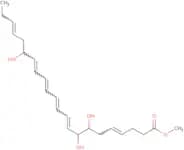
CAS:<p>Please enquire for more information about 17(R)-Resolvin d1 methyl ester including the price, delivery time and more detailed product information at the technical inquiry form on this page</p>Fórmula:C23H34O5Pureza:Min. 95%Peso molecular:390.5 g/molAziridinomitosene
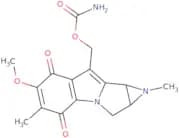
CAS:<p>Aziridinomitosene is an analog of mitomycin C, a potent anticancer drug. It induces apoptosis in cancer cells by cross-linking DNA strands and inhibiting DNA synthesis. Aziridinomitosene also inhibits elastase activity, which is involved in the degradation of extracellular matrix proteins and is associated with tumor invasion and metastasis. This drug has been shown to be a potent inhibitor of various kinases, including Chinese hamster ovary cell kinase, human epidermal growth factor receptor kinase, and protein kinase C. Aziridinomitosene has demonstrated significant antitumor activity in various animal models, including lung cancer and colon cancer. Urinary excretion of this drug is rapid and complete within 48 hours after administration.</p>Fórmula:C16H17N3O5Pureza:Min. 95%Peso molecular:331.32 g/molIN-JU 873
CAS:<p>Please enquire for more information about IN-JU 873 including the price, delivery time and more detailed product information at the technical inquiry form on this page</p>Fórmula:C19H15ClF3N3O5Pureza:Min. 95%Peso molecular:457.8 g/molNeurokinin B trifluroacetate
CAS:<p>Please enquire for more information about Neurokinin B trifluroacetate including the price, delivery time and more detailed product information at the technical inquiry form on this page</p>Fórmula:C55H79N13O14S2•(C2HF3O2)xPureza:Min. 95%Cytochrome P450 14a-demethylase inhibitor 1K
CAS:<p>Cytochrome P450 14a-demethylase inhibitor 1K is a protein that is encoded by the CYP14A1 gene. It is a cytochrome P450 enzyme that activates retinoids and may be involved in the metabolism of drugs. Cytochrome P450 14a-demethylase inhibitor 1K has been shown to interact with a number of proteins, including: Hsp90, ErbB2, Fyn kinase, and Her2/neu receptor tyrosine kinase. Cytochrome P450 14a-demethylase inhibitor 1K has a molecular weight of approximately 4.5 kDa and is expressed in many tissues including liver, kidney, lung, and pancreas.</p>Fórmula:C22H24F2N4OPureza:Min. 95%Peso molecular:398.4 g/molMitoblock-11
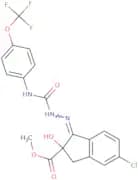
CAS:<p>Mitoblock-11 is an analog of a natural compound found in Chinese medicinal herbs that has been shown to have potent anticancer activity. It is a kinase inhibitor that targets proteins involved in cell growth and survival, leading to apoptosis (programmed cell death) of cancer cells. Mitoblock-11 has been shown to be effective against various human tumor cell lines, inhibiting their growth and inducing apoptosis. This compound is excreted in urine and can be used as a biomarker for its pharmacokinetic properties. Its unique mechanism of action makes it a promising candidate for the development of new cancer therapies.</p>Fórmula:C17H12BrN3O4SPureza:Min. 95%Peso molecular:434.3 g/mol15-Ketocholestene
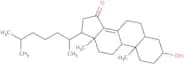
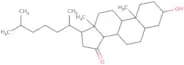
CAS:Producto controlado<p>15-Ketocholestene is a natural product that inhibits the synthesis of cholesterol by binding to cholesterol esterase, preventing the breakdown of fatty acids. It has been shown to have an inhibitory effect on liver cells, which may be due to its ability to inhibit sodium-dependent glucose uptake. 15-Ketocholestene has also been shown to reduce blood and liver cholesterol levels in Sprague-Dawley rats. The mechanism of action is not fully understood, but it has been speculated that this inhibition may be due to an alkylthio group or a carbonyl group. 15-Ketocholestene has also been shown to have anti-hepatitis effects.</p>Fórmula:C27H44O2Pureza:Min. 95%Peso molecular:400.6 g/mol15-Ketocholestane
CAS:Producto controlado<p>15-Ketocholestane is a fatty acid that is synthesized from cholesterol in mammalian cells. It is derived from cholesterol through the action of cholesterol esterase and can be used to study cholesterol synthesis and metabolism. 15-Ketocholestane has been shown to inhibit the activity of cytosolic proteins, such as fatty acid synthase, which are involved in the biosynthesis of fatty acids. This may be due to its ability to compete with coenzyme A (CoA) for binding sites on the enzyme. 15-Ketocholestane has also been shown to inhibit the activity of oxysterols, which are intermediates in cholesterol biosynthesis, by binding to them and preventing their conversion into other products.</p>Fórmula:C27H46O2Pureza:Min. 95%Peso molecular:402.7 g/molPurified Annexin A5 Protein
<p>Annexin A5 is a host cell protein (HCP) generated by CHO cells during production of biotherapeutics. This process-related impurity accumulates in the extracellular space as it is released from dead CHO cells and secreted from viable cells during cell culture. Annexin A5 is highly immunogenic and may cause dangerous adverse reactions if present in a therapeutic drug formulation.</p>Recombinant Mouse MIG
<p>Mouse sequence expressed in E. coli Cells; purity >97% by SDS-PAGE and analyzed by silver stain.</p>Recombinant Mouse Cardiotrophin-1
<p>Mouse sequence expressed in E. coli Cells; purity >97% by SDS-PAGE and analyzed by silver stain.</p>anti-Human Epididymis Protein 4 Antibody
<p>Please enquire for more information about anti-Human Epididymis Protein 4 Antibody including the price, delivery time and more detailed product information at the technical inquiry form on this page</p>Pureza:Min. 95%Recombinant Human GDF-11
<p>Human sequence expressed in E. coli Cells; purity >95% by SDS Page and analyzed by silver stain.</p>Recombinant Human Prolactin Receptor
<p>Human sequence expressed in NS0 Cells; purity >90% by SDS-PAGE and analyzed by silver stain; Fc Fusion Protein.</p>anti-Alexa Fluor 647 Antibody
<p>This purified Mouse anti-Alexa Fluor 647 can be used in ELISA and lateral flow assays to detect Alexa Fluor 647 conjugated proteins.</p>Pureza:Min. 95%Recombinant Human β-Defensin 3
<p>Human sequence expressed in E. coli Cells; purity >95% by SDS-PAGE and analyzed by silver stain.</p>Recombinant Human Connective Tissue Growth Factor
<p>Human sequence expressed in E. coli Cells; purity >98% by SDS-PAGE and HPLC.</p>Affinity Purified anti-Mouse IgG h+l Antibody
<p>Affinity Purified Goat anti-Mouse IgG h+l antibody is suitable for WB, ELISA, IHC and is commonly used by manufacturers of lateral flow immunochromatographic assays.</p>Pureza:Min. 95%Recombinant Human TWEAK R
<p>Human sequence expressed in NS0 Cells; purity >90% by SDS-PAGE and analyzed by silver stain; Fc Fusion Protein.</p>Recombinant Mouse ICAM-2
<p>Mouse sequence expressed in NS0 Cells; purity >95% by SDS-PAGE and analyzed by silver stain; Fc Fusion Protein.</p>anti-Cyanine5 Antibody
<p>This purified Mouse anti-Cyanine5 can be used in ELISA and lateral flow assays to detect Cyanine5 conjugated proteins.</p>Pureza:Min. 95%Recombinant Mouse IL-3
<p>Mouse sequence expressed in E. coli Cells; purity >97% by SDS-PAGE and analyzed by silver stain.</p>Recombinant Mouse IL-31
<p>Mouse sequence expressed in E. coli Cells; purity >95% by SDS-PAGE and HPLC.</p>Recombinant Human IL-10
<p>Human sequence expressed in sf Insect Cells; purity >97% by SDS-PAGE and analyzed by silver stain.</p>Recombinant Human Oncostatin M
<p>Human sequence expressed in E. coli Cells; purity >97% by SDS-PAGE and analyzed by silver stain.</p>Recombinant Mouse VEGF 164
<p>Mouse sequence expressed in sf Insect Cells; purity >97% by SDS-PAGE and analyzed by silver stain.</p>Recombinant Human VEGF-D
<p>Human sequence expressed in HEK-293 Cells; purity >95% by SDS Page and analyzed by silver stain.</p>Recombinant Human PTHrP
<p>Human sequence expressed in E. coli Cells; purity >98% by SDS Page and HPLC.</p>Recombinant Human PDGF-AA
<p>Human sequence expressed in E. coli Cells; purity >97% by SDS-PAGE and analyzed by silver stain.</p>Recombinant Human VEGF R2
<p>Human sequence expressed in NS0 Cells; purity >90% by SDS-PAGE and analyzed by silver stain; Fc Fusion Protein.</p>Recombinant Mouse CCL21
<p>Mouse sequence expressed in E. coli Cells; purity >97% by SDS-PAGE and analyzed by silver stain.</p>Recombinant Human HGF (NS0 Cell Expressed)
<p>Human sequence expressed in NS0 Cells; purity >95% by SDS-PAGE and analyzed by silver stain.</p>Affinity Purified anti-Canine Leptospira Lig A/B Antibody
<p>Please enquire for more information about Affinity Purified anti-Canine Leptospira Lig A/B Antibody including the price, delivery time and more detailed product information at the technical inquiry form on this page</p>Pureza:Min. 95%Recombinant Human Lymphotactin
<p>Human sequence expressed in E. coli Cells; purity >97% by SDS-PAGE and analyzed by silver stain.</p>Affinity Purified anti-Human κ b+f Antibody
<p>Affinity Purified Goat anti-Human Kappa b+f Antibody</p>Pureza:Min. 95%Affinity Purified anti-Human IgA Antibody
<p>This antibody can be used as a Human IgA detection or capture antibody in a variety of immunoassays.</p>Pureza:Min. 95%Recombinant Mouse B7-H2 (ICOSL)
<p>Mouse sequence expressed in NS0 Cells; purity >95% by SDS-PAGE and analyzed by silver stain; Fc Fusion Protein.</p>Recombinant Human Cardiotrophin-1
<p>Human sequence expressed in E. coli Cells; purity >95% by SDS-PAGE and analyzed by silver stain.</p>









![1-Benzyl-1,7-diazaspiro[4.5]decane dihydrochloride](/_next/image/?url=https%3A%2Fstatic.cymitquimica.com%2Fproducts%2F3D%2Fthumb-webp%2FJWB82373.webp&w=3840&q=75)