Compuestos y reactivos bioquímicos
Los bioquímicos y reactivos son sustancias fundamentales para la investigación y el desarrollo en campos como la biotecnología, la biología molecular, la farmacología y la medicina. Estos productos son esenciales para una variedad de aplicaciones, incluyendo la síntesis de compuestos, el análisis de muestras biológicas, la investigación de procesos metabólicos y la producción de medicamentos. En CymitQuimica, ofrecemos una amplia selección de bioquímicos y reactivos de alta calidad y pureza, adecuados para diversas necesidades científicas e industriales. Nuestro catálogo incluye enzimas, anticuerpos, ácidos nucleicos, aminoácidos, y muchos otros productos, todos diseñados para apoyar a los investigadores y profesionales en sus proyectos de investigación y desarrollo, asegurando resultados confiables y reproducibles.
Subcategorías de "Compuestos y reactivos bioquímicos"
- Biomoléculas(99.127 productos)
- Por objetivo biológico(99.160 productos)
- Según efectos farmacológicos(6.787 productos)
- Crioconservantes(21 productos)
- Desinfectantes y compuestos relacionados(28 productos)
- Hormonas(346 productos)
- Biología Vegetal(6.742 productos)
- Metabolitos secundarios(14.222 productos)
Se han encontrado 130581 productos de "Compuestos y reactivos bioquímicos"
Ordenar por
Pureza (%)
0
100
|
0
|
50
|
90
|
95
|
100
FLJ33790 Blocking Peptide
<p>A synthetic peptide for use as a blocking control in assays to test for specificity of FLJ33790 antibody, catalog no. 70R-3788</p>Pureza:Min. 95%SFXN4 Blocking Peptide
<p>A synthetic peptide for use as a blocking control in assays to test for specificity of SFXN4 antibody, catalog no. 70R-9230</p>VPS28 protein
<p>1-221 amino acids: MFHGIPATPG IGAPGNKPEL YEEVKLYKNA REREKYDNMA ELFAVVKTMQ ALEKAYIKDC VSPSEYTAAC SRLLVQYKAA FRQVQGSEIS SIDEFCRKFR LDCPLAMERI KEDRPITIKD DKGNLNRCIA DVVSLFITVM DKLRLEIRAM DEIQPDLREL METMHRMSHL PPDFEGRQTV SQWLQTLSGM SASDELDDSQ VRQMLFDLES AYNAFNRFLH A</p>Pureza:Min. 95%CD10 antibody
<p>CD10 antibody was raised in Mouse using a purified recombinant fragment of CD10 expressed in E. coli as the immunogen.</p>HNRPAB Blocking Peptide
<p>A synthetic peptide for use as a blocking control in assays to test for specificity of HNRPAB antibody, catalog no. 70R-1475</p>Pureza:Min. 95%SKP1 protein
<p>1-160 amino acids: MPSIKLQSSD GEIFEVDVEI AKQSVTIKTM LEDLGMDDEG DDDPVPLPNV NAAILKKVIQ WCTHHKDDPP PPEDDENKEK RTDDIPVWDQ EFLKVDQGTL FELILAANYL DIKGLLDVTC KTVANMIKGK TPEEIRKTFN IKNDFTEEEE AQVGSTQFCL</p>Pureza:Min. 95%Nucleobindin 2 antibody
<p>Nucleobindin 2 antibody was raised using the C terminal of NUCB2 corresponding to a region with amino acids FFTEEELKEYENIIALQENELKKKADELQKQKEELQRQHDQLEAQKLEYH</p>Mouse IgM κ
<p>Mouse IgM Kappa is a monoclonal antibody that is widely used in life sciences research. It belongs to the class of biological reagents and is commonly used as an isotype control in experiments involving mouse models. Mouse IgM Kappa has neutralizing properties, making it useful for studying the effects of various growth factors and cytokines. This antibody can be used to activate specific immune responses or induce lysis of target cells. Additionally, Mouse IgM Kappa has been shown to have cytotoxic effects on certain cell types and can be used in assays to detect the presence of anti-dnp antibodies in human serum. Its antiangiogenic properties make it a valuable tool for studying angiogenesis and tumor growth.</p>Pureza:Min. 95%FER antibody
<p>The FER antibody is a powerful tool used in life sciences research for the detection and analysis of messenger RNA (mRNA). It belongs to the category of antibodies, specifically polyclonal antibodies. This cytotoxic antibody is designed to target specific proteins, particularly glycoproteins, and can be used for various applications such as protein immobilization and chromatographic purification. The FER antibody has the unique ability to neutralize binding proteins, including growth factors like hepatocyte growth factor and angiopoietin-like 3 (ANGPTL3). Its high specificity and sensitivity make it an invaluable asset in the field of molecular biology and biomedical research.</p>PPP4R2 antibody
<p>PPP4R2 antibody was raised using the C terminal of PPP4R2 corresponding to a region with amino acids DSRCTRQHCTEEDEEEDEEEEEESFMTSREMIPERKNQEKESDDALTVNE</p>C16ORF46 Blocking Peptide
<p>A synthetic peptide for use as a blocking control in assays to test for specificity of C16orf46 antibody, catalog no. 70R-4158</p>Pureza:Min. 95%SLC25A44 Blocking Peptide
<p>A synthetic peptide for use as a blocking control in assays to test for specificity of SLC25A44 antibody, catalog no. 70R-8585</p>Pureza:Min. 95%C1D antibody
<p>C1D antibody was raised in rabbit using the N terminal of C1D as the immunogen</p>Pureza:Min. 95%PTBP1 Blocking Peptide
<p>A synthetic peptide for use as a blocking control in assays to test for specificity of PTBP1 antibody, catalog no. 70R-4627</p>Pureza:Min. 95%EBF3 Blocking Peptide
<p>A synthetic peptide for use as a blocking control in assays to test for specificity of SNAG1 antibody, catalog no. 70R-9639</p>Pureza:Min. 95%Bin1 antibody
<p>Bin1 antibody was raised in rabbit using the N terminal of Bin1 as the immunogen</p>Pureza:Min. 95%NR1H4 antibody
<p>NR1H4 antibody was raised using the middle region of NR1H4 corresponding to a region with amino acids SAVEAMFLRSAEIFNKKLPSGHSDLLEERIRNSGISDEYITPMFSFYKSI</p>HSF2 antibody
<p>The HSF2 antibody is a polyclonal antibody that is derived from human serum. It is used in various applications such as electrode coating, immunohistochemistry, and western blotting. This antibody specifically targets histidine-rich proteins and autoantibodies present in the sample. The HSF2 antibody can be used in combination with other antibodies, such as monoclonal antibodies, to enhance its specificity and sensitivity. It is commonly used in life sciences research to study the role of histidine-rich proteins in various biological processes, including dopamine and insulin signaling, growth factor signaling (such as epidermal growth factor), and neutralizing effects on specific antigens. The HSF2 antibody is formulated with excipients to ensure stability and long shelf life.</p>PKLR antibody
<p>PKLR antibody was raised in mouse using recombinant human PKLR (47-574aa) purified from E. coli as the immunogen.</p>Goat anti Human IgG (Fab'2) (HRP)
<p>Goat anti-human IgG (Fab'2) (HRP) was raised in goat using human IgG F(c) fragment as the immunogen.</p>Pureza:Min. 95%KCNH3 Blocking Peptide
<p>A synthetic peptide for use as a blocking control in assays to test for specificity of KCNH3 antibody, catalog no. 70R-5167</p>Pureza:Min. 95%Rabbit anti Sheep IgG (rhodamine)
<p>Rabbit anti-sheep IgG (Rhodamine) was raised in rabbit using sheep IgG F(c) fragment as the immunogen.</p>Pureza:Min. 95%Glycoprotein Blocking Peptide
<p>A synthetic peptide for use as a blocking control in assays to test for specificity of GPNMB antibody, catalog no. 70R-7234</p>Pureza:Min. 95%MRE11A Blocking Peptide
<p>A synthetic peptide for use as a blocking control in assays to test for specificity of MRE11A antibody, catalog no. 70R-9416</p>Pureza:Min. 95%IL15 antibody (biotin)
<p>IL15 antibody (biotin) was raised in rabbit using highly pure recombinant human IL-15 as the immunogen.</p>IgM Isotype Control Fc fusion protein (FITC)
<p>Rat monoclonal IgM Isotype Control Fc fusion protein (FITC)</p>Pureza:Min. 95%JunB antibody
<p>The JunB antibody is a polyclonal antibody that specifically targets the JunB protein. It is commonly used in life sciences research to study the role of JunB in various biological processes. This antibody has been shown to have high affinity and specificity for JunB, making it an ideal tool for detecting and quantifying the protein in different samples. It can be used in techniques such as Western blotting, immunohistochemistry, and immunofluorescence to visualize and analyze the expression and localization of JunB. The JunB antibody is also valuable for studying the interactions between JunB and other proteins, such as TGF-beta or annexin A2. With its wide range of applications and reliable performance, this antibody is a valuable asset for researchers in the field of life sciences.</p>Pureza:Min. 95%THC antibody
<p>The THC antibody is a monoclonal antibody used in Life Sciences research. It specifically targets and binds to tyrosinase, an enzyme involved in melanin synthesis. This antibody can be used for various applications, including detecting the presence of tyrosinase in samples, studying the role of tyrosinase in melanogenesis, and investigating its potential as a therapeutic target for conditions related to abnormal melanin production.</p>Pureza:>98% By Sds-PageG6PC Blocking Peptide
<p>A synthetic peptide for use as a blocking control in assays to test for specificity of G6PC antibody, catalog no. 70R-6258</p>Pureza:Min. 95%Guf1 antibody
<p>Guf1 antibody was raised in rabbit using the C terminal of Guf1 as the immunogen</p>Pureza:Min. 95%PDE8A antibody
<p>PDE8A antibody was raised in rabbit using the C terminal of PDE8A as the immunogen</p>Pureza:Min. 95%CDKN2AIP antibody
<p>CDKN2AIP antibody was raised in Rabbit using Human CDKN2AIP as the immunogen</p>GFRA4 Blocking Peptide
<p>A synthetic peptide for use as a blocking control in assays to test for specificity of GFRA4 antibody, catalog no. 70R-10339</p>Pureza:Min. 95%ZCCHC14 antibody
<p>ZCCHC14 antibody was raised using the N terminal of ZCCHC14 corresponding to a region with amino acids RYLASLPSHVLKNDHVRRFLSTSSPPQQLQSPSPGNPSLSKVGTVMGVSG</p>Sagittatoside A
CAS:<p>Sagittatoside A is a flavonol glycoside that inhibits the enzyme β-glucosidase, which hydrolyzes glycosides at the C2 position of the sugar. This inhibition prevents the breakdown of epimedoside and other flavonoids and increases their bioavailability. Sagittatoside A also has an effect on striatal dopamine levels in rats with Parkinson's disease, preventing neuronal death by suppressing oxidative stress. This compound also has a surface methodology mechanism of action, blocking the matrix effect to prevent liver cells from being metabolized by phenolic acids and chinese herb. Sagittatoside A also reduces mitochondrial membrane potential and protects against liver injury in mice with carbon tetrachloride induced hepatic fibrosis.</p>Fórmula:C33H40O15Pureza:Min. 95%Peso molecular:676.66 g/molGNE-317
CAS:<p>GNE-317 is a cancer therapeutic that inhibits the activity of CDK4/6 and is currently in phase II clinical trials. GNE-317 has been shown to be effective in inhibiting tumor growth in mice with metastatic melanoma. The mechanism of action of GNE-317 is by binding to CDK4/6 and inhibiting their activity, which prevents phosphorylation of effector proteins such as S6 kinase. This inhibition leads to a decrease in cell proliferation and an increase in apoptosis.<br>GNE-317 has been shown to inhibit the growth of human breast cancer cells without affecting normal cells. It also inhibits Hdac, a protein involved in cell signaling pathways that can lead to uncontrolled cell growth, which may be due to its ability to inhibit histone deacetylation.</p>Fórmula:C19H22N6O3SPureza:Min. 95%Peso molecular:414.48 g/molSKF-89976A
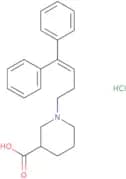
CAS:<p>SKF-89976A is a potent, selective inhibitor of the uptake of the inhibitory neurotransmitter γ-aminobutyric acid (GABA) into synaptic vesicles. SKF-89976A has been shown to inhibit the uptake of GABA and diazepam in rat brain synaptosomes and to have antiepileptic activity in rats. It also binds to GABA receptors with low affinity. SKF-89976A has been localized to granule cell axons, where it inhibits GABA release, and to presynaptic terminals, where it inhibits GABA uptake. SKF-89976A is expressed in animals as well as in human tissues.<br>BR>BR><br>SKF-89976A was discovered by scientists at SmithKline Beecham Pharmaceuticals (now GlaxoSmithKline) who were looking for drugs that could raise seizure threshold levels during clinical trials on epilepsy patients.BR>BR><br>The drug was</p>Fórmula:C22H25NO2·HClPureza:Min. 95%Peso molecular:371.9 g/molTdp1 Blocking Peptide
<p>A synthetic peptide for use as a blocking control in assays to test for specificity of Tdp1 antibody, catalog no. 70R-9482</p>Pureza:Min. 95%TRPV5 Blocking Peptide
<p>A synthetic peptide for use as a blocking control in assays to test for specificity of TRPV5 antibody, catalog no. 70R-5176</p>Pureza:Min. 95%FKBP2 protein
<p>22-142 amino acids: MATGAEGKRK LQIGVKKRVD HCPIKSRKGD VLHMHYTGKL EDGTEFDSSL PQNQPFVFSL GTGQVIKGWD QGLLGMCEGE KRKLVIPSEL GYGERGAPPK IPGGATLVFE VELLKIERRT EL</p>Pureza:Min. 95%SLC25A42 Blocking Peptide
<p>A synthetic peptide for use as a blocking control in assays to test for specificity of SLC25A42 antibody, catalog no. 70R-6513</p>Pureza:Min. 95%Goat anti Human IgG (Fab'2)
<p>Goat anti-human IgG (Fab'2) was raised in goat using human IgG F(ab')2 fragment as the immunogen.</p>Pureza:Min. 95%Ubiquilin 3 Blocking Peptide
<p>A synthetic peptide for use as a blocking control in assays to test for specificity of UBQLN3 antibody, catalog no. 70R-2645</p>Pureza:Min. 95%RAF1 antibody
<p>The RAF1 antibody is a monoclonal antibody that is commonly used in Life Sciences research. It specifically targets the CD33 protein, which is expressed on the surface of certain cells. This antibody can be used for a variety of applications, including immunohistochemistry, immunofluorescence, and flow cytometry.</p>Pureza:Min. 95%PP2A antibody
<p>The PP2A antibody is a highly specialized monoclonal antibody that specifically targets the protein phosphatase 2A (PP2A). PP2A is an important regulator of cellular processes and functions by dephosphorylating various proteins involved in signal transduction pathways. This antibody has been extensively studied and proven to effectively inhibit the activity of PP2A, making it a valuable tool for researchers in the field of Life Sciences.</p>Streptavidin Poly-HRP20 Conjugate
<p>Streptavidin Poly-HRP20 Conjugate (diluted to 2 µg/mL in stabilizer 85R-1028).</p>Pureza:Min. 95%ZNF154 antibody
<p>ZNF154 antibody was raised in rabbit using the N terminal of ZNF154 as the immunogen</p>Pureza:Min. 95%SLC6A5 Blocking Peptide
<p>A synthetic peptide for use as a blocking control in assays to test for specificity of SLC6A5 antibody, catalog no. 70R-6566</p>Pureza:Min. 95%TD1 Blocking Peptide
<p>A synthetic peptide for use as a blocking control in assays to test for specificity of TD1 antibody, catalog no. 70R-3036</p>Pureza:Min. 95%Livin β protein (His tag)
<p>Purified recombinant Human Livin beta protein (His tag)</p>Pureza:Min. 95%C1ORF75 Blocking Peptide
<p>A synthetic peptide for use as a blocking control in assays to test for specificity of C1orf75 antibody, catalog no. 70R-6574</p>CENTB5 antibody
<p>CENTB5 antibody was raised using the N terminal of CENTB5 corresponding to a region with amino acids LQSFVKEDVRKFKETKKQFDKVREDLELSLVRNAQAPRHRPHEVEEATGA</p>AGBL5 Blocking Peptide
<p>A synthetic peptide for use as a blocking control in assays to test for specificity of AGBL5 antibody, catalog no. 70R-3580</p>Pureza:Min. 95%VDAC3 antibody
<p>VDAC3 antibody was raised using the N terminal of VDAC3 corresponding to a region with amino acids SCSGVEFSTSGHAYTDTGKASGNLETKYKVCNYGLTFTQKWNTDNTLGTE</p>TNRC18 antibody
<p>TNRC18 antibody was raised in rabbit using the N terminal of TNRC18 as the immunogen</p>Pureza:Min. 95%GDF15 antibody
<p>The GDF15 antibody is a highly specialized monoclonal antibody that has been developed for use in Life Sciences research. It is designed to specifically target and neutralize adeno-associated virus (AAV) particles that are associated with endotoxemia. This antibody can be used in various applications, including immunohistochemistry and Western blotting, to detect the presence of GDF15 antigen. Additionally, it has been shown to have a high affinity for TRPV4, a calcium-permeable ion channel that plays a role in various physiological processes. The GDF15 antibody can also be used in combination with other antibodies, such as anti-CD33 antibody, to study the activation of specific signaling pathways or immune responses. With its specificity and versatility, this monoclonal antibody is an essential tool for researchers in the field of Life Sciences.</p>C20ORF141 antibody
<p>C20ORF141 antibody was raised using the middle region of C20Orf141 corresponding to a region with amino acids HTLPQRKLLTRGQSQGAGEGPGQQEALLLQMGTVSGQLSLQDALLLLLMG</p>Caldesmon 1 Blocking Peptide
<p>A synthetic peptide for use as a blocking control in assays to test for specificity of CALD1 antibody, catalog no. 70R-3420</p>Pureza:Min. 95%FHIT antibody
<p>The FHIT antibody is a highly specialized antibody used in the field of Life Sciences. It is a monoclonal antibody that specifically targets the fragile histidine triad (FHIT) protein. This protein plays a crucial role in various cellular processes, including DNA repair, cell cycle regulation, and tumor suppression.</p>CEND1 Blocking Peptide
<p>A synthetic peptide for use as a blocking control in assays to test for specificity of CEND1 antibody, catalog no. 70R-6482</p>Pureza:Min. 95%SF3B1 Blocking Peptide
<p>A synthetic peptide for use as a blocking control in assays to test for specificity of SF3B1 antibody, catalog no. 70R-1333</p>Pureza:Min. 95%PSME1 Blocking Peptide
<p>A synthetic peptide for use as a blocking control in assays to test for specificity of PSME1 antibody, catalog no. 70R-5746</p>Pureza:Min. 95%Goat anti Human IgG
<p>This antibody reacts with heavy chains on human IgG (gamma chain).</p>Pureza:Min. 95%HMGB4 Blocking Peptide
<p>A synthetic peptide for use as a blocking control in assays to test for specificity of HMGB4 antibody, catalog no. 70R-8414</p>Pureza:Min. 95%THYN1 Blocking Peptide
<p>A synthetic peptide for use as a blocking control in assays to test for specificity of THYN1 antibody, catalog no. 70R-3715</p>Pureza:Min. 95%CIDEB antibody
<p>CIDEB antibody was raised in rabbit using the middle region of CIDEB as the immunogen</p>LOC641765 antibody
<p>LOC641765 antibody was raised in rabbit using the C terminal of LOC641765 as the immunogen</p>Pureza:Min. 95%MGC46336 Blocking Peptide
<p>A synthetic peptide for use as a blocking control in assays to test for specificity of MGC46336 antibody, catalog no. 70R-8466</p>Pureza:Min. 95%GNAS Blocking Peptide
<p>A synthetic peptide for use as a blocking control in assays to test for specificity of GNAS antibody, catalog no. 70R-5756</p>Pureza:Min. 95%SULT1B1 Blocking Peptide
<p>A synthetic peptide for use as a blocking control in assays to test for specificity of SULT1B1 antibody, catalog no. 70R-2335</p>Pureza:Min. 95%RDHE2 antibody
<p>RDHE2 antibody was raised using the middle region of RDHE2 corresponding to a region with amino acids AGLSGVNGLADYCASKFAAFGFAESVFVETFVQKQKGIKTTIVCPFFIKT</p>RBM5 antibody
<p>The RBM5 antibody is a powerful antiviral agent that belongs to the family of antibodies. It specifically targets proteins such as anti-mesothelin and alpha-fetoprotein, which are known to play a crucial role in various diseases. The RBM5 antibody has been shown to have neutralizing effects on these proteins, preventing them from causing harm to the body.</p>CENPA Blocking Peptide
<p>A synthetic peptide for use as a blocking control in assays to test for specificity of CENPA antibody, catalog no. 70R-1035</p>Pureza:Min. 95%AChE Blocking Peptide
<p>A synthetic peptide for use as a blocking control in assays to test for specificity of ACHE antibody, catalog no. 70R-6077</p>Pureza:Min. 95%PDHB antibody
<p>The PDHB antibody is a highly specific monoclonal antibody that targets the PDHB molecule. It has been extensively studied for its potential use in antiangiogenic therapy, as it has shown promising results in inhibiting the growth of new blood vessels. This antibody can bind to PDHB and block its activity, which is crucial for the formation of new blood vessels. Studies have also shown that the PDHB antibody can reduce plasma levels of angiogenic factors, further supporting its potential therapeutic application. Additionally, this antibody has been used as a valuable tool in research and diagnostics in the Life Sciences field. Its specificity and high affinity make it an ideal choice for various applications, including tracers and detection of PDHB in human serum samples. Furthermore, the PDHB antibody exhibits antioxidant activity and has been investigated for its potential role in counteracting oxidative stress-related conditions. With its unique characteristics and diverse applications, the PDHB antibody holds great promise for both therapeutic and scientific purposes.</p>Mtch1 Blocking Peptide
<p>A synthetic peptide for use as a blocking control in assays to test for specificity of Mtch1 antibody, catalog no. 70R-8665</p>Pureza:Min. 95%Carboxypeptidase N1 Blocking Peptide
<p>A synthetic peptide for use as a blocking control in assays to test for specificity of CPN1 antibody, catalog no. 70R-5398</p>Pureza:Min. 95%RNASEH2A Blocking Peptide
<p>A synthetic peptide for use as a blocking control in assays to test for specificity of RNASEH2A antibody, catalog no. 70R-5650</p>Pureza:Min. 95%Src antibody
<p>The Src antibody is a specific antibody used in Life Sciences research. It targets protein tyrosine kinases, specifically the Src family of kinases. This antibody has been shown to induce apoptosis in various cell types by activating the TNF-related apoptosis-inducing ligand (TRAIL) pathway. It can also inhibit the activity of interferon and epidermal growth factor signaling pathways. The Src antibody is available in stable liquid formulations for easy handling and storage. Whether you need a monoclonal or polyclonal antibody, the Src antibody is a reliable choice for your research needs. Additionally, studies have suggested that this antibody may have potential therapeutic applications in conditions such as hepatic steatosis.</p>EPS15 antibody
<p>EPS15 antibody was raised using the C terminal of EPS15 corresponding to a region with amino acids LDSPDPFKLNDPFQPFPGNDSPKEKDPEIFCDPFTSATTTTNKEADPSNF</p>Goat anti Human IgG Fc
<p>Goat anti Human IgG Fc secondary antibody (Fc gamma chain specific)</p>Pureza:Min. 95%MS-444
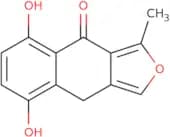
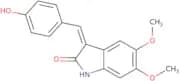
CAS:<p>MS-444 is a light-chain kinase inhibitor that has been shown to be effective in the treatment of malignant glioma cells and cancer cell lines, such as HCT116. It has been shown to inhibit tumor growth and induce apoptosis in xenografts. MS-444 is localized to the nucleus and cytoplasm, and selectively inhibits the proliferation of cancer cells by binding to their surface receptors. This molecule also stabilizes the tumor microenvironment by inhibiting pro-inflammatory cytokine production.</p>Fórmula:C13H10O4Pureza:Min. 95%Peso molecular:230.22 g/molFABP4 Inhibitor
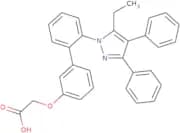
CAS:<p>FABP4 is a fatty acid binding protein that has been shown to be over-expressed in cancer tissues. The FABP4 inhibitor, BMS309403, has been shown to inhibit the enzyme activity of FABP4, leading to the accumulation of fatty acids in tumor cells. This leads to cellular death by triggering apoptosis and necrosis. In addition, FABP4 inhibitors have anti-atherosclerotic effects and are being studied for their potential use as anti-obesity agents. These drugs may also have beneficial effects on mitochondrial function and neuronal function.</p>Fórmula:C31H26N2O3Pureza:Min. 95%Peso molecular:474.55 g/mol(-)-Bicuculline methiodide
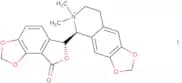
CAS:<p>Inhibitor of ionotropic receptor GABA(A); less active isomer</p>Fórmula:C21H20INO6Pureza:Min. 95%Peso molecular:509.29 g/molAtabecestat
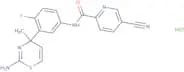
CAS:<p>Atabecestat is a drug that belongs to the group of metabotropic glutamate receptor (mGluR) antagonists. It is a small molecule that blocks the mGluR5 receptor and prevents glutamate from binding, thereby reducing inflammation in inflammatory bowel disease. Atabecestat has been shown to be effective in patients with Crohn's disease and ulcerative colitis, as well as those with more severe forms of IBD. The drug has also been shown to be safe for long-term use in clinical trials, including one study that lasted up to 1 year and another study that was conducted for 2 years.</p>Fórmula:C18H15ClFN5OSPureza:Min. 95%Peso molecular:403.9 g/mol1a,1b-Dihomo prostaglandin E2
CAS:<p>1a,1b-Dihomo prostaglandin E2 is a prostaglandin that is synthesized from arachidonic acid by the enzyme prostaglandin synthetase. It is a potent vasodilator that can also be used to regulate blood pressure and heart rate. 1a,1b-Dihomo prostaglandin E2 has been shown to inhibit the uptake of glutathione in rat liver homogenates. This inhibition may be due to its ability to activate the enzyme glutathione reductase, which converts oxidized glutathione back into reduced form. In addition, 1a,1b-Dihomo prostaglandin E2 has been shown to inhibit the synthesis of adrenic acid and pgf2α in porcine tissue.</p>Fórmula:C22H36O5Pureza:Min. 95%Peso molecular:380.5 g/molMivazerol
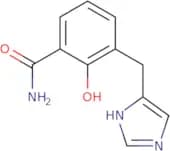
CAS:<p>Mivazerol is a drug that belongs to the class of 2-adrenergic receptor agonists. It has clinical relevance for the treatment of ischemic brain damage, and has been shown to be protective against cerebral infarction in animal models. Mivazerol also has anti-inflammatory effects, inhibiting the production of inflammatory cytokines such as TNF-α and IL-1β. Mivazerol may also help prevent heart failure after abdominal surgery by reducing the risk of developing congestive heart failure due to its ability to lower elevated blood pressure and increase cardiac output. It does this by stimulating the release of catecholamines from sympathetic nerve endings, which increases the rate of cardiac contraction. Mivazerol is a potent inhibitor of phosphodiesterase enzymes and fatty acid synthase, which are involved in regulating intracellular calcium levels. This drug can cause an increase in cytosolic calcium concentrations, which can lead to cell death through activation of apoptosis</p>Fórmula:C11H11N3O2Pureza:Min. 95%Peso molecular:217.22 g/molGNB1 Blocking Peptide
<p>A synthetic peptide for use as a blocking control in assays to test for specificity of GNB1 antibody, catalog no. 70R-3118</p>Pureza:Min. 95%BEND7 Blocking Peptide
<p>A synthetic peptide for use as a blocking control in assays to test for specificity of C10orf30 antibody, catalog no. 70R-3881</p>Pureza:Min. 95%GABRP antibody
<p>GABRP antibody was raised in rabbit using the N terminal of GABRP as the immunogen</p>Pureza:Min. 95%Rabbit anti Pig Serum
<p>Pig serum antibody was raised in rabbit using porcine serum as the immunogen.</p>Pureza:Min. 95%TYK2 antibody
<p>The TYK2 antibody is a highly effective tool used in Life Sciences research. It is available as both polyclonal and monoclonal antibodies, allowing for versatility in various applications. The TYK2 antibody specifically targets the TYK2 protein kinase, which plays a crucial role in cellular signaling pathways.</p>Pureza:Min. 95%SYDE1 antibody
<p>SYDE1 antibody was raised using a synthetic peptide corresponding to a region with amino acids PSPPEPEPQAPEGSQAGAEGPSSPEASRSPARGAYLQSLEPSSRRWVLGG</p>E2F7 Blocking Peptide
<p>A synthetic peptide for use as a blocking control in assays to test for specificity of E2F7 antibody, catalog no. 20R-1171</p>Pureza:Min. 95%CMA1 Blocking Peptide
<p>A synthetic peptide for use as a blocking control in assays to test for specificity of CMA1 antibody, catalog no. 70R-9959</p>Pureza:Min. 95%MGC70924 Blocking Peptide
<p>A synthetic peptide for use as a blocking control in assays to test for specificity of MGC70924 antibody, catalog no. 70R-4278</p>Pureza:Min. 95%(2S)-Arimoclomol maleate
CAS:<p>(2S)-Arimoclomol maleate is a ligand that is used in research as a cell biology tool. It is an inhibitor of potassium channels, which are ion channels that activate the release of neurotransmitters. It has been shown to be a high-quality reagent and is used to study protein interactions, receptor activation, and pharmacology. Additionally, this compound can be used as a research tool in the field of cell biology.</p>Fórmula:C18H24ClN3O7Pureza:Min. 95%Peso molecular:429.85 g/molPyr-Gly-Arg-AMC
CAS:<p>Pyr-Gly-Arg-AMC is a peptide that can be used as a research tool to study the interactions between proteins in the cell. Pyr-Gly-Arg-AMC binds to the receptor site of ion channels and inhibits their function. The high purity of this product means that it is suitable for use in research.</p>Fórmula:C23H29N7O6Pureza:Min. 95%Peso molecular:499.52 g/moldPEG®24-SATA (S-Acetyl-dPEG®24-NHS Ester)
<p>dPEG®24-SATA (S-Acetyl-dPEG®24-NHS Ester) is a PEG compound with two different functional groups (also known as heterobifunctional). Unlike homobifunctional PEG compounds (same functional group on both ends), this type of compounds are more versatile as have two different anchor points. dPEG®24-SATA (S-Acetyl-dPEG®24-NHS Ester) is used as a linker and spacer to add a PEG moiety, via pegylation (a bioconjugation technique) to proteins, peptides, oligonucleotides, small molecules and nanoparticles.</p>Pureza:(%) Min. 97%Peso molecular:1,302.51 g/molAzido-dPEG®24-OH
<p>Azido-dPEG®24-OH is a PEG polymer categorised as monofunctional (OH-PEG-X). Used as a linker, azido-dPEG®24-OH is used to attached PEG to proteins, peptides, oligonucleotides, nanoparticles and small molecules via pegylation, a bioconjugation technique.</p>Fórmula:C88H156F4N2O41Pureza:Min. 95%Peso molecular:1,974.16 g/molaR-C 118925Xx
CAS:<p>Uridine is a nucleoside that is necessary for the synthesis of pyrimidines and purines. It can be used in cellular transformation experiments to induce the expression of a specific gene. Uridine has been shown to activate the ATP channel and potentiate receptor activity, which may be due to its ability to inhibit phosphodiesterase. Uridine also has anti-cancer properties, including inducing apoptosis in cancer cells by inhibiting protein synthesis. This drug is an antagonist at P2Y receptors, which are involved in pain transmission.</p>Fórmula:C28H23N7O3SPureza:Min. 95%Peso molecular:537.6 g/molBV6
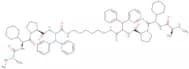
CAS:<p>BV6 is a mouse tumor that has been shown to be clinically relevant in vivo. It induces necrotic cell death, which has been shown to be TNFR-related apoptosis-inducing and apoptosis protein-mediated. BV6 also induces mitochondrial membrane potential and chemoattractant protein release, both of which are involved in the pathogenesis of tumor cells. This compound induces fatty acid production, which may be a potential biomarker for primary sclerosing cholangitis and colorectal cancer. Monoclonal antibodies have been developed to treat this tumor, as well as other types of tumors.</p>Fórmula:C70H96N10O8Pureza:Min. 95%Peso molecular:1,205.59 g/molPhth-dPEG®4-Tris(-TFP Ester)3
<p>Phth-dPEG®4-Tris(-TFP Ester)3 is a PEG compound with two different functional groups (also known as heterobifunctional). Unlike homobifunctional PEG compounds (same functional group on both ends), this type of compounds are more versatile as have two different anchor points. Phth-dPEG®4-Tris(-TFP Ester)3 is used as a linker and spacer to add a PEG moiety, via pegylation (a bioconjugation technique) to proteins, peptides, oligonucleotides, small molecules and nanoparticles.</p>Fórmula:C50H46F12N2O16Pureza:Min. 95%Peso molecular:1,158.88 g/molBAY-207
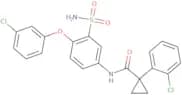
CAS:<p>Bay-207 is a recombinant monoclonal antibody that has been shown to inhibit the function of ion channels. The high-affinity binding site of Bay-207 is in the cytoplasmic region of the ion channel, and it has been shown to be an activator by increasing ligand binding. Bay-207 has been used for research on cell biology, peptides, pharmacology, and protein interactions.</p>Fórmula:C22H18Cl2N2O4SPureza:Min. 95%Peso molecular:477.36 g/molMethoxytrityl-S-dPEG®8 Acid
CAS:<p>Methoxytrityl-S-dPEG®8 Acid is a PEG compound with two different functional groups (also known as heterobifunctional). Unlike homobifunctional PEG compounds (same functional group on both ends), this type of compounds are more versatile as have two different anchor points. Methoxytrityl-S-dPEG®8 Acid is used as a linker and spacer to add a PEG moiety, via pegylation (a bioconjugation technique) to proteins, peptides, oligonucleotides, small molecules and nanoparticles.</p>Pureza:Min. 95%Peso molecular:730.91 g/molRPI-1
CAS:<p>RPI-1 is a cytostatic agent that inhibits the proliferation of tumor cells. It has been shown to have synergistic effects with other agents and can be used in combination therapy for cancer treatment. RPI-1 is able to inhibit the growth of cells in tissue culture and to prevent insect resistance by interfering with their ability to synthesize proteins. This drug also has an effect on liver cells, which may be due to its ability to inhibit angiogenic factors. RPI-1 binds to DNA polymerase and prevents transcription by binding to ribonucleotide reductase, blocking RNA synthesis. This active form also inhibits basic fibroblast activity and microvessel density. RPI-1 also has diploid activity, meaning it can bind to both strands of DNA at the same time, which may lead to cell lysis.</p>Fórmula:C17H15NO4Pureza:Min. 95%Peso molecular:297.31 g/molAmphotericin B methyl ester
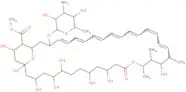
CAS:<p>Amphotericin B is an antifungal agent that belongs to a class of polyenes. It binds to ergosterol in fungal cell membranes and alters their permeability, thereby causing leakage of cellular contents. Amphotericin B methyl ester is a water-soluble prodrug form of amphotericin B that has been shown to have anti-infective activity against many types of fungi, including Candida albicans, Trichosporon beigelii, and Aspergillus fumigatus. Amphotericin B methyl ester has also been shown to be effective against some bacteria such as Streptococcus pneumoniae, Haemophilus influenzae, and Mycoplasma pneumoniae. In vitro studies have demonstrated the detection sensitivity of amphotericin B methyl ester for Coccidioides immitis at 1 ng/ml or less. Amphotericin B methyl ester does not exhibit any hemolytic activity even at concentrations</p>Fórmula:C48H75NO17Pureza:Min. 95%Peso molecular:938.1 g/molBS-181
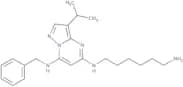
CAS:<p>BS-181 is a drug that belongs to the class of immunomodulators. It is a small molecule with a novel mechanism of action and has been shown to synergize with epidermal growth factor (EGF) to induce the proliferation of T cells, which are important in the immune system. BS-181 has been shown to have tumor-killing activity and can be used for the treatment of cancer xenografts and other tumors in mice. In addition, BS-181 also has immunosuppressive properties and can be used for the treatment of inflammatory diseases such as autoimmune disorders and HIV infections.</p>Fórmula:C22H32N6Pureza:Min. 95%Peso molecular:380.53 g/molAmino-dPEG®4-(m-dPEG®11)3
<p>Amino-dPEG®4-(m-dPEG®11)3 is a PEG compound with two different functional groups (also known as heterobifunctional). Unlike homobifunctional PEG compounds (same functional group on both ends), this type of compounds are more versatile as have two different anchor points. Amino-dPEG®4-(m-dPEG®11)3 is used as a linker and spacer to add a PEG moiety, via pegylation (a bioconjugation technique) to proteins, peptides, oligonucleotides, small molecules and nanoparticles.</p>Fórmula:C93H185N5O44Pureza:Min. 95%Peso molecular:2,077.47 g/mol(-)-Isosamidin
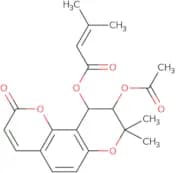
CAS:<p>Isosamidin is a coumarin derivative that has been shown to be effective in the treatment of bladder diseases. In clinical studies, isosamidin has been shown to reduce the symptoms of bladder disease, as well as increase bladder capacity and decrease the frequency of nighttime urination. Isosamidin inhibits the production of reactive oxygen species (ROS) and reactive nitrogen species (RNS), which are molecules that can cause tissue damage or cell death. Isosamidin also reduces inflammation by inhibiting the production of arachidonic acid from phospholipids in the cell membrane and inhibiting cyclooxygenase enzymes.</p>Fórmula:C21H22O7Pureza:Min. 95%Peso molecular:386.4 g/molMAL-dPEG®24-Amido-dPEG®24-TFP Ester
<p>MAL-dPEG®24-Amido-dPEG®24-TFP Ester is a PEG compound with two different functional groups (also known as heterobifunctional). Unlike homobifunctional PEG compounds (same functional group on both ends), this type of compounds are more versatile as have two different anchor points. MAL-dPEG®24-Amido-dPEG®24-TFP Ester is used as a linker and spacer to add a PEG moiety, via pegylation (a bioconjugation technique) to proteins, peptides, oligonucleotides, small molecules and nanoparticles.</p>Fórmula:C115H209F4N3O54Pureza:Min. 95%Peso molecular:2,573.87 g/molBis-dPEG®9-NHS Ester
CAS:<p>Bis-dPEG®9-NHS Ester is a PEG polymer categorised as homobifunctional PEG (X-PEG X). Used as a linker, bis-dPEG®9-NHS Ester is used to attached PEG to proteins, peptides, oligonucleotides, nanoparticles and small molecules via pegylation, a bioconjugation technique.</p>Fórmula:C34H46N4O7SPureza:(%) Min. 97%Peso molecular:654.82 g/molJTK-853
CAS:<p>JTK-853 is a histidine-based compound that has potent inhibitory activity against hepatitis B virus (HBV) and hepatitis C virus (HCV). It binds to the replicon and prevents RNA polymerase from transcribing viral DNA. JTK-853 also inhibits human immunodeficiency virus (HIV) by preventing reverse transcriptase from synthesizing DNA, but has no effect on human serum albumin. The drug is currently in clinical development for HBV and HCV infections. Strategies to prevent resistance include using genotype information to select patients who are likely to be responsive to JTK-853, or using non-nucleoside inhibitors as an adjunct therapy for those who are resistant.</p>Fórmula:C28H23F7N6O4S2Pureza:Min. 95%Peso molecular:704.6 g/molCER8(d9)
CAS:Producto controlado<p>CER8(d9) is an ion channel activator. It is a high-purity, recombinant protein that has been shown to activate the nicotinic acetylcholine receptor (nAChR). This protein is a potent inhibitor of the nAChR and may be used as a research tool in pharmacology and cell biology. CER8(d9) is expressed in E. coli as a fusion protein with glutathione S-transferase (GST). The purified recombinant protein contains no detectable levels of endotoxin (0.1 EU/mg), making it suitable for use in experiments involving live cells or animals.</p>Fórmula:C34H58D9NO4Pureza:Min. 95%Peso molecular:562.96 g/molKY-05009
CAS:<p>KY-05009 is a small molecule that inhibits the DNA methyltransferase enzyme. It has been shown to inhibit the transcriptional regulation of epithelial mesenchymal transition (EMT) and signal pathways, such as the Wnt/β-catenin, TGF-β, and PI3K/AKT pathways. KY-05009 has also been found to be cytotoxic to cancer cells in vitro and in vivo. In addition, it has shown significant cytotoxicity in solid tumours in mice. The mechanism of action of this drug is not yet known, but it may be due to its ability to induce apoptosis by inhibiting histone deacetylases or polymerase chain reaction (PCR).</p>Fórmula:C18H16N4O2SPureza:Min. 95%Peso molecular:352.41 g/molFmoc-N-Amido-dPEG®36-TFP Ester
<p>Fmoc-N-Amido-dPEG®36-TFP Ester is a PEG compound with two different functional groups (also known as heterobifunctional). Unlike homobifunctional PEG compounds (same functional group on both ends), this type of compounds are more versatile as have two different anchor points. Fmoc-N-Amido-dPEG®36-TFP Ester is used as a linker and spacer to add a PEG moiety, via pegylation (a bioconjugation technique) to proteins, peptides, oligonucleotides, small molecules and nanoparticles.</p>Fórmula:C96H161F4NO40Pureza:Min. 95%Peso molecular:2,045.3 g/molCBZ-amido-dPEG®24-amido-dPEG®24-Acid
<p>CBZ-amido-dPEG®24-amido-dPEG®24-Acid is a PEG compound with two different functional groups (also known as heterobifunctional). Unlike homobifunctional PEG compounds (same functional group on both ends), this type of compounds are more versatile as have two different anchor points. CBZ-amido-dPEG®24-amido-dPEG®24-Acid is used as a linker and spacer to add a PEG moiety, via pegylation (a bioconjugation technique) to proteins, peptides, oligonucleotides, small molecules and nanoparticles.</p>Fórmula:C110H210N2O53Pureza:Min. 95%Peso molecular:2,408.85 g/moltert-Butyl 5-{4-amino-7-methyl-7H-pyrrolo[2,3-d]pyrimidin-5-yl}-2,3-dihydro-1H-indole-1-carboxylate
CAS:<p>tert-Butyl 5-{4-amino-7-methyl-7H-pyrrolo[2,3-d]pyrimidin-5-yl}-2,3-dihydro-1H-indole-1carboxylate (ABPC) is an agonist of the ion channel TRPV4. This compound has been shown to activate TRPV4 with a high affinity and selectivity. ABPC is a potent inhibitor of cell proliferation, which may be due to its ability to inhibit protein synthesis and DNA synthesis. ABPC has also been shown to inhibit the production of cytokines such as IL1β, IL6, and TNFα in lipopolysaccharide (LPS)-stimulated murine macrophages.</p>Fórmula:C20H23N5O2Pureza:Min. 95%Peso molecular:365.4 g/molNav1.7 blocker 52
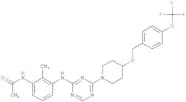
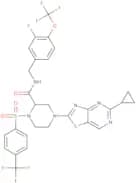
CAS:<p>Nav1.7 is a voltage-gated ion channel that is important for the transmission of pain signals. Nav1.7 blockers are designed to inhibit Nav1.7 with an IC50 value of ~0.4 μM, and can be used in the treatment of chronic pain associated with inflammatory conditions, such as arthritis and fibromyalgia, or cancer-related pain. These drugs have been shown to inhibit the activity of Nav1.7 by binding to residues in its activation gate, preventing the opening of sodium channels at resting membrane potentials and blocking the propagation of action potentials in peripheral sensory neurons, thereby inhibiting nociceptive neurotransmission.</p>Fórmula:C25H27F3N6O3Pureza:Min. 95%Peso molecular:516.52 g/molDOTA-tris(Acid)-Amido-dPEG®12-TFP Ester
<p>DOTA-tris(Acid)-Amido-dPEG®12-TFP Ester is a PEG compound with two different functional groups (also known as heterobifunctional). Unlike homobifunctional PEG compounds (same functional group on both ends), this type of compounds are more versatile as have two different anchor points. DOTA-tris(Acid)-Amido-dPEG®12-TFP Ester is used as a linker and spacer to add a PEG moiety, via pegylation (a bioconjugation technique) to proteins, peptides, oligonucleotides, small molecules and nanoparticles.</p>Pureza:Min. 95%Peso molecular:1,380.23 g/molBromoacetamido-dPEG®12-Tris(-dPEG®11-Bromoacetamide)3
<p>Bromoacetamido-dPEG®12-Tris(-dPEG®11-Bromoacetamide)3 is a PEG compound with two different functional groups (also known as heterobifunctional). Unlike homobifunctional PEG compounds (same functional group on both ends), this type of compounds are more versatile as have two different anchor points. Bromoacetamido-dPEG®12-Tris(-dPEG®11-Bromoacetamide)3 is used as a linker and spacer to add a PEG moiety, via pegylation (a bioconjugation technique) to proteins, peptides, oligonucleotides, small molecules and nanoparticles.</p>Pureza:Min. 95%Peso molecular:3,000.75 g/molPravastatin
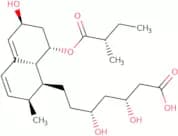
CAS:<p>HMG-CoA reductase inhibitor</p>Fórmula:C23H36O7Pureza:Min. 95%Peso molecular:424.53 g/molm-dPEG®48-CO(CH2)3-Acid
<p>m-dPEG®48-CO(CH2)3-Acid is a PEG compound with two different functional groups (also known as heterobifunctional). Unlike homobifunctional PEG compounds (same functional group on both ends), this type of compounds are more versatile as have two different anchor points. m-dPEG®48-CO(CH2)3-Acid is used as a linker and spacer to add a PEG moiety, via pegylation (a bioconjugation technique) to proteins, peptides, oligonucleotides, small molecules and nanoparticles.</p>Fórmula:C102H203NO51Pureza:Min. 95%Peso molecular:2,259.7 g/molWin 51708 hydrate
CAS:<p>Win 51708 is a dopamine agonist that binds to the D1 and D2 receptors in the rat striatal region. The drug has dose-dependent effects, with low doses inducing a decrease of acetylcholine release, while high doses induce an increase in acetylcholine release. Win 51708 also interacts with the antinociceptive properties of camp and inhibits bladder contractions induced by neurokinin-1 receptor activation.</p>Fórmula:C29H33N3OPureza:Min. 95%Peso molecular:439.6 g/molBis-dPEG®11-DBCO
<p>Bis-dPEG®11-DBCO is a PEG polymer categorised as homobifunctional PEG (X-PEG X). Used as a linker, bis-dPEG®11-DBCO is used to attached PEG to proteins, peptides, oligonucleotides, nanoparticles and small molecules via pegylation, a bioconjugation technique.</p>Pureza:Min. 95%Peso molecular:1,147.35 g/molDPMA
CAS:<p>Please enquire for more information about DPMA including the price, delivery time and more detailed product information at the technical inquiry form on this page</p>Fórmula:C27H31N5O6Pureza:Min. 95%Peso molecular:521.6 g/molm-dPEG®8-Azide (Azido-m-dPEG®8)
<p>m-dPEG®8-Azide (Azido-m-dPEG®8) is a PEG compound with two different functional groups (also known as heterobifunctional). Unlike homobifunctional PEG compounds (same functional group on both ends), this type of compounds are more versatile as have two different anchor points. m-dPEG®8-Azide (Azido-m-dPEG®8) is used as a linker and spacer to add a PEG moiety, via pegylation (a bioconjugation technique) to proteins, peptides, oligonucleotides, small molecules and nanoparticles.</p>Fórmula:C20H20F4N2O7Pureza:Min. 95%Peso molecular:476.38 g/molBiotin-SARS-CoV-2 Spike RBD 348-357 peptide
<p>Biotin-SARS-CoV-2 Spike RBD 348-357 peptide is the biotinylated version of SARS-CoV-2 Spike RBD 348-357 peptide. SARS-CoV-2 Spike RBD 348-357 peptide is an epitope of interest of the SARS-CoV-2 Spike S glycoprotein Receptor-Binding Domain (RBD). Biotin-SARS-CoV-2 Spike RBD 348-357 peptide is useful for vaccine development and for structure-activity relationship studies<br>SARS-CoV-2 Spike (S) glycoprotein<br>Spike (S) glycoprotein corresponds to one of the leading targets for COVID-19 disease. Present on the surface of Sars-CoV-2 virus, Spike S protein is a class I fusion protein that allows the virus to enter host cells.<br>With a 1 273 aa length, Spike protein has 2 subunits : S1 contains the receptor-binding domain RBD and S2 induces the fusion of the viral envelop with the cellular membrane.<br>SARS-CoV-2 Spike RBD:<br>The receptor-binding domain in SARS-CoV-2 Spike protein allows binding to the Angiotensin-Converting Enzyme receptor 2 (ACE2 receptor) which mediates the viral entry.</p>Biotin-SARS-CoV-2 Spike RBD 523-541 peptide
<p>Biotin-SARS-CoV-2 Spike RBD 523-541 peptide is the biotinylated version of SARS-CoV-2 Spike RBD 523-541 peptide. SARS-CoV-2 Spike RBD 523-541 peptide is an epitope of interest of the SARS-CoV-2 Spike S glycoprotein Receptor-Binding Domain (RBD). Biotin-SARS-CoV-2 Spike RBD 523-541 peptide is useful for vaccine development and for structure-activity relationship studies<br>SARS-CoV-2 Spike (S) glycoprotein<br>Spike (S) glycoprotein corresponds to one of the leading targets for COVID-19 disease. Present on the surface of Sars-CoV-2 virus, Spike S protein is a class I fusion protein that allows the virus to enter host cells.<br>With a 1 273 aa length, Spike protein has 2 subunits : S1 contains the receptor-binding domain RBD and S2 induces the fusion of the viral envelop with the cellular membrane.<br>SARS-CoV-2 Spike RBD:<br>The receptor-binding domain in SARS-CoV-2 Spike protein allows binding to the Angiotensin-Converting Enzyme receptor 2 (ACE2 receptor) which mediates the viral entry.</p>LEWIGEIDPSESNTNYNQK* - SIL Vedolozumab signature peptide quantifier
<p>SIL peptide for Vedolozumab detection and quantification</p>Biotin-SARS-CoV-2 Spike RBM 438-458 peptide
<p>Biotin-SARS-CoV-2 Spike RBM 438-458 peptide is the biotinylated version of SARS-CoV-2 Spike RBM 438-458 peptide. SARS-CoV-2 Spike RBM 438-458 peptide is an epitope of interest of the SARS-CoV-2 Spike S glycoprotein Receptor-Binding Motif (RBM). Biotin-SARS-CoV-2 Spike RBM 438-458 peptide is useful for vaccine development and for structure-activity relationship studies<br>SARS-CoV-2 Spike (S) glycoprotein<br>Spike (S) glycoprotein corresponds to one of the leading targets for COVID-19 disease. Present on the surface of Sars-CoV-2 virus, Spike S protein is a class I fusion protein that allows the virus to enter host cells.<br>With a 1 273 aa length, Spike protein has 2 subunits : S1 contains the receptor-binding domain RBD and S2 induces the fusion of the viral envelop with the cellular membrane.<br>SARS-CoV-2 Spike RBM:<br>The receptor-binding domain in SARS-CoV-2 Spike protein contains a receptor-binding motif RBM. SARS-CoV-2 Spike RBM is the main functional motif in RBD and allows contacts between the S protein and the Angiotensin-Converting Enzyme receptor 2 (ACE2 receptor) which mediates the viral entry.</p>YASESISGIPSR* - SIL Cetuximab signature peptide quantifier
<p>Primary SIL peptide for Cetuximab detection and quantification</p>Flu-HA-B (306-318) DRB1*01:01
<p>Influenza virus-specific hemagglutinin<br>Flu-HA-B (306-318) is a short part of Influenza hemagglutinin (HA). Influenza hemagglutinin is glycoprotein found on the surface of influenza viruses. HA allows Influenza virus to bind factor on the surface of the cell membrane. HA is also responsible for the membrane fusion with the viral envelope.<br>Flu-HA-B (306-318) DRB1*01:01<br>Flu-HA-B (306-318) is a classical antigenic peptide which is used as positive control to bind DRB1*01:01 for peptide/MHC-binding assay. It has been demonstrated the ability of HLA-DRB1*01:01 to present Flu-HA-B (306-318).</p>Fórmula:C69H119N21O18Peso molecular:1,530.83 g/molSARS-CoV-2 Spike RBD 352-365 peptide
<p>SARS-CoV-2 Spike RBD 352-365 peptide is an epitope of interest of the SARS-CoV-2 Spike S glycoprotein Receptor-Binding Domain (RBD). SARS-CoV-2 Spike RBD 352-365 peptide is useful for vaccine development and for structure-activity relationship studies<br>SARS-CoV-2 Spike (S) glycoprotein<br>Spike (S) glycoprotein corresponds to one of the leading targets for COVID-19 disease. Present on the surface of Sars-CoV-2 virus, Spike S protein is a class I fusion protein that allows the virus to enter host cells.<br>With a 1 273 aa length, Spike protein has 2 subunits : S1 contains the receptor-binding domain RBD and S2 induces the fusion of the viral envelop with the cellular membrane.<br>SARS-CoV-2 Spike RBD:<br>The receptor-binding domain in SARS-CoV-2 Spike protein allows binding to the Angiotensin-Converting Enzyme receptor 2 (ACE2 receptor) which mediates the viral entry.<br>SB-PEPTIDE also offers SARS-CoV-2 Spike RBD 352-365 (Biotin-LC) peptide</p>COVID-19 variant pack
<p>SARS-CoV-2 Spike (S) glycoprotein:<br>Spike (S) glycoprotein corresponds to one of the leading targets for COVID-19 disease. Present on the surface of Sars-CoV-2 virus, Spike S protein in a class I fusion protein that allows the virus to enter host cells.<br>Variants package available:<br>Some proteins of Sars-CoV-2 are identified as leading targets for COVID-19 therapies. SB-PEPTIDE offers a special pack pre-made peptide libraries of Spike protein including peptides from COVID-19 variants: UK COVID-19 variant B.1.1.7, South Africa COVID-19 variant B.1.351, Brazil COVID-19 variant B.1.1.248. SB-PEPTIDE offers additional plate containing only peptides with Spike S protein mutation of COVID-19 B.1.1.7, B.1.3.5.1 and B.1.1.248 (cited below).<br>Variants package and Spike (S) glycoprotein peptide library can be used for T-cell assays, immune monitoring, antigen specific T-cell stimulation, T-cell expansion and cellular immune response.</p>Biotin-SARS-CoV-2 Spike RBM 450-473 peptide
<p>Biotin-SARS-CoV-2 Spike RBM 450-473 peptide is the biotinylated version of SARS-CoV-2 Spike RBM 450-473 peptide. SARS-CoV-2 Spike RBM 450-473 peptide is an epitope of interest of the SARS-CoV-2 Spike S glycoprotein Receptor-Binding Motif (RBM). Biotin-SARS-CoV-2 Spike RBM 450-473 peptide is useful for vaccine development and for structure-activity relationship studies<br>SARS-CoV-2 Spike (S) glycoprotein<br>Spike (S) glycoprotein corresponds to one of the leading targets for COVID-19 disease. Present on the surface of Sars-CoV-2 virus, Spike S protein is a class I fusion protein that allows the virus to enter host cells.<br>With a 1 273 aa length, Spike protein has 2 subunits : S1 contains the receptor-binding domain RBD and S2 induces the fusion of the viral envelop with the cellular membrane.<br>SARS-CoV-2 Spike RBM:<br>The receptor-binding domain in SARS-CoV-2 Spike protein contains a receptor-binding motif RBM. SARS-CoV-2 Spike RBM is the main functional motif in RBD and allows contacts between the S protein and the Angiotensin-Converting Enzyme receptor 2 (ACE2 receptor) which mediates the viral entry.</p>Biotin-NY-ESO-1 (157-165) C165V
<p>Biotin-NY-ESO-1 (157-165) – General analog epitope of tumor cells</p>SARS-CoV-2 Spike RBD 336-347 peptide
<p>SARS-CoV-2 Spike RBD 336-347 peptide is an epitope of interest of the SARS-CoV-2 Spike S glycoprotein Receptor-Binding Domain (RBD). SARS-CoV-2 Spike RBD 336-347 peptide is useful for vaccine development and for structure-activity relationship studies<br>SARS-CoV-2 Spike (S) glycoprotein<br>Spike (S) glycoprotein corresponds to one of the leading targets for COVID-19 disease. Present on the surface of Sars-CoV-2 virus, Spike S protein is a class I fusion protein that allows the virus to enter host cells.<br>With a 1 273 aa length, Spike protein has 2 subunits : S1 contains the receptor-binding domain RBD and S2 induces the fusion of the viral envelop with the cellular membrane.<br>SARS-CoV-2 Spike RBD:<br>The receptor-binding domain in SARS-CoV-2 Spike protein allows binding to the Angiotensin-Converting Enzyme receptor 2 (ACE2 receptor) which mediates the viral entry.<br>SB-PEPTIDE also offers SARS-CoV-2 Spike RBD 336-347 (Biotin-LC) peptide</p>Ovotransferrin (328-332)
<p>Ovotransferrin 328-332, also called Conalbumin 328-332, is a part of the egg white albumen.</p>






































































![tert-Butyl 5-{4-amino-7-methyl-7H-pyrrolo[2,3-d]pyrimidin-5-yl}-2,3-dihydro-1H-indole-1-carboxylate](/_next/image/?url=https%3A%2Fstatic.cymitquimica.com%2Fproducts%2F3D%2Fthumb-webp%2FRFC05327.webp&w=3840&q=75)