Compuestos y reactivos bioquímicos
Los bioquímicos y reactivos son sustancias fundamentales para la investigación y el desarrollo en campos como la biotecnología, la biología molecular, la farmacología y la medicina. Estos productos son esenciales para una variedad de aplicaciones, incluyendo la síntesis de compuestos, el análisis de muestras biológicas, la investigación de procesos metabólicos y la producción de medicamentos. En CymitQuimica, ofrecemos una amplia selección de bioquímicos y reactivos de alta calidad y pureza, adecuados para diversas necesidades científicas e industriales. Nuestro catálogo incluye enzimas, anticuerpos, ácidos nucleicos, aminoácidos, y muchos otros productos, todos diseñados para apoyar a los investigadores y profesionales en sus proyectos de investigación y desarrollo, asegurando resultados confiables y reproducibles.
Subcategorías de "Compuestos y reactivos bioquímicos"
- Biomoléculas(99.130 productos)
- Por objetivo biológico(99.159 productos)
- Según efectos farmacológicos(6.787 productos)
- Crioconservantes(21 productos)
- Desinfectantes y compuestos relacionados(28 productos)
- Hormonas(346 productos)
- Biología Vegetal(6.747 productos)
- Metabolitos secundarios(14.222 productos)
Se han encontrado 130579 productos de "Compuestos y reactivos bioquímicos"
Ordenar por
Pureza (%)
0
100
|
0
|
50
|
90
|
95
|
100
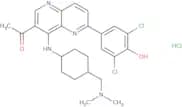
OTSSP167 hydrochloride
CAS:<p>OTSSP167 hydrochloride is a member of the family of small molecules that are used for cancer treatment. It binds to the kinase domain and inhibits the phosphorylation of proteins which are important in cell cycle progression, leading to cell death. OTSSP167 hydrochloride has been shown to inhibit the proliferation of cancer cells in culture and is also active against pluripotent stem cells. The binding affinity for this compound has been determined using various assays, including binding experiments and hydrophobic constant calculations.</p>Fórmula:C25H29Cl3N4O2Pureza:Min. 95%Peso molecular:523.88 g/molMK 2894 Na salt
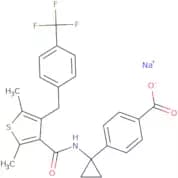
CAS:<p>EP4 antagonist; anti-inflammatory</p>Fórmula:C25H22F3NO3S•NaPureza:Min. 95%Peso molecular:496.5 g/molABC-1183
CAS:<p>ABC-1183 is a peptide that acts as an activator of the ion channel. It is a high purity and highly concentrated peptide that can be used in research to study protein interactions. ABC-1183 can be used as an inhibitor of the ligand or receptor, and has been shown to inhibit the activity of ion channels. This peptide may also be used in pharmacology, where it is able to block specific ion channels.</p>Fórmula:C18H14N4OSPureza:Min. 95%Peso molecular:334.4 g/mol(±)-Methionine-d4
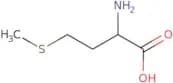
CAS:<p>(±)-Methionine-d4 is an activator that binds to receptors, ion channels and other proteins. This ligand has been used in research to study the effects of receptor activation and protein interactions. (±)-Methionine-d4 has been shown to be a potent inhibitor of human cytochrome P450 enzymes, which are responsible for metabolizing drugs in the body.</p>Fórmula:C5H11NO2SPureza:Min. 95%Peso molecular:153.24 g/molCamellianin B
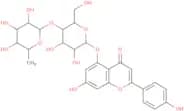
CAS:<p>Camellianin B is a potent inhibitor of kinase activity that has been found in urine and is an analog of the natural product Camellianin A. This compound has been shown to induce apoptosis in Chinese hamster ovary cells and human leukemia cells, making it a promising candidate for medicinal use in cancer treatment. Camellianin B inhibits the cell cycle by targeting specific proteins involved in tumor growth, making it an effective inhibitor of cancer cell proliferation. Its potential as a therapeutic agent for cancer treatment is currently being investigated.</p>Fórmula:C27H30O14Pureza:Min. 95%Peso molecular:578.5 g/mol5-Bromo-N-[1-(3-cyclopropyl-1,2,4-oxadiazol-5-yl)cyclohexyl]-2-furamide
CAS:Producto controlado<p>5-Bromo-N-[1-(3-cyclopropyl-1,2,4-oxadiazol-5-yl)cyclohexyl]-2-furamide is a synthetic compound, which is often classified as a small molecule inhibitor or modulator, widely utilized in biochemical and pharmacological research. This compound is typically derived through a series of intricate organic synthesis processes involving selective bromination and cyclization steps that yield its unique structure, with features such as a bromine atom and a cyclopropyl group contributing to its specific biochemical properties.</p>Fórmula:C16H18BrN3O3Pureza:Min. 95%Peso molecular:380.24 g/molGlucokinase activator, cpd A
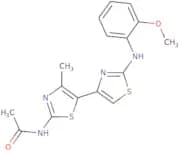
CAS:<p>Glucokinase activator, cpd A is a peptide that can be used as a research tool. The protein interacts with the glucokinase receptor and inhibits it, which is a key enzyme in carbohydrate metabolism. Glucokinase activator, cpd A has been shown to inhibit ion channels, and is an inhibitor of the alpha-subunit of the GABA receptor. It also binds to a number of other receptors. This product has high purity and is CAS No. 603108-44-7.</p>Fórmula:C14H14N6OS2Pureza:Min. 95%Peso molecular:346.43 g/molAmosulalol
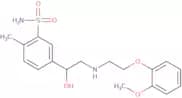
CAS:<p>Amosulalol is a potent, non-selective antagonist of β-adrenoceptors. It is used for the treatment of hypertension and heart failure. Amosulalol binds to β-adrenoceptors in both the diastolic (relaxing) and systolic (contracting) phases of the cardiac cycle, thereby inhibiting the effects of catecholamines. In addition, it has been shown to inhibit cyclase activity and reduce blood pressure in animal models by reducing the activity of renin. Amosulalol also has anti-inflammatory properties, which may be due to its ability to inhibit prostaglandin synthesis.</p>Fórmula:C18H24N2O5SPureza:Min. 95%Peso molecular:380.5 g/molRS 504393
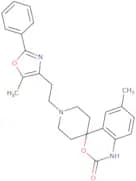
CAS:<p>RS 504393 is a potent and selective antagonist of Toll-like receptor 4 (TLR4) that has been shown to inhibit the production of proinflammatory cytokines, chemokines, and nitric oxide. RS 504393 has been shown to be effective in the treatment of bone cancer, as well as in the prevention of renal injury due to tubulointerstitial damage. This drug has also been shown to have anti-inflammatory effects in a model system through inhibition of chemokine production. RS 504393 is an ester hydrochloride salt that binds with high affinity to TLR4 receptors, inhibiting receptor activity by preventing ligand binding.</p>Fórmula:C25H27N3O3Pureza:Min. 95%Peso molecular:417.5 g/molICI 154129
CAS:<p>ICI 154129 is a potent and selective δ-opioid receptor antagonist. It has been shown to produce antinociceptive effects in animal models of pain, and ICI 154129 has been shown to have an addictive potential in animals. ICI 154129 binds to the δ-opioid receptor with high affinity and selectivity, with a K i of 0.5 nM. It also binds to other opioid receptors at higher concentrations, including β-opioid receptors (K i = 1.3 nM) and μ-opioid receptors (K i = 2.6 nM). ICI 154129 is a competitive antagonist at all three opioid receptors, preventing binding of endogenous or exogenous agonists or antagonists. There are very few side effects associated with this drug, which may be due to its low affinity for other targets such as dopamine or serotonin receptors.</p>Fórmula:C34H46N4O6SPureza:Min. 95%Peso molecular:638.8 g/molPf-956980 hydrate
CAS:<p>Pf-956980 hydrate is a pyrrolopyrimidine compound that is a potential inhibitor of protein-tyrosine kinase. Pf-956980 hydrate binds to the ATP binding site and inhibits the enzyme activity. Pf-956980 hydrate has been shown to inhibit the enzymatic activity of protein tyrosine kinase in vitro. This compound was also shown to bind to ATP, which suggests that it may be an effective inhibitor of this enzyme.</p>Fórmula:C18H26N6O·H2OPureza:Min. 95%Peso molecular:342.44 g/molJG98
CAS:<p>JG98 is a model system for the study of protein synthesis and chaperone function. This system uses human proteins that are modified with a chemical inhibitor to mimic the physiological effects of mutations in these proteins. JG98 provides a cell culture-based method that is membrane permeable and allows for the study of protein synthesis, chaperone function, and other cellular processes in vitro. The JG98 system has been used to investigate the role of chaperones in protein synthesis, as well as to identify chemical inhibitors that affect protein synthesis and cellular processes.</p>Fórmula:C24H21Cl2N3OS3Pureza:Min. 95%Peso molecular:534.54 g/molTCS OX2 29
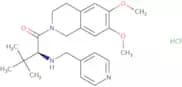
CAS:<p>TCS OX2 29 is a vasoactive intestinal peptide (VIP) receptor agonist that has been shown to have analgesic effects in rats. TCS OX2 29 is an excitatory neurotransmitter, which may be due to its ability to stimulate the release of glutamate and increase the activity of postsynaptic receptors. TCS OX2 29 also has a significant interaction with antinociceptive drugs such as morphine, which may be due to its ability to activate opioid receptors. Patch-clamp experiments on tegmental neurons have shown that TCS OX2 29 increases the frequency of spontaneous action potentials in these cells. It also induces locomotor activity in mice and pain hypersensitivity in rats. TCS OX2 29 has been used as an experimental model for symptoms associated with Parkinson’s disease, such as akinesia and muscle rigidity.</p>Fórmula:C23H31N3O3·HClPureza:Min. 95%Peso molecular:433.97 g/molXL177A
CAS:<p>XL177A is a peptide, which is a short chain of amino acids. It has been used as a research tool to investigate protein interactions and receptor-ligand binding. The structure of XL177A is unknown, but it has been shown to act as an inhibitor against ion channels.</p>Fórmula:C48H57ClN8O5Pureza:Min. 95%Peso molecular:861.5 g/molGSK864
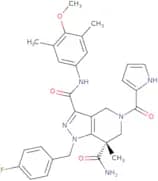
CAS:<p>GSK864 is a small molecule that inhibits pd-l1, a protein that is important for the development of cancer. GSK864 has been shown to inhibit the production of histone H3, which is an essential component of the nucleosome and plays a role in DNA replication and transcription. GSK864 also promotes demethylation and inhibits 2-hydroxyglutarate (HG), which is involved in cellular metabolism and produces energy. This drug also increases production of secretome, which contains proteins that are involved in tumor growth.</p>Fórmula:C30H31FN6O4Pureza:Min. 95%Peso molecular:558.6 g/mol(3,4-Dihydroxy-5-nitrophenyl)(2-fluorophenyl)methanone
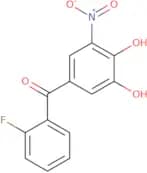
CAS:<p>3,4-Dihydroxy-5-nitrophenyl)(2-fluorophenyl)methanone (NSC 663128) is a potent and selective growth factor that binds to the dopamine receptor. It has been shown to inhibit protein tyrosine phosphorylation and cell proliferation in vitro. This compound has also been shown to protect against neurotoxicity induced by methamphetamine in rats. NSC 663128 has also demonstrated an anti-cancer effect on human cancer cells, including leukemia cells and breast cancer cells. The mechanism of this effect may be due to inhibition of catechol-o-methyltransferase, epidermal growth factor receptor, or other cellular targets.</p>Fórmula:C13H8FNO5Pureza:Min. 95%Peso molecular:277.2 g/molGSK-843
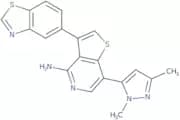
CAS:<p>GSK-843 is a drug that interacts with the kinase activity of the protein kinase A (PKA), which is an enzyme that phosphorylates proteins. GSK-843 also modulates the PKA and protein kinase C (PKC) activities, which are enzymes involved in cell signaling. Treatment with GSK-843 led to a significant reduction in cell viability and necrotic cell death, as well as reduced hepatic steatosis in animals. This drug has been shown to suppress TNF-α, an inflammatory cytokine, and fatty acid synthase, an enzyme involved in lipid metabolism, which may contribute to its anticancer activity.</p>Fórmula:C19H15N5S2Pureza:Min. 95%Peso molecular:377.49 g/molTianeptine
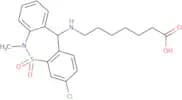
CAS:Producto controlado<p>Tianeptine is a selective serotonin reuptake inhibitor that is used to treat depression. It has been demonstrated to have antidepressant effects in animals, and has been shown to increase the extracellular levels of glutamate in the hippocampus. Tianeptine may be effective in treating diseases such as infectious disease, bowel disease, and toll-like receptor (TLR) activation. The mechanism of action for tianeptine is not fully understood; however, it is believed that it acts by inhibiting glutamate uptake into presynaptic neurons and increasing serotonin levels in the brain. This drug also has an effect on receptors, which may be due to its ability to inhibit the binding of certain drugs to their receptors or block the activity of certain receptors.</p>Fórmula:C21H25ClN2O4SPureza:Min. 95%Peso molecular:436.96 g/molMDV 3100-d3
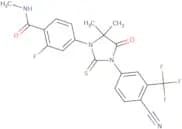
CAS:<p>MDV 3100-d3 is a research tool and activator of the Ligand Receptor Complex. It is used in Cell Biology to study protein interactions and the pharmacology of peptides, as well as in molecular biology and biochemistry. MDV 3100-d3 binds to ion channels and can be used to inhibit their function. This inhibitor has been shown to have high purity, which makes it a valuable research tool for studying protein interactions and the pharmacology of peptides.</p>Fórmula:C21H13D3F4N4O2SPureza:Min. 95%Peso molecular:467.5 g/molJNJ0966
CAS:<p>JNJ0966 is a zymogen that has been shown to be activated after cleavage by trypsin and enterokinase. It inhibits the activity of epidermal growth factor (EGF) and its receptor, EGFR, as well as other growth factors. JNJ0966 blocks the kinase signaling pathways in cells and prevents the phosphorylation of tyrosine residues on proteins that are involved in cell proliferation, survival, and differentiation. JNJ0966 has been shown to inhibit tumor growth in vitro and in vivo. This drug also possesses anti-inflammatory properties, which may stem from inhibition of cytokines such as IL-2 or TNF-α.</p>Fórmula:C16H16N4O2S2Pureza:Min. 95%Peso molecular:360.45 g/molPTPRE antibody
<p>PTPRE antibody was raised using the middle region of PTPRE corresponding to a region with amino acids VILSMKRGQEYTDYINASFIDGYRQKDYFIATQGPLAHTVEDFWRMIWEW</p>Pureza:Min. 95%HSPB8 antibody
<p>HSPB8 antibody was raised using the N terminal of HSPB8 corresponding to a region with amino acids ADGQMPFSCHYPSRLRRDPFRDSPLSSRLLDDGFGMDPFPDDLTASWPDW</p>PRKRIP1 antibody
<p>PRKRIP1 antibody was raised using a synthetic peptide corresponding to a region with amino acids MASPAASSVRPPRPKKEPQTLVIPKNAAEEQKLKLERLMKNPDKAVPIPE</p>MEF2C antibody
<p>The 6-Fluoro-3-indoxyl-beta-D-galactopyranoside is a powerful antituberculosis drug that falls under the class of rifamycins. It is specifically designed to target tuberculosis infection by inhibiting bacterial growth. This active compound works by binding to DNA-dependent RNA polymerase, effectively preventing transcription and replication. Through various metabolic transformations, including hydrolysis, oxidation, reduction, and conjugation, it undergoes a process of transformation within the body. Additionally, this drug has been shown to bind to markers expressed in Mycobacterium tuberculosis strains and inhibit cell growth in culture.</p>OTX2 antibody
<p>The 6-Fluoro-3-indoxyl-beta-D-galactopyranoside is a powerful antituberculosis drug that falls under the class of rifamycins. It is highly effective in treating tuberculosis infections and contains active compounds with bactericidal activity. This drug works by binding to DNA-dependent RNA polymerase, inhibiting bacterial growth and preventing transcription and replication. Studies have shown its high frequency of human activity using a patch-clamp technique on human erythrocytes. It undergoes various metabolic transformations, including hydrolysis by esterases or glucuronidases, oxidation by cytochrome P450 enzymes, reduction by glutathione reductase, or conjugation with glucuronic acid. Additionally, it specifically targets markers expressed at high levels in Mycobacterium tuberculosis strains and inhibits cell growth in culture.</p>proBNP protein
<p>ProBNP protein is a biomarker that plays a crucial role in diagnosing and monitoring heart failure. It is the precursor of B-type natriuretic peptide (BNP), which is released by the heart in response to increased pressure or stress. ProBNP protein can be detected using immunoassays, where both amino-terminal and carboxyl-terminal monoclonal and polyclonal antibodies are used for accurate measurement. Recombinant proteins and antigens are also available for research purposes.</p>Pureza:Min. 95%ZBTB26 antibody
<p>ZBTB26 antibody was raised in rabbit using the N terminal of ZBTB26 as the immunogen</p>Pureza:Min. 95%ST3GAL3 antibody
<p>ST3GAL3 antibody was raised using the C terminal of ST3GAL3 corresponding to a region with amino acids GFGYDMSTPNAPLHYYETVRMAAIKESWTHNIQREKEFLRKLVKARVITD</p>AFAP1 antibody
<p>AFAP1 antibody was raised using the middle region of AFAP1 corresponding to a region with amino acids QVKRKKSSKSEAKGTVSKVTGKKITKIISLGKKKPSTDEQTSSAEEDVPT</p>Biotin antibody
<p>The Biotin antibody is a polyclonal antibody that specifically binds to biotin. It has a high affinity for biotin and can be used in various applications such as immunohistochemistry, Western blotting, and ELISA. This antibody is commonly used in life sciences research to detect and visualize biotinylated molecules or to amplify signals in assays. It can also be used in conjunction with streptavidin-conjugated enzymes or fluorochromes for detection purposes. The Biotin antibody is highly specific and sensitive, making it an essential tool for researchers working with biotinylation techniques or studying the role of biotin in biological processes.</p>Pureza:Min. 95%CD80 antibody
<p>The CD80 antibody is a highly specific monoclonal antibody that is commonly used in Life Sciences research. It is designed to specifically bind to the CD80 protein, which is expressed on the surface of various cell types. This antibody can be used for a variety of applications, including immunoassays, flow cytometry, and immunohistochemistry.</p>α-1-microglobulin Protein
<p>Alpha-1-microglobulin Protein is a multifunctional protein that plays a crucial role in various biological processes. It acts as a growth factor for adipose tissue and is activated by dimers. This protein can be targeted by monoclonal antibodies, which have been shown to exhibit cytotoxic effects on cancer cells. Additionally, autoantibodies against Alpha-1-microglobulin Protein have been associated with the formation of amyloid plaques in certain diseases. This protein is widely used in Life Sciences research, particularly in studies involving mycoplasma genitalium and hemolysis. We offer high-quality recombinant Alpha-1-microglobulin Protein and monoclonal antibodies for your research needs. Choose our Proteins and Antigens line for reliable and consistent results in your experiments.</p>Pureza:Min. 95%FTSJ2 antibody
<p>FTSJ2 antibody was raised in mouse using recombinant Human Ftsj Homolog 2 (E. Coli) (Ftsj2)</p>Ccnd1 antibody
<p>Ccnd1 antibody was raised in rabbit using the C terminal of Ccnd1 as the immunogen</p>Pureza:Min. 95%GJB1 antibody
<p>GJB1 antibody was raised using the middle region of GJB1 corresponding to a region with amino acids RACARRAQRRSNPPSRKGSGFGHRLSPEYKQNEINKLLSEQDGSLKDILR</p>Pureza:Min. 95%Tyrosine Hydroxylase antibody
<p>The Tyrosine Hydroxylase antibody is a highly specific monoclonal antibody used in Life Sciences research. It is designed to target and detect tyrosine hydroxylase, an enzyme involved in the synthesis of dopamine, a neurotransmitter essential for brain function. This antibody is commonly used in immunoassays to study the expression and localization of tyrosine hydroxylase in various tissues and cell types.</p>Pureza:Min. 95%Complement C1s antibody
<p>Complement C1s antibody is a monoclonal antibody that specifically targets and neutralizes the activity of complement C1s, a key protein involved in the complement system. This antibody has been extensively studied in various life science research applications. It has shown great potential in inhibiting the activation of complement cascade, which plays a crucial role in immune response and inflammation. Additionally, Complement C1s antibody has been found to have neutralizing effects on other proteins such as collagen, chemokine, helicobacter, ferritin, interleukin-6, and growth factors. Its high specificity and affinity make it an ideal tool for studying protein-protein interactions and signaling pathways. Whether you are conducting research or developing new therapeutic strategies, Complement C1s antibody can be a valuable asset in your scientific endeavors.</p>UBE2D2 antibody
<p>UBE2D2 antibody was raised using a synthetic peptide corresponding to a region with amino acids ALKRIHKELNDLARDPPAQCSAGPVGDDMFHWQATIMGPNDSPYQGGVFF</p>

![5-Bromo-N-[1-(3-cyclopropyl-1,2,4-oxadiazol-5-yl)cyclohexyl]-2-furamide](/_next/image/?url=https%3A%2Fstatic.cymitquimica.com%2Fproducts%2F3D%2Fthumb-webp%2FWFC68099.webp&w=3840&q=75)