Compuestos y reactivos bioquímicos
Los bioquímicos y reactivos son sustancias fundamentales para la investigación y el desarrollo en campos como la biotecnología, la biología molecular, la farmacología y la medicina. Estos productos son esenciales para una variedad de aplicaciones, incluyendo la síntesis de compuestos, el análisis de muestras biológicas, la investigación de procesos metabólicos y la producción de medicamentos. En CymitQuimica, ofrecemos una amplia selección de bioquímicos y reactivos de alta calidad y pureza, adecuados para diversas necesidades científicas e industriales. Nuestro catálogo incluye enzimas, anticuerpos, ácidos nucleicos, aminoácidos, y muchos otros productos, todos diseñados para apoyar a los investigadores y profesionales en sus proyectos de investigación y desarrollo, asegurando resultados confiables y reproducibles.
Subcategorías de "Compuestos y reactivos bioquímicos"
- Biomoléculas(99.129 productos)
- Por objetivo biológico(99.160 productos)
- Según efectos farmacológicos(6.787 productos)
- Crioconservantes(21 productos)
- Desinfectantes y compuestos relacionados(28 productos)
- Hormonas(346 productos)
- Biología Vegetal(6.742 productos)
- Metabolitos secundarios(14.222 productos)
Se han encontrado 130579 productos de "Compuestos y reactivos bioquímicos"
Ordenar por
Pureza (%)
0
100
|
0
|
50
|
90
|
95
|
100
Lipoamido-dPEG®24-Acid
CAS:<p>Lipoamido-dPEG®24-Acid is a PEG molecule conjugated with a lipid moiety. Lipoamido-dPEG®24-Acid, conjugated to this lipid constituent, is very important especially in drug delivery and vaccine development as it helps improve the stability and circulation time of lipid nanoparticles (LNPs) and liposomes.</p>Fórmula:C39H69N3O15S2Pureza:Min. 95%Peso molecular:884.11 g/molLcl521 dihydrochloride
CAS:<p>Lcl521 is a peptide that binds to the receptor on the cell surface and activates it, leading to a change in ion channel permeability. Lcl521 has been shown to inhibit nicotinic acetylcholine receptors and voltage-gated potassium channels. This may be due to its ability to bind with high affinity and specificity, as well as its ability to activate these receptors. Lcl521 is also able to activate glutamate receptors, which may have clinical implications for the treatment of epilepsy.</p>Fórmula:C31H54Cl2N4O7Pureza:Min. 95%Peso molecular:665.69 g/molGUK1 antibody
<p>GUK1 antibody was raised using the middle region of GUK1 corresponding to a region with amino acids IEHAEFSGNLYGTSKVAVQAVQAMNRICVLDVDLQGVRNIKATDLRPIYI</p>GDF15 protein (His tag)
<p>195-308 amino acids: MRGSHHHHHH GMASMTGGQQ MGRDLYDDDD KDRWGSMARA RNGDHCPLGP GRCCRLHTVR ASLEDLGWAD WVLSPREVQV TMCIGACPSQ FRAANMHAQI KTSLHRLKPD TVPAPCCVPA SYNPMVLIQK TDTGVSLQTY DDLLAKDCHC I</p>Pureza:Min. 95%Lerociclib dihydrochloride
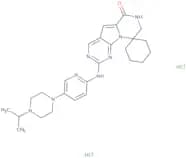
CAS:<p>Lerociclib dihydrochloride is a selective cyclin-dependent kinase 4 and 6 (CDK4/6) inhibitor, which is derived from targeted chemical synthesis. Its mode of action involves binding to CDK4/6 and inhibiting their activity, which in turn blocks the phosphorylation of the retinoblastoma (Rb) protein. This results in the prevention of cell cycle progression from the G1 to the S phase, thereby exerting antiproliferative effects on tumor cells that rely on the CDK4/6 pathway.</p>Fórmula:C26H36Cl2N8OPureza:Min. 95%Peso molecular:547.5 g/molMAL-dPEG®12-Acid
CAS:<p>MAL-dPEG®12-Acid is a PEG compound with two different functional groups (also known as heterobifunctional). Unlike homobifunctional PEG compounds (same functional group on both ends), this type of compounds are more versatile as have two different anchor points. MAL-dPEG®12-Acid is used as a linker and spacer to add a PEG moiety, via pegylation (a bioconjugation technique) to proteins, peptides, oligonucleotides, small molecules and nanoparticles.</p>Fórmula:C27H37F4N7O6SPureza:Min. 95%Peso molecular:663.69 g/molTonapofylline
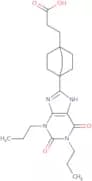
CAS:<p>Tonapofylline is a pharmaceutical preparation that is used to treat glomerular filtration rate problems and hepatic impairment. It is also used for the treatment of pulmonary edema caused by congestive heart failure, myocardial infarction, or cirrhosis. Tonapofylline inhibits the adenosine receptors in the lungs, which blocks the inhibitory effects of adenosine on the airways. This improves lung function and reduces pulmonary edema. Tonapofylline has also been shown to reduce levels of urea nitrogen and creatinine in patients with cirrhosis and cancer. Tonapofylline may also be used for cancer prevention because it lowers the risk of myocardial infarcts in patients with coronary artery disease or congestive heart failure.</p>Fórmula:C22H32N4O4Pureza:Min. 95%Peso molecular:416.5 g/molMPO protein
<p>The MIT protein, also known as alpha-galactose antigen, is a highly versatile and potent antibody-drug that has various applications in the field of Life Sciences. This monoclonal antibody specifically targets and binds to the alpha-gal epitope, which is present on a wide range of native proteins and antigens. It can be immobilized for use in assays or purification processes, making it an essential tool for researchers.</p>Pureza:Min. 95%Propargyl-dPEG®1-NHS Ester
CAS:<p>Propargyl-dPEG®1-NHS Ester is a PEG compound with two different functional groups (also known as heterobifunctional). Unlike homobifunctional PEG compounds (same functional group on both ends), this type of compounds are more versatile as have two different anchor points. Propargyl-dPEG®1-NHS Ester is used as a linker and spacer to add a PEG moiety, via pegylation (a bioconjugation technique) to proteins, peptides, oligonucleotides, small molecules and nanoparticles.</p>Fórmula:C48H98N4O23Pureza:Min. 95%Peso molecular:1,099.3 g/molSDSL antibody
<p>SDSL antibody was raised using the N terminal of SDSL corresponding to a region with amino acids MDGPVAEHAKQEPFHVVTPLLESWALSQVAGMPVFLKCENVQPSGSFKIR</p>dPEG®24-Biotin Acid
CAS:<p>dPEG®24-Biotin Acid is a PEG compound with two different functional groups (also known as heterobifunctional). Unlike homobifunctional PEG compounds (same functional group on both ends), this type of compounds are more versatile as have two different anchor points. dPEG®24-Biotin Acid is used as a linker and spacer to add a PEG moiety, via pegylation (a bioconjugation technique) to proteins, peptides, oligonucleotides, small molecules and nanoparticles.</p>Fórmula:C61H117N3O28SPureza:Min. 95%Peso molecular:1,325.6 g/molKIF4A antibody
<p>The 6-Fluoro-3-indoxyl-beta-D-galactopyranoside is a powerful antituberculosis drug that falls under the class of rifamycins. It is known for its bactericidal activity against tuberculosis infection. This active compound works by inhibiting bacterial growth through binding to DNA-dependent RNA polymerase, preventing transcription and replication. Additionally, it has been proven to have high efficacy in human erythrocytes using a patch-clamp technique. The metabolism of this drug involves various transformations such as hydrolysis by esterases or glucuronidases, oxidation by cytochrome P450 enzymes, reduction by glutathione reductase, or conjugation with glucuronic acid. Furthermore, it specifically targets markers expressed at high levels in Mycobacterium tuberculosis strains and inhibits cell growth in culture.</p>NHS-m-dPEG® (MW = 333)
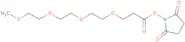
CAS:<p>NHS-m-dPEG® (MW = 333) is a PEG compound with two different functional groups (also known as heterobifunctional). Unlike homobifunctional PEG compounds (same functional group on both ends), this type of compounds are more versatile as have two different anchor points. NHS-m-dPEG® (MW = 333) is used as a linker and spacer to add a PEG moiety, via pegylation (a bioconjugation technique) to proteins, peptides, oligonucleotides, small molecules and nanoparticles.</p>Pureza:Min. 95%Peso molecular:333.33 g/molCBFA2T2 antibody
<p>CBFA2T2 antibody was raised in mouse using recombinant Core-Binding Factor,Alpha Subunit 2</p>FPL-64176
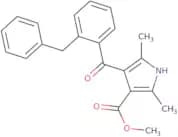
CAS:<p>Please enquire for more information about FPL-64176 including the price, delivery time and more detailed product information at the technical inquiry form on this page</p>Fórmula:C22H21NO3Pureza:Min. 95%Peso molecular:347.41 g/molAPOM antibody
<p>The 6-Fluoro-3-indoxyl-beta-D-galactopyranoside is a powerful antituberculosis drug from the rifamycin class. It is specifically designed to combat tuberculosis infections by targeting active compounds and exhibiting bactericidal activity. Through extensive research using transcription-quantitative polymerase chain and patch-clamp techniques, it has been proven to inhibit bacterial growth by binding to DNA-dependent RNA polymerase, preventing transcription and replication. Additionally, this drug undergoes various metabolic transformations such as hydrolysis by esterases or glucuronidases, oxidation by cytochrome P450 enzymes, reduction by glutathione reductase, or conjugation with glucuronic acid. It also demonstrates a high affinity for markers expressed in Mycobacterium tuberculosis strains, inhibiting their cell growth. Experience the potent efficacy of 6-Fluoro-3-indoxyl-beta-D-galactopyranoside in combating tuberculosis infections.</p>Ethyl (S)-1-(3-(4-chlorophenoxy)-2-hydroxypropyl)-3-(4-methoxyphenyl)-1H-pyrazole-5-carboxylate
CAS:<p>Ethyl (S)-1-(3-(4-chlorophenoxy)-2-hydroxypropyl)-3-(4-methoxyphenyl)-1H-pyrazole-5-carboxylate is a peptide that is used as a research tool. It has been shown to activate ion channels and inhibit ion channel interactions, which may be beneficial for the treatment of epilepsy. This compound binds to the receptor site of certain protein ligands, such as acetylcholine, serotonin, dopamine, and other neurotransmitters. It also interacts with cell surface receptors such as serotonin receptors.</p>Fórmula:C22H23ClN2O5Pureza:Min. 95%Peso molecular:430.9 g/molAmino-dPEG®4 Acid
CAS:<p>Amino-dPEG®4 Acid is a PEG compound with two different functional groups (also known as heterobifunctional). Unlike homobifunctional PEG compounds (same functional group on both ends), this type of compounds are more versatile as have two different anchor points. Amino-dPEG®4 Acid is used as a linker and spacer to add a PEG moiety, via pegylation (a bioconjugation technique) to proteins, peptides, oligonucleotides, small molecules and nanoparticles.</p>Pureza:Min. 95%Peso molecular:265.3 g/molAP 26113
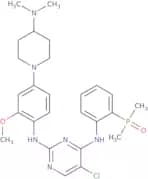
CAS:<p>Inhibitor of ALK kinase and EGFR receptor</p>Fórmula:C26H34ClN6O2PPureza:Min. 95%Peso molecular:529.01 g/molLOX antibody
<p>The LOX antibody is a low-molecular-weight monoclonal antibody with immunosuppressant properties. It contains a cycloalkyl group that specifically targets lipoprotein lipase, an enzyme involved in lipid metabolism. This antibody has the ability to neutralize interferon and other growth factors, making it an effective antiviral agent. Additionally, the LOX antibody has been shown to have a high affinity for alpha-fetoprotein, a marker commonly found in certain types of cancer cells. With its neutralizing capabilities and targeted approach, this monoclonal antibody is a valuable tool in the field of life sciences and holds great potential for therapeutic applications.</p>HNRNPA2B1 antibody
<p>HNRNPA2B1 antibody was raised in Rabbit using Human HNRNPA2B1 as the immunogen</p>CNP antibody
<p>CNP antibody was raised using the middle region of CNP corresponding to a region with amino acids LYSLGNGRWMLTLAKNMEVRAIFTGYYGKGKPVPTQGSRKGGALQSCTII</p>ART3 antibody
<p>ART3 antibody was raised using the middle region of ART3 corresponding to a region with amino acids LEPTQIPAPGPVPVPGPKSHPSASSGKLLLPQFGMVIILISVSAINLFVA</p>Pureza:Min. 95%ADORA3 antibody
<p>ADORA3 antibody was raised in rabbit using the C terminal of ADORA3 as the immunogen</p>Pureza:Min. 95%m-dPEG®4-Azide (Azido-m-dPEG®4)
CAS:<p>m-dPEG®4-Azide (Azido-m-dPEG®4) is a PEG compound with two different functional groups (also known as heterobifunctional). Unlike homobifunctional PEG compounds (same functional group on both ends), this type of compounds are more versatile as have two different anchor points. m-dPEG®4-Azide (Azido-m-dPEG®4) is used as a linker and spacer to add a PEG moiety, via pegylation (a bioconjugation technique) to proteins, peptides, oligonucleotides, small molecules and nanoparticles.</p>Pureza:Min. 95%Peso molecular:233.26 g/molMMP19 antibody
<p>MMP19 antibody was raised in rabbit using a synthetic peptide corresponding to a region of human MMP-19 as the immunogen.</p>Pureza:Min. 95%RBP1 antibody
<p>The RBP1 antibody is a growth factor that has been shown to play a role in thrombocytopenia. It is commonly used in Life Sciences research and can be utilized in various experimental techniques, such as electrode-based assays. This trifunctional antibody is capable of binding to human serum and activating specific pathways. It can also be used as a tool for the detection and quantification of other antibodies or antigens. The RBP1 antibody has genotoxic effects on cells, making it useful for studying DNA damage and repair mechanisms. Additionally, it acts as an inhibitor of phosphatase activity and chemokine signaling. This Monoclonal Antibody specifically targets tyrosine kinase receptors and protein kinases, making it an essential tool for researchers in the field of molecular biology.</p>USP5 antibody
<p>The USP5 antibody is a highly specialized product in the field of Life Sciences. It belongs to the class of neutralizing monoclonal antibodies that target TGF-beta protein. This antibody is specifically designed to bind to and neutralize TGF-beta, a growth factor involved in various cellular processes.</p>MC 1568
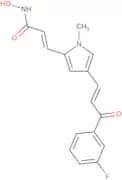
CAS:<p>Inhibitor of class IIa histone deacetylases (HDACs)</p>Fórmula:C17H15FN2O3Pureza:Min. 95%Forma y color:PowderPeso molecular:314.31 g/molGoat anti Human IgM (mu chain) (HRP)
<p>This antibody reacts with heavy chains on human IgM (mu chain).</p>Pureza:Min. 95%ETV5 antibody
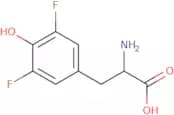
<p>ETV5 antibody was raised in Mouse using a purified recombinant fragment of human ETV5 expressed in E. coli as the immunogen.</p>3,5-Difluoro-L-tyrosine
CAS:<p>3,5-Difluoro-L-tyrosine is a fluorinated amino acid, which is synthesized through chemical modification of L-tyrosine. This compound is a product of organic synthesis processes, typically starting with L-tyrosine, a naturally occurring amino acid, and introducing fluorine atoms at specific positions on the phenyl ring. The introduction of fluorine atoms significantly alters the chemical properties of the tyrosine moiety, allowing it to function as a probe or substitute in various biochemical applications.</p>Fórmula:C9H9F2NO3Pureza:Min. 95%Peso molecular:217.17 g/molm-dPEG®8-Lipoamide
CAS:<p>m-dPEG®8-Lipoamide is a PEG molecule conjugated with a lipid moiety. m-dPEG®8-Lipoamide, conjugated to this lipid constituent, is very important especially in drug delivery and vaccine development as it helps improve the stability and circulation time of lipid nanoparticles (LNPs) and liposomes.</p>Fórmula:C19H35NO7S2Pureza:Min. 95%Peso molecular:453.61 g/molAZ20
CAS:<p>AZ20 is a monoclonal antibody that targets the cell surface receptor stem cell factor. It has been shown to induce apoptosis in colorectal adenocarcinoma cells and prostate cancer cells, as well as to inhibit the proliferation of tumor cells in vivo. AZ20 binds to the stem cell factor receptor on the surface of cancer cells and initiates an intracellular signaling cascade that leads to the activation of caspases, resulting in programmed cell death. AZ20 also inhibits the proliferation of tumor cells by blocking their ability to bind to other cells via cell-to-cell contact. This drug has been shown to have no significant side effects on healthy tissue or immune system function.</p>Fórmula:C21H24N4O3SPureza:Min. 95%Peso molecular:412.51 g/molTF antibody
<p>The TF antibody is a highly specialized monoclonal antibody that is used for various applications in research and diagnostics. This antibody specifically recognizes the TF antigen, which is a carbohydrate structure found on the surface of cells. The TF antibody can be used in immunoassays, such as ELISA or Western blotting, to detect the presence of TF antigen in samples.</p>MHC Class II antibody
<p>The MHC Class II antibody is a powerful tool in the field of Life Sciences. It is a monoclonal antibody that specifically targets and neutralizes MHC Class II molecules. These molecules play a crucial role in the immune response by presenting antigens to T cells, thereby initiating an immune response. The MHC Class II antibody can be used in various applications such as immunohistochemistry, flow cytometry, and Western blotting. It has been shown to effectively stain actin filaments, growth factors, collagen, glycoproteins, fibrinogen, and other cellular components. Additionally, this antibody has been used to study the role of MHC Class II molecules in various biological processes including antigen presentation and cytokine production. Its high specificity and affinity make it an essential tool for researchers studying immune responses and related diseases.</p>PPDA
CAS:<p>PPDA is a synthetic chemical compound, which is an aromatic amine derived from aniline through a series of chemical reactions involving nitration and reduction. Its mode of action involves acting as an intermediate or precursor in a variety of organic synthesis processes, playing a pivotal role in the formation of complex organic structures. PPDA's electrophilic properties make it an essential component in producing dyes, polymers, and pharmaceuticals by facilitating specific chemical transformations. Additionally, it demonstrates high reactivity in coupling reactions due to its amine group, enhancing its utility in the synthesis of polymers and advanced materials.</p>Fórmula:C21H18N2O5Pureza:Min. 95%Peso molecular:378.38 g/molP38Α inhibitor 1
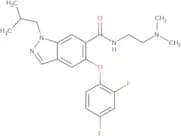
CAS:<p>P38Α inhibitor 1 is a molecule that inhibits the activity of P38α, one of the most important mitogen-activated protein kinases. It has been shown to be effective in treating cancer and other diseases. P38α inhibitor 1 is a prodrug that is converted to an active form by esterases. The effective dose for this drug is not yet known, but it has been shown to be safe at high doses. This drug also has a neutral pH and can be administered intranasally or orally.</p>Fórmula:C22H26F2N4O2Pureza:Min. 95%Peso molecular:416.5 g/molBaloxavir
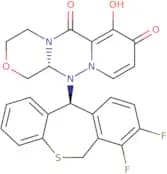
CAS:<p>Baloxavir is an antiviral drug that belongs to the class of endonuclease inhibitors. The compound has been shown to inhibit the activity of influenza virus polymerase, which is necessary for viral replication. Baloxavir is a prodrug that is activated by esterases in the gastrointestinal tract and becomes baloxavir marboxil after hydrolysis. It has demonstrated antiviral activity against influenza A and B viruses with a mechanism of action distinct from oseltamivir, which inhibits the neuraminidase enzyme on the surface of influenza viruses.</p>Fórmula:C26H21F2NO4SPureza:Min. 95%Peso molecular:481.51 g/mol