


Compuestos y reactivos bioquímicos
Los bioquímicos y reactivos son sustancias fundamentales para la investigación y el desarrollo en campos como la biotecnología, la biología molecular, la farmacología y la medicina. Estos productos son esenciales para una variedad de aplicaciones, incluyendo la síntesis de compuestos, el análisis de muestras biológicas, la investigación de procesos metabólicos y la producción de medicamentos. En CymitQuimica, ofrecemos una amplia selección de bioquímicos y reactivos de alta calidad y pureza, adecuados para diversas necesidades científicas e industriales. Nuestro catálogo incluye enzimas, anticuerpos, ácidos nucleicos, aminoácidos, y muchos otros productos, todos diseñados para apoyar a los investigadores y profesionales en sus proyectos de investigación y desarrollo, asegurando resultados confiables y reproducibles.
Subcategorías de "Compuestos y reactivos bioquímicos"
- Biomoléculas(99.127 productos)
- Por objetivo biológico(99.160 productos)
- Según efectos farmacológicos(6.787 productos)
- Crioconservantes(21 productos)
- Desinfectantes y compuestos relacionados(28 productos)
- Hormonas(346 productos)
- Biología Vegetal(6.742 productos)
- Metabolitos secundarios(14.222 productos)
Se han encontrado 130581 productos de "Compuestos y reactivos bioquímicos"
Ordenar por
Pureza (%)
0
100
|
0
|
50
|
90
|
95
|
100
Phosphorylated Protein Kinase C Substrate 2
<p>Custom research peptide; min purity 95%.</p>Fórmula:C34H69N16O11PPureza:Min. 95%Peso molecular:909.02 g/molDynorphin A (1-12), porcine
<p>Custom research peptide; min purity 95%.</p>Fórmula:C69H114N22O14Pureza:Min. 95%Peso molecular:1,475.82 g/molPA (224-233), Influenza
<p>Custom research peptide; min purity 95%.</p>Fórmula:C53H80N14O17Pureza:Min. 95%Peso molecular:1,185.31 g/molACTH (11-24)
<p>Custom research peptide; min purity 95%.</p>Fórmula:C77H134N24O16Pureza:Min. 95%Peso molecular:1,652.08 g/molHuman Papillomavirus E7 protein (49-57)
<p>Custom research peptide; min purity 95%.</p>Fórmula:C52H77N15O13Pureza:Min. 95%Peso molecular:1,120.29 g/molUniversal TT epitope P2 (830- 844)
<p>Custom research peptide; min purity 95%.</p>Fórmula:C80H129N19O23Pureza:Min. 95%Peso molecular:11,725.03 g/molTyrosinase (243-251) (human)
<p>Custom research peptide; min purity 95%.</p>Fórmula:C44H68N10O18S2Pureza:Min. 95%Peso molecular:1,089.2 g/molHIV-1 gag Protein p24 (65-73) (isolates MAL/U455)
<p>Custom research peptide; min purity 95%.</p>Fórmula:C44H79N11O14S2Pureza:Min. 95%Peso molecular:1,050.31 g/molSIVmac239-2
<p>Custom research peptide; min purity 95%.</p>Fórmula:C70H123N19O25Pureza:Min. 95%Peso molecular:1,630.87 g/molPolylysine
<p>Custom research peptide; min purity 95%.</p>Fórmula:C60H122N20O11Pureza:Min. 95%Peso molecular:1,299.77 g/molNeuropeptide Y, human, rat
<p>Custom research peptide; min purity 95%.</p>Fórmula:C189H285N55O57SPureza:Min. 95%Peso molecular:4,271.7 g/moldPEG®24-SATA (S-Acetyl-dPEG®24-NHS Ester)
<p>dPEG®24-SATA (S-Acetyl-dPEG®24-NHS Ester) is a PEG compound with two different functional groups (also known as heterobifunctional). Unlike homobifunctional PEG compounds (same functional group on both ends), this type of compounds are more versatile as have two different anchor points. dPEG®24-SATA (S-Acetyl-dPEG®24-NHS Ester) is used as a linker and spacer to add a PEG moiety, via pegylation (a bioconjugation technique) to proteins, peptides, oligonucleotides, small molecules and nanoparticles.</p>Pureza:(%) Min. 97%Peso molecular:1,302.51 g/molAzido-dPEG®24-OH
<p>Azido-dPEG®24-OH is a PEG polymer categorised as monofunctional (OH-PEG-X). Used as a linker, azido-dPEG®24-OH is used to attached PEG to proteins, peptides, oligonucleotides, nanoparticles and small molecules via pegylation, a bioconjugation technique.</p>Fórmula:C88H156F4N2O41Pureza:Min. 95%Peso molecular:1,974.16 g/molaR-C 118925Xx
CAS:<p>Uridine is a nucleoside that is necessary for the synthesis of pyrimidines and purines. It can be used in cellular transformation experiments to induce the expression of a specific gene. Uridine has been shown to activate the ATP channel and potentiate receptor activity, which may be due to its ability to inhibit phosphodiesterase. Uridine also has anti-cancer properties, including inducing apoptosis in cancer cells by inhibiting protein synthesis. This drug is an antagonist at P2Y receptors, which are involved in pain transmission.</p>Fórmula:C28H23N7O3SPureza:Min. 95%Peso molecular:537.6 g/molBV6
CAS:<p>BV6 is a mouse tumor that has been shown to be clinically relevant in vivo. It induces necrotic cell death, which has been shown to be TNFR-related apoptosis-inducing and apoptosis protein-mediated. BV6 also induces mitochondrial membrane potential and chemoattractant protein release, both of which are involved in the pathogenesis of tumor cells. This compound induces fatty acid production, which may be a potential biomarker for primary sclerosing cholangitis and colorectal cancer. Monoclonal antibodies have been developed to treat this tumor, as well as other types of tumors.</p>Fórmula:C70H96N10O8Pureza:Min. 95%Peso molecular:1,205.59 g/molBis-MAL-Lysine-dPEG®4-TFP Ester
<p>Bis-MAL-Lysine-dPEG®4-TFP Ester is a peptide containing polyethylene glycol (PEG) as spacer to alter their pharmacokinetic properties and pharmodynamics.</p>Fórmula:C19H38O9Pureza:Min. 95%Peso molecular:410.5 g/molMAL-dPEG®8-t-Boc-Hydrazide
CAS:<p>MAL-dPEG®8-t-Boc-Hydrazide is a PEG compound with two different functional groups (also known as heterobifunctional). Unlike homobifunctional PEG compounds (same functional group on both ends), this type of compounds are more versatile as have two different anchor points. MAL-dPEG®8-t-Boc-Hydrazide is used as a linker and spacer to add a PEG moiety, via pegylation (a bioconjugation technique) to proteins, peptides, oligonucleotides, small molecules and nanoparticles.</p>Fórmula:C31H54N4O14Pureza:Min. 95%Peso molecular:706.78 g/molJTP 103237
CAS:<p>JTP 103237 is a synthetic peptide that activates the estrogen receptor. It has been shown to inhibit the binding of ligands to the estrogen receptor, which may provide a new treatment for hormone-dependent cancers. JTP 103237 is used as a research tool in the study of protein interactions and ion channels. It has been shown to bind to both alpha and beta adrenergic receptors and is used in pharmacology as an inhibitor of epinephrine.</p>Fórmula:C24H29F3N6OPureza:Min. 95%Peso molecular:474.5 g/mol6-Hydroxyhyoscyamine
CAS:<p>6-Hydroxyhyoscyamine is a drug that belongs to the class of anisodamines. It has been shown to have anti-inflammatory and antioxidant effects in cell culture and in animal models of disease. 6-Hydroxyhyoscyamine is able to bind to the α7 nicotinic acetylcholine receptor, which leads to increased bcl-2 protein expression, an increase in matrix effect, and a decrease in oxidative injury. 6-Hydroxyhyoscyamine has been shown to be effective for the treatment of myocardial infarcts and can be used as a cardiotonic or cardioprotective agent.</p>Fórmula:C17H23NO4Pureza:Min. 95%Peso molecular:305.4 g/moldPEG®12-SATA Acid (S-Acetyl-dPEG®12-Acid)
CAS:<p>dPEG®12-SATA Acid (S-Acetyl-dPEG®12-Acid) is a PEG compound with two different functional groups (also known as heterobifunctional). Unlike homobifunctional PEG compounds (same functional group on both ends), this type of compounds are more versatile as have two different anchor points. dPEG®12-SATA Acid (S-Acetyl-dPEG®12-Acid) is used as a linker and spacer to add a PEG moiety, via pegylation (a bioconjugation technique) to proteins, peptides, oligonucleotides, small molecules and nanoparticles.</p>Fórmula:C29H56O15SPureza:Min. 95%Peso molecular:676.81 g/molSAN 9785
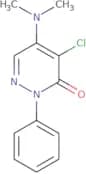
CAS:<p>SAN 9785 is a herbicide that inhibits photosynthetic activity by interfering with the synthesis of diacylglycerol. It also interferes with enzyme activities in photosystems and the production of fatty acids. Low-light conditions, such as those found in leaves, are sufficient to activate SAN 9785. The polyunsaturated fatty acid linolenic acid has been shown to be a target for this herbicide. SAN 9785 has been used to study the physiological effects on plants at sublethal doses. This herbicide also inhibits carotenoid biosynthesis and causes chlorophyll loss in leaves due to its inhibition of plastid enzymes.</p>Fórmula:C12H12ClN3OPureza:Min. 95%Peso molecular:249.7 g/molBAY-207
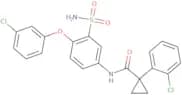
CAS:<p>Bay-207 is a recombinant monoclonal antibody that has been shown to inhibit the function of ion channels. The high-affinity binding site of Bay-207 is in the cytoplasmic region of the ion channel, and it has been shown to be an activator by increasing ligand binding. Bay-207 has been used for research on cell biology, peptides, pharmacology, and protein interactions.</p>Fórmula:C22H18Cl2N2O4SPureza:Min. 95%Peso molecular:477.36 g/molMethoxytrityl-S-dPEG®8 Acid
CAS:<p>Methoxytrityl-S-dPEG®8 Acid is a PEG compound with two different functional groups (also known as heterobifunctional). Unlike homobifunctional PEG compounds (same functional group on both ends), this type of compounds are more versatile as have two different anchor points. Methoxytrityl-S-dPEG®8 Acid is used as a linker and spacer to add a PEG moiety, via pegylation (a bioconjugation technique) to proteins, peptides, oligonucleotides, small molecules and nanoparticles.</p>Pureza:Min. 95%Peso molecular:730.91 g/molRPI-1
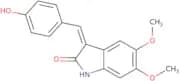
CAS:<p>RPI-1 is a cytostatic agent that inhibits the proliferation of tumor cells. It has been shown to have synergistic effects with other agents and can be used in combination therapy for cancer treatment. RPI-1 is able to inhibit the growth of cells in tissue culture and to prevent insect resistance by interfering with their ability to synthesize proteins. This drug also has an effect on liver cells, which may be due to its ability to inhibit angiogenic factors. RPI-1 binds to DNA polymerase and prevents transcription by binding to ribonucleotide reductase, blocking RNA synthesis. This active form also inhibits basic fibroblast activity and microvessel density. RPI-1 also has diploid activity, meaning it can bind to both strands of DNA at the same time, which may lead to cell lysis.</p>Fórmula:C17H15NO4Pureza:Min. 95%Peso molecular:297.31 g/molAmphotericin B methyl ester
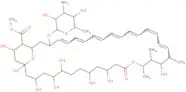
CAS:<p>Amphotericin B is an antifungal agent that belongs to a class of polyenes. It binds to ergosterol in fungal cell membranes and alters their permeability, thereby causing leakage of cellular contents. Amphotericin B methyl ester is a water-soluble prodrug form of amphotericin B that has been shown to have anti-infective activity against many types of fungi, including Candida albicans, Trichosporon beigelii, and Aspergillus fumigatus. Amphotericin B methyl ester has also been shown to be effective against some bacteria such as Streptococcus pneumoniae, Haemophilus influenzae, and Mycoplasma pneumoniae. In vitro studies have demonstrated the detection sensitivity of amphotericin B methyl ester for Coccidioides immitis at 1 ng/ml or less. Amphotericin B methyl ester does not exhibit any hemolytic activity even at concentrations</p>Fórmula:C48H75NO17Pureza:Min. 95%Peso molecular:938.1 g/molBS-181
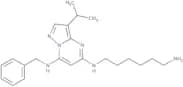
CAS:<p>BS-181 is a drug that belongs to the class of immunomodulators. It is a small molecule with a novel mechanism of action and has been shown to synergize with epidermal growth factor (EGF) to induce the proliferation of T cells, which are important in the immune system. BS-181 has been shown to have tumor-killing activity and can be used for the treatment of cancer xenografts and other tumors in mice. In addition, BS-181 also has immunosuppressive properties and can be used for the treatment of inflammatory diseases such as autoimmune disorders and HIV infections.</p>Fórmula:C22H32N6Pureza:Min. 95%Peso molecular:380.53 g/molAmino-dPEG®4-(m-dPEG®11)3
<p>Amino-dPEG®4-(m-dPEG®11)3 is a PEG compound with two different functional groups (also known as heterobifunctional). Unlike homobifunctional PEG compounds (same functional group on both ends), this type of compounds are more versatile as have two different anchor points. Amino-dPEG®4-(m-dPEG®11)3 is used as a linker and spacer to add a PEG moiety, via pegylation (a bioconjugation technique) to proteins, peptides, oligonucleotides, small molecules and nanoparticles.</p>Fórmula:C93H185N5O44Pureza:Min. 95%Peso molecular:2,077.47 g/mol(-)-Isosamidin
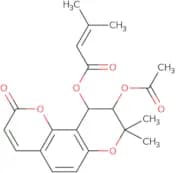
CAS:<p>Isosamidin is a coumarin derivative that has been shown to be effective in the treatment of bladder diseases. In clinical studies, isosamidin has been shown to reduce the symptoms of bladder disease, as well as increase bladder capacity and decrease the frequency of nighttime urination. Isosamidin inhibits the production of reactive oxygen species (ROS) and reactive nitrogen species (RNS), which are molecules that can cause tissue damage or cell death. Isosamidin also reduces inflammation by inhibiting the production of arachidonic acid from phospholipids in the cell membrane and inhibiting cyclooxygenase enzymes.</p>Fórmula:C21H22O7Pureza:Min. 95%Peso molecular:386.4 g/molMAL-dPEG®24-Amido-dPEG®24-TFP Ester
<p>MAL-dPEG®24-Amido-dPEG®24-TFP Ester is a PEG compound with two different functional groups (also known as heterobifunctional). Unlike homobifunctional PEG compounds (same functional group on both ends), this type of compounds are more versatile as have two different anchor points. MAL-dPEG®24-Amido-dPEG®24-TFP Ester is used as a linker and spacer to add a PEG moiety, via pegylation (a bioconjugation technique) to proteins, peptides, oligonucleotides, small molecules and nanoparticles.</p>Fórmula:C115H209F4N3O54Pureza:Min. 95%Peso molecular:2,573.87 g/molLipoamido-dPEG®12-TFP Ester
CAS:<p>Lipoamido-dPEG®12-TFP Ester is a PEG molecule conjugated with a lipid moiety. Lipoamido-dPEG®12-TFP Ester, conjugated to this lipid constituent, is very important especially in drug delivery and vaccine development as it helps improve the stability and circulation time of lipid nanoparticles (LNPs) and liposomes.</p>Fórmula:C28H50N4O6S3Pureza:Min. 95%Peso molecular:634.91 g/molOmigapil Maleate
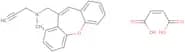
CAS:<p>Omigapil Maleate is a neurotrophic factor that has been shown to inhibit the production of neuronal death. It has also shown neuroprotective effects in vivo in an animal model, and may be effective in treating Parkinson's disease. Omigapil Maleate inhibits the enzyme propargylamine, which is involved in the synthesis of collagen. This drug also prevents uptake of dopamine into cells by blocking its transport system at the cellular organelle level. Omigapil Maleate binds to dopamine receptors on the nerve cell surface and enhances dopamine release from nerve endings, resulting in increased levels of this neurotransmitter in the brain.</p>Fórmula:C23H21NO5Pureza:Min. 95%Peso molecular:391.42 g/molPomaglumetad methionil hydrochloride
CAS:<p>Pomaglumetad methionil hydrochloride is a peptide that is an activator of the GABA receptor. It is an inhibitor of voltage-gated ion channels, which are responsible for the generation and propagation of action potentials in neurons. Pomaglumetad methionil hydrochloride is also a ligand for the GABA receptor and has been shown to inhibit protein interactions with a number of receptors, including the NMDA receptor, glycine receptor, and serotonin receptors. This drug has not been shown to have any pharmacological effects.</p>Fórmula:C12H19ClN2O7S2Pureza:Min. 95%Peso molecular:402.9 g/molFR 167653
CAS:<p>FR 167653 is a research chemical that is being studied for its potential to reduce the symptoms of endometriosis and polycystic ovarian syndrome. It has been shown to activate cardiac cells in response to ischemia reperfusion, thereby preventing cell death. FR 167653 also activates signaling pathways, such as protein kinase B/Akt. The effective dose of FR 167653 is not yet known, but it has been shown to be safe at doses up to 100 mg/kg in Sprague-Dawley rats. This compound has also been shown to promote pluripotent cells and inhibit TNF-α production in vitro.</p>Fórmula:C24H18FN5O2Pureza:Min. 95%Peso molecular:427.4 g/molCryptdin-4 (Mouse)
CAS:<p>The most potent microbicide of the mouse Paneth cell α-defensins and is degraded by MMP-7. This product has disulfide bonds between Cys4-Cys30, Cys15-Cys37, and Cys19-Cys39, is available in the Hydrochloride salt form and as a 0.1mg vial.</p>Fórmula:C158H257N57O38S6Pureza:Min. 95%Peso molecular:3,755.5 g/molNK-1 antagonist 1
CAS:<p>NK-1 antagonist 1 is a synthetic pharmaceutical compound, which is derived from targeted chemical synthesis aimed at disrupting specific receptor interactions in the human body. This antagonist specifically targets the neurokinin-1 (NK-1) receptor, which is a critical receptor for the neuropeptide substance P. By binding to and inhibiting this receptor, NK-1 antagonist 1 effectively blocks the physiological effects mediated by substance P.</p>Fórmula:C25H23F6N5O2Pureza:Min. 95%Peso molecular:539.5 g/molSulfameter-d4
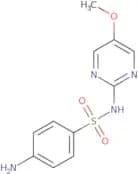
CAS:<p>Please enquire for more information about Sulfameter-d4 including the price, delivery time and more detailed product information at the technical inquiry form on this page</p>Fórmula:C11H12N4O3SPureza:Min. 95%Peso molecular:284.33 g/molIL 4 Human, His
<p>IL 4 Human, His is a recombinant protein that belongs to the class of peptides. It has been identified as an activator of IL-4 receptor and can be used in research studies to study the interactions between proteins, cells, and receptors. IL 4 Human, His can be used as an antibody to detect IL-4 in cell culture samples. IL 4 Human, His is a high purity product with a CAS Number of 57741-00-8.</p>Pureza:Min. 95%Filgotinib
CAS:<p>Filgotinib is an investigational drug that blocks the activity of the Janus kinase (JAK) family of enzymes. Filgotinib has been shown to have anti-inflammatory activity in vitro and in vivo, as well as to affect iron homeostasis and cytokine levels. The mechanism of action is not well understood, but it has been hypothesized that filgotinib may inhibit the production or function of cytokines such as IL-6, TNF-α, and IFN-γ. Filgotinib has also been shown to bind dextran sulfate in chromatographic analysis. It is currently being studied for its potential use in inflammatory bowel disease.</p>Fórmula:C21H23N5O3SPureza:Min. 95%Peso molecular:425.51 g/molZL0454
CAS:<p>ZL0454 is a small molecule that inhibits the inflammatory response by blocking the interaction between Toll-like receptor 4 and its ligand, lipopolysaccharide. This drug has been shown to have therapeutic potential in chronic viral infections, such as HIV and hepatitis C virus, as well as in inflammatory bowel disease. ZL0454 has also been shown to inhibit coagulation factor activity and has been found to be effective against a variety of cancers including breast, lung, prostate, and colon cancer. ZL0454 binds to bromodomains on histone proteins which are involved in regulating gene expression. This binding prevents acetylation of histones leading to reduced transcriptional activation of genes regulated by these proteins.<br>ZL0454 also interacts with epithelial mesenchymal transition proteins that regulate cell adhesion and migration.</p>Fórmula:C18H22N4O3SPureza:Min. 95%Peso molecular:374.5 g/molDelcasertib
CAS:<p>Delcasertib is a synthetic peptide inhibitor that is derived from biochemical research on protein kinase C (PKC) signaling pathways. This compound specifically targets the delta isoform of protein kinase C (PKCδ), playing a crucial role in modulating signaling pathways involved in cellular responses to stress and injury.</p>Fórmula:C120H199N45O34S2Pureza:Min. 95%Peso molecular:2,880.3 g/molSelatogrel
CAS:<p>Selatogrel is a peptide that can activate the receptor, which is known as selatoprotein. Selatogrel binds to the receptor and inhibits ion channels, which are the proteins that selectively permit the passage of ions across a cell membrane. It is used in research as a tool for studying protein interactions and has been shown to inhibit ligand-receptor binding with high purity. Selatogrel also inhibits receptors on cells, and has been shown to block the enzyme phosphodiesterase 4 (PDE4). Selatogrel can be used in pharmacology to study protein interactions and has shown potential as an inhibitor of PDE4.</p>Fórmula:C28H39N6O8PPureza:Min. 95%Peso molecular:618.6 g/molSKF 86002 dihydrochloride
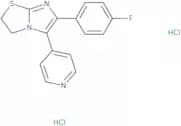
CAS:<p>SKF 86002 is a tyrosine kinase inhibitor that has been shown to inhibit cancer cells from proliferating by modulating the expression of albumin. SKF 86002 has also been shown to be effective against acute lymphoblastic leukemia and cancer metastasis. SKF 86002 binds to the cell surface receptor, leading to inhibition of the phosphorylation of tyrosine residues on proteins in the cell membrane, which prevents the activation of cellular signal transduction pathways. SKF 86002 also inhibits chemoresistance mediated by serum albumin by binding to it and preventing its function as an enzyme.</p>Fórmula:C16H12FN3S·2HClPureza:Min. 95%Peso molecular:370.27 g/molProtein 4E-BP1 (initiation factor eIF-4-binding protein 1) (human)
CAS:<p>Protein 4E-BP1 is a protein that binds to the eIF4E initiation factor and regulates the translation of mRNA. It has been shown to be involved in cancer, as well as other diseases. Protein 4E-BP1 has been shown to regulate the translation of mRNA by binding to the eIF4E initiation factor, which is required for translation in cells. Protein 4E-BP1 is also involved in autophagy, which is a process of self-degradation that cells use to destroy damaged or unnecessary cellular components. The level of this protein can be used as a diagnostic marker for cancer, and it has been found at high levels in T-cell lymphomas. This protein is phosphorylated at serine 40 and serine 46 in response to physiological levels of growth factors such as insulin or IGF-1. Phosphorylation at these sites blocks the ability of 4E-BP1 to bind with eIF4E and inhibit translation. When phosph</p>Pureza:Min. 95%DBCO-Amine
<p>An aza-dibenzocyclooctyne (DBCO) product used for strain-promoted azide-alkyne cycloaddition. The amine terminus of the molecule reacts with carboxylic acids and their active esters to form stable amide bonds. Insoluble in water, DBCO-amine is slightly soluble to sparingly soluble in most organic solvents.</p>Pureza:Min. 95%(S,R,S)-AHPC-Boc
CAS:<p>(S,R,S)-AHPC-Boc is a synthetic ligand used in the field of targeted protein degradation. It is a derivative sourced from the class of bifunctional small molecules known as PROTACs (PROteolysis TArgeting Chimeras), which serve as crucial tools for regulated protein degradation within biological systems. This compound specifically facilitates the recruitment of target proteins to the ubiquitin-proteasome system by connecting a ligand for a disease-relevant protein to an E3 ubiquitin ligase recruiter.</p>Fórmula:C27H38N4O5SPureza:Min. 95%Peso molecular:530.7 g/molHydroxy empagliflozin
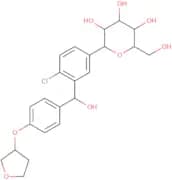
CAS:<p>Please enquire for more information about Hydroxy empagliflozin including the price, delivery time and more detailed product information at the technical inquiry form on this page</p>Fórmula:C23H27ClO8Pureza:Min. 95%Peso molecular:466.9 g/mol[Thi5,8,D-Phe7]-Bradykinin
CAS:<p>Bradykinin is a peptide that acts as an autacoid, or local hormone. It is a vasodilator, and it stimulates the release of prostaglandins from mast cells in the lungs. Inhibitors of bradykinin include [Thi5,8,D-Phe7]-bradykinin and des-Arg9-bradykinin. Bradykinin has been used as a research tool to study protein interactions, receptor activation, ion channels, and other life science topics.</p>Fórmula:C50H71N15O11S2Pureza:Min. 95%Peso molecular:1,122.3 g/molIbrutinib-MPEA
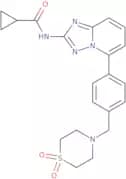
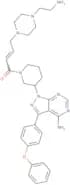
CAS:<p>Ibrutinib-MPEA is a potent and selective inhibitor of Bruton's tyrosine kinase (BTK). BTK is an enzyme that regulates the activity of other enzymes and proteins involved in B cell signaling. Ibrutinib-MPEA inhibits the binding of Bruton's tyrosine kinase to its ligands, preventing it from functioning as an activator protein. This inhibition prevents activation of downstream signaling pathways that lead to cell proliferation, antibody production, and cytokine secretion. Ibrutinib-MPEA binds to BTK with high affinity and specificity.</p>Fórmula:C32H39N9O2Pureza:Min. 95%Peso molecular:581.7 g/molIcotinib Hydrochloride
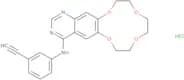
CAS:<p>Icotinib hydrochloride is a drug that inhibits the activity of several signal pathways in cancer cells. It is a potent, selective inhibitor of vascular endothelial growth factor receptor (VEGFR) and platelet-derived growth factor receptor beta (PDGF-Rβ) with long-term efficacy. Icotinib hydrochloride has been shown to be effective against lung cancer and colorectal adenocarcinoma. This drug also has not shown any significant side effects in clinical trials, which may be due to its low toxicity.</p>Fórmula:C22H22ClN3O4Pureza:Min. 95%Peso molecular:427.88 g/mol1-[3-[3-[3-[(N,N'-Dimethylcarbamimidoyl)amino]propylamino]propylamino]propyl]-2,3-dimethylguanidine
CAS:<p>1-[3-[3-[3-[(N,N'-Dimethylcarbamimidoyl)amino]propylamino]propylamino]propyl]-2,3-dimethylguanidine is a high purity research tool for the life sciences. It is used as a ligand to study receptor binding and activation. It has been shown to be a potent inhibitor of protein interactions with antibody and ion channels. This product does not contain any chemical contaminants or heavy metals. The CAS number for this product is 1234494-75-7.</p>Fórmula:C15H36N8Pureza:Min. 95%Peso molecular:328.5 g/mol



















![[Thi5,8,D-Phe7]-Bradykinin](/_next/image/?url=https%3A%2Fstatic.cymitquimica.com%2Fproducts%2F3D%2Fthumb-webp%2FPBK-4175-V.webp&w=3840&q=75)
![1-[3-[3-[3-[(N,N'-Dimethylcarbamimidoyl)amino]propylamino]propylamino]propyl]-2,3-dimethylguanidine](/_next/image/?url=https%3A%2Fstatic.cymitquimica.com%2Fproducts%2F3D%2Fthumb-webp%2FJZB49475.webp&w=3840&q=75)