Compuestos y reactivos bioquímicos
Los bioquímicos y reactivos son sustancias fundamentales para la investigación y el desarrollo en campos como la biotecnología, la biología molecular, la farmacología y la medicina. Estos productos son esenciales para una variedad de aplicaciones, incluyendo la síntesis de compuestos, el análisis de muestras biológicas, la investigación de procesos metabólicos y la producción de medicamentos. En CymitQuimica, ofrecemos una amplia selección de bioquímicos y reactivos de alta calidad y pureza, adecuados para diversas necesidades científicas e industriales. Nuestro catálogo incluye enzimas, anticuerpos, ácidos nucleicos, aminoácidos, y muchos otros productos, todos diseñados para apoyar a los investigadores y profesionales en sus proyectos de investigación y desarrollo, asegurando resultados confiables y reproducibles.
Subcategorías de "Compuestos y reactivos bioquímicos"
- Biomoléculas(99.115 productos)
- Por objetivo biológico(99.074 productos)
- Según efectos farmacológicos(6.785 productos)
- Crioconservantes(21 productos)
- Desinfectantes y compuestos relacionados(28 productos)
- Hormonas(346 productos)
- Biología Vegetal(6.693 productos)
- Metabolitos secundarios(14.219 productos)
Se han encontrado 130577 productos de "Compuestos y reactivos bioquímicos"
Ordenar por
Pureza (%)
0
100
|
0
|
50
|
90
|
95
|
100
ASS234
CAS:<p>ASS234 is a novel compound that has been shown to inhibit the production of cytosolic Ca2+ in response to dopamine and serotonin. It also inhibits the activation of protein kinase C, which is involved in apoptosis. In addition, ASS234 has been shown to be neuroprotective and have pharmacokinetic properties that are independent of liver function. The molecular structure of ASS234 contains a propargylamine group, which is an amine with a nitrogen atom attached to a carbon atom triple bonded to two other carbon atoms.</p>Fórmula:C29H37N3OPureza:Min. 95%Peso molecular:443.6 g/molIndy
CAS:<p>Indy is a drug used to treat metabolic disorders such as hepatic steatosis. Sodium citrate is an ion that regulates the acidity of body fluids, which helps maintain the balance of water and electrolytes in the body. It also has a role in regulating blood pH and preventing kidney stone formation. The uptake of sodium citrate occurs mainly through active transport by renal cells and liver cells. When taken orally, it is absorbed from the intestines into the bloodstream, where it binds with phosphates to form citric acid, which can be broken down by enzymatic reactions to release carbon dioxide and water. This breakdown process generates energy, which is then stored in the form of adenosine triphosphate (ATP). Citrate also has a potential target for drug development due to its effects on fatty acids and atp levels in humans.</p>Fórmula:C12H13NO2SPureza:Min. 95%Peso molecular:235.3 g/mol(Z)-2-((4-(Phenethylamino)-1-styryl-1H-pyrazolo[3,4-d]pyrimidin-6-yl)amino)ethan-1-ol
CAS:<p>(Z)-2-((4-(Phenethylamino)-1-styryl-1H-pyrazolo[3,4-d]pyrimidin-6-yl)amino)ethan-1-ol is a research tool that is used in cell biology and pharmacology. It is an activator that binds to the receptor and activates it by either increasing or decreasing the activity of ion channels. It also binds to antibodies and inhibits protein interactions. This ligand has been shown to inhibit the activity of ion channels such as potassium channels, calcium channels, sodium channels, and chloride channels.</p>Fórmula:C23H24N6OPureza:Min. 95%Peso molecular:400.5 g/molETP-46321
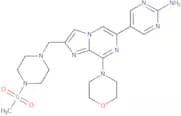
CAS:<p>ETP-46321 is an imidazopyrazine that inhibits the activity of the enzyme phosphatase 2A, which is involved in a number of signaling pathways. It has been shown to activate IL-17a, and inhibit tumor growth in mice. ETP-46321 also has pharmacokinetic properties that are suited for oral administration. The drug binds to the catalytic subunit of protein phosphatase 2A (PP2Ac) and prevents it from dephosphorylating its substrate, thereby inhibiting its enzymatic activity. This inhibition leads to increased levels of activated PP2Ac, which in turn leads to the activation and proliferation of cells. ETP-46321 has shown efficacy against cancer cells in vitro and can be used as an immunosuppressant for autoimmune diseases due to its ability to inhibit IL-17a production by T cells.</p>Fórmula:C20H27N9O3SPureza:Min. 95%Peso molecular:473.55 g/molXMD8-87
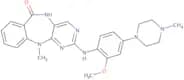
CAS:<p>XMD8-87 is a cancer drug under development by Novartis that inhibits the growth of tumor cells by blocking the activity of kinases. XMD8-87 is selective for SRC family kinases and has been shown to inhibit the growth of tumor cells in vitro and in vivo. The drug has also been shown to have an effect on other types of cancer cells, including lung, colon, prostate, and breast cancers. XMD8-87 binds to a region targeted by many drugs that are currently used for cancer treatment, including dasatinib and imatinib. This may make it possible to use XMD8-87 as a substitute or complementary treatment option.</p>Fórmula:C24H27N7O2Pureza:Min. 95%Peso molecular:445.52 g/mol2-Amino-6-fluoro-N-[5-fluoro-4-(1-methyl-1H-imidazol-5-yl)-3-pyridinyl]pyrazolo[1,5-a]pyrimidine-3-carboxamide
CAS:<p>2-Amino-6-fluoro-N-[5-fluoro-4-(1-methyl-1H-imidazol-5-yl)-3-pyridinyl]pyrazolo[1,5-a]pyrimidine-3-carboxamide is an inhibitor of viral RNA synthesis. It is a potent inhibitor of the human immunodeficiency virus type 1 (HIV) reverse transcriptase and has been shown to reduce the production of HIV in vitro. 2AFNPYPC is also active against hepatitis B virus (HBV). This drug binds to the active site of HIV reverse transcriptase and HBV polymerase, respectively. The binding affinity for these two enzymes is similar, suggesting that this drug may be effective against other viruses with a similar enzyme target.</p>Fórmula:C16H12F2N8OPureza:Min. 95%Peso molecular:370.32 g/mol1,2-Distearoyl-sn-glycero-3-phosphocholine-N,N,N-trimethyl-d9
CAS:Producto controlado<p>1,2-Distearoyl-sn-glycero-3-phosphocholine (DSC) is a lipid molecule that is used as a research tool. It is an inhibitor of the protein kinase C (PKC) and also has been shown to have other effects on proteins involved in cell signaling. DSC binds to receptors and ion channels and inhibits their function. This inhibitory effect may be due to the ability of DSC to bind to PKC, thereby preventing PKC from phosphorylating its target proteins. DSC has been shown to be a ligand for the peroxisome proliferator activated receptor alpha (PPARα), which regulates fat metabolism.</p>Fórmula:C44H79NO8PD9Pureza:Min. 95%Peso molecular:799.2 g/molNolatrexed
CAS:<p>Nolatrexed is an ion channel ligand that blocks voltage-gated sodium channels. It is a research tool for studying the function of ion channels, and is used in pharmacology to study protein interactions. Nolatrexed has also been shown to inhibit the growth of certain cancer cells by blocking the receptor for epidermal growth factor (EGF) and by inhibiting cell proliferation. Nolatrexed is also used as a research tool to study protein interactions in studies on Cell Biology and Pharmacology. The product is available as a high-purity powder at a purity of 98% or greater.</p>Fórmula:C14H12N4OSPureza:Min. 95%Peso molecular:284.34 g/molHIV1 p24 antibody
<p>HIV1 p24 antibody was raised in mouse using HIV1 p24 (native antigen) as the immunogen.</p>ZBTB33 antibody
<p>ZBTB33 antibody was raised in rabbit using the N terminal of ZBTB33 as the immunogen</p>Pureza:Min. 95%Ighmbp2 antibody
<p>Ighmbp2 antibody was raised in rabbit using the N terminal of Ighmbp2 as the immunogen</p>Pureza:Min. 95%RANK antibody
<p>The RANK antibody is a monoclonal antibody that specifically targets the receptor activator of nuclear factor kappa-B (RANK). It has been extensively studied for its role in regulating bone remodeling and immune cell activation. The RANK antibody binds to RANK, preventing its interaction with its ligand, RANKL. This inhibits the activation of osteoclasts, which are responsible for bone resorption, and reduces the production of pro-inflammatory cytokines by immune cells. Additionally, the RANK antibody has been shown to have therapeutic potential in treating conditions such as osteoporosis, rheumatoid arthritis, and certain types of cancer. Its high specificity and affinity make it a valuable tool for researchers in the life sciences field.</p>STAT3 antibody
<p>STAT3 antibody was raised in Mouse using a purified recombinant fragment of human STAT3 expressed in E. coli as the immunogen.</p>IL2 antibody
<p>IL2 antibody was raised in goat using highly pure recombinant human IL-2 as the immunogen.</p>Pureza:Min. 95%ZNF502 antibody
<p>ZNF502 antibody was raised in rabbit using the N terminal of ZNF502 as the immunogen</p>Pureza:Min. 95%MYC antibody
<p>The MYC antibody is a monoclonal antibody that specifically targets the c-myc protein. This protein plays a crucial role in cell growth and proliferation, as well as in the regulation of genes involved in various cellular processes. The MYC antibody acts as an inhibitory factor, preventing the binding of c-myc to its target genes and thereby suppressing their expression.</p>TSHR antibody
<p>TSHR antibody was raised using the C terminal of TSHR corresponding to a region with amino acids KLDAVYLNKNKYLTVIDKDAFGGVYSGPSLLLPLGRKSLSFETQKAPRSS</p>Turkey RBC antibody
<p>Turkey RBC antibody was raised in rabbit using meleagris erythrocytes as the immunogen.</p>Pureza:Min. 95%AKAP7 Blocking Peptide
<p>A synthetic peptide for use as a blocking control in assays to test for specificity of AKAP7 antibody, catalog no. 70R-2689</p>Pureza:Min. 95%Lamin antibody
<p>Lamin antibody was raised in mouse using Nuclear pore complex-lamina fraction of Xenopus laevis (XLKE-A6 cells) as the immunogen.</p>CTNNB1 antibody
<p>The CTNNB1 antibody is a highly specialized product in the field of Life Sciences. It falls under the category of Antibodies and is produced using a lyophilization method for enhanced stability and longevity. This Monoclonal Antibody targets the CTNNB1 protein, also known as beta-catenin, which plays a crucial role in cell adhesion and signaling pathways.</p>Syntelin
CAS:<p>Syntelin is a peptide inhibitor that binds to the Thr-Gly-Asp (TGG) motif of proteins. It inhibits protein interactions and has been shown to be an activator for some receptors. Syntelin is a high purity, research tool that can be used in the study of ion channels and antibody production. Syntelin is a synthetic peptide with CAS No. 438481-33-5.</p>Fórmula:C21H20N6O2S3Pureza:Min. 95%Peso molecular:484.6 g/molTrx antibody
<p>The Trx antibody is a highly specialized monoclonal antibody used in Life Sciences research. It is designed to specifically target and bind to the growth hormone receptor, allowing for accurate detection and analysis of this important protein. The Trx antibody has been extensively tested and validated for its effectiveness in various applications, including Western blotting, immunohistochemistry, and enzyme-linked immunosorbent assays (ELISA). With its high affinity and specificity, the Trx antibody provides reliable and reproducible results in detecting growth hormone receptor expression in human serum samples. Additionally, this antibody has been shown to be effective in identifying autoantibodies and chemokines involved in interferon signaling pathways. Its unique characteristics make the Trx antibody an essential tool for researchers investigating the role of growth hormone receptor activation in various biological processes.</p>CHRNA3 antibody
<p>CHRNA3 antibody was raised using the N terminal of CHRNA3 corresponding to a region with amino acids EHRLFERLFEDYNEIIRPVANVSDPVIIHFEVSMSQLVKVDEVNQIMETN</p>Pureza:Min. 95%LSM14A antibody
<p>LSM14A antibody was raised using a synthetic peptide corresponding to a region with amino acids TSFGTETSNSGTLPQSSAVGSAFTQDTRSLKTQLSQGRSSPQLDPLRKSP</p>LSS Blocking Peptide
<p>A synthetic peptide for use as a blocking control in assays to test for specificity of LSS antibody, catalog no. 70R-2748</p>Pureza:Min. 95%Mouse anti Human IgE (HRP)
<p>Mouse anti human IgE (HRP) was raised in mouse using human IgE as the immunogen.</p>NKAIN4 antibody
<p>NKAIN4 antibody was raised using the middle region of NKAIN4 corresponding to a region with amino acids LLGFVCGCQVVSVFTDEEDSFDFIGGFDPFPLYHVNEKPSSLLSKQVYLP</p>Pureza:Min. 95%CD29 antibody
<p>The CD29 antibody is a highly effective monoclonal antibody that has multiple applications in the field of biotechnology. It can be used as a growth factor, a cdk4/6 inhibitor, and an antiviral agent. The CD29 antibody contains excipients such as globulin, which enhance its stability and efficacy. This powerful antibody has neutralizing properties and can effectively target molecules involved in various biological processes.</p>POLR2B antibody
<p>POLR2B antibody was raised in rabbit using the middle region of POLR2B as the immunogen</p>Pureza:Min. 95%Decr2 antibody
<p>Decr2 antibody was raised in rabbit using the C terminal of Decr2 as the immunogen</p>Pureza:Min. 95%CD25 antibody
<p>The CD25 antibody is a cytotoxic monoclonal antibody that specifically targets activated T cells expressing the CD25 antigen. It is commonly used in immunoassays and research in the field of Life Sciences. This antibody can be conjugated to colloidal gold or other markers for detection purposes. The CD25 antibody has been shown to neutralize the activity of interleukin-17A (IL-17A), a cytokine involved in inflammation and autoimmune diseases. It works by binding to the IL-17A receptor on target cells, preventing IL-17A from exerting its effects. The CD25 antibody can also be used as a therapeutic drug for conditions where excessive activation of T cells is undesirable. Its phosphatase activity allows it to modulate T cell signaling pathways, leading to suppression of immune responses. With its high specificity and affinity, this monoclonal antibody offers great potential for targeted therapies and diagnostic applications in various fields of research.</p>PIK3R2 antibody
<p>The PIK3R2 antibody is a highly specialized antibody that belongs to the category of polyclonal antibodies. It is used in the field of life sciences to study various aspects related to hyperammonemia and antibody-drug interactions. This antibody specifically targets the PIK3R2 protein, which plays a crucial role in hormone peptide signaling pathways.</p>


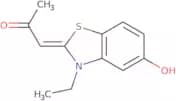
![(Z)-2-((4-(Phenethylamino)-1-styryl-1H-pyrazolo[3,4-d]pyrimidin-6-yl)amino)ethan-1-ol](/_next/image/?url=https%3A%2Fstatic.cymitquimica.com%2Fproducts%2F3D%2Fthumb-webp%2FSFC81646.webp&w=3840&q=75)
![2-Amino-6-fluoro-N-[5-fluoro-4-(1-methyl-1H-imidazol-5-yl)-3-pyridinyl]pyrazolo[1,5-a]pyrimidine-3…](/_next/image/?url=https%3A%2Fstatic.cymitquimica.com%2Fproducts%2F3D%2Fthumb-webp%2FNPC20051.webp&w=3840&q=75)