Compuestos y reactivos bioquímicos
Los bioquímicos y reactivos son sustancias fundamentales para la investigación y el desarrollo en campos como la biotecnología, la biología molecular, la farmacología y la medicina. Estos productos son esenciales para una variedad de aplicaciones, incluyendo la síntesis de compuestos, el análisis de muestras biológicas, la investigación de procesos metabólicos y la producción de medicamentos. En CymitQuimica, ofrecemos una amplia selección de bioquímicos y reactivos de alta calidad y pureza, adecuados para diversas necesidades científicas e industriales. Nuestro catálogo incluye enzimas, anticuerpos, ácidos nucleicos, aminoácidos, y muchos otros productos, todos diseñados para apoyar a los investigadores y profesionales en sus proyectos de investigación y desarrollo, asegurando resultados confiables y reproducibles.
Subcategorías de "Compuestos y reactivos bioquímicos"
- Biomoléculas(99.185 productos)
- Por objetivo biológico(99.150 productos)
- Según efectos farmacológicos(6.789 productos)
- Crioconservantes(21 productos)
- Desinfectantes y compuestos relacionados(28 productos)
- Hormonas(346 productos)
- Biología Vegetal(6.764 productos)
- Metabolitos secundarios(14.307 productos)
Se han encontrado 130581 productos de "Compuestos y reactivos bioquímicos"
Ordenar por
Pureza (%)
0
100
|
0
|
50
|
90
|
95
|
100
Human IL4 ELISA Kit
<p>ELISA kit for detection of Human IL4 in the research laboratory</p>Pureza:Min. 95%Melanocyte Protein PMEL 17 (256-264) (human, bovine, mouse)
<p>Custom research peptide; min purity 95%.</p>Fórmula:C44H67N9O14Pureza:Min. 95%Peso molecular:946.08 g/molRef: 3D-PM17049
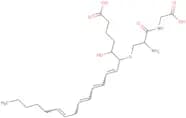
Producto descatalogadoLeukotriene d4
CAS:<p>Leukotriene D4 is an inhibitor analog that has been found in human urine. It has been studied for its potential as an anticancer agent due to its ability to induce apoptosis in cancer cells. Leukotriene D4 also inhibits protein kinases, which are enzymes involved in cell growth and division. Medicinal research has shown that this compound may have potential as a therapeutic agent for the treatment of cancer and other diseases. In Chinese medicine, Leukotriene D4 is used as an inhibitor of tumor growth and proliferation. Researchers are continuing to study the effects of this compound on various types of cancer cells to determine its full potential as a medicinal agent.</p>Fórmula:C25H40N2O6SPureza:Min. 95%Peso molecular:496.7 g/molAngiotensin II (3-8), human
<p>Custom research peptide; min purity 95%.</p>Fórmula:C40H54N8O8Pureza:Min. 95%Peso molecular:774.93 g/molRef: 3D-PA16905
Producto descatalogadoH-MEVGWYRPPFSRVVHLYRNGK-OH
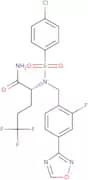
<p>MOG(35-55) human corresponds to amino acids 35 to 55 of the human myelin oligodendrocyte glycoprotein (MOG). It can be used in multiple sclerosis research to induce experimental autoimmune encephalomyelitis (EAE) in mouse and rat models.</p>BMS 708163
CAS:<p>Inhibitor of γ-secretase; Alzheimer's disease treatment</p>Fórmula:C20H17ClF4N4O4SPureza:Min. 95%Peso molecular:520.89 g/molBig Endothelin-1 (Human, 1-38)
CAS:<p>This product has disulfide bonds between Cys1-Cys15 and Cys3-Cys11 and is available as a 0.1mg vial. Big Endothelin-1 (Human, 1-38) is part of the full lengthed 29 amino acid peptide Big Endothlin-1 which is a precursor peptide of the vasoconstrictorEndothelin-1 (ET-1). ET-1 exhibits vasoconstrictive properties and is an activator of endothelin G-protein coupled receptors. Furthermore ET-1 is produced when inflammation, vascular stress or hypoxia occurs. In vivo Big Endothelin-1 has a greater half life compared to ET-1 and therefore makes it useful to study secretory activity in the endothelial system.<br>Overall Big Endothelin-1 (Human, 1-38) can be used as a research tool for studying protein interactions, receptor activation and function, and ligand binding. This peptide is also used in pharmacology to study the effects of therapeutic agents on receptor activity and expression.</p>Fórmula:C189H282N48O56S5Pureza:Min. 95%Peso molecular:4,282.9 g/molBovine Serum Albumin
CAS:<p>Bovine Serum Albumin (BSA) is a protein that is used in the pharmaceutical industry as a research tool and an immunological reagent. BSA can be used to bind, stabilize, and prevent denaturation of other proteins in the laboratory. It has been shown to inhibit ion channels and ligand-gated ion channels, which are important for membrane potentials. BSA is also an activator of receptor tyrosine kinases, which are involved in cell signaling pathways.</p>Pureza:Min. 95%H-NYRWRCKNQN-OH
<p>Peptide H-NYRWRCKNQN-OH is a Research Peptide with significant interest within the field academic and medical research. This peptide is available for purchase at Cymit Quimica in multiple sizes and with a specification of your choice.</p>WZ4141
CAS:<p>WZ4141 is a small molecule compound, which functions as a potent modulator of specific biological pathways. This compound is synthetically derived, offering researchers precise control over its experimental applications. It operates by selectively targeting and altering molecular interactions within cells, thereby influencing various signaling pathways that are critical for cellular functions.</p>Fórmula:C16H13N3O2Pureza:Min. 95%Peso molecular:279.29 g/molRef: 3D-XYB77676
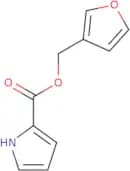
Producto descatalogado3-Furfuryl 2-pyrrolecarboxylate
CAS:<p>3-Furfuryl 2-pyrrolecarboxylate is a heterophylla, a natural product. It is an aromatic compound with a molecular formula of C8H6O2. 3-Furfuryl 2-pyrrolecarboxylate has been shown to inhibit the growth of bacteria by binding to the 50S ribosomal subunit. It binds to bacterial 16S ribosomal RNA and inhibits protein synthesis, leading to cell death by inhibiting the production of proteins vital for cell division.</p>Fórmula:C10H9NO3Pureza:Min. 95%Peso molecular:191.18 g/molRef: 3D-UEA76700
Producto descatalogadoTroponin1, His tagged human
CAS:<p>Troponin1 is a protein that is found in the muscle cells of humans. Troponin1 binds to actin, tropomyosin, and troponin C, which are proteins that make up the thin filament of the sarcomere. Tropomyosin blocks actin binding sites on the thin filament and prevents cross-bridge formation. When tropomyosin is displaced by troponins, it exposes these sites for interaction with myosin heads, which form cross-bridges with actin. Troponins also regulate calcium release from the sarcoplasmic reticulum during excitation-contraction coupling. The human troponins are encoded by different genes and are identified as TNN1 (Troponin 1), TNN2 (Troponin 2), TNN3 (Troponin 3), or TNN4 (Troponin 4). This antibody reacts with human cardiac and skeletal muscle tropomyosins and not</p>Pureza:Min. 95%Ref: 3D-PH16986
Producto descatalogadoInsulin, human
<p>Insulin is a peptide hormone that is produced by beta cells in the pancreas. Insulin has several important functions, including regulation of blood sugar levels, lipid metabolism and protein synthesis. It is also involved in the regulation of cellular growth and proliferation. Insulin binds to insulin receptors on the surface of cells, activating them and allowing for the uptake of glucose into cells and storage as glycogen. Insulin is a ligand for the insulin receptor. It can also bind to other receptors, such as IGF1R, which causes activation of PI3K/AKT pathway. Insulin is an antibody that can be used as research tool or cell biology reagent.<br>INSULIN CAN BE USED TO:<br>- Measure blood sugar levels<br>- Monitor diabetes<br>- Treat diabetes<br>- Control weight gain<br>- Improve muscle mass</p>PKCβpseudosubstrate
CAS:<p>PKCβpseudosubstrate is a peptide inhibitor, which is derived from the regulatory domain of protein kinase C beta (PKCβ). It functions by mimicking the substrate's binding sequence, thereby competitively inhibiting the kinase activity of PKCβ. As a pseudosubstrate, it binds to the catalytic domain of PKCβ, preventing the phosphorylation of actual substrates by occupying the active site.</p>Fórmula:C177H294N62O38S3Pureza:Min. 95%Peso molecular:3,995 g/molRef: 3D-XGA30876
Producto descatalogadoPhevamine A
CAS:<p>Phevamine A is a peptide inhibitor that binds to the β2 adrenergic receptor and blocks the activation of this receptor by its ligands. Phevamine A also has an agonistic effect on G-protein coupled receptors, including the β1 adrenergic receptor. This drug is used in research as a tool to study protein interactions, activator or inhibitor of protein function, and as a high purity reagent for life science applications.</p>Fórmula:C22H39N7O2Pureza:Min. 95%Peso molecular:433.6 g/molRef: 3D-FRD87434
Producto descatalogadoMyelin Oligodendrocyte Glycoprotein (35-55) (mouse, rat) trifluoroacetate
CAS:<p>Myelin oligodendrocyte glycoprotein (MOG) is a myelin protein found in the central nervous system. MOG is a ligand for CD200, which is an inhibitory receptor expressed by astrocytes. It has been shown that MOG can induce the proliferation and differentiation of primary cultures of rat astrocytes in vitro. MOG induces the production of reactive oxygen species in mitochondria and increases the expression of acid-binding protein, which are both important factors in the demyelination process. MOG has also been implicated as a potential factor in the development of multiple sclerosis. Further research into this protein may lead to new treatments or cures for disorders such as encephalomyelitis, nervous system diseases, or even cancer.</p>Fórmula:C118H177N35O29S•C2HO2F3Pureza:Min. 95%Forma y color:PowderPeso molecular:2,695.98 g/molRef: 3D-FM109206
Producto descatalogadoProlactin Releasing Peptide (1-31), bovine
<p>Catalogue peptide; min. 95% purity</p>Fórmula:C157H244N54O41SPeso molecular:3,576.01 g/molH-His-Arg-OH
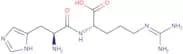
CAS:<p>H-His-Arg-OH is a synthetic peptide that has been shown to have cytotoxic effects on mammalian cells. The H-His-Arg-OH peptide can be used for the treatment of heart disease and autoimmune diseases, such as rheumatoid arthritis. This peptide has been found to be resistant to congestive heart failure, which is caused by a number of factors, including hypertension and valvular stenosis. It has also been shown to have an immunoglobulin G1 (IgG1) genotype.</p>Fórmula:C12H21N7O3Pureza:Min. 95%Peso molecular:311.34 g/molRef: 3D-FH108062
Producto descatalogadoPAR-1-selective peptide
<p>Catalogue peptide; min. 95% purity</p>Fórmula:C35H58N10O9Peso molecular:762.91 g/molMesotocin trifluroacetate
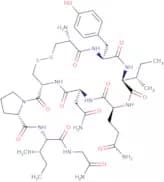
CAS:<p>Mesotocin is a peptide hormone that has a role in the regulation of water permeability and estradiol benzoate. It also regulates the physiological functions of the brain and has been shown to be involved in congestive heart failure, as it causes an increase in blood pressure. Mesotocin is found at high levels in human serum, but its activity is dependent on the presence of other hormones such as estradiol benzoate. The biological properties of mesotocin are largely unknown, although it is known to have receptor activity. The effects of this hormone on the kidney have been studied using mesotocin trifluroacetate (MTFA) and monoclonal antibody (mAb). MTFA causes an increase in glomerular filtration rate (GFR), which may be due to its ability to inhibit angiotensin II-induced vasoconstriction and decrease vascular resistance.</p>Fórmula:C43H66N12O12S2Pureza:Min. 95%Peso molecular:1,007.19 g/molRef: 3D-FI108690
Producto descatalogado05:0 PC
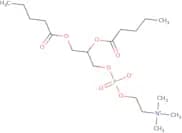
CAS:<p>05:0 PC is a peptide binding sequence that has been shown to inhibit the replication of viral sequences. 05:0 PC binds to the amino acid sequence in protein, which is a model system for peptide binding. The endoplasmic reticulum, or ER, is the site of synthesis for proteins and its low efficiency may be due to the spontaneous nature of the protein synthesis process. The ER can also be seen as an inhibitor molecule that prevents the virus from replicating. 05:0 PC has been shown to inhibit papillomavirus and HIV-1 replication in vitro. This peptide has also been shown to block interactions between viruses and cells that allow viral replication.</p>Fórmula:C18H36NO8PPureza:Min. 95%Peso molecular:425.45 g/molRef: 3D-RCA41434
Producto descatalogadoCJC-1295
CAS:<p>CJC-1295 is a synthetic peptide, which is an analogue of growth hormone-releasing hormone (GHRH). It is synthesized through recombinant DNA technology, which allows for precise control over its sequence and length. This particular peptide is designed to bind to GHRH receptors in the pituitary gland. By activating these receptors, CJC-1295 stimulates the release of growth hormone (GH) into the bloodstream.The primary function of CJC-1295 is to influence the endocrine system, particularly enhancing the release of endogenous growth hormone. It achieves this by increasing the amplitude and frequency of GH pulses without affecting the natural negative feedback mechanisms that regulate GH production. This mode of action distinguishes CJC-1295 from other growth hormone therapies, as it promotes a more physiological pattern of hormone secretion.CJC-1295 is used in various scientific contexts, primarily in research focusing on growth hormone deficiencies, muscle wasting conditions, and certain metabolic disorders. Its ability to increase GH release also makes it a subject of interest in studies related to aging, tissue repair, and regeneration. The longer half-life of CJC-1295 compared to natural GHRH peptides further enhances its applications in research, allowing for more sustained and controlled experimentation.</p>Pureza:Min. 95%Ref: 3D-FC138107
Producto descatalogado[Ala81]-MBP (74-85)
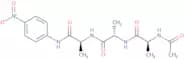
<p>Catalogue peptide; min. 95% purity</p>Fórmula:C55H94N20O21Peso molecular:1,371.48 g/molAc-Ala-Ala-Ala-pNA
CAS:<p>Ac-Ala-Ala-Ala-pNA is a synthetic peptide that is derived from the natural amino acid sequence of cholecystokinin. It has been shown to have high affinity for phospholipid bilayers, which are lipid membranes that form the boundaries of cells and organelles. Ac-Ala-Ala-Ala-pNA can be used as a substrate molecule to study membrane permeability and selectivity in bioreactors. Ac-Ala-Ala-Ala-pNA also acts as a modulator of liposomal membranes, increasing the permeability of these membranes in order to allow more substrate molecules to pass through them.</p>Fórmula:C17H23N5O6Pureza:Min. 95%Forma y color:PowderPeso molecular:393.39 g/molHead activator
<p>Catalogue peptide; min. 95% purity</p>Fórmula:C54H84N12O14Peso molecular:1,125.36 g/molAmyloid beta-Protein (36-38)
CAS:<p>Amyloid beta-Protein (36-38) is a peptide that has molecular weight of 4.3 kDa. It is a fragment of amyloid precursor protein, which is cleaved by enzymes in the brain to create the peptide. Amyloid beta-Protein (36-38) has been found to be involved in Alzheimer's disease as it aggregates into β-sheet bundles and forms amyloid plaques in the brain. This protein can be detected using vibrational spectroscopy and has been observed to have a strain that changes depending on pH. This molecule also undergoes proteolysis by peptidases, which break down proteins into amino acids for analysis with an amino acid analyzer. The solute can be analyzed with an acid analysis or spectrometer, which are used to determine functional groups such as carboxylic acids, hydroxyls, or amides. Amyloid beta-Protein (36-38)</p>Fórmula:C9H17N3O4Pureza:Min. 95%Peso molecular:231.25 g/molRef: 3D-FA109475
Producto descatalogado





















![[Ala81]-MBP (74-85)](/_next/image/?url=https%3A%2Fstatic.cymitquimica.com%2Fproducts%2F3D%2Fthumb-webp%2FVAC-00644.webp&w=3840&q=75)