Compuestos y reactivos bioquímicos
Los bioquímicos y reactivos son sustancias fundamentales para la investigación y el desarrollo en campos como la biotecnología, la biología molecular, la farmacología y la medicina. Estos productos son esenciales para una variedad de aplicaciones, incluyendo la síntesis de compuestos, el análisis de muestras biológicas, la investigación de procesos metabólicos y la producción de medicamentos. En CymitQuimica, ofrecemos una amplia selección de bioquímicos y reactivos de alta calidad y pureza, adecuados para diversas necesidades científicas e industriales. Nuestro catálogo incluye enzimas, anticuerpos, ácidos nucleicos, aminoácidos, y muchos otros productos, todos diseñados para apoyar a los investigadores y profesionales en sus proyectos de investigación y desarrollo, asegurando resultados confiables y reproducibles.
Subcategorías de "Compuestos y reactivos bioquímicos"
- Biomoléculas(99.185 productos)
- Por objetivo biológico(99.150 productos)
- Según efectos farmacológicos(6.789 productos)
- Crioconservantes(21 productos)
- Desinfectantes y compuestos relacionados(28 productos)
- Hormonas(346 productos)
- Biología Vegetal(6.764 productos)
- Metabolitos secundarios(14.307 productos)
Se han encontrado 130581 productos de "Compuestos y reactivos bioquímicos"
Ordenar por
Pureza (%)
0
100
|
0
|
50
|
90
|
95
|
100
H-HDFGFPQEEFGNQFQK^-OH
<p>Peptide H-HDFGFPQEEFGNQFQK^-OH is a Research Peptide with significant interest within the field academic and medical research. This peptide is available for purchase at Cymit Quimica in multiple sizes and with a specification of your choice.</p>Acetylated α-synuclein (1-7) amide
<p>Acetylated α-synuclein (1-7) amide is derived from the alpha-synuclein intrinsically disordered protein which is found in the neurons and presynaptic terminals. Encoded by the SNCA1/PARK1 gene alpha-synclein is structurally composed of 140 amino acids, making up the three domains: N-terminal membrane binding domain, a hydrophobic non-amyloid-β component domain and a hydrophilic C-terminal domain. Usually alpha-synuclein plays a role in protecting neurons from apoptotic stimuli and is involved in synaptic vesical trafficking.However it has been found that the accumulation of alpha-synuclein aggregates can lead to neurodegenerative diseases such as Parkinson disease, dementia with Lewy bodies and multiple system atrophy. It is further involved in the fibrilisation of amyloid-b and tau which play a major role in Alzheimer disease. Amyloid fibrils are formed from alpha synuclein monomers within the cytosol and when bound to membranes these monomers can undergo conformational changes to form protofibrils and then ring like oligomers. This can result in the formation of transmembrane pores which disrupts the membrane, calcium homeostasis and signalling.Alpha-synuclein can be subjected to the post-translational modifications of phosphorylation and N-terminal acetylation. When acetylation occurs at the N-terminus of an alpha-synuclein monomer, the intramolecular hydrogen bonds are altered thus reducing the rate of alpha-synuclein aggregation and the strength at which it interacts with the membrane is increased.</p>Peso molecular:867.4 g/molCalcitonin, Salmon
<p>Calcitonin is a peptide hormone excreted by the thyroid parafollicular cells to regulate calcium and phosphorus levels. Calcitonin acts in opposition to parathyroid hormone (PTH) and vitamin D. Calcitonin functions by inhibiting osteoclast activity in the bones preventing calcium release- there is also inhibition of renal tubular cell reabsorption of calcium and phosphate, so they are excreted preventing a rise in levels.Calcitonin is used for as marker for detection and prognosis of nodular thyroid diseases. Medullary thyroid cancer is one example of the malignant parafollicular cells detectable with the assay, as they present with an increased calcitonin level even at an early stage.Since the discovery of calcitonin over 50 years ago the salmon sourced peptide has been used in numerous treatments including bone metastases, Paget disease, hypercalcaemia, and postmenopausal osteoporosis. The salmon calcitonin has been shown to be equivalent to human form but more active and can be synthetically generated.</p>Peso molecular:3,429.7 g/molAc-VFAQ-OH
<p>Peptide Ac-VFAQ-OH is a Research Peptide with significant interest within the field academic and medical research. This peptide is available for purchase at Cymit Quimica in multiple sizes and with a specification of your choice.</p>Anti-Phospho-GluR1 (pS845) antibody - 1mg/mL
<p>The α-amino-3-hydroxy-5-methyl-4-isoxazolepropionic acid receptor (AMPAR) is an ionotropic transmembrane receptor for glutamate found throughout the central nervous system (CNS). AMPARs are composed of four types of subunits: GluR1/GluA1, GluR2/GluA2, GluR3/GluA3, and GluA4 (GluRA-D2), which combine to form heterotetramers.</p>Rhod-GSRAHSSHLKSKKGQSTSRHKK-OH
<p>Peptide Rhod-GSRAHSSHLKSKKGQSTSRHKK-OH is a Research Peptide with significant interest within the field academic and medical research. This peptide is available for purchase at Cymit Quimica in multiple sizes and with a specification of your choice.</p>HBsAg antibody
<p>HBsAg antibody was raised in mouse using highly purified hepatitis B surface antigen as the immunogen.</p>H-SAFPTTINF^-OH
<p>Peptide H-SAFPTTINF^-OH is a Research Peptide with significant interest within the field academic and medical research. This peptide is available for purchase at Cymit Quimica in multiple sizes and with a specification of your choice.</p>cathepsin D (55-72) Heavy
<p>Cathepsin D is an aspartic endo-protease that is ubiquitously distributed in lysosomes. The main function of cathepsin D is to degrade proteins and activate precursors of bioactive proteins in pre-lysosomal compartments, including substrates of endocytosis, phagocytosis and autophagy. Consequently, cathespin D deficiency leads to a strong impairment of the lysosomal-autophagy machinery.Mutations in the gene encoding cathespin D, CTSD, are associated with the pathogenesis of several diseases, including breast cancer and Alzheimer disease.</p>Pureza:Min. 95%Peso molecular:1,903 g/molAc-Arg-Gly-Lys(Ac)-AMC
<p>Histone deacetylases (HDACs) are a family of enzymes which are highly evolutionary conserved across all eukaryotes. HDACs modify histones by removing acetyl groups from the tail regions. Histone deacetylation is generally associated with reduced gene expression due to a more compact chromatin state less accessibility for transcription factors (TFs). HDACs are essential for many physiological processes including development and cellular homeostasis. They also play an important role in disease states, including neurodegenerative disorders, genetic diseases and cancers.This peptide is the fluorogenic substrate for assaying histone deacetylase (HDAC) activity in a two-step enzymatic reaction. The assay consists of the initial lysine deacetylation by HDAC followed by the release of the fluorescent group by trypsin. Fluorescence can be detected upon fluorophore release.</p>Peso molecular:600.3 g/molComplement C3c protein
<p>Purified Complement C3c protein isolated from human plasma</p>Pureza:Min. 95%H-HLTHAQSTLDAK^-OH
<p>Peptide H-HLTHAQSTLDAK^-OH is a Research Peptide with significant interest within the field academic and medical research. This peptide is available for purchase at Cymit Quimica in multiple sizes and with a specification of your choice.</p>H-YMVIQGEPGAVIR^-OH
<p>Peptide H-YMVIQGEPGAVIR^-OH is a Research Peptide with significant interest within the field academic and medical research. This peptide is available for purchase at Cymit Quimica in multiple sizes and with a specification of your choice.</p>TAT-CHN9 (C-ter)
<p>Trans-activator of transcription protein (Tat) (47-57) is a cell penetrating cationic peptide derived from the N-terminus of the Tat protein from the human immunodeficiency virus (HIV). Chimerin 1, (CHN1) is a GTPase activating protein specific for RAC GTP-binding proteins, expressed primarily in the brain. CHN1 is involved in signal transduction and is a direct effector of proteins involved in axon guidance. CHN1 is transferred to the plasma membrane and negatively regulates Rho-family small GTPases RAC1 and CDC42, to cause morphological changes to axons by pruning the ends of axon dendrites. As a cell penetrating peptide (CPP) TAT aids in the cellular uptake of molecules. TAT (47-57) can be used to deliver proteins, fluorophores, chelators and DNA to target cells.</p>Peso molecular:2,644.6 g/molApidaecin IB
<p>Apidaecin IB was isolated from the honeybee Apis mellifera. As a cationic proline-rich antimicrobial peptide (PrAMP), Apidaecin IB shows sequence homology with drosocin but is devoid of any pore-forming activity. Apidaecin IB is most active against gram-negative bacteria, it can navigate the outer membrane to the periplasm and then to the cytoplasm. Apidaecin IB is a non-lytic AMP, the main target of its antimicrobial activity appears to be inhibition of the chaperone heat shock protein DnaK. Toxicity appears to be exclusively to bacteria and thus has been trialled as a treatment for systemic bacterial infections. Numerous analogues and derivatives are being investigated to establish Apidaecin IB mode of action and also to improve its functionality.</p>Fórmula:C95H150N32O23Forma y color:PowderPeso molecular:2,107.42 g/molAlprostadil
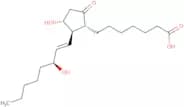
CAS:<p>Inhibits platelet aggregation; vasodilator</p>Fórmula:C20H34O5Pureza:Min. 98 Area-%Forma y color:White Off-White PowderPeso molecular:354.48 g/molAc-ASQETFG-NHMe
<p>Peptide Ac-ASQETFG-NHMe is a Research Peptide with significant interest within the field academic and medical research. This peptide is available for purchase at Cymit Quimica in multiple sizes and with a specification of your choice.</p>H-QMVQQFK^-OH
<p>Peptide H-QMVQQFK^-OH is a Research Peptide with significant interest within the field academic and medical research. This peptide is available for purchase at Cymit Quimica in multiple sizes and with a specification of your choice.</p>Amylin (1-37) Human
<p>Amylin, also known as islet amyloid polypeptide (IAPP), is a peptide hormone which is deficient in patients with diabetes mellitus (DM). Amylin is co-secreted with insulin from the pancreatic β-cells. It inhibits glucagon secretion, delays gastric emptying, and thus acts as a satiety agent. Amylin peptide is capable of forming aggregates, and pancreatic amyloid plaques are present in 90% of patients with DM. Formation of these plaques may be inhibited by insulin via the formation of heteromolecular complexes. Amylin is also involved in adiposity signalling and body weight regulation.Amylin is expressed in the human placenta during pregnancy where it may help regulate food intake by both the mother and foetus, and is involved in foetal development of bone, kidneys and pancreas.</p>Forma y color:PowderPeso molecular:3,901.85 g/molCD28 antibody (Tyr218)
<p>Synthetic human CD28 phosphopeptide (Tyr218) immunogen; rabbit polyclonal CD28 antibody (Tyr218)</p>Biotin Apolipoprotein A-I (APOA1)(86-101)
<p>Apolipoprotein A-I enables the efflux of fat molecules from within cells as high-density lipoprotein (HDL) particles for transport back into LDL particles or to the liver for excretion. HDLs are one of five major groups of lipoproteins. Increasing concentrations of HDL particles are strongly associated with decreasing accumulation of atherosclerosis within the walls of arteries. Apolipoprotein A-I is often used as a biomarker for prediction of cardiovascular diseases, such that low levels of APOA1 are associated with an increased risk of adverse events in patients with coronary artery disease. In such cases, APOA1 can be used as a biomarker to predict cardiovascular disease progression.This peptide contains a covalently bonded N-terminal Biotin tag that can be used for detection and purification.</p>Peso molecular:2,157 g/molUbiquitin (64-72) Light
<p>Ubiquitin (64-72) is derived from ubiquitin, a protein which is added through a catalytic process to target proteins to initiate processes such as protein degradation, DNA repair, protein kinase activation and vesicle trafficking.When ubiquitin is added to a target molecule, it is first activated by an ubiquitin-activating enzyme E1 resulting in the formation of the E1-Ub thioester. It is then received by the E2 ubiquitin conjugating enzyme and then transferred onto a lysine residue of the target protein by the E3 ubiquitin ligase.Ubiquitin plays a major role in protein degradation due to the formation of a polyubiquitin chain. This is produced when the lysine-48 residue on ubiquitin is itself ubiquitinated and sequentially followed by the further addition of ubiquitin molecules. The target protein which now contains the polyubiquitinated chain is recognised by the 26s proteasome and degraded.Alternatively monoubiquitination signals can initiate processes such as receptor internalisation and DNA repair. Specifically polyubiquitin chains on lysine 63 residues can regulate processes such as protein kinase activation and vesicle trafficking.</p>Pureza:Min. 95%Peso molecular:1,066.6 g/molAc-PQQPQQSFPQQQRP-NH2
<p>Peptide Ac-PQQPQQSFPQQQRP-NH2 is a Research Peptide with significant interest within the field academic and medical research. This peptide is available for purchase at Cymit Quimica in multiple sizes and with a specification of your choice.</p>β-Amyloid (1-17) Human
<p>Amyloid β-peptide (Aβ) has been identified as the key subunit of the extracellular plaques found in the brains of patients with Alzheimer's disease (AD) and Down's syndrome (DS). Aβ has therefore been extensively studied as a potential target for treatment of AD. Aβ is formed from the cleavage of the large, transmembrane protein- APP (amyloid precursor protein). Cleavage of APP by β- and then γ-secretases results in the formation of Aβ. Aβ can aggregate to produce amyloid-β oligomers, which are thought to be highly neurotoxic. Over time Aβ can further aggregate to produce the characteristic senile plaques present in AD and DS. Aβ can be degraded by enzymes such as neprilysin, insulin degrading enzyme or endothelin converting enzyme. At physiological levels Aβ may be involved in controlling synaptic activity and neuronal survival.</p>Peso molecular:2,068.17 g/molTroxipide - Bio-X ™
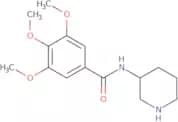
CAS:<p>Troxipide is a gastric cytoprotective agent that is used for the treatment of gastroesophageal reflux disease (GERD). It has anti-inflammatory, anti-ulcer and mucus secreting properties. This drug inhibits proinflammatory mediators in order to restore the normal gastric mucosa.</p>Fórmula:C15H22N2O4Pureza:Min. 95%Forma y color:PowderPeso molecular:294.35 g/mol[DABCYL]/[Glu(EDANS)] SARS-CoV-2 3C-like protease (3CLpro) substrate
<p>3CLpro are the key enzymes required by coronaviruses to replicate. They cleave polyproteins to form replicase. This makes 3CLpro a drug target for protease inhibitors with particular interest to COVID-19. Synthetic 3CLpro substrates are being generated for their potential to inhibit the protease activity and thus replication cycle of coronaviruses.When this peptide is intact, fluorescence from the fluorophore (donor) EDAN is undetectable due to the proximity of the acceptor (quencher) Dabcyl. However, upon cleavage the fluorescence of the EDANS moiety, as measurably by excitation/emission 340/490nm, can be detected due to separation from the Dabcyl quencher. This product was shown to be a potent inhibitor of 3CLpro activity therefore, it has the potential to be a vital tool in the fight against SARS-CoV.</p>Peso molecular:2,079 g/molH-SVLLDAASGQLR-OH
<p>H-SVLLDAASGQLR-OH is a custom peptide that can be synthesized rapidly by our peptide experts in under 2 weeks. H-SVLLDAASGQLR-OH is provided at greater that >95% purity (HPLC) from Cymit Quimica for a variety of research applications. We also offer H-SVLLDAASGQLR-OH in bulk quantities in addition to our standard pack sizes.Please enquire for more information about H-SVLLDAASGQLR-OH at the technical inquiry form on this page</p>Pureza:Min. 95%E-64
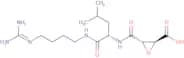
CAS:<p>Inhibitor of cathepsins and other cysteine proteases</p>Fórmula:C15H27N5O5Pureza:Min. 98 Area-%Forma y color:White PowderPeso molecular:357.41 g/molTriptorelin acetate
CAS:<p>Triptorelin is an agonist of gonadotrophin-releasing hormone (GnRH-R). Androgen-deprivation therapy (ADT), based on GnRH agonists and antagonists, is the standard therapeutic approach for prostate cancer (PCa) patients. In castration-resistant prostate cancer (CRPC) GnRH agonists are associated with significant anti-proliferative/pro-apoptotic, anti-metastatic and anti-angiogenic effects, mediated by the Gαi/cAMP signalling cascade. The tryptophan residue in this peptide is replaced with the D-amino acids making the peptide resistant to degradation from proteases and therefore increasing the half-life of the peptide in vivo. Peptide is for research purposes only, strictly not for human use.</p>Peso molecular:1,310.6 g/mol[Sulfo-Cyanine5]-Val-Pro-Valp(OPh)2
<p>Boc-Val-Pro-ValP(OPh)2 is a good inhibitor for HLE (Human Leukocyte Elastase) and porcine pancreatic elastase (PPE).</p>Peso molecular:1,379.7 g/molSARS-CoV-2 Nucleoprotein (51-65)
<p>The coronavirus (CoV) nucleoprotein is the major component of CoV structural proteins. The nucleoprotein has a critical role in virus assembly and RNA transcription. The nucleoprotein is essential in the formation of helical ribonucleoproteins and in regulating viral RNA synthesis. The nucleoprotein can also regulate infected host cellular mechanisms. It is highly expressed during infection and may induce protective immune responses against SARS-CoV and SARS-CoV-2.The nucleoprotein residues SWFTALTQHGKEDLK (51-65) from SARS-CoV-2 have been identified as a T-cell epitope with a predicted HLA restriction. Immune targeting of confirmed epitopes may potentially offer protection against SARS-CoV-2 and help the development of vaccines for long-lasting immunity.</p>Peso molecular:1,759.9 g/molAutocamtide-2 Related Inhibitory Peptide
<p>Autocamtide-2-related inhibitory peptide is a calmodulin-dependent protein kinase II (CaMKII) inhibitor.CAMK represents a class of Ca2+/calmodulin-dependent protein kinase enzymes. CAMKs are activated by increases in the concentration of intracellular calcium ions (Ca2+) and transfers phosphates from ATP to defined serine or threonine residues in other proteins. Activated CAMK is involved in the phosphorylation of transcription factors and therefore, in the regulation of expression of responding genes.</p>Pureza:Min. 95%Forma y color:PowderPeso molecular:1,707.1 g/molCathepsin G FRET substrate [5-FAM]/[6-TAMRA]
<p>Substrate peptide for Cathepsin G, a serine protease belonging to the chymotrypsin superfamily which acts as a physiologic regulator of platelet activation and thrombus formation. Cathepsin G also has antimicrobial activity and is involved in chemotaxis, apoptosis, the immune response and inflammation and hydrolysis of extracellular matrix proteins. Cathepsin G can cleave protease activated receptor-4 (PAR4) and is a potential target for novel anti-thrombotic therapies.This peptide contains the FRET pair: 5-Carboxyfluorescein (5-FAM) and 6-Carboxytetramethylrhodamine (6-TAMRA). 5-Carboxyfluorescein (5-FAM), which is present at the N-terminus of this peptide, is a widely used green fluorescent tag which excites at 495 nm and emits at 517 nm. 6-carboxytetramethylrhodamine (6-TAMRA), which is attached at the C-terminus, is a widely used fluorescent dye which excites at 546 nm and emits at 579 nm. In the intact peptide 6-TAMRA acts as a quencher of the fluorescence of 5-FAM therefore no fluorescence can be detected. However hydrolysis of the peptide between the donor/acceptor pair allows the fluorescence of 5-FAM to be recovered, enabling the quantitative measurement of enzymatic activity.Fluorescence Resonance Energy Transfer (FRET) peptides are convenient tools for the study of peptidase specificity and enzymatic activity.</p>Pureza:Min. 95%Forma y color:PowderPeso molecular:1,846.7 g/molH-TIVGALIQSVK^-OH
Peptide H-TIVGALIQSVK^-OH is a Research Peptide with significant interest within the field academic and medical research. This peptide is available for purchase at Cymit Quimica in multiple sizes and with a specification of your choice.SARS-CoV-2 NSP7 (31-45)
<p>SARS-CoV-2 NSP7 is part of the RNA-dependent RNA polymerase heterotetramer for mediating coronavirus RNA synthesis. NSP7 and NSP8 form a channel to confer processivity on RNA polymerase. NSP7 aids in stabilising NSP12 regions involved in RNA binding and is essential for a highly active NSP12 polymerase complex. These factors make NSP7 a good target for developing new antiviral drugs. In addition, the identification of epitopes within the NSP7 sequence can help design more effective SARS-CoV-2 vaccines.Models have predicted epitopes exhibiting antigenicity, stability and interactions with MHC class-I and class-II molecules. NSP7 (31-45) is an epitope candidate with various HLA restrictions. This epitope can be used to better vaccine design for more durable CD4+ and CD8+ T cell responses for long-lasting immunity.</p>Peso molecular:1,709.9 g/molDOTA-(Tyr3)-octreotate Acetate Salt
<p>DOTA-conjugated somatostatin analogue for labelling with radiometals such as gallium-67 or gallium-68, indium-111, and yttrium-90. Known as DOTA-TATE, this is a useful tool in receptor-mediated tumour imaging and peptide receptor-targeted radionuclide therapy. Binding of DOTA-TATE is detected by scintigraphy even at low level. The high expression of somatostatin receptors allows their successful use as radiolabelled octreotide analogues for tumour tracing in nuclear medicine. Binding of DOTA-TATE can occur at sights of inflammatory or immunologic diseases where increased lymphocyte binding is occurring.A few radioligands have been applied on the basis of peptide receptor recognition in the past. However, an optimal radiopeptide for receptor-targeted radionuclide therapy has yet to be achieved. Ongoing developments may result in peptides more suitable for this kind of receptor-targeted radionuclide therapy. Further work with this DOTA-TATE could provide that vital inroad.</p>Peso molecular:1,434.6 g/molPro-Asp-Pro
<p>Custom research peptide; min purity 95%. For different specs please use the Peptide Quote Tool</p>Fórmula:C14H21N3O6Peso molecular:327.33 g/molH-GEGGPQGPR^-OH
<p>Peptide H-GEGGPQGPR^-OH is a Research Peptide with significant interest within the field academic and medical research. This peptide is available for purchase at Cymit Quimica in multiple sizes and with a specification of your choice.</p>SARS-CoV-2 Nucleocapsid (150-169)
<p>SARS-CoV-2 is an enveloped single-stranded, positive-sense RNA virus. The SARS-CoV-2 nucleocapsid (N) protein is essential for viral RNA replication and new virion assembly. The N protein assembles the positive strand viral genome RNA forming a helical ribonucleocapsid (RNP) during the packaging of the RNA genome. The N protein is also involved in regulating viral RNA synthesis during replication and RNA transcription and modulating metabolism in infected subjects.</p>Pureza:Min. 95%Peso molecular:2,059.1 g/molAc-PKKKRKVEDPYC-NH2
<p>Peptide Ac-PKKKRKVEDPYC-NH2 is a Research Peptide with significant interest within the field academic and medical research. This peptide is available for purchase at Cymit Quimica in multiple sizes and with a specification of your choice.</p>Acetyl-α-synuclein (1-13) Met1(O) Heavy
<p>Acetylated α-synuclein (1-13) is derived from the alpha-synuclein intrinsically disordered protein which is found in the neurons and presynaptic terminals. Encoded by the SNCA1/PARK1 gene alpha-synclein is structurally composed of 140 amino acids, making up the three domains: N-terminal membrane binding domain, a hydrophobic non-amyloid-β component domain and a hydrophilic C-terminal domain. Usually alpha-synuclein plays a role in protecting neurons from apoptotic stimuli and is involved in synaptic vesical trafficking.However it has been found that the accumulation of alpha-synuclein aggregates can lead to neurodegenerative diseases such as Parkinson disease, dementia with Lewy bodies and multiple system atrophy. It is further involved in the fibrilisation of amyloid-b and tau which play a major role in Alzheimer disease. Amyloid fibrils are formed from alpha synuclein monomers within the cytosol and when bound to membranes these monomers can undergo conformational changes to form protofibrils and then ring like oligomers. This can result in the formation of transmembrane pores which disrupts the membrane, calcium homeostasis and signalling.Alpha-synuclein can be subjected to the post-translational modifications of phosphorylation and N-terminal acetylation. When acetylation occurs at the N-terminus of an alpha-synuclein monomer, the intramolecular hydrogen bonds are altered thus reducing the rate of alpha-synuclein aggregation and the strength at which it interacts with the membrane is increased.The methionine at position 1 is oxidised and the oxidation of methionine is common in neurodegenerative diseases and promotes the accumulation of altered α-synuclein. Furthermore when these methionine residues are oxidised, methionine sulfoxides are produced.The leucine residue at position 8 is isotopically labelled with carbon-13(6) and nitrogen-15(1).</p>Pureza:Min. 95%Peso molecular:1,546.8 g/mol5TAMRA-KKRYDREFLLGFQF-OH
<p>Peptide 5TAMRA-KKRYDREFLLGFQF-OH is a Research Peptide with significant interest within the field academic and medical research. This peptide is available for purchase at Cymit Quimica in multiple sizes and with a specification of your choice.</p>Hemoglobin antibody
<p>Hemoglobin antibody was raised in mouse using human hemoglobin as the immunogen.</p>Alloferon 1
<p>Alloferon 1, a member of the Alloferons is extracted from the blood of experimentally infected Callifora vicina fly and demonstrates both antimicrobial and anti-tumour activity . The Alloferons are bioactive, cationic peptides and exhibit the ability to stimulate Natural Killer cell activity and IFN synthesis. Due to studies investigating the effect Alloferon 1 would have on the central nervous system it was shown that Alloferon 1 had no toxic effects and therefore has the potential to be used as an anti-tumour therapeutic.</p>Forma y color:PowderPeso molecular:1,264.6 g/molH-VVGADGVGK^-OH
<p>Peptide H-VVGADGVGK^-OH is a Research Peptide with significant interest within the field academic and medical research. This peptide is available for purchase at Cymit Quimica in multiple sizes and with a specification of your choice.</p>Leucyl-Phenylalanyl-Isoleucyl-Glutamyl-Tryptophyl-Leucyl-Lysine Trifluoroacetate
CAS:<p>Custom research peptide; min purity 95%. For different specs please use the Peptide Quote Tool</p>Fórmula:C49H73N9O10Peso molecular:948.17 g/molMAGEA4 (230-239) Heavy
<p>Melanoma-associated antigen As (MAGEA) are a large family of tumour-associated antigens and a subclass of the larger family of cancer testis antigens (CTAs). These proteins are tumour antigens expressed in a variety of malignant tumours including bladder, lung, skin and breast malignancies. In healthy tissue however their expression is restricted to germ cells of the testis, nervous system, foetal ovaries and placenta. In cancer cells, the MAGEA family proteins support growth, survival and metastasis, and contribute actively to malignancy. They are also involved in the regulation of the tumour suppressor protein p53 pathway and in regulating ubiquitin signalling in cancer cells. MAGEA expression is linked to poor prognosis in cancer patients. MAGEA subfamily proteins are recognized by cytotoxic T lymphocytes and evoke a strong T cell reactivity against autologous tumour cells in culture. The valine residue at position 10 of this peptide is isotopically labelled with carbon-13 (5) and nitrogen-15 (1), giving this peptide a mass increase of 6 compared to the unlabelled peptide.</p>Pureza:Min. 95%Forma y color:PowderPeso molecular:1,137.5 g/mol[5-FAM]-GLP-1 (7-36)
<p>The native form of GLP-1 in humans is the GLP-1 (7-36) amide. GLP-1 (7-36) amide is highly unstable (half-life <-2 minutes) due to proteolytic degradation by the serine protease- dipeptidyl peptidase-IV (DPP-IV). DPP-IV cleaves the N-terminal histidine and alanine residues from GLP-1 to generate two equipotent forms: GLP-1 (9-37) and GLP-1 (9-36) amide. This degradation mitigates against the therapeutic use of GLP-1 itself, therefore DPP-IV-resistant peptide analogues have been developed and licensed for clinical useThis peptide contains N-terminal 5-Carboxyfluorescein (5-FAM), a widely used green fluorescent tag</p>Peso molecular:3,653.7 g/molBiotin-TAT (47-57)
<p>Biotin-Tat (47-57) is a cell penetrating cationic peptide derived from the N-terminus of the Tat protein, which is a trans-activator of the transcription protein present in the human immunodeficiency virus (HIV). Specifically Biotin-TAT (47-57) is located within the arginine-rich basic domain 48-60 of the TAT peptide which as a whole has three domains which function to aid HIV through transactivation, DNA binding and nuclear transport. As a cell penetrating peptide (CPP) TAT aids in the cellular uptake of molecules and hence serves a valuable purpose in transduction methods. This property has been demonstrated through its ability of allowing toxins such as the neurotoxin Botulinum neurotoxin Type A, produced by the Clostridium botulinum type A bacteria to penetrate the skin barrier non-invasively. Additionally, Biotin-TAT (47-57) can be used to deliver proteins, fluorophores, chelators and DNA to target cells.This peptide contains a covalently bonded N-terminal Biotin tag that can be used for detection and purification.</p>Peso molecular:1,786.13 g/mol
























![[DABCYL]/[Glu(EDANS)] SARS-CoV-2 3C-like protease (3CLpro) substrate](/_next/image/?url=https%3A%2Fstatic.cymitquimica.com%2Fproducts%2F3D%2Fthumb-webp%2FCRB1101612.webp&w=3840&q=75)


![[Sulfo-Cyanine5]-Val-Pro-Valp(OPh)2](/_next/image/?url=https%3A%2Fstatic.cymitquimica.com%2Fproducts%2F3D%2Fthumb-webp%2FCRB1130633.webp&w=3840&q=75)


![Cathepsin G FRET substrate [5-FAM]/[6-TAMRA]](/_next/image/?url=https%3A%2Fstatic.cymitquimica.com%2Fproducts%2F3D%2Fthumb-webp%2FCRB1100420.webp&w=3840&q=75)














![[5-FAM]-GLP-1 (7-36)](/_next/image/?url=https%3A%2Fstatic.cymitquimica.com%2Fproducts%2F3D%2Fthumb-webp%2FCRB1100877.webp&w=3840&q=75)