Compuestos y reactivos bioquímicos
Los bioquímicos y reactivos son sustancias fundamentales para la investigación y el desarrollo en campos como la biotecnología, la biología molecular, la farmacología y la medicina. Estos productos son esenciales para una variedad de aplicaciones, incluyendo la síntesis de compuestos, el análisis de muestras biológicas, la investigación de procesos metabólicos y la producción de medicamentos. En CymitQuimica, ofrecemos una amplia selección de bioquímicos y reactivos de alta calidad y pureza, adecuados para diversas necesidades científicas e industriales. Nuestro catálogo incluye enzimas, anticuerpos, ácidos nucleicos, aminoácidos, y muchos otros productos, todos diseñados para apoyar a los investigadores y profesionales en sus proyectos de investigación y desarrollo, asegurando resultados confiables y reproducibles.
Subcategorías de "Compuestos y reactivos bioquímicos"
- Biomoléculas(99.130 productos)
- Por objetivo biológico(99.159 productos)
- Según efectos farmacológicos(6.787 productos)
- Crioconservantes(21 productos)
- Desinfectantes y compuestos relacionados(28 productos)
- Hormonas(346 productos)
- Biología Vegetal(6.747 productos)
- Metabolitos secundarios(14.222 productos)
Se han encontrado 130579 productos de "Compuestos y reactivos bioquímicos"
Ordenar por
Pureza (%)
0
100
|
0
|
50
|
90
|
95
|
100
SR 4835
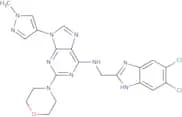
CAS:<p>SR 4835 is a synthetic compound, which is an advanced molecular entity derived from extensive medicinal chemistry efforts. This compound exhibits a novel mechanism of action, targeting specific cellular pathways implicated in disease processes. SR 4835 functions by modulating enzyme activity, thus influencing intracellular signaling cascades that play a critical role in pathophysiological conditions.</p>Fórmula:C21H20Cl2N10OPureza:Min. 98 Area-%Forma y color:PowderPeso molecular:499.36 g/mol(5Z)-7-Oxozeaenol
CAS:<p>(5Z)-7-Oxozeaenol is a potent and selective small-molecule inhibitor, primarily characterized as a natural product derived from fungal sources. It specifically targets and inhibits transforming growth factor-beta (TGF-β) type I receptor kinase, also known as activin receptor-like kinase 5 (ALK5), as well as TAO kinases. The inhibition occurs through covalent modification, which results in the suppression of downstream signaling pathways that are crucial in various cellular processes.</p>Fórmula:C19H22O7Pureza:Min. 95%Forma y color:PowderPeso molecular:362.37 g/molHaptoglobin protein
<p>Haptoglobin protein is a serine protease found in human serum. It plays a crucial role in various biological processes and is widely used in Life Sciences research as well as in the development of Proteins and Antigens. Haptoglobin protein is polymorphic, meaning it exists in different forms with varying characteristics. It has neutralizing properties and can bind to harmful substances, such as free hemoglobin, preventing their cytotoxic effects.</p>Pureza:Min. 95%Loteprednol etabonate
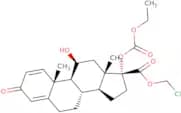
CAS:<p>Glucocorticoid receptor agonist</p>Fórmula:C24H31ClO7Pureza:Min. 95%Forma y color:White PowderPeso molecular:466.95 g/molCav1.2 antibody
<p>The Cav1.2 antibody is a serum marker used in Life Sciences research. It specifically targets the topoisomerase Iialpha protein, which is involved in DNA replication and repair. This antibody can be used as a medicament to study the function of this protein in various biological processes. It has been tested on human serum samples and has shown high specificity and sensitivity in detecting the presence of topoisomerase Iialpha. The Cav1.2 antibody is a monoclonal antibody that binds to a specific epitope on the protein, allowing for precise immunohistochemical detection. Its use in research has provided valuable insights into the role of topoisomerase Iialpha in cell growth, differentiation, and response to growth factors such as epidermal growth factor.</p>Hepatitis B Virus antibody
<p>Hepatitis B virus antibody was raised in mouse using hepatitis B virus as the immunogen.</p>Apixaban - Bio-X ™
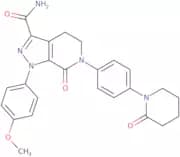
CAS:<p>Apixaban is an anticoagulant agent used for the prophylaxis of stroke and deep vein thrombosis leading to pulmonary embolism. This drug is an inhibitor of factor Xa and prothrominase. As a result, this prevents the formation of a thrombus.</p>Fórmula:C25H25N5O4Pureza:Min. 95%Forma y color:PowderPeso molecular:459.5 g/mol[Azhx]-ANP (Human)
<p>ANP (human) is derived from the atrial natriuretic peptide (ANP) which is a cardiac hormone involved in maintaining cardio-renal homeostasis. This occurs through the activation of the guanylyl cyclase-coupled receptor, resulting in the increased concentration of cyclic guanylate monophosphate. Moreover its function in the processes of anti-proliferation and anti-angiogenesis allow it to take part in cardiovascular remodelling.ANP is a member of the natriuretic peptide family and it is encoded by the NPPA gene, located on chromosome 1. Once synthesized from the 151 amino acid pre-prohormone into its biologically active form, ANP is secreted by the atrial cardiomyocytes in the circulating forms: ANP (1-98) and ANP (99-126). This synthesis process involves the signal peptide being removed from the pre-prohormone resulting in pro-ANP (1-126) which is converted into the circulating forms by the type II transmembrane serine protease Corin.At the N-terminus Azhx, 6-azidohexanoic acid, is present.</p>Peso molecular:3,219.5 g/molClickPTD-5
<p>protein transduction domain PTD-5 is a cell-penetrating peptide (CPP). PTD-5 is well characterised for its ability to carry conjugates into the cell with high efficiency and induce low toxicity. Several papers have demonstrated the efficacy of PTD-5 as a CPP- PTD-5 was also conjugated to KLA to produce a pro-apoptotic peptide named DP1 which is selective for mitochondrial and bacterial membranes.PTD-5 is labelled at the N-terminus with an alkyne attachment for ease of reaction with an opposite Click reactive partner (azide). Azide-alkyne cycloaddition has become the most popular Click reaction. Alkyne-PTD-5 allows various applications, particularly for protein conjugation, modification, and drug delivery.</p>Forma y color:PowderAngiotensin 1-7 Heavy Val
<p>Angiotensin 1-7 (Ang-(1-7)) is a component of the renin angiotensin system RAS. Ang-(1-7) is produced by angiotensin-converting enzyme 2 (ACE2), from the angiotensin II (Ang-II) peptide, as well as by prolylendopeptidase (PEP) and neutral endopeptidase (NEP) which produce Ang1 7 directly from angiotensin I (Ang-I).Ang-(1-7) broadly opposes Ang-II actions. Ang-(1-7) has vasodilatory and anti-oxidative effects, and exerts protective actions in hypertension, diabetes, and other cardiovascular disorders. Ang-(1-7) represents a promising therapeutic target for cardiovascular and metabolic diseases. Ang (1-7) stimulate the secretion of atrial natriuretic peptide (ANP) and exerts its actions via its G protein-coupled receptor, Mas. ANP is part of an antagonistic hormonal system to RAS, which also participates in the regulation of body fluid and electrolytes balance. ANP is mainly released from the atrium, and its release results in natriuresis, anti-hypertension, and anti-proliferation.This novel arm of the RAS has effects that counterbalance those mediated by the classical ACE/Ang-II pathway. The valine residue of this peptide is universally labelled with carbon-13 and nitrogen-15 stable isotopes, giving a mass increase of 6.</p>Pureza:Min. 95%Forma y color:PowderPeso molecular:904.5 g/molPolybia-MPI
<p>Polybia-MPI is a short cationic alpha-helical amphiphilic anti-microbial peptide which was first isolated from the venom of the social wasp Polybia paulista. Polybia-MPI displays potent anti-bacterial activity against both Gram-positive and Gram-negative bacteria and is able to disrupt biofilms. Polybia-MPI also has anti-fungal activity against C. albicans and C. galbrata and selective toxicity toward cancer cells. Polybia-MPI has low toxicity to normal fibroblasts and human red blood cells, showing no haemolytic activity.</p>Peso molecular:1,653 g/molεV1-2
<p>εV1-2 is a selective inhibitor of ε protein kinase C.ε protein kinase C is an isoymes of the protein kinase C family, which is a family involved in controlling the function of other proteins via phosphorylation of hydroxyl groups of serine and threonine amino acid residues.In vitro studies have shown εV1-2 to exhibit inhibitory properties on endothelial cell proliferation.</p>Forma y color:PowderPeso molecular:843.5 g/molCOMPOUND P-14
<p>COMPOUND P-14 is a photoinitiator that is used in the polymerization of polymers. It is characterized by its high solubility and volatility, which makes it suitable for use as an on-line initiator in liquid chromatography and electrospray ionization mass spectrometry. COMPOUND P-14 has been shown to have photosensitivity as well as fluorescence properties. Liquid chromatography analysis has also revealed that it contains chalcones, flavonoids, and other volatile compounds.</p>Fórmula:C24H14F2N9Pureza:Min. 95%Peso molecular:466.43 g/molMorphine-BSA
<p>Morphine-BSA is a unique compound that has shown promising effects in the field of Life Sciences. It is an activated hapten conjugate that has been used to study endothelial growth and viscosity. This compound emits a specific signal when bound to its target, making it a valuable tool for research purposes. Additionally, Morphine-BSA has been used in the development of neutralizing monoclonal antibodies and has shown antiangiogenic properties by inhibiting the growth factor TNF-α and interleukin-6. Its immobilization on collagen has also been explored for potential therapeutic applications. If you're looking to delve into cutting-edge scientific investigations or advance your knowledge in this field, Morphine-BSA is an essential component to consider.</p>Pureza:Min. 95%Thrombin Receptor Antagonist
<p>Thrombin is the main effector of the coagulation cascade- it is a serine protease. Thrombin binds to active protease activated receptor 1 (PAR-1) which belongs to a subfamily of G-protein coupled receptors (GPCR). However, thrombin generated during cardiopulmonary bypass can activate PAR-1 leading to platelet dysfunction and unwanted bleeding. FLLRN is found to be a potent PAR-1 antagonist. Use of FLLRN and variants has aided the study of platelet aggregation dynamics. Further study may provide a suitable clinical application.</p>Peso molecular:661.4 g/molε - PKC Inhibitor
<p>eV1-2 is a selective εPKC inhibitor peptide which interferes with protein-protein interactions between the ϵPKC isozyme and its anchoring protein (ϵRACK). ϵPKC and ϵRACK regulate the contraction rate of heart muscle cells and provide protection from ischemia induced cell death. ϵV1-2 is derived from the C2 domain of ϵPKC, a region important for protein-protein interactions and thus acts as a competitive inhibitor of these interactions. The C2 region is well conserved between species, but different enough from other PKC isozymes to allow for targeted inhibition (ϵV1-2 is 88% identical between sea slugs and rat ϵPKC, yet only 36% identical between rat ϵPKC and rat θ´PKC). This peptide contains a C-terminal cysteine residue for conjugation to a carrier protein.</p>Pureza:Min. 95%Forma y color:PowderPeso molecular:946.5 g/molBim BH3, Peptide IV
<p>A 26-residue fragment from BH3 only protein Bim, BH3 only proteins constitute a major proportion of pro-apoptotic members of the B-cell lymphoma 2 (Bcl-2) family of apoptotic regulatory proteins and participate in embryonic development, tissue homeostasis and immunity.</p>Forma y color:PowderPeso molecular:3,267.6 g/molPAR-3 Agonist (Mouse)
<p>Protease activated receptors (PARs) are a distinctive four-member family of seven transmembrane G protein-coupled receptors (GPCRs) widely expressed in inflammatory cells. PARs are cleaved by certain serine proteases to expose a tethered ligand domain, this ligand domain then binds to and activates the receptors to initiate multiple signalling cascades. These PAR-activating proteases therefore represent PAR agonists. This PAR-2 agonist peptide mimics the sequence of the 'tethered ligand' and is therefore capable of activating the receptor independently of N-terminal proteolysis.PAR-3 is required for intercellular adhesion molecule 1 (ICAM-1) expression in endothelial cells and PAR-3 cooperates with PAR-1 to mediate the effect of thrombin on cytokine production and vascular cell adhesion molecule (VCAM-) 1 expression.PAR activation has been linked to inflammation, therefore compounds that mimic or interfere with the PAR-activating processes are attractive therapeutic candidates.</p>Peso molecular:576.3 g/molGGG-C(AF647) C-Terminal Sortagging
<p>GGG-C(AF647) C-Terminal Sortagging</p>Forma y color:PowderPeso molecular:1,285.4 g/molC-terminal Sortagging-[Cys(AF680)] acid
<p>This C-terminal Sortagging peptide acts as an (oligo)glycine nucleophile in the final steps of a sortagging protein labelling reaction. This reaction results in the [Cys(AF680)]- fluorescent moiety being attached to the C-terminus of the target protein or peptide.A substrate peptide containing the LPXTG motif is recognised and cleaved by the enzyme Sortase A (SrtA) from Staphylococcus aureus. The catalytic cysteine residue in the active site of SrtA serves as a nucleophile to cleave the peptide bond between threonine and glycine of the substrate peptide. Cleavage results in the formation of a thioacyl intermediate between the substrate peptide and SrtA. This intermediate is then resolved by the N-terminus of this (oligo)glycine nucleophile peptide, resulting in the creation of a new peptide bond that links the substrate peptide to this peptide and its fluorescent dye. This method of protein labelling is known as sortagging.C-Terminal Sortagging-[Cys(AF680)] contains the AF680 fluorescent dye- AF680 is a bright green dye with excitation at 633 nm, well suited for flow cytometry and imagery. AF680 is particularly photostable, allowing better detection of low abundance conjugates. C-Terminal Sortagging-[Cys(AF680)] acid is provided here. However, the amide version is also available.</p>Pureza:Min. 95%Peso molecular:1,241.3 g/molSapecin B
<p>The peptide Sapecin B exhibits antimicrobial properties against gram-positive bacteria. It is originally derived from the sarcophaga peregrine embryonic cell line, NIH-Sape-4.</p>Peso molecular:1,094.8 g/mol[5-FAM]/[Lys(Dabcyl)]-CoV Main Protease (Mpro) Substrate
<p>FRET peptide substrate for the severe acute respiratory syndrome coronavirus main protease (SARS-CoV Mpro). The substrate sequence is derived from residues P4-P5' of the SARS-CoV Mpro N-terminal autoprocessing site which has the sequence AVLQSGFRK. SARS-CoV Mpro is a key antiviral target.This peptide contains an N-terminal 5-Carboxyfluorescein (5-FAM), a widely used green fluorescent tag and the Dabcyl fluorescence quencher. When the peptide is intact, fluorescence is undetectable due to the proximity of the Dabcyl quencher to the 5-FAM fluorophore. However upon cleavage of the peptide by SARS-CoV Mpro, the 5-FAM group and the Dabcyl quencher are separated and fluorescence can be detected. This therefore represents a useful tool for investigating SARS-CoV Mpro activity.</p>Forma y color:PowderPeso molecular:1,740.8 g/molH-Arg-Leu-Leu-Phe-Thr-NH2
<p>H-Arg-Leu-Leu-Phe-Thr-NH2 is a peptide that has been shown to inhibit the proliferation of cancer cells by interfering with the calcium signaling pathway. It also inhibits the production of pro-inflammatory cytokines and growth factors, which are important in inflammatory diseases. This peptide can be used as a therapeutic agent for ganglia disease, such as human immunodeficiency virus (HIV) infection or diabetes. H-Arg-Leu-Leu-Phe-Thr-NH2 has an inhibitory effect on nociceptors, which are nerve cells that transmit pain signals to the brain. It may also potentiate the effects of other drugs used to treat inflammation.</p>Fórmula:C31H53N9O6Pureza:Min. 95%Peso molecular:647.82 g/molSARS-CoV-2 ORF1ab (3183-3191)
<p>Custom research peptide; min purity 95%. For different specs please use the Peptide Quote Tool</p>MBP Heavy
<p>Myelin basic protein (MBP) can induce experimental allergic encephalomyelitis (EAE) in Lewis rats. EAE is the most commonly used experimental model for studying the human inflammatory demyelinating disease, multiple sclerosis (MS).MBP is an integral component of myelin found in the central nervous system (CNS). MBP is considered vital for the development and stability of the myelin sheath where it plays a role in membrane adhesion. MPBs constitute an extraordinarily varied collection of splice isoforms which show a myriad of post-translational modifications. MBP may be targeted by auto-antibodies in diseases such as multiple sclerosis. The low affinity of MBP (1-9) peptide for MCH class II molecules may result in MBP autoreactive T cells escaping central-tolerance, where self-reactive T cells are usually eliminated.The arginine residue at position 6 is isotopically labelled with carbon-13(6) and nitrogen-15(4).</p>Pureza:Min. 95%Peso molecular:735.4 g/mol[5-FAM]-VGB4
<p>Antagonist peptide of VEGF-A and VEGF-B reproducing two binding regions of VEGF-B (loop 1 and loop3) linked together by a receptor binding region of VEGF-A (loop3). Binds to both VEGFR1 and VEGFR2 and inhibits VEGF-A driven proliferation, migration and tube formation in HUVECs. It contains 5-carboxyfluorescein (5-FAM), a widely used green fluorescent tag.</p>Peso molecular:3,066.5 g/molHemokinin 1 (mouse, rat)
CAS:<p>Custom research peptide; min purity 95%. For different specs please use the Peptide Quote Tool</p>Fórmula:C61H100N22O15SPeso molecular:1,413.65 g/molGoat anti Mouse IgM (Alk Phos)
<p>Goat anti-mouse IgM (Alk Phos) was raised in goat using murine IgM mu chain as the immunogen.</p>Pureza:Min. 95%(S)-(-)-Blebbistatin
CAS:<p>Inhibitor of myosin?II?specific ATPase which blocks the myosin heads in an actin-detached state, disrupts contractility of myosin-actin filaments and stabilizes super-relaxed state of muscle fibres. It inhibits skeletal muscle myosin, non-muscle myosin II and heart muscle myosin.</p>Fórmula:C18H16N2O2Pureza:Min. 98 Area-%Forma y color:Yellow PowderPeso molecular:292.3 g/mola-Gliadin (229-246)
<p>a-Gliadin (229-246) is derived from Gliadin peptides, the component of wheat involved in the gastrointestinal symptoms of wheat allergy and Celiac Disease (CD). During wheat allergies histamines and leukotrienes are secreted due to gliadin peptide sequences cross-linking two IgE molecules on mast cells and basophils.The glutamine and proline rich peptides of which Gliadin is composed of are resistant to proteolysis during digestion, leaving them active in the gastrointestinal tract. Subsequently these are deamidated by tissue transglutaminase and can bind to HLA-DQ2 or DQ8. As a result in patients with the autoimmune disease CD, there is a Th1-mediated inflammatory immune response against these gliadin peptides.Gliadin can exert additional effects on the intestinal microbiota and ileal barrier function. It has been found that gut microbiota members such as Bifidobacterium and lactobacillus have the ability to digest and inactivate gliadin peptides hence reducing their inflammatory effects in the gastrointestinal system.</p>Peso molecular:2,083.1 g/molExendin-4 [Lys(AF647)]
<p>Exendin-4 is part of a group of peptide hormones, the exendins. These are members of the glucagon superfamily of peptides and are secreted from the Gila monster lizard (Heloderma suspectum) venom gland. Exendins stimulate insulin secretion in response to rising blood glucose levels and modulate gastric emptying to slow the entry of ingested sugars into the bloodstream. Exendin-4 increases insulin sensitivity and improves glucose tolerance in humans and animals with diabetes. Exendin-4 is currently used for treating type 2 diabetes mellitus in its synthetic form, Exenatide.Exendin-4 shares 53% sequence homology, and specific activities, with glucagon-like-peptide-1 (GLP-1). Enteroendocrine L-cells produce GLP-1 upon nutrient ingestion, its central role relates to insulin secretion. Unlike GLP-1, exendin-4 is resistant to cleavage by plasma dipeptidyl peptidase IV (DPP-IV), resulting in a longer half-life and duration of action than GLP-1, as well as greater potency in vivo. Exendin-4 binds and activates the glucagon-like peptide-1 receptor (GLP-1R). In addition to its role in insulin sensitivity, exendin-4 also has a role in pancreas development and has anti-cancer properties.This exendin-4 contains AF647, a structural analog to Alexa Fluor® 647, a widely used far-red fluorescent dye. Its excitation is ideally suited to 594nm or 633nm. This dye is suited for low abundance targets as it has high initial brightness and a high photostability allowing detection of low abundance peptides. If you desire an alternative dye, please contact us to request a custom synthesis.</p>Peso molecular:5,454.4 g/molHistone H3 (1-20) K4Me3, K9Ac, pS10-GG-Biotin
<p>Histone H3 (1 - 20) K4Me3 is derived from Histone 3 (H3), which is one of the four core histones (H2A, H2B, H3 and H4) fundamental in compacting eukaryotic DNA into the nucleosome. The nucleosome arises when 147 base pairs of DNA wrap around a H3-H4 tetramer and two H2A-H2B dimers, forming the histone octamer core. H4 and H3 are highly conserved and perform roles in binding to segments of DNA which enter and leave the nucleosome and in chromatin formation. Like the other core histone, H3 has a globular domain and a flexible N-terminal domain, 'histone tail' which can undergo modifications such as acetylation, methylation, phosphorylation and ubiquitination. Due to histones containing many lysine and arginine residues, they have a positive net charge which interacts electrostatically with the negatively charged phosphate groups in DNA. The transcriptional activation or silencing of the chromatin is controlled by ATP-dependent chromatin remodelling factors and histone-modifying enzymes which target histone proteins. Both processes alter the positioning of the nucleosome, allowing the DNA to be either available or inaccessible to the transcription machinery.Histone tails can undergo multiple modifications, including acetylation, methylation, ubiquitylation and sumoylation. The modification pattern is believed to alter chromatin function/structure. Lysine 4 of histone H3 (1 - 20) K4Me3 has been tri-methylated, lysine 9 has been acetylated, and serine 10 has been phosphorylated and labelled with Biotin. This peptide can be used to study the function of this pattern on chromatin availability and histone effectors via crystallisation, pull-down assays and protein blots.</p>Peso molecular:2,814.5 g/molClick EB1
<p>EB1 is a penetratin analogue that was synthesised to be an endosomolytic cell penetrating peptide (CPP). Certain amino acids in the penetratin sequence were replaced with histidine to encourage formation of an alpha helix upon protonation in the acidic endosomes. As a CPP, EB1 has been shown to form a strong interaction with the phospholipid bilayer during insertion with rapid cellular uptake, there is a moderate amount of cell leakage and no significant cytotoxicity.EB1 is provided here with a N-terminal alkyne attachment. Two of the most regularly encountered functional groups for click chemistry are azides and alkynes, and the azide-alkyne cycloaddition has become the most popular click reaction. The use of click chemistry with alkyne-EB1 allows a wide variety of applications particularly for conjugation, modification and peptide design.</p>Forma y color:PowderPeso molecular:3,177.9 g/molEchinotocin neuropeptide
<p>Echinotocin is a neurophysin containing precursor neuropeptide derived from the sea urchin Strongylocentrotus purpuratus.</p>Forma y color:PowderPeso molecular:964.4 g/molH-AYATEPHAK^-OH
<p>Peptide H-AYATEPHAK^-OH is a Research Peptide with significant interest within the field academic and medical research. This peptide is available for purchase at Cymit Quimica in multiple sizes and with a specification of your choice.</p>HBeAg antibody
<p>HBeAg antibody is a monoclonal antibody that targets endothelial growth factor (EGF) and inhibits its activity. This antibody is widely used in the field of life sciences for research purposes. It has been shown to effectively neutralize EGF, preventing its binding to receptors and subsequent cellular signaling. HBeAg antibody is produced using advanced techniques, ensuring high purity and specificity. It can be used in various applications such as immunoprecipitation, Western blotting, and immunohistochemistry. This antibody is supplied in a convenient format with appropriate excipients to ensure stability and optimal performance. With its strong neutralizing activity against EGF, HBeAg antibody provides researchers with a valuable tool for studying the role of this growth factor in various biological processes.</p>Neuromedin (U8), porcine
CAS:<p>Custom research peptide; min purity 95%. For different specs please use the Peptide Quote Tool</p>Fórmula:C54H78N16O10Peso molecular:1,111.32 g/molTKD (450-463)
<p>Heat shock proteins (Hsps) are highly conserved and stress inducible. Hsp70 has been found in tumour cell lines to be highly expressed with a higher plasma membrane localisation. This is correlated to the cell sensitivity to natural killer (NK) cell-mediated lysis. Investigation identified that Hsp70 N-terminal extended peptide TKD (450-463) was critical for this to occur. TKD (450-463) with low dose interleukin (IL-2) has the same capacity to induce NK cell proliferation and activity as the full-length protein Hsp70. Excess of Hsp70 and TKD (450-463) both inhibit cytolytic activity by NK cells. Other related sequences tested did not lead to NK cell-mediated lysis. Further study with the TKD (450-463) epitope could elucidate how NK cells are activated by Hsp70s as the mechanism remains unclear.</p>Peso molecular:1,562.8 g/molAc-TRDIYETDYYRK-NH2
<p>Peptide Ac-TRDIYETDYYRK-NH2 is a Research Peptide with significant interest within the field academic and medical research. This peptide is available for purchase at Cymit Quimica in multiple sizes and with a specification of your choice.</p>TAT-Pro ADAM10 (709-729)
<p>Peptide obtained by linking the 11 amino acid human HIV Tat transporter to a 21 amino acid sequence corresponding to the ADAM10 proline-rich domains.</p>Peso molecular:3,912.7 g/molHXB2 gag NO-18
<p>Custom research peptide; min purity 95%. For different specs please use the Peptide Quote Tool</p>Peso molecular:1,667.8 g/molFdM
<p>FdM, ferredoxin maquette is a synthetic peptide which can bind a [4Fe-4S] cluster and contains a bacterial ferredoxin consensus motif (CIACGAC).</p>Peso molecular:1,525.6 g/molIFN β antibody
<p>IFN beta antibody was raised in rabbit using highly pure recombinant human IFN-beta as the immunogen.</p>Pureza:Min. 95%VEGFR2 protein
<p>VEGFR2 protein is a growth factor that plays a crucial role in angiogenesis, the formation of new blood vessels. It is targeted by monoclonal antibodies and recombinant proteins for various research and therapeutic applications in the field of Life Sciences. VEGFR2 protein interacts with other molecules such as angptl3, interferon, and growth hormone receptor to regulate endothelial cell proliferation and promote vascular development.</p>Pureza:Min. 95%Histone H3 (1-22)
<p>Histone H3 (1-22) is derived from Histone 3 (H3) which is one of the four core histones (H2A, H2B, H3 and H4) fundamental in compacting eukaryotic DNA into a structure known as the nucleosome. The nucleosome arises when 147 base pairs of DNA wrap around a H3-H4 tetramer and two H2A-H2B dimers, forming the histone octamer core. Both H4 and H3 are highly conserved and perform roles in binding to segments of DNA which enter and leave the nucleosome and in chromatin formation. Similar to the other core histone, H3 has a globular domain and a flexible N-terminal domain 'histone tail' which can undergo modifications such as acetylation, methylation, phosphorylation and ubiquitination. Due to histones containing a large number of lysine and arginine residues they have a positive net charge which interacts in an electrostatic manner with the negatively charged phosphate groups in DNA. The transcriptional activation or silencing of the chromatin is controlled by ATP-dependent chromatin remodelling factors and histone modifying enzymes which target histone proteins. Both processes function to alter the positioning of the nucleosome, allowing the DNA it to be either available or inaccessible to the transcription machinery.</p>Forma y color:PowderPeso molecular:2,354.4 g/molMucin 10 (153 - 165), EA2
<p>Mucin 10 (153 - 165), EA2.</p>Forma y color:PowderPeso molecular:1,316.6 g/mol




![[Azhx]-ANP (Human)](/_next/image/?url=https%3A%2Fstatic.cymitquimica.com%2Fproducts%2F3D%2Fthumb-webp%2FCRB1000609.webp&w=3840&q=75)

![C-terminal Sortagging-[Cys(AF680)] acid](/_next/image/?url=https%3A%2Fstatic.cymitquimica.com%2Fproducts%2F3D%2Fthumb-webp%2FCRB1101684.webp&w=3840&q=75)

![[5-FAM]/[Lys(Dabcyl)]-CoV Main Protease (Mpro) Substrate](/_next/image/?url=https%3A%2Fstatic.cymitquimica.com%2Fproducts%2F3D%2Fthumb-webp%2FCRB1101508.webp&w=3840&q=75)

![[5-FAM]-VGB4](/_next/image/?url=https%3A%2Fstatic.cymitquimica.com%2Fproducts%2F3D%2Fthumb-webp%2FCRB1101542.webp&w=3840&q=75)


![Exendin-4 [Lys(AF647)]](/_next/image/?url=https%3A%2Fstatic.cymitquimica.com%2Fproducts%2F3D%2Fthumb-webp%2FCRB1101572.webp&w=3840&q=75)