


Heterociclos con nitrógeno (N)
En esta categoría, encontrará una amplia variedad de heterociclos que contienen nitrógeno. Los heterociclos son cadenas de carbono que forman un ciclo en el cual al menos una posición está ocupada por un heteroátomo, en este caso, nitrógeno. Estos compuestos son esenciales en la síntesis de productos farmacéuticos, agroquímicos y colorantes, ofreciendo una reactividad y estabilidad únicas. En CymitQuimica, ofrecemos una selección completa de heterociclos que contienen nitrógeno de alta calidad para apoyar sus investigaciones y aplicaciones industriales.
Subcategorías de "Heterociclos con nitrógeno (N)"
- Azepano(436 productos)
- Benzotriazoles(438 productos)
- Diazepanes(335 productos)
- Imidazoles(4.026 productos)
- Imidazolinas(385 productos)
- Isoxazol(1.086 productos)
- Piperazinas(3.754 productos)
- Piperidinas(8.442 productos)
- Pirazinas(1.305 productos)
- Pirazol(5.959 productos)
- Pirazolidina(21 productos)
- Pirazolina(143 productos)
- Piridazina(860 productos)
- Piridinas(22.004 productos)
- Pirimidina(6.082 productos)
- Pirrol(2.447 productos)
- Pirrolidinas(5.837 productos)
- Pirrolina(48 productos)
- Pirrolo [1,2-b] piridazina(10 productos)
- Tetrazol(530 productos)
- Triazinas(463 productos)
- Triazoles(1.688 productos)
Mostrar 14 subcategorías más
Se han encontrado 17858 productos de "Heterociclos con nitrógeno (N)"
Ordenar por
Pureza (%)
0
100
|
0
|
50
|
90
|
95
|
100
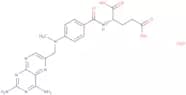
L(+)-Amethopterin hydrate
CAS:<p>L(+)-Amethopterin hydrate is an immunosuppressant that suppresses the immune system by inhibiting RNA synthesis. It is a structural analogue of folic acid and has been shown to be effective in treating autoimmune diseases, such as rheumatoid arthritis. L(+)-Amethopterin hydrate is a neutral compound that is soluble in water and microsomal membranes, making it more easily absorbed through the gut than other compounds of this class. It also has been shown to have no toxic effects on cardiac cells at therapeutic concentrations. These properties make L(+)-Amethopterin hydrate an attractive candidate for treating autoimmune diseases when other treatments have failed.</p>Fórmula:C20H22N8O5·xH2OPureza:Min. 98 Area-%Forma y color:Yellow PowderPeso molecular:454.44 g/mol1H-Pyrazole
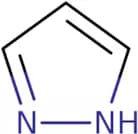
CAS:<p>1H-Pyrazole is a pharmacological agent that has been shown to have anti-cancer properties. It is a hydrogen-bonding compound that forms 1:1 complexes with coumarin derivatives, which are found in plants and other natural sources. The 1H-pyrazole ring has been shown to bind to the x-ray crystal structures of mitochondrial membranes and induce changes in their potential. This drug also inhibits the growth of solid tumours in vitro by inhibiting the synthesis of DNA and proteins. In addition, 1H-pyrazole has been shown to be an analytical method for measuring the concentration of natural compounds in water samples.</p>Fórmula:C3H4N2Pureza:Min. 95%Forma y color:PowderPeso molecular:68.08 g/mol2,4-Diamino-6-hydroxypyrimidine
CAS:<p>2,4-Diamino-6-hydroxypyrimidine is a potent antitumor agent that has been shown to have potent cytotoxicity against tubule cells in the kidney. It binds to DNA and inhibits transcription by interfering with polymerase chain reaction. This drug also inhibits protein synthesis and has been shown to be effective in treating diabetic patients. 2,4-Diamino-6-hydroxypyrimidine has been found to be useful in detecting high levels of c-reactive protein (CRP) in serum, which can help diagnose inflammation or myocardial infarct. 2,4-Diamino-6-hydroxypyrimidine is also used as a fluorescent probe for determining low levels of hydrogen bonds between polymers or proteins.</p>Fórmula:C4H6N4OPureza:Min. 95%Forma y color:White PowderPeso molecular:126.12 g/molPiperonylonitrile
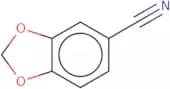
CAS:<p>Piperonylnitrile is a chemical substance that is used as an intermediate in the production of anisidine and piperonal. It can be activated by radiation, hydrochloric acid, or chloride to form an active intermediate that can react with an aldoxime to produce a nitrile oxide. Piperonylnitrile has been shown to have an inhibitory effect on the reaction between hydrochloric acid and piperonal. Reaction time was increased from 2 hours at room temperature to 6 days when piperonylnitrile was added to the reaction mixture. Piperonylnitrile also has a dehydrating effect on low molecular weight compounds.</p>Fórmula:C8H5NO2Pureza:Min. 95%Forma y color:PowderPeso molecular:147.13 g/molIndole-3-butyric acid
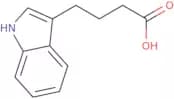
CAS:Indole-3-butyric acid is a chemical compound that has a wide range of applications. It is used in the synthesis of many organic compounds and can be used as a reagent or speciality chemical. Indole-3-butyric acid is also used as an intermediate in the synthesis of other compounds, such as indoles, indanones, and benzofuranones. The high quality of this compound makes it a useful scaffold for constructing complex molecules.Fórmula:C12H13NO2Peso molecular:203.24 g/molRef: 3D-I-2005
1kgA consultar5kgA consultar100gA consultar10kgA consultar2500gA consultar-Unit-kgkgA consultar2-Acetylpyridine
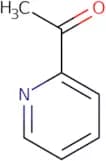
CAS:<p>2-Acetylpyridine is a compound that can be used to study the biological properties of molybdenum. It has been shown to have redox potentials that are similar to the corresponding pyridine compounds. The compound has been shown to be an antimicrobial agent that is active against bacteria and fungi, and it also has antioxidative properties. 2-Acetylpyridine binds to dinucleotide phosphate by hydrogen bonding interactions in human serum, which may be related to its ability as an oxidant. This chemical also has a high surface area and can be used for surface methodology experiments as well as x-ray crystal structures.</p>Fórmula:C7H7NOPureza:Min. 95%Forma y color:PowderPeso molecular:121.14 g/mol4,4'-Di-tert-butyl-2,2'-bipyridine
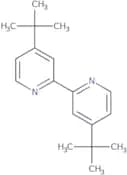
CAS:4,4'-Di-tert-butyl-2,2'-bipyridine is a maleate salt that is used in organic chemistry as a proton acceptor and donor. This compound has been shown to have an interaction with the functional theory by using voltammetry and nmr spectroscopic data. The structural analysis of 4,4'-di-tert-butyl-2,2'-bipyridine has also been done and it was found that this compound has agostic interactions. This compound has also been shown to be able to form neutral form crystals, which diffract x-rays well and have vibrational spectra.Fórmula:C18H24N2Pureza:Min. 98 Area-%Forma y color:PowderPeso molecular:268.41 g/mol6-Amino-9H-purine-9-propanoic acid
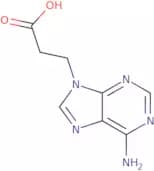
CAS:<p>6-Amino-9H-purine-9-propanoic acid is an acid lactam that belongs to the class of dihedral molecules. It is a colorless solid that crystallizes in plates, which have been shown to have a strong affinity for ammonium ions. 6-Amino-9H-purine-9-propanoic acid has been shown to be a substrate for the enzyme purine nucleoside phosphorylase, which catalyzes the phosphorolysis of nucleosides with the release of inorganic phosphate and ribose 5'-phosphate. The molecule can also react with electron radiation to form gamma rays, which may lead to its use as a molecular probe.</p>Fórmula:C8H9N5O2Pureza:Min. 95%Forma y color:PowderPeso molecular:207.19 g/mol7-Bromoindole
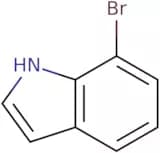
CAS:7-Bromoindole is a synthetic compound that has been used as an analog for indole. It has been shown to have some biological activity in vivo, but it is not known if this activity is due to the drug itself or its breakdown products. 7-Bromoindole can be decarboxylated under acid conditions and saponified with sodium hydroxide. The isolated yield of this reaction is about 2 grams per mole of reactant. 7-Bromoindole shows hemolytic activity against human pathogens such as Staphylococcus aureus and Escherichia coli, but not against Bacillus subtilis or Pseudomonas aeruginosa.Fórmula:C8H6BrNForma y color:PowderPeso molecular:196.04 g/mol5-Fluoro-2-(trifluoromethyl)pyridin-4-amine
CAS:5-Fluoro-2-(trifluoromethyl)pyridin-4-amine is a fine chemical that is used to create other organic compounds. This compound is an intermediate in the production of pharmaceuticals, pesticides, and herbicides. It can also be used as a reagent or a speciality chemical in research. 5-Fluoro-2-(trifluoromethyl)pyridin-4-amine can be used as a reaction component to synthesize other compounds and has been shown to have versatile functions as a building block for complex molecules. This compound is not classified by the Chemical Abstract Service (CAS) and does not have any reported toxic effects on humans.Fórmula:C6H4F4N2Pureza:Min. 95 Area-%Forma y color:PowderPeso molecular:180.1 g/mol4.6-Dihydroxy-2-methylpyrimidine
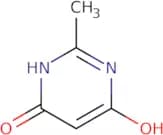
CAS:<p>4,6-Dihydroxy-2-methylpyrimidine is a monomer that is used in the synthesis of polyurethanes. It is an intermediate in the reaction between hydrochloric acid and nitrous acid, which produces 4,6-dichloro-2-methylpyrimidine. The reaction mechanism involves transfer of a methyl group from an organic molecule to hydrochloric acid. This reaction can be carried out at either low or high pH values. The addition of magnesium salt increases the rate of the reaction by increasing the solubility of chloroformate in water. When ethyl esters are used as starting materials, a constant conversion rate can be obtained with a large excess of magnesium salt.</p>Fórmula:C5H6N2O2Pureza:Min 99%Forma y color:PowderPeso molecular:126.11 g/molEthyl 5-methylindole-2-carboxylate
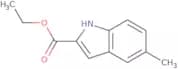
CAS:<p>Ethyl 5-methylindole-2-carboxylate is an antioxidant that is used as a reagent in the synthesis of other compounds. It has been shown to inhibit cancer cell growth in vitro via its ability to inhibit the metabolic activity of human hepatoma cells. Ethyl 5-methylindole-2-carboxylate has also been shown to have cytotoxic activity against human hepatoma cells in vitro, and may be a potential anticancer drug candidate.</p>Fórmula:C12H13NO2Pureza:Min. 95%Forma y color:PowderPeso molecular:203.24 g/mol2-Bromo-5-acetylpyridine
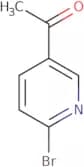
CAS:<p>2-Bromo-5-acetylpyridine is a chemical compound that belongs to the amide class. It has been shown to have an inhibitory effect on amines, which are compounds that are important in the production of urea and other substances. 2-Bromo-5-acetylpyridine can be used as an analog for imatinib, a kinase inhibitor. This compound may also be used as a chloride ion scavenger, which could be useful in the treatment of cancer. 2-Bromo-5-acetylpyridine has been shown to have anticancer activity in molecular modeling studies, but further research needs to be done to see if it is effective against cancer cells.</p>Fórmula:C7H6BrNOPureza:Min. 95%Forma y color:PowderPeso molecular:200.03 g/mol11-Piperazinyldibenzo[b,e][1,4]diazepine
CAS:<p>Piperazine diazepines are a class of synthetic compounds that have been used as anticonvulsants, anxiolytics and muscle relaxants. The compound 11-piperazinyldibenzo[b,e][1,4]diazepine (PBD) belongs to this class of drugs. PBD is an analog of the amino acid phenylalanine and has been shown to be a potent acetylcholine receptor antagonist. It also has high penetrability into brain cells and can activate these cells in vivo studies.</p>Fórmula:C17H18N4Pureza:Min. 95%Forma y color:PowderPeso molecular:278.35 g/mol7,8-Dimethoxy-9-oxo-9H-indeno[1,2-B]pyrazine-2,3-dicarbonitrile
CAS:<p>7,8-Dimethoxy-9-oxo-9H-indeno[1,2-B]pyrazine-2,3-dicarbonitrile is a fine chemical that is useful for research and as a building block in the synthesis of more complex compounds. It can be used in the synthesis of a range of pharmaceuticals and other chemicals. 7,8-Dimethoxy-9-oxo-9H-indeno[1,2-B]pyrazine is also an excellent reagent for the preparation of other compounds. This compound has been shown to bind to DNA and RNA and its reaction with nucleophiles produces a variety of products.</p>Fórmula:C15H8N4O3Pureza:Min. 95%Forma y color:Yellow To Red SolidPeso molecular:292.25 g/molN,N'-Thiocarbonyldiimidazole
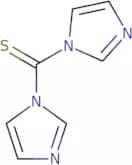
CAS:<p>N,N'-Thiocarbonyldiimidazole is a potent inhibitor of the enzyme acetylcholinesterase. It is used in research as an inhibitor molecule for receptor activity and to study the mechanism of action of other drugs. N,N'-Thiocarbonyldiimidazole inhibits the production of ester hydrochloride by rat liver microsomes and muscle cell proliferation. In addition, this compound has been shown to be a protonophore that can transport protons across membranes without energy input. This can be done through Langmuir adsorption isotherm and electrochemical impedance spectroscopy.</p>Fórmula:C7H6N4SPureza:Min. 95%Forma y color:Yellow PowderPeso molecular:178.22 g/mol7-Azaindole
CAS:<p>7-Azaindole is a chemical compound that can be used as a building block in organic synthesis. It can be used as a reactant in the preparation of other chemicals, such as dyes, rubber accelerators, and pharmaceuticals. 7-Azaindole is also useful as an intermediate in the production of polymers, such as polyurethanes and polyesters. This chemical is soluble in water and alcohols, but insoluble in ethers and chloroform. 7-Azaindole has been classified by the International Agency for Research on Cancer (IARC) as Group 3: Not Classifiable as to its Carcinogenicity to Humans.</p>Fórmula:C7H6N2Pureza:Min. 98.0 Area-%Peso molecular:118.14 g/molRef: 3D-A-9500
1kgA consultar5kgA consultar250gA consultar500gA consultar2500gA consultar-Unit-kgkgA consultarFmoc-D-7-Aza-Trp-OH
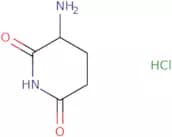
CAS:<p>Please enquire for more information about Fmoc-D-7-Aza-Trp-OH including the price, delivery time and more detailed product information at the technical inquiry form on this page</p>Fórmula:C25H21N3O4Pureza:Min. 95%Peso molecular:427.45 g/mol3-Aminopiperidine-2,6-dione hydrochloride salt
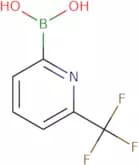
CAS:<p>3-Aminopiperidine-2,6-dione hydrochloride salt (3AP) is a synthetic agent that has been shown to inhibit prostate cancer cell growth. 3AP inhibits the synthesis of DNA by inhibiting the enzyme benzoate and potently inhibits the enzyme pomalidomide synthetase. This drug also has antiangiogenic properties and has been shown to reduce expression of TNF-α in human myeloid leukemia cells. 3AP is not active against HL60 cells, which are a type of white blood cell. It can be used as an alternative treatment for cancer in patients who have failed to respond to other therapies or who cannot tolerate them.</p>Fórmula:C5H8N2O2·HClPureza:Min 97.0%Forma y color:Off-White Slightly Yellow PowderPeso molecular:164.59 g/mol6-(Trifluoromethyl)pyridine-2-boronic acid
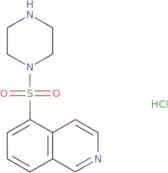
CAS:<p>6-(Trifluoromethyl)pyridine-2-boronic acid is a solid chemical that is soluble in organic solvents. It is a building block for the synthesis of more complex compounds, and also serves as an intermediate in the synthesis of pharmaceuticals. 6-(Trifluoromethyl)pyridine-2-boronic acid has been shown to be useful for the preparation of fine chemicals and has been widely used as a reagent in research.</p>Fórmula:C6H5BF3NO2Pureza:Min. 95%Forma y color:PowderPeso molecular:190.92 g/mol1-(5-Isoquinolinesulfonyl)piperazine hydrochloride
CAS:<p>1-(5-Isoquinolinesulfonyl)piperazine hydrochloride (1-ISOQ-PIP) is a chemical compound that has been shown to inhibit the growth of leukemia cells. It inhibits the expression of leukemia inhibitory factor, which may be due to its ability to introduce modifications into the sequence of DNA. 1-ISOQ-PIP also inhibits pluripotent stem cells and induces adipocyte differentiation. This substance can be used for cancer treatment by inhibiting the growth of leukemia cells and inducing differentiation.</p>Fórmula:C13H16ClN3O2SPureza:Min. 95%Forma y color:PowderPeso molecular:313.8 g/mol1-[4-Methyl-6-(trifluoromethyl)pyrimidin-2-yl]piperidine-3-carboxylic acid
CAS:<p>1-[4-Methyl-6-(trifluoromethyl)pyrimidin-2-yl]piperidine-3-carboxylic acid is a reagent that is used as a complex compound, as a useful intermediate, and as a fine chemical. It has been used in the manufacture of pharmaceuticals, agrochemicals, dyes, and pigments. It also has many applications in research such as its use as a building block for organic synthesis or to synthesize other compounds with potential uses in medicine.</p>Fórmula:C12H14F3N3O2Pureza:Min. 95%Forma y color:PowderPeso molecular:289.25 g/mol3,4-Dimethoxy-2-hydroxymethylpyridine
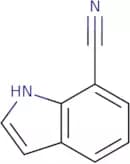
CAS:<p>Pantoprazole is a proton pump inhibitor (PPI) that blocks the production of stomach acid by inhibiting the H+/K+-ATPase enzyme in gastric parietal cells. The chemical compound 3,4-Dimethoxy-2-hydroxymethylpyridine is a sodium salt of pantoprazole. It is commercially available as the anhydrous form, which is a white crystalline powder. This chemical has been used to regulate the amount of water in industrial processes and to salify materials such as lead oxide. Pantoprazole sodium chloride can be prepared by evaporating and drying with anhydrous sodium chloride or by heating an aqueous solution of pantoprazole sulfate.</p>Fórmula:C8H11NO3Pureza:Min. 95%Forma y color:PowderPeso molecular:169.18 g/mol7-Cyanoindole
CAS:<p>7-Cyanoindole is a synthetic compound that can be synthesized from amino-acids. The synthesis of 7-cyanoindole starts with the hydration of cyanamide, which yields cyanogen chloride. This reaction is followed by the dehydration of this molecule to produce 7-cyanoindole. The fluorescence properties and lifetimes are dependent on the hydration and dehydrations states. Synthetically, 7-cyanoindole is used as a fluorescent probe for amino acids in solution. This probe has been shown to bind to amino acids at acidic pHs and fluoresce brightly at wavelengths around 400 nm. Industrialized methods for synthesis include reacting cyanoacetylene with ammonia or methylamine in the presence of silicane or silicon dioxide as a catalyst. Reaction yield is dependent on the method used and ranges from 10% to 100%.</p>Fórmula:C9H6N2Pureza:Min. 95%Forma y color:Off-White PowderPeso molecular:142.16 g/mol4-[(Pyridine-3-carbonyl)amino]butyric acid
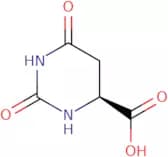
CAS:<p>4-[(Pyridine-3-carbonyl)amino]butyric acid (4-PBA) is a non-proteinogenic amino acid that has been found in food and has been shown to have therapeutic effects on a number of diseases. 4-PBA is converted to gamma-aminobutyric acid (GABA) by the enzyme GABA transaminase. It also has a synergistic effect with sodium succinate, which is another precursor in the production of GABA. This synergistic effect increases the amount of GABA produced from 4-PBA and sodium succinate when they are consumed together. 4-PBA also binds to receptors for dopamine, which may be why it is effective for treating diabetic neuropathy and Parkinson's disease.</p>Fórmula:C10H12N2O3Pureza:Min. 95%Forma y color:White PowderPeso molecular:208.21 g/molL-Dihydroorotic acid
CAS:<p>L-Dihydroorotic acid is a natural compound that can be found in plants, animals and humans. It has been shown to have an important role in mitochondrial functions, as it is involved in the synthesis of NADH and ATP. L-Dihydroorotic acid can also be used as a substrate for enzymatic reactions, such as dehydrogenase or dihydroorotate dehydrogenase. The rate constants for these reactions are high, which makes L-dihydroorotic acid a good model system for studying biochemical properties. L-dihydroorotic acid also inhibits cyclin D2/CDK4 protein kinases.</p>Fórmula:C5H6N2O4Pureza:Min. 95%Forma y color:White PowderPeso molecular:158.11 g/mol2,6-Diaminopurine
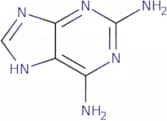
CAS:<p>2,6-Diaminopurine is a nucleotide analogue that is synthesized from guanosine. It inhibits the enzyme ribonucleotide reductase and blocks the synthesis of DNA precursors, which are necessary for viral replication. 2,6-Diaminopurine has been shown to inhibit hiv infection in tissue culture and animal models by decreasing the levels of nucleotides in cells. This drug can be used as an anti-viral agent against HIV and other retroviruses. 2,6-Diaminopurine has also been shown to be effective against murine sarcoma virus. The compound binds to the enzyme ribonucleotide reductase, which is important for DNA synthesis, and prevents its activity by mimicking adenosine triphosphate (ATP). The binding of 2,6-diaminopurine to ATP results in a coordination geometry that causes a long hydrogen bond with one oxygen</p>Fórmula:C5H6N6Pureza:Min. 95%Forma y color:PowderPeso molecular:150.14 g/mol2-Ethyl-3(5 or 6)-dimethylpyrazine, mixture of isomers
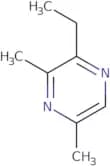
CAS:2-Ethyl-3(5 or 6)-dimethylpyrazine is a mixture of isomers that is used in the biosynthesis of unsaturated fatty acids and related products. 2-Ethyl-3(5 or 6)-dimethylpyrazine is produced by the reaction of phenylacetic acid with acetone and can be isolated from natural sources such as kidney beans and hexane. This compound has been shown to inhibit l-threonine production in mammalian cells, which may be due to its ability to inhibit the synthesis of fatty acids. Magnetic resonance spectroscopy has revealed that 2-Ethyl-3(5 or 6)-dimethylpyrazine binds to diphenyl ether, a chemical that is used extensively in pesticides and herbicides.Fórmula:C8H12N2Pureza:Min. 95%Forma y color:PowderPeso molecular:136.19 g/molUlifloxacin
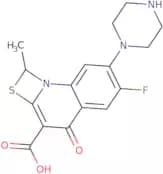
CAS:<p>Extensive research has been conducted on the antimicrobial activity of 6-fluoro-1-methyl-4-oxo-7-(1-piperazinyl)-4H-(1,3)thiazeto(3,2a)quinoline-3-carboxylic acid (FPMT). FPMT is a levorotatory compound that is rapidly metabolized by esterases to 6FMT, which is also active against bacteria. FPMT inhibits bacterial growth, but does not inhibit mammalian cell growth. The main mechanism of action for FPMT is probably through its ability to inhibit the synthesis of bacterial DNA and RNA. This drug has been shown to be effective against sinusitis caused by bacterial rhinosinusitis and urinary tract infections caused by Escherichia coli and Pseudomonas aeruginosa. FPMT can be used as an alternative to prulifloxacin for the treatment of these types of infections</p>Fórmula:C16H16FN3O3SPureza:Min. 98 Area-%Peso molecular:349.38 g/mol2-Aminoacridone
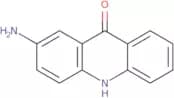
CAS:<p>2-Aminoacridone is a fluorescent dye. The applications of 2-Aminoacridone are extensive in biochemical and analytical research. It is commonly employed in glycoprotein and glycoconjugate studies, leveraging its high sensitivity and specificity in detecting saccharide structures. Researchers utilize this dye in various assays, including high-performance liquid chromatography (HPLC) and electrophoresis, to analyze carbohydrate content and structure. Its role is critical in advancing our understanding of carbohydrate-related biological processes, such as cell signaling and disease pathogenesis, facilitating developments in both diagnostics and therapeutic strategies.</p>Fórmula:C13H10N2OPureza:Min. 95%Forma y color:PowderPeso molecular:210.23 g/mol2,6-Dichloropyrimidine-4-carboxylic acid
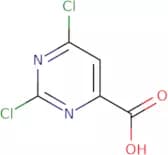
CAS:2,6-Dichloropyrimidine-4-carboxylic acid is a pyrimidine that can be used as a starting material for the synthesis of other compounds. It is an intermediate in the manufacture of anilines and pyrimidines. 2,6-Dichloropyrimidine-4-carboxylic acid is also used in the production of dyes and agrochemicals.Fórmula:C5H2Cl2N2O2Pureza:Min. 95%Forma y color:White PowderPeso molecular:192.99 g/molN-(2,3-Dichlorophenyl)piperazine hydrochloride
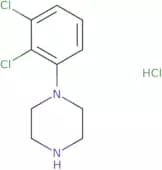
CAS:Producto controlado<p>N-(2,3-Dichlorophenyl)piperazine hydrochloride is a synthetic compound that is also known as DDPP. It is a 5-HT1A and 5-HT2A receptor agonist, which means that it binds to these receptors and stimulates them. DDPP has been shown to have antidepressant effects in animal models of depression, but it has not been tested for its therapeutic potential in humans. DDPP is an acidic compound with molecular weight of 222.4 g/mol and melting point of 174°C. The impurities of this compound are identified as hydrogen chloride (HCl), chloride (Cl−), and homologues.</p>Fórmula:C10H13Cl3N2Pureza:Min. 95%Forma y color:White to off-white solid.Peso molecular:267.58 g/mol2-(Azidomethyl)pyridine
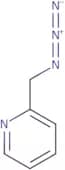
CAS:<p>2-(Azidomethyl)pyridine (2-AP) is an organopalladium complex with a molecular weight of 206.2 g/mol. It has been used in magnetic resonance spectroscopy and has been shown to bind to all-trans retinoic acid, which is an active metabolite of vitamin A. 2-AP has also been shown to inhibit the growth of cancer cells by binding to the glycan on cell surfaces. The copper complex has been shown to have anti-inflammatory properties and can inhibit the activity of enzymes such as cyclooxygenase and lipoxygenase, which are involved in inflammatory responses. 2-AP is a second-order rate constant for the exothermic reaction between hydrogen peroxide and azide ion, which produces nitrous oxide ((NO)) and water molecules.</p>Fórmula:C6H6N4Pureza:Min. 95%Forma y color:Brown PowderPeso molecular:134.14 g/mol2,5-Diiodopyridine
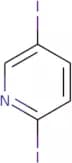
CAS:<p>2,5-Diiodopyridine is regiospecific and has been shown to have a high affinity for the nicotinic acetylcholine receptor. It has been synthesised by cross-coupling reactions of boronic acids with halides. 2,5-Diiodopyridine can also be used as a precursor for epibatidine. Epibatidine is a drug that binds to nicotinic acetylcholine receptors and activates them, which in turn leads to activation of voltage-gated calcium channels. This process leads to an increase in the release of dopamine, serotonin and norepinephrine from neurons. The uptake of 2,5-diiodopyridine was found at the level of 0.7% after 3 hours and 1% after 12 hours in mesoporous silica nanoparticles.<br>2,5-Diiodopyridine can be used as a precursor for epibatidine which is a drug that</p>Fórmula:C5H3I2NPureza:Min. 95 Area-%Forma y color:PowderPeso molecular:330.89 g/mol4-Hydroxyindole
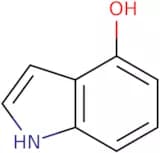
CAS:<p>4-Hydroxyindole is an inorganic acid that is produced by the oxidation of 4-hydroxyphenylacetic acid. It is a metabolite of the synthetic cannabinoids, JWH-018 and JWH-073. The production of 4-hydroxyindole has been shown to be dependent on the presence of a nucleophilic attack on the diazonium salt, which leads to protonation. The fluorescence properties of this molecule are dependent on its hydroxyl group, which allows for detection using magnetic resonance spectroscopy. Hydrochloric acid can be used as an alternate solvent to produce 4-hydroxyindole from 4-hydroxyphenylacetic acid. 4-Hydroxyindole has been shown to have pharmacokinetic properties that are similar to those of THC, but it does not bind well to cannabinoid receptors or activate them.br> br> The structure of this molecule can be seen below</p>Fórmula:C8H7NOForma y color:White PowderPeso molecular:133.15 g/mol(5-Pyridin-2-yl-2H-tetrazol-2-yl)acetic acid
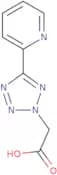
CAS:<p>5-Pyridin-2-yl-2H-tetrazol-2-yl)acetic acid is a chemical compound that can be used as a research chemical, reagent, or speciality chemical in the synthesis of pharmaceuticals, pesticides, and other organic compounds. It is also an intermediate for the production of other compounds and has been shown to have antioxidant properties. 5-(pyridin-2-yl)-2H tetrazole is a useful building block in the synthesis of complex compounds and scaffolds.</p>Fórmula:C8H7N5O2Pureza:Min. 95%Forma y color:PowderPeso molecular:205.17 g/molIndole-6-carboxylic acid methyl ester
CAS:<p>Please enquire for more information about Indole-6-carboxylic acid methyl ester including the price, delivery time and more detailed product information at the technical inquiry form on this page</p>Fórmula:C10H9NO2Pureza:Min. 95%Forma y color:PowderPeso molecular:175.19 g/mol2-Ethoxy-5-fluoro-1H-pyrimidin-4-one
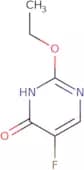
CAS:<p>2-Ethoxy-5-fluoro-1H-pyrimidin-4-one is a chemical compound that can be synthesized in ethanol, ether, and ethyl formate. It is a white crystalline solid with a melting point of 164°C. The impurities are filtered out using filtration. This compound reacts with substance to produce crystallization. 2-Ethoxy-5-fluoro-1H-pyrimidin-4-one can also be synthesized by reacting trimethylamine and isourea.</p>Fórmula:C6H7FN2O2Pureza:Min. 95%Forma y color:PowderPeso molecular:158.13 g/mol2-Hydroxyisoquinoline-1,3(2H,4H)-dione
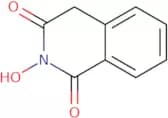
CAS:<p>2-Hydroxyisoquinoline-1,3(2H,4H)-dione (2HIQ) is a potent anti-viral agent that has been shown to inhibit the replication of viruses in cell cultures. 2HIQ inhibits viral replication by binding to the enzyme reverse transcriptase and inhibiting its ability to synthesize DNA from RNA. This drug also has inhibitory properties against human immunodeficiency virus type 1 (HIV-1) and hepatitis C virus (HCV). 2HIQ binds to the active site of the enzyme HIV reverse transcriptase, which is a key enzyme in viral replication. It also binds to HCV NS5B polymerase, which is an essential protein in HCV replication. These interactions lead to inhibition of viral replication and thus prevention of disease progression.</p>Fórmula:C9H7NO3Pureza:Min. 95%Forma y color:Off-White To Brown SolidPeso molecular:177.16 g/mol2-(2-Butyl)-4-{4-[4-(4-methyloxy-phenyl)-piperazin-1-yl]-phenyl}-2,4-dihydro-[1,2,4]-triazol-3-one
CAS:<p>2-(2-Butyl)-4-{4-[4-(4-methyloxy-phenyl)-piperazin-1-yl]-phenyl}-2,4-dihydro-[1,2,4]-triazol-3-one (ITZ) is an antifungal drug that inhibits the synthesis of ergosterol. It is used in the treatment of systemic fungal infections such as candidiasis and cryptococcosis. ITZ is a metabolite of itraconazole and fluconazole. The presence of impurities in ITZ can be detected by liquid chromatography with a diode array detector or a fluorescence detector. An antiinfective drug product should be bioequivalent to the reference product and have comparable levels of impurities. Chromatograms are used to identify peaks on a graph and measure their height (area under the curve) to determine how much of each substance is present in the sample.</p>Fórmula:C23H29N5O2Pureza:Min. 95%Forma y color:White To Yellow SolidPeso molecular:407.51 g/mol6-(Dimethylamino)purine
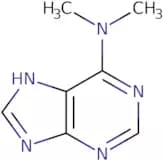
CAS:<p>6-(Dimethylamino)purine (6-DAP) is a purine nucleoside that acts as an inhibitor of the transcription factor leukemia inhibitory factor (LIF). 6-DAP binds to the response element in the promoter region of LIF and blocks the binding of LIF to this site. This prevents transcription of LIF, which leads to cell cycle arrest. 6-DAP also has inhibitory effects on skin cells and inhibits the formation of fetal bovine serum protein in a model system. 6-DAP binds to nuclear DNA and alters its structure, which may cause problems with DNA replication or transcription.</p>Fórmula:C7H9N5Pureza:Min. 98 Area-%Forma y color:White PowderPeso molecular:163.18 g/mol6-Acetyl-7-methylpyrazolo[1,5-α]pyrimidine-3-carboxylic acid
CAS:<p>The 6-Acetyl-7-methylpyrazolo[1,5-α]pyrimidine-3-carboxylic acid is a fine chemical that belongs to the group of speciality chemicals. It is an intermediate that can be used in research or as a building block for more complex compounds. This compound has been shown to have many useful properties, including its versatility as a scaffold and its ability to react with other compounds. The 6-Acetyl-7-methylpyrazolo[1,5-α]pyrimidine-3-carboxylic acid is also considered high quality and can be used in reactions related to the production of pharmaceuticals, agrochemicals, polymers and dyes.</p>Fórmula:C10H9N3O3Pureza:Min. 95%Forma y color:PowderPeso molecular:219.2 g/mol2,4-Dimethylpyrrole
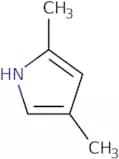
CAS:2,4-dimethylpyrrole (DMP) is a N-heterocycle with two methyl groups. It is used as a dopant in jet fuels to promote oxidative degradation and is converted into a reactive fuel (Kabana, 2011). To a lesser extent, 2,4-dimethylpyrrole has shown antifungal properties and has been used as an active agent against pathogens causing head blight and root rot in some cereals (Sefer, 2017).Fórmula:C6H9NPureza:Min. 96%Forma y color:Brown Colorless Clear LiquidPeso molecular:95.14 g/mol1-Methylindole
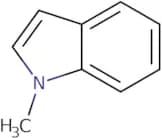
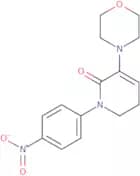
CAS:<p>1-Methylindole is a chemical compound that belongs to the group of pyrimidine compounds. It has been shown to have antibacterial activity against many types of bacteria, including methicillin-resistant Staphylococcus aureus and Clostridium perfringens. 1-Methylindole inhibits bacterial growth by binding to DNA and RNA, preventing the synthesis of proteins necessary for cell division. The high chemical stability and low redox potential make 1-methylindole an excellent candidate for use as an anticancer agent. This drug has been shown to be effective in killing cancer cells in vitro, but more research needs to be done before it can be used in vivo.</p>Fórmula:C9H9NPureza:Min. 97 Area-%Forma y color:Colorless Clear LiquidPeso molecular:131.17 g/mol3-(4-Morpholinyl)-1-(4-nitrophenyl)-5,6-dihydro-2(1H)-pyridinone
CAS:<p>3-(4-Morpholinyl)-1-(4-nitrophenyl)-5,6-dihydro-2(1H)-pyridinone is a synthetic coagulation factor that has been shown to be cost-effective and to have a high yield. It is an inhibitor of blood coagulation, which is detectable by x-ray powder diffraction. 3-(4-Morpholinyl)-1-(4-nitrophenyl)-5,6-dihydro-2(1H)-pyridinone has been synthetically prepared from 3,5,6,7,8,9,10,-hexahydro-[2]benzo[e][1]pyridinone and 4-morpholinecarboxylic acid.</p>Fórmula:C15H17N3O4Pureza:Min. 98 Area-%Forma y color:Yellow PowderPeso molecular:303.31 g/mol1-Methyl-3-[3-methyl-4-[4-[(trifluoromethyl)sulfonyl]phenoxy]phenyl]-1,3,5-triazine-2,4,6(1H,3H,5H)-trione
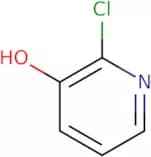
CAS:<p>Ponazuril is a veterinary drug that belongs to the group of chemotherapeutics. It is used in the treatment of endoparasites, such as nematodes and cestodes, which are parasites that live inside the human body. Ponazuril is administered orally or by injection and has been shown to have minimal toxicity in CD-1 mice. Ponazuril binds to DNA polymerase, inhibiting RNA synthesis and protein synthesis. This leads to cell death by apoptosis and necrosis. The drug also inhibits DNA replication in the parasite and blocks parasite growth.</p>Fórmula:C18H14F3N3O6SPureza:Min. 95%Forma y color:PowderPeso molecular:457.38 g/mol2-Chloro-3-hydroxypyridine
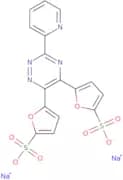
CAS:<p>2-Chloro-3-hydroxypyridine is a reactive chemical that can be synthesized from hydrochloric acid and ammonia. It has a high melting point, which is an indication of its strength. 2-Chloro-3-hydroxypyridine has been used in the kinetic and population growth studies for bacteria. The reaction of 2-chloro-3-hydroxypyridine with sodium hydrogen is exothermic and has a red shift, which indicates that the activation energy for this reaction is low. Activation energies are important because they indicate the stability of molecules.</p>Fórmula:C5H4ClNOPureza:Min. 95%Forma y color:PowderPeso molecular:129.54 g/molFerene disodium salt
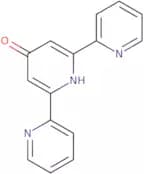
CAS:Ferene is an iron chelate that has been shown to have a number of beneficial effects on iron homeostasis. Ferene has been used in the treatment of chronic viral hepatitis, and it has also been shown to be effective against galleria mellonella. Ferene is a metal chelate, which means that it is a type of molecule that contains two metal ions. The metal ions are usually connected by a central atom, such as oxygen or nitrogen. Ferene disodium salt can be synthesized in the lab using the chemiluminescence method and polymerase chain reaction (PCR). It is also possible to isolate ferene from human serum or from a model system.Fórmula:C16H8N4Na2O8S2Pureza:Min. 95 Area-%Forma y color:Yellow PowderPeso molecular:494.37 g/mol4'-Hydroxy-2,2':6',2''-terpyridine
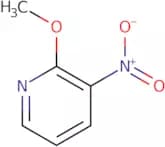
CAS:<p>4'-Hydroxy-2,2':6',2''-terpyridine is a molecule with the molecular formula C24H22N4O8. It is an organic compound that belongs to the group of heterocycles. It has been found to be a ligand for metal ions and has been shown to interact with particles at temperatures below 20°C. 4'-Hydroxy-2,2':6',2''-terpyridine crystallizes in two polymorphs: tetragonally (alpha) at room temperature and trigonally (beta) at temperatures below 20°C. The alpha form has been observed to undergo a photophysical reaction as it absorbs light and emits light in the ultraviolet region of the spectrum.</p>Fórmula:C15H11N3OPureza:Min. 95%Forma y color:PowderPeso molecular:249.27 g/mol2-Methoxy-3-nitropyridine
CAS:<p>2-Methoxy-3-nitropyridine is a chemical compound with the molecular formula CHNO. It is classified as an amine and has a molecular weight of 140.24 g/mol. 2-Methoxy-3-nitropyridine is a colorless liquid that can be used to make other compounds, such as nitroarenes, boronic acids, and dyes. The molecule consists of a central carbon atom with four nitrogen atoms at the corners of a tetrahedron. The electron configuration for this molecule is 1s22s22p4. This means that the outer shell electrons are in orbitals with principal quantum numbers s=1 and p=2. These orbitals are located near the middle of the molecule rather than on the periphery as in ethane (CH3CH2). This orientation provides more space for other atoms to attach to the central carbon atom, which increases its affinity for nucleophilic attack. 2-M</p>Fórmula:C6H6N2O3Pureza:Min. 95%Forma y color:PowderPeso molecular:154.12 g/mol3,5-Dimethyl-4-nitropyridine 1-oxide
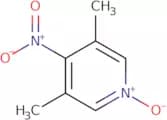
CAS:<p>3,5-Dimethyl-4-nitropyridine 1-oxide is a nitro compound with the chemical formula CHNO. It is an organic compound that has been shown to be carcinogenic in animal studies and has caused cancer in humans. 3,5-Dimethyl-4-nitropyridine 1-oxide can be found in the environment as a result of industrial accidents or environmental pollution. It is found in building materials such as acetonitrile and organic solvents. This compound is not soluble in water, which limits its potential for environmental transport.</p>Fórmula:C7H8N2O3Pureza:Min. 95%Forma y color:PowderPeso molecular:168.15 g/mol(5α)-17-(3-Pyridinyl)androst-16-en-3-one
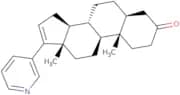
CAS:Producto controlado(5α)-17-(3-Pyridinyl)androst-16-en-3-one is a natural metabolite of testosterone that is produced in the liver. It has been identified as an impurity in API, which can be found in drugs used for the treatment of high blood pressure and prostate cancer. (5α)-17-(3-Pyridinyl)androst-16-en-3-one is not active as a drug itself, but it can be used as a standard to study the metabolism of testosterone and other steroids.Fórmula:C24H31NOPureza:Min. 98 Area-%Forma y color:White PowderPeso molecular:349.51 g/mol2,3-Dichloropyridine
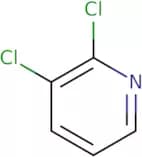
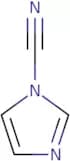
CAS:<p>2,3-Dichloropyridine is an organic compound with the formula P(Cl)Cl. It is a white crystalline solid that reacts violently with water and alcohols. 2,3-Dichloropyridine can be used for the preparation of dichloroacetic acid by reaction with phosphorus pentachloride in the presence of sodium carbonate and water vapor. This compound can also be used to prepare copper chloride by reaction with diazonium salt in hydrochloric acid and chlorine atom in the presence of sodium carbonate at low energy.</p>Fórmula:C5H3Cl2NPureza:Min. 95%Forma y color:PowderPeso molecular:147.99 g/mol1-Cyanoimidazole
CAS:<p>1-Cyanoimidazole is a phosphodiester that is used in the chemical ligation of nucleic acids. It reacts with terminal alkynes to form covalent linkages between DNA molecules, and can be used as a crosslinker for dna duplexes. 1-Cyanoimidazole can be used as a phosphate group replacement in DNA replication. This compound has been shown to react with terminal alkyne groups on DNA templates, forming stable covalent linkages between strands in the presence of an appropriate nucleophile. 1-Cyanoimidazole has been shown to have sequence specificity and efficient method for linking strands of DNA.</p>Fórmula:C4H3N3Pureza:Min. 95%Forma y color:Off-White PowderPeso molecular:93.09 g/molDipyrazino[2,3-f:2',3'-h]quinoxaline-2,3,6,7,10,11-hexacarbonitrile
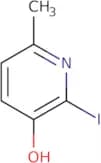
CAS:<p>Dipyrazino[2,3-f:2',3'-h]quinoxaline-2,3,6,7,10,11-hexacarbonitrile is a molecular compound that consists of an aromatic hydrocarbon and boron nitride. It has been shown to have optical properties and an ancillary effect on the transport properties of other molecules. Dipyrazino[2,3-f:2',3'-h]quinoxaline-2,3,6,7,10,11-hexacarbonitrile is also a molecule that can participate in intramolecular hydrogen bonding. This compound has been shown to have coordination geometry with nitrogen atoms that are capable of accepting electrons from other molecules. Dipyrazino[2,3-f:2',3'-h]quinoxaline-2,3,6,7,10,11-hexacarbonitrile is used in diodes as an efficient</p>Fórmula:C18N12Pureza:Min. 95%Forma y color:PowderPeso molecular:384.27 g/mol3-Hydroxy-2-iodo-6-methylpyridine
CAS:<p>3-Hydroxy-2-iodo-6-methylpyridine is a catalyst that is used to produce the heterocycle pyridone. It can be used as a precursor for new pharmaceuticals and agrochemicals. 3-Hydroxy-2-iodo-6-methylpyridine has been shown to catalyze the reaction of aromatic amines with ketones or sulfonyl chlorides, leading to the formation of pyridones. These reactions are also catalyzed by other compounds such as 2,4,5,6,-tetramethylpiperidinium hexafluorophosphate (TEMPO).</p>Fórmula:C6H6INOPureza:Min. 95%Forma y color:PowderPeso molecular:235.02 g/molIndole-4-carboxylic acid methyl ester
CAS:<p>Indole-4-carboxylic acid methyl ester is a fine chemical that is used as a building block in the synthesis of complex compounds. It can be used as a reagent, speciality chemical, or intermediate, and it has versatile applications in the synthesis of pharmaceuticals and dyes. Indole-4-carboxylic acid methyl ester has been shown to react with alcohols to form ketones, which are useful scaffolds for organic chemistry. It can also be used as a reaction component for the synthesis of other compounds.</p>Fórmula:C10H9NO2Peso molecular:175.19 g/molRef: 3D-I-2510
1kgA consultar50gA consultar100gA consultar250gA consultar500gA consultar-Unit-ggA consultar2-Mercaptobenzimidazole zinc salt
CAS:<p>2-Mercaptobenzimidazole zinc salt is a synthetic, organic solvent that is used as an additive in the manufacture of dyes, paints, and varnishes. It is also used to make photographic film and x-ray film. 2-Mercaptobenzimidazole zinc salt is not soluble in water but can be dissolved by organic solvents such as acrylonitrile. This compound has been shown to have photocatalytic activity when activated by light. It has been found to be heat resistant up to 110°C, which makes it suitable for use in coating and printing applications. 2-Mercaptobenzimidazole zinc salt has carboxylate properties that allow it to react with calcium carbonate and hydrogen tartrate for industrial purposes.</p>Fórmula:C14H10N4S2ZnForma y color:White Off-White PowderPeso molecular:363.8 g/mol6-Chloro-3-aminopyridine-2-carboxamide
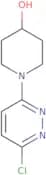
CAS:6-Chloro-3-aminopyridine-2-carboxamide is a small molecule that inhibits tumor growth in human prostate cancer cells. It binds to a pharmacophore, which is a three dimensional arrangement of atoms that is responsible for the biological activity of the drug. This compound has been shown to inhibit tumor cell proliferation and induce apoptosis. 6-Chloro-3-aminopyridine-2-carboxamide also inhibits the oncogenic signaling pathways, including the PI3K/Akt and MAPK pathways, leading to antiproliferative activity in cancer cell lines. 6-Chloro-3-aminopyridine-2-carboxamide also inhibits phosphorylation of Akt and Erk1/2, which are downstream targets of PI3K/Akt pathway activation. The compound was found to have no significant effects on noncancerous cells or normal prostate tissue.Fórmula:C6H6ClN3OPureza:Min. 95%Forma y color:PowderPeso molecular:171.58 g/mol1-(6-Chloropyridazin-3-yl)piperidin-4-ol
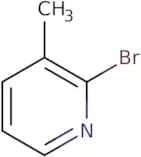
CAS:<p>1-(6-Chloropyridazin-3-yl)piperidin-4-ol (CPP) is an organic compound that is used as a corrosion inhibitor. It has been shown to be effective in the presence of hydrochloric acid and chloride ions in various media. The mechanism of CPP's anti-corrosion properties is due to its ability to form a protective film on metal surfaces, which can be attributed to its electron donating ability. This film prevents the occurrence of metal dissolution or metal oxidation, thereby preventing corrosion. CPP has been shown to inhibit the growth of bacteria by binding with DNA and RNA. It also inhibits protein synthesis through competitive inhibition of ribosomes.</p>Fórmula:C9H12ClN3OPureza:(%) Min. 85%Peso molecular:213.66 g/mol2-Bromo-3-methylpyridine
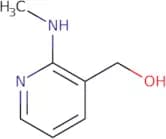
CAS:2-Bromo-3-methylpyridine is a diazido compound with a hydrogen bond. It reacts rapidly with copper chloride to form the coordination complex Cu(diazido)(Cl)2 and an organic product. 2-Bromo-3-methylpyridine can be synthesized from 2,4-dibromopyridine by a cross coupling reaction with copper chloride and calcium carbonate in the presence of sodium potassium bicarbonate. The coordination geometry of the molecule is tetrahedral, with two bromine atoms on opposite sides of the central nitrogen atom and one bromine atom on each side of the pyridine ring. Reaction products are formed as a result of substitution reactions involving halides, such as methyl chloride or ethyl chloride, which act as electrophiles to react with the diazido group. Potential mechanisms include metathesis reactions or cryogenic processes.Fórmula:C6H6BrNPureza:Min. 95%Forma y color:Colorless Clear LiquidPeso molecular:172.02 g/mol2-(Methylamino)pyridine-3-methanol
CAS:<p>2-(Methylamino)pyridine-3-methanol is an industrial chemical that is used as a solvent and in the production of potassium sulfate. It has a high boiling point, which makes it a good choice for large-scale industrial processes. 2-(Methylamino)pyridine-3-methanol is also an organic solvent, which can be used to dissolve many other molecules. This product can be used as a conditioner or tertiary butylating agent in the production of organic compounds. Its product yield is high, with only 10 grams needed to produce 1 kilogram.</p>Fórmula:C7H10N2OPureza:Min. 95%Forma y color:Off-White PowderPeso molecular:138.17 g/mol2,6-Pyridinediyldimethanamine
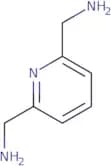
CAS:2,6-Pyridinediyldimethanamine is a reactive molecule that can be used in clinical studies. It has been shown to have an effect on mammalian cells, and it can also be used for structural studies of the molecule. This compound is mainly used as a chelate ligand in hydrogen bonding reactions. The kinetic of the reaction between 2,6-pyridinediyldimethanamine and chloride has been studied experimentally and found to follow second-order kinetics. X-ray crystal structures show that this compound forms a hydrogen bond with chloride ions.Fórmula:C7H11N3Pureza:Min. 95%Forma y color:Clear LiquidPeso molecular:137.18 g/mol6-Chloro-3-methyluracil
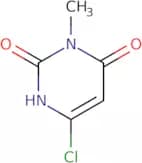
CAS:<p>Intermediate in the synthesis of alogliptin</p>Fórmula:C5H5ClN2O2Pureza:Min. 98 Area-%Forma y color:Off-White PowderPeso molecular:160.56 g/mol3-Methyl-8-quinolinesulfonyl chloride
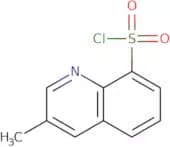
CAS:<p>3-Methyl-8-quinolinesulfonyl chloride (3MQSC) is a reaction product of 1,2,4-trioxane and thionyl chloride. 3MQSC is used as an intermediate in the production of l-citrulline from chloroacetic acid. It reacts with paraformaldehyde to form a solid phase synthesis catalyst. 3MQSC catalyzes the reaction between phosphorus pentachloride and chlorine to produce ethyl formate and hydrogen chloride gas. This process is industrialized for the production of ethyl formate, which is used for the manufacture of acetic acid, chlorinated solvents, polymers, and plastics. The high yield of this process makes it one of the most popular routes for producing ethyl formate. Catalysis by 3MQSC can be achieved at low temperature and pressure due to its resistance to heat and low boiling point.</p>Fórmula:C10H8ClNO2SPureza:Min. 97 Area-%Forma y color:White Yellow PowderPeso molecular:241.69 g/mol6-Chloroindole
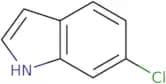
CAS:<p>A 6-chloroindole is an organic compound that contains a six-membered ring with a chlorine atom at one of the carbons. The compound is a synthetic intermediate that has been used to synthesize other molecules. It is also used in chemical reactions to introduce the phosphate group, which can be useful when studying protein–protein interactions. 6-Chloroindole has been shown to have a predictive model for identifying organic anion transporters in rat kidneys and can be used in asymmetric synthesis to produce the desired product.</p>Fórmula:C8H6ClNPureza:Min. 95%Forma y color:White PowderPeso molecular:151.59 g/mol6-Aminoquinolyl-N-hydroxysuccinimidyl carbamate, particle size < 0.25 mm
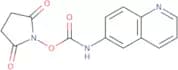
CAS:<p>6-Aminoquinolyl-N-hydroxysuccinimidylcarbamate reacts rapidly with amino acids to form stable urea derivatives. The use of fluorescence detection techniques allows quantification of amines at pmol levels. 6-Aminoquinolyl-N-hydroxysuccinimidylcarbamate was used in a study to derivatize glycated amino acids with the purpose of developing chromatographic assays for their quantification. Glycation of proteins initially gives rise to early glycation adducts, then progresses to advanced glycation end-products, which are markers for conditions such as diabetes, cataracts, uraemia and Alzheimer's disease. We also offer the product FA36291.</p>Fórmula:C14H11N3O4Forma y color:PowderPeso molecular:285.25 g/molPyrazolo[1,5-a]pyrimidine-3-carboxylic acid
CAS:<p>Pyrazolo[1,5-a]pyrimidine-3-carboxylic acid is a pyrimidine analog and an electron transfer agent. It is a potent inhibitor of the enzyme dehydrogenase, which catalyzes the conversion of nicotinamide adenine dinucleotide (NAD) to nicotinamide adenine dinucleotide phosphate (NADP). Pyrazolo[1,5-a]pyrimidine-3-carboxylic acid has been shown to have anti-inflammatory properties and also inhibits the production of b-raf protein. This drug has also been shown to be a potent inhibitor of mitochondrial electron transport in cancer cells. Pyrazolo[1,5-a]pyrimidine-3-carboxylic acid binds to the metal centers in mitochondria, thereby inhibiting oxidative phosphorylation and reducing ATP synthesis. This ultimately leads to cell death by apoptosis.</p>Fórmula:C7H5N3O2Pureza:Min. 95%Forma y color:White PowderPeso molecular:163.13 g/mol2-Methyl-5-nitroimidazole
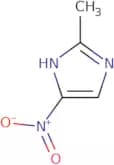
CAS:<p>2-Methyl-5-nitroimidazole, also known as menidazole, is an impurity of metronidazole, which is used as an antibacterial and antiprotozoal medication in the treatment of infections, including rosacea. 2-Methyl-5-nitroimidazole is a derivative of nitroimidazole and has potential antimicrobial and antitrichomonal activities. Its synthesis can be achieved using various methods, including nucleophilic reaction, ester derivatives, reaction with metronidazole, and substitution reactions. Several derivatives of 2-Methyl-5-nitroimidazole have been synthesized and tested for their antibacterial, antifungal, and antitrichomonal activities. Both 2-Methyl-5-nitroimidazole and its derivatives have potential applications as antimicrobial and antitrichomonal agents.</p>Fórmula:C4H5N3O2Pureza:Min. 95%Forma y color:PowderPeso molecular:127.1 g/mol5-Methylpyrimidin-2-ol
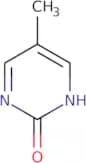
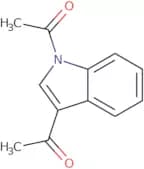
CAS:<p>5-Methylpyrimidin-2-ol is a photophysical, hydroxy group, and hydroxyl group. It has been shown to have an inhibitory effect on DNA methylation by glycosidic bond with the sugar moiety of the nucleotide. 5-Methylpyrimidin-2-ol reacts with the base moiety of the nucleotide to form an analog that inhibits RNA synthesis and is competitive against pyrimidine nucleosides. 5-Methylpyrimidin-2-ol also has a hydrogen bonding property that can react with other molecules such as proteins or sugars to form hydrogen bonds. This reaction rate is increased by fluorescence resonance energy transfer (FRET).</p>Fórmula:C5H6N2OPureza:Min. 95%Forma y color:PowderPeso molecular:110.11 g/mol1,3-Diacetylindole
CAS:<p>1,3-Diacetylindole is an alkene that belongs to the class of organic compounds. It can be prepared by Friedel-Crafts acylation of cyclopentenone with formaldehyde and hydrogen chloride gas. The molecule has a molecular electrostatic potential of -0.8 eV and a molecular weight of 126.1 g/mol. 1,3-Diacetylindole has been shown to react with Grignard reagent in an electrochemical study. Additionally, it has been used as a starting material for the synthesis of other molecules such as 2-methylquinoline and 1,2-dihydroquinoline. The vibrational and spectral data for 1,3-diacetylindole have been obtained using both experimental and computational methods. These data are useful for understanding the structure and reactivity of this compound at the molecular level.br>br> br>br></p>Fórmula:C12H11NO2Pureza:Min. 95%Peso molecular:201.22 g/mol1-Boc-4-methylpiperazine
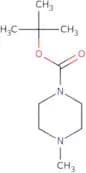
CAS:<p>1-Boc-4-methylpiperazine is an inhibitor of the enzyme hydrolase. It has been shown to have a dose-dependent effect on inflammatory pain and can be used for the treatment of neuropathic pain. 1-Boc-4-methylpiperazine also has potent inhibitory activity against fatty acid amide hydrolase (FAAH) and fatty acid amide hydrolase (FAAH). It is orally administered and has been shown to have analgesic effects in animal studies. 1-Boc-4-methylpiperazine also inhibits the enzymatic activity of other hydrolases, such as cyclooxygenase 2 (COX2) and acetylcholinesterase (AChE), which are involved in inflammation, pain, and memory.</p>Fórmula:C10H20N2O2Pureza:Min. 95%Forma y color:Clear LiquidPeso molecular:200.28 g/mol4,4'-Bis(bromomethyl)-2,2'-bipyridine
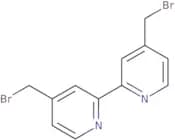
CAS:<p>4,4'-Bis(bromomethyl)-2,2'-bipyridine is a cyclic molecule that can be synthesized by the reaction of 4-bromo-2,2'-bipyridine with a brominating agent. It is used as a precursor to ruthenium catalysts in organic synthesis, and as an additive in dendrimers. The compound has been shown to have light absorption properties and can be used in photovoltaics and electropolymerization.</p>Fórmula:C12H10N2Br2Pureza:Min. 95%Forma y color:PowderPeso molecular:342.03 g/mol2-(2,2-dimethylpropanoyl)-3-(4-phenylpiperazinyl)prop-2-enenitrile
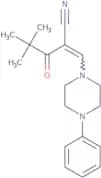
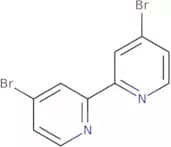
CAS:Please enquire for more information about 2-(2,2-dimethylpropanoyl)-3-(4-phenylpiperazinyl)prop-2-enenitrile including the price, delivery time and more detailed product information at the technical inquiry form on this pagePureza:Min. 95%4,4'-Dibromo-2,2'-bipyridine
CAS:<p>4,4'-Dibromo-2,2'-bipyridine is a nucleophilic compound that can react with a wide range of electrophiles. It has been used in medications as a thermally stable and non-toxic ligand for metal ions. 4,4'-Dibromo-2,2'-bipyridine is an efficient ligand for the coordination of many transition metals. This compound also has high values in light emission and is used in crystallography to study protein binding sites. The n-oxide form of 4,4'-dibromo-2,2'-bipyridine has biological properties that have not yet been studied.</p>Fórmula:C10H6Br2N2Pureza:Min. 97 Area-%Forma y color:PowderPeso molecular:313.98 g/mol6-Azaindole
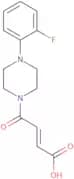
CAS:<p>6-Azaindole is a drug that inhibits the activity of the enzyme aromatase, which is responsible for the conversion of testosterone to estrogen. 6-Azaindole has shown potent inhibitory activity against cancer cells in vitro and in vivo. It also has an inhibitory effect on pain relief mechanisms at low doses, but not at high doses. The mechanism of action is complex and multifactorial; it may involve inhibition of proton transfer, receptor activity, and/or inhibition of nitrogen atoms. The synthesis of 6-azaindoles can be carried out using a variety of methods and starting materials, including asymmetric synthesis or reduction of an n-oxide moiety.</p>Fórmula:C7H6N2Pureza:Min. 95%Forma y color:PowderPeso molecular:118.14 g/mol3-((2-Fluorophenyl)piperazinylcarbamoyl)prop-2-enoic acid
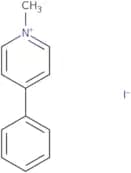
CAS:Producto controlado<p>Please enquire for more information about 3-((2-Fluorophenyl)piperazinylcarbamoyl)prop-2-enoic acid including the price, delivery time and more detailed product information at the technical inquiry form on this page</p>Fórmula:C14H15Fn2O3Pureza:Min. 80%Forma y color:PowderPeso molecular:278.29 g/molN-Methyl-4-phenylpyridinium iodide
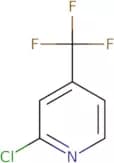
CAS:<p>N-Methyl-4-phenylpyridinium iodide is an experimental drug that has been shown to have a number of biological effects in vitro. These include the inhibition of dopamine uptake and mitochondrial membrane potential, leading to neuronal death. This drug also inhibits the uptake of gamma-aminobutyric acid (GABA) and the synthesis of tubule cells. N-Methyl-4-phenylpyridinium iodide has been shown to cause microglia cell activation by binding with the CB2 receptor on these cells. The compound also causes increased uptake of lithium ions into mitochondria, which leads to a reduction in mitochondrial membrane potential and subsequent neuronal death.</p>Fórmula:C12H12INPureza:Min. 95%Peso molecular:297.14 g/mol2-Chloro-4-(trifluoromethyl)pyridine
CAS:<p>2-Chloro-4-(trifluoromethyl)pyridine is a chemical compound that has been shown to have potential antitumor activity. It inhibits the activity of enzymes called non-nucleoside inhibitors of DNA polymerase, which are involved in the production of DNA. The inhibition of these enzymes by 2-chloro-4-(trifluoromethyl)pyridine results in cell death. This drug also inhibits the growth of bacteria and fungi by blocking their DNA synthesis. 2-Chloro-4-(trifluoromethyl)pyridine binds to the amine group on the enzyme's active site, thereby inhibiting its function and eventually killing it.</p>Fórmula:C6H3ClF3NPureza:Min. 97%Forma y color:Clear LiquidPeso molecular:181.54 g/mol4-Hydroxy-3-nitropyridine
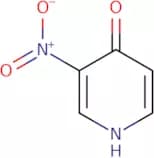
CAS:4-Hydroxy-3-nitropyridine is an organic chemical compound with the molecular formula CHNO. It has a structure that is composed of a nitro group bonded to a pyridine ring. 4-Hydroxy-3-nitropyridine can be found in wastewater and as a byproduct of the production of dyes, drugs, and explosives. It has been shown to react with primary amines to form nitrosamines. In its tautomeric form, 4-hydroxy-3-nitropyridine is more reactive and will react with chloride ions to form hydroxylamine. This reaction is used commercially for the synthesis of hydrazine and other products.Fórmula:C5H4N2O3Pureza:Min. 95%Forma y color:PowderPeso molecular:140.1 g/mol5-Bromo-2-hydrazinopyrimidine
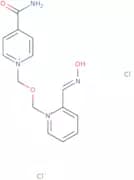
CAS:<p>5-Bromo-2-hydrazinopyrimidine is a heterocyclic compound with the chemical formula C5H4N3Br. It is used as reagent, high quality, and complex intermediate in fine chemicals, research chemicals, and speciality chemicals. It is also a versatile building block for many reactions in synthesis of other compounds.</p>Fórmula:C4H5BrN4Pureza:Min. 98 Area-%Peso molecular:189.01 g/molAsoxime chloride
CAS:<p>A Hagedorn oxime used in the treatment of organophosphate poisoning.</p>Fórmula:C14H16Cl2N4O3Pureza:Min. 95%Forma y color:PowderPeso molecular:359.21 g/mol2,4,5-Triamino-6-hydroxypyrimidine sulfate
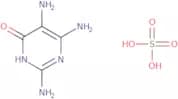
CAS:<p>2,4,5-Triamino-6-hydroxypyrimidine sulfate is a chemical compound that is a metabolite of the amino acid lysine. It is produced when lysine undergoes hydrolysis by enzymes and is converted to 2,4,5-triamino-6-hydroxypyrimidine sulfate by the addition of sulfate ions. This metabolite has been shown to have reactive properties and may play a role in mitochondrial dysfunction. 2,4,5-Triamino-6-hydroxypyrimidine sulfate has been used in binding experiments to measure the strength of protein interactions with other proteins or molecules. For example, it was used in experiments with dimethylformamide (DMF) to study the binding affinity of DMF with proteins such as cytochrome c oxidase. In these experiments, 2,4,5-triamino-6-hydroxypyrimidine sulfate was found to</p>Fórmula:C4H7N5O•H2SO4Pureza:Min. 95%Forma y color:PowderPeso molecular:239.21 g/mol1-trans-Cinnamyl-4-diphenylmethylpiperazine
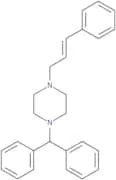
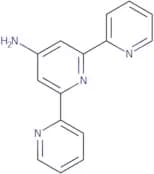
CAS:<p>Calcium channel blocker; piperazine derivative</p>Fórmula:C26H28N2Pureza:Min. 95%Forma y color:White PowderPeso molecular:368.51 g/mol4'-Amino-2,2':6',2''-terpyridine
CAS:<p>4'-Amino-2,2':6',2''-terpyridine is a fine chemical that can be used as a versatile building block in the synthesis of complex compounds. It has been shown to be useful in the synthesis of various research chemicals and reaction components, including pharmaceuticals and agrochemicals. 4'-Amino-2,2':6',2''-terpyridine is also a reagent for organic synthesis and can be used as a high-quality laboratory chemical.</p>Fórmula:C15H12N4Pureza:Min. 80%Forma y color:PowderPeso molecular:248.28 g/molDiacylglycerol kinase inhibitor II
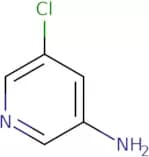
CAS:<p>Diacylglycerol kinase inhibitor II is a transcriptional regulator that inhibits diacylglycerol kinase. This inhibitor blocks the signaling pathways for growth factor-β1 by inhibiting the enzyme phosphatidic acid phosphatase, which plays an important role in cellular proliferation and migration. Diacylglycerol Kinase Inhibitor II has also been shown to inhibit cation channels and calcium release from intracellular stores. Diacylglycerol Kinase Inhibitor II binds to both cytosolic and nuclear proteins. It has been shown to inhibit cell proliferation and induce apoptosis in breast cancer cells.</p>Fórmula:C28H25F2N3OSPureza:Min. 97 Area-%Forma y color:PowderPeso molecular:489.58 g/mol5-Chloro-3-pyridinamine
CAS:<p>5-Chloro-3-pyridinamine is a catalyst that is used in the synthesis of polymers. It can be used in ring-opening polymerization reactions and is reactive with a variety of functional groups, including aliphatic and aromatic rings. 5-Chloro-3-pyridinamine also has high activity for ring opening polymerizations, which makes it an ideal choice for the synthesis of polymers. This catalyst can be used to control the molecular weight of polymers by dilution or by altering the amount of catalyst used. 5-Chloro-3-pyridinamine has been shown to be biocompatible and biodegradable, making it a good choice for biomedical applications.</p>Fórmula:C5H5ClN2Pureza:Min. 95%Forma y color:PowderPeso molecular:128.56 g/mol8-Hydroxy-2-methylquinoline-5-carboxylic acid hydrochloride
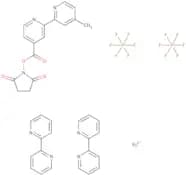
CAS:Please enquire for more information about 8-Hydroxy-2-methylquinoline-5-carboxylic acid hydrochloride including the price, delivery time and more detailed product information at the technical inquiry form on this pageFórmula:C11H9NO3•(HCl)xPureza:Min. 95%Peso molecular:203.19 g/molBis(2,2'-bipyridine)-4'-methyl-4-carboxybipyridine-ruthenium N-succinimidyl ester-bis(hexafluorophosphate)
CAS:<p>Bis(2,2'-bipyridine)-4'-methyl-4-carboxybipyridine-ruthenium N-succinimidyl ester-bis(hexafluorophosphate) is a molecule that inhibits the activity of matrix metalloproteinases. It binds to the active site of the enzyme and blocks its activity. This drug has been shown to be effective in inhibiting the activity of MMPs in cells, but not in tissue culture because it does not cross cell membranes. Bis(2,2'-bipyridine)-4'-methyl-4-carboxybipyridine-ruthenium N-succinimidyl ester-bis(hexafluorophosphate) has also been shown to have a low detection limit and can detect low levels of matrix metalloproteinase activity in cells.</p>Fórmula:C36H29F12N7O4P2RuPureza:Min. 95%Forma y color:PowderPeso molecular:1,014.66 g/molKisspeptin-234 trifluoroacetate
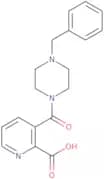
CAS:<p>Please enquire for more information about Kisspeptin-234 trifluoroacetate including the price, delivery time and more detailed product information at the technical inquiry form on this page</p>Fórmula:C63H78N18O13•(C2HF3O2)xPureza:Min. 95 Area-%Peso molecular:1,295.41 g/mol3-((4-Benzylpiperazinyl)carbonyl)pyridine-2-carboxylic acid
CAS:Producto controlado<p>Please enquire for more information about 3-((4-Benzylpiperazinyl)carbonyl)pyridine-2-carboxylic acid including the price, delivery time and more detailed product information at the technical inquiry form on this page</p>Fórmula:C18H19N3O3Pureza:Min. 95%Forma y color:PowderPeso molecular:325.36 g/mol2,6-Dichloro-7-deazapurine
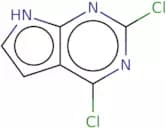
CAS:<p>Intermediate in the synthesis of tofacitinib</p>Fórmula:C6H3Cl2N3Pureza:Min. 95%Forma y color:Off-White PowderPeso molecular:188.02 g/molH-Imidazoleacetic acid
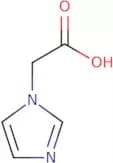
CAS:<p>H-Imidazoleacetic acid is a synthetic compound that can be used to produce other compounds. It is soluble in water and has a hydrophilic interaction with calcium carbonate. H-Imidazoleacetic acid may be recycled, as it is easily synthesized from ethyl bromoacetate by reaction with hydrochloric acid. This substance has shown anticancer activity and may be used to treat blood pressure. The chromatographic method for H-Imidazoleacetic acid involves the use of extracellular medium to remove the organic solvent, followed by reversed phase chromatography on an ion exchange column. H-Imidazoleacetic acid is soluble in water and has a hydrophilic interaction with calcium carbonate. It may be recycled, as it is easily synthesized from ethyl bromoacetate by reaction with hydrochloric acid. This substance has shown anticancer activity and may be used to treat blood pressure. The</p>Fórmula:C5H6N2O2Pureza:Min. 95%Forma y color:PowderPeso molecular:126.11 g/mol3,6-Dibromopyridazine
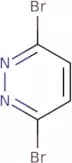
CAS:<p>3,6-Dibromopyridazine is a heterocyclic organic compound that can be used as an acceptor in electron transfer reactions. It can also be used for the synthesis of cinnolines. The uptake of 3,6-dibromopyridazine by plants has been studied using structural analysis and microscopy techniques. This molecule is also useful for kinetic studies due to its high concentration in trifluoroacetic acid. 3,6-Dibromopyridazine is a nitrogenous organic compound that contains two pyridine rings. Electron paramagnetic resonance (EPR) spectroscopy has shown that this molecule has photocatalytic activity.</p>Fórmula:C4H2Br2N2Pureza:Min. 95%Forma y color:White To Grey SolidPeso molecular:237.88 g/mol6-Carboxyindole
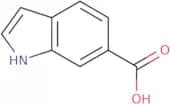
CAS:<p>6-Carboxyindole is an indole that binds to the IL-17A receptor, which leads to the production of pro-inflammatory cytokines. It has been shown to be involved in autoimmune diseases and other inflammatory conditions. 6-Carboxyindole can be used as a probe for studying the biology of IL-17A, by binding to it and inhibiting its effects. The chemical structure of 6-carboxyindole is also useful for diagnostic purposes, as it can bind to antibodies and antigens for detecting infectious diseases or other biological processes. 6-Carboxyindole can be used in the treatment of heart tissue by binding with monoclonal antibodies that are specific for cardiac proteins such as myosin light chain kinase.</p>Fórmula:C9H7NO2Pureza:Min. 95%Peso molecular:161.16 g/mol5-Bromo-2-chloro-3-methoxypyridine
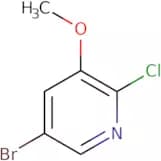
CAS:<p>5-Bromo-2-chloro-3-methoxypyridine is a kinase inhibitor that belongs to the class of compounds called analogues. This compound has been shown to be an efficient, selective and potent inhibitor of the csf1R protein kinase. 5-Bromo-2-chloro-3-methoxypyridine has also been shown to inhibit the activity of other kinases such as cdc2, cdk4, cdk6 and cdk7. The structure of this compound was used as a starting point in the development of a new class of kinase inhibitors.</p>Fórmula:C6H5BrClNOPureza:Min. 95%Forma y color:SolidPeso molecular:222.47 g/mol3-Amino-2-pyrazinecarboxylic acid methyl ester
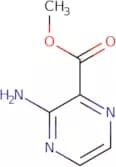
CAS:<p>3-Amino-2-pyrazinecarboxylic acid methyl ester (3APCME) is a potent anti-mycobacterial agent that inhibits the growth of Mycobacterium tuberculosis by inhibiting the synthesis of amines, which are necessary for its survival. 3APCME has also been shown to have an inhibitory effect on other bacteria that require amines for their survival, such as Escherichia coli. This agent binds to the receptor and inhibits the enzyme pyrazinase in the reaction of phenoxy with dimethylformamide. The molecular modeling studies show that 3APCME is able to bind to a hydrophobic region on the enzyme's surface and form a covalent bond through nucleophilic attack. The asymmetric synthesis results in the production of one enantiomer of 3APCME and allows for greater efficacy against mycobacteria than other agents.</p>Fórmula:C6H7N3O2Pureza:Min. 95%Forma y color:PowderPeso molecular:153.14 g/mol2,6-Dichloro-3-fluoropyridine
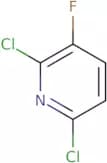
CAS:<p>2,6-Dichloro-3-fluoropyridine is a synthetic organic chemical that can be used as a diazo compound in the synthesis of heterocycles. It is used in industrial applications for the production of nitrobenzene, an intermediate for the synthesis of pharmaceuticals. The reaction time and yield are high, and the selectivity is good. 2,6-Dichloro-3-fluoropyridine can be synthesized by reacting sodium nitrite with piperidine and acidifying with hydrochloric acid. This chemical is mainly used as an industrial intermediate to produce nitrobenzene.</p>Fórmula:C5H2Cl2FNPureza:(%) Min. 95%Forma y color:PowderPeso molecular:165.98 g/mol(2-Amino-6-methylpyrimidin-4-ylthio)(diethylamino)methane-1-thione
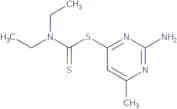
CAS:<p>Please enquire for more information about (2-Amino-6-methylpyrimidin-4-ylthio)(diethylamino)methane-1-thione including the price, delivery time and more detailed product information at the technical inquiry form on this page</p>Fórmula:C10H16N4S2Pureza:Min. 95%Forma y color:PowderPeso molecular:256.39 g/molN-[6-Chloro-5-(2-methoxyphenoxy)-(2,2-bipyrimidine)4-4-yl]-(1,1-dimethylethyl)-benzenesulfonamide
CAS:<p>N-[6-Chloro-5-(2-methoxyphenoxy)-(2,2-bipyrimidine)4-4-yl]-(1,1-dimethylethyl)-benzenesulfonamide is a reagent that can be used as a reaction component in the synthesis of complex compounds. It has high quality and is a versatile building block for the synthesis of speciality chemicals. N-[6-Chloro-5-(2-methoxyphenoxy)-(2,2-bipyrimidine)4-4-yl]-(1,1-dimethylethyl)-benzenesulfonamide is also a useful intermediate in the synthesis of fine chemicals.</p>Fórmula:C25H24ClN5O4SPureza:Min. 95%Forma y color:White PowderPeso molecular:526.01 g/mol



![11-Piperazinyldibenzo[b,e][1,4]diazepine](/_next/image/?url=https%3A%2Fstatic.cymitquimica.com%2Fproducts%2F3D%2Fthumb-webp%2FFP76915.webp&w=3840&q=75)
![7,8-Dimethoxy-9-oxo-9H-indeno[1,2-B]pyrazine-2,3-dicarbonitrile](/_next/image/?url=https%3A%2Fstatic.cymitquimica.com%2Fproducts%2F3D%2Fthumb-webp%2FFD64927.webp&w=3840&q=75)


![1-[4-Methyl-6-(trifluoromethyl)pyrimidin-2-yl]piperidine-3-carboxylic acid](/_next/image/?url=https%3A%2Fstatic.cymitquimica.com%2Fproducts%2F3D%2Fthumb-webp%2FFM129640.webp&w=3840&q=75)

![4-[(Pyridine-3-carbonyl)amino]butyric acid](/_next/image/?url=https%3A%2Fstatic.cymitquimica.com%2Fproducts%2F3D%2Fthumb-webp%2FFP15522.webp&w=3840&q=75)

![2-(2-Butyl)-4-{4-[4-(4-methyloxy-phenyl)-piperazin-1-yl]-phenyl}-2,4-dihydro-[1,2,4]-triazol-3-one](/_next/image/?url=https%3A%2Fstatic.cymitquimica.com%2Fproducts%2F3D%2Fthumb-webp%2FFB19470.webp&w=3840&q=75)
![6-Acetyl-7-methylpyrazolo[1,5-α]pyrimidine-3-carboxylic acid](/_next/image/?url=https%3A%2Fstatic.cymitquimica.com%2Fproducts%2F3D%2Fthumb-webp%2FFA119841.webp&w=3840&q=75)
![1-Methyl-3-[3-methyl-4-[4-[(trifluoromethyl)sulfonyl]phenoxy]phenyl]-1,3,5-triazine-2,4,6(1H,3H,5H…](/_next/image/?url=https%3A%2Fstatic.cymitquimica.com%2Fproducts%2F3D%2Fthumb-webp%2FFM27105.webp&w=3840&q=75)
![Dipyrazino[2,3-f:2',3'-h]quinoxaline-2,3,6,7,10,11-hexacarbonitrile](/_next/image/?url=https%3A%2Fstatic.cymitquimica.com%2Fproducts%2F3D%2Fthumb-webp%2FFD42747.webp&w=3840&q=75)



![Pyrazolo[1,5-a]pyrimidine-3-carboxylic acid](/_next/image/?url=https%3A%2Fstatic.cymitquimica.com%2Fproducts%2F3D%2Fthumb-webp%2FFP16388.webp&w=3840&q=75)





![N-[6-Chloro-5-(2-methoxyphenoxy)-(2,2-bipyrimidine)4-4-yl]-(1,1-dimethylethyl)-benzenesulfonamide](/_next/image/?url=https%3A%2Fstatic.cymitquimica.com%2Fproducts%2F3D%2Fthumb-webp%2FFC20113.webp&w=3840&q=75)