Heterociclos con nitrógeno (N)
En esta categoría, encontrará una amplia variedad de heterociclos que contienen nitrógeno. Los heterociclos son cadenas de carbono que forman un ciclo en el cual al menos una posición está ocupada por un heteroátomo, en este caso, nitrógeno. Estos compuestos son esenciales en la síntesis de productos farmacéuticos, agroquímicos y colorantes, ofreciendo una reactividad y estabilidad únicas. En CymitQuimica, ofrecemos una selección completa de heterociclos que contienen nitrógeno de alta calidad para apoyar sus investigaciones y aplicaciones industriales.
Subcategorías de "Heterociclos con nitrógeno (N)"
- Azepano(434 productos)
- Benzotriazoles(436 productos)
- Diazepanes(331 productos)
- Imidazoles(4.011 productos)
- Imidazolinas(385 productos)
- Isoxazol(1.077 productos)
- Piperazinas(3.736 productos)
- Piperidinas(8.406 productos)
- Pirazinas(1.299 productos)
- Pirazol(5.921 productos)
- Pirazolidina(21 productos)
- Pirazolina(142 productos)
- Piridazina(856 productos)
- Piridinas(21.917 productos)
- Pirimidina(6.041 productos)
- Pirrol(2.443 productos)
- Pirrolidinas(5.816 productos)
- Pirrolina(48 productos)
- Pirrolo [1,2-b] piridazina(10 productos)
- Tetrazol(510 productos)
- Triazinas(462 productos)
- Triazoles(1.680 productos)
Mostrar 14 subcategorías más
Se han encontrado 17855 productos de "Heterociclos con nitrógeno (N)"
Ordenar por
Pureza (%)
0
100
|
0
|
50
|
90
|
95
|
100
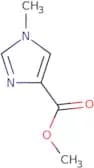
1-Methyl-1H-imidazole-4-carboxylic acid methyl ester
CAS:<p>1-Methyl-1H-imidazole-4-carboxylic acid methyl ester is a carboxylic acid that is aniline derivative with the chemical formula C6H5NCH2COOH. It is soluble in water, ethanol and acetone. 1-Methyl-1H-imidazole-4-carboxylic acid methyl ester hydrolyzes to form aniline and methanol. The reflux of 1-methyl imidazole can produce the same products as well as formaldehyde and hydrogen cyanide.</p>Fórmula:C6H8N2O2Pureza:Min. 95%Forma y color:PowderPeso molecular:140.14 g/mol5-Methyl-2-phenyl-1H-imidazole-4-carboxylic acid
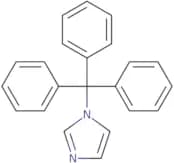
CAS:<p>5-Methyl-2-phenyl-1H-imidazole-4-carboxylic acid (MPICA) is a potent inhibitor of xanthine oxidase. It is also an inhibitor of β-glucuronidase and enzymes that maintain the integrity of bacterial DNA. MPICA has been shown to inhibit xanthine oxidase in a dose dependent manner and can be used as a lead compound for new inhibitors of this enzyme.</p>Fórmula:C11H10N2O2Pureza:Min. 95%Forma y color:White PowderPeso molecular:202.21 g/molN-Tritylimidazole
CAS:<p>N-tritylimidazole is a palladium complex that was designed as an inhibitor of glycosidases. It binds to the active site of these enzymes and inhibits their function. N-tritylimidazole has been shown to inhibit the growth of Gram-positive bacteria, such as Staphylococcus aureus, by preventing the production of extracellular polysaccharides. This compound also binds to κ-opioid receptors in the brain and has been shown to block pain transmission. N-tritylimidazole can be synthesized using a cross-coupling reaction with phenylboronic acid and chloroiodomethane, which requires hydrochloric acid as a catalyst.</p>Fórmula:C22H18N2Pureza:Min. 95%Forma y color:White PowderPeso molecular:310.39 g/molN-Phenyl-2,4,6-triphenyl pyridinium tetrafluoroborate
CAS:<p>N-Phenyl-2,4,6-triphenyl pyridinium tetrafluoroborate is a crystalline material that is insoluble in water and organic solvents. It can be used as a monomer in the synthesis of polymers and for immobilization of enzymes. N-Phenyl-2,4,6-triphenyl pyridinium tetrafluoroborate can be used to reprocess technetium and has been shown to diffract x-rays with high resolution. This compound is also fluorescent with a long wavelength (620 nm) and can be used as a radioactive tracer.</p>Fórmula:C29H22N·BF4Pureza:Min. 95%Peso molecular:471.3 g/mol3-Chloro-5-(trifluoromethyl)pyridine-2-carboxylic acid
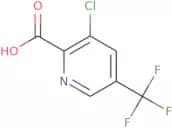
CAS:<p>The compound 3-Chloro-5-(trifluoromethyl)pyridine-2-carboxylic acid is a synthetic intermediate that has been used in the synthesis of amides with high analytical quality. It is also an important reagent for the synthesis of many pharmaceuticals and agrochemicals. In addition, 3-chloro-5-(trifluoromethyl)pyridine-2-carboxylic acid has been shown to have dose dependent phytotoxic effects and causes plant growth inhibition.</p>Fórmula:C7H3ClF3NO2Pureza:Min. 95%Forma y color:White PowderPeso molecular:225.55 g/mol4,4'-Bis(ethoxycarbonyl)-2,2'-bipyridine
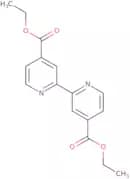
CAS:<p>4,4'-Bis(ethoxycarbonyl)-2,2'-bipyridine (BEBCP) is a dithiolate chromophore. BEBCP has a redox potential of 1.3 volts and the electronic interaction of the carbonyl groups with the electron cloud of the bipyridine nucleus is responsible for this property. The photochemical properties of BEBCP can be systematically studied by using electrochemical data such as voltammetry and cyclic voltammetry. These methods are useful in determining the nature and constant of BEBCP as well as its interaction with ligands.</p>Fórmula:C16H16N2O4Pureza:Min. 95%Forma y color:PowderPeso molecular:300.31 g/mol2-Aminomethyl-3-chloropyrazine
CAS:<p>2-Aminomethyl-3-chloropyrazine is a potent inhibitor of the tyrosine kinase, which is an enzyme that controls the transmission of signals from outside the cell to inside. It inhibits collagen production by cells, thereby preventing cancer formation. 2-Aminomethyl-3-chloropyrazine has been shown to inhibit tumor growth in mice and rats. This drug also inhibits the activity of certain enzymes, including piperidine oxidase and xanthine oxidase, which are involved in the production of reactive oxygen species that can cause cancer. The drug's selectivity for tumor cells makes it a potential candidate for treating cancer.</p>Fórmula:C5H5ClN3Pureza:Min. 95%Peso molecular:143.58 g/mol6-Bromo-7-azaindole
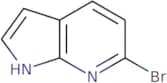
CAS:<p>6-Bromo-7-azaindole is a homologous molecule. It is an electron deficient compound with a piperidine moiety at the 6 position and a nitrogen atom at the 7 position. The nitrogen atom substitutes for an oxygen atom, making this molecule reactive. The electron deficient nature of this molecule makes it suitable for use in transistors and other physicochemical devices. 6-Bromo-7-azaindole has been shown to be effective against carcinoma cells in vitro, as well as to inhibit tumor growth in vivo. This drug also causes homologous recombination by interacting with DNA in mammalian cells. 6-Bromo-7-azaindole binds to DNA, forming a covalent bond with the guanine base of DNA through the nitrogen atom, which is electron deficient.</p>Fórmula:C7H5BrN2Pureza:Min. 95%Forma y color:Off-White To Beige To Yellow SolidPeso molecular:197.03 g/mol4-Methoxy-3-nitropyridine
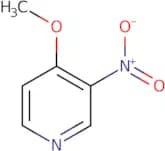
CAS:<p>4-Methoxy-3-nitropyridine (4MNOP) is an organic compound that is a white solid at room temperature. 4MNOP has been shown to interact with alkali metals and can be used in the preparation of emulsifying agents. It also has been found to have pharmacokinetic properties, including a low molecular weight, good solubility in water, and a high degree of absorption. The imidazopyridine ring system is susceptible to reductive amination reactions, which may lead to the formation of amine or surfactant residues.</p>Fórmula:C6H6N2O3Pureza:Min. 95%Forma y color:PowderPeso molecular:154.13 g/mol4-(2-Aminoanilino)pyridine
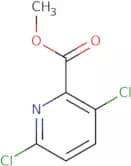
CAS:<p>4-(2-Aminoanilino)pyridine is a pyridine that has been shown to be an impurity in the acid salt of 4-(2-aminophenyl)pyridine. It is an acidified impurity that can form when the pyridine reacts with hydrochloric acid or sulfuric acid.</p>Fórmula:C11H11N3Pureza:Min. 95%Forma y color:PowderPeso molecular:185.23 g/molMethyl 3,6-dichloropyridine-2-carboxylate
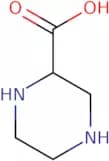
CAS:<p>Methyl 3,6-dichloropyridine-2-carboxylate is a nitro compound that is used as a transport inhibitor. It has been shown to inhibit the transport of some organic compounds in h9c2 cells by binding to the active site of ATP synthase, which is required for energy production. Methyl 3,6-dichloropyridine-2-carboxylate has also been shown to modulate physiological effects in mice, such as modulating the activity of enzymes involved in fatty acid synthesis. This compound is synthetically derived from anthranilic acid and dichlorprop with oxadiazole as a starting material.</p>Fórmula:C7H5Cl2NO2Pureza:Min. 95%Forma y color:PowderPeso molecular:206.03 g/molPiperazine-2-carboxylic acid
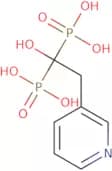
CAS:<p>Piperazine-2-carboxylic acid is an amide that is a precursor to glutamate, ethylene diamine, and piperazine. It has been shown to be an enantiomer of piperazine. Piperazine-2-carboxylic acid is used in the production of various pharmaceuticals, including anticonvulsants and antiparasitic drugs. It is also used as a biochemical reagent for kinetic studies and as an orally administered drug for the treatment of inorganic acidosis.</p>Fórmula:C5H10N2O2Pureza:Min. 95%Forma y color:White PowderPeso molecular:130.15 g/molRisedronic acid monohydrate
CAS:<p>Risedronic acid monohydrate is a bisphosphonate that inhibits bone resorption by inhibiting the activity of osteoclasts. It is used to treat postmenopausal women with osteoporosis and bowel disease, as well as to prevent bone loss in men with prostate cancer. Risedronic acid monohydrate has been shown to be more effective than alendronate for decreasing bone mineral density in women with breast cancer who have undergone chemotherapy. Risedronic acid monohydrate binds to the active site of the enzyme polymerase chain reaction (PCR) and blocks DNA synthesis, preventing the formation of new cells. Risedronic acid monerate also binds to the active site of nonsteroidal anti-inflammatory drugs (NSAIDs), thereby blocking their ability to inhibit cyclooxygenase enzymes, which are responsible for prostaglandin synthesis. This leads to reduced inflammation and pain.</p>Fórmula:C7H11NO7P2·H2OPureza:Min. 95%Forma y color:White PowderPeso molecular:301.13 g/mol3-Cyano-2-hydroxypyridine
CAS:<p>3-Cyano-2-hydroxypyridine is an inhibitor of the noradrenaline transporter, which is a type of l-type calcium channel. 3-Cyano-2-hydroxypyridine has been shown to be a potent inhibitor of the noradrenaline transporter. It inhibits the binding of neurotransmitters to their receptors by blocking active methylene sites on the transporter molecule. This drug also has a cavity that can accommodate bulky inhibitor molecules, making it more difficult for these inhibitors to bind to the active site and compete with neurotransmitters for uptake. 3Cyano-2-hydroxypyridine also inhibits nitric oxide synthase, which may provide anti-tumor activity as well as inhibit tumor cell growth. The inhibitory effect of this drug is due to structural studies that have revealed hydrogen bonding interactions with the drug's nitrogen and oxygen atoms.</p>Fórmula:C6H4N2OPureza:Min. 95%Forma y color:Yellow To Brown SolidPeso molecular:120.11 g/mol2,6-Pyridinedicarboxylic acid dimethyl ester
CAS:<p>2,6-Pyridinedicarboxylic acid dimethyl ester is a drug that has shown anticancer activity in animal models. It binds to DNA, forming a ternary complex with the DNA and the enzyme topoisomerase I. The binding of this drug to the enzyme prevents it from breaking the DNA strands during replication, causing the cell to die. It has been shown that 2,6-pyridinedicarboxylic acid dimethyl ester can be used as a non-competitive inhibitor of topoisomerase I. Furthermore, it has been demonstrated that 2,6-pyridinedicarboxylic acid dimethyl ester is able to bind to human endometrial cancer cells with high affinity. Finally, 2,6-pyridinedicarboxylic acid dimethyl ester was found in x-ray crystal structures of complexes with hydrogen bonds and low activation enthalpy and entropy.</p>Fórmula:C9H9NO4Pureza:Min. 95%Forma y color:White PowderPeso molecular:195.17 g/mol2-[2-[4-[Bis(4-fluorophenyl)methyl]piperazin-1-yl]ethoxy]acetic acid HCl
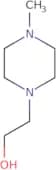
CAS:<p>2-[2-[4-[Bis(4-fluorophenyl)methyl]piperazin-1-yl]ethoxy]acetic acid HCl (BAY-85788) is a drug which acts as a histamine receptor antagonist. It has been shown to be effective in the treatment of idiopathic urticaria. BAY-85788 has also been found to have less potential for drug interactions than other histamine receptor antagonists, and does not cause an increase in blood pressure, unlike other compounds with this activity. This compound is metabolized by cytochrome P450 enzymes and does not contain nitrogen atoms or heterocyclic rings. Experimental studies have shown that orally administered BAY-85788 is absorbed from the GI tract and eliminated unchanged in urine. Studies have also shown that BAY-85788 is active against inflammatory diseases such as atopic dermatitis, asthma, and chronic obstructive pulmonary disease (COPD</p>Fórmula:C21H24F2N2O3·xHClPureza:Min. 95%Forma y color:PowderPeso molecular:390.42 g/mol1-(2-Hydroxyethyl)-4-methylpiperazine
CAS:<p>1-(2-Hydroxyethyl)-4-methylpiperazine is an organic compound with the formula CHN(CHOH)CHNH. It is a colorless, viscous liquid that is soluble in water and has a pungent odor. The chemical is used as a viscosity control agent and as an intermediate in the manufacture of other chemicals. 1-(2-Hydroxyethyl)-4-methylpiperazine can be synthesized by the reaction of ethylene oxide with amines, or by quaternization of diethanolamine with chloroethane. 1-(2-Hydroxyethyl)-4-methylpiperazine is used in industrial applications such as in ion exchange resins and to control the viscosity of drilling fluids. It has been detected at low levels in surface waters and soils, where it may be derived from wastewater treatment plants or atmospheric deposition.</p>Fórmula:C7H16N2OPureza:Min. 95%Forma y color:PowderPeso molecular:144.21 g/mol2-(4-Benzylpiperidin-1-yl)ethanamine
CAS:<p>2-(4-Benzylpiperidin-1-yl)ethanamine is a fine chemical that is useful for the preparation of versatile building blocks. This compound is an intermediate in the synthesis of a variety of compounds, including research chemicals and speciality chemicals. It has been used as a reaction component in the synthesis of complex compounds with high quality. 2-(4-Benzylpiperidin-1-yl)ethanamine is also a reagent that can be used to synthesize amines and amides. CAS No. 25842-32-4</p>Fórmula:C14H22N2Pureza:Min. 95%Forma y color:LiquidPeso molecular:218.34 g/mol2-Nitroimidazole
CAS:<p>2-Nitroimidazole is a compound that has been shown to have significant cytotoxicity against tumor cells. It is also an anti-cancer drug with a matrix effect on solid tumours, and has been shown to inhibit the synthesis of DNA, RNA, and proteins in vitro. 2-Nitroimidazole is also active against infectious diseases such as HIV, herpes simplex virus type 1, and influenza A virus. The biological properties of this compound are currently being studied by analytical methods such as LC/MS and HPLC/UV.</p>Fórmula:C3H3N3O2Pureza:Min. 95%Forma y color:PowderPeso molecular:113.07 g/mol[1-(3-Methylpyridin-2-yl)ethyl]amine
CAS:<p>1-(3-Methylpyridin-2-yl)ethyl]amine is a fine chemical that is a useful building block for research chemicals, reagents and speciality chemicals. It is used as a reaction component and as an intermediate in the synthesis of various complex compounds. 1-(3-Methylpyridin-2-yl)ethyl]amine is also versatile and can be used as a scaffold in organic synthesis.</p>Fórmula:C8H12N2Pureza:Min. 95%Forma y color:Colorless PowderPeso molecular:136.19 g/molIsoquinoline
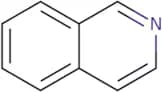
CAS:<p>Isoquinoline is a heterocyclic organic compound that can be synthesized by the asymmetric addition of hydrochloric acid to an isoquinol. It has been shown to inhibit the enzyme DPP-IV, which is involved in the degradation of glucagon-like peptide-1 (GLP-1). Isoquinoline is also a potent antagonist of the NMDA receptor, and has been shown to have anti-inflammatory properties in HLA-60 cells. This drug is soluble in organic solvents and forms crystalline polymorphs. Isoquinoline has been used in polymerase chain reactions as a hydrogen bond donor.</p>Fórmula:C9H7NPureza:Min. 95%Forma y color:PowderPeso molecular:129.16 g/mol3-(2-Thienyl)pyridine
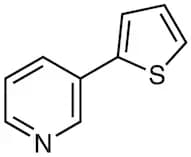
CAS:Fórmula:C9H7NSPureza:>98.0%(GC)Forma y color:White to Yellow to Green clear liquidPeso molecular:161.222,6-Dimethyl-1,4-diphenylpyridinium tetrafluoroborate
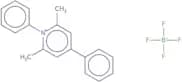
CAS:<p>2,6-Dimethyl-1,4-diphenylpyridinium tetrafluoroborate is a high quality reagent that can be used as a useful intermediate in the synthesis of fine chemicals. It is used as an important building block in the synthesis of many organic compounds and is also an important reaction component. This compound has a wide range of uses and can be used as a versatile building block in organic synthesis or as a speciality chemical for research purposes.</p>Fórmula:C19H18N·BF4Pureza:Min. 95%Peso molecular:347.16 g/mol2-Bromo-3-methoxypyrazine
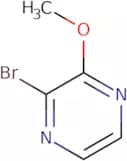
CAS:<p>2-Bromo-3-methoxypyrazine is a chemical compound that is used as a precursor in the biosynthesis of geosmin. Geosmin, also known as 2-methylisoborneol or 2-MIB, is a volatile organic compound which has a musty or earthy smell. It is produced by some species of bacteria, including Myxobacterium and Chondromyces crocatus. It can be found in soil and water samples from areas with high levels of organic matter. 2-Bromo-3-methoxypyrazine was first isolated from cultures of M. crocatus in 1950. It can be synthesized from 3,4,5-trimethoxybenzaldehyde via bromination followed by reduction with sodium hydrosulfide. This process creates an intermediate called 2-(2'-bromoethyl)pyrazine, which undergoes methylation to create 2</p>Fórmula:C5H5BrN2OPureza:Min. 95%Forma y color:White Off-White PowderPeso molecular:189.01 g/mol2,4,6-Triaminopyrimidine
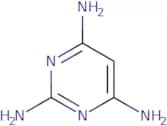
CAS:<p>2,4,6-Triaminopyrimidine is an organic compound that can be found in a variety of sources. It is used as a research chemical and has shown to have anti-inflammatory properties in the rat kidney. This compound has been shown to bind with nucleobases and form hydrogen bonds with glycosidic bonds. 2,4,6-Triaminopyrimidine has also been shown to be a ligand for affinity chromatography.</p>Fórmula:C4H7N5Pureza:Min. 95%Forma y color:Off-White To Yellow SolidPeso molecular:125.07015Methyl piperidine-3-carboxylate
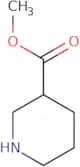
CAS:<p>Methyl piperidine-3-carboxylate (PMP) is a potent inhibitor of the enzyme ido1, which is involved in the metabolism of tryptophan to serotonin. It was synthesized by reacting methyl piperidine-3-carboxylate with 3 equivalents of 1,2-propanediol and 2 equivalents of potassium carbonate in an aqueous solution at room temperature for 2 hours. This reaction yields PMP as a white solid that can be characterized by nuclear magnetic resonance spectroscopy and thin layer chromatography. PMP has been shown to inhibit the enzymatic activity of ido1 and may be useful in the treatment of neurodegenerative diseases because it inhibits the production of serotonin.</p>Fórmula:C7H13NO2Pureza:Min. 95%Forma y color:PowderPeso molecular:143.18 g/mol2-Cyano-1,5-dimethylpyrrole
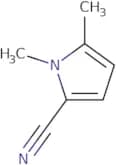
CAS:<p>2-Cyano-1,5-dimethylpyrrole is a quinone antibiotic. It has been shown to have antibacterial activity against organisms such as Staphylococcus, Streptococcus, and Pyogenes. This chemical has been shown to be active in the gaseous phase and against test organisms in alcohol extracts. 2-Cyano-1,5-dimethylpyrrole also exhibits flavonoid and saponin properties that may contribute to its antimicrobial activity.</p>Fórmula:C7H8N2Pureza:Min. 95%Forma y color:PowderPeso molecular:120.15 g/mol2-Amino-5-bromo-3-iodopyridine
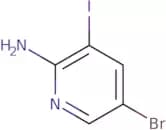
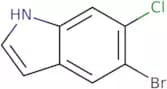
CAS:<p>2-Amino-5-bromo-3-iodopyridine (2AB3IP) is a cacchi anthelmintic that is active against the trophozoites of Giardia lamblia. 2AB3IP also has antimicrobial properties, but is not active against bacteria. The high lipophilicity and pharmacokinetic properties of this drug make it a potential therapeutic candidate for the treatment of giardiasis. The mechanism of action of 2AB3IP is mediated by potassium t-butoxide, which activates the drug to form its reactive intermediate. This intermediate reacts with DNA in the parasite to form covalent adducts. This process leads to inhibition of RNA synthesis and subsequent cell death.</p>Fórmula:C5H4BrIN2Pureza:Min. 95%Forma y color:White to tan solid.Peso molecular:298.9 g/mol5-Bromo-6-chloro-1H-indole
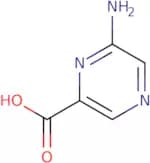
CAS:<p>5-Bromo-6-chloro-1H-indole is a fine chemical that is used as a building block for research chemicals, reagents, and speciality chemicals. It is soluble in chloroform and benzene, but insoluble in water. This product can be used as a reaction component or a useful intermediate in the production of complex compounds. 5-Bromo-6-chloro-1H-indole has been reported to be an effective scaffold for the synthesis of many novel compounds with potential applications such as pharmaceuticals, agrochemicals, and dyes.</p>Fórmula:C8H5BrClNPureza:Min. 95%Forma y color:PowderPeso molecular:230.49 g/mol6-Amino-2-pyrazinecarboxylic acid
CAS:<p>6-Amino-2-pyrazinecarboxylic acid is a high quality reagent that is used as an intermediate for the synthesis of complex compounds. It is also a useful scaffold for the production of valuable speciality chemicals. This chemical is also used as a reaction component in research and development to produce versatile building blocks. 6-Amino-2-pyrazinecarboxylic acid has been shown to be useful for producing fine chemicals and speciality chemicals, which are often used in many industries.</p>Fórmula:C5H5N3O2Pureza:Min. 95%Forma y color:Yellow To Brown SolidPeso molecular:139.11 g/mol[2-(6-Methylpyridin-2-yl)ethyl]amine
CAS:<p>2-(6-Methylpyridin-2-yl)ethyl]amine is a reagent that is used as a building block for the synthesis of heterocycles. It is used in the preparation of various complex compounds, such as 2-(6-methylpyridin-2-yl)ethylamine hydrochloride, 2-(6-methylpyridin-2-yl)ethylamine hydrobromide, and 2-[(6-methylpyridin-2-yl)ethyl]amine hydrochloride. This chemical can be used as an intermediate in the synthesis of fine chemicals or speciality chemicals. It has CAS No. 19363-94-1 and is an important research chemical with versatile uses in organic synthesis reactions.</p>Fórmula:C8H12N2Pureza:Min. 95%Forma y color:Colourless LiquidPeso molecular:136.19 g/moltrans-4-Propyl-L-proline
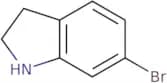
CAS:<p>Please enquire for more information about trans-4-Propyl-L-proline including the price, delivery time and more detailed product information at the technical inquiry form on this page</p>Fórmula:C8H15NO2Pureza:Min. 95%Peso molecular:157.21 g/mol6-Bromo-2,3-dihydro-1H-indole
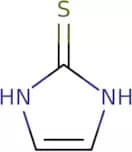
CAS:<p>6-Bromo-2,3-dihydro-1H-indole is a natural product that has been shown to inhibit cancer cell growth in vitro. In the presence of 6-bromoindole, cells are unable to proliferate and undergo apoptosis. This compound also shows anti-cancer activity against human leukemia cells. The mechanism of action for this molecule is not yet known but may be related to its ability to activate the caspase enzyme family or its ability to bind to DNA. 6-Bromoindole has been shown to have anti-inflammatory properties through inhibition of prostaglandin synthesis in animal models.</p>Fórmula:C8H8BrNPureza:Min. 95%Forma y color:Off-White PowderPeso molecular:198.06 g/mol2-Mercapto-1H-imidazole
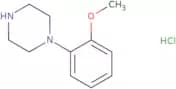
CAS:<p>2-Mercapto-1H-imidazole is an irreversible inhibitor of xanthine oxidase. It binds to the nitrogen atoms of the enzyme's active site and forms a strong hydrogen bond with the oxygen atom of the xanthine substrate. The steric interactions between 2-mercapto-1H-imidazole and the substrate prevent binding and catalysis. The crystal structures of 2-mercapto-1H-imidazole in complex with xanthine oxidase have been determined using X-ray crystallography. FTIR spectroscopy has shown that 2-mercapto-1H-imidazole coordinates in a geometry similar to that of the reactant, hydrochloric acid. Electrochemical impedance spectroscopy (EIS) has revealed that proton transfer takes place when 2-mercapto-1H imidazole binds to xanthine oxidase, which is consistent with reaction mechanism involving elect</p>Fórmula:C3H4N2SPureza:Min. 95%Forma y color:PowderPeso molecular:100.14 g/mol1-(2-Methoxyphenyl)piperazine hydrochloride
CAS:Producto controlado<p>1-(2-Methoxyphenyl)piperazine hydrochloride is a drug that belongs to the class of sulfonamides. It is used in the treatment of bacterial infections, especially those caused by methicillin-resistant Staphylococcus aureus (MRSA). The use of 1-(2-Methoxyphenyl)piperazine hydrochloride has been shown to be effective in reducing the symptoms of depression and anxiety and may be useful in the treatment of Parkinson's disease. The drug binds to 5-HT7 receptors, which are expressed on serotonergic neurons, leading to increased levels of serotonin and dopamine. This effect on serotonin receptors may lead to an increase in appetite and weight gain. 1-(2-Methoxyphenyl)piperazine hydrochloride also blocks the multidrug efflux pump, which is responsible for pumping out drugs from cells. This leads to an increase in intracellular concentrations of</p>Fórmula:C11H16N2OHClPureza:Min. 96.5 Area-%Forma y color:White PowderPeso molecular:228.72 g/mol2-Benzylaminopyridine
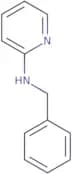
CAS:<p>2-Benzylaminopyridine is a hydrogen bond donor that interacts with anions. This compound has been shown to be bactericidal and able to inhibit the activity of tyrosine kinase. It was also found to have functional theory properties. 2-Benzylaminopyridine is a ligand for coordination chemistry, which is used in supramolecular chemistry. The constant of this compound is high, making it useful as a starting material in the synthesis of other compounds. The imidazole derivatives of 2-benzylaminopyridine are chloride, which can be used as a ligand for interaction chemistry and dichroism spectroscopy.</p>Fórmula:C12H12N2Pureza:Min. 98 Area-%Forma y color:Yellow PowderPeso molecular:184.24 g/mol7-(Trifluoromethyl)1H-indole-2,3-dione
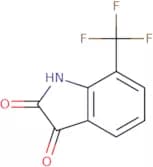
CAS:<p>Trifluoromethyl-substituted 7-(trifluoromethyl)1H-indole-2,3-dione is a trifluoromethyl analogue of indole-2,3-dione that has been shown to have antimalarial activity. It has been shown to be active against plasmodium and cancer cells in vitro. Trifluoromethyl group can be replaced by other substituents such as methoxy, ethoxy, or nitro groups. The compound has centrosymmetric structures and an elemental composition of C8H4F3N.</p>Fórmula:C9H4F3NO2Pureza:Min. 95%Forma y color:PowderPeso molecular:215.13 g/mol2-(Hydroxymethyl)pyridine
CAS:<p>2-(Hydroxymethyl)pyridine is a metal chelate that has been shown to be a potent inhibitor of picolinic acid amidohydrolase. This enzyme is responsible for the conversion of picolinic acid to nicotinamide adenine dinucleotide (NAD), which is a cofactor in the citric acid cycle. The 2-(hydroxymethyl)pyridine-picolinic acid complex inhibits the activity of this enzyme, blocking the conversion of NAD into nicotinamide adenine dinucleotide phosphate (NADP). This inhibition leads to higher levels of NAD and lower levels of NADP, which may lead to an increase in metabolic activity by increasing the availability of ATP. 2-(Hydroxymethyl)pyridine has been shown to have immunosuppressive properties, as well as anti-inflammatory properties. It also has been shown to be effective against bowel disease and infectious diseases.</p>Fórmula:C6H7NOPureza:Min. 95%Forma y color:Clear LiquidPeso molecular:109.13 g/mol2-Methylimidazole
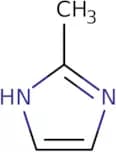
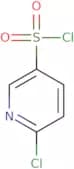
CAS:<p>2-Methylimidazole is a crystalline solid that has been used in the preparation of coordination compounds. The compound is prepared by reacting 2-methylimidazole with an appropriate metal cyanide, such as copper cyanide or nickel cyanide. The crystal structure of 2-methylimidazole shows strong hydrogen bonding interaction between the nitrogen atoms and the carboxylate groups. This compound has been used in clinical pathology to detect increased levels of ammonia, uric acid, and lactic acid in the blood. 2-Methylimidazole is not toxic to humans but has shown some toxicity to mice when injected intravenously at high concentrations. It can be used as an analytical method for determining trace amounts of chlorine in chemical compounds by way of electrochemical impedance spectroscopy (EIS).</p>Fórmula:C4H6N2Pureza:Min. 95%Forma y color:White Clear LiquidPeso molecular:82.1 g/mol6-Chloropyridine-3-sulfonyl chloride
CAS:<p>6-Chloropyridine-3-sulfonyl chloride is a synthetic compound that has been shown to be an inhibitor of the enzyme anhydrase, which is involved in the production of carbonic acid. This inhibition leads to a decrease in the pH of tissues and may inhibit the proliferation of malignant cancer cells. 6-Chloropyridine-3-sulfonyl chloride has also been shown to have anticancer activity against eukaryotes.</p>Fórmula:C5H3Cl2NO2SPureza:Min. 95%Forma y color:PowderPeso molecular:212.05 g/molMethyl 5-methoxy-2-methylindole-3-acetate
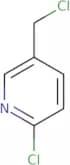
CAS:<p>Methyl 5-methoxy-2-methylindole-3-acetate is a versatile building block that can be used as a research chemical, reagent, or speciality chemical. It is also an intermediate in the synthesis of other compounds and has been shown to be useful in reactions involving nucleophilic substitution and electrophilic addition. This compound can be used as a scaffold for complex organic molecules. CAS No. 7588-36-5</p>Fórmula:C13H15NO3Pureza:Min. 95%Forma y color:Beige SolidPeso molecular:233.26 g/mol2-Chloro-5-chloromethylpyridine
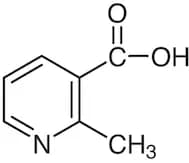
CAS:<p>2-Chloro-5-chloromethylpyridine is a nicotinic acetylcholine analog. It is synthesized by chlorinating anhydrous sodium and phosphorus pentachloride in the presence of sodium carbonate. 2-Chloro-5-chloromethylpyridine is soluble in water, but insoluble in organic solvents. The synthesis produces a yellow solution that contains hydrogen chloride, hydrogen fluoride, and other products such as 2-chloropyridinol and 2-methylpyridine. The yield of this reaction is not reported.END></p>Fórmula:C6H5Cl2NPureza:Min. 95%Forma y color:White To Yellow SolidPeso molecular:162.02 g/mol2-Methylnicotinic Acid
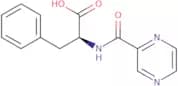
CAS:Fórmula:C7H7NO2Pureza:>98.0%(GC)(T)Forma y color:White to Green to Brown powder to crystalPeso molecular:137.14N-Pyrazinylcarbonyl-L-phenylalanine
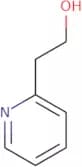
CAS:<p>N-Pyrazinylcarbonyl-L-phenylalanine is a high quality chemical that is an intermediate for the production of other compounds. It has been shown to be a useful scaffold for the synthesis of complex compounds and is also used as a building block in the synthesis of fine chemicals, research chemicals, and specialty chemicals. It can be used as a versatile building block in organic synthesis reactions. N-Pyrazinylcarbonyl-L-phenylalanine are available for purchase at www.chemistrystore.com/N-Pyrazinylcarbonyl-L-phenylalanine</p>Fórmula:C14H13N3O3Pureza:Min. 95%Forma y color:White PowderPeso molecular:271.27 g/molPyridine-2-ethanol
CAS:<p>Pyridine-2-ethanol is a tetranuclear compound that is composed of four pyridine rings. It can be synthesized by reacting trifluoroacetic acid with an ethyl alcohol in the presence of a base. Pyridine-2-ethanol has been shown to have acidic properties and reacts with human serum, forming hydrogen bonds. The reaction mechanism for this compound is not fully understood, but it may involve transfer reactions and intramolecular hydrogen bonding interactions between the hydroxyl group and nitrogen atoms. Pyridine-2-ethanol also forms hydrogen bonds with other molecules due to its structural analysis.</p>Fórmula:C7H9NOPureza:Min. 99%Forma y color:Clear LiquidPeso molecular:123.15 g/mol7-Methoxyquinoline
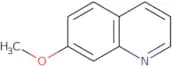
CAS:<p>7-Methoxyquinoline is a drug that belongs to the group of histone deacetylase inhibitors. It has been shown to inhibit monooxygenase and cytochrome p-450, which are enzymes involved in the metabolism of drugs. 7-Methoxyquinoline can be used as a fluorescent probe for reactions involving histones or other proteins with similar chemical structures. It is also used as an inhibitor in biochemical assays, such as fluorometric assays. 7-Methoxyquinoline can be prepared by reacting hydrazine with methoxyacetic acid followed by hydrolysis of the resulting hydrazone. This process yields a mixture of products, some of which are substituted with methoxy groups at different positions on the benzene ring.</p>Fórmula:C10H9NOPureza:Min. 95%Forma y color:Colorless PowderPeso molecular:159.18 g/mol6-Bromo-2-(4-bromophenyl)-indole
CAS:<p>6-Bromo-2-(4-bromophenyl)-indole is a fine chemical with CAS No. 28718-96-9 that can be used as a versatile building block for the synthesis of complex compounds, useful scaffold for research chemicals, and reaction component for speciality chemicals. This compound has high quality and is a reagent in the synthesis of other compounds.</p>Fórmula:C14H9Br2NPureza:Min. 95%Forma y color:Off white to pale yellow powder.Peso molecular:351.04 g/mol2-Amino-6-iodopurine
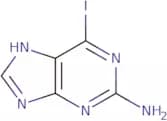
CAS:<p>2-Amino-6-iodopurine is an analog of the purine nucleoside guanine, which has been used to synthesize a variety of boronic acids. The most common use for 2-amino-6-iodopurine is in the synthesis of benzylboronic acid, which can be used as an organometallic reagent in organic synthesis. This compound also has dehydrogenase activity and has been shown to catalyze the conversion of benzoic acid to benzaldehyde, mediated by NADH. 2-Amino-6-iodopurine is found in the biosynthesis of ribonucleotides and deoxyribonucleotides, where it reacts with chloride ions and phosphate groups to form adenylate and xanthosine monophosphates.</p>Fórmula:C5H4IN5Pureza:Min. 95%Forma y color:PowderPeso molecular:261.02 g/mol2-Bromo-3-pyridinol
CAS:<p>2-Bromo-3-pyridinol is a nicotinic acetylcholine receptor antagonist that has anti-influenza activity. It was synthesized as an analogue of the natural product pyridostigmine, which inhibited influenza in mice. 2-Bromo-3-pyridinol binds to the nicotinic acetylcholine receptor at the same site as nicotine and prevents it from being activated by acetylcholine. This drug also inhibits tumor growth and proliferation in vitro and in vivo, showing potent cytotoxicity against carcinoma cells by inhibiting protein synthesis and cell division. 2-Bromo-3-pyridinol has been shown to inhibit Alzheimer's disease in a mouse model of this disorder. The drug inhibits amyloid plaque formation and toxicity in cultured cells, suggesting its potential for treating this disease.</p>Fórmula:C5H4BrNOPureza:Min. 95%Forma y color:White To Off-White SolidPeso molecular:174 g/mol4-Methylpyrimidine
CAS:<p>4-Methylpyrimidine is a molecule used in the treatment of cancer. It is an inhibitor of the enzyme topoisomerase II, which is involved in DNA replication and repair. 4-Methylpyrimidine binds to the active site of topoisomerase II and blocks its activity. 4-Methylpyrimidine has been shown to be effective against Covid-19 pandemic, which was responsible for a severe outbreak of pneumonia in 2009. The reaction mechanism of 4-methylpyrimidine involves methylpyrazine, a chloride ligand, and molybdenum as the metal center. FT-IR spectroscopy has been used to identify the structural analysis of this molecule.</p>Fórmula:C5H6N2Pureza:Min. 95%Forma y color:Clear LiquidPeso molecular:94.12 g/mol5-Nitro-7-azaindole
CAS:<p>5-Nitro-7-azaindole is a heterocyclic compound that is structurally related to the furoquinolines. It has been shown to act as an inhibitor of benzene and pyridine oxidases, which are enzymes that catalyze the conversion of these compounds into reactive intermediates. The reaction mechanism of 5-Nitro-7-azaindole with benzene and pyridine oxidases involves the formation of covalent bonds with reactive sulfur atoms in the enzyme active site. 5-Nitro-7-azaindole also inhibits bacterial growth by inhibiting DNA synthesis. This compound has been found to be scalable and can be produced at large scales without loss in quality. 5-Nitro-7-azaindole is not stereoselective and it is not an aromatic system, meaning that it does not have a benzene ring.</p>Fórmula:C7H5N3O2Pureza:Min. 95%Forma y color:PowderPeso molecular:163.13 g/mol1-Pyrimidin-2-ylpiperidin-4-amine dihydrochloride
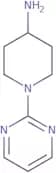
CAS:<p>1-Pyrimidin-2-ylpiperidin-4-amine dihydrochloride is a high quality, crystalline compound with a CAS number of 1179369-48-2. It is an intermediate in the synthesis of various fine chemicals, including pharmaceuticals and pesticides. 1-Pyrimidin-2-ylpiperidin-4-amine dihydrochloride also has applications as a versatile building block for the synthesis of other compounds and is used as a reaction component in organic chemistry. This reagent can be used to synthesize many different compounds for use in research or medical purposes.</p>Fórmula:C9H14N4·2HClPureza:Min. 95%Forma y color:PowderPeso molecular:251.16 g/molMethyl 2-[(1H-pyrrolo[2,3-b]pyridin-5-yl)oxy]-4-fluorobenzoate
CAS:<p>Methyl 2-[(1H-pyrrolo[2,3-b]pyridin-5-yl)oxy]-4-fluorobenzoate is a versatile building block that can be used as a reagent or speciality chemical. It has been shown to be useful in the synthesis of complex compounds and research chemicals. Methyl 2-[(1H-pyrrolo[2,3-b]pyridin-5-yl)oxy]-4-fluorobenzoate is an intermediate for the synthesis of various pharmaceuticals and agrochemicals. This compound may also act as a scaffold for drug design and development.</p>Fórmula:C15H11FN2O3Pureza:Min. 95%Forma y color:Off-White PowderPeso molecular:286.26 g/mol2-[(4-Chlorophenyl)-2-pyridinylmethoxy]-N,N-dimethylethanamine maleate salt
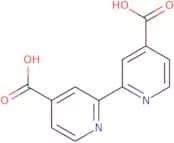
CAS:Producto controlado<p>2-[(4-Chlorophenyl)-2-pyridinylmethoxy]-N,N-dimethylethanamine maleate salt (DCLM) is a controlled-release preparation of an antihistamine that is used for the relief of allergic symptoms. It is a prodrug that is hydrolyzed to 2-[(4-chlorophenyl)-2-pyridinylmethoxy]ethanol (DCPEM) in vivo. DCLM has been shown to be effective against viruses and has been found to have receptor activity in human serum. The drug can be administered either orally or by injection. DCLM has also been shown to suppress allergic symptoms in vitro with LC-MS/MS analysis.</p>Fórmula:C20H23ClN2O5Pureza:Min. 95%Forma y color:White To Off-White SolidPeso molecular:406.86 g/mol2,2'-Bipyridine-4,4'-dicarboxylic acid
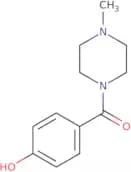
CAS:<p>2,2'-Bipyridine-4,4'-dicarboxylic acid (BBDA) is a synthetic molecule that has been used as an oxidant in organic synthesis. It is a redox-active compound with a reversible oxidation potential of +0.2 V. The electron transfer to the adjacent nitrogen atom is accompanied by light emission at 490 nm and chloride ion release. BBDA reacts with potassium dichromate in water to form 2,2'-bipyridine-6,6'-dicarboxylic acid and potassium chloride. This reaction can be monitored by magnetic resonance analysis and X-ray absorption spectroscopy. The formation of BBDA from dimethylformamide and esters has been reported in the literature.</p>Fórmula:C12H8N2O4Pureza:Min. 95%Forma y color:PowderPeso molecular:244.21 g/mol1-(4-Hydroxybenzoyl)-4-methyl-piperazine hydrochloride
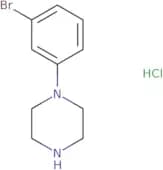
CAS:1-(4-Hydroxybenzoyl)-4-methyl-piperazine hydrochloride is a fine chemical that is used as a building block in organic synthesis, research and development of pharmaceuticals, and the production of agrochemicals. It can be used as a reagent or speciality chemical to produce high quality chemicals with various functional groups. 1-(4-Hydroxybenzoyl)-4-methyl-piperazine hydrochloride can be used in reactions such as nucleophilic substitution reactions, esterification reactions, amide bond formation, amidation reactions, and other reactions to produce versatile scaffolds.Fórmula:C12H16N2O2Pureza:Min. 95%Peso molecular:220.27 g/mol1-(3-Bromophenyl)-piperazine HCl
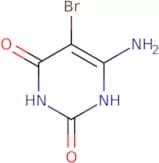
CAS:Producto controlado<p>1-(3-Bromophenyl)-piperazine HCl is a fine chemical that belongs to the class of research chemicals and reagents. It has been used as a building block for the synthesis of various compounds, such as pharmaceuticals, dyes, and pesticides. 1-(3-Bromophenyl)-piperazine HCl is also a versatile intermediate in organic synthesis.</p>Fórmula:C10H14BrClN2Pureza:Min. 95%Forma y color:White PowderPeso molecular:277.59 g/mol6-Amino-5-bromopyrimidine-2,4(1H,3H)-dione
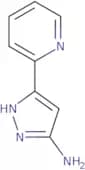
CAS:<p>6-Amino-5-bromopyrimidine-2,4(1H,3H)-dione (6ABPD) is a purine derivative that functions as an inhibitor of phosphorylase kinase. It has been shown to inhibit tumor growth in vivo and in vitro and is used as a therapeutic agent for the treatment of cancer. 6ABPD inhibits the production of phosphorylase kinase by binding to the enzyme's active site with noncompetitive inhibition. Inhibition of phosphorylase kinase leads to a decrease in the levels of ATP and thus decreases the availability of substrates for tumor cell growth and proliferation. 6ABPD also binds to thymidine kinase and inhibits its activity, which may account for some of its antitumor effects.</p>Fórmula:C4H4BrN3O2Pureza:Min. 95%Forma y color:PowderPeso molecular:206 g/mol5-Pyridin-2-yl-2H-pyrazol-3-ylamine
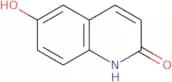
CAS:<p>5-Pyridin-2-yl-2H-pyrazol-3-ylamine is a chemical intermediate that can be used in the synthesis of many different compounds. This compound is a versatile building block that can be used to make complex substances, as well as being an excellent reagent for research purposes. It has been shown to be useful as a reactant in the preparation of high quality chemicals and speciality chemicals. 5-Pyridin-2-yl-2H-pyrazol-3-ylamine is a fine chemical with CAS No. 92352-29-9.</p>Fórmula:C8H8N4Pureza:Min. 95%Forma y color:Off-White Or Light Brown SolidPeso molecular:160.18 g/mol6-Hydroxyquinoline-(1H)-2-one
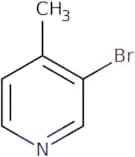
CAS:<p>6-Hydroxyquinoline-(1H)-2-one is an organic compound that has been shown to inhibit the uptake of carbostyril by bacterial cells. This inhibition causes increased uptake of xanthurenic acid and anthranilic acid, which are two compounds that are found in wastewater treatment. 6-Hydroxyquinoline-(1H)-2-one may be a potential anticancer agent, as it inhibits the growth of astroglia cells and bladder cancer cells. It also reacts with acylation reactions to form quinolinic acid, which has been shown to have anticancer effects.</p>Fórmula:C9H7NO2Pureza:Min. 95%Forma y color:White SolidPeso molecular:161.16 g/mol3-Bromo-4-methylpyridine
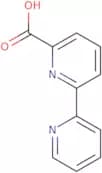
CAS:<p>3-Bromo-4-methylpyridine is a molecule that consists of a five-membered ring containing three bromine atoms and one carbon atom. It has the chemical formula C5H6BrN. The molecule contains two methyl groups attached to the pyridine ring (hence its name). 3-Bromo-4-methylpyridine has been shown to be an effective synthon for palladium-catalyzed cross-coupling reactions, which are used in organic synthesis for the production of pharmaceuticals. This molecule is also an excellent ligand for metal ions, such as calcium and hydrogen, because it forms strong bonds with these ions. 3-Bromo-4-methylpyridine can be used as a bidentate ligand because it has two nitrogen atoms that can bind to metal ions. The molecule also has functional properties, such as photochromism and bilayer formation due to its symmetry.</p>Fórmula:C6H6BrNPureza:Min. 95%Forma y color:Clear LiquidPeso molecular:172.02 g/mol2,2'-Bipyridine-6-carboxylic acid
CAS:<p>2,2'-Bipyridine-6-carboxylic acid is a reagent that is used in organic synthesis as a reaction component and building block for the synthesis of heterocyclic compounds. 2,2'-Bipyridine-6-carboxylic acid is also used as a precursor to produce other compounds. 2,2'-Bipyridine-6-carboxylic acid has been shown to be useful in the synthesis of complex compounds with diverse structures, making it a versatile building block. It can also be used as an intermediate in the synthesis of various drugs and speciality chemicals.</p>Fórmula:C11H8N2O2Pureza:Min. 95%Forma y color:Off-White PowderPeso molecular:200.19 g/mol1-(3-Methylbenzyl)piperazine
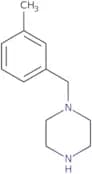
CAS:Producto controlado<p>1-(3-Methylbenzyl)piperazine (MBZP) is a piperazine-type stimulant drug that has been used recreationally as an antidepressant or anorectic. MBZP can affect the levels of catecholamines, which are neurotransmitters that play a role in mood and appetite control. It is believed that MBZP works by blocking the reuptake of catecholamines, prolonging their presence in synapses and increasing the likelihood of stimulation.</p>Fórmula:C12H18N2Pureza:Min. 95%Forma y color:Clear Colourless LiquidPeso molecular:190.28 g/mol2-Bromo-1H-imidazole
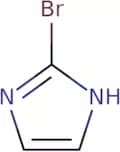
CAS:<p>2-Bromo-1H-imidazole is an environmental pollutant that has been detected in the atmosphere, water, and soil. It is used as a pesticide and has been found to be an impurity in biphenyl. 2-Bromo-1H-imidazole can be used as a substrate for the Suzuki coupling reaction or as a starting material for the synthesis of imidazole derivatives. The compound spontaneously fragments under acidic conditions to form nitric acid and hydrogen bromide. 2-Bromo-1H-imidazole has been shown to inhibit hepatitis C virus (HCV) replication and induce cancer cell apoptosis in vitro.<br>2-Bromo-1H-imidazole is also known to cause DNA fragmentation in cells through oxidation by reactive oxygen species or through spontaneous decomposition of the molecule into acid, bromine radicals, and ammonia.</p>Fórmula:C3H3BrN2Pureza:Min. 95%Forma y color:PowderPeso molecular:146.97 g/mol1-(5-Chloropyridin-2-yl)piperazine
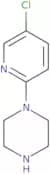
CAS:<p>1-(5-Chloropyridin-2-yl)piperazine is a chemical compound that binds to the tropane receptor. It has been shown to have affinity for the ligands of protein kinase C, and as such may be useful in treating tumors. 1-(5-Chloropyridin-2-yl)piperazine is an analog of homopiperazine and piperazine and is related to the oxime class of compounds. It has not been shown to have any affinity for the other types of receptors, including dopamine, serotonin, acetylcholine, or histamine receptors.</p>Fórmula:C9H12ClN3Pureza:Min. 95%Forma y color:White/Off-White SolidPeso molecular:197.66 g/mol5-Bromo-1H-indazole-3-carbonitrile
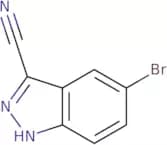
CAS:<p>5-Bromo-1H-indazole-3-carbonitrile is a high quality, versatile building block that can be used in the synthesis of complex compounds. It has been described as a "useful intermediate" and a "useful scaffold".</p>Fórmula:C8H4BrN3Pureza:Min. 95%Forma y color:PowderPeso molecular:222.04 g/mol2,6-Dibromopyridine
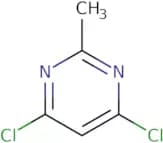
CAS:<p>2,6-Dibromopyridine (2,6-DBP) is a chemical compound that has been used in the synthesis of other organic compounds. It is an aromatic heterocycle with nitrogen atoms at the 2 and 6 positions. 2,6-DBP is a monosubstituted pyridine derivative that undergoes a palladium-catalyzed coupling reaction with an aryl halide to form pyrazoles. This process can be done unsymmetrically by protonating the 2 position of the dibromopyridine molecule. The presence of serine protease has been shown to promote this reaction by increasing the surface area of the substrate.</p>Fórmula:C5H3Br2NPureza:Min. 98 Area-%Forma y color:Off-White Yellow PowderPeso molecular:236.89 g/mol4,6-Dichloro-2-methylpyrimidine
CAS:<p>2-Chloro-6-methylaniline is a synthetic compound that has been used in the synthesis of medicines, such as dasatinib. It is a nucleophile that binds to the receptor site on cells and blocks the binding of natural hormones. It is also an inhibitor of certain enzymes, including RNA polymerase and protein kinase. 2-Chloro-6-methylaniline is industrially produced by reacting sodium chloride with chlorosulfonic acid or hydrochloric acid in an autoclave at a temperature of 180 °C for three hours. The product can be purified by adding magnesium oxide and activated with hydrochloric acid to form 2-chloro-6-methylpyrimidine. The main impurities are 4,6-dichloro2 methylpyrimidine and 6,8 dichloro2 methylpyrimidine.</p>Fórmula:C5H4Cl2N2Pureza:Min. 95%Forma y color:White To Yellow SolidPeso molecular:163 g/mol2,4-Pyridinedicarboxylic acid diethyl ester
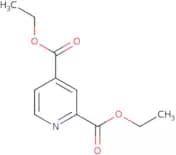
CAS:<p>2,4-Pyridinedicarboxylic acid diethyl ester is an aliphatic hydrocarbon that has been shown to be a potent active oxygen scavenger. It has also been shown to inhibit the uptake of fatty acids and organic anions by tubule cells in the liver, as well as to reduce collagen breakdown in the endoplasmic reticulum. This compound is converted into pyridinedicarboxylic acid, which inhibits hepcidin production and thus increases iron absorption. 2,4-Pyridinedicarboxylic acid diethyl ester also has a biochemical profile that is similar to that of a lipophilic fatty acid ester.</p>Fórmula:C11H13NO4Pureza:Min. 95%Forma y color:Colorless PowderPeso molecular:223.23 g/mol3,5-Diamino-6-chloropyrazine-2-carboxylic acid methyl ester
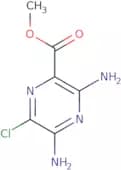
CAS:<p>3,5-Diamino-6-chloropyrazine-2-carboxylic acid methyl ester is a low binding, mitochondrial labeling agent. It is photolabile and can be used in the study of respiratory complex activity. 3,5-Diamino-6-chloropyrazine-2-carboxylic acid methyl ester has been shown to inhibit the enzyme mitochondrial complex I and II. The azido group on the molecule is homologous to a phosphate group in ATP and can be used as a substrate analogue for ATP synthase. This allows 3,5-Diamino-6-chloropyrazine-2-carboxylic acid methyl ester to be used as an experimental tool for studying ATP synthesis.</p>Fórmula:C6H7ClN4O2Pureza:Min. 95%Forma y color:PowderPeso molecular:202.6 g/mol((4-Phenylpiperazinyl)methylene)methane-1,1-dicarbonitrile
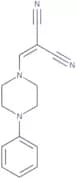
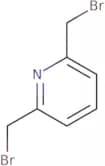
CAS:<p>Please enquire for more information about ((4-Phenylpiperazinyl)methylene)methane-1,1-dicarbonitrile including the price, delivery time and more detailed product information at the technical inquiry form on this page</p>Fórmula:C14H14N4Pureza:Min. 95%Forma y color:PowderPeso molecular:238.29 g/mol2,6-Bis(bromomethyl)pyridine
CAS:<p>2,6-Bis(bromomethyl)pyridine (BMP) is a pyridine derivative that is used as a catalyst in organic synthesis. It has been shown to be an effective catalyst for the conversion of picolinic acid to xanthopterin in the presence of sodium. The reactivity of BMP can be attributed to its functionalities and the metal ion that it contains. The reaction mechanism has been studied by computer modelling and molecular modelling techniques. The catalytic rate is determined by intramolecular hydrogen transfer.</p>Fórmula:C7H7Br2NPureza:Min. 95%Peso molecular:264.95 g/molN-(3,5-bis(trifluoromethyl)phenyl)-2-pyrimidin-2-ylthioethanamide
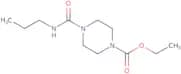
CAS:<p>Please enquire for more information about N-(3,5-bis(trifluoromethyl)phenyl)-2-pyrimidin-2-ylthioethanamide including the price, delivery time and more detailed product information at the technical inquiry form on this page</p>Pureza:Min. 95%ethyl 4-(N-propylcarbamoyl)piperazinecarboxylate
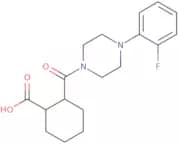
CAS:<p>Please enquire for more information about ethyl 4-(N-propylcarbamoyl)piperazinecarboxylate including the price, delivery time and more detailed product information at the technical inquiry form on this page</p>Pureza:Min. 95%2-((4-(2-Fluorophenyl)piperazinyl)carbonyl)cyclohexanecarboxylic acid
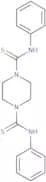
CAS:Producto controlado<p>Please enquire for more information about 2-((4-(2-Fluorophenyl)piperazinyl)carbonyl)cyclohexanecarboxylic acid including the price, delivery time and more detailed product information at the technical inquiry form on this page</p>Fórmula:C18H23Fn2O3Pureza:Min. 95%Forma y color:PowderPeso molecular:334.39 g/mol(Phenylamino)(4-((phenylamino)thioxomethyl)piperazinyl)methane-1-thione
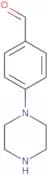
CAS:<p>Please enquire for more information about (Phenylamino)(4-((phenylamino)thioxomethyl)piperazinyl)methane-1-thione including the price, delivery time and more detailed product information at the technical inquiry form on this page</p>Fórmula:C18H20N4S2Pureza:Min. 95%Forma y color:PowderPeso molecular:356.5 g/mol4-Piperazin-1-yl-benzaldehyde
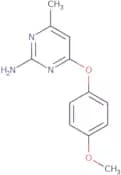
CAS:<p>4-Piperazin-1-yl-benzaldehyde (PPBA) is a natural product that has been shown to have effects on animals and cells. PPBA can be used as an antidote for sulfite poisoning, which is caused by the ingestion of sulfites in food or drink. The mechanism of PPBA's effects is not fully known, but it may involve the inhibition of sulfite reductase, which converts sulfites into sulfates. It also reversibly forms a complex with the transition state of the reaction, enhancing the rate of this reaction. This enhancement is due to a low detection limit and shift in solution temperature. PPBA has been shown to have fluorescence and fluorescent properties when exposed to light, making it useful for endogenous labeling.</p>Fórmula:C11H14N2OPureza:Min. 95%Peso molecular:190.24 g/mol4-(4-Methoxyphenoxy)-6-methyl-2-pyrimidinamine
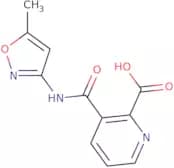
CAS:<p>Please enquire for more information about 4-(4-Methoxyphenoxy)-6-methyl-2-pyrimidinamine including the price, delivery time and more detailed product information at the technical inquiry form on this page</p>Fórmula:C12H13N3O2Pureza:Min. 95%Forma y color:PowderPeso molecular:231.25 g/mol3-(N-(5-methylisoxazol-3-yl)carbamoyl)pyridine-2-carboxylic acid
CAS:<p>Please enquire for more information about 3-(N-(5-methylisoxazol-3-yl)carbamoyl)pyridine-2-carboxylic acid including the price, delivery time and more detailed product information at the technical inquiry form on this page</p>Pureza:Min. 95%2-Chloro(3-pyridyl) 4-(5-chloro-2-methylphenyl)piperazinyl ketone
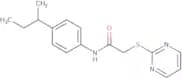
CAS:<p>Please enquire for more information about 2-Chloro(3-pyridyl) 4-(5-chloro-2-methylphenyl)piperazinyl ketone including the price, delivery time and more detailed product information at the technical inquiry form on this page</p>Fórmula:C17H17Cl2N3OPureza:Min. 95%Forma y color:PowderPeso molecular:350.24 g/molN-(4-(methylpropyl)phenyl)-2-pyrimidin-2-ylthioethanamide
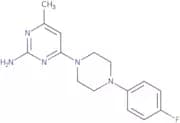
CAS:<p>Please enquire for more information about N-(4-(methylpropyl)phenyl)-2-pyrimidin-2-ylthioethanamide including the price, delivery time and more detailed product information at the technical inquiry form on this page</p>Pureza:Min. 95%6-(4-(4-Fluorophenyl)piperazinyl)-4-methylpyrimidine-2-ylamine
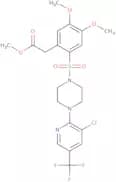
CAS:<p>Please enquire for more information about 6-(4-(4-Fluorophenyl)piperazinyl)-4-methylpyrimidine-2-ylamine including the price, delivery time and more detailed product information at the technical inquiry form on this page</p>Fórmula:C15H18FN5Pureza:Min. 95%Forma y color:PowderPeso molecular:287.34 g/molmethyl 2-(2-((4-(3-chloro-5-(trifluoromethyl)(2-pyridyl))piperazinyl)sulfonyl)-4,5-dimethoxyphenyl)acetate
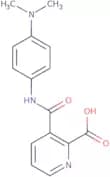
CAS:<p>Please enquire for more information about methyl 2-(2-((4-(3-chloro-5-(trifluoromethyl)(2-pyridyl))piperazinyl)sulfonyl)-4,5-dimethoxyphenyl)acetate including the price, delivery time and more detailed product information at the technical inquiry form on this page</p>Pureza:Min. 95%3-(N-(4-(Dimethylamino)phenyl)carbamoyl)pyridine-2-carboxylic acid
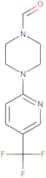
CAS:<p>Please enquire for more information about 3-(N-(4-(Dimethylamino)phenyl)carbamoyl)pyridine-2-carboxylic acid including the price, delivery time and more detailed product information at the technical inquiry form on this page</p>Fórmula:C15H15N3O3Pureza:Min. 95%Forma y color:PowderPeso molecular:285.3 g/mol4-(5-(Trifluoromethyl)-2-pyridyl)piperazinecarbaldehyde
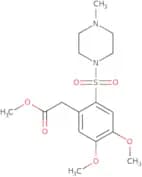
CAS:<p>Please enquire for more information about 4-(5-(Trifluoromethyl)-2-pyridyl)piperazinecarbaldehyde including the price, delivery time and more detailed product information at the technical inquiry form on this page</p>Fórmula:C11H12F3N3OPureza:Min. 95%Forma y color:PowderPeso molecular:259.23 g/molMethyl 2-(4,5-dimethoxy-2-((4-methylpiperazin-1-yl)sulfonyl)phenyl)acetate
CAS:<p>Please enquire for more information about Methyl 2-(4,5-dimethoxy-2-((4-methylpiperazin-1-yl)sulfonyl)phenyl)acetate including the price, delivery time and more detailed product information at the technical inquiry form on this page</p>Pureza:Min. 95%4-[(1H-Benzimidazol-2-yl)oxy]-3-methyl-2-pyridinecarboxylic acid
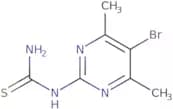
CAS:<p>Please enquire for more information about 4-[(1H-Benzimidazol-2-yl)oxy]-3-methyl-2-pyridinecarboxylic acid including the price, delivery time and more detailed product information at the technical inquiry form on this page</p>Fórmula:C14H11N3O3Pureza:Min. 95%Peso molecular:269.26 g/mol5-Bromo-4,6-dimethylpyrimidin-2-ylthiourea
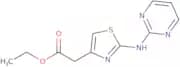
CAS:<p>Please enquire for more information about 5-Bromo-4,6-dimethylpyrimidin-2-ylthiourea including the price, delivery time and more detailed product information at the technical inquiry form on this page</p>Pureza:Min. 95%ethyl 2-(4-(pyrimidin-2-ylamino)-3,5-thiazolyl)acetate
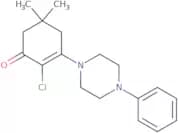
CAS:<p>Please enquire for more information about ethyl 2-(4-(pyrimidin-2-ylamino)-3,5-thiazolyl)acetate including the price, delivery time and more detailed product information at the technical inquiry form on this page</p>Pureza:Min. 95%2-Chloro-5,5-dimethyl-3-(4-phenylpiperazinyl)cyclohex-2-en-1-one
CAS:<p>Please enquire for more information about 2-Chloro-5,5-dimethyl-3-(4-phenylpiperazinyl)cyclohex-2-en-1-one including the price, delivery time and more detailed product information at the technical inquiry form on this page</p>Fórmula:C18H23ClN2OPureza:Min. 95%Forma y color:PowderPeso molecular:318.84 g/mol1-[3-chloro-5-(trifluoromethyl)-2-pyridinyl]-4-piperidinecarboxylic acid
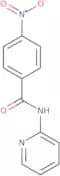
CAS:<p>1-[3-Chloro-5-(trifluoromethyl)-2-pyridinyl]-4-piperidinecarboxylic acid (3CFP) is a phenoxy carboxamide that is an anticonvulsant. 3CFP has been shown to be effective in animal models of seizure and has a potency that exceeds that of phenobarbital. It also has potent anticonvulsant activity against seizures induced by pentylenetetrazole and electroshock. 3CFP binds to the GABA receptor, which is important for the regulation of neuronal excitability and is the target for many types of antiepileptic drugs. The chlorine atom in 3CFP may contribute to its pharmacological properties because it can form a covalent bond with amino acids like cysteine, which are important for protein synthesis.</p>Pureza:Min. 95%4-Nitro-N-pyridin-2-ylbenzamide
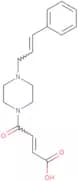
CAS:<p>Please enquire for more information about 4-Nitro-N-pyridin-2-ylbenzamide including the price, delivery time and more detailed product information at the technical inquiry form on this page</p>Fórmula:C12H9N3O3Pureza:Min. 95%Forma y color:PowderPeso molecular:243.22 g/mol4-Oxo-4-(4-(3-phenylprop-2-enyl)piperazinyl)but-2-enoic acid
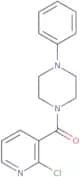
CAS:<p>Please enquire for more information about 4-Oxo-4-(4-(3-phenylprop-2-enyl)piperazinyl)but-2-enoic acid including the price, delivery time and more detailed product information at the technical inquiry form on this page</p>Fórmula:C17H20N2O3Pureza:Min. 95%Forma y color:PowderPeso molecular:300.35 g/mol1-(2-chloronicotinoyl)-4-phenylpiperazine
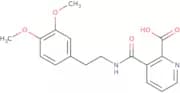
CAS:Producto controlado<p>Please enquire for more information about 1-(2-chloronicotinoyl)-4-phenylpiperazine including the price, delivery time and more detailed product information at the technical inquiry form on this page</p>Pureza:Min. 95%Forma y color:PowderPeso molecular:301.77 g/mol3-(N-(2-(3,4-dimethoxyphenyl)ethyl)carbamoyl)pyridine-2-carboxylic acid
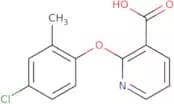
CAS:<p>Please enquire for more information about 3-(N-(2-(3,4-dimethoxyphenyl)ethyl)carbamoyl)pyridine-2-carboxylic acid including the price, delivery time and more detailed product information at the technical inquiry form on this page</p>Pureza:Min. 95%2-(4-Chloro-2-methylphenoxy)pyridine-3-carboxylic acid
CAS:<p>Please enquire for more information about 2-(4-Chloro-2-methylphenoxy)pyridine-3-carboxylic acid including the price, delivery time and more detailed product information at the technical inquiry form on this page</p>Fórmula:C13H10ClNO3Pureza:Min. 95%Forma y color:PowderPeso molecular:263.68 g/mol2-((4-(Benzo[3,4-d]1,3-dioxolan-5-ylmethyl)piperazinyl)carbonyl)cyclohexanecarboxylic acid
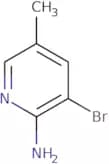
CAS:<p>Please enquire for more information about 2-((4-(Benzo[3,4-d]1,3-dioxolan-5-ylmethyl)piperazinyl)carbonyl)cyclohexanecarboxylic acid including the price, delivery time and more detailed product information at the technical inquiry form on this page</p>Fórmula:C20H26N2O5Pureza:Min. 95%Forma y color:PowderPeso molecular:374.43 g/mol2-Amino-3-bromo-5-methylpyridine
CAS:<p>2-Amino-3-bromo-5-methylpyridine is an imidazopyrazine that interacts with the magnetic field and can be used as a ligand. It has been synthesized from pyrazole derivatives and has been shown to have antimicrobial activity against Cryptococcus neoformans. 2-Amino-3-bromo-5-methylpyridine has also been shown to inhibit the growth of bacterial cells by binding to the nicotinamide adenine dinucleotide phosphate (NADP) cofactor in bacterial cells, thereby preventing ATP production. This drug is structurally related to fluoroquinolones, which are known for their antibacterial activity. 2-Amino-3-bromo-5-methylpyridine is an amido compound that ionizes in acidic environments and transfers electrons via resonance transfer. Its FTIR spectra show strong absorption bands at 3595 cm−1</p>Fórmula:C6H7BrN2Pureza:Min. 95%Peso molecular:187.04 g/mol2-(4-Nitrophenoxy)-3-chloro-5-trifluoromethyl pyridine
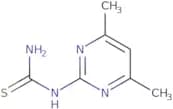
CAS:<p>Please enquire for more information about 2-(4-Nitrophenoxy)-3-chloro-5-trifluoromethyl pyridine including the price, delivery time and more detailed product information at the technical inquiry form on this page</p>Pureza:Min. 95%4,6-Dimethylpyrimidin-2-ylthiourea
CAS:<p>4,6-Dimethylpyrimidin-2-ylthiourea is a white crystalline solid with a melting point of about 150°C. It has been shown that 4,6-Dimethylpyrimidin-2-ylthiourea has two-dimensional crystal structure. The molecule is held together by hydrogen bonds.</p>Pureza:Min. 95%







![2-[2-[4-[Bis(4-fluorophenyl)methyl]piperazin-1-yl]ethoxy]acetic acid HCl](/_next/image/?url=https%3A%2Fstatic.cymitquimica.com%2Fproducts%2F3D%2Fthumb-webp%2FFB98570.webp&w=3840&q=75)


![[1-(3-Methylpyridin-2-yl)ethyl]amine](/_next/image/?url=https%3A%2Fstatic.cymitquimica.com%2Fproducts%2F3D%2Fthumb-webp%2FFM121577.webp&w=3840&q=75)

![[2-(6-Methylpyridin-2-yl)ethyl]amine](/_next/image/?url=https%3A%2Fstatic.cymitquimica.com%2Fproducts%2F3D%2Fthumb-webp%2FFM123522.webp&w=3840&q=75)






![Methyl 2-[(1H-pyrrolo[2,3-b]pyridin-5-yl)oxy]-4-fluorobenzoate](/_next/image/?url=https%3A%2Fstatic.cymitquimica.com%2Fproducts%2F3D%2Fthumb-webp%2FFM97152.webp&w=3840&q=75)
![2-[(4-Chlorophenyl)-2-pyridinylmethoxy]-N,N-dimethylethanamine maleate salt](/_next/image/?url=https%3A%2Fstatic.cymitquimica.com%2Fproducts%2F3D%2Fthumb-webp%2FFC19699.webp&w=3840&q=75)


![4-[(1H-Benzimidazol-2-yl)oxy]-3-methyl-2-pyridinecarboxylic acid](/_next/image/?url=https%3A%2Fstatic.cymitquimica.com%2Fproducts%2F3D%2Fthumb-webp%2FFB156806.webp&w=3840&q=75)
![1-[3-chloro-5-(trifluoromethyl)-2-pyridinyl]-4-piperidinecarboxylic acid](/_next/image/?url=https%3A%2Fstatic.cymitquimica.com%2Fproducts%2F3D%2Fthumb-webp%2FFC170003.webp&w=3840&q=75)
![2-((4-(Benzo[3,4-d]1,3-dioxolan-5-ylmethyl)piperazinyl)carbonyl)cyclohexanecarboxylic acid](/_next/image/?url=https%3A%2Fstatic.cymitquimica.com%2Fproducts%2F3D%2Fthumb-webp%2FFB169464.webp&w=3840&q=75)