Heterociclos con nitrógeno (N)
En esta categoría, encontrará una amplia variedad de heterociclos que contienen nitrógeno. Los heterociclos son cadenas de carbono que forman un ciclo en el cual al menos una posición está ocupada por un heteroátomo, en este caso, nitrógeno. Estos compuestos son esenciales en la síntesis de productos farmacéuticos, agroquímicos y colorantes, ofreciendo una reactividad y estabilidad únicas. En CymitQuimica, ofrecemos una selección completa de heterociclos que contienen nitrógeno de alta calidad para apoyar sus investigaciones y aplicaciones industriales.
Subcategorías de "Heterociclos con nitrógeno (N)"
- Azepano(434 productos)
- Benzotriazoles(436 productos)
- Diazepanes(331 productos)
- Imidazoles(4.006 productos)
- Imidazolinas(385 productos)
- Isoxazol(1.077 productos)
- Piperazinas(3.735 productos)
- Piperidinas(8.396 productos)
- Pirazinas(1.299 productos)
- Pirazol(5.919 productos)
- Pirazolidina(21 productos)
- Pirazolina(142 productos)
- Piridazina(856 productos)
- Piridinas(21.911 productos)
- Pirimidina(6.038 productos)
- Pirrol(2.440 productos)
- Pirrolidinas(5.814 productos)
- Pirrolina(48 productos)
- Pirrolo [1,2-b] piridazina(10 productos)
- Tetrazol(510 productos)
- Triazinas(462 productos)
- Triazoles(1.679 productos)
Mostrar 14 subcategorías más
Se han encontrado 17855 productos de "Heterociclos con nitrógeno (N)"
Ordenar por
Pureza (%)
0
100
|
0
|
50
|
90
|
95
|
100
3-Fluoro-4-(tributylstannyl)pyridine
CAS:Producto controlado<p>3-Fluoro-4-(tributylstannyl)pyridine is a high affinity, selective, and membrane permeable ligand of the A2B adenosine receptor. It has been shown to be a potent antagonist of A2B receptors in vitro. This compound has also been shown to have a lower affinity for A1, A3, and A4 receptors. 3-Fluoro-4-(tributylstannyl)pyridine has been shown to have high brain uptake in vivo studies. 3-Fluoro-4-(tributylstannyl)pyridine binds to the x-ray structure of the adenosine receptor with high affinity and penetrability. The binding site is proposed to be located on the extracellular side of the receptor near the interface with the second transmembrane domain. In vivo studies have shown that 3-fluoro-4-(tributylstannyl)p</p>Fórmula:C17H30FNSnPureza:Min. 95%Peso molecular:386.14 g/mol1-(4-Aminophenyl)-1H-pyridin-2-one
CAS:<p>1-(4-Aminophenyl)-1H-pyridin-2-one is a synthetic chemical that is used in the manufacturing of 8-hydroxyquinoline. It is an industrial chemical that is used to produce potassium carbonate by a reflux reaction with potassium and carbonate. 1-(4-Aminophenyl)-1H-pyridin-2-one is a gas at room temperature and pressure and has been shown to be stable under these conditions.</p>Fórmula:C11H10N2OPureza:Min. 95%Forma y color:White PowderPeso molecular:186.21 g/mol4-[Bis(4-ethoxyphenyl)methyl]piperidine
CAS:Producto controlado<p>Please enquire for more information about 4-[Bis(4-ethoxyphenyl)methyl]piperidine including the price, delivery time and more detailed product information at the technical inquiry form on this page</p>Fórmula:C22H29NO2Pureza:Min. 95%Peso molecular:339.47 g/mol(R)-(-)-1-[(4-Chlorophenyl)phenylmethyl]piperazine
CAS:Producto controlado<p>(R)-(-)-1-[(4-Chlorophenyl)phenylmethyl]piperazine is a chemical compound that belongs to the group of c1-4 alkyl, high yield. It has a chemical formula of C12H17ClN2O and an organic base. This compound is hydrolyzed in vivo to levocetirizine, its active form. (R)-(-)-1-[(4-Chlorophenyl)phenylmethyl]piperazine is an antihistamine that binds to H1 receptors in the central nervous system, which results in decreased production of histamine and other proinflammatory substances. It also has optical activity, with (+) being the active form.</p>Fórmula:C17H19ClN2Pureza:Min. 95%Peso molecular:286.8 g/mol(R)-(-)-a-[[(4-Ethyl-2,3-dioxo-1-piperazinyl)carbonyl]amino]benzeneacetic Acid
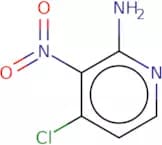
CAS:<p>(R)-(-)-a-[[(4-Ethyl-2,3-dioxo-1-piperazinyl)carbonyl]amino]benzeneacetic Acid is an inhibitor of the enzyme histamine N-methyltransferase (HNMT), which is responsible for the synthesis of histamine. The inhibition of HNMT leads to a decrease in histamine levels and therefore has been used as a treatment for chronic prostatitis, lacrimal gland, and energy efficiency. Histamine N-methyltransferase also participates in the regulation of apoptosis by methylating proapoptotic proteins like Bax, so inhibition can lead to an increase in apoptosis. This chemical is also able to bind with chloride ions and form diphenyl ethers through a reaction solution, which are known to have anticancer properties.</p>Fórmula:C15H17N3O5Pureza:Min. 98 Area-%Forma y color:PowderPeso molecular:319.31 g/mol2-Amino-4-chloro-3-nitropyridine
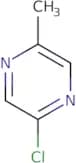
CAS:<p>2-Amino-4-chloro-3-nitropyridine is a potent inhibitory molecule that inhibits the activity of the enzyme acetylcholinesterase. It has been used in the treatment of chronic pain, and has been shown to be effective for inhibiting malonate esters and amino acid esters. This drug is an ethyl ester that can be synthesized from chlorobenzene and malonic acid by chlorinating it with chlorine gas. 2-Amino-4-chloro-3-nitropyridine has also been shown to have a high affinity for malonic acid diethyl esters.</p>Fórmula:C5H4ClN3O2Pureza:Min. 98 Area-%Forma y color:PowderPeso molecular:173.56 g/mol2-Chloro-5-methylpyrazine
CAS:<p>Please enquire for more information about 2-Chloro-5-methylpyrazine including the price, delivery time and more detailed product information at the technical inquiry form on this page</p>Fórmula:C5H5ClN2Pureza:Min. 95%Peso molecular:128.56 g/mol4-Hydroxy-N-(2-Piperidinylmethyl)-2,5-Bis(2,2,2-Trifluoroethoxy)Benzamide
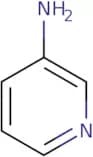
CAS:<p>Please enquire for more information about 4-Hydroxy-N-(2-Piperidinylmethyl)-2,5-Bis(2,2,2-Trifluoroethoxy)Benzamide including the price, delivery time and more detailed product information at the technical inquiry form on this page</p>Fórmula:C17H20F6N2O4Pureza:Min. 95%Peso molecular:430.34 g/mol3-Aminopyridine
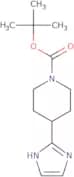
CAS:<p>3-Aminopyridine is a compound with the chemical formula C6H5N3. It is used in biological studies as a model for the hydrogen bond, and has been shown to be effective against some bacteria and fungi. 3-Aminopyridine may also have antimicrobial activity. The mechanism of action of 3-aminopyridine is not well understood, but it is thought that this compound might bind to the active site of an enzyme or receptor and deactivate it. 3-Aminopyridine has been found to inhibit dinucleotide phosphate (DNP) reductase, which may play a role in carcinogenesis. There are two nitrogen atoms in 3-aminopyridine, one in the amine group and one in the pyridine ring. The hydroxyl group on the molecule can form hydrogen bonds with other molecules such as hydrochloric acid or hydrogen tartrate, which may be why it reacts with these substances so easily.</p>Pureza:Min. 95%Peso molecular:94.11 g/mol1-Boc-4-imidazol-2-yl-piperidine
CAS:<p>Please enquire for more information about 1-Boc-4-imidazol-2-yl-piperidine including the price, delivery time and more detailed product information at the technical inquiry form on this page</p>Fórmula:C13H21N3O2Pureza:Min. 95%Peso molecular:251.32 g/mol2-Bromo-5,6-dihydro-8h-imidazo[1,2-a]pyrazine-7-carboxylic acid tert-butyl ester
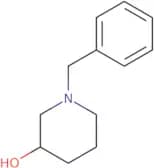
CAS:<p>Please enquire for more information about 2-Bromo-5,6-dihydro-8h-imidazo[1,2-a]pyrazine-7-carboxylic acid tert-butyl ester including the price, delivery time and more detailed product information at the technical inquiry form on this page</p>Fórmula:C11H16BrN3O2Pureza:Min. 95%Peso molecular:302.17 g/mol1-Benzyl-3-piperidinol
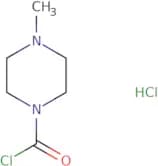
CAS:<p>1-Benzyl-3-piperidinol is a synthetic chemical that has been used as a long-acting calcium antagonist. It is synthesized by the reaction of 1,2-dibromoethane with piperidine and benzaldehyde in the presence of an acid catalyst. The reaction yield is high, and impurities are low. This drug substance is soluble in organic solvents, such as chloroform, ethyl acetate, and ether. The synthesis process uses chiral catalysts to produce the desired enantiomeric form of the drug substance. The use of immobilized catalysts improves the conversion rate, kinetic parameters, and reaction yield of this process.</p>Fórmula:C12H17NOPureza:Min. 95%Forma y color:PowderPeso molecular:191.27 g/mol4-Methyl-1-piperazinecarbonyl chloride hydrochloride
CAS:<p>4-Methyl-1-piperazinecarbonyl chloride hydrochloride is a pyridine derivative that can be used to synthesize various alkyl esters. It is also used as a reagent in organic synthesis. 4-Methyl-1-piperazinecarbonyl chloride hydrochloride is soluble in organic solvents and has a low melting point. This compound can be used for the recrystallization of dibenzoyl, which is an important parameter for this reaction. 4-Methyl-1-piperazinecarbonyl chloride hydrochloride is an anhydrous compound, so it must be stored in a dry place to prevent water from forming crystals. Nonbenzodiazepine drugs are also made with 4-methyl-1-piperazinecarbonyl chloride hydrochloride. The enantiomers (mirror images) of this molecule may have different effects on the body, and this difference can be</p>Fórmula:C6H11ClN2O•HClPureza:Min. 95%Forma y color:PowderPeso molecular:199.08 g/mol1-(3-Phenylpropyl)piperazine
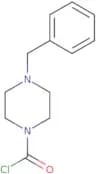
CAS:Producto controlado<p>1-(3-Phenylpropyl)piperazine (1PP) is a piperazine derivative that can be synthesized by the condensation of 3-phenylpropylamine and formaldehyde. 1PP has been shown to have neuroprotective effects in animal models of amyotrophic lateral sclerosis (ALS), brain injury, spinal cord injury, and traumatic brain injury. It has also been shown to act as a ligand for various receptors with therapeutic potential for cancer therapy. 1PP may be able to protect neurons from oxidative damage by scavenging reactive oxygen species. This drug has also been observed to inhibit the growth of cancer cells in vitro and in vivo.</p>Fórmula:C13H20N2Pureza:Min. 95%Peso molecular:204.31 g/mol4-Benzyl-piperazine-1-carbonylchloride
CAS:Producto controlado<p>Please enquire for more information about 4-Benzyl-piperazine-1-carbonylchloride including the price, delivery time and more detailed product information at the technical inquiry form on this page</p>Fórmula:C12H15ClN2OPureza:Min. 95%Peso molecular:238.71 g/mol5-[2-[4',5-Bis(Pyridin-2-ylsulfamoyl)biphenyl-2-yl]diazenyl]-2-hydroxybenzoic acid
CAS:<p>Please enquire for more information about 5-[2-[4',5-Bis(Pyridin-2-ylsulfamoyl)biphenyl-2-yl]diazenyl]-2-hydroxybenzoic acid including the price, delivery time and more detailed product information at the technical inquiry form on this page</p>Fórmula:C29H22N6O7S2Pureza:Min. 95%Peso molecular:630.65 g/mol2-Chloro-pyrazolo[1,5-a]pyridine
CAS:<p>Please enquire for more information about 2-Chloro-pyrazolo[1,5-a]pyridine including the price, delivery time and more detailed product information at the technical inquiry form on this page</p>Fórmula:C7H5ClN2Pureza:Min. 95%Peso molecular:152.58 g/mol1-(Chloroacetyl)-4-(2-fluorophenyl)piperazine
CAS:Producto controlado<p>Please enquire for more information about 1-(Chloroacetyl)-4-(2-fluorophenyl)piperazine including the price, delivery time and more detailed product information at the technical inquiry form on this page</p>Fórmula:C12H14ClFN2OPureza:Min. 95%Peso molecular:256.7 g/mol2-Methylfuro[3,2-c]pyridin-4(5H)-one
CAS:<p>Please enquire for more information about 2-Methylfuro[3,2-c]pyridin-4(5H)-one including the price, delivery time and more detailed product information at the technical inquiry form on this page</p>Fórmula:C8H7NO2Pureza:Min. 95%Peso molecular:149.15 g/moltert-Butyl 4-(2-bromophenyl)piperazine-1-carboxylate
CAS:Producto controlado<p>Please enquire for more information about tert-Butyl 4-(2-bromophenyl)piperazine-1-carboxylate including the price, delivery time and more detailed product information at the technical inquiry form on this page</p>Pureza:Min. 95%N-Methyl-2-[[3-[(1e)-2-(2-pyridinyl)ethenyl]-1-(tetrahydro-2H-pyran-2-yl)-1H-indazol-6-yl]thio]benzamide
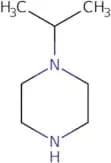
CAS:<p>Please enquire for more information about N-Methyl-2-[[3-[(1e)-2-(2-pyridinyl)ethenyl]-1-(tetrahydro-2H-pyran-2-yl)-1H-indazol-6-yl]thio]benzamide including the price, delivery time and more detailed product information at the technical inquiry form on this page</p>Fórmula:C27H26N4O2SPureza:Min. 95%Peso molecular:470.59 g/mol1-Isopropylpiperazine
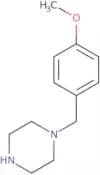
CAS:<p>1-Isopropylpiperazine is a quinoline derivative that is an antimicrobial agent. It has been shown to be effective against inflammatory bowel disease, bowel disease, and trioxane. 1-Isopropylpiperazine inhibits the activity of kinases and amines, which are molecules involved in inflammation. This drug also has molecular modeling properties that show potent inhibition of the enzyme histidine kinase. 1-Isopropylpiperazine's molecular modeling properties may be due to its ability to bind to the active site of the enzyme histidine kinase, which is adjacent to a hydrophobic pocket containing the catalytic residues.</p>Fórmula:C7H16N2Pureza:Min. 95%Forma y color:Clear LiquidPeso molecular:128.22 g/mol1-(4-Methoxybenzyl)piperazine
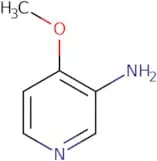
CAS:Producto controlado<p>1-(4-Methoxybenzyl)piperazine is a chemical compound that has been shown to have inhibitory activities against cancer cells. It also shows potential for the treatment of type 2 diabetes and Alzheimer's disease. The mechanism of action is not well understood, but it may be due to its ability to induce mitochondrial biogenesis and insulin sensitivity. 1-(4-Methoxybenzyl)piperazine has also been shown to improve memory in rats with spontaneous dementia, similar to the effects of donepezil (a drug used for Alzheimer's disease). 1-(4-Methoxybenzyl)piperazine can be taken orally or administered via injection.</p>Fórmula:C12H18N2OPureza:Min. 95%Peso molecular:206.28 g/mol3-Amino-4-methoxypyridine
CAS:<p>3-Amino-4-methoxypyridine is a molecule that has been shown to have anesthetic activity. It has been shown to inhibit the uptake of glycogen by glioblastoma cells and decrease the rate of glycogen synthesis in these cells. 3-Amino-4-methoxypyridine also inhibits the production of ATP in cardiac muscle cells, which may be due to its ability to inhibit glycogen synthase kinase-3 (GSK3) and glycogen synthase. This drug also inhibits cancer cell growth by inhibiting protein synthesis, as well as inflammatory disease progression by inhibiting NFκB activation and cytokine production. 3-Amino-4-methoxypyridine can be synthesized from aminopyridines such as isonicotinic acid or nicotinic acid, which are oxidized with hydrogen peroxide and sodium nitrite in the presence of a base catalyst.</p>Fórmula:C6H8N2OPureza:Min. 95%Peso molecular:124.14 g/molMelarsomine dihydrochloride
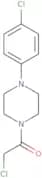
CAS:<p>Please enquire for more information about Melarsomine dihydrochloride including the price, delivery time and more detailed product information at the technical inquiry form on this page</p>Fórmula:C13H21AsN8S2•(HCl)2Pureza:Min. 95%Peso molecular:501.34 g/mol1-(Chloroacetyl)-4-(4-chlorophenyl)piperazine
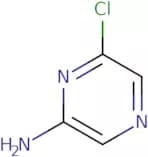
CAS:Producto controlado<p>Please enquire for more information about 1-(Chloroacetyl)-4-(4-chlorophenyl)piperazine including the price, delivery time and more detailed product information at the technical inquiry form on this page</p>Fórmula:C12H14Cl2N2OPureza:Min. 95%Peso molecular:273.16 g/mol2-Amino-6-chloropyrazine
CAS:<p>2-Amino-6-chloropyrazine (2ACP) is an inhibitor that binds to the active site on human protein kinase C (PKC). It has been shown to inhibit PKC by hydrogen bonding with the hydroxide ion, which blocks its catalytic activity. 2ACP has been studied for its potential use in treating cancer and for inhibiting amine oxidases, which are enzymes associated with inflammation and chronic obstructive pulmonary disease. The inhibition of these enzymes may help to reduce stenosis in the lungs or other organs. 2ACP also has been shown to have antimycobacterial activity against Mycobacterium tuberculosis, M. avium complex, and M. leprae by inhibiting DNA synthesis and RNA synthesis. 2ACP inhibits the kinase receptor on the cell membrane that phosphorylates a water molecule into a chlorine atom, which then reacts with hydrogen peroxide to form free radicals that can kill bacteria</p>Fórmula:C4H4ClN3Pureza:Min. 95%Peso molecular:129.55 g/mol4-Chloro-2,3-dimethylpyridine N-oxide
CAS:<p>4-Chloro-2,3-dimethylpyridine N-oxide is a chemical compound that belongs to the class of medicines. It is used in the manufacture of hydrogen peroxide, which is an oxidizing agent and a bleaching agent. 4-Chloro-2,3-dimethylpyridine N-oxide has been used as a reagent for organic synthesis and as a catalyst in organic reactions. This compound also has the ability to inhibit proton pumps, which are membrane proteins that pump protons across biological membranes. The presence of sodium impurities can lead to scaling problems because it affects the solubility of 4-chloro-2,3-dimethylpyridine N-oxide. The exothermic reaction with chlorine leads to the formation of chloride, sulfoxide, and chloride ions. These products are more soluble than 4-chloro-2,3-dimethylpyridine N-oxide itself.</p>Fórmula:C7H8ClNOPureza:Min. 95%Forma y color:Off-White PowderPeso molecular:157.6 g/mol1-Cyclopropylpiperazine
CAS:<p>1-Cyclopropylpiperazine is a nitrogen-containing organic compound that is part of a class of compounds called cyclopropylamines. It has been shown to have neuroprotective effects in animal models of Parkinson's disease and Alzheimer's disease. It also has anti-inflammatory effects and shows promise as an anticancer agent. 1-Cyclopropylpiperazine interacts with phosphatidylinositol-3 kinase (PI3K) and inhibits the formation of fatty acid molecules, which are involved in degenerative diseases and inflammatory diseases, such as cancer.</p>Fórmula:C7H14N2Pureza:Min. 95%Peso molecular:126.2 g/mol1-[(2-Pyridyl)methyl]piperazine
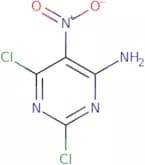
CAS:Producto controlado<p>1-[(2-Pyridyl)methyl]piperazine is a fluorescent organic solvent. It is a piperazine derivative with low detection limit, which can be used for the detection of metal ions. 1-[(2-Pyridyl)methyl]piperazine has also been shown to be a hyperpolarizing agent in organic solvents and has been used as an optical sensor for 4-chloro-7-nitrobenzofurazan, which is a compound that exhibits fluorescence properties. 1-[(2-Pyridyl)methyl]piperazine can be used as a linker in microscopy techniques to immobilize biomolecules on the surface of glass slides.</p>Fórmula:C10H15N3Pureza:Min. 95%Peso molecular:177.25 g/mol2,6-Dichloro-5-nitropyrimidin-4-amine
CAS:<p>2,6-Dichloro-5-nitropyrimidin-4-amine is a chlorinating agent that reacts with aliphatic and aromatic amines to form substituted pyrimidines. The substitution pattern of the product depends on the regioselectivity of the reaction. 2,6-Dichloro-5-nitropyrimidin-4-amine is one of the few chlorinating agents that react with propylamine. Substitution at position 2 of the purine ring has been found to be more selective than substitution at position 6. The 2,6-dichloropyrimidine can also be used as a nitro group source in chemical synthesis or as an intermediate in production of other compounds.</p>Fórmula:C4H2Cl2N4O2Pureza:Min. 95%Forma y color:SolidPeso molecular:208.99 g/mol1-(4-(Aminomethyl)phenyl)pyridin-1-ium chloride
CAS:<p>1-(4-(Aminomethyl)phenyl)pyridin-1-ium chloride is a chemical compound that belongs to the class of pyridines and has pinpoint as its molecular weight. It is an ionic liquid that can be used in analytical methods, such as liquid chromatography and ionization techniques, for the identification of unsaturated fatty acids. This compound can be analyzed by gas chromatography with either electron capture detection or chemical ionization. The GC separation column used for this analysis would have to be a phase column with an unsaturated fatty acid stationary phase. GC-EID and GC-CI are two common ionization techniques that could be used in conjunction with this analytical method. The lower limit of detection for this technique is about 0.1 ppm, which makes it a sensitive analytical tool for use in food production and quality control laboratories. The yield of 1-(4-(Aminomethyl)phenyl)pyridin-1-</p>Pureza:Min. 95%Piperidin-3-one hydrochloride
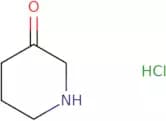
CAS:<p>Piperidin-3-one hydrochloride is an organic solvent that belongs to the group of benzyl compounds. It is a reagent for the synthesis of sulfides, which are used in the production of dyes, pharmaceuticals, and other products. Piperidin-3-one hydrochloride can be used as a constant in calculating the shift of tetrafluoroborate ions. This compound has been shown to be assembled into planar structures with six atoms per side. The resonance frequencies of this compound depend on the solvents and its aliphatic nature. Piperidin-3-one hydrochloride can be used to generate dimethyl sulfide by reacting with methanol or methyl chloride.</p>Fórmula:C5H10NOClPureza:Min. 95%Forma y color:White PowderPeso molecular:135.59 g/mola,a-Diphenyl-2-pyridinemethanol hydrochloride
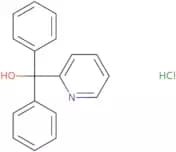
CAS:Producto controlado<p>Please enquire for more information about a,a-Diphenyl-2-pyridinemethanol hydrochloride including the price, delivery time and more detailed product information at the technical inquiry form on this page</p>Fórmula:C18H16ClNOPureza:Min. 95%Peso molecular:297.78 g/mol7H-Pyrrolo[2,3-d]pyrimidine-4-carboxylic acid
CAS:<p>7H-Pyrrolo[2,3-d]pyrimidine-4-carboxylic acid is a fine chemical that is used as a building block for more complex compounds. It is not an active ingredient in any pharmaceuticals or other products. 7H-Pyrrolo[2,3-d]pyrimidine-4-carboxylic acid can be used to produce research chemicals, reagents, and specialty chemicals. This compound has been shown to be useful as a reaction component or scaffold in the synthesis of more complex molecules.</p>Fórmula:C7H5N3O2Pureza:Min. 95%Forma y color:PowderPeso molecular:163.13 g/mol1-Acetyl-4-(2,4-difluorobenzyl)piperazine
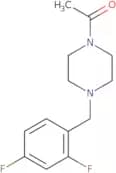
CAS:Producto controlado<p>Please enquire for more information about 1-Acetyl-4-(2,4-difluorobenzyl)piperazine including the price, delivery time and more detailed product information at the technical inquiry form on this page</p>Fórmula:C13H16F2N2OPureza:Min. 95%Peso molecular:254.28 g/mol1-(2-Aminopyrimidin-5-yl)ethanone
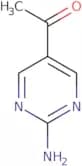
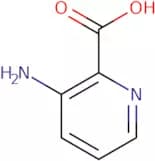
CAS:<p>Please enquire for more information about 1-(2-Aminopyrimidin-5-yl)ethanone including the price, delivery time and more detailed product information at the technical inquiry form on this page</p>Fórmula:C6H7N3OPureza:Min. 95%Peso molecular:137.14 g/mol3-Aminopicolinic acid
CAS:<p>3-Aminopicolinic acid is a carboxylate that can be found in the cytosol, mitochondria, and nucleus of cells. It is an efficient method for the synthesis of picolinic acid from 3-aminopyridine-2-carboxylic acid. The synthesis of picolinic acid has been shown to have structural analogs to molecules involved in nucleotide metabolism such as single-stranded DNA, mitochondrial DNA, and mitochondrial RNA. 3-Aminopicolinic acid has been shown to increase renal blood flow by stabilizing complexes with chloride and phosphoenolpyruvate. This compound also enhances the renal excretion of picolinic acid. 3-Desacetylcefotaxime potassium Tilmicosin Gatifloxacin 3-Aminopicolinic acid</p>Fórmula:C6H6N2O2Pureza:Min. 95 Area-%Forma y color:Yellow PowderPeso molecular:138.12 g/molMethyl 1H-pyrrolo[2,3-b]pyridine-2-carboxylate
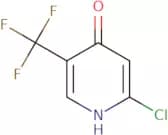
CAS:<p>Please enquire for more information about Methyl 1H-pyrrolo[2,3-b]pyridine-2-carboxylate including the price, delivery time and more detailed product information at the technical inquiry form on this page</p>Fórmula:C9H8N2O2Pureza:Min. 95%Peso molecular:176.17 g/mol2-Chloro-5-(trifluoromethyl)pyridin-4-ol
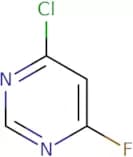
CAS:<p>Please enquire for more information about 2-Chloro-5-(trifluoromethyl)pyridin-4-ol including the price, delivery time and more detailed product information at the technical inquiry form on this page</p>Fórmula:C6H3ClF3NOPureza:Min. 95%Peso molecular:197.54 g/mol4-Chloro-6-Fluoro-Pyrimidine
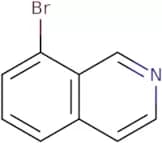
CAS:<p>Please enquire for more information about 4-Chloro-6-Fluoro-Pyrimidine including the price, delivery time and more detailed product information at the technical inquiry form on this page</p>Fórmula:C4H2ClFN2Pureza:Min. 95%Peso molecular:132.52 g/mol8-Bromoisoquinoline
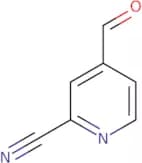
CAS:<p>8-Bromoisoquinoline is a bifunctional alkylating agent that is used to synthesize esters and amides. It is commonly used for the synthesis of amino acids, peptides, and other biologically active molecules. 8-Bromoisoquinoline has been shown to have a synergistic effect with hydroxyalkyl carbamates, which may be due to its ability to form an ionic bond with the carboxylic acid in these compounds. This chemical can also react with nitro groups and serve as a chlorinating agent, as well as react with anions such as phosphate and acetate. 8-Bromoisoquinoline can be synthesized by reacting ethyl bromoacetate with tetrahydroisoquinolinium chloride in hydrochloric acid or isopropyl alcohol.</p>Fórmula:C9H6BrNPureza:Min. 95%Forma y color:PowderPeso molecular:208.05 g/mol2-Cyanopyridine-4-carboxaldehyde
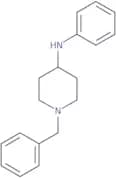
CAS:<p>Please enquire for more information about 2-Cyanopyridine-4-carboxaldehyde including the price, delivery time and more detailed product information at the technical inquiry form on this page</p>Fórmula:C7H4N2OPureza:Min. 95%Peso molecular:132.12 g/mol4-Anilino-1-benzylpiperidine
CAS:Producto controlado<p>4-Anilino-1-benzylpiperidine is a synthetic opioid analgesic that is a prodrug of the active metabolite pethidine. It is an agonist at µ-opioid receptors and is used as an analgesic medication. 4-Anilino-1-benzylpiperidine has been shown to have a high affinity for the δ subtype of opioid receptor and also inhibits the reuptake of naloxone, which may be related to its antinociceptive effects. 4-Anilino-1-benzylpiperidine has been shown to be effective in humans when given in doses around 100mg. The drug binds to functional groups on proteins, such as serine hydroxyls and cysteine sulfhydryl groups, which may account for its efficacy in humans.</p>Fórmula:C18H22N2Pureza:Min. 95%Peso molecular:266.38 g/mol1-[3-(4-tert-Butylbenzoyl)propyl]-4-hydroxypiperidine
CAS:<p>Please enquire for more information about 1-[3-(4-tert-Butylbenzoyl)propyl]-4-hydroxypiperidine including the price, delivery time and more detailed product information at the technical inquiry form on this page</p>Fórmula:C19H29NO2Pureza:Min. 95%Peso molecular:303.44 g/mol2,5-Difluoropyridine
CAS:<p>2,5-Difluoropyridine is a ligand that is used in the synthesis of pharmaceuticals and other organic compounds. 2,5-Difluoropyridine is typically activated by a metal ion (e.g., palladium) to form an organometallic complex. The orientation of substituents on the difluoropyridine ring can affect its reactivity and selectivity. For example, chlorine atoms interact with the electrophilic carbon atom in the ring and orientations with electron withdrawing groups are more reactive than those with electron donating groups. 2,5-Difluoropyridine can be used as a cross-coupling reagent for Grignard reactions and nucleophilic substitution reactions. It also has been shown to inhibit human erythrocyte pyruvate kinase activity in vitro and may be useful for the treatment of diabetic complications such as neuropathy or retinopathy.</p>Fórmula:C5H3F2NPureza:Min. 95%Forma y color:Clear LiquidPeso molecular:115.08 g/mol2,3-Difluoro pyridine
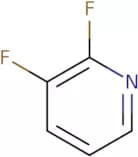
CAS:<p>2,3-Difluoro pyridine is an organic compound with the chemical formula C6H3F2N. It is a colorless liquid that has a strong odor and a boiling point of 147°C. 2,3-Difluoro pyridine has antibacterial properties and can be used to treat bacterial infections by inhibiting the synthesis of proteins in bacterial cells. This inhibition prevents the formation of new cell walls, which leads to cell death. 2,3-Difluoro pyridine is also used as an intermediate in organic chemistry reactions involving hydrogen fluoride. The transport properties of this compound are low due to its high melting point and low solubility in water. There are three different polymorphs for 2,3-difluoropyridine: form II, form III and form IV, with form II being the most common. Form II has a trigonal planar molecular geometry, whereas forms III and IV have tetragonal</p>Fórmula:C5H3F2NPureza:Min. 95%Forma y color:Clear LiquidPeso molecular:115.08 g/mol4-Amino-1,3-dimethyl-2,6-dioxo-5-nitrosopyrimidine
CAS:<p>4-Amino-1,3-dimethyl-2,6-dioxo-5-nitrosopyrimidine is a monoclonal antibody that binds to cancer cells. It has been shown to be effective in the treatment of leukemia, Hodgkin's disease, and non-Hodgkin's lymphoma. The binding of 4-Amino-1,3-dimethyl-2,6-dioxo-5-nitrosopyrimidine to cancer cells is due to the formation of a coordination geometry between the copper complex and the nitrogen atoms on the amino group. This drug has been shown to inhibit tumor growth by blocking the synthesis of DNA and RNA, which are key components in cell division. 4AADNP also inhibits cancer cells' ability to uptake glucose by inhibiting cellular glucose transporters. The binding affinity of 4AADNP for cancer cells is higher than for normal cells because cancer cells have more receptors for this drug</p>Fórmula:C6H8N4O3Pureza:Min. 95%Peso molecular:184.15 g/mol5-Oxo-1-(pyridin-3-ylmethyl)pyrrolidine-3-carboxylic acid
CAS:<p>Please enquire for more information about 5-Oxo-1-(pyridin-3-ylmethyl)pyrrolidine-3-carboxylic acid including the price, delivery time and more detailed product information at the technical inquiry form on this page</p>Fórmula:C11H12N2O3Pureza:Min. 95%Peso molecular:220.22 g/molPyrrolidine
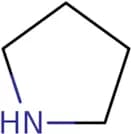
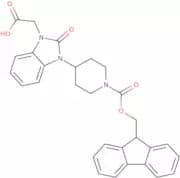
CAS:<p>Pyrrolidine is a hypoglycemic agent that has been shown to have antibacterial efficacy against some gram-positive bacteria. It inhibits bacterial growth by binding to the enzyme ribonucleotide reductase, which is required for DNA synthesis. Pyrrolidine also has an antimicrobial effect on human cells and is a substrate for the enzyme IDO1, which may be responsible for many of its biological effects. Pyrrolidine binds to methanol solvent and has been shown to inhibit the activity of endometrial cells by reducing glucose uptake. The reaction with methanol solvent also causes pyrrolidine molecules to change conformation, making them more susceptible to inhibition by IDO1.</p>Fórmula:C4H9NPureza:Min. 95%Forma y color:Colorless Clear LiquidPeso molecular:71.12 g/molFmoc-4-(3-carboxymethyl-2-keto-one-benzimidazolyl)piperidine
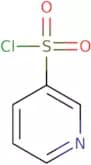
CAS:Producto controlado<p>Please enquire for more information about Fmoc-4-(3-carboxymethyl-2-keto-one-benzimidazolyl)piperidine including the price, delivery time and more detailed product information at the technical inquiry form on this page</p>Fórmula:C29H27N3O5Pureza:Min. 95%Peso molecular:497.54 g/molPyridine-3-sulfonyl chloride
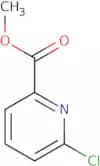
CAS:<p>Pyridine-3-sulfonyl chloride is a chemical compound that binds to the active site of cytochrome P450 enzymes. It can be used to study the effects of matrix effect on reaction solution. Pyridine-3-sulfonyl chloride has been shown to have an UV absorption spectrum with a maximum at 280 nm and a p450 activity that is proportional to the concentration of human serum. This compound has been shown to inhibit kinase domain in vitro assays, which may have clinical relevance in the treatment of obesity.</p>Fórmula:C5H4ClNO2SPureza:Min. 95%Forma y color:PowderPeso molecular:177.61 g/molMethyl 6-chloro-2-pyridinecarboxylate
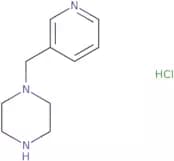
CAS:<p>Methyl 6-chloro-2-pyridinecarboxylate is a reactive, organic compound that belongs to the class of monomers. It is a white crystalline solid with a melting point of approximately 130 degrees Celsius. This chemical can be synthesized by reacting 2-chlorobenzothiazole with sodium carbonate in water at temperatures between 100 and 140 degrees Celsius. The reaction yields methyl 6-chloro-2-pyridinecarboxylate as well as chloride and picolinic acid as side products. This compound has been shown to have neurotoxic effects when administered to rats at high doses.</p>Fórmula:C7H6ClNO2Pureza:Min. 95%Peso molecular:171.58 g/mol1-(Pyridin-3-ylmethyl)piperazineHydrochloride
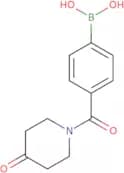
CAS:Producto controlado<p>Please enquire for more information about 1-(Pyridin-3-ylmethyl)piperazineHydrochloride including the price, delivery time and more detailed product information at the technical inquiry form on this page</p>Fórmula:C10H16ClN3Pureza:Min. 95%Peso molecular:213.71 g/mol4-(4-Oxopiperidine-1-carbonyl)phenylboronic acid
CAS:Producto controlado<p>Please enquire for more information about 4-(4-Oxopiperidine-1-carbonyl)phenylboronic acid including the price, delivery time and more detailed product information at the technical inquiry form on this page</p>Fórmula:C12H14BNO4Pureza:Min. 95%Peso molecular:247.05 g/mol4-Ethynylpyridine
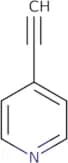
CAS:<p>4-Ethynylpyridine is a yellow solid that is soluble in most organic solvents. It has been shown to be an inhibitor of Cox-2, which is a pro-inflammatory enzyme. 4-Ethynylpyridine also inhibits the production of nitric oxide by inhibiting the enzyme inducible nitric oxide synthase (iNOS). This compound also has high cytotoxicity and can be used for photodynamic therapy. The chemical structure of 4-ethynylpyridine is composed of nitrogen atoms, carbon atoms, and hydrogen atoms. 4-Ethynylpyridine forms a complex with 2-phenylbutyric acid through electrochemical studies, which is important for its pharmacological properties.</p>Fórmula:C7H5NPureza:Min. 95%Forma y color:PowderPeso molecular:103.12 g/mol4-Hydroxy-7-methoxy-6-quinolinecarboxamide
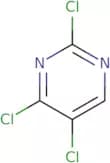
CAS:<p>Please enquire for more information about 4-Hydroxy-7-methoxy-6-quinolinecarboxamide including the price, delivery time and more detailed product information at the technical inquiry form on this page</p>Fórmula:C11H10N2O3Pureza:Min. 95%Peso molecular:218.21 g/mol2,4,5-Trichloropyrimidine
CAS:<p>2,4,5-Trichloropyrimidine is a chemical compound that has reactive properties. It can be used in the Suzuki coupling reaction to form new molecules. 2,4,5-Trichloropyrimidine can also be used as a potent inhibitor of epidermal growth factor receptors (EGFRs). It has been shown to inhibit the growth of cancer cells and other autoimmune diseases. 2,4,5-Trichloropyrimidine has shown significant inhibitory activity against kinases. It is selective for EGFRs and does not have any effect on other kinases. This suggests that it may be an effective therapeutic agent for the treatment of certain cancers and autoimmune diseases.</p>Fórmula:C4HCl3N2Pureza:Min. 95%Peso molecular:183.42 g/mol2-Amino-1,3,5-triazine
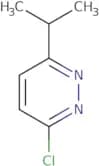
CAS:<p>2-Amino-1,3,5-triazine is a hydrogen bond donor that has been shown to have growth inhibiting effects. It reduces the viscosity of aqueous solutions and is used as an enantiopure for amines. 2-Amino-1,3,5-triazine can be used in reactions with metal surfaces to produce surface coatings or used as a bifunctional crosslinking agent for polymer materials. 2-Amino-1,3,5-triazine has been shown to have degenerative disease inhibitory activity and inflammatory disease inhibitory activity. It also inhibits the production of inflammatory cytokines such as tumor necrosis factor alpha (TNFα) and interleukin 6 (IL6).</p>Fórmula:C3H4N4Pureza:Min. 95%Peso molecular:96.09 g/mol3-Chloro-6-isopropylpyridazine
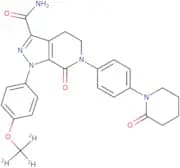
CAS:<p>Please enquire for more information about 3-Chloro-6-isopropylpyridazine including the price, delivery time and more detailed product information at the technical inquiry form on this page</p>Fórmula:C7H9ClN2Pureza:Min. 95%Peso molecular:156.61 g/molApixaban-d3
CAS:Producto controlado<p>Please enquire for more information about Apixaban-d3 including the price, delivery time and more detailed product information at the technical inquiry form on this page</p>Fórmula:C25H22D3N5O4Pureza:Min. 95%Peso molecular:462.52 g/moltrans-1-Boc-4-amino-piperidine-3-carboxylic acid ethyl ester hydrochloride
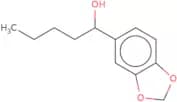
CAS:<p>Please enquire for more information about trans-1-Boc-4-amino-piperidine-3-carboxylic acid ethyl ester hydrochloride including the price, delivery time and more detailed product information at the technical inquiry form on this page</p>Fórmula:C13H24N2O4•HClPureza:Min. 95%Peso molecular:308.8 g/mola-Butylpiperonyl alcohol
CAS:Producto controlado<p>a-Butylpiperonyl alcohol is a chiral molecule that is used in the synthesis of esters. It can be produced by microbial fermentation and low-temperature chemical reactions. This compound has been shown to inhibit the growth of Gram-positive bacteria, such as Staphylococcus aureus and Streptococcus pneumoniae. The biosynthetic pathway for a-butylpiperonyl alcohol is not yet well understood, but it has been hypothesized that this compound is synthesized from an intermediate, acetic acid. The enzyme responsible for this conversion is unknown, but it may be catalysed by an acylase or acetate kinase. A study on the genome sequence of Coelicolor revealed that this organism produces a-butylpiperonyl alcohol from the intermediate 3-hydroxypropanoic acid.</p>Fórmula:C12H16O3Pureza:Min. 95%Peso molecular:208.25 g/mol3,5-Dibromopyrazin-2-amine
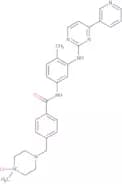
CAS:<p>3,5-Dibromopyrazin-2-amine is a triethyl orthoformate derivative that reacts with formamide to form 3,5-dibromopyrazine. The reaction time is typically less than 10 minutes and the yield is high. The product can be stored in a dry, inert atmosphere for up to 3 months without degradation. The compound has been shown to inhibit cyclic nucleotide phosphodiesterase (PDE) enzymes and cancer cells in vitro.</p>Fórmula:C4H3Br2N3Pureza:Min. 95%Forma y color:White To Yellow To Orange SolidPeso molecular:252.89 g/molImatinib (piperidine)-N-oxide
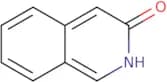
CAS:<p>Imatinib (piperidine)-N-oxide is a by-product of the synthesis process for Imatinib, which is an inhibitor of tyrosine kinases. Imatinib (piperidine)-N-oxide has been shown to have antineoplastic activity in vitro and in vivo. It is structurally related to CGP 71422, a known tyrosine kinase inhibitor.</p>Fórmula:C29H31N7O2Pureza:Min. 95%Peso molecular:509.6 g/mol3-Hydroxyisoquinoline
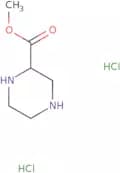
CAS:<p>3-Hydroxyisoquinoline is a non-nucleoside inhibitor of cyclic nucleotide phosphodiesterase (cNMP) that is used in the treatment of nervous system diseases. 3-Hydroxyisoquinoline has been shown to have an inhibitory effect on cyclic nucleotide phosphodiesterase and can be used for the treatment of neurological disorders such as Parkinson’s disease, Alzheimer’s disease, and epilepsy. It also has anti-inflammatory properties and can be used to treat pain. 3-Hydroxyisoquinoline has a photoelectron spectrum that peaks at 5.6 eV, with a strong absorption band at 2.1 eV due to hydrogen bonding. This compound is also able to absorb radiation in the form of light emission with an emission peak at 4.8 eV, with a maximum intensity around 830 nm and a half-life of 0.2 s. 3-Hydroxyisoquinoline is able to</p>Fórmula:C9H7NOPureza:Min. 95%Forma y color:Yellow PowderPeso molecular:145.16 g/molPiperazine-2-carboxylic acid methyl esterdihydrochloride
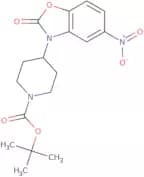
CAS:<p>Piperazine-2-carboxylic acid methyl ester (PPCM) is a chemical compound that is used as an intermediate in the production of ethylenediamine and piperazine-2-carboxylic acid dihydrochloride. It is a white crystalline solid that can be synthesized by reacting ethylene diamine with piperazine-2-carboxylic acid. PPCM has been shown to inhibit the growth of bacteria, yeast, and fungi by inhibiting protein synthesis. This chemical also inhibits the production of proteins essential for respiration and cell wall formation.</p>Fórmula:C6H14Cl2N2O2Pureza:Min. 95%Peso molecular:217.09 g/moltert-Butyl 4-(5-nitro-2-oxo-1,3-benzoxazol-3(2H)-yl)piperidine-1-carboxylate
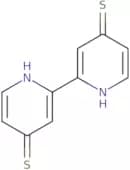
CAS:Producto controlado<p>Please enquire for more information about tert-Butyl 4-(5-nitro-2-oxo-1,3-benzoxazol-3(2H)-yl)piperidine-1-carboxylate including the price, delivery time and more detailed product information at the technical inquiry form on this page</p>Fórmula:C17H21N3O6Pureza:Min. 95%Peso molecular:363.37 g/mol4,4'-Dithio-2,2'-bipyridine
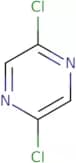
CAS:<p>Please enquire for more information about 4,4'-Dithio-2,2'-bipyridine including the price, delivery time and more detailed product information at the technical inquiry form on this page</p>Fórmula:C10H8N2S2Pureza:Min. 95%Forma y color:PowderPeso molecular:220.32 g/mol2,5-Dichloropyrazine
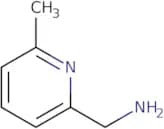
CAS:<p>2,5-Dichloropyrazine is a ligand that binds to the bromodomain of a protein and causes it to deform. The bromodomain contains a metal ion at its core and is an important component of many proteins that regulate gene expression. 2,5-Dichloropyrazine has been shown to bind to the metal ion in the bromodomain of some proteins and cause them to deform. This deformation results in changes in the shape of the protein's DNA-binding site, which can alter the way it regulates gene expression. 2,5-Dichloropyrazine also interacts with hexamethylenetetramine (HMT) to form anions and chlorinating agents. These interactions may be responsible for 2,5-dichloropyrazine's high yield.</p>Fórmula:C4H2Cl2N2Pureza:Min. 95%Forma y color:Clear LiquidPeso molecular:148.98 g/mol6-Methyl-2-pyridinemethanamine
CAS:<p>6-Methyl-2-pyridinemethanamine is an imine that is used in cancer therapy. It has been shown to have antitumor activity at nanomolar concentrations, which is a very low dose. 6-Methyl-2-pyridinemethanamine is not sensitive to the body's enzymes and does not show any signs of toxicity. This drug also has a pharmacokinetic profile that enhances the uptake of other drugs and can be used for the treatment of cancers that are resistant to chemotherapy. The mechanism of action of 6-methyl-2-pyridinemethanamine is constitutive activation, which means it binds to the constitutively active site on the protein target and inhibits its function.</p>Fórmula:C7H10N2Pureza:Min. 95%Peso molecular:122.17 g/molKinetin
CAS:<p>Kinetin is a chemical compound that is used in research as a reagent, useful scaffold, and an intermediate. It has been shown to be an effective building block for the synthesis of complex compounds. Kinetin is also a versatile building block that can be used to synthesize many different types of compounds. Kinetin has a CAS number 525-79-1 and is classified as a speciality chemical.</p>Fórmula:C10H9N5OPeso molecular:215.22 g/mol7-Bromo-1-methyl-1H-imidazo[4,5-c]pyridine
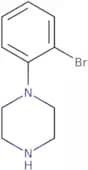
CAS:<p>Please enquire for more information about 7-Bromo-1-methyl-1H-imidazo[4,5-c]pyridine including the price, delivery time and more detailed product information at the technical inquiry form on this page</p>Fórmula:C7H6BrN3Pureza:Min. 95%Peso molecular:212.05 g/mol1-(2-Bromophenyl)piperazine
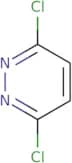
CAS:Producto controlado<p>1-(2-Bromophenyl)piperazine is a drug that inhibits the activity of dehydrogenase, an enzyme that catalyzes the oxidation of NADH to NAD. It has been shown to inhibit other enzymes as well, such as those involved in the synthesis of amino acids and nucleic acids. 1-(2-Bromophenyl)piperazine has shown potential as a therapeutic agent for Parkinson's disease. This drug is being tested in clinical trials for its efficacy in treating a variety of diseases, including metabolic and cardiovascular disorders, hepatobiliary diseases, and neurodegenerative diseases.</p>Fórmula:C10H13BrN2Pureza:Min. 95%Peso molecular:241.13 g/mol3,6-Dichloropyridazine
CAS:<p>3,6-Dichloropyridazine is a chemical compound that belongs to the group of heterocycles. It is used as an intermediate for the production of other chemicals such as pharmaceuticals and pesticides. 3,6-Dichloropyridazine can be used in the treatment of inflammatory diseases by inhibiting cyclic nucleotide phosphodiesterase and preventing the accumulation of cyclic nucleotides. 3,6-Dichloropyridazine has been shown to inhibit cancer cells by binding to α7 nicotinic acetylcholine receptors in the cell membrane. The chlorine atom at position 3 on the pyridine ring is responsible for this effect. In addition, 3,6-dichloropyridazine has been shown to react with both nucleophilic and electrophilic groups. This chemical also displays a wide range of chemical diversity due to its three chlorine atoms.</p>Fórmula:C4H2Cl2N2Pureza:Min. 95%Forma y color:Red PowderPeso molecular:148.98 g/molN-(2-Aminoethyl)piperazine
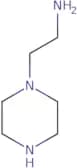
CAS:<p>N-(2-Aminoethyl)piperazine (NAPE) is a chemical compound that can be used as an environmentally friendly catalyst for the degradation of ethylene diamine and other amines. NAPE has been shown to be stable under alkaline conditions, and its fluorescence probe has been used to monitor the progress of the reaction. This compound is a coordination complex with nitrogen atoms at the corners of a square and two amines at opposite corners of the square. The amine groups are coordinated to metal ions in a geometry that is determined by the atomic number of the metal ion. Disulfide bonds form between two cysteine residues on adjacent chains. Glycol ethers can also form disulfide bonds with NAPE, forming glycol ether-NAPE complexes. Antibodies have been shown to bind to glycol ether-NAPE complexes, suggesting that these complexes may play a role in antibody response, although experimental solubility data have not yet confirmed this</p>Fórmula:C6H15N3Pureza:Min. 95%Peso molecular:129.2 g/mol2,6-Dimercaptopurine
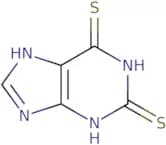
CAS:<p>2,6-Dimercaptopurine (2,6-DMP) is an immunosuppressive drug that is used to prevent organ transplants from being rejected. It blocks the synthesis of DNA and RNA in cells by inhibiting the enzyme thymidylate synthase. The reaction mechanism involves a nucleophilic attack on the phosphorus atom of 2,6-DMP by a proton from water or another nucleophile such as urea or ammonia. 2,6-DMP is metabolized through a number of tautomeric forms, which are neutral and acidic in pH. One example of this is when 2,6-DMP reacts with hydrochloric acid to form a conjugate base that can be excreted in urine.</p>Fórmula:C5H4N4S2Pureza:Min. 95%Forma y color:Yellow PowderPeso molecular:184.24 g/mol4-Iodo-2-methoxypyridine-3-carboxaldehyde
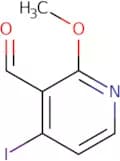
CAS:<p>4-Iodo-2-methoxypyridine-3-carboxaldehyde is a disubstituted compound that has insulin-like properties. It inhibits the activity of the insulin receptor, which may contribute to its insulin-like growth factor effects. This inhibitor also targets the protein kinase, which is responsible for the response of cells to insulin. 4-Iodo-2-methoxypyridine 3 carboxaldehyde has been shown to inhibit IGF1R and malonate ion, and it may have potential as an oral treatment for diabetes.</p>Fórmula:C7H6INO2Pureza:Min. 95%Peso molecular:263.03 g/mol1-(2-Chloropropanoyl)azepane
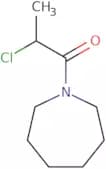
CAS:<p>Please enquire for more information about 1-(2-Chloropropanoyl)azepane including the price, delivery time and more detailed product information at the technical inquiry form on this page</p>Fórmula:C9H16ClNOPureza:Min. 95%Peso molecular:189.68 g/mol{2-[(4-Phenylpiperazin-1-yl)carbonyl]phenyl}amine
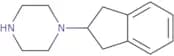
CAS:Producto controlado<p>Please enquire for more information about {2-[(4-Phenylpiperazin-1-yl)carbonyl]phenyl}amine including the price, delivery time and more detailed product information at the technical inquiry form on this page</p>Fórmula:C17H19N3OPureza:Min. 95%Peso molecular:281.35 g/mol1-(2,3-Dihydro-1H-inden-2-yl)piperazine dihydrochloride
CAS:Producto controlado<p>Please enquire for more information about 1-(2,3-Dihydro-1H-inden-2-yl)piperazine dihydrochloride including the price, delivery time and more detailed product information at the technical inquiry form on this page</p>Fórmula:C13H18N2Pureza:Min. 95%Peso molecular:202.3 g/mol1-[(1-Ethyl-3,5-dimethyl-1H-pyrazol-4-yl)methyl]piperazine
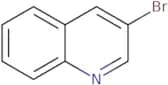
CAS:Producto controlado<p>Please enquire for more information about 1-[(1-Ethyl-3,5-dimethyl-1H-pyrazol-4-yl)methyl]piperazine including the price, delivery time and more detailed product information at the technical inquiry form on this page</p>Fórmula:C12H22N4Pureza:Min. 95%Peso molecular:222.33 g/mol3-Bromoquinoline
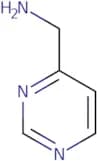
CAS:<p>3-Bromoquinoline is a brominated quinoline derivative that can be synthesized by cross-coupling reactions. The compound's chemical structure is similar to the 3-azidoquinoline, which was studied in quantum theory and molecular modeling. The 3-bromoquinoline molecule has been shown to exist in two different coordination geometries: octahedral and trigonal bipyramidal. In the octahedral geometry, the 3-bromoquinoline molecule is bound to three bromine atoms and one nitrogen atom, with an intramolecular hydrogen bond between the nitrogen atom and the quinoline ring system. The trigonal bipyramidal geometry also features an intramolecular hydrogen bond between the nitrogen atom and quinoline ring system, as well as a halogen bonding interaction with one of the three bromine atoms.</p>Fórmula:C9H6BrNPureza:Min. 95%Forma y color:Yellow PowderPeso molecular:208.05 g/mol(Pyrimidin-4-ylmethyl)amine dihydrochloride
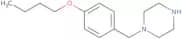
CAS:<p>Pyrimidin-4-ylmethyl)amine dihydrochloride is a drug that belongs to the class of drugs known as kinase inhibitors. Pyrimidin-4-ylmethyl)amine dihydrochloride inhibits the kinase activity of Jak3, which is involved in regulating inflammation and immune response. This inhibitor has been shown to be effective against chronic inflammatory diseases such as asthma, psoriasis, and rheumatoid arthritis. Pyrimidin-4-ylmethyl)amine dihydrochloride has an affinity for ATP binding sites and can be used to regulate kinase activity by competing with ATP for these binding sites.</p>Fórmula:C5H7N3Pureza:Min. 95%Peso molecular:109.13 g/mol1-(4-Butoxybenzyl)piperazine
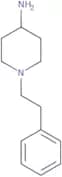
CAS:Producto controlado<p>Please enquire for more information about 1-(4-Butoxybenzyl)piperazine including the price, delivery time and more detailed product information at the technical inquiry form on this page</p>Fórmula:C15H24N2OPureza:Min. 95%Peso molecular:248.36 g/mol1-(2-Phenylethyl)piperidin-4-amine dihydrochloride
CAS:Producto controlado<p>Please enquire for more information about 1-(2-Phenylethyl)piperidin-4-amine dihydrochloride including the price, delivery time and more detailed product information at the technical inquiry form on this page</p>Fórmula:C13H20N2Pureza:Min. 95%Peso molecular:204.31 g/molα-Hydroxymethylatropine
CAS:<p>Please enquire for more information about α-Hydroxymethylatropine including the price, delivery time and more detailed product information at the technical inquiry form on this page</p>Fórmula:C18H25NO4Pureza:Min. 95%Peso molecular:319.4 g/molN-[2-(4-Benzylpiperazin-1-yl)-2-oxoethyl]-N-methylamine
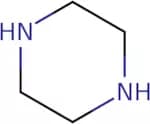
CAS:Producto controlado<p>Please enquire for more information about N-[2-(4-Benzylpiperazin-1-yl)-2-oxoethyl]-N-methylamine including the price, delivery time and more detailed product information at the technical inquiry form on this page</p>Fórmula:C14H21N3OPureza:Min. 95%Peso molecular:247.34 g/molPiperazine - anhydrous
CAS:<p>Piperazine is a pharmacological agent that has been used as an antihelminthic drug and for the treatment of metabolic disorders. It is a basic heterocyclic amine, with a piperazine ring fused to an imidazole ring. Piperazine can be synthesized from benzaldehyde, nitroethane, and ammonia. The piperazine ring is the central part of the molecule and consists of two nitrogen atoms (N) connected by three carbon atoms (C). Piperazine has a hydrogen bonding interaction with metal hydroxides such as LiOH and NaOH. This compound also acts as an enzyme inhibitor by binding to receptor activity sites on enzymes and blocking their function. Piperazine forms hydrogen bonding interactions due to its structural analysis, which includes a nitrogen atom in each of the two rings that are bonded together. These nitrogen atoms form hydrogen bonds with other nitrogen atoms in other molecules such as malonic acid or other water molecules in solution.</p>Fórmula:C4H10N2Pureza:Min. 95%Forma y color:PowderPeso molecular:86.14 g/mol(6R)-6-Cyclopentyl-6-[2-(2,6-diethyl-4-pyridinyl)ethyl]-3-[(5,7-dimethyl[1,2,4]triazolo[1,5-a]pyrimidin-2-yl)methyl]-5,6-dihydro-4-h ydroxy-2H-pyran-2-one
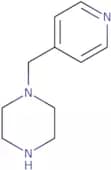
CAS:<p>Fidovirsen is a nucleoside analogue that is an inhibitor of the NS3 protease of hepatitis C virus (HCV). Fidovirsen binds to the active site of the NS3 protease and prevents cleavage at the NS3/4A interface, thus inhibiting viral replication. It has been shown to be effective in clinical studies involving human liver samples. Fidovirsen has also been shown to have antiviral activity against other RNA viruses, including HIV-1 and influenza A virus. Fidovirsen has a low toxicity profile and does not exhibit cross-resistance with other antiviral drugs. The drug is being developed as a potential therapy for chronic HCV infection.</p>Fórmula:C29H37N5O3Pureza:Min. 95%Peso molecular:503.64 g/mol1-(4-Pyridinylmethyl)piperazine
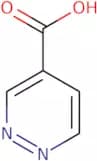
CAS:Producto controlado<p>1-(4-Pyridinylmethyl)piperazine (1-PMP) is a piperazine derivative that is used as an active ingredient in psychoactive substances. It is chemically classified as a calibrant, meaning it has been designed to have a specific effect on the brain. It is also known as a signal calibrant because of its ability to produce signals in magnetic resonance imaging (MRI). 1-PMP has been shown to be psychoactive and can cause hallucinations when taken at high doses. This drug has a number of different isomers, which are all active, but vary in potency and duration of action. The most potent isomer for human use is 4-PMP. 1-PMP can be detected through nuclear magnetic resonance (NMR), which detects the presence of hyperpolarised atoms or molecules with an external magnetic field.</p>Fórmula:C10H15N3Pureza:Min. 95%Peso molecular:177.25 g/mol4-Pyridazinecarboxylic acid
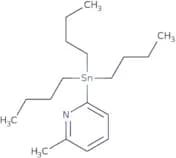
CAS:<p>4-Pyridazinecarboxylic acid is a salt that contains sodium. It is a white crystalline solid that is soluble in water, ethanol, and acetone. It has been shown to be effective against Leishmania species and Cryptococcus neoformans. 4-Pyridazinecarboxylic acid inhibits the growth of these fungi by binding to their cell membrane and inhibiting protein synthesis. 4-Pyridazinecarboxylic acid forms coordination complexes with metal ions that are involved in electron transfer reactions during the oxidative phosphorylation process. This leads to a decrease in ATP production and an increase in reactive oxygen species (ROS), which disrupts the function of macrophages and other phagocytic cells, leading to immunosuppression.</p>Fórmula:C5H4N2O2Pureza:Min. 95%Peso molecular:124.1 g/mol2-Methyl-6-(tributylstannyl)pyridine
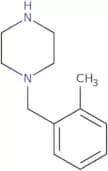
CAS:Producto controlado<p>2-Methyl-6-(tributylstannyl)pyridine is a synthetic organometallic compound that can be thermolysed to form azide and monoxide. It has been shown to react with tert-butyl lithium, leading to the formation of a nucleophilic radical species in the presence of an azide. This process is analogous to the Suzuki reaction. 2-Methyl-6-(tributylstannyl)pyridine can also be synthesized from 2,6-dibromopyridine and tributyltin chloride.</p>Fórmula:C18H33NSnPureza:Min. 95%Peso molecular:382.17 g/mol1-(2-Methylbenzyl)piperazine
CAS:Producto controlado<p>1-(2-Methylbenzyl)piperazine is a piperazine derivative that is used as a medicine. It has been shown to have an inhibitory effect on the reuptake of dopamine and noradrenaline, which are neurotransmitters that play an important role in the regulation of mood and behaviour. 1-(2-Methylbenzyl)piperazine has been shown to be effective in animal experiments. It was found to be toxic at high doses, but had low toxicity at low doses. It also showed no adverse effects on mating behaviour or fertility.</p>Fórmula:C12H18N2Pureza:Min. 95%Peso molecular:190.28 g/mol3-Tolperisone hydrochloride
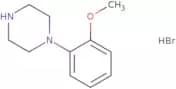
CAS:<p>Please enquire for more information about 3-Tolperisone hydrochloride including the price, delivery time and more detailed product information at the technical inquiry form on this page</p>Fórmula:C16H23NO•HClPureza:Min. 95%Peso molecular:281.82 g/mol1-(2-Methoxylphenyl)-piperazine monohydrobromide
CAS:Producto controlado<p>Please enquire for more information about 1-(2-Methoxylphenyl)-piperazine monohydrobromide including the price, delivery time and more detailed product information at the technical inquiry form on this page</p>Pureza:Min. 95%1-[(1-Methyl-1H-pyrazol-4-yl)methyl]piperazine
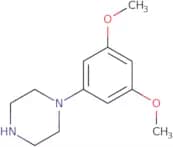
CAS:Producto controlado<p>Please enquire for more information about 1-[(1-Methyl-1H-pyrazol-4-yl)methyl]piperazine including the price, delivery time and more detailed product information at the technical inquiry form on this page</p>Fórmula:C9H16N4Pureza:Min. 95%Peso molecular:180.25 g/mol1-(3,5-Dimethoxyphenyl)piperazine
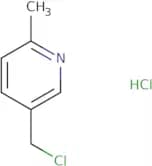
CAS:Producto controlado<p>1-(3,5-Dimethoxyphenyl)piperazine (1DMPP) is a phenylpiperazine derivative that has shown anticancer activity in vitro against human cancer cells. It is orally bioavailable and has been found to inhibit the growth of cancer cells in vivo. 1DMPP is metabolized by the liver into a number of metabolites that are excreted via the kidneys. The pharmacokinetic properties of 1DMPP have been studied in rats and mice, which revealed that it is well absorbed when administered orally and has a short terminal half-life. In vitro studies have demonstrated that 1DMPP inhibits cell growth through inhibition of protein synthesis and DNA replication.</p>Fórmula:C12H18N2O2Pureza:Min. 95%Peso molecular:222.28 g/mol2-Methyl-5-chloromethylpyridineHydrochloride
CAS:<p>Please enquire for more information about 2-Methyl-5-chloromethylpyridineHydrochloride including the price, delivery time and more detailed product information at the technical inquiry form on this page</p>Fórmula:C7H9Cl2NPureza:Min. 95%Peso molecular:178.06 g/mol


![4-[Bis(4-ethoxyphenyl)methyl]piperidine](/_next/image/?url=https%3A%2Fstatic.cymitquimica.com%2Fproducts%2F3D%2Fthumb-webp%2FFB116975.webp&w=3840&q=75)
![(R)-(-)-1-[(4-Chlorophenyl)phenylmethyl]piperazine](/_next/image/?url=https%3A%2Fstatic.cymitquimica.com%2Fproducts%2F3D%2Fthumb-webp%2FFC53712.webp&w=3840&q=75)
![(R)-(-)-a-[[(4-Ethyl-2,3-dioxo-1-piperazinyl)carbonyl]amino]benzeneacetic Acid](/_next/image/?url=https%3A%2Fstatic.cymitquimica.com%2Fproducts%2F3D%2Fthumb-webp%2FFE60111.webp&w=3840&q=75)

![2-Bromo-5,6-dihydro-8h-imidazo[1,2-a]pyrazine-7-carboxylic acid tert-butyl ester](/_next/image/?url=https%3A%2Fstatic.cymitquimica.com%2Fproducts%2F3D%2Fthumb-webp%2FFB163714.webp&w=3840&q=75)

![5-[2-[4',5-Bis(Pyridin-2-ylsulfamoyl)biphenyl-2-yl]diazenyl]-2-hydroxybenzoic acid](/_next/image/?url=https%3A%2Fstatic.cymitquimica.com%2Fproducts%2F3D%2Fthumb-webp%2FFB167032.webp&w=3840&q=75)
![2-Chloro-pyrazolo[1,5-a]pyridine](/_next/image/?url=https%3A%2Fstatic.cymitquimica.com%2Fproducts%2F3D%2Fthumb-webp%2FFC51462.webp&w=3840&q=75)

![2-Methylfuro[3,2-c]pyridin-4(5H)-one](/_next/image/?url=https%3A%2Fstatic.cymitquimica.com%2Fproducts%2F3D%2Fthumb-webp%2FFM128133.webp&w=3840&q=75)

![N-Methyl-2-[[3-[(1e)-2-(2-pyridinyl)ethenyl]-1-(tetrahydro-2H-pyran-2-yl)-1H-indazol-6-yl]thio]ben…](/_next/image/?url=https%3A%2Fstatic.cymitquimica.com%2Fproducts%2F3D%2Fthumb-webp%2FFM151517.webp&w=3840&q=75)



![1-[(2-Pyridyl)methyl]piperazine](/_next/image/?url=https%3A%2Fstatic.cymitquimica.com%2Fproducts%2F3D%2Fthumb-webp%2FFP156984.webp&w=3840&q=75)

![7H-Pyrrolo[2,3-d]pyrimidine-4-carboxylic acid](/_next/image/?url=https%3A%2Fstatic.cymitquimica.com%2Fproducts%2F3D%2Fthumb-webp%2FFP167570.webp&w=3840&q=75)
![Methyl 1H-pyrrolo[2,3-b]pyridine-2-carboxylate](/_next/image/?url=https%3A%2Fstatic.cymitquimica.com%2Fproducts%2F3D%2Fthumb-webp%2FFM142039.webp&w=3840&q=75)
![1-[3-(4-tert-Butylbenzoyl)propyl]-4-hydroxypiperidine](/_next/image/?url=https%3A%2Fstatic.cymitquimica.com%2Fproducts%2F3D%2Fthumb-webp%2FFB19515.webp&w=3840&q=75)







![7-Bromo-1-methyl-1H-imidazo[4,5-c]pyridine](/_next/image/?url=https%3A%2Fstatic.cymitquimica.com%2Fproducts%2F3D%2Fthumb-webp%2FFB155304.webp&w=3840&q=75)
![{2-[(4-Phenylpiperazin-1-yl)carbonyl]phenyl}amine](/_next/image/?url=https%3A%2Fstatic.cymitquimica.com%2Fproducts%2F3D%2Fthumb-webp%2FFP122463.webp&w=3840&q=75)
![1-[(1-Ethyl-3,5-dimethyl-1H-pyrazol-4-yl)methyl]piperazine](/_next/image/?url=https%3A%2Fstatic.cymitquimica.com%2Fproducts%2F3D%2Fthumb-webp%2FFE113867.webp&w=3840&q=75)

![N-[2-(4-Benzylpiperazin-1-yl)-2-oxoethyl]-N-methylamine](/_next/image/?url=https%3A%2Fstatic.cymitquimica.com%2Fproducts%2F3D%2Fthumb-webp%2FFB117802.webp&w=3840&q=75)
![(6R)-6-Cyclopentyl-6-[2-(2,6-diethyl-4-pyridinyl)ethyl]-3-[(5,7-dimethyl[1,2,4]triazolo[1,5-a]pyri…](/_next/image/?url=https%3A%2Fstatic.cymitquimica.com%2Fproducts%2F3D%2Fthumb-webp%2FFC152905.webp&w=3840&q=75)

![1-[(1-Methyl-1H-pyrazol-4-yl)methyl]piperazine](/_next/image/?url=https%3A%2Fstatic.cymitquimica.com%2Fproducts%2F3D%2Fthumb-webp%2FFM112287.webp&w=3840&q=75)