Heterociclos con nitrógeno (N)
En esta categoría, encontrará una amplia variedad de heterociclos que contienen nitrógeno. Los heterociclos son cadenas de carbono que forman un ciclo en el cual al menos una posición está ocupada por un heteroátomo, en este caso, nitrógeno. Estos compuestos son esenciales en la síntesis de productos farmacéuticos, agroquímicos y colorantes, ofreciendo una reactividad y estabilidad únicas. En CymitQuimica, ofrecemos una selección completa de heterociclos que contienen nitrógeno de alta calidad para apoyar sus investigaciones y aplicaciones industriales.
Subcategorías de "Heterociclos con nitrógeno (N)"
- Azepano(434 productos)
- Benzotriazoles(436 productos)
- Diazepanes(331 productos)
- Imidazoles(4.011 productos)
- Imidazolinas(385 productos)
- Isoxazol(1.077 productos)
- Piperazinas(3.736 productos)
- Piperidinas(8.405 productos)
- Pirazinas(1.299 productos)
- Pirazol(5.921 productos)
- Pirazolidina(21 productos)
- Pirazolina(142 productos)
- Piridazina(856 productos)
- Piridinas(21.917 productos)
- Pirimidina(6.041 productos)
- Pirrol(2.443 productos)
- Pirrolidinas(5.816 productos)
- Pirrolina(48 productos)
- Pirrolo [1,2-b] piridazina(10 productos)
- Tetrazol(510 productos)
- Triazinas(462 productos)
- Triazoles(1.680 productos)
Mostrar 14 subcategorías más
Se han encontrado 17855 productos de "Heterociclos con nitrógeno (N)"
Ordenar por
Pureza (%)
0
100
|
0
|
50
|
90
|
95
|
100
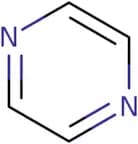
Pyrazine
CAS:<p>Pyrazine is a model system that has been used to investigate the reaction mechanism of pyrazinoic acid, an antimicrobial agent. Pyrazine reacts with water to give pyrazinoic acid and hydrogen gas. Pyrazine is also used as an analytical method for determining the concentration of odorant binding compounds in air and as a model system to study the electrochemical properties of odorant binding. The compound is characterized by intermolecular hydrogen bonding and synchronous fluorescence. Pyrazine has been shown to have an adsorption peak at 1780 cm-1 and a Langmuir adsorption isotherm at 10-4 M.</p>Fórmula:C4H4N2Pureza:Min. 95%Peso molecular:80.09 g/mol4-(3-Phenyl-1,2,4-oxadiazol-5-yl)piperidine hydrochloride
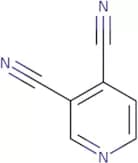
CAS:<p>Please enquire for more information about 4-(3-Phenyl-1,2,4-oxadiazol-5-yl)piperidine hydrochloride including the price, delivery time and more detailed product information at the technical inquiry form on this page</p>Fórmula:C13H15N3OPureza:Min. 95%Peso molecular:229.28 g/molPyridine-3,4-dicarbonitrile
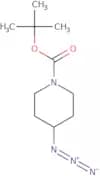
CAS:<p>Pyridine-3,4-dicarbonitrile (PDC) is a ligand that can be synthesized in the laboratory and is used to study the magnetic resonance spectroscopy of organic molecules. PDC binds to metal ions and forms coordination complexes. It has been shown that these complexes have synergistic effects with cancer drugs such as cisplatin and doxorubicin. This ligand also has been shown to bind to copper or iron ions and form stable coordination compounds. PDC can be used in organic solvents, which makes it an ideal candidate for use in organic synthesis.</p>Fórmula:C7H3N3Pureza:Min. 95%Peso molecular:129.12 g/moltert-Butyl 4-azidopiperidine-1-carboxylate
CAS:<p>Please enquire for more information about tert-Butyl 4-azidopiperidine-1-carboxylate including the price, delivery time and more detailed product information at the technical inquiry form on this page</p>Fórmula:C10H18N4O2Pureza:Min. 95%Peso molecular:226.28 g/molN-Benzoylpiperidone
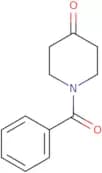
CAS:Producto controlado<p>N-Benzoylpiperidone is a synthetic piperidine derivative that is used in the synthesis of other organic compounds. It can be synthesized by reacting phenylacetaldehyde with chloroacetonitrile and hydroxybenzene. It can also be synthesized by reacting bromoacetonitrile with hydroxybenzene in the presence of sodium hydroxide. The compound has two stereoisomers, which are determined by the configuration at the nitrogen atom. The N-benzoyl group on one stereoisomer binds to the intramolecular hydrogen molecule, which signifies its structural analysis. These two isomers are distinguished by their hydroxy group, amide and alkylation properties. They react differently with rat liver microsomes due to different substrate concentration.</p>Fórmula:C12H13NO2Pureza:(%) Min. 95%Forma y color:PowderPeso molecular:203.23 g/mol2-Chloro-4-pyrimidinecarbonitrile
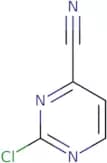
CAS:<p>2-Chloro-4-pyrimidinecarbonitrile is a synthetic compound that belongs to the group of phenylpyrimidines. It inhibits the tyrosine kinase activity and cytokine production in cells. 2-Chloro-4-pyrimidinecarbonitrile is used as an immunomodulatory agent in the treatment of cancer, autoimmune disorders and other immune dysfunctions. This drug also has anti-inflammatory properties and can be used for the treatment of inflammatory bowel diseases, such as ulcerative colitis or Crohn's disease. 2CPCN is metabolized by deamination and demethylation, which leads to the formation of nitrite ion, a reactive nitrogen species that can cause DNA damage.</p>Fórmula:C5H2ClN3Pureza:Min. 95%Peso molecular:139.54 g/mol1-(5-Chloro-2-methoxybenzyl)piperazine
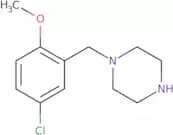
CAS:Producto controlado<p>Please enquire for more information about 1-(5-Chloro-2-methoxybenzyl)piperazine including the price, delivery time and more detailed product information at the technical inquiry form on this page</p>Fórmula:C12H17ClN2OPureza:Min. 95%Peso molecular:240.73 g/mol1-Isopropylpiperazine
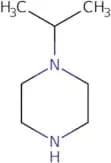
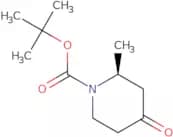
CAS:<p>1-Isopropylpiperazine is a quinoline derivative that is an antimicrobial agent. It has been shown to be effective against inflammatory bowel disease, bowel disease, and trioxane. 1-Isopropylpiperazine inhibits the activity of kinases and amines, which are molecules involved in inflammation. This drug also has molecular modeling properties that show potent inhibition of the enzyme histidine kinase. 1-Isopropylpiperazine's molecular modeling properties may be due to its ability to bind to the active site of the enzyme histidine kinase, which is adjacent to a hydrophobic pocket containing the catalytic residues.</p>Fórmula:C7H16N2Pureza:Min. 95%Forma y color:Clear LiquidPeso molecular:128.22 g/moltert-butyl (2S)-2-Methyl-4-oxopiperidine-1-carboxylate
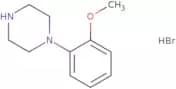
CAS:<p>Please enquire for more information about tert-butyl (2S)-2-Methyl-4-oxopiperidine-1-carboxylate including the price, delivery time and more detailed product information at the technical inquiry form on this page</p>Fórmula:C11H19NO3Pureza:Min. 95%Peso molecular:213.27 g/mol1-(2-Methoxylphenyl)-piperazine monohydrobromide
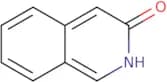
CAS:Producto controlado<p>Please enquire for more information about 1-(2-Methoxylphenyl)-piperazine monohydrobromide including the price, delivery time and more detailed product information at the technical inquiry form on this page</p>Pureza:Min. 95%3-Hydroxyisoquinoline
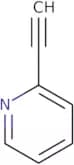
CAS:<p>3-Hydroxyisoquinoline is a non-nucleoside inhibitor of cyclic nucleotide phosphodiesterase (cNMP) that is used in the treatment of nervous system diseases. 3-Hydroxyisoquinoline has been shown to have an inhibitory effect on cyclic nucleotide phosphodiesterase and can be used for the treatment of neurological disorders such as Parkinson’s disease, Alzheimer’s disease, and epilepsy. It also has anti-inflammatory properties and can be used to treat pain. 3-Hydroxyisoquinoline has a photoelectron spectrum that peaks at 5.6 eV, with a strong absorption band at 2.1 eV due to hydrogen bonding. This compound is also able to absorb radiation in the form of light emission with an emission peak at 4.8 eV, with a maximum intensity around 830 nm and a half-life of 0.2 s. 3-Hydroxyisoquinoline is able to</p>Fórmula:C9H7NOPureza:Min. 95%Forma y color:Yellow PowderPeso molecular:145.16 g/mol2-Ethynylpyridine
CAS:<p>2-Ethynylpyridine is a structural analog of pyridine and is used in the synthesis of polymers. 2-Ethynylpyridine has been shown to have significant cytotoxicity, which may be due to its ability to bind to receptors. Using X-ray crystallography, it has been determined that 2-ethynylpyridine binds to a receptor by forming hydrogen bonds with the nitrogen atoms on the receptor. 2-Ethynylpyridine can also be activated by hydrochloric acid (HCl) and reacts with sodium hydroxide (NaOH) solution and x-rays to form an x-ray crystal structure. 2-Ethynylpyridine is synthesized by the reaction between ethyne and nitric acid in the presence of aluminum chloride (AlCl3). The product is reacted with hydrochloric acid (HCl) or sodium hydroxide (NaOH) solution, which causes a change in</p>Fórmula:C7H5NPureza:Min. 97 Area-%Forma y color:Clear LiquidPeso molecular:103.12 g/mol1-[(1-Ethyl-1H-pyrazol-4-yl)methyl]piperazine
CAS:Producto controlado<p>Please enquire for more information about 1-[(1-Ethyl-1H-pyrazol-4-yl)methyl]piperazine including the price, delivery time and more detailed product information at the technical inquiry form on this page</p>Fórmula:C10H18N4Pureza:Min. 95%Peso molecular:194.28 g/mol4-[4-(3-Chlorophenyl)piperazin-1-yl]-4-oxobutanoic acid
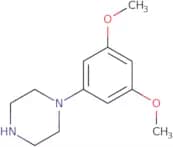
CAS:Producto controlado<p>Please enquire for more information about 4-[4-(3-Chlorophenyl)piperazin-1-yl]-4-oxobutanoic acid including the price, delivery time and more detailed product information at the technical inquiry form on this page</p>Fórmula:C14H17ClN2O3Pureza:Min. 95%Peso molecular:296.75 g/mol1-(3,5-Dimethoxyphenyl)piperazine
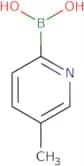
CAS:Producto controlado<p>1-(3,5-Dimethoxyphenyl)piperazine (1DMPP) is a phenylpiperazine derivative that has shown anticancer activity in vitro against human cancer cells. It is orally bioavailable and has been found to inhibit the growth of cancer cells in vivo. 1DMPP is metabolized by the liver into a number of metabolites that are excreted via the kidneys. The pharmacokinetic properties of 1DMPP have been studied in rats and mice, which revealed that it is well absorbed when administered orally and has a short terminal half-life. In vitro studies have demonstrated that 1DMPP inhibits cell growth through inhibition of protein synthesis and DNA replication.</p>Fórmula:C12H18N2O2Pureza:Min. 95%Peso molecular:222.28 g/mol5-Methylpyridine-2-boronicacid
CAS:<p>Please enquire for more information about 5-Methylpyridine-2-boronicacid including the price, delivery time and more detailed product information at the technical inquiry form on this page</p>Fórmula:C6H8BNO2Pureza:Min. 95%Peso molecular:136.94 g/mol5-Chloro-1H-imidazo[4,5-b]pyridin-2(3H)-one
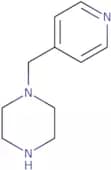
CAS:<p>5-Chloro-1H-imidazo[4,5-b]pyridin-2(3H)-one is a chemical compound that is used in analytical chemistry as an insecticide. It has been shown to cause genotoxic activity in weevils exposed to light. The compound has also been shown to have long term efficacy in plants and toxicity studies on animals. 5-Chloro-1H-imidazo[4,5-b]pyridin-2(3H)-one is metabolized by detoxification enzymes and excreted through the urine.</p>Pureza:Min. 95%1-(4-Pyridinylmethyl)piperazine
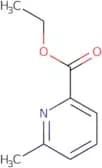
CAS:Producto controlado<p>1-(4-Pyridinylmethyl)piperazine (1-PMP) is a piperazine derivative that is used as an active ingredient in psychoactive substances. It is chemically classified as a calibrant, meaning it has been designed to have a specific effect on the brain. It is also known as a signal calibrant because of its ability to produce signals in magnetic resonance imaging (MRI). 1-PMP has been shown to be psychoactive and can cause hallucinations when taken at high doses. This drug has a number of different isomers, which are all active, but vary in potency and duration of action. The most potent isomer for human use is 4-PMP. 1-PMP can be detected through nuclear magnetic resonance (NMR), which detects the presence of hyperpolarised atoms or molecules with an external magnetic field.</p>Fórmula:C10H15N3Pureza:Min. 95%Peso molecular:177.25 g/molEthyl 6-methylpyridine-2-carboxylate
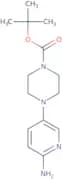
CAS:<p>Ethyl 6-methylpyridine-2-carboxylate is a pyridine derivative that has a nitrogen at the 6 position. It is an anionic compound, which is soluble in methanol and dichloromethane. The compound can be used to synthesize pharmaceuticals or as a precursor for polymers. It has been shown to inhibit the growth of tumor cells by binding to type 1 receptor sites on the surface of cancer cells. It also binds to quinine and enolate groups, which are found in many drugs. These binding sites may be exploited for drug design purposes.</p>Fórmula:C9H11NO2Pureza:Min. 95%Peso molecular:165.19 g/moltert-Butyl 4-(6-aminopyridin-3-yl)piperazine-1-carboxylate
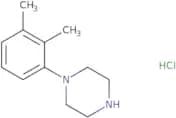
CAS:<p>tert-Butyl 4-(6-aminopyridin-3-yl)piperazine-1-carboxylate is an organic compound that can be synthesized by the reduction of 5-bromo-2-nitro pyridine with a palladium catalyst. It has been shown to inhibit the growth of cancer cells in vitro and in vivo, and is being investigated as a potential treatment for breast cancer.</p>Fórmula:C14H22N4O2Pureza:Min. 95%Peso molecular:278.35 g/mol1-(2,3-Dimethylphenyl)-piperazine monohydrochloride
CAS:Producto controlado<p>Piperazine monohydrochloride is a white crystalline powder that is soluble in water and ethanol. It has a molecular weight of 208.23 and a melting point of 117-119°C. Piperazine monohydrochloride exhibits anti-inflammatory properties, which may be due to its inhibition of prostaglandin synthesis.</p>Pureza:Min. 95%1-[4-(4-Methylpiperidin-1-yl)phenyl]methanamine
CAS:<p>Please enquire for more information about 1-[4-(4-Methylpiperidin-1-yl)phenyl]methanamine including the price, delivery time and more detailed product information at the technical inquiry form on this page</p>Fórmula:C13H20N2Pureza:Min. 95%Peso molecular:204.31 g/molBis(ethylamino)-1,3,5-triazin-2-ol hydrochloride
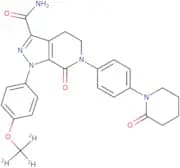
CAS:<p>Please enquire for more information about Bis(ethylamino)-1,3,5-triazin-2-ol hydrochloride including the price, delivery time and more detailed product information at the technical inquiry form on this page</p>Fórmula:C7H13N5O•HClPureza:Min. 95%Peso molecular:219.67 g/molApixaban-d3
CAS:Producto controlado<p>Please enquire for more information about Apixaban-d3 including the price, delivery time and more detailed product information at the technical inquiry form on this page</p>Fórmula:C25H22D3N5O4Pureza:Min. 95%Peso molecular:462.52 g/moltrans-1-Boc-4-amino-piperidine-3-carboxylic acid ethyl ester hydrochloride
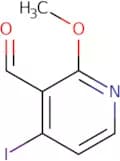
CAS:<p>Please enquire for more information about trans-1-Boc-4-amino-piperidine-3-carboxylic acid ethyl ester hydrochloride including the price, delivery time and more detailed product information at the technical inquiry form on this page</p>Fórmula:C13H24N2O4•HClPureza:Min. 95%Peso molecular:308.8 g/mol4-Iodo-2-methoxypyridine-3-carboxaldehyde
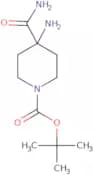
CAS:<p>4-Iodo-2-methoxypyridine-3-carboxaldehyde is a disubstituted compound that has insulin-like properties. It inhibits the activity of the insulin receptor, which may contribute to its insulin-like growth factor effects. This inhibitor also targets the protein kinase, which is responsible for the response of cells to insulin. 4-Iodo-2-methoxypyridine 3 carboxaldehyde has been shown to inhibit IGF1R and malonate ion, and it may have potential as an oral treatment for diabetes.</p>Fórmula:C7H6INO2Pureza:Min. 95%Peso molecular:263.03 g/mol4-Amino-1-Boc-piperidine-4-carboxamide
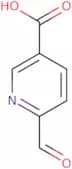
CAS:<p>Please enquire for more information about 4-Amino-1-Boc-piperidine-4-carboxamide including the price, delivery time and more detailed product information at the technical inquiry form on this page</p>Fórmula:C11H21N3O3Pureza:Min. 95%Peso molecular:243.3 g/mol6-Formylpyridine-3-carboxylic acid
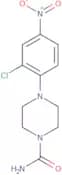
CAS:<p>Please enquire for more information about 6-Formylpyridine-3-carboxylic acid including the price, delivery time and more detailed product information at the technical inquiry form on this page</p>Fórmula:C7H5NO3Pureza:Min. 95%Peso molecular:151.12 g/mol4-(2-Chloro-4-nitrophenyl)piperazine-1-carboxamide
CAS:<p>Please enquire for more information about 4-(2-Chloro-4-nitrophenyl)piperazine-1-carboxamide including the price, delivery time and more detailed product information at the technical inquiry form on this page</p>Fórmula:C11H13ClN4O3Pureza:Min. 95%Peso molecular:284.7 g/mol(5-Chloropyridin-3-yl)boronic acid
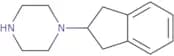
CAS:<p>Please enquire for more information about (5-Chloropyridin-3-yl)boronic acid including the price, delivery time and more detailed product information at the technical inquiry form on this page</p>Fórmula:C5H5BClNO2Pureza:Min. 95%Peso molecular:157.36 g/mol1-(2,3-Dihydro-1H-inden-2-yl)piperazine dihydrochloride
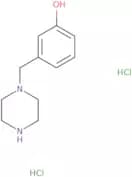
CAS:Producto controlado<p>Please enquire for more information about 1-(2,3-Dihydro-1H-inden-2-yl)piperazine dihydrochloride including the price, delivery time and more detailed product information at the technical inquiry form on this page</p>Fórmula:C13H18N2Pureza:Min. 95%Peso molecular:202.3 g/mol3-(Piperazin-1-ylmethyl)phenol dihydrochloride
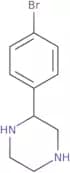
CAS:Producto controlado<p>Please enquire for more information about 3-(Piperazin-1-ylmethyl)phenol dihydrochloride including the price, delivery time and more detailed product information at the technical inquiry form on this page</p>Fórmula:C11H16N2OPureza:Min. 95%Peso molecular:192.26 g/mol2-(4-Bromophenyl)piperazine
CAS:<p>Please enquire for more information about 2-(4-Bromophenyl)piperazine including the price, delivery time and more detailed product information at the technical inquiry form on this page</p>Fórmula:C10H13BrN2Pureza:Min. 95%Peso molecular:241.13 g/mol2,3,5-Trichloropyridine
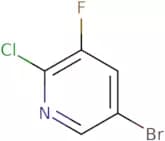
CAS:<p>2,3,5-Trichloropyridine is a chemical compound that reacts with chlorine and hydroxide to form hydrogen chloride and sodium hydroxide. It is used in the wastewater treatment process as an oxidizing agent for the removal of organic compounds from water. 2,3,5-Trichloropyridine is also used as a chlorinating agent for various purposes such as the production of acrylonitrile or the destruction of hazardous wastes. The reaction products are hydrochloric acid and sodium carbonate. This substance may react with nucleophiles to form more reactive species such as nitronium ions.</p>Fórmula:C5H2Cl3NPureza:Min. 95%Peso molecular:180.925285-Bromo-2-chloro-3-fluoropyridine
CAS:<p>5-Bromo-2-chloro-3-fluoropyridine is a catalytic reagent for the amination of anilines. It is extracted from coal tar, and is used in the manufacture of pesticides and pharmaceuticals. 5-Bromo-2-chloro-3-fluoropyridine has been shown to be an effective catalyst for the synthesis of functionalized adducts. This compound can also be used as a chemoselective agent in palladium catalysis, where it selectively adds hydrogen bromide to form aryl halides.</p>Fórmula:C5H2BrCIFNPureza:Min. 95%Peso molecular:210.43 g/molN-[2-(4-Benzylpiperazin-1-yl)-2-oxoethyl]-N-methylamine
CAS:Producto controlado<p>Please enquire for more information about N-[2-(4-Benzylpiperazin-1-yl)-2-oxoethyl]-N-methylamine including the price, delivery time and more detailed product information at the technical inquiry form on this page</p>Fórmula:C14H21N3OPureza:Min. 95%Peso molecular:247.34 g/mol1-(4-(Aminomethyl)phenyl)pyridin-1-ium chloride
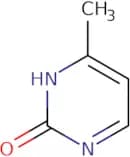
CAS:<p>1-(4-(Aminomethyl)phenyl)pyridin-1-ium chloride is a chemical compound that belongs to the class of pyridines and has pinpoint as its molecular weight. It is an ionic liquid that can be used in analytical methods, such as liquid chromatography and ionization techniques, for the identification of unsaturated fatty acids. This compound can be analyzed by gas chromatography with either electron capture detection or chemical ionization. The GC separation column used for this analysis would have to be a phase column with an unsaturated fatty acid stationary phase. GC-EID and GC-CI are two common ionization techniques that could be used in conjunction with this analytical method. The lower limit of detection for this technique is about 0.1 ppm, which makes it a sensitive analytical tool for use in food production and quality control laboratories. The yield of 1-(4-(Aminomethyl)phenyl)pyridin-1-</p>Pureza:Min. 95%2-Hydroxy-4-methylpyrimidine
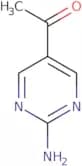
CAS:<p>2-Hydroxy-4-methylpyrimidine is a heterocyclic compound that is used in the synthesis of other heterocycles. It is prepared by the reaction of methylbenzene and nitrous acid, followed by hydrolysis to form an imine. This compound has been synthesized with various substituents at different positions on the ring and also as a series of homologues. The 2-hydroxy-4-methylpyrimidine molecule has four nitroso groups, which are substituted with methyl groups. X-ray crystallography studies have shown that the molecule can exist in two different forms: one with the methyl groups pointing "homotopically" towards each other and the other with them directed "heterotopically."</p>Fórmula:C5H6N2OPureza:Min. 95%Peso molecular:110.11 g/mol1-(2-Aminopyrimidin-5-yl)ethanone
CAS:<p>Please enquire for more information about 1-(2-Aminopyrimidin-5-yl)ethanone including the price, delivery time and more detailed product information at the technical inquiry form on this page</p>Fórmula:C6H7N3OPureza:Min. 95%Peso molecular:137.14 g/mol1-(2-Chlorobenzyl)piperazine
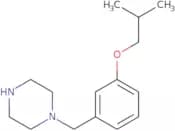
CAS:Producto controlado<p>1-(2-Chlorobenzyl)piperazine is a drug that binds to the adenosine receptor with high affinity. It has been shown to produce a bell-shaped dose-response curve, meaning that at low doses it increases the activity of adenosine receptors and at high doses it decreases the activity of these receptors. 1-(2-Chlorobenzyl)piperazine is an atypical agonist for this receptor because it does not have the typical skeleton structure of other drugs that bind to this receptor. It is also used as a research tool in assays to study the effects of drugs on adenosine receptors.</p>Fórmula:C11H15ClN2Pureza:Min. 95%Peso molecular:210.7 g/mol1-(3-Isobutoxybenzyl)piperazine
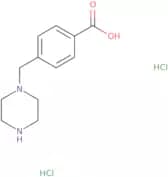
CAS:Producto controlado<p>Please enquire for more information about 1-(3-Isobutoxybenzyl)piperazine including the price, delivery time and more detailed product information at the technical inquiry form on this page</p>Fórmula:C15H24N2OPureza:Min. 95%Peso molecular:248.36 g/mol4-(Piperazinomethyl)benzoic acid, dihydrochloride
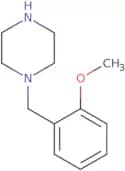
CAS:Producto controlado<p>Please enquire for more information about 4-(Piperazinomethyl)benzoic acid, dihydrochloride including the price, delivery time and more detailed product information at the technical inquiry form on this page</p>Fórmula:C12H18Cl2N2O2Pureza:Min. 95%Peso molecular:293.19 g/mol1-(2-Methoxybenzyl)piperazine
CAS:Producto controlado<p>1-(2-Methoxybenzyl)piperazine (1-MBP) is a multitarget drug that has been shown to have medicinal properties. It inhibits the cholinergic system, which is involved in memory and cognition, as well as pathways such as the inflammatory response and amyloid production. 1-MBP has been shown to inhibit acetylcholinesterase, an enzyme that breaks down acetylcholine, thus increasing the amount of acetylcholine available for signaling. 1-MBP also inhibits cholinesterase, which increases the amount of acetylcholine in the brain. This drug may have synergistic effects with other drugs for Alzheimer's disease, such as donepezil and tacrine. 1-MBP has been used in optimization studies to find new potential treatments for Alzheimer's disease by targeting different aspects of its pathogenesis.</p>Fórmula:C12H18N2OPureza:Min. 95%Forma y color:PowderPeso molecular:206.28 g/mol1-(3-Trifluoromethylphenyl)piperazine hydrochloride
CAS:Producto controlado<p>1-(3-Trifluoromethylphenyl)piperazine hydrochloride (TFMPP) is a derivative of the piperazine class of drugs. It is structurally similar to other drugs in this class, such as bromopropane, which acts as an agonist of the 5-HT1 receptor. TFMPP has been shown to be an agonist at 5-HT1 receptors and dopamine receptors. It has also been shown to inhibit serotonin uptake and release, and inhibits choline acetyltransferase activity in brain tissue. TFMPP is not active on the 5-HT2 receptor, but does have some affinity for the 5-HT2A receptor. TFMPP has high affinity for the serotonergic system, with selective binding to serotonin transporter proteins in vitro. TFMPP may also have some effect on cholinergic systems through its inhibition of acetylcholinesterase activity.</p>Fórmula:C11H14ClF3N2Pureza:Min. 95%Forma y color:White PowderPeso molecular:266.69 g/mol4-Iodo-1-tritylimidazole
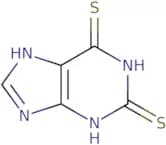
CAS:<p>4-Iodo-1-tritylimidazole is an organic molecule that has a chemical stability comparable to that of a nucleophile. It is a molecule with a heterocycle and accepts electrons from carbinol compounds, halides, and other functional groups. 4-Iodo-1-tritylimidazole can be synthesized by the palladium-catalyzed coupling reaction between organometallic reagents and histidine. This compound has been shown to have properties that are similar to those of biomimetic molecules, such as cross-coupling.</p>Fórmula:C22H17IN2Pureza:Min. 95%Forma y color:PowderPeso molecular:436.29 g/mol2,6-Dimercaptopurine
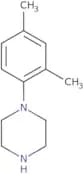
CAS:<p>2,6-Dimercaptopurine (2,6-DMP) is an immunosuppressive drug that is used to prevent organ transplants from being rejected. It blocks the synthesis of DNA and RNA in cells by inhibiting the enzyme thymidylate synthase. The reaction mechanism involves a nucleophilic attack on the phosphorus atom of 2,6-DMP by a proton from water or another nucleophile such as urea or ammonia. 2,6-DMP is metabolized through a number of tautomeric forms, which are neutral and acidic in pH. One example of this is when 2,6-DMP reacts with hydrochloric acid to form a conjugate base that can be excreted in urine.</p>Fórmula:C5H4N4S2Pureza:Min. 95%Forma y color:Yellow PowderPeso molecular:184.24 g/mol1-(2,4-Dimethylphenyl)piperazine
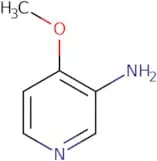
CAS:Producto controlado<p>1-(2,4-Dimethylphenyl)piperazine is an acetylcholine receptor agonist. It binds to the nicotinic acetylcholine receptor and mimics the action of acetylcholine. 1-(2,4-Dimethylphenyl)piperazine has been evaluated for optimization in order to reduce any side effects that may be caused by its binding with other receptors. The research has shown that 1-(2,4-Dimethylphenyl)piperazine is able to increase lipid transport, which may have a positive effect on conditions like glioma. This drug also inhibits the activity of acetylcholine esterase and monoamine oxidase, which are enzymes responsible for the breakdown of these neurotransmitters.</p>Pureza:Min. 95%3-Amino-4-methoxypyridine
CAS:<p>3-Amino-4-methoxypyridine is a molecule that has been shown to have anesthetic activity. It has been shown to inhibit the uptake of glycogen by glioblastoma cells and decrease the rate of glycogen synthesis in these cells. 3-Amino-4-methoxypyridine also inhibits the production of ATP in cardiac muscle cells, which may be due to its ability to inhibit glycogen synthase kinase-3 (GSK3) and glycogen synthase. This drug also inhibits cancer cell growth by inhibiting protein synthesis, as well as inflammatory disease progression by inhibiting NFκB activation and cytokine production. 3-Amino-4-methoxypyridine can be synthesized from aminopyridines such as isonicotinic acid or nicotinic acid, which are oxidized with hydrogen peroxide and sodium nitrite in the presence of a base catalyst.</p>Fórmula:C6H8N2OPureza:Min. 95%Peso molecular:124.14 g/mol3-Hydroxy-1-methylpyridinium iodide
CAS:<p>3-Hydroxy-1-methylpyridinium iodide is a solute that has a molecular weight of 183.12 and the chemical formula CHNO. It is synthesized by the reaction of hydrogen peroxide with pyridinium dichromate in the presence of vitamin B6. 3-Hydroxy-1-methylpyridinium iodide has been shown to be an effective probe for 13C NMR spectroscopy and can be used as a boronic ester with an electron withdrawing group. The synthesis of 3-hydroxy-1-methylpyridinium iodide may also include halides such as bromo or chloro compounds, which are added to increase the solubility of the product.</p>Fórmula:C6H8NOPureza:Min. 95%Peso molecular:110.13 g/mol2,4,5-Trichloropyrimidine
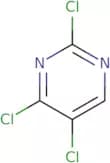
CAS:<p>2,4,5-Trichloropyrimidine is a chemical compound that has reactive properties. It can be used in the Suzuki coupling reaction to form new molecules. 2,4,5-Trichloropyrimidine can also be used as a potent inhibitor of epidermal growth factor receptors (EGFRs). It has been shown to inhibit the growth of cancer cells and other autoimmune diseases. 2,4,5-Trichloropyrimidine has shown significant inhibitory activity against kinases. It is selective for EGFRs and does not have any effect on other kinases. This suggests that it may be an effective therapeutic agent for the treatment of certain cancers and autoimmune diseases.</p>Fórmula:C4HCl3N2Pureza:Min. 95%Peso molecular:183.42 g/mol


![1-[(1-Ethyl-1H-pyrazol-4-yl)methyl]piperazine](/_next/image/?url=https%3A%2Fstatic.cymitquimica.com%2Fproducts%2F3D%2Fthumb-webp%2FFE134454.webp&w=3840&q=75)
![4-[4-(3-Chlorophenyl)piperazin-1-yl]-4-oxobutanoic acid](/_next/image/?url=https%3A%2Fstatic.cymitquimica.com%2Fproducts%2F3D%2Fthumb-webp%2FFC124815.webp&w=3840&q=75)
![5-Chloro-1H-imidazo[4,5-b]pyridin-2(3H)-one](/_next/image/?url=https%3A%2Fstatic.cymitquimica.com%2Fproducts%2F3D%2Fthumb-webp%2FFC142316.webp&w=3840&q=75)
![1-[4-(4-Methylpiperidin-1-yl)phenyl]methanamine](/_next/image/?url=https%3A%2Fstatic.cymitquimica.com%2Fproducts%2F3D%2Fthumb-webp%2FFM117851.webp&w=3840&q=75)




![N-[2-(4-Benzylpiperazin-1-yl)-2-oxoethyl]-N-methylamine](/_next/image/?url=https%3A%2Fstatic.cymitquimica.com%2Fproducts%2F3D%2Fthumb-webp%2FFB117802.webp&w=3840&q=75)