Hidracinas
Se han encontrado 1359 productos de "Hidracinas"
3,4-Dimethylphenylhydrazine hydrochloride
CAS:3,4-Dimethylphenylhydrazine hydrochloride is a chemical compound with high quality, which is a useful intermediate for the synthesis of complex compounds. It also has potential as a building block for the synthesis of other compounds. 3,4-Dimethylphenylhydrazine hydrochloride is used in research and development.
Fórmula:C8H12N2·HClPureza:Min. 95%Forma y color:PowderPeso molecular:172.66 g/molRef: 3D-FD42282
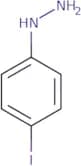
Producto descatalogado(4-Iodophenyl)hydrazine hydroiodide
CAS:(4-Iodophenyl)hydrazine hydroiodide is a synthetic compound that has shown anti-viral activity against HIV and cytomegalovirus. It also has anticancer properties and can be used to treat colon cancer. The compound binds to the nucleic acid in a number of ways, including by forming reversible covalent bonds with functional groups on the nucleic acid. These interactions are primarily due to its pyrazole ring and hydrazine moiety. (4-Iodophenyl)hydrazine hydroiodide is structurally similar to phenyldiazenyl, which exhibits photochromism and fluorescence properties. This similarity may account for the observed photochemical changes in the molecule when exposed to light.
Fórmula:C6H7IN2Pureza:Min. 95%Peso molecular:234.04 g/molRef: 3D-FI132610
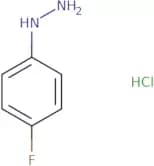
Producto descatalogado4-Fluorophenylhydrazine hydrochloride
CAS:4-Fluorophenylhydrazine HCl is a chemical compound with the molecular formula C8H4FO2N. It is a white crystalline solid that is soluble in water and alcohol. 4-Fluorophenylhydrazine HCl is commonly used as an intermediate in the synthesis of other compounds. The functional groups present on 4-fluorophenylhydrazine are methyl and hydroxyl groups, which are derived from the starting material, phenol. This synthetic process starts by reacting sodium hydrogen with methylating agents such as polyalthenol or hydrochloric acid to produce the desired product. In addition, it has been shown to have antiinflammatory activity and can inhibit tumour cell lines in vitro.Fórmula:C6H7FN2·HClPureza:Min. 95%Forma y color:Red PowderPeso molecular:162.59 g/molRef: 3D-FF00409
Producto descatalogadoHydrazine monohydrate
CAS:Producto controladoHydrazine monohydrate is a hydrazine compound that is used in the oxidation of aromatic compounds. Hydrazine monohydrate is composed of a hydrazine skeleton and one hydroxyl group. It can be prepared by reacting hydrochloric acid with ammonium hydroxide, followed by crystallization of the product. Hydrazine monohydrate has been shown to inhibit brain infarction in an animal model, as well as infectious diseases such as tuberculosis and leprosy, due to its ability to inhibit bacterial growth. This compound also has an analytical method, which involves x-ray diffraction data for nitrogen atoms and flow system for x-ray crystal structures.
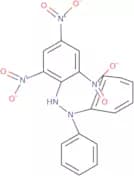
Fórmula:H4N2·H2OPureza:Min. 95%Forma y color:PowderPeso molecular:50.06 g/mol1,1-Diphenyl-2-picrylhydrazine
CAS:1,1-Diphenyl-2-picrylhydrazine is a hydrazine derivative that has been shown to have antioxidant properties. This drug has also been found to inhibit the growth of cancer cells in vitro and to reduce blood glucose levels in mice. It is not yet known how 1,1-Diphenyl-2-picrylhydrazine works to kill cancer cells, but it may be due to its ability to bind with other molecules, such as hydrogen peroxide or superoxide radicals. Hydrazines are also known for their antimicrobial properties and can be used against bacteria and fungi. The use of this drug for regenerative medicine is still being explored, but it has shown some pluripotent cell activity.
Fórmula:C18H13N5O6Pureza:Min. 95%Forma y color:Red PowderPeso molecular:395.33 g/molDansyl hydrazine
CAS:Dansyl hydrazine is a fluorescent probe that is used in the investigation of energy metabolism. It reacts with α1-acid glycoprotein, which is an important component in blood serum and urine. Dansyl hydrazine can be added to a solution containing water vapor and metabolic disorders to produce a fluorescent signal. This reaction has been shown to be linear over a range of concentrations for both model systems and human serum. Dansyl hydrazine has also been used as an analytical method for dinucleotide phosphate and maduramicin ammonium.
Dansyl hydrazine reacts with k562 cells when it comes into contact with sugar or other biological samples containing antimicrobial agents, producing fluorescent signals.Fórmula:C12H15N3O2SPureza:Min. 97 Area-%Forma y color:PowderPeso molecular:265.33 g/molRef: 3D-FD11317
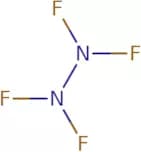
Producto descatalogadoTetrafluorohydrazine
CAS:Producto controladoTetrafluorohydrazine is a reactive chemical compound that is used as a precursor to other nitrogen-containing compounds. It can be made by reacting hydrochloric acid with hydrogen fluoride and ammonia at high temperatures. The tetrafluorohydrazine molecule is thermodynamically unstable, so it decomposes into the trifluoride anion, dinitrogen gas, and hydrogen fluoride gas. Tetrafluorohydrazine reacts with the difluoride ion to form the difluoramine molecule. This reaction requires a catalyst, such as zinc. Tetrafluorohydrazine has been shown to react with alkenes in the presence of catalysts to produce alcohols or ketones.
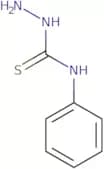
Fórmula:F4N2Pureza:Min. 95%Peso molecular:104.01 g/molN-Phenylhydrazinecarbothioamide
CAS:N-Phenylhydrazinecarbothioamide is a chemical compound that is used in wastewater treatment. It is an organic molecule that is composed of hydrophobic and hydrophilic parts. The hydrophobic part, which contains the phenyl group, binds to the hydrophobic region of the cell membrane and causes the cell to lyse. The hydrophilic part has an affinity for water and can be used as an electrode material in electrochemical impedance spectroscopy. N-Phenylhydrazinecarbothioamide also has been shown to have antibacterial properties against human pathogens, including Mycobacterium tuberculosis, Clostridium perfringens, and Escherichia coli O157:H7. The compound has been shown to inhibit cervical cancer cells by inhibiting protein synthesis through inhibition of ribosomal activity and fragmentation assay analysis showed that N-phenylhydrazinecarbothioamide binds to copper ions at a coordination geometry of
Fórmula:C7H9N3SPureza:Min. 95%Forma y color:SolidPeso molecular:167.23 g/molRef: 3D-FP114396
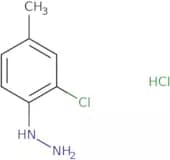
Producto descatalogado(2-Chloro-4-methylphenyl)hydrazine hydrochloride
CAS:(2-Chloro-4-methylphenyl)hydrazine hydrochloride is a high quality reagent that is a useful intermediate for the synthesis of complex compounds. It has been used as a building block for the synthesis of speciality chemicals and research chemicals. This compound can be used to produce versatile building blocks and reaction components.Fórmula:C7H9ClN2·HClPureza:Min. 95%Forma y color:PowderPeso molecular:193.07 g/molRef: 3D-FC67862
Producto descatalogadoPhenylhydrazine-4-sulfonic acid
CAS:Phenylhydrazine-4-sulfonic acid is a solid catalyst that is used in the formation of ternary complexes. It can be used to study mitochondrial membrane potential and reactive oxygen species production by diazonium salt. Phenylhydrazine-4-sulfonic acid has also been used as a model system for acylation reactions, with p-hydroxybenzoic acid as the acylating agent. This chemical is acidic and reacts with hydrochloric acid to produce phenylhydrazine and 4-chlorophenol. Phenylhydrazine-4-sulfonic acid is chemically stable in acidic solution.
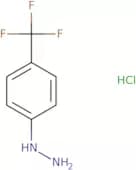
Fórmula:C6H8N2O3SPureza:Min. 95%Forma y color:White PowderPeso molecular:188.21 g/mol4-Trifluoromethylphenyl hydrazine hydrochloride
CAS:4-Trifluoromethylphenyl hydrazine hydrochloride is a fluorescent probe that can be used for the detection of hypoxia. It has been shown to be effective in detecting solid tumors, multiphase environments, and imaging. 4-Trifluoromethylphenyl hydrazine hydrochloride is an advanced probe that can be used to diagnose hypoxia. It binds to nitroreductase enzyme, which is found in tumor cells, and emits fluorescence when it reacts with oxygen. This reaction can be detected using a spectrophotometer or fluorimeter. The environment provides the necessary conditions for this reaction to take place, including low oxygen levels.Fórmula:C7H7F3N2HClPureza:Min. 95.0%Forma y color:PowderPeso molecular:212.6 g/molRef: 3D-FT38091
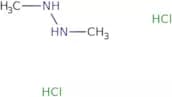
Producto descatalogadoN,N'-Dimethylhydrazine dihydrochloride
CAS:Producto controladoN,N'-Dimethylhydrazine dihydrochloride (DMHD) is a nonsteroidal anti-inflammatory drug that inhibits the production of prostaglandins by blocking cyclooxygenase-2 (COX-2). It works by inhibiting tumor growth and inducing apoptosis. DMHD has been shown to inhibit angiogenesis and induce apoptosis in liver cells. DMHD also inhibits the mitochondrial membrane potential, which is important for regulating cell function. The molecular docking analysis has shown that DMHD binds to COX-2 protein with high affinity and specificity. DMHD also inhibits fatty acid synthesis, which may be due to its inhibition of mitochondrial beta-oxidation enzymes. DMHD has been shown to have toxic effects on colon cells in rats. This agent can cause damage to the colon lining through a number of mechanisms, including causing DNA damage and increasing oxidative stress.
Fórmula:C2H8N2Pureza:Min. 95%Peso molecular:60.1 g/molRef: 3D-FN57961
Producto descatalogadoHydrazine Monohydrobromide
CAS:Producto controladoHydrazine monohydrobromide is a reactive chemical that is soluble in water and organic solvents. It is a white crystalline solid that exists as polymorphic forms, and has a molecular weight of 121.06. Hydrazine monohydrobromide is an important precursor for the production of other compounds, such as hydrazine sulfate and hydrazine nitrate. It also acts as a pharmacological agent, used to treat heart disease. Hydrazine monohydrobromide reacts with an inorganic acid to produce hydrogen gas and an organic solution containing the reaction products of nitrogen atoms and hydrogen atoms. These particles can be found on metal surfaces such as copper or silver, where they form morphogenetic proteins due to their ability to catalyze reactions.
Fórmula:H4N2·HBrPureza:Min. 95%Peso molecular:112.96 g/molRef: 3D-FH61154
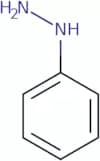
Producto descatalogadoPhenyl Hydrazine
CAS:Phenyl hydrazine is a chemical reagent that is used in biological studies. It is an antimicrobial agent that has been shown to inhibit the growth of Gram-positive and Gram-negative bacteria, including Mycobacterium tuberculosis, Staphylococcus aureus and Klebsiella pneumoniae. Phenylhydrazine can be used as an iron chelator in wastewater treatment, where it removes excess iron from water. The optimum concentration of phenylhydrazine can be determined by using fluorescence probes to measure the cell nuclei of mammalian cells. Phenylhydrazine is also used in electrochemical impedance spectroscopy to measure the oxidative injury of human serum.
Fórmula:C6H8N2Pureza:Min. 95%Forma y color:Colourless To Yellow To Light Brown LiquidPeso molecular:108.14 g/molHydrazine sulfate
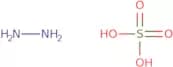
CAS:Producto controladoHydrazine sulfate is a chemical compound that contains hydrazine and sulfate groups. Hydrazine sulfate is an intermediate in the synthesis of hydrazine, which is a colorless, flammable liquid with a pungent odor. Hydrazine sulfate has been used as an agent to treat liver diseases and cancer. It also has been used to control phosphorus levels in wastewater treatment plants. The carcinogenic effects of hydrazine sulfate are related to its ability to inhibit energy metabolism in cells. Hydrazine sulfate can be used for the treatment of solid tumours that are resistant to other anti-cancer drugs such as doxorubicin or vincristine. Hydrazine sulfate is an acidic, anhydrous solid that can be dissolved in water producing a solution with pH less than 7.
Fórmula:H4N2·H2SO4Pureza:Min. 95%Peso molecular:130.12 g/molRef: 3D-FH45360
Producto descatalogadoHydrazine sulfate-15N2
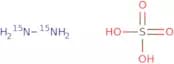
CAS:Producto controladoHydrazine sulfate-15N2 is a trimethylsilylated hydrazine sulfate. It is used as an intermediate for the synthesis of N-trimethylsilylhydrazines and other trimethylsilylhydrazines. The compound can also be used to prepare glutamine as it reacts with dl-glutamine to form hydroxylamine, which then reacts with hydrogen sulfide to form glutathione. Hydrazine sulfate-15N2 is mainly used as a catalyst in the production of nitric acid from ammonia and oxygen gas.
Fórmula:H4N2·H2O4SPureza:Min. 95%Forma y color:PowderPeso molecular:132.11 g/mol7-Chloro-2-hydrazino-5-phenyl-3H-1,4-benzodiazepine
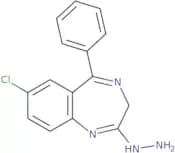
CAS:Producto controlado7-Chloro-2-hydrazino-5-phenyl-3H-1,4-benzodiazepine is a metabolically stable benzodiazepine that binds to the benzodiazepine receptor. It has been shown to have a higher affinity for this receptor than alprazolam and other related compounds. 7-Chloro-2-hydrazino-5-phenyl-3H-1,4-benzodiazepine has been used as an active ingredient in a number of pesticide products that are used against termites and ants. This compound has also been found to be an effective insecticide against mosquitoes. 7C2HDBZ has been shown to be stable in the environment and is not readily degraded by hydrolysis or pyrolysis.
Fórmula:C15H13ClN4Pureza:Min. 95%Peso molecular:284.74 g/molRef: 3D-FC20018
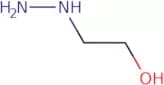
Producto descatalogado2-Hydroxyethyl hydrazine
CAS:2-Hydroxyethyl hydrazine is a plant hormone that is synthesized from ethanolamine and hydrazine. It has a pyrazole ring, which acts as the central heterocyclic structure in this molecule. 2-Hydroxyethyl hydrazine is relatively stable in water, but it will decompose at higher temperatures. The ph optimum for 2-hydroxyethyl hydrazine is between 4 and 8. This compound can be found in model systems such as plants and fungi. The x-ray data indicates that 2-hydroxyethyl hydrazine has coordination geometry of D2O2 (2 molecules) with a bond length of 1.8 Å. Synthesis methods for this chemical include hydrochloric acid, inorganic acid, or oxidation by sodium hypochlorite. Pharmacological agents that activate this chemical include activation energies of 100 to 250 kilocalories per mole (kcal/mol).
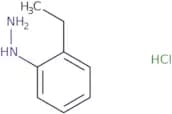
Fórmula:C2H8N2OPureza:Min. 97.0 Area-%Forma y color:Colorless Clear LiquidPeso molecular:76.1 g/mol2-Ethylphenylhydrazine hydrochloride
CAS:2-Ethylphenylhydrazine hydrochloride is a diazonium salt that catalyzes the reaction of nitrite with acetonitrile to produce an organic solvent. This organic solvent can be used in the production of various products, such as anti-inflammatory drugs, which are generally made from organic solvents. 2-Ethylphenylhydrazine hydrochloride is not a non-steroidal drug, but it does have anti-inflammatory properties. The impurities in this product are mainly hydrochloric acid and 2-ethylphenol.
Fórmula:C8H12N2•HClPureza:Min. 95%Peso molecular:172.66 g/mol