


Building Blocks
Subcategorías de "Building Blocks"
- Ácidos borónicos y derivados del ácido borónico(5.778 productos)
- Building Blocks quirales(1.243 productos)
- Building Blocks de hidrocarburos(6.099 productos)
- Building Blocks orgánicos(61.038 productos)
Se han encontrado 205376 productos de "Building Blocks"
4-(Aminomethyl)-N-(2-methoxyethyl)aniline
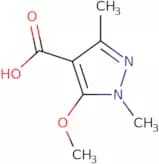
CAS:Versatile small molecule scaffoldFórmula:C10H16N2OPureza:Min. 95%Peso molecular:180.25 g/mol5-Methoxy-1,3-dimethyl-1H-pyrazole-4-carboxylic acid
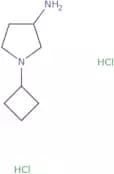
CAS:Versatile small molecule scaffoldFórmula:C7H10N2O3Pureza:Min. 95%Peso molecular:170.17 g/mol(R)-1-Cyclobutylpyrrolidin-3-amine dihydrochloride
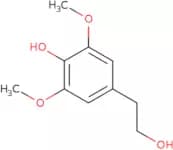
CAS:Versatile small molecule scaffoldFórmula:C8H18Cl2N2Pureza:Min. 95%Peso molecular:213.15 g/mol4-(2-Hydroxyethyl)-2,6-dimethoxyphenol
CAS:Producto controlado4-(2-Hydroxyethyl)-2,6-dimethoxyphenol is a phenolic compound that can be extracted from the bark of the Indian tree Terminalia arjuna. The extract has been used in traditional medicine for centuries to treat diabetes and cancer. In vitro studies have shown that this extract inhibits the activity of viruses, including HIV, with a mechanism of action similar to that of indinavir. 4-(2-Hydroxyethyl)-2,6-dimethoxyphenol also has an antioxidant effect and stimulates the production of glutathione reductase and superoxide dismutase by cells in culture. 4-(2-Hydroxyethyl)-2,6-dimethoxyphenol is used as an herbal drug in India and research has found it to be hepatoprotective when administered orally to rats.
Fórmula:C10H14O4Pureza:Min. 95%Forma y color:PowderPeso molecular:198.22 g/mol2-Chloro-4-methoxy-7-methyl-7H-pyrrolo[2,3-d]pyrimidine
CAS:Versatile small molecule scaffold
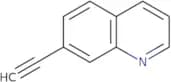
Fórmula:C8H8ClN3OPureza:Min. 95%Peso molecular:197.62 g/mol7-Ethynylquinoline
CAS:Versatile small molecule scaffold
Fórmula:C11H7NPureza:Min. 95%Peso molecular:153.18 g/moltert-Butyl 3-amino-2-(oxan-4-yl)propanoate
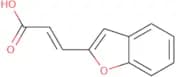
CAS:Versatile small molecule scaffoldFórmula:C12H23NO3Pureza:Min. 95%Peso molecular:229.3 g/mol(2E)-3-(1-benzofuran-2-yl)prop-2-enoic acid
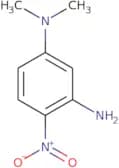
CAS:(2E)-3-(1-benzofuran-2-yl)prop-2-enoic acid is a white solid that has the chemical formula CHClO. It is soluble in chloroform, ether, and benzene. When heated to 105°C in the presence of air, it decomposes to release oxygen and carbon dioxide. (2E)-3-(1-benzofuran-2-yl)prop-2-enoic acid is used as an intermediate for organic synthesis reactions such as alkylation reactions and Friedel - Crafts reactions. Thermal analysis of this compound indicates that it has a high thermal stability with respect to thermal decomposition. (2E)-3-(1-benzofuran-2-yl)prop-2-enoic acid can be reacted with azide or diphenyl ether to form a coordination complex. This compound also reacts with potassium or phosphorus oxychloride to form oxychlorides.Fórmula:C11H8O3Pureza:Min. 95%Peso molecular:188.18 g/mol3-Amino-N,N-dimethyl-4-nitroaniline
CAS:Versatile small molecule scaffold
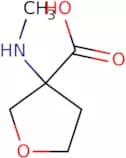
Fórmula:C8H11N3O2Pureza:Min. 95%Peso molecular:181.19 g/mol3-(Methylamino)oxolane-3-carboxylic acid
CAS:Versatile small molecule scaffold
Fórmula:C6H11NO3Pureza:Min. 95%Peso molecular:145.16 g/molRef: 3D-RDC12146
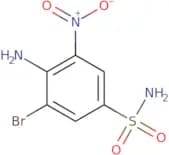
Producto descatalogado4-Amino-3-bromo-5-nitro-benzenesulfonamide
CAS:Versatile small molecule scaffold
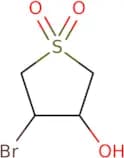
Fórmula:C6H6BrN3O4SPureza:Min. 95%Peso molecular:296.1 g/mol(3R,4S)-rel-4-Bromotetrahydro-thiophene-3-ol 1,1-dioxide
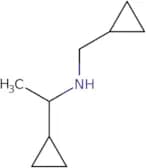
CAS:Versatile small molecule scaffoldFórmula:C4H7BrO3SPureza:Min. 95%Peso molecular:215.07 g/mol(1-Cyclopropylethyl)(cyclopropylmethyl)amine
CAS:Versatile small molecule scaffold
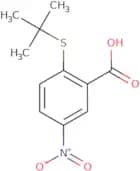
Fórmula:C9H17NPureza:Min. 95%Peso molecular:139.24 g/mol2-(tert-Butylsulfanyl)-5-nitrobenzoic acid
CAS:Versatile small molecule scaffold
Fórmula:C11H13NO4SPureza:Min. 95%Peso molecular:255.29 g/mol2-Chloro-N-[5-(2,2,2-trifluoroethyl)-1,3,4-oxadiazol-2-yl]acetamide
CAS:Versatile small molecule scaffold
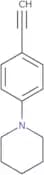
Fórmula:C6H5ClF3N3O2Pureza:Min. 95%Peso molecular:243.57 g/mol4'-N-Piperidinophenyl acetylene
CAS:Versatile small molecule scaffold
Fórmula:C13H15NPureza:Min. 95%Peso molecular:185.27 g/molBis(N-[2-(pyridin-3-yl)ethyl]guanidine), sulfuric acid
CAS:Versatile small molecule scaffold
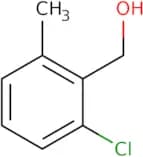
Fórmula:C16H26N8O4SPureza:Min. 95%Peso molecular:426.5 g/mol(2-Chloro-6-methylphenyl)methanol
CAS:Versatile small molecule scaffold
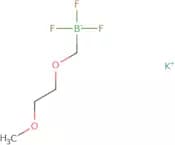
Fórmula:C8H9ClOPureza:Min. 95%Peso molecular:156.61 g/molPotassium 2-methoxyethoxymethyltrifluoroborate
CAS:Versatile small molecule scaffold
Fórmula:C4H9BF3KO2Pureza:Min. 95%Peso molecular:196.02 g/molDi-n-octylamine
CAS:Di-n-octylamine is a reactive chemical that is chemically stable in the presence of nitrogen. It is used in chemical biology as a transport agent for amines and other organic compounds. Di-n-octylamine has been shown to have optimum solubility in glycol ethers, magnesium salts, and trifluoroacetic acid. This compound reacts with fatty acids to form hydroxyl groups and can be used as an extractant for glycol ethers. The mechanism of this reaction involves intramolecular hydrogen transfer from the hydroxyl group on the fatty acid to the n-octyl amine molecule.
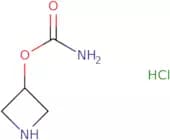
Fórmula:C16H35NPureza:Min. 95%Peso molecular:241.46 g/molAzetidin-3-yl carbamate hydrochloride
CAS:Versatile small molecule scaffold
Fórmula:C4H9ClN2O2Pureza:Min. 95%Peso molecular:152.58 g/molRef: 3D-KMB66838
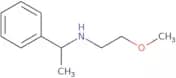
Producto descatalogado(2-Methoxyethyl)(1-phenylethyl)amine
CAS:Versatile small molecule scaffold
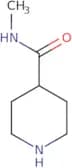
Fórmula:C11H17NOPureza:Min. 95%Peso molecular:179.26 g/molN-Methylpiperidine-4-carboxamide
CAS:Versatile small molecule scaffold
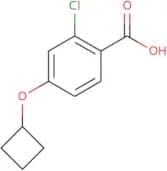
Fórmula:C7H14N2OPureza:Min. 95%Peso molecular:142.2 g/mol2-Chloro-4-cyclobutoxybenzoic acid
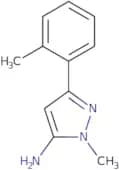
CAS:Versatile small molecule scaffoldFórmula:C11H11ClO3Pureza:Min. 95%Peso molecular:226.65 g/mol2-Methyl-5-(2-methylphenyl)pyrazol-3-amine
CAS:Versatile small molecule scaffoldFórmula:C11H13N3Pureza:Min. 95%Peso molecular:187.25 g/mol5-Methoxybicyclo[2.2.1]heptan-2-amine hydrochloride
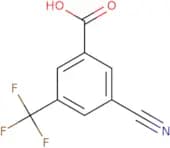
CAS:Versatile small molecule scaffoldFórmula:C8H16ClNOPureza:Min. 95%Peso molecular:177.7 g/mol3-Cyano-5-(trifluoromethyl)benzoic Acid
CAS:Versatile small molecule scaffold
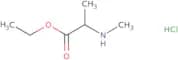
Fórmula:C9H4NO2F3Pureza:Min. 95%Peso molecular:215.12 g/molEthyl (2R)-2-(methylamino)propanoate hydrochloride
CAS:Versatile small molecule scaffoldFórmula:C6H14ClNO2Pureza:Min. 95%Peso molecular:167.6 g/moltert-Butyl 4-[(aminocarbamothioyl)amino]piperidine-1-carboxylate
CAS:Versatile small molecule scaffold
Fórmula:C11H22N4O2SPureza:Min. 95%Peso molecular:274.4 g/mol1-(2,5-Dimethylfuran-3-yl)ethan-1-amine
CAS:Versatile small molecule scaffold
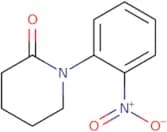
Fórmula:C8H13NOPureza:Min. 95%Peso molecular:139.19 g/mol2-Piperidinone, 1-(2-nitrophenyl)-
CAS:Versatile small molecule scaffold
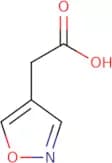
Fórmula:C11H12N2O3Pureza:Min. 95%Peso molecular:220.22 g/mol2-(1,2-Oxazol-4-yl)acetic acid
CAS:Versatile small molecule scaffold
Fórmula:C5H5NO3Pureza:Min. 95%Peso molecular:127.1 g/molRef: 3D-RFA67957
Producto descatalogado6-bromoimidazo[1,2-a]pyrazin-2-amine
CAS:Versatile small molecule scaffold
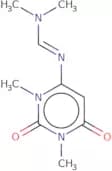
Fórmula:C6H5BrN4Pureza:Min. 95%Peso molecular:213 g/mol(E)-N'-(1,3-Dimethyl-2,6-dioxo-1,2,3,6-tetrahydropyrimidin-4-yl)-N,N-dimethylmethanimidamide
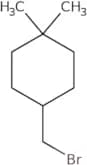
CAS:Versatile small molecule scaffoldFórmula:C9H14N4O2Pureza:Min. 95%Peso molecular:210.2 g/mol4-(Bromomethyl)-1,1-dimethylcyclohexane
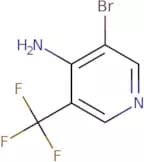
CAS:Versatile small molecule scaffoldFórmula:C9H17BrPureza:Min. 95%Peso molecular:205.13 g/mol3-Bromo-5-(trifluoromethyl)pyridin-4-amine
CAS:Versatile small molecule scaffold
Fórmula:C6H4BrF3N2Pureza:Min. 95%Peso molecular:241.01 g/moltert-Butyl N-{4-ethynylbicyclo[2.2.2]octan-1-yl}carbamate
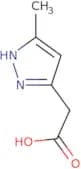
CAS:Versatile small molecule scaffoldFórmula:C15H23NO2Pureza:Min. 95%Peso molecular:249.35 g/mol2-(5-Methyl-1H-pyrazol-3-yl)acetic acid
CAS:Versatile small molecule scaffoldFórmula:C6H8N2O2Pureza:Min. 95%Peso molecular:140.14 g/mol1-Ethyl-1,3-dihydro-2,1,3-benzothiadiazole 2,2-dioxide
CAS:Versatile small molecule scaffold
Fórmula:C8H10N2O2SPureza:Min. 95%Peso molecular:198.24 g/molBenzo[d][1,2,3]thiadiazole
CAS:Benzo[d][1,2,3]thiadiazole is a benzothiadiazole with a redox potential of -0.25 V that is stable in the absence of oxygen and light. It can be used to synthesize chemical pesticides by reacting with hydrochloric acid. The reaction mechanism of benzo[d][1,2,3]thiadiazole has been determined using nuclear magnetic resonance spectroscopy and quantum chemical calculations. This compound reacts with hydrogen bond acceptors on the enzyme active site to form covalent bonds. It also interacts with the enzyme's steric environment by forming hydrogen bonds and van der Waals forces. Benzo[d][1,2,3]thiadiazole also emits light when it reacts with nitric oxide in solution.
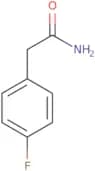
Fórmula:C6H4N2SPureza:Min. 95%Peso molecular:136.17 g/mol2-(4-Fluorophenyl)acetamide
CAS:2-(4-Fluorophenyl)acetamide (FFAA) is a broad-spectrum antiviral drug that has been evaluated against picornavirus, enterovirus, and rhinovirus. FFAA has been shown to be effective in the treatment of acute enterovirus infections in mice. This compound was also found to have a cytopathic effect on cells infected with enteroviruses in culture. It binds to the virus's RNA-dependent RNA polymerase and prevents viral replication. FFAA is not active against influenza A or B viruses, but it is active against influenza C virus. This compound has also been found to have medicinal properties, as it can inhibit the growth of human lung cancer cells in culture and may be useful for treating cancers such as leukemia.
Fórmula:C8H8FNOPureza:Min. 95%Peso molecular:153.15 g/mol4-[2-(2-Methylphenyl)ethyl]piperidine
CAS:Versatile small molecule scaffold
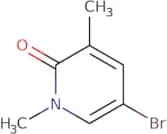
Fórmula:C14H21NPureza:Min. 95%Peso molecular:203.32 g/mol5-Bromo-1,3-dimethylpyridin-2(1H)-one
CAS:Benzyne is a reactive intermediate that is formed by the tautomerization of 5-bromo-1,3-dimethylpyridin-2(1H)-one. It is an adduct between a bromine atom and a benzene ring. This compound has been shown to react with electron-rich olefins to form bicyclic compounds called diels-alder adducts. These reactions are often catalyzed by metals, such as palladium or nickel. Benzyne also reacts with triple bonds or other electron rich centers to form benzyne adducts, which are highly reactive and can be used as chemical probes for electron density in molecules.
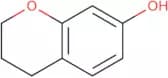
Fórmula:C7H8BrNOPureza:Min. 95%Peso molecular:202.05 g/mol3,4-dihydro-2H-1-benzopyran-7-ol
CAS:3,4-Dihydro-2H-1-benzopyran-7-ol is a monomer that is used to synthesize medicines. It has the formula CH3COCH=CH(OH)CH3 and belongs to the group of flavonoids. 3,4-Dihydro-2H-1-benzopyran-7-ol has acidic properties, which are due to its isoflavones. It can be used as an acid catalyst in organic synthesis reactions and is a reaction product of chloropropane. 3,4-Dihydro-2H-1-benzopyran-7-ol also has high yield and can act as a bioisostere for other compounds such as chromene.
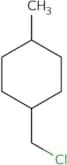
Fórmula:C9H10O2Pureza:Min. 95%Peso molecular:150.18 g/mol1-(Chloromethyl)-4-methylcyclohexane
CAS:Versatile small molecule scaffold
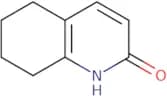
Fórmula:C8H15ClPureza:Min. 95%Peso molecular:146.66 g/mol5,6,7,8-Tetrahydroquinolin-2(1H)-one
CAS:Tetrahydroquinolin-2(1H)-one is a hydrobromide that has been found in the environment as an environmental pollutant. Tetrahydroquinolin-2(1H)-one is used to synthesize amides and has been studied by single-crystal x-ray diffraction. The molecule is centrosymmetric, with a molecular weight of 244.06 g/mol. Tetrahydroquinolin-2(1H)-one can be used as a ligand for metals such as chlorine and magnesium. It does not dissolve in water but does dissolve in organic solvents such as ethers, chloroform, or benzene.
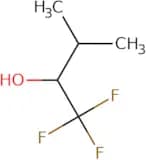
Fórmula:C9H11NOPureza:Min. 95%Peso molecular:149.19 g/mol1,1,1-Trifluoro-3-methylbutan-2-ol
CAS:Versatile small molecule scaffold
Fórmula:C5H9F3OPureza:Min. 95%Peso molecular:142.12 g/mol1-Monotetranoin
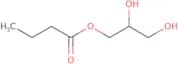
CAS:1-Monotetranoin is a fatty ester that is involved in the process of lipolysis, which is the breakdown of fat cells. Lipolysis occurs when an enzyme called lipase hydrolyzes triglycerides into glycerol and three fatty acids. 1-Monotetranoin has been shown to be a potent stimulator of growth factor production and cell proliferation in vivo models. It has also been shown to be effective at inhibiting angiogenic processes in vitro, including the release of growth factors from fat cells. The neutral pH optimum for 1-monotetranoin is between 7 and 8, which may be due to its hydrophobic nature.
Fórmula:C7H14O4Pureza:Min. 95%Peso molecular:162.18 g/mol4-nitro-5-(propan-2-yl)-1H-pyrazole-3-carboxylic acid
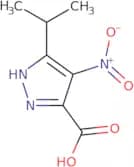
CAS:Versatile small molecule scaffoldFórmula:C7H9N3O4Pureza:Min. 95%Peso molecular:199.2 g/molrac-(1R,2R)-2-(Benzyloxy)cyclohexan-1-ol
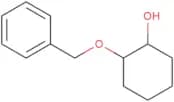
CAS:Versatile small molecule scaffold
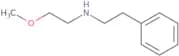
Fórmula:C13H18O2Pureza:Min. 95%Peso molecular:206.28 g/mol(2-Methoxyethyl)(2-phenylethyl)amine
CAS:Producto controladoVersatile small molecule scaffold
Fórmula:C11H17NOPureza:Min. 95%Peso molecular:179.26 g/mol2,4-dichloro-7H-pyrrolo[2,3-d]pyrimidine-5-carbaldehyde
CAS:Versatile small molecule scaffold
Fórmula:C7H3Cl2N3OPureza:Min. 95%Peso molecular:216.02 g/mol5-(Dimethylamino)-2-fluorobenzoic acid
CAS:Versatile small molecule scaffold
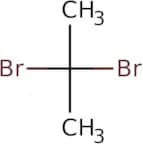
Fórmula:C9H10FNO2Pureza:Min. 95%Peso molecular:183.18 g/mol2,2-Dibromopropane
CAS:2,2-Dibromopropane is a synthetic chemical that has been used as a precursor in the production of nylon. It is an activator that can be used to form covalent bonds with reactive groups on other molecules. The activation energy for the reaction with piperazine is between 104 and 106 kJ/mol. 2,2-Dibromopropane undergoes acylation reactions under certain conditions, forming reaction products such as 2,2-dibromoethyl acetate and 2,2-dibromoethanol. The molecular weight of 2,2-dibromopropane is 192.19 g/mol and its structural formula is CHBrCHBrCHBrCHBrC≡C≡C≡C≡C≡C≡CC(O)OH.
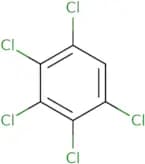
Fórmula:C3H6Br2Pureza:Min. 95%Peso molecular:201.89 g/mol1,2,3,4,5-Pentachlorobenzene
CAS:1,2,3,4,5-Pentachlorobenzene is a chlorinated hydrocarbon that is used in the production of pesticides and herbicides. It is an ingredient in the manufacturing of pentachlorophenol and pentachloronitrobenzene. 1,2,3,4,5-Pentachlorobenzene has been used as a chemical intermediate or solvent for the production of other chemicals. The emissions from this chemical can be harmful to humans and animals because it has been shown to affect enzyme activities at sublethal doses. It also affects rat liver microsomes and causes DNA damage that can lead to cancer.
Fórmula:C6HCl5Pureza:Min. 95%Peso molecular:250.34 g/mol4-(4-Aminophenyl)-1-methyl-1H-pyrazolo[3,4-b]pyridine-3-carboxylic acid
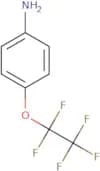
CAS:Versatile small molecule scaffoldFórmula:C14H12N4O2Pureza:Min. 95%Peso molecular:268.27 g/mol4-(Perfluoroethoxy)aniline
CAS:Versatile small molecule scaffold
Fórmula:C8H6F5NOPureza:Min. 95%Peso molecular:227.13 g/mol2,2,2-Trifluoroethyl N-[3-fluoro-4-(1H-pyrazol-1-yl)phenyl]carbamate
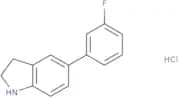
CAS:Versatile small molecule scaffoldFórmula:C12H9F4N3O2Pureza:Min. 95%Peso molecular:303.21 g/mol5-(3-Fluorophenyl)-2,3-dihydro-1H-indole hydrochloride
CAS:Versatile small molecule scaffoldFórmula:C14H13ClFNPureza:Min. 95%Peso molecular:249.71 g/molRef: 3D-EEC95999
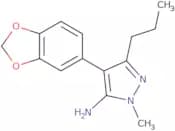
Producto descatalogado4-(1,3-Dioxaindan-5-yl)-2-methyl-5-propyl-2,3-dihydro-1H-pyrazol-3-imine
CAS:Versatile small molecule scaffold
Fórmula:C14H17N3O2Pureza:Min. 95%Peso molecular:259.3 g/mol6-Bromo-1,4-dihydro-2H-pyrido-[2,3-d][1,3]oxazin-2-one
CAS:Versatile small molecule scaffold
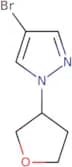
Fórmula:C7H5BrN2O2Pureza:Min. 95%Peso molecular:229.04 g/mol4-Bromo-1-(oxolan-3-yl)-1H-pyrazole
CAS:Versatile small molecule scaffold
Fórmula:C7H9BrN2OPureza:Min. 95%Peso molecular:217.06 g/mol2-(Trifluoromethyl)azetidine
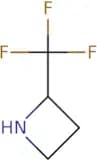
CAS:2-(Trifluoromethyl)azetidine is a synthetic compound that has been used in the synthesis of other compounds. It is an ionic, organometallic reagent that can be used as a catalyst for a variety of reactions. The trifluoromethyl group on 2-(trifluoromethyl)azetidine is electrophilic and nucleophilic and can catalyze reactions involving heterocycles, connect, or electron-deficient alkynes.
Fórmula:C4H6F3NPureza:Min. 95%Peso molecular:125.09 g/molRef: 3D-QRB33155
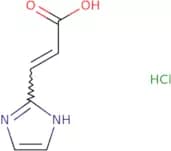
Producto descatalogado(2E)-3-(1H-Imidazol-2-yl)prop-2-enoic acid hydrochloride
CAS:Versatile small molecule scaffold
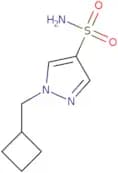
Fórmula:C6H7ClN2O2Pureza:Min. 95%Peso molecular:174.58 g/mol1-(Cyclobutylmethyl)-1H-pyrazole-4-sulfonamide
CAS:Versatile small molecule scaffoldFórmula:C8H13N3O2SPureza:Min. 95%Peso molecular:215.28 g/mol1-[(4-Bromophenyl)methyl]-3-(2-methylpropyl)-1,4-diazepane
CAS:Versatile small molecule scaffold
Fórmula:C16H25BrN2Pureza:Min. 95%Peso molecular:325.29 g/mol4-(4-Bromophenyl)-2,6-dichloropyrimidine
CAS:Versatile small molecule scaffold
Fórmula:C10H5BrCl2N2Pureza:Min. 95%Peso molecular:303.97 g/mol1-Hydroxycyclopentane-1-carbonitrile
CAS:1-Hydroxycyclopentane-1-carbonitrile is a monomer that is hydrolyzed to form benzoin and cyanohydrins. It can be used in the production of scifinder as a monomer or dimerizer.
Fórmula:C6H9NOPureza:Min. 95%Peso molecular:111.14 g/mol3-Hydroxy-5-methylpyridine
CAS:3-Hydroxy-5-methylpyridine (3HMP) is a chemical substance that has been classified as an amine. It is a product of the metabolism of purines, which are nitrogenous bases found in DNA and RNA. 3HMP is produced by aerogenic bacteria (such as Enterobacter), and can be used to estimate the number of these bacteria present in water samples. 3HMP has been shown to have antiviral properties against influenza virus, and can be used as a biomarker for the presence of other viruses in animals. 3HMP also has mineralization properties, which have been studied extensively, particularly with regards to pancreatic disease.
Fórmula:C6H7NOPureza:Min. 95%Forma y color:PowderPeso molecular:109.13 g/molRef: 3D-FH16174
Producto descatalogado4-Chloro-2-hydroxy-6-methylphenylboronic acid
CAS:Versatile small molecule scaffoldFórmula:C7H8BClO3Pureza:Min. 95%Peso molecular:186.4 g/mol4,5-Dihydro-1H-imidazol-2-amine hydrochloride
CAS:Please enquire for more information about 4,5-Dihydro-1H-imidazol-2-amine hydrochloride including the price, delivery time and more detailed product information at the technical inquiry form on this page
Fórmula:C3H7N3•HClPureza:Min. 95%Peso molecular:121.57 g/molRef: 3D-FD183639
Producto descatalogado2-Bromo-3,3,3-trifluoro-1-propene
CAS:Producto controlado2-Bromo-3,3,3-trifluoro-1-propene is a chemical compound that has been synthesized in an asymmetric reaction. The reactant is bromopropane and the product is 2,2,2-trifluoropropene. The methylene group on the propene molecule is activated by the nucleophilic attack of a fluoride ion from hydrogen fluoride to form a cavity with a highly strained bond. The kinetic study of this reaction revealed that the activation energy for the reaction is 42 kJ/mol. Palladium-catalyzed coupling reactions are catalyzed by palladium and require nonpolar solvents such as toluene or dichloromethane. This type of reaction has been shown to be exothermic with an isolated yield of 1%.
Fórmula:C3H2BrF3Pureza:Min. 95%Forma y color:Colorless PowderPeso molecular:174.95 g/mol8-Bromo-2-methylimidazo[1,2-a]pyridine
CAS:Versatile small molecule scaffold
Fórmula:C8H7N2BrPureza:Min. 95%Peso molecular:211.05 g/moltert-Butyl (2,2-difluoro-3-hydroxypropyl)carbamate
CAS:Versatile small molecule scaffoldFórmula:C10H13NO4Pureza:Min. 95%Peso molecular:211.21 g/mol4,5-Dihydroxy-2,3-Pentanedione
CAS:4,5-Dihydroxy-2,3-pentanedione is a carbonyl compound that is the product of the oxidation of ascorbic acid. It is used in wastewater treatment and has antimicrobial properties against infectious diseases. This compound has been shown to inhibit protein synthesis by binding to the ribosome and preventing the formation of peptide bonds between amino acids. 4,5-Dihydroxy-2,3-pentanedione has also been shown to bind to plasma proteins, which may be due to its acyl chain structure. 4,5-Dihydroxy-2,3-pentanedione can be synthesized in a catalytic mechanism that involves dehydroascorbic acid and molecular oxygen.
Fórmula:C5H8O4Pureza:Min. 95%Forma y color:PowderPeso molecular:132.11 g/molRef: 3D-FD180770
Producto descatalogadoPiperyline
CAS:Piperyline is an alkanoic acid that has shown to be effective against skin cancer. It also has antimicrobial properties, which may be due to its ability to bind metal ions and form polymeric compounds. Piperyline inhibits microbial growth by inhibiting the synthesis of proteins and nucleic acids. The antimicrobial activity is related to its cationic polymerization with hydroxyl groups, which forms a structure that can inhibit microbial enzymes and disrupt microbial cell membranes. This compound also interacts with the skin's natural lipids, making it difficult for microorganisms to attach and grow on the skin. Piperyline is synthesized in organic chemistry laboratories as an amide precursor of other pharmaceuticals such as penicillin.
Fórmula:C16H17NO3Pureza:Min. 95%Peso molecular:271.31 g/mol


![2-Chloro-4-methoxy-7-methyl-7H-pyrrolo[2,3-d]pyrimidine](/_next/image/?url=https%3A%2Fstatic.cymitquimica.com%2Fproducts%2F3D%2Fthumb-webp%2FJDA95534.webp&w=3840&q=75)

![2-Chloro-N-[5-(2,2,2-trifluoroethyl)-1,3,4-oxadiazol-2-yl]acetamide](/_next/image/?url=https%3A%2Fstatic.cymitquimica.com%2Fproducts%2F3D%2Fthumb-webp%2FQZB52619.webp&w=3840&q=75)
![Bis(N-[2-(pyridin-3-yl)ethyl]guanidine), sulfuric acid](/_next/image/?url=https%3A%2Fstatic.cymitquimica.com%2Fproducts%2F3D%2Fthumb-webp%2FNKD38418.webp&w=3840&q=75)

![5-Methoxybicyclo[2.2.1]heptan-2-amine hydrochloride](/_next/image/?url=https%3A%2Fstatic.cymitquimica.com%2Fproducts%2F3D%2Fthumb-webp%2FFSD25240.webp&w=3840&q=75)
![tert-Butyl 4-[(aminocarbamothioyl)amino]piperidine-1-carboxylate](/_next/image/?url=https%3A%2Fstatic.cymitquimica.com%2Fproducts%2F3D%2Fthumb-webp%2FXAD88015.webp&w=3840&q=75)

![6-bromoimidazo[1,2-a]pyrazin-2-amine](/_next/image/?url=https%3A%2Fstatic.cymitquimica.com%2Fproducts%2F3D%2Fthumb-webp%2FDUB86138.webp&w=3840&q=75)
![tert-Butyl N-{4-ethynylbicyclo[2.2.2]octan-1-yl}carbamate](/_next/image/?url=https%3A%2Fstatic.cymitquimica.com%2Fproducts%2F3D%2Fthumb-webp%2FSGC55140.webp&w=3840&q=75)

![Benzo[d][1,2,3]thiadiazole](/_next/image/?url=https%3A%2Fstatic.cymitquimica.com%2Fproducts%2F3D%2Fthumb-webp%2FAAA27377.webp&w=3840&q=75)
![4-[2-(2-Methylphenyl)ethyl]piperidine](/_next/image/?url=https%3A%2Fstatic.cymitquimica.com%2Fproducts%2F3D%2Fthumb-webp%2FEBB66297.webp&w=3840&q=75)
![2,4-dichloro-7H-pyrrolo[2,3-d]pyrimidine-5-carbaldehyde](/_next/image/?url=https%3A%2Fstatic.cymitquimica.com%2Fproducts%2F3D%2Fthumb-webp%2FNQC76757.webp&w=3840&q=75)

![4-(4-Aminophenyl)-1-methyl-1H-pyrazolo[3,4-b]pyridine-3-carboxylic acid](/_next/image/?url=https%3A%2Fstatic.cymitquimica.com%2Fproducts%2F3D%2Fthumb-webp%2FEEC70466.webp&w=3840&q=75)
![2,2,2-Trifluoroethyl N-[3-fluoro-4-(1H-pyrazol-1-yl)phenyl]carbamate](/_next/image/?url=https%3A%2Fstatic.cymitquimica.com%2Fproducts%2F3D%2Fthumb-webp%2FEEC95905.webp&w=3840&q=75)
![6-Bromo-1,4-dihydro-2H-pyrido-[2,3-d][1,3]oxazin-2-one](/_next/image/?url=https%3A%2Fstatic.cymitquimica.com%2Fproducts%2F3D%2Fthumb-webp%2FKNA03238.webp&w=3840&q=75)
![1-[(4-Bromophenyl)methyl]-3-(2-methylpropyl)-1,4-diazepane](/_next/image/?url=https%3A%2Fstatic.cymitquimica.com%2Fproducts%2F3D%2Fthumb-webp%2FQJC93175.webp&w=3840&q=75)






![8-Bromo-2-methylimidazo[1,2-a]pyridine](/_next/image/?url=https%3A%2Fstatic.cymitquimica.com%2Fproducts%2F3D%2Fthumb-webp%2FUXB37475.webp&w=3840&q=75)


