Building Blocks
Subcategorías de "Building Blocks"
- Ácidos borónicos y derivados del ácido borónico(5.778 productos)
- Building Blocks quirales(1.243 productos)
- Building Blocks de hidrocarburos(6.099 productos)
- Building Blocks orgánicos(61.038 productos)
Se han encontrado 205376 productos de "Building Blocks"
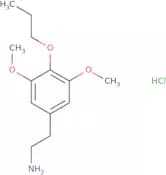
2-(3,5-Dimethoxy-4-propoxyphenyl)ethan-1-amine hydrochloride
CAS:Producto controladoVersatile small molecule scaffold
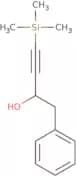
Fórmula:C13H22ClNO3Pureza:Min. 95%Peso molecular:275.77 g/mol1-Phenyl-4-(trimethylsilyl)but-3-yn-2-ol
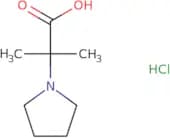
CAS:Versatile small molecule scaffoldFórmula:C13H18OSiPureza:Min. 95%Peso molecular:218.37 g/mol2-Methyl-2-(pyrrolidin-1-yl)propanoic acid hydrochloride
CAS:Versatile small molecule scaffold
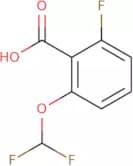
Fórmula:C8H16ClNO2Pureza:Min. 95%Peso molecular:193.67 g/mol2-(Difluoromethoxy)-6-fluorobenzoic acid
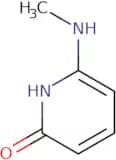
CAS:Versatile small molecule scaffoldFórmula:C8H5F3O3Pureza:Min. 95%Peso molecular:206.12 g/mol6-(Methylamino)pyridin-2-ol
CAS:Versatile small molecule scaffold
Fórmula:C6H8N2OPureza:Min. 95%Peso molecular:124.14 g/molRef: 3D-KIA55180
Producto descatalogado2-[(3-Chloro-4-fluorophenyl)methyl]-2-methylpyrrolidine hydrochloride
CAS:Versatile small molecule scaffold
Fórmula:C12H16Cl2FNPureza:Min. 95%Peso molecular:264.16 g/molRef: 3D-KHD06393
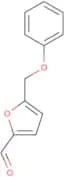
Producto descatalogado5-(Phenoxymethyl)furan-2-carbaldehyde
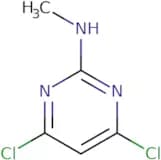
CAS:Versatile small molecule scaffoldFórmula:C12H10O3Pureza:Min. 95%Peso molecular:202.21 g/mol4,6-Dichloro-N-methylpyrimidin-2-amine
CAS:4,6-Dichloro-N-methylpyrimidin-2-amine is an analog of pyrimidine that has been used in the synthesis of a number of drugs. The compound was first synthesized by condensation of 2,4,6-trichloropyrimidine with formaldehyde and sodium hydroxide. 4,6-Dichloro-N-methylpyrimidin-2-amine can be converted to the corresponding hydrochloride salt by treatment with hydrochloric acid. The compound reacts with methanol to produce methylamine. It also undergoes acid hydrolysis to produce methyl chloride and formaldehyde.Fórmula:C5H5Cl2N3Pureza:Min. 95%Peso molecular:178.02 g/molN-tert-Butyl-2-sulfanylacetamide
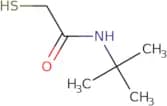
CAS:Versatile small molecule scaffold
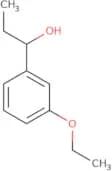
Fórmula:C6H13NOSPureza:Min. 95%Peso molecular:147.2 g/mol1-(3-Ethoxyphenyl)propan-1-ol
CAS:Versatile small molecule scaffold
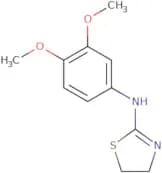
Fórmula:C11H16O2Pureza:Min. 95%Peso molecular:180.24 g/molN-(3,4-Dimethoxyphenyl)-4,5-dihydro-1,3-thiazol-2-amine
CAS:Versatile small molecule scaffoldFórmula:C11H14N2O2SPureza:Min. 95%Peso molecular:238.31 g/mol3-[(Furan-2-ylmethyl)sulfanyl]prop-2-enoic acid
CAS:Versatile small molecule scaffold
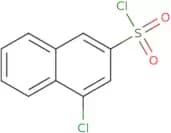
Fórmula:C8H8O3SPureza:Min. 95%Peso molecular:184.21 g/mol4-Chloronaphthalene-2-sulfonyl chloride
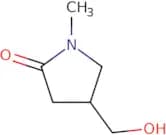
CAS:Versatile small molecule scaffoldFórmula:C10H6Cl2O2SPureza:Min. 95%Peso molecular:261.12 g/mol4-(Hydroxymethyl)-1-methylpyrrolidin-2-one
CAS:Versatile small molecule scaffold
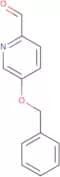
Fórmula:C6H11NO2Pureza:Min. 95%Peso molecular:129.16 g/mol5-(Benzyloxy)pyridine-2-carbaldehyde
CAS:Versatile small molecule scaffold
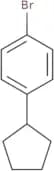
Fórmula:C13H11NO2Pureza:Min. 95%Peso molecular:213.23 g/mol1-Bromo-4-cyclopentylbenzene
CAS:1-Bromo-4-cyclopentylbenzene (1-BCPB) is a chlorinated aromatic compound that can be synthesized by reacting 1-bromo-4-chlorobenzene and cyclopentylmagnesium bromide. The reaction sequence begins with the addition of hydrochloric acid to the first reactant, followed by magnesium chloride and ether. The mixture is heated to produce a liquid solution of ethylhexyloxy pyridine, which reacts with the second reactant in a sequence that leads to the desired product. 1-BCPB is used as an intermediate in organic synthesis. It has been shown to have moderate interaction with paraldehyde and pyridinium salts at room temperature, but it does not react with cycloalkyls or pyridinium salts at elevated temperatures.
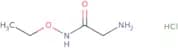
Fórmula:C11H13BrPureza:Min. 95%Peso molecular:225.13 g/mol2-Amino-N-ethoxyacetamide hydrochloride
CAS:Versatile small molecule scaffold
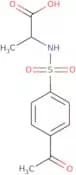
Fórmula:C4H11ClN2O2Pureza:Min. 95%Peso molecular:154.59 g/mol2-(4-Acetylbenzenesulfonamido)propanoic acid
CAS:Versatile small molecule scaffoldFórmula:C11H13NO5SPureza:Min. 95%Peso molecular:271.29 g/mol1-[(3-Phenyl-1,2-oxazol-5-yl)methyl]piperazine dihydrochloride
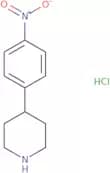
CAS:Versatile small molecule scaffoldFórmula:C14H19Cl2N3OPureza:Min. 95%Peso molecular:316.2 g/mol4-(4-Nitrophenyl)piperidine hydrochloride
CAS:Versatile small molecule scaffold
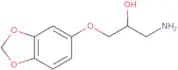
Fórmula:C11H15ClN2O2Pureza:Min. 95%Peso molecular:242.7 g/mol1-Amino-3-(1,3-dioxaindan-5-yloxy)propan-2-ol
CAS:Versatile small molecule scaffold
Fórmula:C10H13NO4Pureza:Min. 95%Peso molecular:211.21 g/mol3-(Oxiran-2-yl)oxane
CAS:Versatile small molecule scaffold
Fórmula:C7H12O2Pureza:Min. 95%Peso molecular:128.2 g/mol8-Phenyl-1-oxa-3-azaspiro[4.5]dec-2-en-2-amine
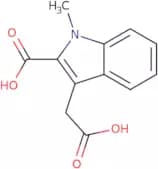
CAS:Versatile small molecule scaffoldFórmula:C14H18N2OPureza:Min. 95%Peso molecular:230.31 g/mol3-(carboxymethyl)-1-methyl-1H-indole-2-carboxylic acid
CAS:Versatile small molecule scaffold
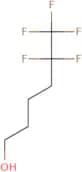
Fórmula:C12H11NO4Pureza:Min. 95%Peso molecular:233.22 g/mol5,5,6,6,6-Pentafluorohexan-1-ol
CAS:Versatile small molecule scaffold
Fórmula:C6H9F5OPureza:Min. 95%Peso molecular:192.13 g/mol2-Cyclopropyl-1-phenylpropan-2-amine
CAS:Versatile small molecule scaffold
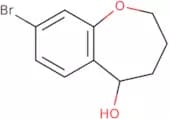
Fórmula:C12H17NPureza:Min. 95%Peso molecular:175.27 g/mol8-Bromo-2,3,4,5-tetrahydro-1-benzoxepin-5-ol
CAS:Versatile small molecule scaffold
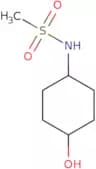
Fórmula:C10H11BrO2Pureza:Min. 95%Peso molecular:243.1 g/molN-(4-Hydroxycyclohexyl)methanesulfonamide
CAS:Versatile small molecule scaffold
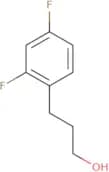
Fórmula:C7H15NO3SPureza:Min. 95%Peso molecular:193.27 g/mol3-(2,4-Difluorophenyl)propan-1-ol
CAS:Versatile small molecule scaffold
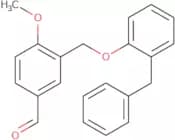
Fórmula:C9H10F2OPureza:Min. 95%Peso molecular:172.17 g/mol3-(2-Benzyl-phenoxymethyl)-4-methoxy-benzaldehyde
CAS:Versatile small molecule scaffold
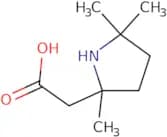
Fórmula:C22H20O3Pureza:Min. 95%Peso molecular:332.4 g/mol2-(2,5,5-Trimethylpyrrolidin-2-yl)acetic acid
CAS:Versatile small molecule scaffold
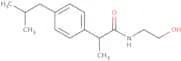
Fórmula:C9H17NO2Pureza:Min. 95%Peso molecular:171.24 g/molMabuprofen
CAS:Mabuprofen is a nonsteroidal anti-inflammatory drug that belongs to the class of NSAIDs. It is used to treat pain, inflammation, and stiffness caused by osteoarthritis, rheumatoid arthritis, and other joint diseases. Mabuprofen is a prodrug that has been shown to inhibit the production of prostaglandins in the brain and spinal cord. This inhibition leads to an increase in cyclic adenosine monophosphate (cAMP) levels which can then reduce the production of proteins in cells. This can have anti-inflammatory effects that are beneficial for people with inflammatory bowel disease or hyperproliferative diseases such as cancer. Mabuprofen has also been shown to decrease the levels of soybean trypsin inhibitor in rats with bowel disease. The mechanism for this activity may be due to its ability to act as a substrate molecule for enzyme reactions, such as soybean trypsin inhibitors.
Fórmula:C15H23NO2Pureza:Min. 95%Peso molecular:249.35 g/moltert-butyl N-[(2R)-1-oxopropan-2-yl]carbamate
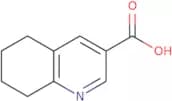
CAS:Versatile small molecule scaffoldFórmula:C8H15NO3Pureza:Min. 95%Peso molecular:173.2 g/mol5,6,7,8-Tetrahydroquinoline-3-carboxylic acid
CAS:5,6,7,8-Tetrahydroquinoline-3-carboxylic acid is a quinoline derivative that has been shown to have bacteriostatic activity against Staphylococcus aureus. It binds to the hydroxyl groups of the bacterial cell membrane and inhibits the production of enzymes necessary for protein synthesis. The interaction between the 5,6,7,8-tetrahydroquinoline-3-carboxylic acid and the hydroxyl group is reversible. 5,6,7,8-Tetrahydroquinoline-3-carboxylic acid also has bacteriostatic activity against other bacteria such as Mycobacterium tuberculosis and Mycobacterium avium complex.Fórmula:C10H11NO2Pureza:Min. 95%Peso molecular:177.2 g/mol5-Methylquinoline
CAS:5-Methylquinoline is a quinoline derivative that is used in the synthesis of other quinoline derivatives. It can be synthesized from cinnamaldehyde, which can be obtained from cinnamic acid or benzaldehyde. 5-Methylquinoline has been shown to have antioxidant properties and inhibit colorectal carcinoma cells in vitro. The compound also inhibits the growth of caco-2 cells. One isomer of 5-methylquinoline, ethenyl, has been shown to cause a shift in the spectrum of light absorbed by caco-2 cells.
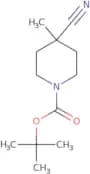
Fórmula:C10H9NPureza:Min. 95%Peso molecular:143.18 g/moltert-Butyl 4-cyano-4-methylpiperidine-1-carboxylate
CAS:Versatile small molecule scaffold
Fórmula:C12H20N2O2Pureza:Min. 95%Peso molecular:224.3 g/molVinyltributyltin
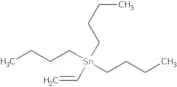
CAS:Producto controladoVinyltributyltin is a dibutyltin oxide (DBTO) enantiomer that has been shown to inhibit the HIV-1 protease. Vinyltributyltin has also been shown to reduce inflammation in bowel disease, as well as to have synergistic effects with other drugs in the treatment of cancer and inflammatory bowel disease. The mechanism of action of vinyltributyltin is not yet known, but it may be related to its ability to inhibit the quinazolone-dependent formation of reactive oxygen species. Vinyltributyltin also inhibits the NS3 protease, which is an enzyme involved in hepatitis C virus replication.
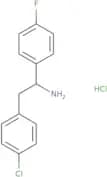
Fórmula:C14H30SnPureza:Min. 95%Forma y color:Colorless Clear LiquidPeso molecular:317.1 g/mol2-(4-Chlorophenyl)-1-(4-fluorophenyl)ethan-1-amine hydrochloride
CAS:Versatile small molecule scaffoldFórmula:C14H14Cl2FNPureza:Min. 95%Peso molecular:286.2 g/mol2-Cyclohexyl-6-methylpiperidine hydrochlorides
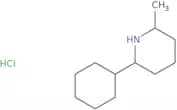
CAS:Versatile small molecule scaffold
Fórmula:C12H24ClNPureza:Min. 95%Peso molecular:217.8 g/molBenzyl 3-(difluoromethoxy)cyclobutane-1-carboxylate
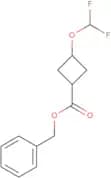
CAS:Versatile small molecule scaffold
Fórmula:C13H14F2O3Pureza:Min. 95%Peso molecular:256.24 g/mol1H-Perimidine-2-thiol
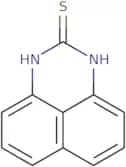
CAS:Versatile small molecule scaffold
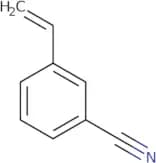
Fórmula:C11H8N2SPureza:Min. 95%Peso molecular:200.26 g/mol3-Ethenylbenzonitrile
CAS:3-Ethenylbenzonitrile is an organic compound that can be prepared by photolysis of 2-bromobenzonitrile in the presence of a nonpolar solvent. It is also synthesized by laser induced exciplex reaction between benzene and ethylene. 3-Ethenylbenzonitrile has a conformation that is dependent on the polarity of the solvent. In polar solvents, it adopts a bent structure while in nonpolar solvents, it adopts a linear structure. The molecule undergoes cyclobutane formation and then reacts with electron acceptors such as cations to form intermediates. These intermediates react with other molecules to form products.
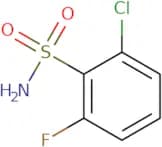
Fórmula:C9H7NPureza:Min. 95%Peso molecular:129.16 g/mol2-Chloro-6-fluorobenzene-1-sulfonamide
CAS:2-Chloro-6-fluorobenzene-1-sulfonamide is a pharmacological agent that has been shown to have anticancer activity. It is an inhibitor of sterol regulatory element binding protein 2 (SREBP2) and, as such, inhibits cholesterol synthesis. This inhibition results in the accumulation of fatty acids and downstream metabolites in cancer cells, which leads to apoptosis. 2-Chloro-6-fluorobenzene-1-sulfonamide may also be used to treat neurodegenerative diseases and inflammatory pathways.Fórmula:C6H5ClFNO2SPureza:Min. 95%Peso molecular:209.63 g/mol2-Amino-N-[(benzylcarbamoyl)methyl]acetamide hydrochloride
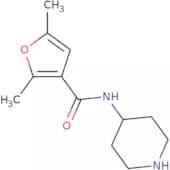
CAS:Versatile small molecule scaffoldFórmula:C11H16ClN3O2Pureza:Min. 95%Peso molecular:257.72 g/mol2,5-Dimethyl-N-(piperidin-4-yl)furan-3-carboxamide
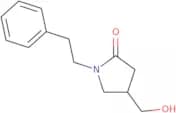
CAS:Versatile small molecule scaffoldFórmula:C12H18N2O2Pureza:Min. 95%Peso molecular:222.28 g/mol4-(Hydroxymethyl)-1-(2-phenylethyl)pyrrolidin-2-one
CAS:Versatile small molecule scaffold
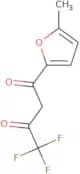
Fórmula:C13H17NO2Pureza:Min. 95%Peso molecular:219.28 g/mol4,4,4-Trifluoro-1-(5-methylfuran-2-yl)butane-1,3-dione
CAS:Versatile small molecule scaffold
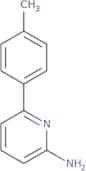
Fórmula:C9H7F3O3Pureza:Min. 95%Peso molecular:220.14 g/mol6-(p-Tolyl)pyridin-2-amine
CAS:Versatile small molecule scaffold
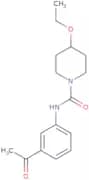
Fórmula:C12H12N2Pureza:Min. 95%Peso molecular:184.24 g/molN-(3-Acetylphenyl)-4-ethoxypiperidine-1-carboxamide
CAS:Versatile small molecule scaffold
Fórmula:C16H22N2O3Pureza:Min. 95%Peso molecular:290.36 g/mol2',3'-Dihydro-1'H-spiro[cyclopropane-1,4'-quinoline]
CAS:Versatile small molecule scaffold
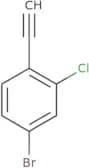
Fórmula:C11H13NPureza:Min. 95%Peso molecular:159.23 g/mol4-Bromo-2-chloro-1-ethynylbenzene
CAS:Versatile small molecule scaffold
Fórmula:C8H4BrClPureza:Min. 95%Peso molecular:215.47 g/molRef: 3D-DPC57336
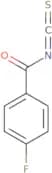
Producto descatalogado4-Fluorobenzoyl isothiocyanate
CAS:4-Fluorobenzoyl isothiocyanate (FBITC) is a fluorescent molecule that binds to the glutamate receptor. The binding of FBITC to the GluN2B subunit of the NMDA receptor leads to conformational changes in the receptor and decreases its ability to bind glutamate. This process has been shown using x-ray diffraction data, which also showed that FBITC was able to chelate with magnesium ions, indicating a possible allosteric modulator for these receptors.
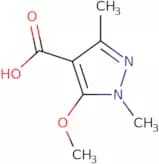
Fórmula:C8H4FNOSPureza:Min. 95%Peso molecular:181.19 g/mol5-Methoxy-1,3-dimethyl-1H-pyrazole-4-carboxylic acid
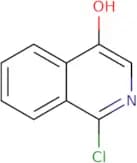
CAS:Versatile small molecule scaffoldFórmula:C7H10N2O3Pureza:Min. 95%Peso molecular:170.17 g/mol1-Chloroisoquinolin-4-ol
CAS:1-Chloroisoquinolin-4-ol is a phenylpyrimidine with anti-inflammatory properties. It is used in the treatment of sensitivity and mediated diseases, such as osteoarthritis, rheumatoid arthritis, and ankylosing spondylitis. 1-Chloroisoquinolin-4-ol inhibits the enzymatic activity of matrix metalloproteinases (MMPs), which are enzymes that break down collagen and other proteins in the body. The inhibition of MMPs by 1-chloroisoquinolin-4-ol leads to reduced inflammation and pain. This compound is also an effective inhibitor of the activities of chloride channels involved in acid secretion by cells in the stomach lining, thus inhibiting acid production. 1-Chloroisoquinolin-4-ol has been shown to have anticholesterolemic effects on liver cells due to its ability to inhibit cholesterol synthesis through inhibition of HMG CoA
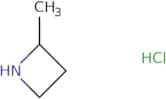
Fórmula:C9H6ClNOPureza:Min. 95%Peso molecular:179.6 g/mol2-Methylazetidine hydrochloride
CAS:Versatile small molecule scaffold
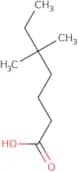
Fórmula:C4H10ClNPureza:Min. 95%Peso molecular:107.58 g/mol5,5-Dimethylheptanoic acid
CAS:Versatile small molecule scaffold
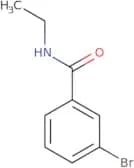
Fórmula:C9H18O2Pureza:Min. 95%Peso molecular:158.24 g/mol3-Bromo-N-ethylbenzamide
CAS:Versatile small molecule scaffold
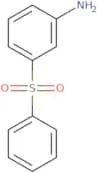
Fórmula:C9H10BrNOPureza:Min. 95%Peso molecular:228.09 g/mol3-(Benzenesulfonyl)aniline
CAS:Versatile small molecule scaffold
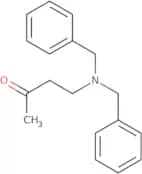
Fórmula:C12H11NO2SPureza:Min. 95%Peso molecular:233.29 g/mol4-(dibenzylamino)butan-2-one
CAS:Versatile small molecule scaffold
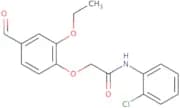
Fórmula:C18H21NOPureza:Min. 95%Peso molecular:267.37 g/molN-(2-Chlorophenyl)-2-(2-ethoxy-4-formylphenoxy)acetamide
CAS:Versatile small molecule scaffold
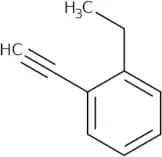
Fórmula:C17H16ClNO4Pureza:Min. 95%Peso molecular:333.8 g/mol1-Ethyl-2-ethynylbenzene
CAS:1-Ethyl-2-ethynylbenzene is an indene that can be synthesized by the reaction of 1-ethylbenzene with ethynylmagnesium bromide and trifluoroacetyl chloride. 1-Ethyl-2-ethynylbenzene reacts as a nucleophile with electrophiles, such as phenylsulfonyl and acetylene compounds, to form sulfones and acetylenes. It can also react with tetrafluoroborates to form indenes.
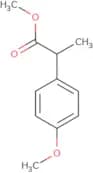
Fórmula:C10H10Pureza:Min. 95%Peso molecular:130.19 g/molMethyl 2-(4-methoxyphenyl)propanoate
CAS:Versatile small molecule scaffold
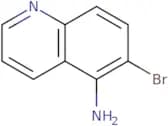
Fórmula:C11H14O3Pureza:Min. 95%Peso molecular:194.23 g/mol5-Amino-6-bromoquinoline
CAS:Versatile small molecule scaffold
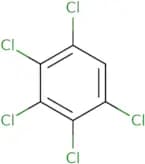
Fórmula:C9H7BrN2Pureza:Min. 95%Peso molecular:223.07 g/mol1,2,3,4,5-Pentachlorobenzene
CAS:1,2,3,4,5-Pentachlorobenzene is a chlorinated hydrocarbon that is used in the production of pesticides and herbicides. It is an ingredient in the manufacturing of pentachlorophenol and pentachloronitrobenzene. 1,2,3,4,5-Pentachlorobenzene has been used as a chemical intermediate or solvent for the production of other chemicals. The emissions from this chemical can be harmful to humans and animals because it has been shown to affect enzyme activities at sublethal doses. It also affects rat liver microsomes and causes DNA damage that can lead to cancer.
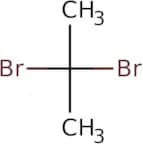
Fórmula:C6HCl5Pureza:Min. 95%Peso molecular:250.34 g/mol2,2-Dibromopropane
CAS:2,2-Dibromopropane is a synthetic chemical that has been used as a precursor in the production of nylon. It is an activator that can be used to form covalent bonds with reactive groups on other molecules. The activation energy for the reaction with piperazine is between 104 and 106 kJ/mol. 2,2-Dibromopropane undergoes acylation reactions under certain conditions, forming reaction products such as 2,2-dibromoethyl acetate and 2,2-dibromoethanol. The molecular weight of 2,2-dibromopropane is 192.19 g/mol and its structural formula is CHBrCHBrCHBrCHBrC≡C≡C≡C≡C≡C≡CC(O)OH.
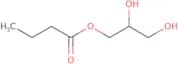
Fórmula:C3H6Br2Pureza:Min. 95%Peso molecular:201.89 g/mol1-Monotetranoin
CAS:1-Monotetranoin is a fatty ester that is involved in the process of lipolysis, which is the breakdown of fat cells. Lipolysis occurs when an enzyme called lipase hydrolyzes triglycerides into glycerol and three fatty acids. 1-Monotetranoin has been shown to be a potent stimulator of growth factor production and cell proliferation in vivo models. It has also been shown to be effective at inhibiting angiogenic processes in vitro, including the release of growth factors from fat cells. The neutral pH optimum for 1-monotetranoin is between 7 and 8, which may be due to its hydrophobic nature.
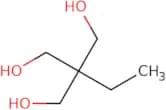
Fórmula:C7H14O4Pureza:Min. 95%Peso molecular:162.18 g/mol1,1,1-Tris(hydroxymethyl)propane
CAS:Tris(hydroxymethyl)propane is a diphenyl ether that has been shown to have an electrochemical impedance spectroscopy (EIS) spectrum in the human serum that is similar to those of other known antioxidants. Tris(hydroxymethyl)propane has been shown to protect against light-induced damage in human skin cells, and it also has radiation protective effects. Tris(hydroxymethyl)propane has also been shown to interact with trimethylolpropane, which is another antioxidant, and this interaction may affect the effectiveness of each agent. Tris(hydroxymethyl)propane inhibits lipid peroxidation by inhibiting the oxidation of fatty acids and hydroxyl groups on proteins.
Fórmula:C6H14O3Pureza:Min. 95%Peso molecular:134.17 g/mol8-Bromo-2-methylimidazo[1,2-a]pyridine
CAS:Versatile small molecule scaffold
Fórmula:C8H7N2BrPureza:Min. 95%Peso molecular:211.05 g/mol4,5-Dihydro-1H-imidazol-2-amine hydrochloride
CAS:Please enquire for more information about 4,5-Dihydro-1H-imidazol-2-amine hydrochloride including the price, delivery time and more detailed product information at the technical inquiry form on this page
Fórmula:C3H7N3•HClPureza:Min. 95%Peso molecular:121.57 g/molRef: 3D-FD183639
Producto descatalogado3-Hydroxy-5-methylpyridine
CAS:3-Hydroxy-5-methylpyridine (3HMP) is a chemical substance that has been classified as an amine. It is a product of the metabolism of purines, which are nitrogenous bases found in DNA and RNA. 3HMP is produced by aerogenic bacteria (such as Enterobacter), and can be used to estimate the number of these bacteria present in water samples. 3HMP has been shown to have antiviral properties against influenza virus, and can be used as a biomarker for the presence of other viruses in animals. 3HMP also has mineralization properties, which have been studied extensively, particularly with regards to pancreatic disease.
Fórmula:C6H7NOPureza:Min. 95%Forma y color:PowderPeso molecular:109.13 g/molRef: 3D-FH16174
Producto descatalogado4-Chloro-2-hydroxy-6-methylphenylboronic acid
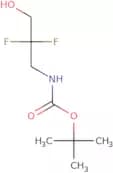
CAS:Versatile small molecule scaffoldFórmula:C7H8BClO3Pureza:Min. 95%Peso molecular:186.4 g/moltert-Butyl (2,2-difluoro-3-hydroxypropyl)carbamate
CAS:Versatile small molecule scaffoldFórmula:C10H13NO4Pureza:Min. 95%Peso molecular:211.21 g/mol1-Hydroxycyclopentane-1-carbonitrile
CAS:1-Hydroxycyclopentane-1-carbonitrile is a monomer that is hydrolyzed to form benzoin and cyanohydrins. It can be used in the production of scifinder as a monomer or dimerizer.
Fórmula:C6H9NOPureza:Min. 95%Peso molecular:111.14 g/mol2-Bromo-3,3,3-trifluoro-1-propene
CAS:Producto controlado2-Bromo-3,3,3-trifluoro-1-propene is a chemical compound that has been synthesized in an asymmetric reaction. The reactant is bromopropane and the product is 2,2,2-trifluoropropene. The methylene group on the propene molecule is activated by the nucleophilic attack of a fluoride ion from hydrogen fluoride to form a cavity with a highly strained bond. The kinetic study of this reaction revealed that the activation energy for the reaction is 42 kJ/mol. Palladium-catalyzed coupling reactions are catalyzed by palladium and require nonpolar solvents such as toluene or dichloromethane. This type of reaction has been shown to be exothermic with an isolated yield of 1%.
Fórmula:C3H2BrF3Pureza:Min. 95%Forma y color:Colorless PowderPeso molecular:174.95 g/mol4,5-Dihydroxy-2,3-Pentanedione
CAS:4,5-Dihydroxy-2,3-pentanedione is a carbonyl compound that is the product of the oxidation of ascorbic acid. It is used in wastewater treatment and has antimicrobial properties against infectious diseases. This compound has been shown to inhibit protein synthesis by binding to the ribosome and preventing the formation of peptide bonds between amino acids. 4,5-Dihydroxy-2,3-pentanedione has also been shown to bind to plasma proteins, which may be due to its acyl chain structure. 4,5-Dihydroxy-2,3-pentanedione can be synthesized in a catalytic mechanism that involves dehydroascorbic acid and molecular oxygen.
Fórmula:C5H8O4Pureza:Min. 95%Forma y color:PowderPeso molecular:132.11 g/molRef: 3D-FD180770
Producto descatalogadoPiperyline
CAS:Piperyline is an alkanoic acid that has shown to be effective against skin cancer. It also has antimicrobial properties, which may be due to its ability to bind metal ions and form polymeric compounds. Piperyline inhibits microbial growth by inhibiting the synthesis of proteins and nucleic acids. The antimicrobial activity is related to its cationic polymerization with hydroxyl groups, which forms a structure that can inhibit microbial enzymes and disrupt microbial cell membranes. This compound also interacts with the skin's natural lipids, making it difficult for microorganisms to attach and grow on the skin. Piperyline is synthesized in organic chemistry laboratories as an amide precursor of other pharmaceuticals such as penicillin.
Fórmula:C16H17NO3Pureza:Min. 95%Peso molecular:271.31 g/mol

![2-[(3-Chloro-4-fluorophenyl)methyl]-2-methylpyrrolidine hydrochloride](/_next/image/?url=https%3A%2Fstatic.cymitquimica.com%2Fproducts%2F3D%2Fthumb-webp%2FKHD06393.webp&w=3840&q=75)
![3-[(Furan-2-ylmethyl)sulfanyl]prop-2-enoic acid](/_next/image/?url=https%3A%2Fstatic.cymitquimica.com%2Fproducts%2F3D%2Fthumb-webp%2FJFC43383.webp&w=3840&q=75)
![1-[(3-Phenyl-1,2-oxazol-5-yl)methyl]piperazine dihydrochloride](/_next/image/?url=https%3A%2Fstatic.cymitquimica.com%2Fproducts%2F3D%2Fthumb-webp%2FIQB77463.webp&w=3840&q=75)
![8-Phenyl-1-oxa-3-azaspiro[4.5]dec-2-en-2-amine](/_next/image/?url=https%3A%2Fstatic.cymitquimica.com%2Fproducts%2F3D%2Fthumb-webp%2FIJC02845.webp&w=3840&q=75)

![tert-butyl N-[(2R)-1-oxopropan-2-yl]carbamate](/_next/image/?url=https%3A%2Fstatic.cymitquimica.com%2Fproducts%2F3D%2Fthumb-webp%2FHDA35356.webp&w=3840&q=75)

![2-Amino-N-[(benzylcarbamoyl)methyl]acetamide hydrochloride](/_next/image/?url=https%3A%2Fstatic.cymitquimica.com%2Fproducts%2F3D%2Fthumb-webp%2FENC19856.webp&w=3840&q=75)
![2',3'-Dihydro-1'H-spiro[cyclopropane-1,4'-quinoline]](/_next/image/?url=https%3A%2Fstatic.cymitquimica.com%2Fproducts%2F3D%2Fthumb-webp%2FECC59829.webp&w=3840&q=75)
![8-Bromo-2-methylimidazo[1,2-a]pyridine](/_next/image/?url=https%3A%2Fstatic.cymitquimica.com%2Fproducts%2F3D%2Fthumb-webp%2FUXB37475.webp&w=3840&q=75)