Building Blocks
Subcategorías de "Building Blocks"
- Ácidos borónicos y derivados del ácido borónico(5.778 productos)
- Building Blocks quirales(1.243 productos)
- Building Blocks de hidrocarburos(6.099 productos)
- Building Blocks orgánicos(61.038 productos)
Se han encontrado 205376 productos de "Building Blocks"
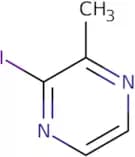
Pyrazine, 2-iodo-3-methyl-
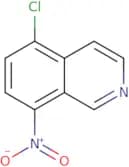
CAS:Versatile small molecule scaffoldFórmula:C5H5IN2Pureza:Min. 95%Peso molecular:220.01 g/mol5-Chloro-8-nitroisoquinoline
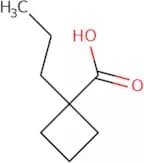
CAS:5-Chloro-8-nitroisoquinoline is a cytotoxic agent that belongs to the class of pyridopyrimidines. It is an amidation product of 8-nitroisoquinoline and 5-chloroacetaldehyde, which is prepared by condensation of nitrostyrene with acetone. 5-Chloro-8-nitroisoquinoline has anticancer activity against human cancer cells in vitro and in vivo. The mechanism of action is multidrug resistance, mediated by overexpression of P glycoprotein. This drug also inhibits the reductive activation of hypoxia inducible factor (HIF) alpha, which leads to its cytotoxicity.Fórmula:C9H5ClN2O2Pureza:Min. 95%Peso molecular:208.6 g/mol1-Propylcyclobutane-1-carboxylic acid
CAS:Versatile small molecule scaffoldFórmula:C8H14O2Pureza:Min. 95%Peso molecular:142.2 g/mol1-(7-Chloronaphthalen-1-yl)ethanone
CAS:Versatile small molecule scaffold
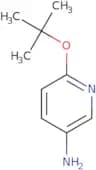
Fórmula:C12H9ClOPureza:Min. 95%Peso molecular:204.65 g/mol6-(tert-Butoxy)pyridin-3-amine
CAS:Versatile small molecule scaffoldFórmula:C9H14N2OPureza:Min. 95%Peso molecular:166.22 g/mol1-(4-chlorophenyl)-2-(3-pyridinyl)ethanone
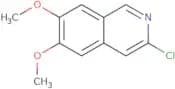
CAS:Versatile small molecule scaffoldFórmula:C13H10ClNOPureza:Min. 95%Peso molecular:231.68 g/mol3-Chloro-6,7-dimethoxyisoquinoline
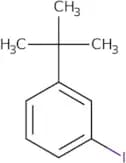
CAS:Versatile small molecule scaffoldFórmula:C11H10ClNO2Pureza:Min. 95%Peso molecular:223.65 g/mol1-tert-Butyl-3-iodobenzene
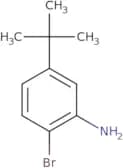
CAS:Versatile small molecule scaffoldFórmula:C10H13IPureza:Min. 95%Peso molecular:260.11 g/mol2-Bromo-5-tert-butylaniline
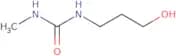
CAS:Versatile small molecule scaffoldFórmula:C10H14BrNPureza:Min. 95%Peso molecular:228.13 g/mol1-(3-Hydroxypropyl)-3-methylurea
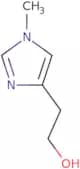
CAS:Versatile small molecule scaffoldFórmula:C5H12N2O2Pureza:Min. 95%Peso molecular:132.16 g/mol2-(1-Methyl-1H-imidazol-4-yl)ethan-1-ol
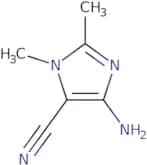
CAS:Versatile small molecule scaffoldFórmula:C6H10N2OPureza:Min. 95%Peso molecular:126.16 g/mol4-Amino-1,2-dimethyl-1H-imidazole-5-carbonitrile
CAS:Versatile small molecule scaffoldFórmula:C6H8N4Pureza:Min. 95%Peso molecular:136.15 g/mol3-[(Cyclopropylmethyl)amino]propanenitrile
CAS:Versatile small molecule scaffold
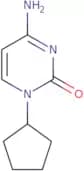
Fórmula:C7H12N2Pureza:Min. 95%Peso molecular:124.18 g/mol4-Amino-1-cyclopentyl-1,2-dihydropyrimidin-2-one
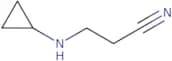
CAS:Versatile small molecule scaffoldFórmula:C9H13N3OPureza:Min. 95%Peso molecular:179.22 g/mol3-(3-Cyclopropylamino)propionitrile
CAS:Versatile small molecule scaffoldFórmula:C6H10N2Pureza:Min. 95%Peso molecular:110.16 g/molButyl(2-methoxyethyl)amine
CAS:Versatile small molecule scaffoldFórmula:C7H17NOPureza:Min. 95%Peso molecular:131.22 g/mol(2-Methoxyethyl)(prop-2-en-1-yl)amine
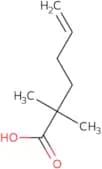
CAS:Versatile small molecule scaffoldFórmula:C6H13NOPureza:Min. 95%Peso molecular:115.17 g/mol2,2-dimethylhex-5-enoic acid
CAS:2,2-dimethylhex-5-enoic acid is an organic compound that belongs to the class of aldehydes. It can be synthesized by decarboxylation of 2,2-dimethylhexane. The selectivity is high and the functional groups are already present in the molecule. This reaction is a decarboxylative annulation and it requires a catalyst. This synthesis has been shown in chemistry textbooks as an example of a functional group transformation.Fórmula:C8H14O2Pureza:Min. 95%Peso molecular:142.2 g/mol4-Hydrazino-1,3,5-triazin-2-amine
CAS:Versatile small molecule scaffoldFórmula:C3H6N6Pureza:Min. 95%Peso molecular:126.12 g/molSpiro[1,3-dioxolane-2,8'-pentacyclo[5.4.0.0²,⁶.0³,¹⁰.0⁵,⁹]undecan]-11'-one
CAS:Spiro[1,3-dioxolane-2,8'-pentacyclo[5.4.0.0²,⁶.0³,¹⁰.0⁵,⁹]undecan]-11'-one is an organic compound that has a ketal group in its structure. It is also a hydrogen bond donor and a reductive coupling agent with properties of intramolecular hydrogen bonding and dimerization. The intramolecular hydrogen can be found in the ring of the spiro[1,3-dioxolane-2,8'-pentacyclo[5.4.0.0²,⁶.0³,¹⁰.0⁵,⁹]undecan]-11'-one that is bonded to the ketal group as well as on the benzene ring on the other side of the molecule when it is bound to another spiro[1
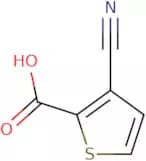
Fórmula:C13H14O3Pureza:Min. 95%Peso molecular:218.25 g/mol3-Cyanothiophene-2-carboxylic acid
CAS:Versatile small molecule scaffold
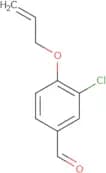
Fórmula:C6H3NO2SPureza:Min. 95%Peso molecular:153.16 g/mol3-chloro-4-(prop-2-en-1-yloxy)benzaldehyde
CAS:Versatile small molecule scaffoldFórmula:C10H9ClO2Pureza:Min. 95%Peso molecular:196.63 g/mol2-{[(tert-butoxy)carbonyl]amino}-2-(1H-indol-3-yl)acetic acid
CAS:Versatile small molecule scaffold
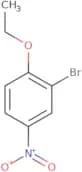
Fórmula:C15H18N2O4Pureza:Min. 95%Peso molecular:290.3 g/mol2-Bromo-1-ethoxy-4-nitrobenzene
CAS:Versatile small molecule scaffold
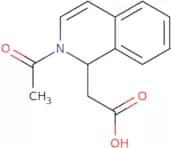
Fórmula:C8H8BrNO3Pureza:Min. 95%Peso molecular:246.06 g/mol2-(2-Acetyl-1,2-dihydroisoquinolin-1-yl)acetic acid
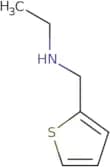
CAS:Versatile small molecule scaffoldFórmula:C13H13NO3Pureza:Min. 95%Peso molecular:231.25 g/molN-Ethyl-(2-thienylmethyl)amine
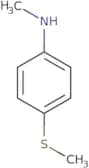
CAS:Versatile small molecule scaffoldFórmula:C7H11NSPureza:Min. 95%Peso molecular:141.24 g/molN-Methyl-4-(methylsulfanyl)aniline
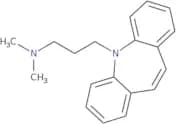
CAS:Versatile small molecule scaffoldFórmula:C8H11NSPureza:Min. 95%Peso molecular:153.25 g/molDepramine
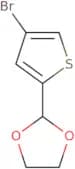
CAS:Depramine is a monoamine reuptake inhibitor that inhibits the reuptake of norepinephrine, dopamine and serotonin by blocking their respective transporters. Depramine has been shown to have therapeutic potential in the treatment of cancer. It has also been shown to be effective in the prevention of symptoms of depression. Depramine is not active against iontophoresis, which may be due to its insoluble nature and lack of film-forming properties.Fórmula:C19H22N2·HClPureza:Min. 95%Peso molecular:314.85 g/mol2-(4-Bromothien-2-yl)-1,3-dioxolane
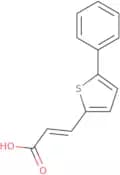
CAS:Versatile small molecule scaffoldFórmula:C7H7BrO2SPureza:Min. 95%Peso molecular:235.1 g/mol(E)-3-(5-Phenylthiophen-2-yl)acrylic acid
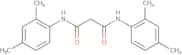
CAS:Versatile small molecule scaffoldFórmula:C13H10O2SPureza:Min. 95%Peso molecular:230.28 g/molN,N'-Bis(2,4-dimethylphenyl)propanediamide
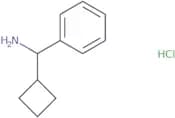
CAS:Versatile small molecule scaffoldFórmula:C19H22N2O2Pureza:Min. 95%Peso molecular:310.4 g/molalpha-Cyclobutylbenzylamine hydrochloride
CAS:Versatile small molecule scaffoldFórmula:C11H15N·HClPureza:Min. 95%Peso molecular:197.71 g/molCyclohexyl(phenyl)methanamine hydrochloride
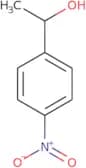
CAS:Versatile small molecule scaffoldFórmula:C13H20ClNPureza:Min. 95%Peso molecular:225.76 g/mol(1R)-1-(4-Nitrophenyl)ethan-1-ol
CAS:Versatile small molecule scaffold
Fórmula:C8H9NO3Pureza:Min. 95%Peso molecular:167.16 g/mol4-Formyl-N,N-dimethyl-benzamide
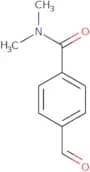
CAS:4-Formyl-N,N-dimethyl-benzamide is a potent tyrosine kinase inhibitor. It is a pyridine derivative that binds to the ATP binding site of the enzyme and inhibits its activity. This results in decreased cellular proliferation and lower levels of protein synthesis. 4-Formyl-N,N-dimethyl-benzamide has shown to be effective at inhibiting the growth of tumour cells when combined with chemotherapy, but has not been evaluated for efficacy in treating other diseases. The pharmacokinetic profile of this drug is not well known, as it has not been studied in humans.br>
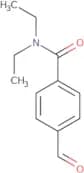
Fórmula:C10H11NO2Pureza:Min. 95%Peso molecular:177.2 g/molN,N-Diethyl-4-formylbenzamide
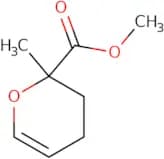
CAS:Versatile small molecule scaffoldFórmula:C12H15NO2Pureza:Min. 95%Peso molecular:205.25 g/molMethyl 2-methyl-3,4-dihydro-2H-pyran-2-carboxylate
CAS:Versatile small molecule scaffoldFórmula:C8H12O3Pureza:Min. 95%Peso molecular:156.18 g/mol[3-(Diethylamino)phenyl]methanol
CAS:Versatile small molecule scaffold
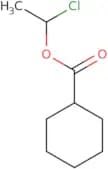
Fórmula:C11H17NOPureza:Min. 95%Peso molecular:179.3 g/mol1-Chloroethyl cyclohexanecarboxylate
CAS:Versatile small molecule scaffold
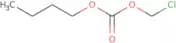
Fórmula:C9H15ClO2Pureza:Min. 95%Peso molecular:190.67 g/molButyl chloromethyl carbonate
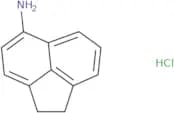
CAS:Butyl chloromethyl carbonate is a nitro-substituted aliphatic hydrocarbon that is metabolized by the body to form an active compound. It has been used in the treatment of infectious diseases, such as HIV or cancer. Butyl chloromethyl carbonate inhibits the growth of bacteria and viruses, and has been shown to be effective against human immunodeficiency virus (HIV) and papilloma virus. This drug binds to pyrimidine compounds and heterocycles, which inhibit the synthesis of DNA and RNA. The pharmacokinetics of this compound are dependent on its metabolism by carboxylates and aromatic hydrocarbons.Fórmula:C6H11ClO3Pureza:Min. 95%Peso molecular:166.6 g/mol1,2-Dihydroacenaphthylen-5-amine hydrochloride
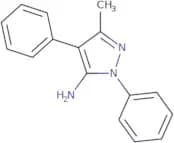
CAS:Versatile small molecule scaffoldFórmula:C12H12ClNPureza:Min. 95%Peso molecular:205.68 g/mol3-Methyl-1,4-diphenyl-1H-pyrazol-5-amine
CAS:Versatile small molecule scaffoldFórmula:C16H15N3Pureza:Min. 95%Peso molecular:249.31 g/mol6H,7H,8H,9H,10H,12H-Azepino[2,1-b]quinazolin-12-imine
CAS:Versatile small molecule scaffoldFórmula:C13H15N3Pureza:Min. 95%Peso molecular:213.28 g/mol4,6-Dichloro-3-methyl-[1,2]oxazolo[4,5-c]pyridine
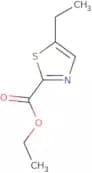
CAS:Versatile small molecule scaffoldFórmula:C7H4Cl2N2OPureza:Min. 95%Peso molecular:203.02 g/molEthyl 5-ethyl-1,3-thiazole-2-carboxylate
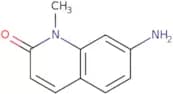
CAS:Versatile small molecule scaffoldFórmula:C8H11NO2SPureza:Min. 95%Peso molecular:185.25 g/mol7-Amino-1-methyl-1,2-dihydroquinolin-2-one
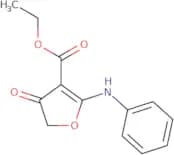
CAS:Versatile small molecule scaffoldFórmula:C10H10N2OPureza:Min. 95%Peso molecular:174.2 g/molEthyl 2-anilino-4-oxo-4,5-dihydro-3-furancarboxylate
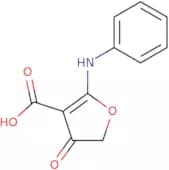
CAS:Ethyl 2-anilino-4-oxo-4,5-dihydro-3-furancarboxylate is a reactive compound that inhibits the mitochondrial membrane potential. It also has anti-tumor and anti-proliferative activities. This compound's membrane potential inhibitory effect is due to its ability to generate reactive oxygen species (ROS) in a mitochondria membrane. ROS are toxic and can lead to cell death. The anti-proliferative activity of ethyl 2-anilino-4-oxo-4,5-dihydro-3-furancarboxylate may be due to its ability to activate caspase 3.Fórmula:C13H13NO4Pureza:Min. 95%Peso molecular:247.25 g/mol4-Oxo-2-(phenylamino)-4,5-dihydrofuran-3-carboxylic acid
CAS:Versatile small molecule scaffoldFórmula:C11H9NO4Pureza:Min. 95%Peso molecular:219.19 g/molEthyl Isethionate
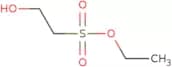
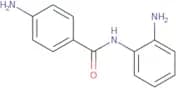
CAS:Ethyl isethionate is a chemical compound that belongs to the group of ethyl esters. It has been used as an additive in food, and it has also been shown to be effective against L1210 and other cancer cells. Ethyl isethionate has been shown to have anti-inflammatory properties and can inhibit prostaglandin synthesis. The linear regression analysis demonstrated that fatty acids can react with anions to form esters, which may be the mechanism by which ethyl isethionate was formed. Ethyl isethionate also reacts with fluorine, which results in the formation of fluoroethyl esters. This reaction may lead to the formation of busulfan, a chemotherapy drug used for treating leukemia and Hodgkin's disease. Another possible route for the synthesis of ethyl isethionate involves alkylation of long-chain chlorides with fatty acids or trifluoromethanesulfonic acid.Fórmula:C4H10O4SPureza:Min. 95%Peso molecular:154.18 g/mol4-Amino-N-(2-aminophenyl)-benzamide
CAS:4-Amino-N-(2-aminophenyl)-benzamide (4ANAP) is a small molecule that inhibits inflammatory bowel disease. It has been shown to have anti-inflammatory effects and to be a potential biomarker for colorectal adenocarcinoma. 4ANAP binds to the EGF receptor on the cell surface, which prevents its activation by EGF and thereby blocks cellular proliferation. 4ANAP has been shown to bind with high affinity to other receptors such as those found in autoimmune diseases and cancer cells. The anti-inflammatory properties of 4ANAP are due to its ability to inhibit the production of proinflammatory cytokines such as IL1β, IL6, TNFα, and IL8. This drug also inhibits the production of reactive oxygen species in neutrophils and macrophages, thereby reducing oxidative injury in inflamed tissues.
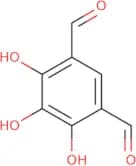
Fórmula:C13H13N3OPureza:Min. 95%Peso molecular:227.26 g/mol4,5,6-Trihydroxybenzene-1,3-dicarbaldehyde
CAS:Versatile small molecule scaffoldFórmula:C8H6O5Pureza:Min. 95%Peso molecular:182.13 g/mol3-bromo-7-chloro-5-methylpyrazolo[1,5-a]pyrimidine
CAS:Versatile small molecule scaffold
Fórmula:C7H5BrClN3Pureza:Min. 95%Peso molecular:246.5 g/molethyl 7-chloro-5-methylpyrazolo[1,5-a]pyrimidine-3-carboxylate
CAS:Versatile small molecule scaffoldFórmula:C10H10ClN3O2Pureza:Min. 95%Peso molecular:239.66 g/molEthyl 7-hydroxy-5-methylpyrazolo[1,5-a]pyrimidine-3-carboxylate
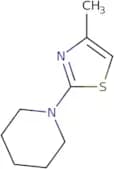
CAS:Versatile small molecule scaffoldFórmula:C10H11N3O3Pureza:Min. 95%Peso molecular:221.21 g/mol1-(4-Methyl-1,3-thiazol-2-yl)piperidine
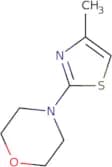
CAS:Versatile small molecule scaffoldFórmula:C9H14N2SPureza:Min. 95%Peso molecular:182.29 g/mol4-(4-Methyl-1,3-thiazol-2-yl)morpholine
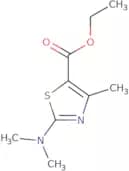
CAS:Versatile small molecule scaffoldFórmula:C8H12N2OSPureza:Min. 95%Peso molecular:184.26 g/molEthyl 2-(dimethylamino)-4-methyl-1,3-thiazole-5-carboxylate
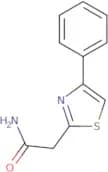
CAS:Versatile small molecule scaffoldFórmula:C9H14N2O2SPureza:Min. 95%Peso molecular:214.29 g/mol2-(4-Phenyl-1,3-thiazol-2-yl)acetamide
CAS:Versatile small molecule scaffoldFórmula:C11H10N2OSPureza:Min. 95%Peso molecular:218.28 g/mol[(4-Chlorophenyl)methyl][3-(diethylamino)propyl]amine
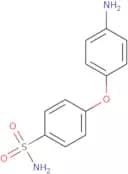
CAS:Versatile small molecule scaffoldFórmula:C14H23ClN2Pureza:Min. 95%Peso molecular:254.8 g/mol4-(4-Aminophenoxy)benzene-1-sulfonamide
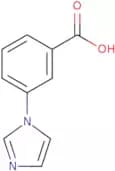
CAS:Versatile small molecule scaffoldFórmula:C12H12N2O3SPureza:Min. 95%Peso molecular:264.3 g/mol3-(1H-Imidazol-1-yl)benzoic acid
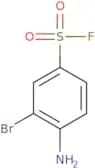
CAS:3-(1H-Imidazol-1-yl)benzoic acid is a heterocyclic organic compound that is used as an excitatory neurotransmitter. It has a high affinity for the metabotropic glutamate receptor and is able to induce excitatory postsynaptic potentials in neurons. 3-(1H-Imidazol-1-yl)benzoic acid binds to the postsynaptic membrane and blocks the ion channels, leading to depolarization of the neuron membrane. The glutamate binding site on the metabotropic glutamate receptor is low nanomolar and five membered, making it a competitive antagonist at this site.Fórmula:C10H8N2O2Pureza:Min. 95%Peso molecular:188.19 g/mol4-Amino-3-bromobenzene-1-sulfonyl fluoride
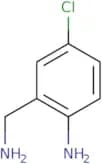
CAS:Versatile small molecule scaffoldFórmula:C6H5BrFNO2SPureza:Min. 95%Peso molecular:254.08 g/mol2-(aminomethyl)-4-chloroaniline
CAS:2-(Aminomethyl)-4-chloroaniline is an organic compound that can be synthesized in a sustainable manner. It has been used as an additive for the oxidation of benzyl amines with transition metal catalysts. 2-(Aminomethyl)-4-chloroaniline is also a reagent for the synthesis of quinazoline derivatives and quinazolines. The efficiency of this process has been shown to increase with the substitution of n-substituted benzylamines.Fórmula:C7H9ClN2Pureza:Min. 95%Peso molecular:156.61 g/mol7-Bromo-2,3,4,9-tetrahydro-1H-pyrido[3,4-b]indole
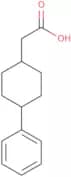
CAS:Versatile small molecule scaffoldFórmula:C11H11BrN2Pureza:Min. 95%Peso molecular:251.13 g/mol2-(4-Phenylcyclohexyl)acetic acid
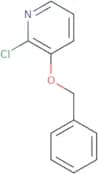
CAS:Versatile small molecule scaffoldFórmula:C14H18O2Pureza:Min. 95%Peso molecular:218.29 g/mol2-Chloro-3-benzyloxymethylpyridine
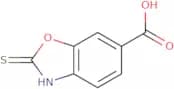
CAS:Versatile small molecule scaffoldFórmula:C13H12NOClPureza:Min. 95%Peso molecular:233.69 g/mol2-Sulfanyl-1,3-benzoxazole-6-carboxylic acid
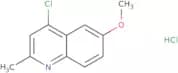
CAS:Versatile small molecule scaffoldFórmula:C8H5NO3SPureza:Min. 95%Peso molecular:195.2 g/mol4-Chloro-6-methoxy-2-methylquinoline hydrochloride
CAS:Versatile small molecule scaffold
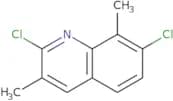
Fórmula:C11H11Cl2NOPureza:Min. 95%Peso molecular:244.11 g/mol2,7-Dichloro-3,8-dimethylquinoline
CAS:Versatile small molecule scaffoldFórmula:C11H9Cl2NPureza:Min. 95%Peso molecular:226.1 g/mol6-(Bromomethyl)-4-chlorothieno[2,3-d]pyrimidine
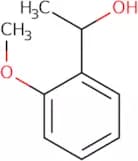
CAS:Versatile small molecule scaffoldFórmula:C7H4BrClN2SPureza:Min. 95%Peso molecular:263.54 g/mol(1S)-1-(2-Methoxyphenyl)ethan-1-ol
CAS:(1S)-1-(2-Methoxyphenyl)ethan-1-ol is a synthetic intermediate that belongs to the class of alcohols. It has been shown to be an enantioselective hydrogenation substrate for the transfer hydrogenation of acetophenones. The compound can also be used in biological synthesis and organic synthesis as a chiral, optically pure building block.Fórmula:C9H12O2Pureza:Min. 95%Peso molecular:152.19 g/mol2-Oxo-1H,2H,5H,6H,7H-cyclopenta[b]pyridine-3-carbonitrile
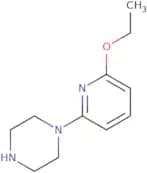
CAS:The compound 2-oxo-1H,2H,5H,6H,7H-cyclopenta[b]pyridine-3-carbonitrile is a heterocyclic compound that belongs to the class of tricyclic compounds. It has an anisotropic crystal system and a single crystal x-ray diffraction pattern. The molecular geometry of this compound is a trigonal planar with three atoms in the plane. The molecular weight of 2-oxo-1H,2H,5H,6H,7H-cyclopenta[b]pyridine-3-carbonitrile is 205.08 g/mol.Fórmula:C9H8N2OPureza:Min. 95%Peso molecular:160.17 g/mol1-(6-ethoxypyridin-2-yl)piperazine
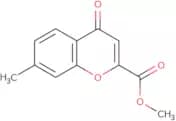
CAS:Versatile small molecule scaffoldFórmula:C11H17N3OPureza:Min. 95%Peso molecular:207.28 g/molMethyl 7-methyl-4-oxo-4-chromene-2-carboxylate
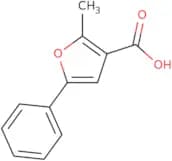
CAS:Versatile small molecule scaffoldFórmula:C12H10O4Pureza:Min. 95%Peso molecular:218.2 g/mol2-Methyl-5-phenylfuran-3-carboxylic acid
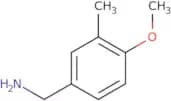
CAS:2-Methyl-5-phenylfuran-3-carboxylic acid (2MPFC) is a ligand that binds to the agonist binding site of the 5HT1A receptor. It has been shown to have potent effects on red blood cells, cell function and Alzheimer’s disease. 2MPFC has been shown to activate microglial cells and increase blood pressure in some models. The compound activates the receptor by binding it in an allosteric manner, which is a different mechanism than other ligands that bind at the orthosteric site. This compound also has been shown to be able to reduce dehydration and increase water intake in mice.Fórmula:C12H10O3Pureza:Min. 95%Peso molecular:202.21 g/mol(4-Methoxy-3-methylphenyl)methanamine
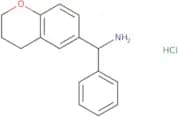
CAS:Versatile small molecule scaffoldFórmula:C9H13NOPureza:Min. 95%Peso molecular:151.21 g/mol3,4-Dihydro-2H-1-benzopyran-6-yl(phenyl)methanamine hydrochloride
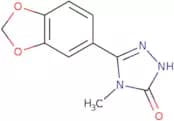
CAS:Versatile small molecule scaffoldFórmula:C16H18ClNOPureza:Min. 95%Peso molecular:275.77 g/mol3-(1,3-Dioxaindan-5-yl)-4-methyl-4,5-dihydro-1H-1,2,4-triazol-5-one
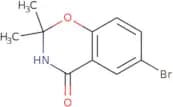
CAS:Versatile small molecule scaffoldFórmula:C10H9N3O3Pureza:Min. 95%Peso molecular:219.2 g/mol6-Bromo-2,2-dimethyl-3,4-dihydro-2H-1,3-benzoxazin-4-one
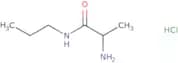
CAS:Versatile small molecule scaffoldFórmula:C10H10BrNO2Pureza:Min. 95%Peso molecular:256.1 g/mol(2R)-2-Amino-N-propylpropanamide, hydrochloride
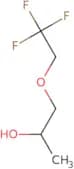
CAS:Versatile small molecule scaffoldFórmula:C6H15ClN2OPureza:Min. 95%Peso molecular:166.65 g/mol1-(2,2,2-Trifluoroethoxy)propan-2-ol
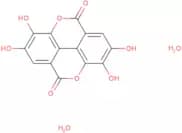
CAS:Versatile small molecule scaffoldFórmula:C5H9F3O2Pureza:Min. 95%Peso molecular:158.12 g/molEllagic Acid Dihydrate
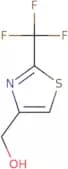
CAS:Ellagic acid is a potent inhibitor of the uptake of carbon nanotubes in animals. It also has antiviral properties, which may be due to its reactive oxygen species-generating properties. Ellagic acid has been shown to inhibit the proliferation of human T cells in vitro and induce apoptosis. This compound also inhibits the growth of cervical cancer cells and blocks viral replication by inhibiting viral protein synthesis. Ellagic acid can be used as a structural biology probe to investigate the reaction between cellulose derivatives and molecules. It is also used in pharmaceutical preparations such as anti-cancer drugs and treatments for herpes simplex type I virus infections.Fórmula:C14H6O8·2H2OPureza:Min. 95%Peso molecular:338.22 g/mol(2-(Trifluoromethyl)thiazol-4-yl)methanol
CAS:(2-(Trifluoromethyl)thiazol-4-yl)methanol is a benzimidazole derivative that inhibits the activity of imidazopyridine N-acetyltransferase, which is an enzyme involved in the synthesis of histamine. It has shown to be selective for this enzyme and not affect other enzymes related to histamine synthesis. (2-(Trifluoromethyl)thiazol-4-yl)methanol does not show mutagenicity or genotoxicity in f344 rats and has a low safety profile when tested on humans. This drug has been shown to have antiobesity effects, which are likely due to its inhibition of histamine synthesis.Fórmula:C5H4F3NOSPureza:Min. 95%Peso molecular:183.15 g/mol(2E)-3-(1,3-Thiazol-4-yl)prop-2-enoic acid
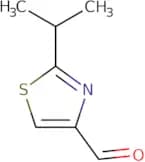
CAS:Versatile small molecule scaffoldFórmula:C6H5NO2SPureza:Min. 95%Peso molecular:155.2 g/mol2-Isopropyl-1,3-thiazole-4-carboxaldehyde
CAS:Ritonavir is a protease inhibitor that belongs to the class of HIV-1 protease inhibitors. It inhibits the activity of the virus by binding to the active site of the enzyme and blocking it from cleaving proteins. Ritonavir is used with other antiretroviral drugs as part of highly active antiretroviral therapy (HAART). This drug is also used in combination with other protease inhibitors, such as indinavir and saquinavir, to treat HIV infections that are resistant to these drugs. In some cases, ritonavir can be administered without a booster agent such as cobicistat or lopinavir/ritonavir. This drug has been shown to have pharmacokinetic parameters that are similar in healthy volunteers and patients infected with HIV-1.
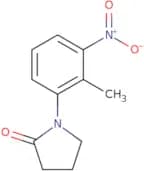
Fórmula:C7H9NOSPureza:Min. 95%Peso molecular:155.22 g/mol1-(2-Methyl-3-nitrophenyl)pyrrolidin-2-one
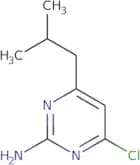
CAS:Versatile small molecule scaffoldFórmula:C11H12N2O3Pureza:Min. 95%Peso molecular:220.22 g/mol4-Chloro-6-(2-methylpropyl)pyrimidin-2-amine
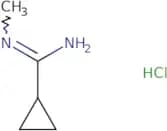
CAS:Versatile small molecule scaffoldFórmula:C8H12ClN3Pureza:Min. 95%Peso molecular:185.65 g/molN-Methylcyclopropanecarboximidamide hydrochloride
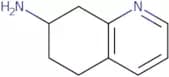
CAS:Versatile small molecule scaffoldFórmula:C5H11ClN2Pureza:Min. 95%Peso molecular:134.61 g/mol5,6,7,8-Tetrahydroquinolin-7-amine
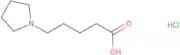
CAS:Versatile small molecule scaffoldFórmula:C9H12N2Pureza:Min. 95%Peso molecular:148.2 g/mol5-(Pyrrolidin-1-yl)pentanoic acid hydrochloride
CAS:Versatile small molecule scaffoldFórmula:C9H18ClNO2Pureza:Min. 95%Peso molecular:207.7 g/mol(1R,4R)-2-Methyl-2,5-diazabicyclo[2.2.1]heptane diHBr
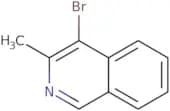
CAS:Versatile small molecule scaffoldFórmula:C6H14Br2N2Pureza:Min. 95%Peso molecular:274 g/mol4-Bromo-3-methyl-isoquinoline
CAS:Versatile small molecule scaffoldFórmula:C10H8BrNPureza:Min. 95%Peso molecular:222.08 g/mol2-{[(3-Methylphenyl)carbamoyl]amino}acetic acid
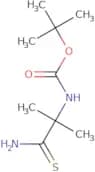
CAS:Versatile small molecule scaffoldFórmula:C10H12N2O3Pureza:Min. 95%Peso molecular:208.21 g/moltert-Butyl N-(1-carbamothioyl-1-methylethyl)carbamate
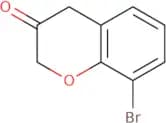
CAS:Versatile small molecule scaffoldFórmula:C9H18N2O2SPureza:Min. 95%Peso molecular:218.32 g/mol8-Bromochroman-3-one
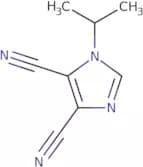
CAS:Versatile small molecule scaffoldFórmula:C9H7O2BrPureza:Min. 95%Peso molecular:227.05 g/mol1-(Propan-2-yl)-1H-imidazole-4,5-dicarbonitrile
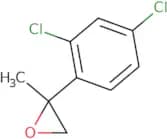
CAS:Versatile small molecule scaffoldFórmula:C8H8N4Pureza:Min. 95%Peso molecular:160.18 g/mol2-(2,4-Dichlorophenyl)-2-methyloxirane
CAS:Versatile small molecule scaffoldFórmula:C9H8Cl2OPureza:Min. 95%Peso molecular:203.06 g/molMethyl (2S)-2-bromo-2-[(4S)-2,2-dimethyl-1,3-dioxolan-4-yl]acetate
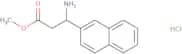
CAS:Versatile small molecule scaffoldFórmula:C8H13BrO4Pureza:Min. 95%Peso molecular:253.09 g/molMethyl 3-amino-3-(naphthalen-2-yl)propanoate hydrochloride
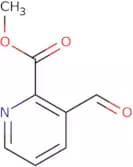
CAS:Versatile small molecule scaffoldFórmula:C14H16ClNO2Pureza:Min. 95%Peso molecular:265.73 g/molMethyl 3-formyl-2-pyridinecarboxylate
CAS:Versatile small molecule scaffoldFórmula:C8H7NO3Pureza:Min. 95%Peso molecular:165.15 g/mol



![3-[(Cyclopropylmethyl)amino]propanenitrile](/_next/image/?url=https%3A%2Fstatic.cymitquimica.com%2Fproducts%2F3D%2Fthumb-webp%2FICA19634.webp&w=3840&q=75)



![Spiro[1,3-dioxolane-2,8'-pentacyclo[5.4.0.0²,⁶.0³,¹⁰.0⁵,⁹]undecan]-11'-one](/_next/image/?url=https%3A%2Fstatic.cymitquimica.com%2Fproducts%2F3D%2Fthumb-webp%2FICA22893.webp&w=3840&q=75)
![2-{[(tert-butoxy)carbonyl]amino}-2-(1H-indol-3-yl)acetic acid](/_next/image/?url=https%3A%2Fstatic.cymitquimica.com%2Fproducts%2F3D%2Fthumb-webp%2FICA23794.webp&w=3840&q=75)

![[3-(Diethylamino)phenyl]methanol](/_next/image/?url=https%3A%2Fstatic.cymitquimica.com%2Fproducts%2F3D%2Fthumb-webp%2FICA29393.webp&w=3840&q=75)
![6H,7H,8H,9H,10H,12H-Azepino[2,1-b]quinazolin-12-imine](/_next/image/?url=https%3A%2Fstatic.cymitquimica.com%2Fproducts%2F3D%2Fthumb-webp%2FICA31493.webp&w=3840&q=75)
![4,6-Dichloro-3-methyl-[1,2]oxazolo[4,5-c]pyridine](/_next/image/?url=https%3A%2Fstatic.cymitquimica.com%2Fproducts%2F3D%2Fthumb-webp%2FICA31512.webp&w=3840&q=75)
![3-bromo-7-chloro-5-methylpyrazolo[1,5-a]pyrimidine](/_next/image/?url=https%3A%2Fstatic.cymitquimica.com%2Fproducts%2F3D%2Fthumb-webp%2FICA34747.webp&w=3840&q=75)
![ethyl 7-chloro-5-methylpyrazolo[1,5-a]pyrimidine-3-carboxylate](/_next/image/?url=https%3A%2Fstatic.cymitquimica.com%2Fproducts%2F3D%2Fthumb-webp%2FICA34748.webp&w=3840&q=75)
![Ethyl 7-hydroxy-5-methylpyrazolo[1,5-a]pyrimidine-3-carboxylate](/_next/image/?url=https%3A%2Fstatic.cymitquimica.com%2Fproducts%2F3D%2Fthumb-webp%2FICA34755.webp&w=3840&q=75)
![[(4-Chlorophenyl)methyl][3-(diethylamino)propyl]amine](/_next/image/?url=https%3A%2Fstatic.cymitquimica.com%2Fproducts%2F3D%2Fthumb-webp%2FIEA01087.webp&w=3840&q=75)
![7-Bromo-2,3,4,9-tetrahydro-1H-pyrido[3,4-b]indole](/_next/image/?url=https%3A%2Fstatic.cymitquimica.com%2Fproducts%2F3D%2Fthumb-webp%2FIEA06147.webp&w=3840&q=75)
![6-(Bromomethyl)-4-chlorothieno[2,3-d]pyrimidine](/_next/image/?url=https%3A%2Fstatic.cymitquimica.com%2Fproducts%2F3D%2Fthumb-webp%2FIEA09955.webp&w=3840&q=75)
![2-Oxo-1H,2H,5H,6H,7H-cyclopenta[b]pyridine-3-carbonitrile](/_next/image/?url=https%3A%2Fstatic.cymitquimica.com%2Fproducts%2F3D%2Fthumb-webp%2FIEA10697.webp&w=3840&q=75)
![(1R,4R)-2-Methyl-2,5-diazabicyclo[2.2.1]heptane diHBr](/_next/image/?url=https%3A%2Fstatic.cymitquimica.com%2Fproducts%2F3D%2Fthumb-webp%2FIFA09795.webp&w=3840&q=75)
![2-{[(3-Methylphenyl)carbamoyl]amino}acetic acid](/_next/image/?url=https%3A%2Fstatic.cymitquimica.com%2Fproducts%2F3D%2Fthumb-webp%2FIFA11537.webp&w=3840&q=75)
![Methyl (2S)-2-bromo-2-[(4S)-2,2-dimethyl-1,3-dioxolan-4-yl]acetate](/_next/image/?url=https%3A%2Fstatic.cymitquimica.com%2Fproducts%2F3D%2Fthumb-webp%2FIFA14909.webp&w=3840&q=75)