Building Blocks
Subcategorías de "Building Blocks"
- Ácidos borónicos y derivados del ácido borónico(5.784 productos)
- Building Blocks quirales(1.242 productos)
- Building Blocks de hidrocarburos(6.105 productos)
- Building Blocks orgánicos(61.061 productos)
Se han encontrado 205399 productos de "Building Blocks"
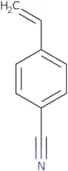
4-Cyanostyrene
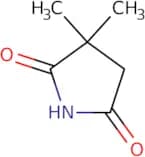
CAS:4-Cyanostyrene is a monomer that belongs to the group of unsaturated hydrocarbons. It has the functional groups of methoxy and hydrogen chloride, which react with other molecules to form polymers. 4-Cyanostyrene is used in polymerization reactions as a functional group. It reacts with tetrazole in an homogeneous catalytic system to form a copolymer. This reaction can be monitored by gravimetric analysis and FT-IR spectroscopy. The polymerization reaction is influenced by the substrate binding and copolymerization, which is affected by temperature, pressure, and solvent choice.Fórmula:C9H7NPureza:Min. 95%Peso molecular:129.16 g/mol3,3-Dimethylpyrrolidine-2,5-dione
CAS:Versatile small molecule scaffold
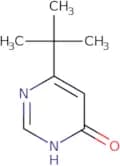
Fórmula:C6H9NO2Pureza:Min. 95%Peso molecular:127.14 g/mol6-tert-Butyl-3,4-dihydropyrimidin-4-one
CAS:Versatile small molecule scaffoldFórmula:C8H12N2OPureza:Min. 95%Peso molecular:152.19 g/mol5-Bromo-4-hydrazino-6-methylpyrimidine
CAS:Versatile small molecule scaffoldFórmula:C5H7BrN4Pureza:Min. 95%Peso molecular:203.04 g/molMethyl 3-(ethylamino)-2-methylpropanoate
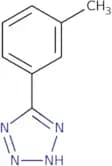
CAS:Versatile small molecule scaffoldFórmula:C7H15NO2Pureza:Min. 95%Peso molecular:145.2 g/mol5-(m-Tolyl)tetrazole
CAS:5-(m-Tolyl)tetrazole is an experimental compound that has been shown to be a nitrite reductase catalyst. It is also an electrochemical and photocatalytic oxidizing agent that can catalyze the oxidation of bromate. The crystal x-ray diffraction patterns of 5-(m-tolyl)tetrazole show the presence of channels, cycles, and nitrite ions in its structure.Fórmula:C8H8N4Pureza:Min. 95%Peso molecular:160.18 g/mol2-[4-(Propan-2-yl)phenyl]propan-2-ol
CAS:Versatile small molecule scaffold
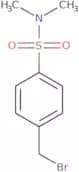
Fórmula:C12H18OPureza:Min. 95%Peso molecular:178.27 g/mol4-Bromomethyl-N,N-dimethyl-benzenesulfonamide
CAS:Versatile small molecule scaffold
Fórmula:C9H12BrNO2SPureza:Min. 95%Peso molecular:278.17 g/mol[4-(Benzylsulfanyl)phenyl]methanol
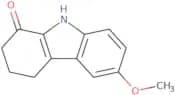
CAS:Versatile small molecule scaffoldFórmula:C14H14OSPureza:Min. 95%Peso molecular:230.33 g/mol6-Methoxy-2,3,4,9-tetrahydro-1H-carbazol-1-one
CAS:The molecular formula for 6-methoxy-2,3,4,9-tetrahydro-1H-carbazol-1-one is C10H8O2. The molecular weight of this compound is 180.18 g/mol. This compound has a planar shape with a benzene ring and a pyrrole ring that are connected by hydrogen bonds. The pyrrole ring interacts with the cyclohexene and the benzene rings of this molecule. This interaction causes the molecule to have a dihedral conformation. In addition to these interactions, there are also intermolecular hydrogen bonds in this compound that are formed between the hydrogen atom on one pyrrole group and an oxygen atom on another pyrrole group.Fórmula:C13H13NO2Pureza:Min. 95%Peso molecular:215.25 g/mol8-methyl-2,3,4,9-tetrahydro-1H-carbazol-1-one
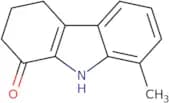
CAS:8-methyl-2,3,4,9-tetrahydro-1H-carbazol-1-one is a pyrrole organic compound with the chemical formula C8H6N2. The molecule has two benzene rings and one cyclohexenone ring. The molecular structure has a dihedral angle of 18° and is conformationally flexible with hydrogen bonding interactions between the nitrogen atoms and the carbonyl groups. 8-methyl-2,3,4,9-tetrahydro-1H-carbazol-1-one has been shown to be an effective inhibitor of bacterial nitroreductase enzymes.Fórmula:C13H13NOPureza:Min. 95%Peso molecular:199.25 g/mol1-(7-Methoxynaphthalen-1-yl)ethan-1-one
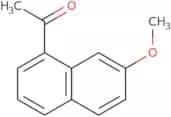
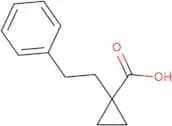
CAS:1-(7-Methoxynaphthalen-1-yl)ethan-1-one is a heterocyclic compound that is used in the synthesis of other compounds. It is also used as a solvent and as a reaction product in acetylation reactions. The solubility of this compound is low and it shows low activity. It can be synthesized by reacting naphthalene with chloroform or benzene in the presence of aluminium chloride at high temperatures. This compound can also be obtained from 1,4-dichlorobenzene by deuterating it with D2O. 1-(7-Methoxynaphthalen-1-yl)ethan-1-one is soluble in nonpolar solvents such as hexane, but insoluble in water.Fórmula:C13H12O2Pureza:Min. 95%Peso molecular:200.23 g/mol1-(2-Phenylethyl)cyclopropane-1-carboxylic acid
CAS:Versatile small molecule scaffoldFórmula:C12H14O2Pureza:Min. 95%Peso molecular:190.24 g/mol2,3-Dioxo-2,3-dihydro-1H-indole-5-sulfonamide
CAS:2,3-Dioxo-2,3-dihydro-1H-indole-5-sulfonamide is a synthetic compound that has been shown to inhibit the growth of cancer cells. It is active against anhydrase and hCT116 cells but not against normal epidermal keratinocytes. 2,3-Dioxo-2,3-dihydro-1H-indole-5-sulfonamide binds to the epidermal growth factor receptor on the cell surface and inhibits its activity. This drug also inhibits the uptake of epidermal growth factor and carbonic anhydrase II in cancer cells. 2,3 Dioxo -2,3 dihydro -1H indole 5 sulfonamide has been used in some clinical trials as a potential anticancer agent for cancers such as non small cell lung cancer or colorectal cancer and may be used in combination with other drugs such as
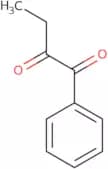
Fórmula:C8H6N2O4SPureza:Min. 95%Peso molecular:226.21 g/mol1-Phenylbutane-1,2-dione
CAS:Versatile small molecule scaffoldFórmula:C10H10O2Pureza:Min. 95%Peso molecular:162.18 g/mol2-[(3-Hydroxypyridin-2-yl)formamido]acetic acid
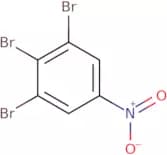
CAS:2-[(3-Hydroxypyridin-2-yl)formamido]acetic acid is a pharmaceutical preparation that belongs to the group of metal ion chelating agents. It is used as a conditioning agent in the production of didemnin, an anti-inflammatory agent. 2-[(3-Hydroxypyridin-2-yl)formamido]acetic acid can be used to inhibit the formation of reactive oxygen species by removing metal ions such as iron and copper from cells. This drug also has been shown to have an antioxidant effect and can reduce inflammation due to its ability to inhibit prostaglandin synthesis.Fórmula:C8H8N2O4Pureza:Min. 95%Peso molecular:196.16 g/mol1,2,3-Tribromo-5-nitrobenzene
CAS:1,2,3-Tribromo-5-nitrobenzene (1,2,3-TBNB) is a chemical compound that is used as an electron acceptor in the Covid-19 pandemic. It has been shown to have a resonance of 3.8 ppm with a magnetic field strength of 5.0 T. 1,2,3-TBNB has been shown to be electronegative and can form halogen bonds with nitrobenzene. The molecule was synthesized by reacting bromine with nitric acid in ether solution.
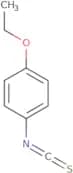
Fórmula:C6H2Br3NO2Pureza:Min. 95%Peso molecular:359.8 g/mol1-Ethoxy-4-isothiocyanato-benzene
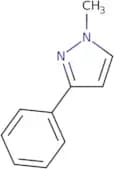
CAS:1-Ethoxy-4-isothiocyanato-benzene is a chemical compound that has shown antihypertensive activity, as well as antioxidant and anticancer potential. It reacts with the primary amino group of proteins to form an amine, which can then react with hydrochloric acid or other aldehydes to form pentane. The pentane is then oxidized by amines or thiosemicarbazide to form methyl anthranilate. This compound also has antibacterial properties, which may be due to its ability to inhibit bacterial growth by disrupting hydrogen bonds and sulphonates.Fórmula:C9H9NOSPureza:Min. 95%Peso molecular:179.24 g/mol1-Methyl-3-phenyl-1H-pyrazole
CAS:1-Methyl-3-phenyl-1H-pyrazole is an agriculturally useful compound that can be used as an intermediate in the synthesis of pesticides. 1-Methyl-3-phenyl-1H-pyrazole has two different orientations with respect to the pyrazole ring, which gives rise to two isomers. The cis form is a photoelectron acceptor and the trans form is a photoelectron donor. The molecular orbitals of 1-methyl-3-phenylpyrazole are energetically similar to those of other pyrazoles. The difference lies in the orientation of the nitrogen atom, which makes it unsymmetrical. It also has a sulfate group and a dihedral angle of 60°. 1,2,4,5,6-Pentafluoroalkyl and pyrazolyl groups have been found on this molecule.
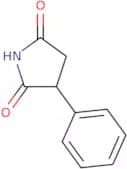
Fórmula:C10H10N2Pureza:Min. 95%Peso molecular:158.2 g/mol3-Phenylpyrrolidine-2,5-dione
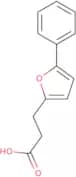
CAS:3-Phenylpyrrolidine-2,5-dione is an organic compound with a polymer film. It has been shown to have antireflection properties and can be used for optical applications. 3-Phenylpyrrolidine-2,5-dione can be made by the reaction of hydrochloric acid and an organic solvent. It is soluble in methyl ethyl ketone and hydroxyl group. The colorless compound has a melting point of 104 degrees Celsius and decomposes at around 250 degrees Celsius. 3-Phenylpyrrolidine-2,5-dione is soluble in aromatic hydrocarbons such as naphthalene and structural formula consists of a benzene ring fused to a pyrrole ring with a carbonyl group on each side. 3-Phenylpyrrolidine-2,5-dione has been shown to have good thermal expansion properties which are useful for patterning or moldFórmula:C10H9NO2Pureza:Min. 95%Peso molecular:175.18 g/mol3-(5-Phenyl-furan-2-yl)-propionic acid
CAS:Versatile small molecule scaffold
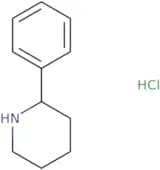
Fórmula:C13H12O3Pureza:Min. 95%Peso molecular:216.24 g/mol2-Phenylpiperidine hydrochloride
CAS:2-Phenylpiperidine hydrochloride is a diastereoselective, intramolecular reaction product of β-unsaturated ketones and piperidines. The synthesis of 2-phenylpiperidine hydrochloride involves a β-unsaturated ketone and two different piperidines. The reaction is intramolecular because the starting material is used in the same molecule as the reagent. This compound was shown to be a competitive inhibitor of serotonin transporter (SERT) with an IC 50 value of 0.8 μM. Synlett, 2008, 2987-2989Fórmula:C11H16ClNPureza:Min. 95%Peso molecular:197.7 g/mol[(1H-Indol-4-yl)methyl](methyl)amine
CAS:[(1H-Indol-4-yl)methyl](methyl)amine is a substituted isoquinoline. It has been shown to be an effective inhibitor of the enzyme allyl alcohol dehydrogenase, which catalyzes the conversion of allyl alcohol to acetaldehyde. The reduction of [(1H-indol-4-yl)methyl]-(methyl)amine can be accomplished with either a Grignard reagent or a reductive alkylation.Fórmula:C10H12N2Pureza:Min. 95%Peso molecular:160.22 g/mol2,3-Diphenylindole
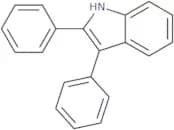
CAS:2,3-Diphenylindole is a benzyl-substituted indole with the chemical formula C14H10N2. It is an organic compound that was first synthesized in 1887 by German chemist Adolf von Baeyer. 2,3-Diphenylindole was one of the first aromatic compounds to be synthesized from benzene. The synthesis of 2,3-diphenylindole involves Friedel-Crafts reactions with amines and azides. Benzyl groups can be cleaved from the molecule under UV irradiation or by treatment with carboxylic acid. Reaction yields are increased when primary amines are used as the starting material, since they are more reactive than secondary amines or tertiary amines.
Fórmula:C20H15NPureza:Min. 95%Peso molecular:269.34 g/molEthyl 5-methoxy-1H-pyrrolo[2,3-c]pyridine-2-carboxylate
CAS:Versatile small molecule scaffoldFórmula:C11H12N2O3Pureza:Min. 95%Peso molecular:220.23 g/mol5-Oxo-6,7,8,9-tetrahydro-5H-benzo[7]annulene-2-carboxylic acid
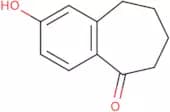
CAS:Versatile small molecule scaffoldFórmula:C12H12O3Pureza:Min. 95%Peso molecular:204.22 g/mol2-Hydroxy-6,7,8,9-tetrahydro-benzocyclohepten-5-one
CAS:Versatile small molecule scaffoldFórmula:C11H12O2Pureza:Min. 95%Peso molecular:176.21 g/mol2-Amino-6,7,8,9-tetrahydro-5H-benzo[7]annulen-5-one
CAS:Versatile small molecule scaffoldFórmula:C11H13NOPureza:Min. 95%Peso molecular:175.23 g/mol4-Bromo-N-propylbenzenesulfonamide
CAS:4-Bromo-N-propylbenzenesulfonamide is a tricyclic compound that has two skeletal carbons and three cyclic carbons. It is structurally similar to 4-bromobenzenesulfonyl chloride, but it lacks the sulfonyl group and instead has a sulfonamide group. The yields of this compound are high, with an average of 77% obtained from the reaction with 4-bromobenzoic acid. However, when there are substituents on the ring, such as in the case of 4-chloro-N-propylbenzenesulfonamide, the yield decreases significantly. This compound can be synthesized by reacting 4-bromoaniline with propylene oxide followed by reaction with bromosulfonic acid and sodium hydroxide.Fórmula:C9H12BrNO2SPureza:Min. 95%Peso molecular:278.17 g/mol2-[2-(Dimethylamino)ethyl]aniline
CAS:Versatile small molecule scaffoldFórmula:C10H16N2Pureza:Min. 95%Peso molecular:164.25 g/mol2,5-Dibromoadipic acid
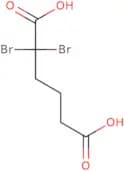
CAS:2,5-Dibromoadipic acid is an organic compound that can be synthesized by oxidation of 2,5-dibromohexanoic acid with sodium periodate in aqueous alcohol. It is used as a monomer for the production of polymers and plastics such as polyurethanes and polyesters. The product is obtained in high yield and has a stereoselectivity of 99%. It can be purified by recrystallization from water or from organic solvents. 2,5-Dibromoadipic acid reacts with nucleophiles such as alcohols to form an addition compound. The addition reaction can be followed by spectroscopic methods such as diffraction or NMR. This reaction type is called nucleophilic addition.Fórmula:C6H8Br2O4Pureza:Min. 95%Peso molecular:303.94 g/mol2,3,5,6-Tetrachloroaniline
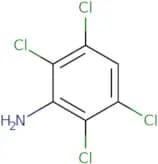
CAS:2,3,5,6-Tetrachloroaniline is a chlorinated aromatic compound that is used as an intermediate for the production of other chemicals. It undergoes a number of reactions to form various chemical compounds. 2,3,5,6-Tetrachloroaniline has been shown to be reactive with hydrogen chloride in a two-step process involving acid formation and molecule elimination. The rate of this reaction depends on the concentration of hydrogen chloride present in solution. 2,3,5,6-Tetrachloroaniline also reacts with water to produce hydrochloric acid and tetrachloroethane. This reaction is reversible and can be described by the following equation:
2CCl4 + 4H2O -> 4HCl + C2H4 + Cl2
The reaction mechanism for this process is not well understood but it is likely that it involves protonation followed by nucleophilic substitution.Fórmula:C6H3Cl4NPureza:Min. 95%Peso molecular:230.9 g/mol5-Chloro-2-phenoxyphenol
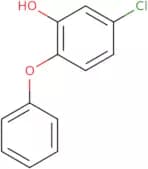
CAS:5-Chloro-2-phenoxyphenol (5CPP) is a phenolic compound that inhibits bacterial growth by binding to the diphenyl ether binding site on the enzyme fatty acid synthase. 5CPP is an inhibitor of bacterial fatty acid biosynthesis and has been shown to be effective against wild-type strains of staphylococcus aureus, including methicillin resistant strains. 5CPP binds to the active site of the enzyme and prevents it from functioning, thereby inhibiting production of fatty acids. It also has shown activity against Listeria monocytogenes and Bacillus subtilis.Fórmula:C12H9ClO2Pureza:Min. 95%Peso molecular:220.65 g/mol2-Methoxy-2-phenylethan-1-amine
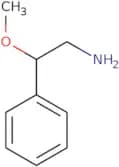
CAS:Producto controlado2-Methoxy-2-phenylethan-1-amine is a modification of an amino acid that can be used to synthesize drugs. It belongs to the chemotype phenethylamines, which are compounds that contain a benzene ring and an amine group. 2-Methoxy-2-phenylethan-1-amine has been shown to bind to dopamine D4 receptors in the brain, which may contribute to its psychoactive effects. This compound is also able to inhibit chemokine production, which may help with inflammatory conditions such as asthma.Fórmula:C9H13NOPureza:Min. 95%Peso molecular:151.21 g/mol3-(Dimethylamino)-1-phenylpropan-1-one hydrochloride
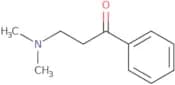
CAS:3-(Dimethylamino)-1-phenylpropan-1-one hydrochloride (3DAPOH) is a potent and selective inhibitor of the enzyme fatty acid synthase. 3DAPOH is used in tissue culture to inhibit the growth of cancer cells. This drug has been shown to inhibit the development of xeno-graft tumors in mice. 3DAPOH also inhibits the growth of Gram-positive bacteria and anthelmintic drugs, such as Fasciola hepatica, Trichostrongylus axei, and Ascaris suum. The mechanism by which this drug inhibits bacterial growth is not well understood; however, it may be due to its ability to induce apoptosis in certain types of cells.Fórmula:C11H15NOPureza:Min. 95%Peso molecular:177.24 g/mol2-Bromo-5-nitro-1,3-benzothiazole
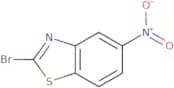
CAS:Versatile small molecule scaffold
Fórmula:C7H3BrN2O2SPureza:Min. 95%Peso molecular:259.08 g/mol2-Bromo-7-nitrobenzo[D]thiazole
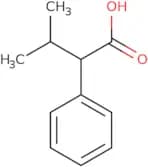
CAS:Versatile small molecule scaffoldFórmula:C7H3BrN2O2SPureza:Min. 95%Peso molecular:259.08 g/mol3-Methyl-2-phenylbutyric acid
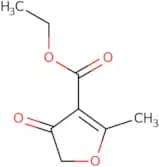
CAS:3-Methyl-2-phenylbutyric acid is a reactive chemical that has a basic group and an ionic character. It is synthesized by the reaction of acetone with methyl iodide in the presence of sodium hydroxide and potassium carbonate. The product can be racemized to its isomer, 2-phenylbutyric acid, by heating with hydrochloric acid or acetic acid. 3-Methyl-2-phenylbutyric acid has been used in chromatographic analysis for the separation of phenols, amino acids, and other compounds. 3-Methyl-2-phenylbutyric acid also reacts with nucleophiles such as water to form ion pairs.Fórmula:C11H14O2Pureza:Min. 95%Peso molecular:178.23 g/molEthyl 2-Methyl-4-oxo-4,5-dihydro-3-furancarboxylate
CAS:Versatile small molecule scaffold
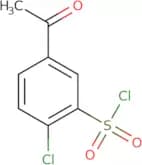
Fórmula:C8H10O4Pureza:Min. 95%Peso molecular:170.16 g/mol5-Acetyl-2-chlorobenzene-1-sulfonyl chloride
CAS:Versatile small molecule scaffoldFórmula:C8H6Cl2O3SPureza:Min. 95%Peso molecular:253.1 g/mol2,4,6-Trifluoropyridine-3-carboxylic acid
CAS:Versatile small molecule scaffold
Fórmula:C6H2F3NO2Pureza:Min. 95%Peso molecular:177.08 g/molMethyl[(1-methyl-1H-indol-2-yl)methyl]amine
CAS:Versatile small molecule scaffoldFórmula:C11H14N2Pureza:Min. 95%Peso molecular:174.24 g/mol6,12-Dibromo-1,4-dioxaspiro[4.7]dodecane
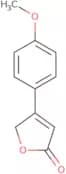
CAS:Versatile small molecule scaffoldFórmula:C10H16Br2O2Pureza:Min. 95%Peso molecular:328.04 g/mol4-(4-Methoxyphenyl)furan-2(5H)-one
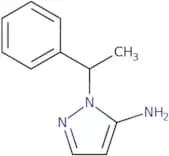
CAS:Versatile small molecule scaffoldFórmula:C11H10O3Pureza:Min. 95%Peso molecular:190.19 g/mol2-(1-Phenyl-ethyl)-2H-pyrazol-3-ylamine
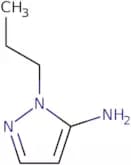
CAS:Versatile small molecule scaffoldFórmula:C11H13N3Pureza:Min. 95%Peso molecular:187.24 g/mol2-Propyl-2H-pyrazol-3-ylamine
CAS:Versatile small molecule scaffoldFórmula:C6H11N3Pureza:Min. 95%Peso molecular:125.17 g/mol1-Isobutyl-1H-pyrazol-5-amine
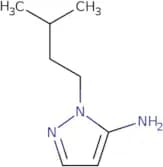
CAS:Versatile small molecule scaffoldFórmula:C7H13N3Pureza:Min. 95%Peso molecular:139.2 g/mol1-(3-Methylbutyl)-1H-pyrazol-5-amine
CAS:Versatile small molecule scaffoldFórmula:C8H15N3Pureza:Min. 95%Peso molecular:153.22 g/mol1-{[4-(Dimethylamino)phenyl]methyl}-1H-pyrazol-5-amine
CAS:Versatile small molecule scaffold
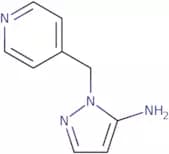
Fórmula:C12H16N4Pureza:Min. 95%Peso molecular:216.28 g/mol2-Pyridin-4-ylmethyl-2H-pyrazol-3-ylamine
CAS:Versatile small molecule scaffoldFórmula:C9H10N4Pureza:Min. 95%Peso molecular:174.2 g/mol5-Methyl-2-(1-methyl-piperidin-4-yl)-2H-pyrazol-3-ylamine
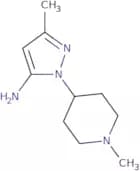
CAS:Versatile small molecule scaffold
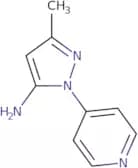
Fórmula:C10H18N4Pureza:Min. 95%Peso molecular:194.28 g/mol3-Methyl-1-(pyridin-4-yl)-1H-pyrazol-5-amine
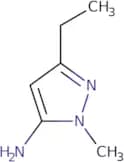
CAS:Versatile small molecule scaffoldFórmula:C9H10N4Pureza:Min. 95%Peso molecular:174.2 g/mol3-Ethyl-1-methyl-1H-pyrazol-5-amine
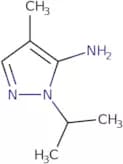
CAS:Versatile small molecule scaffoldFórmula:C6H11N3Pureza:Min. 95%Peso molecular:125.17 g/mol2-Isopropyl-4-methyl-2H-pyrazol-3-ylamine
CAS:Versatile small molecule scaffold
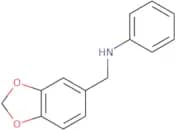
Fórmula:C7H13N3Pureza:Min. 95%Peso molecular:139.2 g/molN-(1,3-Dioxaindan-5-ylmethyl)aniline
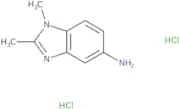
CAS:Versatile small molecule scaffoldFórmula:C14H13NO2Pureza:Min. 95%Peso molecular:227.26 g/mol1,2-Dimethyl-1 H -benzoimidazol-5-ylamine dihydrochloride
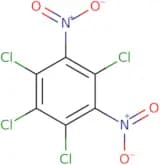
CAS:Versatile small molecule scaffoldFórmula:C9H11N3Pureza:Min. 95%Peso molecular:161.21 g/mol1,2,3,5-Tetrachloro-4,6-dinitrobenzene
CAS:1,2,3,5-Tetrachloro-4,6-dinitrobenzene is a chlorinating agent that is used to produce hypochlorous acid. It has an activation energy of 116 kJ/mol and a sensitivity test constant of 1.0 × 10. The impurities found in this compound are chloride and hydrogen chloride. This product can be separated using chromatographic methods and the profile depends on the chromatographic method used. The compound can be produced by reacting chlorine with hydroxide solution or sodium hydroxide solution in the presence of a nucleophilic substance such as chloride or ammonia.Fórmula:C6Cl4N2O4Pureza:Min. 95%Peso molecular:305.9 g/molCyclopent-1-en-1-yl trifluoromethanesulfonate
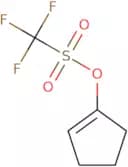
CAS:Cyclopent-1-en-1-yl trifluoromethanesulfonate is a formylating agent that reacts with electrophilic groups and nucleophilic groups. It can be used to synthesize ketones, epoxides, and formyl compounds. Cyclopent-1-en-1-yl trifluoromethanesulfonate has been shown to inhibit the production of chemokines, which are inflammatory mediators that attract immune cells to infected or damaged tissues, and prostaglandins, which are lipid molecules that play a role in the regulation of inflammation.
Fórmula:C6H7F3O3SPureza:Min. 95%Peso molecular:216.18 g/mol3-(2-Methyl-1,3-thiazol-4-yl)benzoic acid
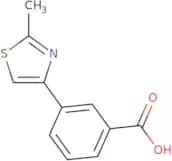
CAS:Versatile small molecule scaffold
Fórmula:C11H9NO2SPureza:Min. 95%Peso molecular:219.26 g/molAcetophenone-d5
CAS:Producto controladoAcetophenone-d5 is a deuterated methyl group that is used as an internal standard in nuclear magnetic resonance spectrometry. Acetophenone-d5 has been synthesized by Wittig reaction of styrene and deuterium-labeled phosphonium salt. The purified acetophenone-d5 is chemically stable, thermally and fluorescently stable, nonvolatile, nonflammable and nonexplosive.Fórmula:C8H3D5OPureza:Min. 95%Peso molecular:125.18 g/mol2-Hydroxy-3,6,7-trimethylquinoxaline
CAS:Versatile small molecule scaffoldFórmula:C11H12N2OPureza:Min. 95%Peso molecular:188.23 g/mol6-Bromospiro[3.3]heptane-2-carboxylic acid
CAS:Versatile small molecule scaffold
Fórmula:C8H11BrO2Pureza:Min. 95%Peso molecular:219.08 g/mol6-Cyanospiro[3.3]heptane-2-carboxylic acid
CAS:Versatile small molecule scaffold
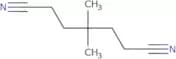
Fórmula:C9H11NO2Pureza:Min. 95%Peso molecular:165.19 g/mol4,4-Dimethylheptanedinitrile
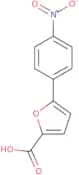
CAS:Versatile small molecule scaffoldFórmula:C9H14N2Pureza:Min. 95%Peso molecular:150.22 g/mol5-(4-Nitrophenyl)-2-furoic acid
CAS:5-(4-Nitrophenyl)-2-furoic acid is a phenolic acid that has been shown to inhibit protein–protein interactions. It has been proposed as a corrosion inhibitor for metal surfaces, and it has also been used in the synthesis of vitamin B12. 5-(4-Nitrophenyl)-2-furoic acid can be detected using fluorescence resonance energy transfer (FRET) on a surface with a constant concentration, which is proportional to the intensity of fluorescence emission. This compound can also be used as an insulin resistance marker by measuring the time it takes for glucose to enter cells.Fórmula:C11H7NO5Pureza:Min. 95%Peso molecular:233.18 g/molrac-(1R,4R)-N-Methyl-4-phenylcyclohexan-1-amine hydrochloride
CAS:Versatile small molecule scaffoldFórmula:C13H20ClNPureza:Min. 95%Peso molecular:225.76 g/mol2-Mercapto-3-methyl-3H-purin-6(9H)-one
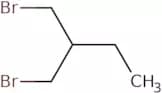
CAS:2-Mercapto-3-methyl-3H-purin-6(9H)one (2MMPD) is a purine analogue that has been used as a stabilizer in the synthesis of 3-methylxanthine. It has been shown to be useful for the fragmentation of large molecules in mass spectrometry and also has spectral properties similar to those of purines. The 2MMPD molecule can be used to identify other analogues, such as 3,7-dimethylxanthine, which are otherwise difficult to distinguish from one another. Spectral data for 2MMPD has been obtained from both gas chromatography and high performance liquid chromatography.Fórmula:C6H6N4OSPureza:Min. 95%Peso molecular:182.2 g/mol1-bromo-2-(bromomethyl)butane
CAS:1-bromo-2-(bromomethyl)butane is an aliphatic compound that is used as a propellant. It is also used in the synthesis of epoxy resins and plasticizers. 1-Bromo-2-(bromomethyl)butane can be synthesized by reacting bromine with butane. This reaction is catalyzed by acid or base, and can be conducted at low temperatures. The resulting product has been shown to have properties that are similar to those of other aliphatic compounds, such as being nonflammable and having low toxicity.
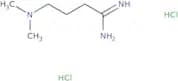
Fórmula:C5H10Br2Pureza:Min. 95%Peso molecular:229.94 g/mol4-(Dimethylamino)butanimidamide dihydrochloride
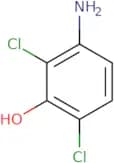
CAS:Versatile small molecule scaffoldFórmula:C6H17Cl2N3Pureza:Min. 95%Peso molecular:202.12 g/mol3-Amino-2,6-dichlorophenol
CAS:Versatile small molecule scaffoldFórmula:C6H5Cl2NOPureza:Min. 95%Peso molecular:178.01 g/mol2-[(4-Methoxyphenyl)formamido]-2-phenylacetic acid
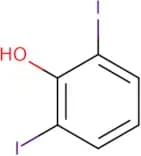
CAS:Versatile small molecule scaffoldFórmula:C16H15NO4Pureza:Min. 95%Peso molecular:285.29 g/mol2,6-Diiodophenol
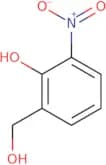
CAS:2,6-Diiodophenol is a noncompetitive inhibitor that binds to the active site of carbonic anhydrase. It can be used as a pharmaceutical formulation or in sample preparation for gene sequence analysis. 2,6-Diiodophenol has been shown to have competitive inhibition against other inhibitors such as acetazolamide and dichlorphenamide. The marine sponge-derived enzyme carbonic anhydrase (CA) from the Gulf of Mexico was examined by chromatographic and spectroscopic methods. The CA activity was found to be inhibited by 2,6-diiodophenol in a concentration dependent manner with a KI value of 0.06 mM. 2,6-Diiodophenol also inhibits CA activity in rat liver microsomes at concentrations above 1 mM but does not inhibit peroxide production by the microsomal system at concentrations up to 10 mM. The crystal structure of 2,6-diiodophenol bound to CA has been determined using XFórmula:C6H4I2OPureza:Min. 95%Peso molecular:345.9 g/mol2-(Hydroxymethyl)-6-nitrophenol
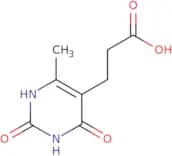
CAS:Salicylaldehyde is a colorless liquid with a spicy odor. It is used in the manufacture of many organic compounds and is found naturally in some plants, such as euglena gracilis and benzaldehyde. Salicylaldehyde can be biotransformed to other types of aldehydes. These include cinnamaldehyde, vanillin, 2-cyanobenzaldehyde, and 2-(hydroxymethyl)-6-nitrophenol (2NHP). 2NHP is an intermediate product of salicylic acid biosynthesis. It is also used to synthesize phenacetin and acetanilide. Acetanilide was once widely used as an analgesic but was withdrawn from clinical use because it caused fatal methemoglobinemia (a disorder in which the body does not have enough oxygen)Fórmula:C7H7NO4Pureza:Min. 95%Peso molecular:169.13 g/mol3-(6-Methyl-2,4-dioxo-1,2,3,4-tetrahydropyrimidin-5-yl)propanoic acid
CAS:Versatile small molecule scaffoldFórmula:C8H10N2O4Pureza:Min. 95%Peso molecular:198.18 g/mol4-Methyl-2-[(propan-2-yl)amino]benzonitrile
CAS:Versatile small molecule scaffold
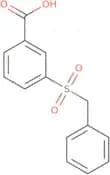
Fórmula:C11H14N2Pureza:Min. 95%Peso molecular:174.24 g/mol3-Phenylmethanesulfonylbenzoic acid
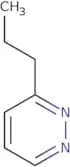
CAS:Versatile small molecule scaffoldFórmula:C14H12O4SPureza:Min. 95%Peso molecular:276.31 g/mol3-Propylpyridazine
CAS:Versatile small molecule scaffoldFórmula:C7H10N2Pureza:Min. 95%Peso molecular:122.17 g/mol6-Nitro-3,4-dihydro-2H-benzo[b][1,4]oxazine
CAS:Versatile small molecule scaffoldFórmula:C8H8N2O3Pureza:Min. 95%Peso molecular:180.16 g/mol3-Chloro-N,N-diethylpropanamide
CAS:Versatile small molecule scaffoldFórmula:C7H14ClNOPureza:Min. 95%Peso molecular:163.64 g/molN-[Bis(4-methoxyphenyl)methyl]-2-chloroacetamide
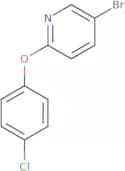
CAS:Versatile small molecule scaffoldFórmula:C17H18ClNO3Pureza:Min. 95%Peso molecular:319.8 g/mol5-Bromo-2-(4-chlorophenoxy)pyridine
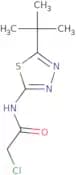
CAS:Versatile small molecule scaffoldFórmula:C11H7BrClNOPureza:Min. 95%Peso molecular:284.53 g/molN-(5-tert-Butyl-1,3,4-thiadiazol-2-yl)-2-chloroacetamide
CAS:Versatile small molecule scaffold
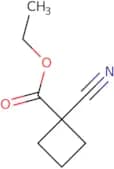
Fórmula:C8H12ClN3OSPureza:Min. 95%Peso molecular:233.72 g/molEthyl 1-cyanocyclobutanecarboxylate
CAS:Ethyl 1-cyanocyclobutanecarboxylate is a cyclic molecule that belongs to the homologues of ethylene. This compound has been shown to react with carbanions in the presence of a base to form anionic initiator molecules. Ethyl 1-cyanocyclobutanecarboxylate can be used as an experimental monomer for ring-opening polymerization reactions, which are nonquantitative and may require temperatures as high as 110°C. The rate of these reactions is determined by the concentration of monomers, which should be made as monodisperse as possible.Fórmula:C8H11NO2Pureza:Min. 95%Peso molecular:153.18 g/molrac-[(1R,2R)-2-Aminocyclohexyl]methanol hydrochloride
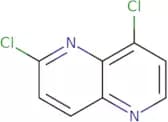
CAS:Versatile small molecule scaffoldFórmula:C7H16ClNOPureza:Min. 95%Peso molecular:165.66 g/mol2,8-dichloro-1,5-naphthyridine
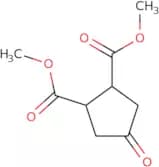
CAS:Versatile small molecule scaffoldFórmula:C8H4Cl2N2Pureza:Min. 95%Peso molecular:199 g/molrac-1,2-Dimethyl (1R,2S)-4-oxocyclopentane-1,2-dicarboxylate
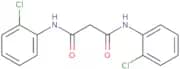
CAS:Versatile small molecule scaffoldFórmula:C9H12O5Pureza:Min. 95%Peso molecular:200.19 g/molN,N'-Bis(2-chlorophenyl)propanediamide
CAS:Versatile small molecule scaffold
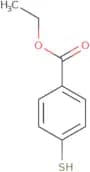
Fórmula:C15H12Cl2N2O2Pureza:Min. 95%Peso molecular:323.2 g/molEthyl 4-sulfanylbenzoate
CAS:Ethyl 4-sulfanylbenzoate is an inhibitor of thymidylate synthase. It has been shown to inhibit the production of thymidine and increase the level of l-glutamate in human cells. This compound may be useful in the treatment of certain diseases such as cancer or neurodegenerative disorders.Fórmula:C9H10O2SPureza:Min. 95%Peso molecular:182.24 g/mol6-Bromo-5-methyl-1H-imidazo[4,5-b]pyridine
CAS:6-Bromo-5-methyl-1H-imidazo[4,5-b]pyridine is a stabilizer that is used to protect polymers from degradation by light or heat. It can also be used to give plastics a yellow color.
Fórmula:C7H6BrN3Pureza:Min. 95%Peso molecular:212.05 g/mol3-(3,5-Dioxo-2,3,4,5-tetrahydro-[1,2,4]triazin-6-yl)-propionic acid
CAS:Versatile small molecule scaffoldFórmula:C6H7N3O4Pureza:Min. 95%Peso molecular:185.14 g/mol2,4-dichloro-5-methylbenzene-1-sulfonyl chloride
CAS:Versatile small molecule scaffoldFórmula:C7H5Cl3O2SPureza:Min. 95%Peso molecular:259.53 g/mol3-[(2-Methylpropane-2-sulfinyl)methyl]aniline
CAS:Versatile small molecule scaffoldFórmula:C11H17NOSPureza:Min. 95%Peso molecular:211.33 g/molN-Ethyl-1,3-benzothiazol-2-amine
CAS:Versatile small molecule scaffold
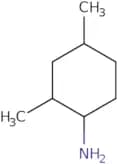
Fórmula:C9H10N2SPureza:Min. 95%Peso molecular:178.26 g/mol2,4-Dimethylcyclohexan-1-amine
CAS:Versatile small molecule scaffold
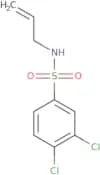
Fórmula:C8H17NPureza:Min. 95%Peso molecular:127.23 g/mol3,4-Dichloro-N-(prop-2-en-1-yl)benzene-1-sulfonamide
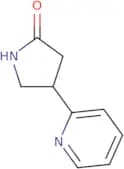
CAS:Versatile small molecule scaffoldFórmula:C9H9Cl2NO2SPureza:Min. 95%Peso molecular:266.14 g/mol4-(Pyridin-2-yl)pyrrolidin-2-one
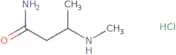
CAS:Versatile small molecule scaffoldFórmula:C9H10N2OPureza:Min. 95%Peso molecular:162.19 g/mol3-(Methylamino)butanamide hydrochloride
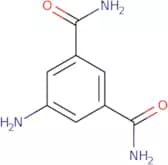
CAS:Versatile small molecule scaffoldFórmula:C5H13ClN2OPureza:Min. 95%Peso molecular:152.62 g/mol5-Amino-isophthalamide
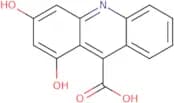
CAS:5-Amino-isophthalamide (5AIP) is a molecule that can be used as a molecular probe for the reticulum. It has been shown to inhibit protein synthesis in vivo and in vitro. 5AIP binds to the 30S ribosomal subunit, preventing the binding of aminoacyl-tRNA and peptidyl-tRNA to the acceptor site on the ribosome. This prevents the formation of a peptide bond between two amino acids, which is required for protein synthesis. The binding of 5AIP to the 30S ribosomal subunit also inhibits translation by preventing peptidyltransferase from transferring tRNA from its A site to P site. In addition, 5AIP binds to lanthanide ions such as terbium and europium, which can be used in diagnostic techniques such as fluorescence spectroscopy or magnetic resonance imaging. 5AIP is also an amide with one chiral carbonFórmula:C8H9N3O2Pureza:Min. 95%Peso molecular:179.18 g/mol1,3-Dihydroxy-9-acridinecarboxylic acid
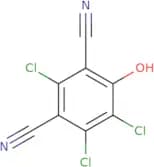
CAS:1,3-Dihydroxy-9-acridinecarboxylic acid is an alkali metal that is used as a tabletting agent. It has been shown to have the potential for pharmacokinetic interactions with metals and other drugs. 1,3-Dihydroxy-9-acridinecarboxylic acid has been shown to be toxic in both animals and humans at high doses. The LD50 of this compound in rats is 4 g/kg, and it can cause death by respiratory failure. This compound also causes severe irritation of the oral cavity and gastrointestinal tract at high doses. 1,3-Dihydroxy-9-acridinecarboxylic acid has been shown to exhibit oxidative activity in vitro, but its activity in vivo is not well known.Fórmula:C14H9NO4Pureza:Min. 95%Peso molecular:255.22 g/mol2,4,5-Trichloro-6-hydroxyisophthalonitrile
CAS:2,4,5-Trichloro-6-hydroxyisophthalonitrile is a fungicide. It is used in the control of plant diseases such as powdery mildew, rust and blight. 2,4,5-Trichloro-6-hydroxyisophthalonitrile can be applied to plants through foliar spray or root drenching. It acts by inhibiting the enzyme activities of fungi that are responsible for cell growth. This compound has been shown to have genotoxic activity in vivo and in vitro models and may be carcinogenic to humans. The mechanism of action of 2,4,5-trichloro-6-hydroxyisophthalonitrile remains unclear due to its high resistance to degradation in vivo. 2,4,5-Trichloro-6-hydroxyisophthalonitrile has also shown synergistic effects when combined with zirconium oxide and matrixFórmula:C8HCl3N2OPureza:Min. 95%Peso molecular:247.47 g/mol



![2-[4-(Propan-2-yl)phenyl]propan-2-ol](/_next/image/?url=https%3A%2Fstatic.cymitquimica.com%2Fproducts%2F3D%2Fthumb-webp%2FDAA44542.webp&w=3840&q=75)
![[4-(Benzylsulfanyl)phenyl]methanol](/_next/image/?url=https%3A%2Fstatic.cymitquimica.com%2Fproducts%2F3D%2Fthumb-webp%2FDAA44898.webp&w=3840&q=75)

![2-[(3-Hydroxypyridin-2-yl)formamido]acetic acid](/_next/image/?url=https%3A%2Fstatic.cymitquimica.com%2Fproducts%2F3D%2Fthumb-webp%2FDAA45869.webp&w=3840&q=75)
amine](/_next/image/?url=https%3A%2Fstatic.cymitquimica.com%2Fproducts%2F3D%2Fthumb-webp%2FDAA46822.webp&w=3840&q=75)
![Ethyl 5-methoxy-1H-pyrrolo[2,3-c]pyridine-2-carboxylate](/_next/image/?url=https%3A%2Fstatic.cymitquimica.com%2Fproducts%2F3D%2Fthumb-webp%2FDAA46963.webp&w=3840&q=75)
![5-Oxo-6,7,8,9-tetrahydro-5H-benzo[7]annulene-2-carboxylic acid](/_next/image/?url=https%3A%2Fstatic.cymitquimica.com%2Fproducts%2F3D%2Fthumb-webp%2FDAA47047.webp&w=3840&q=75)
![2-Amino-6,7,8,9-tetrahydro-5H-benzo[7]annulen-5-one](/_next/image/?url=https%3A%2Fstatic.cymitquimica.com%2Fproducts%2F3D%2Fthumb-webp%2FDAA47055.webp&w=3840&q=75)
![2-[2-(Dimethylamino)ethyl]aniline](/_next/image/?url=https%3A%2Fstatic.cymitquimica.com%2Fproducts%2F3D%2Fthumb-webp%2FDAA47892.webp&w=3840&q=75)
![2-Bromo-7-nitrobenzo[D]thiazole](/_next/image/?url=https%3A%2Fstatic.cymitquimica.com%2Fproducts%2F3D%2Fthumb-webp%2FDAA50749.webp&w=3840&q=75)
![Methyl[(1-methyl-1H-indol-2-yl)methyl]amine](/_next/image/?url=https%3A%2Fstatic.cymitquimica.com%2Fproducts%2F3D%2Fthumb-webp%2FDAA51415.webp&w=3840&q=75)
![6,12-Dibromo-1,4-dioxaspiro[4.7]dodecane](/_next/image/?url=https%3A%2Fstatic.cymitquimica.com%2Fproducts%2F3D%2Fthumb-webp%2FDAA51474.webp&w=3840&q=75)

![1-{[4-(Dimethylamino)phenyl]methyl}-1H-pyrazol-5-amine](/_next/image/?url=https%3A%2Fstatic.cymitquimica.com%2Fproducts%2F3D%2Fthumb-webp%2FDAA52427.webp&w=3840&q=75)

![6-Bromospiro[3.3]heptane-2-carboxylic acid](/_next/image/?url=https%3A%2Fstatic.cymitquimica.com%2Fproducts%2F3D%2Fthumb-webp%2FDBA11488.webp&w=3840&q=75)
![6-Cyanospiro[3.3]heptane-2-carboxylic acid](/_next/image/?url=https%3A%2Fstatic.cymitquimica.com%2Fproducts%2F3D%2Fthumb-webp%2FDBA11489.webp&w=3840&q=75)


![2-[(4-Methoxyphenyl)formamido]-2-phenylacetic acid](/_next/image/?url=https%3A%2Fstatic.cymitquimica.com%2Fproducts%2F3D%2Fthumb-webp%2FDBA17253.webp&w=3840&q=75)
![4-Methyl-2-[(propan-2-yl)amino]benzonitrile](/_next/image/?url=https%3A%2Fstatic.cymitquimica.com%2Fproducts%2F3D%2Fthumb-webp%2FDBA19500.webp&w=3840&q=75)
![6-Nitro-3,4-dihydro-2H-benzo[b][1,4]oxazine](/_next/image/?url=https%3A%2Fstatic.cymitquimica.com%2Fproducts%2F3D%2Fthumb-webp%2FDBA22622.webp&w=3840&q=75)
![N-[Bis(4-methoxyphenyl)methyl]-2-chloroacetamide](/_next/image/?url=https%3A%2Fstatic.cymitquimica.com%2Fproducts%2F3D%2Fthumb-webp%2FDBA23040.webp&w=3840&q=75)
![rac-[(1R,2R)-2-Aminocyclohexyl]methanol hydrochloride](/_next/image/?url=https%3A%2Fstatic.cymitquimica.com%2Fproducts%2F3D%2Fthumb-webp%2FDBA25045.webp&w=3840&q=75)
![6-Bromo-5-methyl-1H-imidazo[4,5-b]pyridine](/_next/image/?url=https%3A%2Fstatic.cymitquimica.com%2Fproducts%2F3D%2Fthumb-webp%2FDBA27941.webp&w=3840&q=75)
![3-(3,5-Dioxo-2,3,4,5-tetrahydro-[1,2,4]triazin-6-yl)-propionic acid](/_next/image/?url=https%3A%2Fstatic.cymitquimica.com%2Fproducts%2F3D%2Fthumb-webp%2FDBA28067.webp&w=3840&q=75)

![3-[(2-Methylpropane-2-sulfinyl)methyl]aniline](/_next/image/?url=https%3A%2Fstatic.cymitquimica.com%2Fproducts%2F3D%2Fthumb-webp%2FDBA28833.webp&w=3840&q=75)