


Building Blocks
Subcategorías de "Building Blocks"
- Ácidos borónicos y derivados del ácido borónico(5.786 productos)
- Building Blocks quirales(1.246 productos)
- Building Blocks de hidrocarburos(6.107 productos)
- Building Blocks orgánicos(61.079 productos)
Se han encontrado 205461 productos de "Building Blocks"
4-[(4H-1,2,4-Triazol-4-yl)methyl]piperidine
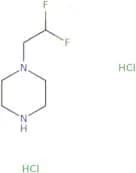
CAS:Versatile small molecule scaffoldFórmula:C8H14N4Pureza:Min. 95%Peso molecular:166.22 g/mol1-(2,2-Difluoroethyl)piperazine dihydrochloride
CAS:Versatile small molecule scaffoldFórmula:C6H14Cl2F2N2Pureza:Min. 95%Peso molecular:223.09 g/mol5-[2-(Benzenesulfonyl)ethyl]-1H-indole
CAS:5-[2-(Benzenesulfonyl)ethyl]-1H-indole is a chemical compound that contains a nitro group, which is a functional group consisting of a nitrogen atom double-bonded to an oxygen atom. It has been shown to be useful for the synthesis of acetylpyridine derivatives. The synthesis of this compound involves the reaction of indole with 2-chloroethanol and benzenesulfonyl chloride in the presence of sodium hydroxide. This product can also be prepared by reacting chlorination with an alkylamine and nitric acid. 5-[2-(Benzenesulfonyl)ethyl]-1H-indole can be used as a precursor for intermediates in the synthesis of sulphones and salifying agents that are used for polymerization reactions.
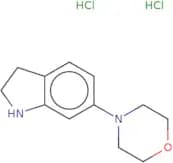
Fórmula:C16H15NO2SPureza:Min. 95%Peso molecular:285.4 g/mol6-(Morpholin-4-yl)-2,3-dihydro-1H-indole dihydrochloride
CAS:Versatile small molecule scaffoldFórmula:C12H18Cl2N2OPureza:Min. 95%Peso molecular:277.2 g/mol2-{[2-(4-Aminophenyl)ethyl]amino}ethan-1-ol
CAS:Versatile small molecule scaffoldFórmula:C10H16N2OPureza:Min. 95%Peso molecular:180.25 g/mol5H,6H,7H,8H-Imidazo[1,2-a]pyridine-2-carbohydrazide
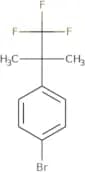
CAS:Versatile small molecule scaffoldFórmula:C8H12N4OPureza:Min. 95%Peso molecular:180.21 g/mol1-Bromo-4-(1,1,1-trifluoro-2-methylpropan-2-yl)benzene
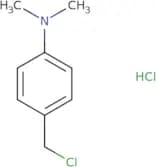
CAS:Versatile small molecule scaffoldFórmula:C10H10BrF3Pureza:Min. 95%Peso molecular:267.1 g/mol4-(Chloromethyl)-N,N-dimethylaniline hydrochloride
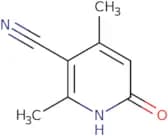
CAS:Versatile small molecule scaffoldFórmula:C9H13Cl2NPureza:Min. 95%Peso molecular:206.11 g/mol2,4-Dimethyl-6-oxo-1,6-dihydropyridine-3-carbonitrile
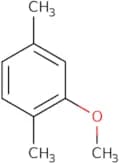
CAS:2,4-Dimethyl-6-oxo-1,6-dihydropyridine-3-carbonitrile is a nitrile that is synthesized by reacting 2,4-dimethylpyridine with formaldehyde. It has a molecular weight of 202.2 g/mol and density of 1.42 g/cm³ at 20 °C. The functional theory predicts the transformation of 2,4-dimethylpyridine to 2,4-dimethyl-6-oxo-1,6-dihydropyridine through the intermediate formation of formaldehyde and nitrile. This reaction can be confirmed by diffraction experiments and the experimental study on the pathway for this transformation. The experiment also revealed that 2,4-dimethylpyridine reacts with formaldehyde to produce formic acid as well as 6 molecules of water. The density functional theory supports the experimental data and predicts that there are two possible pathways for thisFórmula:C8H8N2OPureza:Min. 95%Peso molecular:148.16 g/mol2,5-Dimethylanisole
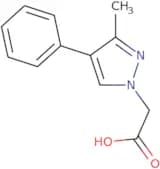
CAS:2,5-Dimethylanisole is a solvent that is used in organic synthesis. It can be used to remove protein targets from the reaction mixture and as a reagent for alkoxyphenols. 2,5-Dimethylanisole has been shown to have high values in luminescence properties. 2,5-Dimethylanisole can also be used as an indicator for hydrogen chloride. 2,5-Dimethylanisole has been found to react with alzheimer 's disease and acetonitrile to form eugenol, an acceptor. The transfer reactions of 2,5-dimethylanisole are not yet fully understood but are thought to involve metal ions and hydrogen chloride or acetonitrile.Fórmula:C9H12OPureza:Min. 95%Peso molecular:136.19 g/mol2-(3-Methyl-4-phenyl-1H-pyrazol-1-yl)acetic acid
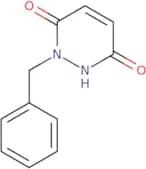
CAS:Versatile small molecule scaffoldFórmula:C12H12N2O2Pureza:Min. 95%Peso molecular:216.24 g/mol1-Benzyl-1,2,3,6-tetrahydropyridazine-3,6-dione
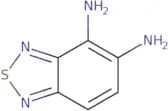
CAS:Versatile small molecule scaffoldFórmula:C11H10N2O2Pureza:Min. 95%Peso molecular:202.21 g/mol2,1,3-Benzothiadiazole-4,5-diamine
CAS:2,1,3-Benzothiadiazole-4,5-diamine is a ketone that can be derived from the condensation of styrene with ammonia. The yield of this reaction is low and it requires an excess of styrene. 2,1,3-Benzothiadiazole-4,5-diamine has been found to be environmentally viable as it does not produce any harmful byproducts when heated at high temperatures. This compound has also shown to have promising results in animal studies as a potential treatment for malaria.
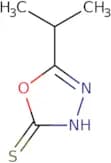
Fórmula:C6H6N4SPureza:Min. 95%Peso molecular:166.21 g/mol5-(Propan-2-yl)-1,3,4-oxadiazole-2-thiol
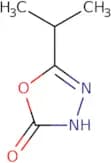
CAS:Versatile small molecule scaffoldFórmula:C5H8N2OSPureza:Min. 95%Peso molecular:144.2 g/mol5-(Propan-2-yl)-2,3-dihydro-1,3,4-oxadiazol-2-one
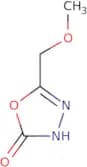
CAS:Versatile small molecule scaffoldFórmula:C5H8N2O2Pureza:Min. 95%Peso molecular:128.13 g/mol5-(Methoxymethyl)-2,3-dihydro-1,3,4-oxadiazol-2-one
CAS:Versatile small molecule scaffold
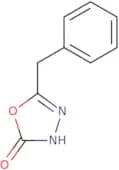
Fórmula:C4H6N2O3Pureza:Min. 95%Peso molecular:130.1 g/mol5-Benzyl-2,3-dihydro-1,3,4-oxadiazol-2-one
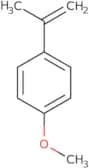
CAS:Versatile small molecule scaffoldFórmula:C9H8N2O2Pureza:Min. 95%Peso molecular:176.2 g/mol1-Isopropenyl-4-methoxybenzene
CAS:1-Isopropenyl-4-methoxybenzene is a halide that can be used as a catalyst for the hydroxylation of styrene, yielding 1-isopropenyl-3-methoxybenzene. This reaction is catalyzed by acid or base. The hydrogen peroxide present in the reaction mixture oxidizes the methoxy group to an aldehyde, which then reacts with the styrene. In addition, this reagent can be used to methylate chlorides and transfer alkyl groups. The electroreduction of this compound yields c–h bond and peroxide. This reagent can also act as an oxidant in organic synthesis.Fórmula:C10H12OPureza:Min. 95%Peso molecular:148.2 g/mol2-Chloro-1-[3-(2-chloroacetyl)phenyl]ethan-1-one
CAS:Versatile small molecule scaffoldFórmula:C10H8Cl2O2Pureza:Min. 95%Peso molecular:231.07 g/mol2-Cyclohexylideneacetaldehyde
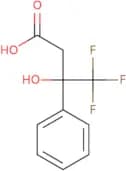
CAS:2-Cyclohexylideneacetaldehyde is a carbinol that is synthesized from the reaction of an alkyl group with phosphorus pentoxide and hydroxy group. It is used as a reagent in organic synthesis, specifically for the production of hyaluronic acid. 2-Cyclohexylideneacetaldehyde may be used as an additive in cosmetics and personal care products to provide moisturizing effects. It also has pheromone-like activity, which can be used to attract insects such as mosquitoes and fruit flies.Fórmula:C8H12OPureza:Min. 95%Peso molecular:124.18 g/mol4,4,4-Trifluoro-3-hydroxy-3-phenylbutanoic acid
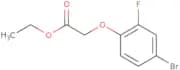
CAS:Versatile small molecule scaffoldFórmula:C10H9F3O3Pureza:Min. 95%Peso molecular:234.17 g/molEthyl 2-(4-bromo-2-fluorophenoxy)acetate
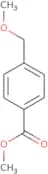
CAS:Versatile small molecule scaffoldFórmula:C10H10BrFO3Pureza:Min. 95%Peso molecular:277.09 g/molMethyl 4-(methoxymethyl)benzoate
CAS:Methyl 4-(methoxymethyl)benzoate is a monomer that can be used to synthesize bioplastics. It is dehydrating and has a furanic ring, which makes it a good candidate for polymerization. Methyl 4-(methoxymethyl)benzoate can be used as an alternative to ethylene as the monomer in polyethylene terephthalate (PET). PET is a thermoplastic that has been shown to degrade slowly in the environment. The dehydration of methyl 4-(methoxymethyl)benzoate takes place at low temperatures with zirconium, which provides the activation energy needed for this reaction. The dehydration of methyl 4-(methoxymethyl)benzoate also produces 5-hydroxymethylfurfural (HMF), which can be used as a renewable fuel or chemical feedstock. Strategies for synthesizing methyl 4-(methoxymethyl)benzoateFórmula:C10H12O3Pureza:Min. 95%Peso molecular:180.2 g/mol1,9-Decadiyne
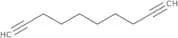
CAS:1,9-Decadiyne is a monolayer that has been synthesized from the coupling of two phenylacetylene molecules. This molecule has a molecular weight of 204. The interpunctella and pteleifolia species are the only known natural sources of 1,9-decadiyne. These species were bioassayed for antifungal activity against a number of fungi, including Aspergillus niger and Candida albicans. The optical properties of 1,9-decadiyne have been characterized using UV-visible spectroscopy and found to be similar to those of eugenol. Molecular modeling studies have shown that 1,9-decadiyne copolymerizes with polystyrene in an alternating fashion. Pharmacokinetic properties have been studied in rats and show that it is absorbed through the skin and metabolized by esterases in the liver. Gel permeation chromatography results show that there is a large amount
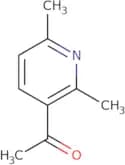
Fórmula:C10H14Pureza:Min. 95%Peso molecular:134.22 g/mol1-(2,6-Dimethylpyridin-3-yl)ethan-1-one
CAS:Versatile small molecule scaffoldFórmula:C9H11NOPureza:Min. 95%Peso molecular:149.19 g/molEthyl 2-Methylnicotinate
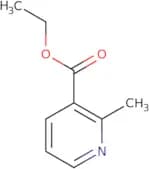
CAS:Ethyl 2-methylnicotinate is a synthetic compound that has been used in the synthesis of other compounds. It is derived from nicotinic acid and ethyl alcohol, and its chemical formula is C9H11NO2. The compound is decarboxylated to give ethoxycarbonyl, which reacts with quinolizine to form an amide. Ethyl 2-Methylnicotinate can be synthesized by reacting hydrochloric acid with an amide, or it can be obtained from the reaction of acetaldehyde and amine. This process produces an n-oxide as a byproduct, which can then be converted into other products.Fórmula:C9H11NO2Pureza:Min. 95%Peso molecular:165.19 g/mol2,3-dimethylquinoline
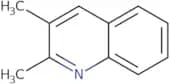
CAS:2,3-dimethylquinoline is a molecule that is used in wastewater treatment. It can be synthesized from 2,3-dimethylaniline and hydrochloric acid. This compound has been shown to have a high affinity for amines and other functional groups, which makes it a good candidate for use in activated sludge systems. The redox potential of this molecule also allows it to oxidize glyoxal and naphthalene. The immobilized form of this compound is used as an adsorbent for the removal of particles from wastewater.
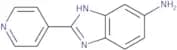
Fórmula:C11H11NPureza:Min. 95%Peso molecular:157.22 g/mol2-(Pyridin-4-yl)-1H-1,3-benzodiazol-5-amine
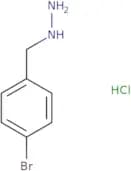
CAS:Versatile small molecule scaffoldFórmula:C12H10N4Pureza:Min. 95%Peso molecular:210.23 g/mol4-bromobenzylhydrazine hcl
CAS:Versatile small molecule scaffoldFórmula:C7H10BrClN2Pureza:Min. 95%Peso molecular:237.53 g/molrac-(1R,2S,4S)-7-Oxabicyclo[2.2.1]heptane-2-carbonitrile, endo
CAS:Versatile small molecule scaffold
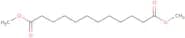
Fórmula:C7H9NOPureza:Min. 95%Peso molecular:123.15 g/molDimethyl Dodecanedioate
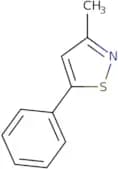
CAS:Dimethyl Dodecanedioate is a chemical compound that belongs to the group of glycol esters. It is a solid catalyst for the production of nitrogen-containing organic compounds. Dimethyl Dodecanedioate can be used as a starting material in the synthesis of various chemical structures, such as fatty acids, which are important in the chemical and pharmaceutical industries. This product also has catalytic properties, which make it useful for hydrogenation and oxidation reactions.Fórmula:C14H26O4Pureza:Min. 95%Peso molecular:258.36 g/mol3-Methyl-5-phenyl-1,2-thiazole
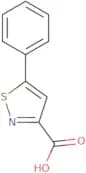
CAS:3-Methyl-5-phenyl-1,2-thiazole is a heterocycle that is biologically active. It is an intramolecular nucleophilic addition to a carbonyl group. This reaction has been shown to be one of the most efficient methods for the synthesis of 5-substituted isothiazoles, which are bioactive substances with anticancer properties. The strategy of using 3-methyl-5-phenyl-1,2-thiazole as a substrate in cross coupling reactions has been used in cancer chemotherapy.Fórmula:C10H9NSPureza:Min. 95%Peso molecular:175.25 g/mol5-Phenyl-1,2-thiazole-3-carboxylic acid
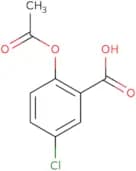
CAS:Versatile small molecule scaffoldFórmula:C10H7NO2SPureza:Min. 95%Peso molecular:205.23 g/mol2-(Acetyloxy)-5-chlorobenzoic acid
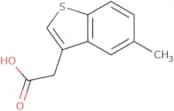
CAS:2-(Acetyloxy)-5-chlorobenzoic acid is a potent apoptotic agent that is being investigated for its potential use in the treatment of cancer. It has been shown to inhibit tumor growth and increase survival in animal models and has been assessed in human clinical trials. 2-(Acetyloxy)-5-chlorobenzoic acid induces apoptosis by inhibiting DNA synthesis, protein synthesis, or both. It also inhibits the activity of caspases, enzymes that are involved in tumor cell death. This compound may be used to treat Alzheimer's disease because it inhibits tau phosphorylation, which is an important marker for Alzheimer's disease pathology.Fórmula:C9H7ClO4Pureza:Min. 95%Peso molecular:214.6 g/mol2-(5-Methyl-1-benzothiophen-3-yl)acetic acid
CAS:Versatile small molecule scaffoldFórmula:C11H10O2SPureza:Min. 95%Peso molecular:206.26 g/mol4-Methylbenzo[b]thiophene-2-carboxylic acid
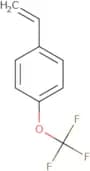
CAS:Versatile small molecule scaffoldFórmula:C10H8O2SPureza:Min. 95%Peso molecular:192.23 g/mol4-(Trifluoromethoxy)styrene
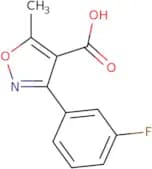
CAS:Versatile small molecule scaffoldFórmula:C9H7F3OPureza:Min. 95%Peso molecular:188.15 g/mol3-(3-Fluorophenyl)-5-methyl-1,2-oxazole-4-carboxylic acid
CAS:Versatile small molecule scaffold
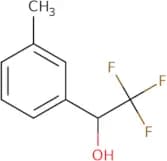
Fórmula:C11H8FNO3Pureza:Min. 95%Peso molecular:221.18 g/mol2,2,2-Trifluoro-1-(3-methylphenyl)ethan-1-ol
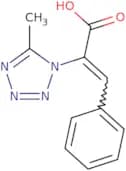
CAS:Versatile small molecule scaffoldFórmula:C9H9F3OPureza:Min. 95%Peso molecular:190.16 g/mol2-(5-Methyl-1H-1,2,3,4-tetrazol-1-yl)-3-phenylprop-2-enoic acid
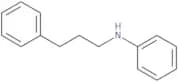
CAS:Versatile small molecule scaffoldFórmula:C11H10N4O2Pureza:Min. 95%Peso molecular:230.22 g/molN-(3-Phenylpropyl)aniline
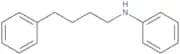
CAS:Versatile small molecule scaffoldFórmula:C15H17NPureza:Min. 95%Peso molecular:211.3 g/molN-(4-Phenylbutyl)aniline
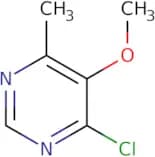
CAS:Versatile small molecule scaffoldFórmula:C16H19NPureza:Min. 95%Peso molecular:225.33 g/mol4-Chloro-5-methoxy-6-methylpyrimidine
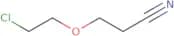
CAS:Versatile small molecule scaffoldFórmula:C6H7ClN2OPureza:Min. 95%Peso molecular:158.58 g/mol3-(2-Chloroethoxy)propanenitrile
CAS:Versatile small molecule scaffoldFórmula:C5H8ClNOPureza:Min. 95%Peso molecular:133.57 g/mol2-[(Pyrimidin-2-yl)amino]ethan-1-ol
CAS:Versatile small molecule scaffold
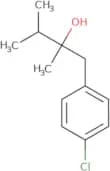
Fórmula:C6H9N3OPureza:Min. 95%Peso molecular:139.16 g/mol1-(4-Chlorophenyl)-2,3-dimethylbutan-2-ol
CAS:Versatile small molecule scaffoldFórmula:C12H17ClOPureza:Min. 95%Peso molecular:212.71 g/mol1-Nitro-4-(pentafluoroethoxy)benzene
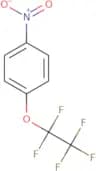
CAS:Versatile small molecule scaffold
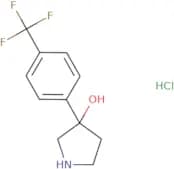
Fórmula:C8H4F5NO3Pureza:Min. 95%Peso molecular:257.11 g/mol3-(3-(Trifluoromethyl)phenyl)pyrrolidin-3-ol hydrochloride
CAS:Versatile small molecule scaffoldFórmula:C11H13ClF3NOPureza:Min. 95%Peso molecular:267.67 g/mol1-N-(4-Methyl-1,3-thiazol-2-yl)benzene-1,4-diamine
CAS:Versatile small molecule scaffoldFórmula:C10H11N3SPureza:Min. 95%Peso molecular:205.28 g/mol2-Benzylquinoline
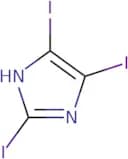
CAS:2-Benzylquinoline is an isomer of quinoline. It has two nitrogen atoms and four carbon atoms. 2-Benzylquinoline can be synthesized by the efficient method of imine formation. It can also be prepared by heating dimethyl acetylenedicarboxylate with a halogenated compound, such as bromine or chlorine. The equilibration reaction mechanism of 2-benzylquinoline is not yet known, but it may involve a carbonyl group interaction. 2-Benzylquinoline has been found to have antivenom properties in the past, but recent research suggests that it does not possess this property.Fórmula:C16H13NPureza:Min. 95%Peso molecular:219.28 g/mol2,4,5-Triiodo-1H-imidazole
CAS:2,4,5-Triiodo-1H-imidazole is a heterocyclic compound that is used to bind reactive epoxides and as a polymerization inhibitor. 2,4,5-Triiodo-1H-imidazole can exist in two different forms: the thermodynamically stable form and the thermodynamically unstable form. The unstable form is more electron deficient and has minimal activity. The stable form has higher reactivity and is an antifungal agent against Candida species. It also binds to metal ions such as ammonium nitrate to inhibit its explosive properties. 2,4,5-Triiodo-1H-imidazole can be prepared by iodination of 2-chloropyrimidine with potassium iodide in acetic acid solution at room temperature. This reaction produces the triiodide salt of 2,4,5-triiodopyrimidine (2TIP), which can be purifiedFórmula:C3HI3N2Pureza:Min. 95%Peso molecular:445.77 g/molCarbamic acid isopropyl ester
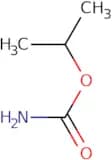
CAS:Carbamic acid isopropyl ester (CiPA) is a drug that is used to treat metabolic disorders and autoimmune diseases. It has been shown to be effective in clinical trials for the treatment of chronic schizophrenia and psychotic disorder. CiPA inhibits the activity of lysine residues on proteins, which are involved in the metabolism of amino acids. It also binds to amide groups and carbonyl groups on proteins, leading to inhibition of protein synthesis and other biological processes. The pharmacokinetic properties of CiPA are thought to be due to its ability to inhibit liver cells, which can lead to an increase in the elimination rate of this drug from the body.Fórmula:C4H9NO2Pureza:Min. 95%Peso molecular:103.12 g/mol4-Amino-5,5-dimethyl-2,5-dihydro-1H-imidazol-2-one
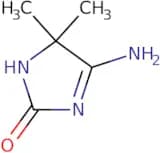
CAS:Versatile small molecule scaffoldFórmula:C5H9N3OPureza:Min. 95%Peso molecular:127.14 g/mol2-(3-Aminopropoxy)-1,3-dimethylbenzene hydrochloride
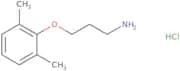
CAS:Versatile small molecule scaffoldFórmula:C11H18ClNOPureza:Min. 95%Peso molecular:215.72 g/mol(E)-N,1-Diphenylmethanimine
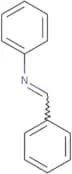
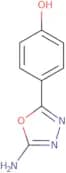
CAS:Versatile small molecule scaffoldFórmula:C13H11NPureza:Min. 95%Peso molecular:181.23 g/mol4-(5-Amino-1,3,4-oxadiazol-2-yl)phenol
CAS:Versatile small molecule scaffold
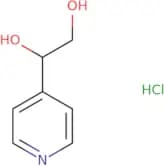
Fórmula:C8H7N3O2Pureza:Min. 95%Peso molecular:177.16 g/mol1-(Pyridin-4-yl)ethane-1,2-diol hydrochloride
CAS:Versatile small molecule scaffoldFórmula:C7H10ClNO2Pureza:Min. 95%Peso molecular:175.61 g/molMethyl 3-[3-(methoxycarbonyl)phenyl]benzoate
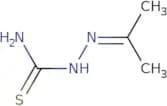
CAS:Versatile small molecule scaffoldFórmula:C16H14O4Pureza:Min. 95%Peso molecular:270.28 g/molAcetone Thiosemicarbazone
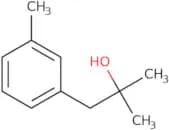
CAS:Acetone thiosemicarbazone is a chelating agent that contains a hydroxyl group, an ethylene diamine group, and a sulfonamide group. The compound has been shown to be active in wastewater treatment for the removal of polyvinyl chloride (PVC) and other organic compounds. It is also used as an anti-inflammatory drug in pharmaceutical preparations. Acetone thiosemicarbazone has been shown to chelate metal ions and prevent their binding to proteins, which may lead to its ability to inhibit inflammation.Fórmula:C4H9N3SPureza:Min. 95%Peso molecular:131.2 g/mol2-Methyl-1-(3-methylphenyl)propan-2-ol
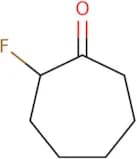
CAS:Versatile small molecule scaffoldFórmula:C11H16OPureza:Min. 95%Peso molecular:164.24 g/mol2-Fluorocycloheptan-1-one
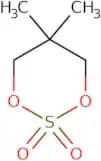
CAS:Versatile small molecule scaffoldFórmula:C7H11FOPureza:Min. 95%Peso molecular:130.16 g/mol5,5-Dimethyl-1,3,2-dioxathiane 2,2-dioxide
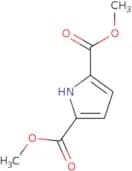
CAS:Versatile small molecule scaffoldFórmula:C5H10O4SPureza:Min. 95%Peso molecular:166.2 g/mol2,5-Dimethyl 1H-pyrrole-2,5-dicarboxylate
CAS:Versatile small molecule scaffold
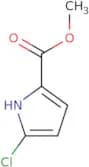
Fórmula:C8H9NO4Pureza:Min. 95%Peso molecular:183.16 g/molMethyl 5-chloro-1H-pyrrole-2-carboxylate
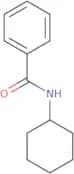
CAS:Versatile small molecule scaffoldFórmula:C6H6ClNO2Pureza:Min. 95%Peso molecular:159.57 g/molN-Cyclohexylbenzamide
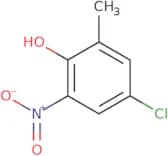
CAS:N-Cyclohexylbenzamide is a cross-coupling reaction that is used in organic synthesis. It is an efficient method for the synthesis of organometallic compounds and pharmaceuticals, including drugs with high bioavailability. N-Cyclohexylbenzamide has been shown to be effective against intestinal bacteria such as Salmonella enterica and Helicobacter pylori. This drug has also been detected in humans, where it can be found at low concentrations in urine. The compound is metabolized by hydrolysis of the amide group to yield benzoic acid and cyclohexanol. The mechanism of action of N-Cyclohexylbenzamide is not fully understood, but it has been postulated that it inhibits the formation of reactive oxygen species (ROS) by preventing the activity of NADPH oxidase, which leads to oxidative stress and cell death.Fórmula:C13H17NOPureza:Min. 95%Peso molecular:203.28 g/mol4-Chloro-2-methyl-6-nitrophenol
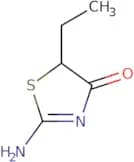
CAS:4-Chloro-2-methyl-6-nitrophenol is an organic compound with the chemical formula C6H4ClNO2. It is a white solid that is soluble in water, alcohols and ether. It has uses as a pesticide and in the manufacture of dyes, pharmaceuticals, and herbicides. 4-Chloro-2-methyl-6-nitrophenol can be made by reacting phosphorus pentachloride with chlorophenols at temperatures below 100 °C. The reaction can also be activated by adding hydrochloric acid or absorbing electromagnetic radiation such as sunlight. The phototransformation of 4CMPNP to its photoproducts is dependent on irradiation wavelength. Irradiation of 4CMPNP with ultraviolet light leads to the formation of 3,5-dichloroaniline (3,5 DCA). The interaction between 4CMPNP and chlorine ions produces colorless monochlorobFórmula:C7H6ClNO3Pureza:Min. 95%Peso molecular:187.58 g/mol2-Amino-5-ethyl-4,5-dihydro-1,3-thiazol-4-one
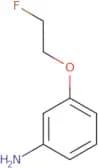
CAS:Versatile small molecule scaffoldFórmula:C5H8N2OSPureza:Min. 95%Peso molecular:144.2 g/mol3-(2-Fluoroethoxy)aniline
CAS:Versatile small molecule scaffold
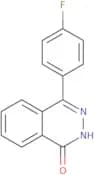
Fórmula:C8H10FNOPureza:Min. 95%Peso molecular:155.17 g/mol4-(4-Fluorophenyl)phthalazin-1(2H)-one
CAS:Versatile small molecule scaffoldFórmula:C14H9FN2OPureza:Min. 95%Peso molecular:240.23 g/mol3-Phenylcyclobutan-1-amine hydrochloride
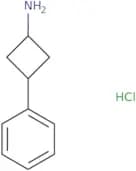
CAS:Versatile small molecule scaffold
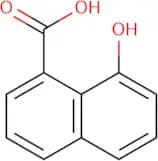
Fórmula:C10H14ClNPureza:Min. 95%Peso molecular:183.68 g/mol8-Hydroxynaphthalene-1-carboxylic acid
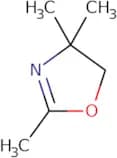
CAS:The 8-hydroxynaphthalene-1-carboxylic acid (8HNCA) is a nonfluorescent, organic molecule that has been shown to form lactone at the interface with water. The 8HNCA has a diameter of 1.73 Å and is able to react at rates up to 10 times faster than in bulk solution. It can be used as an indicator for reactions occurring at the interface between two different liquids. The fluorescence of 8HNCA can be observed when it is excited by laser light and its reaction rate can be measured by observing the time dependence of the fluorescence emission intensity.Fórmula:C11H8O3Pureza:Min. 95%Peso molecular:188.18 g/mol2,4,4-Trimethyl-2-oxazoline
CAS:2,4,4-Trimethyl-2-oxazoline is a potassium hydride reagent that has been used to study the mechanism of nucleophilic addition reactions. The acidity of this compound is determined by the presence of an acidic hydrogen atom on one side of the molecule. 2,4,4-Trimethyl-2-oxazoline can be used as a cationic polymerization monomer to produce polymers with high molecular weights. This compound is prepared by an ultrasonic preparative method in a solvent containing water and a base such as pyridine or triethylamine. Preparations must be done in an acidic environment because 2,4,4-trimethyl-2-oxazoline hydrolyzes readily in basic conditions. The viscosity of 2,4,4-trimethyl-2-oxazoline increases with increasing concentration and temperature. It also has a tendency to form hydrogen bonds with other molecules.
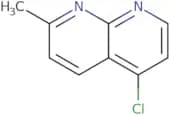
Fórmula:C6H11NOPureza:Min. 95%Peso molecular:113.16 g/mol5-Chloro-2-methyl-1,8-naphthyridine
CAS:Versatile small molecule scaffold
Fórmula:C9H7ClN2Pureza:Min. 95%Peso molecular:178.62 g/mol[(adamantan-1-yl)methyl](methyl)amine hydrochloride
CAS:Versatile small molecule scaffoldFórmula:C12H22ClNPureza:Min. 95%Peso molecular:215.77 g/molRel-(1R,3R,5S)-bicyclo[3.1.0]hexane-3-carboxylic acid
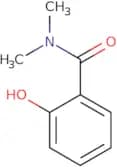
CAS:Versatile small molecule scaffoldFórmula:C7H10O2Pureza:Min. 95%Peso molecular:126.15 g/mol2-Hydroxy-N,N-dimethylbenzamide
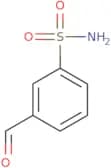
CAS:2-Hydroxy-N,N-dimethylbenzamide is a hydrophobic amide that has been shown to form micelles in the presence of water. It has also been shown to be a potent inhibitor of rat liver microsomes and non-polymeric in pharmaceutical formulations. 2-Hydroxy-N,N-dimethylbenzamide is used as an intermediate for the synthesis of piperidone and carbonyl group, which are used in pharmaceuticals. 2-Hydroxy-N,N-dimethylbenzamide has been shown to react with carbon tetrachloride, forming intramolecular hydrogen bonds between the hydroxyl groups and methyl groups on adjacent molecules.Fórmula:C9H11NO2Pureza:Min. 95%Peso molecular:165.19 g/mol3-Formylbenzene-1-sulfonamide
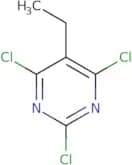
CAS:3-Formylbenzene-1-sulfonamide is a small molecule that has been shown to block the function of ion channels and may be useful in the treatment of neurological diseases. This compound has been shown to inhibit voltage-gated sodium channels and potassium channels, which are responsible for neuronal activity. 3-Formylbenzene-1-sulfonamide was also found to have a positive effect on nerve cells and may be useful in the treatment of neurodegenerative disorders such as Parkinson's disease. The molecular structure of this drug is similar to acetylcholine, which is a neurotransmitter that plays an important role in the nervous system. Acetylcholine binds to receptors at synapses between neurons and transmits signals directly across the synaptic cleft or indirectly through release from axon terminals. 3-Formylbenzene-1-sulfonamide is thought to bind to one of these receptors, blocking transmission at nerve synapses.Fórmula:C7H7NO3SPureza:Min. 95%Peso molecular:185.2 g/mol2,4,6-Trichloro-5-ethylpyrimidine
CAS:Versatile small molecule scaffold
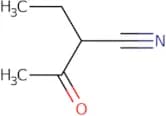
Fórmula:C6H5Cl3N2Pureza:Min. 95%Peso molecular:211.48 g/mol2-Ethyl-3-oxobutanenitrile
CAS:Versatile small molecule scaffoldFórmula:C6H9NOPureza:Min. 95%Peso molecular:111.14 g/mol6-(Trifluoromethyl)-1H-pyrazolo[3,4-d]pyrimidin-4-ol
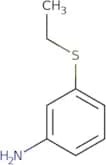
CAS:Versatile small molecule scaffoldFórmula:C6H3F3N4OPureza:Min. 95%Peso molecular:204.11 g/mol3-(Ethylsulfanyl)aniline
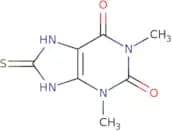
CAS:Versatile small molecule scaffoldFórmula:C8H11NSPureza:Min. 95%Peso molecular:153.25 g/mol1,3-Dimethyl-8-sulfanyl-2,3,6,7-tetrahydro-1H-purine-2,6-dione
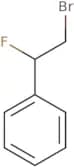
CAS:1,3-Dimethyl-8-sulfanyl-2,3,6,7-tetrahydro-1H-purine-2,6-dione is a cyclic compound that is used to synthesize copper complexes. It has four nitrogen atoms in the molecule and yields a polynuclear complex when reacted with copper ions. This ligand also has x-ray crystallographic data and can form coordination compounds with thiourea. 1,3-Dimethyl-8-sulfanyl-2,3,6,7-tetrahydro-1H-purine-2,6-dione is an ionizable anion that can be mononuclear or polynuclear depending on the solvent.Fórmula:C7H8N4O2SPureza:Min. 95%Peso molecular:212.23 g/mol(2-Bromo-1-fluoroethyl)benzene
CAS:2-Bromo-1-fluoroethylbenzene is a reductive amination reagent that is used to synthesize carboxamides and other heterocycles. It has been shown to be highly regioselective for the formation of the desired products, with high yields and good selectivity. This compound can be used as a homochiral building block in asymmetric synthesis. 2-Bromo-1-fluoroethylbenzene is also an inhibitor of cyanide production from hydrolysis of cyanide salts and organic compounds containing nitro groups.
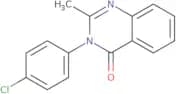
2-Bromo-1-fluoroethylbenzene is a crystallization reagent that can be used to purify active molecules by precipitation. It is also used as an enzyme cofactor in biosynthesis reactions.Fórmula:C8H8BrFPureza:Min. 95%Peso molecular:203.05 g/mol3-(4-Chlorophenyl)-2-methyl-3,4-dihydroquinazolin-4-one
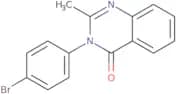
CAS:Producto controlado3-(4-Chlorophenyl)-2-methyl-3,4-dihydroquinazolin-4-one (CLQ) is a compound that has been shown to have a hypothermic effect in animals. CLQ also has pharmacological properties and has been used in experiments to study the correlation between maximal concentration and hypothermic effects. The drug was found to be active when administered at a dose of 0.5 mg/kg body weight. CLQ has not been tested for its effects on seizures or epilepsy, but it is thought that it may have antiseizure activity due to its inhibition of nitric oxide synthase.Fórmula:C15H11ClN2OPureza:Min. 95%Peso molecular:270.71 g/mol3-(4-Bromophenyl)-2-methyl-3,4-dihydroquinazolin-4-one
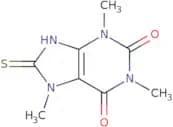
CAS:Producto controladoVersatile small molecule scaffoldFórmula:C15H11BrN2OPureza:Min. 95%Peso molecular:315.16 g/mol1,3,7-Trimethyl-8-sulfanylidene-9H-purine-2,6-dione
CAS:Producto controlado1,3,7-Trimethyl-8-sulfanylidene-9H-purine-2,6-dione is an odourless compound that can yield alkyl bromides with high efficiency. The advances in this field have been made possible by the use of thiourea as a new and efficient reagent for this transformation. The reaction parameters are very mild and allow for the preparation of bromides from a wide range of aromatic substrates.Fórmula:C8H10N4O2SPureza:Min. 95%Peso molecular:226.26 g/molN-[3-(Trifluoromethyl)phenyl]prop-2-enamide
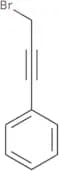
CAS:Versatile small molecule scaffoldFórmula:C10H8F3NOPureza:Min. 95%Peso molecular:215.17 g/mol(3-Bromo-1-propyn-1-yl)-benzene
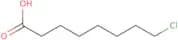
CAS:3-Bromo-1-propyn-1-yl)-benzene (3BP) is an organic compound that belongs to the class of organometallic compounds. It can be synthesized via a radical mechanism, protonation, and reaction time. 3BP is found as two tautomers. The first is an amine and the second is a radical. 3BP has been shown to react with nitrogen nucleophiles such as amines in the presence of radiation to form the corresponding trimethylsilylacetylene derivatives. These derivatives are then hydrolyzed in order to form the desired product, dimethyl fumarate.Fórmula:C9H7BrPureza:Min. 95%Peso molecular:195.06 g/mol8-Chlorooctanoic acid
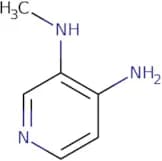
CAS:8-Chlorooctanoic acid is a fatty acid that is naturally found in the human body. It is also called octanoic acid, or octanoate. 8-Chlorooctanoic acid has been shown to inhibit the activity of enzymes such as citrate lyase and alkylating agent. 8-Chlorooctanoic acid has been shown to be biodegradable and it was hypothesized that it may be a functional theory. This compound also has preservative properties and can be used as an additive in food products. It can also be used as a preservative in pharmaceutical products because of its antimicrobial effects.Fórmula:C8H15ClO2Pureza:Min. 95%Peso molecular:178.65 g/molN3-Methylpyridine-3,4-diamine
CAS:N3-Methylpyridine-3,4-diamine is an organic compound that is synthesized by the rearrangement of 3-methylpyridine. This heterocyclic compound reacts with diazomethane to form a cyclization product. The reaction occurs in the presence of a base and a heating process. The result of this reaction is a 5-membered ring heterocycle that contains nitrogen and three methyl groups.Fórmula:C6H9N3Pureza:Min. 95%Peso molecular:123.16 g/mol2-(2-Acetamidophenoxy)acetic acid
CAS:Versatile small molecule scaffold
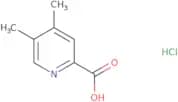
Fórmula:C10H11NO4Pureza:Min. 95%Peso molecular:209.2 g/mol4,5-Dimethylpyridine-2-carboxylic acid hydrochloride
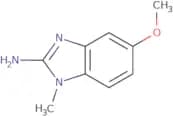
CAS:Versatile small molecule scaffoldFórmula:C8H10ClNO2Pureza:Min. 95%Peso molecular:187.62 g/mol2-Amino-5-methoxy-1-methylbenzimidazole
CAS:Versatile small molecule scaffold
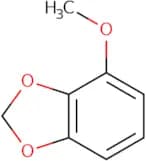
Fórmula:C9H11N3OPureza:Min. 95%Peso molecular:177.21 g/mol4-Methoxy-1,3-dioxaindane
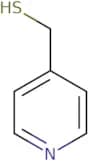
CAS:Producto controlado4-Methoxy-1,3-dioxaindane is an electrophilic brominating agent that has been used as a catalyst for the production of medicines. It is also used in the synthesis of formylating agents and nitration reagents. 4-Methoxy-1,3-dioxaindane is able to react with various chemical compounds. This property makes it a good candidate for use in various industrial processes such as chlorination, iodination, and bromination.Fórmula:C8H8O3Pureza:Min. 95%Peso molecular:152.15 g/mol(Pyridin-4-yl)methanethiol
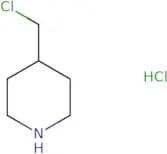
CAS:Pyridin-4-ylmethanethiol is a molecule that belongs to the class of metalloporphyrins. It has been shown to be a reversible, systematically, and crystallographically covalent tethering ligand for metal ions. Pyridin-4-ylmethanethiol binds reversibly to metal ions such as Cu(II), Fe(III), or Tb(III) and has been shown to inhibit caspase activity in vitro.br>br>Pyridin-4-ylmethanethiol interacts with the supramolecular assembly of the NOD2 protein at the cell membrane, preventing the release of proteases from intracellular vesicles into the extracellular space.Fórmula:C6H7NSPureza:Min. 95%Peso molecular:125.19 g/mol4-(Chloromethyl)piperidine hydrochloride
CAS:Versatile small molecule scaffold
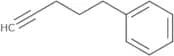
Fórmula:C6H12ClN·HClPureza:Min. 95%Peso molecular:170.08 g/mol5-Phenyl-1-pentyne
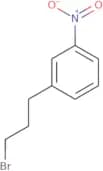
CAS:5-Phenyl-1-pentyne is a reactive compound that inhibits the uptake of naphthalene in human liver cells. It has been shown to inhibit monooxygenase activity, which prevents the formation of reactive oxygen species and lipid peroxidation. The molecular modeling study suggests that 5-phenyl-1-pentyne binds to a hydroxyl group on the enzyme's active site. This binding prevents the enzyme from binding with its substrate, thereby inhibiting metabolism. In addition, this chemical inhibitor has an inhibitory effect on wild type mice and CD-1 mice. Low energy chemical inhibitors are also able to inhibit the metabolism of rat liver microsomes.Fórmula:C11H12Pureza:Min. 95%Peso molecular:144.21 g/mol1-(3-Bromopropyl)-3-nitro-benzene
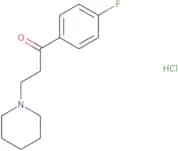
CAS:Versatile small molecule scaffoldFórmula:C9H10BrNO2Pureza:Min. 95%Peso molecular:244.08 g/mol1-(4-Fluorophenyl)-3-(piperidin-1-yl)propan-1-one hydrochloride
CAS:1-(4-Fluorophenyl)-3-(piperidin-1-yl)propan-1-one hydrochloride is a pyridinium compound that has been shown to have an antiarrhythmic effect. It inhibits the activity of the potassium channel and calcium ion channels, which are responsible for stabilizing the heart rate. 1-(4-Fluorophenyl)-3-(piperidin-1-yl)propan-1-one hydrochloride also modulates anion channels and can be used to treat hyperactivity. The diprotonated form of this drug is active against anions. The carbonyl group in this compound is capable of forming hydrogen bonds with other molecules. This structural feature is responsible for the drug's pharmacological effect and its ability to bind to proteins, including enzymes such as pyrrole reductase.Fórmula:C14H19ClFNOPureza:Min. 95%Peso molecular:271.76 g/mol1-[(4-Methoxyphenyl)methyl]-1,2,3,6-tetrahydropyridazine-3,6-dione
CAS:Versatile small molecule scaffoldFórmula:C12H12N2O3Pureza:Min. 95%Peso molecular:232.2 g/mol
![4-[(4H-1,2,4-Triazol-4-yl)methyl]piperidine](/_next/image/?url=https%3A%2Fstatic.cymitquimica.com%2Fproducts%2F3D%2Fthumb-webp%2FAZB21871.webp&w=3840&q=75)

![5-[2-(Benzenesulfonyl)ethyl]-1H-indole](/_next/image/?url=https%3A%2Fstatic.cymitquimica.com%2Fproducts%2F3D%2Fthumb-webp%2FAZB32716.webp&w=3840&q=75)
![2-{[2-(4-Aminophenyl)ethyl]amino}ethan-1-ol](/_next/image/?url=https%3A%2Fstatic.cymitquimica.com%2Fproducts%2F3D%2Fthumb-webp%2FAZB35120.webp&w=3840&q=75)
![5H,6H,7H,8H-Imidazo[1,2-a]pyridine-2-carbohydrazide](/_next/image/?url=https%3A%2Fstatic.cymitquimica.com%2Fproducts%2F3D%2Fthumb-webp%2FAZB37298.webp&w=3840&q=75)
![2-Chloro-1-[3-(2-chloroacetyl)phenyl]ethan-1-one](/_next/image/?url=https%3A%2Fstatic.cymitquimica.com%2Fproducts%2F3D%2Fthumb-webp%2FBAA71316.webp&w=3840&q=75)

![rac-(1R,2S,4S)-7-Oxabicyclo[2.2.1]heptane-2-carbonitrile, endo](/_next/image/?url=https%3A%2Fstatic.cymitquimica.com%2Fproducts%2F3D%2Fthumb-webp%2FBAA72796.webp&w=3840&q=75)
![4-Methylbenzo[b]thiophene-2-carboxylic acid](/_next/image/?url=https%3A%2Fstatic.cymitquimica.com%2Fproducts%2F3D%2Fthumb-webp%2FBAA73513.webp&w=3840&q=75)
![2-[(Pyrimidin-2-yl)amino]ethan-1-ol](/_next/image/?url=https%3A%2Fstatic.cymitquimica.com%2Fproducts%2F3D%2Fthumb-webp%2FBAA74225.webp&w=3840&q=75)


![Methyl 3-[3-(methoxycarbonyl)phenyl]benzoate](/_next/image/?url=https%3A%2Fstatic.cymitquimica.com%2Fproducts%2F3D%2Fthumb-webp%2FBAA75197.webp&w=3840&q=75)
amine hydrochloride](/_next/image/?url=https%3A%2Fstatic.cymitquimica.com%2Fproducts%2F3D%2Fthumb-webp%2FBAA77399.webp&w=3840&q=75)
![Rel-(1R,3R,5S)-bicyclo[3.1.0]hexane-3-carboxylic acid](/_next/image/?url=https%3A%2Fstatic.cymitquimica.com%2Fproducts%2F3D%2Fthumb-webp%2FBAA77745.webp&w=3840&q=75)
![6-(Trifluoromethyl)-1H-pyrazolo[3,4-d]pyrimidin-4-ol](/_next/image/?url=https%3A%2Fstatic.cymitquimica.com%2Fproducts%2F3D%2Fthumb-webp%2FBAA78079.webp&w=3840&q=75)
![N-[3-(Trifluoromethyl)phenyl]prop-2-enamide](/_next/image/?url=https%3A%2Fstatic.cymitquimica.com%2Fproducts%2F3D%2Fthumb-webp%2FBAA79420.webp&w=3840&q=75)
![1-[(4-Methoxyphenyl)methyl]-1,2,3,6-tetrahydropyridazine-3,6-dione](/_next/image/?url=https%3A%2Fstatic.cymitquimica.com%2Fproducts%2F3D%2Fthumb-webp%2FBAA82886.webp&w=3840&q=75)