


Building Blocks
Subcategorías de "Building Blocks"
- Ácidos borónicos y derivados del ácido borónico(5.784 productos)
- Building Blocks quirales(1.244 productos)
- Building Blocks de hidrocarburos(6.105 productos)
- Building Blocks orgánicos(61.070 productos)
Se han encontrado 205437 productos de "Building Blocks"
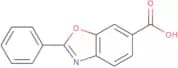
2-Phenyl-1,3-benzoxazole-6-carboxylic acid
CAS:Versatile small molecule scaffoldFórmula:C14H9NO3Pureza:Min. 95%Forma y color:PowderPeso molecular:239.23 g/mol2-(4-Nitro-1H-indol-1-yl)acetic acid
CAS:Versatile small molecule scaffoldFórmula:C10H8N2O4Pureza:Min. 95%Peso molecular:220.18 g/moltert-Butyl N-(1-formylcyclohexyl)carbamate
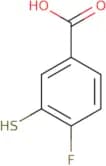
CAS:Versatile small molecule scaffoldFórmula:C12H21NO3Pureza:Min. 95%Peso molecular:227.3 g/mol4-Fluoro-3-sulfanylbenzoic acid
CAS:Versatile small molecule scaffoldFórmula:C7H5FO2SPureza:Min. 95%Peso molecular:172.18 g/molBicyclo[2.2.1]hept-2-en-2-ylboronic acid pinacol ester
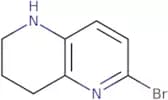
CAS:Versatile small molecule scaffoldFórmula:C13H23BO3Pureza:Min. 95%Peso molecular:238.13 g/mol6-bromo-1,2,3,4-tetrahydro-1,5-naphthyridine
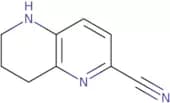
CAS:Versatile small molecule scaffoldFórmula:C8H9BrN2Pureza:Min. 95%Peso molecular:213.1 g/mol5,6,7,8-Tetrahydro-1,5-naphthyridine-2-carbonitrile
CAS:Versatile small molecule scaffoldFórmula:C9H9N3Pureza:Min. 95%Peso molecular:159.19 g/moltert-Butyl 2-[(pentan-3-ylidene)amino]acetate
CAS:Versatile small molecule scaffoldFórmula:C11H21NO2Pureza:Min. 95%Peso molecular:199.29 g/mol3-Cyclopropyl-3-methylbutan-1-ol
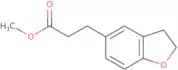
CAS:Versatile small molecule scaffoldFórmula:C8H16OPureza:Min. 95%Peso molecular:128.21 g/molMethyl 3-(2,3-dihydro-1-benzofuran-5-yl)propanoate
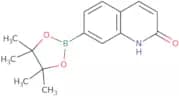
CAS:Versatile small molecule scaffoldFórmula:C12H14O3Pureza:Min. 95%Peso molecular:206.24 g/mol7-(Tetramethyl-1,3,2-dioxaborolan-2-yl)-1,2-dihydroquinolin-2-one
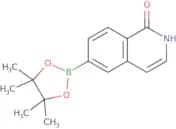
CAS:Versatile small molecule scaffoldFórmula:C15H18BNO3Pureza:Min. 95%Peso molecular:271.12 g/mol6-(4,4,5,5-Tetramethyl-1,3,2-dioxaborolan-2-yl)-2H-isoquinolin-1-one
CAS:Versatile small molecule scaffoldFórmula:C15H18BNO3Pureza:Min. 95%Peso molecular:271.11 g/mol7-(4,4,5,5-Tetramethyl-1,3,2-dioxaborolan-2-yl)-2H-benzo[b][1,4]oxazin-3(4H)-one
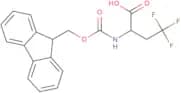
CAS:Versatile small molecule scaffoldFórmula:C14H18BNO4Pureza:Min. 95%Peso molecular:275.11 g/molFMOC-2-Amino-4,4,4-trifluorobutyric acid
CAS:Versatile small molecule scaffold
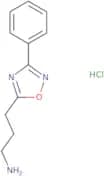
Fórmula:C19H16F3NO4Pureza:Min. 95%Peso molecular:379.3 g/mol3-(3-Phenyl-1,2,4-oxadiazol-5-yl)propan-1-amine hydrochloride
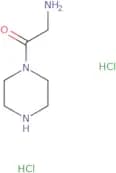
CAS:Versatile small molecule scaffoldFórmula:C11H14ClN3OPureza:Min. 95%Peso molecular:239.7 g/mol2-Amino-1-(piperazin-1-yl)ethan-1-one dihydrochloride
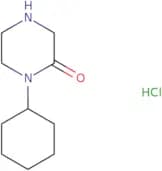
CAS:Versatile small molecule scaffoldFórmula:C6H15Cl2N3OPureza:Min. 95%Peso molecular:216.11 g/mol1-Cyclohexylpiperazin-2-one hydrochloride
CAS:Versatile small molecule scaffold
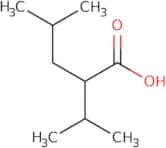
Fórmula:C10H19ClN2OPureza:Min. 95%Peso molecular:218.72 g/mol4-Methyl-2-(propan-2-yl)pentanoic acid
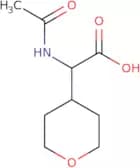
CAS:Versatile small molecule scaffoldFórmula:C9H18O2Pureza:Min. 95%Peso molecular:158.24 g/mol2-Acetamido-2-(oxan-4-yl)acetic acid
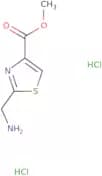
CAS:Versatile small molecule scaffoldFórmula:C9H15NO4Pureza:Min. 95%Peso molecular:201.22 g/molMethyl 2-(Aminomethyl)-1,3-Thiazole-4-Carboxylate Dihydrochloride
CAS:Versatile small molecule scaffoldFórmula:C6H10Cl2N2O2SPureza:Min. 95%Peso molecular:245.13 g/mol2-({[(9H-Fluoren-9-yl)methoxy]carbonyl}amino)-2-(2-methoxyphenyl)acetic acid
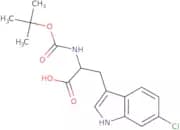
CAS:Versatile small molecule scaffoldFórmula:C24H21NO5Pureza:Min. 95%Peso molecular:403.4 g/mol6-Chloro-N-Boc-DL-tryptophan
CAS:Versatile small molecule scaffold
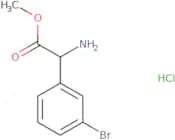
Fórmula:C16H19ClN2O4Pureza:Min. 95%Peso molecular:338.79 g/molMethyl Amino(3-bromophenyl)acetate Hydrochloride
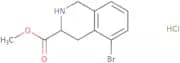
CAS:Versatile small molecule scaffoldFórmula:C9H10NO2Br·HClPureza:Min. 95%Peso molecular:280.54 g/mol5-Bromo-1,2,3,4-tetrahydroisoquinoline-3-carboxylic acid methyl ester hydrochloride
CAS:Versatile small molecule scaffold
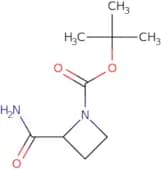
Fórmula:C11H13BrClNO2Pureza:Min. 95%Peso molecular:306.58 g/moltert-Butyl 2-carbamoylazetidine-1-carboxylate
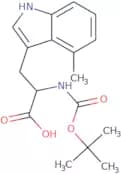
CAS:Tert-Butyl 2-carbamoylazetidine-1-carboxylate is a covalent inhibitor of the enzyme lipase, which is responsible for breaking down fats and other lipids in the body. Tert-Butyl 2-carbamoylazetidine-1-carboxylate has been shown to inhibit the production of prostaglandins, which are involved in inflammation. It also inhibits cellular monoacylglycerol lipase (MAGL) and cyclooxygenase 2 (COX2). This agent can be used to treat inflammatory disorders, such as arthritis and colitis.Fórmula:C9H16N2O3Pureza:Min. 95%Peso molecular:200.24 g/molBoc-4-methyl-DL-tryptophan
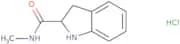
CAS:Versatile small molecule scaffoldFórmula:C17H22N2O4Pureza:Min. 95%Peso molecular:318.37 g/molN-Methyl-2,3-dihydro-1H-indole-2-carboxamide hydrochloride
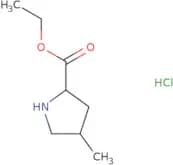
CAS:Versatile small molecule scaffoldFórmula:C10H13ClN2OPureza:Min. 95%Peso molecular:212.67 g/molEthyl 4-methylpyrrolidine-2-carboxylate hydrochloride
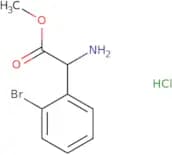
CAS:Versatile small molecule scaffoldFórmula:C8H16ClNO2Pureza:Min. 95%Peso molecular:193.67 g/molMethyl amino(2-bromophenyl)acetate hydrochloride
CAS:Versatile small molecule scaffold
Fórmula:C9H11BrClNO2Pureza:Min. 95%Peso molecular:280.54 g/mol2-{[(9H-Fluoren-9-yl)methoxy]carbonyl}-6-methoxy-1H,2H,3H,4H,9H-pyrido[3,4-b]indole-1-carboxylic acid
CAS:Versatile small molecule scaffoldFórmula:C28H24N2O5Pureza:Min. 95%Peso molecular:468.5 g/mol3-cyclopentyl-2-({[(9h-fluoren-9-yl)methoxy]carbonyl}amino)propanoic acid
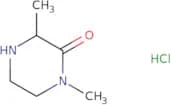
CAS:Versatile small molecule scaffoldFórmula:C23H25NO4Pureza:Min. 95%Peso molecular:379.4 g/mol1,3-Dimethylpiperazin-2-one hydrochloride
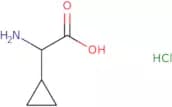
CAS:Versatile small molecule scaffoldFórmula:C6H12N2O·HClPureza:Min. 95%Peso molecular:164.64 g/molAmino(cyclopropyl)acetic acid HCl
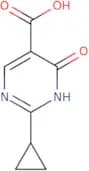
CAS:Amino(cyclopropyl)acetic acid HCl is a synthetic insecticide that belongs to the class of carbamates. It is used as a contact and stomach poison for controlling insects such as cockroaches, fleas, and ticks. Amino(cyclopropyl)acetic acid HCl has been shown to have an LD50 of 1.6 mg/kg after oral administration in rats. The compound also inhibits the synthesis of proteins in insects and has been validated using bioassays against a range of target pests.Fórmula:C5H9NO2·ClHPureza:Min. 95%Peso molecular:151.59 g/mol2-Cyclopropyl-6-oxo-1,6-dihydropyrimidine-5-carboxylic acid
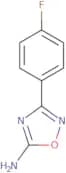
CAS:Versatile small molecule scaffoldFórmula:C8H8N2O3Pureza:Min. 95%Peso molecular:180.16 g/mol3-(4-Fluorophenyl)-1,2,4-oxadiazol-5-amine
CAS:Versatile small molecule scaffoldFórmula:C8H6FN3OPureza:Min. 95%Peso molecular:179.15 g/mol(2R,3S)-4-{[(9H-Fluoren-9-yl)methoxy]carbonyl}-2-methylmorpholine-3-carboxylic acid
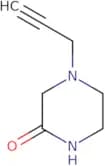
CAS:Versatile small molecule scaffoldFórmula:C21H21NO5Pureza:Min. 95%Peso molecular:367.4 g/mol4-(Prop-2-yn-1-yl)piperazin-2-one
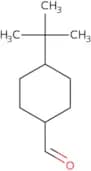
CAS:Versatile small molecule scaffoldFórmula:C7H10N2OPureza:Min. 95%Peso molecular:138.17 g/mol4-tert-Butylcyclohexane-1-carbaldehyde
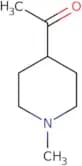
CAS:Versatile small molecule scaffoldFórmula:C11H20OPureza:Min. 95%Peso molecular:168.28 g/mol1-(1-Methyl-piperidin-4-yl)-ethanone
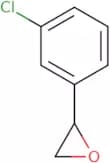
CAS:Versatile small molecule scaffoldFórmula:C8H15NOPureza:Min. 95%Peso molecular:141.21 g/mol2-(3-Chloro-phenyl)-oxirane
CAS:2-(3-Chloro-phenyl)-oxirane is a reactive molecule with the chemical formula C6H4ClO2. It is an epoxide that can be obtained by ring-opening of acetone cyanohydrin. 2-(3-Chloro-phenyl)-oxirane has been used as a glycosidic bond in the synthesis of α-amino acid derivatives and as a substrate for ring opening polymerization. This compound is also used to study the mechanism of enantioselective reactions, such as kinetic and thermodynamic studies, which can lead to the development of new methods for producing enantiopure compounds. 2-(3-Chloro-phenyl)-oxirane has been shown to inhibit growth in E. coli K12 and S. typhimurium at concentrations between 10 and 100 μM; it also inhibits growth in ovary cells at concentrations between 5 and 50 μM. The inhibition of bacterialFórmula:C8H7ClOPureza:Min. 95%Peso molecular:154.6 g/mol2-(3-Nitrophenyl)oxirane
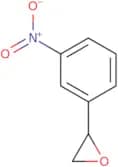
CAS:2-(3-Nitrophenyl)oxirane is an oxidase inhibitor that inhibits the activity of many oxidases, including monoamine oxidases and aldehyde oxidases. It has been shown to inhibit the oxidative deamination of dibenamine, which is catalyzed by dehydrogenase. 2-(3-Nitrophenyl)oxirane also reacts with metal ions such as copper and zinc, forming a complex that can be reduced back to the parent compound by acceptor molecules such as NADH or glutathione. 2-(3-Nitrophenyl)oxirane binds to receptors in the brain and other organs and may inhibit neurotransmitter release from nerve endings. 2-(3-Nitrophenyl)oxirane inhibits acid production by inhibiting the activity of acid cholinesterase, which breaks down acetylcholine at synapses. The resulting accumulation of acetylcholine leads to paralysis of muscles in voluntary muscles (eFórmula:C8H7NO3Pureza:Min. 95%Peso molecular:165.15 g/mol3-(4-Nitrophenyl)propan-1-ol
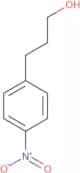
CAS:Versatile small molecule scaffold
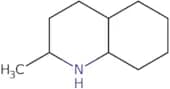
Fórmula:C9H11NO3Pureza:Min. 95%Peso molecular:181.19 g/mol2-Methyl-decahydroquinoline
CAS:2-Methyl-decahydroquinoline is a chemical compound of the quinoline group. It is a colorless solid that can be prepared by reacting carbon disulfide with chloroacetanilides in the presence of hydrochloric acid. The reaction mechanism of 2-methyl-decahydroquinoline is based on the substitution of chlorine by hydrogen, which produces an alkylthio group. This compound can be used to treat wastewater and has been found to have growth regulatory properties when used as an alkylsulfonyl fluoride reagent. It also has been shown to be a potential intermediate for the synthesis of thiocarbamates, oxime derivatives, and c1-c4 haloalkyls.
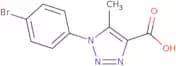
Fórmula:C10H19NPureza:Min. 95%Peso molecular:153.26 g/mol1-(4-Bromophenyl)-5-methyl-1H-1,2,3-triazole-4-carboxylic acid
CAS:Versatile small molecule scaffoldFórmula:C10H8BrN3O2Pureza:Min. 95%Peso molecular:282.1 g/mol1-(4-Iodophenyl)-5-methyl-1H-1,2,3-triazole-4-carboxylic acid
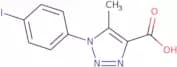
CAS:Versatile small molecule scaffold
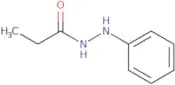
Fórmula:C10H8IN3O2Pureza:Min. 95%Peso molecular:329.09 g/molPropionic acid N'-phenyl-hydrazide
CAS:Versatile small molecule scaffold
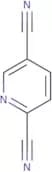
Fórmula:C9H12N2OPureza:Min. 95%Peso molecular:164.2 g/mol2,5-Dicyanopyridine
CAS:2,5-Dicyanopyridine is a ligand that can form coordination complexes with metal ions. It has been shown to form a trimeric structure in nonpolar solvents. 2,5-Dicyanopyridine is also able to act as a substrate for the hydroxy group and cyclopenta ring cleavage of epoxides. The unpaired electron on the nitrogen atom in 2,5-dicyanopyridine makes it an excellent nucleophile in nature. This property may be used to convert feedstock into valuable products such as ammonia or ethylene oxide.
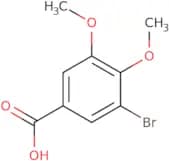
Fórmula:C7H3N3Pureza:Min. 95%Peso molecular:129.12 g/mol3-Bromo-4,5-dimethoxybenzoic acid
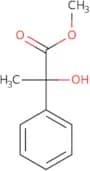
CAS:3-Bromo-4,5-dimethoxybenzoic acid is an ether that is used in the synthesis of bromophenols. It can be prepared by reacting bromonaphthalene with sodium methoxide in methanol. 3-Bromo-4,5-dimethoxybenzoic acid has a methyl ether side chain. The compound is also known as bromophenol and it is a polysiphonia extract. This compound reacts with phenols to form ethers and the reaction product can then be purified by crystallization or vacuum distillation.Fórmula:C9H9BrO4Pureza:Min. 95%Peso molecular:261.07 g/molMethyl 2-hydroxy-2-phenylpropanoate
CAS:Methyl 2-hydroxy-2-phenylpropanoate is an organic compound that contains a nitrogen atom. It is the product of the reaction between Grignard reagent and alkynyl group. This reactive chemical can be used in agricultural chemistry as a fungicide. Methyl 2-hydroxy-2-phenylpropanoate also has a functional group and can be used as an analog for other compounds, such as oxazolidinones and alkynyl amines. Methyl 2-hydroxy-2-phenylpropanoate may be synthesized by reacting methyl 2-chloroacetoacetate with hydroxylamine. The nitrogen atoms on this molecule are important for the formation of bonds with other molecules, which is why it is so reactive. Methyl 2-hydroxy-2-phenylpropanoate has been shown to inhibit collagen production in plants and to have receptor activity against fungi.
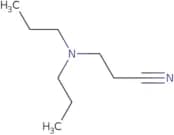
Fórmula:C10H12O3Pureza:Min. 95%Peso molecular:180.2 g/mol3-(Dipropylamino)propanenitrile
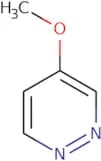
CAS:Versatile small molecule scaffoldFórmula:C9H18N2Pureza:Min. 95%Peso molecular:154.25 g/molRef: 3D-VAA73311
5gA consultar10gA consultar500mgA consultar100mg202,00€250mg310,00€1g798,00€2500mg1.155,00€2,5-Dibromopyridine 1-oxide
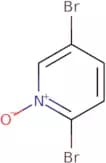
CAS:Versatile small molecule scaffold
Fórmula:C5H3Br2NOPureza:Min. 95%Peso molecular:252.89 g/molN-(1,3-Dioxaindan-5-ylmethylidene)hydroxylamine
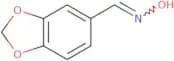
CAS:Producto controladoN-(1,3-Dioxaindan-5-ylmethylidene)hydroxylamine is a chemical compound that is used as an intermediate in the synthesis of other compounds. It has been shown to increase tyrosinase activity and inhibit tyrosinase production in vitro. N-(1,3-Dioxaindan-5-ylmethylidene)hydroxylamine is also an aldoxime, which reacts with aluminium to form an insoluble aluminium hydroxide precipitate. This reaction can be used to precipitate aluminum from solution. Reaction with sodium carbonate forms an insoluble sodium carbonate precipitate, which can be useful for removing residual aluminum after precipitation. The reaction of N-(1,3-dioxaindan-5-ylmethylidene)hydroxylamine with propionate or methyl ethyl chloride produces a polymerized product and piperonal respectively. Reaction of this compound with benzoic acid yields theFórmula:C8H7NO3Pureza:Min. 95%Peso molecular:165.15 g/mol4-(Chloroacetyl)-3,4-dihydro-2H-1,4-benzothiazine
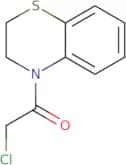
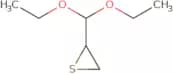
CAS:Versatile small molecule scaffoldFórmula:C10H10ClNOSPureza:Min. 95%Peso molecular:227.71 g/mol2-(Diethoxymethyl)thiirane
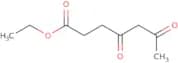
CAS:Versatile small molecule scaffoldFórmula:C7H14O2SPureza:Min. 95%Peso molecular:162.25 g/molEthyl 4,6-dioxoheptanoate
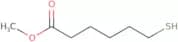
CAS:Versatile small molecule scaffoldFórmula:C9H14O4Pureza:Min. 95%Peso molecular:186.2 g/molMethyl 6-sulfanylhexanoate
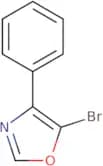
CAS:Methyl 6-sulfanylhexanoate (MSH) is a diphenylacetylene derivative that has been shown to be able to form a chemical bond with gold nanoparticles. MSH can be synthesized by the reaction of sulfur, ammonia, and methyl alcohol in an ionic liquid, followed by phase transfer catalytic reduction. This compound has been shown to act as a functional group for the synthesis of amides and sulfides. MSH also has the ability to absorb infrared light due to its thiolate functional group. In addition, MSH is able to function as a hydrogen-bonding donor or acceptor in chemical reactions, which can be useful for sensors or indicator compounds.Fórmula:C7H14O2SPureza:Min. 95%Peso molecular:162.25 g/mol5-Bromo-4-phenyl-1,3-oxazole
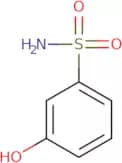
CAS:5-Bromo-4-phenyl-1,3-oxazole is a marine sponge metabolite that has been found to have a 5-membered dihedral ring with a bromine and phenyl group. It is an organic compound that is used as a chemical building block in the synthesis of other compounds called multidrugs. The anticancer activity of 5-bromo-4-phenyl-1,3-oxazole has been demonstrated by chemists in the laboratory. This molecule has also been shown to be active against cancer cells in organisms such as rats and mice. 5-Bromo-4-phenyl-1,3 -oxazole is not effective against all types of cancer, but it has shown efficacy against certain cancers such as those found in the breast and colon.Fórmula:C9H6BrNOPureza:Min. 95%Peso molecular:224.05 g/mol3-Hydroxybenzene-1-sulfonamide
CAS:Versatile small molecule scaffoldFórmula:C6H7NO3SPureza:Min. 95%Peso molecular:173.19 g/mol1-[(2-Chloroethyl)sulfanyl]-4-methylbenzene
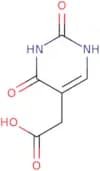
CAS:Versatile small molecule scaffoldFórmula:C9H11ClSPureza:Min. 95%Peso molecular:186.7 g/mol(2,4-Dioxo-1,2,3,4-tetrahydro-5-pyrimidinyl)acetic acid
CAS:Versatile small molecule scaffold
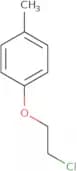
Fórmula:C6H6N2O4Pureza:Min. 95%Peso molecular:170.12 g/mol1-(2-Chloroethoxy)-4-methylbenzene
CAS:Versatile small molecule scaffold
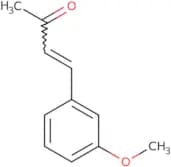
Fórmula:C9H11ClOPureza:Min. 95%Peso molecular:170.63 g/mol4-(3-Methoxyphenyl)but-3-en-2-one
CAS:Versatile small molecule scaffold
Fórmula:C11H12O2Pureza:Min. 95%Peso molecular:176.21 g/mol2-Methoxyphenylisocyanide
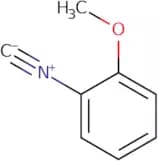
CAS:2-Methoxyphenylisocyanide is a functional group that is used as a ligand in coordination chemistry. It can be synthesized by reacting phenylisocyanide with formaldehyde and potassium hydroxide. 2-Methoxyphenylisocyanide is a molecule that can coordinate to metal ions such as copper, zinc, nickel, palladium, and platinum. The reaction solution of 2-methoxyphenylisocyanide with hydrogen chloride produces an acid molecule. This chemical has demonstrated the ability to enhance the activity of myeloid-derived suppressor cells in mice injected with cancer cells via a supramolecular interaction between the 2-methoxyphenylisocyanide and the myeloid cell membrane.Fórmula:C8H7NOPureza:Min. 95%Peso molecular:133.14 g/mol2-Formyl-6-methylbenzoic acid
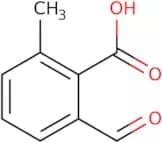
CAS:2-Formyl-6-methylbenzoic acid is an additive that is used in organic chemistry. It can be used as a reactant to form isoindolinones, which are tetracyclic and tricyclic compounds. This product is efficient and can be used for the synthesis of bromides and catalysts. 2-Formyl-6-methylbenzoic acid has been shown to react with hydrazides to produce allyl compounds. This chemical also reacts with bromides or catalysts to produce chemistry, such as organic chemistry.Fórmula:C9H8O3Pureza:Min. 95%Peso molecular:164.16 g/mol1-Bromo-3-(4-methoxyphenyl)propan-2-one
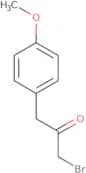
CAS:Versatile small molecule scaffoldFórmula:C10H11BrO2Pureza:Min. 95%Peso molecular:243.1 g/mol4,7-Dibromo-2,3-dihydro-1H-indole-2,3-dione
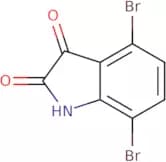
CAS:Versatile small molecule scaffold
Fórmula:C8H3Br2NO2Pureza:Min. 95%Peso molecular:304.92 g/mol2-Chloro-N-[2-methyl-6-(propan-2-yl)phenyl]acetamide
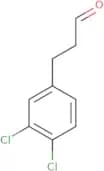
CAS:Versatile small molecule scaffoldFórmula:C12H16ClNOPureza:Min. 95%Peso molecular:225.71 g/mol3-(3,4-Dichlorophenyl)propanal
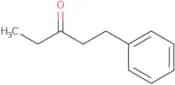
CAS:Versatile small molecule scaffoldFórmula:C9H8Cl2OPureza:Min. 95%Peso molecular:203.06 g/mol1-Phenylpentan-3-one
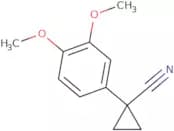
CAS:1-Phenylpentan-3-one is a monoterpene hydrocarbon found in lavandula angustifolia that has anxiolytic properties. It is also an antinociceptive and nociceptive agent. 1-Phenylpentan-3-one binds to the GABA receptor, which inhibits the release of glutamate, resulting in decreased nerve activity. Clinical studies have shown that 1-phenylpentan-3-one can be used to treat anxiety disorders. Dopamine has been shown to bind to the same site as 1 phenylpentan 3 one, suggesting that this terpenoid may play a role in brain functions by affecting dopamine levels. Extracellular concentrations of 1 phenylpentan 3 one are high enough to be detected with mass spectrometry, suggesting that it may have potential use as a neuroprotective drug for brain injuries. Gamma-terpinene has been shown to inhibit the growth of cancer cellsFórmula:C11H14OPureza:Min. 95%Peso molecular:162.23 g/mol1-(3,4-Dimethoxyphenyl)cyclopropanecarbonitrile
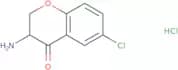
CAS:Versatile small molecule scaffoldFórmula:C12H13NO2Pureza:Min. 95%Peso molecular:203.24 g/mol3-Amino-6-chloro-3,4-dihydro-2H-1-benzopyran-4-one hydrochloride
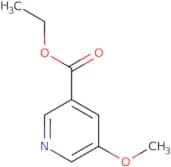
CAS:Versatile small molecule scaffoldFórmula:C9H9Cl2NO2Pureza:Min. 95%Peso molecular:234.08 g/molEthyl 5-methoxynicotinate
CAS:Versatile small molecule scaffold
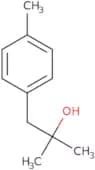
Fórmula:C9H11NO3Pureza:Min. 95%Peso molecular:181.19 g/mol2-Methyl-1-(p-tolyl)-2-propanol
CAS:2-Methyl-1-(p-tolyl)-2-propanol is a chemical compound that belongs to the group of alcohols. It is an organic compound that can be used as a solvent or a raw material in the synthesis of other chemicals. 2-Methyl-1-(p-tolyl)-2-propanol has been found to be safe for use in dermatology and toxicology, although there are some cases of sensitization. This chemical is not classified as hazardous and does not pose any substantial risk to human health. It exhibits no functional groups, but does contain two benzene rings and one alcohol group. 2-Methyl-1-(p-tolyl)-2-propanol has been found to be useful in the treatment of dermatologic conditions such as dry skin, eczema, psoriasis, acne, and pruritus.
Fórmula:C11H16OPureza:Min. 95%Peso molecular:164.25 g/molRef: 3D-VAA83459
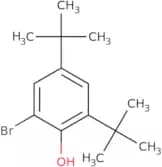
5gA consultar10gA consultar25gA consultar50gA consultar100gA consultar250mg298,00€2500mg1.126,00€2,4-Bis(tert-butyl)-6-bromophenol
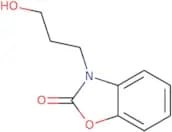
CAS:2,4-Bis(tert-butyl)-6-bromophenol (2,4-BBP) is a ligand that binds to copper and forms an electron transfer complex. It has been shown to form radical species in the presence of proton and hydrogen. The crystal structure of the copper complex has been determined by x-ray diffraction. The ligand can be debrominated with electrochemical methods and the resulting product can be identified by nmr spectroscopy or absorption spectroscopy. The phenoxy group is well known for its ability to form a thiolate bond with hydrogen peroxide. 2,4-BBP has also been shown to have metal ion binding properties as well as anti-inflammatory activities.Fórmula:C14H21BrOPureza:Min. 95%Peso molecular:285.22 g/mol3-(3-Hydroxypropyl)-2,3-dihydro-1,3-benzoxazol-2-one
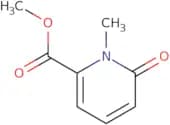
CAS:Versatile small molecule scaffoldFórmula:C10H11NO3Pureza:Min. 95%Peso molecular:193.2 g/molMethyl 1-methyl-6-oxo-1,6-dihydropyridine-2-carboxylate
CAS:Versatile small molecule scaffoldFórmula:C8H9NO3Pureza:Min. 95%Peso molecular:167.16 g/mol1-Chloro-4-phenylbutan-2-one
CAS:1-Chloro-4-phenylbutan-2-one is a ketone that inhibits the enzyme activity of polymerase chain reaction (PCR). It has been shown to be an effective inhibitor of inflammatory lesions, which may be due to its ability to activate toll-like receptor (TLR) signaling pathways. 1-Chloro-4-phenylbutan-2-one also has dna binding activity and inhibits the replication of both influenza A viruses and HIV. 1-Chloro-4 phenylbutan-2 one can inhibit the production of reactive oxygen species in human polymorphonuclear leucocytes, which may have applications in treating eye disorders and viral infections such as pandemic influenza.
Fórmula:C10H11ClOPureza:Min. 95%Peso molecular:182.64 g/mol2-Hydroxy-3-propylbutanedioic acid
CAS:2-Hydroxy-3-propylbutanedioic acid is a dicarboxylic acid that is found in the human body. It is also known as succinic or malic acid, and it is a natural metabolite of glucose. 2-Hydroxy-3-propylbutanedioic acid is converted to succinic acid by the enzyme succinic dehydrogenase. Succinic acid can be converted to malic acid by the enzyme malate dehydrogenase. The conversion of 2-hydroxy-3-propylbutanedioic acid to either of these two compounds involves the removal of two hydrogens and one carboxylic group. These reactions are catalyzed by enzymes that are part of the citric cycle, which is involved in energy production in cells. 2-Hydroxy-3-propylbutanedioic acid has been shown to have antiinflammatory effects on cells and tissues, and may play a role in preventing kidney
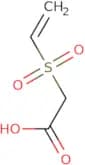
Fórmula:C7H12O5Pureza:Min. 95%Peso molecular:176.2 g/mol2-(Ethenesulfonyl)acetic acid
CAS:2-(Ethenesulfonyl)acetic acid is a synthetic chemical that is used as a synthetic intermediate. It is also used as a conjugate to prepare radiofluorinated compounds and radiopharmaceuticals.Fórmula:C4H6O4SPureza:Min. 95%Peso molecular:150.16 g/mol[3-(4-Methoxyphenyl)phenyl]methanol
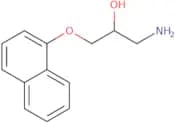
CAS:Versatile small molecule scaffoldFórmula:C14H14O2Pureza:Min. 95%Peso molecular:214.26 g/mol1-Amino-3-(naphthalen-1-yloxy)propan-2-ol
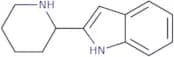
CAS:1-Amino-3-(naphthalen-1-yloxy)propan-2-ol (NAP) is a metabolite of propranolol. It is an inhibitor of cytochrome P450, which prevents the metabolism of propranolol and other drugs. NAP inhibits the activity of human liver microsomes in vitro, but does not inhibit the activity of rat liver microsomes. This may be due to the matrix effect on enzymes. NAP has been shown to have an inhibitory effect on a number of enzymes, including rat liver microsomes, human liver microsomes, and model systems such as fluorescence detection. NAP also reacts with propranolol hydrochloride to form naphthalene derivatives that are detectable using a fluorescence detector. The chemical structures for NAP and propranolol hydrochloride can be found below:Fórmula:C13H15NO2Pureza:Min. 95%Peso molecular:217.26 g/mol2-(Piperidin-2-yl)-1H-indole
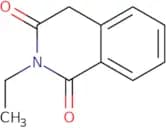
CAS:Versatile small molecule scaffoldFórmula:C13H16N2Pureza:Min. 95%Peso molecular:200.28 g/mol2-Ethyl-4H-isoquinoline-1,3-dione
CAS:Versatile small molecule scaffold
Fórmula:C11H11NO2Pureza:Min. 95%Peso molecular:189.21 g/mol4-Methyl-8-nitrocinnoline
CAS:Versatile small molecule scaffold
Fórmula:C9H7N3O2Pureza:Min. 95%Peso molecular:189.17 g/mol4-Methyl-3-nitrocinnoline
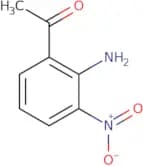
CAS:Versatile small molecule scaffoldFórmula:C9H7N3O2Pureza:Min. 95%Peso molecular:189.17 g/mol1-(2-Amino-3-nitrophenyl)ethan-1-one
CAS:Versatile small molecule scaffold
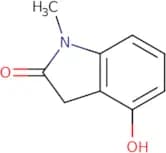
Fórmula:C8H8N2O3Pureza:Min. 95%Peso molecular:180.16 g/mol4-Hydroxy-1-methylindolin-2-one
CAS:Versatile small molecule scaffold
Fórmula:C9H9NO2Pureza:Min. 95%Peso molecular:163.17 g/molRef: 3D-VAA87081
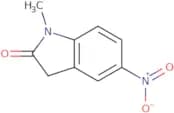
25mgA consultar50mgA consultar250mgA consultar500mgA consultar100mg279,00€1g1.040,00€1-Methyl-5-nitro-2,3-dihydro-1H-indol-2-one
CAS:Versatile small molecule scaffoldFórmula:C9H8N2O3Pureza:Min. 95%Peso molecular:192.17 g/molEthyl 2-(4-hydroxyphenoxy)acetate
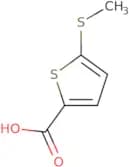
CAS:Ethyl 2-(4-hydroxyphenoxy)acetate is a heterocyclic compound that binds to insulin receptor and activates it. It has been shown to be an agonist of the insulin receptor and has also been shown to increase glucose uptake in cells. This compound has been found to be effective in animal models for type 2 diabetes, as well as showing efficacy in cell culture experiments. Ethyl 2-(4-hydroxyphenoxy)acetate is lipophilic, which means it can cross the blood-brain barrier, making it a potential candidate for treatment of neurological disorders such as Alzheimer's disease.Fórmula:C10H12O4Pureza:Min. 95%Peso molecular:196.2 g/mol5-Methylsulfanylthiophene-2-carboxylic acid
CAS:Versatile small molecule scaffoldFórmula:C6H6O2S2Pureza:Min. 95%Peso molecular:174.23 g/mol4-hydroxy-N,N-dimethylbenzamide
CAS:4-Hydroxy-N,N-dimethylbenzamide is a synthetic agonist of the peroxisome proliferator-activated receptor gamma (PPARγ). It is structurally related to other PPARγ agonists such as amide and piperazine. The intraperitoneal administration of 4-hydroxy-N,N-dimethylbenzamide in mice has been shown to decrease intraperitoneal glucose levels and increase the level of glycolytic enzymes. The PPARγ agonist activity of 4-hydroxy-N,N-dimethylbenzamide has been demonstrated using an experiment that involved synthesizing spirocyclic compounds. These compounds were then tested for their ability to catalyze the isotope exchange between methylene protons and deuterium atoms. This process is called catalysis. Finally, 4-hydroxyn,N,N-dimethylbenzamide was tested for agonistic activity on carboxFórmula:C9H11NO2Pureza:Min. 95%Peso molecular:165.19 g/mol5-methyl-2H-benzo[d][1,3]oxazine-2,4(1H)-dione
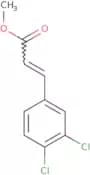
CAS:5-Methyl-2H-benzo[d][1,3]oxazine-2,4(1H)-dione is a synthetic chemical compound that consists of an acid derivative. It is a multistep synthesis involving a reaction between 2-aminoethanol and benzoic acid. The product is isolated as a white solid. It has not been shown to have any biological activity.Fórmula:C9H7NO3Pureza:Min. 95%Peso molecular:177.16 g/molMethyl 3-(3,4-dichlorophenyl)acrylate
CAS:Versatile small molecule scaffoldFórmula:C10H8Cl2O2Pureza:Min. 95%Peso molecular:231.07 g/mol3-(Propane-2-sulfonyl)benzoic acid
CAS:Versatile small molecule scaffoldFórmula:C10H12O4SPureza:Min. 95%Peso molecular:228.27 g/mol2-Methylsulfanyl-5-nitro-pyridine
CAS:Versatile small molecule scaffold
Fórmula:C6H6N2O2SPureza:Min. 95%Peso molecular:170.19 g/mol2-[(Phenylamino)methyl]aniline
CAS:Versatile small molecule scaffoldFórmula:C13H14N2Pureza:Min. 95%Peso molecular:198.26 g/mol1-(Furan-2-yl)-2-hydroxypropan-1-one
CAS:Versatile small molecule scaffold
Fórmula:C7H8O3Pureza:Min. 95%Peso molecular:140.14 g/mol6-Methyl-2,3-dihydro-1-benzofuran-3-one
CAS:6-Methyl-2,3-dihydro-1-benzofuran-3-one is a heterocyclic compound that is oxidized to the corresponding carboxylic acid by treatment with sodium hypochlorite in the presence of hydrochloric acid. This reaction is an example of cyclocondensation. The initial product is an anhydride, which reacts with one molecule of the other reactant to form a condensation product.Fórmula:C9H8O2Pureza:Min. 95%Peso molecular:148.16 g/mol1-(2-Chloro-6-nitrophenyl)ethan-1-one
CAS:Versatile small molecule scaffoldFórmula:C8H6ClNO3Pureza:Min. 95%Peso molecular:199.59 g/mol


![Bicyclo[2.2.1]hept-2-en-2-ylboronic acid pinacol ester](/_next/image/?url=https%3A%2Fstatic.cymitquimica.com%2Fproducts%2F3D%2Fthumb-webp%2FUYB02146.webp&w=3840&q=75)
![tert-Butyl 2-[(pentan-3-ylidene)amino]acetate](/_next/image/?url=https%3A%2Fstatic.cymitquimica.com%2Fproducts%2F3D%2Fthumb-webp%2FUYB08673.webp&w=3840&q=75)

![7-(4,4,5,5-Tetramethyl-1,3,2-dioxaborolan-2-yl)-2H-benzo[b][1,4]oxazin-3(4H)-one](/_next/image/?url=https%3A%2Fstatic.cymitquimica.com%2Fproducts%2F3D%2Fthumb-webp%2FUYB13057.webp&w=3840&q=75)
![2-({[(9H-Fluoren-9-yl)methoxy]carbonyl}amino)-2-(2-methoxyphenyl)acetic acid](/_next/image/?url=https%3A%2Fstatic.cymitquimica.com%2Fproducts%2F3D%2Fthumb-webp%2FUYB18323.webp&w=3840&q=75)
![2-{[(9H-Fluoren-9-yl)methoxy]carbonyl}-6-methoxy-1H,2H,3H,4H,9H-pyrido[3,4-b]indole-1-carboxylic a…](/_next/image/?url=https%3A%2Fstatic.cymitquimica.com%2Fproducts%2F3D%2Fthumb-webp%2FUYB41681.webp&w=3840&q=75)
![3-cyclopentyl-2-({[(9h-fluoren-9-yl)methoxy]carbonyl}amino)propanoic acid](/_next/image/?url=https%3A%2Fstatic.cymitquimica.com%2Fproducts%2F3D%2Fthumb-webp%2FUYB42204.webp&w=3840&q=75)
![(2R,3S)-4-{[(9H-Fluoren-9-yl)methoxy]carbonyl}-2-methylmorpholine-3-carboxylic acid](/_next/image/?url=https%3A%2Fstatic.cymitquimica.com%2Fproducts%2F3D%2Fthumb-webp%2FUYB60331.webp&w=3840&q=75)
![1-[(2-Chloroethyl)sulfanyl]-4-methylbenzene](/_next/image/?url=https%3A%2Fstatic.cymitquimica.com%2Fproducts%2F3D%2Fthumb-webp%2FVAA76171.webp&w=3840&q=75)
![2-Chloro-N-[2-methyl-6-(propan-2-yl)phenyl]acetamide](/_next/image/?url=https%3A%2Fstatic.cymitquimica.com%2Fproducts%2F3D%2Fthumb-webp%2FVAA78187.webp&w=3840&q=75)


![[3-(4-Methoxyphenyl)phenyl]methanol](/_next/image/?url=https%3A%2Fstatic.cymitquimica.com%2Fproducts%2F3D%2Fthumb-webp%2FVAA85456.webp&w=3840&q=75)




![5-methyl-2H-benzo[d][1,3]oxazine-2,4(1H)-dione](/_next/image/?url=https%3A%2Fstatic.cymitquimica.com%2Fproducts%2F3D%2Fthumb-webp%2FVAA87781.webp&w=3840&q=75)


![2-[(Phenylamino)methyl]aniline](/_next/image/?url=https%3A%2Fstatic.cymitquimica.com%2Fproducts%2F3D%2Fthumb-webp%2FVAA88706.webp&w=3840&q=75)


