Building Blocks
Esta sección contiene productos fundamentales para la síntesis de compuestos orgánicos y biológicos. Building blocks son los materiales de partida esenciales utilizados para construir moléculas complejas a través de diversas reacciones químicas. Desempeñan un papel crítico en el descubrimiento de fármacos, la ciencia de materiales y la investigación química. En CymitQuimica, ofrecemos una gama diversa de building blocks de alta calidad para apoyar sus investigaciones innovadoras y proyectos industriales, asegurando que tenga los componentes esenciales para una síntesis exitosa.
Subcategorías de "Building Blocks"
- Ácidos borónicos y derivados del ácido borónico(5.778 productos)
- Building Blocks quirales(1.243 productos)
- Building Blocks de hidrocarburos(6.098 productos)
- Building Blocks orgánicos(61.057 productos)
Se han encontrado 200716 productos de "Building Blocks"
Ordenar por
Pureza (%)
0
100
|
0
|
50
|
90
|
95
|
100
1-Bromobicyclo[3.3.1]nonan-3-one
CAS:Versatile small molecule scaffoldFórmula:C9H13BrOPureza:Min. 95%Peso molecular:217.1 g/mol4-Bromo-N-(sulfanylidenemethylidene)benzamide
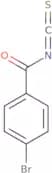
CAS:<p>4-Bromo-N-(sulfanylidenemethylidene)benzamide is a nitro compound that has been shown to be carcinogenic in rats. It was synthesized by reaction of 4-bromobenzoyl chloride with dimethylamine and thiourea. The nitro group on the benzene ring is reduced to the amine group, while the nitro group on the amino group is oxidized to the mixed anhydride, which undergoes acid hydrolysis to form picric acid. This residue was then neutralized with sodium hydroxide and converted into a chloride salt. The chemical structure of this compound resembles that of heterocyclic amines, which are known carcinogens.</p>Fórmula:C8H4BrNOSPureza:Min. 95%Peso molecular:242.09 g/mol2-[(2-Methoxy-4-nitrophenyl)amino]ethan-1-ol
CAS:<p>2-[(2-Methoxy-4-nitrophenyl)amino]ethan-1-ol is a scientific chemical that is used in the production of care products. It is an allergen, as it has been shown to cause allergic reactions in population studies. Care products containing 2-[(2-Methoxy-4-nitrophenyl)amino]ethan-1-ol can cause sensitization, even if they are not directly applied to the skin. This chemical is tested for use in human subjects and for sensitization tests in animals. 2-[(2-Methoxy-4-nitrophenyl)amino]ethan-1-ol can be found in the environment due to its widespread use and accidental spills.</p>Fórmula:C9H12N2O4Pureza:Min. 95%Peso molecular:212.2 g/mol3-Amino-2-benzylpropan-1-ol
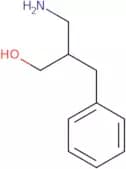
CAS:<p>Versatile small molecule scaffold</p>Fórmula:C10H15NOPureza:Min. 95%Peso molecular:165.23 g/mol1-Methyl-5-nitro-2,3-dihydro-1H-1,3-benzodiazol-2-one
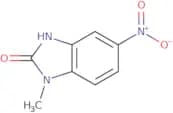
CAS:<p>Versatile small molecule scaffold</p>Fórmula:C8H7N3O3Pureza:Min. 95%Peso molecular:193.16 g/moltert-Butyl 2-[(2-methoxyethyl)amino]acetate
CAS:Versatile small molecule scaffoldFórmula:C9H19NO3Pureza:Min. 95%Peso molecular:189.25 g/moltert-Butyl 2-(propylamino)acetate
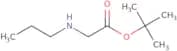
CAS:<p>Versatile small molecule scaffold</p>Fórmula:C9H19NO2Pureza:Min. 95%Peso molecular:173.25 g/moltert-Butyl 3-[(2-methoxyethyl)amino]propanoate
CAS:Versatile small molecule scaffoldFórmula:C10H21NO3Pureza:Min. 95%Peso molecular:203.28 g/mol1-Benzylpiperidine-2-carboxylic acid hydrochloride
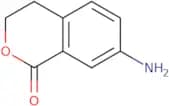
CAS:Versatile small molecule scaffoldFórmula:C13H18ClNO2Pureza:Min. 95%Peso molecular:255.74 g/mol7-Aminoisochroman-1-one
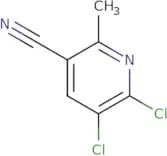
CAS:Versatile small molecule scaffoldFórmula:C9H9NO2Pureza:Min. 95%Peso molecular:163.17 g/mol5,6-Dichloro-2-methylpyridine-3-carbonitrile
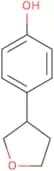
CAS:Versatile small molecule scaffoldFórmula:C7H4Cl2N2Pureza:Min. 95%Peso molecular:187.02 g/mol4-(Oxolan-3-yl)phenol
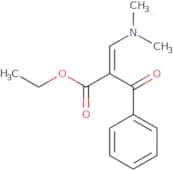
CAS:<p>Versatile small molecule scaffold</p>Fórmula:C10H12O2Pureza:Min. 95%Peso molecular:164.2 g/molethyl-3-(diMethylaMino)-2-(phenylcarbonyl)prop-2-enoate
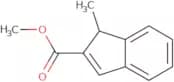
CAS:<p>Ceftriaxone is an antibacterial agent that has a broad spectrum of activity against Gram-positive and Gram-negative bacteria. Ceftriaxone binds to the beta-lactam ring of the bacterial cell wall, inhibiting the synthesis of peptidoglycan, which is necessary for the bacterial cell wall to maintain its shape. Ceftriaxone can be used to treat a number of bacterial infections and is active against both aerobic and anaerobic bacteria. Ceftriaxone has been shown effective against drug-resistant strains, such as staphylococcus aureus and escherichia coli. It has also been shown to be active against strains resistant to other antibiotics such as erythromycin, penicillin, tetracycline, chloramphenicol, and clindamycin. Ceftriaxone's molecular structure was determined by X-ray crystallography.</p>Fórmula:C14H17NO3Pureza:Min. 95%Peso molecular:247.29 g/molMethyl 1-methyl-1H-indene-2-carboxylate
CAS:<p>Versatile small molecule scaffold</p>Fórmula:C12H12O2Pureza:Min. 95%Peso molecular:188.22 g/mol1-Methyl-1H-indene-2-carboxylic acid
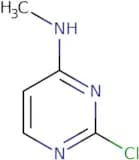
CAS:<p>Versatile small molecule scaffold</p>Fórmula:C11H10O2Pureza:Min. 95%Peso molecular:174.2 g/mol2-Chloro-4-(methylamino)pyrimidine
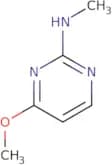
CAS:<p>Versatile small molecule scaffold</p>Fórmula:C5H6ClN3Pureza:Min. 95%Peso molecular:143.57 g/mol4-Methoxy-N-methylpyrimidin-2-amine
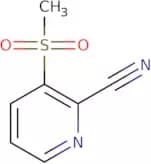
CAS:<p>Versatile small molecule scaffold</p>Fórmula:C6H9N3OPureza:Min. 95%Peso molecular:139.16 g/mol3-Methanesulfonylpyridine-2-carbonitrile
CAS:Versatile small molecule scaffoldFórmula:C7H6N2O2SPureza:Min. 95%Peso molecular:182.2 g/mol2-Methanesulfonylpyridine-4-carbonitrile
CAS:Versatile small molecule scaffoldFórmula:C7H6N2O2SPureza:Min. 95%Peso molecular:182.2 g/molEthyl 2-(1-methylbenzimidazol-2-yl)-2-oxoacetate
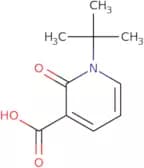
CAS:Producto controlado<p>Versatile small molecule scaffold</p>Fórmula:C12H12N2O3Pureza:Min. 95%Peso molecular:232.24 g/mol1-tert-Butyl-2-oxo-1,2-dihydropyridine-3-carboxylic acid
CAS:<p>Versatile small molecule scaffold</p>Fórmula:C10H13NO3Pureza:Min. 95%Peso molecular:195.21 g/mol4-Azido-1,2-dichlorobenzene
CAS:<p>Versatile small molecule scaffold</p>Fórmula:C6H3Cl2N3Pureza:Min. 95%Peso molecular:188.01 g/mol3-Methylisatoic anhydride
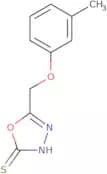
CAS:<p>Versatile small molecule scaffold</p>Fórmula:C9H7NO3Pureza:Min. 95%Peso molecular:177.16 g/mol5-(3-Methylphenoxymethyl)-1,3,4-oxadiazole-2-thiol
CAS:Versatile small molecule scaffoldFórmula:C10H10N2O2SPureza:Min. 95%Peso molecular:222.27 g/mol5-(Pyrrolidin-1-yl)-1,3,4-thiadiazole-2-thiol
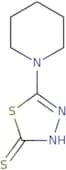
CAS:Versatile small molecule scaffoldFórmula:C6H9N3S2Pureza:Min. 95%Peso molecular:187.3 g/mol5-(Piperidin-1-yl)-1,3,4-thiadiazole-2-thiol
CAS:<p>Versatile small molecule scaffold</p>Fórmula:C7H11N3S2Pureza:Min. 95%Peso molecular:201.3 g/mol5-[(2-Methylpropyl)amino]-1,3,4-thiadiazole-2-thiol
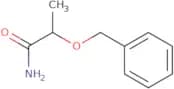
CAS:<p>5-[(2-Methylpropyl)amino]-1,3,4-thiadiazole-2-thiol is a modification of the oligosaccharide. It is a monosaccharide with a methyl group at the C5 position and a fluorine atom at the C4 position. 5-[(2-Methylpropyl)amino]-1,3,4-thiadiazole-2-thiol is synthesized by reacting 2-(methylpropyl)amine with thiadiazole dithiole. This compound has CAS No. 66180-54-9 and can be used as an intermediate in the synthesis of complex carbohydrates. The carbohydrate structure of 5-[(2-Methylpropyl)amino]-1,3,4-thiadiazole-2-thiol consists of a glycosidic linkage between two saccharides: a hexose and an acetal</p>Fórmula:C6H11N3S2Pureza:Min. 95%Peso molecular:189.3 g/mol2-(Benzyloxy)propanamide
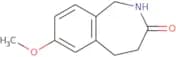
CAS:<p>Versatile small molecule scaffold</p>Fórmula:C10H13NO2Pureza:Min. 95%Peso molecular:179.22 g/mol7-Methoxy-2,3,4,5-tetrahydro-1H-2-benzazepin-3-one
CAS:<p>Versatile small molecule scaffold</p>Fórmula:C11H13NO2Pureza:Min. 95%Peso molecular:191.23 g/mol2-[(2-Bromophenyl)methyl]butanoic acid
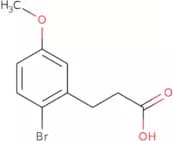
CAS:Versatile small molecule scaffoldFórmula:C11H13BrO2Pureza:Min. 95%Peso molecular:257.12 g/mol3-(2-Bromo-5-methoxyphenyl)propanoic acid
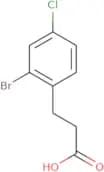
CAS:Versatile small molecule scaffoldFórmula:C10H11BrO3Pureza:Min. 95%Peso molecular:259.1 g/mol3-(2-Bromo-4-chlorophenyl)propanoic acid
CAS:<p>Versatile small molecule scaffold</p>Fórmula:C9H8BrClO2Pureza:Min. 95%Peso molecular:263.51 g/mol3-(2-bromo-5-chlorophenyl)propanoic acid
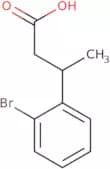
CAS:<p>Versatile small molecule scaffold</p>Fórmula:C9H8BrClO2Pureza:Min. 95%Peso molecular:263.5 g/mol3-(2-Bromophenyl)butanoic acid
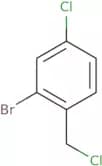
CAS:<p>Versatile small molecule scaffold</p>Fórmula:C10H11BrO2Pureza:Min. 95%Peso molecular:243.1 g/mol2-Bromo-4-chloro-1-(chloromethyl)benzene
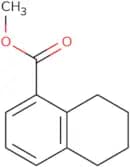
CAS:<p>Versatile small molecule scaffold</p>Fórmula:C7H5BrCl2Pureza:Min. 95%Peso molecular:239.92 g/molMethyl 5,6,7,8-tetrahydronaphthalene-1-carboxylate
CAS:Versatile small molecule scaffoldFórmula:C12H14O2Pureza:Min. 95%Peso molecular:190.24 g/mol3-Benzylpyrrolidine-2,5-dione
CAS:<p>3-Benzylpyrrolidine-2,5-dione is a potent and selective serine protease inhibitor. It binds to the active site of the enzyme, blocking the formation of an acyl enzyme intermediate that is required for biological activity. 3-Benzylpyrrolidine-2,5-dione is effective at inhibiting a wide range of serine proteases, including those from bacteria and viruses. This drug has been shown to be chemically stable in solution and does not react with other molecules in solution, which may be due to its carbonyl group. 3-Benzylpyrrolidine-2,5-dione also irreversibly inhibits serine proteases by covalent modification of key amino acid residues on the enzyme's active site.</p>Fórmula:C11H11NO2Pureza:Min. 95%Peso molecular:189.21 g/mol2-Iodo-6-methoxybenzoic acid
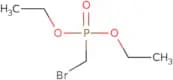
CAS:<p>Versatile small molecule scaffold</p>Fórmula:C8H7IO3Pureza:Min. 95%Peso molecular:278.04 g/molDiethyl bromomethylphosphonate
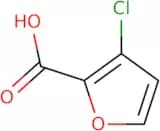
CAS:<p>Diethyl bromomethylphosphonate is a chemical compound with fatty acid properties. It is used as an inhibitor in pharmaceutical preparations and has been shown to be bactericidal to animals. Diethyl bromomethylphosphonate also inhibits the enzyme fatty acid synthase, which catalyzes the formation of fatty acids from acetyl-CoA and malonyl-CoA. This inhibitor is used in the treatment of congestive heart failure and insulin resistance. Diethyl bromomethylphosphonate is a functional group that can undergo hydrolysis by hydrochloric acid, leading to the release of diethyl methylphosphonite. Diethyl bromomethylphosphonate is a chemical compound that can react with organic solvents such as water or alcohols for reactions.</p>Fórmula:C5H12BrO3PPureza:Min. 95%Peso molecular:231.03 g/mol3-Chlorofuran-2-carboxylic acid
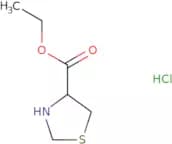
CAS:<p>Versatile small molecule scaffold</p>Fórmula:C5H3ClO3Pureza:Min. 95%Peso molecular:146.53 g/molEthyl 1,3-thiazolidine-4-carboxylate hydrochloride
CAS:<p>Versatile small molecule scaffold</p>Fórmula:C6H12ClNO2SPureza:Min. 95%Peso molecular:197.68 g/mol2-Acetamido-6-methylbenzoic acid
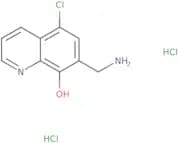
CAS:Versatile small molecule scaffoldFórmula:C10H11NO3Pureza:Min. 95%Peso molecular:193.2 g/mol7-(Aminomethyl)-5-chloroquinolin-8-ol dihydrochloride
CAS:Versatile small molecule scaffoldFórmula:C10H11Cl3N2OPureza:Min. 95%Peso molecular:281.6 g/mol2-{[1,2,4]Triazolo[4,3-a]pyridin-3-ylsulfanyl}acetic acid
CAS:Versatile small molecule scaffoldFórmula:C8H7N3O2SPureza:Min. 95%Peso molecular:209.23 g/mol[1,2,4]Triazolo[1,5-a]pyrimidine-2-thiol
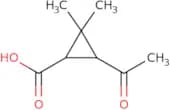
CAS:Versatile small molecule scaffoldFórmula:C5H4N4SPureza:Min. 95%Peso molecular:152.18 g/molrac-(1R,3R)-3-Acetyl-2,2-dimethylcyclopropane-1-carboxylic acid
CAS:Versatile small molecule scaffoldFórmula:C8H12O3Pureza:Min. 95%Peso molecular:156.2 g/mol3-(2,5-Dioxopyrrolidin-1-yl)propanamide
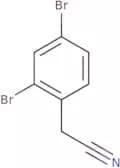
CAS:<p>Versatile small molecule scaffold</p>Fórmula:C7H10N2O3Pureza:Min. 95%Peso molecular:170.17 g/mol2-(2,4-Dibromophenyl)acetonitrile
CAS:Versatile small molecule scaffoldFórmula:C8H5Br2NPureza:Min. 95%Peso molecular:274.94 g/mol5-Methylnaphthalen-2-ol
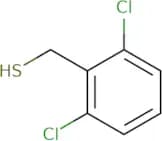
CAS:Versatile small molecule scaffoldFórmula:C11H10OPureza:Min. 95%Peso molecular:158.2 g/mol(2,6-Dichlorophenyl)methanethiol
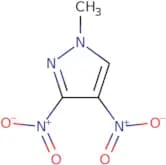
CAS:<p>Versatile small molecule scaffold</p>Fórmula:C7H6Cl2SPureza:Min. 95%Peso molecular:193.09 g/mol1-Methyl-3,4-dinitro-1H-pyrazole
CAS:<p>1-Methyl-3,4-dinitro-1H-pyrazole is a chemical compound that is not naturally occurring. It has been synthesized by the reaction of 1,2-diaminoethane with nitric acid and dinitrobenzene. The synthesis of this compound was first reported in 1966 by an Australian research team. The magnetic resonance spectrum of this compound showed a monoclinic crystal structure with a molecular weight of 166.19 g/mol. The molecular formula for this compound is C6H5N3O2 and it has an empirical formula of C6H5N3O2I. The yield for this reaction was found to be 85%.</p>Fórmula:C4H4N4O4Pureza:Min. 95%Peso molecular:172.1 g/mol2-{[4-(4-Methylphenyl)-4H-1,2,4-triazol-3-yl]sulfanyl}acetic acid
CAS:<p>Versatile small molecule scaffold</p>Fórmula:C11H11N3O2SPureza:Min. 95%Peso molecular:249.29 g/mol2-{[4-(4-Methoxyphenyl)-4H-1,2,4-triazol-3-yl]sulfanyl}acetic acid
CAS:Versatile small molecule scaffoldFórmula:C11H11N3O3SPureza:Min. 95%Peso molecular:265.29 g/mol{[4-(3-Chlorophenyl)-4H-1,2,4-triazol-3-yl]thio}acetic acid
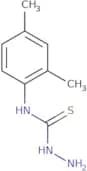
CAS:<p>Versatile small molecule scaffold</p>Fórmula:C10H8ClN3O2SPureza:Min. 95%Peso molecular:269.71 g/mol4-(2,4-Dimethylphenyl)-3-thiosemicarbazide
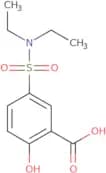
CAS:<p>Versatile small molecule scaffold</p>Fórmula:C9H13N3SPureza:Min. 95%Forma y color:PowderPeso molecular:195.28 g/mol5-(Diethylsulfamoyl)-2-hydroxybenzoic acid
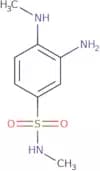
CAS:Versatile small molecule scaffoldFórmula:C11H15NO5SPureza:Min. 95%Peso molecular:273.31 g/mol3-Amino-N-methyl-4-(methylamino)benzenesulfonamide
CAS:<p>3-Amino-N-methyl-4-(methylamino)benzenesulfonamide is a synthetic compound that is used in the synthesis of oligosaccharides and polysaccharides. It is also used as a reagent for the methylation of saccharide, carbonyls and amines. 3-Amino-N-methyl-4-(methylamino)benzenesulfonamide has been shown to be useful in click chemistry reactions.</p>Fórmula:C8H13N3O2SPureza:Min. 95%Peso molecular:215.28 g/mol3-Amino-4-(methylamino)benzoic acid
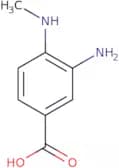
CAS:<p>3-Amino-4-(methylamino)benzoic acid is a modified amino acid that is used in the synthesis of proteins. It has been shown to inhibit the growth of retinoblastoma cells and to bind to specific sites in cellular protein, thereby inhibiting protein synthesis. 3-Amino-4-(methylamino)benzoic acid has also been shown to be effective as a linker in chemical ligation reactions, which can be used for the synthesis of peptides and proteins. This compound has not been found to have any biochemical or chemical modifications.</p>Fórmula:C8H10N2O2Pureza:Min. 95%Peso molecular:166.18 g/molMethyl 3-amino-4-(methylamino)benzenecarboxylate
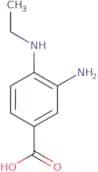
CAS:<p>Versatile small molecule scaffold</p>Fórmula:C9H12N2O2Pureza:Min. 95%Peso molecular:180.21 g/mol3-Amino-4-(ethylamino)benzoic acid
CAS:Versatile small molecule scaffoldFórmula:C9H12N2O2Pureza:Min. 95%Peso molecular:180.2 g/mol3-Amino-4-(methylamino)benzene-1-sulfonamide
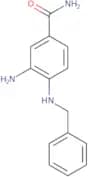
CAS:Versatile small molecule scaffoldFórmula:C7H11N3O2SPureza:Min. 95%Peso molecular:201.25 g/mol3-Amino-4-(benzylamino)benzamide
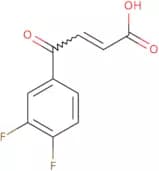
CAS:Versatile small molecule scaffoldFórmula:C14H15N3OPureza:Min. 95%Peso molecular:241.29 g/mol(2E)-4-(3,4-Difluorophenyl)-4-oxobut-2-enoic acid
CAS:Versatile small molecule scaffoldFórmula:C10H6F2O3Pureza:Min. 95%Peso molecular:212.15 g/moltert-Butyl 4-[1-(4-fluorophenyl)-2-methoxy-2-oxoethyl]piperazine-1-carboxylate
CAS:Versatile small molecule scaffoldFórmula:C18H25FN2O4Pureza:Min. 95%Peso molecular:352.4 g/mol4-Borono-2-methylbenzoic acid
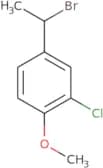
CAS:<p>Versatile small molecule scaffold</p>Fórmula:C8H9BO4Pureza:Min. 95%Peso molecular:179.97 g/mol4-(1-Bromoethyl)-2-chloro-1-methoxybenzene
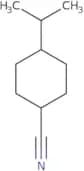
CAS:Versatile small molecule scaffoldFórmula:C9H10BrClOPureza:Min. 95%Peso molecular:249.53 g/mol4-(Propan-2-yl)cyclohexane-1-carbonitrile
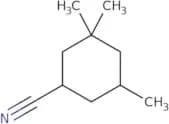
CAS:<p>Versatile small molecule scaffold</p>Fórmula:C10H17NPureza:Min. 95%Peso molecular:151.25 g/mol3,3,5-Trimethylcyclohexane-1-carbonitrile
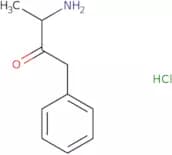
CAS:<p>Versatile small molecule scaffold</p>Fórmula:C10H17NPureza:Min. 95%Peso molecular:151.25 g/mol3-Amino-1-phenylbutan-2-one hydrochloride
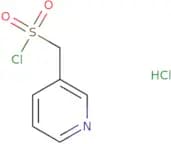
CAS:Versatile small molecule scaffoldFórmula:C10H14ClNOPureza:Min. 95%Peso molecular:199.68 g/molPyridine-3-yl-methanesulfonyl chloride hydrochloride
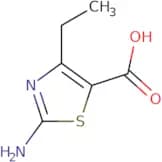
CAS:<p>Versatile small molecule scaffold</p>Fórmula:C6H7Cl2NO2SPureza:Min. 95%Peso molecular:228.1 g/mol2-Amino-4-ethyl-1,3-thiazole-5-carboxylic acid
CAS:<p>Versatile small molecule scaffold</p>Fórmula:C6H8N2O2SPureza:Min. 95%Peso molecular:172.21 g/molMethyl 1-{[(tert-butoxy)carbonyl]amino}-3-hydroxycyclobutane-1-carboxylate
CAS:Versatile small molecule scaffoldFórmula:C11H19NO5Pureza:Min. 95%Peso molecular:245.27 g/molMethyl 2-{[(tert-butoxy)carbonyl]amino}-3-hydroxy-2-methylpropanoate
CAS:<p>Versatile small molecule scaffold</p>Fórmula:C10H19NO5Pureza:Min. 95%Peso molecular:233.26 g/mol3-[(Benzyloxy)methyl]-1-{[(tert-butoxy)carbonyl]amino}cyclobutane-1-carboxylic acid
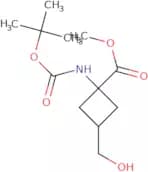
CAS:<p>Versatile small molecule scaffold</p>Fórmula:C18H25NO5Pureza:Min. 95%Peso molecular:335.4 g/molMethyl cis-1-((tert-butoxycarbonyl)amino)-3-(hydroxymethyl)cyclobutane-1-carboxylate
CAS:Versatile small molecule scaffoldFórmula:C12H21NO5Pureza:Min. 95%Peso molecular:259.3 g/molMethyl 1-{[(tert-butoxy)carbonyl]amino}-3-oxocyclobutane-1-carboxylate
CAS:Versatile small molecule scaffoldFórmula:C11H17NO5Pureza:Min. 95%Peso molecular:243.26 g/mol3-[3-(Trifluoromethyl)phenyl]cyclohex-2-en-1-one
CAS:Versatile small molecule scaffoldFórmula:C13H11F3OPureza:Min. 95%Peso molecular:240.22 g/mol2-[(3,4-Dichlorophenyl)sulfanyl]-5-fluorobenzoic acid
CAS:<p>Versatile small molecule scaffold</p>Fórmula:C13H7Cl2FO2SPureza:Min. 95%Peso molecular:317.2 g/molMethyl 4-[3-(trifluoromethyl)phenyl]butanoate
CAS:<p>Versatile small molecule scaffold</p>Fórmula:C12H13F3O2Pureza:Min. 95%Peso molecular:246.22 g/mol[2-(4-Fluorophenyl)-1H-imidazol-5-yl]methanol
CAS:Versatile small molecule scaffoldFórmula:C10H9FN2OPureza:Min. 95%Peso molecular:192.19 g/mol3-[(4-Methoxyphenyl)methoxy]propan-1-amine
CAS:Versatile small molecule scaffoldFórmula:C11H17NO2Pureza:Min. 95%Peso molecular:195.26 g/mol2-({[(9H-Fluoren-9-yl)methoxy]carbonyl}amino)pent-4-ynoic acid
CAS:2-({[(9H-Fluoren-9-yl)methoxy]carbonyl}amino)pent-4-ynoic acid is a synthetic amino acid that has been used to study bacterial resistance. The molecule was synthesized by the reaction of 9H-fluorene with pentanenitrile. This organic compound is an isomer of 2,3,4,5,6-pentafluoroheptanoic acid and can be analyzed by FTIR spectroscopy. It has been used to calibrate the mass spectrometer and identify the isomerism in amino acids. The molecule also has diagnostic potential as it can be used to detect the presence of carbohydrates in a sample. 2-({[(9H-Fluoren-9-yl)methoxy]carbonyl}amino)pent-4-ynoic acid is also a protonated molecule that reacts with matrix ionsFórmula:C20H17NO4Pureza:Min. 95%Peso molecular:335.4 g/mol5-Bromo-2-(trifluoromethoxy)benzene-1-sulfonamide
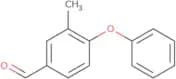
CAS:Versatile small molecule scaffoldFórmula:C7H5BrF3NO3SPureza:Min. 95%Peso molecular:320.09 g/mol3-Methyl-4-phenoxybenzaldehyde
CAS:<p>Versatile small molecule scaffold</p>Fórmula:C14H12O2Pureza:Min. 95%Peso molecular:212.24 g/mol4,5,6,7-Tetrahydro-1H-imidazo[4,5-c]pyridine-6-carboxylic acid hydrochloride
CAS:<p>Versatile small molecule scaffold</p>Fórmula:C7H10ClN3O2Pureza:Min. 95%Peso molecular:203.62 g/mol4-[(2-Fluorophenyl)methyl]piperidin-4-ol
CAS:Versatile small molecule scaffoldFórmula:C12H16FNOPureza:Min. 95%Peso molecular:209.26 g/molMethyl 2-bromo-3,3-dimethoxypropanoate
CAS:<p>Versatile small molecule scaffold</p>Fórmula:C6H11BrO4Pureza:Min. 95%Peso molecular:227.05 g/mol2-chloro-3-iodopyrazine
CAS:<p>2-Chloro-3-iodopyrazine is a reactive compound that can be used to synthesize diazines. This compound reacts readily with lithium metal in the presence of magnesium to form the corresponding Grignard reagent. The Grignard reagent then reacts with carbon monoxide to produce the desired diazine. 2-Chloro-3-iodopyrazine can also be converted to a functionalized heterocycle through sonication, which produces cinnoline and halogen as products.<br>2-Chloro-3-iodopyrazine is not soluble in water but will react with alcohols such as ethanol and methanol, producing chloroethanol and chloromethyl ether, respectively.</p>Fórmula:C4H2ClIN2Pureza:Min. 95%Peso molecular:240.4 g/mol{4-[(2-Aminophenyl)sulfanyl]butyl}phosphonic acid
CAS:{4-[(2-Aminophenyl)sulfanyl]butyl}phosphonic acid is a polymerase chain reaction (PCR) reagent that is used to detect the presence of nucleic acids in solution. It is a phosphonic acid derivative that has been shown to be effective against both human and animal pathogens, such as HIV, hepatitis B and C, influenza A and B, RSV, and vaccinia virus. This compound can also be used as an inhibitor of DNA polymerases in the presence of radiation or natural compounds.Fórmula:C10H16NO3PSPureza:Min. 95%Peso molecular:261.28 g/molMethyl 5-(chlorosulfonyl)-2-methoxybenzoate
CAS:<p>Versatile small molecule scaffold</p>Fórmula:C9H9ClO5SPureza:Min. 95%Peso molecular:264.68 g/mol1-[(tert-Butoxy)carbonyl]-5-(methoxycarbonyl)piperidine-3-carboxylic acid
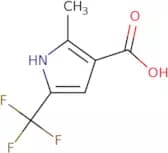
CAS:Versatile small molecule scaffoldFórmula:C13H21NO6Pureza:Min. 95%Peso molecular:287.3 g/mol2-Methyl-5-(trifluoromethyl)-1H-pyrrole-3-carboxylic acid
CAS:2-Methyl-5-(trifluoromethyl)-1H-pyrrole-3-carboxylic acid is a photosynthetic compound that is also an acid complex. It has been shown to inhibit the synthesis of chlorophyll a., which is necessary for photosynthesis in plants. This compound also has the ability to chelate ligands and bind to proton, which can affect electron transfer. 2-Methyl-5-(trifluoromethyl)-1H-pyrrole-3-carboxylic acid can be found in redox potentials. The redox potential is the measure of oxidation or reduction with respect to the equilibrium between oxidized and reduced forms of a species at a particular temperature. It has also been shown to have an antiinflammatory effect on bowel disease, such as inflammatory bowel disease.Fórmula:C7H6F3NO2Pureza:Min. 95%Peso molecular:193.12 g/mol3-Bromo-4-isopropoxybenzaldehyde
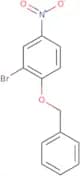
CAS:Versatile small molecule scaffoldFórmula:C10H11BrO2Pureza:Min. 95%Peso molecular:243.1 g/mol1-(Benzyloxy)-2-bromo-4-nitrobenzene
CAS:<p>Versatile small molecule scaffold</p>Fórmula:C13H10BrNO3Pureza:Min. 95%Peso molecular:308.13 g/mol5-Hydroxymethyl-2-methoxy-benzoic acid methyl ester
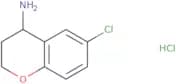
CAS:<p>Versatile small molecule scaffold</p>Fórmula:C10H12O4Pureza:Min. 95%Peso molecular:196.2 g/mol6-Chloro-chroman-4-ylamine hydrochloride
CAS:<p>Versatile small molecule scaffold</p>Fórmula:C9H10ClNO·HClPureza:Min. 95%Peso molecular:220.1 g/mol8-Methylchroman-4-amine hydrochloride
CAS:<p>Versatile small molecule scaffold</p>Fórmula:C10H14ClNOPureza:Min. 95%Peso molecular:199.68 g/mol6-(Methylsulfanyl)-3,4-dihydro-2H-1-benzopyran-4-amine hydrochloride
CAS:<p>Versatile small molecule scaffold</p>Fórmula:C10H14ClNOSPureza:Min. 95%Peso molecular:231.7 g/mol6-Bromo-3,4-dihydro-2H-1-benzopyran-4-amine hydrochloride
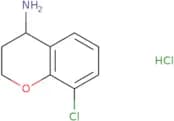
CAS:Versatile small molecule scaffoldFórmula:C9H11BrClNOPureza:Min. 95%Peso molecular:264.54 g/mol8-Chloro-3,4-dihydro-2H-1-benzopyran-4-amine hydrochloride
CAS:<p>Versatile small molecule scaffold</p>Fórmula:C9H11Cl2NOPureza:Min. 95%Peso molecular:220.09 g/mol
![1-Bromobicyclo[3.3.1]nonan-3-one](/_next/image/?url=https%3A%2Fstatic.cymitquimica.com%2Fproducts%2F3D%2Fthumb-webp%2FRCA07798.webp&w=3840&q=75)

![2-[(2-Methoxy-4-nitrophenyl)amino]ethan-1-ol](/_next/image/?url=https%3A%2Fstatic.cymitquimica.com%2Fproducts%2F3D%2Fthumb-webp%2FRCA09581.webp&w=3840&q=75)
![tert-Butyl 2-[(2-methoxyethyl)amino]acetate](/_next/image/?url=https%3A%2Fstatic.cymitquimica.com%2Fproducts%2F3D%2Fthumb-webp%2FRCA11613.webp&w=3840&q=75)
![tert-Butyl 3-[(2-methoxyethyl)amino]propanoate](/_next/image/?url=https%3A%2Fstatic.cymitquimica.com%2Fproducts%2F3D%2Fthumb-webp%2FRCA11620.webp&w=3840&q=75)







![5-[(2-Methylpropyl)amino]-1,3,4-thiadiazole-2-thiol](/_next/image/?url=https%3A%2Fstatic.cymitquimica.com%2Fproducts%2F3D%2Fthumb-webp%2FRCA18054.webp&w=3840&q=75)
![2-[(2-Bromophenyl)methyl]butanoic acid](/_next/image/?url=https%3A%2Fstatic.cymitquimica.com%2Fproducts%2F3D%2Fthumb-webp%2FRCA19200.webp&w=3840&q=75)




![2-{[1,2,4]Triazolo[4,3-a]pyridin-3-ylsulfanyl}acetic acid](/_next/image/?url=https%3A%2Fstatic.cymitquimica.com%2Fproducts%2F3D%2Fthumb-webp%2FRCA23467.webp&w=3840&q=75)
![[1,2,4]Triazolo[1,5-a]pyrimidine-2-thiol](/_next/image/?url=https%3A%2Fstatic.cymitquimica.com%2Fproducts%2F3D%2Fthumb-webp%2FRCA23479.webp&w=3840&q=75)


![2-{[4-(4-Methylphenyl)-4H-1,2,4-triazol-3-yl]sulfanyl}acetic acid](/_next/image/?url=https%3A%2Fstatic.cymitquimica.com%2Fproducts%2F3D%2Fthumb-webp%2FRCA29764.webp&w=3840&q=75)
![2-{[4-(4-Methoxyphenyl)-4H-1,2,4-triazol-3-yl]sulfanyl}acetic acid](/_next/image/?url=https%3A%2Fstatic.cymitquimica.com%2Fproducts%2F3D%2Fthumb-webp%2FRCA29767.webp&w=3840&q=75)
![{[4-(3-Chlorophenyl)-4H-1,2,4-triazol-3-yl]thio}acetic acid](/_next/image/?url=https%3A%2Fstatic.cymitquimica.com%2Fproducts%2F3D%2Fthumb-webp%2FRCA29769.webp&w=3840&q=75)


![tert-Butyl 4-[1-(4-fluorophenyl)-2-methoxy-2-oxoethyl]piperazine-1-carboxylate](/_next/image/?url=https%3A%2Fstatic.cymitquimica.com%2Fproducts%2F3D%2Fthumb-webp%2FRHA03399.webp&w=3840&q=75)

![Methyl 1-{[(tert-butoxy)carbonyl]amino}-3-hydroxycyclobutane-1-carboxylate](/_next/image/?url=https%3A%2Fstatic.cymitquimica.com%2Fproducts%2F3D%2Fthumb-webp%2FRHA11053.webp&w=3840&q=75)
![Methyl 2-{[(tert-butoxy)carbonyl]amino}-3-hydroxy-2-methylpropanoate](/_next/image/?url=https%3A%2Fstatic.cymitquimica.com%2Fproducts%2F3D%2Fthumb-webp%2FRHA11061.webp&w=3840&q=75)
![3-[(Benzyloxy)methyl]-1-{[(tert-butoxy)carbonyl]amino}cyclobutane-1-carboxylic acid](/_next/image/?url=https%3A%2Fstatic.cymitquimica.com%2Fproducts%2F3D%2Fthumb-webp%2FRHA11091.webp&w=3840&q=75)
![Methyl 1-{[(tert-butoxy)carbonyl]amino}-3-oxocyclobutane-1-carboxylate](/_next/image/?url=https%3A%2Fstatic.cymitquimica.com%2Fproducts%2F3D%2Fthumb-webp%2FRHA11097.webp&w=3840&q=75)
![3-[3-(Trifluoromethyl)phenyl]cyclohex-2-en-1-one](/_next/image/?url=https%3A%2Fstatic.cymitquimica.com%2Fproducts%2F3D%2Fthumb-webp%2FRHA11225.webp&w=3840&q=75)
![2-[(3,4-Dichlorophenyl)sulfanyl]-5-fluorobenzoic acid](/_next/image/?url=https%3A%2Fstatic.cymitquimica.com%2Fproducts%2F3D%2Fthumb-webp%2FRHA15443.webp&w=3840&q=75)
![Methyl 4-[3-(trifluoromethyl)phenyl]butanoate](/_next/image/?url=https%3A%2Fstatic.cymitquimica.com%2Fproducts%2F3D%2Fthumb-webp%2FRHA15577.webp&w=3840&q=75)
![[2-(4-Fluorophenyl)-1H-imidazol-5-yl]methanol](/_next/image/?url=https%3A%2Fstatic.cymitquimica.com%2Fproducts%2F3D%2Fthumb-webp%2FRHA15831.webp&w=3840&q=75)
![3-[(4-Methoxyphenyl)methoxy]propan-1-amine](/_next/image/?url=https%3A%2Fstatic.cymitquimica.com%2Fproducts%2F3D%2Fthumb-webp%2FRHA16522.webp&w=3840&q=75)
![2-({[(9H-Fluoren-9-yl)methoxy]carbonyl}amino)pent-4-ynoic acid](/_next/image/?url=https%3A%2Fstatic.cymitquimica.com%2Fproducts%2F3D%2Fthumb-webp%2FRHA21587.webp&w=3840&q=75)

![4,5,6,7-Tetrahydro-1H-imidazo[4,5-c]pyridine-6-carboxylic acid hydrochloride](/_next/image/?url=https%3A%2Fstatic.cymitquimica.com%2Fproducts%2F3D%2Fthumb-webp%2FRHA32729.webp&w=3840&q=75)
![4-[(2-Fluorophenyl)methyl]piperidin-4-ol](/_next/image/?url=https%3A%2Fstatic.cymitquimica.com%2Fproducts%2F3D%2Fthumb-webp%2FRHA32796.webp&w=3840&q=75)


![{4-[(2-Aminophenyl)sulfanyl]butyl}phosphonic acid](/_next/image/?url=https%3A%2Fstatic.cymitquimica.com%2Fproducts%2F3D%2Fthumb-webp%2FRHA41161.webp&w=3840&q=75)

![1-[(tert-Butoxy)carbonyl]-5-(methoxycarbonyl)piperidine-3-carboxylic acid](/_next/image/?url=https%3A%2Fstatic.cymitquimica.com%2Fproducts%2F3D%2Fthumb-webp%2FRHA54471.webp&w=3840&q=75)