Building Blocks
Esta sección contiene productos fundamentales para la síntesis de compuestos orgánicos y biológicos. Building blocks son los materiales de partida esenciales utilizados para construir moléculas complejas a través de diversas reacciones químicas. Desempeñan un papel crítico en el descubrimiento de fármacos, la ciencia de materiales y la investigación química. En CymitQuimica, ofrecemos una gama diversa de building blocks de alta calidad para apoyar sus investigaciones innovadoras y proyectos industriales, asegurando que tenga los componentes esenciales para una síntesis exitosa.
Subcategorías de "Building Blocks"
- Ácidos borónicos y derivados del ácido borónico(5.778 productos)
- Building Blocks quirales(1.243 productos)
- Building Blocks de hidrocarburos(6.097 productos)
- Building Blocks orgánicos(61.048 productos)
Se han encontrado 203115 productos de "Building Blocks"
Ordenar por
Pureza (%)
0
100
|
0
|
50
|
90
|
95
|
100
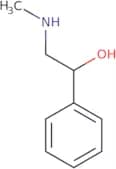
±-(Methylaminomethyl)benzyl alcohol
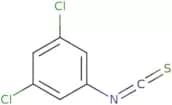
CAS:<p>±-(Methylaminomethyl)benzyl alcohol is an endophytic fungus that was first isolated from perennial ryegrass. It has been shown to be a potent inhibitor of growth factor and many other molecules, such as ethanolamine. ±-(Methylaminomethyl)benzyl alcohol is homochiral with a molecule weight of 222.2 g/mol, and can be synthesized by hydrogenation of the corresponding ketone. The compound has been shown to have immobilization properties, which may be due to its ability to form hydrogen bonds with surfaces. This chemical is also a substrate for enzymatic reactions, such as amination reactions, condensation reactions, and electrophilic addition reactions. The compound has been shown to inhibit energy metabolism in swiss-webster mice by blocking the conversion of glycogen into glucose in liver cells.</p>Fórmula:C9H13OPureza:Min. 95%Peso molecular:151.21 g/mol3,5-Dichlorophenyl isothiocyanate
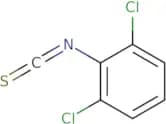
CAS:<p>3,5-Dichlorophenyl isothiocyanate is an electrophile that has been shown to degrade polyethylene terephthalate (PET) and polyisoprene. It is also resistant to high temperatures and may be used for the treatment of bacterial infections. 3,5-Dichlorophenyl isothiocyanate has antibacterial properties and can inhibit the growth of bacteria by binding to fatty acids or dione. 3,5-Dichlorophenyl isothiocyanate has also been shown to have antifungal properties against Candida albicans and Trichophyton rubrum.</p>Fórmula:C7H3Cl2NSPureza:Min. 95%Peso molecular:204.07 g/mol2,6-Dichlorophenylisothiocyanate
CAS:<p>2,6-Dichlorophenylisothiocyanate is a chloride that is used to treat tuberculosis. It is a prodrug that is hydrolyzed in the body to form 2-amino-3-chloropyrazine and imidazoles which are active against Mycobacterium tuberculosis and Mycobacterium avium complex. 2,6-Dichlorophenylisothiocyanate can be administered orally as well as intravenously. It has been shown to have tuberculostatic activity in animal models of experimental tuberculosis. The mechanism of action for this drug is not fully understood, but it may be due to its ability to inhibit protein synthesis by binding to bacterial ribosomes.</p>Fórmula:Cl2C6H3NCSPureza:Min. 95%Peso molecular:204.08 g/mol2,4-Dichlorophenyl isothiocyanate
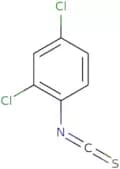
CAS:<p>2,4-Dichlorophenyl isothiocyanate (2,4-DCPI) is a benzimidazole derivative that binds to the benzimidazole-binding site of the α1 subunit of the glutamate receptor. 2,4-DCPI inhibits tumor cell proliferation by binding to a specific region of the alpha 1 subunit of the glutamate receptor. This binding prevents glutamate from activating its receptor and initiating intracellular signaling pathways that promote tumor cell growth. 2,4-DCPI has been shown to inhibit the proliferation of human cancer cells in culture with significant inhibitory activities against mda-mb231 cells. It also inhibits angiogenesis and metastasis by inhibiting vascular endothelial growth factor (VEGF) production. The molecule was observed to have an effect on chloride secretion in rats, which may be related to its pharmacokinetic properties.</p>Fórmula:C7H3Cl2NSPureza:Min. 95%Peso molecular:204.08 g/mol2-[(2-Chlorophenyl)methoxy]ethan-1-amine hydrochloride
CAS:Versatile small molecule scaffoldFórmula:C9H13Cl2NOPureza:Min. 95%Peso molecular:222.11 g/molN,1-Dimethyl-1H-1,3-benzodiazol-2-amine
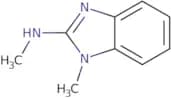
CAS:Versatile small molecule scaffoldFórmula:C9H11N3Pureza:Min. 95%Peso molecular:161.2 g/mol5-(Chloromethyl)-3-(3-nitrophenyl)-1,2,4-oxadiazole
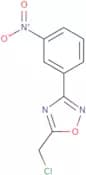
CAS:Versatile small molecule scaffoldFórmula:C9H6ClN3O3Pureza:Min. 95%Peso molecular:239.62 g/molTetradecahydroanthracene
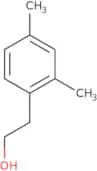
CAS:<p>Tetradecahydroanthracene is a chemical compound with the molecular formula CH. It is used as an active chemical in coronary heart disease, and it also has some radiation-absorption properties. Tetradecahydroanthracene can be synthesized by cationic polymerization of a polyimide precursor and then hydrogenating the skeleton to remove double bonds. The hydroxyl group on the tetradecahydroanthracene molecule can be converted into a chlorine atom by laser ablation. Tetradecahydroanthracene is also able to absorb ultraviolet light, which can be used in anti-aging creams or sunscreen products.</p>Fórmula:C14H24Pureza:Min. 95%Peso molecular:192.34 g/mol2,4-Dimethylphenethyl alcohol
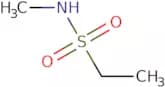
CAS:2,4-Dimethylphenethyl alcohol is a divalent organic molecule that interacts with chloride ions and the reaction system of cells. It is used in extracellular assays to measure the affinity of drugs for choline receptors. 2,4-Dimethylphenethyl alcohol is endogenous and has been shown to be clinically useful as an agonist. This drug also has a chiral center and can be optimized to have desired effects.Fórmula:C10H14OPureza:Min. 95%Peso molecular:150.22 g/molN-Methylethane-1-sulfonamide
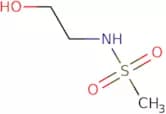
CAS:N-Methylethane-1-sulfonamide is a nonsteroidal antiestrogen that has been shown to inhibit the growth of breast cancer cells in vitro. It has also been shown to have a protective effect on cardiac tissues. N-Methylethane-1-sulfonamide is highly selective for estrogen receptors, and it is believed that this selectivity may be due to its ability to inhibit the enzyme 17β-hydroxysteroid dehydrogenase, which converts estrone into estradiol. The drug has been shown to increase the amount of progesterone in rats with induced ovarian cysts and decrease the number of oocytes released by female Xenopus laevis frogs. It also inhibits gene expression by binding to DNA at specific sites, thereby blocking transcription or translation. This drug is not active against bronchial asthma or cardiac arrhythmia in rodents; however, it can cause enantioselective inhibition of cardiac contractilityFórmula:C3H9NO2SPureza:Min. 95%Peso molecular:123.18 g/molN-(2-Hydroxyethyl)methanesulfonamide
CAS:Versatile small molecule scaffoldFórmula:C3H9NO3SPureza:Min. 95%Peso molecular:139.18 g/mol2-[(Thiophen-2-yl)carbonyl]pyridine
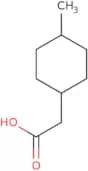
CAS:<p>2-[(Thiophen-2-yl)carbonyl]pyridine is a diastereoselective, enantiopure, and ligand-free asymmetric synthesis of pyridines from the reaction of amines with anions. The reaction is catalyzed by a chiral tetrafluoroborate salt and proceeds with high yields and diastereoselectivities. This process can be used to synthesize pyridines from anion precursors that are not commercially available or are too expensive for large scale production. 2-[(Thiophen-2-yl)carbonyl]pyridine has been shown to have optical resolution in both the (+) and (-) configurations, which makes it ideal for use in pharmaceuticals or other biological applications.</p>Fórmula:C10H7NOSPureza:Min. 95%Peso molecular:189.23 g/mol4-Methylcyclohexaneacetic acid, mixture of cis and trans
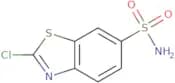
CAS:4-Methylcyclohexaneacetic acid, mixture of cis and trans is a white crystalline solid with a melting point of about 125°C. It is soluble in organic solvents, including diethanolamine, ethanolamine, and amines. 4-Methylcyclohexaneacetic acid is commercially available as the mixture of cis and trans isomers. This compound has been used to synthesize ferroelectric materials because it can be readily polymerized with ethylene glycol or diethylether. 4-Methylcyclohexaneacetic acid has also been used as an intermediate for the manufacture of pharmaceuticals.Fórmula:C9H16O2Pureza:Min. 95%Peso molecular:156.22 g/mol2-Chloro-1,3-benzothiazole-6-sulfonamide
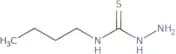
CAS:Versatile small molecule scaffoldFórmula:C7H5ClN2O2S2Pureza:Min. 95%Peso molecular:248.7 g/mol4-Butyl-3-thiosemicarbazide
CAS:4-Butyl-3-thiosemicarbazide is an intermediate used to synthesize thiosemicarbazide, which is a type of insecticide. The compound has shown insecticidal properties in the form of a cycloalkenyl or alkenyl group. 4-Butyl-3-thiosemicarbazide can be used as an intermediate for the synthesis of other compounds. It has also been shown to have antiinflammatory properties by inhibiting prostaglandin synthesis.Fórmula:C5H13N3SPureza:Min. 95%Peso molecular:147.24 g/molrac-(1R,2R)-2-Hydrazinylcyclohexan-1-ol dihydrochloride
CAS:Versatile small molecule scaffoldFórmula:C23H23NO2Pureza:Min. 95%Peso molecular:345.4 g/mol2,5-bis[(morpholin-4-yl)methyl]benzene-1,4-diol
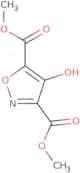
CAS:Versatile small molecule scaffoldFórmula:C16H24N2O4Pureza:Min. 95%Peso molecular:308.38 g/mol3,5-Dimethyl 4-hydroxy-1,2-oxazole-3,5-dicarboxylate
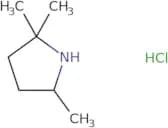
CAS:Versatile small molecule scaffoldFórmula:C7H7NO6Pureza:Min. 95%Peso molecular:201.13 g/mol2,2,5-Trimethylpyrrolidine hydrochloride
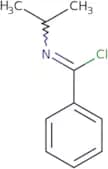
CAS:Versatile small molecule scaffoldFórmula:C7H16ClNPureza:Min. 95%Peso molecular:149.66 g/molN-(Propan-2-yl)benzenecarbonimidoyl chloride
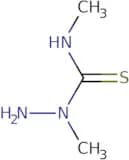
CAS:<p>N-(Propan-2-yl)benzenecarbonimidoyl chloride (PCI) is a synthetic, water-soluble drug that is used to treat anaerobic infections. PCI binds to the imidoyl group of bacterial enzymes, such as penicillinase and beta-lactamase, and inhibits their activity. It has been shown that PCI has an affinity for copper ions in the crystallographic analysis. This affinity can be optimized by changing the substituents on the phenyl ring to increase affinity for copper ions. The oxadiazoles and hydroxyalkyl groups are also being considered for optimization of this compound. PCI has been shown to inhibit the growth of various bacteria in screening tests with a shift in its absorption spectrum.</p>Fórmula:C10H12ClNPureza:Min. 95%Peso molecular:181.66 g/mol3-Amino-1,3-dimethylthiourea
CAS:Versatile small molecule scaffoldFórmula:C3H9N3SPureza:Min. 95%Peso molecular:119.19 g/molN1-[4-(Allyloxy)phenyl]acetamide
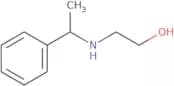
CAS:<p>N1-[4-(Allyloxy)phenyl]acetamide is a catalyst which is used to synthesize polyolefins, such as polyethylene and polypropylene. It has been shown to be an effective catalyst for the polymerization of ethylene. N1-[4-(Allyloxy)phenyl]acetamide has also been shown to have a high activity in the synthesis of polyolefins, with rates comparable to those of the most commonly used catalysts. The crystal structure of this compound was determined by X-ray diffraction analysis and found to contain two crystallographic asymmetric units. This complex can be immobilized on titanium or zirconium oxide supports and is soluble in dichloromethane. The molecular structure of N1-[4-(Allyloxy)phenyl]acetamide has been analyzed by X-ray crystallography and found to contain a planar acetamide group that is connected through a methylene bridge with an allyl</p>Fórmula:C11H13NO2Pureza:Min. 95%Peso molecular:191.23 g/mol2-(1-Phenyl-ethylamino)-ethanol
CAS:2-(1-Phenyl-ethylamino)-ethanol is an organic compound that is used as a catalyst. The compound is produced industrially by the reaction of formaldehyde with phenethylamine, followed by hydrogenation and hydrolysis. 2-(1-Phenyl-ethylamino)-ethanol can be used as a catalyst in the synthesis of oxazolidines, ketones, and other compounds containing aldehydes or carboxylic acids. It also has basic properties, which means it will react with acidic compounds to produce salts. 2-(1-Phenyl-ethylamino)-ethanol binds to amino alcohols and pyrroles through hydrogen bonding interactions.Fórmula:C10H15NOPureza:Min. 95%Peso molecular:165.24 g/molPropanebis(imidamide) dihydrochloride
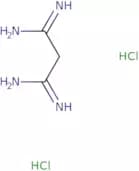
CAS:<p>Propanebis(imidamide) dihydrochloride is a drug that inhibits the enzyme guanylate cyclase. It is used to treat cardiovascular disorders, such as angina pectoris and hypertension. Propanebis(imidamide) dihydrochloride has been shown to inhibit the kinase, cyclase, and phosphodiesterase enzymes. This inhibition leads to an increase in the levels of cyclic guanosine monophosphate (cGMP). As a result, blood vessels are dilated, which reduces blood pressure and heart rate. The drug also increases the levels of intracellular cGMP by inhibiting protein kinase G. Propanebis(imidamide) dihydrochloride can be administered orally or intravenously.</p>Fórmula:C3H10Cl2N4Pureza:Min. 95%Peso molecular:173.04 g/molN-Phenylpivalamide
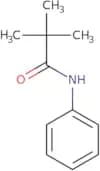
CAS:<p>N-Phenylpivalamide is an asymmetric synthesis that is a reaction yield of activated secondary amine and alkylsulfonyl chloride. The effective dose of n-phenylpivalamide is 0.01 mg/kg and the chloride ion, nitrogen atoms, and amines are all reactive functional groups. The nmr spectra show that this compound has stereoisomers.</p>Fórmula:C11H15NOPureza:Min. 95%Peso molecular:177.24 g/mol2-(Benzyloxy)propanoic acid
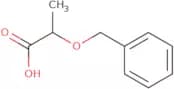
CAS:<p>2-(Benzyloxy)propanoic acid is a carboxylic acid that is used in biotechnology as a substrate for the production of optically pure carboxylic acids. It can be converted to pure hydroxyapatite, which is an important component of bone grafts and dentures. The microbial synthesis of 2-(benzyloxy)propanoic acid has been studied extensively. The n-terminal amino group can be removed by reduction with sodium sulfate or sodium borohydride, and the resulting alcohols can be converted to esters either enzymatically or with organic acids. 2-(Benzyloxy)propanoic acid also reacts with dodecyl mercaptan to give the corresponding dodecyl sulfate.</p>Fórmula:C10H12O3Pureza:Min. 95%Peso molecular:180.2 g/mol5-Chloro-N-(2-Chlorophenyl)-2-Hydroxybenzamide
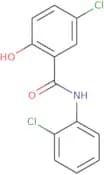
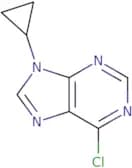
CAS:5-Chloro-N-(2-chlorophenyl)-2-hydroxybenzamide is a promyelocytic leukemia (PML) inhibitor that has been shown to have significant cytotoxicity against leukemia cells. 5-Chloro-N-(2-chlorophenyl)-2-hydroxybenzamide also inhibits the growth of prostate cancer cells and cervical cancer cells. It has been shown to inhibit the expression of oncogenes, such as sarcoma viral oncogene (SV40), and induce apoptosis in human cancer cells. This drug also shows significant cytotoxicity against human leukemia HL60 cells and erythroleukemia U937 cells.Fórmula:C13H9NO2Cl2Pureza:Min. 95%Peso molecular:282.12 g/mol6-Chloro-9-cyclopropyl-9H-purine
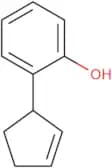
CAS:Versatile small molecule scaffoldFórmula:C8H7ClN4Pureza:Min. 95%Peso molecular:194.62 g/mol2-(2-Cyclopenten-1-yl)-phenol
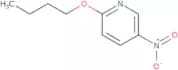
CAS:Versatile small molecule scaffoldFórmula:C11H12OPureza:Min. 95%Peso molecular:160.21 g/mol2-Butoxy-5-nitropyridine
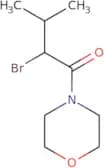
CAS:<p>Versatile small molecule scaffold</p>Fórmula:C9H12N2O3Pureza:Min. 95%Peso molecular:196.2 g/mol2-Bromo-3-methyl-1-(morpholin-4-yl)butan-1-one
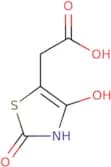
CAS:<p>Versatile small molecule scaffold</p>Fórmula:C9H16BrNO2Pureza:Min. 95%Peso molecular:250.13 g/mol2-(Dihydroxy-1,3-thiazol-5-yl)acetic acid
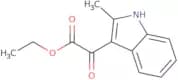
CAS:<p>Versatile small molecule scaffold</p>Fórmula:C5H5NO4SPureza:Min. 95%Peso molecular:175.16 g/molEthyl 2-(2-methyl-1H-indol-3-yl)-2-oxoacetate
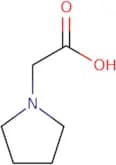
CAS:<p>Versatile small molecule scaffold</p>Fórmula:C13H13NO3Pureza:Min. 95%Peso molecular:231.25 g/molPyrrolidin-1-yl-acetic acid hydrochloride
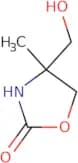
CAS:Pyrrolidin-1-yl-acetic acid hydrochloride is a drug that inhibits the enzyme protease, which is involved in the replication of HIV. It also inhibits the enzyme piperazine, an essential cofactor for retroviral replication. Pyrrolidin-1-yl-acetic acid hydrochloride has been shown to inhibit insulin resistance and increase glucose uptake in animal models. This drug may be a potential treatment for diabetes mellitus type 2. The structural formula of this drug is shown below:Fórmula:C6H12ClNO2Pureza:Min. 95%Peso molecular:165.62 g/mol4-(Hydroxymethyl)-4-methyl-1,3-oxazolidin-2-one
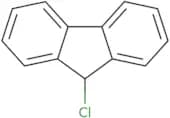
CAS:Versatile small molecule scaffoldFórmula:C5H9NO3Pureza:Min. 95%Peso molecular:131.13 g/mol9-Chlorofluorene
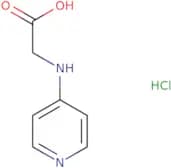
CAS:<p>9-Chlorofluorene is a synthetic chemical that has been used as an intermediate for the production of polymers and dyes. It is a colorless liquid with a chloroform-like odor. 9-Chlorofluorene reacts with hydrogen chloride to form the chlorinated derivative, fluorene dichloride. This chemical is also known to react with other compounds such as alcohols, amines, and phenols in the presence of moisture or heat to produce unwanted byproducts including aldehydes, chlorides, and hydrocarbons. 9-Chlorofluorene may be contaminated with impurities such as carbon tetrachloride, which can lead to toxic effects on humans and animals. There are bioassays that measure the toxicity of this substance in mice. The toxicity of 9-chlorofluorene has been shown to depend on the electron transfer reactions it undergoes during metabolism.</p>Fórmula:C13H9ClPureza:Min. 95%Peso molecular:200.66 g/mol(Pyridin-4-ylamino)acetic acid hydrochloride
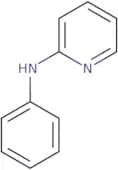
CAS:Versatile small molecule scaffoldFórmula:C7H9ClN2O2Pureza:Min. 95%Peso molecular:188.61 g/mol2-Anilinopyridine
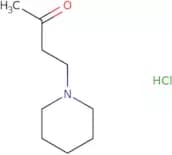
CAS:<p>2-Anilinopyridine is a reactive compound that binds to the mitochondrial membrane potential and inhibits the electron transport chain. It has been shown to be cytotoxic against colorectal adenocarcinoma cells in vitro. 2-Anilinopyridine binds to the carbonyl group of proteins, disrupting the function of proteins and leading to cell death by apoptosis. The compound was tested in vivo in a mouse model for cancer and showed promising results. 2-Anilinopyridine has also been shown to induce DNA strand breaks, which are used as biomarkers for carcinogenicity.</p>Fórmula:C11H10N2Pureza:Min. 95%Peso molecular:170.21 g/mol4-(Piperidin-1-yl)butan-2-one hydrochloride
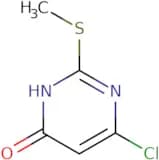
CAS:<p>Versatile small molecule scaffold</p>Fórmula:C9H18ClNOPureza:Min. 95%Peso molecular:191.7 g/mol6-Chloro-4-hydroxy-2-(methylthio)pyrimidine
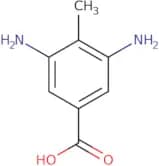
CAS:Versatile small molecule scaffoldFórmula:C5H5ClN2OSPureza:Min. 95%Peso molecular:176.62 g/mol3,5-Diamino-4-methylbenzoic acid
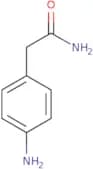
CAS:<p>3,5-Diamino-4-methylbenzoic acid is a chemical compound with the formula C6H3N3O2. It is an organic nitrite that reacts readily with nucleophiles such as alcohols, phenols, and amines to form the corresponding N-substituted benzoic acid. The reaction proceeds via a two step process in which 3,5-diamino-4-methylbenzoic acid first reacts with sodium nitrite to produce 3,5-diamino-4-nitrobenzoic acid followed by hydrolysis of this intermediate to form the desired product. Nitrite salts are used in the food industry as preservatives and antimicrobials. They can be applied as a gas or dissolved in water. Nitrite salts are also used for wastewater treatment and for environmental remediation.</p>Fórmula:C8H10N2O2Pureza:Min. 95%Peso molecular:166.18 g/mol2-(4-Aminophenyl)acetamide
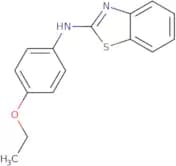
CAS:<p>2-(4-Aminophenyl)acetamide is a white crystalline solid with a melting point of 146°C. It has the optical rotation of +232° and 13c-nmr spectroscopy in DMSO-d6, with chemical shifts at δ = 9.3 (1H), 8.8 (1H), 7.5 (2H), 5.9 (1H), 5.8 (1H). 2-(4-Aminophenyl)acetamide has been synthesized from 4-aminobenzenesulfonyl chloride and 2-methylacetic acid in the presence of triethylamine and potassium carbonate as catalysts. This compound has two conformations, one being lamellar and the other being switchable between lamellar and non-lamellar structures due to its amide linkage. In addition, this compound can be used to study bacterial cell wall biosynthesis by using microscopy</p>Fórmula:C8H10N2OPureza:Min. 95%Peso molecular:150.18 g/molBenzothiazol-2-yl-(4-ethoxy-phenyl)-amine
CAS:Benzothiazol-2-yl-(4-ethoxy-phenyl)-amine is a compound that has been shown to be active against solid tumours and metastases. It has been shown to inhibit phosphatase activity in the presence of monoclonal antibodies, which is an indicator for cancerous cells. Benzothiazol-2-yl-(4-ethoxy-phenyl)-amine may be used as a diagnostic marker for determining the presence of cancer cells in patients with infectious diseases, such as HIV/AIDS. This compound has also been shown to inhibit phosphatase activity in the presence of monoclonal antibodies, which is an indicator for cancerous cells. Benzothiazol-2-yl-(4-ethoxy-phenyl)-amine may be used as a diagnostic marker for determining the presence of cancer cells in patients with infectious diseases, such as HIV/AIDS.Fórmula:C15H14N2OSPureza:Min. 95%Peso molecular:270.4 g/mol2-(Dimethylamino)-6-hydroxypyrimidine-4-carboxylic Acid
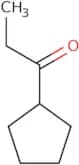
CAS:Versatile small molecule scaffoldFórmula:C7H9N3O3Pureza:Min. 95%Peso molecular:183.16 g/mol1-Cyclopentylpropan-1-one
CAS:<p>Cyclopentylpropan-1-one is an organic compound with the chemical formula CH3C(O)CH2CH2CH2. It is a cyclic ketone that can be synthesized by reacting boron trifluoride etherate with aldehydes. Cyclopentylpropan-1-one has stereochemical and diastereomeric properties, which can be determined by looking at the spectral data. The molecular geometry of cyclopentylpropan-1-one is also chiral and there are two possible configurations of this molecule.</p>Fórmula:C8H14OPureza:Min. 95%Peso molecular:126.2 g/mol1-Cyclopentylbutan-1-one
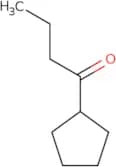
CAS:<p>Versatile small molecule scaffold</p>Fórmula:C9H16OPureza:Min. 95%Peso molecular:140.22 g/mol2-Methyl-1,2,3,4-tetrahydroquinoxaline
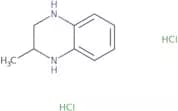
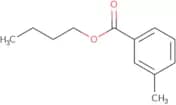
CAS:<p>2-Methyl-1,2,3,4-tetrahydroquinoxaline is an enantioselective antioxidant that has been shown to have a chiral conformation. It has also been found to be a catalyst in the reductive elimination of hydrochloric acid. This compound can be hydrogenated by catalytic hydrogenation and this reaction produces tetralin as a by-product. 2-Methyl-1,2,3,4-tetrahydroquinoxaline is used in research because it contains a methyl group and amines that are important for biological functions.</p>Fórmula:C9H12N2Pureza:Min. 95%Peso molecular:148.2 g/molButyl 3-methylbenzoate
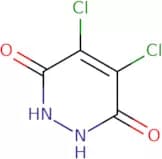
CAS:Versatile small molecule scaffoldFórmula:C12H16O2Pureza:Min. 95%Peso molecular:192.25 g/mol4,5-Dichloropyridazine-3,6-diol
CAS:<p>Dichloropyridazine-3,6-diol is a furan derivative that has been shown to act as an inhibitor of the oxidative deamination of pyridine. It is also a nucleophilic reagent with a chlorine atom and two hydroxylamine groups in its structure. The carbonyl oxygen atom and the cyclic carbonyl group are both susceptible to oxidation and can be used to form chlorides. Dichloropyridazine-3,6-diol is resistant to acid chlorides such as thionyl chloride or phosphoric acid. This compound undergoes dehydration reactions with carboxylic acids and chlorides, yielding the corresponding carboxylate or chloride.</p>Fórmula:C4H2Cl2N2O2Pureza:Min. 95%Peso molecular:180.97 g/mol2-Chloro-3-(morpholin-4-yl)quinoxaline
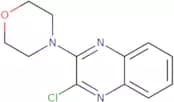
CAS:Versatile small molecule scaffoldFórmula:C12H12ClN3OPureza:Min. 95%Peso molecular:249.69 g/mol(6-Bromobenzo[d][1,3]dioxol-5-yl)methanol
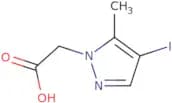
CAS:<p>Versatile small molecule scaffold</p>Fórmula:C8H7BrO3Pureza:Min. 95%Peso molecular:231.04 g/mol2-(4-Iodo-5-methyl-1H-pyrazol-1-yl)acetic acid
CAS:<p>Versatile small molecule scaffold</p>Fórmula:C6H7IN2O2Pureza:Min. 95%Peso molecular:266.04 g/mol2-(4-Iodo-3-methyl-1H-pyrazol-1-yl)acetic acid
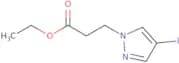
CAS:Versatile small molecule scaffoldFórmula:C6H7IN2O2Pureza:Min. 95%Peso molecular:266.04 g/molEthyl 3-(4-iodopyrazol-1-yl)propanoate
CAS:<p>Versatile small molecule scaffold</p>Fórmula:C8H11IN2O2Pureza:Min. 95%Peso molecular:294.09 g/mol6-(4-Bromophenyl)-2H,3H,5H,6H-imidazo[2,1-b][1,3]thiazole
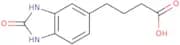
CAS:6-(4-Bromophenyl)-2H,3H,5H,6H-imidazo[2,1-b][1,3]thiazole is a phosphatase inhibitor. It is used to treat hyperphosphatemia in patients with end-stage renal disease who are on dialysis. 6-(4-Bromophenyl)-2H,3H,5H,6H-imidazo[2,1-b][1,3]thiazole inhibits the activity of tyrosine phosphatases and prevents the uptake of calcium and phosphate from the gastrointestinal tract. This drug has been shown to improve bone mineralization in postmenopausal women with osteoporosis.Fórmula:C11H11BrN2SPureza:Min. 95%Peso molecular:283.19 g/mol4-(2-Oxo-2,3-dihydro-1H-1,3-benzodiazol-5-yl)butanoic acid
CAS:Versatile small molecule scaffoldFórmula:C11H12N2O3Pureza:Min. 95%Peso molecular:220.22 g/molmethyl 2-(4-amino-1H-pyrazol-1-yl)acetate hydrochloride
CAS:Versatile small molecule scaffoldFórmula:C6H10ClN3O2Pureza:Min. 95%Peso molecular:191.6 g/mol4-Iodo-1,5-dimethyl-1H-pyrazole-3-carboxylic acid
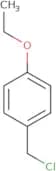
CAS:<p>Versatile small molecule scaffold</p>Fórmula:C6H7IN2O2Pureza:Min. 95%Peso molecular:266.04 g/mol1-(Chloromethyl)-4-ethoxybenzene
CAS:1-(Chloromethyl)-4-ethoxybenzene is an alkylation agent that is used as a phase transfer catalyst in the conversion of toluene to ethylbenzene. The reaction can be catalyzed by sodium hydroxide, which causes the chloride ion from 1-(chloromethyl)-4-ethoxybenzene to react with sodium hydroxide and form sodium chloride (table salt). This reaction produces an ether group (-O-CH2-) on the benzene ring of 1-(chloromethyl)-4-ethoxybenzene. Elemental analysis has shown that 1-(chloromethyl)-4-ethoxybenzene has a 98% yield for the product, ethylbenzene. Spectrometry has confirmed that 1-(chloromethyl)-4-ethoxybenzene contains three carbon atoms, nine hydrogen atoms, two chlorine atoms, and one oxygen atom.Fórmula:C9H11ClOPureza:Min. 95%Peso molecular:170.64 g/mol2-Nitrobenzene-1-sulfonyl azide
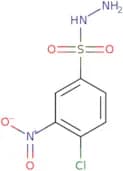
CAS:Versatile small molecule scaffoldFórmula:C6H4N4O4SPureza:Min. 95%Peso molecular:228.19 g/mol4-Chloro-3-nitrobenzene-1-sulfonohydrazide
CAS:Versatile small molecule scaffoldFórmula:C6H6ClN3O4SPureza:Min. 95%Peso molecular:251.65 g/mol2-[(2-Methylphenyl)methyl]-1H-1,3-benzodiazole
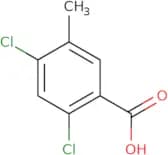
CAS:Versatile small molecule scaffoldFórmula:C15H14N2Pureza:Min. 95%Peso molecular:222.28 g/mol2,4-Dichloro-5-methylbenzoic acid
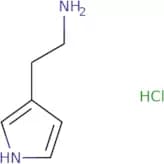
CAS:<p>Versatile small molecule scaffold</p>Fórmula:C8H6Cl2O2Pureza:Min. 95%Peso molecular:205.03 g/mol2-(1H-Pyrrol-3-yl)ethan-1-amine hydrochloride
CAS:Versatile small molecule scaffoldFórmula:C6H11ClN2Pureza:Min. 95%Peso molecular:146.62 g/mol2-Bromooxane
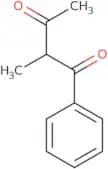
CAS:2-Bromooxane is a molecule that binds to the alkylthio group on the surface of cells. It has been shown to be effective in the treatment of hepatitis and inflammatory diseases such as rheumatoid arthritis. 2-Bromooxane has also been shown to induce apoptotic cell death in macrophages, which may be due to its ability to inhibit the synthesis of inflammatory cytokines and chemokines. This drug also has nitrogen atoms that can form hydrogen bonds with hydroxyl groups in proteins, which may account for its biological properties.Fórmula:C5H9BrOPureza:Min. 95%Peso molecular:165.03 g/mol2-Methyl-1-phenylbutane-1,3-dione
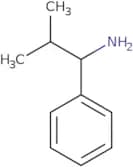
CAS:<p>2-Methyl-1-phenylbutane-1,3-dione is a chemical intermediate that belongs to the group of alkyl bromides. It is used as an herbicide and a pesticide, and can be reduced to 2-methyl-2-(4'-bromophenyl)pentanal by reductive cleavage with chlorine. The reduction of 2-methyl-1-phenylbutane-1,3-dione by hydrogen gas leads to the diastereoisomers 2-(4'-bromophenyl)-2-(2'-methylpropionyl)pentanal and 3-(4'-bromophenyl)-2-(2'-methylpropionyl)pentanal. The former is a chiral molecule that can be used as a medicine for high blood pressure, while the latter has been shown to be effective against microbial strains such as Escherichia coli and Candida albicans.</p>Fórmula:C11H12O2Pureza:Min. 95%Peso molecular:176.21 g/mola-(1-Methylethyl)benzenemethanamine
CAS:a-(1-Methylethyl)benzenemethanamine is a phenylalkylamine that has been modified to contain a chloride group. It can be used as an analytical tool to study the effects of molecular modifications on the inhibitory potency and selectivity of phenylalkylamines. The chloride group was introduced in order to increase the solubility of this molecule in water and make it more compatible with other molecules that are often used for analysis, such as isopropyl alcohol. Electrospray ionization (ESI) was employed to generate a positive ion spectrum, which was then analyzed by a mass spectrometer (MS). Molecular modeling studies were also conducted using quantum chemical tools to predict the structure of this compound. Structural modifications were made based on these predictions in order to optimize properties such as inhibitory potency and selectivity. These changes were validated using ESI-MS analysis and then confirmed by molecular modeling studies. This compound can be usedFórmula:C10H15NPureza:Min. 95%Peso molecular:149.23 g/moltert-Butoxybenzene
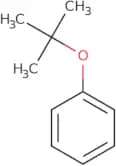
CAS:Tert-Butoxybenzene is a chemical compound that is used to manufacture other chemicals. It is used as a reagent in organic synthesis, in particular for the preparation of derivatives of salicylic acid. Tert-Butoxybenzene can be detected by electron spin resonance spectroscopy and nuclear magnetic resonance spectroscopy. The health effects of tert-butoxybenzene are not well known, but it has been linked with cancer in animals and humans. Tert-butoxybenzene also reacts with hydrochloric acid to produce hydrogen chloride and benzyl alcohol. Further reactions lead to the formation of isobutene, which can be converted into propylene carbonate or alkylated to form methyl tert-butyl ether (MTBE).Fórmula:C10H14OPureza:Min. 95%Peso molecular:150.21 g/molDimethyl-1,3-oxazole-2-thiol
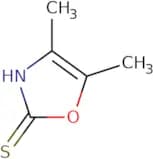
CAS:<p>Versatile small molecule scaffold</p>Fórmula:C5H7NOSPureza:Min. 95%Peso molecular:129.18 g/mol2-Azaspiro[5.5]undec-8-ene
CAS:Versatile small molecule scaffoldFórmula:C10H17NPureza:Min. 95%Peso molecular:151.25 g/mol5,7-Dimethyl-2,3-dihydro-1H-inden-1-one
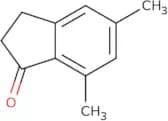
CAS:<p>5,7-Dimethyl-2,3-dihydro-1H-inden-1-one is a cytotoxic agent that is used in vivo to study tumor models. It has been shown to be potent and cytotoxic against tumor cells. The drug inhibits the growth of colon cancer cells by binding to the DNA chain at the level of purine nucleoside phosphorylase. 5,7-Dimethyl-2,3-dihydro-1H-inden-1-one also inhibits carboxamides and lipophilic substituents in the cell membrane. This drug is also an inhibitor that blocks purine nucleoside phosphorylase and prevents synthesis of purines from ATP and hypoxanthine.</p>Fórmula:C11H12OPureza:Min. 95%Peso molecular:160.21 g/mol1-Phenyl-2-pentanone
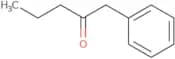
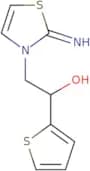
CAS:<p>1-Phenyl-2-pentanone is an organic solvent that is used to dissolve other substances. It can be found in coatings and resins, as well as in hexane and naphthol. 1-Phenyl-2-pentanone has been used in the synthesis of benzene derivatives, such as mandelonitrile. This compound is reactive with hydroxy groups and cyclic ethers, which may lead to the formation of benzoate esters. The phenyl groups allow for the detection of this compound by mass spectrometry.</p>Fórmula:C11H14OPureza:Min. 95%Peso molecular:162.23 g/mol2-(2-Imino-2,3-dihydro-1,3-thiazol-3-yl)-1-(thiophen-2-yl)ethan-1-ol
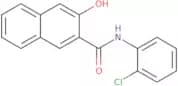
CAS:<p>Versatile small molecule scaffold</p>Fórmula:C9H10N2OS2Pureza:Min. 95%Peso molecular:226.3 g/mol3-Hydroxy-2-naphthoic Acid 2-Chloroanilide
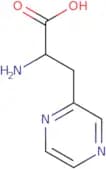
CAS:<p>Versatile small molecule scaffold</p>Fórmula:C17H12ClNO2Pureza:Min. 95%Peso molecular:297.74 g/mol2-Amino-3-(pyrazin-2-yl)propanoic acid
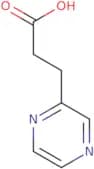
CAS:Versatile small molecule scaffoldFórmula:C7H9N3O2Pureza:Min. 95%Peso molecular:167.17 g/mol3-(2-Pyrazinyl)propanoic acid
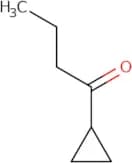
CAS:Versatile small molecule scaffoldFórmula:C7H8N2O2Pureza:Min. 95%Peso molecular:152.15 g/mol1-Cyclopropylbutan-1-one
CAS:Versatile small molecule scaffoldFórmula:C7H12OPureza:Min. 95%Peso molecular:112.17 g/molDimethyl[2-(phenylamino)ethyl]amine
CAS:<p>Versatile small molecule scaffold</p>Fórmula:C10H16N2Pureza:Min. 95%Peso molecular:164.25 g/mol4,8-Dioxatricyclo[4.2.1.0,3,7]nonan-5-one
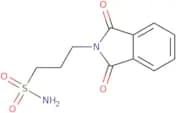
CAS:<p>Versatile small molecule scaffold</p>Fórmula:C7H8O3Pureza:Min. 95%Peso molecular:140.14 g/mol3-(1,3-Dioxo-2,3-dihydro-1H-isoindol-2-yl)propane-1-sulfonamide
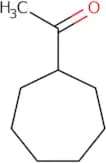
CAS:Versatile small molecule scaffoldFórmula:C11H12N2O4SPureza:Min. 95%Peso molecular:268.29 g/mol1-Cycloheptylethan-1-one
CAS:<p>1-Cycloheptylethan-1-one is a nitro compound that is used as an intermediate in the production of pharmaceuticals. It is also used to produce dyes and coolants. It has been shown to have bronchodilatory effects, which may be due to its ability to relax smooth muscle cells in the bronchi. 1-Cycloheptylethan-1-one has also been shown to have antiosteoporotic properties, which may be due to its ability to inhibit bone resorption and stimulate bone formation. 1-Cycloheptylethan-1-one has been reported as a racemate, but it has also been reported as a transfer agent.</p>Fórmula:C9H16OPureza:Min. 95%Peso molecular:140.22 g/mol6-Oxa-2-azabicyclo[3.2.1]octan-7-one
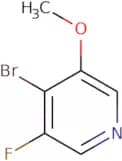
CAS:Versatile small molecule scaffoldFórmula:C6H9NO2Pureza:Min. 95%Peso molecular:127.14 g/mol4-Bromo-3-fluoro-5-methoxypyridine
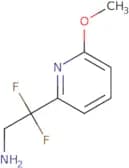
CAS:<p>Versatile small molecule scaffold</p>Fórmula:C6H5BrFNOPureza:Min. 95%Peso molecular:206.01 g/mol2,2-Difluoro-2-(6-methoxypyridin-2-yl)ethan-1-amine
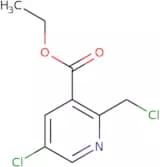
CAS:Versatile small molecule scaffoldFórmula:C8H10F2N2OPureza:Min. 95%Peso molecular:188.17 g/molEthyl 5-chloro-2-(chloromethyl)pyridine-3-carboxylate
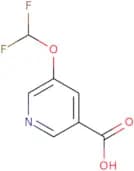
CAS:<p>Versatile small molecule scaffold</p>Fórmula:C9H9Cl2NO2Pureza:Min. 95%Peso molecular:234.08 g/mol5-(Difluoromethoxy)nicotinic acid
CAS:<p>Versatile small molecule scaffold</p>Fórmula:C7H5F2NO3Pureza:Min. 95%Peso molecular:189.12 g/mol3-(Propan-2-yl)-1H-pyrazolo[3,4-c]pyridine-4-carboxylic acid
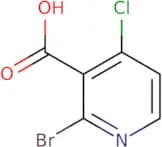
CAS:<p>Versatile small molecule scaffold</p>Fórmula:C10H11N3O2Pureza:Min. 95%Peso molecular:205.21 g/mol2-Bromo-4-chloropyridine-3-carboxylic acid
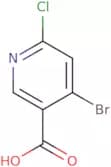
CAS:<p>Versatile small molecule scaffold</p>Fórmula:C6H3BrClNO2Pureza:Min. 95%Peso molecular:236.45 g/mol4-Bromo-6-chloronicotinic acid
CAS:Versatile small molecule scaffoldFórmula:C6H3BrClNO2Pureza:Min. 95%Peso molecular:236.45 g/mol2-Methyl-5-phenylpyridin-3-amine
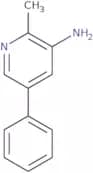
CAS:<p>Versatile small molecule scaffold</p>Fórmula:C12H12N2Pureza:Min. 95%Peso molecular:184.24 g/molMethyl 2-chloro-5-hydroxypyridine-3-carboxylate
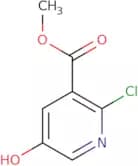
CAS:Versatile small molecule scaffoldFórmula:C7H6ClNO3Pureza:Min. 95%Peso molecular:187.58 g/mol2-Chloro-6-(chloromethyl)-3-methylpyridine
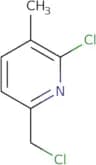
CAS:<p>Versatile small molecule scaffold</p>Fórmula:C7H7Cl2NPureza:Min. 95%Peso molecular:176.04 g/mol2-Oxo-1H,2H,3H-pyrido[2,3-b][1,4]oxazine-6-carboxylic acid
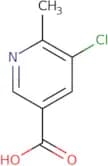
CAS:<p>Versatile small molecule scaffold</p>Fórmula:C8H6N2O4Pureza:Min. 95%Peso molecular:194.14 g/mol5-Chloro-6-methylpyridine-3-carboxylic acid
CAS:Versatile small molecule scaffoldFórmula:C7H6ClNO2Pureza:Min. 95%Peso molecular:171.58 g/mol3-Methyl-3H-imidazo[4,5-c]pyridin-2-amine
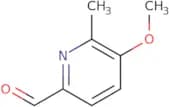
CAS:Versatile small molecule scaffoldFórmula:C7H8N4Pureza:Min. 95%Peso molecular:148.17 g/mol5-Methoxy-6-methylpyridine-2-carbaldehyde
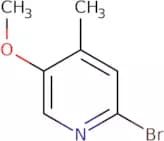
CAS:Versatile small molecule scaffoldFórmula:C8H9NO2Pureza:Min. 95%Peso molecular:151.16 g/mol2-Bromo-5-methoxy-4-methylpyridine
CAS:<p>Versatile small molecule scaffold</p>Fórmula:C7H8BrNOPureza:Min. 95%Peso molecular:202.05 g/mol8-Methoxy-1,2,3,4-tetrahydro-1,7-naphthyridine
CAS:Versatile small molecule scaffoldFórmula:C9H12N2OPureza:Min. 95%Peso molecular:164.2 g/mol4-Bromo-3-(propan-2-yl)-1H-pyrazolo[3,4-c]pyridine
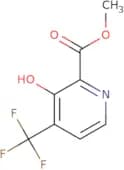
CAS:<p>Versatile small molecule scaffold</p>Fórmula:C9H10BrN3Pureza:Min. 95%Peso molecular:240.1 g/molMethyl 3-hydroxy-4-(trifluoromethyl)pyridine-2-carboxylate
CAS:<p>Versatile small molecule scaffold</p>Fórmula:C8H6F3NO3Pureza:Min. 95%Peso molecular:221.13 g/mol

![2-[(2-Chlorophenyl)methoxy]ethan-1-amine hydrochloride](/_next/image/?url=https%3A%2Fstatic.cymitquimica.com%2Fproducts%2F3D%2Fthumb-webp%2FGAA59467.webp&w=3840&q=75)
![2-[(Thiophen-2-yl)carbonyl]pyridine](/_next/image/?url=https%3A%2Fstatic.cymitquimica.com%2Fproducts%2F3D%2Fthumb-webp%2FGAA60263.webp&w=3840&q=75)
![2,5-bis[(morpholin-4-yl)methyl]benzene-1,4-diol](/_next/image/?url=https%3A%2Fstatic.cymitquimica.com%2Fproducts%2F3D%2Fthumb-webp%2FGAA61656.webp&w=3840&q=75)
![N1-[4-(Allyloxy)phenyl]acetamide](/_next/image/?url=https%3A%2Fstatic.cymitquimica.com%2Fproducts%2F3D%2Fthumb-webp%2FGAA62273.webp&w=3840&q=75)
![(6-Bromobenzo[d][1,3]dioxol-5-yl)methanol](/_next/image/?url=https%3A%2Fstatic.cymitquimica.com%2Fproducts%2F3D%2Fthumb-webp%2FGAA64234.webp&w=3840&q=75)

![6-(4-Bromophenyl)-2H,3H,5H,6H-imidazo[2,1-b][1,3]thiazole](/_next/image/?url=https%3A%2Fstatic.cymitquimica.com%2Fproducts%2F3D%2Fthumb-webp%2FGAA64646.webp&w=3840&q=75)



![2-[(2-Methylphenyl)methyl]-1H-1,3-benzodiazole](/_next/image/?url=https%3A%2Fstatic.cymitquimica.com%2Fproducts%2F3D%2Fthumb-webp%2FGAA65983.webp&w=3840&q=75)

![2-Azaspiro[5.5]undec-8-ene](/_next/image/?url=https%3A%2Fstatic.cymitquimica.com%2Fproducts%2F3D%2Fthumb-webp%2FGAA67173.webp&w=3840&q=75)
![Dimethyl[2-(phenylamino)ethyl]amine](/_next/image/?url=https%3A%2Fstatic.cymitquimica.com%2Fproducts%2F3D%2Fthumb-webp%2FGAA71146.webp&w=3840&q=75)
![4,8-Dioxatricyclo[4.2.1.0,3,7]nonan-5-one](/_next/image/?url=https%3A%2Fstatic.cymitquimica.com%2Fproducts%2F3D%2Fthumb-webp%2FGAA71283.webp&w=3840&q=75)
![6-Oxa-2-azabicyclo[3.2.1]octan-7-one](/_next/image/?url=https%3A%2Fstatic.cymitquimica.com%2Fproducts%2F3D%2Fthumb-webp%2FGAA71441.webp&w=3840&q=75)
![3-(Propan-2-yl)-1H-pyrazolo[3,4-c]pyridine-4-carboxylic acid](/_next/image/?url=https%3A%2Fstatic.cymitquimica.com%2Fproducts%2F3D%2Fthumb-webp%2FGAC83367.webp&w=3840&q=75)
![2-Oxo-1H,2H,3H-pyrido[2,3-b][1,4]oxazine-6-carboxylic acid](/_next/image/?url=https%3A%2Fstatic.cymitquimica.com%2Fproducts%2F3D%2Fthumb-webp%2FGAC83518.webp&w=3840&q=75)
![3-Methyl-3H-imidazo[4,5-c]pyridin-2-amine](/_next/image/?url=https%3A%2Fstatic.cymitquimica.com%2Fproducts%2F3D%2Fthumb-webp%2FGAC83524.webp&w=3840&q=75)
![4-Bromo-3-(propan-2-yl)-1H-pyrazolo[3,4-c]pyridine](/_next/image/?url=https%3A%2Fstatic.cymitquimica.com%2Fproducts%2F3D%2Fthumb-webp%2FGAC83677.webp&w=3840&q=75)