Building Blocks
Esta sección contiene productos fundamentales para la síntesis de compuestos orgánicos y biológicos. Building blocks son los materiales de partida esenciales utilizados para construir moléculas complejas a través de diversas reacciones químicas. Desempeñan un papel crítico en el descubrimiento de fármacos, la ciencia de materiales y la investigación química. En CymitQuimica, ofrecemos una gama diversa de building blocks de alta calidad para apoyar sus investigaciones innovadoras y proyectos industriales, asegurando que tenga los componentes esenciales para una síntesis exitosa.
Subcategorías de "Building Blocks"
- Ácidos borónicos y derivados del ácido borónico(5.778 productos)
- Building Blocks quirales(1.243 productos)
- Building Blocks de hidrocarburos(6.097 productos)
- Building Blocks orgánicos(61.048 productos)
Se han encontrado 203115 productos de "Building Blocks"
Ordenar por
Pureza (%)
0
100
|
0
|
50
|
90
|
95
|
100
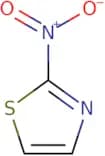
2-Nitro-1,3-thiazole
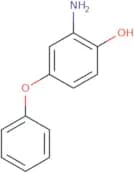
CAS:<p>Versatile small molecule scaffold</p>Fórmula:C3H2N2O2SPureza:Min. 95%Peso molecular:130.13 g/mol2-Amino-4-phenoxyphenol
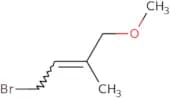
CAS:<p>Versatile small molecule scaffold</p>Fórmula:C12H11NO2Pureza:Min. 95%Peso molecular:201.22 g/mol4-Bromo-1-methoxy-2-methylbut-2-ene
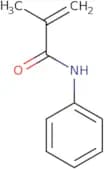
CAS:<p>Versatile small molecule scaffold</p>Fórmula:C6H11BrOPureza:Min. 95%Peso molecular:179.05 g/molN-Phenylmethacrylamide
CAS:<p>N-Phenylmethacrylamide is a cross-linking agent that is used in the preparation of polymers. It reacts with amine groups to form amides, which are then reacted with sodium salts to form polyamides. The amide group can also be used for synthesizing polyurethanes and other polymers. N-Phenylmethacrylamide is soluble in organic solvents and has low toxicity. It can be activated by radiation or by reaction with a hydroxyl group and forms a bond by hydrogen bonding with other functional groups, such as hydroxyls, carbonyls, nitrogens, and sulphurs. This compound can be used as an effective chemotherapy drug because it binds to DNA strands and inhibits the synthesis of RNA and protein in cells.</p>Fórmula:C10H11NOPureza:Min. 95%Peso molecular:161.2 g/mol1-[(Ethanesulfonyl)methyl]-4-nitrobenzene
CAS:Versatile small molecule scaffoldFórmula:C9H11NO4SPureza:Min. 95%Peso molecular:229.25 g/mol2-Ethylquinoline
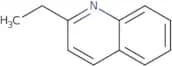
CAS:<p>2-Ethylquinoline is a compound that belongs to the group of alkenes. It can be prepared by reacting acetaldehyde with an amine in the presence of acid catalysts such as sulfuric acid or acetic acid. 2-Ethylquinoline has been shown to react with allylamine, forming an ether linkage. This reaction is facilitated by ultrasonic extraction and heating at reflux temperature for 12 hours, and then cooling to room temperature. The product obtained is purified via column chromatography using acetonitrile as a solvent. The magnetic resonance spectroscopy of 2-ethylquinoline reveals that it possesses a C–H bond and cyclic structure.</p>Fórmula:C11H11NPureza:Min. 95%Peso molecular:157.21 g/mol2-(4-Nitrophenyl)-1H-imidazole
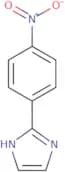
CAS:<p>Versatile small molecule scaffold</p>Fórmula:C9H7N3O2Pureza:Min. 95%Peso molecular:189.17 g/molCyclohept-4-enecarboxylic acid
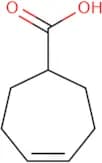
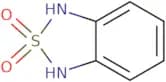
CAS:<p>Cyclohept-4-enecarboxylic acid is a cyclic ketone that has been shown to yield monoaldehydes and bicyclic β-unsaturated ketones when subjected to thermodynamic equilibration. It can be synthesized from the dienone by aldol cyclization, or by the intramolecular reaction of an enamine with itself. Cycloheptenes are analogous compounds to this ketone.</p>Fórmula:C8H12O2Pureza:Min. 95%Peso molecular:140.18 g/mol1,3-Dihydro-2,1,3-benzothiadiazole 2,2-dioxide
CAS:<p>1,3-Dihydro-2,1,3-benzothiadiazole 2,2-dioxide is a heterocyclic compound that has been used as a reagent in the synthesis of epoxides. 1,3-Dihydro-2,1,3-benzothiadiazole 2,2-dioxide promotes the regiospecific addition of primary amines to thionyl chloride to form N-(chlorosulfonyl) N′-[(N′-phenylamino) carbonyl] amino acids. It has also been used as an intermediate in the synthesis of a ligand for the metabotropic glutamate receptor.</p>Fórmula:C6H6N2O2SPureza:Min. 95%Peso molecular:170.19 g/mol3-(Dimethylamino)-2,2-dimethylpropanoic acid hydrochloride
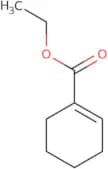
CAS:<p>Versatile small molecule scaffold</p>Fórmula:C7H16ClNO2Pureza:Min. 95%Peso molecular:181.66 g/molEthyl cyclohex-1-ene-1-carboxylate
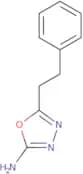
CAS:<p>Ethyl cyclohex-1-ene-1-carboxylate is an organic solvent that is used as a reagent in the synthesis of oxone. It has a low boiling point and is soluble in water, making it easy to use for reactions involving sodium salts. Ethyl cyclohex-1-ene-1-carboxylate has been shown to be effective at doses of 3.0 g/kg and above. The diameter of this compound is 1.06 nm and its solubility in water is 0.0014 g/l at 25 degrees Celsius. Oxone can be synthesized using ethyl cyclohex-1-ene-1 carboxylate and aziridine with the aid of sodium salts or potassium salts for example, as catalysts. This compound can also be used as a linker molecule between molecules with different functional groups, such as particle and inorganic materials. It also has optical properties, with a yellow color when</p>Fórmula:C9H14O2Pureza:Min. 95%Peso molecular:154.21 g/mol5-(2-Phenylethyl)-1,3,4-oxadiazol-2-amine
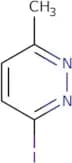
CAS:Versatile small molecule scaffoldFórmula:C10H11N3OPureza:Min. 95%Peso molecular:189.21 g/mol3-iodo-6-methylpyridazine
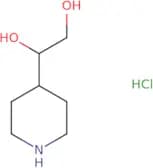
CAS:<p>3-Iodo-6-methylpyridazine is an isoquinoline derivative. It is a cross-coupling reagent that can be used as a nucleophile in organic synthesis. 3-Iodo-6-methylpyridazine is a threefold equivalent of the starting material and can be used to synthesize functionalized imines, such as those found in pyrimidine or purine nucleosides. Alkoxycarbonyl groups are common substituents on the pyridine ring of 3-iodo-6-methylpyridazine, which can be used to synthesize substituted pyrimidine or purine nucleosides by coupling with amines. The diethyl ester group on 3-iodo-6-methylpyridazine allows it to be easily converted into other functionalities, such as those found in amino acids. Palladium catalysis has been shown to enhance the yields of this reaction. This re</p>Fórmula:C5H5N2IPureza:Min. 95%Peso molecular:220.01 g/mol1-(piperidin-4-yl)ethane-1,2-diol hydrochloride
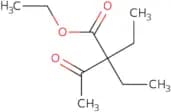
CAS:Versatile small molecule scaffoldFórmula:C7H16ClNO2Pureza:Min. 95%Peso molecular:182 g/molEthyl 2,2-diethylacetoacetate
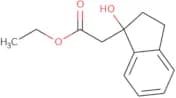
CAS:<p>Ethyl 2,2-diethylacetoacetate is an organic solvent that can be used for the production of electrophotographic toner. It is reactive and has a particle diameter of about 0.1 µm in the liquid state. The chemical formula for ethyl 2,2-diethylacetoacetate is CH3COCH2COOC2H5. Ethyl 2,2-diethylacetoacetate reacts with silicon and zirconium to form coatings that are useful in the manufacture of carboxyalkylated insulin analogues as well as acceptor materials for electron transfer layers in electrophotographic toners.</p>Fórmula:C10H18O3Pureza:Min. 95%Peso molecular:186.25 g/molEthyl 2-(1-hydroxy-2,3-dihydro-1H-inden-1-yl)acetate
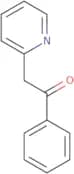
CAS:<p>Versatile small molecule scaffold</p>Fórmula:C13H16O3Pureza:Min. 95%Peso molecular:220.26 g/mol1-Phenyl-2-(2-pyridinyl)-ethanone
CAS:<p>1-Phenyl-2-(2-pyridinyl)-ethanone is a hydrogen bond donor and an enolate anion. It has tautomeric and zwitterionic properties. The protonation of the methyl ketones in 1-phenyl-2-(2-pyridinyl)ethanone will lead to the formation of the enolate anion, which can act as a proton acceptor. The intramolecular hydrogen bonding in 1-phenyl-2-(2-pyridinyl)-ethanone leads to its tautomeric properties, because it can exist as both the keto form or enol form. When 1-phenyl-2-(2-pyridinyl)ethanone is deprotonated, it forms a carbonyl group that acts as an acceptor for hydrogen bonding with other molecules.</p>Fórmula:C13H11NOPureza:Min. 95%Peso molecular:197.23 g/mol1-[(3-Chlorophenyl)methyl]cyclopropane-1-carboxylic acid
CAS:Versatile small molecule scaffoldFórmula:C11H11ClO2Pureza:Min. 95%Peso molecular:210.65 g/mol1-[(4-Chlorophenyl)methyl]cyclopropane-1-carboxylic acid
CAS:<p>Versatile small molecule scaffold</p>Fórmula:C11H11ClO2Pureza:Min. 95%Peso molecular:210.65 g/mol2-(3-Chlorophenyl)-5-methyl-2H-1,2,3-triazole-4-carboxylic acid
CAS:Versatile small molecule scaffoldFórmula:C10H8ClN3O2Pureza:Min. 95%Peso molecular:237.64 g/mol3-(4-Chlorophenyl)pyrrolidine-2,5-dione
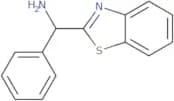
CAS:<p>Versatile small molecule scaffold</p>Fórmula:C10H8ClNO2Pureza:Min. 95%Peso molecular:209.63 g/mol1,3-Benzothiazol-2-yl(phenyl)methanamine
CAS:<p>Versatile small molecule scaffold</p>Fórmula:C14H12N2SPureza:Min. 95%Peso molecular:240.33 g/molbicyclo[2.2.1]heptan-2-ol
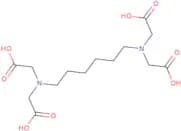
CAS:<p>Bicyclo[2.2.1]heptan-2-ol is a ternary compound that has been synthesized by the reaction of trifluoroacetic acid with hydrochloric acid and methyl ethyl ketone. This type of polymerization reaction is highly reactive, leading to an increase in kinetic energy and deuterium isotope effects. The steric interactions between the carbonyl group and the olefin double bond are also important in this process.</p>Fórmula:C7H12OPureza:Min. 95%Peso molecular:112.17 g/mol1,6-Diaminohexane-N,N,N²,N²-tetraacetic acid
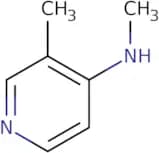
CAS:1,6-Diaminohexane-N,N,N²,N²-tetraacetic acid (DAHA) is a metal chelator that binds to the metal ions of copper and nickel. It has minimal toxicity and is used to prepare biological samples for analysis. DAHA binds to metal ions in the presence of glycol ethers or fatty acids. This complex is then separated by particle size using a centrifuge or liquid chromatography. DAHA can be used as an antimicrobial agent against bacteria such as Staphylococcus aureus and Pseudomonas aeruginosa.Fórmula:C14H24N2O8Pureza:Min. 95%Peso molecular:348.35 g/molN,3-Dimethylpyridin-4-amine
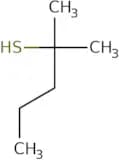
CAS:<p>Versatile small molecule scaffold</p>Fórmula:C7H10N2Pureza:Min. 95%Peso molecular:122.17 g/mol2-Methylpentane-2-thiol
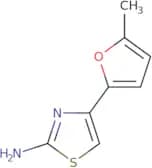
CAS:Versatile small molecule scaffoldFórmula:C6H14SPureza:Min. 95%Peso molecular:118.24 g/mol4-(5-Methyl-furan-2-yl)-thiazol-2-ylamine
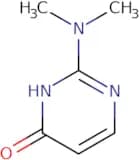
CAS:Versatile small molecule scaffoldFórmula:C8H8N2OSPureza:Min. 95%Peso molecular:180.23 g/mol2-(Dimethylamino)pyrimidin-4-ol
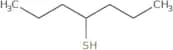
CAS:<p>Versatile small molecule scaffold</p>Fórmula:C6H9N3OPureza:Min. 95%Peso molecular:139.16 g/molHeptane-4-thiol
CAS:<p>Heptane-4-thiol is a hydroxyethyl crosslinked, cross-linked, expressed, isomer, transition, sulfide. The crystal structure of this molecule has been determined using X-ray diffraction and it was found to be a potent inhibitor of the transferase enzyme. The isomers of heptane-4-thiol are also studied in order to find out how they affect the biological activity of the molecule. Heptane-4-thiol has been shown to inhibit the human enzyme acid lipase and has a heat resistance that allows for it to be used in industrial processes.</p>Fórmula:C7H16SPureza:Min. 95%Peso molecular:132.27 g/mol2-[(Pyrimidin-4-yl)amino]ethan-1-ol
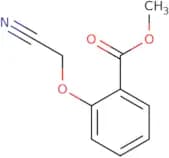
CAS:<p>Versatile small molecule scaffold</p>Fórmula:C6H9N3OPureza:Min. 95%Peso molecular:139.16 g/molMethyl 2-(cyanomethoxy)benzoate
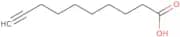
CAS:<p>Versatile small molecule scaffold</p>Fórmula:C10H9NO3Pureza:Min. 95%Peso molecular:191.18 g/molDec-9-ynoic acid
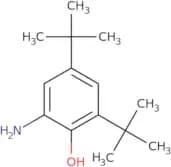
CAS:<p>Dec-9-ynoic acid is a synthetic fatty acid that is a precursor to several biologically important substances. It is labile and easily oxidized by air, light, or heat. Dec-9-ynoic acid has been shown to be a central metabolic intermediate for the biosynthesis of polyunsaturated fatty acids. It can also be converted into linolenic acid, which is an essential fatty acid that cannot be synthesized by humans. Dec-9-ynoic acid exists in two geometric isomers: cis and trans. The cis form exhibits kinetic properties that are different from the trans form. Dec-9-ynoic acid has been studied as a potential treatment for human diseases such as diabetes mellitus type 2, Parkinson's disease, Alzheimer's disease, schizophrenia, and depression.</p>Fórmula:C10H16O2Pureza:Min. 95%Peso molecular:168.23 g/mol2-Amino-4,6-di-tert-butylphenol
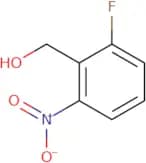
CAS:<p>2-Amino-4,6-di-tert-butylphenol is a phenolic compound that has antiviral properties. It reacts with nucleophiles to form 2-amino-4,6-di-(tertiary butyl)phenoxide and 2,4,6-triaminophenol. The functional theory for the antiviral activity of 2-amino-4,6-di-(tertiary butyl)phenol is based on its ability to react with nucleophiles and form products that inhibit viral replication. This agent has been shown to be effective against Mycobacterium tuberculosis and Mycobacterium avium complex in cell culture studies. 2AAP inhibits the growth of human cancer cells in vitro by blocking the synthesis of DNA and RNA. It also inhibits protein synthesis by binding to methylamine groups in proteins and inhibiting the release of aminoacyl adenosine triphosphate (ATP</p>Fórmula:C14H23NOPureza:Min. 95%Peso molecular:221.34 g/mol2-Fluoro-6-nitrobenzyl alcohol
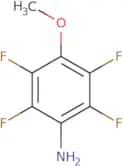
CAS:<p>Versatile small molecule scaffold</p>Fórmula:C7H6FNO3Pureza:Min. 95%Peso molecular:171.13 g/mol2,3,5,6-Tetrafluoro-4-methoxyaniline
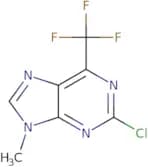
CAS:<p>Versatile small molecule scaffold</p>Fórmula:C7H5F4NOPureza:Min. 95%Peso molecular:195.11 g/mol2-Chloro-9-methyl-6-(trifluoromethyl)-9H-purine
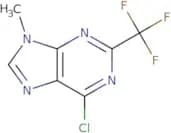
CAS:Versatile small molecule scaffoldFórmula:C7H4ClF3N4Pureza:Min. 95%Peso molecular:236.58 g/mol6-Chloro-9-methyl-2-(trifluoromethyl)-9H-purine
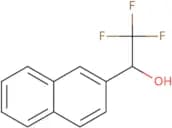
CAS:Versatile small molecule scaffoldFórmula:C7H4ClF3N4Pureza:Min. 95%Peso molecular:236.58 g/mol2,2,2-Trifluoro-1-(naphthalen-2-yl)ethan-1-ol
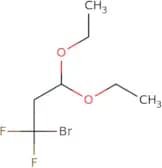
CAS:2,2,2-Trifluoro-1-(naphthalen-2-yl)ethan-1-ol is a diastereomerically pure compound that can be synthesized in high yield. It is a precursor to other compounds that are used as pharmaceuticals and pesticides. This compound is not commercially available, but it can be prepared from the corresponding alcohol by desilylation followed by enantioselective sulfinylation or trifluoromethylation with the use of chiral fluorinating reagents such as trifluoromethyltrimethylsilane. The sulfinyl group in this molecule has been shown to have an increased diastereoselectivity compared to related substrates.Fórmula:C12H9F3OPureza:Min. 95%Peso molecular:226.19 g/mol1-Bromo-3,3-diethoxy-1,1-difluoropropane
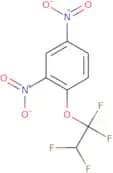
CAS:Versatile small molecule scaffoldFórmula:C7H13BrF2O2Pureza:Min. 95%Peso molecular:247.08 g/mol2,4-Dinitro-1-(1,1,2,2-tetrafluoroethoxy)benzene
CAS:Versatile small molecule scaffoldFórmula:C8H4F4N2O5Pureza:Min. 95%Peso molecular:284.12 g/molMethyl benzo[b]furan-2-carboxylate
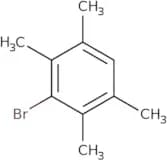
CAS:<p>Methyl benzo[b]furan-2-carboxylate is a synthetic chemical compound that is not found in nature. It has been shown to have potent anticancer activity against a variety of cancer cell lines, including leukemia, prostate, colon, and breast cancer cells. Methyl benzo[b]furan-2-carboxylate inhibits the growth of these cells by inducing programmed cell death (apoptosis) through a mechanism that is different from other anticancer drugs. This chemical also has significant inhibitory activity against alkene and benzofuran derivatives, which are known to be resistant to chemotherapy. Methyl benzo[b]furan-2-carboxylate has not shown any neurotoxicity in animal models and has a good safety profile.</p>Fórmula:C10H8O3Pureza:Min. 95%Peso molecular:176.17 g/mol1-Bromo-2,3,5,6-tetramethylbenzene
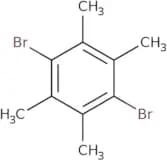
CAS:<p>1-Bromo-2,3,5,6-tetramethylbenzene (1-BTTB) is an organic compound that is used as a model system to study the reactivity of methyl groups. 1-BTTB reacts with potassium t-butoxide in a nonpolar solvent to form a cyclic ether product. The reaction is initiated by the addition of hydrogen peroxide. This reaction can be monitored using vibrational spectroscopy and yields nitro groups and imidazole derivatives when it is carried out in the presence of nitric acid or ammonium nitrate. 1-BTTB also has heat resistant properties that make it useful for use in chemical processes involving carbon tetrachloride or hydrogen fluoride.</p>Fórmula:C10H13BrPureza:Min. 95%Peso molecular:213.11 g/mol1,4-Dibromo-2,3,5,6-tetramethylbenzene
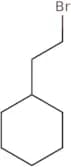
CAS:<p>1,4-Dibromo-2,3,5,6-tetramethylbenzene is a five-membered ring molecule with the chemical formula C8H8Br6. It has been shown to react with dichlorocarbene to form a 1:1 adduct, which is stable at room temperature and can be isolated as a crystalline solid. This compound has been used in the synthesis of perfluorinated compounds. The reaction rate of 1,4-dibromo-2,3,5,6-tetramethylbenzene is affected by electron donating or withdrawing groups on the methyl group. The compound has also been found to have inflammatory effects on diseases such as asthma and arthritis.</p>Fórmula:C10H12Br2Pureza:Min. 95%Peso molecular:292.01 g/mol2-Bromoethylcyclohexane
CAS:<p>2-Bromoethylcyclohexane (2BC) is a heterocycle that has shown antituberculosis activity. This compound inhibits the growth of mycobacteria by inhibiting protein synthesis and cell division, which are vital for bacterial growth. 2BC also has an inhibitory effect on the human papillomavirus (HPV). It binds to the virus' receptor, thereby preventing it from binding to a host cell. 2BC has been shown to be effective against skin cancer cells by inhibiting their proliferation. This heterocyclic compound has fluorescence resonance energy transfer properties and can be used as a marker for DNA double strand breaks in cells.</p>Fórmula:C8H15BrPureza:Min. 95%Peso molecular:191.11 g/mol2-Methyl-2-dodecanol
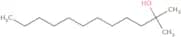
CAS:<p>2-Methyl-2-dodecanol is a reactive chemical that can be used as an additive in metal halides. It has been found to be an effective catalyst for the production of ethylene glycol and other chemicals. The reaction is catalyzed by alkali metals, such as sodium and potassium. 2-Methyl-2-dodecanol can also function as a solvent and has viscosity comparable to water.</p>Fórmula:C13H28OPureza:Min. 95%Peso molecular:200.36 g/mol6-Methylazulene
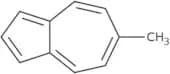
CAS:<p>6-Methylazulene is a trifluoroacetic acid derivative of azulene that has been used in the synthesis of annulenes and fulvenes. It can be synthesized from carbinols or by cross-coupling with a metal halide. 6-Methylazulene is a reactive intermediate for organic synthesis, which can be used to create new molecules with fluorescent properties. It is also used as a precursor for the synthesis of fulvene and annulene. This compound has two functional groups, an acidic methyl group and an amine group. The molecule adopts a five-membered ring structure with three double bonds around the central carbon atom. The reactivity of this compound is influenced by the presence of electron withdrawing groups at positions 3 and 5, which allow it to undergo nucleophilic substitution reactions more readily than other azulenes. These properties make 6-methylazulene useful in synthetic organic chemistry as well as in</p>Fórmula:C11H10Pureza:Min. 95%Peso molecular:142.2 g/mol2-Cyanoethyl ether
CAS:<p>2-Cyanoethyl ether is a chemical compound used for the treatment of wastewater. The compound is prepared by reacting ethylene with hydrogen peroxide in the presence of an alkali metal catalyst. 2-Cyanoethyl ether has been shown to be effective in removing cyanides, acrylonitrile, and other organic compounds from wastewater. The activation energy for this reaction is 22.3 kJ/mol. This chemical can also exist as four isomers: cis-, trans-, syn-, and anti-.</p>Fórmula:C6H8N2OPureza:Min. 98%Forma y color:Clear LiquidPeso molecular:124.14 g/mol4-Acetyl-N,N-diethylbenzene-1-sulfonamide
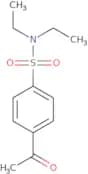
CAS:Versatile small molecule scaffoldFórmula:C12H17NO3SPureza:Min. 95%Peso molecular:255.34 g/mol6,7,8,9-Tetrahydro-5H-benzo[7]annulen-2-ol
CAS:<p>Versatile small molecule scaffold</p>Fórmula:C11H14OPureza:Min. 95%Peso molecular:162.23 g/mol1-(1-Adamantyl)propan-1-one
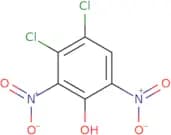
CAS:<p>Versatile small molecule scaffold</p>Fórmula:C13H20OPureza:Min. 95%Peso molecular:192.3 g/mol3,4-Dichloro-2,6-dinitrophenol
CAS:<p>Versatile small molecule scaffold</p>Fórmula:C6H2Cl2N2O5Pureza:Min. 95%Peso molecular:252.99 g/mol6,9-diazaspiro[4.5]decan-10-one
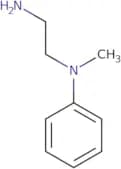
CAS:<p>Versatile small molecule scaffold</p>Fórmula:C8H14N2OPureza:Min. 95%Peso molecular:154.21 g/molN1-Methyl-N1-phenyl-ethane-1,2-diamine
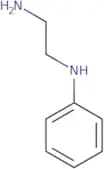
CAS:Versatile small molecule scaffoldFórmula:C9H14N2Pureza:Min. 95%Peso molecular:150.23 g/molN-Phenylethylenediamine
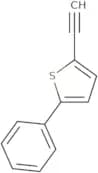
CAS:N-Phenylethylenediamine is a molecule that contains hydrogen bonds. Hydrogen bonds are the covalent interactions between hydrogen atoms and electronegative atoms, like oxygen or nitrogen, in molecules. N-phenylethylenediamine has been shown to have antiinflammatory activity, which may be due to its ability to inhibit prostaglandin synthesis. Hydrogen bonding interactions are also present between carbonyl groups and protonated amines in this molecule. This allows for stereoselective reactions with amines that have a hydrogen atom on an asymmetric carbon atom at the alpha position. It has been isolated as a yield of 34%.Fórmula:C8H12N2Pureza:Min. 95%Peso molecular:136.2 g/mol2-Ethynyl-5-phenylthiophene
CAS:<p>Versatile small molecule scaffold</p>Fórmula:C12H8SPureza:Min. 95%Peso molecular:184.26 g/mol4-[2-(Diethylamino)ethyl]aniline
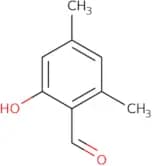
CAS:<p>Versatile small molecule scaffold</p>Fórmula:C12H20N2Pureza:Min. 95%Peso molecular:192.3 g/mol2-Hydroxy-4,6-dimethyl-benzaldehyde
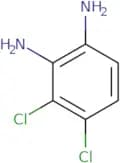
CAS:<p>Versatile small molecule scaffold</p>Fórmula:C9H10O2Pureza:Min. 95%Peso molecular:150.18 g/mol3,4-dichlorobenzene-1,2-diamine
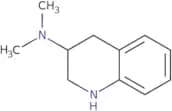
CAS:<p>3,4-dichlorobenzene-1,2-diamine is a high salt compound that binds to sulfatide and has a molecular weight of 3.2 kilodaltons. It is an agonist for the galactose receptor in muscle cells, which causes stimulation of biochemical properties in the cell. The compound has been shown to be synthetic and expressed in E. coli. 3,4-Dichlorobenzene-1,2-diamine is also used as an immunofluorescent probe for studying the function of galactose receptors in muscle cells. This compound can also be immobilized on polyacrylamide gels to study its interactions with sulfatide.</p>Fórmula:C6H6Cl2N2Pureza:Min. 95%Peso molecular:177.03 g/molN,N-Dimethyl-1,2,3,4-tetrahydroquinolin-3-amine
CAS:Versatile small molecule scaffoldFórmula:C11H16N2Pureza:Min. 95%Peso molecular:176.26 g/mol1H-Indole-6-carboxamide
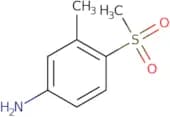
CAS:<p>1H-Indole-6-carboxamide is a pharmaceutical compound that has been shown to bind to serotonin receptors. It has been studied for its potential use in the treatment of cancer, bowel disease, depression, and inflammatory bowel disease. 1H-Indole-6-carboxamide is a polymorphic chemical compound that exists as an equilibrium mixture of two isomers. The bound form of the drug is more potent than the free form and it binds with high affinity to serotonin receptors. 1H-Indole-6-carboxamide hydrochloride salts are more soluble in water than the free form, making them more efficient for use in humans.</p>Fórmula:C9H8N2OPureza:Min. 95%Peso molecular:160.17 g/mol4-Methanesulfonyl-3-methylaniline
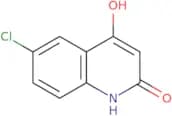
CAS:<p>Versatile small molecule scaffold</p>Fórmula:C8H11NO2SPureza:Min. 95%Peso molecular:185.25 g/mol6-Chloro-4-hydroxy-1,2-dihydroquinolin-2-one
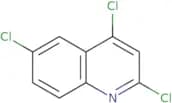
CAS:<p>6-Chloro-4-hydroxy-1,2-dihydroquinolin-2-one is a diazotized aromatic amine. This compound has absorption spectra and acidic properties. It can be used as a precursor to other compounds, including hydrazones and substituted quinolines. 6-Chloro-4-hydroxy-1,2-dihydroquinolin-2-one can also act as an amine or an aromatic amine in the presence of acids or bases. When treated with acid, this compound forms an ionic salt that has a systematic name of 6-(chlorocarbonyl)-4H-[1,2]diazaquinoline 2,4(1H,3H)-dione. This compound also has two tautomers: the keto form and the enol form.</p>Fórmula:C9H6ClNO2Pureza:Min. 95%Peso molecular:195.6 g/mol2,4,6-Trichloroquinoline
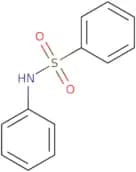
CAS:<p>Versatile small molecule scaffold</p>Fórmula:C9H4Cl3NPureza:Min. 95%Peso molecular:232.5 g/molBenzenesulfonanilide
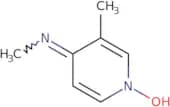
CAS:<p>Benzenesulfonanilide is a compound that is soluble in water. It has potent antagonists against the chemokine receptor CXCR2 and the chemokine CCL5. The molecular weight of benzenesulfonanilide is 212.2 g/mol, and it has a fluorine atom at the 2-position on the benzene ring, a carbonyl group (-C=O) at the 2-position on the benzene ring, and a nitro group (-NO2) at the 3-position on the benzene ring. The structural formula for benzenesulfonanilide is shown below:</p>Fórmula:C12H11NO2SPureza:Min. 95%Peso molecular:233.29 g/mol3-Methyl-4-(methylamino)pyridin-1-ium-1-olate
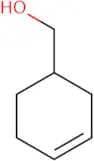
CAS:<p>Versatile small molecule scaffold</p>Fórmula:C7H10N2OPureza:Min. 95%Peso molecular:138.17 g/mol3-Cyclohexene-1-methanol
CAS:<p>3-Cyclohexene-1-methanol is a fatty acid that is used as a precursor in the synthesis of pharmaceuticals and other chemicals. It has been shown to have antifungal activity against Trichophyton mentagrophytes and Xylomyces sp. It also has been shown to be effective against Staphylococcus aureus, but not against Escherichia coli. 3-Cyclohexene-1-methanol has been shown to reduce the size of tumors in mice by inhibiting cell proliferation through cationic polymerization with DNA. This chemical also inhibits the growth of MCF-7 cells in vitro and can cause cell death by apoptosis. 3-Cyclohexene-1-methanol is soluble in water and insoluble in organic solvents such as chloroform or ether.<br>3CEMM shows x ray absorption at 807 nm, which corresponds to the</p>Fórmula:C7H12OPureza:Min. 95%Peso molecular:112.17 g/mol10-Hydroxydecanoic acid
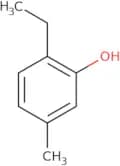
CAS:<p>10-Hydroxydecanoic acid is a nonsteroidal anti-inflammatory drug that has the ability to inhibit prostaglandin synthesis. 10-Hydroxydecanoic acid has been shown to be effective in treating inflammatory diseases such as arthritis and psoriasis. It is also used to treat lacrimal gland inflammation, and caco-2 cells have been shown to have a maximal response to this drug. 10-Hydroxydecanoic acid is synthesized from trans-10-hydroxy-2-decenoic acid by an acylation reaction with silver ions in a nonpolar solvent, followed by heating. This compound can be separated from other fatty acids using an analytical technique called thin layer chromatography (TLC).</p>Fórmula:C10H20O3Pureza:Min. 95%Peso molecular:188.26 g/mol2-Ethyl-5-methylphenol
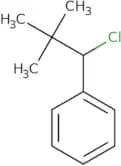
CAS:<p>2-Ethyl-5-methylphenol is a natural product that belongs to the class of phenols. It is biosynthesized by the conversion of 2-methylacetophenone, which is found in styrene and exocrine glands in arachnids. This compound has been shown to be toxic to a number of bacteria, including strains resistant to antibiotics such as methicillin and cephalothin. The toxicity of 2-ethyl-5-methylphenol against bacteria may be due to its ability to inhibit protein synthesis and disrupt cellular membranes. The pathways leading from 2-methylacetophenone to 2-ethyl-5-methylphenol involve two steps: nitration followed by ethylation.<br>2E5MP can be synthesized using acetone and 3- methyl1 -butanol as precursors, which are scalable and inexpensive chemicals.</p>Fórmula:C9H12OPureza:Min. 95%Peso molecular:136.19 g/mol(1-Chloro-2,2-dimethylpropyl)benzene
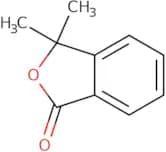
CAS:<p>Versatile small molecule scaffold</p>Fórmula:C11H15ClPureza:Min. 95%Peso molecular:182.69 g/mol3,3-Dimethyl-2-benzofuran-1(3H)-one
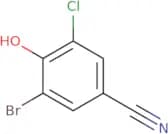
CAS:<p>3,3-Dimethyl-2-benzofuran-1(3H)-one is a benzene derivative with a nitro group. It is an organic compound with the formula C8H8NO2 and can be considered as an aromatic nitro compound. The molecule contains a benzene ring with two methyl substituents at the 3 and 3' positions. The nitro group is located at the 1 position on the benzene ring and it has an electron withdrawing effect on this ring. This molecule also has three nitro groups which are located at the 1, 2, and 4 positions on the benzene ring. These groups have electron donating effects to this ring. <br>The uptake of 3,3-dimethyl-2-benzofuran-1(3H)-one by alkali metal ions has been observed to be catalysed by chloride ions due to its electrophilic nature. The chloride ion is able to stabilize a negative charge that forms on</p>Fórmula:C10H10O2Pureza:Min. 95%Peso molecular:162.19 g/mol3-Bromo-5-chloro-4-hydroxybenzonitrile
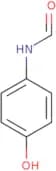
CAS:Versatile small molecule scaffoldFórmula:C7H3BrClNOPureza:Min. 95%Peso molecular:232.46 g/molN-(4-Hydroxyphenyl)formamide
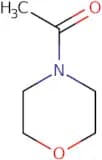
CAS:<p>Versatile small molecule scaffold</p>Fórmula:C7H7NO2Pureza:Min. 95%Peso molecular:137.14 g/mol4-Acetylmorpholine
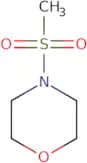
CAS:<p>4-Acetylmorpholine is a recycled amide that is synthesized from an alkanolamine and an acylation reaction. It has been used in the dehydrating of organic compounds, such as reaction solution, and for the preparation of acrylamide. 4-Acetylmorpholine is also used as a viscosity control agent in the extraction of aromatic hydrocarbons. Its chemical structure consists of a carbonyl group and an aromatic hydrocarbon. 4-Acetylmorpholine can be synthesized by reacting acetaldehyde with ammonia or thiourea with methyl chloride or ethylene oxide.</p>Fórmula:C6H3D8NO2Pureza:Min. 95%Peso molecular:137.21 g/mol4-Methanesulfonylmorpholine
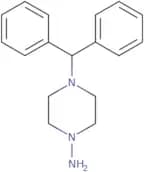
CAS:<p>Versatile small molecule scaffold</p>Fórmula:C5H11NO3SPureza:Min. 95%Peso molecular:165.21 g/mol4-(Diphenylmethyl)piperazin-1-amine
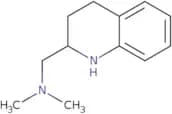
CAS:<p>Versatile small molecule scaffold</p>Fórmula:C17H21N3Pureza:Min. 95%Peso molecular:267.37 g/molDimethyl(1,2,3,4-tetrahydroquinolin-2-ylmethyl)amine
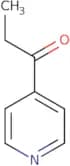
CAS:Versatile small molecule scaffoldFórmula:C12H18N2Pureza:Min. 95%Peso molecular:190.28 g/mol1-(Pyridin-4-yl)propan-1-one
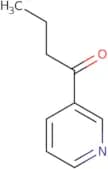
CAS:<p>1-(Pyridin-4-yl)propan-1-one is a catalytic, asymmetric, deuterated solvent that is used in the synthesis of various pyridine alkaloids. Its chemical properties are similar to those of other carbonyl compounds, but it can be differentiated by its catalytic properties. This compound has been shown to be effective at low temperatures and is soluble in a variety of solvents. It also has the ability to bind to metal ions such as chloride or potassium. 1-(Pyridin-4-yl)propan-1-one has been shown to promote growth at temperatures below 37°C and can be used in porcine cells.</p>Fórmula:C8H9NOPureza:Min. 95%Peso molecular:135.17 g/mol1-(Pyridin-3-yl)butan-1-one
CAS:<p>1-(Pyridin-3-yl)butan-1-one (1PYB) is a naturally occurring compound that has inhibitory effects on the population of acid molecules. It prevents the formation and release of nitrosamines in alkoxycarbonyl, which are carcinogenic compounds. 1PYB has been shown to be an antioxidant marker in human leukoplakia tissue and is also involved in the production of conjugates. 1PYB can bind to liver S9 enzymes, which may inhibit their activity. This drug is used as a sunscreen agent and is also used for its anti-inflammatory properties.</p>Fórmula:C9H11NOPureza:Min. 95%Peso molecular:149.19 g/molN-[(1-Hydroxycyclopentyl)methyl]acetamide
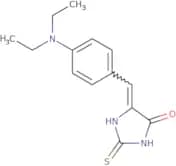
CAS:Versatile small molecule scaffoldFórmula:C8H15NO2Pureza:Min. 95%Peso molecular:157.21 g/mol5-(4-Diethylamino-benzylidene)-2-thioxo-imidazolidin-4-one
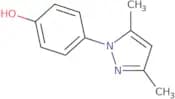
CAS:Versatile small molecule scaffoldFórmula:C14H17N3OSPureza:Min. 95%Peso molecular:275.37 g/mol4-(3,5-Dimethyl-1H-pyrazol-1-yl)phenol
CAS:<p>Versatile small molecule scaffold</p>Fórmula:C11H12N2OPureza:Min. 95%Peso molecular:188.23 g/mol2-(4-Bromobenzenesulfonamido)benzoic acid
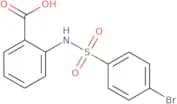
CAS:<p>2-(4-Bromobenzenesulfonamido)benzoic acid is a centrosymmetric molecule that has a hydrogen bond and a crystal structure. It is made up of two molecules of benzoic acid, which are bonded together in a dimer. The hydrogen bonds form between the hydroxyl groups on the benzene rings, and the molecule has two dihedral angles. The molecule is asymmetric due to the different positions of the bromine atoms, which cause it to have an undefined rotation axis.</p>Fórmula:C13H10BrNO4SPureza:Min. 95%Peso molecular:356.19 g/mol2-(4-Chloro-benzenesulfonylamino)-benzoic acid
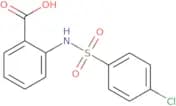
CAS:Versatile small molecule scaffoldFórmula:C13H10ClNO4SPureza:Min. 95%Peso molecular:311.74 g/mol2-Bromo-1-(4-ethoxyphenyl)ethanone
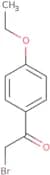
CAS:<p>Versatile small molecule scaffold</p>Fórmula:C10H11BrO2Pureza:Min. 95%Peso molecular:243.1 g/mol8-Methyl-1-tetralone
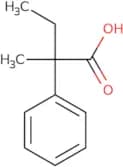
CAS:<p>8-Methyl-1-tetralone is a reactive compound that can be used in research. It has been shown to have geometries, polymethyl and energy transfer properties. The benzoyl group is also important for this molecule's reactivity. 8-Methyl-1-tetralone diffuses slowly because of its size and mass. This product is kinetically stable, but it may undergo product research artefacts with prolonged exposure to air or light.</p>Fórmula:C11H12OPureza:Min. 95%Peso molecular:160.21 g/mol2-Methyl-2-phenylbutanoic acid
CAS:<p>2-Methyl-2-phenylbutanoic acid is a molecule with a formula of C8H14O2. It has one hydroxyl group and one acceptor, which are the two functional groups that have an effect on the molecular electrostatic potential. The molecule also has a butyric acid group, which is a short-chain fatty acid. 2-Methyl-2-phenylbutanoic acid is an anticomplement agent and is used in research to study the complement system's role in inflammation and tissue damage. The molecule's structure can be described by its functional groups, which are antiinflammatory in nature.</p>Fórmula:C11H14O2Pureza:Min. 95%Peso molecular:178.23 g/mol9-Thia-3-azabicyclo[4.2.1]nonan-4-one
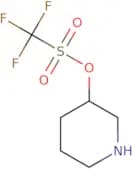
CAS:<p>Versatile small molecule scaffold</p>Fórmula:C7H11NOSPureza:Min. 95%Peso molecular:157.24 g/mol3-Piperidinesulfonic Acid
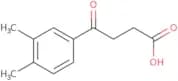
CAS:<p>Versatile small molecule scaffold</p>Fórmula:C5H11NO3SPureza:Min. 95%Peso molecular:165.21 g/mol4-(3,4-Dimethyl-phenyl)-4-oxo-butyric acid
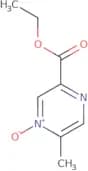
CAS:<p>Versatile small molecule scaffold</p>Fórmula:C12H14O3Pureza:Min. 95%Peso molecular:206.24 g/mol5-(Ethoxycarbonyl)-2-methylpyrazin-1-ium-1-olate
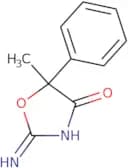
CAS:Versatile small molecule scaffoldFórmula:C8H10N2O3Pureza:Min. 95%Peso molecular:182.18 g/mol2-Amino-5-methyl-5-phenyl-4,5-dihydro-1,3-oxazol-4-one
CAS:Versatile small molecule scaffoldFórmula:C10H10N2O2Pureza:Min. 95%Peso molecular:190.2 g/molDicyclopropylmethanamine hydrochloride
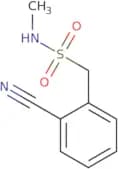
CAS:<p>Dicyclopropylmethanamine hydrochloride is a member of the class of hydroxyalkyl, amino group regulators. It can be used as a growth regulator in plants. Dicyclopropylmethanamine hydrochloride has been used for medicinal purposes and as an herbicide. This compound also shows properties that are similar to those of some cardiovascular drugs and may have potential for use in treating cardiovascular diseases.</p>Fórmula:C7H14ClNPureza:Min. 95%Peso molecular:147.65 g/mol1-(2-Cyanophenyl)-N-methylmethanesulfonamide
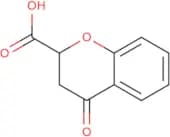
CAS:Versatile small molecule scaffoldFórmula:C9H10N2O2SPureza:Min. 95%Peso molecular:210.26 g/mol4-Oxo-3,4-dihydro-2H-1-benzopyran-2-carboxylic acid
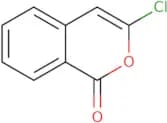
CAS:<p>4-Oxo-3,4-dihydro-2H-1-benzopyran-2-carboxylic acid is a copper salt that is the active compound in lipase. It is inexpensively prepared by heating the corresponding ester with sodium hydroxide in an organic solvent. 4-Oxo-3,4-dihydro-2H-1-benzopyran-2-carboxylic acid inhibits alkali metal and phosphine ligands and can be used as a source of chlorine atoms. The compound has been shown to have two isomers: one with a chlorine atom and one with fluorine.</p>Fórmula:C10H8O4Pureza:Min. 95%Peso molecular:192.17 g/mol3-Chloro-1H-isochromen-1-one
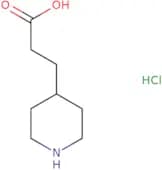
CAS:<p>3-Chloro-1H-isochromen-1-one is a boronic acid that can be used as a catalyst. It has been shown to be efficient in the Suzuki reaction, which is the coupling of an aryl or alkyl halide with an organoboron compound. The yield is usually high and the method is stable, so it has been used for synthesizing polycyclic aromatic compounds. 3-Chloro-1H-isochromen-1-one also has been used in palladium coupling reactions and boronic acid pinacol couplings with terminal alkynes.</p>Fórmula:C9H5ClO2Pureza:Min. 95%Peso molecular:180.59 g/mol3-(Piperidin-4-yl)propanoic acid hydrochloride
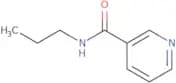
CAS:Versatile small molecule scaffoldFórmula:C8H16ClNO2Pureza:Min. 95%Peso molecular:193.67 g/molN-Propylnicotinamide
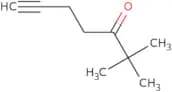
CAS:<p>N-Propylnicotinamide is a marker of nutritional status and a methyl donor. It is a nicotinamide that can be quantified in blood, plasma, and urine. This compound has been validated as a marker for the measurement of dietary methionine intake in human subjects. N-Propylnicotinamide has also been used as an internal standard for the detection of fluorescence in biological samples by liquid chromatography with fluorescence detection (LC-FLD).</p>Fórmula:C9H12N2OPureza:Min. 95%Peso molecular:164.2 g/mol2,2-Dimethylhept-6-yn-3-one
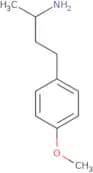
CAS:<p>Versatile small molecule scaffold</p>Fórmula:C9H14OPureza:Min. 95%Peso molecular:138.21 g/mol3-(4-Methoxy-phenyl)-1-methyl-propylamine
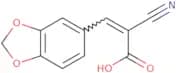
CAS:3-(4-Methoxy-phenyl)-1-methyl-propylamine is a chiral compound that inhibits the growth of bacteria. It has significant growth inhibition against Gram-positive bacteria, including Staphylococcus aureus and Enterococcus faecalis. 3-(4-Methoxy-phenyl)-1-methyl-propylamine also has significant growth inhibition against Gram-negative bacteria, including Salmonella typhimurium, Escherichia coli, and Pseudomonas aeruginosa. This drug has antifeedant activity as well as significant growth inhibition against certain fungi and protozoa.Fórmula:C11H17NOPureza:Min. 95%Peso molecular:179.26 g/mol3-(1,3-Dioxaindan-5-yl)-2-cyanoprop-2-enoic acid
CAS:Versatile small molecule scaffoldFórmula:C11H7NO4Pureza:Min. 95%Peso molecular:217.18 g/mol

![1-[(Ethanesulfonyl)methyl]-4-nitrobenzene](/_next/image/?url=https%3A%2Fstatic.cymitquimica.com%2Fproducts%2F3D%2Fthumb-webp%2FBAA61241.webp&w=3840&q=75)

![1-[(3-Chlorophenyl)methyl]cyclopropane-1-carboxylic acid](/_next/image/?url=https%3A%2Fstatic.cymitquimica.com%2Fproducts%2F3D%2Fthumb-webp%2FBAA62129.webp&w=3840&q=75)
![1-[(4-Chlorophenyl)methyl]cyclopropane-1-carboxylic acid](/_next/image/?url=https%3A%2Fstatic.cymitquimica.com%2Fproducts%2F3D%2Fthumb-webp%2FBAA62137.webp&w=3840&q=75)


![bicyclo[2.2.1]heptan-2-ol](/_next/image/?url=https%3A%2Fstatic.cymitquimica.com%2Fproducts%2F3D%2Fthumb-webp%2FBAA63268.webp&w=3840&q=75)
![2-[(Pyrimidin-4-yl)amino]ethan-1-ol](/_next/image/?url=https%3A%2Fstatic.cymitquimica.com%2Fproducts%2F3D%2Fthumb-webp%2FBAA64087.webp&w=3840&q=75)
![Methyl benzo[b]furan-2-carboxylate](/_next/image/?url=https%3A%2Fstatic.cymitquimica.com%2Fproducts%2F3D%2Fthumb-webp%2FBAA64627.webp&w=3840&q=75)

![6,7,8,9-Tetrahydro-5H-benzo[7]annulen-2-ol](/_next/image/?url=https%3A%2Fstatic.cymitquimica.com%2Fproducts%2F3D%2Fthumb-webp%2FBAA65993.webp&w=3840&q=75)

![6,9-diazaspiro[4.5]decan-10-one](/_next/image/?url=https%3A%2Fstatic.cymitquimica.com%2Fproducts%2F3D%2Fthumb-webp%2FBAA66433.webp&w=3840&q=75)
![4-[2-(Diethylamino)ethyl]aniline](/_next/image/?url=https%3A%2Fstatic.cymitquimica.com%2Fproducts%2F3D%2Fthumb-webp%2FBAA66560.webp&w=3840&q=75)


![N-[(1-Hydroxycyclopentyl)methyl]acetamide](/_next/image/?url=https%3A%2Fstatic.cymitquimica.com%2Fproducts%2F3D%2Fthumb-webp%2FBCA00422.webp&w=3840&q=75)
![9-Thia-3-azabicyclo[4.2.1]nonan-4-one](/_next/image/?url=https%3A%2Fstatic.cymitquimica.com%2Fproducts%2F3D%2Fthumb-webp%2FBCA03034.webp&w=3840&q=75)