Building Blocks
Subcategorías de "Building Blocks"
- Ácidos borónicos y derivados del ácido borónico(5.774 productos)
- Building Blocks quirales(1.237 productos)
- Building Blocks de hidrocarburos(6.098 productos)
- Building Blocks orgánicos(60.970 productos)
Se han encontrado 205135 productos de "Building Blocks"
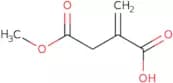
Monomethyl Itaconate
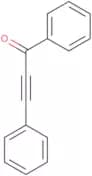
CAS:Monomethyl Itaconate is a chemical compound that has been used to synthesize polymers for use in the production of coatings, adhesives, and lubricants. It is a liquid at room temperature with a viscosity of about 4.3 cSt at 25°C. Monomethyl Itaconate is soluble in organic solvents such as benzene, ether, or chloroform and can be stored in temperatures from -30°C to 120°C. The FT-IR spectroscopy has shown that this chemical has an active methylene group and contains one double bond. This product also has high optical purity and low viscosity, which makes it useful for polymerization reactions.Fórmula:C6H8O4Pureza:Min. 95%Peso molecular:144.13 g/molDiphenylprop-2-yn-1-one
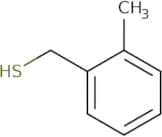
CAS:Diphenylprop-2-yn-1-one is a nitro compound that reacts with an acid to produce a terminal alkene. It has been shown to have a high melting point and does not react with light, making it useful for organic solvents. Diphenylprop-2-yn-1-one also binds to the enzyme acetylcholinesterase in Alzheimer's disease, which may help to prevent or delay the development of neurodegenerative diseases. The bond cleavage reaction can be used as a model system for studying the mechanism of alkynes and dialkylamino compounds.Fórmula:C15H10OPureza:Min. 95%Peso molecular:206.24 g/mol2-Methylbenzyl mercaptan
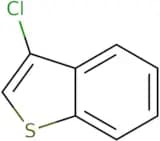
CAS:2-Methylbenzyl mercaptan is a covalent probe for the detection of yields. It can be used as an additive in organic chemistry to increase the efficiency of reactions. 2-Methylbenzyl mercaptan has been shown to catalyze the desulfurization of amines and dithiocarbamates. This compound reacts with electrophiles such as oxygen, chlorine, and bromine. The reaction forms a crosslinked structure that is resistant to further reaction with these electrophiles. 2-Methylbenzyl mercaptan has also been shown to react with amines and form desulfurized products through transfer of a methyl group from the mercaptan to the amine.Fórmula:C8H10SPureza:Min. 95%Peso molecular:138.23 g/mol3-Chloro-1-benzothiophene
CAS:3-Chloro-1-benzothiophene is a molecule that is used to treat bowel disease. It has been shown to inhibit the proliferation of colon cancer cells in vitro and in vivo, as well as to induce apoptosis. 3-Chloro-1-benzothiophene also inhibits inflammation by blocking chloride channels, which are found on the surface of inflammatory cells in the digestive tract. This drug may have regenerative effects because it has been shown to stimulate the growth of new nerve and muscle cells in mice. 3-Chloro-1-benzothiophene binds to receptor cells and blocks chloride channels, inhibiting the release of inflammatory mediators from these cells.Fórmula:C8H5ClSPureza:Min. 95%Peso molecular:168.64 g/mol3,5-Diethyl-1H-1,2,4-triazole
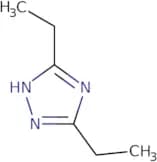
CAS:3,5-Diethyl-1H-1,2,4-triazole is a ligand that has been used for the preparation of coordination compounds. It is a triazole with a 3,5-diethyl substituent. This ligand can be prepared by reacting acetonitrile with anions in the presence of hydrochloric acid. The ligand can be characterized by its diffraction properties and its ability to bind metal ions. 3,5-Diethyl-1H-1,2,4-triazole forms complexes with metals that are hydrophobic in nature and this property can be exploited to prepare synthetic materials. The complex that features this ligand is kinetically stable and crystallographically well defined.Fórmula:C6H11N3Pureza:Min. 95%Peso molecular:125.17 g/moltrans-2,3-Dimethoxycinnamic Acid
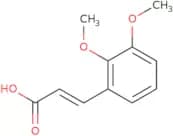
CAS:Trans-2,3-dimethoxycinnamic acid is a dicarboxylic acid that is formed through the condensation of phenylacetic acid and methanol. This compound has been used in the synthesis of pharmaceuticals, such as antihistamines. Trans-2,3-dimethoxycinnamic acid has also been shown to have antioxidant properties by scavenging free radicals produced during lipid peroxidation.
Fórmula:C11H12O4Pureza:Min. 95%Peso molecular:208.21 g/molSodium cyclohexyl(ethyl)carbamodithioate
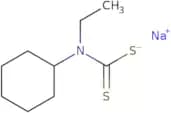
CAS:Versatile small molecule scaffoldFórmula:C9H16NNaS2Pureza:Min. 95%Peso molecular:225.4 g/mol2-(1-Phenylcyclopropyl)acetic acid
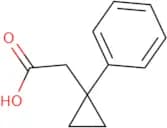
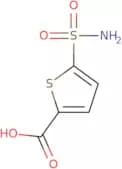
CAS:Versatile small molecule scaffoldFórmula:C11H12O2Pureza:Min. 95%Peso molecular:176.21 g/mol5-Sulfamoylthiophene-2-carboxylic acid
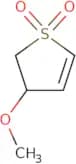
CAS:Versatile small molecule scaffoldFórmula:C5H5NO4S2Pureza:Min. 95%Peso molecular:207.2 g/mol3-methoxy-2,3-dihydrothiophene 1,1-dioxide
CAS:Versatile small molecule scaffold
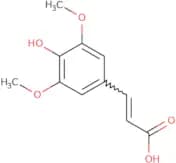
Fórmula:C5H8O3SPureza:Min. 95%Peso molecular:148.18 g/moltrans-Sinapic acid
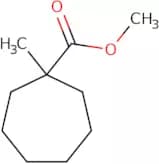
CAS:Trans-Sinapic acid is an organic compound with the formula HOCHC(OH)CHCOH. It is a white solid that is soluble in water and ethanol. Trans-Sinapic acid is found in plants, such as the leaves of Vitexin, and has been shown to have various pharmacological activities including anti-inflammatory and anticholinesterase properties. Trans-Sinapic acid also has been shown to be a potent inhibitor of acetylcholinesterase (AChE) activity. AChE inhibitors are used clinically as treatments for Alzheimer's disease and other conditions involving memory loss and cognitive decline. Trans-Sinapic acid binds to AChE with high affinity and inhibits its ability to break down acetylcholine, thereby increasing its concentration at nerve junctions. This may lead to improvement in symptoms associated with Alzheimer's disease, such as memory loss and cognitive decline.Fórmula:C11H12O5Pureza:Min. 95%Forma y color:PowderPeso molecular:224.21 g/molMethyl 1-methylcycloheptane-1-carboxylate
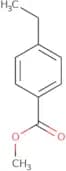
CAS:Versatile small molecule scaffoldFórmula:C10H18O2Pureza:Min. 95%Peso molecular:170.25 g/molMethyl 4-ethylbenzoate
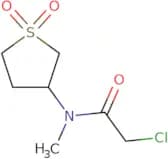
CAS:Methyl 4-ethylbenzoate is an activated sensitizer that is used in the production of polyvinyl chloride. It is isolated from a reaction mixture by distillation and has been shown to be an efficient method for activation of ethylbenzene. The organoleptic properties of methyl 4-ethylbenzoate are dependent on the temperature, with higher temperatures producing a more unpleasant odor. Methyl 4-ethylbenzoate can also be used as a catalyst for electrocatalysis reactions that involve c–h bond activation. This chemical has been found to be useful in the production of polyethylene terephthalate and its derivatives, which are used in many products such as packaging materials, plastic bottles, fibers, and clothing.Fórmula:C10H12O2Pureza:Min. 95%Peso molecular:164.2 g/mol2-Chloro-N-(1,1-dioxo-tetrahydro-1lambda(6)-thiophen-3-yl)-N-methyl-acetamide
CAS:Versatile small molecule scaffold
Fórmula:C7H12ClNO3SPureza:Min. 95%Peso molecular:225.69 g/mol4-[(E)-2-(2-Methylphenyl)ethenyl]pyridine
CAS:Versatile small molecule scaffoldFórmula:C14H13NPureza:Min. 95%Peso molecular:195.26 g/mol2-[4-(Bromomethyl)phenyl]acetonitrile
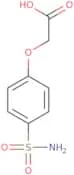
CAS:Versatile small molecule scaffoldFórmula:C9H8BrNPureza:Min. 95%Peso molecular:210.07 g/mol2-(4-Sulfamoylphenoxy)acetic acid
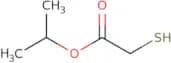
CAS:2-(4-Sulfamoylphenoxy)acetic acid is a chemical compound with the formula CHOSO2H. It is a colorless liquid that is soluble in water and polar organic solvents. It can be prepared by treating 4-hydroxybenzoic acid with sulfuryl chloride to produce the ethyl ester, which hydrolyses to give 2-(4-sulfamoylphenoxy)acetic acid. The compound has been used as a model for kinetic studies of reactions involving protonated amines and hydroxyl groups. A microencapsulation technique was developed for preparing stable dispersions of the drug in water with an average particle size of 1.5 micrometres.Fórmula:C8H9NO5SPureza:Min. 95%Peso molecular:231.23 g/molPropan-2-yl 2-sulfanylacetate
CAS:Propan-2-yl 2-sulfanylacetate is a chloride that is the magnesium salt of propan-2-yl 2-sulfanylacetic acid. It has been shown to be a film forming polymer with a number of functional groups and has been used as a fixative agent for acrylonitrile. Propan-2-yl 2-sulfanylacetate has also been shown to have anti psychotic effects in patients with chronic schizophrenia, and may be due to its primary amino group.Fórmula:C5H10O2SPureza:Min. 95%Peso molecular:134.2 g/molBenzyl 2-sulfanylacetate
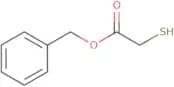
CAS:Benzyl 2-sulfanylacetate is a liquid crystal compound that belongs to the group of aromatic hydrocarbons and fatty acids. It has a high resistance to chloride and an alkylthio group. Benzyl 2-sulfanylacetate can be used as a film-forming polymer, which is used in the stabilizing of pyrimidine compounds and phosphites. Benzyl 2-sulfanylacetate also has neurotrophic effects and can be used for dry extract enzymatic reactions.Fórmula:C9H10O2SPureza:Min. 95%Peso molecular:182.24 g/mol4-Nitro-1H-indazol-3-ol
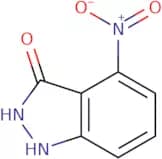
CAS:Versatile small molecule scaffoldFórmula:C7H5N3O3Pureza:Min. 95%Peso molecular:179.13 g/moldecahydronaphthalene-1-carboxylic acid
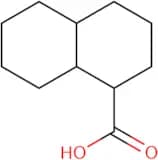
CAS:Decahydronaphthalene-1-carboxylic acid is a polyester that is synthesized from a primary alcohol and the carboxylic acid. It is an efficient method to produce naphthalene by oxidation of decahydronaphthalene-1-carboxylic acid with manganese dioxide in the presence of peroxide. The reaction rate can be increased by using a suitable catalyst such as copper, iron, or nickel. Decahydronaphthalene-1-carboxylic acid has been used to synthesize cycloalkanes with high yields. The toxicity of decahydronaphthalene-1-carboxylic acid depends on its metal content.Fórmula:C11H18O2Pureza:Min. 95%Peso molecular:182.26 g/mol2-Methyl-3-oxo-3-phenylpropanenitrile
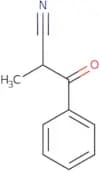
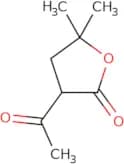
CAS:2-Methyl-3-oxo-3-phenylpropanenitrile is an activated form of acetonitrile. It is a colorless liquid with a strong ammonia odor. 2-Methyl-3-oxo-3-phenylpropanenitrile is used as a reagent in organic synthesis and can be used to catalyze the elimination of hydroxyl groups, activating groups, and carbonyl groups. 2-Methyl-3-oxo-3-phenylpropanenitrile has been shown to be capable of hydrogenating unsaturated bonds during the course of nucleophilic substitution reactions. The compound can also be used to synthesize isoxazoles, which are used as pharmaceuticals or pesticides.Fórmula:C10H9NOPureza:Min. 95%Peso molecular:159.18 g/mol3-Acetyl-5,5-dimethyloxolan-2-one
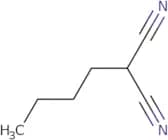
CAS:Versatile small molecule scaffoldFórmula:C8H12O3Pureza:Min. 95%Peso molecular:156.18 g/mol2-Butylpropanedinitrile
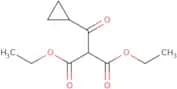
CAS:2-Butylpropanedinitrile is an aliphatic hydrocarbon that is used as a solvent in the manufacture of pesticides and pharmaceutical preparations. It is also used to produce diphenyl ethers, which are used as solvents for dyes and lacquers. This compound has been shown to be sensitive to lithium and is nonaqueous. It reacts with ester compounds, such as pesticides, to form ester products which are reactive. The electrode potential of 2-butylpropanedinitrile is reversibly determined by the electrolyte solution it is in.Fórmula:C7H10N2Pureza:Min. 95%Peso molecular:122.17 g/mol1,3-Diethyl 2-cyclopropanecarbonylpropanedioate
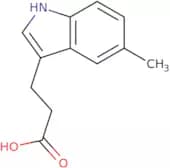
CAS:Diethyl malonate is an organic compound that is used as a reactant in the synthesis of esters. It is prepared by the elimination of diethyl oxalate from diethyl acetoacetate with sodium hydroxide. Diethyl malonate reacts with propiolic acid to form 1,3-diethyl 2-cyclopropanecarbonylpropanedioate. This compound can also be prepared by reacting ethyl chloroformate with propiolic acid. The elimination reaction of diethyl malonate and propiolic acid yields 1,3-diethyl 2-cyclopropanecarbonylpropanedioate and water.Fórmula:C11H16O5Pureza:Min. 95%Peso molecular:228.24 g/mol3-(5-methyl-1H-indol-3-yl)propanoic acid
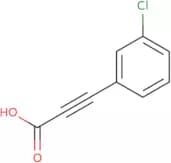
CAS:Versatile small molecule scaffoldFórmula:C12H13NO2Pureza:Min. 95%Peso molecular:203.24 g/mol3-(3-chlorophenyl)prop-2-ynoic acid
CAS:Versatile small molecule scaffold
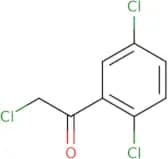
Fórmula:C9H5O2ClPureza:Min. 95%Peso molecular:180.59 g/mol2-Chloro-1-(2,5-dichlorophenyl)ethan-1-one
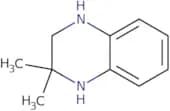
CAS:Versatile small molecule scaffoldFórmula:C8H5Cl3OPureza:Min. 95%Peso molecular:223.5 g/mol2,2-Dimethyl-1,2,3,4-tetrahydroquinoxaline
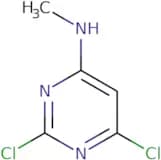
CAS:Versatile small molecule scaffoldFórmula:C10H14N2Pureza:Min. 95%Peso molecular:162.23 g/mol2,6-dichloro-N-methylpyrimidin-4-amine
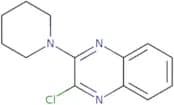
CAS:Versatile small molecule scaffoldFórmula:C5H5Cl2N3Pureza:Min. 95%Peso molecular:178 g/mol2-Chloro-3-(piperidin-1-yl)quinoxaline
CAS:Versatile small molecule scaffoldFórmula:C13H14ClN3Pureza:Min. 95%Peso molecular:247.72 g/moldichloro-1,3,4-thiadiazole
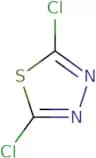
CAS:Dichloro-1,3,4-thiadiazole is a dipole molecule with a nitrogen atom in the center of two chlorine atoms. It has a molecular electrostatic potential of -0.6 and an efficiency of 73%. Dichloro-1,3,4-thiadiazole is a polar molecule that can be described by three geometries: amide, dimethylformamide, and chlorine. The geometry of dichloro-1,3,4-thiadiazole is optimized using parameters such as the distance between two chlorine atoms (-2.8) and the distance between two nitrogen atoms (1.7).Fórmula:C2Cl2N2SPureza:Min. 95%Peso molecular:155 g/molN-tert-Butyl-3-methylpyridine-2-carboxamide
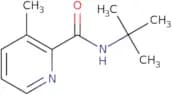
CAS:Versatile small molecule scaffoldFórmula:C11H16N2OPureza:Min. 95%Peso molecular:192.26 g/molEthyl 5-phenyl-1,3-oxazole-4-carboxylate
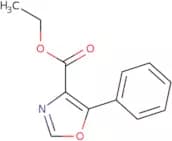
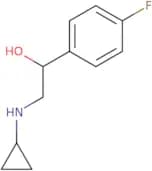
CAS:Versatile small molecule scaffoldFórmula:C12H11NO3Pureza:Min. 95%Peso molecular:217.22 g/mol2-(Cyclopropylamino)-1-(4-fluorophenyl)ethan-1-ol
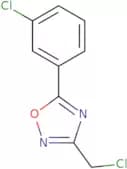
CAS:Versatile small molecule scaffoldFórmula:C11H14FNOPureza:Min. 95%Peso molecular:195.23 g/mol3-(Chloromethyl)-5-(3-chlorophenyl)-1,2,4-oxadiazole
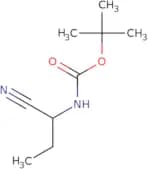
CAS:Versatile small molecule scaffoldFórmula:C9H6Cl2N2OPureza:Min. 95%Peso molecular:229.06 g/moltert-Butyl N-(1-cyanopropyl)carbamate
CAS:Versatile small molecule scaffoldFórmula:C9H16N2O2Pureza:Min. 95%Peso molecular:184.24 g/mol[5-(3-Chlorophenyl)-1,2-oxazol-3-yl]methanol
CAS:Versatile small molecule scaffoldFórmula:C10H8ClNO2Pureza:Min. 95%Peso molecular:209.63 g/mol3-Iodo-2,6-dihydro-4H-pyrrolo[3,4-c]pyrazole-5-carboxylic acid tert-butyl ester
CAS:Versatile small molecule scaffoldFórmula:C10H14IN3O2Pureza:Min. 95%Peso molecular:335.14 g/mol4-[5-(Difluoromethyl)-1,3,4-oxadiazol-2-yl]benzoic acid
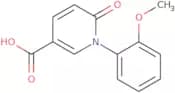
CAS:Versatile small molecule scaffoldFórmula:C10H6F2N2O3Pureza:Min. 95%Peso molecular:240.16 g/mol1-(2-Methoxyphenyl)-6-oxo-1,6-dihydropyridine-3-carboxylic acid
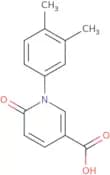
CAS:Versatile small molecule scaffoldFórmula:C13H11NO4Pureza:Min. 95%Peso molecular:245.23 g/mol1-(3,4-Dimethylphenyl)-6-oxo-1,6-dihydropyridine-3-carboxylic acid
CAS:Versatile small molecule scaffoldFórmula:C14H13NO3Pureza:Min. 95%Peso molecular:243.26 g/mol9-[(2-Chloropyridin-4-yl)methyl]-9H-purin-6-amine
CAS:Versatile small molecule scaffoldFórmula:C11H9ClN6Pureza:Min. 95%Peso molecular:260.68 g/mol6-[(3-Bromophenyl)sulfanyl]pyridine-2-carboxylic acid
CAS:Versatile small molecule scaffoldFórmula:C12H8BrNO2SPureza:Min. 95%Peso molecular:310.17 g/mol1-[(2-Cyanophenyl)methyl]pyrrolidine-2-carboxamide
CAS:Versatile small molecule scaffoldFórmula:C13H15N3OPureza:Min. 95%Peso molecular:229.28 g/mol3-[(2-Methoxyphenyl)methoxy]-2-methylaniline
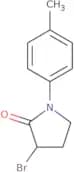
CAS:Versatile small molecule scaffoldFórmula:C15H17NO2Pureza:Min. 95%Peso molecular:243.3 g/mol3-Bromo-1-(4-methylphenyl)pyrrolidin-2-one
CAS:Versatile small molecule scaffoldFórmula:C11H12BrNOPureza:Min. 95%Peso molecular:254.12 g/mol1-[3-Chloro-5-(trifluoromethyl)pyridin-2-yl]pyrrolidin-3-amine
CAS:Versatile small molecule scaffold
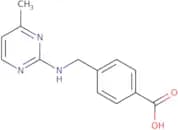
Fórmula:C10H11ClF3N3Pureza:Min. 95%Peso molecular:265.66 g/mol4-(((4-Methylpyrimidin-2-yl)amino)methyl)benzoic acid
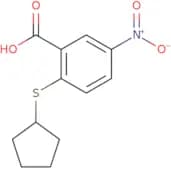
CAS:Versatile small molecule scaffoldFórmula:C13H13N3O2Pureza:Min. 95%Peso molecular:243.26 g/mol2-(Cyclopentylsulfanyl)-5-nitrobenzoic acid
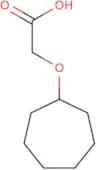
CAS:Versatile small molecule scaffoldFórmula:C12H13NO4SPureza:Min. 95%Peso molecular:267.3 g/mol2-(Cycloheptyloxy)acetic acid
CAS:Versatile small molecule scaffoldFórmula:C9H16O3Pureza:Min. 95%Peso molecular:172.22 g/mol2-(5-Amino-2-chlorophenyl)-2-azaspiro[4.4]nonane-1,3-dione
CAS:Versatile small molecule scaffoldFórmula:C14H15ClN2O2Pureza:Min. 95%Peso molecular:278.73 g/molN,N-Dimethyl-1,2,3,4-tetrahydroquinolin-7-amine dihydrochloride
CAS:Versatile small molecule scaffoldFórmula:C11H18Cl2N2Pureza:Min. 95%Peso molecular:249.2 g/mol4-{[Benzyl(methyl)amino]methyl}-N-methylpyridin-2-amine
CAS:Versatile small molecule scaffoldFórmula:C15H19N3Pureza:Min. 95%Peso molecular:241.33 g/mol4-[(5-Methylpyridin-2-yl)oxy]benzoic acid
CAS:Versatile small molecule scaffoldFórmula:C13H11NO3Pureza:Min. 95%Peso molecular:229.2 g/mol1-{[1,2,3,4]Tetrazolo[1,5-a]pyrazin-5-yl}-1H-pyrazole-4-carboxylic acid
CAS:Versatile small molecule scaffold
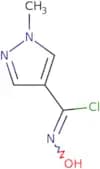
Fórmula:C8H5N7O2Pureza:Min. 95%Peso molecular:231.17 g/molN-Hydroxy-1-methyl-1H-pyrazole-4-carbonimidoyl chloride
CAS:Versatile small molecule scaffoldFórmula:C5H6ClN3OPureza:Min. 95%Peso molecular:159.57 g/mol3-Methyl-1-(propan-2-yl)-4,5-dihydro-1H-1,2,4-triazol-5-one
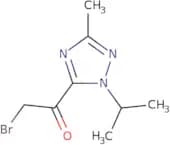
CAS:Versatile small molecule scaffoldFórmula:C6H11N3OPureza:Min. 95%Peso molecular:141.2 g/mol2-bromo-1-(1-isopropyl-3-methyl-1H-1,2,4-triazol-5-yl)ethanone
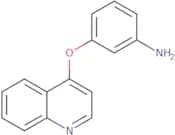
CAS:Versatile small molecule scaffoldFórmula:C8H12BrN3OPureza:Min. 95%Peso molecular:246.11 g/mol3-(Quinolin-4-yloxy)aniline
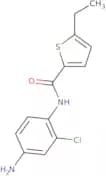
CAS:Versatile small molecule scaffoldFórmula:C15H12N2OPureza:Min. 95%Peso molecular:236.27 g/molN-(4-Amino-2-chlorophenyl)-5-ethylthiophene-2-carboxamide
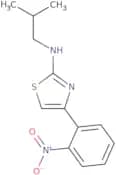
CAS:Versatile small molecule scaffoldFórmula:C13H13ClN2OSPureza:Min. 95%Peso molecular:280.77 g/molN-(2-Methylpropyl)-4-(2-nitrophenyl)-1,3-thiazol-2-amine
CAS:Versatile small molecule scaffold
Fórmula:C13H15N3O2SPureza:Min. 95%Peso molecular:277.34 g/mol2-Methyl-4H,5H,6H,7H-pyrazolo[1,5-a]pyrimidine
CAS:Versatile small molecule scaffoldFórmula:C7H11N3Pureza:Min. 95%Peso molecular:137.18 g/mol[1,3-Bis(4-methylphenyl)propan-2-yl](methyl)amine
CAS:Producto controladoVersatile small molecule scaffoldFórmula:C18H23NPureza:Min. 95%Peso molecular:253.4 g/mol1-[4-(Difluoromethoxy)phenyl]piperidin-3-amine
CAS:Versatile small molecule scaffoldFórmula:C12H16F2N2OPureza:Min. 95%Peso molecular:242.26 g/mol2-{1-[(2-Methylpropyl)carbamoyl]piperidin-3-yl}acetic acid
CAS:Versatile small molecule scaffoldFórmula:C12H22N2O3Pureza:Min. 95%Peso molecular:242.31 g/mol2-Chloro-5-[(4-methylpyrimidin-2-yl)amino]benzoic acid
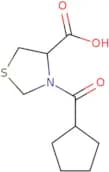
CAS:Versatile small molecule scaffoldFórmula:C12H10ClN3O2Pureza:Min. 95%Peso molecular:263.68 g/mol(4R)-3-(Cyclopentylcarbonyl)-1,3-thiazolidine-4-carboxylic acid
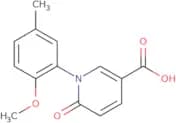
CAS:Versatile small molecule scaffoldFórmula:C10H15NO3SPureza:Min. 95%Peso molecular:229.3 g/mol1-(2-Methoxy-5-methylphenyl)-6-oxo-1,6-dihydropyridine-3-carboxylic acid
CAS:Versatile small molecule scaffoldFórmula:C14H13NO4Pureza:Min. 95%Peso molecular:259.26 g/mol6-Oxo-1-{[2-(propan-2-yl)-1,3-thiazol-4-yl]methyl}-1,6-dihydropyridine-3-carboxylic acid
CAS:Versatile small molecule scaffoldFórmula:C13H14N2O3SPureza:Min. 95%Peso molecular:278.33 g/mol1-[(3,5-Dimethoxyphenyl)methyl]pyrrolidin-3-amine
CAS:Versatile small molecule scaffoldFórmula:C13H20N2O2Pureza:Min. 95%Peso molecular:236.31 g/mol2-[2-(Piperidin-2-yl)-1,3-thiazol-4-yl]pyridine
CAS:Versatile small molecule scaffoldFórmula:C13H15N3SPureza:Min. 95%Peso molecular:245.35 g/mol1-[1-(2-Methanesulfonylethyl)-3,5-dimethyl-1H-pyrazol-4-yl]propan-1-one
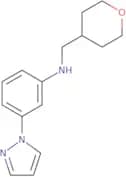
CAS:Versatile small molecule scaffoldFórmula:C11H18N2O3SPureza:Min. 95%Peso molecular:258.34 g/molN-(Oxan-4-ylmethyl)-3-(1H-pyrazol-1-yl)aniline
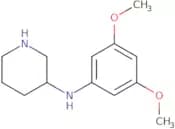
CAS:Versatile small molecule scaffoldFórmula:C15H19N3OPureza:Min. 95%Peso molecular:257.33 g/molN-(3,5-Dimethoxyphenyl)piperidin-3-amine
CAS:Versatile small molecule scaffoldFórmula:C13H20N2O2Pureza:Min. 95%Peso molecular:236.31 g/mol2-(Dimethylamino)-1,3-benzothiazole-6-carboxylic acid
CAS:Versatile small molecule scaffoldFórmula:C10H10N2O2SPureza:Min. 95%Peso molecular:222.3 g/mol3-Fluoro-4-[(piperidine-1-carbonyl)amino]benzoic acid
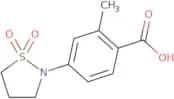
CAS:Versatile small molecule scaffoldFórmula:C13H15FN2O3Pureza:Min. 95%Peso molecular:266.27 g/mol4-(1,1-Dioxo-1,2-thiazolidin-2-yl)-2-methylbenzoic acid
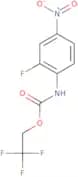
CAS:Versatile small molecule scaffoldFórmula:C11H13NO4SPureza:Min. 95%Peso molecular:255.29 g/mol2,2,2-Trifluoroethyl N-(2-fluoro-4-nitrophenyl)carbamate
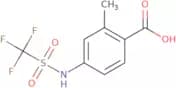
CAS:Versatile small molecule scaffoldFórmula:C9H6F4N2O4Pureza:Min. 95%Peso molecular:282.15 g/mol2-Methyl-4-trifluoromethanesulfonamidobenzoic acid
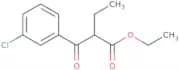
CAS:Versatile small molecule scaffoldFórmula:C9H8F3NO4SPureza:Min. 95%Peso molecular:283.23 g/molEthyl 2-(3-chlorobenzoyl)butanoate
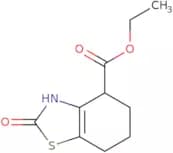
CAS:Versatile small molecule scaffoldFórmula:C13H15ClO3Pureza:Min. 95%Peso molecular:254.71 g/molEthyl 2-hydroxy-4,5,6,7-tetrahydro-1,3-benzothiazole-4-carboxylate
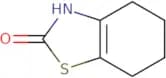
CAS:Versatile small molecule scaffoldFórmula:C10H13NO3SPureza:Min. 95%Peso molecular:227.28 g/mol2,3,4,5,6,7-Hexahydro-1,3-benzothiazol-2-one
CAS:Versatile small molecule scaffoldFórmula:C7H9NOSPureza:Min. 95%Peso molecular:155.22 g/mol2H,3H,4H,5H,6H,7H,8H-Cyclohepta[D][1,3]thiazol-2-one
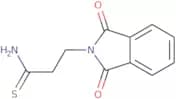
CAS:2H,3H,4H,5H,6H,7H,8H-Cyclohepta[D][1,3]thiazol-2-one is a synthetic compound that has been modified to produce various derivatives. It is used in the synthesis of oligosaccharides and polysaccharides. This chemical also has potential applications in the treatment of cancer and diabetes.Fórmula:C8H11NOSPureza:Min. 95%Peso molecular:169.25 g/mol3-(1,3-Dioxo-2,3-dihydro-1H-isoindol-2-yl)propanethioamide
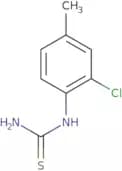
CAS:Versatile small molecule scaffoldFórmula:C11H10N2O2SPureza:Min. 95%Peso molecular:234.28 g/mol(2-Chloro-4-methylphenyl)thiourea
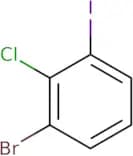
CAS:Versatile small molecule scaffoldFórmula:C8H9ClN2SPureza:Min. 95%Peso molecular:200.69 g/mol1-Bromo-2-chloro-3-iodobenzene
CAS:Versatile small molecule scaffoldFórmula:C6H3BrClIPureza:Min. 95%Peso molecular:317.35 g/mol4-Chloro-[1,1'-biphenyl]-3-amine
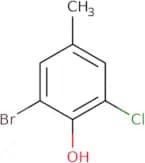
CAS:Versatile small molecule scaffoldFórmula:C12H10ClNPureza:Min. 95%Peso molecular:203.67 g/mol2-Bromo-6-chloro-4-methylphenol
CAS:Versatile small molecule scaffold
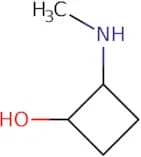
Fórmula:C7H6BrClOPureza:Min. 95%Peso molecular:221.48 g/molTrans-2-(methylamino)cyclobutan-1-ol
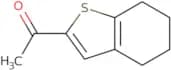
CAS:Versatile small molecule scaffoldFórmula:C5H11NOPureza:Min. 95%Peso molecular:101.15 g/mol1-(4,5,6,7-Tetrahydro-1-benzothiophen-2-yl)ethan-1-one
CAS:Versatile small molecule scaffoldFórmula:C10H12OSPureza:Min. 95%Peso molecular:180.27 g/mol3-Methoxy-2,2-dimethylpropan-1-ol
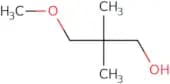
CAS:3-Methoxy-2,2-dimethylpropan-1-ol is an experimental chemical that belongs to the group of cations. It has a transition state with yields of 1.0 kcal/mol and a molecular ion peak at m/z = 143. The spectra of 3-methoxy-2,2-dimethylpropan-1-ol show methoxy as the primary methyl group and an energetics of -3.3 kcal/mol. 3-Methoxy-2,2-dimethylpropan-1-ol can be used for fragmentation reactions. It also has been shown to form isomers by substituting the methoxy group on either side of the methyl group on the propane chain and it has a metastable isomeric form that can be observed in mass spectrometry. 3-Methoxypropane can also be used in transfer reactions to produce isobutene which is an isomeric
Fórmula:C6H14O2Pureza:Min. 95%Peso molecular:118.17 g/mol2-(2-Bromoethyl)phenol
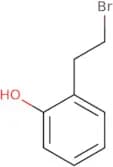
CAS:Versatile small molecule scaffoldFórmula:C8H9BrOPureza:Min. 95%Peso molecular:201.06 g/molMethyl 1-Methyl-1H-1,2,4-triazole-5-carboxylate
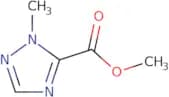
CAS:Versatile small molecule scaffoldFórmula:C5H7N3O2Pureza:Min. 95%Peso molecular:141.13 g/mol1-{Bicyclo[2.2.2]octan-1-yl}ethan-1-one
CAS:Versatile small molecule scaffold
Fórmula:C10H16OPureza:Min. 95%Peso molecular:152.23 g/mol[3-(Hydroxymethyl)quinolin-2-yl]methanol
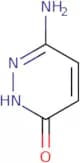
CAS:Versatile small molecule scaffoldFórmula:C11H11NO2Pureza:Min. 95%Peso molecular:189.21 g/mol6-Aminopyridazin-3(2H)-one
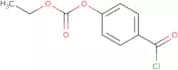
CAS:6-Aminopyridazin-3(2H)-one is a chemical that belongs to the class of pyrazoles. It is non-toxic, has low solubility in water, and has not been shown to react with any other substances. It is a yellow solid that can be found in nature as an intermediate in the metabolism of amino acids. 6-Aminopyridazin-3(2H)-one can be used for screening purposes or research purposes.Fórmula:C4H5N3OPureza:Min. 95%Peso molecular:111.1 g/mol4-(Carbonochloridoyl)phenyl ethyl carbonate
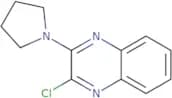
CAS:4-(Carbonochloridoyl)phenyl ethyl carbonate is a chiral compound that has an optical rotation of +72 degrees. It is synthesised by the reaction of 4-chlorophenylethyl chloride with carbon dioxide and ethylene glycol. The properties of this compound are affected by the solvent, temperature, and pH. The interaction of 4-(Carbonochloridoyl)phenyl ethyl carbonate with other compounds may vary depending on its conformation and the techniques used to study it.Fórmula:C10H9ClO4Pureza:Min. 95%Peso molecular:228.63 g/mol2-Chloro-3-(pyrrolidin-1-yl)quinoxaline
CAS:Versatile small molecule scaffold
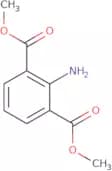
Fórmula:C12H12ClN3Pureza:Min. 95%Peso molecular:233.69 g/mol1,3-dimethyl 2-aminobenzene-1,3-dicarboxylate
CAS:1,3-dimethyl 2-aminobenzene-1,3-dicarboxylate is a synthetic substrate that is used to study the effects of anticancer drugs. It has been shown to inhibit the growth of cancer cells by interfering with the synthesis of DNA and protein. The compound also has a high redox potential and can be used as a reducing agent in coordination chemistry. 1,3-Dimethyl 2-aminobenzene-1,3-dicarboxylate inhibits proteolytic enzymes such as papain and trypsin. It is also able to induce gene expression by interacting with nucleotides on DNA, thereby inhibiting cancer cell proliferation.Fórmula:C10H11NO4Pureza:Min. 95%Peso molecular:209.2 g/mol

![4-[(E)-2-(2-Methylphenyl)ethenyl]pyridine](/_next/image/?url=https%3A%2Fstatic.cymitquimica.com%2Fproducts%2F3D%2Fthumb-webp%2FHAA37031.webp&w=3840&q=75)
![2-[4-(Bromomethyl)phenyl]acetonitrile](/_next/image/?url=https%3A%2Fstatic.cymitquimica.com%2Fproducts%2F3D%2Fthumb-webp%2FHAA37194.webp&w=3840&q=75)
![[5-(3-Chlorophenyl)-1,2-oxazol-3-yl]methanol](/_next/image/?url=https%3A%2Fstatic.cymitquimica.com%2Fproducts%2F3D%2Fthumb-webp%2FHBB42479.webp&w=3840&q=75)
![3-Iodo-2,6-dihydro-4H-pyrrolo[3,4-c]pyrazole-5-carboxylic acid tert-butyl ester](/_next/image/?url=https%3A%2Fstatic.cymitquimica.com%2Fproducts%2F3D%2Fthumb-webp%2FHBB42843.webp&w=3840&q=75)
![4-[5-(Difluoromethyl)-1,3,4-oxadiazol-2-yl]benzoic acid](/_next/image/?url=https%3A%2Fstatic.cymitquimica.com%2Fproducts%2F3D%2Fthumb-webp%2FHBC02266.webp&w=3840&q=75)
![9-[(2-Chloropyridin-4-yl)methyl]-9H-purin-6-amine](/_next/image/?url=https%3A%2Fstatic.cymitquimica.com%2Fproducts%2F3D%2Fthumb-webp%2FHBC14810.webp&w=3840&q=75)
![6-[(3-Bromophenyl)sulfanyl]pyridine-2-carboxylic acid](/_next/image/?url=https%3A%2Fstatic.cymitquimica.com%2Fproducts%2F3D%2Fthumb-webp%2FHBC16823.webp&w=3840&q=75)
![1-[(2-Cyanophenyl)methyl]pyrrolidine-2-carboxamide](/_next/image/?url=https%3A%2Fstatic.cymitquimica.com%2Fproducts%2F3D%2Fthumb-webp%2FHBC17213.webp&w=3840&q=75)
![3-[(2-Methoxyphenyl)methoxy]-2-methylaniline](/_next/image/?url=https%3A%2Fstatic.cymitquimica.com%2Fproducts%2F3D%2Fthumb-webp%2FHBC18533.webp&w=3840&q=75)
![1-[3-Chloro-5-(trifluoromethyl)pyridin-2-yl]pyrrolidin-3-amine](/_next/image/?url=https%3A%2Fstatic.cymitquimica.com%2Fproducts%2F3D%2Fthumb-webp%2FHBC23008.webp&w=3840&q=75)
![2-(5-Amino-2-chlorophenyl)-2-azaspiro[4.4]nonane-1,3-dione](/_next/image/?url=https%3A%2Fstatic.cymitquimica.com%2Fproducts%2F3D%2Fthumb-webp%2FHBC33895.webp&w=3840&q=75)
![4-{[Benzyl(methyl)amino]methyl}-N-methylpyridin-2-amine](/_next/image/?url=https%3A%2Fstatic.cymitquimica.com%2Fproducts%2F3D%2Fthumb-webp%2FHBC37035.webp&w=3840&q=75)
![4-[(5-Methylpyridin-2-yl)oxy]benzoic acid](/_next/image/?url=https%3A%2Fstatic.cymitquimica.com%2Fproducts%2F3D%2Fthumb-webp%2FHBC41715.webp&w=3840&q=75)
![1-{[1,2,3,4]Tetrazolo[1,5-a]pyrazin-5-yl}-1H-pyrazole-4-carboxylic acid](/_next/image/?url=https%3A%2Fstatic.cymitquimica.com%2Fproducts%2F3D%2Fthumb-webp%2FHBC43407.webp&w=3840&q=75)
![2-Methyl-4H,5H,6H,7H-pyrazolo[1,5-a]pyrimidine](/_next/image/?url=https%3A%2Fstatic.cymitquimica.com%2Fproducts%2F3D%2Fthumb-webp%2FHBC59736.webp&w=3840&q=75)
amine](/_next/image/?url=https%3A%2Fstatic.cymitquimica.com%2Fproducts%2F3D%2Fthumb-webp%2FHBC60292.webp&w=3840&q=75)
![1-[4-(Difluoromethoxy)phenyl]piperidin-3-amine](/_next/image/?url=https%3A%2Fstatic.cymitquimica.com%2Fproducts%2F3D%2Fthumb-webp%2FHBC71139.webp&w=3840&q=75)
![2-{1-[(2-Methylpropyl)carbamoyl]piperidin-3-yl}acetic acid](/_next/image/?url=https%3A%2Fstatic.cymitquimica.com%2Fproducts%2F3D%2Fthumb-webp%2FHBC72047.webp&w=3840&q=75)
![2-Chloro-5-[(4-methylpyrimidin-2-yl)amino]benzoic acid](/_next/image/?url=https%3A%2Fstatic.cymitquimica.com%2Fproducts%2F3D%2Fthumb-webp%2FHBC73339.webp&w=3840&q=75)
![6-Oxo-1-{[2-(propan-2-yl)-1,3-thiazol-4-yl]methyl}-1,6-dihydropyridine-3-carboxylic acid](/_next/image/?url=https%3A%2Fstatic.cymitquimica.com%2Fproducts%2F3D%2Fthumb-webp%2FHBC76359.webp&w=3840&q=75)
![1-[(3,5-Dimethoxyphenyl)methyl]pyrrolidin-3-amine](/_next/image/?url=https%3A%2Fstatic.cymitquimica.com%2Fproducts%2F3D%2Fthumb-webp%2FHBC80997.webp&w=3840&q=75)
![2-[2-(Piperidin-2-yl)-1,3-thiazol-4-yl]pyridine](/_next/image/?url=https%3A%2Fstatic.cymitquimica.com%2Fproducts%2F3D%2Fthumb-webp%2FHBC81613.webp&w=3840&q=75)
![1-[1-(2-Methanesulfonylethyl)-3,5-dimethyl-1H-pyrazol-4-yl]propan-1-one](/_next/image/?url=https%3A%2Fstatic.cymitquimica.com%2Fproducts%2F3D%2Fthumb-webp%2FHBC82740.webp&w=3840&q=75)
![3-Fluoro-4-[(piperidine-1-carbonyl)amino]benzoic acid](/_next/image/?url=https%3A%2Fstatic.cymitquimica.com%2Fproducts%2F3D%2Fthumb-webp%2FHBC87415.webp&w=3840&q=75)
![2H,3H,4H,5H,6H,7H,8H-Cyclohepta[D][1,3]thiazol-2-one](/_next/image/?url=https%3A%2Fstatic.cymitquimica.com%2Fproducts%2F3D%2Fthumb-webp%2FHCA00116.webp&w=3840&q=75)
![4-Chloro-[1,1'-biphenyl]-3-amine](/_next/image/?url=https%3A%2Fstatic.cymitquimica.com%2Fproducts%2F3D%2Fthumb-webp%2FHCA01394.webp&w=3840&q=75)
![1-{Bicyclo[2.2.2]octan-1-yl}ethan-1-one](/_next/image/?url=https%3A%2Fstatic.cymitquimica.com%2Fproducts%2F3D%2Fthumb-webp%2FHCA03201.webp&w=3840&q=75)
![[3-(Hydroxymethyl)quinolin-2-yl]methanol](/_next/image/?url=https%3A%2Fstatic.cymitquimica.com%2Fproducts%2F3D%2Fthumb-webp%2FHCA03214.webp&w=3840&q=75)