Building Blocks
Subcategorías de "Building Blocks"
- Ácidos borónicos y derivados del ácido borónico(5.784 productos)
- Building Blocks quirales(1.243 productos)
- Building Blocks de hidrocarburos(6.105 productos)
- Building Blocks orgánicos(61.066 productos)
Se han encontrado 205426 productos de "Building Blocks"
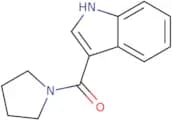
3-(Pyrrolidine-1-carbonyl)-1H-indole
CAS:Versatile small molecule scaffoldFórmula:C13H14N2OPureza:Min. 95%Peso molecular:214.26 g/mol4-Bromo-2-(1H-1,2,3,4-tetrazol-5-yl)aniline
CAS:Versatile small molecule scaffold
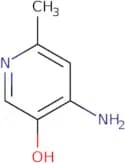
Fórmula:C7H6BrN5Pureza:Min. 95%Peso molecular:240.06 g/mol4-Amino-6-methylpyridin-3-ol
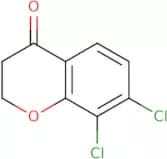
CAS:Versatile small molecule scaffoldFórmula:C6H8N2OPureza:Min. 95%Peso molecular:124.14 g/mol7,8-Dichloro-3,4-dihydro-2H-1-benzopyran-4-one
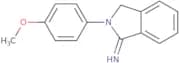
CAS:Versatile small molecule scaffoldFórmula:C9H6Cl2O2Pureza:Min. 95%Peso molecular:217.05 g/mol2-(4-Methoxyphenyl)-2,3-dihydro-1H-isoindol-1-imine
CAS:Versatile small molecule scaffold
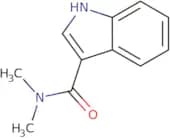
Fórmula:C15H14N2OPureza:Min. 95%Peso molecular:238.28 g/molN,N-Dimethyl-1H-indole-3-carboxamide
CAS:Producto controladoVersatile small molecule scaffoldFórmula:C11H12N2OPureza:Min. 95%Peso molecular:188.23 g/molN-[(5-Chloro-1,3-benzoxazol-2-yl)methylidene]hydroxylamine
CAS:Versatile small molecule scaffoldFórmula:C8H5ClN2O2Pureza:Min. 95%Peso molecular:196.59 g/mol3-[(4-Methylphenyl)amino]propanoic acid
CAS:Versatile small molecule scaffoldFórmula:C10H13NO2Pureza:Min. 95%Peso molecular:179.22 g/mol3-Amino-1-[3-(dimethylamino)propyl]thiourea
CAS:Versatile small molecule scaffold
Fórmula:C6H16N4SPureza:Min. 95%Peso molecular:176.29 g/mol2-[3-(Trifluoromethyl)phenyl]-1H-imidazole
CAS:Versatile small molecule scaffold
Fórmula:C10H7F3N2Pureza:Min. 95%Peso molecular:212.17 g/mol3,6-Dichloropyridazine-4-carboxamide
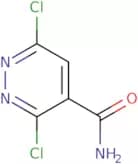
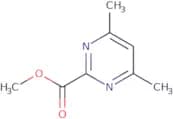
CAS:3,6-Dichloropyridazine-4-carboxamide is a white crystalline substance that belongs to the group of pyridazine derivatives. It has been shown to have a high primary amine content and a crystal structure. 3,6-Dichloropyridazine-4-carboxamide was synthesized by reacting an anthranilic acid with 3,6-dichloropyridazine in dimethylformamide. Mechanistic studies have shown that this reaction product is formed through an initial hydride addition to the pyrazole ring followed by hydrolysis of the methyl ester and chloride ion substitution. The result of this reaction is an anthranilic acid derivative with chlorine substitutions at positions 3 and 6 on the pyridine ring.Fórmula:C5H3Cl2N3OPureza:Min. 95%Peso molecular:192 g/molMethyl 4,6-dimethylpyrimidine-2-carboxylate
CAS:Versatile small molecule scaffoldFórmula:C8H10N2O2Pureza:Min. 95%Peso molecular:166.18 g/mol5-[(Furan-2-yl)methylidene]-4,6-dihydroxy-2,5-dihydropyrimidine-2-thione
CAS:Versatile small molecule scaffold
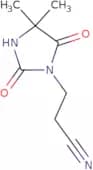
Fórmula:C9H6N2O3SPureza:Min. 95%Peso molecular:222.22 g/mol3-(4,4-Dimethyl-2,5-dioxoimidazolidin-1-yl)propanenitrile
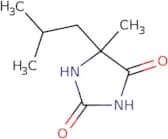
CAS:Versatile small molecule scaffoldFórmula:C8H11N3O2Pureza:Min. 95%Peso molecular:181.19 g/mol5-Iso-butyl-5-methylhydantoin
CAS:5-Iso-butyl-5-methylhydantoin is an organic compound that contains a sulphonic acid group. It has the chemical formula of CH3C(O)NHCH2SO3H. 5-Iso-butyl-5-methylhydantoin is soluble in water and has a pH between 1 and 4. It can be used as a solvent for substances with high solubility, such as additives, solutions, and inorganic materials. The flow properties of 5-isobutyl-5-methylhydantoin are dependent on the binder or carbon atoms present.
Fórmula:C8H14N2O2Pureza:Min. 95%Peso molecular:170.21 g/mol(3,3-Dimethylbicyclo[2.2.1]heptan-2-yl)methanol
CAS:Versatile small molecule scaffoldFórmula:C10H18OPureza:Min. 95%Peso molecular:154.25 g/mol(2-Phenylethyl)propylamine
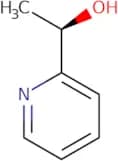
CAS:Producto controlado2-Phenylethyl)propylamine is an aminophenol that is a monosubstituted aromatic compound. 2-Phenylethyl)propylamine has been shown to be a bifunctional substrate for the cytochrome P450 enzyme and is also a receptor affinity analog of cannabinoids. The liposome formulation of 2-phenylethylamine has been shown to have an enhanced blood stability, which makes it useful for analytical toxicology as well as in pharmaceutical research. The oxidase type of 2-phenylethylamine has been shown to have inorganic particles, which may cause particle aggregation during storage.Fórmula:C11H17NPureza:Min. 95%Peso molecular:163.26 g/mol(R)-2-(1-Hydroxyethyl)pyridine
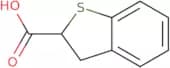
CAS:(R)-2-(1-Hydroxyethyl)pyridine is an enantiopure compound that is used as a catalyst in the production of alcohols, carbinols and hydrocarbons. It has been shown to be a high yield preparative catalyst for catalytic asymmetric reactions. The enzyme alcohol dehydrogenase catalyses the oxidation of (R)-2-(1-hydroxyethyl)pyridine to form an intermediate that can then be oxidized by the enzyme carbinol dehydrogenase, which produces carbinols. This product has also been found to act as a vasodilator and nonselective inhibitor of phosphodiesterases 3 and 4.Fórmula:C7H9NOPureza:Min. 95%Peso molecular:123.15 g/mol2,3-Dihydro-1-benzothiophene-2-carboxylic acid
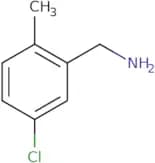
CAS:2,3-Dihydro-1-benzothiophene-2-carboxylic acid is a hydrocarbon with the molecular formula C10H8O3. It has a benzene and phenolic functional groups. The compound is quantified by gas chromatography, which can be preselected to identify specific compounds, such as hydrocarbons and aromatic hydrocarbons. The compound can also be analyzed using spectrometric techniques, such as UV/Vis spectroscopy. 2,3-Dihydro-1-benzothiophene-2-carboxylic acid is found in databases of mass spectrometry data. It can be used to determine the structure of benzylsuccinic acid and naphthalenes.Fórmula:C9H8O2SPureza:Min. 95%Peso molecular:180.23 g/mol5-Chloro-2-methylbenzylamine
CAS:5-Chloro-2-methylbenzylamine is a chemical compound that has been shown to be an effective ozone depleter. It has also been used to study the relationship between chemical structure and reactivity, as well as in regression analysis. The ionic, nucleophilic, and electron properties of 5-Chloro-2-methylbenzylamine have been studied by looking at its affinity for different metal ions. This molecule can be used in organic pollutant remediation because of its ability to catalyze the regeneration of ozonide when it is oxidized by oxygen in water. This reaction is reversible, so 5-Chloro-2-methylbenzylamine can be regenerated from the ozonide product.
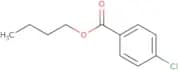
Fórmula:C8H10ClNPureza:Min. 95%Peso molecular:155.63 g/molButyl 4-chlorobenzoate
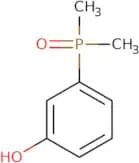
CAS:Butyl 4-chlorobenzoate is an organic compound that has a radical chain mechanism of action. It is used as a photosensitizer in photodynamic therapy and can be activated by ultraviolet light. The radical species generated by this drug attacks the DNA of the bacteria, leading to cell death. One of the key steps in the process is the transfer of a hydrogen atom from butyl 4-chlorobenzoate to an electron donor, such as hydroxyanisole, followed by irradiation with light to generate radical species. Butyl 4-chlorobenzoate also inhibits bacterial growth through its ability to act as an acid and cause acidic pH changes within cells.Fórmula:C11H13ClO2Pureza:Min. 95%Peso molecular:212.67 g/mol3-(Dimethylphosphoryl)phenol
CAS:Versatile small molecule scaffold
Fórmula:C8H11O2PPureza:Min. 95%Peso molecular:170.15 g/mol2-Methylimidazo[1,2-a]pyrazin-3-amine
CAS:Versatile small molecule scaffoldFórmula:C7H8N4Pureza:Min. 95%Peso molecular:148.17 g/mol2-Phenylimidazo[1,2-a]pyrazin-3-amine
CAS:Versatile small molecule scaffoldFórmula:C12H10N4Pureza:Min. 95%Peso molecular:210.23 g/mol2-[(Pyrazin-2-yl)amino]acetic acid
CAS:Versatile small molecule scaffoldFórmula:C6H7N3O2Pureza:Min. 95%Peso molecular:153.14 g/mol2-[(Diethylamino)methyl]aniline
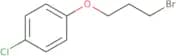
CAS:Versatile small molecule scaffoldFórmula:C11H18N2Pureza:Min. 95%Peso molecular:178.27 g/mol1-(3-Bromo-propoxy)-4-chloro-benzene
CAS:1-(3-Bromopropoxy)-4-chlorobenzene is a nitrate salt that has a crystal structure that is mathematically represented by the space group P2/c. The compound crystallizes in the monoclinic system with the lattice constants of a = 10.6, b = 9.7, c = 5.8, and β = 117°. It has an experimental solubility data range of 0.01 to 1 g/L in ethanol solutions at room temperature and 1 atmosphere pressure. The solubility of this compound is decreased by the presence of oxygen and increased by the presence of moisture or heat. The stability of this compound can be monitored using a laser light monitoring system to detect changes in crystallization behavior or changes in concentration due to hydrolysis reactions.Fórmula:C9H10BrClOPureza:Min. 95%Peso molecular:249.53 g/mol8-Aminooctanoic acid hydrochloride
CAS:Versatile small molecule scaffoldFórmula:C8H18ClNO2Pureza:Min. 95%Peso molecular:195.69 g/molSpiro[5.5]undecan-1-amine
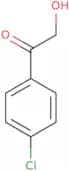
CAS:Versatile small molecule scaffoldFórmula:C11H21NPureza:Min. 95%Peso molecular:167.3 g/mol1-(4-Chlorophenyl)-2-hydroxyethan-1-one
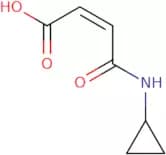
CAS:1-(4-Chlorophenyl)-2-hydroxyethan-1-one is a selective enantiomer that inhibits the growth of candida parapsilosis and c. parapsilosis. It has been shown to be preferentially oxidized by candida parapsilosis and c. parapsilosis, which leads to its selectivity for these fungi. 1-(4-Chlorophenyl)-2-hydroxyethan-1-one has been shown to be a biphasic system that can inhibit the growth of both candida parapsilosis and c. parapsilosis, with biphasic activity being due to its ability to selectively oxidize alcohols in these fungi. This compound is also an enantiomer, making it more effective than other compounds with similar structures but different stereochemistry.Fórmula:C8H7ClO2Pureza:Min. 95%Peso molecular:170.59 g/mol(2z)-3-(cyclopropylcarbamoyl)prop-2-enoic acid
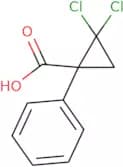
CAS:Versatile small molecule scaffoldFórmula:C7H9NO3Pureza:Min. 95%Peso molecular:155.15 g/mol2,2-Dichloro-1-phenylcyclopropane-1-carboxylic acid
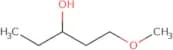
CAS:2,2-Dichloro-1-phenylcyclopropane-1-carboxylic acid is a cyclopropanecarboxylic acid. It is an organochlorine compound that has been used as a pesticide and herbicide. 2,2-Dichloro-1-phenylcyclopropane-1-carboxylic acid inhibits the production of chlorophyll in plants by inhibiting the activity of photosystem II. This inhibition leads to a decrease in the rate of photosynthesis and plant growth.Fórmula:C10H8Cl2O2Pureza:Min. 95%Peso molecular:231.07 g/mol1-Methoxypentan-3-ol
CAS:Versatile small molecule scaffold
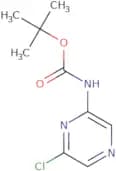
Fórmula:C6H14O2Pureza:Min. 95%Peso molecular:118.17 g/moltert-Butyl N-(6-chloropyrazin-2-yl)carbamate
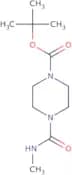
CAS:Versatile small molecule scaffoldFórmula:C9H12ClN3O2Pureza:Min. 95%Peso molecular:229.66 g/moltert-Butyl 4-(methylcarbamoyl)piperazine-1-carboxylate
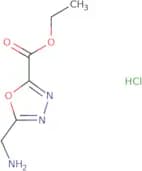
CAS:Versatile small molecule scaffoldFórmula:C11H21N3O3Pureza:Min. 95%Peso molecular:243.3 g/molEthyl 5-(aminomethyl)-1,3,4-oxadiazole-2-carboxylate hydrochloride
CAS:Versatile small molecule scaffoldFórmula:C6H10ClN3O3Pureza:Min. 95%Peso molecular:207.61 g/mol6-[4-(Trifluoromethyl)phenoxy]pyridin-3-amine
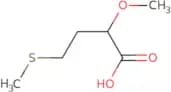
CAS:Versatile small molecule scaffoldFórmula:C12H9F3N2OPureza:Min. 95%Peso molecular:254.21 g/mol2-Methoxy-4-(methylsulfanyl)butanoic acid
CAS:Versatile small molecule scaffoldFórmula:C6H12O3SPureza:Min. 95%Peso molecular:164.22 g/molEthyl 2-[(carbamoylmethyl)amino]acetate
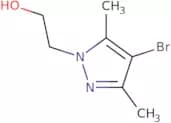
CAS:Versatile small molecule scaffoldFórmula:C6H12N2O3Pureza:Min. 95%Peso molecular:160.17 g/mol2-(4-Bromo-3,5-dimethyl-1H-pyrazol-1-yl)ethan-1-ol
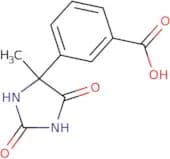
CAS:Versatile small molecule scaffoldFórmula:C7H11BrN2OPureza:Min. 95%Peso molecular:219.08 g/mol3-(4-Methyl-2,5-dioxoimidazolidin-4-yl)benzoic acid
CAS:Versatile small molecule scaffold
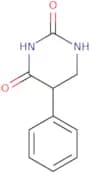
Fórmula:C11H10N2O4Pureza:Min. 95%Peso molecular:234.21 g/mol5-Phenyl-1,3-diazinane-2,4-dione
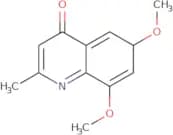
CAS:Versatile small molecule scaffoldFórmula:C10H10N2O2Pureza:Min. 95%Peso molecular:190.2 g/mol6,8-Dimethoxy-2-methyl-1,4-dihydroquinolin-4-one
CAS:Versatile small molecule scaffoldFórmula:C12H13NO3Pureza:Min. 95%Peso molecular:219.24 g/mol4,6-Dimethyl-2-(tributylstannyl)pyrimidine
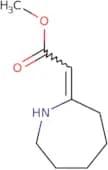
CAS:Producto controladoVersatile small molecule scaffoldFórmula:C18H34N2SnPureza:Min. 95%Peso molecular:397.2 g/mol(Z)-Methyl 2-(azepan-2-ylidene)acetate
CAS:Versatile small molecule scaffoldFórmula:C9H15NO2Pureza:Min. 95%Peso molecular:169.2 g/molrac-(1R,2R)-2-(Oxolan-2-yl)cyclopropane-1-carboxylic acid
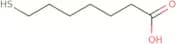
CAS:Versatile small molecule scaffoldFórmula:C8H12O3Pureza:Min. 95%Peso molecular:156.2 g/mol7-Sulfanylheptanoic acid
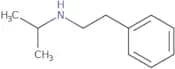
CAS:7-Sulfanylheptanoic acid is a hydroxylated β-amino acid with a macrocyclic structure. It is the most abundant amino acid in human urine and has been shown to have insulin-like hypoglycemic effects in animal models. 7-Sulfanylheptanoic acid also has anti-inflammatory properties that may be due to its ability to inhibit the production of proinflammatory cytokines, such as tumor necrosis factor alpha (TNFα) and interleukin-1β (IL-1β). This compound has been found in influenza virus. The gene product for this compound is 3-mercaptopropionic acid reductase, which is involved in fatty acid metabolism.Fórmula:C7H14O2SPureza:Min. 95%Peso molecular:162.25 g/mol(2-Phenylethyl)(propan-2-yl)amine
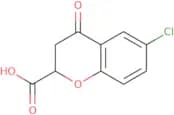
CAS:Producto controlado(2-Phenylethyl)(propan-2-yl)amine is a chiral compound that has two hydroxyl groups. It is used as a reagent in the synthesis of glycol ethers and in the preparation of bidentate ligands, such as 2-(pyridin-2-yl)ethanol. The nitro group on the molecule is readily reduced to an amine, which can undergo nucleophilic substitution reactions. This type of reaction is used to produce heterocyclic amines and cannabinoid compounds. (2-Phenylethyl)(propan-2-yl)amine has been shown to be an agonist at certain types of receptors, including benzodiazepine and imidazoline receptors.Fórmula:C11H17NPureza:Min. 95%Peso molecular:163.26 g/mol6-Chloro-4-oxo-3,4-dihydro-2H-1-benzopyran-2-carboxylic acid
CAS:Versatile small molecule scaffold
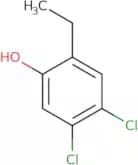
Fórmula:C10H7ClO4Pureza:Min. 95%Peso molecular:226.61 g/mol4,5-Dichloro-2-ethylphenol
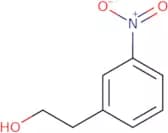
CAS:Versatile small molecule scaffoldFórmula:C8H8Cl2OPureza:Min. 95%Peso molecular:191.05 g/mol3-Nitrophenethyl alcohol
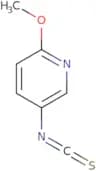
CAS:3-Nitrophenethyl alcohol is a trifluoroacetic acid derivative that has been shown to have antimicrobial activity against multidrug resistant Gram-negative bacteria. 3NPHA is an electrophilic compound that reacts with the nucleophilic amino acids in proteins, causing the protein to be irreversibly denatured. 3NPHA has been shown to inhibit the growth of bacteria by binding to ribosomal RNA, preventing protein synthesis and cell division. The specificities of this drug are not yet well understood, but it has been found to bind to both isomers of the nucleotide erythromycin A. 3-Nitrophenethyl alcohol may be used as a catalyst for reactions involving isoxazoles, which are compounds that can act as anticancer agents.Fórmula:C8H9NO3Pureza:Min. 95%Peso molecular:167.16 g/mol5-Isothiocyanato-2-methoxypyridine
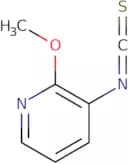
CAS:Versatile small molecule scaffoldFórmula:C7H6N2OSPureza:Min. 95%Peso molecular:166.2 g/mol3-Isothiocyanato-2-methoxypyridine
CAS:Versatile small molecule scaffold
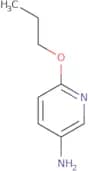
Fórmula:C7H6N2OSPureza:Min. 95%Peso molecular:166.2 g/mol6-Propoxypyridin-3-amine
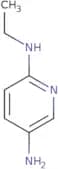
CAS:Versatile small molecule scaffoldFórmula:C8H12N2OPureza:Min. 95%Peso molecular:152.19 g/mol2-N-Ethylpyridine-2,5-diamine
CAS:Versatile small molecule scaffold
Fórmula:C7H11N3Pureza:Min. 95%Peso molecular:137.18 g/molMethyl 2-methylpropane-2-sulfinate
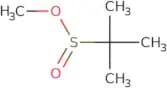
CAS:Methyl 2-methylpropane-2-sulfinate is a chemical compound that can be used for epigenetic profiling and the study of regulatory processes. It has been shown to induce clastogenic effects in cells, leading to chromosomal aberrations. Methyl 2-methylpropane-2-sulfinate also interacts with actin filaments, which are involved in cell motility, and may affect cancer progression. It methylates lysine residues in proteins and DNA molecules, including histones. Methyl 2-methylpropane-2-sulfinate has been used as a diagnostic agent for the detection of N6-methyladenosine (m6A) methylation levels in lung cancer specimens.Fórmula:C5H12O2SPureza:Min. 95%Peso molecular:136.22 g/mol2-(Diethylamino)cyclohexan-1-one
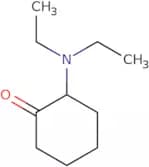
CAS:Versatile small molecule scaffold
Fórmula:C10H19NOPureza:Min. 95%Peso molecular:169.26 g/mol4-Methoxypyridine-2,6-dicarboxylic acid
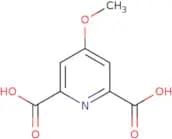
CAS:4-Methoxypyridine-2,6-dicarboxylic acid is a molecule that can act as a ligand to bind metal ions. It has been shown to be able to form dicarboxylate complexes with chloride and nucleophilic metals such as zinc and copper. 4-Methoxypyridine-2,6-dicarboxylic acid has also been shown to have the ability to form duplexes with DNA, which could potentially inhibit transcription and replication. X-ray crystallography studies of 4-methoxypyridine-2,6-dicarboxylic acid reveal that it adopts a tetradentate coordination geometry with four oxygen atoms in the equatorial plane of the molecule. The molecule is also capable of forming molecular orbitals through its interactions with ligands and metal ions.Fórmula:C8H7NO5Pureza:Min. 95%Peso molecular:197.14 g/mol1-(2-Thienylcarbonyl)piperazine HCl
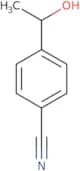
CAS:Versatile small molecule scaffoldFórmula:C9H13ClN2OSPureza:Min. 95%Peso molecular:232.73 g/mol4-(1-Hydroxyethyl)-benzonitrile
CAS:4-(1-Hydroxyethyl)-benzonitrile (HOB) is a versatile and environmentally friendly reducing agent that can be used as a switchable, recyclable, and reusable reducing agent for reductive coupling reactions. HOB efficiently reduces nitroarenes to amines in the presence of hydrogen gas, but does not reduce other functional groups. The HOB-catalyzed reduction process is an aerobic reaction system that produces no hazardous byproducts.Fórmula:C9H9NOPureza:Min. 95%Peso molecular:147.17 g/molethyl isobutyrimidate hydrochloride
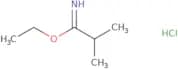
CAS:Ethyl isobutyrimidate hydrochloride (EIBH) is an organic solution that belongs to the class of furyl compounds. It has been shown to bind with csf-1r, a receptor for a cytokine that regulates the immune system. The binding of EIBH to csf-1r inhibits the production of proinflammatory cytokines and leads to a decrease in autoimmune diseases. EIBH also has anti-cancer properties and can be used as a chloride binding agent or as an antibiotic.Fórmula:C6H14ClNOPureza:Min. 95%Peso molecular:151.63 g/mol4-(1,3-Dimethyl-2,6-dioxo-2,3,6,7-tetrahydro-1H-purin-7-yl)butanoic acid
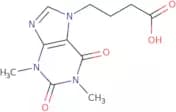
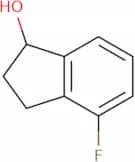
CAS:Producto controladoVersatile small molecule scaffoldFórmula:C11H14N4O4Pureza:Min. 95%Peso molecular:266.25 g/mol4-Fluoro-2,3-dihydro-1H-inden-1-ol
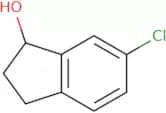
CAS:Versatile small molecule scaffoldFórmula:C9H9FOPureza:Min. 95%Peso molecular:152.16 g/mol6-chloro-2,3-dihydro-1h-inden-1-ol
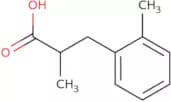
CAS:Versatile small molecule scaffoldFórmula:C9H9ClOPureza:Min. 95%Peso molecular:168.62 g/mol2-Methyl-3-(2-methylphenyl)propanoic acid
CAS:Versatile small molecule scaffoldFórmula:C11H14O2Pureza:Min. 95%Peso molecular:178.23 g/mol5-Methoxy-1H-pyrazolo[4,3-b]pyridine
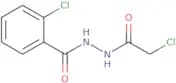
CAS:Versatile small molecule scaffoldFórmula:C7H7N3OPureza:Min. 95%Peso molecular:149.15 g/mol2-Chloro-N'-(2-chloroacetyl)benzohydrazide
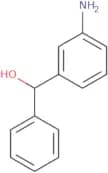
CAS:Versatile small molecule scaffoldFórmula:C9H8Cl2N2O2Pureza:Min. 95%Peso molecular:247.07 g/mol(3-Aminophenyl)(phenyl)methanol
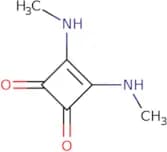
CAS:Versatile small molecule scaffoldFórmula:C13H13NOPureza:Min. 95%Peso molecular:199.25 g/molBis(methylamino)cyclobut-3-ene-1,2-dione
CAS:Versatile small molecule scaffoldFórmula:C6H8N2O2Pureza:Min. 95%Peso molecular:140.14 g/mol3',4'-Dihydro-1'H-spiro[imidazolidine-4,2'-naphthalene]-2,5-dione
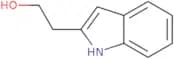
CAS:3',4'-Dihydro-1'H-spiro[imidazolidine-4,2'-naphthalene]-2,5-dione is a polymeric matrix that has been used to create an occlusive coating. It has been shown to have significant cytotoxicity against a variety of cells and organisms. 3',4'-Dihydro-1'H-spiro[imidazolidine-4,2'-naphthalene]-2,5-dione is able to act as an anticancer compound in invertebrates due to its ability to inhibit the synthesis of DNA. The drug also degrades rapidly in the environment and does not accumulate in tissues.Fórmula:C12H12N2O2Pureza:Min. 95%Peso molecular:216.24 g/mol2-(1H-indol-2-yl)ethanol
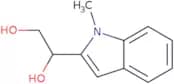
CAS:2-(1H-Indol-2-yl)ethanol is a homologous compound that belongs to the group of cinnamic compounds. It is used in the industrial preparation of 2,4-dihydroxybenzoic acid and 3,4-dihydroxybenzoic acid, which are used as chiral auxiliaries in the manufacturing of pharmaceuticals. 2-(1H-Indol-2-yl)ethanol has been shown to inhibit rhizobiaceae and other soil bacteria. 2-(1H-indol-2-yl)ethanol also inhibits aging through its ability to induce apoptosis in human fibroblast cells.Fórmula:C10H11NOPureza:Min. 95%Peso molecular:161.2 g/mol1-(1-Methyl-1H-indol-2-yl)ethane-1,2-diol
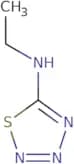
CAS:Versatile small molecule scaffoldFórmula:C11H13NO2Pureza:Min. 95%Peso molecular:191.23 g/molN-Ethyl-1,2,3,4-thiatriazol-5-amine
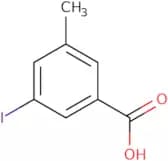
CAS:Versatile small molecule scaffoldFórmula:C3H6N4SPureza:Min. 95%Peso molecular:130.17 g/mol3-Iodo-5-methylbenzoic acid
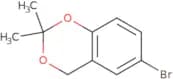
CAS:Versatile small molecule scaffoldFórmula:C8H7IO2Pureza:Min. 95%Peso molecular:262.04 g/mol6-Bromo-2,2-dimethyl-2,4-dihydro-1,3-benzodioxine
CAS:Versatile small molecule scaffoldFórmula:C10H11BrO2Pureza:Min. 95%Peso molecular:243.1 g/mol5-Ethyl-1H-pyrrole-2-carbaldehyde
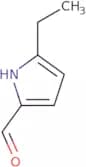
CAS:5-Ethyl-1H-pyrrole-2-carbaldehyde is an anticancer drug that belongs to the group of natural products. This compound has been shown to be a potent inhibitor of Jak3, which is a protein tyrosine kinase receptor. It prevents the activation of the JAK3 signaling pathway and inhibits cell growth in cultured cells. 5-Ethyl-1H-pyrrole-2-carbaldehyde also has anti-cancer properties that are due to its ability to inhibit DNA synthesis and cause lysosomal damage. 5-Ethyl-1H-pyrrole-2-carbaldehyde can be used as a potential treatment for cancer, with possible advances in synthetic chemistry and biological mechanisms.
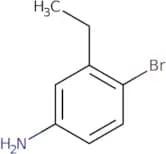
Fórmula:C7H9NOPureza:Min. 95%Peso molecular:123.15 g/mol4-Bromo-3-ethylaniline
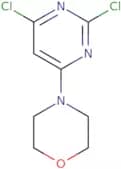
CAS:Versatile small molecule scaffoldFórmula:C8H10BrNPureza:Min. 95%Peso molecular:200.08 g/mol4-(2,6-Dichloropyrimidin-4-yl)-morpholine
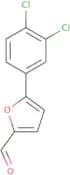
CAS:Versatile small molecule scaffoldFórmula:C8H9Cl2N3OPureza:Min. 95%Peso molecular:234.08 g/mol5-(3,4-Dichlorophenyl)furfural
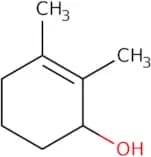
CAS:5-(3,4-Dichlorophenyl)furfural (5F) is a hepatotoxic agent that has been shown to cause liver cancer in animal studies. 5F binds to the casein kinase II (CKII) and inhibits its kinase activity, leading to apoptosis of cancer cells. This compound also inhibits the proliferation of human cancer cells by inhibiting the protein kinases involved in cell cycle regulation.Fórmula:C11H6Cl2O2Pureza:Min. 95%Peso molecular:241.07 g/mol2,3-Dimethylcyclohex-2-en-1-ol
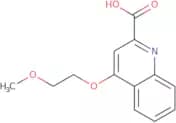
CAS:Versatile small molecule scaffoldFórmula:C8H14OPureza:Min. 95%Peso molecular:126.2 g/mol4-(2-Methoxyethoxy)quinoline-2-carboxylic acid
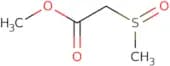
CAS:Versatile small molecule scaffoldFórmula:C13H13NO4Pureza:Min. 95%Peso molecular:247.25 g/molMethyl 2-methanesulfinylacetate
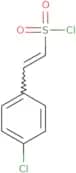
CAS:Versatile small molecule scaffoldFórmula:C4H8O3SPureza:Min. 95%Peso molecular:136.17 g/mol2-(4-Chlorophenyl)ethene-1-sulfonyl chloride
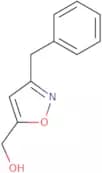
CAS:Versatile small molecule scaffoldFórmula:C8H6Cl2O2SPureza:Min. 95%Peso molecular:237.1 g/mol(3-Benzyl-1,2-oxazol-5-yl)methanol
CAS:Versatile small molecule scaffold
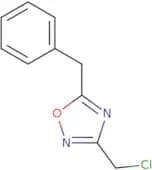
Fórmula:C11H11NO2Pureza:Min. 95%Peso molecular:189.21 g/mol5-Benzyl-3-(chloromethyl)-1,2,4-oxadiazole
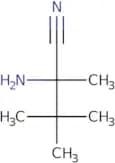
CAS:Versatile small molecule scaffoldFórmula:C10H9ClN2OPureza:Min. 95%Peso molecular:208.64 g/mol2-Amino-2,3,3-trimethylbutanenitrile
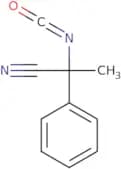
CAS:Versatile small molecule scaffoldFórmula:C7H14N2Pureza:Min. 95%Peso molecular:126.2 g/mol2-Isocyanato-2-phenylpropanenitrile
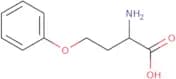
CAS:Versatile small molecule scaffoldFórmula:C10H8N2OPureza:Min. 95%Peso molecular:172.18 g/mol(2S)-2-Amino-4-phenoxybutanoic acid
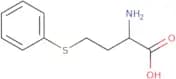
CAS:(2S)-2-Amino-4-phenoxybutanoic acid is a chiral amino acid that can be synthesized from s-adenosyl-l-methionine. It has been shown to have antiviral properties, as it inhibits the infectivity of viruses by acting as a competitive inhibitor of the enzyme ribonucleotide reductase. (2S)-2-Amino-4-phenoxybutanoic acid also has an inhibitory effect on the activity of nitro compounds and nitrosamines, which are potentially carcinogenic substances found in tobacco smoke and processed meats. This compound has been shown to be an effective inhibitor of enzymes involved in the synthesis of norvaline, an intermediate in the production of several pharmaceuticals.Fórmula:C10H13NO3Pureza:Min. 95%Peso molecular:195.21 g/mol2-Amino-4-(phenylsulfanyl)butanoic acid
CAS:2-Amino-4-(phenylsulfanyl)butanoic acid (NPA) is an inhibitor of the enzyme s-adenosyl-l-methionine synthase, which is involved in the synthesis of methyl groups from methionine. It has been shown to inhibit the growth of viruses such as herpes simplex virus type 1 and 2. NPA has also been shown to inhibit the growth of bacteria such as Mycobacterium tuberculosis and Mycobacterium avium complex by inhibiting the production of mycolic acids, which are essential for cell wall synthesis. NPA also inhibits conformational changes in enzymes, which may be related to its ability to inhibit the growth of bacteria that require a linear transition state for catalysis.Fórmula:C10H13NO2SPureza:Min. 95%Peso molecular:211.28 g/mol2-[(Thian-4-yl)amino]ethan-1-ol hydrochloride
CAS:Versatile small molecule scaffoldFórmula:C7H16ClNOSPureza:Min. 95%Peso molecular:197.73 g/mol6-Fluoro-1H-indene
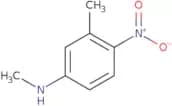
CAS:Versatile small molecule scaffoldFórmula:C9H7FPureza:Min. 95%Peso molecular:134.15 g/molN,3-Dimethyl-4-nitroaniline
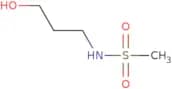
CAS:Versatile small molecule scaffoldFórmula:C8H10N2O2Pureza:Min. 95%Peso molecular:166.18 g/molN-(3-Hydroxypropyl)methanesulfonamide
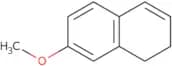
CAS:Versatile small molecule scaffoldFórmula:C4H11NO3SPureza:Min. 95%Peso molecular:153.2 g/mol7-Methoxy-1,2-dihydronaphthalene
CAS:7-Methoxy-1,2-dihydronaphthalene is a cyclic compound that has been synthesized from 7-methoxy-1,2,3,4-tetrahydronaphthalene. It is a crystalline form that is soluble in organic solvents. The chemical structure of the compound is similar to the naphthalenes and it has been used as an intermediate for the synthesis of ferulic acid and other compounds. 7-Methoxy-1,2-dihydronaphthalene has also been used in treatments for organisms such as fungi and bacteria. This compound has been investigated for its chiral properties and radical coupling with biphenyl.
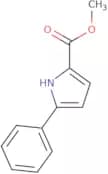
Fórmula:C11H12OPureza:Min. 95%Peso molecular:160.21 g/molMethyl 5-phenyl-1H-pyrrole-2-carboxylate
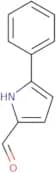
CAS:Methyl 5-phenyl-1H-pyrrole-2-carboxylate is a pharmacological class of antagonist. It has been shown to be an effective antagonist in experimental and computational studies. Methyl 5-phenyl-1H-pyrrole-2-carboxylate is a lead compound for the discovery of novel neuropeptide antagonists. Methyl 5-phenyl-1H-pyrrole-2-carboxylate has been used in screening experiments for the discovery of new drugs to treat various types of cancer, such as pancreatic cancer.Fórmula:C12H11NO2Pureza:Min. 95%Peso molecular:201.22 g/mol5-Phenyl-1H-pyrrole-2-carbaldehyde
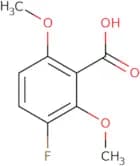
CAS:5-Phenyl-1H-pyrrole-2-carbaldehyde is an antibacterial agent, which has been synthesized and shown to have a broad spectrum of antibacterial activity against both Gram-positive and Gram-negative bacteria. It is a formylated pyrrole that binds to the bacterial ribosome, inhibiting protein synthesis. 5-Phenyl-1H-pyrrole-2-carbaldehyde has been shown to be active against staphylococci and other bacteria that are resistant to conventional antibiotics. The molecular mechanism of action for this drug is not yet fully understood, but it has been shown that the drug can bind to flavonoids and hydrogen bonding interactions in nature.Fórmula:C11H9NOPureza:Min. 95%Peso molecular:171.19 g/mol3-Fluoro-2,6-dimethoxybenzoic acid
CAS:Versatile small molecule scaffoldFórmula:C9H9FO4Pureza:Min. 95%Peso molecular:200.16 g/mol1-[2-(2-Bromoethoxy)phenyl]ethan-1-one
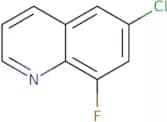
CAS:Versatile small molecule scaffoldFórmula:C10H11BrO2Pureza:Min. 95%Peso molecular:243.1 g/mol6-Chloro-8-fluoroquinoline
CAS:Versatile small molecule scaffoldFórmula:C9H5ClFNPureza:Min. 95%Peso molecular:181.6 g/mol2-Bromo-6-methylanisole
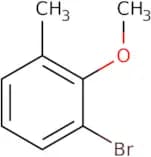
CAS:2-Bromo-6-methylanisole is a sulfoxide that is synthesized by the reaction of aniline with bromine and methanesulfonic acid. 2-Bromo-6-methylanisole has significant antibacterial activity against a range of bacterial species, including methicillin-resistant Staphylococcus aureus (MRSA). It has also been shown to be active against Gram positive bacteria, such as Bacillus cereus and Clostridium perfringens. 2-Bromo-6-methylanisole can be used in strategies to produce structurally analogues, such as halobenzenes or nitrobenzenes. It is also chiral and amenable to asymmetric synthesis.Fórmula:C8H9BrOPureza:Min. 95%Peso molecular:201.06 g/mol


![N-[(5-Chloro-1,3-benzoxazol-2-yl)methylidene]hydroxylamine](/_next/image/?url=https%3A%2Fstatic.cymitquimica.com%2Fproducts%2F3D%2Fthumb-webp%2FCBA41206.webp&w=3840&q=75)
![3-[(4-Methylphenyl)amino]propanoic acid](/_next/image/?url=https%3A%2Fstatic.cymitquimica.com%2Fproducts%2F3D%2Fthumb-webp%2FCBA41859.webp&w=3840&q=75)
![3-Amino-1-[3-(dimethylamino)propyl]thiourea](/_next/image/?url=https%3A%2Fstatic.cymitquimica.com%2Fproducts%2F3D%2Fthumb-webp%2FCBA42174.webp&w=3840&q=75)
![2-[3-(Trifluoromethyl)phenyl]-1H-imidazole](/_next/image/?url=https%3A%2Fstatic.cymitquimica.com%2Fproducts%2F3D%2Fthumb-webp%2FCBA42380.webp&w=3840&q=75)
![5-[(Furan-2-yl)methylidene]-4,6-dihydroxy-2,5-dihydropyrimidine-2-thione](/_next/image/?url=https%3A%2Fstatic.cymitquimica.com%2Fproducts%2F3D%2Fthumb-webp%2FCBA43018.webp&w=3840&q=75)
![(3,3-Dimethylbicyclo[2.2.1]heptan-2-yl)methanol](/_next/image/?url=https%3A%2Fstatic.cymitquimica.com%2Fproducts%2F3D%2Fthumb-webp%2FCBA89945.webp&w=3840&q=75)

![2-Methylimidazo[1,2-a]pyrazin-3-amine](/_next/image/?url=https%3A%2Fstatic.cymitquimica.com%2Fproducts%2F3D%2Fthumb-webp%2FCBA95552.webp&w=3840&q=75)
![2-Phenylimidazo[1,2-a]pyrazin-3-amine](/_next/image/?url=https%3A%2Fstatic.cymitquimica.com%2Fproducts%2F3D%2Fthumb-webp%2FCBA95553.webp&w=3840&q=75)
![2-[(Pyrazin-2-yl)amino]acetic acid](/_next/image/?url=https%3A%2Fstatic.cymitquimica.com%2Fproducts%2F3D%2Fthumb-webp%2FCBA95554.webp&w=3840&q=75)
![2-[(Diethylamino)methyl]aniline](/_next/image/?url=https%3A%2Fstatic.cymitquimica.com%2Fproducts%2F3D%2Fthumb-webp%2FCBA95883.webp&w=3840&q=75)

![Spiro[5.5]undecan-1-amine](/_next/image/?url=https%3A%2Fstatic.cymitquimica.com%2Fproducts%2F3D%2Fthumb-webp%2FCBA99230.webp&w=3840&q=75)
![6-[4-(Trifluoromethyl)phenoxy]pyridin-3-amine](/_next/image/?url=https%3A%2Fstatic.cymitquimica.com%2Fproducts%2F3D%2Fthumb-webp%2FCBB96633.webp&w=3840&q=75)
![Ethyl 2-[(carbamoylmethyl)amino]acetate](/_next/image/?url=https%3A%2Fstatic.cymitquimica.com%2Fproducts%2F3D%2Fthumb-webp%2FCBB97529.webp&w=3840&q=75)
![5-Methoxy-1H-pyrazolo[4,3-b]pyridine](/_next/image/?url=https%3A%2Fstatic.cymitquimica.com%2Fproducts%2F3D%2Fthumb-webp%2FCCA09071.webp&w=3840&q=75)
![3',4'-Dihydro-1'H-spiro[imidazolidine-4,2'-naphthalene]-2,5-dione](/_next/image/?url=https%3A%2Fstatic.cymitquimica.com%2Fproducts%2F3D%2Fthumb-webp%2FCCA09470.webp&w=3840&q=75)
![2-[(Thian-4-yl)amino]ethan-1-ol hydrochloride](/_next/image/?url=https%3A%2Fstatic.cymitquimica.com%2Fproducts%2F3D%2Fthumb-webp%2FCCA16306.webp&w=3840&q=75)
![1-[2-(2-Bromoethoxy)phenyl]ethan-1-one](/_next/image/?url=https%3A%2Fstatic.cymitquimica.com%2Fproducts%2F3D%2Fthumb-webp%2FCCA19114.webp&w=3840&q=75)