Building Blocks
Subcategorías de "Building Blocks"
- Ácidos borónicos y derivados del ácido borónico(5.784 productos)
- Building Blocks quirales(1.244 productos)
- Building Blocks de hidrocarburos(6.105 productos)
- Building Blocks orgánicos(61.070 productos)
Se han encontrado 205437 productos de "Building Blocks"
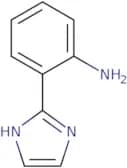
2-(1H-Imidazol-2-yl)aniline
CAS:2-(1H-Imidazol-2-yl)aniline is an antimycobacterial agent that can be used concurrently with diethylamine. It has been shown to react with acetone and phenyl isocyanate to form a series of compounds, including 2-(1H-imidazol-2-yl)acetophenone, 2-(1H-imidazol-2-yl)-N,N'-dimethylformamide, and 2-(1H-imidazol-2-yl)-N,N'-diisopropylethane diamide. The substituents on the imidazole ring are reactive and can form aliphatic carbamates or isocyanates.
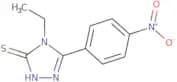
Fórmula:C9H9N3Pureza:Min. 95%Peso molecular:159.19 g/mol4-Ethyl-5-(4-nitrophenyl)-4H-1,2,4-triazole-3-thiol
CAS:Versatile small molecule scaffold
Fórmula:C10H10N4O2SPureza:Min. 95%Peso molecular:250.28 g/mol1-Phenylcyclopropan-1-ol
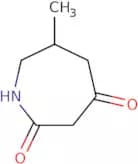
CAS:1-Phenylcyclopropan-1-ol is a reactive oxygen species (ROS) that can be used as an endogenous substrate for the cytochrome P450 enzymes. 1-Phenylcyclopropan-1-ol has been shown to activate NADPH cytochrome P450 reductase in human liver microsomes and rat liver microsomes. It is also known to inhibit the formation of azides from drugs such as diphosphine and polyclonal antibodies, and has been proposed to be an immunosuppressant drug. 1-Phenylcyclopropan-1-ol has been shown to inhibit the growth of cancer cells in vivo, which may be due to its ability to induce apoptosis. !-- -->Fórmula:C9H10OPureza:Min. 95%Peso molecular:134.17 g/mol6-Methylazepane-2,4-dione
CAS:Versatile small molecule scaffold
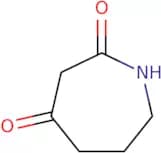
Fórmula:C7H11NO2Pureza:Min. 95%Peso molecular:141.17 g/molAzepane-2,4-dione
CAS:Azepane-2,4-dione is a reactive intermediate in the synthesis of quinolines. It can be synthesized by acid treatment of benzofuran, followed by condensation with piperidine and quinone, or by condensation of 2-aminoethanethiol with chloroacetyl chloride. Azepane-2,4-dione is not stable and spontaneously reacts with water to form an adduct. The compound can be converted to the corresponding quinoline through a two step process involving enamine formation and cyclization. This reaction is catalyzed by palladium on carbon or stannic chloride on alumina.
Fórmula:C6H9NO2Pureza:Min. 95%Peso molecular:127.14 g/mol4-Bromo-6H,7H-thieno[2,3-c]pyridin-7-one
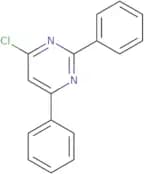
CAS:Versatile small molecule scaffoldFórmula:C7H4BrNOSPureza:Min. 95%Peso molecular:230.08 g/mol4-Chloro-2,6-diphenylpyrimidine
CAS:4-Chloro-2,6-diphenylpyrimidine is a chemical compound that exhibits growth-regulating properties. It has been used as a solvent for the synthesis of other organic compounds. 4-Chloro-2,6-diphenylpyrimidine is a tautomeric compound with two different forms: the catechol and the ketone form. The catechol form is more stable than the ketone form and can be activated by light or heat to produce an excited state. This excited state can emit light in the visible region of the spectrum, which can be measured using fluorescence spectroscopy. 4-Chloro-2,6-diphenylpyrimidine also has high solubility in water and good transport properties. This chemical has been shown to have thermally activated rearrangements and amide cleavage reactions when heated or subjected to acid conditions.
Fórmula:C16H11ClN2Pureza:Min. 95%Peso molecular:266.73 g/mol2,4,4-Trimethyl-3-oxopentanenitrile
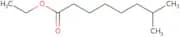
CAS:Versatile small molecule scaffoldFórmula:C8H13NOPureza:Min. 95%Peso molecular:139.19 g/molEthyl 7-methyloctanoate
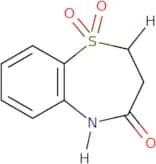
CAS:Ethyl 7-methyloctanoate is a silicone that can be used as a nutrient or as an emulsifier in skin care products. It has high water retention capacity, and can be used to form lipid bilayers in liposomes. Ethyl 7-methyloctanoate has been shown to have antioxidant properties, which is due to its ability to scavenge free radicals and inhibit lipid peroxidation. This compound also has the ability to protect against UV radiation induced damage by absorbing UV light and converting it into heat.Fórmula:C11H22O2Pureza:Min. 95%Peso molecular:186.29 g/mol2,3,4,5-Tetrahydro-1λ⁶,5-benzothiazepine-1,1,4-trione
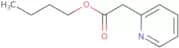
CAS:Versatile small molecule scaffoldFórmula:C9H9NO3SPureza:Min. 95%Peso molecular:211.2 g/molButyl 2-(pyridin-2-yl)acetate
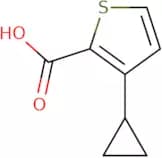
CAS:Versatile small molecule scaffoldFórmula:C11H15NO2Pureza:Min. 95%Peso molecular:193.24 g/mol3-Cyclopropylthiophene-2-carboxylic acid
CAS:Versatile small molecule scaffoldFórmula:C8H8O2SPureza:Min. 95%Peso molecular:168.21 g/mol3-(Propan-2-yl)thiophene-2-carboxylic acid
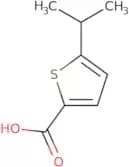
CAS:Versatile small molecule scaffoldFórmula:C8H10O2SPureza:Min. 95%Peso molecular:170.23 g/mol5-(Propan-2-yl)thiophene-2-carboxylic acid
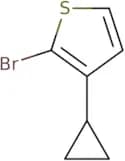
CAS:Versatile small molecule scaffoldFórmula:C8H10O2SPureza:Min. 95%Peso molecular:170.23 g/mol2-Bromo-3-cyclopropylthiophene
CAS:Versatile small molecule scaffold
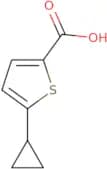
Fórmula:C7H7BrSPureza:Min. 95%Peso molecular:203.1 g/mol5-(Cyclopropyl)thiophene-2-carboxylic acid
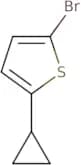
CAS:Versatile small molecule scaffoldFórmula:C8H8O2SPureza:Min. 95%Peso molecular:168.21 g/mol2-Bromo-5-(cyclopropyl)thiophene
CAS:2-Bromo-5-(cyclopropyl)thiophene is an anhydride that is part of a class of compounds called thiophenes. These compounds are used to attack nitryl groups, which are cations with a nitrogen atom in the +3 oxidation state. Nitration of 2-bromo-5-(cyclopropyl)thiophene produces 2-bromo-5-(cyclopropyl)thioaniline, which is used as a reagent for the synthesis of dyes and pharmaceuticals.
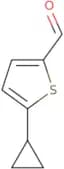
Fórmula:C7H7BrSPureza:Min. 95%Peso molecular:203.1 g/mol5-Cyclopropylthiophene-2-carbaldehyde
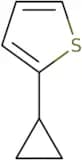
CAS:Versatile small molecule scaffoldFórmula:C8H8OSPureza:Min. 95%Peso molecular:152.22 g/mol2-(Cyclopropyl)thiophene
CAS:2-(Cyclopropyl)thiophene is a non-steroidal anti-inflammatory drug (NSAID) that is used for the treatment of bowel disease. 2-(Cyclopropyl)thiophene inhibits the production of prostaglandins, which are involved in many physiological processes, including the inflammatory response. 2-(Cyclopropyl)thiophene is metabolized to its active form, 2-hydroxythiophene, by dehydrogenase enzymes and has been shown to have anti-inflammatory properties. It also has been shown to have cardiovascular effects and can be used to treat heart disease. The structural formula for this compound is C1-6 alkyl--CH2--CH2--S--CH3.Fórmula:C7H8SPureza:Min. 95%Peso molecular:124.2 g/mol1-Cyclohexyl-2-methylpropan-1-ol
CAS:Cyclohexanol is a cancer activator that can be injected or implanted. It is a monovalent, water-soluble, lipophilic molecule with a molecular weight of 194.1 g/mol and a log P of 1.8. Cyclohexanol has been shown to induce the death of cancer cells by activating the apoptotic pathway in vitro. This compound also increases the sensitivity of cancer cells to ionizing radiation and induces tumor cell death in vivo. Cyclohexanol may be used as a diagnostic tool for identifying tumours based on its ability to bind to targetable receptors expressed at high levels in cancer cells, such as those involved in cellular proliferation and angiogenesis.
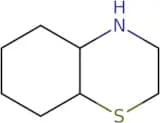
Fórmula:C10H20OPureza:Min. 95%Peso molecular:156.26 g/molOctahydro-2H-1,4-benzothiazine
CAS:Versatile small molecule scaffold
Fórmula:C8H15NSPureza:Min. 95%Peso molecular:157.28 g/mol2,3-Dimethylthiomorpholine
CAS:Versatile small molecule scaffold
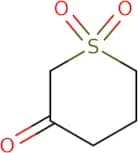
Fórmula:C6H13NSPureza:Min. 95%Peso molecular:131.24 g/molDihydro-2H-thiopyran-3(4H)-one-1,1-dioxide
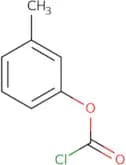
CAS:Dihydro-2H-thiopyran-3(4H)-one-1,1-dioxide is a cyclic compound that has been the subject of extensive study and research. Its synthesis was first reported in 1887, but it was not until 1985 that its chemical structure was elucidated. It has been shown to be an effective inhibitor of acetylcholinesterase. Dihydro-2H-thiopyran-3(4H)-one-1,1-dioxide is used as a reagent in screening for active methylene compounds. It can be used to synthesize aldehydes and azides. This molecule has also been studied extensively by x-ray crystallography and other techniques.Fórmula:C5H8O3SPureza:Min. 95%Peso molecular:148.18 g/mol3-Methylphenyl chloroformate
CAS:Versatile small molecule scaffold
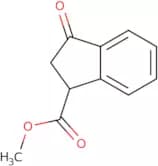
Fórmula:C8H7ClO2Pureza:Min. 95%Peso molecular:170.59 g/molMethyl 3-Oxoindane-1-carboxylate
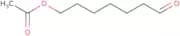
CAS:Versatile small molecule scaffoldFórmula:C11H10O3Pureza:Min. 95%Peso molecular:190.2 g/mol7-Oxoheptyl acetate
CAS:7-Oxoheptyl acetate is a synthetic pheromone that has been shown to be an attractant for Lepidoptera. It is one of many compounds in the synthetic mixture 7-oxo-6,7,8,9-tetrahydro-1,4-benzodioxepin and it is used as an alternative to the natural pheromone (Z)-7-dodecenol. This compound has been shown to be stereoselective with respect to its ability to attract male moths. The compound was synthesized by Wittig reaction between the nitro group and hydroxyl group of 7-oxoheptanol.
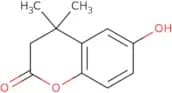
Fórmula:C9H16O3Pureza:Min. 95%Peso molecular:172.22 g/mol6-Hydroxy-4,4-dimethyl-3,4-dihydro-2H-1-benzopyran-2-one
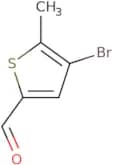
CAS:6-Hydroxy-4,4-dimethyl-3,4-dihydro-2H-1-benzopyran-2-one (6HDM) is a lipid lowering agent that has been shown to have antibacterial activity. It is a synthetic drug with an optical imaging technique that has been shown to inhibit the growth of cancer cells in vitro. 6HDM also inhibits UVB induced skin cancer by decreasing the expression of p65. 6HDM inhibits the biosynthesis of nucleic acids and protein synthesis in cancer cells by acting as a competitive inhibitor for intramolecular hydrogen transfer. This leads to cell death through apoptosis and necrosis.Fórmula:C11H12O3Pureza:Min. 95%Peso molecular:192.21 g/mol4-Bromo-5-methylthiophene-2-carboxaldehyde
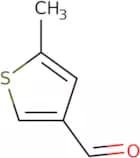
CAS:4-Bromo-5-methylthiophene-2-carboxaldehyde (BMTCA) is a chemical that is synthesised by the reaction of ethylene with irradiation. It has been shown to have photochromic properties and can be used as an alternative to 4,4'-dithiodimorpholine (DIMO). BMTCA is hydrophilic and can be used for the synthesis of homologues. It also undergoes an x-ray structure analysis, yielding information on its physical properties and how it reacts with other chemicals. The process of digitalization allows for the conversion of analog signals into digital signals. This process uses a shift register, which is a device that stores data in sequential memory cells and outputs them on a single line. The diels–alder reaction is a chemical reaction between two unsaturated compounds to form 1,3-dienes or 1,4-diynes. This reaction is highly useful because it canFórmula:C6H5BrOSPureza:Min. 95%Peso molecular:205.07 g/mol5-Methylthiophene-3-carbaldehyde
CAS:5-Methylthiophene-3-carbaldehyde is a ketone that is the product of the reaction between 3,4-dimethoxybenzaldehyde and acetic acid. It is a colorless liquid with a sweet odor. 5-Methylthiophene-3-carbaldehyde has been used as a reagent for the synthesis of benzylic alcohols and as a starting material for other organic compounds.
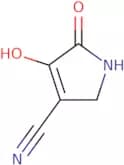
Fórmula:C6H6OSPureza:Min. 95%Peso molecular:126.18 g/mol4-Hydroxy-5-oxo-2,5-dihydro-1H-pyrrole-3-carbonitrile
CAS:Versatile small molecule scaffoldFórmula:C5H4N2O2Pureza:Min. 95%Peso molecular:124.1 g/mol2-Bromobenzohydrazide
CAS:2-Bromobenzohydrazide is an antibacterial agent that has been shown to have good intestinal absorption. It is a crystalline solid, which is soluble in organic solvents and insoluble in water. The molecular weight of 2-bromobenzohydrazide is 238.24 g/mol, with a melting point of 108°C. 2-Bromobenzohydrazide has been shown to be active against Streptococcus aureus, Mycobacterium tuberculosis, and other bacterial strains. The mechanism of action for 2-bromobenzohydrazide involves the formation of a covalent bond with amino groups on the cell wall or membrane surface of bacteria, which results in damage to the bacterial cell membrane. This inhibits the synthesis of proteins and nucleic acids as well as causes death by inhibiting cellular respiration.
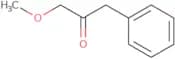
Fórmula:C7H7BrN2OPureza:Min. 95%Peso molecular:215.05 g/mol1-Methoxy-3-phenylpropan-2-one
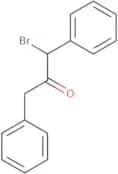
CAS:Versatile small molecule scaffoldFórmula:C10H12O2Pureza:Min. 95%Peso molecular:164.2 g/mol1-Bromo-1,3-diphenylpropan-2-one
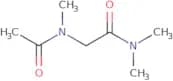
CAS:Versatile small molecule scaffoldFórmula:C15H13BrOPureza:Min. 95%Peso molecular:289.17 g/molN,N-Dimethyl-2-(N-methylacetamido)acetamide
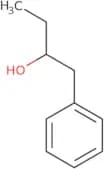
CAS:N,N-Dimethyl-2-(N-methylacetamido)acetamide is an amide compound that is used as a solvent. It has a molecular weight of 143.16 and boiling point of 209 °C. This compound has been experimentally shown to have n-terminal kinetic stabilization and orbital interaction with the acceptor molecule. N,N-Dimethyl-2-(N-methylacetamido)acetamide is also underivatized, meaning it does not contain any functional groups for further chemical reactions. The conformational stability of this compound is dependent on the carbonyl oxygen at the c-terminus in addition to its electron affinities.Fórmula:C7H14N2O2Pureza:Min. 95%Peso molecular:158.2 g/mol(2R)-1-Phenylbutan-2-ol
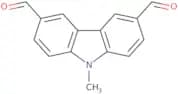
CAS:(2R)-1-Phenylbutan-2-ol is an isomer of 1-phenyl-2-propanol. It has been shown to have potent antituberculosis activity, with a high yield and good stereochemical purity. In the tautomeric form, it inhibits the growth of Mycobacterium tuberculosis by inhibiting protein synthesis.Fórmula:C10H14OPureza:Min. 95%Peso molecular:150.22 g/mol9-Methyl-9H-carbazole-3,6-dicarbaldehyde
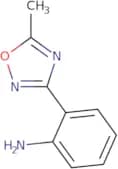
CAS:Versatile small molecule scaffoldFórmula:C15H11NO2Pureza:Min. 95%Peso molecular:237.25 g/mol2-(5-Methyl-1,2,4-oxadiazol-3-yl)aniline
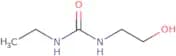
CAS:Versatile small molecule scaffoldFórmula:C9H9N3OPureza:Min. 95%Peso molecular:175.19 g/mol1-Ethyl-3-(2-hydroxyethyl)urea
CAS:1-Ethyl-3-(2-hydroxyethyl)urea is a chemical compound that is an equimolar mixture of two isomers, 1-ethyl-3-(2-hydroxyethyl)urea and 3-(2-hydroxyethyl)-1-methylurea. It has been shown to induce death in tumor cells, but not in normal cells. The molecular targets for this compound are the mitochondria and the DNA, which are essential for cell growth and division. This drug also has carcinogenic properties, meaning that it can cause cancer. In animal studies, 1-ethyl-3-(2-hydroxyethyl)urea has been shown to cause thyroid tumors and astrocytomas (brain tumors). In addition, this drug causes hepatocellular carcinoma in rats and gliomas (brain tumors) in animals.Fórmula:C5H12N2O2Pureza:Min. 95%Peso molecular:132.16 g/mol3-Phenylbicyclo[2.2.1]heptan-2-amine hydrochloride
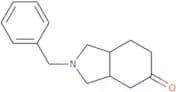
CAS:Versatile small molecule scaffoldFórmula:C13H18ClNPureza:Min. 95%Peso molecular:223.74 g/mol2-Benzyl-octahydro-1H-isoindol-5-one
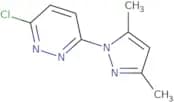
CAS:Versatile small molecule scaffoldFórmula:C15H19NOPureza:Min. 95%Peso molecular:229.32 g/mol3-Chloro-6-(3,5-dimethyl-1H-pyrazol-1-yl)pyridazine
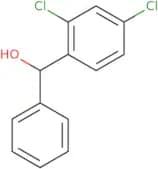
CAS:3-Chloro-6-(3,5-dimethyl-1H-pyrazol-1-yl)pyridazine is a functional molecule that belongs to the pyridazinone class. It has been shown to be an ionic liquid with a dihedral angle of tetragonally and a water molecule as a hydrogen bond donor. 3-Chloro-6-(3,5-dimethyl-1H-pyrazol-1-yl)pyridazine has been used in diagnostic techniques such as potentiodynamic polarization and electrochemical impedance spectroscopy.Fórmula:C9H9ClN4Pureza:Min. 95%Peso molecular:208.65 g/mol(2,4-Dichlorophenyl)(phenyl)methanol
CAS:Versatile small molecule scaffold
Fórmula:C13H10Cl2OPureza:Min. 95%Peso molecular:253.12 g/mol2-[(Difluoromethyl)sulfanyl]aniline hydrochloride
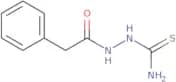
CAS:Versatile small molecule scaffoldFórmula:C7H8ClF2NSPureza:Min. 95%Peso molecular:211.66 g/molN-(Carbamothioylamino)-2-phenylacetamide
CAS:Versatile small molecule scaffoldFórmula:C9H11N3OSPureza:Min. 95%Peso molecular:209.27 g/mol4H,5H,6H,7H-Pyrazolo[1,5-a]pyrimidin-5-one
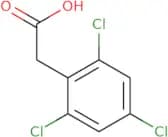
CAS:Versatile small molecule scaffoldFórmula:C6H7N3OPureza:Min. 95%Peso molecular:137.14 g/mol2-(2,4,6-Trichlorophenyl)acetic acid
CAS:Versatile small molecule scaffold
Fórmula:C8H5Cl3O2Pureza:Min. 95%Peso molecular:239.5 g/mol5-Methylpyrazolo[1,5-a]pyrimidin-7(4H)-one
CAS:Versatile small molecule scaffoldFórmula:C7H7N3OPureza:Min. 95%Peso molecular:149.15 g/molEthyl 7-oxo-4,7-dihydropyrazolo[1,5-a]pyrimidine-6-carboxylate
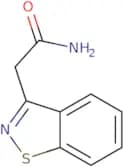
CAS:Versatile small molecule scaffoldFórmula:C9H9N3O3Pureza:Min. 95%Peso molecular:207.19 g/mol2-(1,2-Benzisothiazol-3-yl)acetamide
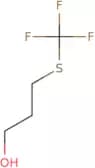
CAS:Versatile small molecule scaffoldFórmula:C9H8N2OSPureza:Min. 95%Peso molecular:192.24 g/mol3-((Trifluoromethyl)thio)propan-1-ol
CAS:Versatile small molecule scaffold
Fórmula:C4H7F3OSPureza:Min. 95%Peso molecular:160.16 g/molMethyl 3-[(trifluoromethyl)sulfanyl]propanoate
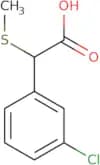
CAS:Versatile small molecule scaffoldFórmula:C5H7F3O2SPureza:Min. 95%Peso molecular:188.17 g/mol2-(3-Chlorophenyl)-2-(methylsulfanyl)acetic acid
CAS:Versatile small molecule scaffold
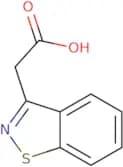
Fórmula:C9H9ClO2SPureza:Min. 95%Peso molecular:216.68 g/mol2-(1,2-Benzothiazol-3-yl)acetic acid
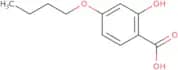
CAS:2-(1,2-Benzothiazol-3-yl)acetic acid is a plant hormone that is found in the indole-3-acetic acid family of plant hormones. It is one of the auxins and it has been shown to promote germination and root growth. Auxins have also been shown to be involved in the development of vascular tissue and other aspects of plant growth. 2-(1,2-Benzothiazol-3-yl)acetic acid has been isolated from Pisum sativum L., Lycopersicon esculentum, and Esculentum.Fórmula:C9H7NO2SPureza:Min. 95%Peso molecular:193.22 g/mol4-Butoxy-2-hydroxybenzoic acid
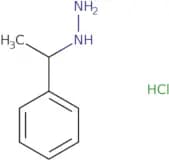
CAS:Versatile small molecule scaffoldFórmula:C11H14O4Pureza:Min. 95%Peso molecular:210.23 g/mol(1-Phenylethyl)hydrazine hydrochloride
CAS:Versatile small molecule scaffoldFórmula:C8H13ClN2Pureza:Min. 95%Peso molecular:172.65 g/molFa-Gly-OH
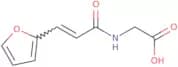
CAS:Fa-Gly-OH is a molecule that is used to study the kinetics of drug metabolism and the metabolism of drugs. It can be synthesized from glycerol and furfural, which are both readily available chemicals. Fa-Gly-OH has been shown to have a magnetic resonance profile that is similar to that of other fatty acids. The metabolic profile of this molecule was determined in groups of mice, with doses ranging from 10 mg/kg to 500 mg/kg. Fa-Gly-OH was found to be metabolized in the liver, with no detectable levels in the urine or faeces. Fa-Gly-OH is eventually converted into conjugates, such as methylglyoxal, which are excreted in the urine and faeces.Fórmula:C9H9NO4Pureza:Min. 95%Peso molecular:195.17 g/mol5-Hydrazino-3-(methylthio)isothiazole-4-carbonitrile
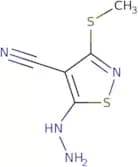
CAS:Versatile small molecule scaffoldFórmula:C5H6N4S2Pureza:Min. 95%Peso molecular:186.3 g/mol(2S)-2-{[(2S)-5-Oxopyrrolidin-2-yl]formamido}pentanedioic acid
CAS:(2S)-2-{[(2S)-5-Oxopyrrolidin-2-yl]formamido}pentanedioic acid is an optically active glutamic acid amide, which is a natural product. It has a bitter taste and may be found in soybeans and zinc salts. The salt form of this compound is used as a mouthwash to reduce the sensation of bitterness. This compound has been reported to have anti-inflammatory activities and has been shown to inhibit the growth of Aspergillus flavus and other fungi.Fórmula:C10H14N2O6Pureza:Min. 95%Peso molecular:258.23 g/molBicyclo[2.2.2]octane-2-carboxylic acid
CAS:Versatile small molecule scaffoldFórmula:C9H14O2Pureza:Min. 95%Peso molecular:154.21 g/mol5-(Hydroxymethyl)-3-phenyl-1,3-oxazolidin-2-one
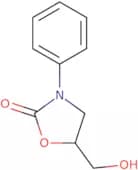
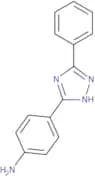
CAS:Versatile small molecule scaffoldFórmula:C10H11NO3Pureza:Min. 95%Peso molecular:193.2 g/mol4-(3-Phenyl-1H-1,2,4-triazol-5-yl)aniline
CAS:Versatile small molecule scaffoldFórmula:C14H12N4Pureza:Min. 95%Peso molecular:236.27 g/mol5-tert-Butylthiophene-2-carboxylic acid
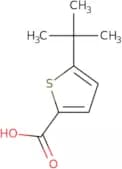
CAS:Versatile small molecule scaffold
Fórmula:C9H12O2SPureza:Min. 95%Peso molecular:184.26 g/mol5-Methoxy-2-thiophenecarboxylic acid
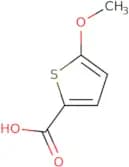
CAS:5-Methoxy-2-thiophenecarboxylic acid is an aldehyde that is synthesized by the reaction of lithium, phosphoryl chloride and thiophene. The azomethine group in this compound can be converted to the corresponding phosphoryl chloride and sulfides. 5-Methoxy-2-thiophenecarboxylic acid is used as an intermediate for manufacturing dyes and pharmaceuticals, such as analgesics and antibiotics.Fórmula:C6H6O3SPureza:Min. 95%Peso molecular:158.18 g/mol3-Methyl-1-(2-methylphenyl)-4,5-dihydro-1H-pyrazol-5-one
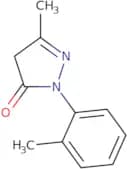
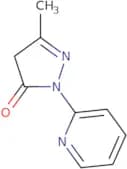
CAS:Versatile small molecule scaffoldFórmula:C11H12N2OPureza:Min. 95%Peso molecular:188.23 g/mol3-Methyl-1-(pyridin-2-yl)-4,5-dihydro-1H-pyrazol-5-one
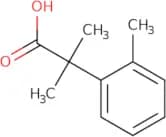
CAS:Versatile small molecule scaffoldFórmula:C9H9N3OPureza:Min. 95%Peso molecular:175.19 g/mol2-Methyl-2-(2-methylphenyl)propanoic acid
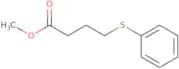
CAS:Versatile small molecule scaffoldFórmula:C11H14O2Pureza:Min. 95%Peso molecular:178.23 g/molMethyl 4-(phenylsulfanyl)butanoate
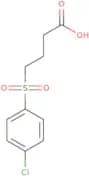
CAS:Versatile small molecule scaffoldFórmula:C11H14O2SPureza:Min. 95%Peso molecular:210.29 g/mol4-(4-Chlorobenzenesulfonyl)butanoic acid
CAS:Versatile small molecule scaffoldFórmula:C10H11ClO4SPureza:Min. 95%Peso molecular:262.71 g/mol4-[(4-Chlorophenyl)sulfanyl]butanoic acid
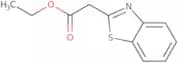
CAS:Versatile small molecule scaffoldFórmula:C10H11ClO2SPureza:Min. 95%Peso molecular:230.71 g/molEthyl 1,3-benzothiazol-2-ylacetate
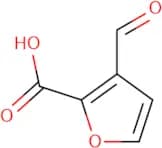
CAS:Ethyl 1,3-benzothiazol-2-ylacetate is a coumarin derivative that has been shown to be active against tuberculosis. It inhibits bacterial growth by binding to the gyrase enzyme and preventing the formation of a new DNA strand. The synthesis of ethyl 1,3-benzothiazol-2-ylacetate starts with the condensation of 2 molecules of acetoacetic ester in the presence of an acid catalyst. This reaction takes place in vivo in animal tissues and is catalyzed by enzymes such as gyrase or topoisomerase IV. The reaction time for this synthesis is typically 3 hours. Ethyl 1,3-benzothiazol-2-ylacetate emits fluorescent emissions at a wavelength of 330 nanometers.Fórmula:C11H11NO2SPureza:Min. 95%Peso molecular:221.28 g/mol3-Formylfuran-2-carboxylic acid
CAS:3-Formylfuran-2-carboxylic acid is a furanic sugar derivative that is used as a sweetener. It can be obtained by the reaction of glycerol with formaldehyde and catalytic acid. 3-Formylfuran-2-carboxylic acid has a particle size of less than 2 microns, which means it can be used in chewing gum and other food products. This product has been shown to have antioxidant activity due to its ability to scavenge free radicals and inhibit oxidation, making it suitable for use as a preservative.
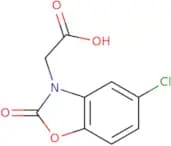
Fórmula:C6H4O4Pureza:Min. 95%Peso molecular:140.09 g/mol(5-Chloro-2-oxo-benzooxazol-3-yl)-acetic acid
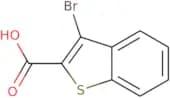
CAS:Versatile small molecule scaffoldFórmula:C9H6ClNO4Pureza:Min. 95%Peso molecular:227.6 g/mol3-Bromobenzothiophene-2-carboxylic acid
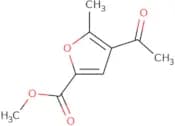
CAS:3-Bromobenzothiophene-2-carboxylic acid is an organic compound that is used in the synthesis of pharmaceuticals, including anticancer agents. It inhibits the growth of cancer cells by binding to a specific site on their DNA and preventing the formation of terminal alkynes. 3-Bromobenzothiophene-2-carboxylic acid has been shown to be a potent inhibitor of lactamase, which is an enzyme that breaks down lactams and other esters. This effect leads to decreased cell proliferation in some cancer cells. 3-Bromobenzothiophene-2-carboxylic acid also has a fluorescent property, which can be used for research purposes.Fórmula:C9H5BrO2SPureza:Min. 95%Peso molecular:257.1 g/molMethyl 4-acetyl-5-methyl-2-furoate
CAS:Versatile small molecule scaffold
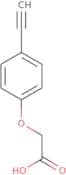
Fórmula:C9H10O4Pureza:Min. 95%Peso molecular:182.17 g/mol2-(4-Ethynylphenoxy)acetic acid
CAS:Versatile small molecule scaffold
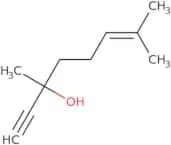
Fórmula:C10H8O3Pureza:Min. 95%Peso molecular:176.17 g/mol3,7-Dimethyl-6-octen-1-yn-3-ol
CAS:3,7-Dimethyl-6-octen-1-yn-3-ol (linalool) is a naturally occurring chemical in plants. It has been shown to inhibit the growth of hepatitis C virus and is used as a chemical intermediate. Linalool is hydrogenated by using a catalyst, such as phosphotungstic acid. The process of hydrogenation can be optimized through kinetic studies. This compound is also used in the synthesis of ethylene diamine, which is used in particle activation energies for pleural fluid.
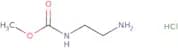
Fórmula:C10H16OPureza:Min. 95%Peso molecular:152.23 g/molMethyl N-(2-aminoethyl)carbamate hydrochloride
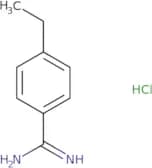
CAS:Versatile small molecule scaffoldFórmula:C4H11ClN2O2Pureza:Min. 95%Peso molecular:154.59 g/mol4-Ethylbenzene-1-carboximidamide hydrochloride
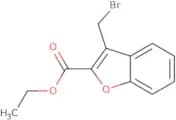
CAS:Versatile small molecule scaffoldFórmula:C9H13ClN2Pureza:Min. 95%Peso molecular:184.66 g/molEthyl 3-(bromomethyl)-1-benzofuran-2-carboxylate
CAS:Ethyl 3-(bromomethyl)-1-benzofuran-2-carboxylate (BMC) is a potent anticancer agent that inhibits cancer cell growth by inhibiting the activity of regulatory proteins. BMC selectively interacts with the regulatory domain of these proteins, which causes them to become inactive and inhibits tumor growth. BMC also induces necroptosis, which is an alternative form of programmed cell death that can be induced by multiple stimuli. This process results in the release of proinflammatory cytokines such as IL-1β and IL-18, which may contribute to its anti-cancer effects. BMC has been shown to inhibit murine lung tumor growth in vivo and inhibit tumor growth in vitro.Fórmula:C12H11BrO3Pureza:Min. 95%Peso molecular:283.12 g/mol2-Ethenylcyclohexan-1-ol
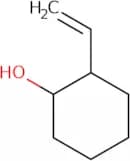
CAS:Versatile small molecule scaffoldFórmula:C8H14OPureza:Min. 95%Peso molecular:126.2 g/molEthyl 5-hydroxy-2-phenyl-1-benzofuran-3-carboxylate
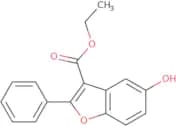
CAS:Versatile small molecule scaffoldFórmula:C17H14O4Pureza:Min. 95%Peso molecular:282.29 g/mol1-(3-Amino-propyl)-piperidin-4-ol
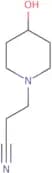
CAS:Versatile small molecule scaffoldFórmula:C8H18N2OPureza:Min. 95%Peso molecular:158.25 g/mol3-(4-Hydroxypiperidin-1-yl)propanenitrile
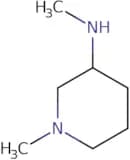
CAS:Versatile small molecule scaffoldFórmula:C8H14N2OPureza:Min. 95%Peso molecular:154.21 g/molN,1-Dimethylpiperidin-3-amine
CAS:Versatile small molecule scaffold
Fórmula:C7H16N2Pureza:Min. 95%Peso molecular:128.22 g/mol1-Methylpiperidine-3-carbonitrile
CAS:Versatile small molecule scaffoldFórmula:C7H12N2Pureza:Min. 95%Peso molecular:124.19 g/mol1,2-Dimethyl-1H-benzo[d]imidazole-5-carbaldehyde
CAS:Versatile small molecule scaffoldFórmula:C10H10N2OPureza:Min. 95%Peso molecular:174.2 g/mol(Ethoxycarbonyl)glycine
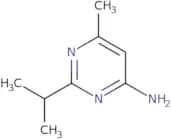
CAS:Ethoxycarbonylglycine is an organic acid that is a β-amino acid ester. It is the sodium salt of ethoxycarbonylglycine and can be found as a white solid. It is synthesized from glycine, which is synthesized from nitrous acid, and methyl pentadecanoate in solvents such as chloroform and ether. Ethoxycarbonylglycine has been shown to have a chiral center at carbon atom 9. The molecule has two stereoisomers, which are mirror images of each other. The stereoisomers have different physical properties, such as melting point or boiling point. This compound also reacts with carbamic acid or carbamate to form reaction products.Fórmula:C5H9NO4Pureza:Min. 95%Peso molecular:147.13 g/mol2-Isopropyl-6-methylpyrimidin-4-amine
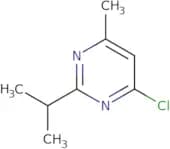
CAS:Versatile small molecule scaffoldFórmula:C8H13N3Pureza:Min. 95%Peso molecular:151.21 g/mol4-Chloro-6-methyl-2-(propan-2-yl)pyrimidine
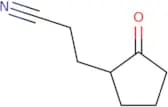
CAS:4-Chloro-6-methyl-2-(propan-2-yl)pyrimidine is a pyrimidine derivative that is an antifungal agent. It has fungicidal and fungistatic activities against phytopathogenic fungi, inhibiting the synthesis of ergosterol, which is necessary for fungal cell membrane integrity. It also inhibits the enzyme squalene epoxidase, which is required for the production of sterols and other compounds in fungi. 4-Chloro-6-methyl-2-(propan-2-yl)pyrimidine has shown to be active against many strains of Aspergillus, including those resistant to other antifungals.Fórmula:C8H11ClN2Pureza:Min. 95%Peso molecular:170.64 g/mol3-(2-Oxocyclopentyl)propanenitrile
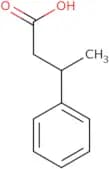
CAS:3-(2-Oxocyclopentyl)propanenitrile is a nitrile that can be used as a catalyst. It is a β-unsaturated acid compound that has been shown to have high selectivity and selectivity when catalyzing the conversion of cyclopentanone to pyrrolidine. 3-(2-Oxocyclopentyl)propanenitrile is catalytically active for the conversion of cyclopentanone to pyrrolidine in the presence of a nickel(0) complex, which makes it an excellent choice for industrial applications.Fórmula:C8H11NOPureza:Min. 95%Peso molecular:137.18 g/mol3-Phenylbutyric acid
CAS:3-Phenylbutyric acid is a hydrolysis product of butyric acid. It can be formed by the hydrolysis of phytanic acid, benzoate, or 2-phenylbutyric acid. 3-Phenylbutyric acid is often used as a substrate for lipase enzymes in industrial applications. The binding of 3-phenylbutyric acid to the enzyme's active site has been studied using molecular modeling and computer simulations. The enzyme hormone-sensitive lipase is most commonly used for this purpose. Lipases are also used in analytical methods to determine the concentration of 3-phenylbutyric acid in a sample.Fórmula:CH3CHPureza:Min. 95%Peso molecular:164.2 g/mol2-Chloro-1-(3-methyl-piperidin-1-yl)-ethanone
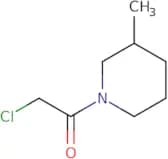
CAS:Versatile small molecule scaffold
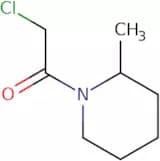
Fórmula:C8H14ClNOPureza:Min. 95%Peso molecular:175.66 g/mol2-Chloro-1-(2-methylpiperidin-1-yl)ethan-1-one
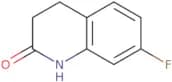
CAS:Versatile small molecule scaffoldFórmula:C8H14ClNOPureza:Min. 95%Peso molecular:175.65 g/mol7-Fluoro-3,4-dihydroquinolin-2(1H)-one
CAS:Versatile small molecule scaffoldFórmula:C9H8FNOPureza:Min. 95%Peso molecular:165.16 g/mol4-(tert-Butyl)-2-hydroxybenzoic acid
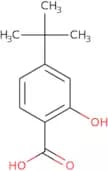
CAS:Versatile small molecule scaffold
Fórmula:C11H14O3Pureza:Min. 95%Peso molecular:194.23 g/mol5-Bromo-1,2-thiazole-3-carboxylic acid
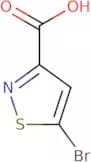
CAS:Versatile small molecule scaffold
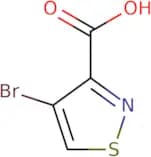
Fórmula:C4H2BrNO2SPureza:Min. 95%Peso molecular:208.04 g/mol4-Bromo-1,2-thiazole-3-carboxylic acid
CAS:Versatile small molecule scaffoldFórmula:C4H2BrNO2SPureza:Min. 95%Peso molecular:208.04 g/molBenzyl N-[2-(4,4-dimethyl-5-oxo-4,5-dihydro-1,3-oxazol-2-yl)propan-2-yl]carbamate
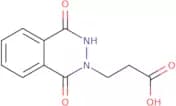
CAS:Versatile small molecule scaffoldFórmula:C16H20N2O4Pureza:Min. 95%Peso molecular:304.34 g/mol3-(1,4-Dioxo-1,2,3,4-tetrahydrophthalazin-2-yl)propanoic acid
CAS:Versatile small molecule scaffoldFórmula:C11H10N2O4Pureza:Min. 95%Peso molecular:234.21 g/mol2-Bromo-1-(2,5-dichlorophenyl)ethanone
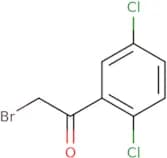
CAS:2-Bromo-1-(2,5-dichlorophenyl)ethanone is an alcohol with a chemical formula of C6H4BrCl2O. It is an optically active compound that can be synthesized from ethanol and potassium bromide. The synthesis of this compound involves a condensation reaction between acetaldehyde and 2,5-dichlorobenzaldehyde in the presence of potassium carbonate. This product has been shown to be a radiosensitizer for cancer cells and was used in the drug TARANIT, which was approved by the FDA in 2003. This product also has enantiomeric properties, which allows it to inhibit the growth of bacteria such as Mycobacterium tuberculosis and Mycobacterium avium complex.
2-Bromo-1-(2,5-dichlorophenyl)ethanone has been shown to have antifungal activity against Candida albFórmula:C8H5BrCl2OPureza:Min. 95%Peso molecular:267.93 g/mol


![4-Bromo-6H,7H-thieno[2,3-c]pyridin-7-one](/_next/image/?url=https%3A%2Fstatic.cymitquimica.com%2Fproducts%2F3D%2Fthumb-webp%2FEBA51283.webp&w=3840&q=75)




![3-Phenylbicyclo[2.2.1]heptan-2-amine hydrochloride](/_next/image/?url=https%3A%2Fstatic.cymitquimica.com%2Fproducts%2F3D%2Fthumb-webp%2FEBA34514.webp&w=3840&q=75)
![2-[(Difluoromethyl)sulfanyl]aniline hydrochloride](/_next/image/?url=https%3A%2Fstatic.cymitquimica.com%2Fproducts%2F3D%2Fthumb-webp%2FEBA33007.webp&w=3840&q=75)
![4H,5H,6H,7H-Pyrazolo[1,5-a]pyrimidin-5-one](/_next/image/?url=https%3A%2Fstatic.cymitquimica.com%2Fproducts%2F3D%2Fthumb-webp%2FEBA30321.webp&w=3840&q=75)
![5-Methylpyrazolo[1,5-a]pyrimidin-7(4H)-one](/_next/image/?url=https%3A%2Fstatic.cymitquimica.com%2Fproducts%2F3D%2Fthumb-webp%2FEBA27435.webp&w=3840&q=75)
![Ethyl 7-oxo-4,7-dihydropyrazolo[1,5-a]pyrimidine-6-carboxylate](/_next/image/?url=https%3A%2Fstatic.cymitquimica.com%2Fproducts%2F3D%2Fthumb-webp%2FEBA27418.webp&w=3840&q=75)
![Methyl 3-[(trifluoromethyl)sulfanyl]propanoate](/_next/image/?url=https%3A%2Fstatic.cymitquimica.com%2Fproducts%2F3D%2Fthumb-webp%2FEBA27131.webp&w=3840&q=75)
![(2S)-2-{[(2S)-5-Oxopyrrolidin-2-yl]formamido}pentanedioic acid](/_next/image/?url=https%3A%2Fstatic.cymitquimica.com%2Fproducts%2F3D%2Fthumb-webp%2FEBA22792.webp&w=3840&q=75)
![Bicyclo[2.2.2]octane-2-carboxylic acid](/_next/image/?url=https%3A%2Fstatic.cymitquimica.com%2Fproducts%2F3D%2Fthumb-webp%2FEBA22125.webp&w=3840&q=75)
![4-[(4-Chlorophenyl)sulfanyl]butanoic acid](/_next/image/?url=https%3A%2Fstatic.cymitquimica.com%2Fproducts%2F3D%2Fthumb-webp%2FEBA19363.webp&w=3840&q=75)


![1,2-Dimethyl-1H-benzo[d]imidazole-5-carbaldehyde](/_next/image/?url=https%3A%2Fstatic.cymitquimica.com%2Fproducts%2F3D%2Fthumb-webp%2FEAA59721.webp&w=3840&q=75)
![Benzyl N-[2-(4,4-dimethyl-5-oxo-4,5-dihydro-1,3-oxazol-2-yl)propan-2-yl]carbamate](/_next/image/?url=https%3A%2Fstatic.cymitquimica.com%2Fproducts%2F3D%2Fthumb-webp%2FEAA57616.webp&w=3840&q=75)