


Building Blocks
Esta sección contiene productos fundamentales para la síntesis de compuestos orgánicos y biológicos. Building blocks son los materiales de partida esenciales utilizados para construir moléculas complejas a través de diversas reacciones químicas. Desempeñan un papel crítico en el descubrimiento de fármacos, la ciencia de materiales y la investigación química. En CymitQuimica, ofrecemos una gama diversa de building blocks de alta calidad para apoyar sus investigaciones innovadoras y proyectos industriales, asegurando que tenga los componentes esenciales para una síntesis exitosa.
Subcategorías de "Building Blocks"
- Ácidos borónicos y derivados del ácido borónico(5.778 productos)
- Building Blocks quirales(1.242 productos)
- Building Blocks de hidrocarburos(6.098 productos)
- Building Blocks orgánicos(61.034 productos)
Se han encontrado 199601 productos de "Building Blocks"
Ordenar por
Pureza (%)
0
100
|
0
|
50
|
90
|
95
|
100
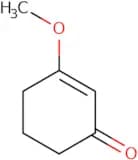
3-Methoxy-2-cyclohexen-1-one
CAS:<p>3-Methoxy-2-cyclohexen-1-one is a stereoisomer of cyclohexanone. It is the product of an asymmetric synthesis by irradiation. The reaction requires methoxyphenol and acetyl chloride, with isomers being separated by gel chromatography. The stereoselectivity of the reaction has been shown to be high, with the desired product being oriented in a chiral environment. A hydrochloric acid solution is used to convert 3-methoxy-2-cyclohexen-1-one into 2,3-dimethoxybenzoic acid.</p>Fórmula:C7H10O2Pureza:Min. 95%Peso molecular:126.15 g/mol2-[Ethyl(1-ethynylcyclohexyl)amino]ethan-1-ol
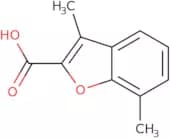
CAS:<p>Versatile small molecule scaffold</p>Fórmula:C12H21NOPureza:Min. 95%Peso molecular:195.3 g/mol3,7-Dimethyl-1-benzofuran-2-carboxylic acid
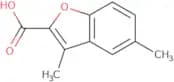
CAS:<p>Versatile small molecule scaffold</p>Fórmula:C11H10O3Pureza:Min. 95%Peso molecular:190.19 g/mol3,5-Dimethyl-benzofuran-2-carboxylic acid
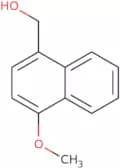
CAS:Versatile small molecule scaffoldFórmula:C11H10O3Pureza:Min. 95%Peso molecular:190.2 g/mol4-Methoxy-1-naphthalenemethanol
CAS:<p>4-Methoxy-1-naphthalenemethanol is an isoenzyme of a dehydrogenase. It is found in the pancreas, tissues and human serum. 4-Methoxy-1-naphthalenemethanol has been shown to catalyze the conversion of acetaldehyde to acetate and reduces fatty acids to their corresponding hydroxy acid. This enzyme also converts ethyl esters and aldehydes into their corresponding alcohols or carboxylic acids. The reduction products are carbocations, which can be reduced by other enzymes such as thioredoxin reductase.</p>Fórmula:C12H12O2Pureza:Min. 95%Peso molecular:188.23 g/mol6-Methoxy-1,2,3,4-tetrahydronaphthalen-1-ol
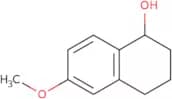
CAS:<p>The condensation of 6-methoxy-1,2,3,4-tetrahydronaphthalen-1-ol with a diaryl or chlorotrimethylsilane in the presence of a catalyst such as pyridine or triethylamine leads to the formation of a carbinol. The reaction is often used for the synthesis of phenols.</p>Fórmula:C11H14O2Pureza:Min. 95%Peso molecular:178.23 g/mol(2S)-3-(3,4-Dimethoxyphenyl)-2-acetamido-2-methylpropanoic acid
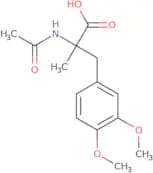
CAS:<p>Versatile small molecule scaffold</p>Fórmula:C14H19NO5Pureza:Min. 95%Peso molecular:281.3 g/mol1,2-Dihydronaphthalene-1-carboxylic acid
CAS:<p>Versatile small molecule scaffold</p>Fórmula:C11H10O2Pureza:Min. 95%Peso molecular:174.2 g/mol2-(3-Hydroxy-2,2-dimethylcyclobutyl)acetic acid
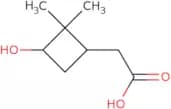
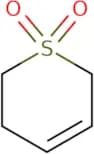
CAS:<p>Versatile small molecule scaffold</p>Fórmula:C8H14O3Pureza:Min. 95%Peso molecular:158.19 g/molThiacyclohex-3-ene, 1,1-dioxide
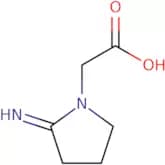
CAS:<p>Versatile small molecule scaffold</p>Fórmula:C5H8O2SPureza:Min. 95%Peso molecular:132.18 g/mol2-(2-Iminopyrrolidin-1-yl)acetic acid
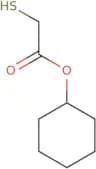
CAS:<p>Versatile small molecule scaffold</p>Fórmula:C6H10N2O2Pureza:Min. 95%Peso molecular:142.16 g/molCyclohexyl 2-sulfanylacetate
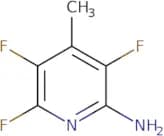
CAS:<p>Cyclohexyl 2-sulfanylacetate is an organic compound that belongs to the class of polycarboxylic acids. It is soluble in glycol ether and insoluble in water. Cyclohexyl 2-sulfanylacetate has a high melting point, which makes it a good conditioning agent. It also has functional groups that make it suitable for use as a modifier or colorant. This chemical can be used as a functional ingredient in hair care products, such as shampoos and conditioners, because of its cationic surfactant properties.</p>Fórmula:C8H14O2SPureza:Min. 95%Peso molecular:174.26 g/mol3,5,6-Trifluoro-4-methylpyridin-2-amine
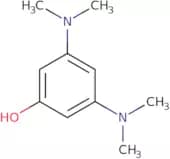
CAS:<p>Versatile small molecule scaffold</p>Fórmula:C6H5F3N2Pureza:Min. 95%Peso molecular:162.11 g/mol3,5-Bis(dimethylamino)phenol
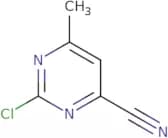
CAS:<p>Versatile small molecule scaffold</p>Fórmula:C10H16N2OPureza:Min. 95%Peso molecular:180.25 g/mol2-Chloro-6-methyl-pyrimidine-4-carbonitrile
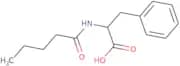
CAS:<p>Versatile small molecule scaffold</p>Fórmula:C6H4ClN3Pureza:Min. 95%Peso molecular:153.57 g/mol2-Pentanamido-3-phenylpropanoic acid
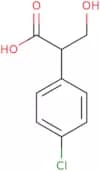
CAS:<p>Versatile small molecule scaffold</p>Fórmula:C14H19NO3Pureza:Min. 95%Peso molecular:249.3 g/mol2-(4-Chlorophenyl)-3-hydroxypropanoic acid
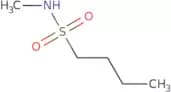
CAS:<p>Versatile small molecule scaffold</p>Fórmula:C9H9ClO3Pureza:Min. 95%Peso molecular:200.62 g/molN-Methylbutane-1-sulfonamide
CAS:<p>Versatile small molecule scaffold</p>Fórmula:C5H13NO2SPureza:Min. 95%Peso molecular:151.23 g/molEthyl 7-chloro-4-oxo-4H-pyrido[1,2-a]pyrimidine-3-carboxylate
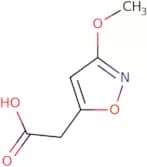
CAS:<p>Versatile small molecule scaffold</p>Fórmula:C11H9ClN2O3Pureza:Min. 95%Peso molecular:252.65 g/mol2-(3-Methoxy-1,2-oxazol-5-yl)acetic acid
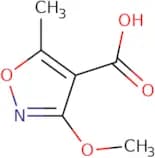
CAS:<p>Versatile small molecule scaffold</p>Fórmula:C6H7NO4Pureza:Min. 95%Peso molecular:157.12 g/mol3-Methoxy-5-methyl-1,2-oxazole-4-carboxylic acid
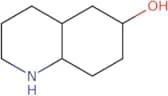
CAS:<p>3-Methoxy-5-methyl-1,2-oxazole-4-carboxylic acid hydrobromide is an excitatory drug that belongs to the group of carboxylic acids. It has been shown to increase the firing rate of neurons in the cerebral cortex. 3-Methoxy-5-methyl-1,2-oxazole-4-carboxylic acid hydrobromide is used as a research tool for studying nervous system function and as a diagnostic agent for epilepsy.</p>Fórmula:C6H7NO4Pureza:Min. 95%Peso molecular:157.12 g/molDecahydroquinolin-6-ol
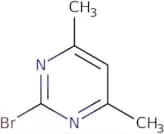
CAS:<p>Versatile small molecule scaffold</p>Fórmula:C9H17NOPureza:Min. 95%Peso molecular:155.24 g/mol2-Bromo-4,6-dimethylpyrimidine
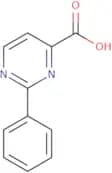
CAS:<p>2-Bromo-4,6-dimethylpyrimidine (2-BDMP) is a chemical compound that is synthesised by reacting acetonitrile with methylene bromide in the presence of copper. The 2-BDMP has a molecular weight of 136.22, melting point of 117°C and boiling point of 165°F. It has an ambident nature with respect to anions, which means it is soluble in water and organic solvents such as acetonitrile and tetrahydrofuran. 2-BDMP can be used as a building block for synthesising other compounds such as amidines or dioxanes. This chemical can also be used to produce yields of bromoalkyls in the presence of alkylating agents such as chloromethyl methyl ether or methanol.</p>Fórmula:C6H7BrN2Pureza:Min. 95%Peso molecular:187.04 g/mol2-phenylpyrimidine-4-carboxylic acid
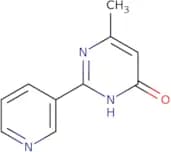
CAS:<p>2-Phenylpyrimidine-4-carboxylic acid is a luminescent copper complex that has been synthesized as a ligand in coordination complexes. It is soluble in dilute solutions and can be used to prepare the complexes of other metals. 2-Phenylpyrimidine-4-carboxylic acid has been shown to have an affinity for lanthanide metal ions and can be used as a sensitizer for lanthanides. The magnetic properties of this compound were determined using x-ray diffraction on single crystals. It was found that the compound is paramagnetic and has a weak antiferromagnetic interaction with dysprosium, which was confirmed by elemental analysis and diffraction measurements.</p>Fórmula:C11H8N2O2Pureza:Min. 95%Peso molecular:200.19 g/mol6-Methyl-2-(pyridin-3-yl)pyrimidin-4-ol
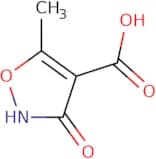
CAS:<p>Versatile small molecule scaffold</p>Fórmula:C10H9N3OPureza:Min. 95%Peso molecular:187.2 g/mol3-Hydroxy-5-methyl-1,2-oxazole-4-carboxylic acid
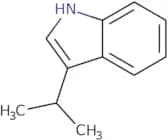
CAS:<p>Versatile small molecule scaffold</p>Fórmula:C5H5NO4Pureza:Min. 95%Peso molecular:143.1 g/mol3-(Propan-2-yl)-1H-indole
CAS:<p>3-(Propan-2-yl)-1H-indole is a zeolite that has been shown to catalyze the conversion of 2-propanol to butyl acetate. It is used in catalytic alkylation reactions, which are used to produce chemicals such as octane and styrene. 3-(Propan-2-yl)-1H-indole is able to increase the velocity of this reaction by lowering the reaction parameters. The zeolite can be used in industrial settings or in laboratory experiments.</p>Fórmula:C11H13NPureza:Min. 95%Peso molecular:159.23 g/mol3-(Piperidin-1-yl)propanethioamide
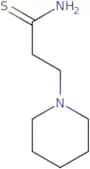
CAS:<p>Versatile small molecule scaffold</p>Fórmula:C8H16N2SPureza:Min. 95%Peso molecular:172.29 g/mol2-(Morpholin-4-yl)ethanethioamide
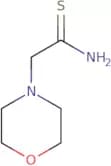
CAS:<p>Azapropazone is a non-steroidal anti-inflammatory drug that has been used for the treatment of chronic inflammatory conditions such as rheumatoid arthritis and osteoarthritis. Azapropazone has also been shown to be effective in the treatment of gastric ulcers. Azapropazone binds to the H2 receptor, which is the histamine receptor found on parietal cells in the stomach lining. This binding inhibits gastric acid secretion and reduces the release of histamine from these cells, thereby reducing inflammation and ulceration. Azapropazone is metabolized by cytochrome P450 enzymes, which are found in many tissues including liver, kidney, and lung tissue. The drug's major metabolite is N-desmethyl azapropazone (NDAZ), which has similar anti-inflammatory effects to azapropazone but with less risk of gastric upset and ulceration.</p>Fórmula:C6H12N2OSPureza:Min. 95%Peso molecular:160.24 g/mol8-Thiabicyclo[3.2.1]octan-3-one
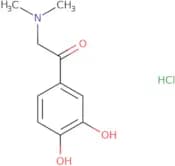
CAS:<p>8-Thiabicyclo[3.2.1]octan-3-one is a chiral tropane alkaloid that is used as an analog for pseudotropine and hyoscyamine. It is metabolized by oxidation, hydroxylation, or amide hydrolysis to form compounds with similar structures to tropane and hyoscyamine. 8-Thiabicyclo[3.2.1]octan-3-one has been shown to inhibit the biosynthesis of dopamine, norepinephrine, and serotonin in rat brain cells; therefore it may have therapeutic potential as a treatment for Parkinson's disease as well as other neurological disorders such as depression and anxiety.</p>Fórmula:C7H10OSPureza:Min. 95%Peso molecular:142.22 g/mol1-(3,4-Dihydroxyphenyl)-2-(dimethylamino)ethan-1-one hydrochloride
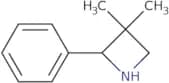
CAS:Producto controlado<p>Versatile small molecule scaffold</p>Fórmula:C10H14ClNO3Pureza:Min. 95%Peso molecular:231.67 g/mol3,3-Dimethyl-2-phenylazetidine
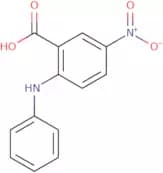
CAS:<p>Versatile small molecule scaffold</p>Fórmula:C11H15NPureza:Min. 95%Peso molecular:161.24 g/mol5-Nitro-2-(phenylamino)benzoic acid
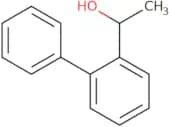
CAS:<p>Versatile small molecule scaffold</p>Fórmula:C13H10N2O4Pureza:Min. 95%Peso molecular:258.23 g/mol1-(2-Phenylphenyl)ethan-1-ol
CAS:<p>Versatile small molecule scaffold</p>Fórmula:C14H14OPureza:Min. 95%Peso molecular:198.26 g/mol2-Amino-2-[4-(aminomethyl)phenyl]acetic acid dihydrochloride
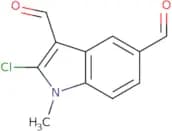
CAS:Versatile small molecule scaffoldFórmula:C9H14Cl2N2O2Pureza:Min. 95%Peso molecular:253.12 g/mol2-Chloro-1-methyl-1H-indole-3,5-dicarbaldehyde
CAS:<p>Versatile small molecule scaffold</p>Fórmula:C11H8ClNO2Pureza:Min. 95%Peso molecular:221.64 g/mol8-Methyl-1,4-dioxaspiro[4.5]decan-8-ol
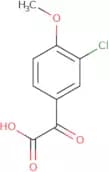
CAS:<p>Versatile small molecule scaffold</p>Fórmula:C9H16O3Pureza:Min. 95%Peso molecular:172.23 g/mol2-(3-Chloro-4-methoxyphenyl)-2-oxoacetic acid
CAS:<p>Versatile small molecule scaffold</p>Fórmula:C9H7ClO4Pureza:Min. 95%Peso molecular:214.6 g/molrac-[(1R,2S,4R,5R,6R)-3-Oxatricyclo[3.2.1.0,2,4]octan-6-yl]methanamine
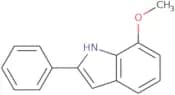
CAS:<p>Versatile small molecule scaffold</p>Fórmula:C8H13NOPureza:Min. 95%Peso molecular:139.2 g/mol7-Methoxy-2-phenyl-1H-indole
CAS:<p>Versatile small molecule scaffold</p>Fórmula:C15H13NOPureza:Min. 95%Peso molecular:223.27 g/molImidazo[1,2-a]pyridin-5-ylamine
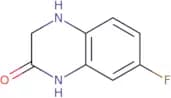
CAS:<p>Versatile small molecule scaffold</p>Fórmula:C7H7N3Pureza:Min. 95%Peso molecular:133.15 g/mol7-Fluoro-3,4-dihydro-2(1H)-quinoxalinone
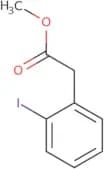
CAS:<p>Versatile small molecule scaffold</p>Fórmula:C8H7FN2OPureza:Min. 95%Peso molecular:166.15 g/molMethyl 2-(2-iodophenyl)acetate
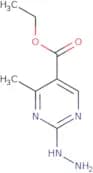
CAS:<p>Methyl 2-(2-iodophenyl)acetate is an alkylating agent that inhibits the growth of cancer cells by binding to their estrogen receptors. It has been shown that this drug binds to the estrogen receptor and blocks its interaction with estradiol in MCF-7 cells. Methyl 2-(2-iodophenyl)acetate also inhibits cell cycle progression, leading to cancer cell death. The stereoselective nature of this drug may be due to a specific interaction with the estrogen receptor, as well as other interactions with proteins in the target cell. In addition, this compound can be used to treat breast cancer by inhibiting tumor growth and stimulating apoptosis in MDA-MB-231 cells.</p>Fórmula:C9H9IO2Pureza:Min. 95%Peso molecular:276.07 g/mol2-Hydrazino-4-methyl-pyrimidine-5-carboxylic acid ethyl ester
CAS:<p>2-Hydrazino-4-methylpyrimidine-5-carboxylic acid ethyl ester is a heterocyclic compound that is used in organic synthesis. It is obtained by the reaction of ethylene with chloroacetic acid and 2,6-dichloropyrimidine. This product can be used as a cocatalyst to promote the polymerization of ethylene. The molecular structure of this heterocyclic ring consists of three carbon atoms, five nitrogen atoms, and two oxygen atoms. The nomenclature for this product can be found in IUPAC Gold Book 1985. Triisobutylaluminium (TIBA) is a typical catalyst for the reaction. In addition, 2-hydrazino-4-methylpyrimidine-5-carboxylic acid ethyl ester chelates with copper or zinc compounds to form catalysts for reactions with other substrates.</p>Fórmula:C8H12N4O2Pureza:Min. 95%Peso molecular:196.21 g/mol3-Ethyl-4,5-dihydro-1,2-oxazole-5-carbonitrile
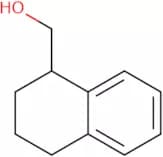
CAS:<p>Versatile small molecule scaffold</p>Fórmula:C6H8N2OPureza:Min. 95%Peso molecular:124.14 g/mol(1,2,3,4-Tetrahydronaphthalen-1-yl)methanol
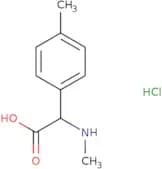
CAS:<p>Versatile small molecule scaffold</p>Fórmula:C11H14OPureza:Min. 95%Peso molecular:162.23 g/mol2-(Methylamino)-2-(4-methylphenyl)acetic acid hydrochloride
CAS:<p>Versatile small molecule scaffold</p>Fórmula:C10H14ClNO2Pureza:Min. 95%Peso molecular:215.67 g/mol3-Bromo-5,7-dimethyl-1H,2H-pyrazolo[1,5-a]pyrimidin-2-one
CAS:<p>Versatile small molecule scaffold</p>Fórmula:C8H8BrN3OPureza:Min. 95%Peso molecular:242.07 g/mol3-(1-Benzothiophen-3-yl)-2-oxopropanoic acid
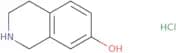
CAS:<p>Versatile small molecule scaffold</p>Fórmula:C11H8O3SPureza:Min. 95%Peso molecular:220.2 g/mol1,2,3,4-tetrahydroisoquinolin-7-ol hydrochloride
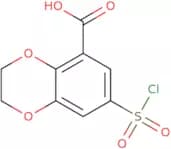
CAS:<p>Versatile small molecule scaffold</p>Fórmula:C9H12ClNOPureza:Min. 95%Peso molecular:185.65 g/mol7-(Chlorosulfonyl)-2,3-dihydro-1,4-benzodioxine-5-carboxylic acid
CAS:<p>Versatile small molecule scaffold</p>Fórmula:C9H7ClO6SPureza:Min. 95%Peso molecular:278.67 g/mol7-Nitro-2,3-dihydro-1,4-benzodioxine-5-carboxylic acid
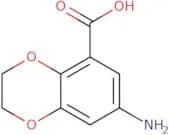
CAS:<p>Versatile small molecule scaffold</p>Fórmula:C9H7NO6Pureza:Min. 95%Peso molecular:225.15 g/mol7-Amino-2,3-dihydro-1,4-benzodioxine-5-carboxylic acid
CAS:<p>Versatile small molecule scaffold</p>Fórmula:C9H9NO4Pureza:Min. 95%Peso molecular:195.17 g/mol6,7-Dibromo-2,3-dihydro-1,4-benzodioxine-5-carboxylic acid
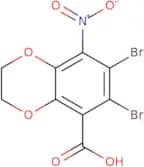
CAS:<p>Versatile small molecule scaffold</p>Fórmula:C9H6Br2O4Pureza:Min. 95%Peso molecular:337.9 g/mol6,7-Dibromo-8-nitro-2,3-dihydro-1,4-benzodioxine-5-carboxylic acid
CAS:<p>Versatile small molecule scaffold</p>Fórmula:C9H5Br2NO6Pureza:Min. 95%Peso molecular:382.95 g/mol8-Chloro-2,3-dihydro-1,4-benzodioxine-5-carboxylic acid
CAS:<p>Versatile small molecule scaffold</p>Fórmula:C9H7ClO4Pureza:Min. 95%Peso molecular:214.6 g/mol6,7-Dinitro-2,3-dihydro-1,4-benzodioxine-5-carboxylic acid
CAS:<p>Versatile small molecule scaffold</p>Fórmula:C9H6N2O8Pureza:Min. 95%Peso molecular:270.2 g/mol2,4-Diethyl 3-ethyl-5-methyl-1H-pyrrole-2,4-dicarboxylate
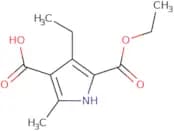
CAS:<p>Versatile small molecule scaffold</p>Fórmula:C13H19NO4Pureza:Min. 95%Peso molecular:253.29 g/mol5-(Ethoxycarbonyl)-4-ethyl-2-methyl-1H-pyrrole-3-carboxylic acid
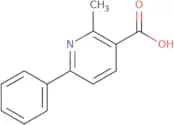
CAS:<p>Versatile small molecule scaffold</p>Fórmula:C11H15NO4Pureza:Min. 95%Peso molecular:225.24 g/mol2-Methyl-6-phenylpyridine-3-carboxylic acid
CAS:<p>2-Methyl-6-phenylpyridine-3-carboxylic acid is a compound that has been used as an antimicrobial agent. It is the most active of the aldehydes for the treatment of tuberculosis. 2-Methyl-6-phenylpyridine-3-carboxylic acid inhibits bacterial growth by binding to DNA dependent RNA polymerase, thereby preventing transcription and replication. The high frequency of human activity has been shown using a patch clamp technique on human erythrocytes. This active form is metabolized through a number of metabolic transformations, including hydrolysis by esterases or glucuronidases, oxidation by cytochrome P450 enzymes, reduction by glutathione reductase, or conjugation with glucuronic acid. 2 methyl 6 phenylpyridine 3 carboxylic acid also specifically binds to markers expressed at high levels in Mycobacterium tuberculosis strains (e.g</p>Fórmula:C13H11NO2Pureza:Min. 95%Peso molecular:213.23 g/mol4-[4-(Oxiran-2-ylmethoxy)phenyl]butan-2-one
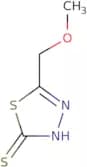
CAS:<p>Versatile small molecule scaffold</p>Fórmula:C13H16O3Pureza:Min. 95%Peso molecular:220.26 g/mol5-Methoxymethyl-1,3,4-thiadiazole-2-thiol
CAS:<p>Versatile small molecule scaffold</p>Fórmula:C4H6N2OS2Pureza:Min. 95%Peso molecular:162.2 g/mol2-(1,2-Thiazol-4-yl)acetonitrile
CAS:<p>Versatile small molecule scaffold</p>Fórmula:C5H4N2SPureza:Min. 95%Peso molecular:124.2 g/mol3-Bromo-6-methylquinoline
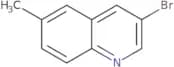
CAS:<p>3-Bromo-6-methylquinoline is a helical molecule with an axial arrangement of methyl groups around the central benzene ring. It has been shown to undergo racemization in aqueous solution, and the helicenes are photoproducts from the reaction. The photophysical properties of 3-bromo-6-methylquinoline have been studied extensively and it is found to be a good candidate for applications in organic light emitting diodes and solar cells. Computational studies have shown that 3-bromo-6-methylquinoline is a potential substrate for alkylation reactions with pyridinium ions and may be used as a catalyst.<br>Helix molecules are composed of repeating units called turns or residues. Each turn consists of two parts: one part which runs up the center of the helix, called the backbone; and one part which runs down the outside edge, called the side chain. The backbone is always made</p>Fórmula:C10H8BrNPureza:Min. 95%Peso molecular:222.08 g/mol3-Bromo-7-methylquinoline
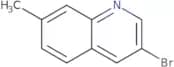
CAS:<p>Versatile small molecule scaffold</p>Fórmula:C10H8BrNPureza:Min. 95%Peso molecular:222.08 g/mol1,5-Dimethyl-1H-indole-2,3-dione
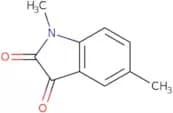
CAS:<p>1,5-Dimethyl-1H-indole-2,3-dione is a molecule with antibacterial activity. It has been shown to have interactions with staphylococcus and subtilis strains. Computational results show that the molecule has inhibitory effects on bacterial dna gyrase and topoisomerase IV. This inhibits the synthesis of bacterial proteins and leads to cell death. Hydrazides have been shown to be effective against staphylococcus aureus isolates and are hypothesized to inhibit protein synthesis by binding to bacterial ribosomes. The mechanism of action of 1,5-dimethyl-1H-indole-2,3-dione is not yet known.</p>Fórmula:C10H9NO2Pureza:Min. 95%Peso molecular:175.19 g/mol2-Ethoxy-4-methyl-1,3-oxathiolan-5-one
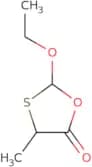
CAS:<p>Versatile small molecule scaffold</p>Fórmula:C6H10O3SPureza:Min. 95%Peso molecular:162.21 g/mol1-Hydroxycyclopentane-1-carboxamide
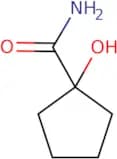
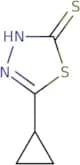
CAS:<p>Versatile small molecule scaffold</p>Fórmula:C6H11NO2Pureza:Min. 95%Peso molecular:129.16 g/mol5-Cyclopropyl-1,3,4-thiadiazole-2-thiol
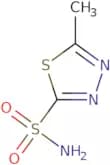
CAS:<p>Versatile small molecule scaffold</p>Fórmula:C5H6N2S2Pureza:Min. 95%Peso molecular:158.2 g/mol5-Methyl-1,3,4-thiadiazole-2-sulfonamide
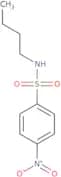
CAS:<p>Versatile small molecule scaffold</p>Fórmula:C3H5N3O2S2Pureza:Min. 95%Peso molecular:179.2 g/molN-Butyl-4-nitrobenzenesulfonamide
CAS:<p>N-Butyl-4-nitrobenzenesulfonamide is a chemical compound that belongs to the group of nitro compounds. It is synthesized by the reaction of an aliphatic amine with nitrobenzenesulfonyl chloride. The structure of this compound is characterized by an electron-deficient phenyl ring, which can be protonated and form a radical anion. N-Butyl-4-nitrobenzenesulfonamide has been shown to yield nitrated aliphatic amines, such as 3-nitropropane sulfonamide, when treated with sodium nitrate in dilute sulfuric acid. This chemical reaction occurs through radical ion mechanisms and involves the cleavage of a bond between two carbon atoms.</p>Fórmula:C10H14N2O4SPureza:Min. 95%Peso molecular:258.3 g/moltert-Butyl 2-cyano-2-methylacetate
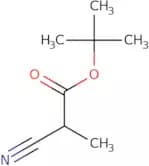
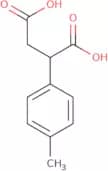
CAS:<p>tert-Butyl 2-cyano-2-methylacetate is a nonpolar chemical that is used as an alkylating agent in organic chemistry. It is synthesized by the reaction of glyoxylate and imine, which forms an enantiomeric pair with opposite stereogenic properties. The compound can also be used in asymmetric synthesis to form enantiomerically pure products. This compound has been shown to have catalytic activity when dissolved in organic solvents. Tert-butyl 2-cyano-2-methylacetate is soluble in both polar and nonpolar solvents, making it suitable for use in a variety of reactions.</p>Fórmula:C8H13NO2Pureza:Min. 95%Peso molecular:155.19 g/mol2-(4-Methylphenyl)butanedioic acid
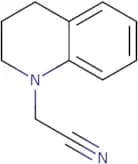
CAS:<p>Versatile small molecule scaffold</p>Fórmula:C11H12O4Pureza:Min. 95%Peso molecular:208.21 g/mol2-(1,2,3,4-Tetrahydroquinolin-1-yl)acetonitrile
CAS:<p>Versatile small molecule scaffold</p>Fórmula:C11H12N2Pureza:Min. 95%Peso molecular:172.23 g/mol6-chloro-3-methylbenzo[b]thiophene-2-carboxylic acid
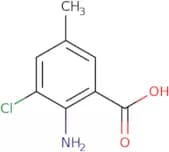
CAS:<p>Versatile small molecule scaffold</p>Fórmula:C10H7ClO2SPureza:Min. 95%Peso molecular:226.67 g/mol2-Amino-3-chloro-5-methylbenzoic acid
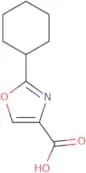
CAS:<p>Versatile small molecule scaffold</p>Fórmula:C8H8ClNO2Pureza:Min. 95%Peso molecular:185.61 g/mol2-Cyclohexyl-oxazole-4-carboxylic acid
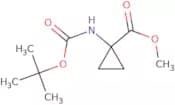
CAS:<p>Versatile small molecule scaffold</p>Fórmula:C10H13NO3Pureza:Min. 95%Peso molecular:195.22 g/molMethyl 1-((tert-butoxycarbonyl)amino)cyclopropanecarboxylate
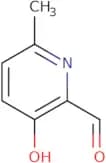
CAS:<p>Methyl 1-((tert-butoxycarbonyl)amino)cyclopropanecarboxylate is a six-membered analogue of the five-membered ring compound iprodione. It is used in the synthesis of compounds that are used as fungicides, such as propiconazole and fenpropimorph. This chemical reacts with nucleophiles to form adducts, which can be isolated in high yield by chromatography or crystallization. The methyl group in this compound also makes it an analogue of the six-membered ring molecule methylcyclopropane carboxylate.</p>Fórmula:C10H17NO4Pureza:Min. 95%Peso molecular:215.25 g/mol3-Hydroxy-6-methylpyridine-2-carbaldehyde
CAS:<p>3-Hydroxy-6-methylpyridine-2-carbaldehyde is a building block for the synthesis of spiropyran, a magnetic heterocyclic compound. 3-Hydroxy-6-methylpyridine-2-carbaldehyde is an aldehyde with a short chain and has the ability to form crossover chains. It has been shown to be fluorescent under UV light and has magnetic properties.</p>Fórmula:C7H7NO2Pureza:Min. 95%Peso molecular:137.14 g/mol5-methylfuro[3,2-b]pyridine-2-carboxylic Acid hydrochloride
CAS:<p>Versatile small molecule scaffold</p>Fórmula:C9H7NO3·HClPureza:Min. 95%Peso molecular:213.61 g/molrac-(1R,5S)-1-Phenyl-3-azabicyclo[3.1.0]hexane hydrochloride
CAS:<p>Versatile small molecule scaffold</p>Fórmula:C11H14ClNPureza:Min. 95%Peso molecular:195.69 g/molrac-(1R,5S)-1-Phenyl-3-azabicyclo[3.1.0]hexane-2,4-dione
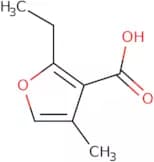
CAS:<p>Versatile small molecule scaffold</p>Fórmula:C11H9NO2Pureza:Min. 95%Peso molecular:187.19 g/mol2-Ethyl-4-methylfuran-3-carboxylic acid
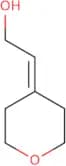
CAS:<p>Versatile small molecule scaffold</p>Fórmula:C8H10O3Pureza:Min. 95%Peso molecular:154.16 g/mol2-(Oxan-4-ylidene)ethan-1-ol
CAS:<p>Versatile small molecule scaffold</p>Fórmula:C7H12O2Pureza:Min. 95%Peso molecular:128.2 g/mol[(1E)-3-(Hydroxyamino)prop-1-en-1-yl]phosphonic acid
CAS:<p>Versatile small molecule scaffold</p>Fórmula:C3H8NO4PPureza:Min. 95%Peso molecular:153.07 g/mol[(2-Chlorobenzyl)thio]acetic acid
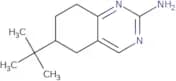
CAS:<p>Versatile small molecule scaffold</p>Fórmula:C9H9ClO2SPureza:Min. 95%Peso molecular:216.68 g/mol6-tert-Butyl-5,6,7,8-tetrahydroquinazolin-2-amine
CAS:<p>Versatile small molecule scaffold</p>Fórmula:C12H19N3Pureza:Min. 95%Peso molecular:205.3 g/mol4-tert-Butyl-2-chloropyrimidine
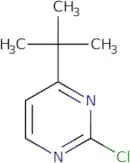
CAS:<p>4-tert-Butyl-2-chloropyrimidine is an Australian nitrogen heterocycle with a chiral center. It is a metal complex that has substituents on the ring and the nitrogen atom. 4-tert-Butyl-2-chloropyrimidine is a mononuclear ligand.</p>Fórmula:C8H11ClN2Pureza:Min. 95%Peso molecular:170.64 g/mol4-(tert-Butyl)pyrimidine-2-thiol
CAS:<p>Versatile small molecule scaffold</p>Fórmula:C8H12N2SPureza:Min. 95%Peso molecular:168.26 g/mol[4-(2-Methyl-1,3-dioxolan-2-yl)phenyl]methanamine
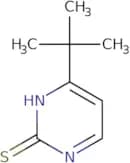
CAS:<p>Versatile small molecule scaffold</p>Fórmula:C11H15NO2Pureza:Min. 95%Peso molecular:193.24 g/mol6-(Ethylsulfanyl)pyrazine-2-carboxylic acid
CAS:<p>Versatile small molecule scaffold</p>Fórmula:C7H8N2O2SPureza:Min. 95%Peso molecular:184.22 g/mol6-[3-(Trifluoromethyl)phenyl]pyridazin-3-ol
CAS:<p>6-[3-(Trifluoromethyl)phenyl]pyridazin-3-ol is a medicament that belongs to the class of anti-tumour agents. It was shown to have antitumor activity against liver cancer in mice. 6-[3-(Trifluoromethyl)phenyl]pyridazin-3-ol inhibits the growth of tumor cells by binding to the nucleus and preventing transcription of DNA into RNA. This drug also inhibits erythrocyte proliferation and increases the rate of apoptosis, which may be due to its ability to inhibit the synthesis of proteins required for cell division.</p>Fórmula:C11H7F3N2OPureza:Min. 95%Peso molecular:240.18 g/mol3-Chloro-6-[3-(trifluoromethyl)phenyl]pyridazine
CAS:<p>Versatile small molecule scaffold</p>Fórmula:C11H6ClF3N2Pureza:Min. 95%Peso molecular:258.62 g/mol2-(2-Chlorophenyl)-2-(morpholin-4-yl)acetonitrile
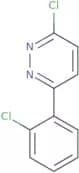
CAS:<p>Versatile small molecule scaffold</p>Fórmula:C12H13ClN2OPureza:Min. 95%Peso molecular:236.7 g/mol3-Chloro-6-(2-chlorophenyl)pyridazine
CAS:<p>Versatile small molecule scaffold</p>Fórmula:C10H6Cl2N2Pureza:Min. 95%Peso molecular:225.07 g/mol6-(2-Fluorophenyl)pyridazin-3(2H)-one
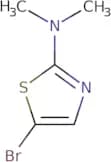
CAS:Versatile small molecule scaffoldFórmula:C10H7FN2OPureza:Min. 95%Peso molecular:190.18 g/mol5-Bromo-N,N-dimethyl-1,3-thiazol-2-amine
CAS:<p>Versatile small molecule scaffold</p>Fórmula:C5H7BrN2SPureza:Min. 95%Peso molecular:207.09 g/mol4-Ethylhexan-1-ol
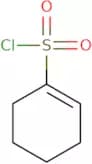
CAS:<p>Versatile small molecule scaffold</p>Fórmula:C8H18OPureza:Min. 95%Peso molecular:130.2 g/molCyclohex-1-ene-1-sulfonyl chloride
CAS:<p>Versatile small molecule scaffold</p>Fórmula:C6H9ClO2SPureza:Min. 95%Forma y color:Clear LiquidPeso molecular:180.65 g/mol5-(Benzylamino)-8-thia-4,6-diazatricyclo[7.4.0.0,2,7]trideca-1(9),2(7),5-trien-3-one
CAS:<p>Versatile small molecule scaffold</p>Fórmula:C17H17N3OSPureza:Min. 95%Peso molecular:311.4 g/mol

![2-[Ethyl(1-ethynylcyclohexyl)amino]ethan-1-ol](/_next/image/?url=https%3A%2Fstatic.cymitquimica.com%2Fproducts%2F3D%2Fthumb-webp%2FRAA81548.webp&w=3840&q=75)
![Ethyl 7-chloro-4-oxo-4H-pyrido[1,2-a]pyrimidine-3-carboxylate](/_next/image/?url=https%3A%2Fstatic.cymitquimica.com%2Fproducts%2F3D%2Fthumb-webp%2FRAA86755.webp&w=3840&q=75)
![8-Thiabicyclo[3.2.1]octan-3-one](/_next/image/?url=https%3A%2Fstatic.cymitquimica.com%2Fproducts%2F3D%2Fthumb-webp%2FRAA89250.webp&w=3840&q=75)
![2-Amino-2-[4-(aminomethyl)phenyl]acetic acid dihydrochloride](/_next/image/?url=https%3A%2Fstatic.cymitquimica.com%2Fproducts%2F3D%2Fthumb-webp%2FRCA32062.webp&w=3840&q=75)
![8-Methyl-1,4-dioxaspiro[4.5]decan-8-ol](/_next/image/?url=https%3A%2Fstatic.cymitquimica.com%2Fproducts%2F3D%2Fthumb-webp%2FRCA33642.webp&w=3840&q=75)
![rac-[(1R,2S,4R,5R,6R)-3-Oxatricyclo[3.2.1.0,2,4]octan-6-yl]methanamine](/_next/image/?url=https%3A%2Fstatic.cymitquimica.com%2Fproducts%2F3D%2Fthumb-webp%2FRCA34153.webp&w=3840&q=75)
![Imidazo[1,2-a]pyridin-5-ylamine](/_next/image/?url=https%3A%2Fstatic.cymitquimica.com%2Fproducts%2F3D%2Fthumb-webp%2FRCA35823.webp&w=3840&q=75)

![3-Bromo-5,7-dimethyl-1H,2H-pyrazolo[1,5-a]pyrimidin-2-one](/_next/image/?url=https%3A%2Fstatic.cymitquimica.com%2Fproducts%2F3D%2Fthumb-webp%2FRCA38354.webp&w=3840&q=75)





![4-[4-(Oxiran-2-ylmethoxy)phenyl]butan-2-one](/_next/image/?url=https%3A%2Fstatic.cymitquimica.com%2Fproducts%2F3D%2Fthumb-webp%2FRCA42254.webp&w=3840&q=75)
![6-chloro-3-methylbenzo[b]thiophene-2-carboxylic acid](/_next/image/?url=https%3A%2Fstatic.cymitquimica.com%2Fproducts%2F3D%2Fthumb-webp%2FRCA49032.webp&w=3840&q=75)
![5-methylfuro[3,2-b]pyridine-2-carboxylic Acid hydrochloride](/_next/image/?url=https%3A%2Fstatic.cymitquimica.com%2Fproducts%2F3D%2Fthumb-webp%2FRCA49744.webp&w=3840&q=75)
![rac-(1R,5S)-1-Phenyl-3-azabicyclo[3.1.0]hexane hydrochloride](/_next/image/?url=https%3A%2Fstatic.cymitquimica.com%2Fproducts%2F3D%2Fthumb-webp%2FRCA50436.webp&w=3840&q=75)
![rac-(1R,5S)-1-Phenyl-3-azabicyclo[3.1.0]hexane-2,4-dione](/_next/image/?url=https%3A%2Fstatic.cymitquimica.com%2Fproducts%2F3D%2Fthumb-webp%2FRCA50437.webp&w=3840&q=75)
![[(1E)-3-(Hydroxyamino)prop-1-en-1-yl]phosphonic acid](/_next/image/?url=https%3A%2Fstatic.cymitquimica.com%2Fproducts%2F3D%2Fthumb-webp%2FRCA50829.webp&w=3840&q=75)
![[(2-Chlorobenzyl)thio]acetic acid](/_next/image/?url=https%3A%2Fstatic.cymitquimica.com%2Fproducts%2F3D%2Fthumb-webp%2FRCA51665.webp&w=3840&q=75)
![[4-(2-Methyl-1,3-dioxolan-2-yl)phenyl]methanamine](/_next/image/?url=https%3A%2Fstatic.cymitquimica.com%2Fproducts%2F3D%2Fthumb-webp%2FRCA52261.webp&w=3840&q=75)

![6-[3-(Trifluoromethyl)phenyl]pyridazin-3-ol](/_next/image/?url=https%3A%2Fstatic.cymitquimica.com%2Fproducts%2F3D%2Fthumb-webp%2FRCA54862.webp&w=3840&q=75)
![3-Chloro-6-[3-(trifluoromethyl)phenyl]pyridazine](/_next/image/?url=https%3A%2Fstatic.cymitquimica.com%2Fproducts%2F3D%2Fthumb-webp%2FRCA54863.webp&w=3840&q=75)



![5-(Benzylamino)-8-thia-4,6-diazatricyclo[7.4.0.0,2,7]trideca-1(9),2(7),5-trien-3-one](/_next/image/?url=https%3A%2Fstatic.cymitquimica.com%2Fproducts%2F3D%2Fthumb-webp%2FRCA60749.webp&w=3840&q=75)