Building Blocks
Subcategorías de "Building Blocks"
- Ácidos borónicos y derivados del ácido borónico(5.778 productos)
- Building Blocks quirales(1.243 productos)
- Building Blocks de hidrocarburos(6.098 productos)
- Building Blocks orgánicos(61.036 productos)
Se han encontrado 205240 productos de "Building Blocks"
4-{[(3-Methylphenyl)methyl]carbamoyl}benzoic acid
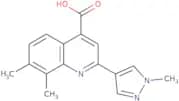
CAS:Versatile small molecule scaffoldFórmula:C16H15NO3Pureza:Min. 95%Peso molecular:269.29 g/mol7,8-Dimethyl-2-(1-methyl-1H-pyrazol-4-yl)quinoline-4-carboxylic acid
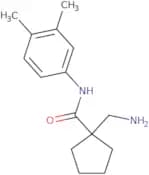
CAS:Versatile small molecule scaffoldFórmula:C16H15N3O2Pureza:Min. 95%Peso molecular:281.31 g/mol1-(Aminomethyl)-N-(3,4-dimethylphenyl)cyclopentane-1-carboxamide
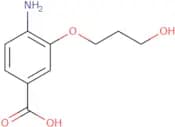
CAS:Versatile small molecule scaffoldFórmula:C15H22N2OPureza:Min. 95%Peso molecular:246.35 g/mol4-Amino-3-(3-hydroxypropoxy)benzoic acid
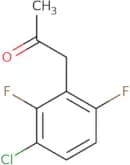
CAS:Versatile small molecule scaffoldFórmula:C10H13NO4Pureza:Min. 95%Peso molecular:211.21 g/mol1-(3-Chloro-2,6-difluorophenyl)propan-2-one
CAS:Versatile small molecule scaffold
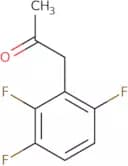
Fórmula:C9H7ClF2OPureza:Min. 95%Peso molecular:204.6 g/mol1-(2,3,6-Trifluorophenyl)propan-2-one
CAS:Versatile small molecule scaffoldFórmula:C9H7F3OPureza:Min. 95%Peso molecular:188.15 g/mol1-(4-Chloro-2-fluorophenyl)propan-2-one
CAS:Versatile small molecule scaffoldFórmula:C9H8ClFOPureza:Min. 95%Peso molecular:186.61 g/mol1-(2,4,5-Trifluorophenyl)propan-2-one
CAS:Versatile small molecule scaffoldFórmula:C9H7F3OPureza:Min. 95%Peso molecular:188.15 g/molCyclopentyl methyl ether - stabilized with BHT
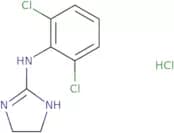
CAS:Cyclopentyl methyl ether is a chemical compound that belongs to the group of ethers. It has been shown to be a human skin carcinogen in animal studies. Cyclopentyl methyl ether is stable against transfer reactions, such as oxidation and reduction, with metal ions and enzymes. In addition, it does not react with BHT (butylated hydroxytoluene) or human serum at physiological pH. This chemical compound can be used in the synthesis of pharmaceutical products, such as esters and amides.Fórmula:C6H12OPureza:Min. 95%Forma y color:Clear LiquidPeso molecular:100.16 g/molClonidine hydrochloride
CAS:Clonidine hydrochloride is a drug used in the treatment of hypertension and other cardiac diseases. It belongs to the class of drugs called centrally acting alpha-2 adrenergic agonists. Clonidine hydrochloride is also used for its antihypertensive effects in patients with neurogenic orthostatic hypotension, diabetic neuropathy, and glomerular filtration rate. The long-term efficacy and safety profile of clonidine hydrochloride has been established in clinical trials that have shown it to be effective in reducing symptoms of chronic pain and opioid withdrawal, as well as improving quality of life. Clonidine hydrochloride may be administered orally or transdermally. Clonidine binds to both alpha-1 and alpha-2 adrenergic receptors, which are responsible for vasoconstriction, inhibition of renin secretion from the kidneys, decreased sympathetic nerve activity, and increased parasympathetic nerve activity. This drug also has a protective effect on bone cancer cells
Fórmula:C9H9Cl2N3•HClPureza:Min. 95%Forma y color:PowderPeso molecular:266.55 g/mol4-Chloro-2,3-dimethylpyridine N-oxide
CAS:4-Chloro-2,3-dimethylpyridine N-oxide is a chemical compound that belongs to the class of medicines. It is used in the manufacture of hydrogen peroxide, which is an oxidizing agent and a bleaching agent. 4-Chloro-2,3-dimethylpyridine N-oxide has been used as a reagent for organic synthesis and as a catalyst in organic reactions. This compound also has the ability to inhibit proton pumps, which are membrane proteins that pump protons across biological membranes. The presence of sodium impurities can lead to scaling problems because it affects the solubility of 4-chloro-2,3-dimethylpyridine N-oxide. The exothermic reaction with chlorine leads to the formation of chloride, sulfoxide, and chloride ions. These products are more soluble than 4-chloro-2,3-dimethylpyridine N-oxide itself.
Fórmula:C7H8ClNOPureza:Min. 95%Forma y color:Off-White PowderPeso molecular:157.6 g/molChlorobutanol
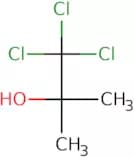
CAS:Chlorobutanol is an antimicrobial agent that is used in the preservation of pharmaceuticals, cosmetics, and other products. It has been shown to be effective against a variety of bacterial and fungal organisms. Chlorobutanol is also used as a preservative in topical ophthalmic preparations. In addition, chlorobutanol has been found to be a potent inhibitor of histone deacetylase (HDAC) activity, which may be due to its ability to bind to the active site of HDACs. This binding prevents acetylation of lysine residues on histones, thereby preventing transcriptional activation.Fórmula:C4H7OCl3Pureza:Min. 95%Forma y color:White To Off-White SolidPeso molecular:177.46 g/mol1-(4-Methoxyphenyl)-1H-pyrrole-2-carbaldehyde
CAS:Versatile small molecule scaffoldFórmula:C12H11NO2Pureza:Min. 95%Peso molecular:201.23 g/molrac-(2R,3S)-3-Amino-2-phenylbutan-2-ol hydrochloride
CAS:Versatile small molecule scaffoldFórmula:C10H16ClNOPureza:Min. 95%Peso molecular:201.69 g/mol4-[(6-Chloropyridazin-3-yl)oxy]aniline
CAS:Versatile small molecule scaffold
Fórmula:C10H8ClN3OPureza:Min. 95%Peso molecular:221.64 g/mol6-Chloro-4-phenylquinolin-2(1H)-one
CAS:Dimethyl sulfate (DMS) is a highly toxic industrial chemical that is used in the production of other chemicals and as an analytical reagent. DMS is mainly used in the production of phenols, alkyl sulfates, and other organic compounds. Dimethyl sulfate is also used as a laboratory reagent for the synthesis of various organic compounds.
Fórmula:C15H10NOClPureza:Min. 95%Peso molecular:255.69 g/mol3,6-Bis(3,5-dimethyl-1H-pyrazol-1-yl)-1,2,4,5-tetrazine
CAS:3,6-Bis(3,5-dimethyl-1H-pyrazol-1-yl)-1,2,4,5-tetrazine is a group P2 molecule that diffracts well with x-rays. The compound has a molecular weight of 270.27 g/mol and the chemical formula is C12H11N5. 3,6-Bis(3,5-dimethyl-1H-pyrazol-1-yl)-1,2,4,5-tetrazine is soluble in acetonitrile but insoluble in water. The compound is stable at room temperature but will evaporate when heated to higher temperatures. 3,6bis(3,5dimethyl 1Hpyrazol 1yl) 1 2 4 5 tetrazine can be found in biochemical reactions as a nucleophile or can act as an inhibitor to enzymes such as cytochrome c oxidase or ATP synthaseFórmula:C12H14N8Pureza:Min. 95%Peso molecular:270.29 g/mol2-[(Carboxymethyl)dimethylazaniumyl]acetate
CAS:Versatile small molecule scaffoldFórmula:C6H11NO4Pureza:Min. 95%Peso molecular:161.16 g/mol3-(5,6-Dimethyl-1H-1,3-benzodiazol-1-yl)propanoic acid hydrochloride
CAS:Versatile small molecule scaffoldFórmula:C12H15ClN2O2Pureza:Min. 95%Peso molecular:254.71 g/mol2-(2-methyl-1H-imidazol-1-yl)acetic acid hydrochloride
CAS:Versatile small molecule scaffold
Fórmula:C6H9ClN2O2Pureza:Min. 95%Peso molecular:176.6 g/mol(Quinolin-3-yl)thiourea
CAS:Versatile small molecule scaffold
Fórmula:C10H9N3SPureza:Min. 95%Peso molecular:203.27 g/mol1-(3-Pyridyl)-2-thiourea
CAS:1-(3-Pyridyl)-2-thiourea is an organic compound that belongs to the thiourea functional group. It is a white crystalline solid that has orthorhombic symmetry. 1-(3-Pyridyl)-2-thiourea has a protonated nitrogen atom on its pyridine ring, which gives it a positive charge. This functional group interacts with other molecules due to the presence of lone electron pairs on the nitrogen atom and the carbonyl oxygen atom. Crystal x-ray diffraction studies have shown that 1-(3-Pyridyl)-2-thiourea crystallizes in the group p2 space group and is oriented along [001]. The ligand coordinates are nitrate and solvent.
Fórmula:C6H7N3SPureza:Min. 95%Peso molecular:153.2 g/mol1-(Pyridin-2-yl)-2-(pyridin-4-yl)ethan-1-one
CAS:Versatile small molecule scaffoldFórmula:C12H10N2OPureza:Min. 95%Peso molecular:198.22 g/mol4,5-Dibromo-3-methylthiophene-2-carbaldehyde
CAS:Versatile small molecule scaffoldFórmula:C6H4Br2OSPureza:Min. 95%Peso molecular:283.97 g/mol4-Bromo-3-methylthiophene-2-carboxaldehyde
CAS:Versatile small molecule scaffoldFórmula:C6H5BrOSPureza:Min. 95%Peso molecular:205.07 g/mol3-[3-(4-Bromo-phenyl)-[1,2,4]oxadiazol-5-yl]-propionic acid
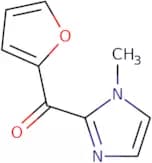
CAS:Versatile small molecule scaffoldFórmula:C11H9BrN2O3Pureza:Min. 95%Peso molecular:297.1 g/mol2-(Furan-2-carbonyl)-1-methyl-1H-imidazole
CAS:Versatile small molecule scaffoldFórmula:C9H8N2O2Pureza:Min. 95%Peso molecular:176.17 g/mol2-(2-Chlorobenzoyl)-1-methyl-1H-imidazole
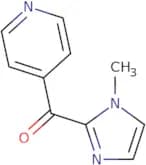
CAS:Producto controladoVersatile small molecule scaffoldFórmula:C11H9ClN2OPureza:Min. 95%Peso molecular:220.65 g/mol4-(1-Methyl-1H-imidazole-2-carbonyl)pyridine
CAS:Versatile small molecule scaffoldFórmula:C10H9N3OPureza:Min. 95%Peso molecular:187.2 g/mol1-Methyl-2-(trichloroacetyl)imidazole
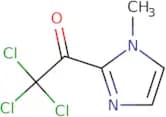
CAS:1-Methyl-2-(trichloroacetyl)imidazole is a small molecule that is synthesized for the treatment of cancer. It interacts with dna and inhibits its function by binding to the minor groove in DNA, which causes conformational changes. 1-Methyl-2-(trichloroacetyl)imidazole has been shown to be effective against cancer cells that are resistant to other anticancer compounds. The molecular target for this compound is not fully understood, but it may work by inhibiting DNA synthesis or by inducing apoptosis. 1-Methyl-2-(trichloroacetyl)imidazole has shown some activity against leukemia and colon cancer cell lines in vitro and in vivo.Fórmula:C6H5Cl3N2OPureza:Min. 95%Peso molecular:227.48 g/mol2-(4-Chlorobenzoyl)-1-methyl-1H-imidazole
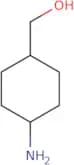
CAS:Producto controladoVersatile small molecule scaffoldFórmula:C11H9ClN2OPureza:Min. 95%Peso molecular:220.65 g/molCyclohexanemethanol, 4-amino-, cis-
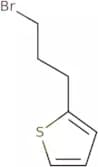
CAS:Versatile small molecule scaffoldFórmula:C7H15NOPureza:Min. 95%Peso molecular:129.2 g/mol2-(3-Bromopropyl)-thiophene
CAS:Versatile small molecule scaffold
Fórmula:C7H9BrSPureza:Min. 95%Peso molecular:205.12 g/mol2-[(3-Phenylpropyl)sulfanyl]acetic acid
CAS:Versatile small molecule scaffold
Fórmula:C11H14O2SPureza:Min. 95%Peso molecular:210.29 g/molEthyl 3-bromo-2-oxocyclohexanecarboxylate
CAS:3-Bromo-2-oxocyclohexanecarboxylate is a diterpene alkaloid that has been prepared by the Friedel-Crafts reaction of ethyl bromoacetate and cyclohexane. The product is an intramolecular arylation, which means that the two carbons in the ring are bonded to each other. This type of reaction usually produces a group specific functional group, such as an acid chloride or ester, but in this case it produces an alcohol. 3-Bromo-2-oxocyclohexanecarboxylate is used as a precursor for silver salts which are used to make photographic film.Fórmula:C9H13BrO3Pureza:Min. 95%Peso molecular:249.1 g/mol6-Methyl-1H-pyrazolo[3,4-d]pyrimidin-4(7H)-one
CAS:Versatile small molecule scaffoldFórmula:C6H6N4OPureza:Min. 95%Peso molecular:150.14 g/mol4-Chloro-6-methyl-1H-pyrazolo[3,4-d]pyrimidine
CAS:Versatile small molecule scaffoldFórmula:C6H5ClN4Pureza:Min. 95%Peso molecular:168.58 g/mol1-Bromo-4-(trifluoromethyl)cyclohexane
CAS:Versatile small molecule scaffoldFórmula:C7H10BrF3Pureza:Min. 95%Peso molecular:231.05 g/mol1-Benzylpyrrolidine-2,4-dione
CAS:Versatile small molecule scaffoldFórmula:C11H11NO2Pureza:Min. 95%Peso molecular:189.21 g/mol1,3-Dichloropentane
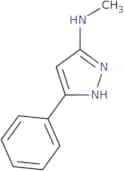
CAS:1,3-Dichloropentane is a molecule that consists of chlorine and hydrogen atoms. It has been studied extensively in kinetic isotope effect experiments for its transport properties. The kinetic isotope effect is the change in reaction rate due to the presence of an atom with an atomic mass different from the reactant or product. 1,3-Dichloropentane has also been studied for its role in cell membrane transport. This molecule is not reactive, but it does have a reactive isotope effect on cells when it reacts with chlorine atoms.Fórmula:C5H10Cl2Pureza:Min. 95%Peso molecular:141.04 g/molN-Methyl-5-phenyl-1H-pyrazol-3-amine
CAS:Versatile small molecule scaffold
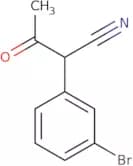
Fórmula:C10H11N3Pureza:Min. 95%Peso molecular:173.21 g/mol2-(3-Bromophenyl)-3-oxobutanenitrile
CAS:Versatile small molecule scaffold
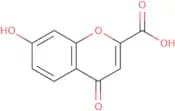
Fórmula:C10H8BrNOPureza:Min. 95%Peso molecular:238.08 g/mol7-Hydroxy-4-oxo-4H-chromene-2-carboxylic acid
CAS:7-Hydroxy-4-oxo-4H-chromene-2-carboxylic acid is a molecule that is found in the human body. It has been shown to have cationic polymer activity and to inhibit the growth of bacteria by binding to the hydroxyl group of DNA. 7-Hydroxy-4-oxo-4H-chromene-2-carboxylic acid has potent inhibitory activity against Gram positive and Gram negative bacteria, including Mycobacterium tuberculosis and Staphylococcus aureus. This compound can be used as an antibiotic for bacterial infections due to its ability to bind with high concentrations of the hydroxyl group on DNA.Fórmula:C10H6O5Pureza:Min. 95%Peso molecular:206.15 g/mol2-Bromo-1-(3-chloro-4-methoxyphenyl)ethan-1-one
CAS:Versatile small molecule scaffoldFórmula:C9H8BrClO2Pureza:Min. 95%Peso molecular:263.51 g/mol2-Bromo-1-[4-(2-methylpropyl)phenyl]ethan-1-one
CAS:Versatile small molecule scaffoldFórmula:C12H15BrOPureza:Min. 95%Peso molecular:255.15 g/mol3-(2-Chlorophenoxymethyl)benzoic acid
CAS:Versatile small molecule scaffold
Fórmula:C14H11ClO3Pureza:Min. 95%Peso molecular:262.69 g/mol3-{[(4-Chlorophenyl)sulfanyl]methyl}benzoic acid
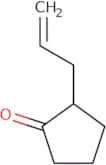
CAS:Versatile small molecule scaffoldFórmula:C14H11ClO2SPureza:Min. 95%Peso molecular:278.8 g/mol2-(Prop-2-en-1-yl)cyclopentan-1-one
CAS:2-(Prop-2-en-1-yl)cyclopentan-1-one (propargyl alcohol) is a heterocyclic compound that is the simplest member of the cyclopentanones. It has been shown to be an effective inhibitor of human viruses such as Hepatitis C virus, HIV, and influenza A virus. The antiviral activity of propargyl alcohol is attributed to its ability to inhibit viral DNA polymerase and RNA polymerase in the infected cells. Propargyl alcohol also inhibits glycol dimethyl ether, which is a cofactor for some cellular enzymes involved in lipid metabolism. This compound can also act as a substrate for allylation reactions with other compounds such as 1,3 butadiene or ethylene.
Fórmula:C8H12OPureza:Min. 95%Peso molecular:124.18 g/mol4-Bromo-2-nitro-1H-pyrrole
CAS:Versatile small molecule scaffold
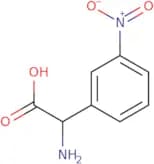
Fórmula:C4H3BrN2O2Pureza:Min. 95%Peso molecular:190.98 g/mol2-amino-2-(3-nitrophenyl)acetic acid
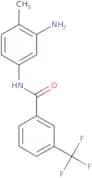
CAS:Versatile small molecule scaffoldFórmula:C8H8N2O4Pureza:Min. 95%Peso molecular:196.16 g/molN-(3-Amino-4-methylphenyl)-3-(trifluoromethyl)benzamide
CAS:Versatile small molecule scaffold
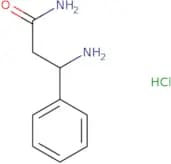
Fórmula:C15H13F3N2OPureza:Min. 95%Peso molecular:294.27 g/mol3-Amino-3-phenylpropanamide hydrochloride
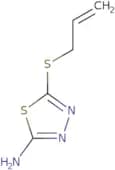
CAS:Versatile small molecule scaffoldFórmula:C9H13ClN2OPureza:Min. 95%Peso molecular:200.66 g/mol5-Allylsulfanyl-1,3,4-thiadiazol-2-amine
CAS:Versatile small molecule scaffoldFórmula:C5H7N3S2Pureza:Min. 95%Peso molecular:173.3 g/mol1,2,3,5-Tetrahydroindolizine-1,5-dione
CAS:Versatile small molecule scaffoldFórmula:C8H7NO2Pureza:Min. 95%Peso molecular:149.15 g/mol8-Chloro-5-methoxy-N-methyl-1,2,3,4-tetrahydronaphthalen-1-amine hydrochloride
CAS:Versatile small molecule scaffoldFórmula:C12H17Cl2NOPureza:Min. 95%Peso molecular:262.17 g/mol1,2,3,4-Tetrahydroquinoline-6-sulfonamide
CAS:Versatile small molecule scaffold
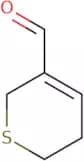
Fórmula:C9H12N2O2SPureza:Min. 95%Peso molecular:212.27 g/mol3,6-Dihydro-2H-thiopyran-5-carbaldehyde
CAS:3,6-Dihydro-2H-thiopyran-5-carbaldehyde is an aldehyde that is used as an intermediate in the synthesis of crotonaldehyde. It reacts with hydrogen sulfide in the presence of an acidic catalyst to produce acrolein and water. The reaction product can be boiled off to generate a crude form of crotonaldehyde. 3,6-Dihydro-2H-thiopyran-5-carbaldehyde has been patented by BASF SE under patent number EP0992871.Fórmula:C6H8OSPureza:Min. 95%Peso molecular:128.19 g/mol1-(2-Oxopropyl)pyrrolidine-2,5-dione
CAS:1-(2-Oxopropyl)pyrrolidine-2,5-dione is a reactive molecule that can be used to conjugate biomolecules and synthetic polymers. It has been immobilized on the surface of polymer particles or in polymer matrices, which allows for the efficient separation of biomolecules and synthetic polymers. This molecule is also reactive with thiol groups and can be used to crosslink biomolecules and synthetic polymers. 1-(2-Oxopropyl)pyrrolidine-2,5-dione has been shown to react with immobilized proteins and DNA.
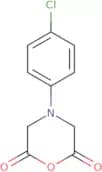
Fórmula:C7H9NO3Pureza:Min. 95%Peso molecular:155.15 g/mol4-(4-Chlorophenyl)morpholine-2,6-dione
CAS:Versatile small molecule scaffold
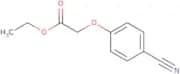
Fórmula:C10H8ClNO3Pureza:Min. 95%Peso molecular:225.63 g/molEthyl 2-(4-cyanophenoxy)acetate
CAS:Versatile small molecule scaffold
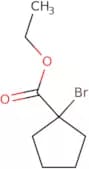
Fórmula:C11H11NO3Pureza:Min. 95%Peso molecular:205.21 g/molEthyl 1-bromocyclopentane-1-carboxylate
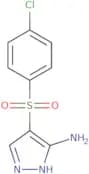
CAS:Versatile small molecule scaffoldFórmula:C8H13BrO2Pureza:Min. 95%Peso molecular:221.09 g/mol4-(4-Chlorobenzenesulfonyl)-1H-pyrazol-5-amine
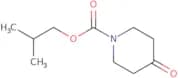
CAS:Versatile small molecule scaffoldFórmula:C9H8ClN3O2SPureza:Min. 95%Peso molecular:257.7 g/mol2-Methylpropyl 4-oxopiperidine-1-carboxylate
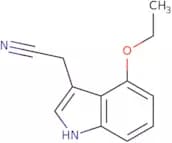
CAS:Producto controladoVersatile small molecule scaffoldFórmula:C10H17NO3Pureza:Min. 95%Peso molecular:199.25 g/mol2-(4-Ethoxy-1H-indol-3-yl)acetonitrile
CAS:Versatile small molecule scaffold
Fórmula:C12H12N2OPureza:Min. 95%Peso molecular:200.24 g/mol7-Methoxy-4-phenyl-1,2-dihydroquinolin-2-one
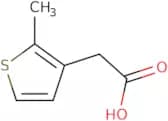
CAS:Versatile small molecule scaffoldFórmula:C16H13NO2Pureza:Min. 95%Peso molecular:251.28 g/mol2-(2-Methylthiophen-3-yl)acetic acid
CAS:Versatile small molecule scaffoldFórmula:C7H8O2SPureza:Min. 95%Peso molecular:156.2 g/mol3-Phenyl-2-propyn-1-amine hydrochloride
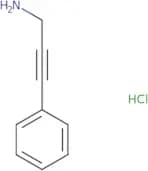
CAS:3-Phenyl-2-propyn-1-amine hydrochloride is a dopamine β-hydroxylase inhibitor that can be detected in urine. It is used to study the effects of various drugs and chemicals on the metabolism of dopamine, noradrenaline, and other catecholamines. 3PPPA has been shown to inhibit the activity of cytochrome P450 enzymes and blocks adrenergic receptors. This drug also inhibits the synthesis of epinephrine from norepinephrine by blocking its conversion to epinephrine. 3PPPA may also be used as a receptor blocker for diagnosis or treatment of asthma or allergic reactions by preventing the release of histamine, which is released from mast cells in response to an allergen, causing inflammation.Fórmula:C9H10ClNPureza:Min. 95%Peso molecular:167.64 g/mol4-Bromo-2-phenylthiazole
CAS:4-Bromo-2-phenylthiazole is a reactive arylating agent that has been used in the Suzuki reaction to form biaryl compounds. It is also used in the synthesis of heterocycles and alkene cross-coupling reactions. The 4-bromo group can be replaced by other halides, such as chlorides, bromides, or iodides. The substituents on the phenyl ring can be varied to yield different products. Reactive groups are an important factor in optimizing yields and preventing side reactions. This molecule is a useful starting point for the synthesis of complex molecules with functional groups.Fórmula:C9H6BrNSPureza:Min. 95%Peso molecular:240.12 g/mol4-Bromo-3,5-dimethylbenzoic acid methyl ester
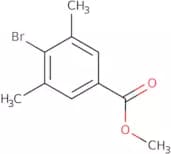
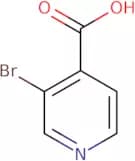
CAS:4-Bromo-3,5-dimethylbenzoic acid methyl ester is a versatile building block that is used in the synthesis of complex compounds. 4-Bromo-3,5-dimethylbenzoic acid methyl ester is an intermediate in the synthesis of speciality chemicals and research chemicals. It is also a useful scaffold for the synthesis of high quality and useful reagents as well as reaction components.Fórmula:C10H11BrO2Pureza:Min. 95%Forma y color:White PowderPeso molecular:243.1 g/mol3-Bromo-4-pyridinecarboxylic acid
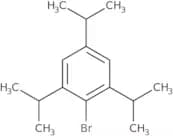
CAS:3-Bromo-4-pyridinecarboxylic acid is a naphthyridine derivative that is used in drug development. It is a crystalline solid that can be dissolved in organic solvents. 3-Bromo-4-pyridinecarboxylic acid has been shown to have antiinflammatory properties and can be used as an oxidant. 3-Bromo-4-pyridinecarboxylic acid is being investigated as a receptor subtype for inflammatory diseases, and it has also been used to study the mechanism of chronic inflammatory diseases.Fórmula:C6H4BrNO2Pureza:Min. 95%Peso molecular:202.01 g/mol2-Bromo-1,3,5-triisopropylbenzene
CAS:2-Bromo-1,3,5-triisopropylbenzene is an ethylene acetal that is prepared by the catalyzed reaction of aryl chlorides and anhydrous zinc bromide in the presence of triethylamine. The selectivities of this method are high because it can produce mainly a single isomer. The stereoselectivity is also high because the reaction proceeds with the formation of only one stereoisomer. The mechanism for this reaction involves a nucleophilic substitution of the halogenated aryl chloride with the trialkylborane, which generates two different products. This product has been used in the synthesis of biphenyls and nitro compounds.
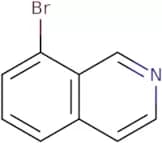
Fórmula:C15H23BrPureza:Min. 95%Forma y color:Colorless Clear LiquidPeso molecular:283.25 g/mol8-Bromoisoquinoline
CAS:8-Bromoisoquinoline is a bifunctional alkylating agent that is used to synthesize esters and amides. It is commonly used for the synthesis of amino acids, peptides, and other biologically active molecules. 8-Bromoisoquinoline has been shown to have a synergistic effect with hydroxyalkyl carbamates, which may be due to its ability to form an ionic bond with the carboxylic acid in these compounds. This chemical can also react with nitro groups and serve as a chlorinating agent, as well as react with anions such as phosphate and acetate. 8-Bromoisoquinoline can be synthesized by reacting ethyl bromoacetate with tetrahydroisoquinolinium chloride in hydrochloric acid or isopropyl alcohol.
Fórmula:C9H6BrNPureza:Min. 95%Forma y color:PowderPeso molecular:208.05 g/molBromoacetaldehyde diethyl acetal
CAS:Bromoacetaldehyde diethyl acetal (BDAE) is an organic compound that has been shown to have receptor binding activity. BDAE binds to the ethylene diamine receptor and competes with ethylene diamine for binding sites. It also forms acid from sodium carbonate and hydrochloric acid, which may be due to its ability to act as a solid catalyst. BDAE has shown activity in hiv infection, with a potency comparable to that of dimethyl fumarate. The synthesis of BDAE can be accomplished by reacting monosodium malonate ester hydrochloride with adenine nucleotide and malonic acid. The reaction solution is heated until the desired product crystallizes out of solution.
Fórmula:C6H13BrO2Pureza:Min. 95%Peso molecular:197.07 g/mol1-(Bicyclo[2.2.2]oct-1-yl)methanamine hydrochloride
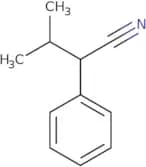
CAS:Versatile small molecule scaffoldFórmula:C9H17N·ClHPureza:Min. 95%Peso molecular:175.7 g/mol3-Methyl-2-phenylbutanenitrile
CAS:3-Methyl-2-phenylbutanenitrile is a synthetic, nucleophilic blocker that binds to the active site of the enzyme and inhibits its function. 3-Methyl-2-phenylbutanenitrile is able to bind to calcium antagonist sites on the enzyme and inhibit their function. This product has been shown to be efficient in multigram amounts. The synthesis of this product has been optimized by using a cavitation reaction rate efficient method that is not limited by the solubility of reactants or products. Crystallography revealed that this product contains an amine group, which can act as a nucleophile in reactions with alkylthio groups, such as those found in proteins. 3-Methyl-2-phenylbutanenitrile is immobilized through dioxolane chemistry, which prevents it from interacting with other chemical species.Fórmula:C11H13NPureza:Min. 95%Peso molecular:159.23 g/molBenzyl 2-aopropanoate hydrochloride
CAS:Versatile small molecule scaffold
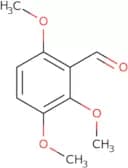
Fórmula:C10H14ClNO2Pureza:Min. 95%Peso molecular:215.67 g/mol2,3,6-Trimethoxybenzaldehyde
CAS:Versatile small molecule scaffold
Fórmula:C10H12O4Pureza:Min. 95%Peso molecular:196.2 g/mol2,3,5-Trimethoxybenzaldehyde
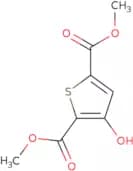
CAS:2,3,5-Trimethoxybenzaldehyde is the hydrolysis product of coumarin. It can be synthesized from 2,3-dimethoxybenzaldehyde and acetyl chloride. 2,3,5-Trimethoxybenzaldehyde can also be obtained by hydrolysis of coumarin with aqueous sodium hydroxide or potassium hydroxide. This compound is used as a natural flavoring agent in food products.Fórmula:C10H12O4Pureza:Min. 95%Peso molecular:196.2 g/mol2,5-Dimethyl 3-hydroxythiophene-2,5-dicarboxylate
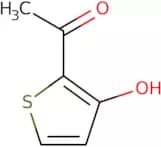
CAS:Versatile small molecule scaffoldFórmula:C8H8O5SPureza:Min. 95%Peso molecular:216.21 g/mol1-(3-Hydroxythiophen-2-yl)ethan-1-one
CAS:1-(3-Hydroxythiophen-2-yl)ethan-1-one is a hydrolyzable compound that has been shown to have microbicidal activity against food spoilage bacteria such as Bacillus cereus and Clostridium perfringens. It inhibits the growth of these bacteria by inhibiting the synthesis of bacterial cell walls, which leads to cell death.
Fórmula:C6H6O2SPureza:Min. 95%Peso molecular:142.18 g/molo-[(4-Chlorophenyl)methyl]hydroxylamine
CAS:Versatile small molecule scaffoldFórmula:C7H8ClNOPureza:Min. 95%Peso molecular:157.6 g/mol3-Dimethylamino-1-phenyl-1-propanol
CAS:3-Dimethylamino-1-phenyl-1-propanol is a chiral phenoxy propylamine optical isomer with a residue of carbonyl. It is a racemic mixture of two optical isomers and has the ability to form diastereoisomeric salts. 3-Dimethylamino-1-phenyl-1-propanol is an intermediate in the synthesis of fluoxetine, which is used to treat depression. This substance also has antihistamine and sedative properties, as well as other pharmacological effects that have not been studied extensively.
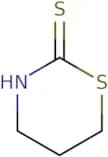
Fórmula:C11H17NOPureza:Min. 95%Peso molecular:179.26 g/mol1,3-Thiazinane-2-Thione
CAS:1,3-Thiazinane-2-thione is an allylamine that can be used in the synthesis of a variety of compounds. 1,3-Thiazinane-2-thione is also an activator for carbon-carbon bond formation. This compound can be synthesized from an alkyl halide and an aldehyde by reaction with sulfur and heat. The stereoselectivity of this reaction has been shown using x-ray crystallography.
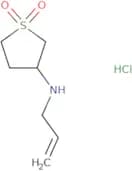
Fórmula:C4H7NS2Pureza:Min. 95%Peso molecular:133.23 g/molTetrahydro-N-2-propen-1-yl-3-thiophenamine 1,1-dioxide hydrochloride
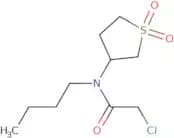
CAS:Versatile small molecule scaffoldFórmula:C7H14ClNO2SPureza:Min. 95%Peso molecular:211.71 g/molN-Butyl-2-chloro-N-(tetrahydro-1,1-dioxido-3-thienyl)-acetamide
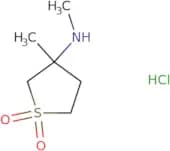
CAS:Versatile small molecule scaffoldFórmula:C10H18ClNO3SPureza:Min. 95%Peso molecular:267.77 g/molMethyl-(3-methyl-1,1-dioxo-tetrahydro-1lambda*6*-thiophen-3-yl)-amine hydrochloride
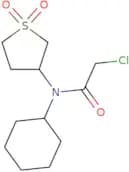
CAS:Versatile small molecule scaffoldFórmula:C6H14ClNO2SPureza:Min. 95%Peso molecular:199.7 g/mol2-Chloro-N-cyclohexyl-N-(1,1-dioxothiolan-3-yl)acetamide
CAS:Versatile small molecule scaffoldFórmula:C12H20ClNO3SPureza:Min. 95%Peso molecular:293.81 g/molEthyl 2-(3-methylpyridin-2-yl)acetate
CAS:Versatile small molecule scaffold
Fórmula:C10H13NO2Pureza:Min. 95%Peso molecular:179.2 g/mol(3-Chloropropanoyl)urea
CAS:3-Chloropropanoyl)urea is a urea derivative. It has been used as an intermediate in the synthesis of tranquilizers and reaction products. 3-Chloropropanoyl)urea has been shown to react with aliphatic hydrocarbons, cycloaliphatic compounds, piperidine, or acylurea. The resulting products are chlorinated or carboxylic acid derivatives.
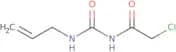
Fórmula:C4H7ClN2O2Pureza:Min. 95%Peso molecular:150.56 g/mol1-(2-Chloroacetyl)-3-(prop-2-en-1-yl)urea
CAS:Versatile small molecule scaffoldFórmula:C6H9ClN2O2Pureza:Min. 95%Peso molecular:176.6 g/molMethanesulfonyl acetate
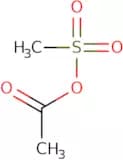
CAS:Methanesulfonyl acetate is a chemical that is used in the chemical industry as a solvent and as a conditioner for polymers. Methanesulfonyl acetate has been shown to have effects on blood pressure and cancer cells, where it inhibits the growth of cancer cells by inhibiting DNA synthesis. Methanesulfonyl acetate also binds strongly to chlorine atoms and is soluble in nonpolar solvents. The molecular weight of methanesulfonyl acetate is 164.19 g/mol and its melting point is -13°C.
Methanesulfonyl Acetate Chemical Formula: CH3SO2COCH3
Molecular Weight: 164.19 g/mol
Melting Point: -13°C
Boiling Point: 210°C
Density: 1.07 g/cm3
Solubility in Water: Insoluble
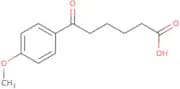
Appearance: Pale yellow liquidFórmula:C3H6O4SPureza:Min. 95%Peso molecular:138.14 g/mol6-(4-Methoxyphenyl)-6-oxohexanoic acid
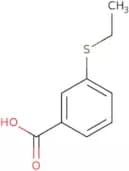
CAS:Versatile small molecule scaffoldFórmula:C13H16O4Pureza:Min. 95%Peso molecular:236.26 g/mol3-(Ethylsulfanyl)benzoic acid
CAS:Versatile small molecule scaffoldFórmula:C9H10O2SPureza:Min. 95%Peso molecular:182.24 g/mol3-Amino-5-methyl-1-phenylpyrrolidin-2-one
CAS:Versatile small molecule scaffoldFórmula:C11H14N2OPureza:Min. 95%Peso molecular:190.24 g/mol(4-Hydroxy-2,6-dimethylpyrimidin-5-yl)acetic acid
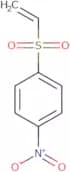
CAS:Versatile small molecule scaffoldFórmula:C8H10N2O3Pureza:Min. 95%Peso molecular:182.18 g/mol1-(Ethenesulfonyl)-4-nitrobenzene
CAS:1-(Ethenesulfonyl)-4-nitrobenzene (1ESNB) is a pyrazoline that has been used as an oxidant in cyclic aliphatic and heterocyclic syntheses. 1ESNB is also used to form phosphate derivatives, which are important in the pharmaceutical industry. 1ESNB can be prepared by the organocatalytic coupling of ethyl sulfone with nitrobenzene. The azomethine ylide can be generated from 1ESNB through oxidation with potassium permanganate or ozone, followed by addition of an aliphatic amine. This reaction gives a quinolinium salt that can be converted to a sulfone using thionyl chloride or oxalyl chloride. A cycloaddition reaction can then convert the sulfone into a biologically active molecule such as methotrexate or daunorubicin.
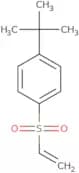
Fórmula:C8H7NO4SPureza:Min. 95%Peso molecular:213.21 g/mol1-tert-Butyl-4-(ethenesulfonyl)benzene
CAS:Versatile small molecule scaffoldFórmula:C12H16O2SPureza:Min. 95%Peso molecular:224.32 g/molBenzyl Cyanoformate
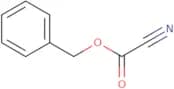
CAS:Benzyl Cyanoformate is a diagnostic agent that is used in the synthesis of amide compounds. It has a structure that includes an active methylene and nitrogen atoms. Benzyl Cyanoformate is synthesized through asymmetric synthesis, which encompasses the use of amines, inhibitors, and solid-phase synthesis. This compound has been shown to inhibit the activity of some receptor proteins by binding to them and preventing their activation, thus acting as an antagonist. Benzyl Cyanoformate binds to the enzyme carboxy with hydrochloric acid as a catalyst. The v600e mutation in K-ras can lead to increased sensitivity to this inhibitor; however, it is not known if this mutation confers sensitivity or resistance to other inhibitors of K-ras.Fórmula:C9H7NO2Pureza:Min. 95%Peso molecular:161.16 g/mol6-Methoxy-1,1-dimethyl-2,3-dihydro-1H-indene
CAS:Versatile small molecule scaffoldFórmula:C12H16OPureza:Min. 95%Peso molecular:176.25 g/molEthyl (4-methylphenyl)(oxo)acetate
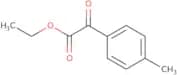
CAS:Versatile small molecule scaffoldFórmula:C11H12O3Pureza:Min. 95%Peso molecular:192.21 g/mol
![4-{[(3-Methylphenyl)methyl]carbamoyl}benzoic acid](/_next/image/?url=https%3A%2Fstatic.cymitquimica.com%2Fproducts%2F3D%2Fthumb-webp%2FFCC56743.webp&w=3840&q=75)






![4-[(6-Chloropyridazin-3-yl)oxy]aniline](/_next/image/?url=https%3A%2Fstatic.cymitquimica.com%2Fproducts%2F3D%2Fthumb-webp%2FFBA18497.webp&w=3840&q=75)


![2-[(Carboxymethyl)dimethylazaniumyl]acetate](/_next/image/?url=https%3A%2Fstatic.cymitquimica.com%2Fproducts%2F3D%2Fthumb-webp%2FFBA16390.webp&w=3840&q=75)


![3-[3-(4-Bromo-phenyl)-[1,2,4]oxadiazol-5-yl]-propionic acid](/_next/image/?url=https%3A%2Fstatic.cymitquimica.com%2Fproducts%2F3D%2Fthumb-webp%2FFBA14994.webp&w=3840&q=75)


![2-[(3-Phenylpropyl)sulfanyl]acetic acid](/_next/image/?url=https%3A%2Fstatic.cymitquimica.com%2Fproducts%2F3D%2Fthumb-webp%2FFBA13408.webp&w=3840&q=75)

![6-Methyl-1H-pyrazolo[3,4-d]pyrimidin-4(7H)-one](/_next/image/?url=https%3A%2Fstatic.cymitquimica.com%2Fproducts%2F3D%2Fthumb-webp%2FFBA12957.webp&w=3840&q=75)
![4-Chloro-6-methyl-1H-pyrazolo[3,4-d]pyrimidine](/_next/image/?url=https%3A%2Fstatic.cymitquimica.com%2Fproducts%2F3D%2Fthumb-webp%2FFBA12953.webp&w=3840&q=75)



![2-Bromo-1-[4-(2-methylpropyl)phenyl]ethan-1-one](/_next/image/?url=https%3A%2Fstatic.cymitquimica.com%2Fproducts%2F3D%2Fthumb-webp%2FFBA09548.webp&w=3840&q=75)

![3-{[(4-Chlorophenyl)sulfanyl]methyl}benzoic acid](/_next/image/?url=https%3A%2Fstatic.cymitquimica.com%2Fproducts%2F3D%2Fthumb-webp%2FFBA08241.webp&w=3840&q=75)







![1-(Bicyclo[2.2.2]oct-1-yl)methanamine hydrochloride](/_next/image/?url=https%3A%2Fstatic.cymitquimica.com%2Fproducts%2F3D%2Fthumb-webp%2FFAA56174.webp&w=3840&q=75)

![o-[(4-Chlorophenyl)methyl]hydroxylamine](/_next/image/?url=https%3A%2Fstatic.cymitquimica.com%2Fproducts%2F3D%2Fthumb-webp%2FFAA55551.webp&w=3840&q=75)