Building Blocks
Subcategorías de "Building Blocks"
- Ácidos borónicos y derivados del ácido borónico(5.778 productos)
- Building Blocks quirales(1.243 productos)
- Building Blocks de hidrocarburos(6.098 productos)
- Building Blocks orgánicos(61.042 productos)
Se han encontrado 204339 productos de "Building Blocks"
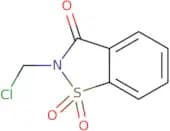
2-(Chloromethyl)-1,1-dioxo-1,2-benzothiazol-3-one
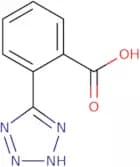
CAS:2-(Chloromethyl)-1,1-dioxo-1,2-benzothiazol-3-one (CMTB) is a cytotoxic agent that inhibits the synthesis of DNA and RNA. CMTB has been shown to be effective against cancer cells in vitro, as well as against mycobacterial strains. The antitumor activity of CMTB is due to its ability to inhibit cancer cell proliferation by binding to DNA. This chemical has been shown as an effective treatment for lung cancer and ovarian cancer in mice. The cytotoxicity of CMTB has also been studied in human lung cancer cells.Fórmula:C8H6ClNO3SPureza:Min. 95%Peso molecular:231.66 g/mol2-(1H-Tetrazol-5-yl)-benzoic acid
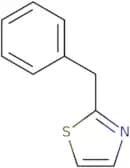
CAS:2-(1H-Tetrazol-5-yl)-benzoic acid is a chloride salt of 2-(1H-tetrazol-5-yl)benzoic acid. It is soluble in water and organic solvents. The compound has a carboxylate group, which is the reactive part of the molecule. This group can be modified by reactions with other molecules, such as hydrothermal reactions that result in modifications to the structure of the carboxylate group. Tetrazole groups are found in many compounds, including those used in chemistry and octahedrally coordinated ligands. The coordination geometry of cadmium ions is tetrahedral, making it a good ligand for this type of compound. Crystal structures have been obtained for compounds containing both 2-(1H-tetrazol-5-yl)-benzoic acid and cadmium ions as ligands.Fórmula:C8H6N4O2Pureza:Min. 95%Peso molecular:190.16 g/mol2-Benzyl-1,3-thiazole
CAS:2-Benzyl-1,3-thiazole (2BT) is a specific protein ligase inhibitor that has been shown to be active against various cancers in vivo. It binds to ubiquitin ligases and prevents their binding to proteins. 2BT is also an anion, which may change the electrostatic environment of the cell membrane and disrupt the lipid bilayer. This activity could lead to antiproliferation effects on tumor cells. 2BT has two different isomers, one of which has been shown to have a higher affinity for ubiquitin ligases than the other. The computational method employed in this study was DFT-B3LYP/6-31G* and used standard quantum chemistry software for geometries and energies. The conjugates of 2BT were obtained by reacting with cysteine residues using glutaraldehyde as a crosslinker. In vivo antitumor activity was observed at doses of 0.5mg/kg/day and 1Fórmula:C10H9NSPureza:Min. 95%Peso molecular:175.25 g/molEthyl 2-oxobicyclo[4.1.0]heptane-7-carboxylate
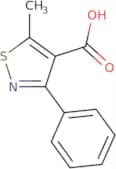
CAS:Versatile small molecule scaffoldFórmula:C10H14O3Pureza:Min. 95%Peso molecular:182.22 g/mol5-Methyl-3-phenyl-1,2-thiazole-4-carboxylic acid
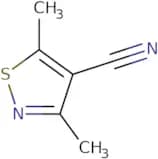
CAS:Versatile small molecule scaffoldFórmula:C11H9NO2SPureza:Min. 95%Peso molecular:219.26 g/molDimethyl-1,2-thiazole-4-carbonitrile
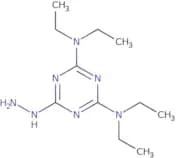
CAS:Versatile small molecule scaffoldFórmula:C6H6N2SPureza:Min. 95%Peso molecular:138.19 g/molN2,N2,N4,N4-Tetraethyl-6-hydrazinylidene-3,6-dihydro-1,3,5-triazine-2,4-diamine
CAS:Tetrodotoxin is a potent neurotoxin that blocks the transfer of nerve impulses. It is used as a pharmacological treatment for diseases of the urinary tract such as bladder and urethral spasms, bladder dysfunction, and urinary retention. Tetrodotoxin can also be used for the treatment of other conditions that affect the target tissue such as stenosis or cavity. This drug has been shown to be beneficial in autoimmune diseases, inflammatory diseases, and infections. Tetrodotoxin is implanted into the body through devices such as catheters or balloons to treat these conditions. The drug has anticholinergic properties which may cause side effects like dry mouth, blurred vision, difficulty urinating, and dizziness.Fórmula:C11H23N7Pureza:Min. 95%Peso molecular:253.35 g/mol2-Ethylpiperazine Dihydrochloride
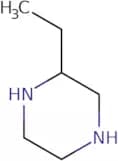
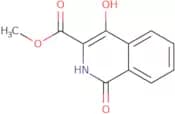
CAS:2-Ethylpiperazine Dihydrochloride (2EP) is an activated form of piperazine that is used in databases for the study of reactions involving aldehydes and dehydrogenases. 2EP has been shown to be a competitive inhibitor of 11β-hydroxysteroid dehydrogenase, which is an enzyme involved in the conversion of cortisone to cortisol. It also has been shown to inhibit the production of formaldehyde from cyclooctane, as well as to catalyze the oxidation of pyridine. 2EP is an important part of optimization studies for catalysis and can also act as a catalyst itself.Fórmula:C6H14N2ClHPureza:Min. 95%Peso molecular:187.11 g/molMethyl 1,4-dihydroxyisoquinoline-3-carboxylate
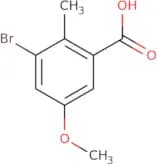
CAS:Versatile small molecule scaffoldFórmula:C11H9NO4Pureza:Min. 95%Peso molecular:219.19 g/mol3-bromo-5-methoxy-2-methylbenzoic acid
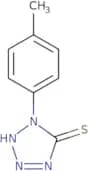
CAS:Versatile small molecule scaffoldFórmula:C9H9BrO3Pureza:Min. 95%Peso molecular:245.07 g/mol1-(4-Methylphenyl)-1H-1,2,3,4-tetrazole-5-thiol
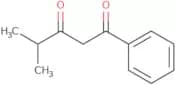
CAS:Versatile small molecule scaffoldFórmula:C8H8N4SPureza:Min. 95%Peso molecular:192.24 g/mol4-Methyl-1-phenylpentane-1,3-dione
CAS:4-Methyl-1-phenylpentane-1,3-dione is a small molecule that can be used as a vaccine adjuvant. It has been shown to increase the immune response to influenza vaccination in mice and also induces an antibody response against Streptococcus pneumoniae in mice. 4MPPD also inhibits the activity of matrix metalloproteinase (MMP)-9, which is involved in chronic airway inflammation and bronchiolitis obliterans syndrome (BOS). This compound is synthesized from methyl 4-(4-methylphenyl)pentanoate by hydrolysis with subtilisin. The reaction products are then incubated with various fatty acids to produce the final product.
Fórmula:C12H14O2Pureza:Min. 95%Peso molecular:190.24 g/molmethyl 2-[1-(aminomethyl)cyclohexyl]acetate hydrochloride
CAS:Producto controladoVersatile small molecule scaffoldFórmula:C10H20ClNO2Pureza:Min. 95%Peso molecular:221.7 g/mol2-[1-(Aminomethyl)cyclopentyl]acetic acid hydrochloride
CAS:Versatile small molecule scaffoldFórmula:C8H16ClNO2Pureza:Min. 95%Peso molecular:193.67 g/mol4-Amino-2-methyl-1-phenylbutan-2-ol
CAS:Versatile small molecule scaffold
Fórmula:C11H17NOPureza:Min. 95%Peso molecular:179.3 g/mol8-Bromo-2,3-dihydro-1,4-benzodioxin-5-amine
CAS:Versatile small molecule scaffold
Fórmula:C8H8BrNO2Pureza:Min. 95%Peso molecular:230.06 g/molrac-(1R,2R)-N1,N1-Dimethylcyclobutane-1,2-diamine dihydrochloride
CAS:Versatile small molecule scaffoldFórmula:C6H16Cl2N2Pureza:Min. 95%Peso molecular:187.1 g/mol3-Chloro-5-(2-chlorophenyl)-1H-1,2,4-triazole
CAS:Versatile small molecule scaffoldFórmula:C8H5Cl2N3Pureza:Min. 95%Peso molecular:214.05 g/mol(Quinazolin-4-ylsulfanyl)-acetic acid
CAS:Versatile small molecule scaffoldFórmula:C10H8N2O2SPureza:Min. 95%Peso molecular:220.25 g/mol2-[(4-Methoxyphenyl)methyl]piperidine
CAS:Producto controladoVersatile small molecule scaffoldFórmula:C13H19NOPureza:Min. 95%Peso molecular:205.3 g/molMethyl 3-amino-4-chloro-5-methoxybenzenecarboxylate
CAS:Versatile small molecule scaffold
Fórmula:C9H10ClNO3Pureza:Min. 95%Peso molecular:215.63 g/mol4-(Phenoxymethyl)piperidine hydrochloride
CAS:Versatile small molecule scaffold
Fórmula:C12H18ClNOPureza:Min. 95%Peso molecular:227.74 g/mol3,4-Dimethoxybenzenesulfonamide
CAS:Versatile small molecule scaffold
Fórmula:C8H11NO4SPureza:Min. 95%Peso molecular:217.24 g/mol4,5-Dimethoxy-2-(methylsulfanyl)benzaldehyde
CAS:Versatile small molecule scaffold
Fórmula:C10H12O3SPureza:Min. 95%Peso molecular:212.27 g/mol2-(Aminomethyl)-1,3-thiazole-4-carboxylic acid hydrochloride
CAS:Versatile small molecule scaffoldFórmula:C5H7ClN2O2SPureza:Min. 95%Peso molecular:194.64 g/mol3,4-Diphenyl-1H-pyrazol-5-amine
CAS:Versatile small molecule scaffoldFórmula:C15H13N3Pureza:Min. 95%Peso molecular:235.28 g/molMethyl 1,1,3-trioxo-2,3-dihydro-1,2-benzothiazole-6-carboxylate
CAS:Versatile small molecule scaffoldFórmula:C9H7NO5SPureza:Min. 95%Peso molecular:241.22 g/mol3-(Propan-2-yl)imidazolidine-2,4-dione
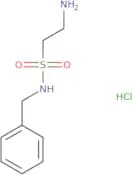
CAS:Versatile small molecule scaffoldFórmula:C6H10N2O2Pureza:Min. 95%Peso molecular:142.16 g/mol2-Amino-N-benzylethane-1-sulfonamide hydrochloride
CAS:Versatile small molecule scaffoldFórmula:C9H15ClN2O2SPureza:Min. 95%Peso molecular:250.75 g/mol2,5-Dimethylpyrrolidine hydrochloride
CAS:2,5-Dimethylpyrrolidine hydrochloride is a chiral compound that is used to prepare cyclopropanes. It can be used in enantioselective reductions of diazoacetates and cyclopropanations. It is an efficient reagent for the synthesis of styrene derivatives with high enantioselectivity. 2,5-Dimethylpyrrolidine hydrochloride has been used to synthesize the binaphthyl system using dinitrogen as the source of chirality. The configuration of the binaphthyl system was determined by the configuration of the nitrogen atom on 2,5-dimethylpyrrolidine hydrochloride.Fórmula:C6H14ClNPureza:Min. 95%Peso molecular:135.64 g/mol(R)-2-(4-Chlorophenyl)-3-methylbutanoic acid
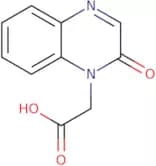
CAS:Versatile small molecule scaffoldFórmula:C11H13ClO2Pureza:Min. 95%Peso molecular:212.67 g/mol(2-Oxoquinoxalin-1(2h)-yl)acetic acid
CAS:Versatile small molecule scaffold
Fórmula:C10H8N2O3Pureza:Min. 95%Peso molecular:204.18 g/mol2-(1H-Pyrrol-1-yl)thiophene-3-carbonitrile
CAS:Versatile small molecule scaffoldFórmula:C9H6N2SPureza:Min. 95%Peso molecular:174.22 g/mol[2-(1H-Pyrrol-1-yl)thiophen-3-yl]methanamine
CAS:Versatile small molecule scaffoldFórmula:C9H10N2SPureza:Min. 95%Peso molecular:178.26 g/mol4-Trifluoromethanesulfonylbenzene-1-sulfonyl chloride
CAS:Versatile small molecule scaffoldFórmula:C7H4ClF3O4S2Pureza:Min. 95%Peso molecular:308.7 g/mol4-Trifluoromethanesulfonylbenzene-1-thiol
CAS:Versatile small molecule scaffoldFórmula:C7H5F3O2S2Pureza:Min. 95%Peso molecular:242.2 g/mol2-Difluoromethanesulfonylbenzene-1-sulfonyl chloride
CAS:Versatile small molecule scaffoldFórmula:C7H5ClF2O4S2Pureza:Min. 95%Peso molecular:290.7 g/mol2-Difluoromethanesulfonylbenzene-1-thiol
CAS:Versatile small molecule scaffoldFórmula:C7H6F2O2S2Pureza:Min. 95%Peso molecular:224.3 g/molMethyl 2,4-dioxo-4-(4-phenylphenyl)butanoate
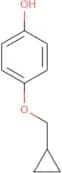
CAS:Versatile small molecule scaffoldFórmula:C17H14O4Pureza:Min. 95%Peso molecular:282.29 g/mol4-(Cyclopropylmethoxy)phenol
CAS:Versatile small molecule scaffoldFórmula:C10H12O2Pureza:Min. 95%Peso molecular:164.2 g/mol2-(Cyclobutylmethoxy)ethan-1-ol
CAS:Versatile small molecule scaffold
Fórmula:C7H14O2Pureza:Min. 95%Peso molecular:130.18 g/mol2-(Cyclopropylmethoxy)ethyl methanesulfonate
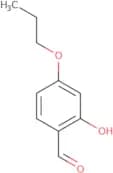
CAS:Versatile small molecule scaffoldFórmula:C7H14O4SPureza:Min. 95%Peso molecular:194.25 g/mol2-Hydroxy-4-propoxybenzaldehyde
CAS:Versatile small molecule scaffold
Fórmula:C10H12O3Pureza:Min. 95%Peso molecular:180.2 g/mol6-methylpyridine-2-carboxamide
CAS:6-Methylpyridine-2-carboxamide is a nitrogenous compound that contains a metal ion. It has an amide group and a carboxylate group, which are both protonated at physiological pH. The compound is soluble in water and alcohols. 6-Methylpyridine-2-carboxamide can be used as an amplifier in the measurement of magnetic resonance imaging (MRI) spectra and nuclear magnetic resonance (NMR) spectra. It has been shown to have transistor properties, which may be due to its ability to transfer an electron from one side of the molecule to the other. 6-Methylpyridine-2-carboxamide also has a high melting point, which makes it suitable for use in high temperature environments such as in the production of semiconductors.Fórmula:C7H8N2OPureza:Min. 95%Peso molecular:136.15 g/mol2-{[(Pyridin-2-ylmethyl)amino]methyl}phenol
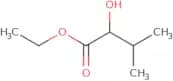
CAS:2-{[(Pyridin-2-ylmethyl)amino]methyl}phenol is a ligand that crystallizes in the monoclinic space group P21/c. The compound crystallizes with two molecules per asymmetric unit, and contains one water molecule per molecule. It has been shown to have cyclic voltammetry, which includes cyclic voltammetry and linear sweep voltammetry. 2-{[(Pyridin-2-ylmethyl)amino]methyl}phenol binds to the perchlorate ion and oxygen atoms coordinate to the nitrogen atoms of the ligand.Fórmula:C13H14N2OPureza:Min. 95%Peso molecular:214.26 g/molEthyl (2S)-2-hydroxy-3-methylbutanoate
CAS:Versatile small molecule scaffoldFórmula:C7H14O3Pureza:Min. 95%Peso molecular:146.18 g/mol(3S)-3-Hydroxy-4-methylpentanoic acid
CAS:Versatile small molecule scaffoldFórmula:C6H12O3Pureza:Min. 95%Peso molecular:132.16 g/mol1-[3-(Methylthio)phenyl]-5-oxopyrrolidine-3-carboxylic acid
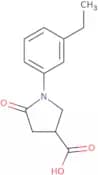
CAS:Versatile small molecule scaffoldFórmula:C12H13NO3SPureza:Min. 95%Peso molecular:251.3 g/mol1-(3-Ethylphenyl)-5-oxopyrrolidine-3-carboxylic acid
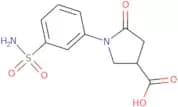
CAS:Versatile small molecule scaffoldFórmula:C13H15NO3Pureza:Min. 95%Peso molecular:233.26 g/mol5-Oxo-1-(3-sulfamoylphenyl)pyrrolidine-3-carboxylic acid
CAS:Versatile small molecule scaffoldFórmula:C11H12N2O5SPureza:Min. 95%Peso molecular:284.29 g/mol1-(4-Fluoro-3-methylphenyl)-5-oxopyrrolidine-3-carboxylic acid
CAS:Versatile small molecule scaffold
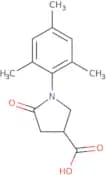
Fórmula:C12H12FNO3Pureza:Min. 95%Peso molecular:237.23 g/mol5-Oxo-1-(2,4,6-trimethyl-phenyl)-pyrrolidine-3-carboxylic acid
CAS:Versatile small molecule scaffoldFórmula:C14H17NO3Pureza:Min. 95%Peso molecular:247.3 g/mol2,2,6-Trimethyl-2,3-dihydro-4H-chromen-4-one
CAS:Versatile small molecule scaffoldFórmula:C12H14O2Pureza:Min. 95%Peso molecular:190.24 g/molN,N'-Diethyl(dodecylsulfanyl)methanimidamide hydrobromide
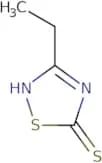
CAS:Versatile small molecule scaffoldFórmula:C17H37BrN2SPureza:Min. 95%Peso molecular:381.5 g/mol3-Ethyl-1,2,4-thiadiazole-5-thiol
CAS:Versatile small molecule scaffoldFórmula:C4H6N2S2Pureza:Min. 95%Peso molecular:146.2 g/mol2-tert-butylpyridin-3-ol
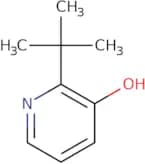
CAS:Versatile small molecule scaffold
Fórmula:C9H13NOPureza:Min. 95%Peso molecular:151.2 g/mol2-(3,4-Dimethoxyphenyl)pyridin-3-ol
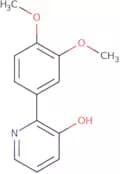
CAS:Versatile small molecule scaffold
Fórmula:C13H13NO3Pureza:Min. 95%Peso molecular:231.25 g/mol3-(2-Hydroxyethyl)imidazolidine-2,4-dione
CAS:Versatile small molecule scaffoldFórmula:C5H8N2O3Pureza:Min. 95%Peso molecular:144.13 g/molMethyl 2-(2-hydroxyphenyl)-2-methoxyacetate
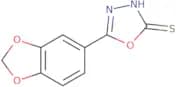
CAS:Versatile small molecule scaffoldFórmula:C10H12O4Pureza:Min. 95%Peso molecular:196.2 g/mol5-(1,3-Dioxaindan-5-yl)-1,3,4-oxadiazole-2-thiol
CAS:Versatile small molecule scaffold
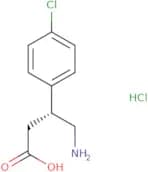
Fórmula:C9H6N2O3SPureza:Min. 95%Peso molecular:222.22 g/molR(+)-Baclofen.Hydrochloride
CAS:Producto controladoR(+)-Baclofen.Hydrochloride is a GABA analogue that stimulates the GABA-benzodiazepine receptor complex and produces antinociception. It has been shown to be effective against diabetic neuropathy in rats, with no observed side effects. R(+)-Baclofen.Hydrochloride is used for the treatment of trigeminal neuralgia, butyric acid induced hyperalgesia and chronic constriction injury in rats. The main mechanism of action of R(+)-Baclofen.Hydrochloride is its ability to activate the benzodiazepine receptor by binding to it, which leads to mitochondrial membrane potential depolarization and an increase in the release of gamma-aminobutyric acid (GABA) from neurons.Fórmula:C10H13Cl2NO2Pureza:Min. 95%Peso molecular:250.12 g/mol2,2-Dimethoxycyclobutan-1-one
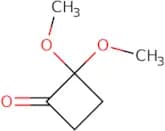
CAS:Versatile small molecule scaffold
Fórmula:C6H10O3Pureza:Min. 95%Peso molecular:130.14 g/mol4-amino-5H,6H,7H-cyclopenta[b]pyridin-2-ol
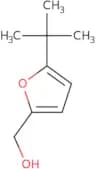
CAS:Versatile small molecule scaffoldFórmula:C8H10N2OPureza:Min. 95%Peso molecular:150.17 g/mol(5-(tert-Butyl)furan-2-yl)methanol
CAS:Versatile small molecule scaffold
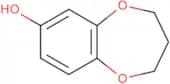
Fórmula:C9H14O2Pureza:Min. 95%Peso molecular:154.21 g/mol3,4-Dihydro-2H-1,5-benzodioxepin-7-ol
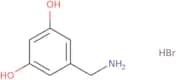
CAS:Versatile small molecule scaffoldFórmula:C9H10O3Pureza:Min. 95%Peso molecular:166.17 g/mol5-(Aminomethyl)benzene-1,3-diol hydrobromide
CAS:Versatile small molecule scaffoldFórmula:C7H10BrNO2Pureza:Min. 95%Peso molecular:220.06 g/mol6-Amino-1H-pyrazolo[3,4-b]pyridine
CAS:6-Amino-1H-pyrazolo[3,4-b]pyridine is a cholesterol inhibitor that belongs to the pyridine derivative class. It has been shown to decrease the level of total cholesterol and low density lipoprotein (LDL) cholesterol in rats with atherosclerosis. This drug inhibits protein synthesis by binding to the active site of HMG-CoA reductase and preventing it from forming an enzyme-substrate complex with cholesteryl ester. 6-Amino-1H-pyrazolo[3,4-b]pyridine is an enantiomeric mixture of two stereoisomers, R and S. The R isomer has been shown to be more potent than the S isomer in inhibiting HMG CoA reductase activity.Fórmula:C6H6N4Pureza:Min. 95%Peso molecular:134.14 g/mol6-chloro-1-methyl-1h-pyrazolo[3,4-b]pyridine
CAS:Versatile small molecule scaffoldFórmula:C7H6ClN3Pureza:Min. 95%Peso molecular:167.6 g/mol6-Chloro-2,4-dimethyl-2H-pyrazolo[3,4-b]pyridine
CAS:Versatile small molecule scaffoldFórmula:C8H8ClN3Pureza:Min. 95%Peso molecular:181.62 g/mol3,5-Dibromoimidazo[1,2-a]pyrazine
CAS:Versatile small molecule scaffold
Fórmula:C6H3Br2N3Pureza:Min. 95%Peso molecular:276.92 g/mol5-bromo-[1,2,4]triazolo[4,3-a]pyrazine
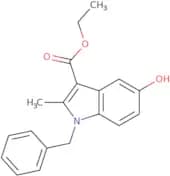
CAS:Versatile small molecule scaffoldFórmula:C5H3BrN4Pureza:Min. 95%Peso molecular:199.01 g/molEthyl 1-benzyl-5-hydroxy-2-methyl-1H-indole-3-carboxylate
CAS:Producto controladoVersatile small molecule scaffoldFórmula:C19H19NO3Pureza:Min. 95%Peso molecular:309.4 g/mol2-Amino-5-methoxycarbonylbenzoic acid
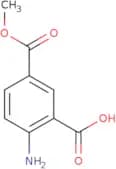
CAS:Versatile small molecule scaffold
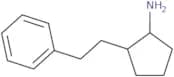
Fórmula:C9H9NO4Pureza:Min. 95%Peso molecular:195.17 g/mol2-(2-Phenylethyl)cyclopentan-1-amine
CAS:Versatile small molecule scaffoldFórmula:C13H19NPureza:Min. 95%Peso molecular:189.3 g/mol6-chloro-5-methoxy-1H-indole
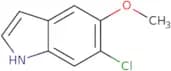
CAS:6-chloro-5-methoxy-1H-indole is an aromatic compound that can be synthesized by the amination of acetyl chloride. This reaction is followed by a borohydride reduction of the imine, and then an acetylation of the resulting alcohol. The synthesis method involves two steps: first, a borohydride reduction of the imine using sodium borohydride; and second, an acetylation with chloral. The final product is purified by distillation and elemental analysis to determine yields.Fórmula:C9H8NOClPureza:Min. 95%Peso molecular:181.61 g/mol2-Fluoro-5-methyl-4-nitrophenol
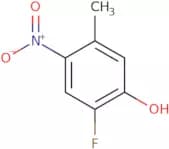
CAS:Versatile small molecule scaffoldFórmula:C7H6FNO3Pureza:Min. 95%Peso molecular:171.13 g/mol1-Fluoro-2-methoxy-4-methyl-5-nitrobenzene
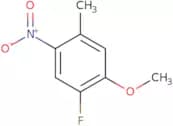
CAS:Versatile small molecule scaffoldFórmula:C8H8FNO3Pureza:Min. 95%Peso molecular:185.15 g/mol2-(bromomethyl)-6-chloropyridine
CAS:2-(bromomethyl)-6-chloropyridine is a ligand that binds to metal atoms. It forms a complex with the metal atom by coordinating with two or more bromine atoms and one or two hydrogens. 2-(Bromomethyl)-6-chloropyridine has been shown to interact with pyridine, x-ray diffraction studies, crystal x-ray diffraction, and ligands in crystal x-ray diffraction studies. The conformation of this compound can be deformed by substituting the methyl group on the chloro group for other moieties. These interactions have been shown using X-Ray diffraction studies and crystal x-ray diffraction studies.
Fórmula:C6H5BrClNPureza:Min. 95%Peso molecular:206.47 g/mol[(6-Chloropyridin-2-yl)methyl]dimethylamine
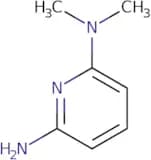
CAS:Versatile small molecule scaffoldFórmula:C8H11ClN2Pureza:Min. 95%Peso molecular:170.64 g/molN2,N2-Dimethylpyridine-2,6-diamine
CAS:Versatile small molecule scaffoldFórmula:C7H11N3Pureza:Min. 95%Peso molecular:137.18 g/mol1-Oxa-7-azaspiro[4.5]decane
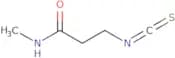
CAS:Oxa-7-azaspiro[4.5]decane is a compound that is structurally related to the neurotransmitter substance P and has been shown to be a potent, selective antagonist of neurokinin (NK) receptors. Oxa-7-azaspiro[4.5]decane inhibits the release of dopamine from rat brain synaptosomes and depresses synapses in the rat hippocampus, an effect that can be reversed by administration of an NK receptor antagonist. This drug also has anti-cancer activity against chemotherapy-induced depression in rats and has been shown to inhibit proliferation in rat hepatocytes. The oxygen atom on the molecule is responsible for its oxidative properties, which are due to its ability to form reactive oxygen species such as superoxide and hydroxyl radicals when it reacts with water or hydrogen peroxide. These reactive oxygen species are able to damage DNA, RNA, enzymes, or other molecules by oxidation.Fórmula:C8H15NOPureza:Min. 95%Peso molecular:141.21 g/mol3-Isothiocyanato-N-methylpropanamide
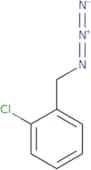
CAS:Versatile small molecule scaffoldFórmula:C5H8N2OSPureza:Min. 95%Peso molecular:144.2 g/mol1-(Azidomethyl)-2-chlorobenzene
CAS:Versatile small molecule scaffoldFórmula:C7H6ClN3Pureza:Min. 95%Peso molecular:167.59 g/mol[2-Bromo-1-(propan-2-yloxy)ethyl]benzene
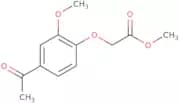
CAS:Versatile small molecule scaffoldFórmula:C11H15BrOPureza:Min. 95%Peso molecular:243.14 g/molMethyl 2-(4-acetyl-2-methoxyphenoxy)acetate
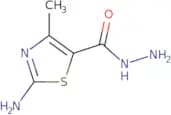
CAS:Versatile small molecule scaffoldFórmula:C12H14O5Pureza:Min. 95%Peso molecular:238.24 g/mol2-Imino-4-methyl-2,3-dihydro-1,3-thiazole-5-carbohydrazide
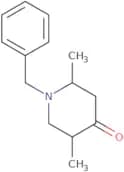
CAS:Versatile small molecule scaffoldFórmula:C5H8N4OSPureza:Min. 95%Peso molecular:172.21 g/mol1-Benzyl-2,5-dimethylpiperidin-4-one
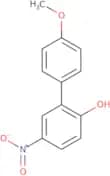
CAS:Versatile small molecule scaffoldFórmula:C14H19NOPureza:Min. 95%Peso molecular:217.31 g/mol2-(4-Methoxyphenyl)-4-nitrophenol
CAS:Versatile small molecule scaffold
Fórmula:C13H11NO4Pureza:Min. 95%Peso molecular:245.23 g/mol2-(7,7-Dimethylbicyclo[2.2.1]heptan-1-yl)acetic acid
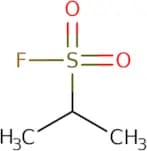
CAS:Versatile small molecule scaffoldFórmula:C11H18O2Pureza:Min. 95%Peso molecular:182.26 g/molPropane-2-sulfonyl fluoride
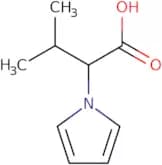
CAS:Propane-2-sulfonyl fluoride is a fluorinating agent that has been used to study the structure of nucleic acids. It is also used in the preparation of sulfones and sulfuryls. In Alzheimer's disease, Propane-2-sulfonyl fluoride has been shown to crosslink the amyloid beta peptide and inhibit the formation of fibrils. The effective dose is determined by its therapeutic value as a treatment for Alzheimer's disease.Fórmula:C3H7FO2SPureza:Min. 95%Peso molecular:126.15 g/mol(2S)-3-Methyl-2-(1H-pyrrol-1-yl)butanoic acid
CAS:Versatile small molecule scaffoldFórmula:C9H13NO2Pureza:Min. 95%Peso molecular:167.2 g/molEthyl 2-(2-acetylphenoxy)acetate
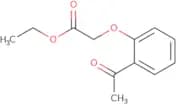
CAS:Versatile small molecule scaffold
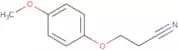
Fórmula:C12H14O4Pureza:Min. 95%Peso molecular:222.24 g/mol3-(4-Methoxyphenoxy)propanenitrile
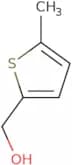
CAS:Versatile small molecule scaffoldFórmula:C10H11NO2Pureza:Min. 95%Peso molecular:177.2 g/mol(5-Methylthiophen-2-yl)methanol
CAS:5-Methylthiophen-2-yl)methanol is a furan that contains a sulfo group. It is an electrophilic compound with mechanisms and exchangers that are still being studied. 5-Methylthiophen-2-yl)methanol reacts with thiophene to form the sulfone, which is then converted to the methylene by alkylation. The reaction of 5-methylthiophen-2-yl)methanol with pyrrole leads to the formation of the heterocycle, which can be oxidized to form the corresponding carboxylic acid. This compound also has been shown to react with formalin and acidic conditions, as well as being able to be oxidized into formaldehyde.Fórmula:C6H8OSPureza:Min. 95%Peso molecular:128.19 g/mol3-(Pyridin-3-yl)cyclohex-2-en-1-one
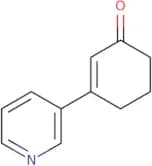
CAS:Versatile small molecule scaffold
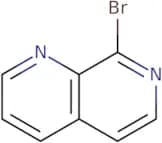
Fórmula:C11H11NOPureza:Min. 95%Peso molecular:173.21 g/mol8-Bromo-1,7-naphthyridine
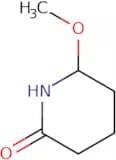
CAS:Versatile small molecule scaffoldFórmula:C8H5BrN2Pureza:Min. 95%Peso molecular:209.04 g/mol6-Methoxypiperidin-2-one
CAS:Versatile small molecule scaffold
Fórmula:C6H11NO2Pureza:Min. 95%Peso molecular:129.16 g/mol2-{7,7-Dimethylbicyclo[2.2.1]heptan-1-yl}ethan-1-amine hydrochloride
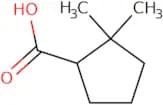
CAS:Versatile small molecule scaffoldFórmula:C11H22ClNPureza:Min. 95%Peso molecular:203.75 g/mol2,2-Dimethylcyclopentane-1-carboxylic acid
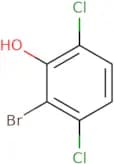
CAS:Versatile small molecule scaffoldFórmula:C8H14O2Pureza:Min. 95%Peso molecular:142.2 g/mol2-Bromo-3,6-dichlorophenol
CAS:Versatile small molecule scaffoldFórmula:C6H3BrCl2OPureza:Min. 95%Peso molecular:241.89 g/mol

![Ethyl 2-oxobicyclo[4.1.0]heptane-7-carboxylate](/_next/image/?url=https%3A%2Fstatic.cymitquimica.com%2Fproducts%2F3D%2Fthumb-webp%2FNAA94998.webp&w=3840&q=75)
![methyl 2-[1-(aminomethyl)cyclohexyl]acetate hydrochloride](/_next/image/?url=https%3A%2Fstatic.cymitquimica.com%2Fproducts%2F3D%2Fthumb-webp%2FNCA56201.webp&w=3840&q=75)
![2-[1-(Aminomethyl)cyclopentyl]acetic acid hydrochloride](/_next/image/?url=https%3A%2Fstatic.cymitquimica.com%2Fproducts%2F3D%2Fthumb-webp%2FNCA56209.webp&w=3840&q=75)


![2-[(4-Methoxyphenyl)methyl]piperidine](/_next/image/?url=https%3A%2Fstatic.cymitquimica.com%2Fproducts%2F3D%2Fthumb-webp%2FNCA58760.webp&w=3840&q=75)





![[2-(1H-Pyrrol-1-yl)thiophen-3-yl]methanamine](/_next/image/?url=https%3A%2Fstatic.cymitquimica.com%2Fproducts%2F3D%2Fthumb-webp%2FNCA64704.webp&w=3840&q=75)





![2-{[(Pyridin-2-ylmethyl)amino]methyl}phenol](/_next/image/?url=https%3A%2Fstatic.cymitquimica.com%2Fproducts%2F3D%2Fthumb-webp%2FNCA67168.webp&w=3840&q=75)

![1-[3-(Methylthio)phenyl]-5-oxopyrrolidine-3-carboxylic acid](/_next/image/?url=https%3A%2Fstatic.cymitquimica.com%2Fproducts%2F3D%2Fthumb-webp%2FNCA67452.webp&w=3840&q=75)





![4-amino-5H,6H,7H-cyclopenta[b]pyridin-2-ol](/_next/image/?url=https%3A%2Fstatic.cymitquimica.com%2Fproducts%2F3D%2Fthumb-webp%2FNCA70454.webp&w=3840&q=75)
![6-Amino-1H-pyrazolo[3,4-b]pyridine](/_next/image/?url=https%3A%2Fstatic.cymitquimica.com%2Fproducts%2F3D%2Fthumb-webp%2FNCA72549.webp&w=3840&q=75)
![6-chloro-1-methyl-1h-pyrazolo[3,4-b]pyridine](/_next/image/?url=https%3A%2Fstatic.cymitquimica.com%2Fproducts%2F3D%2Fthumb-webp%2FNCA72552.webp&w=3840&q=75)
![6-Chloro-2,4-dimethyl-2H-pyrazolo[3,4-b]pyridine](/_next/image/?url=https%3A%2Fstatic.cymitquimica.com%2Fproducts%2F3D%2Fthumb-webp%2FNCA72554.webp&w=3840&q=75)
![3,5-Dibromoimidazo[1,2-a]pyrazine](/_next/image/?url=https%3A%2Fstatic.cymitquimica.com%2Fproducts%2F3D%2Fthumb-webp%2FNCA74421.webp&w=3840&q=75)
![5-bromo-[1,2,4]triazolo[4,3-a]pyrazine](/_next/image/?url=https%3A%2Fstatic.cymitquimica.com%2Fproducts%2F3D%2Fthumb-webp%2FNCA74429.webp&w=3840&q=75)
![[(6-Chloropyridin-2-yl)methyl]dimethylamine](/_next/image/?url=https%3A%2Fstatic.cymitquimica.com%2Fproducts%2F3D%2Fthumb-webp%2FNCA76380.webp&w=3840&q=75)
![1-Oxa-7-azaspiro[4.5]decane](/_next/image/?url=https%3A%2Fstatic.cymitquimica.com%2Fproducts%2F3D%2Fthumb-webp%2FNCA76656.webp&w=3840&q=75)
![[2-Bromo-1-(propan-2-yloxy)ethyl]benzene](/_next/image/?url=https%3A%2Fstatic.cymitquimica.com%2Fproducts%2F3D%2Fthumb-webp%2FNCA78556.webp&w=3840&q=75)
![2-(7,7-Dimethylbicyclo[2.2.1]heptan-1-yl)acetic acid](/_next/image/?url=https%3A%2Fstatic.cymitquimica.com%2Fproducts%2F3D%2Fthumb-webp%2FNCA80563.webp&w=3840&q=75)
![2-{7,7-Dimethylbicyclo[2.2.1]heptan-1-yl}ethan-1-amine hydrochloride](/_next/image/?url=https%3A%2Fstatic.cymitquimica.com%2Fproducts%2F3D%2Fthumb-webp%2FNCA85463.webp&w=3840&q=75)