Building Blocks
Subcategorías de "Building Blocks"
- Ácidos borónicos y derivados del ácido borónico(5.778 productos)
- Building Blocks quirales(1.243 productos)
- Building Blocks de hidrocarburos(6.099 productos)
- Building Blocks orgánicos(61.038 productos)
Se han encontrado 205376 productos de "Building Blocks"
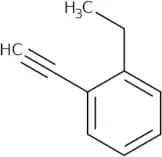
1-Ethyl-2-ethynylbenzene
CAS:1-Ethyl-2-ethynylbenzene is an indene that can be synthesized by the reaction of 1-ethylbenzene with ethynylmagnesium bromide and trifluoroacetyl chloride. 1-Ethyl-2-ethynylbenzene reacts as a nucleophile with electrophiles, such as phenylsulfonyl and acetylene compounds, to form sulfones and acetylenes. It can also react with tetrafluoroborates to form indenes.
Fórmula:C10H10Pureza:Min. 95%Peso molecular:130.19 g/mol2-Phenyl-1,3,4-oxadiazole
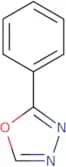
CAS:2-Phenyl-1,3,4-oxadiazole is a 2-phenyloxazole with an oxygen atom at the 1 position. It is a white crystalline solid that is soluble in water and has antibacterial properties. This chemical can be used as a catalyst for the synthesis of organic compounds. 2-Phenyl-1,3,4-oxadiazole reacts with nitro groups to form oxime derivatives and has been shown to inhibit the growth of fungi such as Candida albicans and Aspergillus niger. 2-Phenyl-1,3,4-oxadiazole can also be used as an antifungal agent against Trichophyton rubrum.
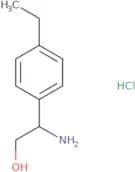
2-Phenyl-1,3,4-oxadiazole may be synthesized by reacting phenol with acetone in the presence of nitric acid or sulfuric acid. The structural formula for this compound isFórmula:C8H6N2OPureza:Min. 95%Peso molecular:146.15 g/mol2-Amino-2-(4-ethylphenyl)ethan-1-ol hydrochloride
CAS:Versatile small molecule scaffold
Fórmula:C10H16ClNOPureza:Min. 95%Peso molecular:201.69 g/mol3-{[3-(Thiophen-3-yl)-1,2,4-oxadiazol-5-yl]methyl}thiomorpholine hydrochloride
CAS:Versatile small molecule scaffold
Fórmula:C11H14ClN3OS2Pureza:Min. 95%Peso molecular:303.8 g/molRef: 3D-YGC02770
Producto descatalogado4-Chloro-2-iodo-5-methylaniline
CAS:Versatile small molecule scaffold
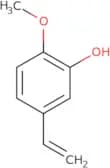
Fórmula:C7H7ClINPureza:Min. 95%Peso molecular:267.49 g/mol5-Ethenyl-2-methoxyphenol
CAS:5-Ethenyl-2-methoxyphenol is a volatile compound that has been isolated from the bark of the cinnamon tree. It has shown anticancer activities "in vitro" and "in vivo". 5-Ethenyl-2-methoxyphenol has been shown to be demethylated by cytochrome P450 enzymes, which may result in its antitumor activity. This active compound can also be detected in postharvested fruit and vegetables as well as processed foods such as apple juice, tomato sauce, and dried fruits. 5-Ethenyl-2-methoxyphenol is responsible for the characteristic flavor of cinnamon, so it is often used as a flavoring agent in food processing.
Fórmula:C9H10O2Pureza:Min. 95%Forma y color:PowderPeso molecular:150.17 g/mol7-Bromo-1H,2H,3H-pyrazolo[1,5-a]imidazole
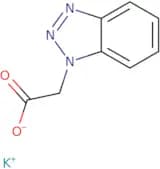
CAS:Versatile small molecule scaffoldFórmula:C5H6BrN3Pureza:Min. 95%Peso molecular:188.03 g/molPotassium 2-(1H-1,2,3-benzotriazol-1-yl)acetate
CAS:Versatile small molecule scaffold
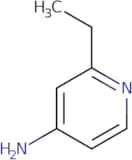
Fórmula:C8H6KN3O2Pureza:Min. 95%Peso molecular:215.25 g/mol2-Ethylpyridin-4-amine
CAS:2-Ethylpyridin-4-amine is a pyridine that can be synthesized from the amination of 4-nitrophenol. It can also be synthesized by acylation of 2-ethylpyridine with ethyl chloroformate followed by cyclization. This compound has shown to have high yields in reactions involving pyridines and it is often used as a precursor for other compounds.
Fórmula:C7H10N2Pureza:Min. 95%Peso molecular:122.17 g/mol2-[(3,5-Dimethylphenyl)formamido]acetic acid
CAS:2-[(3,5-Dimethylphenyl)formamido]acetic acid is a compound with diverse applications and characteristics. It is a diphenyl ether that can be used as an electrode material in various electronic devices. Additionally, it has cholinergic properties, meaning it affects the neurotransmitter acetylcholine in the nervous system.
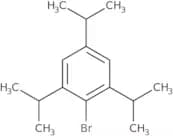
Fórmula:C11H13NO3Pureza:Min. 95%Peso molecular:207.23 g/mol2-Bromo-1,3,5-triisopropylbenzene
CAS:2-Bromo-1,3,5-triisopropylbenzene is an ethylene acetal that is prepared by the catalyzed reaction of aryl chlorides and anhydrous zinc bromide in the presence of triethylamine. The selectivities of this method are high because it can produce mainly a single isomer. The stereoselectivity is also high because the reaction proceeds with the formation of only one stereoisomer. The mechanism for this reaction involves a nucleophilic substitution of the halogenated aryl chloride with the trialkylborane, which generates two different products. This product has been used in the synthesis of biphenyls and nitro compounds.
Fórmula:C15H23BrPureza:Min. 95%Forma y color:Colorless Clear LiquidPeso molecular:283.25 g/molRef: 3D-FB33867
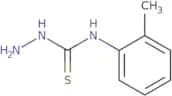
Producto descatalogado4-(2-Methylphenyl)-3-thiosemicarbazide
CAS:4-(2-Methylphenyl)-3-thiosemicarbazide is a crystalline solid that belongs to the group of benzoic acid derivatives. It has an orthorhombic crystal structure, with a yellow color. The crystals are measured at room temperature, and it has an atomic weight of 197.11 g/mol. 4-(2-Methylphenyl)-3-thiosemicarbazide is stable in air and in solution, but decomposes at temperatures above 250°C. This compound has been studied by using X-ray diffraction measurements and Bruker parameters. Its isotropic radiation is recorded at the following wavelength: 1.5418 Å (1).
Fórmula:C8H11N3SPureza:Min. 95%Peso molecular:181.26 g/mol2-(3-Amino-2-oxopiperidin-1-yl)acetic acid hydrochloride
CAS:Versatile small molecule scaffold
Fórmula:C7H13ClN2O3Pureza:Min. 95%Peso molecular:208.6 g/molRef: 3D-XXC41801
Producto descatalogado9-{[(tert-Butoxy)carbonyl]amino}bicyclo[3.3.1]nonane-3-carboxylic acid
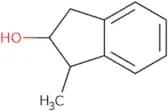
CAS:Versatile small molecule scaffoldFórmula:C15H25NO4Pureza:Min. 95%Peso molecular:283.36 g/mol1-Methyl-2,3-dihydro-1H-inden-2-ol
CAS:Versatile small molecule scaffold
Fórmula:C10H12OPureza:Min. 95%Peso molecular:148.2 g/molRef: 3D-ACA82313
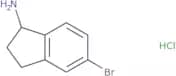
Producto descatalogado5-bromo-2,3-dihydro-1H-inden-1-amine hydrochloride
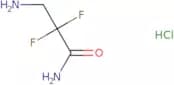
CAS:Producto controladoVersatile small molecule scaffoldFórmula:C9H11BrClNPureza:Min. 95%Peso molecular:248.5 g/mol3-Amino-2,2-difluoropropanamide hydrochloride
CAS:Versatile small molecule scaffold
Fórmula:C3H7ClF2N2OPureza:Min. 95%Peso molecular:160.55 g/molRef: 3D-NKD09321
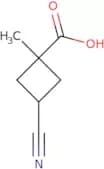
Producto descatalogado3-Cyano-1-methylcyclobutane-1-carboxylic acid
CAS:Versatile small molecule scaffoldFórmula:C7H9NO2Pureza:Min. 95%Peso molecular:139.15 g/mol4-Methyl-1,2-oxazolidin-4-ol hydrochloride
CAS:Versatile small molecule scaffold
Fórmula:C4H10ClNO2Pureza:Min. 95%Peso molecular:139.6 g/molRef: 3D-XLD15344
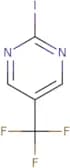
Producto descatalogado2-Iodo-5-(trifluoromethyl)pyrimidine
CAS:Versatile small molecule scaffold
Fórmula:C5H2F3IN2Pureza:Min. 95%Peso molecular:273.98 g/mol4-(Aminomethyl)-N-(2-methoxyethyl)aniline
CAS:Versatile small molecule scaffoldFórmula:C10H16N2OPureza:Min. 95%Peso molecular:180.25 g/mol3-Fluoro-4-[3-(trifluoromethyl)-1H-pyrazol-1-yl]aniline
CAS:Versatile small molecule scaffold
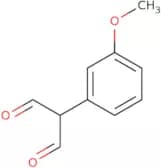
Fórmula:C10H7F4N3Pureza:Min. 95%Peso molecular:245.18 g/mol2-(3-Methoxyphenyl)malondialdehyde
CAS:Versatile small molecule scaffold
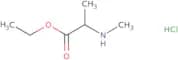
Fórmula:C10H10O3Pureza:Min. 95%Peso molecular:178.18 g/molEthyl (2R)-2-(methylamino)propanoate hydrochloride
CAS:Versatile small molecule scaffoldFórmula:C6H14ClNO2Pureza:Min. 95%Peso molecular:167.6 g/molCyclopropyl[3-(trifluoromethoxy)phenyl]methanone
CAS:Versatile small molecule scaffold
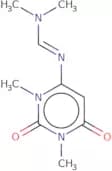
Fórmula:C11H9F3O2Pureza:Min. 95%Peso molecular:230.18 g/mol(E)-N'-(1,3-Dimethyl-2,6-dioxo-1,2,3,6-tetrahydropyrimidin-4-yl)-N,N-dimethylmethanimidamide
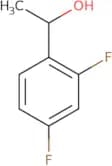
CAS:Versatile small molecule scaffoldFórmula:C9H14N4O2Pureza:Min. 95%Peso molecular:210.2 g/mol(1R)-1-(2,4-Difluorophenyl)ethan-1-ol
CAS:Versatile small molecule scaffold
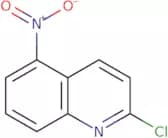
Fórmula:C8H8F2OPureza:Min. 95%Peso molecular:158.14 g/mol2-Chloro-5-nitroquinoline
CAS:2-Chloro-5-nitroquinoline is an oxidized aminoquinoline that is synthesized from nitric acid and benzene. It contains a nitro group, which makes it susceptible to oxidation. 2-Chloro-5-nitroquinoline is used as a solvent for rubber, plastics, and waxes. It can also be used as a solvent in the production of quinolines and other nitrogen compounds. Nitration of this compound produces 2-chloroquinoline, which can be transformed into 2-chloroquinolinium hydroxide by reaction with sodium hydroxide. The substituent on the ortho position can be determined by oleum or bromine water.
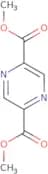
Fórmula:C9H5ClN2O2Pureza:Min. 95%Peso molecular:208.6 g/molDimethyl Pyrazine-2,5-dicarboxylate
CAS:Versatile small molecule scaffold
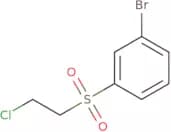
Fórmula:C8H8N2O4Pureza:Min. 95%Peso molecular:196.16 g/mol1-Bromo-3-(2-chloroethanesulfonyl)benzene
CAS:Versatile small molecule scaffold
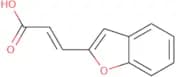
Fórmula:C8H8BrClO2SPureza:Min. 95%Peso molecular:283.57 g/mol(2E)-3-(1-benzofuran-2-yl)prop-2-enoic acid
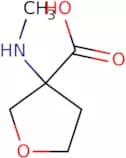
CAS:(2E)-3-(1-benzofuran-2-yl)prop-2-enoic acid is a white solid that has the chemical formula CHClO. It is soluble in chloroform, ether, and benzene. When heated to 105°C in the presence of air, it decomposes to release oxygen and carbon dioxide. (2E)-3-(1-benzofuran-2-yl)prop-2-enoic acid is used as an intermediate for organic synthesis reactions such as alkylation reactions and Friedel - Crafts reactions. Thermal analysis of this compound indicates that it has a high thermal stability with respect to thermal decomposition. (2E)-3-(1-benzofuran-2-yl)prop-2-enoic acid can be reacted with azide or diphenyl ether to form a coordination complex. This compound also reacts with potassium or phosphorus oxychloride to form oxychlorides.Fórmula:C11H8O3Pureza:Min. 95%Peso molecular:188.18 g/mol3-(Methylamino)oxolane-3-carboxylic acid
CAS:Versatile small molecule scaffold
Fórmula:C6H11NO3Pureza:Min. 95%Peso molecular:145.16 g/molRef: 3D-RDC12146
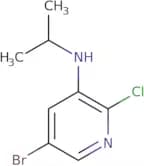
Producto descatalogado5-Bromo-2-chloro-N-(propan-2-yl)pyridin-3-amine
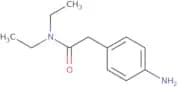
CAS:Versatile small molecule scaffoldFórmula:C8H10BrClN2Pureza:Min. 95%Peso molecular:249.53 g/mol2-(4-Aminophenyl)-N,N-diethylacetamide
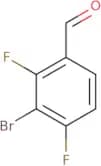
CAS:Versatile small molecule scaffoldFórmula:C12H18N2OPureza:Min. 95%Peso molecular:206.28 g/mol3-Bromo-2,4-difluorobenzaldehyde
CAS:Versatile small molecule scaffold
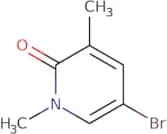
Fórmula:C7H3BrF2OPureza:Min. 95%Peso molecular:219.93 g/mol5-Bromo-1,3-dimethylpyridin-2(1H)-one
CAS:Benzyne is a reactive intermediate that is formed by the tautomerization of 5-bromo-1,3-dimethylpyridin-2(1H)-one. It is an adduct between a bromine atom and a benzene ring. This compound has been shown to react with electron-rich olefins to form bicyclic compounds called diels-alder adducts. These reactions are often catalyzed by metals, such as palladium or nickel. Benzyne also reacts with triple bonds or other electron rich centers to form benzyne adducts, which are highly reactive and can be used as chemical probes for electron density in molecules.
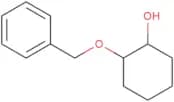
Fórmula:C7H8BrNOPureza:Min. 95%Peso molecular:202.05 g/molrac-(1R,2R)-2-(Benzyloxy)cyclohexan-1-ol
CAS:Versatile small molecule scaffold
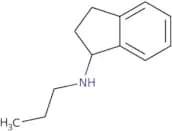
Fórmula:C13H18O2Pureza:Min. 95%Peso molecular:206.28 g/molN-Propyl-2,3-dihydro-1H-inden-1-amine
CAS:Producto controladoVersatile small molecule scaffoldFórmula:C12H17NPureza:Min. 95%Peso molecular:175.27 g/molN-{1-[4-(1H-1,2,4-Triazol-1-yl)phenyl]ethylidene}hydroxylamine
CAS:Versatile small molecule scaffoldFórmula:C10H10N4OPureza:Min. 95%Peso molecular:202.21 g/mol5-Methoxybicyclo[2.2.1]heptan-2-amine hydrochloride
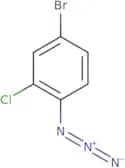
CAS:Versatile small molecule scaffoldFórmula:C8H16ClNOPureza:Min. 95%Peso molecular:177.7 g/mol1-Azido-4-bromo-2-chlorobenzene
CAS:Versatile small molecule scaffold
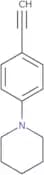
Fórmula:C6H3BrClN3Pureza:Min. 95%Peso molecular:232.46 g/mol4'-N-Piperidinophenyl acetylene
CAS:Versatile small molecule scaffold
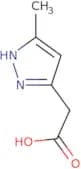
Fórmula:C13H15NPureza:Min. 95%Peso molecular:185.27 g/mol2-(5-Methyl-1H-pyrazol-3-yl)acetic acid
CAS:Versatile small molecule scaffoldFórmula:C6H8N2O2Pureza:Min. 95%Peso molecular:140.14 g/mol4H,5H-Pyrazolo[1,5-a]quinazolin-5-one
CAS:4H,5H-Pyrazolo[1,5-a]quinazolin-5-one is a class of heterocyclic compounds that inhibit the parp-1 and parp proteins. These inhibitors are low nanomolar to nanomolar in potency and have been synthesized from chloride and amides. They have been shown to be potent inhibitors of the growth of cancer cells.
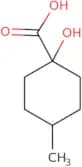
Fórmula:C10H7N3OPureza:Min. 95%Peso molecular:185.18 g/mol1-Hydroxy-4-methylcyclohexane-1-carboxylic acid
CAS:Versatile small molecule scaffold
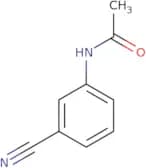
Fórmula:C8H14O3Pureza:Min. 95%Peso molecular:158.19 g/molN-(3-Cyanophenyl)acetamide
CAS:N-(3-Cyanophenyl)acetamide is a hydrogen-bonding molecule that has been detected in the gas phase. It has also been observed to interact with water, forming hydrogen bonding interactions and solvatochromism. The equilibrium of N-(3-cyanophenyl)acetamide can be shifted by changing the solvent conditions and pH. This molecule has three conformations when it is in the gaseous phase, including a planar conformation. In addition, N-(3-cyanophenyl)acetamide can be used as a probe for determining hydrogen bonding interactions and conformations due to its ability to form hydrogen bonds with other molecules.
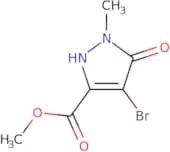
Fórmula:C9H8N2OPureza:Min. 95%Peso molecular:160.18 g/molMethyl 4-bromo-5-hydroxy-1-methyl-1H-pyrazole-3-carboxylate
CAS:Versatile small molecule scaffold
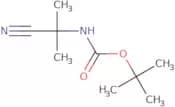
Fórmula:C6H7BrN2O3Pureza:Min. 95%Peso molecular:235.04 g/moltert-Butyl N-(1-cyano-1-methylethyl)carbamate
CAS:Versatile small molecule scaffold
Fórmula:C9H16N2O2Pureza:Min. 95%Peso molecular:184.24 g/mol8-Phenyl-1-oxa-3-azaspiro[4.5]dec-2-en-2-amine
CAS:Versatile small molecule scaffoldFórmula:C14H18N2OPureza:Min. 95%Peso molecular:230.31 g/mol3-(Oxiran-2-yl)oxane
CAS:Versatile small molecule scaffold
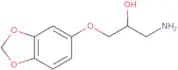
Fórmula:C7H12O2Pureza:Min. 95%Peso molecular:128.2 g/mol1-Amino-3-(1,3-dioxaindan-5-yloxy)propan-2-ol
CAS:Versatile small molecule scaffold
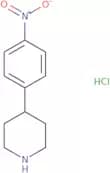
Fórmula:C10H13NO4Pureza:Min. 95%Peso molecular:211.21 g/mol4-(4-Nitrophenyl)piperidine hydrochloride
CAS:Versatile small molecule scaffold
Fórmula:C11H15ClN2O2Pureza:Min. 95%Peso molecular:242.7 g/mol2-Chloro-4-methoxy-7-methyl-7H-pyrrolo[2,3-d]pyrimidine
CAS:Versatile small molecule scaffold
Fórmula:C8H8ClN3OPureza:Min. 95%Peso molecular:197.62 g/mol1-(4-bromo-2-methylphenyl)propan-1-one
CAS:Versatile small molecule scaffold
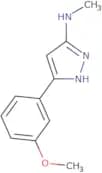
Fórmula:C10H11BrOPureza:Min. 95%Peso molecular:227.1 g/mol5-(3-Methoxyphenyl)-N-methyl-1H-pyrazol-3-amine
CAS:Versatile small molecule scaffoldFórmula:C11H13N3OPureza:Min. 95%Peso molecular:203.24 g/mol2-Bromo-7-phenyl-5H-[1,3,4]thiadiazolo[3,2-a]pyrimidin-5-one
CAS:Versatile small molecule scaffold
Fórmula:C11H6BrN3OSPureza:Min. 95%Peso molecular:308.16 g/molRef: 3D-JYB10753
Producto descatalogado4-{[(9H-Fluoren-9-ylmethoxy)carbonyl]amino}-4-methylpentanoic acid
CAS:Versatile small molecule scaffold
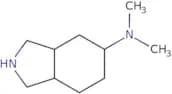
Fórmula:C21H23NO4Pureza:Min. 95%Peso molecular:353.4 g/molN,N-Dimethyl-octahydro-1H-isoindol-5-amine
CAS:Versatile small molecule scaffold
Fórmula:C10H20N2Pureza:Min. 95%Peso molecular:168.28 g/molRef: 3D-KCD26889
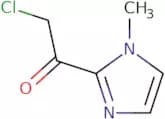
Producto descatalogado2-Chloro-1-(1-methyl-1H-imidazol-2-yl)ethan-1-one
CAS:Versatile small molecule scaffold
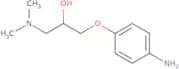
Fórmula:C6H7ClN2OPureza:Min. 95%Peso molecular:158.58 g/mol1-(4-Aminophenoxy)-3-(dimethylamino)propan-2-ol
CAS:Versatile small molecule scaffold
Fórmula:C11H18N2O2Pureza:Min. 95%Peso molecular:210.27 g/mol1-Ethyl-1,3-dihydro-2,1,3-benzothiadiazole 2,2-dioxide
CAS:Versatile small molecule scaffold
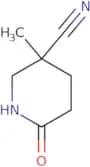
Fórmula:C8H10N2O2SPureza:Min. 95%Peso molecular:198.24 g/mol3-Methyl-6-oxopiperidine-3-carbonitrile
CAS:Versatile small molecule scaffoldFórmula:C7H10N2OPureza:Min. 95%Peso molecular:138.17 g/mol4-Chloro-5H,6H,7H-pyrimido[4,5-b][1,4]oxazin-6-one
CAS:Versatile small molecule scaffoldFórmula:C6H4ClN3O2Pureza:Min. 95%Peso molecular:185.57 g/molRef: 3D-LYB52467
Producto descatalogado4-[(tert-Butoxy)methyl]piperidine hydrochloride
CAS:Versatile small molecule scaffold
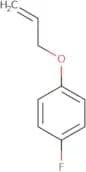
Fórmula:C10H22ClNOPureza:Min. 95%Peso molecular:207.74 g/mol1-Fluoro-4-(prop-2-en-1-yloxy)benzene
CAS:Versatile small molecule scaffold
Fórmula:C9H9FOPureza:Min. 95%Peso molecular:152.16 g/molRef: 3D-NAA99072
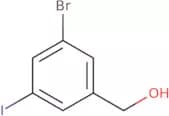
Producto descatalogado(3-bromo-5-iodophenyl)methanol
CAS:Versatile small molecule scaffold
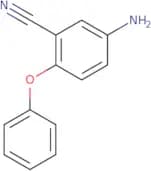
Fórmula:C7H6BrIOPureza:Min. 95%Peso molecular:312.9 g/mol5-Amino-2-phenoxybenzonitrile
CAS:Versatile small molecule scaffold
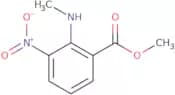
Fórmula:C13H10N2OPureza:Min. 95%Peso molecular:210.23 g/molMethyl 2-(methylamino)-3-nitrobenzoate
CAS:Versatile small molecule scaffold
Fórmula:C9H10N2O4Pureza:Min. 95%Peso molecular:210.19 g/mol2,4-dichloro-7H-pyrrolo[2,3-d]pyrimidine-5-carbaldehyde
CAS:Versatile small molecule scaffold
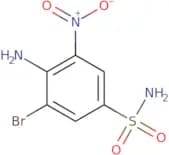
Fórmula:C7H3Cl2N3OPureza:Min. 95%Peso molecular:216.02 g/mol4-Amino-3-bromo-5-nitro-benzenesulfonamide
CAS:Versatile small molecule scaffold
Fórmula:C6H6BrN3O4SPureza:Min. 95%Peso molecular:296.1 g/mol5-(3H-Pyrazol-3-ylidene)-1,2,4-triazolidine-3-thione
CAS:Versatile small molecule scaffold
Fórmula:C5H5N5SPureza:Min. 95%Peso molecular:167.19 g/molN-{[2-(Trifluoromethyl)phenyl]methyl}oxetan-3-amine
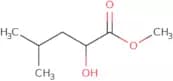
CAS:Versatile small molecule scaffoldFórmula:C11H12F3NOPureza:Min. 95%Peso molecular:231.21 g/molMethyl 2-hydroxy-4-methylvalerate
CAS:Methyl 2-hydroxy-4-methylvalerate is an organic compound that belongs to the class of fatty acids. It is a colorless liquid with a fruity odor. Methyl 2-hydroxy-4-methylvalerate has been shown to inhibit the formation of reactive oxygen species and has antioxidant potential. It also inhibits bone resorption, which may be due to its ability to reduce levels of isobutyric acid in rats and humans. Methyl 2-hydroxy-4-methylvalerate has been found in tropical fruits such as mangoes, durians, and papayas.
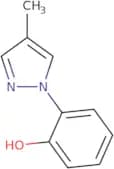
Fórmula:C7H14O3Pureza:Min. 95%Peso molecular:146.18 g/mol2-(4-Methyl-1H-pyrazol-1-yl)phenol
CAS:Versatile small molecule scaffold
Fórmula:C10H10N2OPureza:Min. 95%Peso molecular:174.2 g/mol6-Chloro-1H-pyrrolo[2,3-b]pyridine-3-carboxylic acid
CAS:Versatile small molecule scaffold
Fórmula:C8H5ClN2O2Pureza:Min. 95%Peso molecular:196.59 g/molMethyl 5,5,5-trifluoro-3-oxopentanoate
CAS:Versatile small molecule scaffold
Fórmula:C6H7F3O3Pureza:Min. 95%Peso molecular:184.11 g/mol{3-[3-(4-Fluorophenyl)-1,2-oxazol-5-yl]propyl}(methyl)amine
CAS:Versatile small molecule scaffoldFórmula:C13H15FN2OPureza:Min. 95%Peso molecular:234.27 g/mol4-(3-Cyclopropyl-1H-1,2,4-triazol-5-yl)aniline
CAS:Versatile small molecule scaffold
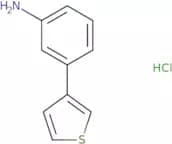
Fórmula:C11H12N4Pureza:Min. 95%Peso molecular:200.24 g/mol3-(Thiophen-3-yl)aniline hydrochloride
CAS:Versatile small molecule scaffold
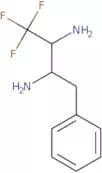
Fórmula:C10H10ClNSPureza:Min. 95%Peso molecular:211.71 g/mol1,1,1-Trifluoro-4-phenylbutane-2,3-diamine
CAS:Versatile small molecule scaffold
Fórmula:C10H13F3N2Pureza:Min. 95%Peso molecular:218.22 g/mol{4-[(3-Fluorophenyl)methoxy]phenyl}methanamine hydrochloride
CAS:Versatile small molecule scaffold
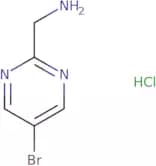
Fórmula:C14H15ClFNOPureza:Min. 95%Peso molecular:267.72 g/mol(5-bromopyrimidin-2-yl)methanamine hcl
CAS:Versatile small molecule scaffold
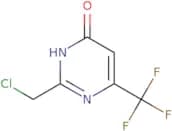
Fórmula:C5H7BrClN3Pureza:Min. 95%Peso molecular:224.49 g/mol2-(Chloromethyl)-6-(trifluoromethyl)pyrimidin-4-ol
CAS:Versatile small molecule scaffold
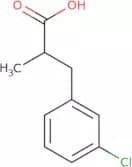
Fórmula:C6H4ClF3N2OPureza:Min. 95%Peso molecular:212.56 g/mol3-(3-Chlorophenyl)-2-methylpropanoic acid
CAS:Versatile small molecule scaffoldFórmula:C10H11ClO2Pureza:Min. 95%Peso molecular:198.64 g/mol1-(2-Methylphenyl)propan-2-amine
CAS:Producto controlado1-(2-Methylphenyl)propan-2-amine is a fatty acid ester that is used as an excipient in pharmaceutical dosage forms. It is used to increase the viscosity of drug solutions and suspensions, and to provide a protective coating for tablets. 1-(2-Methylphenyl)propan-2-amine is insoluble in water, but soluble in organic solvents such as alcohols and acetone. It can be prepared by reacting a primary amine with a fatty acid chloride or anhydride. The compound has been shown to have high affinity for 5HT2A receptors in vitro, which may account for its psychoactive effects.
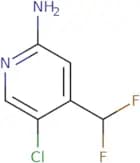
Fórmula:C10H15NPureza:Min. 95%Peso molecular:149.23 g/mol5-Chloro-4-(difluoromethyl)pyridin-2-amine
CAS:Versatile small molecule scaffold
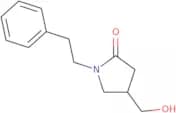
Fórmula:C6H5ClF2N2Pureza:Min. 95%Peso molecular:178.57 g/mol4-(Hydroxymethyl)-1-(2-phenylethyl)pyrrolidin-2-one
CAS:Versatile small molecule scaffold
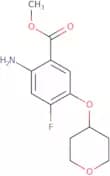
Fórmula:C13H17NO2Pureza:Min. 95%Peso molecular:219.28 g/molMethyl 2-amino-4-fluoro-5-(oxan-4-yloxy)benzoate
CAS:Versatile small molecule scaffold
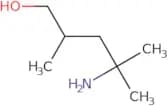
Fórmula:C13H16FNO4Pureza:Min. 95%Peso molecular:269.27 g/mol4-Amino-2,4-dimethylpentan-1-ol
CAS:Versatile small molecule scaffold
Fórmula:C7H17NOPureza:Min. 95%Peso molecular:131.22 g/mol4-[2-(2-Methylphenyl)ethyl]piperidine
CAS:Versatile small molecule scaffold
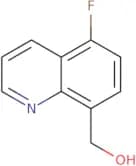
Fórmula:C14H21NPureza:Min. 95%Peso molecular:203.32 g/mol(5-Fluoroquinolin-8-yl)methanol
CAS:Versatile small molecule scaffold
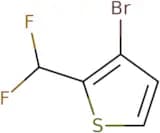
Fórmula:C10H8FNOPureza:Min. 95%Peso molecular:177.17 g/mol3-Bromo-2-(difluoromethyl)thiophene
CAS:Versatile small molecule scaffold
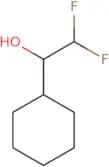
Fórmula:C5H3BrF2SPureza:Min. 95%Peso molecular:213.04 g/mol1-Cyclohexyl-2,2-difluoroethan-1-ol
CAS:Versatile small molecule scaffold
Fórmula:C8H14F2OPureza:Min. 95%Peso molecular:164.19 g/molRef: 3D-DGA80110
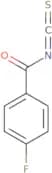
Producto descatalogado4-Fluorobenzoyl isothiocyanate
CAS:4-Fluorobenzoyl isothiocyanate (FBITC) is a fluorescent molecule that binds to the glutamate receptor. The binding of FBITC to the GluN2B subunit of the NMDA receptor leads to conformational changes in the receptor and decreases its ability to bind glutamate. This process has been shown using x-ray diffraction data, which also showed that FBITC was able to chelate with magnesium ions, indicating a possible allosteric modulator for these receptors.
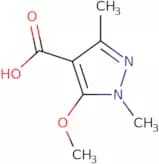
Fórmula:C8H4FNOSPureza:Min. 95%Peso molecular:181.19 g/mol5-Methoxy-1,3-dimethyl-1H-pyrazole-4-carboxylic acid
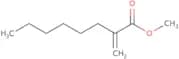
CAS:Versatile small molecule scaffoldFórmula:C7H10N2O3Pureza:Min. 95%Peso molecular:170.17 g/molMethyl 2-methylideneoctanoate
CAS:Versatile small molecule scaffold
Fórmula:C10H18O2Pureza:Min. 95%Peso molecular:170.25 g/molMethyl 5-ethynylpyridine-2-carboxylate
CAS:Methyl 5-ethynylpyridine-2-carboxylate is a ligand that binds in the active site of many enzymes. It can enhance the activity of these enzymes and also change their conformations. Methyl 5-ethynylpyridine-2-carboxylate interacts with four subunits to form a tetradentate framework, which is responsible for this molecule's ability to bind to any type of ligand. This enhancement effect is reversible, and it can be reversed by oxidizing methyl 5-ethynylpyridine-2-carboxylate with nitric acid. The yield of methyl 5-ethynylpyridine-2-carboxylate depends on the reaction conditions and the type of arylacetylene used. Methyl 5-ethynylpyridine-2-carboxylate has been shown to be an effective ligand with a high emission yield when using 1,3
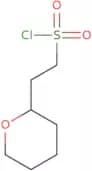
Fórmula:C9H7NO2Pureza:Min. 95%Peso molecular:161.2 g/mol2-(Oxan-2-yl)ethane-1-sulfonyl chloride
CAS:Versatile small molecule scaffold
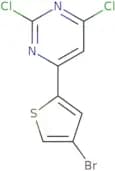
Fórmula:C7H13ClO3SPureza:Min. 95%Peso molecular:212.7 g/mol4-(4-Bromothiophen-2-yl)-2,6-dichloropyrimidine
CAS:Versatile small molecule scaffold
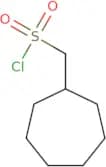
Fórmula:C8H3BrCl2N2SPureza:Min. 95%Peso molecular:310 g/molCycloheptylmethanesulfonyl chloride
CAS:Cycloheptylmethanesulfonyl chloride is a heterocyclic compound that has been shown to cause neurotoxicity, or nerve damage. It inhibits the activity of two enzymes, acetylcholinesterase and butyrylcholinesterase, which are responsible for regulating the production of the neurotransmitter acetylcholine in the brain. Cycloheptylmethanesulfonyl chloride also inhibits other enzymes involved in the synthesis of proteins in neurons, leading to neuronal damage. Cycloheptylmethanesulfonyl chloride has been shown to be effective against neurological disorders such as neurodegenerative diseases and nerve damage.Fórmula:C8H15ClO2SPureza:Min. 95%Peso molecular:210.72 g/molRef: 3D-SJA45987
Producto descatalogado

![3-{[3-(Thiophen-3-yl)-1,2,4-oxadiazol-5-yl]methyl}thiomorpholine hydrochloride](/_next/image/?url=https%3A%2Fstatic.cymitquimica.com%2Fproducts%2F3D%2Fthumb-webp%2FYGC02770.webp&w=3840&q=75)
![7-Bromo-1H,2H,3H-pyrazolo[1,5-a]imidazole](/_next/image/?url=https%3A%2Fstatic.cymitquimica.com%2Fproducts%2F3D%2Fthumb-webp%2FREA24833.webp&w=3840&q=75)
![2-[(3,5-Dimethylphenyl)formamido]acetic acid](/_next/image/?url=https%3A%2Fstatic.cymitquimica.com%2Fproducts%2F3D%2Fthumb-webp%2FYAA08214.webp&w=3840&q=75)
![9-{[(tert-Butoxy)carbonyl]amino}bicyclo[3.3.1]nonane-3-carboxylic acid](/_next/image/?url=https%3A%2Fstatic.cymitquimica.com%2Fproducts%2F3D%2Fthumb-webp%2FJDC14847.webp&w=3840&q=75)


![3-Fluoro-4-[3-(trifluoromethyl)-1H-pyrazol-1-yl]aniline](/_next/image/?url=https%3A%2Fstatic.cymitquimica.com%2Fproducts%2F3D%2Fthumb-webp%2FGQB46865.webp&w=3840&q=75)
![Cyclopropyl[3-(trifluoromethoxy)phenyl]methanone](/_next/image/?url=https%3A%2Fstatic.cymitquimica.com%2Fproducts%2F3D%2Fthumb-webp%2FRDC06596.webp&w=3840&q=75)
![N-{1-[4-(1H-1,2,4-Triazol-1-yl)phenyl]ethylidene}hydroxylamine](/_next/image/?url=https%3A%2Fstatic.cymitquimica.com%2Fproducts%2F3D%2Fthumb-webp%2FRMB40050.webp&w=3840&q=75)
![5-Methoxybicyclo[2.2.1]heptan-2-amine hydrochloride](/_next/image/?url=https%3A%2Fstatic.cymitquimica.com%2Fproducts%2F3D%2Fthumb-webp%2FFSD25240.webp&w=3840&q=75)
![4H,5H-Pyrazolo[1,5-a]quinazolin-5-one](/_next/image/?url=https%3A%2Fstatic.cymitquimica.com%2Fproducts%2F3D%2Fthumb-webp%2FUJC66912.webp&w=3840&q=75)
![8-Phenyl-1-oxa-3-azaspiro[4.5]dec-2-en-2-amine](/_next/image/?url=https%3A%2Fstatic.cymitquimica.com%2Fproducts%2F3D%2Fthumb-webp%2FIJC02845.webp&w=3840&q=75)
![2-Chloro-4-methoxy-7-methyl-7H-pyrrolo[2,3-d]pyrimidine](/_next/image/?url=https%3A%2Fstatic.cymitquimica.com%2Fproducts%2F3D%2Fthumb-webp%2FJDA95534.webp&w=3840&q=75)
![2-Bromo-7-phenyl-5H-[1,3,4]thiadiazolo[3,2-a]pyrimidin-5-one](/_next/image/?url=https%3A%2Fstatic.cymitquimica.com%2Fproducts%2F3D%2Fthumb-webp%2FJYB10753.webp&w=3840&q=75)
![4-{[(9H-Fluoren-9-ylmethoxy)carbonyl]amino}-4-methylpentanoic acid](/_next/image/?url=https%3A%2Fstatic.cymitquimica.com%2Fproducts%2F3D%2Fthumb-webp%2FKCC68022.webp&w=3840&q=75)

![4-Chloro-5H,6H,7H-pyrimido[4,5-b][1,4]oxazin-6-one](/_next/image/?url=https%3A%2Fstatic.cymitquimica.com%2Fproducts%2F3D%2Fthumb-webp%2FLYB52467.webp&w=3840&q=75)
![4-[(tert-Butoxy)methyl]piperidine hydrochloride](/_next/image/?url=https%3A%2Fstatic.cymitquimica.com%2Fproducts%2F3D%2Fthumb-webp%2FMRD31454.webp&w=3840&q=75)
![2,4-dichloro-7H-pyrrolo[2,3-d]pyrimidine-5-carbaldehyde](/_next/image/?url=https%3A%2Fstatic.cymitquimica.com%2Fproducts%2F3D%2Fthumb-webp%2FNQC76757.webp&w=3840&q=75)

![N-{[2-(Trifluoromethyl)phenyl]methyl}oxetan-3-amine](/_next/image/?url=https%3A%2Fstatic.cymitquimica.com%2Fproducts%2F3D%2Fthumb-webp%2FPDC89412.webp&w=3840&q=75)
![6-Chloro-1H-pyrrolo[2,3-b]pyridine-3-carboxylic acid](/_next/image/?url=https%3A%2Fstatic.cymitquimica.com%2Fproducts%2F3D%2Fthumb-webp%2FQLB14096.webp&w=3840&q=75)

![{3-[3-(4-Fluorophenyl)-1,2-oxazol-5-yl]propyl}(methyl)amine](/_next/image/?url=https%3A%2Fstatic.cymitquimica.com%2Fproducts%2F3D%2Fthumb-webp%2FQZB52864.webp&w=3840&q=75)

![{4-[(3-Fluorophenyl)methoxy]phenyl}methanamine hydrochloride](/_next/image/?url=https%3A%2Fstatic.cymitquimica.com%2Fproducts%2F3D%2Fthumb-webp%2FQZB52951.webp&w=3840&q=75)

![4-[2-(2-Methylphenyl)ethyl]piperidine](/_next/image/?url=https%3A%2Fstatic.cymitquimica.com%2Fproducts%2F3D%2Fthumb-webp%2FEBB66297.webp&w=3840&q=75)