


Building Blocks
Subcategorías de "Building Blocks"
- Ácidos borónicos y derivados del ácido borónico(5.778 productos)
- Building Blocks quirales(1.243 productos)
- Building Blocks de hidrocarburos(6.099 productos)
- Building Blocks orgánicos(61.038 productos)
Se han encontrado 205376 productos de "Building Blocks"
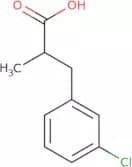
3-(3-Chlorophenyl)-2-methylpropanoic acid
CAS:Versatile small molecule scaffoldFórmula:C10H11ClO2Pureza:Min. 95%Peso molecular:198.64 g/mol1,3-Dioxo-2,3-dihydro-1H-isoindol-2-yl 2-[4-(2-methylpropyl)phenyl]propanoate
CAS:Versatile small molecule scaffold
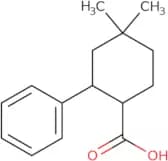
Fórmula:C21H21NO4Pureza:Min. 95%Peso molecular:351.4 g/mol4,4-Dimethyl-2-phenylcyclohexane-1-carboxylic acid
CAS:Versatile small molecule scaffold
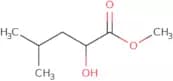
Fórmula:C15H20O2Pureza:Min. 95%Peso molecular:232.32 g/molMethyl 2-hydroxy-4-methylvalerate
CAS:Methyl 2-hydroxy-4-methylvalerate is an organic compound that belongs to the class of fatty acids. It is a colorless liquid with a fruity odor. Methyl 2-hydroxy-4-methylvalerate has been shown to inhibit the formation of reactive oxygen species and has antioxidant potential. It also inhibits bone resorption, which may be due to its ability to reduce levels of isobutyric acid in rats and humans. Methyl 2-hydroxy-4-methylvalerate has been found in tropical fruits such as mangoes, durians, and papayas.
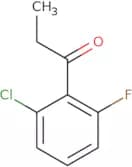
Fórmula:C7H14O3Pureza:Min. 95%Peso molecular:146.18 g/mol1-(2-Chloro-6-fluorophenyl)propan-1-one
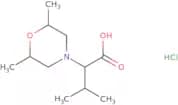
CAS:Versatile small molecule scaffoldFórmula:C9H8ClFOPureza:Min. 95%Peso molecular:186.61 g/mol2-(2,6-Dimethylmorpholin-4-yl)-3-methylbutanoic acid hydrochloride
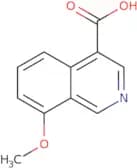
CAS:Versatile small molecule scaffoldFórmula:C11H22ClNO3Pureza:Min. 95%Peso molecular:251.75 g/mol8-Methoxyisoquinoline-4-carboxylic acid
CAS:Versatile small molecule scaffold
Fórmula:C11H9NO3Pureza:Min. 95%Peso molecular:203.19 g/molRef: 3D-PLC96058
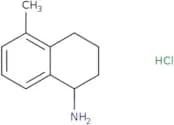
Producto descatalogado5-Methyl-1,2,3,4-tetrahydronaphthalen-1-amine hydrochloride
CAS:Versatile small molecule scaffold
Fórmula:C11H16ClNPureza:Min. 95%Peso molecular:197.7 g/mol2-Bromo-5-fluoro-4-methoxybenzoic acid
CAS:Versatile small molecule scaffold
Fórmula:C8H6BrFO3Pureza:Min. 95%Peso molecular:249.03 g/molMethyl 6-bromo-2-(trifluoromethyl)imidazo[1,5-a]pyrimidine-8-carboxylate
CAS:Versatile small molecule scaffold
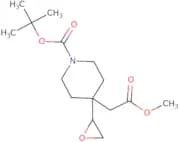
Fórmula:C9H5BrF3N3O2Pureza:Min. 95%Peso molecular:324.05 g/moltert-Butyl 4-(2-methoxy-2-oxoethyl)-4-(oxiran-2-yl)piperidine-1-carboxylate
CAS:Versatile small molecule scaffold
Fórmula:C15H25NO5Pureza:Min. 95%Peso molecular:299.4 g/molRef: 3D-NKD15821
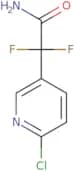
Producto descatalogado2-(6-Chloropyridin-3-yl)-2,2-difluoroacetamide
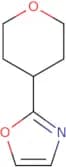
CAS:Versatile small molecule scaffoldFórmula:C7H5ClF2N2OPureza:Min. 95%Peso molecular:206.58 g/mol2-(Oxan-4-yl)-1,3-oxazole
CAS:Versatile small molecule scaffold
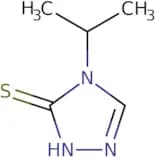
Fórmula:C8H11NO2Pureza:Min. 95%Peso molecular:153.18 g/mol4-(Propan-2-yl)-4H-1,2,4-triazole-3-thiol
CAS:Versatile small molecule scaffoldFórmula:C5H9N3SPureza:Min. 95%Peso molecular:143.21 g/mol2-Methylsulfonylthiophene
CAS:2-Methylsulfonylthiophene is a modulating agent that can inhibit the activity of carbonic anhydrase, adenosine receptors and 5-membered heteroaryl. It has been shown to have affinity for CB1 receptor antagonists and is used to treat cardiovascular diseases. 2-Methylsulfonylthiophene also inhibits the enzymatic activity of anhydrase in the eye, which leads to suppression of intraocular pressure (IOP). The drug also has anti-glaucoma effects by reducing the production of aqueous humour. 2-Methylsulfonylthiophene is used as a dyestuff intermediate and as an organic solvent.
Fórmula:C5H6O2S2Pureza:Min. 95%Peso molecular:162.23 g/molCyclopropyl(3,4-dimethylphenyl)methanone
CAS:Cyclopropyl(3,4-dimethylphenyl)methanone (CPM) is a synthetic cannabinoid that has been shown to have similar effects to the natural cannabinoids found in cannabis. CPM binds to and activates the CB2 receptor, which is found on cells of the immune system, brain, and other organs. It has been studied for its ability to reduce glioma tumor growth in mice by inhibiting glutamate release. The molecular modeling study showed that CPM binds to the receptor with a geometry similar to other CB2 agonists like JWH-133. In addition, CPM inhibits locomotor activity in rats and has been shown to produce some symptoms of anxiety in mice. A receptor knockout study with mice showed that CPM can bind to CB2 receptors without activating them. X-ray diffraction data indicated that CPM is an achiral molecule with an idealized molecular geometry of "s".
Fórmula:C12H14OPureza:Min. 95%Peso molecular:174.24 g/mol1,9,10,11,12,12-Hexachloro-5-oxatetracyclo[7.2.1.0²,⁸.0⁴,⁶]dodec-10-ene-3,7-dione
CAS:Versatile small molecule scaffoldFórmula:C11H4Cl6O3Pureza:Min. 95%Peso molecular:396.9 g/molN-[3-(Dimethylamino)propyl]-2-hydroxybenzamide
CAS:Versatile small molecule scaffoldFórmula:C12H18N2O2Pureza:Min. 95%Peso molecular:222.28 g/mol(2-{6-[(Oxan-4-yl)amino]imidazo[1,2-b]pyridazin-3-yl}phenyl)methanol
CAS:Versatile small molecule scaffold
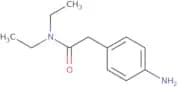
Fórmula:C18H20N4O2Pureza:Min. 95%Peso molecular:324.4 g/mol2-(4-Aminophenyl)-N,N-diethylacetamide
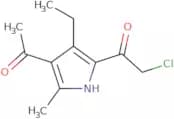
CAS:Versatile small molecule scaffoldFórmula:C12H18N2OPureza:Min. 95%Peso molecular:206.28 g/mol1-(4-Acetyl-3-ethyl-5-methyl-1H-pyrrol-2-yl)-2-chloroethan-1-one
CAS:Versatile small molecule scaffold
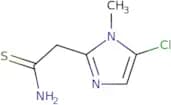
Fórmula:C11H14ClNO2Pureza:Min. 95%Peso molecular:227.69 g/mol2-(5-Chloro-1-methyl-1H-imidazol-2-yl)ethanethioamide
CAS:Versatile small molecule scaffoldFórmula:C6H8ClN3SPureza:Min. 95%Peso molecular:189.67 g/mol3-(4-Aminopiperidin-1-yl)propanoic acid dihydrochloride
CAS:Versatile small molecule scaffold
Fórmula:C8H18Cl2N2O2Pureza:Min. 95%Peso molecular:245.14 g/molRef: 3D-LIC70652
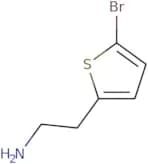
Producto descatalogado2-(5-Bromothiophen-2-yl)ethan-1-amine
CAS:Versatile small molecule scaffold
Fórmula:C6H8BrNSPureza:Min. 95%Peso molecular:206.11 g/molN-(Cyclohexylmethyl)-4-methylbenzene-1-sulfonamide
CAS:Versatile small molecule scaffold
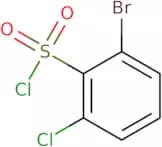
Fórmula:C14H21NO2SPureza:Min. 95%Peso molecular:267.39 g/mol2-Bromo-6-chlorobenzene-1-sulfonyl chloride
CAS:Versatile small molecule scaffoldFórmula:C6H3BrCl2O2SPureza:Min. 95%Peso molecular:289.96 g/mol1-Oxoisoindoline-5-carbonitrile
CAS:Versatile small molecule scaffold
Fórmula:C9H6N2OPureza:Min. 95%Peso molecular:158.16 g/mol5-[3-(Trifluoromethoxy)phenyl]thiophene-2-carboxylic acid
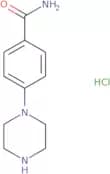
CAS:Versatile small molecule scaffoldFórmula:C12H7F3O3SPureza:Min. 95%Peso molecular:288.24 g/mol4-(Piperazin-1-yl)benzamide hydrochloride
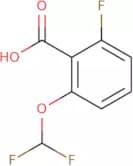
CAS:Versatile small molecule scaffoldFórmula:C11H16ClN3OPureza:Min. 95%Peso molecular:241.72 g/mol2-(Difluoromethoxy)-6-fluorobenzoic acid
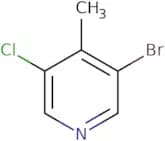
CAS:Versatile small molecule scaffoldFórmula:C8H5F3O3Pureza:Min. 95%Peso molecular:206.12 g/mol3-Bromo-5-chloro-4-methylpyridine
CAS:Versatile small molecule scaffold
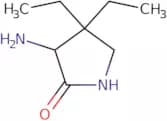
Fórmula:C6H5BrClNPureza:Min. 95%Peso molecular:206.47 g/mol3-Amino-4,4-diethylpyrrolidin-2-one
CAS:Versatile small molecule scaffoldFórmula:C8H16N2OPureza:Min. 95%Peso molecular:156.23 g/molRef: 3D-JHD93650
Producto descatalogadorac-(3R,4R)-3-Hydroxy-4-[(2-phenylethyl)amino]-1lambda6-thiolane-1,1-dione
CAS:Versatile small molecule scaffold
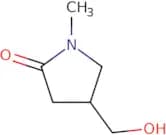
Fórmula:C12H17NO3SPureza:Min. 95%Peso molecular:255.34 g/mol4-(Hydroxymethyl)-1-methylpyrrolidin-2-one
CAS:Versatile small molecule scaffold
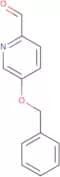
Fórmula:C6H11NO2Pureza:Min. 95%Peso molecular:129.16 g/mol5-(Benzyloxy)pyridine-2-carbaldehyde
CAS:Versatile small molecule scaffold
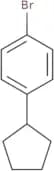
Fórmula:C13H11NO2Pureza:Min. 95%Peso molecular:213.23 g/mol1-Bromo-4-cyclopentylbenzene
CAS:1-Bromo-4-cyclopentylbenzene (1-BCPB) is a chlorinated aromatic compound that can be synthesized by reacting 1-bromo-4-chlorobenzene and cyclopentylmagnesium bromide. The reaction sequence begins with the addition of hydrochloric acid to the first reactant, followed by magnesium chloride and ether. The mixture is heated to produce a liquid solution of ethylhexyloxy pyridine, which reacts with the second reactant in a sequence that leads to the desired product. 1-BCPB is used as an intermediate in organic synthesis. It has been shown to have moderate interaction with paraldehyde and pyridinium salts at room temperature, but it does not react with cycloalkyls or pyridinium salts at elevated temperatures.
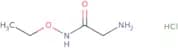
Fórmula:C11H13BrPureza:Min. 95%Peso molecular:225.13 g/mol2-Amino-N-ethoxyacetamide hydrochloride
CAS:Versatile small molecule scaffold
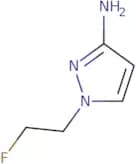
Fórmula:C4H11ClN2O2Pureza:Min. 95%Peso molecular:154.59 g/mol1-(2-Fluoroethyl)-1H-pyrazol-3-amine
CAS:Versatile small molecule scaffold
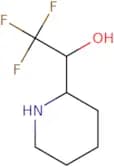
Fórmula:C5H8FN3Pureza:Min. 95%Peso molecular:129.14 g/mol2,2,2-Trifluoro-1-(piperidin-2-yl)ethan-1-ol
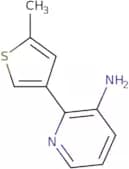
CAS:Versatile small molecule scaffoldFórmula:C7H12F3NOPureza:Min. 95%Peso molecular:183.17 g/mol2-(5-Methylthiophen-3-yl)pyridin-3-amine
CAS:Versatile small molecule scaffold
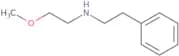
Fórmula:C10H10N2SPureza:Min. 95%Peso molecular:190.27 g/mol(2-Methoxyethyl)(2-phenylethyl)amine
CAS:Producto controladoVersatile small molecule scaffold
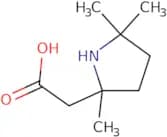
Fórmula:C11H17NOPureza:Min. 95%Peso molecular:179.26 g/mol2-(2,5,5-Trimethylpyrrolidin-2-yl)acetic acid
CAS:Versatile small molecule scaffold
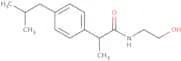
Fórmula:C9H17NO2Pureza:Min. 95%Peso molecular:171.24 g/molMabuprofen
CAS:Mabuprofen is a nonsteroidal anti-inflammatory drug that belongs to the class of NSAIDs. It is used to treat pain, inflammation, and stiffness caused by osteoarthritis, rheumatoid arthritis, and other joint diseases. Mabuprofen is a prodrug that has been shown to inhibit the production of prostaglandins in the brain and spinal cord. This inhibition leads to an increase in cyclic adenosine monophosphate (cAMP) levels which can then reduce the production of proteins in cells. This can have anti-inflammatory effects that are beneficial for people with inflammatory bowel disease or hyperproliferative diseases such as cancer. Mabuprofen has also been shown to decrease the levels of soybean trypsin inhibitor in rats with bowel disease. The mechanism for this activity may be due to its ability to act as a substrate molecule for enzyme reactions, such as soybean trypsin inhibitors.
Fórmula:C15H23NO2Pureza:Min. 95%Peso molecular:249.35 g/moltert-butyl N-[(2R)-1-oxopropan-2-yl]carbamate
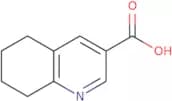
CAS:Versatile small molecule scaffoldFórmula:C8H15NO3Pureza:Min. 95%Peso molecular:173.2 g/mol5,6,7,8-Tetrahydroquinoline-3-carboxylic acid
CAS:5,6,7,8-Tetrahydroquinoline-3-carboxylic acid is a quinoline derivative that has been shown to have bacteriostatic activity against Staphylococcus aureus. It binds to the hydroxyl groups of the bacterial cell membrane and inhibits the production of enzymes necessary for protein synthesis. The interaction between the 5,6,7,8-tetrahydroquinoline-3-carboxylic acid and the hydroxyl group is reversible. 5,6,7,8-Tetrahydroquinoline-3-carboxylic acid also has bacteriostatic activity against other bacteria such as Mycobacterium tuberculosis and Mycobacterium avium complex.Fórmula:C10H11NO2Pureza:Min. 95%Peso molecular:177.2 g/mol5-Hydroxy-1,3-diazinane-2-thione
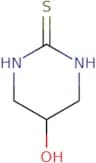
CAS:Versatile small molecule scaffold
Fórmula:C4H8N2OSPureza:Min. 95%Peso molecular:132.19 g/mol(3,4-Dihydro-2H-chromen-6-ylmethyl)ae hydrochloride
CAS:Versatile small molecule scaffold
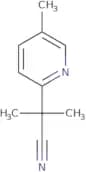
Fórmula:C10H14ClNOPureza:Min. 95%Peso molecular:199.68 g/mol2-Methyl-2-(5-methylpyridin-2-yl)propanenitrile
CAS:Versatile small molecule scaffold
Fórmula:C10H12N2Pureza:Min. 95%Peso molecular:160.22 g/mol1-(tert-Butyldimethylsilyl)-1H,2H,3H-pyrrolo[2,3-b]pyridine
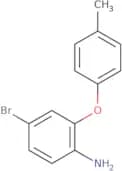
CAS:Versatile small molecule scaffoldFórmula:C13H22N2SiPureza:Min. 95%Peso molecular:234.41 g/mol4-Bromo-2-(4-methylphenoxy)aniline
CAS:Versatile small molecule scaffold
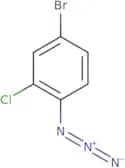
Fórmula:C13H12BrNOPureza:Min. 95%Peso molecular:278.14 g/mol1-Azido-4-bromo-2-chlorobenzene
CAS:Versatile small molecule scaffold
Fórmula:C6H3BrClN3Pureza:Min. 95%Peso molecular:232.46 g/mol2-(1-Chloroethyl)pyrimidin-4-amine
CAS:Versatile small molecule scaffold
Fórmula:C6H8ClN3Pureza:Min. 95%Peso molecular:157.6 g/mol1-Benzothiophene-5-carbonitrile
CAS:1-Benzothiophene-5-carbonitrile is a heterocyclic compound that is formed by condensation of ethyl azidoacetate with indole under catalysis. It can be used in the synthesis of heterocycles. The yield of 1-benzothiophene-5-carbonitrile is about 56%.
Fórmula:C9H5NSPureza:Min. 95%Peso molecular:159.21 g/mol2-[Benzyl(methyl)ao]propanoic acid
CAS:2-[Benzyl(methyl)ao]propanoic acid is a glycine analogue that has been synthesized and characterized. It is an α-amino acid with the chemical formula C5H11NO2. The molecule has a chiral carbon atom at the center of the propanoic acid group and contains two asymmetric carbon atoms on the benzene ring, which enable it to exist in two stereoisomers. The compound has been shown to exhibit interligand interactions with copper as well as stereoselectivity in its interactions with l-amino acids. 2-[Benzyl(methyl)ao]propanoic acid also exhibits dichroism spectra, which are unique to these types of molecules.
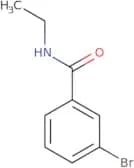
Fórmula:C11H15NO2Pureza:Min. 95%Peso molecular:193.24 g/mol3-Bromo-N-ethylbenzamide
CAS:Versatile small molecule scaffold
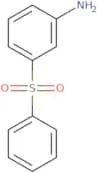
Fórmula:C9H10BrNOPureza:Min. 95%Peso molecular:228.09 g/mol3-(Benzenesulfonyl)aniline
CAS:Versatile small molecule scaffold
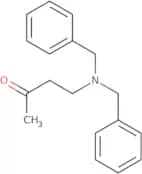
Fórmula:C12H11NO2SPureza:Min. 95%Peso molecular:233.29 g/mol4-(dibenzylamino)butan-2-one
CAS:Versatile small molecule scaffold
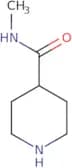
Fórmula:C18H21NOPureza:Min. 95%Peso molecular:267.37 g/molN-Methylpiperidine-4-carboxamide
CAS:Versatile small molecule scaffold
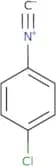
Fórmula:C7H14N2OPureza:Min. 95%Peso molecular:142.2 g/mol1-Chloro-4-isocyanobenzene
CAS:1-Chloro-4-isocyanobenzene (1CI) is an organic compound that has been used as a chemical probe for the detection of amines and other molecules on metal surfaces. The frequency shift in Raman spectra, which is observed after the addition of 1CI to the metal surface, is used to detect amines. 1CI has also been shown to be a potent inhibitor of mitochondrial function. This molecule binds to nucleophilic sites on metal surfaces and forms covalent bonds with them, leading to a high degree of inhibition.
1CI can be synthesized in three steps from commercially available starting materials and is relatively easy to purify.Fórmula:C7H4ClNPureza:Min. 95%Peso molecular:137.56 g/mol2-[3-(Propan-2-yl)phenoxy]acetic acid
CAS:2-[3-(Propan-2-yl)phenoxy]acetic acid is a chemical compound that is used as an additive in benzene, and is a phytotoxic chemical. It prevents the formation of chlorophyll by blocking electron transport and inhibiting photosynthesis. 2-[3-(Propan-2-yl)phenoxy]acetic acid is used to induce callus tissue from lettuce, radish, and other plants. This compound also inhibits the growth of various bacteria including Escherichia coli and Pseudomonas aeruginosa.
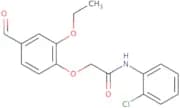
Fórmula:C11H14O3Pureza:Min. 95%Peso molecular:194.23 g/molN-(2-Chlorophenyl)-2-(2-ethoxy-4-formylphenoxy)acetamide
CAS:Versatile small molecule scaffold
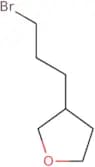
Fórmula:C17H16ClNO4Pureza:Min. 95%Peso molecular:333.8 g/mol3-(3-Bromopropyl)oxolane
CAS:Versatile small molecule scaffold
Fórmula:C7H13BrOPureza:Min. 95%Peso molecular:193.08 g/molRef: 3D-ASB49655
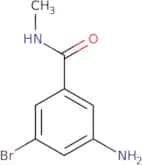
Producto descatalogado3-Amino-5-bromo-N-methylbenzamide
CAS:Versatile small molecule scaffold
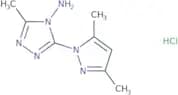
Fórmula:C8H9BrN2OPureza:Min. 95%Peso molecular:229.07 g/mol3-(3,5-Dimethyl-1H-pyrazol-1-yl)-5-methyl-4H-1,2,4-triazol-4-amine hydrochloride
CAS:Versatile small molecule scaffold
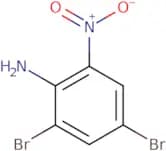
Fórmula:C8H13ClN6Pureza:Min. 95%Peso molecular:228.68 g/mol2,4-Dibromo-6-nitroaniline
CAS:2,4-Dibromo-6-nitroaniline is a nitro compound that has been used in the production of dyes. It is also used as a component in the synthesis of other organic compounds. 2,4-Dibromo-6-nitroaniline can be produced by electrolysis of an acid solution containing radical cations and benzene. The radical cations are formed by proton transfer from the acid to the benzene, followed by electron transfer from benzene to the electrode. This process results in the formation of nitro groups on the benzene ring, which undergoes oxidation to form 2,4-dibromo-6-nitroaniline. The cyclic voltammetry shows that this process occurs via two pathways: one with a fast rate and one with a slow rate. The mechanism for this reaction is not yet known.
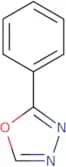
Fórmula:C6H4Br2N2O2Pureza:Min. 95%Peso molecular:295.92 g/mol2-Phenyl-1,3,4-oxadiazole
CAS:2-Phenyl-1,3,4-oxadiazole is a 2-phenyloxazole with an oxygen atom at the 1 position. It is a white crystalline solid that is soluble in water and has antibacterial properties. This chemical can be used as a catalyst for the synthesis of organic compounds. 2-Phenyl-1,3,4-oxadiazole reacts with nitro groups to form oxime derivatives and has been shown to inhibit the growth of fungi such as Candida albicans and Aspergillus niger. 2-Phenyl-1,3,4-oxadiazole can also be used as an antifungal agent against Trichophyton rubrum.
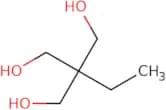
2-Phenyl-1,3,4-oxadiazole may be synthesized by reacting phenol with acetone in the presence of nitric acid or sulfuric acid. The structural formula for this compound isFórmula:C8H6N2OPureza:Min. 95%Peso molecular:146.15 g/mol1,1,1-Tris(hydroxymethyl)propane
CAS:Tris(hydroxymethyl)propane is a diphenyl ether that has been shown to have an electrochemical impedance spectroscopy (EIS) spectrum in the human serum that is similar to those of other known antioxidants. Tris(hydroxymethyl)propane has been shown to protect against light-induced damage in human skin cells, and it also has radiation protective effects. Tris(hydroxymethyl)propane has also been shown to interact with trimethylolpropane, which is another antioxidant, and this interaction may affect the effectiveness of each agent. Tris(hydroxymethyl)propane inhibits lipid peroxidation by inhibiting the oxidation of fatty acids and hydroxyl groups on proteins.
Fórmula:C6H14O3Pureza:Min. 95%Peso molecular:134.17 g/mol1-Hydroxycyclopentane-1-carbonitrile
CAS:1-Hydroxycyclopentane-1-carbonitrile is a monomer that is hydrolyzed to form benzoin and cyanohydrins. It can be used in the production of scifinder as a monomer or dimerizer.
Fórmula:C6H9NOPureza:Min. 95%Peso molecular:111.14 g/moltert-Butyl (2,2-difluoro-3-hydroxypropyl)carbamate
CAS:Versatile small molecule scaffoldFórmula:C10H13NO4Pureza:Min. 95%Peso molecular:211.21 g/mol8-Bromo-2-methylimidazo[1,2-a]pyridine
CAS:Versatile small molecule scaffold
Fórmula:C8H7N2BrPureza:Min. 95%Peso molecular:211.05 g/mol3-Hydroxy-5-methylpyridine
CAS:3-Hydroxy-5-methylpyridine (3HMP) is a chemical substance that has been classified as an amine. It is a product of the metabolism of purines, which are nitrogenous bases found in DNA and RNA. 3HMP is produced by aerogenic bacteria (such as Enterobacter), and can be used to estimate the number of these bacteria present in water samples. 3HMP has been shown to have antiviral properties against influenza virus, and can be used as a biomarker for the presence of other viruses in animals. 3HMP also has mineralization properties, which have been studied extensively, particularly with regards to pancreatic disease.
Fórmula:C6H7NOPureza:Min. 95%Forma y color:PowderPeso molecular:109.13 g/molRef: 3D-FH16174
Producto descatalogado4-Chloro-2-hydroxy-6-methylphenylboronic acid
CAS:Versatile small molecule scaffoldFórmula:C7H8BClO3Pureza:Min. 95%Peso molecular:186.4 g/mol4,5-Dihydro-1H-imidazol-2-amine hydrochloride
CAS:Please enquire for more information about 4,5-Dihydro-1H-imidazol-2-amine hydrochloride including the price, delivery time and more detailed product information at the technical inquiry form on this page
Fórmula:C3H7N3•HClPureza:Min. 95%Peso molecular:121.57 g/molRef: 3D-FD183639
Producto descatalogado2-Bromo-3,3,3-trifluoro-1-propene
CAS:Producto controlado2-Bromo-3,3,3-trifluoro-1-propene is a chemical compound that has been synthesized in an asymmetric reaction. The reactant is bromopropane and the product is 2,2,2-trifluoropropene. The methylene group on the propene molecule is activated by the nucleophilic attack of a fluoride ion from hydrogen fluoride to form a cavity with a highly strained bond. The kinetic study of this reaction revealed that the activation energy for the reaction is 42 kJ/mol. Palladium-catalyzed coupling reactions are catalyzed by palladium and require nonpolar solvents such as toluene or dichloromethane. This type of reaction has been shown to be exothermic with an isolated yield of 1%.
Fórmula:C3H2BrF3Pureza:Min. 95%Forma y color:Colorless PowderPeso molecular:174.95 g/mol4,5-Dihydroxy-2,3-Pentanedione
CAS:4,5-Dihydroxy-2,3-pentanedione is a carbonyl compound that is the product of the oxidation of ascorbic acid. It is used in wastewater treatment and has antimicrobial properties against infectious diseases. This compound has been shown to inhibit protein synthesis by binding to the ribosome and preventing the formation of peptide bonds between amino acids. 4,5-Dihydroxy-2,3-pentanedione has also been shown to bind to plasma proteins, which may be due to its acyl chain structure. 4,5-Dihydroxy-2,3-pentanedione can be synthesized in a catalytic mechanism that involves dehydroascorbic acid and molecular oxygen.
Fórmula:C5H8O4Pureza:Min. 95%Forma y color:PowderPeso molecular:132.11 g/molRef: 3D-FD180770
Producto descatalogadoPiperyline
CAS:Piperyline is an alkanoic acid that has shown to be effective against skin cancer. It also has antimicrobial properties, which may be due to its ability to bind metal ions and form polymeric compounds. Piperyline inhibits microbial growth by inhibiting the synthesis of proteins and nucleic acids. The antimicrobial activity is related to its cationic polymerization with hydroxyl groups, which forms a structure that can inhibit microbial enzymes and disrupt microbial cell membranes. This compound also interacts with the skin's natural lipids, making it difficult for microorganisms to attach and grow on the skin. Piperyline is synthesized in organic chemistry laboratories as an amide precursor of other pharmaceuticals such as penicillin.
Fórmula:C16H17NO3Pureza:Min. 95%Peso molecular:271.31 g/mol

![1,3-Dioxo-2,3-dihydro-1H-isoindol-2-yl 2-[4-(2-methylpropyl)phenyl]propanoate](/_next/image/?url=https%3A%2Fstatic.cymitquimica.com%2Fproducts%2F3D%2Fthumb-webp%2FQKD88961.webp&w=3840&q=75)

![Methyl 6-bromo-2-(trifluoromethyl)imidazo[1,5-a]pyrimidine-8-carboxylate](/_next/image/?url=https%3A%2Fstatic.cymitquimica.com%2Fproducts%2F3D%2Fthumb-webp%2FNKD25350.webp&w=3840&q=75)


![1,9,10,11,12,12-Hexachloro-5-oxatetracyclo[7.2.1.0²,⁸.0⁴,⁶]dodec-10-ene-3,7-dione](/_next/image/?url=https%3A%2Fstatic.cymitquimica.com%2Fproducts%2F3D%2Fthumb-webp%2FNBA66780.webp&w=3840&q=75)
![N-[3-(Dimethylamino)propyl]-2-hydroxybenzamide](/_next/image/?url=https%3A%2Fstatic.cymitquimica.com%2Fproducts%2F3D%2Fthumb-webp%2FNBA39443.webp&w=3840&q=75)
![(2-{6-[(Oxan-4-yl)amino]imidazo[1,2-b]pyridazin-3-yl}phenyl)methanol](/_next/image/?url=https%3A%2Fstatic.cymitquimica.com%2Fproducts%2F3D%2Fthumb-webp%2FMQB34443.webp&w=3840&q=75)



![5-[3-(Trifluoromethoxy)phenyl]thiophene-2-carboxylic acid](/_next/image/?url=https%3A%2Fstatic.cymitquimica.com%2Fproducts%2F3D%2Fthumb-webp%2FLAC74775.webp&w=3840&q=75)
![rac-(3R,4R)-3-Hydroxy-4-[(2-phenylethyl)amino]-1lambda6-thiolane-1,1-dione](/_next/image/?url=https%3A%2Fstatic.cymitquimica.com%2Fproducts%2F3D%2Fthumb-webp%2FJHD90934.webp&w=3840&q=75)
![tert-butyl N-[(2R)-1-oxopropan-2-yl]carbamate](/_next/image/?url=https%3A%2Fstatic.cymitquimica.com%2Fproducts%2F3D%2Fthumb-webp%2FHDA35356.webp&w=3840&q=75)

![1-(tert-Butyldimethylsilyl)-1H,2H,3H-pyrrolo[2,3-b]pyridine](/_next/image/?url=https%3A%2Fstatic.cymitquimica.com%2Fproducts%2F3D%2Fthumb-webp%2FEFB21438.webp&w=3840&q=75)


![2-[Benzyl(methyl)ao]propanoic acid](/_next/image/?url=https%3A%2Fstatic.cymitquimica.com%2Fproducts%2F3D%2Fthumb-webp%2FBEA69294.webp&w=3840&q=75)
![2-[3-(Propan-2-yl)phenoxy]acetic acid](/_next/image/?url=https%3A%2Fstatic.cymitquimica.com%2Fproducts%2F3D%2Fthumb-webp%2FBAA87852.webp&w=3840&q=75)


![8-Bromo-2-methylimidazo[1,2-a]pyridine](/_next/image/?url=https%3A%2Fstatic.cymitquimica.com%2Fproducts%2F3D%2Fthumb-webp%2FUXB37475.webp&w=3840&q=75)





