Building Blocks
Subcategorías de "Building Blocks"
- Ácidos borónicos y derivados del ácido borónico(5.780 productos)
- Building Blocks quirales(1.240 productos)
- Building Blocks de hidrocarburos(6.100 productos)
- Building Blocks orgánicos(61.009 productos)
Se han encontrado 205248 productos de "Building Blocks"
CASIN
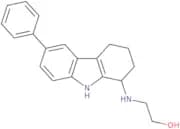
CAS:CASIN is a lysine-derived antimicrobial agent that inhibits the growth of bacteria by binding to the peptide chains of collagen, which are found in skin and mucous membranes. CASIN has been shown to inhibit the growth of many bacterial species, including those that are resistant to other antibiotics. CASIN can be used for the treatment of infectious diseases caused by bacteria, such as bacterial vaginosis or chlamydia. CASIN has also been shown to reduce body mass index in animal models. The mechanism of action is not known but may involve interference with an enzyme that controls the biosynthesis of fatty acids. The use of CASIN in humans is limited due to its toxicity on human cells and potential safety concerns.
Fórmula:C20H22N2OPureza:Min. 95%Peso molecular:306.4 g/mol4,5-Dihydro-1H-imidazol-2-amine hydrochloride
CAS:Please enquire for more information about 4,5-Dihydro-1H-imidazol-2-amine hydrochloride including the price, delivery time and more detailed product information at the technical inquiry form on this page
Fórmula:C3H7N3•HClPureza:Min. 95%Peso molecular:121.57 g/molRef: 3D-FD183639
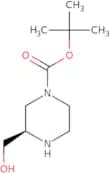
Producto descatalogado(R)-4-N-Boc-2-hydroxymethyl-piperazine
CAS:Please enquire for more information about (R)-4-N-Boc-2-hydroxymethyl-piperazine including the price, delivery time and more detailed product information at the technical inquiry form on this page
Fórmula:C10H20N2O3Pureza:Min. 95%Peso molecular:216.28 g/mol3-Bromo-4-chloroaniline
CAS:3-Bromo-4-chloroaniline is a chloroaniline compound. It is synthesized by reacting hexamethylenetetramine with chlorine gas in the presence of formaldehyde and paraformaldehyde. 3-Bromo-4-chloroaniline has been used to produce other compounds, such as trimethylchlorosilane, which is used in the production of silicone rubber. Chloroanilines are toxic chemicals that can be found in the environment and react with formaldehyde to produce carcinogenic substances called halofuginones.
Fórmula:C6H5BrClNPureza:Min. 95%Peso molecular:206.47 g/mol3-Hydroxy-5-methylpyridine
CAS:3-Hydroxy-5-methylpyridine (3HMP) is a chemical substance that has been classified as an amine. It is a product of the metabolism of purines, which are nitrogenous bases found in DNA and RNA. 3HMP is produced by aerogenic bacteria (such as Enterobacter), and can be used to estimate the number of these bacteria present in water samples. 3HMP has been shown to have antiviral properties against influenza virus, and can be used as a biomarker for the presence of other viruses in animals. 3HMP also has mineralization properties, which have been studied extensively, particularly with regards to pancreatic disease.
Fórmula:C6H7NOPureza:Min. 95%Forma y color:PowderPeso molecular:109.13 g/molRef: 3D-FH16174
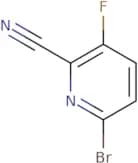
Producto descatalogado6-Bromo-3-fluoropyridine-2-carbonitrile
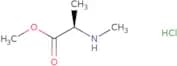
CAS:Versatile small molecule scaffoldFórmula:C6H2N2FBrPureza:Min. 95%Peso molecular:200.99 g/molN-Me-D-Ala-OMe·HCl
CAS:Please enquire for more information about N-Me-D-Ala-OMe·HCl including the price, delivery time and more detailed product information at the technical inquiry form on this page
Fórmula:C5H11NO2·HClPureza:Min. 95%Peso molecular:153.61 g/molRef: 3D-FM72652
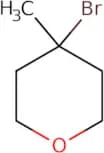
Producto descatalogado4-Bromo-4-methyltetrahydropyran
CAS:Versatile small molecule scaffold
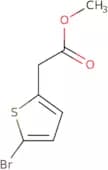
Fórmula:C6H11BrOPureza:Min. 95%Peso molecular:179.06 g/molMethyl 2-(5-bromothiophen-2-yl)acetate
CAS:Versatile small molecule scaffold
Fórmula:C7H7BrO2SPureza:Min. 95%Peso molecular:235.1 g/mol4-Bromo-2-chloro-6-fluorobenzaldehyde
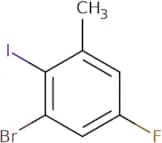
CAS:Versatile small molecule scaffoldFórmula:C7H3BrClFOPureza:Min. 95%Peso molecular:237.45 g/mol3-Bromo-5-fluoro-2-iodotoluene
CAS:Versatile small molecule scaffold
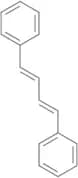
Fórmula:C7H5BrFIPureza:Min. 95%Peso molecular:314.92 g/moltrans,trans-1,4-Diphenyl-1,3-butadiene
CAS:Used in the preparation of metal-diene reagents (e.g. for carbocyclization)
Fórmula:C16H14Pureza:Min. 95%Peso molecular:206.28 g/mol6-Bromo-1-methylpyridin-2(1H)-one
CAS:Versatile small molecule scaffold
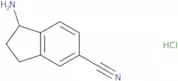
Fórmula:C6H6BrNOPureza:Min. 95%Peso molecular:188.02 g/mol1-Amino-2,3-dihydro-1H-indene-5-carbonitrile hydrochloride
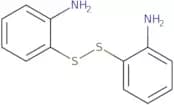
CAS:Versatile small molecule scaffoldFórmula:C10H11ClN2Pureza:Min. 95%Peso molecular:194.66 g/mol2,2'-Dithiodianiline
CAS:2,2'-Dithiodianiline is a redox-active molecule with a redox potential of -0.08 V. It has been shown to inhibit the polymerase chain reaction by binding to DNA and inhibiting the enzyme DNA polymerase. 2,2'-Dithiodianiline is a potent inhibitor of bacterial growth in vitro, and has been shown to be cytotoxic in vivo. 2,2'-Dithiodianiline inhibits the growth of resistant mutants that are resistant to other antibiotics such as penicillin and ampicillin. This compound binds to molybdenum at an optimum concentration of 0.5 mM and coordinates through electrostatic interactions with the molybdenum atom. Structural analysis reveals that 2,2'-dithiodianiline forms hydrogen bonds with adenine residues in DNA and interacts with guanine residues in RNA through π-π stacking interactions. This interaction prevents transcription by blocking the binding
Fórmula:C12H12N2S2Pureza:Min. 98 Area-%Forma y color:PowderPeso molecular:248.37 g/molRef: 3D-FD16035
Producto descatalogado7-bromo-3-iodoimidazo[1,2-a]pyridine
CAS:Versatile small molecule scaffold
Fórmula:C7H4BrIN2Pureza:Min. 95%Peso molecular:322.9 g/mol1-[4-(Propan-2-yl)phenyl]ethan-1-ol
CAS:Versatile small molecule scaffold
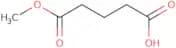
Fórmula:C11H16OPureza:Min. 95%Peso molecular:164.24 g/molMonomethyl Glutarate
CAS:Monomethyl glutarate is a monomer for the synthesis of polymers. It has been used in the past as a precursor for the production of polyacrylic acid and its copolymers. Monomethyl glutarate is synthesized by the reaction of hydrochloric acid, high salt, and an expression plasmid containing glutarate dehydrogenase. This compound is also used as a reagent in kinetic studies of fatty acids and glutaric acid. Monomethyl glutarate is an acidic compound with a pKa value of 3.5 at 25°C. It is rapidly hydrolyzed in water to form monomethyl glutarate acid, which has a pKa value of 2.4 at 25°C. Monomethyl glutarate can be ingested orally or applied topically due to its low energy requirements for hydrolysis in water.
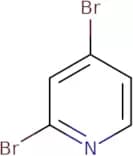
Fórmula:C6H10O4Pureza:Min. 95%Peso molecular:146.14 g/mol2,4-Dibromopyridine
CAS:2,4-Dibromopyridine is a brominated derivative of pyridine. It is synthesized through the substitution of two bromine atoms for two hydrogens on the pyridine ring. This synthesis can be achieved by disubstitution or cross-coupling reactions. The reaction products are nucleophilic and react with electrophiles to produce substitution products. The reaction mechanism is thought to involve a six-membered transition state, which has been observed using X-ray absorption spectroscopy.
Fórmula:C5H3Br2NPureza:Min. 95%Forma y color:White To Off-White SolidPeso molecular:236.89 g/mol1-Methanesulfonyl-1H-pyrazol-4-amine
CAS:Versatile small molecule scaffold
Fórmula:C4H7N3O2SPureza:Min. 95%Peso molecular:161.19 g/moltert-Butyl (2,2-difluoro-3-hydroxypropyl)carbamate
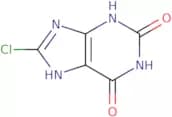
CAS:Versatile small molecule scaffoldFórmula:C10H13NO4Pureza:Min. 95%Peso molecular:211.21 g/mol8-Chloro-3,7-dihydro-1H-purine-2,6-dione
CAS:8-Chloro-3,7-dihydro-1H-purine-2,6-dione is a reactive molecule that binds to the active site of bacterial cyclic nucleotide phosphodiesterases and inhibits their activity. This inhibition prevents the breakdown of cAMP and cGMP, which are important second messengers in eukaryotic cells. 8-Chloro-3,7-dihydro-1H-purine-2,6-dione is also a potent inhibitor of protein synthesis and has been used in research studies on wheat leaves.
Fórmula:C5H3N4O2ClPureza:Min. 95%Forma y color:PowderPeso molecular:186.56 g/molRef: 3D-FC09024
Producto descatalogado5-Chloro-3-methylpyridazine hydrochloride
CAS:Versatile small molecule scaffoldFórmula:C5H6Cl2N2Pureza:Min. 95%Peso molecular:165 g/mol4,5-Dihydroxy-2,3-Pentanedione
CAS:4,5-Dihydroxy-2,3-pentanedione is a carbonyl compound that is the product of the oxidation of ascorbic acid. It is used in wastewater treatment and has antimicrobial properties against infectious diseases. This compound has been shown to inhibit protein synthesis by binding to the ribosome and preventing the formation of peptide bonds between amino acids. 4,5-Dihydroxy-2,3-pentanedione has also been shown to bind to plasma proteins, which may be due to its acyl chain structure. 4,5-Dihydroxy-2,3-pentanedione can be synthesized in a catalytic mechanism that involves dehydroascorbic acid and molecular oxygen.
Fórmula:C5H8O4Pureza:Min. 95%Forma y color:PowderPeso molecular:132.11 g/molRef: 3D-FD180770
Producto descatalogadoH-Ala-Ala-Pro-OH trifluoroacetate
CAS:Please enquire for more information about H-Ala-Ala-Pro-OH trifluoroacetate including the price, delivery time and more detailed product information at the technical inquiry form on this page
Fórmula:C11H19N3O4•C2HF3O2Pureza:Min. 95%Peso molecular:371.31 g/molRef: 3D-FA183453
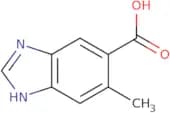
Producto descatalogado6-Methylbenzimidazole-5-carboxylic acid
CAS:Versatile small molecule scaffold
Fórmula:C9H8N2O2Pureza:Min. 95%Peso molecular:176.17 g/mol1-(4-Ethylphenyl)-2,2,2-trifluoroethan-1-ol
CAS:Versatile small molecule scaffold
Fórmula:C10H11F3OPureza:Min. 95%Peso molecular:204.19 g/molPoly(dioxanone)
CAS:Poly(dioxanone) is a biocompatible polymer that has been shown to promote bone growth in animal models. It is a cross-linking agent and can be used as an alternative to copper chromite, which is the most common cross-linking agent used in tissue engineering. Poly(dioxanone) has been shown to promote bone growth by stimulating the production of growth factors and increasing the activity of osteoblasts, cells that produce new bone. The material also promotes matrix deposition and remodeling, leading to increased bone density.
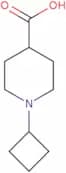
Fórmula:(C4H6O3)nPureza:Min. 95%Forma y color:Powder1-Cyclobutylpiperidine-4-carboxylic acid
CAS:Versatile small molecule scaffold
Fórmula:C10H17NO2Pureza:Min. 95%Peso molecular:183.25 g/molTripropylphosphine
CAS:Tripropylphosphine is a fatty acid that can be synthesized by reacting tripropyl alcohol with phosphorus trichloride. Tripropylphosphine is soluble in organic solvents, and has an optical rotation of +58°. It has been shown to have cancer-inhibiting properties, as well as the ability to inhibit tumor growth and induce apoptosis in cancer cells. This compound may also be used as a growth regulator, since it inhibits the synthesis of certain proteins and enzymes.
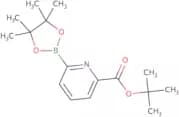
Fórmula:C9H21PPureza:Min. 95%Peso molecular:160.24 g/moltert-Butyl 6-(4,4,5,5-tetramethyl-1,3,2-dioxaborolan-2-yl)picolinate
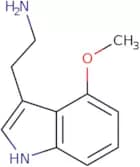
CAS:Versatile small molecule scaffoldFórmula:C16H24BNO4Pureza:Min. 95%Peso molecular:305.2 g/mol2-(4-Methoxy-1H-indol-3-yl)ethan-1-amine
CAS:Producto controlado2-(4-Methoxy-1H-indol-3-yl)ethan-1-amine is a synthetic compound that belongs to the class of organocatalysts. It is a serotonin receptor agonist, and has been shown to act as an antagonist at the 5HT2AR. This drug has been shown to have stereoselective effects in vitro, with high affinity for the S form of 5HT2AR. 2-(4-Methoxy-1H-indol-3-yl)ethan-1-amine also has some activity against dopamine receptors, but not as much as other compounds in its class. !--[if !supportLists]-->· !--[endif]-->This drug binds to speciogynine and alstovenine receptors, which are part of the opioid system.!--[if !supportLists]-->· !--[endif]-->Modelling studies suggest that 2-(4-M
Fórmula:C11H14N2OPureza:Min. 95%Forma y color:PowderPeso molecular:190.24 g/mol1-(3-Amino-1H-pyrazol-1-yl)-2-methylpropan-2-ol
CAS:Versatile small molecule scaffold
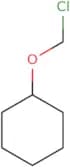
Fórmula:C7H13N3OPureza:Min. 95%Peso molecular:155.2 g/molChloromethyl cyclohexyl ether
CAS:Chloromethyl cyclohexyl ether is a light-sensitive cross-linking agent that can be activated by light. It has two functional groups, a hydroxyl group and a chlorine atom. The skeleton of chloromethyl cyclohexyl ether is composed of an alicyclic hydrocarbon with six carbons and the molecule contains two divalent hydrocarbons, one of which is a trifluoromethyl group. Chloromethyl cyclohexyl ether has been used as a solid catalyst in the synthesis of amides and is also used in hyperproliferative diseases such as cancer.
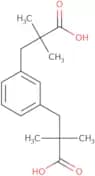
Fórmula:C7H13ClOPureza:Min. 95%Peso molecular:148.63 g/mol±,±,±²,±²-Tetramethyl-1,3-benzenedipropionic acid
CAS:Versatile small molecule scaffold
Fórmula:C16H22O4Pureza:Min. 95%Peso molecular:278.34 g/molPiperyline
CAS:Piperyline is an alkanoic acid that has shown to be effective against skin cancer. It also has antimicrobial properties, which may be due to its ability to bind metal ions and form polymeric compounds. Piperyline inhibits microbial growth by inhibiting the synthesis of proteins and nucleic acids. The antimicrobial activity is related to its cationic polymerization with hydroxyl groups, which forms a structure that can inhibit microbial enzymes and disrupt microbial cell membranes. This compound also interacts with the skin's natural lipids, making it difficult for microorganisms to attach and grow on the skin. Piperyline is synthesized in organic chemistry laboratories as an amide precursor of other pharmaceuticals such as penicillin.
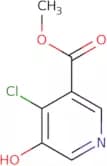
Fórmula:C16H17NO3Pureza:Min. 95%Peso molecular:271.31 g/molMethyl 4-chloro-5-hydroxy-3-pyridinecarboxylate
CAS:Versatile small molecule scaffold
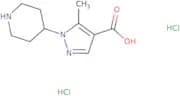
Fórmula:C7H6ClNO3Pureza:Min. 95%Peso molecular:187.58 g/mol5-Methyl-1-(piperidin-4-yl)-1H-pyrazole-4-carboxylic acid dihydrochloride
CAS:Versatile small molecule scaffoldFórmula:C10H17Cl2N3O2Pureza:Min. 95%Peso molecular:282.16 g/mol4-(Benzyloxy)thiophenol
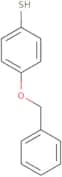
CAS:Versatile small molecule scaffold
Fórmula:C13H12OSPureza:Min. 95%Peso molecular:216.3 g/mol(R)-tert-Butyl 1-(3-aminopyridin-2-yl)pyrrolidin-3-ylcarbamate
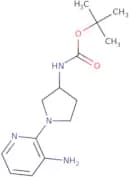
CAS:Versatile small molecule scaffoldFórmula:C14H22N4O2Pureza:Min. 95%Peso molecular:278.35 g/molRef: 3D-IZB85984
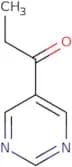
Producto descatalogado1-(Pyrimidin-5-yl)propan-1-one
CAS:Versatile small molecule scaffold
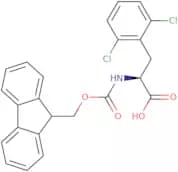
Fórmula:C7H8N2OPureza:Min. 95%Peso molecular:136.15 g/molFmoc-2,6-dichloro-L-phenylalanine
CAS:Please enquire for more information about Fmoc-2,6-dichloro-L-phenylalanine including the price, delivery time and more detailed product information at the technical inquiry form on this page
Fórmula:C24H19Cl2NO4Pureza:Min. 95%Peso molecular:456.32 g/molN-(2-Methyl-6-benzoxazolyl)-2-propenamide
CAS:Please enquire for more information about N-(2-Methyl-6-benzoxazolyl)-2-propenamide including the price, delivery time and more detailed product information at the technical inquiry form on this page
Fórmula:C11H10N2O2Pureza:Min. 95%Peso molecular:202.21 g/molRef: 3D-FM184094
Producto descatalogado2-[(tert-Butoxy)carbonyl]-2-azabicyclo[3.1.0]hexane-5-carboxylic acid
CAS:Versatile small molecule scaffold
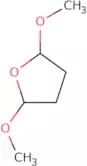
Fórmula:C11H17NO4Pureza:Min. 95%Peso molecular:227.26 g/mol2,5-Dimethoxytetrahydrofuran
CAS:2,5-Dimethoxytetrahydrofuran is an organic compound that can be synthesized from 2,5-dimethoxybenzaldehyde and tetrahydrofuran. The asymmetric synthesis of this compound was first reported in 1968. The nmr spectrum of 2,5-dimethoxytetrahydrofuran shows two signals at δ 5.89 and δ 7.03 ppm. This compound is soluble in water and organic solvents such as dichloromethane, benzene, toluene, chloroform, and methanol. 2,5-Dimethoxytetrahydrofuran has been shown to have pain-relieving effects using the formalin test in mice and rats. It also has antineoplastic properties when used with other quinoline derivatives.br>br> 2,5-Dimethoxytetrahydrofuran is a white solid
Fórmula:C6H12O3Pureza:Min. 95%Forma y color:PowderPeso molecular:132.16 g/molRef: 3D-FD00819
Producto descatalogadoMacaridine
CAS:Please enquire for more information about Macaridine including the price, delivery time and more detailed product information at the technical inquiry form on this page
Fórmula:C13H13NO2Pureza:Min. 95%Peso molecular:215.25 g/molRef: 3D-FM183770
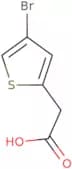
Producto descatalogado4-Bromothiophene-2-acetic acid
CAS:Versatile small molecule scaffold
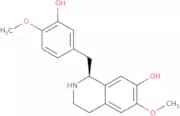
Fórmula:C6H5BrO2SPureza:Min. 95%Peso molecular:221.07 g/molNor reticuline
CAS:Norreticuline is a virus-induced gene that is primarily found in the opium poppy, Papaver somniferum. Norreticuline has been shown to be biosynthesized from reticuline by a series of enzymatic reactions. It is also involved in the metabolic pathway of papaverine, which is an alkaloid that has been used as a vasodilator and anti-hypertensive drug. The optimum pH for norreticuline production is between 6 and 7. Norreticuline has demonstrated anticancer activity against various tumor cells, such as breast cancer cells and colon cancer cells. Norreticuline may also have antiviral properties due to its ability to inhibit viral DNA replication and synthesis of viral proteins.
Fórmula:C18H21NO4Pureza:Min. 95%Peso molecular:315.36 g/mol






![7-bromo-3-iodoimidazo[1,2-a]pyridine](/_next/image/?url=https%3A%2Fstatic.cymitquimica.com%2Fproducts%2F3D%2Fthumb-webp%2FWZB18455.webp&w=3840&q=75)
![1-[4-(Propan-2-yl)phenyl]ethan-1-ol](/_next/image/?url=https%3A%2Fstatic.cymitquimica.com%2Fproducts%2F3D%2Fthumb-webp%2FBAA47510.webp&w=3840&q=75)










![2-[(tert-Butoxy)carbonyl]-2-azabicyclo[3.1.0]hexane-5-carboxylic acid](/_next/image/?url=https%3A%2Fstatic.cymitquimica.com%2Fproducts%2F3D%2Fthumb-webp%2FBAC00454.webp&w=3840&q=75)