


Building Blocks
Subcategorías de "Building Blocks"
- Ácidos borónicos y derivados del ácido borónico(5.778 productos)
- Building Blocks quirales(1.243 productos)
- Building Blocks de hidrocarburos(6.099 productos)
- Building Blocks orgánicos(61.038 productos)
Se han encontrado 205376 productos de "Building Blocks"
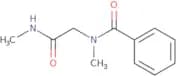
N-Methyl-2-(N-methyl-1-phenylformamido)acetamide
CAS:Versatile small molecule scaffold
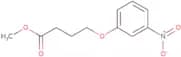
Fórmula:C11H14N2O2Pureza:Min. 95%Peso molecular:206.2 g/molMethyl 4-(3-nitrophenoxy)butanoate
CAS:Producto controladoVersatile small molecule scaffold
Fórmula:C11H13NO5Pureza:Min. 95%Peso molecular:239.22 g/mol[1-(Fluoromethyl)cyclopropyl]methanesulfonyl chloride
CAS:Versatile small molecule scaffold
Fórmula:C5H8ClFO2SPureza:Min. 95%Peso molecular:186.63 g/molRef: 3D-PCC96395
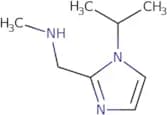
Producto descatalogado1-(1-Isopropyl-1H-imidazol-2-yl)-N-methylmethanamine
CAS:Versatile small molecule scaffold
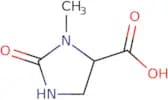
Fórmula:C8H15N3Pureza:Min. 95%Peso molecular:153.22 g/mol3-Methyl-2-oxoimidazolidine-4-carboxylic acid
CAS:Versatile small molecule scaffold
Fórmula:C5H8N2O3Pureza:Min. 95%Peso molecular:144.13 g/molRef: 3D-PCC89794
Producto descatalogado3-(Chloromethyl)-5-phenylisoxazole
CAS:3-(Chloromethyl)-5-phenylisoxazole is a water soluble moiety that is used in the synthesis of conjugates with antitumor activity. 3-(Chloromethyl)-5-phenylisoxazole has been shown to inhibit the growth of brain tumors by binding to DNA, inhibiting transcription and replication. The drug also inhibits protein synthesis and cell division. This compound can be esterified and isothiazole substituted to form an antitumor drug that has a strong antiproliferative effect on human leukemia cells. The biological activity of 3-(chloromethyl)-5-phenylisoxazole can be enhanced by catalytic hydrogenation with methanol in acidic conditions.
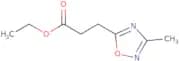
Fórmula:C10H8ClNOPureza:Min. 95%Peso molecular:193.63 g/molEthyl 3-(3-methyl-1,2,4-oxadiazol-5-yl)propanoate
CAS:Versatile small molecule scaffold
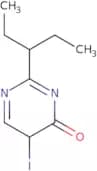
Fórmula:C8H12N2O3Pureza:Min. 95%Peso molecular:184.19 g/mol5-Iodo-2-(pentan-3-yl)-3,4-dihydropyrimidin-4-one
CAS:Versatile small molecule scaffold
Fórmula:C9H13IN2OPureza:Min. 95%Peso molecular:292.12 g/molRef: 3D-NLC80919
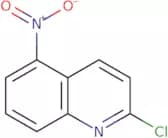
Producto descatalogado2-Chloro-5-nitroquinoline
CAS:2-Chloro-5-nitroquinoline is an oxidized aminoquinoline that is synthesized from nitric acid and benzene. It contains a nitro group, which makes it susceptible to oxidation. 2-Chloro-5-nitroquinoline is used as a solvent for rubber, plastics, and waxes. It can also be used as a solvent in the production of quinolines and other nitrogen compounds. Nitration of this compound produces 2-chloroquinoline, which can be transformed into 2-chloroquinolinium hydroxide by reaction with sodium hydroxide. The substituent on the ortho position can be determined by oleum or bromine water.
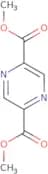
Fórmula:C9H5ClN2O2Pureza:Min. 95%Peso molecular:208.6 g/molDimethyl Pyrazine-2,5-dicarboxylate
CAS:Versatile small molecule scaffold
Fórmula:C8H8N2O4Pureza:Min. 95%Peso molecular:196.16 g/mol6-Ethyl-3-methyl-1-phenyl-1H-pyrazolo[3,4-b]pyridine-4-carboxylic acid
CAS:Versatile small molecule scaffold
Fórmula:C16H15N3O2Pureza:Min. 95%Peso molecular:281.31 g/mol4-[(2-Amino-1,3-thiazol-5-yl)methyl]-3-(trifluoromethyl)benzonitrile
CAS:Versatile small molecule scaffold
Fórmula:C12H8F3N3SPureza:Min. 95%Peso molecular:283.27 g/mol2-[6-(Furan-2-yl)-3-methyl-4-(trifluoromethyl)-1H-pyrazolo[3,4-b]pyridin-1-yl]acetic acid
CAS:Versatile small molecule scaffoldFórmula:C14H10F3N3O3Pureza:Min. 95%Peso molecular:325.24 g/mol2-{3-Cyclopropyl-5-methyl-1H-pyrazolo[3,4-b]pyridin-1-yl}acetic acid
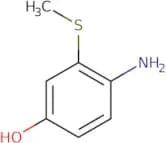
CAS:Versatile small molecule scaffoldFórmula:C12H13N3O2Pureza:Min. 95%Peso molecular:231.25 g/mol4-amino-3-(methylsulfanyl)phenol
CAS:Versatile small molecule scaffold
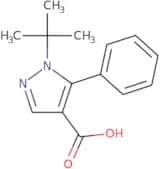
Fórmula:C7H9NOSPureza:Min. 95%Peso molecular:155.21 g/mol1-tert-Butyl-5-phenyl-1H-pyrazole-4-carboxylic acid
CAS:Versatile small molecule scaffold
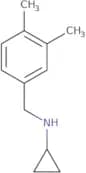
Fórmula:C14H16N2O2Pureza:Min. 95%Peso molecular:244.29 g/molN-(3,4-Dimethylbenzyl)cyclopropanamine
CAS:Versatile small molecule scaffold
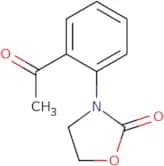
Fórmula:C12H17NPureza:Min. 95%Peso molecular:175.27 g/mol3-(2-Acetylphenyl)-1,3-oxazolidin-2-one
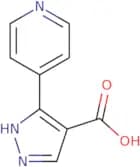
CAS:Versatile small molecule scaffoldFórmula:C11H11NO3Pureza:Min. 95%Peso molecular:205.21 g/mol3-(Pyridin-4-yl)-1H-pyrazole-4-carboxylic acid
CAS:Versatile small molecule scaffoldFórmula:C9H7N3O2Pureza:Min. 95%Peso molecular:189.17 g/molRef: 3D-LLB46225
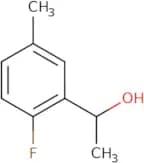
Producto descatalogado1-(2-Fluoro-5-methylphenyl)ethan-1-ol
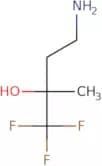
CAS:Versatile small molecule scaffoldFórmula:C9H11FOPureza:Min. 95%Peso molecular:154.18 g/mol4-Amino-1,1,1-trifluoro-2-methylbutan-2-ol
CAS:Versatile small molecule scaffoldFórmula:C5H10F3NOPureza:Min. 95%Peso molecular:157.13 g/molRef: 3D-LLB06086
Producto descatalogado2-(1-Ethyl-1H-1,2,3-triazol-4-yl)ethan-1-amine
CAS:Versatile small molecule scaffold
Fórmula:C6H12N4Pureza:Min. 95%Peso molecular:140.19 g/molRef: 3D-LKC96014
Producto descatalogado2-[1-Methyl-3-(trifluoromethyl)-1H-pyrazol-5-yl]ethan-1-amine
CAS:Versatile small molecule scaffold
Fórmula:C7H10F3N3Pureza:Min. 95%Peso molecular:193.17 g/molRef: 3D-LEC00361
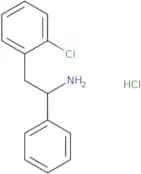
Producto descatalogado2-(2-Chlorophenyl)-1-phenylethan-1-amine hydrochloride
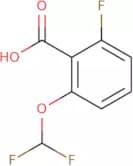
CAS:Producto controladoVersatile small molecule scaffoldFórmula:C14H15Cl2NPureza:Min. 95%Peso molecular:268.2 g/mol2-(Difluoromethoxy)-6-fluorobenzoic acid
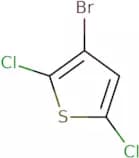
CAS:Versatile small molecule scaffoldFórmula:C8H5F3O3Pureza:Min. 95%Peso molecular:206.12 g/mol3-Bromo-2,5-dichlorothiophene
CAS:Versatile small molecule scaffold
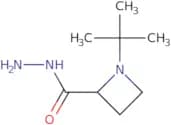
Fórmula:C4HBrCl2SPureza:Min. 95%Peso molecular:231.93 g/mol1-tert-Butylazetidine-2-carbohydrazide
CAS:Versatile small molecule scaffoldFórmula:C8H17N3OPureza:Min. 95%Peso molecular:171.24 g/mol4,6-Dichloro-N-methylpyrimidin-2-amine
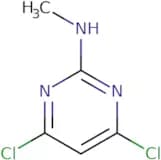
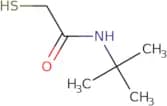
CAS:4,6-Dichloro-N-methylpyrimidin-2-amine is an analog of pyrimidine that has been used in the synthesis of a number of drugs. The compound was first synthesized by condensation of 2,4,6-trichloropyrimidine with formaldehyde and sodium hydroxide. 4,6-Dichloro-N-methylpyrimidin-2-amine can be converted to the corresponding hydrochloride salt by treatment with hydrochloric acid. The compound reacts with methanol to produce methylamine. It also undergoes acid hydrolysis to produce methyl chloride and formaldehyde.Fórmula:C5H5Cl2N3Pureza:Min. 95%Peso molecular:178.02 g/molN-tert-Butyl-2-sulfanylacetamide
CAS:Versatile small molecule scaffold
Fórmula:C6H13NOSPureza:Min. 95%Peso molecular:147.2 g/mol1-(Propan-2-yl)-N-[1-(propan-2-yl)-4,5,6,7-tetrahydro-1H-indazol-5-yl]-4,5,6,7-tetrahydro-1H-indazol-5-amine
CAS:Versatile small molecule scaffold
Fórmula:C20H31N5Pureza:Min. 95%Peso molecular:341.5 g/mol9-{[(tert-Butoxy)carbonyl]amino}bicyclo[3.3.1]nonane-3-carboxylic acid
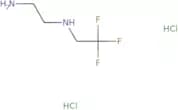
CAS:Versatile small molecule scaffoldFórmula:C15H25NO4Pureza:Min. 95%Peso molecular:283.36 g/mol(2-Aminoethyl)(2,2,2-trifluoroethyl)amine dihydrochloride
CAS:Versatile small molecule scaffold
Fórmula:C4H11Cl2F3N2Pureza:Min. 95%Peso molecular:215.04 g/molRef: 3D-JDC14763
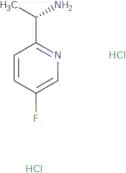
Producto descatalogado(S)-1-(5-Fluoropyridin-2-yl)ethanamine Dihydrochloride
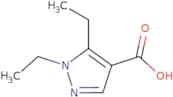
CAS:Versatile small molecule scaffoldFórmula:C7H9N2F·2HClPureza:Min. 95%Peso molecular:213.08 g/mol1,5-Diethyl-1H-pyrazole-4-carboxylic acid
CAS:Versatile small molecule scaffold
Fórmula:C8H12N2O2Pureza:Min. 95%Peso molecular:168.19 g/mol[1-(1-Ethyl-3-methyl-1H-pyrazol-4-yl)propyl]amine
CAS:Versatile small molecule scaffold
Fórmula:C9H17N3Pureza:Min. 95%Peso molecular:167.25 g/mol4H-pyrrolo[2,3-D]thiazole-5-carboxylic acid
CAS:Versatile small molecule scaffold
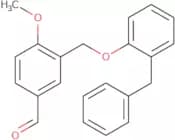
Fórmula:C6H4N2O2SPureza:Min. 95%Peso molecular:168.17 g/mol3-(2-Benzyl-phenoxymethyl)-4-methoxy-benzaldehyde
CAS:Versatile small molecule scaffold
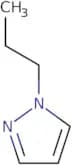
Fórmula:C22H20O3Pureza:Min. 95%Peso molecular:332.4 g/mol1-Propylpyrazole
CAS:1-Propylpyrazole is a non-classical inhibitor of aldehyde oxidase that has been shown to have an inhibitory effect on pentane. 1-Propylpyrazole has peroxidase-like activity, which means it can bind to lipid hydroperoxides in the presence of hydrogen peroxide or peroxidase. It has also been shown to be an effective inhibitor of dehydrogenase, which is an enzyme that catalyzes the oxidation of aldehydes and ketones to carboxylic acids. This drug is not active against classical aldehyde oxidases such as alcohol dehydrogenase, but it does inhibit polyunsaturated fatty acid synthesis by binding with cytochrome P450 enzymes.
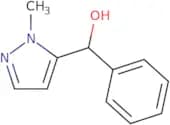
Fórmula:C6H10N2Pureza:Min. 95%Peso molecular:110.16 g/mol(1-Methyl-1H-pyrazol-5-yl)(phenyl)methanol
CAS:Versatile small molecule scaffold
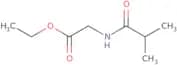
Fórmula:C11H12N2OPureza:Min. 95%Peso molecular:188.23 g/molEthyl 2-(2-methylpropanamido)acetate
CAS:Versatile small molecule scaffold
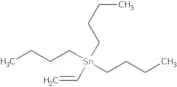
Fórmula:C8H15NO3Pureza:Min. 95%Peso molecular:173.21 g/molVinyltributyltin
CAS:Producto controladoVinyltributyltin is a dibutyltin oxide (DBTO) enantiomer that has been shown to inhibit the HIV-1 protease. Vinyltributyltin has also been shown to reduce inflammation in bowel disease, as well as to have synergistic effects with other drugs in the treatment of cancer and inflammatory bowel disease. The mechanism of action of vinyltributyltin is not yet known, but it may be related to its ability to inhibit the quinazolone-dependent formation of reactive oxygen species. Vinyltributyltin also inhibits the NS3 protease, which is an enzyme involved in hepatitis C virus replication.
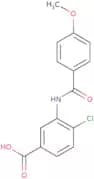
Fórmula:C14H30SnPureza:Min. 95%Forma y color:Colorless Clear LiquidPeso molecular:317.1 g/mol4-Chloro-3-(4-methoxybenzamido)benzoic acid
CAS:Versatile small molecule scaffold
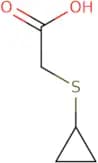
Fórmula:C15H12ClNO4Pureza:Min. 95%Peso molecular:305.71 g/mol2-(Cyclopropylsulfanyl)acetic acid
CAS:Versatile small molecule scaffold
Fórmula:C5H8O2SPureza:Min. 95%Peso molecular:132.18 g/mol4-(Thiophen-2-yl)-1H,4H,5H,6H,7H-imidazo[4,5-c]pyridine-6-carboxylic acid
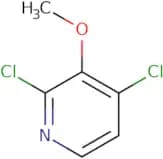
CAS:Versatile small molecule scaffoldFórmula:C11H11N3O2SPureza:Min. 95%Peso molecular:249.29 g/mol2,4-Dichloro-3-methoxypyridine
CAS:Versatile small molecule scaffold
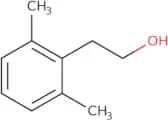
Fórmula:C6H5Cl2NOPureza:Min. 95%Peso molecular:178.01 g/mol2-(2,6-Dimethylphenyl)ethan-1-ol
CAS:2-(2,6-Dimethylphenyl)ethan-1-ol is a racemic mixture of two compounds with the same molecular formula. The two enantiomers have different chemical properties and can be separated by specific techniques such as chromatography. 2-(2,6-Dimethylphenyl)ethan-1-ol is an ether that is made from methylmalonic acid and ethylene oxide. It is hydrolysed to release methylmalonyl chloride or demethylated to produce methyl ether acetate. This compound has been used in the synthesis of various esters and sesquiterpenoids.
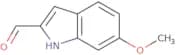
Fórmula:C10H14OPureza:Min. 95%Peso molecular:150.22 g/mol6-Methoxy-1H-indole-2-carbaldehyde
CAS:Versatile small molecule scaffold
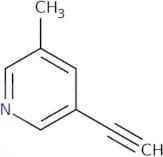
Fórmula:C10H9NO2Pureza:Min. 95%Peso molecular:175.18 g/mol3-Ethynyl-5-methylpyridine
CAS:Versatile small molecule scaffold
Fórmula:C8H7NPureza:Min. 95%Peso molecular:117.15 g/mol2-Amino-N-[(benzylcarbamoyl)methyl]acetamide hydrochloride
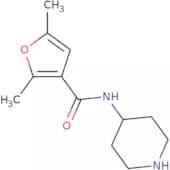
CAS:Versatile small molecule scaffoldFórmula:C11H16ClN3O2Pureza:Min. 95%Peso molecular:257.72 g/mol2,5-Dimethyl-N-(piperidin-4-yl)furan-3-carboxamide
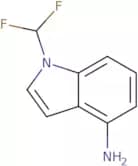
CAS:Versatile small molecule scaffoldFórmula:C12H18N2O2Pureza:Min. 95%Peso molecular:222.28 g/mol1-(Difluoromethyl)-1H-indol-4-amine
CAS:Versatile small molecule scaffold
Fórmula:C9H8F2N2Pureza:Min. 95%Peso molecular:182.17 g/molRef: 3D-EHC04306
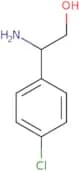
Producto descatalogadob-Amino-4-chlorobenzeneethanol
CAS:Versatile small molecule scaffold
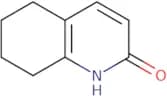
Fórmula:C8H10ClNOPureza:Min. 95%Peso molecular:171.62 g/mol5,6,7,8-Tetrahydroquinolin-2(1H)-one
CAS:Tetrahydroquinolin-2(1H)-one is a hydrobromide that has been found in the environment as an environmental pollutant. Tetrahydroquinolin-2(1H)-one is used to synthesize amides and has been studied by single-crystal x-ray diffraction. The molecule is centrosymmetric, with a molecular weight of 244.06 g/mol. Tetrahydroquinolin-2(1H)-one can be used as a ligand for metals such as chlorine and magnesium. It does not dissolve in water but does dissolve in organic solvents such as ethers, chloroform, or benzene.
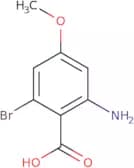
Fórmula:C9H11NOPureza:Min. 95%Peso molecular:149.19 g/mol2-Amino-6-bromo-4-methoxybenzoic acid
CAS:Versatile small molecule scaffold
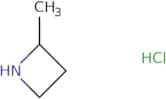
Fórmula:C8H8BrNO3Pureza:Min. 95%Peso molecular:246.06 g/mol2-Methylazetidine hydrochloride
CAS:Versatile small molecule scaffold
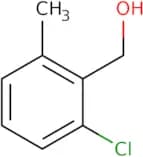
Fórmula:C4H10ClNPureza:Min. 95%Peso molecular:107.58 g/mol(2-Chloro-6-methylphenyl)methanol
CAS:Versatile small molecule scaffold
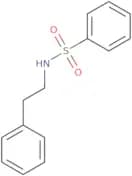
Fórmula:C8H9ClOPureza:Min. 95%Peso molecular:156.61 g/molN-(2-Phenylethyl)benzenesulfonamide
CAS:N-(2-Phenylethyl)benzenesulfonamide is a biodegradable and aerobic catalyst that is used in the production of nitrates. It can be recycled and has a high solubility, which allows for efficient extraction from wastewater effluents. The reactor system can be operated at an aerobic or anaerobic conditions. N-(2-Phenylethyl)benzenesulfonamide is soluble in water and can be hydrolyzed by acids or bases to release ammonia gas. The process can also be sustainable due to the use of renewable energy sources such as solar, wind, tidal, or biomass power.
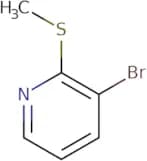
Fórmula:C14H15NO2SPureza:Min. 95%Peso molecular:261.34 g/mol3-Bromo-2-(methylthio)pyridine
CAS:Versatile small molecule scaffold
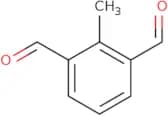
Fórmula:C6H6BrNSPureza:Min. 95%Peso molecular:204.09 g/mol2-Methylbenzene-1,3-dicarbaldehyde
CAS:2-Methylbenzene-1,3-dicarbaldehyde is a divalent hydrocarbon that has an oxidation catalyst. This compound is used as an intermediate in the production of drugs and pharmaceuticals. It has been shown to have cardiovascular disorders, such as vasodilatation and hypotension. The mechanism of action is not fully understood but may be related to its ability to act as a nitrovasodilator by increasing nitric oxide (NO) release. 2-Methylbenzene-1,3-dicarbaldehyde also produces psychotic disorders when long term exposure occurs. This compound has been shown to have neurotoxic effects in animal models with long term exposure.
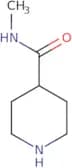
Fórmula:C9H8O2Pureza:Min. 95%Peso molecular:148.16 g/molN-Methylpiperidine-4-carboxamide
CAS:Versatile small molecule scaffold
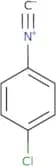
Fórmula:C7H14N2OPureza:Min. 95%Peso molecular:142.2 g/mol1-Chloro-4-isocyanobenzene
CAS:1-Chloro-4-isocyanobenzene (1CI) is an organic compound that has been used as a chemical probe for the detection of amines and other molecules on metal surfaces. The frequency shift in Raman spectra, which is observed after the addition of 1CI to the metal surface, is used to detect amines. 1CI has also been shown to be a potent inhibitor of mitochondrial function. This molecule binds to nucleophilic sites on metal surfaces and forms covalent bonds with them, leading to a high degree of inhibition.
1CI can be synthesized in three steps from commercially available starting materials and is relatively easy to purify.Fórmula:C7H4ClNPureza:Min. 95%Peso molecular:137.56 g/mol2-[3-(Propan-2-yl)phenoxy]acetic acid
CAS:2-[3-(Propan-2-yl)phenoxy]acetic acid is a chemical compound that is used as an additive in benzene, and is a phytotoxic chemical. It prevents the formation of chlorophyll by blocking electron transport and inhibiting photosynthesis. 2-[3-(Propan-2-yl)phenoxy]acetic acid is used to induce callus tissue from lettuce, radish, and other plants. This compound also inhibits the growth of various bacteria including Escherichia coli and Pseudomonas aeruginosa.
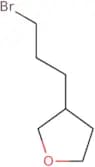
Fórmula:C11H14O3Pureza:Min. 95%Peso molecular:194.23 g/mol3-(3-Bromopropyl)oxolane
CAS:Versatile small molecule scaffold
Fórmula:C7H13BrOPureza:Min. 95%Peso molecular:193.08 g/molRef: 3D-ASB49655
Producto descatalogado4-(Dimethyl-1,2-oxazol-4-yl)phenol
CAS:Versatile small molecule scaffold
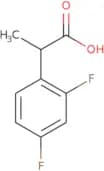
Fórmula:C11H11NO2Pureza:Min. 95%Peso molecular:189.21 g/mol2-(2,4-Difluorophenyl)propanoic acid
CAS:Versatile small molecule scaffold
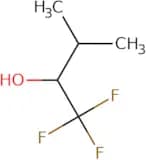
Fórmula:C9H8F2O2Pureza:Min. 95%Peso molecular:186.15 g/mol1,1,1-Trifluoro-3-methylbutan-2-ol
CAS:Versatile small molecule scaffold
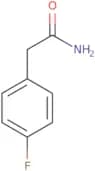
Fórmula:C5H9F3OPureza:Min. 95%Peso molecular:142.12 g/mol2-(4-Fluorophenyl)acetamide
CAS:2-(4-Fluorophenyl)acetamide (FFAA) is a broad-spectrum antiviral drug that has been evaluated against picornavirus, enterovirus, and rhinovirus. FFAA has been shown to be effective in the treatment of acute enterovirus infections in mice. This compound was also found to have a cytopathic effect on cells infected with enteroviruses in culture. It binds to the virus's RNA-dependent RNA polymerase and prevents viral replication. FFAA is not active against influenza A or B viruses, but it is active against influenza C virus. This compound has also been found to have medicinal properties, as it can inhibit the growth of human lung cancer cells in culture and may be useful for treating cancers such as leukemia.
Fórmula:C8H8FNOPureza:Min. 95%Peso molecular:153.15 g/mol1-Hydroxycyclopentane-1-carbonitrile
CAS:1-Hydroxycyclopentane-1-carbonitrile is a monomer that is hydrolyzed to form benzoin and cyanohydrins. It can be used in the production of scifinder as a monomer or dimerizer.
Fórmula:C6H9NOPureza:Min. 95%Peso molecular:111.14 g/mol3-Hydroxy-5-methylpyridine
CAS:3-Hydroxy-5-methylpyridine (3HMP) is a chemical substance that has been classified as an amine. It is a product of the metabolism of purines, which are nitrogenous bases found in DNA and RNA. 3HMP is produced by aerogenic bacteria (such as Enterobacter), and can be used to estimate the number of these bacteria present in water samples. 3HMP has been shown to have antiviral properties against influenza virus, and can be used as a biomarker for the presence of other viruses in animals. 3HMP also has mineralization properties, which have been studied extensively, particularly with regards to pancreatic disease.
Fórmula:C6H7NOPureza:Min. 95%Forma y color:PowderPeso molecular:109.13 g/molRef: 3D-FH16174
Producto descatalogado2-Bromo-3,3,3-trifluoro-1-propene
CAS:Producto controlado2-Bromo-3,3,3-trifluoro-1-propene is a chemical compound that has been synthesized in an asymmetric reaction. The reactant is bromopropane and the product is 2,2,2-trifluoropropene. The methylene group on the propene molecule is activated by the nucleophilic attack of a fluoride ion from hydrogen fluoride to form a cavity with a highly strained bond. The kinetic study of this reaction revealed that the activation energy for the reaction is 42 kJ/mol. Palladium-catalyzed coupling reactions are catalyzed by palladium and require nonpolar solvents such as toluene or dichloromethane. This type of reaction has been shown to be exothermic with an isolated yield of 1%.
Fórmula:C3H2BrF3Pureza:Min. 95%Forma y color:Colorless PowderPeso molecular:174.95 g/mol4,5-Dihydro-1H-imidazol-2-amine hydrochloride
CAS:Please enquire for more information about 4,5-Dihydro-1H-imidazol-2-amine hydrochloride including the price, delivery time and more detailed product information at the technical inquiry form on this page
Fórmula:C3H7N3•HClPureza:Min. 95%Peso molecular:121.57 g/molRef: 3D-FD183639
Producto descatalogado8-Bromo-2-methylimidazo[1,2-a]pyridine
CAS:Versatile small molecule scaffold
Fórmula:C8H7N2BrPureza:Min. 95%Peso molecular:211.05 g/moltert-Butyl (2,2-difluoro-3-hydroxypropyl)carbamate
CAS:Versatile small molecule scaffoldFórmula:C10H13NO4Pureza:Min. 95%Peso molecular:211.21 g/mol4-Chloro-2-hydroxy-6-methylphenylboronic acid
CAS:Versatile small molecule scaffoldFórmula:C7H8BClO3Pureza:Min. 95%Peso molecular:186.4 g/mol4,5-Dihydroxy-2,3-Pentanedione
CAS:4,5-Dihydroxy-2,3-pentanedione is a carbonyl compound that is the product of the oxidation of ascorbic acid. It is used in wastewater treatment and has antimicrobial properties against infectious diseases. This compound has been shown to inhibit protein synthesis by binding to the ribosome and preventing the formation of peptide bonds between amino acids. 4,5-Dihydroxy-2,3-pentanedione has also been shown to bind to plasma proteins, which may be due to its acyl chain structure. 4,5-Dihydroxy-2,3-pentanedione can be synthesized in a catalytic mechanism that involves dehydroascorbic acid and molecular oxygen.
Fórmula:C5H8O4Pureza:Min. 95%Forma y color:PowderPeso molecular:132.11 g/molRef: 3D-FD180770
Producto descatalogadoPiperyline
CAS:Piperyline is an alkanoic acid that has shown to be effective against skin cancer. It also has antimicrobial properties, which may be due to its ability to bind metal ions and form polymeric compounds. Piperyline inhibits microbial growth by inhibiting the synthesis of proteins and nucleic acids. The antimicrobial activity is related to its cationic polymerization with hydroxyl groups, which forms a structure that can inhibit microbial enzymes and disrupt microbial cell membranes. This compound also interacts with the skin's natural lipids, making it difficult for microorganisms to attach and grow on the skin. Piperyline is synthesized in organic chemistry laboratories as an amide precursor of other pharmaceuticals such as penicillin.
Fórmula:C16H17NO3Pureza:Min. 95%Peso molecular:271.31 g/mol

![[1-(Fluoromethyl)cyclopropyl]methanesulfonyl chloride](/_next/image/?url=https%3A%2Fstatic.cymitquimica.com%2Fproducts%2F3D%2Fthumb-webp%2FPCC96395.webp&w=3840&q=75)

![6-Ethyl-3-methyl-1-phenyl-1H-pyrazolo[3,4-b]pyridine-4-carboxylic acid](/_next/image/?url=https%3A%2Fstatic.cymitquimica.com%2Fproducts%2F3D%2Fthumb-webp%2FMMB69138.webp&w=3840&q=75)
![4-[(2-Amino-1,3-thiazol-5-yl)methyl]-3-(trifluoromethyl)benzonitrile](/_next/image/?url=https%3A%2Fstatic.cymitquimica.com%2Fproducts%2F3D%2Fthumb-webp%2FMMB62900.webp&w=3840&q=75)
![2-[6-(Furan-2-yl)-3-methyl-4-(trifluoromethyl)-1H-pyrazolo[3,4-b]pyridin-1-yl]acetic acid](/_next/image/?url=https%3A%2Fstatic.cymitquimica.com%2Fproducts%2F3D%2Fthumb-webp%2FMMB60578.webp&w=3840&q=75)
![2-{3-Cyclopropyl-5-methyl-1H-pyrazolo[3,4-b]pyridin-1-yl}acetic acid](/_next/image/?url=https%3A%2Fstatic.cymitquimica.com%2Fproducts%2F3D%2Fthumb-webp%2FMMB60570.webp&w=3840&q=75)

![2-[1-Methyl-3-(trifluoromethyl)-1H-pyrazol-5-yl]ethan-1-amine](/_next/image/?url=https%3A%2Fstatic.cymitquimica.com%2Fproducts%2F3D%2Fthumb-webp%2FLEC00361.webp&w=3840&q=75)
![1-(Propan-2-yl)-N-[1-(propan-2-yl)-4,5,6,7-tetrahydro-1H-indazol-5-yl]-4,5,6,7-tetrahydro-1H-indaz…](/_next/image/?url=https%3A%2Fstatic.cymitquimica.com%2Fproducts%2F3D%2Fthumb-webp%2FJDC14931.webp&w=3840&q=75)
![9-{[(tert-Butoxy)carbonyl]amino}bicyclo[3.3.1]nonane-3-carboxylic acid](/_next/image/?url=https%3A%2Fstatic.cymitquimica.com%2Fproducts%2F3D%2Fthumb-webp%2FJDC14847.webp&w=3840&q=75)
![[1-(1-Ethyl-3-methyl-1H-pyrazol-4-yl)propyl]amine](/_next/image/?url=https%3A%2Fstatic.cymitquimica.com%2Fproducts%2F3D%2Fthumb-webp%2FHQB46021.webp&w=3840&q=75)
![4H-pyrrolo[2,3-D]thiazole-5-carboxylic acid](/_next/image/?url=https%3A%2Fstatic.cymitquimica.com%2Fproducts%2F3D%2Fthumb-webp%2FHQB38672.webp&w=3840&q=75)
![4-(Thiophen-2-yl)-1H,4H,5H,6H,7H-imidazo[4,5-c]pyridine-6-carboxylic acid](/_next/image/?url=https%3A%2Fstatic.cymitquimica.com%2Fproducts%2F3D%2Fthumb-webp%2FFRB28535.webp&w=3840&q=75)
![2-Amino-N-[(benzylcarbamoyl)methyl]acetamide hydrochloride](/_next/image/?url=https%3A%2Fstatic.cymitquimica.com%2Fproducts%2F3D%2Fthumb-webp%2FENC19856.webp&w=3840&q=75)
![2-[3-(Propan-2-yl)phenoxy]acetic acid](/_next/image/?url=https%3A%2Fstatic.cymitquimica.com%2Fproducts%2F3D%2Fthumb-webp%2FBAA87852.webp&w=3840&q=75)





![8-Bromo-2-methylimidazo[1,2-a]pyridine](/_next/image/?url=https%3A%2Fstatic.cymitquimica.com%2Fproducts%2F3D%2Fthumb-webp%2FUXB37475.webp&w=3840&q=75)



