Building Blocks
Subcategorías de "Building Blocks"
- Ácidos borónicos y derivados del ácido borónico(5.780 productos)
- Building Blocks quirales(1.239 productos)
- Building Blocks de hidrocarburos(6.100 productos)
- Building Blocks orgánicos(61.005 productos)
Se han encontrado 205234 productos de "Building Blocks"
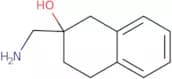
2-(Aminomethyl)-1,2,3,4-tetrahydronaphthalen-2-ol
CAS:Versatile small molecule scaffoldFórmula:C11H15NOPureza:Min. 95%Peso molecular:177.24 g/molEthyl 2-[5-methyl-4-(propan-2-yl)-1,3-thiazol-2-yl]acetate
CAS:Versatile small molecule scaffoldFórmula:C11H17NO2SPureza:Min. 95%Peso molecular:227.33 g/mol[(4-Chlorophenyl)(pyridin-2-yl)methyl](ethyl)amine
CAS:Versatile small molecule scaffoldFórmula:C14H15ClN2Pureza:Min. 95%Peso molecular:246.73 g/mol2-Chloro-N-[1-(2-methoxyphenyl)ethyl]-N-methylacetamide
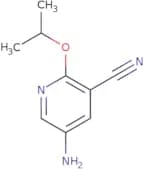
CAS:Versatile small molecule scaffoldFórmula:C12H16ClNO2Pureza:Min. 95%Peso molecular:241.71 g/mol5-Amino-2-(propan-2-yloxy)pyridine-3-carbonitrile
CAS:Versatile small molecule scaffoldFórmula:C9H11N3OPureza:Min. 95%Peso molecular:177.2 g/mol1-[Methyl(piperidin-4-yl)amino]propan-2-ol
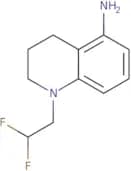
CAS:Versatile small molecule scaffoldFórmula:C9H20N2OPureza:Min. 95%Peso molecular:172.27 g/mol1-(2,2-Difluoroethyl)-1,2,3,4-tetrahydroquinolin-5-amine
CAS:Versatile small molecule scaffold
Fórmula:C11H14F2N2Pureza:Min. 95%Peso molecular:212.24 g/mol2-Chloro-5-[(methylsulfanyl)methyl]aniline
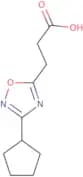
CAS:Versatile small molecule scaffoldFórmula:C8H10ClNSPureza:Min. 95%Peso molecular:187.69 g/mol3-(3-Cyclopentyl-1,2,4-oxadiazol-5-yl)propanoic acid
CAS:Versatile small molecule scaffoldFórmula:C10H14N2O3Pureza:Min. 95%Peso molecular:210.23 g/mol[1-(2,2-Difluoroethyl)pyrrolidin-2-yl]methanamine
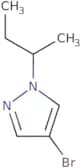
CAS:Versatile small molecule scaffoldFórmula:C7H14F2N2Pureza:Min. 95%Peso molecular:164.2 g/mol4-Bromo-1-(butan-2-yl)-1H-pyrazole
CAS:Versatile small molecule scaffoldFórmula:C7H11BrN2Pureza:Min. 95%Peso molecular:203.08 g/molN-Ethyl-1-[6-methyl-2-(propan-2-yl)pyrimidin-4-yl]piperidin-4-amine
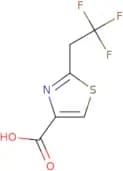
CAS:Versatile small molecule scaffoldFórmula:C15H26N4Pureza:Min. 95%Peso molecular:262.39 g/mol2-(2,2,2-Trifluoroethyl)-1,3-thiazole-4-carboxylic acid
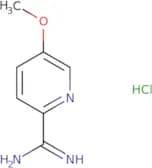
CAS:Versatile small molecule scaffoldFórmula:C6H4F3NO2SPureza:Min. 95%Peso molecular:211.16 g/mol5-Methoxypicolinimidamide hydrochloride
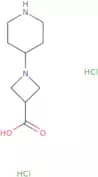
CAS:Versatile small molecule scaffoldFórmula:C7H10ClN3OPureza:Min. 95%Peso molecular:187.63 g/mol1-(Piperidin-4-yl)azetidine-3-carboxylic acid dihydrochloride
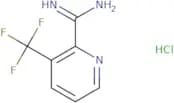
CAS:Versatile small molecule scaffoldFórmula:C9H18Cl2N2O2Pureza:Min. 95%Peso molecular:257.15 g/mol3-(Trifluoromethyl)pyridine-2-carboxamidine hydrochloride
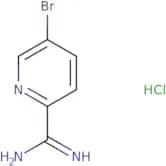
CAS:Versatile small molecule scaffoldFórmula:C7H6F3N3·ClHPureza:Min. 95%Peso molecular:225.6 g/mol5-Bromopicolinimidamide hydrochloride
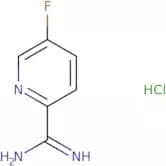
CAS:Versatile small molecule scaffoldFórmula:C6H7BrClN3Pureza:Min. 95%Peso molecular:236.5 g/mol5-fluoropyridine-2-carboxamidine hydrochloride
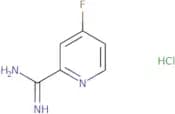
CAS:Versatile small molecule scaffoldFórmula:C6H7ClFN3Pureza:Min. 95%Peso molecular:175.59 g/mol4-Fluoropicolinimidamide hydrochloride
CAS:Versatile small molecule scaffoldFórmula:C6H7ClFN3Pureza:Min. 95%Peso molecular:175.59 g/molIsoquinoline-3-carboximidamide HCl
CAS:Versatile small molecule scaffoldFórmula:C10H10ClN3Pureza:Min. 95%Peso molecular:207.66 g/mol1-[4-Bromo-2-(trifluoromethyl)phenyl]-1H-1,2,3-triazole-4-carboxylic acid
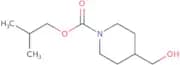
CAS:Versatile small molecule scaffoldFórmula:C10H5BrF3N3O2Pureza:Min. 95%Peso molecular:336.06 g/mol2-Methylpropyl 4-(hydroxymethyl)piperidine-1-carboxylate
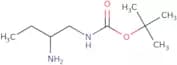
CAS:Versatile small molecule scaffoldFórmula:C11H21NO3Pureza:Min. 95%Peso molecular:215.29 g/moltert-Butyl N-(2-aminobutyl)carbamate
CAS:Versatile small molecule scaffoldFórmula:C9H20N2O2Pureza:Min. 95%Peso molecular:188.27 g/mol3-[5-(2-Bromo-5-methoxyphenyl)-1,3,4-oxadiazol-2-yl]propanoic acid
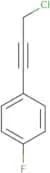
CAS:Versatile small molecule scaffoldFórmula:C12H11BrN2O4Pureza:Min. 95%Peso molecular:327.13 g/mol1-(3-Chloroprop-1-yn-1-yl)-4-fluorobenzene
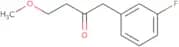
CAS:Versatile small molecule scaffoldFórmula:C9H6ClFPureza:Min. 95%Peso molecular:168.59 g/mol1-(3-Fluorophenyl)-4-methoxybutan-2-one
CAS:Versatile small molecule scaffoldFórmula:C11H13FO2Pureza:Min. 95%Peso molecular:196.22 g/mol[(5-Bromo-2-fluorophenyl)methyl](2,2-dimethoxyethyl)amine
CAS:Versatile small molecule scaffold
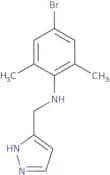
Fórmula:C11H15BrFNO2Pureza:Min. 95%Peso molecular:292.14 g/mol4-Bromo-2,6-dimethyl-N-(1H-pyrazol-3-ylmethyl)aniline
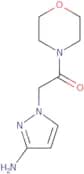
CAS:Versatile small molecule scaffoldFórmula:C12H14BrN3Pureza:Min. 95%Peso molecular:280.16 g/mol2-(3-Amino-1H-pyrazol-1-yl)-1-(morpholin-4-yl)ethan-1-one
CAS:Versatile small molecule scaffoldFórmula:C9H14N4O2Pureza:Min. 95%Peso molecular:210.23 g/mol1-[(tert-Butoxy)carbonyl]-1,2,3,4-tetrahydroquinoline-5-carboxylic acid
CAS:Versatile small molecule scaffoldFórmula:C15H19NO4Pureza:Min. 95%Peso molecular:277.31 g/mol2-Amino-2-methyl-N-[3-(pyrrolidin-1-yl)phenyl]pentanamide
CAS:Versatile small molecule scaffoldFórmula:C16H25N3OPureza:Min. 95%Peso molecular:275.39 g/mol1-[(4-Methoxy-3,5-dimethylpyridin-2-yl)methyl]-N-methylpiperidin-4-amine
CAS:Versatile small molecule scaffoldFórmula:C15H25N3OPureza:Min. 95%Peso molecular:263.38 g/mol(2-Aminoethyl)[(2,4-dimethoxyphenyl)methyl]amine
CAS:Versatile small molecule scaffoldFórmula:C11H18N2O2Pureza:Min. 95%Peso molecular:210.27 g/mol(Butan-2-yl)[3-(3-chlorophenoxy)-2-hydroxypropyl]amine
CAS:Versatile small molecule scaffoldFórmula:C13H20ClNO2Pureza:Min. 95%Peso molecular:257.75 g/mol(2,2-Dimethoxyethyl)[(4-ethylphenyl)methyl]amine
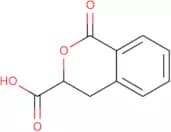
CAS:Versatile small molecule scaffoldFórmula:C13H21NO2Pureza:Min. 95%Peso molecular:223.31 g/mol1-Oxo-isochroman-3-carboxylic acid
CAS:Versatile small molecule scaffoldFórmula:C10H8O4Pureza:Min. 95%Peso molecular:192.17 g/mol3-Azabicyclo[3.2.1]octane-2,4-dione
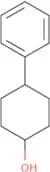
CAS:Versatile small molecule scaffoldFórmula:C7H9NO2Pureza:Min. 95%Peso molecular:139.15 g/mol4-Phenylcyclohexan-1-ol
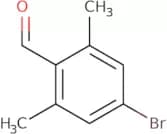
CAS:4-Phenylcyclohexan-1-ol is an organic compound with the chemical formula C10H12O. It is a colorless liquid with a sweet odor. It is produced by the oxidation of naphthalene and isopropylbenzyl alcohol in the presence of a catalyst such as iron(III) sulfate, potassium permanganate, or manganese dioxide. The reaction mechanism begins with the formation of furyl radicals from naphthalene and isopropylbenzyl alcohol. These radicals then react to form 4-phenylcyclohexan-1-ol. 4-Phenylcyclohexan-1-ol has been found to serve as an electron donor in catalysis, where it participates in the conversion of hydrocarbons into aromatic hydrocarbons. It also participates in biosynthesis through its role in fatty acid synthesis.Fórmula:C12H16OPureza:Min. 95%Peso molecular:176.25 g/mol4-Bromo-2,6-dimethyl-benzaldehyde
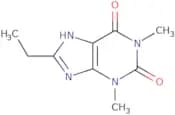
CAS:Versatile small molecule scaffoldFórmula:C9H9BrOPureza:Min. 95%Peso molecular:213.07 g/mol8-Ethyl-1,3-dimethyl-1H-purine-2,6(3H,7H)-dione
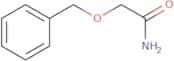
CAS:Producto controlado8-Ethyl-1,3-dimethyl-1H-purine-2,6(3H,7H)-dione is a purine that can be synthesized by the reaction of 8-ethylanthracene with formaldehyde. It has a molecular weight of 218.24 g/mol and an enthalpy of formation of -385.9 kJ/mol. This compound has been used as a reagent in the synthesis of other compounds such as theophylline, which is used to treat asthma and other respiratory disorders.Fórmula:C9H12N4O2Pureza:Min. 95%Peso molecular:208.22 g/mol2-(Benzyloxy)acetamide
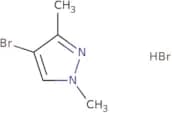
CAS:2-(Benzyloxy)acetamide is a potent inhibitor of the h2 receptor. It has been shown to be effective against congestive heart failure, depression, and cancer. This drug also inhibits bacterial growth and has a potent antibacterial efficacy. 2-(Benzyloxy)acetamide has a fast absorption rate and high bioavailability, making it an ideal candidate for oral administration.Fórmula:C9H11NO2Pureza:Min. 95%Peso molecular:165.19 g/mol4-Bromo-1,3-dimethyl-1H-pyrazole hydrobromide
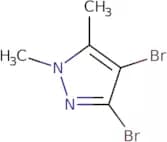
CAS:4-Bromo-1,3-dimethyl-1H-pyrazole hydrobromide is a research tool that is used to study the interactions between peptides and proteins. It is also used as a ligand to investigate the function of the receptor and ion channels. 4-Bromo-1,3-dimethyl-1H-pyrazole hydrobromide inhibits the phosphatase activity of protein tyrosine phosphatase 1B (PTP1B) and protein tyrosine phosphatase 1A (PTP1A). This inhibition leads to increased levels of cyclic AMP in the cell. 4-Bromo-1,3-dimethyl-1H-pyrazole hydrobromide has been shown to activate potassium channels, which may contribute to its cytotoxic effects on cancer cells.Fórmula:C5H8Br2N2Pureza:Min. 95%Peso molecular:255.94 g/mol3,4-Dibromo-1,5-dimethyl-1H-pyrazole
CAS:Versatile small molecule scaffold
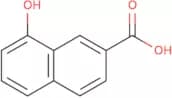
Fórmula:C5H6Br2N2Pureza:Min. 95%Peso molecular:253.92 g/mol8-Hydroxynaphthalene-2-Carboxylic Acid
CAS:8-Hydroxynaphthalene-2-carboxylic acid (8HNCA) is a synthetic, quinolinecarboxylic acid that is coexpressed with indole-3-carboxylic acid in the coelenterate Hydra. 8HNCA can be hydroxylated to produce 8-hydroxyquinoline carboxylic acid, which is a substrate for putidaredoxin reductase and also has monooxygenase activity. The enzyme encoded by the reductase gene catalyzes the conversion of 8HNCA into 2,4-dihydroxyphenylacetic acid, which is an intermediate in tyrosine synthesis. The enzyme encoded by the carboxylic acids sequence oxidizes 8HNCA to form 5,6-dihydroindole-2-carboxylic acid.Fórmula:C11H8O3Pureza:Min. 95%Peso molecular:188.18 g/mol6-[6-(6-Aminohexanamido)hexanamido]hexanoic acid
CAS:Versatile small molecule scaffold
Fórmula:C18H35N3O4Pureza:Min. 95%Peso molecular:357.5 g/mol1,2-Oxazol-3-ol
CAS:1,2-Oxazol-3-ol is a receptor that binds to nitrogen atoms and has a cavity. It is an α subunit of the GABA receptor and can be found in brain tissue. The 1,2-oxazol-3-ol has been shown to act as a specific agonist for the GABA receptors by binding to the α subunit. This binding increases the uptake of chloride ions into cells and decreases the neuronal activity. This drug also has been shown to have anti-inflammatory properties through inhibition of the production of prostaglandins. 1,2-Oxazol-3-ol was also shown to inhibit acid production in clinical studies when given at high doses in patients with chronic renal failure.
Fórmula:C3H3NO2Pureza:Min. 95%Peso molecular:85.06 g/mol5,6,7,8-Tetrahydrospiro[3,1-benzothiazine-4,1'-cyclohexane]-2-amine
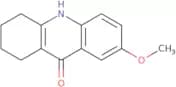
CAS:Versatile small molecule scaffoldFórmula:C13H20N2SPureza:Min. 95%Peso molecular:236.38 g/mol7-Methoxy-1,2,3,4,9,10-hexahydroacridin-9-one
CAS:Versatile small molecule scaffoldFórmula:C14H15NO2Pureza:Min. 95%Peso molecular:229.27 g/mol5-Methyl-1,2,3,4-tetrahydroacridin-9-amine
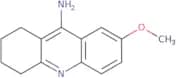
CAS:Versatile small molecule scaffoldFórmula:C14H16N2Pureza:Min. 95%Peso molecular:212.3 g/mol7-Methoxy-1,2,3,4-tetrahydroacridin-9-amine
CAS:7-Methoxy-1,2,3,4-tetrahydroacridin-9-amine is a cholinergic drug that is used to treat high blood pressure. It blocks the action of acetylcholinesterase, which breaks down acetylcholine in the synaptic cleft. 7-Methoxy-1,2,3,4-tetrahydroacridin-9-amine also has been shown to have an inhibitory effect on red blood cells and may be used as a treatment for dyskinesias. 7-Methoxy-1,2,3,4-tetrahydroacridin-9-amine has a pharmacokinetic study with animal models. The results show that 7MA penetrates the blood brain barrier more easily than other cholinergic drugs. This drug also shows an inhibitory effect on Alzheimer's disease and is active against cholinesterase inhibitors suchFórmula:C14H16N2OPureza:Min. 95%Peso molecular:228.29 g/mol5-Methyl-1,2,3,4,9,10-hexahydroacridin-9-one
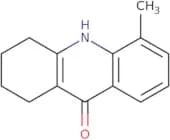
CAS:Versatile small molecule scaffoldFórmula:C14H15NOPureza:Min. 95%Peso molecular:213.3 g/mol6-Isopropyl-2-oxo-1,2-dihydro-3-pyridinecarbonitrile
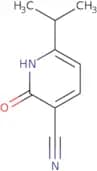
CAS:Versatile small molecule scaffold
Fórmula:C9H10N2OPureza:Min. 95%Peso molecular:162.19 g/mol4,4'-[Ethane-1,2-diylbis(oxy)]bis(3-methoxybenzaldehyde)
CAS:Versatile small molecule scaffoldFórmula:C18H18O6Pureza:Min. 95%Peso molecular:330.3 g/mol2-(4-Methoxyphenyl)indole
CAS:2-(4-Methoxyphenyl)indole is an antitubercular drug that has shown potent activity against Mycobacterium tuberculosis. It inhibits the growth of mycobacteria by binding to topoisomerase and cross-resistance with other antitubercular drugs. 2-(4-Methoxyphenyl)indole has also been shown to induce apoptosis in cancer cells, which may be due to its ability to inhibit the production of caspases, linker proteins, and aldehydes. This drug has also been shown to have anti-inflammatory properties.Fórmula:C15H13NOPureza:Min. 95%Peso molecular:223.28 g/mol6-Chloro-2-methyl-2H-1,4-benzoxazin-3(4H)-one
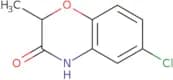
CAS:Versatile small molecule scaffold
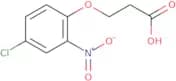
Fórmula:C9H8ClNO2Pureza:Min. 95%Peso molecular:197.62 g/mol3-(4-Chloro-2-nitrophenoxy)propanoic acid
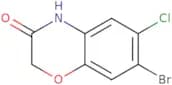
CAS:Versatile small molecule scaffoldFórmula:C9H8ClNO5Pureza:Min. 95%Peso molecular:245.61 g/mol7-Bromo-6-chloro-3,4-dihydro-2H-1,4-benzoxazin-3-one
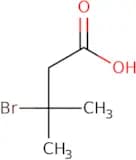
CAS:Versatile small molecule scaffoldFórmula:C8H5BrClNO2Pureza:Min. 95%Peso molecular:262.49 g/mol3-Bromo-3-methylbutanoic acid
CAS:Hippuric acid is a naturally occurring compound that is found in the urine of humans and other mammals. 3-Bromo-3-methylbutanoic acid inhibits the activity of enzymes that catalyze reactions involving an organic acid, such as anthranilic or citric acids. It has been shown to be biodegradable and not toxic to humans. The inhibitory effect of 3-bromo-3-methylbutanoic acid on enzymes is reversible, with the exception of methyl esterification, where it remains inhibited even after removal. This compound may be used as a preservative in food products or cosmetics.
Fórmula:C5H9BrO2Pureza:Min. 95%Peso molecular:181.03 g/molMethanedisulfonyl Dichloride
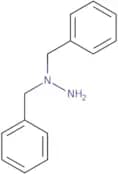
CAS:Methanedisulfonyl Dichloride is a proton-containing nucleophilic reagent that can be used as an acid catalyst in organic synthesis. It is primarily used as a source of sulfonyl chloride, which is a functional group that can react with other molecules to form ester compounds. Methanedisulfonyl Dichloride also reacts with hydrogen fluoride (HF) to produce methanesulfonic acid, which dissociates in water to form H+ and SO3-. This chemical has been shown to be effective for the synthesis of carbon nanotubes by reacting with amine groups on the surface of carbon nanotubes.Fórmula:CH2Cl2O4S2Pureza:Min. 95%Peso molecular:213.04 g/molN,N-Dibenzylhydrazine
CAS:N,N-Dibenzylhydrazine is a chemical compound that is used as an inhibitor in the synthesis of organic molecules. It has been shown to inhibit the activity of enzymes such as azide, halides and hydrazones. This agent also shows sensitivity to yield variations in mass spectrometric analysis. N,N-Dibenzylhydrazine inhibits the growth of bacteria by being mutagenic and lowering protein synthesis.
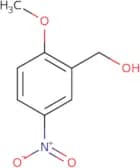
Fórmula:C14H16N2Pureza:Min. 95%Peso molecular:212.3 g/mol(2-Methoxy-5-nitrophenyl)methanol
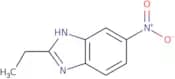
CAS:Versatile small molecule scaffoldFórmula:C8H9NO4Pureza:Min. 95%Peso molecular:183.16 g/mol2-Ethyl-6-nitro-1H-1,3-benzodiazole
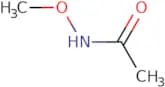
CAS:Versatile small molecule scaffoldFórmula:C9H9N3O2Pureza:Min. 95%Peso molecular:191.19 g/molN-Methoxyacetamide
CAS:Versatile small molecule scaffoldFórmula:C3H7NO2Pureza:Min. 95%Peso molecular:89.09 g/mol2-(5-Oxooxolan-3-yl)acetic acid
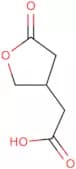
CAS:Versatile small molecule scaffold
Fórmula:C6H8O4Pureza:Min. 95%Peso molecular:144.12 g/mol4-bromo-1-hydroxynaphthalene-2-carboxylic acid
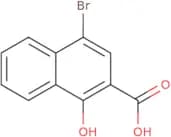
CAS:4-Bromo-1-hydroxynaphthalene-2-carboxylic acid (4BHN) is a spectroscopic compound that has been used as a radioligand to study the binding of dopamine and dopamine D3 receptors. This compound binds to the d3 receptor with high affinity and specificity, but it does not interact with the d1 or d2 receptors. 4BHN has been shown to act as an agonist at the dopamine D3 receptor. It also acts as an antagonist at the piperidine site of the dopamine D2 receptor. The effects of 4BHN are reversible, which means that it can be displaced by unlabeled 4BHN or other compounds that bind to the same site on the receptor. This technique is useful for studying drug interactions and for determining whether drugs have a subtype selectivity profile.
Fórmula:C11H7BrO3Pureza:Min. 95%Peso molecular:267.1 g/mol3-(Benzylmethylamino)-1-propanol
CAS:Versatile small molecule scaffold
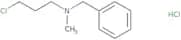
Fórmula:C11H17NOPureza:Min. 95%Peso molecular:179.26 g/molBenzyl(3-chloropropyl)methylamine hydrochloride
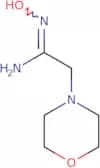
CAS:Versatile small molecule scaffoldFórmula:C11H17Cl2NPureza:Min. 95%Peso molecular:234.16 g/mol(1Z)-N'-Hydroxy-2-(4-morpholinyl)ethanimidamide
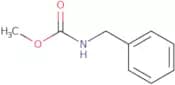
CAS:Versatile small molecule scaffoldFórmula:C6H13N3O2Pureza:Min. 95%Peso molecular:159.19 g/molMethyl benzylcarbamate
CAS:Methyl benzylcarbamate (MBQ) is a synthetic compound that has the general chemical formula of CH2CH(NH2)COOH. It is a sulfamic acid which has been used as an organic solvent, in polymerization reactions, and in amide formation. MBQ can be synthesized by reacting methyl benzyl chloride with sodium sulfamate. The reaction mechanism for this chemical change is similar to the one that occurs in esterification reactions, except that the hydroxyl group on the methyl benzyl chloride reacts with the carboxylic acid group on sulfamic acid. The chemical reaction also produces water as a by-product. Density lipoproteins are proteins that are involved in lipid transport and metabolism. They are primarily synthesized by liver cells but can also be made by other cell types like macrophages or adipocytes. They have an important role in transporting lipids from peripheral tissues to the liver for metabolism and excretion and are regulated by
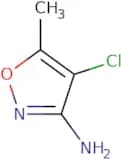
Fórmula:C9H11NO2Pureza:Min. 95%Peso molecular:165.19 g/mol4-Chloro-5-methyl-isoxazol-3-ylamine
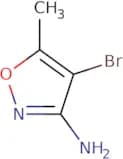
CAS:Versatile small molecule scaffoldFórmula:C4H5ClN2OPureza:Min. 95%Peso molecular:132.55 g/mol4-bromo-5-methylisoxazol-3-amine
CAS:Versatile small molecule scaffoldFórmula:C4H5BrN2OPureza:Min. 95%Peso molecular:177 g/mol1-Bromo-4-[(2-methylprop-2-en-1-yl)oxy]benzene
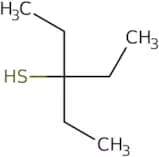
CAS:Versatile small molecule scaffoldFórmula:C10H11BrOPureza:Min. 95%Peso molecular:227.1 g/mol3-Ethylpentane-3-thiol
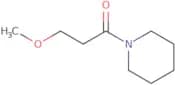
CAS:3-Ethylpentane-3-thiol is a hydroperoxide that is formed by the photolysis of 2,2,5,5-tetramethylcyclobutane-1,3-dione. It has been shown to cyclize to form 3-(2-benzothiazolyl)-2-(hydroxymethyl)pyridinium perchlorate and 3-(2-benzothiazolyl)-2-(hydroxymethyl)pyridinium chloride. The transannular reaction of 3-ethylpentane-3-thiol with thiohydroxamate produces 2-(4'-hydroxybutoxy)benzothiazole. This product can then react with an alkyne to produce a radical.Fórmula:C7H16SPureza:Min. 95%Peso molecular:132.27 g/mol3-Methoxy-1-(piperidin-1-yl)propan-1-one
CAS:Versatile small molecule scaffoldFórmula:C9H17NO2Pureza:Min. 95%Peso molecular:171.2 g/mol3-(4-Methylthiophen-2-yl)propanoic Acid
CAS:Versatile small molecule scaffold
Fórmula:C8H10O2SPureza:Min. 95%Peso molecular:170.22 g/molN-{8-Oxatricyclo[7.4.0.0,2,7]trideca-1(9),2(7),3,5,10,12-hexaen-5-yl}acetamide
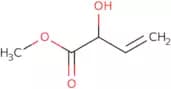
CAS:Versatile small molecule scaffoldFórmula:C14H11NO2Pureza:Min. 95%Peso molecular:225.24 g/molMethyl 2-hydroxybut-3-enoate
CAS:Methyl 2-hydroxybut-3-enoate is an organic solvent that can be used for the synthesis of monomers and polymers. This molecule has a functional group, a metal ion, and an acid catalyst. It is also efficient for the synthesis of lipids and fatty acids. Methyl 2-hydroxybut-3-enoate is synthesized by reacting with potassium ions in an alcohol solution with a lipase as the catalyst. This reaction may be carried out using radiation or metathesis reactions. The product may also be used as a solid catalyst for other reactions such as hydrogenation, esterification, dehydrogenation, oxidation, hydrolysis, and polymerization.Fórmula:C5H8O3Pureza:Min. 95%Peso molecular:116.12 g/mol4-[Methyl(propan-2-yl)amino]butan-2-one
CAS:Versatile small molecule scaffold
Fórmula:C8H17NOPureza:Min. 95%Peso molecular:143.23 g/mol4-Methylbenzoyl isocyanate
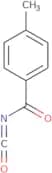
CAS:Versatile small molecule scaffold
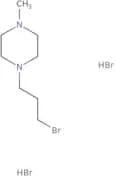
Fórmula:C9H7NO2Pureza:Min. 95%Peso molecular:161.16 g/mol1-(3-Bromopropyl)-4-methylpiperazine Dihydrobromide
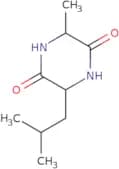
CAS:Versatile small molecule scaffoldFórmula:C8H19Br3N2Pureza:Min. 95%Peso molecular:382.97 g/mol(3R,6R)-3-Methyl-6-(2-methylpropyl)piperazine-2,5-dione
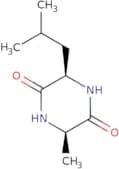
CAS:Versatile small molecule scaffoldFórmula:C9H16N2O2Pureza:Min. 95%Peso molecular:184.2 g/mol(3S,6R)-3-Methyl-6-(2-methylpropyl)piperazine-2,5-dione
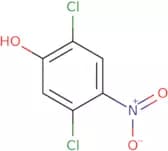
CAS:Versatile small molecule scaffoldFórmula:C9H16N2O2Pureza:Min. 95%Peso molecular:184.24 g/mol2,5-Dichloro-4-nitrophenol
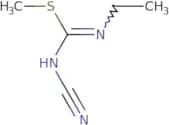
CAS:Harmol is a natural substance that is found in the leaves of the plant Myrtus communis. Harmol is metabolized to harmalol and then to harmalin, which are conjugates that have been shown to have anticancer properties. Harmalol has been shown to inhibit mitochondrial membrane potential and decrease cell proliferation in cancer cells. It also inhibits p-450 enzymes and β-carboline alkaloids, which may contribute to its anticancer effects. Harmalol has also been shown to be an inhibitor of cellular respiration in animals and humans, suggesting that it may be useful for the treatment of various diseases associated with mitochondrial dysfunction.Fórmula:C6H3Cl2NO3Pureza:Min. 95%Peso molecular:208 g/molN'-Cyano-N-ethyl(methylsulfanyl)methanimidamide
CAS:Versatile small molecule scaffold
Fórmula:C5H9N3SPureza:Min. 95%Peso molecular:143.21 g/mol2-Pentyl-1H-benzo[d]imidazole
CAS:2-Pentyl-1H-benzo[d]imidazole is a hydrophobic compound with affinity for the cavity of cytochrome P450. It has been used as a solid catalyst, and is being investigated as an active substance in the treatment of diseases such as asthma and Parkinson's disease. The binding constants have been determined by the microsomal preparations. The nature of this molecule is supramolecular, which means it contains complex molecules that bind to each other through hydrogen bonding or coordination. 2-Pentyl-1H-benzo[d]imidazole binds to substrates by interaction with their functional groups (e.g., OH, NH2).
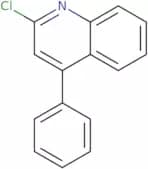
Fórmula:C12H16N2Pureza:Min. 95%Peso molecular:188.27 g/mol2-Chloro-4-phenylquinoline
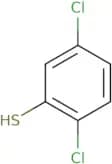
CAS:2-Chloro-4-phenylquinoline is a chemical compound that has been identified in the straw of triticum aestivum. It has been shown to interact with amino acids in vitro, and may have an effect on protein synthesis. 2-Chloro-4-phenylquinoline is also toxic to microbes and can be used as a herbicide. In vitro studies have shown that 2-chloro-4-phenylquinoline inhibits microbial metabolism by inhibiting propionate production, thereby leading to lower levels of fatty acid and faeces.Fórmula:C15H10ClNPureza:Min. 95%Peso molecular:239.7 g/mol2,5-Dichlorobenzenethiol
CAS:2,5-Dichlorobenzenethiol is an acceptor molecule that can form hydrogen bonds. It has been shown to be a dehydrogenation catalyst and is used in the production of 2,5-dichloroaniline. 2,5-Dichlorobenzenethiol reacts with phenothiazine to produce biphenyl. It has also been used as a multivariable technique for analysis of chemical structures. This compound is an enantiopure molecule with two chiral centers and four stereoisomers. The thiolate group has been shown to react with adsorbates such as aminobiphenyl or phenothiazine to form the corresponding adducts.
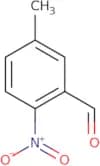
Fórmula:Cl2C6H3SHPureza:Min. 95%Peso molecular:179.07 g/mol5-Methyl-2-nitrobenzaldehyde
CAS:5-Methyl-2-nitrobenzaldehyde is an aldehyde that is used in the synthesis of other organic compounds. It can be prepared by reacting cinnamyl alcohol with pyridinium chlorochromate. 5-Methyl-2-nitrobenzaldehyde has been used as a natural antioxidant and in organic reactions. The yields are typically low, but the reaction can be improved by using inorganic reagents.
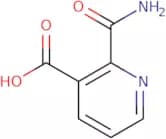
Fórmula:C8H7NO3Pureza:Min. 95%Peso molecular:165.15 g/mol2-Aminocarbonylnicotinic acid
CAS:2-Aminocarbonylnicotinic acid is a nicotinic acid amide with a 3-quinolinecarboxylic acid moiety. It is synthesized by the reaction of isocyanates and succinamide, followed by cyclization. 2-Aminocarbonylnicotinic acid has been used to produce benzoic acids, amides, and dicarboxylic acids. This compound has also been shown to be an effective inhibitor of bacterial growth in vitro. 2-Aminocarbonylnicotinic acid is an unsubstituted molecule that can be used as a starting material for the synthesis of other compounds.Fórmula:C7H6N2O3Pureza:Min. 95%Peso molecular:166.13 g/molrac-Methyl (1R,2R)-2-phenylcyclopropane-1-carboxylate
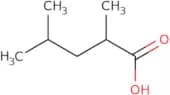
CAS:Versatile small molecule scaffoldFórmula:C11H12O2Pureza:Min. 95%Peso molecular:176.21 g/mol2,4-Dimethylpentanoic acid
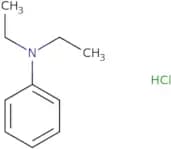
CAS:The compound 2,4-dimethylpentanoic acid is a monocarboxylic acid that can be used as a conditioner in refrigeration fluids. It has been shown to have a significant effect on the fluid's ability to transfer heat by lowering its viscosity. This compound is also an acid catalyst that has been used in the production of polyesters and other plastics. The carboxyl groups on this substance allow it to act as a weak base.Fórmula:C7H14O2Pureza:Min. 95%Peso molecular:130.18 g/molN,N-Diethylaniline hydrochloride
CAS:N,N-Diethylaniline hydrochloride is an organic chemical compound that is a derivative of aniline. It is used as a precursor to other chemicals and as a polymerization initiator. N,N-Diethylaniline hydrochloride has been shown to be soluble in chloroform and ethanol, insoluble in water. The processability of this compound can be improved by the addition of chlorine or cyclopentadienyl chloride to the reaction vessel. This chemical has a high melting point and is soluble in certain solvents.Fórmula:C10H16ClNPureza:Min. 95%Peso molecular:185.69 g/mol2-[Acetyl(methyl)amino]acetic acid
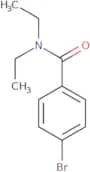
CAS:2-[Acetyl(methyl)amino]acetic acid is a serine protease inhibitor that has been shown to be effective against inflammation. It is an organic compound with the chemical formula CH3CO2CHCONH2. 2-[Acetyl(methyl)amino]acetic acid has a hydroxyl group, two fatty acids, and an intramolecular hydrogen bond. The alkylsulfonyl group and the sulfonic acid group are attached to the hydroxy group on one side of the molecule. This drug inhibits the activity of serine proteases by blocking their active site.Fórmula:C5H9NO3Pureza:Min. 95%Peso molecular:131.13 g/molN,N-Diethyl-4-bromobenzamide
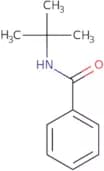
CAS:Versatile small molecule scaffoldFórmula:C11H14BrNOPureza:Min. 95%Peso molecular:256.14 g/molN-tert-Butylbenzamide
CAS:N-tert-Butylbenzamide is a functional group with the chemical formula C6H10N2O. It has the amide, n-oxide and chloride functional groups. N-tert-Butylbenzamide is synthesized by reacting an aromatic hydrocarbon with an acid catalyst in the presence of aluminium. The reaction mechanism for this chemical is nucleophilic substitution. NMR spectra are used to identify the product formed by this reaction and to determine its purity. This efficient method of synthesis can be applied to other organic compounds as well.
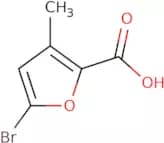
Fórmula:C11H15NOPureza:Min. 95%Peso molecular:177.24 g/mol5-bromo-3-methylfuran-2-carboxylic acid
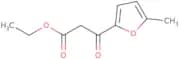
CAS:5-bromo-3-methylfuran-2-carboxylic acid (BMFC) is a furan that acts as a catalyst for the isomerization of ethyl diazoacetate to methyl diazoacetate. BMFC is also used in organic synthesis, specifically as an intermediate in the production of pharmaceuticals.Fórmula:C6H5BrO3Pureza:Min. 95%Peso molecular:205 g/molEthyl 3-(5-methylfuran-2-yl)-3-oxopropanoate
CAS:Versatile small molecule scaffold
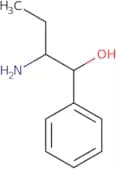
Fórmula:C10H12O4Pureza:Min. 95%Peso molecular:196.2 g/mol2-Amino-1-phenylbutan-1-ol
CAS:Producto controladoVersatile small molecule scaffoldFórmula:C10H15NOPureza:Min. 95%Peso molecular:165.23 g/mol5-Chloro-[1,2,4]triazolo[1,5-a]pyrimidin-7-amine
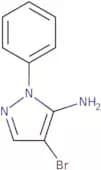
CAS:Versatile small molecule scaffoldFórmula:C5H4ClN5Pureza:Min. 95%Peso molecular:169.57 g/mol4-Bromo-1-phenyl-1H-pyrazol-5-amine
CAS:Versatile small molecule scaffold
Fórmula:C9H8BrN3Pureza:Min. 95%Peso molecular:238.08 g/mol

![Ethyl 2-[5-methyl-4-(propan-2-yl)-1,3-thiazol-2-yl]acetate](/_next/image/?url=https%3A%2Fstatic.cymitquimica.com%2Fproducts%2F3D%2Fthumb-webp%2FEXB25809.webp&w=3840&q=75)
amine](/_next/image/?url=https%3A%2Fstatic.cymitquimica.com%2Fproducts%2F3D%2Fthumb-webp%2FEXB26816.webp&w=3840&q=75)
![2-Chloro-N-[1-(2-methoxyphenyl)ethyl]-N-methylacetamide](/_next/image/?url=https%3A%2Fstatic.cymitquimica.com%2Fproducts%2F3D%2Fthumb-webp%2FEXB27104.webp&w=3840&q=75)
![1-[Methyl(piperidin-4-yl)amino]propan-2-ol](/_next/image/?url=https%3A%2Fstatic.cymitquimica.com%2Fproducts%2F3D%2Fthumb-webp%2FEXB29005.webp&w=3840&q=75)
![2-Chloro-5-[(methylsulfanyl)methyl]aniline](/_next/image/?url=https%3A%2Fstatic.cymitquimica.com%2Fproducts%2F3D%2Fthumb-webp%2FEXB29451.webp&w=3840&q=75)
![[1-(2,2-Difluoroethyl)pyrrolidin-2-yl]methanamine](/_next/image/?url=https%3A%2Fstatic.cymitquimica.com%2Fproducts%2F3D%2Fthumb-webp%2FEXB29977.webp&w=3840&q=75)
![N-Ethyl-1-[6-methyl-2-(propan-2-yl)pyrimidin-4-yl]piperidin-4-amine](/_next/image/?url=https%3A%2Fstatic.cymitquimica.com%2Fproducts%2F3D%2Fthumb-webp%2FEXB31356.webp&w=3840&q=75)

![1-[4-Bromo-2-(trifluoromethyl)phenyl]-1H-1,2,3-triazole-4-carboxylic acid](/_next/image/?url=https%3A%2Fstatic.cymitquimica.com%2Fproducts%2F3D%2Fthumb-webp%2FEXB50709.webp&w=3840&q=75)
![3-[5-(2-Bromo-5-methoxyphenyl)-1,3,4-oxadiazol-2-yl]propanoic acid](/_next/image/?url=https%3A%2Fstatic.cymitquimica.com%2Fproducts%2F3D%2Fthumb-webp%2FEXB59156.webp&w=3840&q=75)
amine](/_next/image/?url=https%3A%2Fstatic.cymitquimica.com%2Fproducts%2F3D%2Fthumb-webp%2FEXB60864.webp&w=3840&q=75)
![1-[(tert-Butoxy)carbonyl]-1,2,3,4-tetrahydroquinoline-5-carboxylic acid](/_next/image/?url=https%3A%2Fstatic.cymitquimica.com%2Fproducts%2F3D%2Fthumb-webp%2FEXB62221.webp&w=3840&q=75)
![2-Amino-2-methyl-N-[3-(pyrrolidin-1-yl)phenyl]pentanamide](/_next/image/?url=https%3A%2Fstatic.cymitquimica.com%2Fproducts%2F3D%2Fthumb-webp%2FEXB62510.webp&w=3840&q=75)
![1-[(4-Methoxy-3,5-dimethylpyridin-2-yl)methyl]-N-methylpiperidin-4-amine](/_next/image/?url=https%3A%2Fstatic.cymitquimica.com%2Fproducts%2F3D%2Fthumb-webp%2FEXB62525.webp&w=3840&q=75)
![(2-Aminoethyl)[(2,4-dimethoxyphenyl)methyl]amine](/_next/image/?url=https%3A%2Fstatic.cymitquimica.com%2Fproducts%2F3D%2Fthumb-webp%2FEXB62686.webp&w=3840&q=75)
![(Butan-2-yl)[3-(3-chlorophenoxy)-2-hydroxypropyl]amine](/_next/image/?url=https%3A%2Fstatic.cymitquimica.com%2Fproducts%2F3D%2Fthumb-webp%2FEXB63355.webp&w=3840&q=75)
![(2,2-Dimethoxyethyl)[(4-ethylphenyl)methyl]amine](/_next/image/?url=https%3A%2Fstatic.cymitquimica.com%2Fproducts%2F3D%2Fthumb-webp%2FEXB63443.webp&w=3840&q=75)
![3-Azabicyclo[3.2.1]octane-2,4-dione](/_next/image/?url=https%3A%2Fstatic.cymitquimica.com%2Fproducts%2F3D%2Fthumb-webp%2FFAA76345.webp&w=3840&q=75)
![6-[6-(6-Aminohexanamido)hexanamido]hexanoic acid](/_next/image/?url=https%3A%2Fstatic.cymitquimica.com%2Fproducts%2F3D%2Fthumb-webp%2FFAA77678.webp&w=3840&q=75)

![5,6,7,8-Tetrahydrospiro[3,1-benzothiazine-4,1'-cyclohexane]-2-amine](/_next/image/?url=https%3A%2Fstatic.cymitquimica.com%2Fproducts%2F3D%2Fthumb-webp%2FFAA77824.webp&w=3840&q=75)
![4,4'-[Ethane-1,2-diylbis(oxy)]bis(3-methoxybenzaldehyde)](/_next/image/?url=https%3A%2Fstatic.cymitquimica.com%2Fproducts%2F3D%2Fthumb-webp%2FFAA78466.webp&w=3840&q=75)


![1-Bromo-4-[(2-methylprop-2-en-1-yl)oxy]benzene](/_next/image/?url=https%3A%2Fstatic.cymitquimica.com%2Fproducts%2F3D%2Fthumb-webp%2FFAA82027.webp&w=3840&q=75)

![N-{8-Oxatricyclo[7.4.0.0,2,7]trideca-1(9),2(7),3,5,10,12-hexaen-5-yl}acetamide](/_next/image/?url=https%3A%2Fstatic.cymitquimica.com%2Fproducts%2F3D%2Fthumb-webp%2FFAA83425.webp&w=3840&q=75)
![4-[Methyl(propan-2-yl)amino]butan-2-one](/_next/image/?url=https%3A%2Fstatic.cymitquimica.com%2Fproducts%2F3D%2Fthumb-webp%2FFAA84324.webp&w=3840&q=75)
![2-Pentyl-1H-benzo[d]imidazole](/_next/image/?url=https%3A%2Fstatic.cymitquimica.com%2Fproducts%2F3D%2Fthumb-webp%2FFAA85146.webp&w=3840&q=75)

![2-[Acetyl(methyl)amino]acetic acid](/_next/image/?url=https%3A%2Fstatic.cymitquimica.com%2Fproducts%2F3D%2Fthumb-webp%2FFAA88891.webp&w=3840&q=75)
![5-Chloro-[1,2,4]triazolo[1,5-a]pyrimidin-7-amine](/_next/image/?url=https%3A%2Fstatic.cymitquimica.com%2Fproducts%2F3D%2Fthumb-webp%2FFAA89992.webp&w=3840&q=75)