Building Blocks
Esta sección contiene productos fundamentales para la síntesis de compuestos orgánicos y biológicos. Building blocks son los materiales de partida esenciales utilizados para construir moléculas complejas a través de diversas reacciones químicas. Desempeñan un papel crítico en el descubrimiento de fármacos, la ciencia de materiales y la investigación química. En CymitQuimica, ofrecemos una gama diversa de building blocks de alta calidad para apoyar sus investigaciones innovadoras y proyectos industriales, asegurando que tenga los componentes esenciales para una síntesis exitosa.
Subcategorías de "Building Blocks"
- Ácidos borónicos y derivados del ácido borónico(5.778 productos)
- Building Blocks quirales(1.242 productos)
- Building Blocks de hidrocarburos(6.098 productos)
- Building Blocks orgánicos(61.034 productos)
Se han encontrado 199601 productos de "Building Blocks"
Ordenar por
Pureza (%)
0
100
|
0
|
50
|
90
|
95
|
100
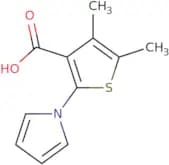
4,5-Dimethyl-2-pyrrol-1-yl-thiophene-3-carboxylic acid
CAS:<p>Versatile small molecule scaffold</p>Fórmula:C11H11NO2SPureza:Min. 95%Peso molecular:221.27 g/mol2-(1H-Pyrrol-1-yl)-4H,5H,6H-cyclopenta[b]thiophene-3-carboxylic acid
CAS:<p>Versatile small molecule scaffold</p>Fórmula:C12H11NO2SPureza:Min. 95%Peso molecular:233.29 g/mol(2R)-3-[(Carboxymethyl)sulfanyl]-2-acetamidopropanoic acid
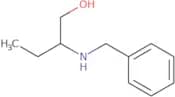
CAS:<p>(2R)-3-[(Carboxymethyl)sulfanyl]-2-acetamidopropanoic acid is a metabolite of the drug sulfapyridine. It is formed by conjugation with glutathione in the liver to form 3-glutathione-2-sulfapyridine, and then excreted into bile. (2R)-3-[(Carboxymethyl)sulfanyl]-2-acetamidopropanoic acid has been found to be genotoxic in mice, which may be due to its ability to form reactive metabolites that bind to DNA. This compound also possesses cytotoxic properties, which may be due to its ability to inhibit protein synthesis.</p>Fórmula:C7H11NO5SPureza:Min. 95%Peso molecular:221.23 g/mol(2S)-2-(Benzylamino)butan-1-ol
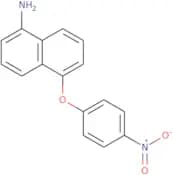
CAS:<p>Versatile small molecule scaffold</p>Fórmula:C11H17NOPureza:Min. 95%Peso molecular:179.26 g/mol5-(4-Nitrophenoxy)naphthalen-1-amine
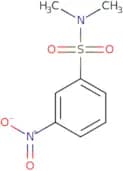
CAS:<p>Versatile small molecule scaffold</p>Fórmula:C16H12N2O3Pureza:Min. 95%Peso molecular:280.28 g/molN,N-Dimethyl 3-nitrobenzenesulfonamide
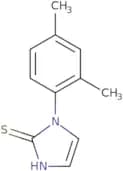
CAS:<p>Versatile small molecule scaffold</p>Fórmula:C8H10N2O4SPureza:Min. 95%Peso molecular:230.24 g/mol1-(2,4-Dimethylphenyl)-1H-imidazole-2-thiol
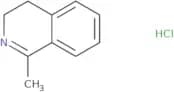
CAS:<p>Versatile small molecule scaffold</p>Fórmula:C11H12N2SPureza:Min. 95%Peso molecular:204.29 g/mol1-Methyl-3,4-dihydroisoquinoline hydrochloride
CAS:Versatile small molecule scaffoldFórmula:C10H12ClNPureza:Min. 95%Peso molecular:181.66 g/mol3-Benzoyl-2-methyl-1H-indole
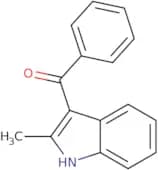
CAS:Producto controlado<p>3-Benzoyl-2-methyl-1H-indole is an isomer of tetrahydrocarbazole. It has a high yield and optical purity. 3-Benzoyl-2-methyl-1H indole can be synthesized from β-unsaturated aldehydes, such as 2-(4,4,5,5-tetramethyl-[1,3,2]dioxaborolan-2yl)-3,5,6,-trimethylphenol. The compound has been shown to react with alkali metals to form a salt in the presence of dehydrogenative conditions. This reaction proceeds via an iminium intermediate that reacts with the metal salt to produce the product. 3BzIMeI can also react with alcohols or amines in the presence of heterocycles such as mesitylene to form substituted benzimidazoles.</p>Fórmula:C16H13NOPureza:Min. 95%Peso molecular:235.28 g/mol3-Methoxypentane-2,4-dione
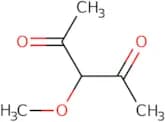
CAS:<p>Versatile small molecule scaffold</p>Fórmula:C6H10O3Pureza:Min. 95%Peso molecular:130.14 g/molEthylhexyl triazone Related Compound A
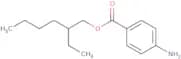
CAS:<p>Ethylhexyl triazone Related Compound A is a compound that inhibits the production of melanin. It is used as an ingredient in sunscreens to protect against ultraviolet radiation. It has been shown to be a potent UVB filter with good photostability, and has been shown to be effective against both erythema and skin cancer in vivo. The analytical method for this compound is based on HPLC separation followed by UV detection at 254 nm. The validation study has been conducted using animals and the recoveries were found to be good across all levels of the test samples.</p>Fórmula:C15H23NO2Pureza:Min. 95%Peso molecular:249.35 g/molBut-2-yne-1,4-diamine dihydrochloride
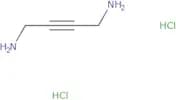
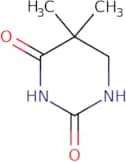
CAS:<p>Versatile small molecule scaffold</p>Fórmula:C4H10Cl2N2Pureza:Min. 95%Peso molecular:157.04 g/mol5,5-Dimethyl-1,3-diazinane-2,4-dione
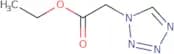
CAS:<p>5,5-Dimethyl-1,3-diazinane-2,4-dione is a hydrophobic molecule that regulates gene expression. It binds to the transcription factor TFEB and inhibits its activity. 5,5-Dimethyl-1,3-diazinane-2,4-dione also interacts with the transcription factor E2F and inhibits its activity. This agent is able to increase erythroid differentiation and inhibit hematopoietic differentiation. 5,5-Dimethyl-1,3-diazinane-2,4-dione has been shown to activate apoptosis by binding to DNA and inhibiting transcription of genes necessary for cell division. The affinity of this agent for DNA may be due to methyl groups on its structure.</p>Fórmula:C6H10N2O2Pureza:Min. 95%Peso molecular:142.16 g/molEthyl 2-(1H-1,2,3,4-tetrazol-1-yl)acetate
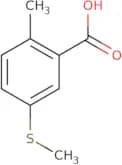
CAS:<p>Versatile small molecule scaffold</p>Fórmula:C5H8N4O2Pureza:Min. 95%Peso molecular:156.14 g/mol2-Methyl-5-(methylsulfanyl)benzoic acid
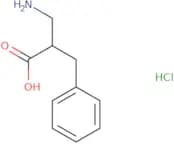
CAS:<p>Versatile small molecule scaffold</p>Fórmula:C9H10O2SPureza:Min. 95%Peso molecular:182.24 g/mol2-aminomethyl-3-phenylpropionic acid hcl
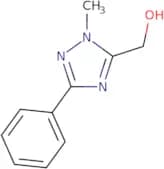
CAS:<p>Versatile small molecule scaffold</p>Fórmula:C10H14ClNO2Pureza:Min. 95%Peso molecular:215.68 g/mol(1-Methyl-3-phenyl-1H-1,2,4-triazol-5-yl)methanol
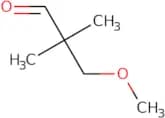
CAS:<p>Versatile small molecule scaffold</p>Fórmula:C10H11N3OPureza:Min. 95%Peso molecular:189.21 g/mol3-Methoxy-2,2-dimethylpropanal
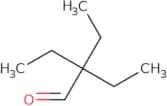
CAS:Versatile small molecule scaffoldFórmula:C6H12O2Pureza:Min. 95%Peso molecular:116.16 g/mol2,2-Diethylbutanal
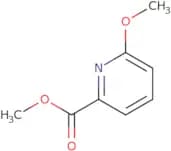
CAS:<p>2,2-Diethylbutanal is a chemical that is used as an antineoplastic drug. It has been shown to have affinity for the mineral sulfide and oxidizers. 2,2-Diethylbutanal has also been shown to be a long-term maternal toxicant in animals, with effects on the fetus and newborns. It has also been shown to cause problems for infants by reducing their serum levels of thyroxine and triiodothyronine (thyroid hormones). This chemical causes genetic mutations in isolates of organisms such as E coli and S cerevisiae. 2,2-Diethylbutanal may have adverse effects on the conformation of proteins or interfere with protein synthesis.</p>Fórmula:C8H16OPureza:85%MinForma y color:Clear LiquidPeso molecular:128.21 g/molMethyl 6-methoxypyridine-2-carboxylate
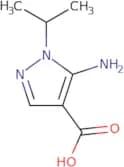
CAS:Methyl 6-methoxypyridine-2-carboxylate is an additive that can be used in the alkaline hydrolysis of esters. The pyridine nitrogen atom has a substituent effect on the methyl group, as it is electron donating and inductive. Substituent effects are seen when there are different atoms or groups attached to the same carbon atom. Methyl 6-methoxypyridine-2-carboxylate reacts with nucleophiles such as water, alcohols, amines, thiols, and acids to form esters and amides. These reactions are promoted by an acidic environment. The analogous reaction of methyl 6-methoxypyridine-2-carboxylate is its reaction with ammonia to form an amide.Fórmula:C8H9NO3Pureza:Min. 95%Peso molecular:167.16 g/mol5-amino-1-(propan-2-yl)-1H-pyrazole-4-carboxylic acid
CAS:Versatile small molecule scaffoldFórmula:C7H11N3O2Pureza:Min. 95%Peso molecular:169.18 g/mol3,4-Dihydro-2H-pyrano[2,3-b]pyridine
CAS:<p>Versatile small molecule scaffold</p>Fórmula:C8H9NOPureza:Min. 95%Peso molecular:135.17 g/mol4H-Thieno[3,2-c]chromene-2-carboxylic acid
CAS:<p>Versatile small molecule scaffold</p>Fórmula:C12H8O3SPureza:Min. 95%Peso molecular:232.26 g/mol2,2-Bis(chloromethyl)-1,3-dioxolane
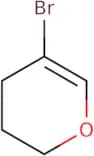
CAS:<p>2,2-Bis(chloromethyl)-1,3-dioxolane is a chemical intermediate that can be used in the production of polyester resins. It is a colorless liquid with an unpleasant odor. 2,2-Bis(chloromethyl)-1,3-dioxolane reacts with ethylene and glycol to produce polyester resins. This reaction occurs at high temperatures and produces a mixture of products such as diols and triols. When heated in acidic conditions, the compound hydrolyzes to form dihydroxyacetone and p-toluenesulfonic acid. The compound is also used as an industrial solvent for acidic materials. Recrystallizing the product from ethylene glycol results in a white crystalline powder that can be used in the manufacture of other chemicals such as sulfate salts.</p>Fórmula:C5H8Cl2O2Pureza:Min. 95%Peso molecular:171.02 g/mol5-Bromo-3,4-dihydro-2H-pyran
CAS:<p>5-Bromo-3,4-dihydro-2H-pyran is the adduct of furan and potassium tert-butoxide. It has been shown to undergo stereoselective cycloaddition reactions with 1,5-diene compounds. The resulting adducts are useful for the synthesis of polyketides. Scifinder provides access to this compound through their database of chemicals and molecules.</p>Fórmula:C5H7BrOPureza:Min. 95%Peso molecular:163.01 g/mol(2-Iodoethoxy)trimethylsilane
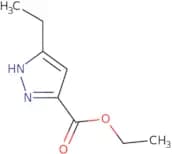
CAS:<p>Ai Product Descriptions 50 Creative</p>Fórmula:C5H13IOSiPureza:Min. 95%Peso molecular:244.15 g/molEthyl 5-ethyl-1H-pyrazole-3-carboxylate
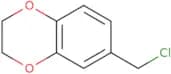
CAS:<p>Versatile small molecule scaffold</p>Fórmula:C8H12N2O2Pureza:Min. 95%Peso molecular:168.19 g/mol6-(Chloromethyl)-2,3-dihydro-1,4-benzodioxin
CAS:<p>Versatile small molecule scaffold</p>Fórmula:C9H9ClO2Pureza:Min. 95%Peso molecular:184.62 g/mol4,5-Dimethyl 2-[bis(methoxycarbonyl)-2H-1,3-dithiol-2-ylidene]-2H-1,3-dithiole-4,5-dicarboxylate
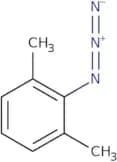
CAS:<p>Versatile small molecule scaffold</p>Fórmula:C14H12O8S4Pureza:Min. 95%Peso molecular:436.5 g/mol2-Azido-1,3-dimethylbenzene
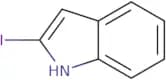
CAS:<p>2-Azido-1,3-dimethylbenzene is a compound with the molecular formula of C6H5N3O. It is a colorless liquid that has a melting point of -8°C, boiling point of 165°C, and density of 1.1 g/mL. The compound belongs to the group of phenyl compounds and has a depolarization value of 0.037 cm1M in an ortho position. This compound has shown to have vibrational and vibrational spectra that are very similar to those found in the deuterated molecule (C6D6)2N3O.</p>Fórmula:C8H9N3Pureza:Min. 95%Peso molecular:147.18 g/mol2-Iodoindole
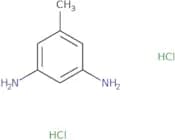
CAS:<p>2-Iodoindole is a chemical compound that is a member of the amide family. The 2-iodoindole skeleton is found in many biologically active compounds, including anti-viral agents, such as acyclovir and ribavirin. The acylation reaction of 2-iodoindole with an acid chloride yields a racemic mixture of enantiomers, which can be separated by recrystallization from water. 2-Iodoindole also reacts with sodium to form the salt sodium 2-iodoindolate, which has been shown to inhibit plant root formation.<br>2-Iodoindoles are not known to be efficient for the synthesis of other chemical compounds due to their low reaction yield and high reactivity with water.</p>Fórmula:C8H6INPureza:Min. 95%Peso molecular:243.04 g/mol5-Methylbenzene-1,3-diamine dihydrochloride
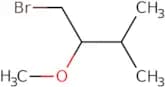
CAS:<p>Versatile small molecule scaffold</p>Fórmula:C7H12Cl2N2Pureza:Min. 95%Peso molecular:195.09 g/mol1-Bromo-2-methoxy-3-methylbutane
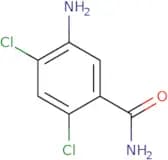
CAS:<p>Versatile small molecule scaffold</p>Fórmula:C6H13BrOPureza:Min. 95%Peso molecular:181.07 g/mol5-Amino-2,4-dichlorobenzamide
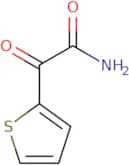
CAS:<p>Versatile small molecule scaffold</p>Fórmula:C7H6Cl2N2OPureza:Min. 95%Peso molecular:205.04 g/mol2-Oxo-2-(thiophen-2-yl)acetamide
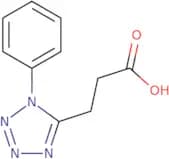
CAS:<p>Versatile small molecule scaffold</p>Fórmula:C6H5NO2SPureza:Min. 95%Peso molecular:155.18 g/mol3-(1-Phenyl-1H-1,2,3,4-tetrazol-5-yl)propanoic acid
CAS:<p>Versatile small molecule scaffold</p>Fórmula:C10H10N4O2Pureza:Min. 95%Peso molecular:218.21 g/molEthyl fumaroyl chloride
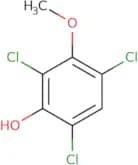
CAS:<p>Ethyl fumaroyl chloride is an activating agent that can be used as an antibacterial or bacteriostatic agent. Ethyl fumaroyl chloride is active against a variety of bacteria, including strains that are resistant to other antibiotics. The inhibitory effect of ethyl fumaroyl chloride is due to the presence of chlorine in its structure. This substance has been shown to be effective against human cancer cells and may be a potential treatment for cancer. It also has organocatalytic properties and can be used in organic synthesis, making it a versatile chemical.</p>Fórmula:C6H7ClO3Pureza:Min. 95%Peso molecular:162.57 g/mol2,4,6-Trichloro-3-methoxyphenol
CAS:<p>2,4,6-Trichloro-3-methoxyphenol is a phenol that is found in the basidiomycete Hypholoma elongatum. It has been shown to inhibit the growth of basidiomycete strains and culture. The mechanism of action is not well understood, but it may be due to the inhibition of phenols synthesis. 2,4,6-Trichloro-3-methoxyphenol also inhibits the production of acetate in cultures and can be used as an additive for fruit juice.</p>Fórmula:C7H5Cl3O2Pureza:Min. 95%Peso molecular:227.5 g/mol2-(3-Methyl-4-oxo-1,3-thiazolidin-2-ylidene)acetic acid
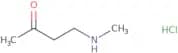
CAS:<p>Versatile small molecule scaffold</p>Fórmula:C6H7NO3SPureza:Min. 95%Peso molecular:173.19 g/mol4-(Methylamino)butan-2-one hydrochloride
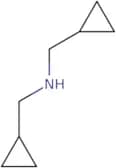
CAS:Versatile small molecule scaffoldFórmula:C5H12ClNOPureza:Min. 95%Peso molecular:137.61 g/molBis(cyclopropylmethyl)amine
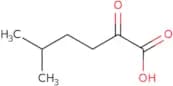
CAS:<p>Bis(cyclopropylmethyl)amine is a stereoisomer of aminopyrine. It inhibits the synthesis of lipoproteins, which are molecules that transport cholesterol and other lipids in the blood. Bis(cyclopropylmethyl)amine also inhibits transcription and protein synthesis. It has been shown to be an effective treatment for atherosclerosis in animal experiments, but there is not enough evidence to confirm its effectiveness in humans.</p>Fórmula:C8H15NPureza:Min. 95%Peso molecular:125.21 g/mol5-Methyl-2-oxohexanoic acid
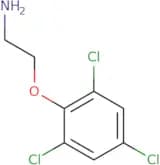
CAS:<p>5-Methyl-2-oxohexanoic acid is a long-chain carboxylic acid that is a product of the metabolism of isopropylmalate. It has been found to be an isomerase localized in the chloroplast. Biochemical tests have shown that 5-methyl-2-oxohexanoic acid inhibits the biosynthesis of glucosinolates, which are plant secondary metabolites that protect against predators and pathogens. The biochemical properties of 5-methyl-2-oxohexanoic acid have also been shown to influence the phenotype of plants. This compound has been genetically reintroduced into plants to alter their chemical defenses and produce different phenotypes.</p>Fórmula:C7H12O3Pureza:Min. 95%Peso molecular:144.17 g/mol2-(2-Aminoethoxy)-1,3,5-trichlorobenzene
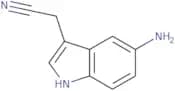
CAS:<p>Versatile small molecule scaffold</p>Fórmula:C8H8Cl3NOPureza:Min. 95%Peso molecular:240.5 g/mol2-(5-Amino-1H-indol-3-yl)acetonitrile
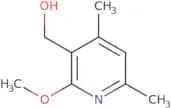
CAS:Versatile small molecule scaffoldFórmula:C10H9N3Pureza:Min. 95%Peso molecular:171.2 g/mol(2-Methoxy-4,6-dimethylpyridin-3-yl)methanol
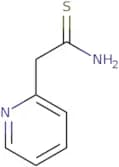
CAS:<p>Versatile small molecule scaffold</p>Fórmula:C9H13NO2Pureza:Min. 95%Peso molecular:167.2 g/mol2-(Pyridin-2-yl)ethanethioamide
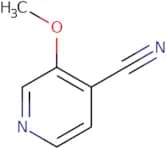
CAS:<p>2-(Pyridin-2-yl)ethanethioamide is a molecule that has been shown to have clinical use in humans. It reduces gastric acid secretion by inhibiting the proton pump and is used as an antisecretory and antiulcer agent. The molecule has also been shown to inhibit the growth of bacteria, such as Escherichia coli, Helicobacter pylori, and Bacillus subtilis. 2-(Pyridin-2-yl)ethanethioamide binds to the bacterial enzyme adenosine deaminase (ADA), which is involved in purine metabolism, leading to inhibition of bacterial growth.</p>Fórmula:C7H8N2SPureza:Min. 95%Peso molecular:152.22 g/mol3-Methoxyisonicotinonitrile
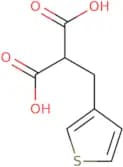
CAS:<p>Versatile small molecule scaffold</p>Fórmula:C6H6N4Pureza:Min. 95%Peso molecular:134.14 g/mol2-(Thiophen-3-ylmethyl)propanedioic acid
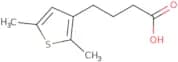
CAS:<p>Versatile small molecule scaffold</p>Fórmula:C8H8O4SPureza:Min. 95%Peso molecular:200.21 g/mol4-(2,5-Dimethylthiophen-3-yl)butanoic acid
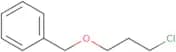
CAS:Versatile small molecule scaffoldFórmula:C10H14O2SPureza:Min. 95%Peso molecular:198.28 g/mol((3-Chloropropoxy)methyl)benzene
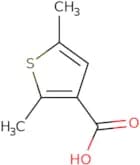
CAS:<p>Versatile small molecule scaffold</p>Fórmula:C10H13ClOPureza:Min. 95%Forma y color:Clear LiquidPeso molecular:184.66 g/mol2,5-Dimethyl-thiophene-3-carboxylic acid
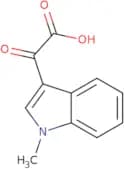
CAS:<p>Versatile small molecule scaffold</p>Fórmula:C7H8O2SPureza:Min. 95%Peso molecular:156.2 g/molN-Methyl-3-indoleglyoxylic acid 97
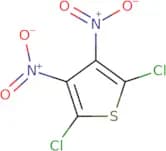
CAS:Producto controlado<p>N-Methyl-3-indoleglyoxylic acid 97 is a potent and selective inhibitor of protein kinases, including the mitogen activated protein kinase (MAPK) family. It has been shown to inhibit proliferation of cells in vitro. In addition, N-Methyl-3-indoleglyoxylic acid 97 inhibits the activation of MAPK in response to stress or cytokine stimulation. This agent has been shown to be selective for different isotypes of protein kinases and displays good selectivity for inhibition of the enzyme activity.</p>Fórmula:C11H9NO3Pureza:Min. 95%Peso molecular:203.19 g/mol2,5-Dichloro-3,4-dinitrothiophene
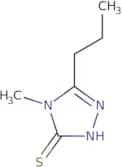
CAS:<p>2,5-Dichloro-3,4-dinitrothiophene is a crystalline solid with a tetragonal crystal system. It has been shown to form with yields of up to 45%, depending on the solvent. The crystal structure has been determined by X-ray crystallography and it was found to be monoclinic with nitro groups interacting in a manner analogous to nitro groups. Nitration of 2,5-dichloro-3,4-dinitrothiophene has been shown to produce 2,5-dichloro-3,4-dinitrobenzene and 2,5-dichloro-3,4-dinitrophenylhydrazine.</p>Fórmula:C4Cl2N2O4SPureza:Min. 95%Peso molecular:243.02 g/mol4-Methyl-5-propyl-4H-1,2,4-triazole-3-thiol
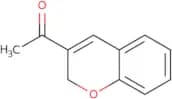
CAS:<p>Versatile small molecule scaffold</p>Fórmula:C6H11N3SPureza:Min. 95%Peso molecular:157.24 g/mol1-(2H-chromen-3-yl)ethanone
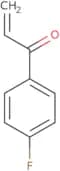
CAS:<p>Versatile small molecule scaffold</p>Fórmula:C11H10O2Pureza:Min. 95%Peso molecular:174.19 g/mol1-(4-Fluorophenyl)prop-2-en-1-one
CAS:<p>1-(4-Fluorophenyl)prop-2-en-1-one is a chalcone that has been shown to have anticancer activity. It has been shown to stabilize the response elements of the transcriptional regulatory protein NF-κB and induce apoptosis in colorectal adenocarcinoma cells. This compound is also able to inhibit cancer growth by inhibiting tumor angiogenesis and metastasis. 1-(4-Fluorophenyl)prop-2-en-1-one binds to DNA, preventing transcription and replication, which leads to cell death. 1-(4-Fluorophenyl)prop-2-en-1-one has also been found to bind withaferin A, a molecule that has been shown to have anticancer activity.</p>Fórmula:C9H7FOPureza:Min. 95%Peso molecular:150.15 g/mol3-Chloro-N-[(furan-2-yl)methyl]aniline
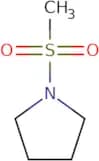
CAS:<p>Versatile small molecule scaffold</p>Fórmula:C11H10ClNOPureza:Min. 95%Peso molecular:207.65 g/mol1-Methanesulfonylpyrrolidine
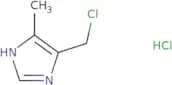
CAS:<p>Versatile small molecule scaffold</p>Fórmula:C5H11NO2SPureza:Min. 95%Peso molecular:149.21 g/mol5-(Chloromethyl)-4-methyl-1H-imidazole hydrochloride
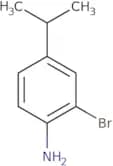
CAS:<p>Isothiourea is an imidazole derivative that acts as a competitive antagonist of histamine H2 receptors. It has been used in the synthesis of cimetidine and other histamine H2 receptor antagonists. Isothiourea inhibits the action of histamine on the H2 receptor by binding to it, thereby preventing its activation. This drug is a synthetic compound that can be made from chloroform and thionyl chloride. It may be synthesized in a two-step process starting with chloromethyl methyl (methylchloro)imidazole, which is reacted with hydrochloric acid to produce 5-(chloromethyl)-4-methyl-1H-imidazole hydrochloride.</p>Fórmula:C5H8Cl2N2Pureza:Min. 95%Peso molecular:167.04 g/mol2-Bromo-4-isopropylaniline
CAS:<p>2-Bromo-4-isopropylaniline is a spiroindoline that was synthesized by modification of the natural product, bryostatin. The compound has shown experimental activity against encephalomyelitis in mice. However, the mechanism of action is not known. 2-Bromo-4-isopropylaniline has been found to be an activator for ethylene and can catalyze reactions involving diphosphines and ligands. It binds to phenyl substituents on the molecule and forms x-ray crystallographic structures with high resolution. Optimization of the structure may lead to more potent analogs.</p>Fórmula:C9H12BrNPureza:Min. 95%Peso molecular:214.11 g/molChloro[(chlorocarbonyl)disulfanyl]methanone
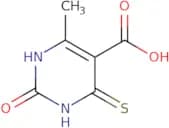
CAS:Chloro[(chlorocarbonyl)disulfanyl]methanone is a chemical compound that is used in the synthesis of new organic compounds. It is a substrate for cross-coupling reactions with organometallic reagents. Chloro[(chlorocarbonyl)disulfanyl]methanone reacts to form a chloroalkyl sulfide and an alkene, which can be converted into an amide or amine. The reaction mechanism involves nucleophilic attack at the sulfur atom by the metal halide, followed by elimination of chloride ion from the intermediate sulfonium salt to form the desired product. Chloro[(chlorocarbonyl)disulfanyl]methanone has been used in the synthesis of enantiopure compounds that are difficult to obtain through other methods.Fórmula:C2Cl2O2S2Pureza:Min. 95%Peso molecular:191.1 g/mol6-Methyl-2-oxo-4-sulfanylidene-1,2,3,4-tetrahydropyrimidine-5-carboxylic acid
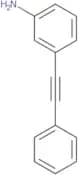
CAS:<p>Versatile small molecule scaffold</p>Fórmula:C6H6N2O3SPureza:Min. 95%Peso molecular:186.19 g/mol3-(phenylethynyl)aniline
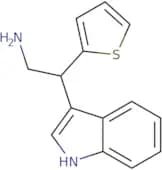
CAS:<p>3-(Phenylethynyl)aniline is a chemical compound that is insoluble in water and has a reactive crosslink. It is reactive with long-term exposure and has a gel permeation chromatography isolated yield. 3-(Phenylethynyl)aniline can be thermally decomposed to phenylethanethiol, which is an exothermic reaction. The technique of nmr spectroscopy can be used to study the reactivity of this compound. 3-(Phenylethynyl)aniline exhibits specific spectral features that can be used to identify it by nmr spectroscopy.</p>Fórmula:C14H11NPureza:Min. 95%Peso molecular:193.24 g/mol2-(1H-Indol-3-yl)-2-(thiophen-2-yl)ethan-1-amine
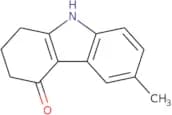
CAS:<p>Versatile small molecule scaffold</p>Fórmula:C14H14N2SPureza:Min. 95%Peso molecular:242.34 g/mol6-Methyl-2,3,4,9-tetrahydro-1H-carbazol-4-one
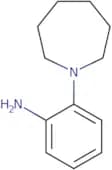
CAS:<p>Versatile small molecule scaffold</p>Fórmula:C13H13NOPureza:Min. 95%Peso molecular:199.25 g/mol2-Azepan-1-yl-phenylamine
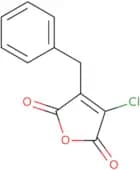
CAS:<p>Versatile small molecule scaffold</p>Fórmula:C12H18N2Pureza:Min. 95%Peso molecular:190.28 g/mol3-Benzyl-4-chloro-2,5-dihydrofuran-2,5-dione
CAS:Versatile small molecule scaffoldFórmula:C11H7ClO3Pureza:Min. 95%Peso molecular:222.62 g/mol1-Azabicyclo[2.2.2]octane-3-carbonitrile
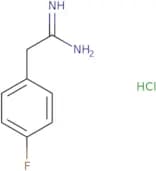
CAS:<p>1-Azabicyclo[2.2.2]octane-3-carbonitrile (1ABOC) is a hydrolyzing antihistamine that is used to treat allergies in the eye. This drug binds to histamine H1 receptors and blocks the release of histamine from mast cells, thereby preventing allergic symptoms. 1ABOC also has anti-inflammatory properties and may be useful for treating inflammatory disorders.</p>Fórmula:C8H12N2Pureza:Min. 95%Peso molecular:136.19 g/mol2-(4-Fluorophenyl)ethanimidamide hydrochloride
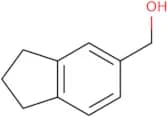
CAS:<p>Versatile small molecule scaffold</p>Fórmula:C8H10ClFN2Pureza:Min. 95%Peso molecular:188.63 g/mol5-Hydroxymethylindane
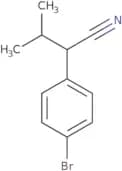
CAS:<p>Versatile small molecule scaffold</p>Fórmula:C10H12OPureza:Min. 95%Peso molecular:148.2 g/mol2-(4-Bromophenyl)-3-methylbutanenitrile
CAS:<p>Versatile small molecule scaffold</p>Fórmula:C11H12BrNPureza:Min. 95%Peso molecular:238.13 g/mol3-Methyl-2-[3-(trifluoromethyl)phenyl]butanoic acid
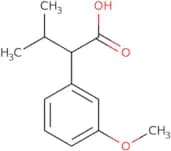
CAS:Versatile small molecule scaffoldFórmula:C12H13F3O2Pureza:Min. 95%Peso molecular:246.22 g/mol2-(3-Methoxyphenyl)-3-methylbutanoic acid
CAS:<p>Versatile small molecule scaffold</p>Fórmula:C12H16O3Pureza:Min. 95%Peso molecular:208.25 g/mol5-[(Hydroxyimino)methyl]-1,3-thiazol-2-amine
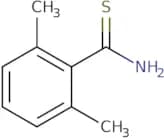
CAS:Versatile small molecule scaffoldFórmula:C4H5N3OSPureza:Min. 95%Peso molecular:143.17 g/mol2,6-Dimethyl-thiobenzamide
CAS:<p>Versatile small molecule scaffold</p>Fórmula:C9H11NSPureza:Min. 95%Peso molecular:165.26 g/mol7-Bromo-4-methyl-1,2,3,4-tetrahydronaphthalen-1-one
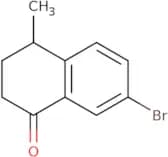
CAS:<p>Versatile small molecule scaffold</p>Fórmula:C11H11BrOPureza:Min. 95%Peso molecular:239.11 g/mol5,7-Dimethyl[1,2,4]triazolo[1,5-a]pyrimidin-2-ylhydrosulfide
CAS:<p>5,7-Dimethyl[1,2,4]triazolo[1,5-a]pyrimidin-2-ylhydrosulfide is a compound that is used in the synthesis of fonamide. It is a sugar with nitrification and nitrogen metabolism activity. 5,7-Dimethyl[1,2,4]triazolo[1,5-a]pyrimidin-2-ylhydrosulfide can be converted to ammonium hydroxide by reaction with hydroxide or carbon disulfide. The resulting product can be further converted to amides by an amine or ethanol. The structure of this compound is similar to that of fonamide and may have antiinflammatory properties.</p>Fórmula:C7H8N4SPureza:Min. 95%Peso molecular:180.23 g/mol8-Methylene-1,4-dioxa-spiro[4.5]decane
CAS:<p>Versatile small molecule scaffold</p>Fórmula:C9H14O2Pureza:Min. 95%Peso molecular:154.21 g/molEthyl 1,4-dioxaspiro[4.5]dec-8-ylideneacetate
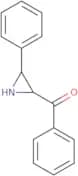
CAS:<p>Versatile small molecule scaffold</p>Fórmula:C12H18O4Pureza:Min. 95%Peso molecular:226.27 g/mol2-Benzoyl-3-phenylaziridine
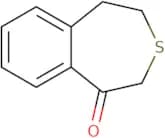
CAS:<p>2-Benzoyl-3-phenylaziridine is a heterocyclic compound that is obtained by the condensation of benzoyl chloride and phenylamine. It is used in the synthesis of azomethine dyes, which are mainly used as textile dyes. The ammonium salt of 2-benzoyl-3-phenylaziridine can be obtained on refluxing the hydrate with thiocyanate and acetonitrile. This transformation has been shown to be dependent on pH with an optimum at pH 8.5.</p>Fórmula:C15H13NOPureza:Min. 95%Peso molecular:223.27 g/mol1,2,4,5-Tetrahydro-3-benzothiepin-1-one
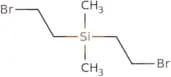
CAS:Versatile small molecule scaffoldFórmula:C10H10OSPureza:Min. 95%Peso molecular:178.25 g/molBis(2-bromoethyl)dimethylsilane
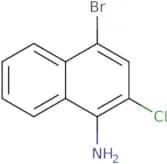
CAS:<p>Versatile small molecule scaffold</p>Fórmula:C6H14Br2SiPureza:Min. 95%Peso molecular:274.07 g/mol4-Bromo-2-chloronaphthalen-1-amine
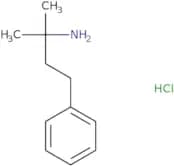
CAS:<p>4-Bromo-2-chloronaphthalen-1-amine is a chemical compound that can be synthesized from acetone and chlorides. The reaction proceeds via a nucleophilic substitution reaction in which one of the chlorine atoms is replaced by an electron pair from acetone. This process occurs when the substituent on the naphthalene ring is not sterically hindered, and it is therefore necessary to use substituents that are electron donors, such as methyl or ethyl groups. 4-Bromo-2-chloronaphthalen-1-amine has been synthesized in Japan by reacting acetone with sodium chloride and bromine at high temperature and pressure. The solvent used was benzene, which was removed after the reaction was complete.</p>Fórmula:C10H7BrClNPureza:Min. 95%Peso molecular:256.52 g/mol2-Methyl-4-phenylbutan-2-amine hydrochloride
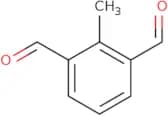
CAS:<p>Versatile small molecule scaffold</p>Fórmula:C11H18ClNPureza:Min. 95%Peso molecular:199.72 g/mol2-Methylbenzene-1,3-dicarbaldehyde
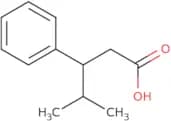
CAS:<p>2-Methylbenzene-1,3-dicarbaldehyde is a divalent hydrocarbon that has an oxidation catalyst. This compound is used as an intermediate in the production of drugs and pharmaceuticals. It has been shown to have cardiovascular disorders, such as vasodilatation and hypotension. The mechanism of action is not fully understood but may be related to its ability to act as a nitrovasodilator by increasing nitric oxide (NO) release. 2-Methylbenzene-1,3-dicarbaldehyde also produces psychotic disorders when long term exposure occurs. This compound has been shown to have neurotoxic effects in animal models with long term exposure.</p>Fórmula:C9H8O2Pureza:Min. 95%Peso molecular:148.16 g/mol4-Methyl-3-phenylpentanoic acid
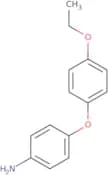
CAS:<p>4-Methyl-3-phenylpentanoic acid is a chiral, enantioselective catalyst. It is catalyzed by rhodium and used in the asymmetric synthesis of β-unsaturated amides. This reaction is an example of an esterification that is catalyzed by a chiral, enantioselective reagent. 4-Methyl-3-phenylpentanoic acid has also been shown to be effective for the synthesis of chiral esters.</p>Fórmula:C12H16O2Pureza:Min. 95%Peso molecular:192.25 g/mol4-(4-Ethoxyphenoxy)aniline
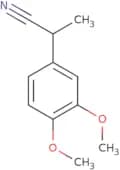
CAS:<p>Versatile small molecule scaffold</p>Fórmula:C14H15NO2Pureza:Min. 95%Peso molecular:229.27 g/mol2-(3,4-Dimethoxyphenyl)propanenitrile
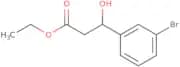
CAS:<p>Versatile small molecule scaffold</p>Fórmula:C11H13NO2Pureza:Min. 95%Peso molecular:191.23 g/molEthyl 3-(3-bromophenyl)-3-hydroxypropanoate
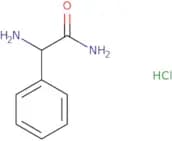
CAS:<p>Versatile small molecule scaffold</p>Fórmula:C11H13BrO3Pureza:Min. 95%Peso molecular:273.12 g/mol2-Amino-2-phenylacetamide hydrochloride
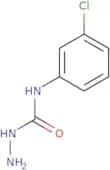
CAS:<p>Versatile small molecule scaffold</p>Fórmula:C8H11ClN2OPureza:Min. 95%Peso molecular:186.64 g/molN-(3-Chlorophenyl)hydrazinecarboxamide
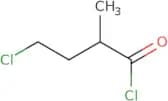
CAS:<p>Versatile small molecule scaffold</p>Fórmula:C7H8ClN3OPureza:Min. 95%Peso molecular:185.61 g/mol4-Chloro-2-methylbutanoyl Chloride
CAS:<p>4-Chloro-2-methylbutanoyl Chloride is a thiolactone that is used in the synthesis of dl-homocysteine. It is an environmental pollutant and can be found in the distillate from chlorinated solvents. 4-Chloro-2-methylbutanoyl Chloride reacts with chloride to form an environmentally hazardous reaction product. This chemical has been used as a medicine, but it has not been approved by the FDA for use in humans.</p>Fórmula:C5H8Cl2OPureza:Min. 95%Peso molecular:155.02 g/molBenzyl[2-(4-methoxyphenyl)ethyl]amine
CAS:Producto controlado<p>Versatile small molecule scaffold</p>Fórmula:C16H19NOPureza:Min. 95%Peso molecular:241.33 g/molHexahydro-1'H-spiro[1,3-dioxolane-2,2'-pentalene]-5'-one
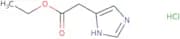
CAS:<p>Versatile small molecule scaffold</p>Fórmula:C10H14O3Pureza:Min. 95%Peso molecular:182.22 g/molEthyl 2-(1H-imidazol-4-yl)acetate hydrochloride
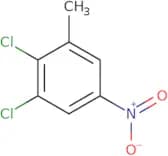
CAS:Versatile small molecule scaffoldFórmula:C7H11ClN2O2Pureza:Min. 95%Peso molecular:190.6 g/mol1,2-Dichloro-3-methyl-5-nitrobenzene
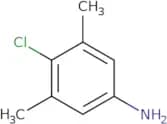
CAS:<p>Versatile small molecule scaffold</p>Fórmula:C7H5Cl2NO2Pureza:Min. 95%Peso molecular:206.02 g/mol4-chloro-3,5-dimethylaniline
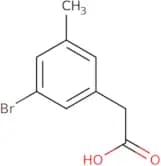
CAS:<p>Versatile small molecule scaffold</p>Fórmula:C8H10ClNPureza:Min. 95%Peso molecular:155.63 g/mol3-Bromo-5-methylphenylacetic acid
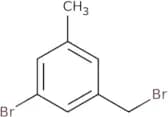
CAS:<p>Versatile small molecule scaffold</p>Fórmula:C9H9BrO2Pureza:Min. 95%Peso molecular:229.07 g/mol3-Bromo-5-methylbenzyl bromide
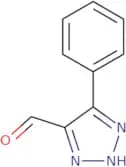
CAS:<p>Versatile small molecule scaffold</p>Fórmula:C8H8Br2Pureza:Min. 95%Peso molecular:263.96 g/mol5-Phenyl-1,2,3-triazole-4-carbaldehyde
CAS:<p>Versatile small molecule scaffold</p>Fórmula:C9H7N3OPureza:Min. 95%Peso molecular:173.17 g/mol

![2-(1H-Pyrrol-1-yl)-4H,5H,6H-cyclopenta[b]thiophene-3-carboxylic acid](/_next/image/?url=https%3A%2Fstatic.cymitquimica.com%2Fproducts%2F3D%2Fthumb-webp%2FBBA17622.webp&w=3840&q=75)
![(2R)-3-[(Carboxymethyl)sulfanyl]-2-acetamidopropanoic acid](/_next/image/?url=https%3A%2Fstatic.cymitquimica.com%2Fproducts%2F3D%2Fthumb-webp%2FBBA17754.webp&w=3840&q=75)
![3,4-Dihydro-2H-pyrano[2,3-b]pyridine](/_next/image/?url=https%3A%2Fstatic.cymitquimica.com%2Fproducts%2F3D%2Fthumb-webp%2FBBA26789.webp&w=3840&q=75)
![4H-Thieno[3,2-c]chromene-2-carboxylic acid](/_next/image/?url=https%3A%2Fstatic.cymitquimica.com%2Fproducts%2F3D%2Fthumb-webp%2FBBA26804.webp&w=3840&q=75)


![4,5-Dimethyl 2-[bis(methoxycarbonyl)-2H-1,3-dithiol-2-ylidene]-2H-1,3-dithiole-4,5-dicarboxylate](/_next/image/?url=https%3A%2Fstatic.cymitquimica.com%2Fproducts%2F3D%2Fthumb-webp%2FBBA31439.webp&w=3840&q=75)


![3-Chloro-N-[(furan-2-yl)methyl]aniline](/_next/image/?url=https%3A%2Fstatic.cymitquimica.com%2Fproducts%2F3D%2Fthumb-webp%2FBCA59776.webp&w=3840&q=75)
![Chloro[(chlorocarbonyl)disulfanyl]methanone](/_next/image/?url=https%3A%2Fstatic.cymitquimica.com%2Fproducts%2F3D%2Fthumb-webp%2FBCA61588.webp&w=3840&q=75)
![1-Azabicyclo[2.2.2]octane-3-carbonitrile](/_next/image/?url=https%3A%2Fstatic.cymitquimica.com%2Fproducts%2F3D%2Fthumb-webp%2FBCA62776.webp&w=3840&q=75)
![3-Methyl-2-[3-(trifluoromethyl)phenyl]butanoic acid](/_next/image/?url=https%3A%2Fstatic.cymitquimica.com%2Fproducts%2F3D%2Fthumb-webp%2FBCA63232.webp&w=3840&q=75)
![5-[(Hydroxyimino)methyl]-1,3-thiazol-2-amine](/_next/image/?url=https%3A%2Fstatic.cymitquimica.com%2Fproducts%2F3D%2Fthumb-webp%2FBCA64050.webp&w=3840&q=75)
![5,7-Dimethyl[1,2,4]triazolo[1,5-a]pyrimidin-2-ylhydrosulfide](/_next/image/?url=https%3A%2Fstatic.cymitquimica.com%2Fproducts%2F3D%2Fthumb-webp%2FBCA64617.webp&w=3840&q=75)
![8-Methylene-1,4-dioxa-spiro[4.5]decane](/_next/image/?url=https%3A%2Fstatic.cymitquimica.com%2Fproducts%2F3D%2Fthumb-webp%2FBCA65690.webp&w=3840&q=75)
![Ethyl 1,4-dioxaspiro[4.5]dec-8-ylideneacetate](/_next/image/?url=https%3A%2Fstatic.cymitquimica.com%2Fproducts%2F3D%2Fthumb-webp%2FBCA65691.webp&w=3840&q=75)
![Benzyl[2-(4-methoxyphenyl)ethyl]amine](/_next/image/?url=https%3A%2Fstatic.cymitquimica.com%2Fproducts%2F3D%2Fthumb-webp%2FBCA71372.webp&w=3840&q=75)
![Hexahydro-1'H-spiro[1,3-dioxolane-2,2'-pentalene]-5'-one](/_next/image/?url=https%3A%2Fstatic.cymitquimica.com%2Fproducts%2F3D%2Fthumb-webp%2FBCA71662.webp&w=3840&q=75)