Building Blocks
Esta sección contiene productos fundamentales para la síntesis de compuestos orgánicos y biológicos. Building blocks son los materiales de partida esenciales utilizados para construir moléculas complejas a través de diversas reacciones químicas. Desempeñan un papel crítico en el descubrimiento de fármacos, la ciencia de materiales y la investigación química. En CymitQuimica, ofrecemos una gama diversa de building blocks de alta calidad para apoyar sus investigaciones innovadoras y proyectos industriales, asegurando que tenga los componentes esenciales para una síntesis exitosa.
Subcategorías de "Building Blocks"
- Ácidos borónicos y derivados del ácido borónico(5.756 productos)
- Building Blocks quirales(1.242 productos)
- Building Blocks de hidrocarburos(6.095 productos)
- Building Blocks orgánicos(61.055 productos)
Se han encontrado 199650 productos de "Building Blocks"
Ordenar por
Pureza (%)
0
100
|
0
|
50
|
90
|
95
|
100
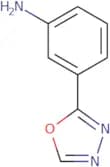
3-(1,3,4-Oxadiazol-2-yl)aniline
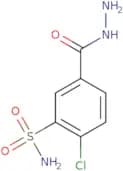
CAS:<p>Versatile small molecule scaffold</p>Fórmula:C8H7N3OPureza:Min. 95%Peso molecular:161.16 g/mol2-Chloro-5-(hydrazinecarbonyl)benzene-1-sulfonamide
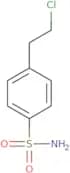
CAS:<p>2-Chloro-5-(hydrazidecarbonyl)benzene-1-sulfonamide is an aliphatic aldehyde that is used to synthesize other chemicals. It can be synthesized from the condensation of 2-chloroacetaldehyde with hydrazine and formaldehyde in the presence of a base. This compound has been shown to have diuretic and saluretic properties, which are due to its ability to increase urine flow by inhibiting reabsorption of sodium ions in the kidney tubules. 2-Chloro-5-(hydrazidecarbonyl)benzene-1-sulfonamide is soluble in alcohols and dioxane, but insoluble in water. This compound hydrolyzes in acidic conditions, so it cannot be stored for long periods without protection from moisture.</p>Fórmula:C7H8ClN3O3SPureza:Min. 95%Peso molecular:249.68 g/mol4-(2-Chloroethyl)benzene-1-sulfonamide
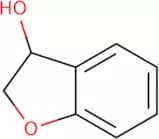
CAS:<p>Versatile small molecule scaffold</p>Fórmula:C8H10ClNO2SPureza:Min. 95%Peso molecular:219.69 g/mol2,3-Dihydro-1-benzofuran-3-ol
CAS:<p>Versatile small molecule scaffold</p>Fórmula:C8H8O2Pureza:Min. 95%Peso molecular:136.15 g/mol3-(Hydroxymethyl)benzo[b]thiophene
CAS:<p>3-(Hydroxymethyl)benzo[b]thiophene is a potential anticancer agent that inhibits the PI3K/Akt pathway. It has been shown to have cytotoxic effects on colorectal adenocarcinoma cells, as well as other cancer cells. 3-(Hydroxymethyl)benzo[b]thiophene also binds to DNA and alters the structure of the double helix, leading to inhibition of DNA synthesis, which may lead to cell death. The compound has been tested in vitro and found to be effective against leukemia and colon cancer cells. It has also shown anticancer activity in vivo in mice, with no observable side effects or toxicity.</p>Fórmula:C9H8OSPureza:Min. 95%Peso molecular:164.22 g/mol2,2-Bis(chloromethyl)butan-1-ol
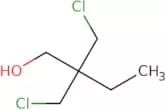
CAS:<p>Versatile small molecule scaffold</p>Fórmula:C6H12Cl2OPureza:Min. 95%Peso molecular:171.06 g/mol1,3-Diphenylpropan-2-ol
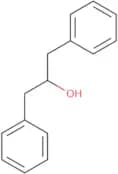
CAS:<p>1,3-Diphenylpropan-2-ol is an organic molecule that can be used in analytical toxicology. It has been shown to have a nonequivalence of 1,3-diphenylpropane and 2-hydroxypentane. The functional groups present on this molecule are the silicon atom and the organic acids. This molecule is metastable due to its radical coupling. 1,3-Diphenylpropan-2-ol is found in a number of chemical reactions including bond cleavage, aldehyde formation, alkene formation, and asymmetric synthesis. Cleavage products include 3-phenylpropanoic acid, phenylacetic acid, and phenylglycolic acid.</p>Fórmula:C15H16OPureza:Min. 95%Peso molecular:212.29 g/mol1-tert-Butylpiperidin-4-ol
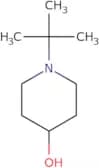
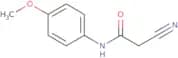
CAS:<p>1-tert-Butylpiperidin-4-ol is a chemical compound that is used as a model drug. It is injected into the muscle to calibrate a signal and extract spatial information. The nitroxyl radical has been shown to have radical scavenging activity, and liposomal encapsulation of the drug may be an effective way to deliver it to cells in the body. 1-tert-Butylpiperidin-4-ol has been shown to have lipophilic properties, which would allow it to cross the blood brain barrier more easily than other drugs with hydrophilic properties.</p>Fórmula:C9H19NOPureza:Min. 95%Peso molecular:157.26 g/mol2-Cyano-N-(4-methoxyphenyl)acetamide
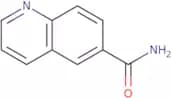
CAS:<p>2-Cyano-N-(4-methoxyphenyl)acetamide is a synthetic compound with inhibitory effects on the enzyme dipeptidyl peptidase IV (DPP-IV). This enzyme is involved in the degradation of incretins, such as glucagon-like peptide 1 (GLP-1), and has been implicated in the development of type 2 diabetes mellitus. The synthesis and characterization of this compound was reported in a paper published in 2000. It has been shown to be a potent inhibitor of DPP-IV, with IC50 values of 0.10 μM for rat pancreatic DPP-IV and 0.06 μM for human recombinant enzyme. The effects of this compound on GLP-1 levels were also studied, showing that it had no effect on basal levels but significantly increased postprandial GLP-1 secretion.</p>Fórmula:C10H10N2O2Pureza:Min. 95%Peso molecular:190.2 g/molQuinoline-6-carboxamide
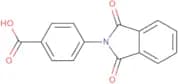
CAS:<p>Quinoline-6-carboxamide is a drug that binds to the CB2 receptor and inhibits cancer cell proliferation. It has been shown to be effective in inhibiting human cervical carcinoma cells, as well as hydroxy group corrosion inhibitors. Quinoline-6-carboxamide also inhibits the growth of diabetic neuropathy and acts as an amide skeleton binder in binding experiments. The compound has been shown to have anti-inflammatory effects in animal models of pain, acting through the metabotropic glutamate receptor. Quinoline-6-carboxamide also blocks herpes simplex virus replication, which may be due to its ability to inhibit viral DNA synthesis.</p>Fórmula:C10H8N2OPureza:Min. 95%Peso molecular:172.19 g/molN-(4-Carboxyphenyl)phthalimide
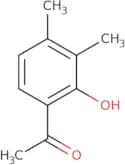
CAS:<p>N-(4-Carboxyphenyl)phthalimide is a ligand that interacts with metal ions. It has been shown to bind to benzocaine and dihedral angles in polyvinyl chloride, lysine, and hydrogen bonds in hydrogen-bonded complexes. N-(4-Carboxyphenyl)phthalimide has been used as a bifunctional agent for the polymerization of vinyl chloride.</p>Fórmula:C15H9NO4Pureza:Min. 95%Peso molecular:267.24 g/mol1-(2-Hydroxy-3,4-dimethylphenyl)ethan-1-one
CAS:<p>Versatile small molecule scaffold</p>Fórmula:C10H12O2Pureza:Min. 95%Peso molecular:164.2 g/molTricyclo[7.2.1.0,2,7]dodeca-2,4,6-trien-8-one
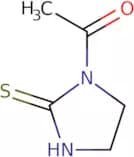
CAS:<p>Versatile small molecule scaffold</p>Fórmula:C12H12OPureza:Min. 95%Peso molecular:172.2 g/molTizanidine Related Compound C
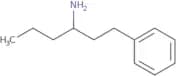
CAS:Versatile small molecule scaffoldFórmula:C5H8N2OSPureza:Min. 95%Peso molecular:144.19 g/mol1-Phenylhexan-3-amine
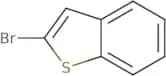
CAS:Versatile small molecule scaffoldFórmula:C12H19NPureza:Min. 95%Peso molecular:177.29 g/mol2-Bromobenzothiophene
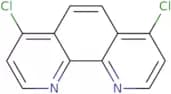
CAS:<p>2-Bromobenzothiophene (BBT) is a synthetic molecule that has potent inhibitory activity against several biological targets, including hydroxy group, enantiomer and enhancement. BBT has been shown to have anticancer properties in vitro and in vivo. This compound also exhibits anti-inflammatory activities, which may be mediated by the inhibition of inflammatory cytokines such as IL-6, IL-8 and TNF-α. This heterocycle inhibits estradiol binding to estrogen receptors by competitive inhibition. The hydroxyl group on 2-bromobenzothiophene can form a covalent bond with thiols, which are abundant in proteins involved in inflammation. It also reacts with other reactive functional groups such as carbonyl groups or aromatic hydrocarbons.</p>Fórmula:C8H5BrSPureza:Min. 95%Peso molecular:213.09 g/mol4,7-Dichloro-1,10-phenanthroline
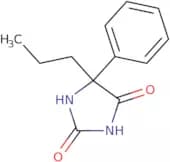
CAS:<p>4,7-Dichloro-1,10-phenanthroline is a bidentate ligand that binds to the chloride anion and has been shown to have anticancer activity against leukemia cells. This compound has also been shown to inhibit the proliferation of cervical cancer cells and chronic myeloid leukemia cells. 4,7-Dichloro-1,10-phenanthroline enhances the fluorescence of human chronic myeloid leukemia cells in a cytometry assay by increasing hydrogen bonding between the cell membrane and fluorophore. This enhancement effect was seen at concentrations of 0.01 μM and higher. 4,7-Dichloro-1,10-phenanthroline also binds to DNA and has been shown to be effective against cancer cells in a luminescent human chronic myeloid leukemia (MRC5) assay.</p>Fórmula:C12H6Cl2N2Pureza:Min. 95%Peso molecular:249.09 g/mol5-Phenyl-5-propylimidazolidine-2,4-dione
CAS:<p>Versatile small molecule scaffold</p>Fórmula:C12H14N2O2Pureza:Min. 95%Peso molecular:218.25 g/mol4-(2,5-Dimethylphenyl)-4-oxobutanoic acid
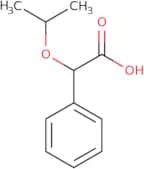
CAS:<p>Versatile small molecule scaffold</p>Fórmula:C12H14O3Pureza:Min. 95%Peso molecular:206.24 g/mol2-Phenyl-2-(propan-2-yloxy)acetic acid
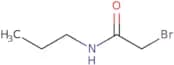
CAS:<p>2-Phenyl-2-(propan-2-yloxy)acetic acid (PPAA) is a serotonin antagonist that inhibits the binding of serotonin to its receptor. PPAA has been shown to have anti-cancer and anti-inflammatory properties. It also has antagonistic properties against azabicyclic compounds, organic acids, and tachykinin peptides. PPAA has also been found to be a prodrug for the treatment of Parkinson's disease, with the active form being 2-(benzyloxy)-2-phenylethanoic acid. The molecular weight of PPAA is 220.21 g/mol and it is soluble in water.<br>PPAA can be synthesized from piperidine and benzyl group with amide as a byproduct. The oxygen atoms in PPAA are c1-c6 alkoxy which are esterified by propan-2-ol.</p>Fórmula:C11H14O3Pureza:Min. 95%Peso molecular:194.23 g/mol2-Bromo-N-propylacetamide
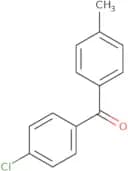
CAS:<p>2-Bromo-N-propylacetamide is a protein target that has been shown to regulate the activity of amines. It has affinity for both anionic and cationic amines. 2-Bromo-N-propylacetamide is used in optimization studies to identify the fluorescent groups that can be used as labels on proteins. This drug also interacts with family members, such as elution and immobilization.</p>Fórmula:C5H10BrNOPureza:Min. 95%Peso molecular:180.04 g/mol(4-Chlorophenyl)(4-methylphenyl)methanone
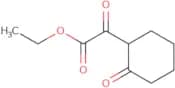
CAS:<p>Versatile small molecule scaffold</p>Fórmula:C14H11ClOPureza:Min. 95%Forma y color:PowderPeso molecular:230.69 g/molEthyl oxo(2-oxocyclohexyl)acetate
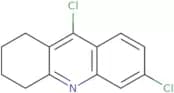
CAS:<p>Ethyl oxo(2-oxocyclohexyl)acetate is a condensation product of glycine and anhydride, which is obtained by heating the two components in the presence of acid. The reaction yields an isomeric mixture of ethyl oxo(2-oxocyclohexyl)acetate and ethyl oxo(3-oxocyclohexyl)acetate. The condensation products are hydrolyzed to their respective amino acids with ammonia or sodium hydroxide. Ethyl oxo(2-oxocyclohexyl)acetate can also be synthesized from glycine ethyl ester and aminomalonic acid in the presence of enamine.</p>Fórmula:C10H14O4Pureza:Min. 95%Peso molecular:198.22 g/mol6,9-Dichloro-1,2,3,4-tetrahydroacridine
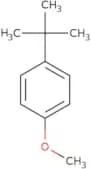
CAS:<p>Versatile small molecule scaffold</p>Fórmula:C13H11Cl2NPureza:Min. 95%Peso molecular:252.14 g/mol4-tert-Butylanisole
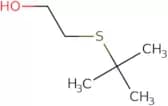
CAS:<p>4-tert-Butylanisole is an amide that has been shown to undergo conformational changes upon irradiation with light. The photochemical cleavage of the amide bond occurs with a quantum yield of 0.4 and produces a diphenyl ether and an acetonitrile derivative. This reaction mechanism has been proposed in order to explain the formation of a nitro group in the molecule, which is responsible for its labile nature. Labile molecules are those that can easily undergo decomposition or change their structure due to external influences, such as heat or light. 4-tert-Butylanisole also undergoes reductive elimination reactions when treated with ethyl bromoacetate, which leads to the formation of labile products as well.</p>Fórmula:C11H16OPureza:Min. 95%Peso molecular:164.25 g/mol2-(tert-Butylsulfanyl)ethan-1-ol
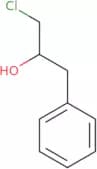
CAS:<p>Versatile small molecule scaffold</p>Fórmula:C6H14OSPureza:Min. 95%Peso molecular:134.24 g/mol1-Chloro-3-phenylpropan-2-ol
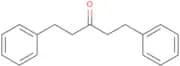
CAS:<p>1-Chloro-3-phenylpropan-2-ol is an alcohol that is detectable and has been shown to have a stereoselective dehydrogenase activity. The kinetic parameters of this enzyme are optimal for the detection of 1-chloro-3-phenylpropan-2-ol in complex mixtures. It has been used in pharmaceuticals as a chiral building block, where it forms a ternary complex with a chiral metal ion and an amino acid. This enzyme is also able to catalyze the conversion of phenylacetone into amphetamine.</p>Fórmula:C9H11ClOPureza:Min. 95%Peso molecular:170.63 g/mol1,5-Diphenylpentan-3-one
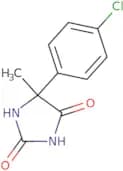
CAS:<p>1,5-Diphenylpentan-3-one is a hydroxylated analog of the anti-inflammatory compound 1,5-diphenylpentan-2-one. It can be used as a reactive intermediate in the synthesis of ester compounds, hydrogen bond inhibitors, and insulin resistance inhibitors. This compound also has the ability to inhibit HDAC activity and radiation.</p>Fórmula:C17H18OPureza:Min. 95%Peso molecular:238.32 g/mol5-(4-Chlorophenyl)-5-methylimidazolidine-2,4-dione
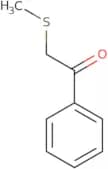
CAS:<p>Versatile small molecule scaffold</p>Fórmula:C10H9ClN2O2Pureza:Min. 95%Peso molecular:224.64 g/mol2-(Methylsulfanyl)-1-phenylethan-1-one
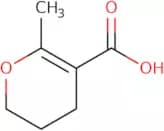
CAS:<p>2-(Methylsulfanyl)-1-phenylethan-1-one is a sulfoxide that was synthesized by the photoelectron transfer of methylsulfane. It is an electron acceptor, which can be reduced to the corresponding sulfide or sulfone. It has been shown to react with carbonyl groups and thioacetals, forming triazole derivatives. The molecule has been found to have affinity for aluminium surfaces and has a strong interaction with the carbonyl group.</p>Fórmula:C9H10OSPureza:Min. 95%Peso molecular:166.24 g/mol6-Methyl-3,4-dihydro-2H-pyran-5-carboxylic acid
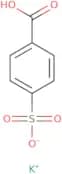
CAS:<p>6-Methyl-3,4-dihydro-2H-pyran-5-carboxylic acid is an organic compound that is used as a solvent. It is preferentially soluble in solvents with low boiling points and high dielectric constants. The solvation of 6-methylpyran-5-carboxylic acid can be accomplished by photooxygenation or hydroperoxide formation.</p>Fórmula:C7H10O3Pureza:Min. 95%Peso molecular:142.15 g/mol4-Sulfobenzoic acid potassium
CAS:<p>4-Sulfobenzoic acid potassium salt is a quasicrystalline compound with a flow rate of 0.1 cm/s. It is a molecule with an approximate diameter of 2 nm and functional groups that include sulfonic acid, carboxylic acid, hydroxyl, and OH. 4-Sulfobenzoic acid potassium salt has a high solubility in water and can be found in the form of potassium ions or as a covalent bond to other molecules. The analytical methods for this compound include IR (infrared) spectroscopy, Raman spectroscopy, X-ray diffraction analysis, and electron microscopy. A synthetic method for 4-sulfobenzoic acid potassium salt is via reaction of benzoic acid with potassium hydroxide followed by recrystallization from ethanol. This compound can be found in the form of nanosheets or polymerized into polybenzoxazole films</p>Fórmula:C7H6O5S•KPureza:Min. 95%Peso molecular:241.28 g/mol7-Chloro-3-methyl-1H-pyrazolo[4,3-d]pyrimidine
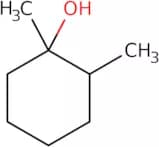
CAS:<p>Formycin is a form of potassium glycolate (KG), which belongs to the class of chlorinated alkyl ethers. Formycin has been used as an antiseptic, but is no longer in use due to its toxicity. It is also a potent inhibitor of bacterial growth and was used in the past for treating tuberculosis. The methylation of KG produces formaldehyde, which can react with ethylene glycol to produce ethylene glycol monomethyl ether (EGME). EGME is highly toxic and can cause lung damage.</p>Fórmula:C6H5ClN4Pureza:Min. 95%Peso molecular:168.58 g/mol1,2-Dimethylcyclohexan-1-ol
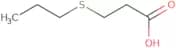
CAS:<p>1,2-Dimethylcyclohexan-1-ol is a hydroxylated phenolic compound that has been shown to inhibit the production of inflammatory cytokines. It also inhibits the activity of carboxylesterases and aminopeptidases in vitro, which may be due to its acidic nature. This drug is used to treat autoimmune diseases such as rheumatoid arthritis, psoriasis, and multiple sclerosis. 1,2-Dimethylcyclohexan-1-ol can be synthesized from hydroxybenzene and formaldehyde with hydrochloric acid as a reaction intermediate. It reacts with trifluoroacetic acid to produce an intermediate that is soluble in water. This compound is also susceptible to oxidation by air or light.</p>Fórmula:C8H16OPureza:Min. 95%Peso molecular:128.21 g/mol3-(Propylsulfanyl)propanoic acid
CAS:<p>Versatile small molecule scaffold</p>Fórmula:C6H12O2SPureza:Min. 95%Peso molecular:148.23 g/mol2,5-Dichlorobenzenesulfonyl Chloride
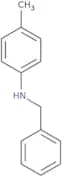
CAS:<p>2,5-Dichlorobenzenesulfonyl Chloride is a chemical compound that binds to the G protein-coupled receptor. It has been shown to stabilize the receptor and inhibit angiogenic process. 2,5-Dichlorobenzenesulfonyl Chloride has been shown to have anticancer activity against human glioma cells in vitro and in vivo. It also inhibits hydrogen bonding interactions with the receptor which may be important for cancer treatment.<br>2,5-Dichlorobenzenesulfonyl Chloride is soluble in chloroform and acetone but not water or ethanol. The solubility of this compound can be improved by adding a solvent such as benzene or dichloromethane.</p>Fórmula:C6H3Cl3O2SPureza:Min. 95%Peso molecular:245.51 g/molN-Benzyl-4-methylaniline
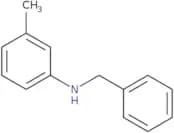
CAS:<p>N-Benzyl-4-methylaniline is a mesoporous material with a high surface area that can be used as a solid acid catalyst. It has been shown to have excellent catalytic properties for the synthesis of quinoline derivatives from trans-stilbene and anilines. The immobilized N-benzyl-4-methylaniline is a novel material that can be used in various applications, such as as an uv detector or proton donor.</p>Fórmula:C14H15NPureza:Min. 95%Peso molecular:197.27 g/molN-Benzyl-3-methylaniline
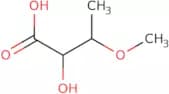
CAS:<p>Versatile small molecule scaffold</p>Fórmula:C14H15NPureza:Min. 95%Peso molecular:197.27 g/mol2-Hydroxy-3-methoxybutanoic acid
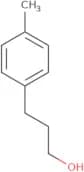
CAS:<p>Versatile small molecule scaffold</p>Fórmula:C5H10O4Pureza:Min. 95%Peso molecular:134.13 g/mol3-(4-Methylphenyl)propan-1-ol
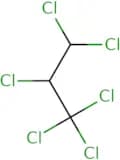
CAS:<p>3-(4-Methylphenyl)propan-1-ol is a compound that is used as an intermediate in organic synthesis. It has been shown to undergo regioselective radical cyclization reactions with cations and radical cations, yielding the corresponding methylenecyclopropane derivatives. 3-(4-Methylphenyl)propan-1-ol can be used as a precursor for various other compounds, such as ethyl (2E)-3-[4-(methylphenyl)buta-1,3-diene]propanoate.</p>Fórmula:C10H14OPureza:Min. 95%Peso molecular:150.22 g/mol1,1,1,2,3,3-Hexachloropropane
CAS:<p>1,1,1,2,3,3-Hexachloropropane is a fluorinated hydrocarbon that is used as a catalyst in the fluorination of organic compounds. The reaction is highly selective and only produces one stereoisomer (e.g., 1-fluoropropane). This product can be used as a conditioner for gas streams or a diluent for liquid phase reactions. Hexachloropropane also reacts with hydrogen chloride to produce fluorides and chlorides. The reaction selectivity of this product is high because it does not react with other substances such as water or ammonia.</p>Fórmula:C3H2Cl6Pureza:Min. 95%Peso molecular:250.8 g/molCyclobutyl Phenyl Ketone
CAS:<p>Cyclobutyl Phenyl Ketone is an unsaturated ketone that belongs to the class of aliphatic hydrocarbons. It is used in vitro assays as a receptor binding agent. Cyclobutyl Phenyl Ketone can bind to the benzodiazepine site on GABA-A receptors, which are a type of neurotransmitter receptor found in the central nervous system. Cyclobutyl Phenyl Ketone has been shown to be effective in treating chronic bronchitis due to its ability to inhibit chloride ion uptake by human lung cells. This compound has also been shown to be effective for treating bladder cancer due to its function as a hydrogen chloride scavenger and nitro group donor. Cyclobutyl Phenyl Ketone can be synthesized from ethyl formate, through a Friedel-Crafts reaction with hydrogen chloride, followed by carbonyl reduction with sodium borohydride. The asymmetric synthesis of this compound requires a simple modification in the starting material,</p>Fórmula:C11H12OPureza:Min. 95%Peso molecular:160.22 g/mol7-Methyloctan-3-one
CAS:<p>7-Methyloctan-3-one is a natural product that belongs to the family of cyclic terpenes. It has been identified in the fur of the arctic fox and has been shown to be a pheromone in some species of formicidae (ants). The compound is also found in tarandus (reindeer) and formicidae species. 7-Methyloctan-3-one exhibits an endoparasitic effect on insects, including those that are pests for humans such as the Colorado potato beetle, and can be used as an insecticide. The compound is hypothesized to have a similar effect on other types of pests, including mites and ticks. 7-Methyloctan-3-one is extracted by distillation from animal fat or vegetable oils with high boiling points. Chromatographic analysis reveals its presence at Rf 0.4 on TLC plates with a solvent system of hexane/diethyl ether/</p>Fórmula:C9H18OPureza:Min. 95%Peso molecular:142.24 g/mol1-(2-chlorophenyl)-2-methylpropan-1-one
CAS:<p>Versatile small molecule scaffold</p>Fórmula:C10H11OClPureza:Min. 95%Peso molecular:182.64 g/mol2,3-Dibromobutane
CAS:<p>2,3-Dibromobutane is a molecule that is used as a polarizer in liquid crystal composition. It is an elimination reaction product of bromine and ethylene, which also has the ability to inhibit hyperproliferative diseases. 2,3-Dibromobutane has been shown to have cancer-preventing properties by inhibiting the growth of tumor cells. The mechanism of this inhibition is not yet clear and may be due to its ability to react with reactive oxygen species or other intermediates involved in carcinogenesis. 2,3-Dibromobutane has been shown to form adducts with protonated molecules such as phenol or cresol, which are found in coal tar and cigarette smoke. These adducts have been shown to cause mutations and increase the risk for cancer.</p>Fórmula:C4H8Br2Pureza:Min. 95%Peso molecular:215.92 g/mol2-[4-Chloro-5-methyl-2-(propan-2-yl)phenoxy]acetic acid
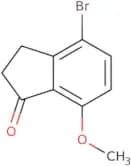
CAS:<p>Versatile small molecule scaffold</p>Fórmula:C12H15ClO3Pureza:Min. 95%Peso molecular:242.7 g/mol4-Bromo-7-methoxy-1-indanone
CAS:<p>Versatile small molecule scaffold</p>Fórmula:C10H9BrO2Pureza:Min. 95%Peso molecular:241.08 g/mol4-Chloro-1,6-dimethyl-1H-pyrazolo[3,4-d]pyrimidine
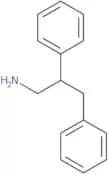
CAS:Versatile small molecule scaffoldFórmula:C7H7ClN4Pureza:Min. 95%Peso molecular:182.61 g/mol2,3-Diphenylpropan-1-amine
CAS:<p>Versatile small molecule scaffold</p>Fórmula:C15H17NPureza:Min. 95%Peso molecular:211.3 g/mol2-[(Dimethylamino)methyl]prop-2-enoic acid
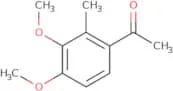
CAS:<p>Versatile small molecule scaffold</p>Fórmula:C6H11NO2Pureza:Min. 95%Peso molecular:129.16 g/mol1-(3,4-Dimethoxy-2-methylphenyl)ethan-1-one
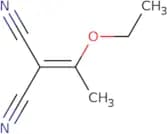
CAS:Versatile small molecule scaffoldFórmula:C11H14O3Pureza:Min. 95%Peso molecular:194.23 g/mol(ethoxyethylidene)methane-1,1-dicarbonitrile
CAS:<p>(EtO)2CCHCN is a chemical compound that has been shown to have anticancer activity. This drug binds to the glutamate receptor subtype and inhibits the binding of glutamate to its receptor, which leads to cell death. The chemical structure of (EtO)2CCHCN is similar to that of adenosine, which also has anticancer properties. In addition, (EtO)2CCHCN has been shown to be a competitive inhibitor for both the A1 adenosine receptor and the NMDA glutamate receptor. (EtO)2CCHCN may be effective in treating depression by inhibiting glutamate-induced excitotoxicity in certain regions of the brain.</p>Fórmula:C7H8N2OPureza:Min. 95%Peso molecular:136.15 g/mol2-Chloro-4h-pyrido[1,2-a]pyrimidin-4-one
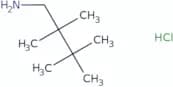
CAS:<p>2-Chloro-4h-pyrido[1,2-a]pyrimidin-4-one is an azido compound that reacts with hydrazine to form a piperidinium salt. The reaction between the azide and hydrazine forms a cyclization product that undergoes nitrosation to form a hydrazone. This molecule can be converted into a cyanoguanidine by reacting it with hydroxylamine. br> br> The 2-chloro-4h-pyrido[1,2-a]pyrimidin-4-one molecule contains both nucleophilic and electrophilic groups. These groups react with each other in the presence of acid or base to produce an alkyl halide or amine respectively. This property makes the molecule useful for many purposes including as an intermediate in organic synthesis and as a precursor to biochemicals such as antibiotics and antihist</p>Fórmula:C8H5ClN2OPureza:Min. 95%Peso molecular:180.59 g/mol2,2,3,3-Tetramethylbutan-1-amine hydrochloride
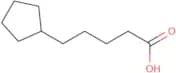
CAS:<p>Versatile small molecule scaffold</p>Fórmula:C8H20ClNPureza:Min. 95%Peso molecular:165.7 g/mol5-Cyclopentylpentanoic acid
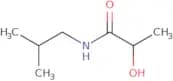
CAS:<p>Cyclopentylpentanoic acid is a carboxylic acid that is produced by the condensation of two molecules of acetaldehyde. It has been shown to have antibacterial activities against Pseudomonas aeruginosa and Aeruginosa and has been used to treat bacterial infections in animals. Cyclopentylpentanoic acid also inhibits virulence factors, such as the production of exotoxins, proteases, and hemolysin, which are enzymes that destroy red blood cells. This compound also inhibits the growth of A. baumannii through sensing mechanisms mediated by an unknown factor.</p>Fórmula:C10H18O2Pureza:Min. 95%Peso molecular:170.25 g/mol2-Hydroxy-N-(2-methylpropyl)propanamide
CAS:<p>Versatile small molecule scaffold</p>Fórmula:C7H15NO2Pureza:Min. 95%Peso molecular:145.2 g/mol2-[(Quinazolin-4-yl)amino]ethan-1-ol
CAS:<p>Versatile small molecule scaffold</p>Fórmula:C10H11N3OPureza:Min. 95%Peso molecular:189.21 g/mol2-Amino-N,3-diphenylpropanamide
CAS:<p>2-Amino-N,3-diphenylpropanamide is a chiral compound that can be synthesized from 2-propanol and amide. It has two moieties, which are the amide and the protonated amino group. The amide moiety is a chiral center because it has four different substituents. The experimental thermodynamic experiments show that the enantiomer with the R configuration has higher energy than the one with the S configuration. This is due to its high steric hindrance and its electron donating property.</p>Fórmula:C15H16N2OPureza:Min. 95%Peso molecular:240.3 g/mol2-Hydroxy-4-(phenylmethoxy)benzoic Acid Methyl Ester
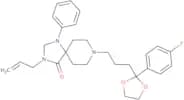
CAS:<p>2-Hydroxy-4-(phenylmethoxy)benzoic Acid Methyl Ester is a benzene derivative that inhibits the binding of xanthones to the benzene ring in a variety of ways. This compound is formed by reacting phenol with methyl benzoate in the presence of acid and heat. The low energy ligand inhibits the binding of xanthones to benzene by forming hydrogen bonds, covalent bonds, or van der Waals forces with the anion. 2-Hydroxy-4-(phenylmethoxy)benzoic acid methyl ester has shown anti-inflammatory properties, which may be due to its ability to inhibit leukocyte adhesion at inflammatory sites.</p>Fórmula:C15H14O4Pureza:Min. 95%Peso molecular:258.27 g/mol4-Chloro-N-[2-(diethylamino)ethyl]aniline
CAS:<p>Versatile small molecule scaffold</p>Fórmula:C12H19ClN2Pureza:Min. 95%Peso molecular:226.74 g/mol2-[(2-Nitrophenyl)amino]acetic acid
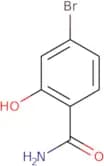
CAS:<p>2-[(2-Nitrophenyl)amino]acetic acid (2NPA) is a selective antagonist with high affinity for the acetylcholine receptor. It has been shown to inhibit ionic currents in Xenopus oocytes expressing α-subunits of the nicotinic acetylcholine receptor. The compound binds to the site on the receptor that is normally occupied by acetylcholine and prevents it from binding to its normal binding site, thereby inhibiting functional activity. 2NPA was found to be a potent inhibitor of acetylcholine release in rat brain synaptosomes and inhibited acetylcholinesterase activity. 2NPA also inhibits cholinergic neurotransmission in the hippocampus, which may be due to its ability to block nicotinic receptors.</p>Fórmula:C8H8N2O4Pureza:Min. 95%Peso molecular:196.16 g/mol4-Bromo-2-hydroxybenzamide
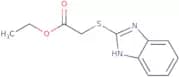
CAS:<p>4-Bromo-2-hydroxybenzamide is a nonlinear, bioisostere molecule with low nanomolar in vivo antitumor activity. It inhibits tumor growth and induces apoptosis by inhibiting the cell cycle at G1 phase. 4-Bromo-2-hydroxybenzamide has been shown to inhibit the growth of cancer cells in vitro and in vivo through its ability to induce apoptosis. This drug has also been shown to selectively target tumor cells, including human breast cancer, colon cancer, and leukemia cells. 4-Bromo-2-hydroxybenzamide has not been shown to cause toxicity in animal models, suggesting that it may be a promising agent for the treatment of cancers that are resistant to current therapies.</p>Fórmula:C7H6BrNO2Pureza:Min. 95%Peso molecular:216.03 g/molEthyl 2-(1H-1,3-benzodiazol-2-ylsulfanyl)acetate
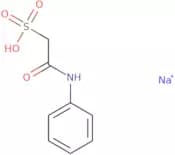
CAS:Versatile small molecule scaffoldFórmula:C11H12N2O2SPureza:Min. 95%Peso molecular:236.29 g/molSodium (phenylcarbamoyl)methanesulfonate
CAS:<p>Versatile small molecule scaffold</p>Fórmula:C8H9NNaO4SPureza:Min. 95%Peso molecular:238.22 g/mol4-(Trifluoromethylsulfonamido)benzoic acid
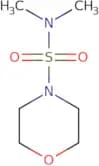
CAS:Versatile small molecule scaffoldFórmula:C8H6F3NO4SPureza:Min. 95%Peso molecular:269.2 g/molN,N-Dimethylmorpholine-4-sulfonamide
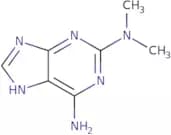
CAS:<p>Versatile small molecule scaffold</p>Fórmula:C6H14N2O3SPureza:Min. 95%Peso molecular:194.25 g/molN2,N2-Dimethyl-9H-purine-2,6-diamine
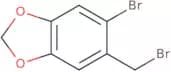
CAS:Versatile small molecule scaffoldFórmula:C7H10N6Pureza:Min. 95%Peso molecular:178.2 g/mol5-Bromo-6-bromomethyl-1,3-benzodioxole
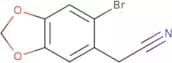
CAS:<p>5-Bromo-6-bromomethyl-1,3-benzodioxole is a diarylmethane which is reactive and can be used in the synthesis of amides. It has been shown to inhibit tumor growth and cancer cell proliferation. 5-Bromo-6-bromomethyl-1,3-benzodioxole has also been shown to bind to the ligand binding site of the enzyme cytidine deaminase, which is involved in DNA synthesis. This drug may also have anticancer activity by inhibiting hepatocyte growth and cellular proliferation.</p>Fórmula:C8H6Br2O2Pureza:Min. 95%Peso molecular:293.94 g/mol2-(6-Bromo-1,3-dioxaindan-5-yl)acetonitrile
CAS:<p>Versatile small molecule scaffold</p>Fórmula:C9H6BrNO2Pureza:Min. 95%Peso molecular:240.05 g/mol1-(2-Chlorophenyl)butan-1-ol
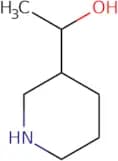
CAS:<p>Versatile small molecule scaffold</p>Fórmula:C10H13ClOPureza:Min. 95%Peso molecular:184.66 g/mol1-(Piperidin-3-yl)ethan-1-ol
CAS:<p>Versatile small molecule scaffold</p>Fórmula:C7H15NOPureza:Min. 95%Peso molecular:129.2 g/mol2-(2,6-Dimethoxyphenoxymethyl)oxirane
CAS:<p>Versatile small molecule scaffold</p>Fórmula:C11H14O4Pureza:Min. 95%Peso molecular:210.23 g/mol1H-Benzo[d]imidazole-2-sulfonamide
CAS:<p>1H-Benzo[d]imidazole-2-sulfonamide is a transcriptional regulator that is used in the treatment of bowel disease. It has been shown to be active against autoimmune diseases, such as inflammatory bowel disease and rheumatoid arthritis. 1H-Benzo[d]imidazole-2-sulfonamide regulates gene expression by binding to response elements in the promoter region of certain genes. The drug is an inhibitor of human serum proteases, which may lead to decreased inflammation and improved symptoms of inflammation bowel disease. The drug also has pharmacokinetic properties that make it suitable for oral administration.</p>Fórmula:C7H7N3O2SPureza:Min. 95%Peso molecular:197.21 g/mol2-Amino-3-ethylbenzoic acid
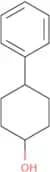
CAS:<p>2-Amino-3-ethylbenzoic acid is an aliphatic amino acid that is involved in the synthesis of polyunsaturated fatty acids. It is found in groundnut, and as a result plays a role in vitellogenesis. 2-Amino-3-ethylbenzoic acid has been shown to have biochemical effects on catfish and juvenile catfish. It can be used to increase the diameter of the eggs produced by these animals, and also has a positive effect on their maturation, enzyme activities, and linolenic acid levels.</p>Fórmula:C9H11NO2Pureza:Min. 95%Peso molecular:165.19 g/mol4-Phenyl-cyclohexanol
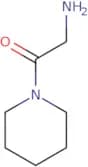
CAS:<p>4-Phenyl-cyclohexanol is a cyclohexane ring with a hydroxyl group on it. It is an aromatic hydrocarbon and can be found in many natural products, such as naphthalene, carbonyl group, geometric isomers, c–h bond. 4-Phenyl-cyclohexanol has been shown to have synergic effects when combined with other compounds, such as furyl and isopropylbenzyl alcohol. It has been isolated from the fungus Myrothecium verrucaria and also produced by enzymatic conversion of phenol. 4-Phenyl-cyclohexanol can be used to reduce ferredoxin to ferrodoxin and form NADPH in the biosynthesis of aromatic amino acids.</p>Fórmula:C12H16OPureza:Min. 95%Peso molecular:176.26 g/mol2-Amino-1-(1-piperidinyl)-1-ethanone hydrochloride
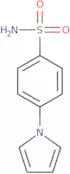
CAS:<p>2-Amino-1-(1-piperidinyl)-1-ethanone hydrochloride is an achiral and enantioselective chiral catalyst. It has been shown to catalyze the transfer of alkyl groups from one molecule to another, including imine, initially alkylated, and chiral substrates. 2-Amino-1-(1-piperidinyl)-1-ethanone hydrochloride has been used in asymmetric synthesis of levobupivacaine with high optical purity.</p>Fórmula:C7H15ClN2OPureza:Min. 95%Peso molecular:178.66 g/mol4-(1H-Pyrrol-1-yl)benzene-1-sulfonamide
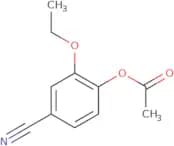
CAS:<p>Versatile small molecule scaffold</p>Fórmula:C10H10N2O2SPureza:Min. 95%Peso molecular:222.27 g/mol4-Cyano-2-ethoxyphenyl acetate
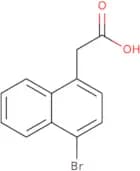
CAS:<p>Versatile small molecule scaffold</p>Fórmula:C11H11NO3Pureza:Min. 95%Peso molecular:205.21 g/mol2-(4-Bromonaphthalen-1-yl)acetic acid
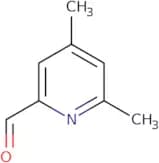
CAS:<p>Versatile small molecule scaffold</p>Fórmula:C12H9BrO2Pureza:Min. 95%Peso molecular:265.1 g/mol4,6-Dimethylpyridine-2-carbaldehyde
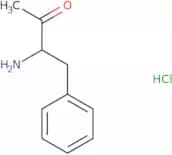
CAS:<p>Versatile small molecule scaffold</p>Fórmula:C8H9NOPureza:Min. 95%Peso molecular:135.16 g/mol3-Amino-4-phenylbutan-2-one hydrochloride
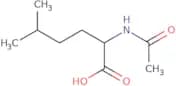
CAS:<p>Versatile small molecule scaffold</p>Fórmula:C10H14ClNOPureza:Min. 95%Peso molecular:199.68 g/mol2-Acetamido-5-methylhexanoic acid
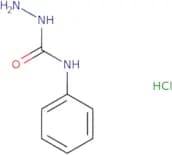
CAS:<p>2-Acetamido-5-methylhexanoic acid is a postulated compound that is synthesized in two steps from 2-methyl-3-buten-2-ol. The first step involves the sequential dehydration of an α,β unsaturated ketone with aqueous sodium hydroxide and then phosphoric acid. The second step entails the addition of an acetylamino group to the β position of the carboxyl group, forming the desired compound. The synthesis of 2-acetamido-5 methylhexanoic acid was confirmed by spectroscopic methods, including IR, NMR, and MS. This chemical has been shown to be catalytic in allylic alcohols and isomerized allylic alcohols.</p>Fórmula:C9H17NO3Pureza:Min. 95%Peso molecular:187.24 g/mol4-Phenylsemicarbazide hydrochloride
CAS:<p>4-Phenylsemicarbazide hydrochloride is a compound that is created by the oxidation of selenium or selenium salts. 4-Phenylsemicarbazide hydrochloride is used as a photoelectron to generate energy in the metabolism of fatty acids. It has been shown to decrease levels of chloride in rats and mice, which may be due to its ability to reduce monochloride. The biochemical pathways for this substance are not well understood, but it has been shown to have health effects on animals such as aluminum toxicity and lipid peroxidation.</p>Fórmula:C7H9N3O·HClPureza:Min. 95%Peso molecular:187.63 g/molN-Methyl-2-nitrobenzylamine Hydrochloride
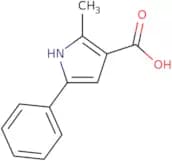
CAS:Versatile small molecule scaffoldFórmula:C8H11ClN2O2Pureza:Min. 95%Peso molecular:202.64 g/mol2-Methyl-5-phenyl-1H-pyrrole-3-carboxylic acid
CAS:<p>Versatile small molecule scaffold</p>Fórmula:C12H11NO2Pureza:Min. 95%Peso molecular:201.22 g/mol2-Cyclohexyl-1-propanol
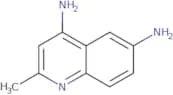
CAS:<p>2-Cyclohexyl-1-propanol (2CYP) is a chemical compound that is an alkali metal. It can be used to remove the sulfate from benzyl alcohol, which is a precursor in the production of polystyrene. 2CYP is also used as a catalyst for the hydrogenation of alkenes and alkynes to produce hydrogenated hydrocarbons. The elucidation of the mechanism by which 2CYP reduces sulfate has been shown to involve two steps: dehydrogenation of 2CYP followed by addition of sulfate to form elemental sulfur. In environmental health, 2CYP has been shown to reduce chloride levels and was found to be more effective than sodium hydroxide or sodium chloride.<br>2CYP also reduces levels of lead and cadmium in water samples.</p>Fórmula:C9H18OPureza:Min. 95%Peso molecular:142.24 g/mol2-Methylquinoline-4,6-diamine
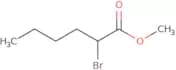
CAS:<p>Versatile small molecule scaffold</p>Fórmula:C10H11N3Pureza:Min. 95%Peso molecular:173.21 g/molMethyl 2-Bromohexanoate
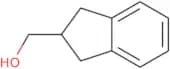
CAS:<p>Methyl 2-bromohexanoate is a reactive chemical that has been found in the urine of healthy volunteers. It is used as an intermediate for pharmaceutical preparations and can be introduced into the body through inhalation, ingestion, or skin contact. Methyl 2-bromohexanoate also has potential use as a biomarker for cancer, since it has been detected in patients with cervical cancer and environmental exposure to benzene. This compound reacts with sulfoxide in the environment to form polymers and phosphates. It also exhibits optical properties when polymerized.</p>Fórmula:C7H13BrO2Pureza:Min. 95%Peso molecular:209.08 g/mol(2,3-Dihydro-1H-inden-2-yl)methanol
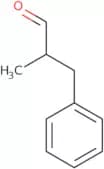
CAS:<p>(2,3-Dihydro-1H-inden-2-yl)methanol is an organometallic compound that has the chemical formula CH(CH)CHO. It is classified as an aromatic alcohol based on its substituent. (2,3-Dihydro-1H-inden-2-yl)methanol has a linear structure with a hydrogen atom at the end of each carbon chain and two carbonyl groups. The equilibrium between this compound and its isomers can be determined by calculating the difference in energy between each form. The properties of this compound depend on the solvent it is mixed with, as well as its solvents’ polarity. This compound can be used for perfuming or for cyclohexanol production.</p>Fórmula:C10H12OPureza:Min. 95%Peso molecular:148.2 g/mol2-Methyl-3-phenylpropanal
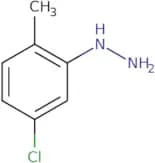
CAS:<p>2-Methyl-3-phenylpropanal is a volatile compound that has been identified as a major component of the odor of fresh cilantro. It has been found to be a pheromone for the crambid moth, which suggests that it may play a role in mating behavior. 2-Methyl-3-phenylpropanal is an allyl ligand that has shown to bind to odorant binding proteins. It also has been shown to have hydrogen bonding and fluorescence properties. This molecule is not active against lepidoptera or gamma-terpinene, but it does show binding activity against the latter.</p>Fórmula:C10H12OPureza:Min. 95%Peso molecular:148.2 g/mol5-Chloro-2-methylphenylhydrazine hydrochloride
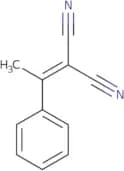
CAS:<p>5-Chloro-2-methylphenylhydrazine hydrochloride (5CMPH) is an arylhydrazine that is used as a reagent in organic chemistry. It can be prepared from 2,6-dichloroacetamide and methyl phenyldiazonium chloride. 5CMPH has the molecular formula CHClN and a molecular weight of 182.8 g/mol. This compound is soluble in water and ethanol, but insoluble in ethers and benzene. 5CMPH has been shown to react with 6-membered heterocycles such as guanidinium chloride to form dialdehydes. When substituted at the 2 position with chlorine, it forms chlorinated arylhydrazines such as 6-chloro-N-(2-chlorophenyl)-2,4-dinitrobenzenamine, which have been shown to have antiinflammatory activities.</p>Fórmula:C7H10Cl2N2Pureza:Min. 95%Peso molecular:193.07 g/mol2-(1-Phenylethylidene)malononitrile
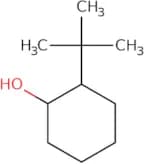
CAS:<p>2-(1-Phenylethylidene)malononitrile (2-PMAN) is a chemical compound that is used as starting material for the manufacture of other chemicals. It can be obtained by the reaction of anthranilic acid with trichloroacetonitrile in the presence of hydride transfer agents. The product is purified by crystallization and recrystallization, and then reacts with carbon disulfide to form 2-phenylethanamine. 2-PMAN has been shown to have nematocidal activity, which may be due to its ability to inhibit protein synthesis by interfering with the uptake of amino acids into cells. Additionally, 2-PMAN can undergo dimerization or isomerisation reactions which affect its biological activity.</p>Fórmula:C11H8N2Pureza:Min. 95%Peso molecular:168.19 g/molrac-(1R,2S)-2-tert-Butylcyclohexan-1-ol
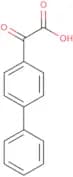
CAS:Rac-1,2-cyclohexan-1,2-diol is a synthetic chemical that is used in the production of hydrogenated oils. It is produced by the hydrogenation of rac-dimethyl carbonate, which can be synthesized from cyclohexanol and tert-butyl chloride. Rac-1,2-cyclohexan-1,2-diol can be quantified using gas chromatography with a flame ionization detector (GC/FID) or high performance liquid chromatography (HPLC). The catalyst used for this reaction is typically a solid material such as platinum on carbon. The reaction requires anhydrous conditions and takes place at low temperatures. Racemic 1,2 cyclohexan-1,2 diol can also be produced through the dehydrogenation of racemic 2,3 cyclohexanedione with a palladium on charcoal catalyst. This process requires anhydrous conditions and takes place at high temperatures.Fórmula:C10H20OPureza:Min. 95%Peso molecular:156.26 g/mol2-Oxo-2-(4-phenylphenyl)acetic acid
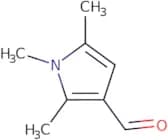
CAS:<p>Versatile small molecule scaffold</p>Fórmula:C14H10O3Pureza:Min. 95%Peso molecular:226.23 g/mol1,2,5-Trimethyl-1H-pyrrole-3-carbaldehyde
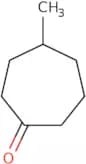
CAS:<p>Versatile small molecule scaffold</p>Fórmula:C8H11NOPureza:Min. 95%Peso molecular:137.18 g/mol4-Methylcycloheptan-1-one
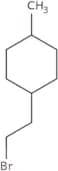
CAS:<p>4-Methylcycloheptan-1-one is an organic compound with a methoxy group, mesylate group and a single optical isomer. This compound has been synthesized by the nucleophilic substitution of 4-methylcycloheptanone with methoxymethyl chloride. The enantiomeric excess of the product can be determined by optical rotation measurements. The reaction system was racemized in a chiral environment. The reaction products are solvents, which must be deuterated to yield the desired chiral product.</p>Fórmula:C8H14OPureza:Min. 95%Peso molecular:126.2 g/mol1-(2-Bromoethyl)-4-methylcyclohexane
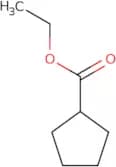
CAS:<p>Versatile small molecule scaffold</p>Fórmula:C9H17BrPureza:Min. 95%Peso molecular:205.13 g/molEthyl cyclopentane carboxylate
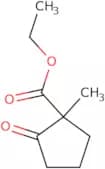
CAS:<p>Ethyl cyclopentane carboxylate is a cell signaling molecule that is synthesized from an amide and diacylglycerol. It has been shown to have therapeutic effects in autoimmune diseases, cancer, inflammatory diseases, bowel disease, and transfer reactions. Ethyl cyclopentane carboxylate inhibits the MCL-1 protein and CB2 receptor in the immune system. Ethyl cyclopentane carboxylate has also been shown to inhibit the inflammatory response in experimental models of inflammatory bowel disease by inhibiting the activity of the Cb2 receptor.</p>Fórmula:C8H14O2Pureza:Min. 95%Peso molecular:142.2 g/molethyl 1-methyl-2-oxocyclopentane-1-carboxylate
CAS:<p>Ethyl 1-methyl-2-oxocyclopentane-1-carboxylate is a cyclopentenone that has been shown to be effective against epidermoid carcinoma cells and lymphocytic leukemia. It has antitumor activity in vivo, with a good cytotoxicity profile. This compound binds to the DNA of tumor cells, causing mismatched base pairing through its diastereomeric interactions. This binding leads to disruption of the DNA helix, which causes cell death by apoptosis. Ethyl 1-methyl-2-oxocyclopentane-1-carboxylate also inhibits the growth of tissue culture cells. The toxic effects on these cells are dose dependent and can be reduced by irradiation or ethylene gas treatment.</p>Fórmula:C9H14O3Pureza:Min. 95%Peso molecular:170.21 g/molEthyl 1-methyl-2-oxocyclohexane-1-carboxylate
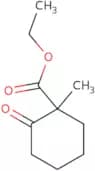
CAS:Ethyl 1-methyl-2-oxocyclohexane-1-carboxylate (EMOC) is a synthetic retinoid that was designed to have biological properties similar to those of retinoic acid. EMOC has been shown to inhibit the growth of cancer cells in vitro and in vivo, as well as to induce differentiation in these cells. It inhibits DNA replication by binding to chloride ions, which are essential for the enzymatic activity of DNA polymerase. EMOC also binds to the carbonyl group of diltiazem hydrochloride, a drug used for the treatment of high blood pressure and angina pectoris. The chemical structures of both compounds are similar, with one difference being that EMOC has an additional methyl group on its terminal half-life.Fórmula:C10H16O3Pureza:Min. 95%Peso molecular:184.23 g/mol

![3-(Hydroxymethyl)benzo[b]thiophene](/_next/image/?url=https%3A%2Fstatic.cymitquimica.com%2Fproducts%2F3D%2Fthumb-webp%2FFAA38124.webp&w=3840&q=75)
![Tricyclo[7.2.1.0,2,7]dodeca-2,4,6-trien-8-one](/_next/image/?url=https%3A%2Fstatic.cymitquimica.com%2Fproducts%2F3D%2Fthumb-webp%2FFAA38719.webp&w=3840&q=75)
![7-Chloro-3-methyl-1H-pyrazolo[4,3-d]pyrimidine](/_next/image/?url=https%3A%2Fstatic.cymitquimica.com%2Fproducts%2F3D%2Fthumb-webp%2FFAA39995.webp&w=3840&q=75)



![2-[4-Chloro-5-methyl-2-(propan-2-yl)phenoxy]acetic acid](/_next/image/?url=https%3A%2Fstatic.cymitquimica.com%2Fproducts%2F3D%2Fthumb-webp%2FFAA41111.webp&w=3840&q=75)
![4-Chloro-1,6-dimethyl-1H-pyrazolo[3,4-d]pyrimidine](/_next/image/?url=https%3A%2Fstatic.cymitquimica.com%2Fproducts%2F3D%2Fthumb-webp%2FFAA41396.webp&w=3840&q=75)
![2-[(Dimethylamino)methyl]prop-2-enoic acid](/_next/image/?url=https%3A%2Fstatic.cymitquimica.com%2Fproducts%2F3D%2Fthumb-webp%2FFAA41598.webp&w=3840&q=75)
![2-Chloro-4h-pyrido[1,2-a]pyrimidin-4-one](/_next/image/?url=https%3A%2Fstatic.cymitquimica.com%2Fproducts%2F3D%2Fthumb-webp%2FFAA41894.webp&w=3840&q=75)
![2-[(Quinazolin-4-yl)amino]ethan-1-ol](/_next/image/?url=https%3A%2Fstatic.cymitquimica.com%2Fproducts%2F3D%2Fthumb-webp%2FFAA42359.webp&w=3840&q=75)

![4-Chloro-N-[2-(diethylamino)ethyl]aniline](/_next/image/?url=https%3A%2Fstatic.cymitquimica.com%2Fproducts%2F3D%2Fthumb-webp%2FFAA42735.webp&w=3840&q=75)
![2-[(2-Nitrophenyl)amino]acetic acid](/_next/image/?url=https%3A%2Fstatic.cymitquimica.com%2Fproducts%2F3D%2Fthumb-webp%2FFAA42799.webp&w=3840&q=75)


![1H-Benzo[d]imidazole-2-sulfonamide](/_next/image/?url=https%3A%2Fstatic.cymitquimica.com%2Fproducts%2F3D%2Fthumb-webp%2FFAA43531.webp&w=3840&q=75)