Building Blocks
Subcategorías de "Building Blocks"
- Ácidos borónicos y derivados del ácido borónico(5.778 productos)
- Building Blocks quirales(1.243 productos)
- Building Blocks de hidrocarburos(6.098 productos)
- Building Blocks orgánicos(61.038 productos)
Se han encontrado 205191 productos de "Building Blocks"
5-Chloro-3-cyclobutyl-1,2,4-oxadiazole
CAS:Versatile small molecule scaffold
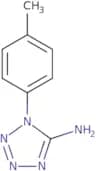
Fórmula:C6H7ClN2OPureza:Min. 95%Peso molecular:158.58 g/mol1-(4-Methylphenyl)-1H-1,2,3,4-tetrazol-5-amine
CAS:Versatile small molecule scaffold
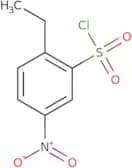
Fórmula:C8H9N5Pureza:Min. 95%Peso molecular:175.19 g/mol2-Ethyl-5-nitrobenzene-1-sulfonyl chloride
CAS:Versatile small molecule scaffold
Fórmula:C8H8ClNO4SPureza:Min. 95%Peso molecular:249.67 g/molN-{[2-(Trifluoromethyl)phenyl]methyl}oxetan-3-amine
CAS:Versatile small molecule scaffoldFórmula:C11H12F3NOPureza:Min. 95%Peso molecular:231.21 g/moltert-Butyl 4-methoxy-3,10-diazabicyclo[4.3.1]dec-3-ene-10-carboxylate
CAS:Versatile small molecule scaffoldFórmula:C14H24N2O3Pureza:Min. 95%Peso molecular:268.4 g/molRef: 3D-FSD25605
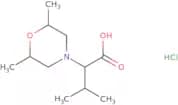
Producto descatalogado2-(2,6-Dimethylmorpholin-4-yl)-3-methylbutanoic acid hydrochloride
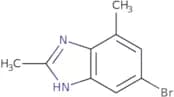
CAS:Versatile small molecule scaffoldFórmula:C11H22ClNO3Pureza:Min. 95%Peso molecular:251.75 g/mol5-Bromo-2,7-dimethyl-1H-1,3-benzodiazole
CAS:Versatile small molecule scaffoldFórmula:C9H9BrN2Pureza:Min. 95%Peso molecular:225.08 g/mol4-(4-Bromophenyl)-2,6-dichloropyrimidine
CAS:Versatile small molecule scaffold
Fórmula:C10H5BrCl2N2Pureza:Min. 95%Peso molecular:303.97 g/mol1-[(4-Bromophenyl)methyl]-3-(2-methylpropyl)-1,4-diazepane
CAS:Versatile small molecule scaffold
Fórmula:C16H25BrN2Pureza:Min. 95%Peso molecular:325.29 g/mol3-Amino-4-methyl-N-[3-(trifluoromethyl)phenyl]benzene-1-sulfonamide
CAS:Versatile small molecule scaffoldFórmula:C14H13F3N2O2SPureza:Min. 95%Peso molecular:330.33 g/mol{3-[3-(4-Fluorophenyl)-1,2-oxazol-5-yl]propyl}(methyl)amine
CAS:Versatile small molecule scaffoldFórmula:C13H15FN2OPureza:Min. 95%Peso molecular:234.27 g/mol4-(3-Cyclopropyl-1H-1,2,4-triazol-5-yl)aniline
CAS:Versatile small molecule scaffold
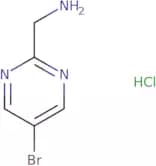
Fórmula:C11H12N4Pureza:Min. 95%Peso molecular:200.24 g/mol(5-bromopyrimidin-2-yl)methanamine hcl
CAS:Versatile small molecule scaffold
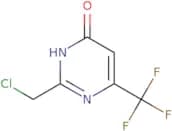
Fórmula:C5H7BrClN3Pureza:Min. 95%Peso molecular:224.49 g/mol2-(Chloromethyl)-6-(trifluoromethyl)pyrimidin-4-ol
CAS:Versatile small molecule scaffold
Fórmula:C6H4ClF3N2OPureza:Min. 95%Peso molecular:212.56 g/mol5-bromo-4-chloro-7-methyl-7H-pyrrolo[2,3-d]pyrimidine
CAS:Versatile small molecule scaffold
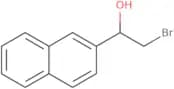
Fórmula:C7H5BrClN3Pureza:Min. 95%Peso molecular:246.5 g/mol2-Bromo-1-(naphthalen-2-yl)ethan-1-ol
CAS:Versatile small molecule scaffold
Fórmula:C12H11BrOPureza:Min. 95%Peso molecular:251.12 g/mol3-[(Trimethylsilyl)oxy]oxane-3-carbonitrile
CAS:Versatile small molecule scaffold
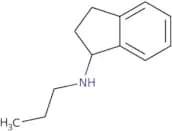
Fórmula:C9H17NO2SiPureza:Min. 95%Peso molecular:199.32 g/molN-Propyl-2,3-dihydro-1H-inden-1-amine
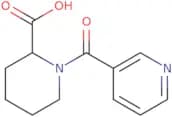
CAS:Producto controladoVersatile small molecule scaffoldFórmula:C12H17NPureza:Min. 95%Peso molecular:175.27 g/mol1-(Pyridine-3-carbonyl)piperidine-2-carboxylic acid
CAS:Versatile small molecule scaffold
Fórmula:C12H14N2O3Pureza:Min. 95%Peso molecular:234.25 g/mol[(2-Bromo-5-methoxyphenyl)methyl](methyl)amine
CAS:Versatile small molecule scaffold
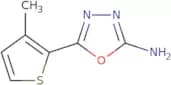
Fórmula:C9H12BrNOPureza:Min. 95%Peso molecular:230.1 g/mol5-(3-Methylthiophen-2-yl)-1,3,4-oxadiazol-2-amine
CAS:5-(3-Methylthiophen-2-yl)-1,3,4-oxadiazol-2-amine is a ligand that binds to the ion channels in cells and activates them. It is used as a research tool in pharmacology and protein interactions. 5-(3-Methylthiophen-2-yl)-1,3,4-oxadiazol-2-amine has been shown to activate potassium channels by interacting with the receptor site. This ligand was also shown to inhibit cell growth by binding to the antibody site of the receptor. 5-(3-Methylthiophen-2-yl)-1,3,4--oxadiazol-2--amine has been shown to have a high purity of 99%.
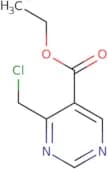
Fórmula:C7H7N3OSPureza:Min. 95%Peso molecular:181.22 g/molEthyl 4-(chloromethyl)pyrimidine-5-carboxylate
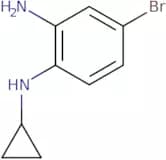
CAS:Versatile small molecule scaffoldFórmula:C8H9ClN2O2Pureza:Min. 95%Peso molecular:200.62 g/mol4-Bromo-1-N-cyclopropylbenzene-1,2-diamine
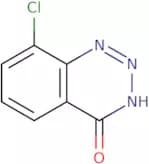
CAS:Versatile small molecule scaffoldFórmula:C9H11BrN2Pureza:Min. 95%Peso molecular:227.1 g/mol8-Chloro-3,4-dihydro-1,2,3-benzotriazin-4-one
CAS:Versatile small molecule scaffold
Fórmula:C7H4ClN3OPureza:Min. 95%Peso molecular:181.58 g/molRef: 3D-TAA34345
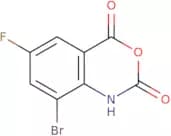
Producto descatalogado8-Bromo-6-fluoro-2,4-dihydro-1H-3,1-benzoxazine-2,4-dione
CAS:Versatile small molecule scaffold
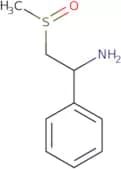
Fórmula:C8H3BrFNO3Pureza:Min. 95%Peso molecular:260.02 g/mol2-Methanesulfinyl-1-phenylethan-1-amine
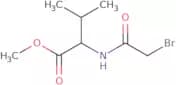
CAS:Versatile small molecule scaffoldFórmula:C9H13NOSPureza:Min. 95%Peso molecular:183.27 g/molMethyl (2S)-2-(2-bromoacetamido)-3-methylbutanoate
CAS:Versatile small molecule scaffoldFórmula:C8H14BrNO3Pureza:Min. 95%Peso molecular:252.11 g/mol9,9-Difluoro-1,4-dioxaspiro[5.5]undecan-5-one
CAS:Versatile small molecule scaffold
Fórmula:C9H12F2O3Pureza:Min. 95%Peso molecular:206.19 g/mol6-(2-Methylpropanoyl)-4H,7H-[1,2,4]triazolo[1,5-a]pyrimidin-7-one
CAS:Versatile small molecule scaffold
Fórmula:C9H10N4O2Pureza:Min. 95%Peso molecular:206.2 g/mol[3-(Oxan-4-yl)pyrrolidin-3-yl]methanol hydrochloride
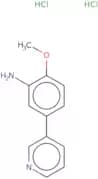
CAS:Versatile small molecule scaffoldFórmula:C10H20ClNO2Pureza:Min. 95%Peso molecular:221.7 g/mol2-Methoxy-5-(pyridin-3-yl)aniline dihydrochloride
CAS:Versatile small molecule scaffold
Fórmula:C12H14Cl2N2OPureza:Min. 95%Peso molecular:273.2 g/mol[3-Bromo-4-(morpholin-4-yl)phenyl]methanol
CAS:Versatile small molecule scaffold
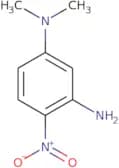
Fórmula:C11H14BrNO2Pureza:Min. 95%Peso molecular:272.14 g/mol3-Amino-N,N-dimethyl-4-nitroaniline
CAS:Versatile small molecule scaffold
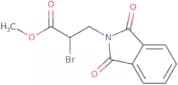
Fórmula:C8H11N3O2Pureza:Min. 95%Peso molecular:181.19 g/molMethyl 2-bromo-3-(1,3-dioxo-2,3-dihydro-1H-isoindol-2-yl)propanoate
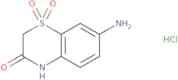
CAS:Versatile small molecule scaffoldFórmula:C12H10BrNO4Pureza:Min. 95%Peso molecular:312.12 g/mol7-amino-2H-1,4-benzothiazin-3(4H)-one 1,1-dioxide hydrochloride
CAS:Versatile small molecule scaffold
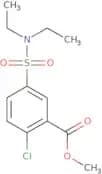
Fórmula:C8H9ClN2O3SPureza:Min. 95%Peso molecular:248.69 g/molMethyl 2-chloro-5-(diethylsulfamoyl)benzoate
CAS:Versatile small molecule scaffold
Fórmula:C12H16ClNO4SPureza:Min. 95%Peso molecular:305.78 g/mol[2-(3-Methoxyphenyl)ethyl][(trimethyl-1H-pyrazol-4-yl)methyl]amine
CAS:Versatile small molecule scaffold
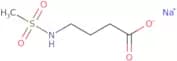
Fórmula:C16H23N3OPureza:Min. 95%Peso molecular:273.37 g/molSodium 4-methanesulfonamidobutanoate
CAS:Versatile small molecule scaffold
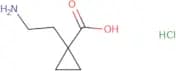
Fórmula:C5H10NNaO4SPureza:Min. 95%Peso molecular:203.19 g/mol1-(2-aminoethyl)cyclopropane-1-carboxylic acid hydrochloride
CAS:Versatile small molecule scaffold
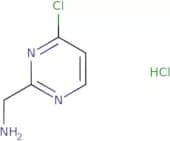
Fórmula:C6H12ClNO2Pureza:Min. 95%Peso molecular:165.62 g/mol2-(Aminomethyl)-4-chloropyrimidine HCl
CAS:Versatile small molecule scaffold
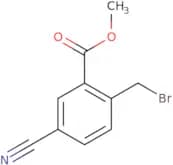
Fórmula:C5H7Cl2N3Pureza:Min. 95%Peso molecular:180.04 g/molMethyl 2-(bromomethyl)-5-cyanobenzoate
CAS:Versatile small molecule scaffold
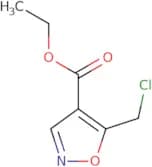
Fórmula:C10H8BrNO2Pureza:Min. 95%Peso molecular:254.08 g/molEthyl 5-(chloromethyl)-1,2-oxazole-4-carboxylate
CAS:Versatile small molecule scaffoldFórmula:C7H8ClNO3Pureza:Min. 95%Peso molecular:189.59 g/mol1-Phenyl-2-(trifluoromethoxy)ethan-1-ol
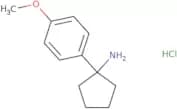
CAS:Versatile small molecule scaffoldFórmula:C9H9F3O2Pureza:Min. 95%Peso molecular:206.16 g/mol1-(4-Methoxyphenyl)cyclopentan-1-amine hydrochloride
CAS:Versatile small molecule scaffold
Fórmula:C12H18ClNOPureza:Min. 95%Peso molecular:227.73 g/mol2-[1-(Difluoromethyl)-3,5-dimethyl-1H-pyrazol-4-yl]acetic acid
CAS:Producto controlado2-[1-(Difluoromethyl)-3,5-dimethyl-1H-pyrazol-4-yl]acetic acid is a potent inhibitor of peptide binding to the receptor. It has a Kd value of 0.2 μM and a Ki value of 1.6 μM in the inhibition of insulin binding to its receptor. 2-[1-(Difluoromethyl)-3,5-dimethyl-1H-pyrazol-4-yl]acetic acid is also an activator of protein interactions and ligand for research tools used for studying ion channels and other receptors. This chemical can be used as high purity reagent for life sciences, including cell biology and pharmacology.
Fórmula:C8H10F2N2O2Pureza:Min. 95%Peso molecular:204.17 g/mol1-[(3-Bromothiophen-2-yl)methyl]piperazine
CAS:Versatile small molecule scaffold
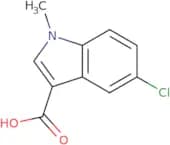
Fórmula:C9H13BrN2SPureza:Min. 95%Peso molecular:261.18 g/mol5-Chloro-1-methyl-1H-indole-3-carboxylic acid
CAS:Producto controladoVersatile small molecule scaffoldFórmula:C10H8ClNO2Pureza:Min. 95%Peso molecular:209.63 g/molRef: 3D-XGA59662
Producto descatalogado3-([(tert-Butoxy)carbonyl]amino)-2-(cyclopentylmethyl)propanoic acid
CAS:Versatile small molecule scaffold
Fórmula:C14H25NO4Pureza:Min. 95%Peso molecular:271.35 g/mol5-Fluoropyridine-3-sulfonamide
CAS:Versatile small molecule scaffold
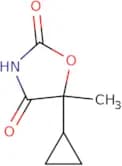
Fórmula:C5H5FN2O2SPureza:Min. 95%Peso molecular:176.17 g/mol5-cyclopropyl-5-methyl-1,3-oxazolidine-2,4-dione
CAS:Versatile small molecule scaffold
Fórmula:C7H9NO3Pureza:Min. 95%Peso molecular:155.15 g/molRef: 3D-YDA54752
Producto descatalogado2-Chloro-5,8-difluoroquinoline
CAS:Versatile small molecule scaffold
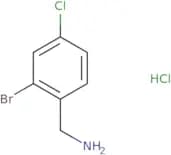
Fórmula:C9H4ClF2NPureza:Min. 95%Peso molecular:199.58 g/mol(2-Bromo-4-chlorophenyl)methanamine hydrochloride
CAS:Versatile small molecule scaffold
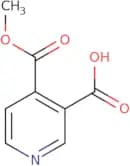
Fórmula:C7H8BrCl2NPureza:Min. 95%Peso molecular:256.95 g/mol4-(Methoxycarbonyl)nicotinic acid
CAS:Versatile small molecule scaffold
Fórmula:C8H7NO4Pureza:Min. 95%Peso molecular:181.15 g/mol(R)-2-[(Phenylmethyl)amino]-1-propanol
CAS:Versatile small molecule scaffold
Fórmula:C10H15NOPureza:Min. 95%Peso molecular:165.23 g/mol(3,4-Dihydro-2H-chromen-6-ylmethyl)ae hydrochloride
CAS:Versatile small molecule scaffold
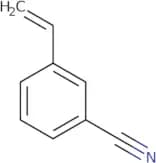
Fórmula:C10H14ClNOPureza:Min. 95%Peso molecular:199.68 g/mol3-Ethenylbenzonitrile
CAS:3-Ethenylbenzonitrile is an organic compound that can be prepared by photolysis of 2-bromobenzonitrile in the presence of a nonpolar solvent. It is also synthesized by laser induced exciplex reaction between benzene and ethylene. 3-Ethenylbenzonitrile has a conformation that is dependent on the polarity of the solvent. In polar solvents, it adopts a bent structure while in nonpolar solvents, it adopts a linear structure. The molecule undergoes cyclobutane formation and then reacts with electron acceptors such as cations to form intermediates. These intermediates react with other molecules to form products.
Fórmula:C9H7NPureza:Min. 95%Peso molecular:129.16 g/molPB-22 3-carboxyindole metabolite solution
CAS:Producto controladoPB-22 is a synthetic cannabinoid, which can be classified as a CB1 receptor agonist. It is one of the many cannabinoids that have been created in an attempt to circumvent drug laws by creating compounds that are similar to those found in cannabis but have different chemical structures. PB-22 has shown to increase locomotor activity and stimulate the cb1 receptor in mice. Magnetic resonance spectroscopy (MRS) and assays were used to determine the binding affinity of PB-22 for the CB1 receptor. The MRS data showed that PB-22 bound with high affinity to the CB1 receptor and had a lower affinity for CB2 receptors. This suggests that PB-22 may be more potent than other synthetic cannabinoids, such as JWH-018 and CP 55,940, which bind better with CB2 receptors than CB1 receptors.
PB-22 is an analog of JWH-073 and has been shown to have a stronger effect on locomotor activity than JWHFórmula:C14H17NO2Pureza:Min. 95%Peso molecular:231.29 g/mol2-[Ethyl(propan-2-yl)amino]ethan-1-ol
CAS:Producto controladoVersatile small molecule scaffold
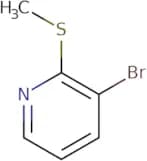
Fórmula:C7H17NOPureza:Min. 95%Peso molecular:131.22 g/mol3-Bromo-2-(methylthio)pyridine
CAS:Versatile small molecule scaffold
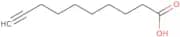
Fórmula:C6H6BrNSPureza:Min. 95%Peso molecular:204.09 g/molDec-9-ynoic acid
CAS:Dec-9-ynoic acid is a synthetic fatty acid that is a precursor to several biologically important substances. It is labile and easily oxidized by air, light, or heat. Dec-9-ynoic acid has been shown to be a central metabolic intermediate for the biosynthesis of polyunsaturated fatty acids. It can also be converted into linolenic acid, which is an essential fatty acid that cannot be synthesized by humans. Dec-9-ynoic acid exists in two geometric isomers: cis and trans. The cis form exhibits kinetic properties that are different from the trans form. Dec-9-ynoic acid has been studied as a potential treatment for human diseases such as diabetes mellitus type 2, Parkinson's disease, Alzheimer's disease, schizophrenia, and depression.
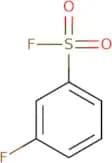
Fórmula:C10H16O2Pureza:Min. 95%Peso molecular:168.23 g/mol3-Fluorobenzene-1-sulfonyl fluoride
CAS:3-Fluorobenzene-1-sulfonyl fluoride is a chemical compound that can be used as a catalyst to synthesize organic compounds. It is a colorless liquid, which is soluble in water and organic solvents. This catalyst has been shown to be more efficient than the traditional catalysts, such as tetraphenylphosphonium chloride, potassium fluoride or sodium borohydride. 3-Fluorobenzene-1-sulfonyl fluoride also reacts with nitro groups to produce dinitro compounds, which are valuable synthetic intermediates for the production of dyes and pharmaceuticals. The synthesis of this compound can be carried out in high yields with stoichiometric amounts of reactants.
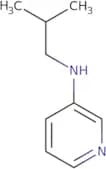
Fórmula:C6H4F2O2SPureza:Min. 95%Peso molecular:178.16 g/molN-(2-Methylpropyl)pyridin-3-amine
CAS:Versatile small molecule scaffold
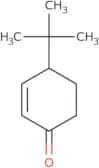
Fórmula:C9H14N2Pureza:Min. 95%Peso molecular:150.22 g/mol4-tert-Butylcyclohex-2-en-1-one
CAS:Versatile small molecule scaffold
Fórmula:C10H16OPureza:Min. 95%Peso molecular:152.23 g/molRef: 3D-AAA93707
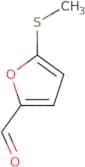
Producto descatalogado5-(Methylsulfanyl)furan-2-carbaldehyde
CAS:Versatile small molecule scaffold
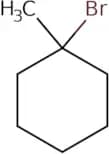
Fórmula:C6H6O2SPureza:Min. 95%Peso molecular:142.18 g/mol1-Bromo-1-methylcyclohexane
CAS:1-Bromo-1-methylcyclohexane is a monomolecular gas that is used as an intermediate in organic synthesis. It reacts with halides to form cyclopentyl derivatives. This reaction has been shown to be faster than the corresponding reaction of 1-bromocyclohexane with chlorides or bromides. The rate of this reaction may be due to the polarizability and conformational changes of the molecule upon substitution by a methyl group. 1-Bromo-1-methylcyclohexane is also an ionizing reagent, which means it can cause electrophilic reactions to occur on other molecules. It has been found that the solvent effect on this product can affect its reactivity, with solvents such as water having more of an effect than solvents such as benzene. 1-Bromo-1-methylcyclohexane has been shown to interact with other compounds in both transfer and complex
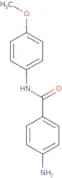
Fórmula:C7H13BrPureza:Min. 95%Peso molecular:177.08 g/mol4-Amino-n-(4-methoxyphenyl)benzamide
CAS:4-Amino-N-(4-methoxyphenyl)benzamide is a catalytic sulfamate that has been optimized for use in the synthesis of benzimidazole derivatives. 4-Amino-N-(4-methoxyphenyl)benzamide is used as a reagent for the preparation of aldehydes from sulfamic acid and various types of carboxylic acids. The reaction mechanism involves nucleophilic attack by the hydroxyl group from the sulfamate on the carbonyl carbon atom to form an intermediate, which then reacts with water to release hydrogen sulfate and form a new double bond.
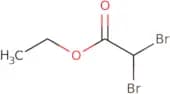
Fórmula:C14H14N2O2Pureza:Min. 95%Peso molecular:242.27 g/molAcetic acid, dibromo-, ethyl ester
CAS:Acetic acid, dibromo-, ethyl ester is a reactive molecule that can be used as a nucleophilic substituent. It has hydroxyl group and ruthenium complex. It is a particle that can be used in the production of monoclonal antibodies. Acetic acid, dibromo-, ethyl ester also has viscosity and polycarboxylic acid. This chemical reacts with β-unsaturated ketones to form polymerization initiator. Acetic acid, dibromo-, ethyl ester also has carbonyl group and monoclonal antibodies. Acetic acid, dibromo-, ethyl ester can be conjugated with ethyl bromoacetate to produce conjugates.
Fórmula:C4H6Br2O2Pureza:Min. 95%Peso molecular:245.9 g/mol2-[(3-Nitrophenyl)formamido]acetic acid
CAS:2-[(3-Nitrophenyl)formamido]acetic acid (2NPA) is a modifying agent that has been used in the modification of carboxyl groups. It can react with nucleophiles to form adducts and with carbodiimides to form ureas. 2NPA reacts with amino acids, peptides, and other nitrogenous compounds at their carboxyl groups to form ester or amide bonds. The nature of the residues after modification varies depending on the nature of the carboxyl group that was modified.
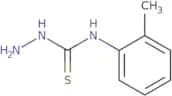
Fórmula:C9H8N2O5Pureza:Min. 95%Peso molecular:224.17 g/mol4-(2-Methylphenyl)-3-thiosemicarbazide
CAS:4-(2-Methylphenyl)-3-thiosemicarbazide is a crystalline solid that belongs to the group of benzoic acid derivatives. It has an orthorhombic crystal structure, with a yellow color. The crystals are measured at room temperature, and it has an atomic weight of 197.11 g/mol. 4-(2-Methylphenyl)-3-thiosemicarbazide is stable in air and in solution, but decomposes at temperatures above 250°C. This compound has been studied by using X-ray diffraction measurements and Bruker parameters. Its isotropic radiation is recorded at the following wavelength: 1.5418 Å (1).
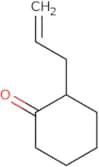
Fórmula:C8H11N3SPureza:Min. 95%Peso molecular:181.26 g/mol2-Allylcyclohexanone
CAS:2-Allylcyclohexanone is an unsaturated ketone that is synthesized by the ring-opening of allyl cyclohexane carboxylate with sodium hydroxide. It can be used as a chemical intermediate for the synthesis of other compounds. 2-Allylcyclohexanone can also be used to react with hydroxide solution to produce a salt and an alcohol. The hydroxide solution can act as a base, reducing the carbonyl group in the presence of an acid to form the corresponding alcohol. This reaction is stereoselective because it only occurs when there are two different groups on adjacent carbons.
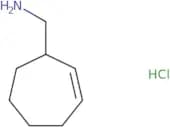
2-Allylcyclohexanone has been shown to inhibit non-nucleoside reverse transcriptase inhibitors (NNRTIs) such as nevirapine, efavirenz, and delavirdine. In addition, it has been found to have functional groups that are capable of reactingFórmula:C9H14OPureza:Min. 95%Peso molecular:138.21 g/mol(Cyclohept-2-en-1-yl)methanamine hydrochloride
CAS:Versatile small molecule scaffold
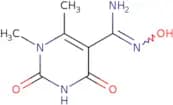
Fórmula:C8H16ClNPureza:Min. 95%Peso molecular:161.7 g/mol(Z)-N'-Hydroxy-1,6-dimethyl-2,4-dioxo-1,2,3,4-tetrahydropyrimidine-5-carboximidamide
CAS:Versatile small molecule scaffold
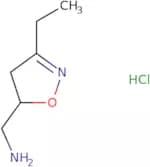
Fórmula:C7H10N4O3Pureza:Min. 95%Peso molecular:198.18 g/mol(3-Ethyl-4,5-dihydro-1,2-oxazol-5-yl)methanamine hydrochloride
CAS:Versatile small molecule scaffold
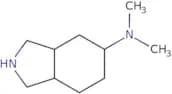
Fórmula:C6H13ClN2OPureza:Min. 95%Peso molecular:164.63 g/molN,N-Dimethyl-octahydro-1H-isoindol-5-amine
CAS:Versatile small molecule scaffold
Fórmula:C10H20N2Pureza:Min. 95%Peso molecular:168.28 g/molRef: 3D-KCD26889
Producto descatalogado3-[(4-Bromo-1H-pyrazol-1-yl)methyl]aniline hydrochloride
CAS:Versatile small molecule scaffold
Fórmula:C10H11BrClN3Pureza:Min. 95%Peso molecular:288.57 g/mol3-[(3-Methoxypropyl)carbamoyl]propanoic acid
CAS:Versatile small molecule scaffold
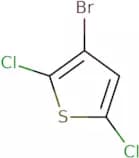
Fórmula:C8H15NO4Pureza:Min. 95%Peso molecular:189.21 g/mol3-Bromo-2,5-dichlorothiophene
CAS:Versatile small molecule scaffold
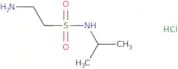
Fórmula:C4HBrCl2SPureza:Min. 95%Peso molecular:231.93 g/mol2-Amino-N-(propan-2-yl)ethane-1-sulfonamide hydrochloride
CAS:Versatile small molecule scaffold
Fórmula:C5H15ClN2O2SPureza:Min. 95%Peso molecular:202.7 g/mol[(1,4-Dioxan-2-yl)methyl]urea
CAS:Versatile small molecule scaffold
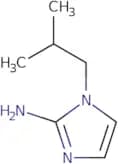
Fórmula:C6H12N2O3Pureza:Min. 95%Peso molecular:160.17 g/mol1-(2-Methylpropyl)-1H-imidazol-2-amine
CAS:Versatile small molecule scaffold
Fórmula:C7H13N3Pureza:Min. 95%Peso molecular:139.2 g/molrac-(3R,4R)-3-Hydroxy-4-[(2-phenylethyl)amino]-1lambda6-thiolane-1,1-dione
CAS:Versatile small molecule scaffold
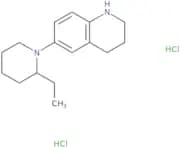
Fórmula:C12H17NO3SPureza:Min. 95%Peso molecular:255.34 g/mol6-(2-Ethylpiperidin-1-yl)-1,2,3,4-tetrahydroquinoline dihydrochloride
CAS:Versatile small molecule scaffoldFórmula:C16H26Cl2N2Pureza:Min. 95%Peso molecular:317.3 g/molRef: 3D-LIC71538
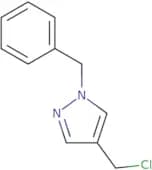
Producto descatalogado1-Benzyl-4-(chloromethyl)-1H-pyrazole
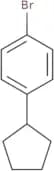
CAS:Producto controladoVersatile small molecule scaffoldFórmula:C11H11ClN2Pureza:Min. 95%Peso molecular:206.67 g/mol1-Bromo-4-cyclopentylbenzene
CAS:1-Bromo-4-cyclopentylbenzene (1-BCPB) is a chlorinated aromatic compound that can be synthesized by reacting 1-bromo-4-chlorobenzene and cyclopentylmagnesium bromide. The reaction sequence begins with the addition of hydrochloric acid to the first reactant, followed by magnesium chloride and ether. The mixture is heated to produce a liquid solution of ethylhexyloxy pyridine, which reacts with the second reactant in a sequence that leads to the desired product. 1-BCPB is used as an intermediate in organic synthesis. It has been shown to have moderate interaction with paraldehyde and pyridinium salts at room temperature, but it does not react with cycloalkyls or pyridinium salts at elevated temperatures.
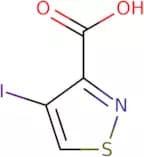
Fórmula:C11H13BrPureza:Min. 95%Peso molecular:225.13 g/mol4-Iodo-1,2-thiazole-3-carboxylic acid
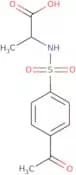
CAS:Versatile small molecule scaffoldFórmula:C4H2INO2SPureza:Min. 95%Peso molecular:255.04 g/mol2-(4-Acetylbenzenesulfonamido)propanoic acid
CAS:Versatile small molecule scaffoldFórmula:C11H13NO5SPureza:Min. 95%Peso molecular:271.29 g/mol2-Bromo-3,3,3-trifluoro-1-propene
CAS:Producto controlado2-Bromo-3,3,3-trifluoro-1-propene is a chemical compound that has been synthesized in an asymmetric reaction. The reactant is bromopropane and the product is 2,2,2-trifluoropropene. The methylene group on the propene molecule is activated by the nucleophilic attack of a fluoride ion from hydrogen fluoride to form a cavity with a highly strained bond. The kinetic study of this reaction revealed that the activation energy for the reaction is 42 kJ/mol. Palladium-catalyzed coupling reactions are catalyzed by palladium and require nonpolar solvents such as toluene or dichloromethane. This type of reaction has been shown to be exothermic with an isolated yield of 1%.
Fórmula:C3H2BrF3Pureza:Min. 95%Forma y color:Colorless PowderPeso molecular:174.95 g/mol3-Hydroxy-5-methylpyridine
CAS:3-Hydroxy-5-methylpyridine (3HMP) is a chemical substance that has been classified as an amine. It is a product of the metabolism of purines, which are nitrogenous bases found in DNA and RNA. 3HMP is produced by aerogenic bacteria (such as Enterobacter), and can be used to estimate the number of these bacteria present in water samples. 3HMP has been shown to have antiviral properties against influenza virus, and can be used as a biomarker for the presence of other viruses in animals. 3HMP also has mineralization properties, which have been studied extensively, particularly with regards to pancreatic disease.
Fórmula:C6H7NOPureza:Min. 95%Forma y color:PowderPeso molecular:109.13 g/molRef: 3D-FH16174
Producto descatalogado4-Chloro-2-hydroxy-6-methylphenylboronic acid
CAS:Versatile small molecule scaffoldFórmula:C7H8BClO3Pureza:Min. 95%Peso molecular:186.4 g/mol4,5-Dihydroxy-2,3-Pentanedione
CAS:4,5-Dihydroxy-2,3-pentanedione is a carbonyl compound that is the product of the oxidation of ascorbic acid. It is used in wastewater treatment and has antimicrobial properties against infectious diseases. This compound has been shown to inhibit protein synthesis by binding to the ribosome and preventing the formation of peptide bonds between amino acids. 4,5-Dihydroxy-2,3-pentanedione has also been shown to bind to plasma proteins, which may be due to its acyl chain structure. 4,5-Dihydroxy-2,3-pentanedione can be synthesized in a catalytic mechanism that involves dehydroascorbic acid and molecular oxygen.
Fórmula:C5H8O4Pureza:Min. 95%Forma y color:PowderPeso molecular:132.11 g/molRef: 3D-FD180770
Producto descatalogadoPiperyline
CAS:Piperyline is an alkanoic acid that has shown to be effective against skin cancer. It also has antimicrobial properties, which may be due to its ability to bind metal ions and form polymeric compounds. Piperyline inhibits microbial growth by inhibiting the synthesis of proteins and nucleic acids. The antimicrobial activity is related to its cationic polymerization with hydroxyl groups, which forms a structure that can inhibit microbial enzymes and disrupt microbial cell membranes. This compound also interacts with the skin's natural lipids, making it difficult for microorganisms to attach and grow on the skin. Piperyline is synthesized in organic chemistry laboratories as an amide precursor of other pharmaceuticals such as penicillin.
Fórmula:C16H17NO3Pureza:Min. 95%Peso molecular:271.31 g/mol


![N-{[2-(Trifluoromethyl)phenyl]methyl}oxetan-3-amine](/_next/image/?url=https%3A%2Fstatic.cymitquimica.com%2Fproducts%2F3D%2Fthumb-webp%2FPDC89412.webp&w=3840&q=75)
![tert-Butyl 4-methoxy-3,10-diazabicyclo[4.3.1]dec-3-ene-10-carboxylate](/_next/image/?url=https%3A%2Fstatic.cymitquimica.com%2Fproducts%2F3D%2Fthumb-webp%2FFSD25605.webp&w=3840&q=75)

![1-[(4-Bromophenyl)methyl]-3-(2-methylpropyl)-1,4-diazepane](/_next/image/?url=https%3A%2Fstatic.cymitquimica.com%2Fproducts%2F3D%2Fthumb-webp%2FQJC93175.webp&w=3840&q=75)
![3-Amino-4-methyl-N-[3-(trifluoromethyl)phenyl]benzene-1-sulfonamide](/_next/image/?url=https%3A%2Fstatic.cymitquimica.com%2Fproducts%2F3D%2Fthumb-webp%2FQXA20922.webp&w=3840&q=75)
![{3-[3-(4-Fluorophenyl)-1,2-oxazol-5-yl]propyl}(methyl)amine](/_next/image/?url=https%3A%2Fstatic.cymitquimica.com%2Fproducts%2F3D%2Fthumb-webp%2FQZB52864.webp&w=3840&q=75)

![5-bromo-4-chloro-7-methyl-7H-pyrrolo[2,3-d]pyrimidine](/_next/image/?url=https%3A%2Fstatic.cymitquimica.com%2Fproducts%2F3D%2Fthumb-webp%2FRAC34330.webp&w=3840&q=75)
![3-[(Trimethylsilyl)oxy]oxane-3-carbonitrile](/_next/image/?url=https%3A%2Fstatic.cymitquimica.com%2Fproducts%2F3D%2Fthumb-webp%2FRDC77065.webp&w=3840&q=75)
amine](/_next/image/?url=https%3A%2Fstatic.cymitquimica.com%2Fproducts%2F3D%2Fthumb-webp%2FSFB28908.webp&w=3840&q=75)
![9,9-Difluoro-1,4-dioxaspiro[5.5]undecan-5-one](/_next/image/?url=https%3A%2Fstatic.cymitquimica.com%2Fproducts%2F3D%2Fthumb-webp%2FUGD71258.webp&w=3840&q=75)
![6-(2-Methylpropanoyl)-4H,7H-[1,2,4]triazolo[1,5-a]pyrimidin-7-one](/_next/image/?url=https%3A%2Fstatic.cymitquimica.com%2Fproducts%2F3D%2Fthumb-webp%2FUND37382.webp&w=3840&q=75)
![[3-(Oxan-4-yl)pyrrolidin-3-yl]methanol hydrochloride](/_next/image/?url=https%3A%2Fstatic.cymitquimica.com%2Fproducts%2F3D%2Fthumb-webp%2FUND37404.webp&w=3840&q=75)
![[3-Bromo-4-(morpholin-4-yl)phenyl]methanol](/_next/image/?url=https%3A%2Fstatic.cymitquimica.com%2Fproducts%2F3D%2Fthumb-webp%2FUSC85031.webp&w=3840&q=75)
![[2-(3-Methoxyphenyl)ethyl][(trimethyl-1H-pyrazol-4-yl)methyl]amine](/_next/image/?url=https%3A%2Fstatic.cymitquimica.com%2Fproducts%2F3D%2Fthumb-webp%2FVWB92946.webp&w=3840&q=75)

![2-[1-(Difluoromethyl)-3,5-dimethyl-1H-pyrazol-4-yl]acetic acid](/_next/image/?url=https%3A%2Fstatic.cymitquimica.com%2Fproducts%2F3D%2Fthumb-webp%2FWYB72452.webp&w=3840&q=75)
![1-[(3-Bromothiophen-2-yl)methyl]piperazine](/_next/image/?url=https%3A%2Fstatic.cymitquimica.com%2Fproducts%2F3D%2Fthumb-webp%2FWYB72635.webp&w=3840&q=75)
![3-([(tert-Butoxy)carbonyl]amino)-2-(cyclopentylmethyl)propanoic acid](/_next/image/?url=https%3A%2Fstatic.cymitquimica.com%2Fproducts%2F3D%2Fthumb-webp%2FXXC61525.webp&w=3840&q=75)

![(R)-2-[(Phenylmethyl)amino]-1-propanol](/_next/image/?url=https%3A%2Fstatic.cymitquimica.com%2Fproducts%2F3D%2Fthumb-webp%2FZCA60949.webp&w=3840&q=75)


![2-[Ethyl(propan-2-yl)amino]ethan-1-ol](/_next/image/?url=https%3A%2Fstatic.cymitquimica.com%2Fproducts%2F3D%2Fthumb-webp%2FCAA89361.webp&w=3840&q=75)
![2-[(3-Nitrophenyl)formamido]acetic acid](/_next/image/?url=https%3A%2Fstatic.cymitquimica.com%2Fproducts%2F3D%2Fthumb-webp%2FAAA61710.webp&w=3840&q=75)
![3-[(4-Bromo-1H-pyrazol-1-yl)methyl]aniline hydrochloride](/_next/image/?url=https%3A%2Fstatic.cymitquimica.com%2Fproducts%2F3D%2Fthumb-webp%2FKXB48392.webp&w=3840&q=75)
![3-[(3-Methoxypropyl)carbamoyl]propanoic acid](/_next/image/?url=https%3A%2Fstatic.cymitquimica.com%2Fproducts%2F3D%2Fthumb-webp%2FLGA78591.webp&w=3840&q=75)
![[(1,4-Dioxan-2-yl)methyl]urea](/_next/image/?url=https%3A%2Fstatic.cymitquimica.com%2Fproducts%2F3D%2Fthumb-webp%2FJXB82665.webp&w=3840&q=75)
![rac-(3R,4R)-3-Hydroxy-4-[(2-phenylethyl)amino]-1lambda6-thiolane-1,1-dione](/_next/image/?url=https%3A%2Fstatic.cymitquimica.com%2Fproducts%2F3D%2Fthumb-webp%2FJHD90934.webp&w=3840&q=75)