Building Blocks
Esta sección contiene productos fundamentales para la síntesis de compuestos orgánicos y biológicos. Building blocks son los materiales de partida esenciales utilizados para construir moléculas complejas a través de diversas reacciones químicas. Desempeñan un papel crítico en el descubrimiento de fármacos, la ciencia de materiales y la investigación química. En CymitQuimica, ofrecemos una gama diversa de building blocks de alta calidad para apoyar sus investigaciones innovadoras y proyectos industriales, asegurando que tenga los componentes esenciales para una síntesis exitosa.
Subcategorías de "Building Blocks"
- Ácidos borónicos y derivados del ácido borónico(5.756 productos)
- Building Blocks quirales(1.242 productos)
- Building Blocks de hidrocarburos(6.095 productos)
- Building Blocks orgánicos(61.051 productos)
Se han encontrado 199813 productos de "Building Blocks"
Ordenar por
Pureza (%)
0
100
|
0
|
50
|
90
|
95
|
100
Dibutyl Squarate
CAS:<p>Dibutyl squarate is a new experimental drug that has been shown to have potential in the treatment of autoimmune diseases. Dibutyl squarate is also effective for treating infectious diseases, such as HIV and tuberculosis. The drug has been shown to work by blocking the apoptosis pathway, which prevents the release of pro-inflammatory cytokines. This drug also inhibits the synthesis of chemoattractant proteins, which are important for recruiting cells to the site of infection or injury. In addition, dibutyl squarate blocks cancer cell proliferation and can be used in combination therapy groups. Dibutyl squarate has also been shown to reduce alopecia in mice by inhibiting hair loss caused by inflammation.</p>Fórmula:C12H18O4Pureza:Min. 96.0 Area-%Forma y color:Slightly Yellow Clear LiquidPeso molecular:226.27 g/molBicyclo[2.1.1]hexane-1-carboxylic acid
CAS:<p>Versatile small molecule scaffold</p>Fórmula:C7H10O2Pureza:Min. 95%Peso molecular:126.15 g/molDimethylnaphthalene (mixture of isomers)
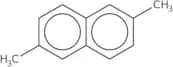
CAS:<p>Dimethylnaphthalene is an aromatic hydrocarbon that is soluble in hydrochloric acid and reacts with zirconium oxide. It has been shown to have specific treatment effects, such as the inhibition of the growth of Staphylococcus aureus and Streptococcus pyogenes. Dimethylnaphthalene is also used to treat acne and psoriasis due to its ability to inhibit bacterial growth on skin. It has been shown to be effective against bacteria that are resistant to erythromycin and tetracycline. The solubility data for dimethylnaphthalene show that it may be more soluble in organic solvents than water. The morphology of dimethylnaphthalene consists of particles or molecules with a range of sizes. Dimethylnaphthalene can exist as either a single isomer or as an isomeric mixture.</p>Fórmula:C12H12Pureza:Min. 80%Forma y color:Yellow Clear LiquidPeso molecular:156.22 g/mol3,5-Di-tert-butyl-4-hydroxycinnamic acid
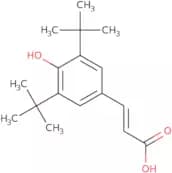
CAS:<p>3,5-Di-tert-butyl-4-hydroxycinnamic acid is a chemical compound that belongs to the group of antihistaminic drugs. It is used as an antiallergic drug and has shown to be effective in treating hay fever and asthma. 3,5-Di-tert-butyl-4-hydroxycinnamic acid has been shown to be metabolised by rat plasma into dimethylformamide, tetrahydrofuran, reactive amides, chlorides and volatile compounds. These metabolites are then excreted via the kidneys or liver. The synthesis of 3,5-Di-tert-butyl-4-hydroxycinnamic acid can be done through a two step process that starts with the reaction of pivalaldehyde with hydrochloric acid followed by hydrogenation with rhodium on charcoal catalyst.</p>Fórmula:C17H24O3Pureza:Min. 95%Forma y color:PowderPeso molecular:276.37 g/molDimethylolurea
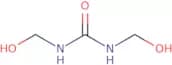
CAS:<p>Dimethylolurea is a formaldehyde releaser that has clinical relevance as a nutrient solution. Dimethylolurea has been shown to release formaldehyde, which may be used to treat bowel diseases and inflammatory bowel disease. Dimethylolurea can also induce an immune response in the human body. This chemical is not soluble in water but it is soluble in ethanol and methanol, which are often used as solvents for this drug. The reaction mechanism of dimethylurea is unclear. It may be due to intramolecular hydrogen transfer or metal hydroxides. As with other drugs, the surface methodology of dimethylurea depends on the size of the microcapsules.</p>Fórmula:C3H8N2O3Pureza:Min. 95%Forma y color:White PowderPeso molecular:120.11 g/mol2',6'-Dimethoxyacetophenone
CAS:<p>2',6'-Dimethoxyacetophenone is a synthetic flavonoid that has been shown to be an anticarcinogenic. This compound is synthesized by cyclodehydration of 2,6-dimethoxybenzaldehyde with hydrochloric acid in the presence of magnesium chloride as a catalyst. The resulting product is then converted to 2',6'-dimethoxyacetophenone by acidic hydrolysis. 2',6'-Dimethoxyacetophenone can also be obtained through Wittig reaction of chlorides and magnesium or via phosphoranes synthesis using magnesium and cyanide as starting materials. This compound can also be produced by benzoylation of styrene followed by chalcone synthesis.</p>Fórmula:C10H12O3Pureza:Min. 95%Forma y color:PowderPeso molecular:180.2 g/mol3,3-Diphenylpropionic acid
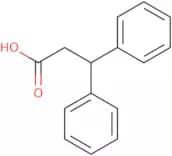
CAS:<p>3,3-Diphenylpropionic acid is a synthetic compound that is used to treat high blood pressure. It is an ester of hydrochloric acid and 3,3-diphenylpropionic acid. 3,3-Diphenylpropionic acid lowers blood pressure by inhibiting the activity of angiotensin II, which causes constriction and shrinking of the blood vessels. The safety profile for this drug has been evaluated in a number of studies in which it was shown that there were no significant adverse effects on the heart or other organs. This drug also has a beneficial effect on diabetic neuropathy and metabolic rate. 3,3-Diphenylpropionic acid is not active against bacteria or fungi but has been shown to be effective against amines by binding to them and preventing their interaction with DNA.</p>Fórmula:C15H14O2Pureza:Min. 95%Forma y color:White PowderPeso molecular:226.27 g/mol3,5-Dihydroxytoluene
CAS:<p>3,5-Dihydroxytoluene is a natural compound that is structurally related to p-hydroxybenzoic acid. It has been shown to be an efficient fluorescent probe for the detection of quillaja saponaria in wastewater treatment plants. 3,5-Dihydroxytoluene also reacts with orcinol to produce a disulfide bond and can undergo polymerization reactions with nucleophiles such as amines and thiols. It is not active against aerobacter aerogenes, but has been shown to have high values against carcinoma cell lines.</p>Fórmula:C7H8O2Pureza:Min. 97.5 Area-%Forma y color:White Off-White PowderPeso molecular:124.14 g/mol3,5-Dibromoaniline
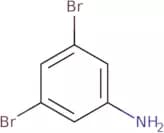
CAS:<p>3,5-Dibromoaniline is a chemical compound that belongs to the group of anilines. It can be used as an intermediate in organic synthesis. 3,5-Dibromoaniline can be obtained by gravimetric analysis and has a solute of about 0.1 g/100 mL in water. The melting point for this compound is about 245 °C and the boiling point is about 330 °C at normal atmospheric pressure. 3,5-Dibromoaniline has been shown to inhibit the growth of Trichophyton mentagrophytes and Coumarin derivatives, which are fungi that cause ringworm infections. This drug also has photophysical properties and can be used as a fluorescence probe for DNA hybridization studies.</p>Fórmula:C6H5NBr2Pureza:Min. 98%Forma y color:Brown To Black SolidPeso molecular:250.92 g/mol2,4-Dimethoxybenzylamine hydrochloride
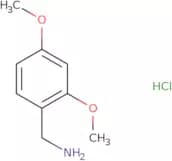
CAS:<p>2,4-Dimethoxybenzylamine hydrochloride is a substrate for glutathione reductase and a competitive inhibitor of dithioerythritol. The reaction mechanism is the same as that of triflic acid, which is generated by the reaction between triflic acid and glutathione. The inhibitory effect of 2,4-dimethoxybenzylamine hydrochloride on glutathione reductase has been studied computationally using molecular docking simulations. It was found that 2,4-dimethoxybenzylamine hydrochloride binds to the active site of glutathione reductase with an affinity comparable to that of triflic acid. This computational study also revealed that 2,4-dimethoxybenzylamine hydrochloride can be converted into triflic acid in vivo.</p>Fórmula:C9H13NO2HClPureza:Min. 95%Forma y color:PowderPeso molecular:203.67 g/mol3',5'-Dihydroxyacetophenone
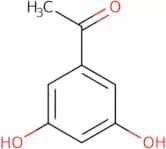
CAS:<p>3',5'-Dihydroxyacetophenone (3,5-DHAP) is a potent antioxidant that has been shown to inhibit the formation of reactive oxygen species. It is also an effective inhibitor of proteins with carbonyl groups such as pterostilbene, bambuterol and other drugs. 3,5-DHAP can be synthesized from carbohydrates by two routes, one of which involves a novel asymmetric synthesis. 3,5-DHAP has been used as a fluorescence probe for the detection of chloride ions in analytical methods.</p>Fórmula:C8H8O3Pureza:Min 98%Forma y color:White PowderPeso molecular:152.15 g/mol2,4-Dimethylbenzoic acid
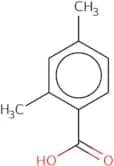
CAS:<p>2,4-Dimethylbenzoic acid is a white solid with the chemical formula CH3C6H2O2. It is an organic acid that can be used as a building block in organic synthesis. The functional groups of 2,4-dimethylbenzoic acid are methyl and carboxyl. The most efficient method for the synthesis of 2,4-dimethylbenzoic acid is by reacting hydrochloric acid with dimethylaniline. This reaction can be carried out in one pot without isolation of intermediates. The structural analysis of 2,4-dimethylbenzoic acid was done using fluorescence lifetimes and hydrochloric acid. The reaction mechanism for the formation of 2,4-dimethylbenzoic acid from dimethylaniline is through a nucleophilic substitution reaction with chloride ion. Sample preparation for 2,4-dimethylbenzoic acid includes dissolution in water and filtration through a 0.45</p>Fórmula:C9H10O2Pureza:Min. 95%Forma y color:White PowderPeso molecular:150.17 g/mol3,4-Dimethoxycinnamic acid
CAS:<p>3,4-Dimethoxycinnamic acid is a bioactive phenolic compound that has antioxidant and anti-inflammatory properties. It is also known to reduce oxidative injury in the human serum. 3,4-Dimethoxycinnamic acid is found in chlorogenic acids, which are bioactive phenolic compounds found in plants. These phenolic compounds have been shown to be effective against autoimmune diseases and carcinoma cell lines. 3,4-Dimethoxycinnamic acid has also been shown to inhibit the growth of cancer cells by interfering with their ability to synthesize DNA and RNA. This compound binds to DNA gyrase, inhibiting its activity and preventing it from unwinding the double helix during replication. The crystal structures of 3,4-dimethoxycinnamic acid have been determined using x-ray crystallography and subcritical water extraction.</p>Fórmula:C11H12O4Pureza:Min. 95%Forma y color:PowderPeso molecular:208.21 g/mol3,6-Dichloro-2-hydroxy benzoic acid
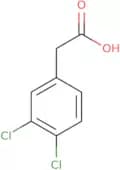
CAS:<p>3,6-Dichloro-2-hydroxy benzoic acid is a reactive compound that is used as an intermediate in the synthesis of organic compounds. It reacts with the chlorine atom to form a diazonium salt. The diazonium salt then undergoes demethylation, which allows it to be converted into various products such as 3,5-dichloro-2-hydroxybenzoic acid or 2,4-dichloro-3,5-dimethoxybenzoic acid. 3,6-Dichloro-2-hydroxy benzoic acid is a strong base and can react with any acidic compounds present in the reaction vessel. This product has been shown to be effective for wastewater treatment by converting organic compounds into less harmful compounds.</p>Fórmula:C7H4Cl2O3Pureza:Min. 95%Forma y color:PowderPeso molecular:207.01 g/mol3,4-Dichlorophenylacetic acid
CAS:<p>3,4-Dichlorophenylacetic acid is a chemical compound that can be found in plants and animals. 3,4-Dichlorophenylacetic acid has been shown to inhibit the activity of receptors that are involved in the regulation of blood pressure. It also binds to lysine residues on proteins, which may be part of its inhibitory effect. 3,4-Dichlorophenylacetic acid is a selective ligand for the alpha2A adrenergic receptor. This chemical has a molecular weight of 122.09 g/mol and a chlorine atom in its structure.</p>Fórmula:C8H6Cl2O2Pureza:Min. 95%Forma y color:PowderPeso molecular:205.04 g/mol3-tert-Butyl-4-hydroxybenzoic acid
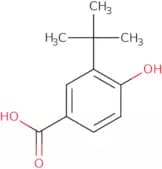
CAS:3-tert-Butyl-4-hydroxybenzoic acid is a phenolic compound that is found in the plant species of "Solanum xanthocarpum". It has antioxidant properties and has been shown to have anticancer activity in vitro. 3-tert-Butyl-4-hydroxybenzoic acid also inhibits the growth of human colon carcinoma cells. It is soluble in organic solvents and homopolymers at high temperatures, but insoluble at lower temperatures.Fórmula:C11H14O3Pureza:Min. 95%Forma y color:PowderPeso molecular:194.23 g/mol2,6-Difluoroaniline
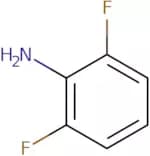
CAS:<p>2,6-Difluoroaniline is a chemical compound that can be used as an industrial solvent in the production of cyclohexane. 2,6-Difluoroaniline has been used to produce amides and for clinical chemistry. It is also a reagent for the conversion of alcohols to amides. This chemical was shown to react with water vapor at an optimal temperature of approximately 60°C and pressure of approximately 100 kPa. 2,6-Difluoroaniline is industrially produced by the fluorination of fluoroethane using sodium carbonate or trifluoromethanesulfonic acid. The molecule has been explored for its apoptosis pathway inhibiting effects in covid-19 pandemic influenza virus</p>Fórmula:C6H5F2NPureza:90%Forma y color:Clear LiquidPeso molecular:129.11 g/mol2,3-Dibromopropene - stabilized with copper chip
CAS:2,3-Dibromopropene - stabilized with copper chip (2,3-DBPC) is a novel bromination reagent that can be used for the synthesis of polypeptides. This compound has been shown to react with acyl halides in an asymmetric synthesis. The reaction mechanism is thought to be via the addition of 2,3-DBPC to the carbonyl group of an acyl halide and subsequent elimination of bromoethane. 2,3-DBPC also reacts with ethanolamine in the presence of carbon disulphide and x-ray diffraction data have shown that this reaction proceeds through a 1,4 addition mechanism.Fórmula:C3H4Br2Pureza:Min. 90 Area-%Forma y color:Brown Colorless Yellow Clear LiquidPeso molecular:199.87 g/mol3',5'-Dimethoxyacetophenone
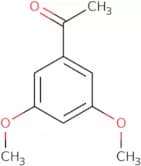
CAS:<p>3',5'-Dimethoxyacetophenone is a compound that is used as an analytical reagent, corrosion inhibitor, and a catalyst. It has been categorized as a hazardous substance by the U.S. Environmental Protection Agency (EPA) and is on the list of substances of very high concern in Europe. 3',5'-Dimethoxyacetophenone is used to prevent corrosion in metals because it reacts with chloride ions to form a protective layer of hydrochloric acid and fatty acid esters. This product has medicinal values because it can be used to synthesize flavonoids or fatty acids.</p>Fórmula:C10H12O3Pureza:Min. 95%Forma y color:PowderPeso molecular:180.2 g/mol4,4'-Dimethoxybenzophenone
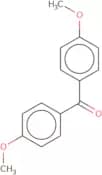
CAS:<p>4,4'-Dimethoxybenzophenone is a process optimization agent that can be used to measure the concentration of basic proteins in human serum. It is also used as a chemical intermediate in the production of polymers. In this application, 4,4'-dimethoxybenzophenone undergoes an irreversible oxidation reaction with trifluoroacetic acid to form 4-methoxybenzoic acid and hydrogen peroxide. The linear model for this reaction has been shown to be:<br>The rate of the reaction depends on the concentration of homogeneous catalysts, such as metal surfaces or hydrogen bonds.</p>Fórmula:C15H14O3Pureza:Min. 95%Forma y color:PowderPeso molecular:242.27 g/mol


![Bicyclo[2.1.1]hexane-1-carboxylic acid](/_next/image/?url=https%3A%2Fstatic.cymitquimica.com%2Fproducts%2F3D%2Fthumb-webp%2FPCA72577.webp&w=3840&q=75)