Building Blocks
Esta sección contiene productos fundamentales para la síntesis de compuestos orgánicos y biológicos. Building blocks son los materiales de partida esenciales utilizados para construir moléculas complejas a través de diversas reacciones químicas. Desempeñan un papel crítico en el descubrimiento de fármacos, la ciencia de materiales y la investigación química. En CymitQuimica, ofrecemos una gama diversa de building blocks de alta calidad para apoyar sus investigaciones innovadoras y proyectos industriales, asegurando que tenga los componentes esenciales para una síntesis exitosa.
Subcategorías de "Building Blocks"
- Ácidos borónicos y derivados del ácido borónico(5.778 productos)
- Building Blocks quirales(1.243 productos)
- Building Blocks de hidrocarburos(6.097 productos)
- Building Blocks orgánicos(61.047 productos)
Se han encontrado 203293 productos de "Building Blocks"
Ordenar por
Pureza (%)
0
100
|
0
|
50
|
90
|
95
|
100
2-[Butyl(methyl)amino]-1-(2,3-dihydro-1,4-benzodioxin-6-yl)ethan-1-ol
CAS:Producto controladoVersatile small molecule scaffoldFórmula:C15H23NO3Pureza:Min. 95%Peso molecular:265.35 g/mol1-(1-Methyl-5-phenyl-1H-pyrazol-3-yl)ethan-1-one
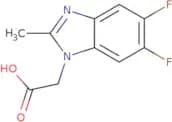
CAS:Versatile small molecule scaffoldFórmula:C12H12N2OPureza:Min. 95%Peso molecular:200.24 g/mol2-(5,6-Difluoro-2-methyl-1H-1,3-benzodiazol-1-yl)acetic acid
CAS:Versatile small molecule scaffoldFórmula:C10H8F2N2O2Pureza:Min. 95%Peso molecular:226.18 g/mol5-Chloro-2-ethylpyrimidine-4-carboxylic acid
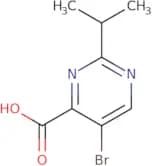
CAS:Versatile small molecule scaffoldFórmula:C7H7ClN2O2Pureza:Min. 95%Peso molecular:186.59 g/mol5-Bromo-2-(propan-2-yl)pyrimidine-4-carboxylic acid
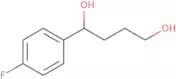
CAS:Versatile small molecule scaffoldFórmula:C8H9BrN2O2Pureza:Min. 95%Peso molecular:245.07 g/mol1-(4-Fluorophenyl)butane-1,4-diol
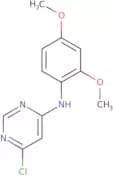
CAS:<p>Versatile small molecule scaffold</p>Fórmula:C10H13FO2Pureza:Min. 95%Peso molecular:184.21 g/mol6-Chloro-N-(2,4-dimethoxyphenyl)pyrimidin-4-amine
CAS:Versatile small molecule scaffoldFórmula:C12H12ClN3O2Pureza:Min. 95%Peso molecular:265.69 g/molMethyl 3-amino-4-([2-(dimethylcarbamoyl)ethyl]amino)benzoate
CAS:Versatile small molecule scaffoldFórmula:C13H19N3O3Pureza:Min. 95%Peso molecular:265.31 g/mol3-[(4-Bromothiophen-2-yl)methyl]-1,3-diazaspiro[4.4]nonane-2,4-dione
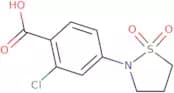
CAS:Versatile small molecule scaffoldFórmula:C12H13BrN2O2SPureza:Min. 95%Peso molecular:329.21 g/mol2-Chloro-4-(1,1-dioxo-1,2-thiazolidin-2-yl)benzoic acid
CAS:<p>Versatile small molecule scaffold</p>Fórmula:C10H10ClNO4SPureza:Min. 95%Peso molecular:275.71 g/mol3-[(5-Bromo-2-methoxyphenyl)methyl]imidazolidine-2,4-dione
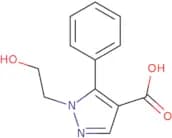
CAS:Versatile small molecule scaffoldFórmula:C11H11BrN2O3Pureza:Min. 95%Peso molecular:299.12 g/mol1-(2-Hydroxyethyl)-5-phenyl-1H-pyrazole-4-carboxylic acid
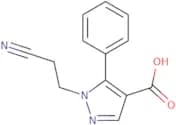
CAS:Versatile small molecule scaffoldFórmula:C12H12N2O3Pureza:Min. 95%Peso molecular:232.23 g/mol1-(2-Cyanoethyl)-5-phenyl-1H-pyrazole-4-carboxylic acid
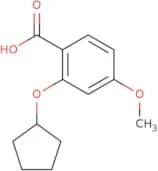
CAS:Versatile small molecule scaffoldFórmula:C13H11N3O2Pureza:Min. 95%Peso molecular:241.24 g/mol2-(Cyclopentyloxy)-4-methoxybenzoic acid
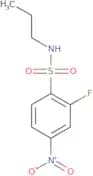
CAS:<p>Versatile small molecule scaffold</p>Fórmula:C13H16O4Pureza:Min. 95%Peso molecular:236.26 g/mol2-Fluoro-4-nitro-N-propylbenzene-1-sulfonamide
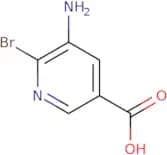
CAS:<p>Versatile small molecule scaffold</p>Fórmula:C9H11FN2O4SPureza:Min. 95%Peso molecular:262.26 g/mol5-Amino-6-bromopyridine-3-carboxylic acid
CAS:<p>Versatile small molecule scaffold</p>Fórmula:C6H5BrN2O2Pureza:Min. 95%Peso molecular:217.02 g/mol1-{[(tert-Butoxy)carbonyl]amino}-2-methylcyclohexane-1-carboxylic acid
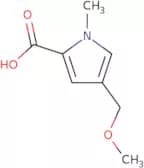
CAS:Versatile small molecule scaffoldFórmula:C13H23NO4Pureza:Min. 95%Peso molecular:257.33 g/mol4-(Methoxymethyl)-1-methyl-1H-pyrrole-2-carboxylic acid
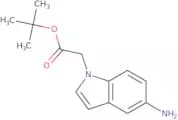
CAS:<p>Versatile small molecule scaffold</p>Fórmula:C8H11NO3Pureza:Min. 95%Peso molecular:169.18 g/moltert-Butyl 2-(5-amino-1H-indol-1-yl)acetate
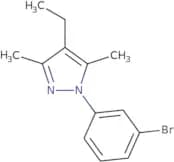
CAS:Versatile small molecule scaffoldFórmula:C14H18N2O2Pureza:Min. 95%Peso molecular:246.3 g/mol1-(3-Bromophenyl)-4-ethyl-3,5-dimethyl-1H-pyrazole
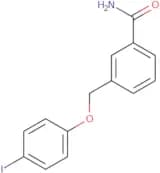
CAS:Versatile small molecule scaffoldFórmula:C13H15BrN2Pureza:Min. 95%Peso molecular:279.18 g/mol3-(4-Iodophenoxymethyl)benzamide
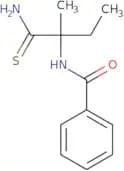
CAS:<p>Versatile small molecule scaffold</p>Fórmula:C14H12INO2Pureza:Min. 95%Peso molecular:353.15 g/molN-(1-Carbamothioyl-1-methylpropyl)benzamide
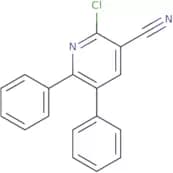
CAS:<p>Versatile small molecule scaffold</p>Fórmula:C12H16N2OSPureza:Min. 95%Peso molecular:236.34 g/mol2-Chloro-5,6-diphenylpyridine-3-carbonitrile
CAS:<p>Versatile small molecule scaffold</p>Fórmula:C18H11ClN2Pureza:Min. 95%Peso molecular:290.7 g/mol(6-(2-(2-(2-Methoxyethoxy)ethoxy)ethoxy)pyridin-2-yl)methanol
CAS:Versatile small molecule scaffoldFórmula:C13H21NO5Pureza:Min. 95%Peso molecular:271.31 g/mol2-[(4-Bromophenyl)methyl]-6-methoxyhexanoic acid
CAS:Versatile small molecule scaffoldFórmula:C14H19BrO3Pureza:Min. 95%Peso molecular:315.2 g/mol1-(2-(2-(2-Methoxyethoxy)ethoxy)ethyl)-1H-pyrazole-5-carboxylic acid
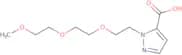
CAS:Versatile small molecule scaffoldFórmula:C11H18N2O5Pureza:Min. 95%Peso molecular:258.27 g/mol3-Ethyl-2-phenylimidazo[1,2-a]pyrazine
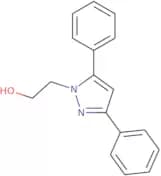
CAS:<p>Versatile small molecule scaffold</p>Fórmula:C14H13N3Pureza:Min. 95%Peso molecular:223.27 g/mol2-(3,5-Diphenyl-1H-pyrazol-1-yl)ethan-1-ol
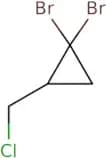
CAS:2-(3,5-Diphenyl-1H-pyrazol-1-yl)ethan-1-ol is a synthetic ligand that binds to proton receptors. It has been shown to be hypoglycemic in rats and to have hypotensive effects in rabbits. This drug also has antiarrhythmic properties, which may be due to its ability to inhibit platelet aggregation. 2-(3,5-Diphenyl-1H-pyrazol-1-yl)ethan-1-ol can be used as an analytical method for the determination of chalcone and bond cleavage products in epoxide analysis.Fórmula:C17H16N2OPureza:Min. 95%Peso molecular:264.32 g/mol1,1-Dibromo-2-(chloromethyl)cyclopropane
CAS:Versatile small molecule scaffoldFórmula:C4H5Br2ClPureza:Min. 95%Peso molecular:248.34 g/mol4-[(Methylsulfanyl)methyl]benzoic acid
CAS:<p>4-[(Methylsulfanyl)methyl]benzoic acid is a chiral compound with a sulfur atom. It can be prepared by the reaction between methylsulfonyl chloride and benzoyl chloride in chloroform or by the reaction of methoxysulfur trifluoride with benzoic acid. 4-[(Methylsulfanyl)methyl]benzoic acid can also be synthesized by the reaction of sulfone and carboxylic acid derivatives, such as benzyl or cyano. 4-[(Methylsulfanyl)methyl]benzoic acid is used as a fungicide, insecticide, and herbicide. The substituents on this molecule are able to form bonds with other molecules to create an array of different structures. The most common substitution is for methoxy, which has a hydroxy group attached to it. This substitution is found in many different types of molecules including some drugs, hormones, vitamins,</p>Fórmula:C9H10O2SPureza:Min. 95%Peso molecular:182.24 g/mol8-(4-Methoxyphenyl)-1,4-dioxaspiro[4.5]decan-8-ol
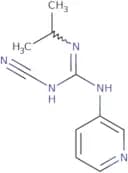
CAS:Versatile small molecule scaffoldFórmula:C15H20O4Pureza:Min. 95%Peso molecular:264.32 g/molN''-Cyano-N'-(propan-2-yl)-N-(pyridin-3-yl)guanidine
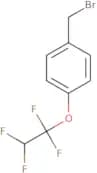
CAS:N-Cyano-N'-(propan-2-yl)-N-(pyridin-3-yl)guanidine is an experimental drug that has been shown to have a therapeutic effect in children with autoimmune diseases. It inhibits the uptake of bacteria by monocytes and macrophages, thereby preventing them from entering the bloodstream. N-Cyano-N'-(propan-2-yl)-N-(pyridin-3-yl)guanidine also has antimicrobial activity against Gram negative and Gram positive bacteria. The drug has been tested in patients with urothelial carcinoma, adrenocortical carcinoma, and bacterial vaginosis.br> br> This medication is not approved for use in the United States.Fórmula:C10H13N5Pureza:Min. 95%Peso molecular:203.24 g/mol1-(Bromomethyl)-4-(1,1,2,2-tetrafluoroethoxy)benzene
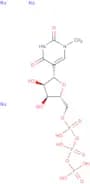
CAS:<p>Versatile small molecule scaffold</p>Fórmula:C9H7BrF4OPureza:Min. 95%Peso molecular:287.05 g/molN1-Methyl-pseudouridine-5'-triphosphate trisodium, 100mM aqueous solution
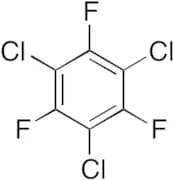
CAS:Methyl-pseudouridine-5'-triphosphate trisodium is the triphosphate of 1-Methylpseudouridine is a substitute for uridine in modified mRNA. This substitution has shown to increase transfection by reducing immuogenicity. UV max wavelength = 272nmFórmula:C10H17N2O15P3•Na3Pureza:Min. 95%Forma y color:Clear LiquidPeso molecular:567.17 g/mol1,3,5-Trifluorotrichlorobenzene
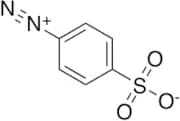
CAS:<p>Applications 1,3,5-Trifluorotrichlorobenzene is a useful reagent.<br></p>Fórmula:C6Cl3F3Peso molecular:235.424-Diazobenzenesulfonic Acid
CAS:<p>Applications 4-Diazobenzenesulfonic acid (cas# 305-80-6) is a useful research chemical.<br></p>Fórmula:C6H4N2O3SPeso molecular:184.17Triglycol dichloride
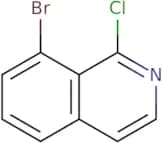
CAS:Triglycol dichloride is a synthetic, water-soluble solid that is prepared by the reaction of 3-chloroperoxybenzoic acid with a hydroxide solution. It has been used in a variety of applications such as the preparation of hemicyanine, the synthesis of polymers, and the degradation of chlorinated hydrocarbons. Triglycol dichloride also has synergistic effects with other photocatalysts, increasing their activity and reducing their cost. Triglycol dichloride can be used to synthesize polymer films or coatings that are biodegradable, have low environmental impact, and are structurally stable. This compound is also unaffected by water or neutral pH and can be used in the production of semiconductors.Fórmula:C6H12Cl2O2Pureza:Min. 95%Forma y color:Clear LiquidPeso molecular:187.06 g/mol8-Bromo-1-chloroisoquinoline
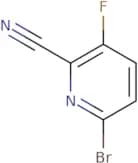
CAS:<p>Versatile small molecule scaffold</p>Fórmula:C9H5BrClNPureza:Min. 95%Peso molecular:242.5 g/mol6-Bromo-3-fluoropyridine-2-carbonitrile
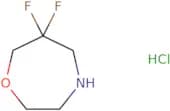
CAS:Versatile small molecule scaffoldFórmula:C6H2N2FBrPureza:Min. 95%Peso molecular:200.99 g/mol6,6-difluoro-1,4-oxazepane hydrochloride
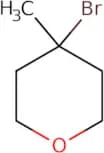
CAS:Versatile small molecule scaffoldFórmula:C5H10ClF2NOPureza:Min. 95%Peso molecular:173.6 g/mol4-Bromo-4-methyltetrahydropyran
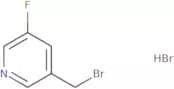
CAS:<p>Versatile small molecule scaffold</p>Fórmula:C6H11BrOPureza:Min. 95%Peso molecular:179.06 g/mol3-(bromomethyl)-5-fluoropyridine hbr
CAS:Versatile small molecule scaffoldFórmula:C6H6Br2FNPureza:Min. 95%Peso molecular:270.93 g/molMethyl 3-chloropropionate
CAS:<p>Methyl 3-chloropropionate is an alkyl ether that has been used in clinical studies as a liquid phase ion-pair extraction solvent. It was developed to replace the use of hexane, which is not environmentally friendly and can also cause irritation. Methyl 3-chloropropionate has been shown to have a higher viscosity than hexane at room temperature and is less likely to evaporate than hexane. Methyl 3-chloropropionate has also been used as a synthetic process solvent, with the reaction time being shorter than that of hexane. This compound can be used for chromatography without any effect on the solute or the stationary phase. Methyl 3-chloropropionate has also been shown to be effective in lipase and agarose gel assays, as well as chloride ion extraction from water samples.</p>Fórmula:C4H7ClO2Pureza:Min. 95%Forma y color:Clear LiquidPeso molecular:122.55 g/molMethyl trans-4-bromo-2-butenoate
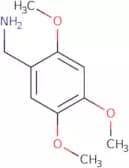
CAS:<p>Methyl trans-4-bromo-2-butenoate is a synthetic compound that contains a hydroxyl group and two bromine atoms. It is synthesized by the reaction of diethyl succinate, hydrogen, and piperazine in an aqueous solution. Methyl trans-4-bromo-2-butenoate has been shown to have antineoplastic activity in combination with epidermal growth factor (EGF) and carbohydrate conjugates. It also binds to cell surface receptors on the epidermal cells, inhibiting their growth. The structural formula of methyl trans-4-bromo-2-butenoate can be seen below: [[File:Methyltrans4bromobutanoate.png|thumb|300px|left|The structural formula of methyl trans-[4] -[bromo]-[2] -butenoate.]]</p>Fórmula:C5H7BrO2Pureza:Min. 95%Forma y color:Clear LiquidPeso molecular:179.01 g/mol2,4,5-Trimethoxybenzylamine
CAS:<p>2,4,5-Trimethoxybenzylamine is a synthetic compound that can be used as a precursor to the synthesis of other chemicals. It is prepared by reacting phenol with deuterium gas in a process called amination. This reaction is followed by reductive quaternization with cyanide. 2,4,5-Trimethoxybenzylamine is often used as an intermediate for the synthesis of drugs such as tamoxifen and clonidine.</p>Fórmula:C10H15NO3Pureza:Min. 95%Forma y color:PowderPeso molecular:197.23 g/mol2-Methoxy-benzenesulfonic acid
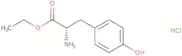
CAS:<p>2-Methoxy-benzenesulfonic acid is a synthetic chemical compound that is used in the production of polymers and other ester compounds. It can be produced by reacting benzenesulfonyl chloride with methanol in the presence of a strong acid catalyst. 2-Methoxy-benzenesulfonic acid reacts with radiation to produce reactive oxygen species that are capable of damaging cellular structures. The molecule contains an intramolecular hydrogen bond, which stabilizes the structure and helps to form hydrogen bonds with other molecules. 2-Methoxy-benzenesulfonic acid also has a hydroxyl group, which allows it to function as an acidic compound that can react with water and cause inflammation. This functional group also makes it soluble in water, allowing it to penetrate tissue structures.</p>Fórmula:C7H8O4SPureza:Min. 95%Peso molecular:188.2 g/molL-Tyrosine ethyl ester hydrochloride
CAS:<p>L-Tyrosine ethyl ester hydrochloride is a non-protein amino acid that inhibits the activity of metalloproteases, which are enzymes that break down proteins. It has been shown to be effective against bowel disease and cancer by inhibiting the release of inflammatory cytokines. L-Tyrosine ethyl ester hydrochloride also has anti-inflammatory properties and can be used in the treatment of depression and liver cirrhosis. This drug is an inhibitor of hydroxylase, which is an enzyme involved in the synthesis of melanin. It is a structural analogue to L-DOPA, which is used for Parkinson's disease. L-Tyrosine ethyl ester hydrochloride has been shown to have antihypertensive effects and can be used as a diuretic agent.</p>Fórmula:C11H15NO3·HClPureza:Min. 95%Forma y color:PowderPeso molecular:245.7 g/molSugammadex diastereomer 1 sulfoxide
CAS:<p>Please enquire for more information about Sugammadex diastereomer 1 sulfoxide including the price, delivery time and more detailed product information at the technical inquiry form on this page</p>Fórmula:C72H112O49S8Pureza:90%Forma y color:PowderPeso molecular:2,018.16 g/molSugammadex sulfoxide diastereomer-2
CAS:Please enquire for more information about Sugammadex sulfoxide diastereomer-2 including the price, delivery time and more detailed product information at the technical inquiry form on this pageFórmula:C72H112O49S8Pureza:85%Forma y color:PowderPeso molecular:2,018.12 g/molSHR 0302
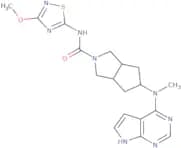
CAS:<p>Please enquire for more information about SHR 0302 including the price, delivery time and more detailed product information at the technical inquiry form on this page</p>Fórmula:C18H22N8O2SPureza:Min. 95%Peso molecular:414.49 g/molSodium ethanethiolate
CAS:Sodium ethanethiolate is a detergent composition that is used in the manufacturing of other detergents. It has a receptor binding mechanism and binds to the fatty acid component of the lipid bilayer. The hydroxyl group on the ethanethiolate molecule reacts with the hydrophobic region of the lipid bilayer, leading to disruption of membrane function. Sodium-dependent glucose transport is inhibited by sodium ethanethiolate, which also has metabolic disorders as a side effect. It is a bicyclic heterocycle and can be synthesized from p-hydroxybenzoic acid and trifluoroacetic acid. The chemical stability of this compound is high, making it useful for industrial applications.Fórmula:C2H5NaSPureza:(¹H-Nmr) Min. 90 Area-%Forma y color:White PowderPeso molecular:84.12 g/mol(6,6)-Phenyl-C61 butyric acid methyl ester
CAS:(6,6)-Phenyl-C61 butyric acid methyl ester (PCBM) is an organic semiconductor that has been used in molecular modeling studies and experimental models. The molecular structure of PCBM consists of a phenyl group on one end and a butyrate group on the other end. It has been shown that PCBM can be used to create polymer films with enhanced UV absorption properties. These films can be used as reaction products for low energy transport properties. This organic semiconductor is also known to have a high efficiency when it comes to cycloaddition processes, which can be achieved by multi-walled carbon nanotubes. PCBM has been shown to have a morphology that includes spherical particles with diameters between 10 and 20 nm.Fórmula:C72H14O2Pureza:Min. 95%Peso molecular:910.88 g/molPent-4-enylamine
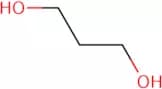
CAS:Pent-4-enylamine is a nitrogen nucleophile that can react with alkenes to form compounds. Pent-4-enylamine reacts quickly with alcohols and ethers in the presence of an acid catalyst to produce an alkene. Pent-4-enylamine has been used in food chemistry as a reactive intermediate for the formation of functional groups, such as amines, hydroxyl groups, and nitriles. It is also a model system for studying aminoalkenes and their reactions with other functional groups. Pent-4-enylamine has been shown to be a reactive heterocycle that forms 5 membered heteroaryl rings using structural analysis and model system studies.Fórmula:C5H11NPureza:Min. 95%Peso molecular:85.15 g/mol1,3-Propanediol
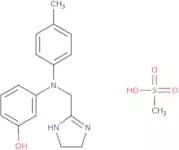
CAS:<p>aliphatic diol. It has been shown to have an inhibitory effect on bacterial growth</p>Fórmula:C3H8O2Pureza:Min. 95%Forma y color:Colorless Clear LiquidPeso molecular:76.09 g/molPhentolamine methanesulfonate
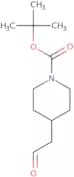
CAS:<p>Phentolamine is a synthetic mesylate that is used as an antihypertensive agent, and for the treatment of Raynaud's syndrome and pheochromocytoma. Phentolamine is also used to prevent frostbite and to treat various types of shock. Phentolamine blocks alpha-2-adrenergic receptors, thereby decreasing sympathetic nerve impulses to the heart, blood vessels, kidneys, and other organs. This drug also acts as a histamine antagonist by blocking H1-receptors on vascular smooth muscle cells. Phentolamine has been shown to have no significant effects on 5-hydroxytryptamine (5HT) release in vitro or in vivo.</p>Fórmula:C18H23N3O4SPureza:Min. 95%Forma y color:White PowderPeso molecular:377.46 g/molN-Boc-4-piperidineacetaldehyde
CAS:<p>N-Boc-4-piperidineacetaldehyde is a chiral, stable, and readily available aldehyde. It has been used in the synthesis of various biologically active molecules including imidazolidinones, which are important for their use as catalysts in organic chemistry. The synthesis of this molecule by the condensation of 4-piperidineacetic acid with acetaldehyde followed by reduction with sodium borohydride is an example of this type of reaction. N-Boc-4-piperidineacetaldehyde can be used to synthesize imines and linkers that are covalently bonded to the protein backbone. This molecule also has conformational stability and is not susceptible to oxidation or radiation damage.</p>Fórmula:C12H21NO3Pureza:Min. 95%Peso molecular:227.3 g/molMethyl 3-bromobenzoate
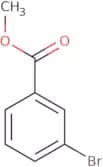
CAS:Methyl 3-bromobenzoate is a cross-coupled compound with three functional groups: a methyl group, an acid bromo group, and a carboxylic acid benzoic ester. It is used in the synthesis of antigens that are chemically reactive to trifluoroacetic acid gas. The clinical studies have shown that the efficiency of this study is low because it has been found to be difficult to synthesize methyl 3-bromobenzoate in large quantities. This molecule can be prepared by the reaction of vinylene with an electrophile in non-polar solvents or by catalytic mechanisms.Fórmula:C8H7BrO2Pureza:Min. 95%Forma y color:White PowderPeso molecular:215.04 g/mol2-Mercapto-N-methylbenzamide
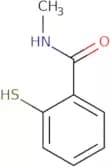
CAS:<p>2-Mercapto-N-methylbenzamide is a synthetic compound that has been shown to have inhibitory activities against activated brain cells and cell lines. This drug has been used in the synthesis of axitinib, a cancer drug that inhibits cellular growth. 2-Mercapto-N-methylbenzamide is also used as a preservative in cosmetics and can be found in carbonated drinks and foods. It has been shown to inhibit the production of serotonin in microbicidal reactions by inhibiting the enzyme hydroxymethyl transferase, which catalyzes the conversion of 5-hydroxytryptophan to serotonin. It also prevents the reaction products from being formed by reacting with hypoxanthine, xanthine, and phosphoribosyl pyrophosphate (PRPP). 2-Mercapto-N-methylbenzamide also reacts with plasma samples to form ethylmercaptoacetate, which is then oxidized to merc</p>Fórmula:C8H9NOSPureza:Min. 95%Forma y color:White PowderPeso molecular:167.23 g/mol3-Methyl-2-(methylthio)benzo[d]thiazol-3-ium iodide
CAS:Please enquire for more information about 3-Methyl-2-(methylthio)benzo[d]thiazol-3-ium iodide including the price, delivery time and more detailed product information at the technical inquiry form on this pageFórmula:C9H10NS2•IPureza:Min. 95%Peso molecular:323.22 g/molMCPA 2-ethylhexyl ester
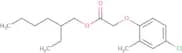
CAS:Please enquire for more information about MCPA 2-ethylhexyl ester including the price, delivery time and more detailed product information at the technical inquiry form on this pageFórmula:C17H25ClO3Pureza:Min. 95%Peso molecular:312.83 g/molMethyl 2-Bromo-5-iodobenzoate
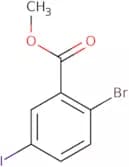
CAS:Please enquire for more information about Methyl 2-Bromo-5-iodobenzoate including the price, delivery time and more detailed product information at the technical inquiry form on this pageFórmula:C8H8BrIO2Pureza:Min. 95%Peso molecular:340.94 g/moltert-Butyl 6-amino-3-azabicyclo[3.1.0]hexane-3-carboxylate
CAS:Please enquire for more information about tert-Butyl 6-amino-3-azabicyclo[3.1.0]hexane-3-carboxylate including the price, delivery time and more detailed product information at the technical inquiry form on this pageFórmula:C10H18N2O2Pureza:Min. 95%Peso molecular:198.26 g/molN-Methoxymethyl-N-(trimethylsilylmethyl)benzylamine
CAS:N-Methoxymethyl-N-(trimethylsilylmethyl)benzylamine is a chiral, electron deficient reagent that reacts with aldehydes and boronic esters to form products with high chemical yields. This compound can be used as a catalyst for acylation reactions, such as the synthesis of p-nitrophenol. N-Methoxymethyl-N-(trimethylsilylmethyl)benzylamine is synthesized by the reaction of trifluoroacetic acid and an amine, followed by chloroformate displacement. The product is then reacted with acylating agents in the presence of catalysts.Fórmula:C13H23NOSiPureza:Min. 95%Forma y color:Clear Colourless To Pale Yellow LiquidPeso molecular:237.41 g/mol5-bromo-3-methoxy-1h-pyrazole
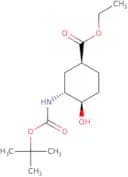
CAS:<p>Versatile small molecule scaffold</p>Fórmula:C4H5BrN2OPureza:Min. 95%Peso molecular:177 g/mol(1S,3R,4R)-3-(Boc-amino)-4-hydroxy-cyclohexanecarboxylic acid ethyl ester
CAS:<p>Versatile small molecule scaffold</p>Fórmula:C14H25NO5Pureza:Min. 95%Peso molecular:287.35 g/molα-Ketoglutaric acid disodium dihydrate
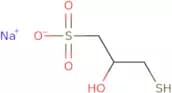
CAS:α-Ketoglutaric acid (α-KGA) is a natural metabolite of glucose and is an intermediate in the citric acid cycle. α-KGA has been shown to have powerful anti-cancer properties, which may be due to its ability to inhibit glucose uptake and metabolism in tumor cells. α-KGA has also been shown to reduce locomotor activity, which may be due to its ability to induce transcriptional regulation of genes that are involved in glucose regulation. In addition, α-KGA has been shown to regulate fatty acid synthesis by inhibiting acetyl CoA carboxylase, which is an enzyme that catalyzes the production of malonyl CoA.Fórmula:C5H4Na2O5•(H2O)2Pureza:Min. 95%Forma y color:PowderPeso molecular:226.09 g/mol2-Hydroxy-3-mercapto-1-propanesulfonic acid sodium salt
CAS:2-Hydroxy-3-mercapto-1-propanesulfonic acid sodium salt (2HMP) is a diagnostic agent that can be used for the detection of bacterial infections. The conformational properties of 2HMP are similar to those of ATP, which allows it to bind to the polymerase chain reaction enzyme and initiate an enzymatic reaction. This leads to the production of a signal that can be detected by spectrophotometry or fluorometry. 2HMP has also been shown to have chemokine activity in vitro, but this has not been tested in vivo. 2HMP is a competitive inhibitor of human protein serine proteases, such as trypsin and chymotrypsin, with an IC50 value of approximately 1 μM.Fórmula:C3H7NaO4S2Pureza:Min. 95%Peso molecular:194.2 g/mol1-Hydroxypyridine-2-thione zinc
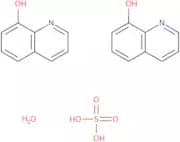
CAS:<p>Zinc pyrithione is a chemical compound that can be used as an antifungal agent. It has been shown to have genotoxic activity in vitro and in vivo. Zinc pyrithione binds to the surface of the fungal cell wall and inhibits the synthesis of ergosterol, a component of the fungal cell membrane. This binding prevents the formation of an ergosterol-zinc complex with cytochrome P450 enzymes, which are required for sterol biosynthesis, leading to inhibition of energy metabolism. The model system for zinc pyrithione is a mixture of 1-hydroxypyridine-2-thione (1HP) and zinc ions in water. Some studies have shown that zinc pyrithione can cause long-term toxicity, including glycol ether toxicity, when applied topically on hair or skin. Acute toxicities may include skin irritation or contact dermatitis from shampoos containing this substance.</p>Fórmula:C10H8N2O2S2ZnPureza:Min. 95%Forma y color:White/Off-White SolidPeso molecular:317.69 g/mol8-Hydroxyquinoline hemisulfate salt hemihydrate
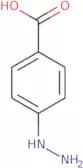
CAS:8-Hydroxyquinoline is a sweet, water soluble, and heat stable inhibitor that has been used in the treatment of kidney disease. 8-Hydoxyquinoline has been shown to inhibit the growth of the rootstock Asiaticus by interfering with cell metabolism. It is also an insecticide that kills insects by causing damage to their cells. 8-Hydoxyquinoline inhibits polymerase chain reaction (PCR) by binding to DNA polymerase, blocking its activity and reducing its ability to synthesize DNA. This drug is also a potent blocker of angiotensinogen synthesis, which leads to reduced blood pressure levels.Fórmula:C9H7NOH2SO4H2OForma y color:Yellow PowderPeso molecular:203.21 g/mol4-Hydrazinobenzoic acid
CAS:<p>4-Hydrazinobenzoic acid is a chemical compound that is used as an inhibitor of DNA synthesis. It prevents the formation of hydrogen bonds between nucleotides in DNA, which prevents the synthesis of new DNA strands. 4-Hydrazinobenzoic acid has been shown to inhibit the growth of human breast cancer cells by reactivating the tumor suppressor genes p21 and Rb1, which are responsible for regulating cell cycle progression. This compound also inhibits the production of hydrogen chloride (HCl) in reaction solutions containing sodium hypochlorite (NaOCl).</p>Fórmula:C7H8N2O2Pureza:Min. 95%Forma y color:Slightly Yellow PowderPeso molecular:152.15 g/mol3-Amino-2,2-difluoropropan-1-ol
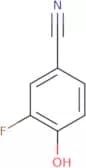
CAS:Versatile small molecule scaffoldFórmula:C3H7F2NOPureza:Min. 95%Peso molecular:111.09 g/mol3-Fluoro-4-hydroxybenzonitrile
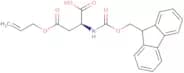
CAS:3-Fluoro-4-hydroxybenzonitrile is a compound with an acidic ph and a strain that is dispersive, desorptive, and polyacrylamide gel. It is a colorless liquid at room temperature. 3-Fluoro-4-hydroxybenzonitrile has been shown to react with dodecyl inorganic base and hydrochloric acid to produce 3-fluoroaniline. The localization of the reaction yield is on hydrotalcite activated by fluorine. This chemical has been shown to react at temperatures between 0°C and 140°C.Fórmula:C7H4FNOPureza:Min. 95%Forma y color:White PowderPeso molecular:137.11 g/molFmoc-L-aspartic acid β-allyl ester
CAS:Fmoc-L-aspartic acid beta-allyl ester is a specific interaction between an amide and an enzyme target. It has been shown to have anti-inflammatory properties by inhibiting the activity of COX-2, which inhibits the production of prostaglandins. Fmoc-L-aspartic acid beta-allyl ester is a cyclic peptide with a lactam ring system that has been synthesized in a stepwise manner on a solid phase. This molecule interacts with cell line A549 and blocks the proliferation of cancer cells. Fmoc-L-aspartic acid beta-allyl ester also contains a disulfide bond that stabilizes its structure.Fórmula:C22H21NO6Pureza:Min. 95%Peso molecular:395.41 g/molFmoc-N-methylglycine
CAS:Fmoc-N-methylglycine is a modified form of the amino acid glycine, which has been modified to include a reactive group that can be used to link other molecules. This molecule has gram-negative bacterial activity and exhibits potent antibacterial activity against many gram-positive bacteria. Fmoc-N-methylglycine is also an antimicrobial peptide with binding constants in the nanomolar range. It is also an agent that binds to serotonin, which may explain its effects on mood and sleep. Fmoc-N-methylglycine can be synthesized using stepwise solid phase synthesis methods or by conjugation with other molecules.Fórmula:C18H17NO4Pureza:Min. 95%Peso molecular:311.33 g/mol4-Fluoro-2-methoxy-5-nitroaniline
CAS:Intermediate in the synthesis of osimertinib (AZD9291)Fórmula:C7H7FN2O3Pureza:Min. 95%Peso molecular:186.14 g/molFmoc-b-Ala-Ala-Pro-OH
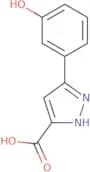
CAS:Fmoc-b-Ala-Ala-Pro-OH is a reaction component that can be used in the synthesis of peptides and other compounds. It is a building block for the preparation of complex compounds, such as small molecules, polymers and natural products. Fmoc-b-Ala-Ala-Pro-OH has been shown to be useful in the synthesis of various types of reagents, including antibiotics and pharmaceuticals. This chemical has been reported as a useful scaffold for the preparation of high quality research chemicals. Fmoc-b-Ala-Ala-Pro is also an intermediate in the synthesis of speciality chemicals and fine chemicals.Fórmula:C26H29N3O6Pureza:Min. 95%Forma y color:White PowderPeso molecular:479.53 g/mol5-(3-Hydroxyphenyl)-1H-pyrazole-3-carboxylic acid
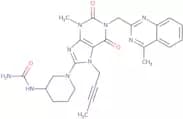
CAS:<p>Versatile small molecule scaffold</p>Fórmula:C10H8N2O3Pureza:Min. 95%Peso molecular:204.18 g/molN-Carbamoyl linagliptin
CAS:N-Carbamoyl linagliptin is a synthetic drug that is a selective, reversible inhibitor of dipeptidyl peptidase-4 (DPP-4), an enzyme that breaks down the incretin hormones GLP-1 and GIP. This drug has been shown to help control blood glucose levels in patients with type 2 diabetes. It binds to the active site of DPP-4 and prevents it from breaking down GLP-1 and GIP, which leads to increased levels of these hormones in the body. N-Carbamoyl linagliptin has a long half life, making it suitable for once daily administration. It also lacks any significant interactions with other drugs or foods.Fórmula:C26H29N9O3Pureza:Min. 95%Peso molecular:515.6 g/mol7-Chloro-5-nitro-1H-indazole
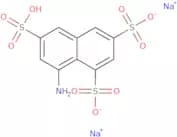
CAS:<p>Versatile small molecule scaffold</p>Fórmula:C7H4ClN3O2Pureza:Min. 95%Peso molecular:197.58 g/molDisodium 8-amino-1,3,6-naphthalenetrisulfonate
CAS:Disodium 8-amino-1,3,6-naphthalenetrisulfonate is a fluorescent sensor that can detect albumin in human serum. Disodium 8-amino-1,3,6-naphthalenetrisulfonate selectively detects the molecule albumin in blood with a sensitivity of approximately 1.5 nmol/L and a selectivity of nearly 100%. The fluorescent sensor consists of an immobilized nanometer sized molecule of 8-aminonaphthalene trisulfonic acid on hydrotalcite. The sensor has been shown to be selective for albumin and does not react with other serum proteins such as immunoglobulins or fibrinogen.Fórmula:C10H9NO9S3•Na2Pureza:Min. 98 Area-%Forma y color:White PowderPeso molecular:429.36 g/molDepropyl rotigotine hydrochloride
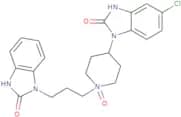
CAS:Please enquire for more information about Depropyl rotigotine hydrochloride including the price, delivery time and more detailed product information at the technical inquiry form on this pageFórmula:C16H19NOS•(HCl)xPureza:Min. 95%Domperidone N-oxide
CAS:Please enquire for more information about Domperidone N-oxide including the price, delivery time and more detailed product information at the technical inquiry form on this pageFórmula:C22H24ClN5O3Pureza:Min. 95%Peso molecular:441.91 g/mol4-Desmethyl-2-methyl celecoxib
CAS:<p>Please enquire for more information about 4-Desmethyl-2-methyl celecoxib including the price, delivery time and more detailed product information at the technical inquiry form on this page</p>Fórmula:C17H14F3N3O2SPureza:Min. 95%Peso molecular:381.4 g/mol4,5-Dihydro-1H-imidazol-2-amine hydrochloride
CAS:<p>Please enquire for more information about 4,5-Dihydro-1H-imidazol-2-amine hydrochloride including the price, delivery time and more detailed product information at the technical inquiry form on this page</p>Fórmula:C3H7N3•HClPureza:Min. 95%Peso molecular:121.57 g/mol6,7-Dichloro-1-cyclopropyl-1,4-dihydro-4-oxo-3-quinolinecarboxylic acid
CAS:Please enquire for more information about 6,7-Dichloro-1-cyclopropyl-1,4-dihydro-4-oxo-3-quinolinecarboxylic acid including the price, delivery time and more detailed product information at the technical inquiry form on this pageFórmula:C13H9Cl2NO3Pureza:Min. 95%Peso molecular:298.12 g/mol4,5-Dihydro-2-methyl-4-thiazolecarboxylic acid trifluoroacetate
CAS:Please enquire for more information about 4,5-Dihydro-2-methyl-4-thiazolecarboxylic acid trifluoroacetate including the price, delivery time and more detailed product information at the technical inquiry form on this pageFórmula:C5H7NO2S•(C2HF3O2)xPureza:Min. 95%3-(cis-4-(2-(4-(2,3-Dichlorophenyl)piperazin-1-yl)ethyl)cyclohexyl)-1,1-dimethylurea
CAS:Please enquire for more information about 3-(cis-4-(2-(4-(2,3-Dichlorophenyl)piperazin-1-yl)ethyl)cyclohexyl)-1,1-dimethylurea including the price, delivery time and more detailed product information at the technical inquiry form on this pageFórmula:C21H32Cl2N4OPureza:Min. 95%Peso molecular:427.41 g/molDeschloro amlodipine maleate
CAS:Please enquire for more information about Deschloro amlodipine maleate including the price, delivery time and more detailed product information at the technical inquiry form on this pageFórmula:C20H26N2O5•C4H4O4Pureza:Min. 95%Peso molecular:490.5 g/molrac-Demiditraz
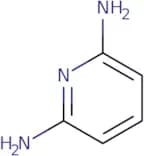
CAS:<p>Please enquire for more information about rac-Demiditraz including the price, delivery time and more detailed product information at the technical inquiry form on this page</p>Fórmula:C13H16N2Pureza:Min. 95%Peso molecular:200.28 g/mol2,6-Diaminopyridine
CAS:<p>2,6-Diaminopyridine is a heterocyclic compound that is used in analytical chemistry as an indicator for the presence of protonated amines. It is prepared by coupling 2,6-diamino-pyridine with 1,3-benzodioxole-5-carboxylic acid. The nitrogen atoms are electron withdrawing groups and form hydrogen bonding interactions with the protonated amine. This type of interaction leads to a phase transition temperature of about 115°C and a high value for electrochemical impedance spectroscopy (EIS) measurements. The reaction mechanism involves the formation of a protonated amine from 2,6-diaminopyridine and 1,3-benzodioxole-5-carboxylic acid followed by proton transfer to yield the corresponding pyridinium salt.</p>Fórmula:C5H7N3Pureza:Min. 95%Forma y color:Beige To Brown SolidPeso molecular:109.13 g/molDoxazosin
CAS:Doxazosin is a research chemical that has shown potential in various fields. It is a water-soluble compound that has been studied for its effects on microcystins, cytidine, and vitamins. Doxazosin has also been found to have aldehyde and particulate properties, making it a versatile compound for different applications. In the field of medicine, Doxazosin has been researched for its potential in treating certain conditions. Studies have shown that Doxazosin can interact with 1-hydroxy-2-naphthoic acid and glutamate, which are important molecules involved in various biological processes. Additionally, Doxazosin has shown promising results in inhibiting the growth of e. cloacae bacteria, making it a potential candidate for antibacterial treatments. Furthermore, Doxazosin has been studied in the field of chemistry due to its unique properties. It can undergo derivatization reactions with fatty acids and zFórmula:C23H25N5O5Pureza:Min. 95%Peso molecular:451.48 g/mol5-Methyl-3-oxo-hexanoic acid methyl ester
CAS:Versatile small molecule scaffoldFórmula:C8H14O3Pureza:Min. 95%Peso molecular:158.2 g/mol7H,8H-Pyrido[2,3-d]pyridazin-8-one
CAS:Versatile small molecule scaffoldFórmula:C7H5N3OPureza:Min. 95%Forma y color:PowderPeso molecular:147.13 g/mol2-Bromo-5-hydroxypyridine
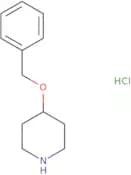
CAS:2-Bromo-5-hydroxypyridine is an aromatic compound that is used in the synthesis of a variety of pharmaceuticals and other organic compounds. It can be synthesized by the Suzuki coupling reaction from 2-bromobenzaldehyde and 5-aminopyridine. 2-Bromo-5-hydroxypyridine has been shown to be a hepatotoxin in humans, with possible carcinogenic activity. It also has cholinergic properties, as well as being able to cause fluorescence when exposed to halogens. The carbon next to the hydroxyl group is a stereocenter, so there are two different configurations for this molecule. The configuration shown above (R) is the more stable form of this molecule due to its electron withdrawing power on the neighboring oxygen atom.Fórmula:C5H4BrNOPureza:Min. 95%Forma y color:White PowderPeso molecular:174 g/mol4-(Benzyloxy)piperidine HCl
CAS:4-(Benzyloxy)piperidine HCl is a versatile building block that is used in the synthesis of complex compounds such as research chemicals, reagents and speciality chemicals. 4-(Benzyloxy)piperidine HCl is also a useful intermediate in organic synthesis and can be used as a reaction component. 4-(Benzyloxy)piperidine HCl has CAS number 81151-68-0 and is a useful scaffold for chemical syntheses.Fórmula:C12H17NOHClPureza:Min. 95%Forma y color:White PowderPeso molecular:227.73 g/mol2-Bromobenzo[d]thiazol-6-amine
CAS:Please enquire for more information about 2-Bromobenzo[d]thiazol-6-amine including the price, delivery time and more detailed product information at the technical inquiry form on this pageFórmula:C7H5BrN2SPureza:Min. 95%Peso molecular:229.1 g/mol3-Bromo-4-chloroaniline
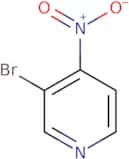
CAS:<p>3-Bromo-4-chloroaniline is a chloroaniline compound. It is synthesized by reacting hexamethylenetetramine with chlorine gas in the presence of formaldehyde and paraformaldehyde. 3-Bromo-4-chloroaniline has been used to produce other compounds, such as trimethylchlorosilane, which is used in the production of silicone rubber. Chloroanilines are toxic chemicals that can be found in the environment and react with formaldehyde to produce carcinogenic substances called halofuginones.</p>Fórmula:C6H5BrClNPureza:Min. 95%Peso molecular:206.47 g/mol3-Bromo-4-nitropyridine
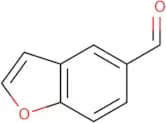
CAS:3-Bromo-4-nitropyridine is a pyridine compound that has been identified as an environmental contaminant. It is used to synthesize other compounds, such as 4-(3-bromopyridin-2-yl)morpholine, which is used in the synthesis of acetonitrile. 3-Bromo-4-nitropyridine undergoes nucleophilic substitution reactions with amines, leading to homoconjugation and bond cleavage. This reaction may be followed by nitration to give 3-(3'-nitro)pyridine. 3-Bromo-4-nitropyridine can be converted into its n-oxide form or into the ionic form by treatment with acetonitrile.Fórmula:C5H3BrN2O2Pureza:Min. 95%Forma y color:Yellow PowderPeso molecular:202.99 g/mol1-Benzofuran-5-carbaldehyde
CAS:1-Benzofuran-5-carbaldehyde is a synthetic compound that inhibits the enzyme ido1. It has been shown to have potent cytotoxicity, potent inhibition, and neurotrophic properties in a number of cell lines. 1-Benzofuran-5-carbaldehyde also exhibits inhibitory effects on the enzymes hydrolyzing dopamine, which is involved in the synthesis of norepinephrine and epinephrine. The chemical structure of 1-benzofuran-5-carbaldehyde closely resembles that of dopamine and its derivatives, and can be used for the treatment of neurodegenerative diseases such as Parkinson's disease.Fórmula:C9H6O2Pureza:Min. 95%Forma y color:Yellow To Brown SolidPeso molecular:146.14 g/mol4-Bromobenzaldehyde
CAS:<p>4-Bromobenzaldehyde is a chemical compound that belongs to the group of aromatic compounds. It has been shown to have a potent stimulatory effect on locomotor activity in mice, which may be due to its ability to increase levels of epidermal growth factor and gamma-aminobutyric acid in the brain. 4-Bromobenzaldehyde can be synthesized from 2,4-dibromophenol and anhydrous copper chloride in the presence of sodium hydroxide. The reaction mechanism for this synthesis is believed to involve an intermediate enamine form of 4-bromobenzaldehyde, which can then undergo hydrolysis into 2,4-dibromophenol and benzaldehyde. This product is used as a reagent in organic synthesis because it can be used to form esters with trifluoroacetic acid or hydrochloric acid in high yield.</p>Fórmula:C7H5BrOPureza:Min. 90 Area-%Forma y color:White PowderPeso molecular:185.02 g/molBenzophenone-4-carboxylic acid
CAS:<p>Organic intermediate</p>Fórmula:C14H10O3Pureza:Min. 98 Area-%Forma y color:White PowderPeso molecular:226.23 g/mol1-Hydroxycyclopentane-1-carbonitrile
CAS:<p>1-Hydroxycyclopentane-1-carbonitrile is a monomer that is hydrolyzed to form benzoin and cyanohydrins. It can be used in the production of scifinder as a monomer or dimerizer.</p>Fórmula:C6H9NOPureza:Min. 95%Peso molecular:111.14 g/mol6-Bromo-1-methylpyridin-2(1H)-one
CAS:<p>Versatile small molecule scaffold</p>Fórmula:C6H6BrNOPureza:Min. 95%Peso molecular:188.02 g/molMethyl 6-oxospiro[3.3]heptane-2-carboxylate
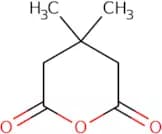
CAS:Versatile small molecule scaffoldFórmula:C9H12O3Pureza:Min. 95%Peso molecular:168.19 g/mol3,3-Dimethylglutaric Anhydride
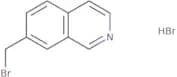
CAS:3,3-Dimethylglutaric Anhydride is a molecule that belongs to the group of daptomycin analogues. It has shown promising in vitro activity against cancer cells and is currently being investigated for its potential as a novel chemotherapeutic agent. The synthesis of this compound involves a Friedel-Crafts reaction, which creates a five-membered ring by reacting two carbonyl groups with an alkyl halide or phenyl sulfonium salt. 3,3-Dimethylglutaric Anhydride has been shown to bind to 5-HT1A receptors and inhibit their function. This compound also interacts with phosphate groups on proteins, creating a phosphate derivative. This interaction may be due to its ability to form an electrochemical bond with the phosphate group.Fórmula:C7H10O3Pureza:Min. 95%Peso molecular:142.15 g/mol7-(Bromomethyl)isoquinoline hydrobromide
CAS:Versatile small molecule scaffoldFórmula:C10H8BrN·HBrPureza:Min. 95%Peso molecular:303 g/mol4,7-dibromo-1H-benzo[d]imidazole
CAS:Versatile small molecule scaffoldFórmula:C7H4Br2N2Pureza:Min. 95%Peso molecular:275.93 g/mol1-Methyl-3-(3-sulfopropyl)-1H-imidazol-3-ium
CAS:<p>Versatile small molecule scaffold</p>Fórmula:C7H12N2O3SPureza:Min. 95%Forma y color:PowderPeso molecular:204.25 g/mol1,5,6,7-Tetrahydro-2H-cyclopenta[b]pyridin-2-one
CAS:Versatile small molecule scaffoldFórmula:C8H9NOPureza:Min. 95%Peso molecular:135.17 g/mol5-Methyl-4-[(pyrrolidin-1-yl)methyl]-1,2-oxazole-3-carboxylic acid hydrochloride
CAS:Versatile small molecule scaffoldFórmula:C10H15ClN2O3Pureza:Min. 95%Peso molecular:246.69 g/mol(6-Methoxy-pyridin-2-yl)-methanol
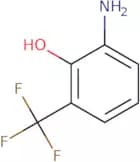
CAS:Versatile small molecule scaffoldFórmula:C7H9NO2Pureza:Min. 95%Peso molecular:139.16 g/mol2-Amino-6-(trifluoromethyl)phenol
CAS:Versatile small molecule scaffoldFórmula:C7H6F3NOPureza:Min. 95%Peso molecular:177.12 g/moltert-Butyl 9-oxo-4,8-diazaspiro[4.4]nonane-4-carboxylate
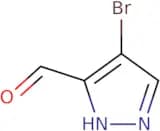
CAS:<p>Versatile small molecule scaffold</p>Fórmula:C12H20N2O3Pureza:Min. 95%Peso molecular:240.3 g/mol4-bromo-1H-pyrazole-5-carbaldehyde
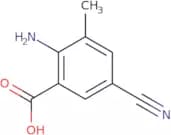
CAS:Versatile small molecule scaffoldFórmula:C4H3BrN2OPureza:Min. 95%Peso molecular:175 g/mol2-amino-5-cyano-3-methylbenzoic acid
CAS:<p>2-Amino-5-cyano-3-methylbenzoic acid is a diester of methylamine. It is an acid ester that has been used in the synthesis of other compounds. 2-Amino-5-cyano-3-methylbenzoic acid is an intermediate in the synthesis of some pharmaceuticals, such as carbamazepine and methylphenidate. This compound has not been shown to have any biological activity.</p>Fórmula:C9H8N2O2Pureza:Min. 95%Peso molecular:176.18 g/moltert-Butyl 4-amino-4-(aminomethyl)piperidine-1-carboxylate
CAS:<p>Versatile small molecule scaffold</p>Fórmula:C11H23N3O2Pureza:Min. 95%Peso molecular:229.32 g/mol2-Imidazolidone-4-carboxylic acid
CAS:2-Imidazolidone-4-carboxylic acid is a potent inhibitor of matrix metalloproteinases, which are enzymes that break down proteins in the extracellular matrix. 2-Imidazolidone-4-carboxylic acid inhibits the activity of both serine protease and matrix metalloproteinase, two enzymes involved in the inflammation process. 2-Imidazolidone-4-carboxylic acid has been shown to inhibit the transport of amino acids, leading to decreased protein synthesis and cell growth. It also inhibits cancer cells by disrupting their ability to grow new blood vessels and invade other tissues.Fórmula:C4H6N2O3Pureza:Min. 95%Peso molecular:130.1 g/mol3-Bromo-2-hydroxy-5-iodopyridine
CAS:<p>Versatile small molecule scaffold</p>Fórmula:C5H3BrINOPureza:Min. 95%Peso molecular:299.89 g/moltert-Butyl 4-(5-aminoisoxazol-3-yl)piperidine-1-carboxylate
CAS:Versatile small molecule scaffoldFórmula:C13H21N3O3Pureza:Min. 95%Peso molecular:267.32 g/mol2-Azaspiro[3.3]heptane-2,6-dicarboxylic acid 2-tert-butyl ester
CAS:<p>Versatile small molecule scaffold</p>Fórmula:C12H19NO4Pureza:Min. 95%Peso molecular:241.28 g/mol4-Bromo-2-cyclopropylpyridine
CAS:<p>Versatile small molecule scaffold</p>Fórmula:C8H8NBrPureza:Min. 95%Peso molecular:198.05 g/molTert-Butyl 2-(Trifluoromethyl)Piperazine-1-Carboxylate
CAS:Versatile small molecule scaffoldFórmula:C10H17N2O2F3Pureza:Min. 95%Peso molecular:254.24 g/moltert-Butyl 3-(trifluoromethyl)piperazine-1-carboxylate
CAS:<p>Versatile small molecule scaffold</p>Fórmula:C10H17F3N2O2Pureza:Min. 95%Peso molecular:254.25 g/molMethyl 2-(chloromethyl)nicotinate
CAS:<p>Methyl 2-(chloromethyl)nicotinate is an organic compound that belongs to the class of esters. It is a reaction product of methyl 3-hydroxybenzoate and nitrous acid. This compound has antimicrobial activity and can be used to treat bacterial infections. Methyl 2-(chloromethyl)nicotinate has been shown to inhibit the growth of various bacteria, including methicillin-resistant Staphylococcus aureus (MRSA), Escherichia coli, Klebsiella pneumoniae, Pseudomonas aeruginosa, Salmonella typhi, and Salmonella typhimurium. The cyano group in this molecule may be responsible for its antibacterial activity. <br>The efficiency of methyl 2-(chloromethyl)nicotinate varies with different types of bacteria. For example, it was more effective against MRSA than against Escherichia coli or Klebsiella pneumoniae</p>Fórmula:C8H8ClNO2Pureza:Min. 95%Peso molecular:185.61 g/mol5-bromo-6-methoxy-1h-indole
CAS:<p>5-bromo-6-methoxy-1H-indole is a synthetic, nonsteroidal compound that is structurally related to prednisolone. It has been shown to induce the synthesis of collagen by stimulating fibroblasts in culture. This drug also has anti-inflammatory and modulating effects on s1p receptors, which may be due to its ability to inhibit the production of proinflammatory cytokines such as tumor necrosis factor alpha (TNFα). 5-bromo-6-methoxy-1H-indole is a potent inhibitor of acid methyl esters, which are involved in inflammation and tissue destruction. 5-bromo-6-methoxy-1H--indole also has an effect on dermal cells, which may be due to its ability to inhibit the production of matrix metalloproteinase enzymes. This drug can also cause atrophy in granuloma cells and prevent the development of inflammatory</p>Fórmula:C9H8BrNOPureza:Min. 95%Peso molecular:226.07 g/mol(Ir[dF(CF3)ppy]2(dtbpy))PF6
CAS:Ir(dF(CF3)ppy)2 (dtbpy)PF6 is a photosensitizer that can be used in cycloaddition reactions. It is soluble in nonpolar solvents and can be used as a catalyst for cycloadditions involving uncharged substrates. Ir(dF(CF3)ppy)2 (dtbpy)PF6 has been shown to catalyze the transfer of an electron from a donor molecule to an acceptor molecule, which generates energy that can be transferred to the environment. This process is called "energy transfer."Fórmula:C42H34F16IrN4PPureza:Min. 95%Peso molecular:1,121.91 g/molMethyl 4-(2-Bromoethyl)benzoate
CAS:<p>Methyl 4-(2-bromoethyl)benzoate is a potent HDAC6 inhibitor. It has been shown to inhibit cancer cell growth and induce apoptosis in vitro and in vivo. Methyl 4-(2-Bromoethyl)benzoate is also an anti-cancer agent that inhibits the histone deacetylase enzyme, which then prevents the transcription of genes involved in cancer development. In addition, this agent inhibits the production of prostaglandin E2, which may contribute to its anti-cancer activity. The most common side effects are nausea and vomiting.</p>Fórmula:C10H11BrO2Pureza:Min. 95%Peso molecular:243.1 g/mol2-(Bromomethyl)-6-nitro-benzoic acid methyl ester
CAS:Versatile small molecule scaffoldFórmula:C9H8BrNO4Pureza:Min. 95%Peso molecular:274.07 g/mol2-Oxohexanoic acid
CAS:2-Oxohexanoic acid (2-OHBA) is a fatty acid that is synthesized from the amino acids lysine and methionine. It is involved in mitochondrial metabolism and has been found to be necessary for spermatozoa motility. 2-OHBA has been shown to inhibit the activity of glutamate dehydrogenase, an enzyme that catalyzes the conversion of glutamate to α-ketoglutarate, which is required for energy production. This inhibition leads to a decrease in ATP levels, which may cause a variety of symptoms, including fatigue and weight loss. Furthermore, 2-OHBA inhibits protein synthesis by blocking the incorporation of amino acids into proteins. The inhibition of this process can lead to high ammonia levels in the blood and accumulation of other nitrogenous wastes in tissues such as liver or muscle tissue. Analysis of urine samples has shown that 2-OHBA is excreted unchanged in urine.Fórmula:C6H10O3Pureza:Min. 95%Peso molecular:130.14 g/mol6-Iodo-1-hexyne
CAS:<p>Versatile small molecule scaffold</p>Fórmula:C6H9IPureza:Min. 95%Peso molecular:208.04 g/mol4-hydroxy-5-methoxy-2-nitrobenzaldehyde
CAS:4-Hydroxy-5-methoxy-2-nitrobenzaldehyde (4HMN) is a proton donor that can be used as a crosslinking agent. It is an acidic compound that binds to the substrate, usually via hydrogen bonds. 4HMN has been shown to have good binding affinity for tumour cell lines and can be used as a crosslinking agent in bioconjugation reactions. It is also a reversible chemical reaction, which means it can be hydrolyzed under certain conditions. 4HMN has been shown to be capable of enhancing the rate of enzymatic reactions by acting as a cofactor or coenzyme, such as degradable enzymes and enzymes with low turnover rates. The kinetic process of these reactions are measured by fluorescence techniques and gel permeation chromatography.Fórmula:C8H7NO5Pureza:Min. 95%Forma y color:PowderPeso molecular:197.1 g/mol5-Methyl-1,3,4-thiadiazole-2-carbaldehyde
CAS:<p>Versatile small molecule scaffold</p>Fórmula:C4H4N2OSPureza:Min. 95%Peso molecular:128.16 g/molethyl 6-benzyl-2-oxa-6-azaspiro[3.4]octane-8-carboxylate
CAS:<p>Versatile small molecule scaffold</p>Fórmula:C16H21NO3Pureza:Min. 95%Peso molecular:275.35 g/molN-Boc Palbociclib-d4
CAS:<p>Versatile small molecule scaffold</p>Fórmula:C29H33D4N7O4Pureza:Min. 95%Peso molecular:551.67 g/mol1-chloro-4-fluoroisoquinoline
CAS:1-chloro-4-fluoroisoquinoline is a chlorinating agent that has been used as a synthetic method for the synthesis of oxychloride. It is typically used in the presence of palladium catalyst, in the presence of phosphorus and under reductive conditions. The chlorination reaction is initiated by addition of hydrochloric acid or phosphorous oxychloride. The 1-hydroxyisoquinoline reacts with phosphorus to form a chloroformate, which reacts with fluorine gas to produce an intermediate chlorofluorinate. This intermediate then reacts with chlorine gas in the presence of palladium catalyst to generate the desired product, 1-chloro-4-fluoroisoquinoline.Fórmula:C9H5ClFNPureza:Min. 95%Peso molecular:181.59 g/mol2-(Methoxycarbonyl)-1,3-oxazole-4-carboxylic acid
CAS:Versatile small molecule scaffoldFórmula:C6H5NO5Pureza:Min. 95%Peso molecular:171.11 g/molHexahydro-1H-pyrrolizin-1-amine
CAS:Hexahydro-1H-pyrrolizin-1-amine is a synthetic compound that is used to control endophytic fungi and fungal diseases in plants. The activity of this molecule is due to the acid molecules that are released when it reacts with plant tissue, which prevents the growth of fungi by inhibiting their cell membranes. Hexahydro-1H-pyrrolizin-1-amine also has an antibacterial effect, which may be due to its ability to bind to bacterial 16S ribosomal RNA and inhibit protein synthesis. This product can be used on plants that are infected with endophytic fungi or fungal diseases. It can also be applied as a preventative measure against future infections.Fórmula:C7H14N2Pureza:Min. 95%Forma y color:Clear LiquidPeso molecular:126.2 g/mol(3R)-3-Methylpyrrolidine hydrochloride
CAS:Versatile small molecule scaffoldFórmula:C5H11N•HClPureza:Min. 95%Peso molecular:121.5 g/mol(4-Nitrophenyl)methanethiol
CAS:<p>4-Nitrophenylmethanethiol is a reactive molecule that reacts with dopamine D3, an important cytosolic protein, to form a stable covalent bond. This reaction was shown to be pH-dependent and the products were identified by x-ray diffraction data. The disulfide bond formed by this reaction is then reduced to the corresponding sulfhydryl group with sodium borohydride or hydroxide solution. 4-Nitrophenylmethanethiol also reacts with inorganic acid and sodium carbonate to form a molecule containing carbapenem, which is a model protein used in research on chemical reactions. 4-Nitrophenylmethanethiol reacts with chloride ions and phenyl groups to yield hydrochloric acid as the final product of the chemical reaction.</p>Fórmula:C7H7NO2SPureza:Min. 95%Peso molecular:169.2 g/molMonomethyl Glutarate
CAS:<p>Monomethyl glutarate is a monomer for the synthesis of polymers. It has been used in the past as a precursor for the production of polyacrylic acid and its copolymers. Monomethyl glutarate is synthesized by the reaction of hydrochloric acid, high salt, and an expression plasmid containing glutarate dehydrogenase. This compound is also used as a reagent in kinetic studies of fatty acids and glutaric acid. Monomethyl glutarate is an acidic compound with a pKa value of 3.5 at 25°C. It is rapidly hydrolyzed in water to form monomethyl glutarate acid, which has a pKa value of 2.4 at 25°C. Monomethyl glutarate can be ingested orally or applied topically due to its low energy requirements for hydrolysis in water.</p>Fórmula:C6H10O4Pureza:Min. 95%Peso molecular:146.14 g/mol1-[4-(Propan-2-yl)phenyl]ethan-1-ol
CAS:<p>Versatile small molecule scaffold</p>Fórmula:C11H16OPureza:Min. 95%Peso molecular:164.24 g/mol1,3-Dibenzylurea
CAS:<p>1,3-Dibenzylurea is an organic molecule that has been used as a model system for the study of chemical reactions. This compound has been shown to have inhibitory properties against pain in animal studies and has been used to treat bowel disease. 1,3-Dibenzylurea can inhibit the inflammatory response by preventing the oxidative carbonylation of proteins. It also inhibits the production of inflammatory cytokines and chemokines in vitro. Nucleophilic attack by amines on the carbonyl group is a possible reaction pathway for this molecule.</p>Fórmula:C15H16N2OPureza:Min. 95%Peso molecular:240.3 g/mol3-oxo-2,3,5,7-tetrahydro-pyrrolo[3,4-c]pyridazine-6-carboxylic acid tert-butyl ester
CAS:Versatile small molecule scaffoldFórmula:C11H15N3O3Pureza:Min. 95%Peso molecular:237.25 g/mol3-Ethyl-4-methyl-pyrrole-2,5-dione
CAS:<p>3-Ethyl-4-methylpyrrole-2,5-dione is a chlorophyll analog. It has been found to be an electron donor in photosystem II of the chlorobium reaction center. The compound was prepared by evaporation of a solution of chlorobenzene and ethyl acetoacetate in carbon tetrachloride with the aid of a vacuum pump. 3-Ethyl-4-methylpyrrole-2,5-dione has also been used as a reagent for the preparation of phycocyanin from Spirulina platensis, which is an important component of blue algae. The compound reacts with phenoxy and furyl groups under acidic conditions to produce carboxylate and calcium carbonate, respectively. Oxidation products are formed in reactions with ethyl group and other organic compounds under alkaline conditions.</p>Fórmula:C7H9NO2Pureza:Min. 95%Peso molecular:139.15 g/molMethyl 3-bromo-1-methyl-1H-pyrazole-5-carboxylate
CAS:<p>Versatile small molecule scaffold</p>Fórmula:C6H7BrN2O2Pureza:Min. 95%Peso molecular:219.04 g/mol[(Trimethylsilyl)ethynyl]boronic acid, pinacol ester
CAS:Versatile small molecule scaffoldFórmula:C11H21BO2SiPureza:Min. 95%Peso molecular:224.2 g/mol3-Methoxy-benzenesulfonic acid
CAS:<p>Versatile small molecule scaffold</p>Fórmula:C7H8O4SPureza:Min. 95%Peso molecular:188.2 g/mol4-Acetamidobenzenesulfonamide
CAS:4-Acetamidobenzenesulfonamide is a drug that inhibits the activity of several enzymes and is used in wastewater treatment. It has been shown to have a beneficial effect on metabolic disorders, such as insulin resistance, obesity, and type 2 diabetes. 4-Acetamidobenzenesulfonamide also regulates transcriptional activity by inhibiting the interaction between DNA and RNA polymerases. This drug has been shown to be active in treating autoimmune diseases, such as multiple sclerosis, rheumatoid arthritis, lupus erythematosus and Crohn's disease. It also aids in HIV infection by acting as an inhibitor of toll-like receptor signalling pathways. The drug binds to hydrogen bonds and hydrophobic interactions with water molecules to form a hydrophobic layer on the surface of cells in order to reduce water permeability. The drug also reduces bowel diseases such as ulcerative colitis and liver lesions caused by alcohol consumption or congestiveFórmula:C8H10N2O3SPureza:Min. 95%Peso molecular:214.24 g/moltert-Butyl 3-(4-aminophenyl)pyrrolidine-1-carboxylate
CAS:Versatile small molecule scaffoldFórmula:C15H22N2O2Pureza:Min. 95%Peso molecular:262.35 g/moltrans-3-(Benzyloxy)cyclobutanol
CAS:<p>Trans-3-(Benzyloxy)cyclobutanol is a radiolabeled compound that is used as a model system for understanding the metabolism of drugs in humans. It has been shown to be metabolized by the liver to produce metabolites that are excreted in urine. Trans-3-(Benzyloxy)cyclobutanol has also been shown to have tumor cell line stability, which may be due to its ability to inhibit DNA synthesis and protein synthesis in vitro and reduce tumor cells in vivo. Trans-3-(Benzyloxy)cyclobutanol has been shown to have no effect on normal rat plasma and lung carcinoma cells, but does affect prosthetic group activity.</p>Fórmula:C11H14O2Pureza:Min. 95%Peso molecular:178.23 g/mol4-Bromo-2-fluoro-6-methoxybenzonitrile
CAS:Versatile small molecule scaffoldFórmula:C8H5NOFBrPureza:Min. 95%Peso molecular:230.03 g/mol3-Bromo-2-nitrobenzaldehyde
CAS:<p>3-Bromo-2-nitrobenzaldehyde is an organic chemical compound used in the synthesis of other chemical compounds. It is a colorless liquid that can be easily synthesized using potassium permanganate, tetrahydrofuran, acetone and hydrochloric acid. The chemical reaction is carried out by reacting potassium permanganate with hydrochloric acid to form potassium chloride and manganese dioxide. The manganese dioxide then reacts with acetone to produce 3-bromo-2-nitrobenzaldehyde. This synthetic method for producing 3-bromo-2-nitrobenzaldehyde uses less hazardous chemicals than the traditional method.</p>Fórmula:C7H4BrNO3Pureza:Min. 95%Peso molecular:230.02 g/mol6,7-dihydro-5h-pyrrolo[3,4-d]pyrimidin-2-amine 2hcl
CAS:<p>Versatile small molecule scaffold</p>Fórmula:C6H10Cl2N4Pureza:Min. 95%Peso molecular:209.07 g/molDi(1-adamantyl)chlorophosphine
CAS:<p>Di(1-adamantyl)chlorophosphine is a bifunctional ligand that can be used for the palladium-catalyzed coupling of aryl chlorides and amines. Di(1-adamantyl)chlorophosphine is synthesized from adamantane, phosphorous pentachloride, and anhydrous ammonia in the presence of catalytic amounts of palladium. Di(1-adamantyl)chlorophosphine is immobilized on silica gel to prevent hydrolysis. This ligand reacts with primary amines to form iminophosphoranes, which can then be reacted with aryl chlorides to form aryl chloroamines.</p>Fórmula:C20H30ClPPureza:Min. 95%Peso molecular:336.88 g/molPentanimidamide hydrochloride
CAS:Pentanimidamide hydrochloride is a drug that belongs to the group of aromatic hydrocarbon drugs. It is a potent antihypertensive agent with a rapid onset and long duration of action. Pentanimidamide hydrochloride has been shown to inhibit the production of reactive oxygen species, which are generated by the respiratory chain in mitochondria, and to prevent the formation of pyrazinoic acid, an inhibitor of blood vessel relaxation. This drug also has been shown to reduce blood pressure in animal models by binding to specific receptors on cells in the cardiovascular system. The active form is bound to plasma proteins such as albumin and alpha-1-acid glycoprotein, which are found in high concentrations in erythrocytes. Pentanimidamide hydrochloride also binds to alkynyl groups and phenyl groups, which may be due to its ability to form covalent bonds with these functional groups.Fórmula:C5H13ClN2Pureza:Min. 95%Peso molecular:136.62 g/molMethyl 4-(hydroxymethyl)pyridine-2-carboxylate
CAS:Versatile small molecule scaffoldFórmula:C8H9NO3Pureza:Min. 95%Peso molecular:167.16 g/mol(S)-tert-Butyl (3-oxocyclopentyl)carbamate
CAS:Versatile small molecule scaffoldFórmula:C10H17NO3Pureza:Min. 95%Peso molecular:199.25 g/mol3-aminopyrrolidin-2-one hcl
CAS:<p>3-Aminopyrrolidin-2-one hcl is an antibiotic that is used to treat tuberculosis. It inhibits the enzyme transacylase, which catalyses the conversion of L-lysine into L-pipecolic acid in bacteria. This antibiotic has been shown to be effective against Mycobacterium tuberculosis and Mycobacterium avium complex. 3-Aminopyrrolidin-2-one hcl has a broad spectrum of activity against gram positive and gram negative bacteria, but it is not active against acid-fast bacteria.</p>Fórmula:C4H9ClN2OPureza:Min. 95%Peso molecular:136.58 g/moltert-Butyl (3S,5S)-3-amino-5-fluoropiperidine-1-carboxylate
CAS:Versatile small molecule scaffoldFórmula:C10H19FN2O2Pureza:Min. 95%Peso molecular:218.27 g/molMethyl 2-(5-bromothiophen-2-yl)acetate
CAS:<p>Versatile small molecule scaffold</p>Fórmula:C7H7BrO2SPureza:Min. 95%Peso molecular:235.1 g/mol(2,3-Dihydrobenzo[b][1,4]dioxin-5-yl)boronic acid
CAS:Versatile small molecule scaffoldFórmula:C8H9BO4Pureza:Min. 95%Peso molecular:179.97 g/mol1,3,5,7-Tetrabromoadamantane
CAS:1,3,5,7-Tetrabromoadamantane is a molecule that has been synthesized and introduced as a mediator to introduce oxidants. The introduction of the oxidant is mediated by 1,3,5,7-tetrabromoadamantane. This molecule has been shown to be synthesized in two steps from hexamethylenetetramine (HMT) and iodomethane. The synthesis of this molecule can also be achieved by reacting synthons such as tetraphenylmethane with hydrochloric acid. 1,3,5,7-Tetrabromoadamantane is an equivalence mediator because it can mediate a redox reaction in which the oxidizing agent is reduced and the reducing agent is oxidized.Fórmula:C10H12Br4Pureza:Min. 95%Peso molecular:451.82 g/mol2-{[(3αR,4S,6R,6αS)-6-Amino-2,2-dimethyltetrahydro-3αH-cyclopenta[d][1,3]-dioxol-4-yl] oxy}-1-ethol
CAS:Versatile small molecule scaffoldFórmula:C10H19NO4Pureza:Min. 95%Forma y color:PowderPeso molecular:217.26 g/mol2-[[(3aS,4R,6S,6aa)-4-[7-[[(1R,2S)-2-(3 ,4-Difluorophenyl)cyclopropyl]amino]-5-(propylthio)-3H-[1,2,3]triazolo[4 ,5-d]pyrimidin-3-yl]-2,2-dimethyl-tetrahydro-3aH-cyclopenta[d][1 ,3]dioxol-6-yl]oxy]ethanol
CAS:2-[[(3aS,4R,6S,6aa)-4-[7-[[(1R,2S)-2-(3,4-Difluorophenyl)cyclopropyl]amino]-5-(propylthio)-3H-[1,2,3]triazolo[4,5-d]pyrimidin-3-yl]- 2,2-dimethyl-tetrahydro-3aH-cyclopenta[d][1,3]dioxol-6-yl]oxy]ethanol-d7 is a compound with brominated sparfloxacin. It has various applications in the field of biochemistry and research chemicals. This compound has been found to have interactions with adipocytes and adipose tissues. Additionally, it has shown potential effects on glycan metabolism and potassium ion channels. Furthermore, this compound has been studied for its potential as an herbicide and its interaction with other substances such asFórmula:C26H32F2N6O4SPureza:Min. 95%Peso molecular:562.63 g/molMethyl 3-bromopyrrole-2-carboxylate
CAS:Versatile small molecule scaffoldFórmula:C6H6BrNO2Pureza:Min. 95%Peso molecular:204.02 g/mol4-(1H-Pyrazol-4-yl)-7-((2-(trimethylsilyl)ethoxy)methyl)-7H-pyrrolo[2,3-d]pyrimidine
CAS:4-(1H-Pyrazol-4-yl)-7-((2-(trimethylsilyl)ethoxy)methyl)-7H-pyrrolo[2,3-d]pyrimidine is a synthetic compound that can be used to discriminate between the left and right hands of the body. It has been shown to have a high affinity for the enzyme kinases with an IC50 of 0.5 μM. 4-(1H-Pyrazol-4-yl)-7-((2-(trimethylsilyl)ethoxy)methyl)-7H-pyrrolo[2,3-d]pyrimidine has been used as a tool in elucidating the mechanism of action of these enzymes by measuring their kinase activity and identifying their substrate specificity. It also has applications in inflammatory diseases as it shifts immune cells from a proinflammatory state to an antiinflammatory state.Fórmula:C15H21N5OSiPureza:Min. 95%Peso molecular:315.45 g/moltert-Butyl 5-hydroxy-3,4-dihydroisoquinoline-2(1H)-carboxylate
CAS:Versatile small molecule scaffoldFórmula:C14H19NO3Pureza:Min. 95%Peso molecular:249.31 g/mol3-Chloro-4-(pyridin-3-yl)-1,2,5-thiadiazole
CAS:Versatile small molecule scaffoldFórmula:C7H4ClN3SPureza:Min. 95%Peso molecular:197.64 g/mol(R)-2-(Methoxymethyl)-morpholine hydrochloride
CAS:<p>Versatile small molecule scaffold</p>Fórmula:C6H14ClNO2Pureza:Min. 95%Peso molecular:167.63 g/mol1-(2,4-Difluoro-6-hydroxyphenyl)ethan-1-one
CAS:<p>Versatile small molecule scaffold</p>Fórmula:C8H6F2O2Pureza:Min. 95%Peso molecular:172.13 g/molMethyl amino(2-chlorophenyl)acetate hydrochloride
CAS:<p>Versatile small molecule scaffold</p>Fórmula:C9H11Cl2NO2Pureza:Min. 95%Peso molecular:236.1 g/mol2-Amino-5-bromo-3-fluorobenzoic acid
CAS:Versatile small molecule scaffoldFórmula:C7H5BrFNO2Pureza:Min. 95%Peso molecular:234.03 g/mol4-Bromo-5-methoxy-2-methylpyridine
CAS:Versatile small molecule scaffoldFórmula:C7H8BrNOPureza:Min. 95%Peso molecular:202.05 g/molMethyl 3-chloro-4-iodobenzoate
CAS:Versatile small molecule scaffoldFórmula:C8H6ClIO2Pureza:Min. 95%Peso molecular:296.49 g/molBocNH-PEG3-CH2CH2NH2
CAS:BocNH-PEG3-CH2CH2NH2 is a PEG compound with two different functional groups (also known as heterobifunctional). Unlike homobifunctional PEG compounds (same functional group on both ends), this type of compounds are more versatile as have two different anchor points. BocNH-PEG3-CH2CH2NH2 is used as a linker and spacer to add a PEG moiety, via pegylation (a bioconjugation technique) to proteins, peptides, oligonucleotides, small molecules and nanoparticles.Fórmula:C13H28N2O5Pureza:Min. 95%Forma y color:Clear LiquidPeso molecular:292.37 g/molN-alpha-Z-L-lysine methyl ester hydrochloride
CAS:<p>N-alpha-Z-L-lysine methyl ester hydrochloride is a preparation that is used as a methyl ester. It is an ester of lysine and methyl chloride. This product has a molecular weight of 170.16 g/mol and the chemical formula CH3CONHCH2CH(NH)CO2CH3. The structural data has not been confirmed by X-ray crystallography, but it can be assumed to be in the form of a zwitterion. N-alpha-Z-L-lysine methyl ester hydrochloride can be used for the synthesis of peptides, which are building blocks for proteins and enzymes. N-alpha-Z-L-lysine methyl ester hydrochloride is also used in the production of certain kinds of drugs and organic acids such as acetylsalicylic acid (aspirin).</p>Fórmula:C15H22N2O4·HClPureza:Min. 95%Peso molecular:330.81 g/molIsocytosine
CAS:<p>Isocytosine is a prodrug that has been synthesized with the intramolecular hydrogen on the nitrogen atoms, which makes it more chemically stable. Isocytosine is a reactive molecule, and can react with tautomers to form isocytosine derivatives. Isocytosine contains three hydrogen atoms that are transferable through reactions to other molecules. The chemical stability of isocytosine allows for its use in wastewater treatment. It also has metabolic effects, such as the inhibition of colorectal adenocarcinoma and metabolic disorders. Isocytosine can be used as a model system for studying transfer reactions and reaction mechanisms.</p>Fórmula:C4H5N3OPureza:Min. 95%Forma y color:PowderPeso molecular:111.1 g/mol2-Iodobenzoic acid
CAS:<p>2-Iodobenzoic acid is a synthetic compound that is used in the treatment of wastewater. It is produced by the reaction of benzoate and nitrite in the presence of sodium hydroxide. The intramolecular hydrogen atom transfer from the 2-iodobenzoic acid to benzoate is a reversible reaction. This process can be catalyzed by palladium, which has been shown to be effective in coupling 2-iodobenzoic acid with other compounds to produce cyclic peptides. The use of 2-iodobenzoic acid as a contraceptive has been investigated for its ability to inhibit acetylcholinesterase activity, which may lead to increased levels of acetylcholine and inhibition of muscle contractions.</p>Fórmula:C7H5IO2Pureza:Min. 98 Area-%Forma y color:PowderPeso molecular:248.02 g/mol2-Iodobenzoic acid methyl ester
CAS:2-Iodobenzoic acid methyl ester is a palladium complex that can be used as a catalyst for the hydrolysis of ketoesters, imines, and halides. The reaction mechanism involves the coordination of the metal center to the carboxylate or amine group on the substrate, followed by a nucleophilic attack at the benzoate or chloride group. The resulting product is an alkyl halide. 2-Iodobenzoic acid methyl ester has been shown to catalyze the cross-coupling of diphenyl ethers with various amines in water and in organic solvents.Fórmula:C8H7IO2Pureza:Min. 95%Forma y color:Clear LiquidPeso molecular:262.04 g/molMethyl 2-(6-chloropyridin-3-yl)acetate
CAS:<p>Versatile small molecule scaffold</p>Fórmula:C8H8ClNO2Pureza:Min. 95%Peso molecular:185.61 g/molMethyl 2-{[(tert-butoxy)carbonyl]amino}pent-4-ynoate
CAS:Versatile small molecule scaffoldFórmula:C11H17NO4Pureza:Min. 95%Peso molecular:227.26 g/mol1-(3,5-Dichloro-phenyl)-propan-1-one
CAS:<p>Versatile small molecule scaffold</p>Fórmula:C9H8Cl2OPureza:Min. 95%Peso molecular:203.07 g/mol(2S,3R)-2-((((9H-Fluoren-9-yl)methoxy)carbonyl)amino)-3-methoxybutanoic acid
CAS:Versatile small molecule scaffoldFórmula:C20H21NO5Pureza:Min. 95%Peso molecular:355.4 g/mol1-(4-Chloro-3-fluorophenyl)ethan-1-amine HCl
CAS:Versatile small molecule scaffoldFórmula:C8H10Cl2FNPureza:Min. 95%Peso molecular:210.08 g/mol3-[5-(Aminomethyl)-1-oxo-2,3-dihydro-1H-isoindol-2-yl]piperidine-2,6-dione hydrochloride
CAS:Versatile small molecule scaffoldFórmula:C14H16ClN3O3Pureza:Min. 95%Peso molecular:309.75 g/mol4-(Oxazol-2-yl)aniline
CAS:<p>Versatile small molecule scaffold</p>Fórmula:C9H8N2OPureza:Min. 95%Peso molecular:160.17 g/molMethyl 2-chloro-5-iodonicotinate
CAS:<p>Methyl 2-chloro-5-iodonicotinate is a basic and yields a radioligand for use in imaging studies. It is used as a specific activity and solid-phase extraction. Methyl 2-chloro-5-iodonicotinate has been shown to be effective for radiolabeling studies of the brain following intravenous administration.</p>Fórmula:C7H5ClINO2Pureza:Min. 95%Peso molecular:297.48 g/molBenzyl N,N,N',N'-Tetraisopropylphosphorodiamidite
CAS:Benzyl N,N,N',N'-tetraisopropylphosphorodiamidite is a reagent that reacts with hydroxybenzyl amine to form an ester. This product is used for the synthesis of phosphoramidites and benzyl esters. It is also used as a catalyst for the synthesis of diesters.Fórmula:C19H35N2OPPureza:Min. 95%Peso molecular:338.48 g/molMethacryloxypropyl terminated polydimethylsiloxanes
CAS:<p>MW 20,000 - 30,000</p>Fórmula:C20H40O6Si3Pureza:Min. 95%Peso molecular:460.8 g/mol3-iodo-5-(trifluoromethyl)benzoic acid
CAS:Versatile small molecule scaffoldFórmula:C8H4F3IO2Pureza:Min. 95%Peso molecular:316 g/mol7-Bromo-1-methylnaphthalene
CAS:<p>7-Bromo-1-methylnaphthalene is a fluorescent dye that can be used to measure the concentration of DNA, RNA, and proteins. This compound is an intercalator, which means that it can bind to double stranded DNA or RNA near the center of the molecule where there is a space for binding. It has been used in the study of the thymic gland because it binds to DNA and RNA in cells from this organ. 7-Bromo-1-methylnaphthalene has also been used as a skeleton for organic compounds, such as dimethylammonium. The bromine atom in this compound can be replaced with other atoms like iodine or chlorine to make different colored dyes.</p>Fórmula:C11H9BrPureza:Min. 95%Peso molecular:221.09 g/molThiodiglycolic Anhydride
CAS:<p>Thiodiglycolic anhydride is a synthetic reagent that is used in the synthesis of erdosteine. It also has been used in the synthesis of other products, such as magnetic particles for imaging and therapeutic uses. Thiodiglycolic anhydride can be used to synthesize erdosteine, which is a substrate for the enzyme hydroxylase and contains a hydroxy group in its structure. The hydroxyl group on erdosteine reacts with thiodiglycolic anhydride to form acrylonitrile, which then reacts with benzyl groups to form benzylthio-esters. These benzylthio-esters are then converted into acid transporters.</p>Fórmula:C4H4O3SPureza:Min. 95%Peso molecular:132.14 g/mol2-(2-Ethoxyphenoxy)acetic acid
CAS:Versatile small molecule scaffoldFórmula:C10H12O4Pureza:Min. 95%Peso molecular:196.2 g/mol4-Bromopyridine-2,3-diamine
CAS:Versatile small molecule scaffoldFórmula:C5H6N3BrPureza:Min. 95%Peso molecular:188.02 g/mol4-Chloro-2-hydroxy-6-methylphenylboronic acid
CAS:Versatile small molecule scaffoldFórmula:C7H8BClO3Pureza:Min. 95%Peso molecular:186.4 g/mol[2'-(Amino-ºN)[1,1'-biphenyl]-2-yl-C][[3,6-dimethoxy-2',4',6'-tris(1-methylethyl)[1,1'-biphenyl]-2-yl]bis(1,1-dimethylethyl)phosphin e-ºP](methanesulfonato-ºO)palladium (tBuBrettPhos Pd G3)
CAS:The chemical is a palladium-based complex that inhibits the activity of α4β7 integrin. It has been shown to be effective in prophylaxis and treatment of inflammatory diseases, such as autoimmune diseases, and other conditions, such as congenital disorders. The compound has been shown to inhibit the growth of plants by causing phytotoxic effects.Fórmula:C44H62NO5PPdSPureza:Min. 95%Peso molecular:854.43 g/molMethyl 4-chloropyrimidine-2-carboxylate
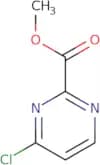
CAS:Versatile small molecule scaffoldFórmula:C6H5ClN2O2Pureza:Min. 95%Peso molecular:172.57 g/mol2-Fluoro-3-iodo-6-(trifluoromethyl)pyridine
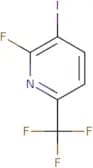
CAS:<p>Versatile small molecule scaffold</p>Fórmula:C6H2F4INPureza:Min. 95%Peso molecular:290.98 g/mol2-Methyl-2-(4-nitrophenyl)propanoic acid
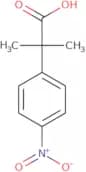
CAS:Versatile small molecule scaffoldFórmula:C10H11NO4Pureza:Min. 95%Peso molecular:209.2 g/mol2-Cyano-5-fluorophenol
CAS:<p>2-Cyano-5-fluorophenol is an organic compound that is used as a precursor to medicines and other chemicals. It reacts with calcium hydroxide in water to form 2-cyano-5-hydroxyfluorobenzene, which can be hydrolyzed to form 2-cyano-5-chlorofluorobenzene. This compound can also react with sodium hydroxide to produce sodium cyanate, which can be hydrolyzed to form sodium chloride and hydrogen cyanide gas. The alkali metal ions are needed for this reaction, which is why the product should not be exposed to water or moisture. 2-Cyano-5-fluorophenol has been shown to have liquid crystal properties and is used in the production of certain types of polymers. 2Cyano-5Fluorophenol crystals are also used in some medicines such as acetaminophen (paracetamol).</p>Fórmula:C7H4FNOPureza:Min. 95%Peso molecular:137.11 g/mol
![2-[Butyl(methyl)amino]-1-(2,3-dihydro-1,4-benzodioxin-6-yl)ethan-1-ol](/_next/image/?url=https%3A%2Fstatic.cymitquimica.com%2Fproducts%2F3D%2Fthumb-webp%2FSAC26377.webp&w=3840&q=75)



![Methyl 3-amino-4-([2-(dimethylcarbamoyl)ethyl]amino)benzoate](/_next/image/?url=https%3A%2Fstatic.cymitquimica.com%2Fproducts%2F3D%2Fthumb-webp%2FSBC58933.webp&w=3840&q=75)
![3-[(4-Bromothiophen-2-yl)methyl]-1,3-diazaspiro[4.4]nonane-2,4-dione](/_next/image/?url=https%3A%2Fstatic.cymitquimica.com%2Fproducts%2F3D%2Fthumb-webp%2FSBC60712.webp&w=3840&q=75)
![3-[(5-Bromo-2-methoxyphenyl)methyl]imidazolidine-2,4-dione](/_next/image/?url=https%3A%2Fstatic.cymitquimica.com%2Fproducts%2F3D%2Fthumb-webp%2FSBC62995.webp&w=3840&q=75)
![1-{[(tert-Butoxy)carbonyl]amino}-2-methylcyclohexane-1-carboxylic acid](/_next/image/?url=https%3A%2Fstatic.cymitquimica.com%2Fproducts%2F3D%2Fthumb-webp%2FSBC81811.webp&w=3840&q=75)

![2-[(4-Bromophenyl)methyl]-6-methoxyhexanoic acid](/_next/image/?url=https%3A%2Fstatic.cymitquimica.com%2Fproducts%2F3D%2Fthumb-webp%2FSBD42050.webp&w=3840&q=75)
![3-Ethyl-2-phenylimidazo[1,2-a]pyrazine](/_next/image/?url=https%3A%2Fstatic.cymitquimica.com%2Fproducts%2F3D%2Fthumb-webp%2FSBD70961.webp&w=3840&q=75)
![4-[(Methylsulfanyl)methyl]benzoic acid](/_next/image/?url=https%3A%2Fstatic.cymitquimica.com%2Fproducts%2F3D%2Fthumb-webp%2FSCA00348.webp&w=3840&q=75)
![8-(4-Methoxyphenyl)-1,4-dioxaspiro[4.5]decan-8-ol](/_next/image/?url=https%3A%2Fstatic.cymitquimica.com%2Fproducts%2F3D%2Fthumb-webp%2FSCA01951.webp&w=3840&q=75)








![3-Methyl-2-(methylthio)benzo[d]thiazol-3-ium iodide](/_next/image/?url=https%3A%2Fstatic.cymitquimica.com%2Fproducts%2F3D%2Fthumb-webp%2FFM184304.webp&w=3840&q=75)
![tert-Butyl 6-amino-3-azabicyclo[3.1.0]hexane-3-carboxylate](/_next/image/?url=https%3A%2Fstatic.cymitquimica.com%2Fproducts%2F3D%2Fthumb-webp%2FFM161190.webp&w=3840&q=75)









![7H,8H-Pyrido[2,3-d]pyridazin-8-one](/_next/image/?url=https%3A%2Fstatic.cymitquimica.com%2Fproducts%2F3D%2Fthumb-webp%2FQAA37579.webp&w=3840&q=75)

![2-Bromobenzo[d]thiazol-6-amine](/_next/image/?url=https%3A%2Fstatic.cymitquimica.com%2Fproducts%2F3D%2Fthumb-webp%2FFB144124.webp&w=3840&q=75)



![Methyl 6-oxospiro[3.3]heptane-2-carboxylate](/_next/image/?url=https%3A%2Fstatic.cymitquimica.com%2Fproducts%2F3D%2Fthumb-webp%2FNVB48098.webp&w=3840&q=75)
![4,7-dibromo-1H-benzo[d]imidazole](/_next/image/?url=https%3A%2Fstatic.cymitquimica.com%2Fproducts%2F3D%2Fthumb-webp%2FYFA18566.webp&w=3840&q=75)

![1,5,6,7-Tetrahydro-2H-cyclopenta[b]pyridin-2-one](/_next/image/?url=https%3A%2Fstatic.cymitquimica.com%2Fproducts%2F3D%2Fthumb-webp%2FNDA49985.webp&w=3840&q=75)
![5-Methyl-4-[(pyrrolidin-1-yl)methyl]-1,2-oxazole-3-carboxylic acid hydrochloride](/_next/image/?url=https%3A%2Fstatic.cymitquimica.com%2Fproducts%2F3D%2Fthumb-webp%2FXWB84700.webp&w=3840&q=75)

![tert-Butyl 9-oxo-4,8-diazaspiro[4.4]nonane-4-carboxylate](/_next/image/?url=https%3A%2Fstatic.cymitquimica.com%2Fproducts%2F3D%2Fthumb-webp%2FWYB81845.webp&w=3840&q=75)


![2-Azaspiro[3.3]heptane-2,6-dicarboxylic acid 2-tert-butyl ester](/_next/image/?url=https%3A%2Fstatic.cymitquimica.com%2Fproducts%2F3D%2Fthumb-webp%2FLYB52653.webp&w=3840&q=75)


![(Ir[dF(CF3)ppy]2(dtbpy))PF6](/_next/image/?url=https%3A%2Fstatic.cymitquimica.com%2Fproducts%2F3D%2Fthumb-webp%2FVJB98763.webp&w=3840&q=75)


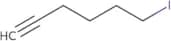
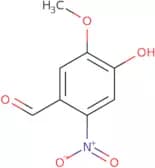
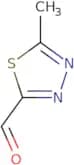
![ethyl 6-benzyl-2-oxa-6-azaspiro[3.4]octane-8-carboxylate](/_next/image/?url=https%3A%2Fstatic.cymitquimica.com%2Fproducts%2F3D%2Fthumb-webp%2FLBC69289.webp&w=3840&q=75)

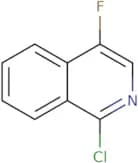


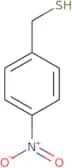
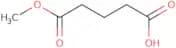
![1-[4-(Propan-2-yl)phenyl]ethan-1-ol](/_next/image/?url=https%3A%2Fstatic.cymitquimica.com%2Fproducts%2F3D%2Fthumb-webp%2FBAA47510.webp&w=3840&q=75)
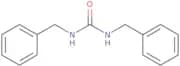
![3-oxo-2,3,5,7-tetrahydro-pyrrolo[3,4-c]pyridazine-6-carboxylic acid tert-butyl ester](/_next/image/?url=https%3A%2Fstatic.cymitquimica.com%2Fproducts%2F3D%2Fthumb-webp%2FVFC49325.webp&w=3840&q=75)
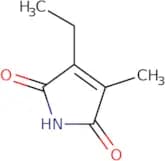

![[(Trimethylsilyl)ethynyl]boronic acid, pinacol ester](/_next/image/?url=https%3A%2Fstatic.cymitquimica.com%2Fproducts%2F3D%2Fthumb-webp%2FJGA08746.webp&w=3840&q=75)

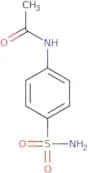

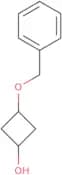
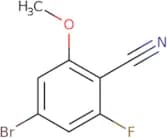
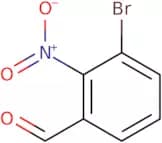
![6,7-dihydro-5h-pyrrolo[3,4-d]pyrimidin-2-amine 2hcl](/_next/image/?url=https%3A%2Fstatic.cymitquimica.com%2Fproducts%2F3D%2Fthumb-webp%2FHGA32752.webp&w=3840&q=75)
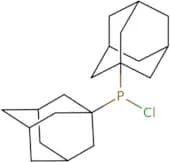

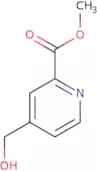
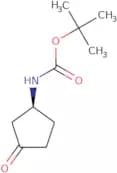
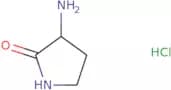
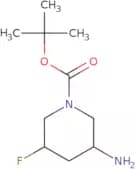
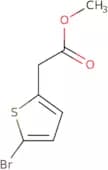
![(2,3-Dihydrobenzo[b][1,4]dioxin-5-yl)boronic acid](/_next/image/?url=https%3A%2Fstatic.cymitquimica.com%2Fproducts%2F3D%2Fthumb-webp%2FZUA76988.webp&w=3840&q=75)
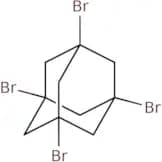
![2-{[(3αR,4S,6R,6αS)-6-Amino-2,2-dimethyltetrahydro-3αH-cyclopenta[d][1,3]-dioxol-4-yl] oxy}-1-ethol](/_next/image/?url=https%3A%2Fstatic.cymitquimica.com%2Fproducts%2F3D%2Fthumb-webp%2FZKA69355.webp&w=3840&q=75)
![2-[[(3aS,4R,6S,6aa)-4-[7-[[(1R,2S)-2-(3 ,4-Difluorophenyl)cyclopropyl]amino]-5-(propylthio)-3H-[1,…](/_next/image/?url=https%3A%2Fstatic.cymitquimica.com%2Fproducts%2F3D%2Fthumb-webp%2FZKA69326.webp&w=3840&q=75)

![4-(1H-Pyrazol-4-yl)-7-((2-(trimethylsilyl)ethoxy)methyl)-7H-pyrrolo[2,3-d]pyrimidine](/_next/image/?url=https%3A%2Fstatic.cymitquimica.com%2Fproducts%2F3D%2Fthumb-webp%2FRMB68527.webp&w=3840&q=75)
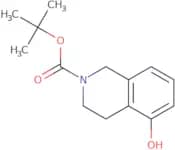
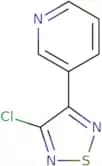
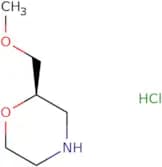


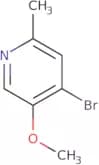



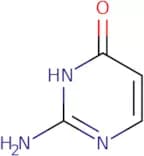
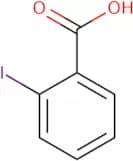
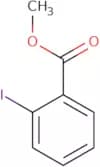

![Methyl 2-{[(tert-butoxy)carbonyl]amino}pent-4-ynoate](/_next/image/?url=https%3A%2Fstatic.cymitquimica.com%2Fproducts%2F3D%2Fthumb-webp%2FYGA30682.webp&w=3840&q=75)
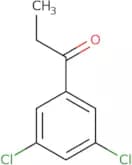


![3-[5-(Aminomethyl)-1-oxo-2,3-dihydro-1H-isoindol-2-yl]piperidine-2,6-dione hydrochloride](/_next/image/?url=https%3A%2Fstatic.cymitquimica.com%2Fproducts%2F3D%2Fthumb-webp%2FIWB26469.webp&w=3840&q=75)
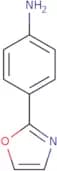
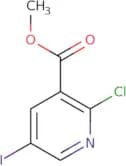

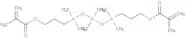


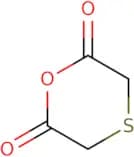


![[2'-(Amino-ºN)[1,1'-biphenyl]-2-yl-C][[3,6-dimethoxy-2',4',6'-tris(1-methylethyl)[1,1'-biphenyl]-2…](/_next/image/?url=https%3A%2Fstatic.cymitquimica.com%2Fproducts%2F3D%2Fthumb-webp%2FLLC47372.webp&w=3840&q=75)