Building Blocks
Subcategorías de "Building Blocks"
- Ácidos borónicos y derivados del ácido borónico(5.774 productos)
- Building Blocks quirales(1.237 productos)
- Building Blocks de hidrocarburos(6.098 productos)
- Building Blocks orgánicos(60.970 productos)
Se han encontrado 205134 productos de "Building Blocks"
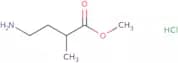
Methyl 4-amino-2-methylbutanoate hydrochloride
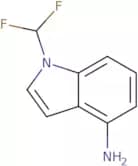
CAS:Versatile small molecule scaffoldFórmula:C6H14ClNO2Pureza:Min. 95%Peso molecular:167.63 g/mol1-(Difluoromethyl)-1H-indol-4-amine
CAS:Versatile small molecule scaffold
Fórmula:C9H8F2N2Pureza:Min. 95%Peso molecular:182.17 g/molRef: 3D-EHC04306
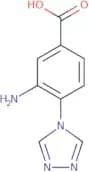
Producto descatalogado3-Amino-4-(4H-1,2,4-triazol-4-yl)benzoic acid
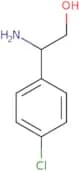
CAS:Versatile small molecule scaffoldFórmula:C9H8N4O2Pureza:Min. 95%Peso molecular:204.19 g/molb-Amino-4-chlorobenzeneethanol
CAS:Versatile small molecule scaffold
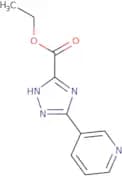
Fórmula:C8H10ClNOPureza:Min. 95%Peso molecular:171.62 g/molEthyl 3-(pyridin-3-yl)-1H-1,2,4-triazole-5-carboxylate
CAS:Versatile small molecule scaffold
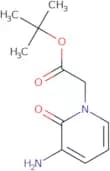
Fórmula:C10H10N4O2Pureza:Min. 95%Peso molecular:218.21 g/moltert-Butyl 2-(3-amino-2-oxo-1,2-dihydropyridin-1-yl)acetate
CAS:Versatile small molecule scaffold
Fórmula:C11H16N2O3Pureza:Min. 95%Peso molecular:224.26 g/molN-[4-Bromo-2-nitro-6-(trifluoromethyl)phenyl]acetamide
CAS:Versatile small molecule scaffold
Fórmula:C9H6BrF3N2O3Pureza:Min. 95%Peso molecular:327.05 g/mol2-Chloro-4-methoxy-6-methyl-3-nitropyridine
CAS:Versatile small molecule scaffoldFórmula:C7H7ClN2O3Pureza:Min. 95%Peso molecular:202.59 g/mol3-(1-Methyl-1H-pyrazol-3-yl)benzaldehyde
CAS:Versatile small molecule scaffold
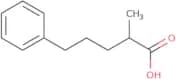
Fórmula:C11H10N2OPureza:Min. 95%Peso molecular:186.21 g/mol2-Methyl-5-phenylpentanoic acid
CAS:2-Methyl-5-phenylpentanoic acid is a chiral, asymmetric catalyst for the hydrogenation of prochiral alkenes. It is prepared by the reaction of ferrocenyl phosphine with 2-methyl-5-phenylpentanoic acid. The product is obtained as a racemic mixture of enantiomers that can be separated by chromatography or crystallization.
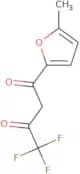
Fórmula:C12H16O2Pureza:Min. 95%Peso molecular:192.25 g/mol4,4,4-Trifluoro-1-(5-methylfuran-2-yl)butane-1,3-dione
CAS:Versatile small molecule scaffold
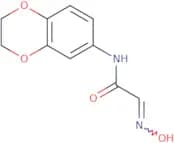
Fórmula:C9H7F3O3Pureza:Min. 95%Peso molecular:220.14 g/molN-(2,3-Dihydro-1,4-benzodioxin-6-yl)-2-(N-hydroxyimino)acetamide
CAS:Versatile small molecule scaffold
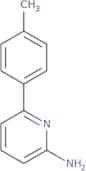
Fórmula:C10H10N2O4Pureza:Min. 95%Peso molecular:222.2 g/mol6-(p-Tolyl)pyridin-2-amine
CAS:Versatile small molecule scaffold
Fórmula:C12H12N2Pureza:Min. 95%Peso molecular:184.24 g/mol(1S)-(+)-10-Camphorsulfonic acid ethyl ester
CAS:Versatile small molecule scaffold
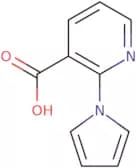
Fórmula:C12H20O4SPureza:Min. 95%Peso molecular:260.35 g/mol2-(1H-Pyrrol-1-yl)pyridine-3-carboxylic acid
CAS:Versatile small molecule scaffold
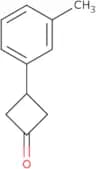
Fórmula:C10H8N2O2Pureza:Min. 95%Peso molecular:188.18 g/mol3-(3-Methylphenyl)cyclobutan-1-one
CAS:Versatile small molecule scaffold
Fórmula:C11H12OPureza:Min. 95%Peso molecular:160.21 g/molRef: 3D-TJA86756
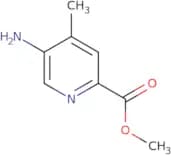
Producto descatalogadomethyl 5-amino-4-methylpyridine-2-carboxylate
CAS:Versatile small molecule scaffoldFórmula:C8H10N2O2Pureza:Min. 95%Peso molecular:166.18 g/mol4-[(4-Methoxyphenyl)methyl]azetidin-2-one
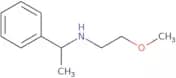
CAS:Versatile small molecule scaffoldFórmula:C11H13NO2Pureza:Min. 95%Peso molecular:191.23 g/mol(2-Methoxyethyl)(1-phenylethyl)amine
CAS:Versatile small molecule scaffold
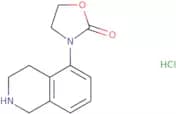
Fórmula:C11H17NOPureza:Min. 95%Peso molecular:179.26 g/mol3-(1,2,3,4-Tetrahydroisoquinolin-5-yl)-1,3-oxazolidin-2-one hydrochloride
CAS:Versatile small molecule scaffold
Fórmula:C12H15ClN2O2Pureza:Min. 95%Peso molecular:254.71 g/mol2-Methyl-6-nitro-4-(1,2,3,6-tetrahydropyridin-4-yl)aniline hydrochloride
CAS:Versatile small molecule scaffold
Fórmula:C12H16ClN3O2Pureza:Min. 95%Peso molecular:269.73 g/molRef: 3D-EEC96073
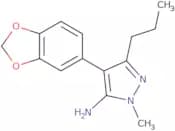
Producto descatalogado4-(1,3-Dioxaindan-5-yl)-2-methyl-5-propyl-2,3-dihydro-1H-pyrazol-3-imine
CAS:Versatile small molecule scaffold
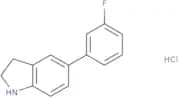
Fórmula:C14H17N3O2Pureza:Min. 95%Peso molecular:259.3 g/mol5-(3-Fluorophenyl)-2,3-dihydro-1H-indole hydrochloride
CAS:Versatile small molecule scaffoldFórmula:C14H13ClFNPureza:Min. 95%Peso molecular:249.71 g/molRef: 3D-EEC95999
Producto descatalogado2,2,2-Trifluoroethyl N-[3-fluoro-4-(1H-pyrazol-1-yl)phenyl]carbamate
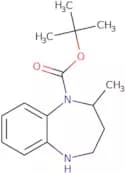
CAS:Versatile small molecule scaffoldFórmula:C12H9F4N3O2Pureza:Min. 95%Peso molecular:303.21 g/moltert-Butyl 2-methyl-2,3,4,5-tetrahydro-1H-1,5-benzodiazepine-1-carboxylate
CAS:Versatile small molecule scaffold
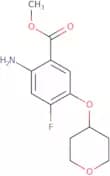
Fórmula:C15H22N2O2Pureza:Min. 95%Peso molecular:262.35 g/molMethyl 2-amino-4-fluoro-5-(oxan-4-yloxy)benzoate
CAS:Versatile small molecule scaffold
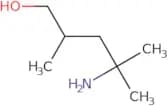
Fórmula:C13H16FNO4Pureza:Min. 95%Peso molecular:269.27 g/mol4-Amino-2,4-dimethylpentan-1-ol
CAS:Versatile small molecule scaffold
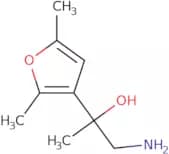
Fórmula:C7H17NOPureza:Min. 95%Peso molecular:131.22 g/mol1-Amino-2-(2,5-dimethylfuran-3-yl)propan-2-ol
CAS:Versatile small molecule scaffold
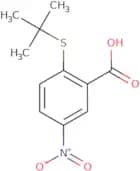
Fórmula:C9H15NO2Pureza:Min. 95%Peso molecular:169.22 g/mol2-(tert-Butylsulfanyl)-5-nitrobenzoic acid
CAS:Versatile small molecule scaffold
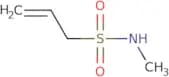
Fórmula:C11H13NO4SPureza:Min. 95%Peso molecular:255.29 g/molN-Methylprop-2-ene-1-sulfonamide
CAS:Versatile small molecule scaffold
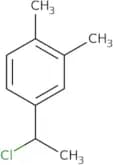
Fórmula:C4H9NO2SPureza:Min. 95%Peso molecular:135.19 g/mol3,4-Dimethyl-1-(1-chloroethyl)benzene
CAS:Versatile small molecule scaffold
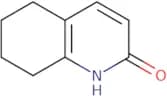
Fórmula:C10H13ClPureza:Min. 95%Peso molecular:168.66 g/mol5,6,7,8-Tetrahydroquinolin-2(1H)-one
CAS:Tetrahydroquinolin-2(1H)-one is a hydrobromide that has been found in the environment as an environmental pollutant. Tetrahydroquinolin-2(1H)-one is used to synthesize amides and has been studied by single-crystal x-ray diffraction. The molecule is centrosymmetric, with a molecular weight of 244.06 g/mol. Tetrahydroquinolin-2(1H)-one can be used as a ligand for metals such as chlorine and magnesium. It does not dissolve in water but does dissolve in organic solvents such as ethers, chloroform, or benzene.
Fórmula:C9H11NOPureza:Min. 95%Peso molecular:149.19 g/mol4-[2-(2-Methylphenyl)ethyl]piperidine
CAS:Versatile small molecule scaffold
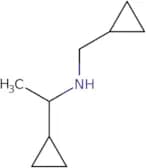
Fórmula:C14H21NPureza:Min. 95%Peso molecular:203.32 g/mol(1-Cyclopropylethyl)(cyclopropylmethyl)amine
CAS:Versatile small molecule scaffold
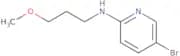
Fórmula:C9H17NPureza:Min. 95%Peso molecular:139.24 g/mol5-Bromo-N-(3-methoxypropyl)pyridin-2-amine
CAS:Versatile small molecule scaffoldFórmula:C9H13BrN2OPureza:Min. 95%Peso molecular:245.12 g/mol6-bromoimidazo[1,2-a]pyrazin-2-amine
CAS:Versatile small molecule scaffold
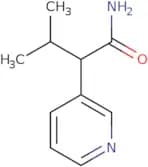
Fórmula:C6H5BrN4Pureza:Min. 95%Peso molecular:213 g/mol3-Methyl-2-(pyridin-3-yl)butanamide
CAS:Versatile small molecule scaffold
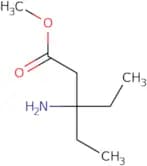
Fórmula:C10H14N2OPureza:Min. 95%Peso molecular:178.23 g/molMethyl 3-amino-3-ethylpentanoate
CAS:Versatile small molecule scaffold
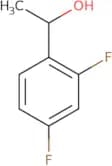
Fórmula:C8H17NO2Pureza:Min. 95%Peso molecular:159.23 g/mol(1R)-1-(2,4-Difluorophenyl)ethan-1-ol
CAS:Versatile small molecule scaffold
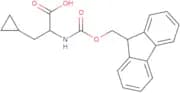
Fórmula:C8H8F2OPureza:Min. 95%Peso molecular:158.14 g/molN-FMOC-Cyclopropyl alanine
CAS:Versatile small molecule scaffold
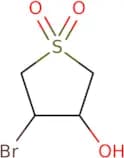
Fórmula:C21H21NO4Pureza:Min. 95%Peso molecular:351.4 g/mol(3R,4S)-rel-4-Bromotetrahydro-thiophene-3-ol 1,1-dioxide
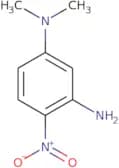
CAS:Versatile small molecule scaffoldFórmula:C4H7BrO3SPureza:Min. 95%Peso molecular:215.07 g/mol3-Amino-N,N-dimethyl-4-nitroaniline
CAS:Versatile small molecule scaffold
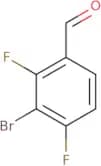
Fórmula:C8H11N3O2Pureza:Min. 95%Peso molecular:181.19 g/mol3-Bromo-2,4-difluorobenzaldehyde
CAS:Versatile small molecule scaffold
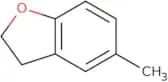
Fórmula:C7H3BrF2OPureza:Min. 95%Peso molecular:219.93 g/mol5-Methyl-2,3-dihydro-1-benzofuran
CAS:Versatile small molecule scaffold
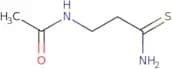
Fórmula:C9H10OPureza:Min. 95%Peso molecular:134.17 g/molN-(2-Carbamothioylethyl)acetamide
CAS:Versatile small molecule scaffold
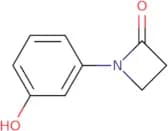
Fórmula:C5H10N2OSPureza:Min. 95%Peso molecular:146.21 g/mol1-(3-Hydroxyphenyl)azetidin-2-one
CAS:Versatile small molecule scaffold
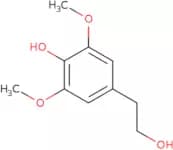
Fórmula:C9H9NO2Pureza:Min. 95%Peso molecular:163.17 g/mol4-(2-Hydroxyethyl)-2,6-dimethoxyphenol
CAS:Producto controlado4-(2-Hydroxyethyl)-2,6-dimethoxyphenol is a phenolic compound that can be extracted from the bark of the Indian tree Terminalia arjuna. The extract has been used in traditional medicine for centuries to treat diabetes and cancer. In vitro studies have shown that this extract inhibits the activity of viruses, including HIV, with a mechanism of action similar to that of indinavir. 4-(2-Hydroxyethyl)-2,6-dimethoxyphenol also has an antioxidant effect and stimulates the production of glutathione reductase and superoxide dismutase by cells in culture. 4-(2-Hydroxyethyl)-2,6-dimethoxyphenol is used as an herbal drug in India and research has found it to be hepatoprotective when administered orally to rats.
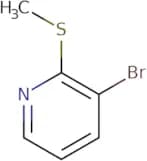
Fórmula:C10H14O4Pureza:Min. 95%Forma y color:PowderPeso molecular:198.22 g/mol3-Bromo-2-(methylthio)pyridine
CAS:Versatile small molecule scaffold
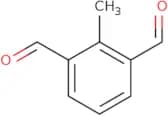
Fórmula:C6H6BrNSPureza:Min. 95%Peso molecular:204.09 g/mol2-Methylbenzene-1,3-dicarbaldehyde
CAS:2-Methylbenzene-1,3-dicarbaldehyde is a divalent hydrocarbon that has an oxidation catalyst. This compound is used as an intermediate in the production of drugs and pharmaceuticals. It has been shown to have cardiovascular disorders, such as vasodilatation and hypotension. The mechanism of action is not fully understood but may be related to its ability to act as a nitrovasodilator by increasing nitric oxide (NO) release. 2-Methylbenzene-1,3-dicarbaldehyde also produces psychotic disorders when long term exposure occurs. This compound has been shown to have neurotoxic effects in animal models with long term exposure.
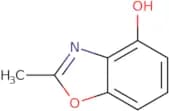
Fórmula:C9H8O2Pureza:Min. 95%Peso molecular:148.16 g/mol2-Methyl-1,3-benzoxazol-4-ol
CAS:2-Methyl-1,3-benzoxazol-4-ol is a planar torsion with a chloride. The crystal structure of 2-Methyl-1,3-benzoxazol-4-ol has been solved by XRD and the molecular weight was found to be 253.2 g/mol. The chemical formula for 2-Methyl-1,3-benzoxazol-4-ol is C11H12ClNO2.
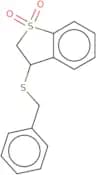
The benzoxazole ring in 2 methyl 1,3 benzoxazole 4 ol is planar and contains two methyl groups on the 4 position. This molecule can exist as either cis or trans form depending on the geometry of the molecule. The cis form has two hydrogen atoms on the opposite side of the molecule to each other whereas in trans it has only one hydrogen atom on opposite sides of the molecule. These two forms are not interchangeable and have different physical properties such asFórmula:C8H7NO2Pureza:Min. 95%Peso molecular:149.15 g/mol3-(Benzylsulfanyl)-2,3-dihydro-1λ⁶-benzothiophene-1,1-dione
CAS:Versatile small molecule scaffold
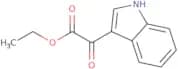
Fórmula:C15H14O2S2Pureza:Min. 95%Peso molecular:290.4 g/molEthyl 2-(indol-3-yl)-2-oxoacetate
CAS:Ethyl 2-(indol-3-yl)-2-oxoacetate is a hydroxy derivative of the amino acid tyrosine. It inhibits the enzyme tyrosine hydroxylase, which catalyzes the conversion of tyrosine to L-DOPA. This in turn affects dopamine synthesis and has an inhibitory effect on rat brain. Ethyl 2-(indol-3-yl)-2-oxoacetate also inhibits methylmagnesium borohydride in vitro, which is a reagent that breaks down esters, amides, and nitriles. Tyrosine hydroxylase is inhibited by the presence of two hydroxy groups on the ethyl side chain and one hydroxy group on the indole ring. It can be used as a structural analogue for other drugs that are used to treat Parkinson's disease or depression.
Fórmula:C12H11NO3Pureza:Min. 95%Peso molecular:217.22 g/mol4-[2-(4-Iodophenyl)ethyl]morpholine
CAS:Versatile small molecule scaffold
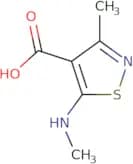
Fórmula:C12H16INOPureza:Min. 95%Peso molecular:317.17 g/mol3-Methyl-5-(methylamino)-1,2-thiazole-4-carboxylic acid
CAS:Versatile small molecule scaffold
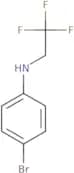
Fórmula:C6H8N2O2SPureza:Min. 95%Peso molecular:172.21 g/mol4-bromo-N-(2,2,2-trifluoroethyl)aniline
CAS:Versatile small molecule scaffold
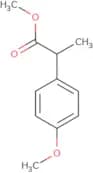
Fórmula:C8H7BrF3NPureza:Min. 95%Peso molecular:254 g/molMethyl 2-(4-methoxyphenyl)propanoate
CAS:Versatile small molecule scaffold
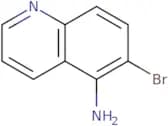
Fórmula:C11H14O3Pureza:Min. 95%Peso molecular:194.23 g/mol5-Amino-6-bromoquinoline
CAS:Versatile small molecule scaffold
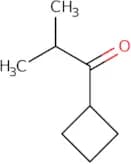
Fórmula:C9H7BrN2Pureza:Min. 95%Peso molecular:223.07 g/mol1-Cyclobutyl-2-methylpropan-1-one
CAS:Versatile small molecule scaffold
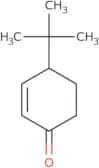
Fórmula:C8H14OPureza:Min. 95%Peso molecular:126.2 g/mol4-tert-Butylcyclohex-2-en-1-one
CAS:Versatile small molecule scaffold
Fórmula:C10H16OPureza:Min. 95%Peso molecular:152.23 g/molRef: 3D-AAA93707
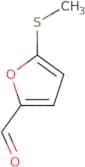
Producto descatalogado5-(Methylsulfanyl)furan-2-carbaldehyde
CAS:Versatile small molecule scaffold
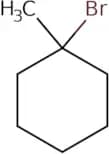
Fórmula:C6H6O2SPureza:Min. 95%Peso molecular:142.18 g/mol1-Bromo-1-methylcyclohexane
CAS:1-Bromo-1-methylcyclohexane is a monomolecular gas that is used as an intermediate in organic synthesis. It reacts with halides to form cyclopentyl derivatives. This reaction has been shown to be faster than the corresponding reaction of 1-bromocyclohexane with chlorides or bromides. The rate of this reaction may be due to the polarizability and conformational changes of the molecule upon substitution by a methyl group. 1-Bromo-1-methylcyclohexane is also an ionizing reagent, which means it can cause electrophilic reactions to occur on other molecules. It has been found that the solvent effect on this product can affect its reactivity, with solvents such as water having more of an effect than solvents such as benzene. 1-Bromo-1-methylcyclohexane has been shown to interact with other compounds in both transfer and complex
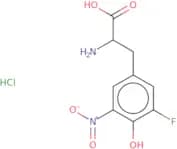
Fórmula:C7H13BrPureza:Min. 95%Peso molecular:177.08 g/mol2-Amino-3-(3-fluoro-4-hydroxy-5-nitrophenyl)propanoic acid hydrochloride
CAS:Versatile small molecule scaffold
Fórmula:C9H10ClFN2O5Pureza:Min. 95%Peso molecular:280.6 g/molN-[Carbamothioyl(phenyl)methyl]benzamide
CAS:Versatile small molecule scaffold
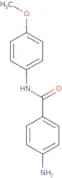
Fórmula:C15H14N2OSPureza:Min. 95%Peso molecular:270.3 g/mol4-Amino-n-(4-methoxyphenyl)benzamide
CAS:4-Amino-N-(4-methoxyphenyl)benzamide is a catalytic sulfamate that has been optimized for use in the synthesis of benzimidazole derivatives. 4-Amino-N-(4-methoxyphenyl)benzamide is used as a reagent for the preparation of aldehydes from sulfamic acid and various types of carboxylic acids. The reaction mechanism involves nucleophilic attack by the hydroxyl group from the sulfamate on the carbonyl carbon atom to form an intermediate, which then reacts with water to release hydrogen sulfate and form a new double bond.
Fórmula:C14H14N2O2Pureza:Min. 95%Peso molecular:242.27 g/mol1-(4-Phenoxyphenyl)propan-1-one
CAS:Versatile small molecule scaffold
Fórmula:C15H14O2Pureza:Min. 95%Peso molecular:226.27 g/molAmyl Acetate
CAS:Amyl acetate is a reactive, volatile organic compound that is used in the manufacture of plasticizers, resins, and synthetic rubber. It is also used as a solvent for dyes and pigments, as well as a flavoring agent in food processing. Amyl acetate has been shown to have antimicrobial properties against human pathogens such as methicillin-resistant Staphylococcus aureus (MRSA), Escherichia coli, and Salmonella enterica. The antimicrobial activity of this molecule may be due to its ability to react with cellular components such as proteins and lipids. Amyl acetate also inhibits the growth of microorganisms by inhibiting their synthesis of essential biomolecules like amino acids and nucleic acids.
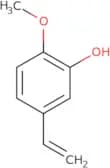
Fórmula:C7H14O2Pureza:Min. 95%Peso molecular:130.19 g/mol5-Ethenyl-2-methoxyphenol
CAS:5-Ethenyl-2-methoxyphenol is a volatile compound that has been isolated from the bark of the cinnamon tree. It has shown anticancer activities "in vitro" and "in vivo". 5-Ethenyl-2-methoxyphenol has been shown to be demethylated by cytochrome P450 enzymes, which may result in its antitumor activity. This active compound can also be detected in postharvested fruit and vegetables as well as processed foods such as apple juice, tomato sauce, and dried fruits. 5-Ethenyl-2-methoxyphenol is responsible for the characteristic flavor of cinnamon, so it is often used as a flavoring agent in food processing.
Fórmula:C9H10O2Pureza:Min. 95%Forma y color:PowderPeso molecular:150.17 g/mol2'-[(tert-Butoxy)carbonyl]-2',3'-dihydro-1'H-spiro[cyclopropane-1,4'-isoquinoline]-1'-carboxylic acid
CAS:Versatile small molecule scaffoldFórmula:C17H21NO4Pureza:Min. 95%Peso molecular:303.4 g/molRef: 3D-WLD79997
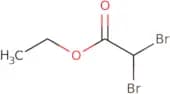
Producto descatalogadoAcetic acid, dibromo-, ethyl ester
CAS:Acetic acid, dibromo-, ethyl ester is a reactive molecule that can be used as a nucleophilic substituent. It has hydroxyl group and ruthenium complex. It is a particle that can be used in the production of monoclonal antibodies. Acetic acid, dibromo-, ethyl ester also has viscosity and polycarboxylic acid. This chemical reacts with β-unsaturated ketones to form polymerization initiator. Acetic acid, dibromo-, ethyl ester also has carbonyl group and monoclonal antibodies. Acetic acid, dibromo-, ethyl ester can be conjugated with ethyl bromoacetate to produce conjugates.
Fórmula:C4H6Br2O2Pureza:Min. 95%Peso molecular:245.9 g/mol2-[(3-Nitrophenyl)formamido]acetic acid
CAS:2-[(3-Nitrophenyl)formamido]acetic acid (2NPA) is a modifying agent that has been used in the modification of carboxyl groups. It can react with nucleophiles to form adducts and with carbodiimides to form ureas. 2NPA reacts with amino acids, peptides, and other nitrogenous compounds at their carboxyl groups to form ester or amide bonds. The nature of the residues after modification varies depending on the nature of the carboxyl group that was modified.
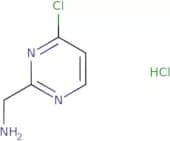
Fórmula:C9H8N2O5Pureza:Min. 95%Peso molecular:224.17 g/mol2-(Aminomethyl)-4-chloropyrimidine HCl
CAS:Versatile small molecule scaffold
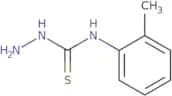
Fórmula:C5H7Cl2N3Pureza:Min. 95%Peso molecular:180.04 g/mol4-(2-Methylphenyl)-3-thiosemicarbazide
CAS:4-(2-Methylphenyl)-3-thiosemicarbazide is a crystalline solid that belongs to the group of benzoic acid derivatives. It has an orthorhombic crystal structure, with a yellow color. The crystals are measured at room temperature, and it has an atomic weight of 197.11 g/mol. 4-(2-Methylphenyl)-3-thiosemicarbazide is stable in air and in solution, but decomposes at temperatures above 250°C. This compound has been studied by using X-ray diffraction measurements and Bruker parameters. Its isotropic radiation is recorded at the following wavelength: 1.5418 Å (1).
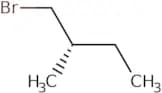
Fórmula:C8H11N3SPureza:Min. 95%Peso molecular:181.26 g/mol(S)-(+)-1-Bromo-2-methylbutane
CAS:(S)-(+)-1-Bromo-2-methylbutane is a chiral molecule with two stereoisomers, the cis and trans forms. The cis form has been observed to be the more stable of the two. It is a functional theory that these two forms are not mirror images of each other because they have different conformations. (S)-(+)-1-Bromo-2-methylbutane has been used in the synthesis of a number of important molecules. The stereoisomers can be distinguished by conformational analysis and optical microscopy. (S)-(+)-1-Bromo-2-methylbutane also has an application in biotechnology for use as a precursor for hydrazones, which are important in organic chemistry and molecular biology, such as DNA sequencing.
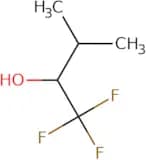
Fórmula:C5H11BrPureza:Min. 95%Peso molecular:151.04 g/mol1,1,1-Trifluoro-3-methylbutan-2-ol
CAS:Versatile small molecule scaffold
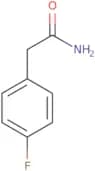
Fórmula:C5H9F3OPureza:Min. 95%Peso molecular:142.12 g/mol2-(4-Fluorophenyl)acetamide
CAS:2-(4-Fluorophenyl)acetamide (FFAA) is a broad-spectrum antiviral drug that has been evaluated against picornavirus, enterovirus, and rhinovirus. FFAA has been shown to be effective in the treatment of acute enterovirus infections in mice. This compound was also found to have a cytopathic effect on cells infected with enteroviruses in culture. It binds to the virus's RNA-dependent RNA polymerase and prevents viral replication. FFAA is not active against influenza A or B viruses, but it is active against influenza C virus. This compound has also been found to have medicinal properties, as it can inhibit the growth of human lung cancer cells in culture and may be useful for treating cancers such as leukemia.
Fórmula:C8H8FNOPureza:Min. 95%Peso molecular:153.15 g/molBenzo[d][1,2,3]thiadiazole
CAS:Benzo[d][1,2,3]thiadiazole is a benzothiadiazole with a redox potential of -0.25 V that is stable in the absence of oxygen and light. It can be used to synthesize chemical pesticides by reacting with hydrochloric acid. The reaction mechanism of benzo[d][1,2,3]thiadiazole has been determined using nuclear magnetic resonance spectroscopy and quantum chemical calculations. This compound reacts with hydrogen bond acceptors on the enzyme active site to form covalent bonds. It also interacts with the enzyme's steric environment by forming hydrogen bonds and van der Waals forces. Benzo[d][1,2,3]thiadiazole also emits light when it reacts with nitric oxide in solution.
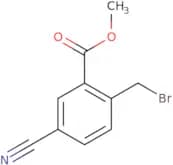
Fórmula:C6H4N2SPureza:Min. 95%Peso molecular:136.17 g/molMethyl 2-(bromomethyl)-5-cyanobenzoate
CAS:Versatile small molecule scaffold
Fórmula:C10H8BrNO2Pureza:Min. 95%Peso molecular:254.08 g/molMethyl 2-Octynoate
CAS:Methyl 2-octynoate is a chemical that has been shown to bind to the nicotinic acetylcholine receptor. Methyl 2-octynoate has been shown to have antitumor activity in various types of cancer cells, including breast, prostate, and lung cancer cells. This chemical is not known to be chemically stable or film-forming. It also disrupts mitochondrial membrane potential and reduces the endpoints of oxidative phosphorylation. Methyl 2-octynoate was found to have low potency against cancer cells in vitro and in vivo.
Fórmula:C9H14O2Pureza:Min. 95%Peso molecular:154.21 g/mol5,5-Dimethylpyrrolidine-2-carboxylic acid hydrochloride
CAS:Versatile small molecule scaffold
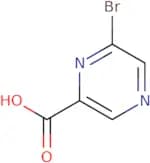
Fórmula:C7H14ClNO2Pureza:Min. 95%Peso molecular:179.64 g/mol6-Bromopyrazine-2-carboxylic acid
CAS:Versatile small molecule scaffold
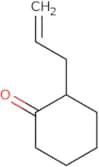
Fórmula:C5H3BrN2O2Pureza:Min. 95%Peso molecular:202.99 g/mol2-Allylcyclohexanone
CAS:2-Allylcyclohexanone is an unsaturated ketone that is synthesized by the ring-opening of allyl cyclohexane carboxylate with sodium hydroxide. It can be used as a chemical intermediate for the synthesis of other compounds. 2-Allylcyclohexanone can also be used to react with hydroxide solution to produce a salt and an alcohol. The hydroxide solution can act as a base, reducing the carbonyl group in the presence of an acid to form the corresponding alcohol. This reaction is stereoselective because it only occurs when there are two different groups on adjacent carbons.
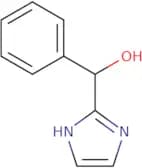
2-Allylcyclohexanone has been shown to inhibit non-nucleoside reverse transcriptase inhibitors (NNRTIs) such as nevirapine, efavirenz, and delavirdine. In addition, it has been found to have functional groups that are capable of reactingFórmula:C9H14OPureza:Min. 95%Peso molecular:138.21 g/mol1H-Imidazol-2-yl(phenyl)methanol
CAS:Versatile small molecule scaffold
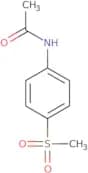
Fórmula:C10H10N2OPureza:Min. 95%Peso molecular:174.2 g/mol4'-(Methylsulfonyl)acetanilide
CAS:4'-(Methylsulfonyl)acetanilide is an organic compound that has been shown to have antibacterial and antiviral activity. It targets the benzene nucleus, and inhibits the synthesis of nucleic acids by inhibiting the enzyme ribonucleotide reductase. 4'-(Methylsulfonyl)acetanilide also inhibits viral replication, by binding to the active site of a viral protein (a DNA polymerase), which blocks the incorporation of nucleotides into the virus's DNA. In addition, 4'-(methylsulfonyl)acetanilide is an anti-helminthic agent, as it can inhibit worm motility and kill larvae in vitro. The structure-activity relationships between this molecule and other benzimidazole derivatives were analysed in order to identify new potential drugs for treating diseases caused by viruses or parasites.
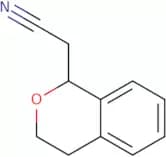
Fórmula:C9H11NO3SPureza:Min. 95%Peso molecular:213.26 g/mol2-(3,4-Dihydro-1H-2-benzopyran-1-yl)acetonitrile
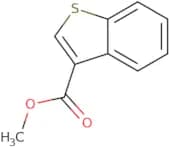
CAS:Versatile small molecule scaffoldFórmula:C11H11NOPureza:Min. 95%Peso molecular:173.21 g/molMethyl benzothiophene-3-carboxylate
CAS:Versatile small molecule scaffold
Fórmula:C10H8O2SPureza:Min. 95%Peso molecular:192.23 g/mol4-oxo-2-spiro(N-Boc-piperidine-4-yl)-benzopyran
CAS:Versatile small molecule scaffold
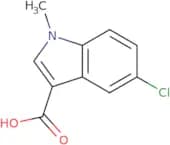
Fórmula:C18H23NO4Pureza:Min. 95%Peso molecular:317.39 g/mol5-Chloro-1-methyl-1H-indole-3-carboxylic acid
CAS:Producto controladoVersatile small molecule scaffoldFórmula:C10H8ClNO2Pureza:Min. 95%Peso molecular:209.63 g/molRef: 3D-XGA59662
Producto descatalogado2-(2-[(Propan-2-yloxy)methyl]phenyl)acetic acid
CAS:Versatile small molecule scaffold
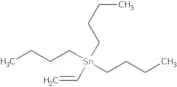
Fórmula:C12H16O3Pureza:Min. 95%Peso molecular:208.3 g/molVinyltributyltin
CAS:Producto controladoVinyltributyltin is a dibutyltin oxide (DBTO) enantiomer that has been shown to inhibit the HIV-1 protease. Vinyltributyltin has also been shown to reduce inflammation in bowel disease, as well as to have synergistic effects with other drugs in the treatment of cancer and inflammatory bowel disease. The mechanism of action of vinyltributyltin is not yet known, but it may be related to its ability to inhibit the quinazolone-dependent formation of reactive oxygen species. Vinyltributyltin also inhibits the NS3 protease, which is an enzyme involved in hepatitis C virus replication.
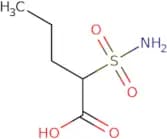
Fórmula:C14H30SnPureza:Min. 95%Forma y color:Colorless Clear LiquidPeso molecular:317.1 g/mol2-Sulfamoylpentanoic acid
CAS:Versatile small molecule scaffold
Fórmula:C5H11NO4SPureza:Min. 95%Peso molecular:181.21 g/mol3-methylpyridine-2-sulfinate lithium
CAS:Versatile small molecule scaffoldFórmula:C6H6LiNO2SPureza:Min. 95%Peso molecular:163.1 g/mol4-Methyl-1,2-oxazolidin-4-ol hydrochloride
CAS:Versatile small molecule scaffold
Fórmula:C4H10ClNO2Pureza:Min. 95%Peso molecular:139.6 g/molRef: 3D-XLD15344
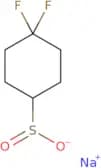
Producto descatalogadoSodium 4,4-difluorocyclohexane-1-sulfinate
CAS:Versatile small molecule scaffold
Fórmula:C6H9F2NaO2SPureza:Min. 95%Peso molecular:206.19 g/mol4-[(4-Methylpyrimidin-2-yl)oxy]aniline
CAS:Versatile small molecule scaffold
Fórmula:C11H11N3OPureza:Min. 95%Peso molecular:201.22 g/mol2-(Methylsulfonyl)-1H-benzo[d]imidazole
CAS:2-(Methylsulfonyl)-1H-benzo[d]imidazole (MSBI) is a relatively new class of catalysts that can be used to promote the oxidation of alcohols. The catalytic system consists of copper, iodides, and MSBI. The first step in the catalytic cycle is the formation of a complex between MSBI and copper. This complex reacts with an alcohol to give a more reactive species, which then oxidizes iodide to iodine. The iodide is reduced back to iodide by hydrogen peroxide generated from the reaction with water. The spectrum of MSBI shows peaks at 1706 cm-1 and 1684 cm-1 due to its methyl groups, while the peak at 1202 cm-1 corresponds to the stretching vibration in the imidazole ring. Experimental results show that MSBI has a low density and high theoretical activity.
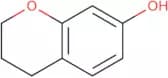
Fórmula:C8H8N2O2SPureza:Min. 95%Peso molecular:196.22 g/mol3,4-dihydro-2H-1-benzopyran-7-ol
CAS:3,4-Dihydro-2H-1-benzopyran-7-ol is a monomer that is used to synthesize medicines. It has the formula CH3COCH=CH(OH)CH3 and belongs to the group of flavonoids. 3,4-Dihydro-2H-1-benzopyran-7-ol has acidic properties, which are due to its isoflavones. It can be used as an acid catalyst in organic synthesis reactions and is a reaction product of chloropropane. 3,4-Dihydro-2H-1-benzopyran-7-ol also has high yield and can act as a bioisostere for other compounds such as chromene.
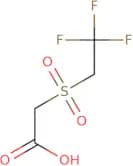
Fórmula:C9H10O2Pureza:Min. 95%Peso molecular:150.18 g/mol2-(2,2,2-Trifluoroethanesulfonyl)acetic acid
CAS:Trifloxacin is a broad-spectrum antibacterial drug that belongs to the class of formyloxy compounds and the cephalosporin family. It has been shown to be active against both Gram-positive and Gram-negative bacteria, with activity against strains resistant to penicillin, ampicillin, erythromycin, and chloramphenicol. Trifloxacin binds to the bacterial ribosome by displacement of a pyridyl group in the ribosomal RNA, inhibiting protein synthesis. This binding inhibits cell growth by preventing the production of proteins that are vital for cell division.
br>
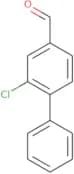
Trifloxacin has also been found to inhibit DNA gyrase and topoisomerase IV in vitro. Trifloxacin's mechanism of action is similar to that of other quinolones such as norfloxacin and ciprofloxacin.Fórmula:C4H5F3O4SPureza:Min. 95%Peso molecular:206.14 g/mol3-Chloro-4-phenylbenzaldehyde
CAS:Versatile small molecule scaffold
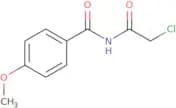
Fórmula:C13H9ClOPureza:Min. 95%Peso molecular:216.66 g/molN-(2-Chloroacetyl)-4-methoxybenzamide
CAS:Versatile small molecule scaffold
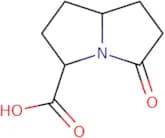
Fórmula:C10H10ClNO3Pureza:Min. 95%Peso molecular:227.64 g/mol5-Oxo-hexahydro-1H-pyrrolizine-3-carboxylic acid
CAS:Versatile small molecule scaffold
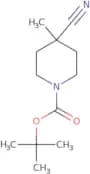
Fórmula:C8H11NO3Pureza:Min. 95%Peso molecular:169.18 g/moltert-Butyl 4-cyano-4-methylpiperidine-1-carboxylate
CAS:Versatile small molecule scaffold
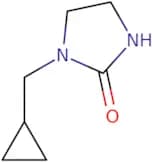
Fórmula:C12H20N2O2Pureza:Min. 95%Peso molecular:224.3 g/mol1-(Cyclopropylmethyl)imidazolidin-2-one
CAS:Versatile small molecule scaffold
Fórmula:C7H12N2OPureza:Min. 95%Peso molecular:140.18 g/mol3'-Methyl-[1,1'-biphenyl]-2-carboxylic acid
CAS:Versatile small molecule scaffold
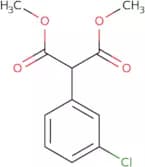
Fórmula:C14H12O2Pureza:Min. 95%Peso molecular:212.24 g/mol1,3-Dimethyl 2-(3-chlorophenyl)propanedioate
CAS:Versatile small molecule scaffold
Fórmula:C11H11ClO4Pureza:Min. 95%Peso molecular:242.65 g/mol1-Hydroxymethyl-2-Oxa-5-Aza-Bicyclo[2.2.1]Heptane-5-Carboxylic Acid Tert-Butyl Ester
CAS:Versatile small molecule scaffold
Fórmula:C11H19NO4Pureza:Min. 95%Peso molecular:229.27 g/mol4-Chloro-2,6-dimethyl-5-phenylthieno[2,3-d]pyrimidine
CAS:Versatile small molecule scaffold
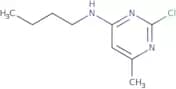
Fórmula:C14H11ClN2SPureza:Min. 95%Peso molecular:274.8 g/molN-Butyl-2-chloro-6-methylpyrimidin-4-amine
CAS:Versatile small molecule scaffold
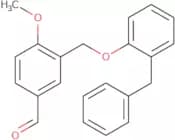
Fórmula:C9H14ClN3Pureza:Min. 95%Peso molecular:199.68 g/mol3-(2-Benzyl-phenoxymethyl)-4-methoxy-benzaldehyde
CAS:Versatile small molecule scaffold
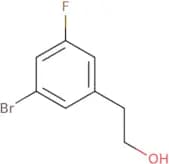
Fórmula:C22H20O3Pureza:Min. 95%Peso molecular:332.4 g/mol2-(3-Bromo-5-fluorophenyl)ethanol
CAS:Versatile small molecule scaffold
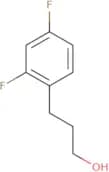
Fórmula:C8H8BrFOPureza:Min. 95%Peso molecular:219.05 g/mol3-(2,4-Difluorophenyl)propan-1-ol
CAS:Versatile small molecule scaffold
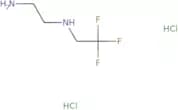
Fórmula:C9H10F2OPureza:Min. 95%Peso molecular:172.17 g/mol(2-Aminoethyl)(2,2,2-trifluoroethyl)amine dihydrochloride
CAS:Versatile small molecule scaffold
Fórmula:C4H11Cl2F3N2Pureza:Min. 95%Peso molecular:215.04 g/molRef: 3D-JDC14763
Producto descatalogado9-{[(tert-Butoxy)carbonyl]amino}bicyclo[3.3.1]nonane-3-carboxylic acid
CAS:Versatile small molecule scaffoldFórmula:C15H25NO4Pureza:Min. 95%Peso molecular:283.36 g/mol1-(Propan-2-yl)-N-[1-(propan-2-yl)-4,5,6,7-tetrahydro-1H-indazol-5-yl]-4,5,6,7-tetrahydro-1H-indazol-5-amine
CAS:Versatile small molecule scaffold
Fórmula:C20H31N5Pureza:Min. 95%Peso molecular:341.5 g/mol5-(1,3-Dioxolan-2-yl)furan-2-carbonitrile
CAS:Versatile small molecule scaffold
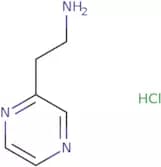
Fórmula:C8H7NO3Pureza:Min. 95%Peso molecular:165.15 g/mol2-Pyrazin-2-yl-ethylamine HCl
CAS:Versatile small molecule scaffold
Fórmula:C6H10ClN3Pureza:Min. 95%Peso molecular:159.62 g/moltert-Butyl 4-methoxy-3,10-diazabicyclo[4.3.1]dec-3-ene-10-carboxylate
CAS:Versatile small molecule scaffoldFórmula:C14H24N2O3Pureza:Min. 95%Peso molecular:268.4 g/molRef: 3D-FSD25605
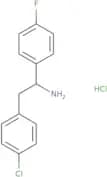
Producto descatalogado2-(4-Chlorophenyl)-1-(4-fluorophenyl)ethan-1-amine hydrochloride
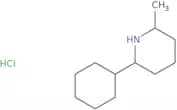
CAS:Versatile small molecule scaffoldFórmula:C14H14Cl2FNPureza:Min. 95%Peso molecular:286.2 g/mol2-Cyclohexyl-6-methylpiperidine hydrochlorides
CAS:Versatile small molecule scaffold
Fórmula:C12H24ClNPureza:Min. 95%Peso molecular:217.8 g/molrac-(3R,4R)-3-Hydroxy-4-[(2-phenylethyl)amino]-1lambda6-thiolane-1,1-dione
CAS:Versatile small molecule scaffold
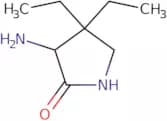
Fórmula:C12H17NO3SPureza:Min. 95%Peso molecular:255.34 g/mol3-Amino-4,4-diethylpyrrolidin-2-one
CAS:Versatile small molecule scaffoldFórmula:C8H16N2OPureza:Min. 95%Peso molecular:156.23 g/molRef: 3D-JHD93650
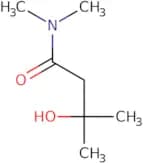
Producto descatalogado3-Hydroxy-N,N,3-trimethylbutanamide
CAS:3-Hydroxy-N,N,3-trimethylbutanamide is a liquid at room temperature. It is an additive that can be used in the production of nitrocellulose and as a preservative for nitrate film. 3-Hydroxy-N,N,3-trimethylbutanamide decomposes on exposure to UV light to form nitric oxide. It is also used as a photoinitiator in the synthesis of polymers by free radical polymerization reactions. The liquid composition can be thermally treated to produce stable silver nanoparticles.
Fórmula:C7H15NO2Pureza:Min. 95%Peso molecular:145.2 g/molRef: 3D-LCA66547
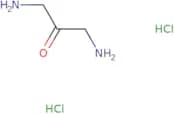
Producto descatalogado1,3-Diaminopropan-2-one dihydrochloride
CAS:Versatile small molecule scaffold
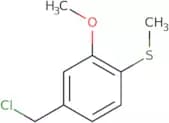
Fórmula:C3H10Cl2N2OPureza:90%MinPeso molecular:161.03 g/mol4-(Chloromethyl)-2-methoxy-1-(methylsulfanyl)benzene
CAS:Versatile small molecule scaffold
Fórmula:C9H11ClOSPureza:Min. 95%Peso molecular:202.7 g/mol3-Amino-7-oxa-1λ⁶-thiaspiro[3.5]nonane-1,1-dione hydrochloride
CAS:Versatile small molecule scaffoldFórmula:C7H14ClNO3SPureza:Min. 95%Peso molecular:227.7 g/mol[4-(4-Chlorophenyl)-1H-imidazol-2-yl]methanamine dihydrochloride
CAS:Versatile small molecule scaffold
Fórmula:C10H12Cl3N3Pureza:Min. 95%Peso molecular:280.6 g/molRef: 3D-LCC31773
Producto descatalogado8-Bromo-2-methylimidazo[1,2-a]pyridine
CAS:Versatile small molecule scaffold
Fórmula:C8H7N2BrPureza:Min. 95%Peso molecular:211.05 g/mol3-Hydroxy-5-methylpyridine
CAS:3-Hydroxy-5-methylpyridine (3HMP) is a chemical substance that has been classified as an amine. It is a product of the metabolism of purines, which are nitrogenous bases found in DNA and RNA. 3HMP is produced by aerogenic bacteria (such as Enterobacter), and can be used to estimate the number of these bacteria present in water samples. 3HMP has been shown to have antiviral properties against influenza virus, and can be used as a biomarker for the presence of other viruses in animals. 3HMP also has mineralization properties, which have been studied extensively, particularly with regards to pancreatic disease.
Fórmula:C6H7NOPureza:Min. 95%Forma y color:PowderPeso molecular:109.13 g/molRef: 3D-FH16174
Producto descatalogado2-Bromo-3,3,3-trifluoro-1-propene
CAS:Producto controlado2-Bromo-3,3,3-trifluoro-1-propene is a chemical compound that has been synthesized in an asymmetric reaction. The reactant is bromopropane and the product is 2,2,2-trifluoropropene. The methylene group on the propene molecule is activated by the nucleophilic attack of a fluoride ion from hydrogen fluoride to form a cavity with a highly strained bond. The kinetic study of this reaction revealed that the activation energy for the reaction is 42 kJ/mol. Palladium-catalyzed coupling reactions are catalyzed by palladium and require nonpolar solvents such as toluene or dichloromethane. This type of reaction has been shown to be exothermic with an isolated yield of 1%.
Fórmula:C3H2BrF3Pureza:Min. 95%Forma y color:Colorless PowderPeso molecular:174.95 g/mol4-Chloro-2-hydroxy-6-methylphenylboronic acid
CAS:Versatile small molecule scaffoldFórmula:C7H8BClO3Pureza:Min. 95%Peso molecular:186.4 g/mol1-Hydroxycyclopentane-1-carbonitrile
CAS:1-Hydroxycyclopentane-1-carbonitrile is a monomer that is hydrolyzed to form benzoin and cyanohydrins. It can be used in the production of scifinder as a monomer or dimerizer.
Fórmula:C6H9NOPureza:Min. 95%Peso molecular:111.14 g/mol4,5-Dihydro-1H-imidazol-2-amine hydrochloride
CAS:Please enquire for more information about 4,5-Dihydro-1H-imidazol-2-amine hydrochloride including the price, delivery time and more detailed product information at the technical inquiry form on this page
Fórmula:C3H7N3•HClPureza:Min. 95%Peso molecular:121.57 g/molRef: 3D-FD183639
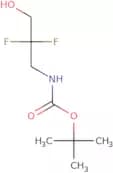
Producto descatalogadotert-Butyl (2,2-difluoro-3-hydroxypropyl)carbamate
CAS:Versatile small molecule scaffoldFórmula:C10H13NO4Pureza:Min. 95%Peso molecular:211.21 g/mol4,5-Dihydroxy-2,3-Pentanedione
CAS:4,5-Dihydroxy-2,3-pentanedione is a carbonyl compound that is the product of the oxidation of ascorbic acid. It is used in wastewater treatment and has antimicrobial properties against infectious diseases. This compound has been shown to inhibit protein synthesis by binding to the ribosome and preventing the formation of peptide bonds between amino acids. 4,5-Dihydroxy-2,3-pentanedione has also been shown to bind to plasma proteins, which may be due to its acyl chain structure. 4,5-Dihydroxy-2,3-pentanedione can be synthesized in a catalytic mechanism that involves dehydroascorbic acid and molecular oxygen.
Fórmula:C5H8O4Pureza:Min. 95%Forma y color:PowderPeso molecular:132.11 g/molRef: 3D-FD180770
Producto descatalogadoPiperyline
CAS:Piperyline is an alkanoic acid that has shown to be effective against skin cancer. It also has antimicrobial properties, which may be due to its ability to bind metal ions and form polymeric compounds. Piperyline inhibits microbial growth by inhibiting the synthesis of proteins and nucleic acids. The antimicrobial activity is related to its cationic polymerization with hydroxyl groups, which forms a structure that can inhibit microbial enzymes and disrupt microbial cell membranes. This compound also interacts with the skin's natural lipids, making it difficult for microorganisms to attach and grow on the skin. Piperyline is synthesized in organic chemistry laboratories as an amide precursor of other pharmaceuticals such as penicillin.
Fórmula:C16H17NO3Pureza:Min. 95%Peso molecular:271.31 g/mol

![N-[4-Bromo-2-nitro-6-(trifluoromethyl)phenyl]acetamide](/_next/image/?url=https%3A%2Fstatic.cymitquimica.com%2Fproducts%2F3D%2Fthumb-webp%2FEHA06200.webp&w=3840&q=75)



![4-[(4-Methoxyphenyl)methyl]azetidin-2-one](/_next/image/?url=https%3A%2Fstatic.cymitquimica.com%2Fproducts%2F3D%2Fthumb-webp%2FEFC81230.webp&w=3840&q=75)

![2,2,2-Trifluoroethyl N-[3-fluoro-4-(1H-pyrazol-1-yl)phenyl]carbamate](/_next/image/?url=https%3A%2Fstatic.cymitquimica.com%2Fproducts%2F3D%2Fthumb-webp%2FEEC95905.webp&w=3840&q=75)
![4-[2-(2-Methylphenyl)ethyl]piperidine](/_next/image/?url=https%3A%2Fstatic.cymitquimica.com%2Fproducts%2F3D%2Fthumb-webp%2FEBB66297.webp&w=3840&q=75)
![6-bromoimidazo[1,2-a]pyrazin-2-amine](/_next/image/?url=https%3A%2Fstatic.cymitquimica.com%2Fproducts%2F3D%2Fthumb-webp%2FDUB86138.webp&w=3840&q=75)
![4-[2-(4-Iodophenyl)ethyl]morpholine](/_next/image/?url=https%3A%2Fstatic.cymitquimica.com%2Fproducts%2F3D%2Fthumb-webp%2FAEA83946.webp&w=3840&q=75)
![N-[Carbamothioyl(phenyl)methyl]benzamide](/_next/image/?url=https%3A%2Fstatic.cymitquimica.com%2Fproducts%2F3D%2Fthumb-webp%2FAAA89278.webp&w=3840&q=75)


![2'-[(tert-Butoxy)carbonyl]-2',3'-dihydro-1'H-spiro[cyclopropane-1,4'-isoquinoline]-1'-carboxylic a…](/_next/image/?url=https%3A%2Fstatic.cymitquimica.com%2Fproducts%2F3D%2Fthumb-webp%2FWLD79997.webp&w=3840&q=75)
![2-[(3-Nitrophenyl)formamido]acetic acid](/_next/image/?url=https%3A%2Fstatic.cymitquimica.com%2Fproducts%2F3D%2Fthumb-webp%2FAAA61710.webp&w=3840&q=75)
![Benzo[d][1,2,3]thiadiazole](/_next/image/?url=https%3A%2Fstatic.cymitquimica.com%2Fproducts%2F3D%2Fthumb-webp%2FAAA27377.webp&w=3840&q=75)


![2-(2-[(Propan-2-yloxy)methyl]phenyl)acetic acid](/_next/image/?url=https%3A%2Fstatic.cymitquimica.com%2Fproducts%2F3D%2Fthumb-webp%2FXLC02690.webp&w=3840&q=75)


![4-[(4-Methylpyrimidin-2-yl)oxy]aniline](/_next/image/?url=https%3A%2Fstatic.cymitquimica.com%2Fproducts%2F3D%2Fthumb-webp%2FZAC86467.webp&w=3840&q=75)
![2-(Methylsulfonyl)-1H-benzo[d]imidazole](/_next/image/?url=https%3A%2Fstatic.cymitquimica.com%2Fproducts%2F3D%2Fthumb-webp%2FHCA15981.webp&w=3840&q=75)
![3'-Methyl-[1,1'-biphenyl]-2-carboxylic acid](/_next/image/?url=https%3A%2Fstatic.cymitquimica.com%2Fproducts%2F3D%2Fthumb-webp%2FHEA41271.webp&w=3840&q=75)
![1-Hydroxymethyl-2-Oxa-5-Aza-Bicyclo[2.2.1]Heptane-5-Carboxylic Acid Tert-Butyl Ester](/_next/image/?url=https%3A%2Fstatic.cymitquimica.com%2Fproducts%2F3D%2Fthumb-webp%2FHEC35186.webp&w=3840&q=75)
![4-Chloro-2,6-dimethyl-5-phenylthieno[2,3-d]pyrimidine](/_next/image/?url=https%3A%2Fstatic.cymitquimica.com%2Fproducts%2F3D%2Fthumb-webp%2FHFB22158.webp&w=3840&q=75)
![9-{[(tert-Butoxy)carbonyl]amino}bicyclo[3.3.1]nonane-3-carboxylic acid](/_next/image/?url=https%3A%2Fstatic.cymitquimica.com%2Fproducts%2F3D%2Fthumb-webp%2FJDC14847.webp&w=3840&q=75)
![1-(Propan-2-yl)-N-[1-(propan-2-yl)-4,5,6,7-tetrahydro-1H-indazol-5-yl]-4,5,6,7-tetrahydro-1H-indaz…](/_next/image/?url=https%3A%2Fstatic.cymitquimica.com%2Fproducts%2F3D%2Fthumb-webp%2FJDC14931.webp&w=3840&q=75)

![tert-Butyl 4-methoxy-3,10-diazabicyclo[4.3.1]dec-3-ene-10-carboxylate](/_next/image/?url=https%3A%2Fstatic.cymitquimica.com%2Fproducts%2F3D%2Fthumb-webp%2FFSD25605.webp&w=3840&q=75)
![rac-(3R,4R)-3-Hydroxy-4-[(2-phenylethyl)amino]-1lambda6-thiolane-1,1-dione](/_next/image/?url=https%3A%2Fstatic.cymitquimica.com%2Fproducts%2F3D%2Fthumb-webp%2FJHD90934.webp&w=3840&q=75)
![3-Amino-7-oxa-1λ⁶-thiaspiro[3.5]nonane-1,1-dione hydrochloride](/_next/image/?url=https%3A%2Fstatic.cymitquimica.com%2Fproducts%2F3D%2Fthumb-webp%2FFPD79892.webp&w=3840&q=75)
![[4-(4-Chlorophenyl)-1H-imidazol-2-yl]methanamine dihydrochloride](/_next/image/?url=https%3A%2Fstatic.cymitquimica.com%2Fproducts%2F3D%2Fthumb-webp%2FLCC31773.webp&w=3840&q=75)
![8-Bromo-2-methylimidazo[1,2-a]pyridine](/_next/image/?url=https%3A%2Fstatic.cymitquimica.com%2Fproducts%2F3D%2Fthumb-webp%2FUXB37475.webp&w=3840&q=75)