Building Blocks
Subcategorías de "Building Blocks"
- Ácidos borónicos y derivados del ácido borónico(5.774 productos)
- Building Blocks quirales(1.237 productos)
- Building Blocks de hidrocarburos(6.098 productos)
- Building Blocks orgánicos(60.970 productos)
Se han encontrado 205134 productos de "Building Blocks"
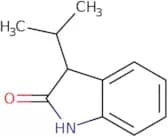
3-(Propan-2-yl)-2,3-dihydro-1H-indol-2-one
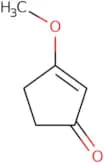
CAS:3-(Propan-2-yl)-2,3-dihydro-1H-indol-2-one is an oxindole derivative that binds to the adrenergic receptor. It has been shown to be a selective agonist of the atrial adrenergic receptor (A1), and has been used in the synthesis of pyrrole derivatives. 3-(Propan-2-yl)-2,3-dihydro-1H-indol-2-one also binds to serotonin receptors and may have antidepressant properties. 3-(Propan-2-yl)-2,3-dihydro-1H -indol - 2 one is a member of a family of compounds known as oxindoles. Oxindole derivatives are synthesized by deprotonating an alkyl bromide with butyllithium followed by reaction with pyrrole or an aromatic amine such as aniline or benzaldehyde. The resultingFórmula:C11H13NOPureza:Min. 95%Peso molecular:175.23 g/mol3-Methoxy-2-cyclopenten-1-one
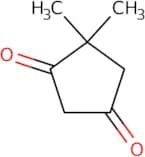
CAS:3-Methoxy-2-cyclopenten-1-one (3MC) is an isomeric, ceramiales alkene. Its sequence data has been determined and it has been acetoxylated. 3MC is a chemoenzymatic product that can be synthesized by the oxidation of cyclopentenone with nitric acid or hydrogen peroxide. 3MCs have been shown to be markers for necrosis factor, mononuclear cells, and irradiation. Studies have shown that 3MCs are responsible for production of tumour necrosis factor-α (TNF-α).Fórmula:C6H8O2Pureza:Min. 95%Peso molecular:112.13 g/mol4,4-Dimethylcyclopentane-1,3-dione
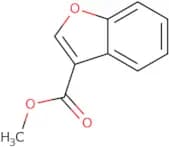
CAS:Versatile small molecule scaffoldFórmula:C7H10O2Pureza:Min. 95%Peso molecular:126.15 g/molBenzofuran-3-carboxylic acid methyl ester
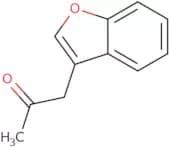
CAS:Versatile small molecule scaffoldFórmula:C10H8O3Pureza:Min. 95%Peso molecular:176.17 g/mol1-(1-Benzofuran-3-yl)propan-2-one
CAS:Versatile small molecule scaffold
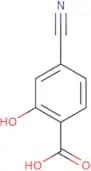
Fórmula:C11H10O2Pureza:Min. 95%Peso molecular:174.2 g/mol4-Cyano-2-hydroxybenzoic acid
CAS:4-Cyano-2-hydroxybenzoic acid (4CHB) is an alkylating agent that can be used as a reagent in organic synthesis. It is prepared by oxidation of methyl benzoate with phosphine oxide to form the corresponding phosphonium salt, which reacts with hydrazine to give 4CHB. 4CHB is also a dicarboxylate and has functional groups of both acidic and basic nature. The product's physicochemical properties include high solubility in water, low solubility in organic solvents, and moderate stability at room temperature. 4CHB can be used as an efficient oxidant for the preparation of oxides from hydrazines.
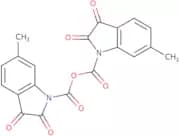
Fórmula:C8H5NO3Pureza:Min. 95%Peso molecular:163.13 g/mol5-Methylisatoic anhydride
CAS:5-Methylisatoic anhydride is a synthetic chemical compound that is used in the industrial production of other chemicals. It has been shown to be effective in the treatment of bladder cancer and dehydration, as well as for use in the prevention of Alzheimer's disease and depression. 5-Methylisatoic anhydride has been shown to inhibit cancer cells by binding to DNA and inhibiting protein synthesis. In addition, it can be used as a solvent for various organic compounds, such as acetonitrile or carbon tetrachloride. This compound is soluble in water and has a low toxicity level.Fórmula:C9H7NO3Pureza:Min. 95%Peso molecular:177.16 g/mol5,5-Dimethylcyclohex-2-en-1-one
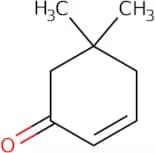
CAS:5,5-Dimethylcyclohex-2-en-1-one is a heterocyclic compound with the molecular formula C8H14O. It is an organic compound that is a colorless liquid at room temperature. The compound has two methyl groups in the ring and one subtended methyl group. The dihedral angle between the two methyl groups is 107.9° and the conformation of this molecule can be described as boat shaped. The compound forms hydrogen bonds with water molecules due to its polar nature, which may account for its solubility in water. 5,5-Dimethylcyclohex-2-en-1-one has been used in the synthesis of pharmaceuticals and polymers, as well as other chemical compounds.Fórmula:C8H12OPureza:Min. 95%Peso molecular:124.18 g/mol6-Amino-benzooxazole-2-thiol
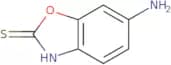
CAS:Versatile small molecule scaffoldFórmula:C7H6N2OSPureza:Min. 95%Peso molecular:166.2 g/mol2-Amino-5,5-dimethyl-4,5-dihydro-1,3-thiazol-4-one
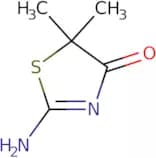
CAS:Versatile small molecule scaffoldFórmula:C5H8N2OSPureza:Min. 95%Peso molecular:144.2 g/mol5,6,7,8-Tetrahydroisoquinoline-4-carbonitrile
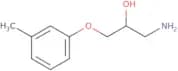
CAS:Versatile small molecule scaffoldFórmula:C17H14N2O2Pureza:Min. 95%Peso molecular:278.3 g/mol1-Amino-3-(3-methylphenoxy)propan-2-ol
CAS:Versatile small molecule scaffoldFórmula:C10H15NO2Pureza:Min. 95%Peso molecular:181.23 g/mol1-Amino-3-[3-(trifluoromethyl)phenoxy]propan-2-ol
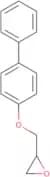
CAS:Versatile small molecule scaffoldFórmula:C10H12F3NO2Pureza:Min. 95%Peso molecular:235.2 g/mol2-(4-Phenylphenoxymethyl)oxirane
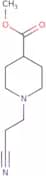
CAS:Versatile small molecule scaffoldFórmula:C15H14O2Pureza:Min. 95%Peso molecular:226.27 g/molMethyl 1-(2-cyanoethyl)piperidine-4-carboxylate
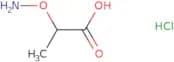
CAS:Versatile small molecule scaffoldFórmula:C10H16N2O2Pureza:Min. 95%Peso molecular:196.25 g/mol2-(Aminooxy)propanoic acid hydrochloride
CAS:Versatile small molecule scaffold
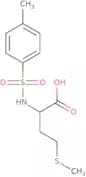
Fórmula:C3H8ClNO3Pureza:Min. 95%Peso molecular:141.55 g/mol2-(4-Methylbenzenesulfonamido)-4-(methylsulfanyl)butanoic acid
CAS:Versatile small molecule scaffoldFórmula:C12H17NO4S2Pureza:Min. 95%Peso molecular:303.4 g/mol2-[2-(4-Methylbenzenesulfonamido)acetamido]acetic acid
CAS:Versatile small molecule scaffoldFórmula:C11H14N2O5SPureza:Min. 95%Peso molecular:286.31 g/mol3,9-Dioxaspiro[5.5]undecane-2,4-dione
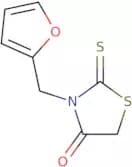
CAS:Versatile small molecule scaffoldFórmula:C9H12O4Pureza:Min. 95%Peso molecular:184.2 g/mol3-(Furan-2-ylmethyl)-2-sulfanylidene-1,3-thiazolidin-4-one
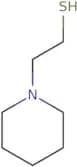
CAS:3-(Furan-2-ylmethyl)-2-sulfanylidene-1,3-thiazolidin-4-one is a fluorescent compound that has been used in the development of an assay for measuring the photostability of emulsions. It reacts with a chloride ion to form a fluorescent product. This molecule has also been found to be a good target enzyme for fluorescing and is capable of fluorescing at wavelengths of 320 nm and 365 nm. The chemical structure can be seen below.Fórmula:C8H7NO2S2Pureza:Min. 95%Peso molecular:213.3 g/mol2-(Piperidin-1-yl)ethane-1-thiol
CAS:Versatile small molecule scaffold
Fórmula:C7H15NSPureza:Min. 95%Peso molecular:145.27 g/mol[2-(dimethylamino)phenyl]methanol
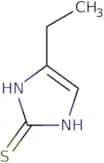
CAS:2-(dimethylamino)phenylmethanol is a chemical that belongs to the class of aromatic compounds. It is used in organic synthesis to form nitro and zinc chloride, which are reagents for the synthesis of aminobenzyl (2-aminobenzyl alcohol). When 2-(dimethylamino)phenylmethanol reacts with potassium borohydride, it yields an amido group. This reaction is also known as the "Buchwald-Hartwig reaction." 2-(dimethylamino)phenylmethanol is also used in organic syntheses to form monoalkyl chlorides, which are useful for the preparation of anthranilic acid and tetrahydrofuran.Fórmula:C9H13NOPureza:Min. 95%Peso molecular:151.2 g/mol4-Ethyl-1H-imidazole-2-thiol
CAS:Versatile small molecule scaffold
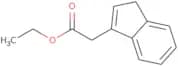
Fórmula:C5H8N2SPureza:Min. 95%Peso molecular:128.2 g/molEthyl 2-(1H-inden-3-yl)acetate
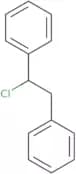
CAS:Versatile small molecule scaffoldFórmula:C13H14O2Pureza:Min. 95%Peso molecular:202.25 g/mol(2-Chloro-2-phenylethyl)benzene
CAS:2-Chloro-2-phenylethylbenzene is an organic compound that is used in the synthesis of other compounds. It is produced by reacting a chlorinated benzene with an alkali, such as sodium hydroxide, potassium hydroxide, or lithium hydroxide. The reaction produces a mixture of 2-chloro-2-phenylethylbenzene and phenylhydroxyethane. This compound can be converted to 2-chloro-2-(piperidin-1-yl)ethanol by refluxing it with morpholine in methanol and then adding amides such as piperidine or pyrrolidine. The resulting product can be alkylated with carbon tetrachloride to produce 2-chloro-2-(4'-methylphenoxy)ethanol. This compound can also be reduced to give 2-(4'-methylphenoxy)ethanol by heating it with sodium bor
Fórmula:C14H13ClPureza:Min. 95%Peso molecular:216.7 g/mol3-[(2-Phenylethyl)amino]propan-1-ol
CAS:Producto controladoVersatile small molecule scaffold
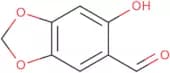
Fórmula:C11H17NOPureza:Min. 95%Peso molecular:179.26 g/mol6-Hydroxy-1,3-dioxaindane-5-carbaldehyde
CAS:6-Hydroxy-1,3-dioxaindane-5-carbaldehyde is a crystalline compound that belongs to the group of benzo dioxoles. The compound has a planar structure with a single bond between carbons 1 and 3 and double bonds between carbons 2 and 4 and 5. The molecule has an asymmetric center in the benzodioxole ring system. This molecule has an electrostatic charge on the carbonyl groups due to the electronegativity of oxygen.Fórmula:C8H6O4Pureza:Min. 95%Peso molecular:166.13 g/mol6-oxabicyclo[3.2.1]oct-3-en-7-one
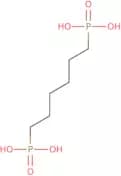
CAS:6-Oxabicyclo[3.2.1]oct-3-en-7-one is an initiator that belongs to the group of aminoesters. It is used for the synthesis of a variety of boronic acid esters, which are employed as cross-coupling reagents in organic synthesis reactions. The efficiency of 6-oxabicyclo[3.2.1]oct-3-en-7-one has been shown through various analyses, including sodium borohydride reduction and nucleophilic substitution reactions with secondary alkyl halides and aromatic aldehydes. 6 oxabicyclo[3.2.1]oct-3-en-7 one can be synthesized by reducing sodium borohydride with a prototropic agent or leaves in water. The reduction products are a mixture of alcohols, ketones, and hydrocarbons, which are obtained from the starting material cyclohexeneFórmula:C7H8O2Pureza:Min. 95%Peso molecular:124.14 g/mol1,6-Hexylenediphosphonic Acid
CAS:1,6-Hexylenediphosphonic Acid (HEDP) is an organic compound that belongs to the class of phosphonates. It has been used as a corrosion inhibitor in industrial water systems and as a chelating agent for metal ions such as zinc sulfate. HEDP is believed to be formed by the trimerization of ethylene and vinyl ether under high temperatures. The nature of HEDP's structure has been studied by X-ray diffraction and coordination chemistry. This compound shows strong interaction with metals and ligands, so it is often used in structural studies at various temperatures.
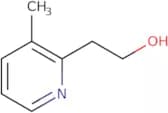
Fórmula:C6H16O6P2Pureza:Min. 95%Peso molecular:246.14 g/mol2-(3-Methylpyridin-2-yl)ethanol
CAS:Versatile small molecule scaffoldFórmula:C8H11NOPureza:Min. 95%Peso molecular:137.18 g/mol4-[(2-Chlorophenyl)sulfanyl]aniline
CAS:Versatile small molecule scaffold
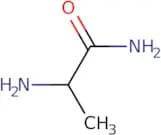
Fórmula:C12H10ClNSPureza:Min. 95%Peso molecular:235.73 g/molDL-alaninamide
CAS:Versatile small molecule scaffoldFórmula:C3H8N2OPureza:Min. 95%Peso molecular:88.11 g/mol1,3-Benzoxazole-2-carbothioamide
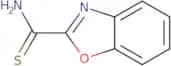
CAS:Versatile small molecule scaffold
Fórmula:C8H6N2OSPureza:Min. 95%Peso molecular:178.21 g/molSpiro[5.6]dodecan-7-one
CAS:Versatile small molecule scaffoldFórmula:C12H20OPureza:Min. 95%Peso molecular:180.29 g/molSpiro[4.5]decan-1-one
CAS:Spiro[4.5]decan-1-one is a synthetic drug that has been shown to have affinity for cardiac, neuropathic, and depression receptors. It also has moderate affinity for the acetylcholine receptor in the brain and acts as a stabilizer. Spiro[4.5]decan-1-one may be useful in treating Alzheimer's disease, Parkinson's disease, chronic pain, and psychosis because it can stabilize neuronal membranes and prevent cell damage caused by free radicals. This compound may also be used to treat cognitive disorders such as memory loss and attention deficit hyperactivity disorder (ADHD).
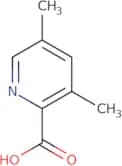
Spiro[4.5]decan-1-one is a nitrogenous compound that has been shown to have anticholinergic effects on cognition in rats. It is thought that its effects are mediated through its ability to block the action of acetylcholinesterase enzymes that break down acetylcholine at synapses in the brain.Fórmula:C10H16OPureza:Min. 95%Peso molecular:152.23 g/mol3,5-Dimethylpicolinic Acid
CAS:3,5-Dimethylpicolinic Acid is a synthetic compound that has shown antiulcer activity. This compound has been shown to inhibit the production of sulfate and nitrite, which are involved in the synthesis of gastric acid. 3,5-Dimethylpicolinic Acid also inhibits the release of hydrogen peroxide from cells and increases the synthesis of cGMP by inhibiting phosphodiesterase type IV. It may be used as an alternative to sodium nitrite for meat preservation.
Fórmula:C8H9NO2Pureza:Min. 95%Peso molecular:151.16 g/mol5H,7H-Furo[3,4-b]pyridin-7-one
CAS:5H,7H-Furo[3,4-b]pyridin-7-one is a compound that can be synthesized from anhydride and halogen. It can be prepared from cycloalkyl and chlorinating alkoxy by formulas. The high yield of this compd, which is hydrolyzed to the chloride, can be selectively chlorinated with dicarboxylic alkali. 5H,7H-Furo[3,4-b]pyridin-7-one is used as a precursor for synthesis of aralkyl.
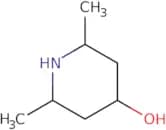
Fórmula:C7H5NO2Pureza:Min. 95%Peso molecular:135.12 g/mol2,6-Dimethylpiperidin-4-ol
CAS:Versatile small molecule scaffold
Fórmula:C7H15NOPureza:Min. 95%Peso molecular:129.2 g/mol4-Chloro-5-(1-pyrrolidinyl)-3(2H)-pyridazinone
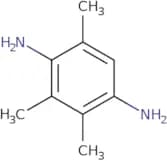
CAS:Versatile small molecule scaffoldFórmula:C8H10ClN3OPureza:Min. 95%Peso molecular:199.64 g/mol2,3,5-Trimethylbenzene-1,4-diamine
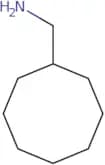
CAS:Versatile small molecule scaffoldFórmula:C9H14N2Pureza:Min. 95%Peso molecular:150.22 g/molCyclooctylmethanamine
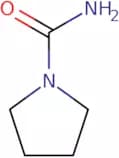
CAS:Cyclooctylmethanamine is a specific agonist of the kappa-opioid receptor. It is a pyrimidine compound that has been shown to inhibit phosphatases and hydroxylases. Cyclooctylmethanamine has also been shown to be an inhibitor of amine oxidase, which may contribute to its effects on autoimmune diseases. Cyclooctylmethanamine is used in pharmaceutical preparations, such as antimicrobial agents and pharmaceuticals, for preparative high-performance liquid chromatography (HPLC).Fórmula:C9H19NPureza:Min. 95%Peso molecular:141.25 g/molPyrrolidine-1-carboxamide
CAS:Pyrrolidine-1-carboxamide is a secondary metabolite that has been shown to have antimicrobial properties. This compound inhibits the growth of bacteria by binding to the 50S ribosomal subunit and prevents the formation of an antibiotic-inhibitor complex with the enzyme cell wall synthesis, inhibiting protein synthesis and cell division. Pyrrolidine-1-carboxamide has been shown to have antiinflammatory properties, which may be due to its inhibition of prostaglandin synthesis.Fórmula:C5H10N2OPureza:Min. 95%Peso molecular:114.15 g/molSpiro[cyclohexane-1,3'-indoline] hydrochloride
CAS:Versatile small molecule scaffoldFórmula:C13H18ClNPureza:Min. 95%Peso molecular:223.74 g/molfuro[3,4-c]pyridin-1(3H)-one
CAS:The compound furo[3,4-c]pyridin-1(3H)-one is a nature-derived compound. It is an analgesic that has been shown to be biodegradable and non-toxic. The compound interacts with the benzodiazepine binding site of the GABA receptor and has a spectrum of activity that includes antibacterial, antifungal, antiviral, and antiprotozoal properties. This compound can also be synthesized in a number of ways that produce different isomers. These structural isomers are distinguished by their ability to bind to benzodiazepine receptors.
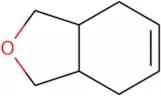
Fórmula:C7H5NO2Pureza:Min. 95%Peso molecular:135.12 g/mol1,3,3a,4,7,7a-Hexahydro-2-benzofuran
CAS:Versatile small molecule scaffold
Fórmula:C8H12OPureza:Min. 95%Peso molecular:124.18 g/molPhthalide-3-acetic acid
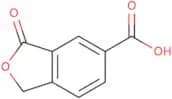
CAS:Phthalide-3-acetic acid is a microbial metabolite that is produced by the biotransformation of phthalides. It can be conjugated with glucuronide and excreted in urine. Phthalide-3-acetic acid is a product of the microbial metabolism of phthalides, which are compounds found in some plants and fungi. This compound has been shown to be metabolized through several pathways, including hydrolysis by esterases or glucuronidases, oxidation by cytochrome P450 enzymes, reduction by glutathione reductase, or conjugation with glucuronic acid. The compound has also been shown to inhibit the activity of human aldehyde dehydrogenase (ALDH) and formaldehyde dehydrogenase (FADH).Fórmula:C10H8O4Pureza:Min. 95%Peso molecular:192.17 g/mol3-Oxo-1,3-dihydroisobenzofuran-5-carboxylic acid
CAS:Versatile small molecule scaffoldFórmula:C9H6O4Pureza:Min. 95%Peso molecular:178.14 g/mol1,4-Dioxaspiro[4.4]nonan-2-ylmethanamine
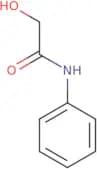
CAS:Versatile small molecule scaffoldFórmula:C8H15NO2Pureza:Min. 95%Peso molecular:157.21 g/mol2-Hydroxy-N-phenylacetamide
CAS:2-Hydroxy-N-phenylacetamide is a phosphoric acid that is an amide. It can be synthesized by reacting phenylacetic acid with 2-chloroethanol in the presence of sodium hydroxide and phosphoric acid. This chemical compound has electrocardiographic activity and is used as a synthon to create other drugs, such as inorganic acids, supramolecular complexes, and intermolecular hydrogen bonding compounds. 2-Hydroxy-N-phenylacetamide has been shown to lower blood pressure in clinical studies. It also prevents the formation of methemoglobin caused by exposure to nitrites or nitrates and has been shown to be effective against carboxylate ions such as potassium ion (K+).Fórmula:C8H9NO2Pureza:Min. 95%Peso molecular:151.16 g/molBis(4-phenylphenyl)ethane-1,2-dione
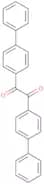
CAS:Versatile small molecule scaffold
Fórmula:C26H18O2Pureza:Min. 95%Peso molecular:362.4 g/mol1-Phenyl-1H-pyrazole-3-carboxylic acid
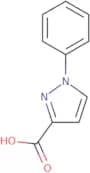
CAS:1-Phenyl-1H-pyrazole-3-carboxylic acid is an organic compound that has a pyrazole ring. It can be synthesized by the reaction of phenylhydrazine and formamide. The amido group in the molecule is bound to the carbonyl carbon atom, which makes it a carboxylic acid. This compound is also known as a morpholine amido ester. One example of this type of compound is 1-(4-Methoxyphenyl)-1H-pyrazole-3-carboxylic acid. The analogous compound in this series is 2-(2,6-dimethylphenyl)-1H-pyrrole-3-carboxylic acid.Fórmula:C10H8N2O2Pureza:Min. 95%Peso molecular:188.18 g/mol2-(1H-Indol-2-yl)phenol
CAS:2-(1H-Indol-2-yl)phenol is a functional group that exhibits optical properties. It has a carbinol group and an acidic proton. In the excited state, it can transfer a proton to nucleophilic molecules and react with other compounds. 2-(1H-Indol-2-yl)phenol is also an important reaction product of indole synthesis. This compound has been shown to exhibit fluorescence and is a member of the phenols family.Fórmula:C14H11NOPureza:Min. 95%Peso molecular:209.24 g/molCyclopentane-1,3-dicarbaldehyde
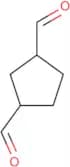
CAS:Versatile small molecule scaffold
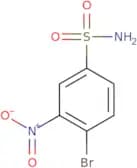
Fórmula:C7H10O2Pureza:Min. 95%Peso molecular:126.15 g/mol4-Bromo-3-nitrobenzenesulfonamide
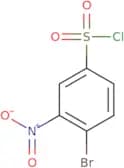
CAS:Versatile small molecule scaffoldFórmula:C6H5BrN2O4SPureza:Min. 95%Peso molecular:281.08 g/mol4-Bromo-3-nitrobenzene-1-sulfonyl chloride
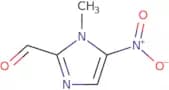
CAS:Versatile small molecule scaffoldFórmula:C6H3BrClNO4SPureza:Min. 95%Peso molecular:300.52 g/mol1-Methyl-5-nitro-1H-imidazole-2-carbaldehyde
CAS:1-Methyl-5-nitro-1H-imidazole-2-carbaldehyde (MNNCA) is a synthetic fatty acid that has been shown to have genotoxic potential. It is also used as a clinical drug and as a test compound. MNNCA has been found to inhibit the activity of the antioxidant system, which may lead to an increased risk of nitrosative stress and DNA damage. In vitro assays have demonstrated that MNNCA can cause genotoxic effects in cultured cells. Studies using diminazene, a crosslinking agent, have shown that MNNCA can be metabolized by cytochrome P450 enzymes and this metabolism may lead to pharmacokinetic properties such as protein binding or changes in protein expression.Fórmula:C5H5N3O3Pureza:Min. 95%Peso molecular:155.11 g/molN-[(4-Chlorophenyl)methyl]aniline
CAS:Versatile small molecule scaffold
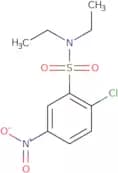
Fórmula:C13H12ClNPureza:Min. 95%Peso molecular:217.69 g/mol2-Chloro-N,N-diethyl-5-nitrobenzene-1-sulfonamide
CAS:Versatile small molecule scaffoldFórmula:C10H13ClN2O4SPureza:Min. 95%Peso molecular:292.74 g/mol4H,5H,6H,7H,8H-Thieno[3,2-c]azepin-4-one
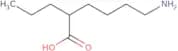
CAS:Versatile small molecule scaffoldFórmula:C8H9NOSPureza:Min. 95%Peso molecular:167.23 g/mol6-Amino-2-propylhexanoic acid
CAS:Valproic acid is an organic compound with the formula (CHCO)COOH. It is a white crystalline solid that is insoluble in water and most organic solvents. Valproic acid has been used in medicine as an anticonvulsant, mood stabilizer, and bipolar disorder medication. Valproic acid is also used to treat hyperammonemia, although this use is limited by its side effects. To produce valproate semisodium, sodium carbonate and valproic acid are combined at high temperatures to form sodium valproate and carbon dioxide gas. The molecular weight of valproic acid ranges from 100-400 Da. The low molecular weight of this drug makes it suitable for oral absorption and rapid distribution throughout the body. This assay uses a chromatographic method for detection with fluorescence detection at excitation/emission wavelengths of 280/365 nm. The results show that 6-Amino-2-propylhexano
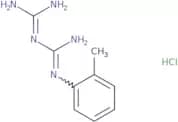
Fórmula:C9H19NO2Pureza:Min. 95%Peso molecular:173.25 g/molo-Tolylbiguanide hydrochloride
CAS:o-Tolylbiguanide hydrochloride is a copper-containing antimicrobial agent that has been synthesised and used to treat Gram-negative bacteria. It is an anion, which means it can be reduced by agents such as formaldehyde and chloride. o-Tolylbiguanide hydrochloride binds to the anionic groups of the bacterial cell wall, which are found in proteins and lipids. This binding prevents the formation of a covalent bond between the copper ion and the bacterial cell wall, preventing further growth. The elimination of this compound in vivo is thought to be due to its organic ligands.
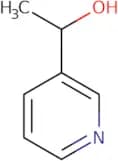
Fórmula:C9H14ClN5Pureza:Min. 95%Peso molecular:227.69 g/mol3-(1-Hydroxyethyl)pyridine
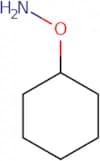
CAS:3-(1-Hydroxyethyl)pyridine is a levorotatory, white solid. It is used in animal studies to study the effects on the brain and other body systems. 3-(1-Hydroxyethyl)pyridine is synthesized by a three-step process that involves converting 3-acetylpyridine into 3-(2-hydroxyethyl)pyridine, which is then converted to 3-(1-hydroxyethyl)pyridine. This compound has been shown to be an adrenergic receptor agonist and may have some potential as a drug for treating Parkinson's disease. It also has acidic properties and substructures that are enantiopure, meaning they are composed of molecules with the same chirality.Fórmula:C7H9NOPureza:Min. 95%Peso molecular:123.2 g/molo-Cyclohexylhydroxylamine
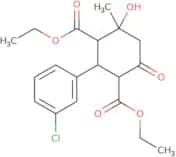
CAS:Versatile small molecule scaffoldFórmula:C6H13NOPureza:Min. 95%Peso molecular:115.17 g/mol1,3-Diethyl 2-(3-chlorophenyl)-4-hydroxy-4-methyl-6-oxocyclohexane-1,3-dicarboxylate
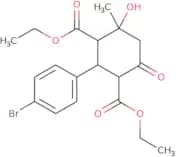
CAS:Versatile small molecule scaffoldFórmula:C19H23ClO6Pureza:Min. 95%Peso molecular:382.8 g/mol1,3-Diethyl 2-(4-bromophenyl)-4-hydroxy-4-methyl-6-oxocyclohexane-1,3-dicarboxylate
CAS:Versatile small molecule scaffoldFórmula:C19H23BrO6Pureza:Min. 95%Peso molecular:427.3 g/mol2-Bromomethyl-1,3,5-trimethylbenzene
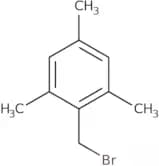
CAS:2-Bromomethyl-1,3,5-trimethylbenzene is a semivolatile organic compound with a bromophenol functional group. It has been shown to react with malic acid and pyridine ring to form two isomers. The reaction rate of this compound is higher at lower temperatures than at higher temperatures. It has been shown to be a ligand that binds metal ions and reacts with them electrochemically. 2-Bromomethyl-1,3,5-trimethylbenzene has also been used as an intermediate in the synthesis of trisaccharide ligands for coordination chemistry studies.
Fórmula:C10H13BrPureza:Min. 95%Peso molecular:213.11 g/mol2-acetyl-nicotinic acid ethyl ester
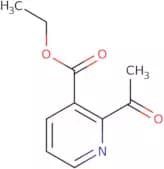
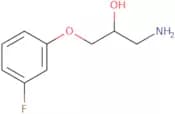
CAS:Versatile small molecule scaffoldFórmula:C10H11NO3Pureza:Min. 95%Peso molecular:193.2 g/mol1-Amino-3-(3-fluorophenoxy)propan-2-ol
CAS:Versatile small molecule scaffold
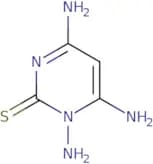
Fórmula:C9H12FNO2Pureza:Min. 95%Peso molecular:185.2 g/mol1,4,6-Triamino-1,2-dihydropyrimidine-2-thione
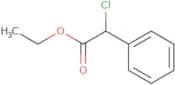
CAS:1,4,6-Triamino-1,2-dihydropyrimidine-2-thione is a chemical compound that is soluble in water and methanol. It has been shown to cleave bonds by the use of sodium hydroxide solution.Fórmula:C4H7N5SPureza:Min. 95%Peso molecular:157.2 g/molEthyl alpha-chlorophenylacetate
CAS:Ethyl alpha-chlorophenylacetate (ECA) is a synthetic molecule that has been shown to have anti-inflammatory and neurodegenerative properties. It is a benzimidazole derivative with a hydroxyl group on the ethyl alpha-chlorophenylacetate moiety. ECA has been shown to inhibit inflammatory responses in mice by targeting transcription factors, such as NF-κB and AP-1, which are involved in the regulation of immune responses. It also has an anti-inflammatory effect on malonic acid induced colitis in mice.
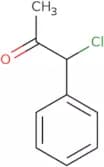
Fórmula:C10H11ClO2Pureza:Min. 95%Peso molecular:198.65 g/mol1-Chloro-1-phenylpropan-2-one
CAS:1-Chloro-1-phenylpropan-2-one is an exploratory compound that has been deployed as a mechanistic probe to probe the radical mechanism of aldehydes. It has been shown that 1-chloro-1-phenylpropan-2-one can be used to generate fluorescent compounds and study the fluorescence, UV radiation, and radical mechanism of aldehydes. This molecule also has the ability to react with electron rich compounds such as aziridines to form chiral products. The substituent on this molecule will affect its biological activity.
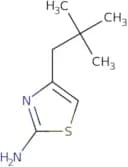
Fórmula:C9H9ClOPureza:Min. 95%Peso molecular:168.62 g/mol4-(2,2-Dimethylpropyl)-1,3-thiazol-2-amine
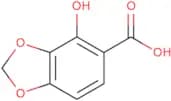
CAS:Versatile small molecule scaffoldFórmula:C8H14N2SPureza:Min. 95%Peso molecular:170.28 g/mol4-Hydroxy-1,3-dioxaindane-5-carboxylic acid
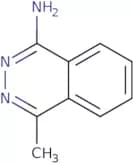
CAS:Versatile small molecule scaffoldFórmula:C8H6O5Pureza:Min. 95%Peso molecular:182.13 g/mol4-Methylphthalazin-1-amine
CAS:4-Methylphthalazin-1-amine is a heteroaromatic compound that can be synthesized by cyclization of phenacyl bromides and bromoacetates. It has been found in Australian plants and may have a role in the development of schizophrenia. 4-Methylphthalazin-1-amine is not soluble in water, but it can be dissolved in solvents such as acetone or ethanol. It is also insoluble in most organic solvents.
Fórmula:C9H9N3Pureza:Min. 95%Peso molecular:159.19 g/molEthyl 2-(1H-pyrrol-2-yl)acetate
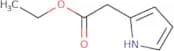
CAS:Versatile small molecule scaffold
Fórmula:C8H11NO2Pureza:Min. 95%Peso molecular:153.18 g/mol1-Ethyl-1H-pyrrole-2-carboxylic acid
CAS:1-Ethyl-1H-pyrrole-2-carboxylic acid is a chemical compound that is used as an organic solvent. It is also known as ethyl formate, which is a colorless liquid with a sweet odor. This ester is used to produce esters and other compounds for use in the synthesis of polymers or dyes. It can be halogenated and may be used as an acid ester or acid anhydride. 1-Ethyl-1H-pyrrole-2-carboxylic acid has shown to have some antiinflammatory properties, but it can also cause severe eye irritation and skin sensitization.Fórmula:C7H9NO2Pureza:Min. 95%Peso molecular:139.15 g/mol3-Oxa-9-azaspiro[5.5]undecane-8,10-dione
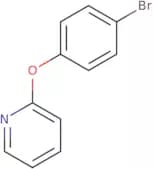
CAS:Versatile small molecule scaffoldFórmula:C9H13NO3Pureza:Min. 95%Peso molecular:183.2 g/mol2-(4-Bromophenoxy)pyridine
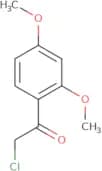
CAS:Versatile small molecule scaffoldFórmula:C11H8BrNOPureza:Min. 95%Peso molecular:250.09 g/mol2-Chloro-1-(2,4-dimethoxy-phenyl)-ethanone
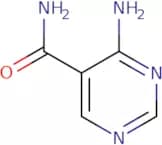
CAS:Versatile small molecule scaffoldFórmula:C10H11ClO3Pureza:Min. 95%Peso molecular:214.65 g/mol4-aminopyrimidine-5-carboxamide
CAS:4-Aminopyrimidine-5-carboxamide is an amide that is synthesized from the reaction of eosinophil and amine. This compound inhibits transcription in a dose-dependent manner, with a high potency for iminium and amines, but not primary amines. 4-Aminopyrimidine-5-carboxamide is orally bioavailable and has shown to be effective in animal models. The compound has been optimized for oral administration and has shown to produce good yields. 4-Aminopyrimidine-5-carboxamide also possesses transcription factor inhibitory activity against interleukin, which may provide therapeutic benefit for inflammatory disorders.
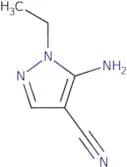
Fórmula:C5H6N4OPureza:Min. 95%Peso molecular:138.13 g/mol5-Amino-1-ethyl-1H-pyrazole-4-carbonitrile
CAS:Versatile small molecule scaffold
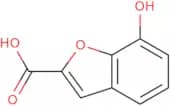
Fórmula:C6H8N4Pureza:Min. 95%Peso molecular:136.15 g/mol7-Hydroxy-1-benzofuran-2-carboxylic acid
CAS:Versatile small molecule scaffoldFórmula:C9H6O4Pureza:Min. 95%Peso molecular:178.14 g/mol(2-Chloro-acetyl)-urea
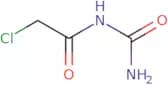
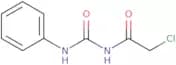
CAS:2-Chloro-acetyl)-urea is a disinfectant that has been shown to be active against bacterial spores. It reacts with sodium taurocholate to form mercuric chloride and triazine, which are the reaction products of the 2-chloro-acetyl)-urea. The molecular modeling study of 2-chloro-acetyl)-urea showed that this molecule has a hydrophobic region and can bind with water molecules through hydrogen bonding. This property allows it to act as a detergent composition in cleaning products. 2-Chloro-acetyl)-urea also has an ethyl diazoacetate group, which is used in biocides for its ability to penetrate cell membranes. 2-Chloro-acetyl)-urea is also used in molecular modeling studies as a substrate for s-adenosylhomocysteine hydrolase (SAHH) enzymes, which are involved in the synthesis of adFórmula:C3H5ClN2O2Pureza:Min. 95%Peso molecular:136.54 g/mol3-(2-Chloroacetyl)-1-phenylurea
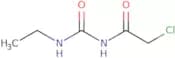
CAS:Versatile small molecule scaffoldFórmula:C9H9ClN2O2Pureza:Min. 95%Peso molecular:212.63 g/mol3-(2-Chloroacetyl)-1-ethylurea
CAS:Versatile small molecule scaffold
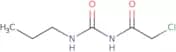
Fórmula:C5H9ClN2O2Pureza:Min. 95%Peso molecular:164.59 g/mol3-(2-Chloroacetyl)-1-propylurea
CAS:Versatile small molecule scaffold
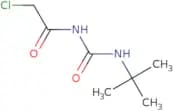
Fórmula:C6H11ClN2O2Pureza:Min. 95%Peso molecular:178.62 g/mol1-tert-Butyl-3-(2-chloroacetyl)urea
CAS:Versatile small molecule scaffold
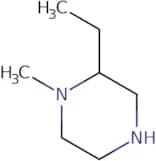
Fórmula:C7H13ClN2O2Pureza:Min. 95%Peso molecular:192.64 g/mol2-Ethyl-1-methylpiperazine
CAS:Versatile small molecule scaffoldFórmula:C7H16N2Pureza:Min. 95%Peso molecular:128.22 g/mol1,4-Dioxaspiro[4.6]undecan-8-one
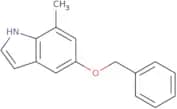
CAS:Versatile small molecule scaffoldFórmula:C9H14O3Pureza:Min. 95%Peso molecular:170.21 g/mol5-(Benzyloxy)-7-methyl-1H-indole
CAS:Versatile small molecule scaffoldFórmula:C16H15NOPureza:Min. 95%Peso molecular:237.3 g/molEthyl 2,4-dichloro-5-sulfamoylbenzoate
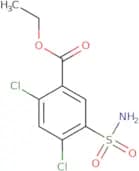
CAS:Versatile small molecule scaffold
Fórmula:C9H9Cl2NO4SPureza:Min. 95%Peso molecular:298.14 g/mol1-Cyclohexylimidazolidine-2,4,5-trione
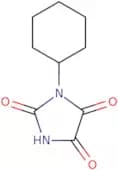
CAS:Versatile small molecule scaffoldFórmula:C9H12N2O3Pureza:Min. 95%Peso molecular:196.2 g/mol4-(2-Chloroethyl)benzene-1-sulfonyl chloride
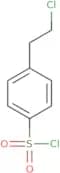
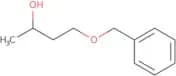
CAS:Versatile small molecule scaffoldFórmula:C8H8Cl2O2SPureza:Min. 95%Peso molecular:239.12 g/mol4-(Benzyloxy)butan-2-ol
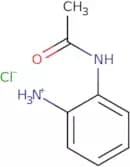
CAS:4-Benzyloxybutan-2-ol is an immobilization linker that is used to connect a molecule to a solid surface, such as glass. The carboxylate group of 4-benzyloxybutan-2-ol reacts with the hydroxyl groups on the glass surface and forms a covalent bond by reacting with the amine groups of the molecule. This linker can be used for immobilizing biomolecules or synthetic molecules in order to study their kinetics or other properties. It is also used for solid phase synthesis. 4-Benzyloxybutan-2-ol has been shown to be biocatalyzed by lipase and has been shown to have high reactivity at temperatures below 40°C. Techniques such as IR spectroscopy, NMR spectroscopy, and mass spectrometry are commonly used to characterize this compound.Fórmula:C11H16O2Pureza:Min. 95%Peso molecular:180.24 g/mol2-Amino-N-phenylacetamide hydrochloride
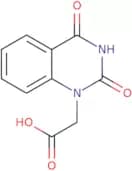
CAS:Versatile small molecule scaffoldFórmula:C8H11ClN2OPureza:Min. 95%Peso molecular:186.64 g/mol2-(2,4-Dioxo-1,2,3,4-tetrahydroquinazolin-1-yl)acetic acid
CAS:Versatile small molecule scaffoldFórmula:C10H8N2O4Pureza:Min. 95%Peso molecular:220.18 g/mol3-Bromo-2-methylimidazo[1,2-a]pyridine
CAS:Versatile small molecule scaffold
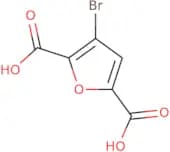
Fórmula:C8H7BrN2Pureza:Min. 95%Peso molecular:211.06 g/mol3-Bromofuran-2,5-dicarboxylic acid
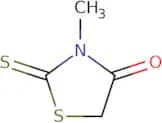
CAS:Versatile small molecule scaffoldFórmula:C6H3BrO5Pureza:Min. 95%Peso molecular:234.99 g/mol3-Methylrhodanine
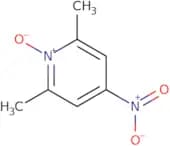
CAS:3-Methylrhodanine is a tetronic acid that has been shown to be an inhibitor of a number of enzyme systems. 3-Methylrhodanine has been demonstrated to have acute toxicities in animals and humans, and it is amide-sensitive. The biological properties of 3-methylrhodanine have been studied by examining the effects on enzymes involved in the metabolism of cholesterol, steroid hormones, and amino acids. 3-Methylrhodanine has also been used as a surface-enhanced raman probe for detecting hydrogen bonds in organic molecules. It has been shown to bind to carbonyl groups and form coordination complexes with metals such as copper and zinc. This compound also forms intramolecular hydrogen bonds between its two hydroxyl groups.Fórmula:C4H5NOS2Pureza:Min. 95%Peso molecular:147.22 g/mol2,6-Dimethyl-4-nitropyridine N-oxide
CAS:2,6-Dimethyl-4-nitropyridine N-oxide (DMNPO) is a functional group that has been extensively studied in organic chemistry. DMNPO is the hydrochloride salt of DMNPO. It is a crystalline solid with a molecular weight of 138.08 g/mol and melting point of about 190 °C. The molecule has a planar structure with two nitro groups on the same side of the ring and an oxygen atom in between them. The nitro groups are electron withdrawing groups, which cause DMNPO to have a negative charge at physiological pH values. The chemical formula for DMNPO is C5H8NO2ClO2 and it can be synthesized by reacting 2,6-dimethylpyridine with nitric acid in acetic acid solvent at room temperature.Fórmula:C7H8N2O3Pureza:Min. 95%Peso molecular:168.15 g/mol1,3-Diethyl 2-{[(2,4-dimethylphenyl)amino]methylidene}propanedioate
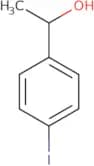
CAS:Versatile small molecule scaffoldFórmula:C16H21NO4Pureza:Min. 95%Peso molecular:291.34 g/mol(1S)-1-(4-Iodophenyl)ethan-1-ol
CAS:(1S)-1-(4-Iodophenyl)ethan-1-ol is an electrophilic reagent that is used in the synthesis of imidazoles. It is generated by the chemoenzymatic, regioselective alkylation of a phenyl ring with a stannylated phenyl amine. This process can be performed using a variety of different reagents and solvents, including N-chloro-N-methylpyridinium tetrafluoroborate (NCMP). The regioselectivity of the reaction ensures that the desired product is generated in high yield.
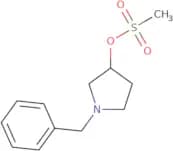
Fórmula:C8H9IOPureza:Min. 95%Peso molecular:248.06 g/mol1-Benzylpyrrolidin-3-yl methanesulfonate
CAS:Versatile small molecule scaffoldFórmula:C12H17NO3SPureza:Min. 95%Peso molecular:255.34 g/mol(2E)-2-(1H-1,3-Benzodiazol-2-yl)-3-(thiophen-2-yl)prop-2-enenitrile
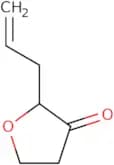
CAS:Versatile small molecule scaffoldFórmula:C14H9N3SPureza:Min. 95%Peso molecular:251.31 g/mol2-(Prop-2-en-1-yl)oxolan-3-one
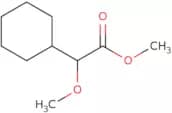
CAS:Versatile small molecule scaffoldFórmula:C7H10O2Pureza:Min. 95%Peso molecular:126.2 g/molMethyl 2-cyclohexyl-2-methoxyacetate
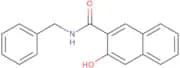
CAS:Versatile small molecule scaffoldFórmula:C10H18O3Pureza:Min. 95%Peso molecular:186.25 g/molN-Benzyl-3-hydroxynaphthalene-2-carboxamide
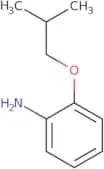
CAS:Versatile small molecule scaffoldFórmula:C18H15NO2Pureza:Min. 95%Peso molecular:277.3 g/mol2-(2-Methylpropoxy)aniline
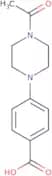
CAS:Versatile small molecule scaffoldFórmula:C10H15NOPureza:Min. 95%Peso molecular:165.23 g/mol4-(4-Acetylpiperazin-1-yl)benzoic acid
CAS:Versatile small molecule scaffoldFórmula:C13H16N2O3Pureza:Min. 95%Peso molecular:248.28 g/mol1-[2-(Piperazin-1-yl)ethyl]imidazolidin-2-one
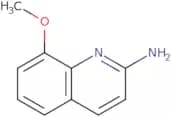
CAS:Versatile small molecule scaffoldFórmula:C9H18N4OPureza:Min. 95%Peso molecular:198.27 g/mol8-Methoxyquinolin-2-amine
CAS:Versatile small molecule scaffold
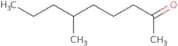
Fórmula:C10H10N2OPureza:Min. 95%Peso molecular:174.2 g/mol6-Methylnonan-2-one
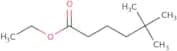
CAS:Versatile small molecule scaffoldFórmula:C10H20OPureza:Min. 95%Peso molecular:156.26 g/molEthyl 5,5-dimethylhexanoate
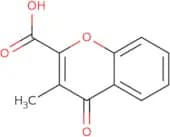
CAS:Versatile small molecule scaffoldFórmula:C10H20O2Pureza:Min. 95%Peso molecular:172.26 g/mol3-Methyl-4-oxo-4H-chromene-2-carboxylic acid
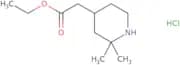
CAS:Versatile small molecule scaffoldFórmula:C11H8O4Pureza:Min. 95%Peso molecular:204.18 g/molEthyl 2-(2,2-dimethylpiperidin-4-yl)acetate hydrochloride
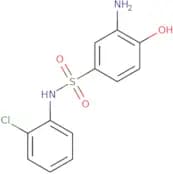
CAS:Versatile small molecule scaffoldFórmula:C11H22ClNO2Pureza:Min. 95%Peso molecular:235.75 g/mol3-Amino-N-(2-chlorophenyl)-4-hydroxybenzene-1-sulfonamide
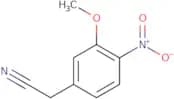
CAS:Versatile small molecule scaffoldFórmula:C12H11ClN2O3SPureza:Min. 95%Peso molecular:298.75 g/mol2-(3-Methoxy-4-nitrophenyl)acetonitrile
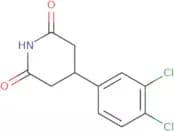
CAS:Versatile small molecule scaffoldFórmula:C9H8N2O3Pureza:Min. 95%Peso molecular:192.17 g/mol4-(3,4-Dichlorophenyl)piperidine-2,6-dione
CAS:Versatile small molecule scaffoldFórmula:C11H9Cl2NO2Pureza:Min. 95%Peso molecular:258.1 g/mol3-[2-(Dimethylamino)vinyl]-4-nitropyridine 1-Oxide
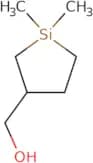
CAS:Versatile small molecule scaffoldFórmula:C9H11N3O3Pureza:Min. 95%Peso molecular:209.21 g/mol(1,1-Dimethylsilolan-3-yl)methanol
CAS:Versatile small molecule scaffoldFórmula:C7H16OSiPureza:Min. 95%Peso molecular:144.3 g/mol1-{[3-(Chloromethyl)phenyl]methyl}piperidine hydrochloride
CAS:Versatile small molecule scaffoldFórmula:C13H19Cl2NPureza:Min. 95%Peso molecular:260.2 g/mol9-Azatricyclo[8.1.1.0,2,7]dodeca-2,4,6-triene hydrochloride
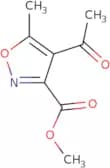
CAS:Versatile small molecule scaffoldFórmula:C11H14ClNPureza:Min. 95%Peso molecular:195.7 g/molMethyl 4-acetyl-5-methyl-1,2-oxazole-3-carboxylate
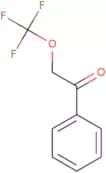
CAS:Versatile small molecule scaffoldFórmula:C8H9NO4Pureza:Min. 95%Peso molecular:183.16 g/mol1-Phenyl-2-(trifluoromethoxy)ethan-1-one
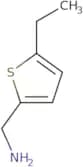
CAS:Versatile small molecule scaffoldFórmula:C9H7F3O2Pureza:Min. 95%Peso molecular:204.15 g/mol(5-Ethylthiophen-2-yl)methanamine
CAS:Versatile small molecule scaffoldFórmula:C7H11NSPureza:Min. 95%Peso molecular:141.24 g/mol1-(4-Methoxy-2,5-dimethylphenyl)ethan-1-one
CAS:Versatile small molecule scaffold
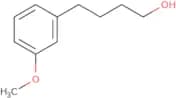
Fórmula:C11H14O2Pureza:Min. 95%Peso molecular:178.23 g/mol4-(3-Methoxyphenyl)butan-1-ol
CAS:Versatile small molecule scaffold
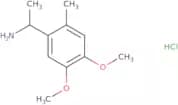
Fórmula:C11H16O2Pureza:Min. 95%Peso molecular:180.24 g/mol1-(4,5-Dimethoxy-2-methylphenyl)ethan-1-amine hydrochloride
CAS:Versatile small molecule scaffoldFórmula:C11H18ClNO2Pureza:Min. 95%Peso molecular:231.72 g/mol4-(Cyclobutylmethyl)phenol
CAS:Versatile small molecule scaffold
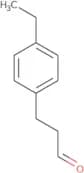
Fórmula:C11H14OPureza:Min. 95%Peso molecular:162.2 g/mol3-(4-Ethylphenyl)propanal
CAS:Versatile small molecule scaffoldFórmula:C11H14OPureza:Min. 95%Peso molecular:162.23 g/mol3-Methyl-4-(propan-2-yl)benzoic acid
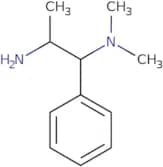
CAS:Versatile small molecule scaffoldFórmula:C11H14O2Pureza:Min. 95%Peso molecular:178.23 g/mol(2-Amino-1-phenylpropyl)dimethylamine
CAS:Versatile small molecule scaffoldFórmula:C11H18N2Pureza:Min. 95%Peso molecular:178.27 g/mol2-(3-Methylbutyl)aniline
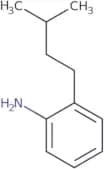
CAS:Versatile small molecule scaffoldFórmula:C11H17NPureza:Min. 95%Peso molecular:163.26 g/mol4-(3-Methylbutyl)aniline
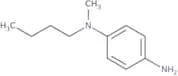
CAS:Versatile small molecule scaffoldFórmula:C11H17NPureza:Min. 95%Peso molecular:163.26 g/mol1-N-Butyl-1-N-methylbenzene-1,4-diamine
CAS:Versatile small molecule scaffoldFórmula:C11H18N2Pureza:Min. 95%Peso molecular:178.27 g/mol[1-(2-Methoxyphenyl)propyl](methyl)amine
CAS:Versatile small molecule scaffoldFórmula:C11H17NOPureza:Min. 95%Peso molecular:179.26 g/mol1-(4-Propoxyphenyl)ethanamine
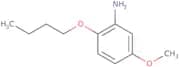
CAS:Versatile small molecule scaffoldFórmula:C11H17NOPureza:Min. 95%Peso molecular:179.26 g/mol2-Butoxy-5-methoxyaniline
CAS:Versatile small molecule scaffoldFórmula:C11H17NO2Pureza:Min. 95%Peso molecular:195.26 g/mol2-(2-Oxo-2,3-dihydro-1H-1,3-benzodiazol-1-yl)acetic acid
CAS:Versatile small molecule scaffold
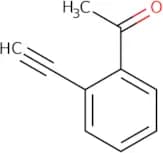
Fórmula:C9H8N2O3Pureza:Min. 95%Peso molecular:192.17 g/mol1-(2-Ethynylphenyl)ethan-1-one
CAS:1-(2-Ethynylphenyl)ethan-1-one (1EPE) is a synthetic intermediate that is used in organic chemistry. It has two mechanisms, as an intramolecular diazonium salt or as a pyrylium ion. 1EPE can be synthesized from the reaction of ethyl acetoacetate with nitrobenzene and sodium hydroxide. It can also be produced by the displacement of 2,4-dinitrophenol with diethyl malonate, which produces diethyl malonic acid and 1EPE. The synthesis of 1EPE is important for the production of polycyclic aromatic compounds.Fórmula:C10H8OPureza:Min. 95%Peso molecular:144.17 g/molMesotrione
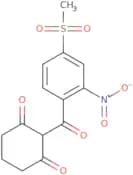
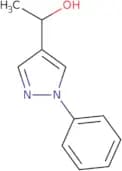
CAS:Mesotrione is a herbicide that belongs to the class of phenylpyrazole compounds. It is used for selective post-emergence weed control in corn, soybeans, and other crops. Mesotrione inhibits plant growth by inhibiting an enzyme called acetyl coenzyme A carboxylase, which is essential for fatty acid synthesis. This compound has been shown to be genotoxic in mammalian cells and plants when it binds with DNA and induces the formation of bulky adducts. The mechanism of mesotrione's genotoxicity has been studied using a model system involving E coli bacteria and monoclonal antibodies that are specific for the herbicide's metabolites. Chronic exposure to this compound may result in increased risk of cancer.Fórmula:C14H13NO7SPureza:Min. 95%Peso molecular:339.32 g/mol1-(1-Phenyl-1H-pyrazol-4-yl)ethan-1-ol
CAS:Versatile small molecule scaffoldFórmula:C11H12N2OPureza:Min. 95%Peso molecular:188.23 g/mol3-[(3,4-Dimethylphenyl)thio]propanoic acid
CAS:Versatile small molecule scaffold
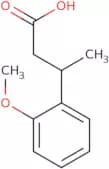
Fórmula:C11H14O2SPureza:Min. 95%Peso molecular:210.29 g/mol3-(2-Methoxyphenyl)butanoic acid
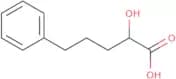
CAS:Versatile small molecule scaffoldFórmula:C11H14O3Pureza:Min. 95%Peso molecular:194.23 g/mol2-hydroxy-5-phenylpentanoic acid
CAS:2-Hydroxy-5-phenylpentanoic acid is a synthetic anticonvulsant drug, which is prepared by reacting oxindole with n-propyl. It is used in the treatment of epilepsy. 2-Hydroxy-5-phenylpentanoic acid has been shown to have anticonvulsant activity and does not react with other drugs.
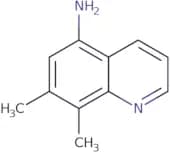
Fórmula:C11H14O3Pureza:Min. 95%Peso molecular:194.23 g/mol7,8-Dimethylquinolin-5-amine
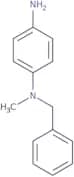
CAS:Versatile small molecule scaffoldFórmula:C11H12N2Pureza:Min. 95%Peso molecular:172.23 g/mol1-N-benzyl-1-N-methylbenzene-1,4-diamine
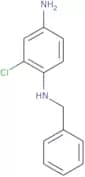
CAS:Versatile small molecule scaffoldFórmula:C14H16N2Pureza:Min. 95%Peso molecular:212.3 g/mol1-N-Benzyl-2-chlorobenzene-1,4-diamine
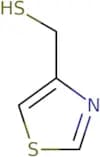
CAS:Versatile small molecule scaffoldFórmula:C13H13ClN2Pureza:Min. 95%Peso molecular:232.71 g/mol(1,3-Thiazol-4-yl)methanethiol
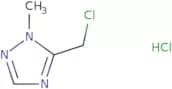
CAS:Versatile small molecule scaffoldFórmula:C4H5NS2Pureza:Min. 95%Peso molecular:131.2 g/mol5-(Chloromethyl)-1-methyl-1H-1,2,4-triazole hydrochloride
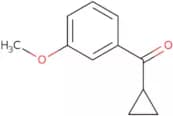
CAS:Versatile small molecule scaffoldFórmula:C4H7Cl2N3Pureza:Min. 95%Peso molecular:168.02 g/molCyclopropyl(3-methoxyphenyl)methanone
CAS:Versatile small molecule scaffoldFórmula:C11H12O2Pureza:Min. 95%Peso molecular:176.21 g/mol3-(4-Amino-3-methoxyphenyl)prop-2-enoic acid
CAS:Versatile small molecule scaffoldFórmula:C10H11NO3Pureza:Min. 95%Peso molecular:193.2 g/mol2-Phenyl-4H,5H,6H,7H-furo[2,3-c]pyridine hydrochloride
CAS:Versatile small molecule scaffold
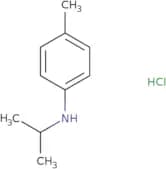
Fórmula:C13H14ClNOPureza:Min. 95%Peso molecular:235.71 g/mol4-Methyl-N-(propan-2-yl)aniline hydrochloride
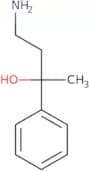
CAS:4-Methyl-N-(propan-2-yl)aniline hydrochloride is a synthetic compound that has been shown to have an inhibitory effect on ion channels, especially the sodium channel. It is used as a research tool and has been shown to activate certain receptors and to be an inhibitor of ligand activation.Fórmula:C10H16ClNPureza:Min. 95%Peso molecular:185.69 g/mol4-Amino-2-phenylbutan-2-ol
CAS:Versatile small molecule scaffold
Fórmula:C10H15NOPureza:Min. 95%Peso molecular:165.23 g/mol[(2-Ethoxyphenyl)methyl](methyl)amine hydrochloride
CAS:Versatile small molecule scaffoldFórmula:C10H16ClNOPureza:Min. 95%Peso molecular:201.69 g/mol3,4-Diethoxybenzene-1-sulfonamide
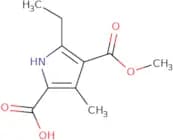
CAS:Versatile small molecule scaffoldFórmula:C10H15NO4SPureza:Min. 95%Peso molecular:245.3 g/mol5-Ethyl-4-(methoxycarbonyl)-3-methyl-1H-pyrrole-2-carboxylic acid
CAS:Versatile small molecule scaffold
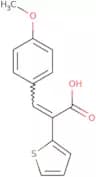
Fórmula:C10H13NO4Pureza:Min. 95%Peso molecular:211.21 g/mol3-(4-Methoxyphenyl)-2-(thiophen-2-yl)prop-2-enoic acid
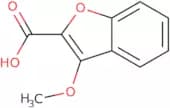
CAS:Versatile small molecule scaffoldFórmula:C14H12O3SPureza:Min. 95%Peso molecular:260.31 g/mol3-Methoxy-1-benzofuran-2-carboxylic acid
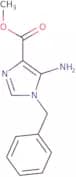
CAS:Versatile small molecule scaffoldFórmula:C10H8O4Pureza:Min. 95%Peso molecular:192.17 g/molMethyl 5-amino-1-benzyl-1H-imidazole-4-carboxylate
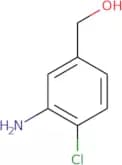
CAS:Versatile small molecule scaffoldFórmula:C12H13N3O2Pureza:Min. 95%Peso molecular:231.25 g/mol(3-Amino-4-chlorophenyl)methanol
CAS:Versatile small molecule scaffoldFórmula:C7H8ClNOPureza:Min. 95%Peso molecular:157.6 g/mol1-Chloro-4-(chloromethyl)-2-iodo-benzene
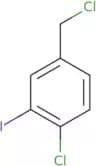
CAS:Versatile small molecule scaffoldFórmula:C7H5Cl2IPureza:Min. 95%Peso molecular:286.92 g/mol10,10-Dimethyl-3λ6-thia-4-azatricyclo[5.2.1.0,1,5]dec-4-ene-3,3-dione
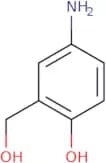
CAS:Versatile small molecule scaffoldFórmula:C10H15NO2SPureza:Min. 95%Peso molecular:213.3 g/mol4-Amino-2-(hydroxymethyl)benzenol
CAS:4-Amino-2-(hydroxymethyl)benzenol is a multilayer, which is synthesized in the copper complex. It has synergistic effects with amodiaquine, and can be used to treat blastomycosis. The parameters of 4-Amino-2-(hydroxymethyl)benzenol are dependent on the conditions where it was synthesised.Fórmula:C7H9NO2Pureza:Min. 95%Peso molecular:139.16 g/mol1-(2-Methoxy-5-methylphenyl)ethan-1-amine
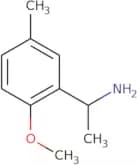
CAS:Versatile small molecule scaffoldFórmula:C10H15NOPureza:Min. 95%Peso molecular:165.23 g/molN-[2-(2-Methoxyphenyl)ethyl]-N-methylamine
CAS:Producto controladoVersatile small molecule scaffoldFórmula:C10H15NOPureza:Min. 95%Peso molecular:165.23 g/mol1-Amino-3-(2-methylphenyl)propan-2-ol hydrochloride
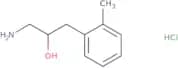
CAS:Versatile small molecule scaffoldFórmula:C10H16ClNOPureza:Min. 95%Peso molecular:201.69 g/mol2-(Chloromethyl)-N,N-dimethylaniline hydrochloride
CAS:Versatile small molecule scaffoldFórmula:C9H13Cl2NPureza:Min. 95%Peso molecular:206.11 g/mol3-(Benzothiazol-2-ylamino)-propionic acid
CAS:Versatile small molecule scaffold
Fórmula:C10H10N2O2SPureza:Min. 95%Peso molecular:222.27 g/mol4-[(1,3-Benzothiazol-2-yl)amino]butanoic acid
CAS:Versatile small molecule scaffoldFórmula:C11H12N2O2SPureza:Min. 95%Peso molecular:236.29 g/mol2-[(1,3-Benzothiazol-2-yl)(methyl)amino]acetic acid
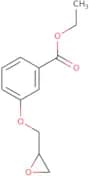
CAS:Versatile small molecule scaffoldFórmula:C10H10N2O2SPureza:Min. 95%Peso molecular:222.27 g/molEthyl 3-(oxiran-2-ylmethoxy)benzoate
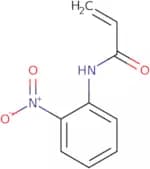
CAS:Versatile small molecule scaffoldFórmula:C12H14O4Pureza:Min. 95%Peso molecular:222.24 g/molN-(2-Nitrophenyl)prop-2-enamide
CAS:Versatile small molecule scaffold
Fórmula:C9H8N2O3Pureza:Min. 95%Peso molecular:192.17 g/molMethyl (2S)-2-hydroxy-2-(4-methoxyphenyl)acetate
CAS:Versatile small molecule scaffoldFórmula:C10H12O4Pureza:Min. 95%Peso molecular:196.2 g/mol2-Bromo-1-[2-(trifluoromethyl)phenyl]propan-1-one
CAS:Versatile small molecule scaffold
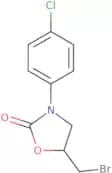
Fórmula:C10H8OF3BrPureza:Min. 95%Peso molecular:281.06 g/mol5-(Bromomethyl)-3-(4-chlorophenyl)-1,3-oxazolidin-2-one
CAS:Versatile small molecule scaffoldFórmula:C10H9BrClNO2Pureza:Min. 95%Peso molecular:290.54 g/mol1-(3-Methylpyridin-2-yl)piperazine
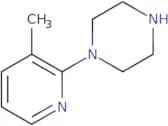
CAS:Versatile small molecule scaffoldFórmula:C10H15N3Pureza:Min. 95%Peso molecular:177.25 g/mol3,5-dichloro-2-hydrazinylpyridine
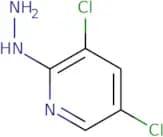
CAS:3,5-Dichloro-2-hydrazinylpyridine is a pyridine derivative that is synthesized by the condensation of pyrazoles with β-unsaturated carbonyl compounds. It is also used as an intermediate for the synthesis of pyrazole derivatives. The compound can be prepared by reacting acetoacetic esters and hydrazine. 3,5-Dichloro-2-hydrazinylpyridine has been shown to interact with pyrazoles, which are intermediates in its synthesis. Pyrazoles are also produced when 3,5-dichloro-2-hydrazinylpyridine reacts with β-unsaturated carbonyl compounds.
Fórmula:C5H5Cl2N3Pureza:Min. 95%Peso molecular:178.02 g/mol5-Fluoro-2-hydrazinylpyrimidine
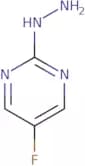
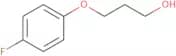
CAS:Versatile small molecule scaffoldFórmula:C4H5FN4Pureza:Min. 95%Peso molecular:128.11 g/mol3-(4-Fluorophenoxy)propan-1-ol
CAS:3-(4-Fluorophenoxy)propan-1-ol is a modification of the parent compound, 3-phenoxypropan-1-ol. The modification is atypical and has been shown to have anti-cancer properties. In addition, this compound has been shown to be an aromatase inhibitor, which prevents the conversion of androgens into estrogens. This may be due to its ability to inhibit the enzyme's activity on substrates such as dopamine, dimethylformamide, or evaporation. 3-(4-Fluorophenoxy)propan-1-ol has also been shown to have serotonin receptor binding profiles that are similar to those of phenoxy compounds such as butyrophenone or piperidine.Fórmula:C9H11O2FPureza:Min. 95%Peso molecular:170.18 g/molrac-Methyl (3aR,4S,6R,6aS)-6-amino-2,2-dimethyl-hexahydrocyclopenta[D][1,3]dioxole-4-carboxylate hydrochloride
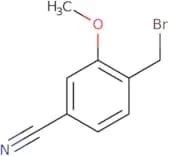
CAS:Versatile small molecule scaffoldFórmula:C10H18ClNO4Pureza:Min. 95%Peso molecular:251.7 g/mol4-(Bromomethyl)-3-methoxybenzonitrile
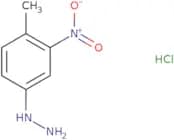
CAS:Versatile small molecule scaffoldFórmula:C9H8BrNOPureza:Min. 95%Peso molecular:226.07 g/mol(4-Methyl-3-nitrophenyl)hydrazine hydrochloride
CAS:Versatile small molecule scaffoldFórmula:C7H10ClN3O2Pureza:Min. 95%Peso molecular:203.62 g/mol3-Aminopropane-1-sulfonamide HCl
CAS:Versatile small molecule scaffold
Fórmula:C3H10N2O2S·HClPureza:Min. 95%Peso molecular:174.65 g/mol3-Amino-N-[2-(diethylamino)ethyl]benzamide
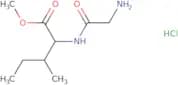
CAS:Versatile small molecule scaffoldFórmula:C13H21N3OPureza:Min. 95%Peso molecular:235.33 g/molMethyl (2S,3S)-2-(2-aminoacetamido)-3-methylpentanoate hydrochloride
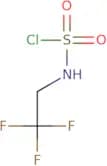
CAS:Versatile small molecule scaffoldFórmula:C9H19ClN2O3Pureza:Min. 95%Peso molecular:238.7 g/molN-(2,2,2-Trifluoroethyl)sulfamoyl chloride
CAS:Versatile small molecule scaffoldFórmula:C2H3ClF3NO2SPureza:Min. 95%Peso molecular:197.56 g/mol2-[(6-Chloropyridin-2-yl)oxy]ethan-1-ol
CAS:Versatile small molecule scaffoldFórmula:C7H8ClNO2Pureza:Min. 95%Peso molecular:173.6 g/mol6,7-Diamino-1,2,3,4-tetrahydroquinolin-2-one
CAS:Versatile small molecule scaffoldFórmula:C9H11N3OPureza:Min. 95%Peso molecular:177.2 g/mol3,3-Dimethyl-1-[2-(trifluoromethyl)phenyl]butan-2-one
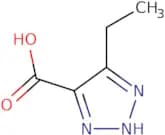
CAS:Versatile small molecule scaffoldFórmula:C13H15F3OPureza:Min. 95%Peso molecular:244.25 g/mol5-Ethyl-1H-1,2,3-triazole-4-carboxylic acid
CAS:Versatile small molecule scaffoldFórmula:C5H7N3O2Pureza:Min. 95%Peso molecular:141.13 g/mol2-[(Prop-2-yn-1-yl)amino]acetic acid hydrochloride
CAS:2-[(Prop-2-yn-1-yl)amino]acetic acid hydrochloride (PAH) is a molecule that is being studied for its potential as a broad-spectrum antimicrobial. PAH has been shown to inhibit the growth of bacteria, fungi, and viruses by binding to the ATP channel on the mitochondrial membrane. This binding inhibits ATP synthesis and prevents cell division. PAH also has antimicrobial activity against Gram negative bacteria through a mechanism that is not yet known. PAH has been shown to decrease muscle cell proliferation in rats by inhibiting protein synthesis and increasing apoptosis. PAH is synthesized from propionic acid and acetamide via asymmetric hydrogenation, which can be accomplished using an organocatalyst such as palladium on carbon or nickel on carbon.
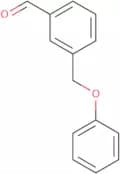
Fórmula:C5H8ClNO2Pureza:Min. 95%Peso molecular:149.57 g/mol3-(Phenoxymethyl)benzaldehyde
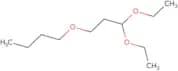
CAS:Versatile small molecule scaffoldFórmula:C14H12O2Pureza:Min. 95%Peso molecular:212.24 g/mol3-(tert-Butoxy)propanal
CAS:Versatile small molecule scaffoldFórmula:C11H24O3Pureza:Min. 95%Peso molecular:204.31 g/mol1-[2-(Dimethylamino)phenyl]ethan-1-ol
CAS:Versatile small molecule scaffold
Fórmula:C10H15NOPureza:Min. 95%Peso molecular:165.23 g/mol[2-(Dimethylamino)pyridin-3-yl]methanol
CAS:Versatile small molecule scaffoldFórmula:C8H12N2OPureza:Min. 95%Peso molecular:152.19 g/mol(4S)-3-Acetyl-1,3-thiazolidine-4-carboxylic acid
CAS:(4S)-3-Acetyl-1,3-thiazolidine-4-carboxylic acid is a plant extract that has been shown to be an inhibitor of nematodes. The extract contains salicylic acid, which can inhibit the growth of bacteria and fungi, and may also have anti-inflammatory properties. This extract is soluble in water and is excreted by the kidney. It also has vitamin B6 activity.
Fórmula:C6H9NO3SPureza:Min. 95%Peso molecular:175.21 g/mol1-Iodo-2-(2-methoxyethoxy)ethane
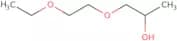
CAS:The 1-iodo-2-(2-methoxyethoxy)ethane (IEMEE) molecule is a switchable, hydrophobic, and photostable sensitizer for the generation of photocurrents. IEMEE has been used as a photoelectrochemical material in solar cells, dye-sensitized solar cells, and photoelectrochemical water splitting devices. The molecular structure of IEMEE consists of a helical arrangement of two benzene rings with an ethylene bridge that creates a hydrophobic core. This property enables the molecule to act as a switchable photosensitizer by preventing the adsorption of water molecules onto its surface. Additionally, IEMEE has been used to create crystalline cellulose films that are suitable for photophysical applications.Fórmula:C5H11IO2Pureza:Min. 95%Peso molecular:230.04 g/mol1-(2-Ethoxyethoxy)propan-2-ol
CAS:Versatile small molecule scaffoldFórmula:C7H16O3Pureza:Min. 95%Peso molecular:148.2 g/mol

![1-Amino-3-[3-(trifluoromethyl)phenoxy]propan-2-ol](/_next/image/?url=https%3A%2Fstatic.cymitquimica.com%2Fproducts%2F3D%2Fthumb-webp%2FEAA69890.webp&w=3840&q=75)
![2-[2-(4-Methylbenzenesulfonamido)acetamido]acetic acid](/_next/image/?url=https%3A%2Fstatic.cymitquimica.com%2Fproducts%2F3D%2Fthumb-webp%2FEAA70334.webp&w=3840&q=75)
![3,9-Dioxaspiro[5.5]undecane-2,4-dione](/_next/image/?url=https%3A%2Fstatic.cymitquimica.com%2Fproducts%2F3D%2Fthumb-webp%2FEAA70370.webp&w=3840&q=75)
![[2-(dimethylamino)phenyl]methanol](/_next/image/?url=https%3A%2Fstatic.cymitquimica.com%2Fproducts%2F3D%2Fthumb-webp%2FEAA70756.webp&w=3840&q=75)
![3-[(2-Phenylethyl)amino]propan-1-ol](/_next/image/?url=https%3A%2Fstatic.cymitquimica.com%2Fproducts%2F3D%2Fthumb-webp%2FEAA72030.webp&w=3840&q=75)
![6-oxabicyclo[3.2.1]oct-3-en-7-one](/_next/image/?url=https%3A%2Fstatic.cymitquimica.com%2Fproducts%2F3D%2Fthumb-webp%2FEAA72083.webp&w=3840&q=75)
![4-[(2-Chlorophenyl)sulfanyl]aniline](/_next/image/?url=https%3A%2Fstatic.cymitquimica.com%2Fproducts%2F3D%2Fthumb-webp%2FEAA72627.webp&w=3840&q=75)
![Spiro[5.6]dodecan-7-one](/_next/image/?url=https%3A%2Fstatic.cymitquimica.com%2Fproducts%2F3D%2Fthumb-webp%2FEAA72890.webp&w=3840&q=75)
![Spiro[4.5]decan-1-one](/_next/image/?url=https%3A%2Fstatic.cymitquimica.com%2Fproducts%2F3D%2Fthumb-webp%2FEAA72891.webp&w=3840&q=75)
![5H,7H-Furo[3,4-b]pyridin-7-one](/_next/image/?url=https%3A%2Fstatic.cymitquimica.com%2Fproducts%2F3D%2Fthumb-webp%2FEAA73369.webp&w=3840&q=75)

![Spiro[cyclohexane-1,3'-indoline] hydrochloride](/_next/image/?url=https%3A%2Fstatic.cymitquimica.com%2Fproducts%2F3D%2Fthumb-webp%2FEAA74063.webp&w=3840&q=75)
![furo[3,4-c]pyridin-1(3H)-one](/_next/image/?url=https%3A%2Fstatic.cymitquimica.com%2Fproducts%2F3D%2Fthumb-webp%2FEAA74142.webp&w=3840&q=75)
![1,4-Dioxaspiro[4.4]nonan-2-ylmethanamine](/_next/image/?url=https%3A%2Fstatic.cymitquimica.com%2Fproducts%2F3D%2Fthumb-webp%2FEAA74517.webp&w=3840&q=75)
![N-[(4-Chlorophenyl)methyl]aniline](/_next/image/?url=https%3A%2Fstatic.cymitquimica.com%2Fproducts%2F3D%2Fthumb-webp%2FEAA75061.webp&w=3840&q=75)
![4H,5H,6H,7H,8H-Thieno[3,2-c]azepin-4-one](/_next/image/?url=https%3A%2Fstatic.cymitquimica.com%2Fproducts%2F3D%2Fthumb-webp%2FEAA75159.webp&w=3840&q=75)
![3-Oxa-9-azaspiro[5.5]undecane-8,10-dione](/_next/image/?url=https%3A%2Fstatic.cymitquimica.com%2Fproducts%2F3D%2Fthumb-webp%2FEAA78013.webp&w=3840&q=75)
![1,4-Dioxaspiro[4.6]undecan-8-one](/_next/image/?url=https%3A%2Fstatic.cymitquimica.com%2Fproducts%2F3D%2Fthumb-webp%2FEAA79237.webp&w=3840&q=75)
![3-Bromo-2-methylimidazo[1,2-a]pyridine](/_next/image/?url=https%3A%2Fstatic.cymitquimica.com%2Fproducts%2F3D%2Fthumb-webp%2FEAA80570.webp&w=3840&q=75)
![1,3-Diethyl 2-{[(2,4-dimethylphenyl)amino]methylidene}propanedioate](/_next/image/?url=https%3A%2Fstatic.cymitquimica.com%2Fproducts%2F3D%2Fthumb-webp%2FEEA00706.webp&w=3840&q=75)
![1-[2-(Piperazin-1-yl)ethyl]imidazolidin-2-one](/_next/image/?url=https%3A%2Fstatic.cymitquimica.com%2Fproducts%2F3D%2Fthumb-webp%2FEEA08761.webp&w=3840&q=75)
![3-[2-(Dimethylamino)vinyl]-4-nitropyridine 1-Oxide](/_next/image/?url=https%3A%2Fstatic.cymitquimica.com%2Fproducts%2F3D%2Fthumb-webp%2FEEA11888.webp&w=3840&q=75)
![1-{[3-(Chloromethyl)phenyl]methyl}piperidine hydrochloride](/_next/image/?url=https%3A%2Fstatic.cymitquimica.com%2Fproducts%2F3D%2Fthumb-webp%2FEEA12678.webp&w=3840&q=75)
![9-Azatricyclo[8.1.1.0,2,7]dodeca-2,4,6-triene hydrochloride](/_next/image/?url=https%3A%2Fstatic.cymitquimica.com%2Fproducts%2F3D%2Fthumb-webp%2FEEA12709.webp&w=3840&q=75)



amine](/_next/image/?url=https%3A%2Fstatic.cymitquimica.com%2Fproducts%2F3D%2Fthumb-webp%2FEEA17898.webp&w=3840&q=75)


![3-[(3,4-Dimethylphenyl)thio]propanoic acid](/_next/image/?url=https%3A%2Fstatic.cymitquimica.com%2Fproducts%2F3D%2Fthumb-webp%2FEEA21646.webp&w=3840&q=75)

![2-Phenyl-4H,5H,6H,7H-furo[2,3-c]pyridine hydrochloride](/_next/image/?url=https%3A%2Fstatic.cymitquimica.com%2Fproducts%2F3D%2Fthumb-webp%2FEEA27845.webp&w=3840&q=75)
amine hydrochloride](/_next/image/?url=https%3A%2Fstatic.cymitquimica.com%2Fproducts%2F3D%2Fthumb-webp%2FEEA29464.webp&w=3840&q=75)

![10,10-Dimethyl-3λ6-thia-4-azatricyclo[5.2.1.0,1,5]dec-4-ene-3,3-dione](/_next/image/?url=https%3A%2Fstatic.cymitquimica.com%2Fproducts%2F3D%2Fthumb-webp%2FEEA31935.webp&w=3840&q=75)
![N-[2-(2-Methoxyphenyl)ethyl]-N-methylamine](/_next/image/?url=https%3A%2Fstatic.cymitquimica.com%2Fproducts%2F3D%2Fthumb-webp%2FEEA33826.webp&w=3840&q=75)

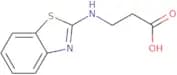
![4-[(1,3-Benzothiazol-2-yl)amino]butanoic acid](/_next/image/?url=https%3A%2Fstatic.cymitquimica.com%2Fproducts%2F3D%2Fthumb-webp%2FEEA34478.webp&w=3840&q=75)
![2-[(1,3-Benzothiazol-2-yl)(methyl)amino]acetic acid](/_next/image/?url=https%3A%2Fstatic.cymitquimica.com%2Fproducts%2F3D%2Fthumb-webp%2FEEA34492.webp&w=3840&q=75)
![2-Bromo-1-[2-(trifluoromethyl)phenyl]propan-1-one](/_next/image/?url=https%3A%2Fstatic.cymitquimica.com%2Fproducts%2F3D%2Fthumb-webp%2FEEA38469.webp&w=3840&q=75)
![rac-Methyl (3aR,4S,6R,6aS)-6-amino-2,2-dimethyl-hexahydrocyclopenta[D][1,3]dioxole-4-carboxylate h…](/_next/image/?url=https%3A%2Fstatic.cymitquimica.com%2Fproducts%2F3D%2Fthumb-webp%2FEEA42097.webp&w=3840&q=75)

![3-Amino-N-[2-(diethylamino)ethyl]benzamide](/_next/image/?url=https%3A%2Fstatic.cymitquimica.com%2Fproducts%2F3D%2Fthumb-webp%2FEEA45837.webp&w=3840&q=75)
![2-[(6-Chloropyridin-2-yl)oxy]ethan-1-ol](/_next/image/?url=https%3A%2Fstatic.cymitquimica.com%2Fproducts%2F3D%2Fthumb-webp%2FEEA47298.webp&w=3840&q=75)

![3,3-Dimethyl-1-[2-(trifluoromethyl)phenyl]butan-2-one](/_next/image/?url=https%3A%2Fstatic.cymitquimica.com%2Fproducts%2F3D%2Fthumb-webp%2FEEA48368.webp&w=3840&q=75)
![2-[(Prop-2-yn-1-yl)amino]acetic acid hydrochloride](/_next/image/?url=https%3A%2Fstatic.cymitquimica.com%2Fproducts%2F3D%2Fthumb-webp%2FEEA50133.webp&w=3840&q=75)
![1-[2-(Dimethylamino)phenyl]ethan-1-ol](/_next/image/?url=https%3A%2Fstatic.cymitquimica.com%2Fproducts%2F3D%2Fthumb-webp%2FEEA52450.webp&w=3840&q=75)
![[2-(Dimethylamino)pyridin-3-yl]methanol](/_next/image/?url=https%3A%2Fstatic.cymitquimica.com%2Fproducts%2F3D%2Fthumb-webp%2FEEA52465.webp&w=3840&q=75)