Building Blocks
Esta sección contiene productos fundamentales para la síntesis de compuestos orgánicos y biológicos. Building blocks son los materiales de partida esenciales utilizados para construir moléculas complejas a través de diversas reacciones químicas. Desempeñan un papel crítico en el descubrimiento de fármacos, la ciencia de materiales y la investigación química. En CymitQuimica, ofrecemos una gama diversa de building blocks de alta calidad para apoyar sus investigaciones innovadoras y proyectos industriales, asegurando que tenga los componentes esenciales para una síntesis exitosa.
Subcategorías de "Building Blocks"
- Ácidos borónicos y derivados del ácido borónico(5.756 productos)
- Building Blocks quirales(1.242 productos)
- Building Blocks de hidrocarburos(6.095 productos)
- Building Blocks orgánicos(61.037 productos)
Se han encontrado 196200 productos de "Building Blocks"
Ordenar por
Pureza (%)
0
100
|
0
|
50
|
90
|
95
|
100
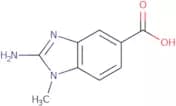
2-Amino-1-methyl-1H-1,3-benzodiazole-5-carboxylic acid
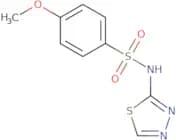
CAS:<p>Versatile small molecule scaffold</p>Fórmula:C9H9N3O2Pureza:Min. 95%Peso molecular:191.19 g/mol4-Methoxy-N-(1,3,4-thiadiazol-2-yl)benzene-1-sulfonamide
CAS:<p>Versatile small molecule scaffold</p>Fórmula:C9H9N3O3S2Pureza:Min. 95%Peso molecular:271.3 g/mol1-Bromo-2-chloro-4-(propan-2-yl)benzene
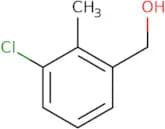
CAS:<p>Versatile small molecule scaffold</p>Fórmula:C9H10BrClPureza:Min. 95%Peso molecular:233.53 g/mol3-Chloro-2-methylbenzyl alcohol
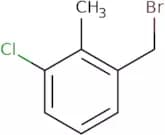
CAS:<p>Versatile small molecule scaffold</p>Fórmula:C8H9ClOPureza:Min. 95%Peso molecular:156.61 g/mol3-chloro-2-methylbenzyl bromide
CAS:<p>Versatile small molecule scaffold</p>Fórmula:C8H8BrClPureza:Min. 95%Peso molecular:219.51 g/mol6-Methyl-2H-benzo[e][1,2,4]thiadiazin-3(4H)-one 1,1-dioxide
CAS:<p>Versatile small molecule scaffold</p>Fórmula:C8H8N2O3SPureza:Min. 95%Peso molecular:212.23 g/molMethyl 2-[(1-methoxy-1-oxopropan-2-yl)sulfanyl]propanoate
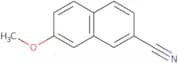
CAS:<p>Versatile small molecule scaffold</p>Fórmula:C8H14O4SPureza:Min. 95%Peso molecular:206.26 g/mol7-Methoxynaphthalene-2-carbonitrile
CAS:<p>Versatile small molecule scaffold</p>Fórmula:C12H9NOPureza:Min. 95%Peso molecular:183.21 g/mol[(3,4-Dichlorophenyl)methyl](ethyl)amine hydrochloride
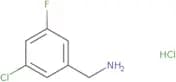
CAS:<p>Versatile small molecule scaffold</p>Fórmula:C9H12Cl3NPureza:Min. 95%Peso molecular:240.6 g/mol3-Chloro-5-fluorobenzylamine hydrochloride
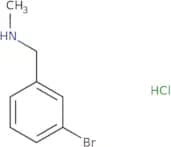
CAS:<p>Versatile small molecule scaffold</p>Fórmula:C7H8Cl2FNPureza:Min. 95%Peso molecular:196.05 g/molN-Methyl-3-bromobenzylamine hydrochloride
CAS:<p>Versatile small molecule scaffold</p>Fórmula:C8H10BrN·HClPureza:Min. 95%Peso molecular:236.54 g/mol[(2-Bromophenyl)methyl](ethyl)amine hydrochloride
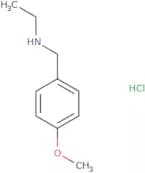
CAS:<p>Versatile small molecule scaffold</p>Fórmula:C9H13BrClNPureza:Min. 95%Peso molecular:250.56 g/molN-Ethyl 4-methoxybenzylamine HCl
CAS:<p>Versatile small molecule scaffold</p>Fórmula:C10H15NO·HClPureza:Min. 95%Peso molecular:201.7 g/molN-(4-Methoxybenzyl)-1-propanamine hydrochloride
CAS:<p>Versatile small molecule scaffold</p>Fórmula:C11H17NOPureza:Min. 95%Peso molecular:179.26 g/molN-(3-Chlorophenylmethyl)isopropylamine
CAS:<p>Versatile small molecule scaffold</p>Fórmula:C10H14ClNPureza:Min. 95%Peso molecular:183.68 g/molN-Ethyl-3-bromobenzylamine
CAS:<p>Versatile small molecule scaffold</p>Fórmula:C9H12BrNPureza:Min. 95%Peso molecular:214.11 g/mol3-[(Butylamino)methyl]benzonitrile
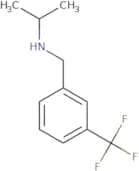
CAS:<p>Versatile small molecule scaffold</p>Fórmula:C12H16N2Pureza:Min. 95%Peso molecular:188.27 g/molIsopropyl-(3-trifluoromethyl-benzyl)-amine
CAS:<p>Versatile small molecule scaffold</p>Fórmula:C11H14F3NPureza:Min. 95%Peso molecular:217.23 g/mol[(3,5-Difluorophenyl)methyl](methyl)amine
CAS:<p>Versatile small molecule scaffold</p>Fórmula:C8H9F2NPureza:Min. 95%Peso molecular:157.16 g/mol6-Chlorothiochroman-4-one 1,1-dioxide
CAS:<p>Versatile small molecule scaffold</p>Fórmula:C9H7ClO3SPureza:Min. 95%Peso molecular:230.67 g/mol5-(Benzyloxy)-1,2,3,4-tetrahydronaphthalen-1-one
CAS:<p>5-(Benzyloxy)-1,2,3,4-tetrahydronaphthalen-1-one is a synthetic tetralone that has been shown to have both estrogenic and antiestrogenic properties. It is an efficient substrate for phosphatases such as protein tyrosine phosphatase (PTP) and can be used in the study of these enzymes. 5-(Benzyloxy)-1,2,3,4-tetrahydronaphthalen-1-one is also a natural product that can be found in plants and animals. The compound's synthesis begins with the reaction of 5 hydroxybenzaldehyde with 1,2,3,4 tetrahydronaphthalene in dioxane under refluxing conditions. This process produces two products: the desired 5-(benzyloxy)-1,2,3,4-tetrahydronaphthalen-1-one and 1-(ben</p>Fórmula:C17H16O2Pureza:Min. 95%Peso molecular:252.31 g/molN,N-Dimethyl-1-[(5-oxo-5,6,7,8-tetrahydronaphthalen-2-yl)sulfanyl]formamide
CAS:<p>Versatile small molecule scaffold</p>Fórmula:C13H15NO2SPureza:Min. 95%Peso molecular:249.33 g/mol7-chloro-benzo[b]thiophene
CAS:<p>7-Chloro-benzo[b]thiophene is a nicotinic acetylcholine receptor antagonist that binds to the receptor and blocks its activation. 7-Chloro-benzo[b]thiophene has been shown to be effective in treating Alzheimer's disease in humans, as well as ameliorating the symptoms of schizophrenia in animals. It has also been shown to bind to acetylcholine receptors with high affinity. This drug is an amide derivative of mercaptoacetic acid and an acetylcholine molecule. 7-Chloro-benzo[b]thiophene binds to the receptor at the site where acetylcholine would normally bind, and blocks its activation by preventing the binding of acetylcholine molecules.</p>Fórmula:C8H5ClSPureza:Min. 95%Peso molecular:168.64 g/mol2-Bromo-3-nitrobenzyl alcohol
CAS:<p>2-Bromo-3-nitrobenzyl alcohol is a lysergic acid derivative that undergoes an intramolecular cyclisation to form a triamide. This reaction can be catalysed by phosphoric acid, chloroform, or mercaptoacetic acid. The hydroxyl group and nitro group are both nucleophilic, making this reaction very useful in organic synthesis. 2-Bromo-3-nitrobenzyl alcohol has been used to synthesise dihydroindoles with high yield.</p>Fórmula:C7H6NO3BrPureza:Min. 95%Peso molecular:232.03 g/mol2-Bromo-3-nitrobenzonitrile
CAS:<p>Versatile small molecule scaffold</p>Fórmula:C7H3BrN2O2Pureza:Min. 95%Peso molecular:227.01 g/mol5,7-Dibromo-1-benzofuran-2-carboxylic acid
CAS:<p>Versatile small molecule scaffold</p>Fórmula:C9H4Br2O3Pureza:Min. 95%Peso molecular:319.93 g/molPropan-2-yl 5-(chloromethyl)furan-2-carboxylate
CAS:<p>Versatile small molecule scaffold</p>Fórmula:C9H11ClO3Pureza:Min. 95%Peso molecular:202.63 g/mol2-Methoxy-4,5-dimethyl-benzenesulfonyl chloride
CAS:<p>Versatile small molecule scaffold</p>Fórmula:C9H11ClO3SPureza:Min. 95%Peso molecular:234.7 g/mol3-Aminoquinolin-8-ol
CAS:<p>Versatile small molecule scaffold</p>Fórmula:C9H8N2OPureza:Min. 95%Peso molecular:160.17 g/mol6-amino-1H-indole-3-carboxylic acid
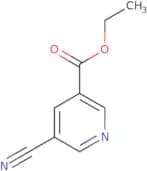
CAS:<p>Versatile small molecule scaffold</p>Fórmula:C9H8N2O2Pureza:Min. 95%Peso molecular:176.17 g/molEthyl 5-cyanonicotinate
CAS:<p>Versatile small molecule scaffold</p>Fórmula:C9H8N2O2Pureza:Min. 95%Peso molecular:176.17 g/mol1,5-Naphthyridine-3-carboxylic acid
CAS:<p>1,5-Naphthyridine-3-carboxylic acid is a member of the group of alkylthio antibiotics. It is mainly used as an antibacterial to treat bacterial infections in the respiratory tract and urinary tract. It has been shown to be effective against gram-positive organisms such as Staphylococcus aureus and Streptococcus pneumoniae. However, it is not active against gram-negative bacteria such as Escherichia coli or Pseudomonas aeruginosa. 1,5-Naphthyridine-3-carboxylic acid can be detected in urine with a high sensitivity, which makes it useful for diagnosis. This compound has been shown to have a benzodiazepine structure with some structural differences. The addition of dimethylformamide to this compound enhances its activity against certain Gram positive organisms such as staphylococci and streptococci.</p>Fórmula:C9H6N2O2Pureza:Min. 95%Peso molecular:174.16 g/mol1-Isocyanato-2-(2-methoxyethoxy)ethane
CAS:<p>Versatile small molecule scaffold</p>Fórmula:C6H11NO3Pureza:Min. 95%Peso molecular:145.16 g/mol4-Formyl-6-methoxy-3-nitrophenoxyacetic acid
CAS:<p>4-Formyl-6-methoxy-3-nitrophenoxyacetic acid is a photolabile formylated nitrophenol that is used to study the formation of concentration gradients across cell membranes. 4-Formyl-6-methoxy-3-nitrophenoxyacetic acid has been found to react with proton gradients and formyl groups in the membrane, which produces formaldehyde. The reaction mechanism for this process is not well understood, but it has been proposed that the reaction proceeds through a transducing step in which an electron from the formyl group reacts with a proton gradient to produce a formate ion. This mechanism is supported by experiments that show that the rate of photochemical reactions increases as the pH gradient across the membrane decreases.</p>Fórmula:C10H9NO7Pureza:Min. 95%Peso molecular:255.18 g/mol5-(4-Fluorophenyl)pyrrolidin-2-one
CAS:<p>Versatile small molecule scaffold</p>Fórmula:C10H10FNOPureza:Min. 95%Peso molecular:179.19 g/mol2-(3-Bromophenyl)-2-methylpropanenitrile
CAS:<p>Versatile small molecule scaffold</p>Fórmula:C10H10BrNPureza:Min. 95%Peso molecular:224.1 g/mol3-Iodo-N-methylbenzamide
CAS:<p>Versatile small molecule scaffold</p>Fórmula:C8H8INOPureza:Min. 95%Peso molecular:261.06 g/mol1-(Bromomethyl)-2-methoxy-4-nitrobenzene
CAS:<p>Versatile small molecule scaffold</p>Fórmula:C8H8BrNO3Pureza:Min. 95%Peso molecular:246.06 g/mol2-Methyl-2-[(propan-2-yl)amino]propan-1-ol
CAS:<p>Versatile small molecule scaffold</p>Fórmula:C7H17NOPureza:Min. 95%Peso molecular:131.22 g/moltert-Butyl 3-hydroxybutanoate
CAS:<p>Tert-Butyl 3-hydroxybutanoate is a fatty acid that is found in the mitochondrial matrix. It is an enolate anion, which can be formed by the reaction of an alcohol with an enolate ion. Tert-Butyl 3-hydroxybutanoate has also been shown to have diastereomeric properties. The natural compound tert-butyl 3-hydroxybutanoate has potential use as a respiratory control agent due to its ability to inhibit glutamate from binding to glutamate receptors in lung cells. This may lead to a decreased production of reactive oxygen species and improved respiratory function.</p>Fórmula:C8H16O3Pureza:Min. 95%Peso molecular:160.21 g/mol4-Chloro-1-(piperidin-1-yl)butan-1-one
CAS:<p>Versatile small molecule scaffold</p>Fórmula:C9H16ClNOPureza:Min. 95%Peso molecular:189.68 g/mol4-Methyl-2-morpholin-4-ylthiazole-5-carbaldehyde
CAS:<p>Versatile small molecule scaffold</p>Fórmula:C9H12N2O2SPureza:Min. 95%Peso molecular:212.27 g/mol1-Chloromethanesulfonylpiperidine
CAS:<p>Versatile small molecule scaffold</p>Fórmula:C6H12ClNO2SPureza:Min. 95%Peso molecular:197.68 g/molrac-(1R,2R)-2-[(tert-Butyldimethylsilyl)oxy]cyclohexane-1-carbaldehyde
CAS:<p>Versatile small molecule scaffold</p>Fórmula:C13H26O2SiPureza:Min. 95%Peso molecular:242.4 g/mol1-[(tert-Butoxy)carbonyl]-1,2,3,6-tetrahydropyridine-2-carboxylic acid
CAS:<p>Versatile small molecule scaffold</p>Fórmula:C11H17NO4Pureza:Min. 95%Peso molecular:227.3 g/mol1-(Azepan-1-yl)-2-(piperazin-1-yl)propan-1-one
CAS:Producto controlado<p>Versatile small molecule scaffold</p>Fórmula:C13H25N3OPureza:Min. 95%Peso molecular:239.36 g/mol2-Chloro-N,N-bis(propan-2-yl)propanamide
CAS:<p>Versatile small molecule scaffold</p>Fórmula:C9H18ClNOPureza:Min. 95%Peso molecular:191.7 g/mol1-Cyclopropylpentane-1,3-dione
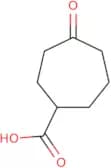
CAS:<p>Versatile small molecule scaffold</p>Fórmula:C8H12O2Pureza:Min. 95%Peso molecular:140.18 g/mol4-Oxocycloheptane-1-carboxylic acid
CAS:<p>Versatile small molecule scaffold</p>Fórmula:C8H12O3Pureza:Min. 95%Peso molecular:156.18 g/molEthyl 2-oxabicyclo[3.1.0]hexane-6-carboxylate
CAS:<p>Versatile small molecule scaffold</p>Fórmula:C8H12O3Pureza:Min. 95%Peso molecular:156.18 g/mol3-Azabicyclo[3.3.1]nonan-9-ol
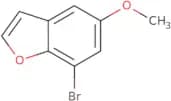
CAS:<p>Versatile small molecule scaffold</p>Fórmula:C8H15NOPureza:Min. 95%Peso molecular:141.21 g/mol7-Bromo-5-methoxy-1-benzofuran
CAS:<p>7-Bromo-5-methoxy-1-benzofuran is a drug that belongs to the group of nootropics, which are drugs that have the ability to enhance cognitive and intellectual functions. This drug has been shown to have regenerative and medicament effects on nerve cells and neurological disorders such as Parkinson's disease. 7-Bromo-5-methoxy-1-benzofuran has been shown to be a nootropic agent in animal studies. It has been shown to increase the activity of nerve cells by preventing the degeneration of neurons in rats with experimentally induced spinal cord injury. 7-Bromo-5-methoxy-1-benzofuran also enhances learning abilities in mice with experimentally induced Alzheimer's disease.</p>Fórmula:C9H7BrO2Pureza:Min. 95%Peso molecular:227.05 g/molmethyl 2-bromo-4-formylbenzoate
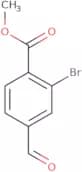
CAS:<p>Versatile small molecule scaffold</p>Fórmula:C9H7BrO3Pureza:Min. 95%Peso molecular:243.1 g/mol1-(4-Bromophenyl)propan-1-amine hydrochloride
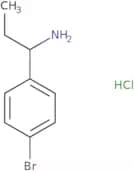
CAS:<p>Versatile small molecule scaffold</p>Fórmula:C9H13BrClNPureza:Min. 95%Peso molecular:250.56 g/mol3-Ethylpiperazin-2-one
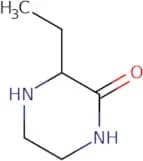
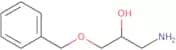
CAS:<p>Versatile small molecule scaffold</p>Fórmula:C6H12N2OPureza:Min. 95%Peso molecular:128.17 g/mol1-Amino-3-benzyloxy-propan-2-ol
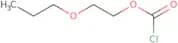
CAS:<p>Versatile small molecule scaffold</p>Fórmula:C10H15NO2Pureza:Min. 95%Peso molecular:181.24 g/mol2-Propoxyethyl chloroformate
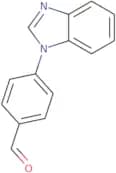
CAS:<p>Versatile small molecule scaffold</p>Fórmula:C6H11ClO3Pureza:Min. 95%Peso molecular:166.6 g/mol4-(1H-1,3-Benzimidazol-1-yl)benzenecarbaldehyde
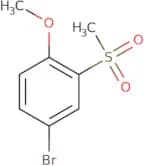
CAS:<p>4-(1H-1,3-Benzimidazol-1-yl)benzenecarbaldehyde (BABA) is an imidazole that can be used for labeling and detection. It has been shown to react with hydrosulfite in the presence of chloroform to produce a fluorescent compound. This compound can be detected using UV light at 365 nm. BABA has also been shown to react with chalcone in the presence of potassium cyanide in order to produce a fluorescent compound. BABA is also used as a reagent in the detection of Leishmania organisms and has been shown to have low detection limits. This compound is often used as a leukocyte lysis agent and can be activated by guanidine hydrochloride.</p>Fórmula:C14H10N2OPureza:Min. 95%Peso molecular:222.24 g/mol4-Bromo-2-methanesulfonyl-1-methoxybenzene
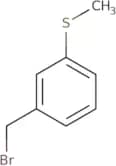
CAS:<p>Versatile small molecule scaffold</p>Fórmula:C8H9BrO3SPureza:Min. 95%Peso molecular:265.13 g/mol1-(Bromomethyl)-3-(methylsulfanyl)benzene
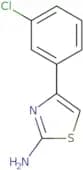
CAS:<p>Versatile small molecule scaffold</p>Fórmula:C8H9BrSPureza:Min. 95%Peso molecular:217.13 g/mol2-Amino-4-(3-chlorophenyl) thiazole
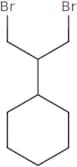
CAS:<p>Versatile small molecule scaffold</p>Fórmula:C9H7ClN2SPureza:Min. 95%Peso molecular:210.69 g/mol(1,3-Dibromopropan-2-yl)cyclohexane
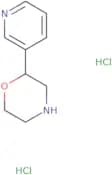
CAS:<p>Versatile small molecule scaffold</p>Fórmula:C9H16Br2Pureza:Min. 95%Peso molecular:284.03 g/mol2-(Pyridin-3-yl)morpholine dihydrochloride
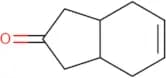
CAS:<p>Versatile small molecule scaffold</p>Fórmula:C9H14Cl2N2OPureza:Min. 95%Peso molecular:237.12 g/mol2,3,3a,4,7,7a-Hexahydro-1H-inden-2-one
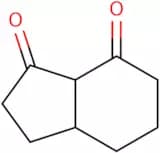
CAS:<p>Versatile small molecule scaffold</p>Fórmula:C9H12OPureza:Min. 95%Peso molecular:136.2 g/molOctahydro-1H-indene-1,7-dione
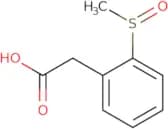
CAS:<p>Versatile small molecule scaffold</p>Fórmula:C9H12O2Pureza:Min. 95%Peso molecular:152.19 g/mol2-(2-Methanesulfinylphenyl)acetic acid
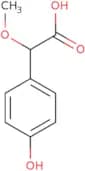
CAS:<p>Versatile small molecule scaffold</p>Fórmula:C9H10O3SPureza:Min. 95%Peso molecular:198.24 g/mol2-(4-Hydroxyphenyl)-2-methoxyacetic acid
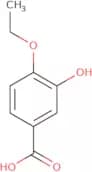
CAS:<p>Versatile small molecule scaffold</p>Fórmula:C9H10O4Pureza:Min. 95%Peso molecular:182.17 g/mol4-Ethoxy-3-hydroxybenzoic acid
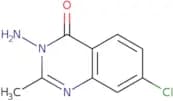
CAS:<p>Versatile small molecule scaffold</p>Fórmula:C9H10O4Pureza:Min. 95%Peso molecular:182.17 g/mol3-Amino-7-chloro-2-methylquinazolin-4(3H)-one
CAS:Producto controlado<p>Versatile small molecule scaffold</p>Fórmula:C9H8ClN3OPureza:Min. 95%Peso molecular:209.63 g/mol[(5-bromothiophen-2-yl)methyl](methyl)amine
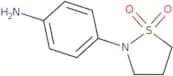
CAS:<p>Versatile small molecule scaffold</p>Fórmula:C6H8BrNSPureza:Min. 95%Peso molecular:206.1 g/molN-(4-Aminophenyl)-1,3-propanesultam
CAS:<p>Versatile small molecule scaffold</p>Fórmula:C9H12N2O2SPureza:Min. 95%Peso molecular:212.27 g/mol2-[(4-Methanesulfonyl-2-nitrophenyl)amino]acetic acid
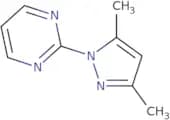
CAS:<p>Versatile small molecule scaffold</p>Fórmula:C9H10N2O6SPureza:Min. 95%Peso molecular:274.25 g/mol2-(3,5-Dimethyl-1H-pyrazol-1-yl)pyrimidine
CAS:<p>2-(3,5-Dimethyl-1H-pyrazol-1-yl)pyrimidine (2DMP) is an organic compound that belongs to the group of steric compounds. It has been shown that 2DMP can be prepared by the reaction of copper and a pyrimidine derivative. The molecule is composed of two rings: a pyrimidine ring and a pyrazole ring. The three methyl groups on the pyrazole ring are in ortho, meta, and para positions. In 2DMP, the methyl groups are in a meta position. This isomer has been studied using NMR spectroscopy and it was found that it reacts with ruthenium to form a fluxional complex. Thermodynamically, this isomer is more stable than its counterpart with all methyl groups in ortho positions.<br>2DMP also reacts with palladium to form an acyl group from which it can be converted back to the original p</p>Fórmula:C9H10N4Pureza:Min. 95%Peso molecular:174.2 g/mol1-Methyl-1H-indazole-3-carbohydrazide
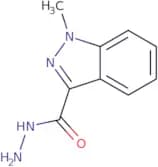
CAS:Producto controlado<p>Versatile small molecule scaffold</p>Fórmula:C9H10N4OPureza:Min. 95%Peso molecular:190.2 g/mol2-N-Benzyl-1,3,4-oxadiazole-2,5-diamine
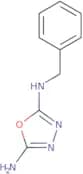
CAS:<p>Versatile small molecule scaffold</p>Fórmula:C9H10N4OPureza:Min. 95%Peso molecular:190.2 g/mol2-(2H-Indazol-2-yl)ethan-1-amine
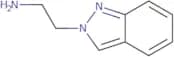
CAS:<p>Versatile small molecule scaffold</p>Fórmula:C9H11N3Pureza:Min. 95%Peso molecular:161.2 g/mol1,2,3,4-Tetrahydroquinoxaline-2-carboxamide
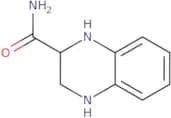
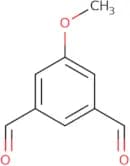
CAS:<p>Versatile small molecule scaffold</p>Fórmula:C9H11N3OPureza:Min. 95%Peso molecular:177.2 g/mol5-Methoxybenzene-1,3-dicarbaldehyde
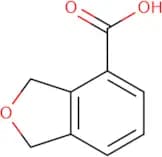
CAS:<p>5-Methoxybenzene-1,3-dicarbaldehyde is a supramolecular compound that features a square planar structure. It is soluble in solvents such as benzene and alkoxys, which are chemically like it. The ligand may be synthesized by reacting the dicarbaldehyde with dimethyl sulfate or thiocyanogen. The functional groups of 5-Methoxybenzene-1,3-dicarbaldehyde are its methoxy group, which has two hydrogens bonded to it, and its carbonyl group, which is a carbon double bonded to an oxygen atom. X-ray analysis shows that the molecule has two points where fluorine atoms can attach to it. This allows for the production of multidentate ligands that may bind to other molecules through many points on the ligand. 5-Methoxybenzene-1,3-dicarbaldehyde exhibits excellent solub</p>Fórmula:C9H8O3Pureza:Min. 95%Peso molecular:164.16 g/mol1,3-Dihydro-2-benzofuran-4-carboxylic acid
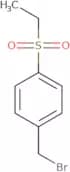
CAS:<p>Versatile small molecule scaffold</p>Fórmula:C9H8O3Pureza:Min. 95%Peso molecular:164.16 g/mol1-(Bromomethyl)-4-(ethanesulfonyl)benzene
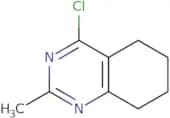
CAS:<p>Versatile small molecule scaffold</p>Fórmula:C9H11BrO2SPureza:Min. 95%Peso molecular:263.15 g/mol4-Chloro-2-methyl-5,6,7,8-tetrahydroquinazoline
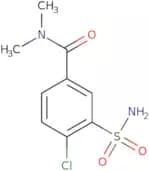
CAS:<p>Versatile small molecule scaffold</p>Fórmula:C9H11ClN2Pureza:Min. 95%Peso molecular:182.65 g/mol4-Chloro-N,N-dimethyl-3-sulfamoylbenzamide
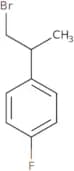
CAS:<p>Versatile small molecule scaffold</p>Fórmula:C9H11ClN2O3SPureza:Min. 95%Peso molecular:262.71 g/mol1-(1-Bromopropan-2-yl)-4-fluorobenzene
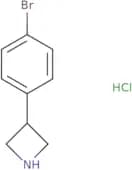
CAS:<p>Versatile small molecule scaffold</p>Fórmula:C9H10BrFPureza:Min. 95%Peso molecular:217.08 g/mol3-(4-Bromophenyl)azetidine HCl
CAS:<p>Versatile small molecule scaffold</p>Fórmula:C9H11BrClNPureza:Min. 95%Peso molecular:248.55 g/molN-[(4-Bromophenyl)methyl]acetamide
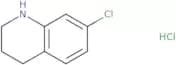
CAS:<p>N-[(4-Bromophenyl)methyl]acetamide is a chemical synthesis of lipase. The synthesis was done in a vessel, and the synthetic pathways were highlighted. The molecule was synthesized using chemistry and biomimetic methods. It was amidated to form its final product. The reaction vessel is palladium-based, which makes it an efficient catalyst for the amidation reaction.</p>Fórmula:C9H10BrNOPureza:Min. 95%Peso molecular:228.09 g/mol7-Chloro-1,2,3,4-tetrahydroquinoline hydrochloride
CAS:<p>Versatile small molecule scaffold</p>Fórmula:C9H11Cl2NPureza:Min. 95%Peso molecular:204.1 g/molN-[2-(Chloromethyl)phenyl]acetamide
CAS:<p>Versatile small molecule scaffold</p>Fórmula:C9H10ClNOPureza:Min. 95%Peso molecular:183.63 g/mol2-{[(4-Chlorophenyl)methyl]amino}acetic acid hydrochloride
CAS:<p>Versatile small molecule scaffold</p>Fórmula:C9H11Cl2NO2Pureza:Min. 95%Peso molecular:236.09 g/mol3-Amino-2-(4-chlorophenyl)propanoic acid hydrochloride
CAS:<p>Versatile small molecule scaffold</p>Fórmula:C9H11Cl2NO2Pureza:Min. 95%Peso molecular:236.09 g/mol7,8-Dihydro-6H-quinolin-5-one hydrochloride
CAS:<p>Versatile small molecule scaffold</p>Fórmula:C9H10ClNOPureza:Min. 95%Peso molecular:183.63 g/mol2-Pyridin-2-yl-cyclopropanecarboxylic acid
CAS:<p>2-Pyridin-2-yl-cyclopropanecarboxylic acid is a chemotype that belongs to the class of echs. It has been shown to regulate the expression of genes in the erythroid lineage and inhibit Keap1. 2-Pyridin-2-yl-cyclopropanecarboxylic acid has been shown to bind to erythrocyte proteins and act as an anti-oxidant. This molecule has also been found to interact with proteins such as glutathione reductase, cytochrome P450, and glutathione S transferases. 2-Pyridin-2-yl-cyclopropanecarboxylic acid disrupts homoeostasis by regulating the levels of cytoprotective agents such as heme oxygenase 1 and prostaglandins. The therapeutic effect of this molecule is currently being researched for use in medicinal treatments.</p>Fórmula:C9H9NO2Pureza:Min. 95%Peso molecular:163.18 g/mol3,4-Dihydro-2H-1,4-benzoxazine-2-carboxylic acid
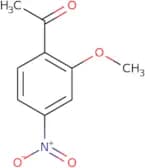
CAS:<p>3,4-Dihydro-2H-1,4-benzoxazine-2-carboxylic acid is a chemical compound that is used in the synthesis of esters. It can be used to separate mixtures of compounds in liquid chromatography and reversed phase liquid chromatography. This chemical compound has been shown to have adrenolytic properties, which are due to its ability to modify the activity of the alpha and beta adrenergic receptors. 3,4-Dihydro-2H-1,4-benzoxazine-2-carboxylic acid inhibits lipogenesis by inhibiting enzymes that catalyze this process.</p>Fórmula:C9H9NO3Pureza:Min. 95%Peso molecular:179.17 g/mol1-(2-Methoxy-4-nitrophenyl)ethanone
CAS:<p>Versatile small molecule scaffold</p>Fórmula:C9H9NO4Pureza:Min. 95%Peso molecular:195.17 g/mol2-Ethyl-4-nitro-benzoic acid
CAS:<p>Versatile small molecule scaffold</p>Fórmula:C9H9NO4Pureza:Min. 95%Peso molecular:195.17 g/mol2-Ethyl-5-nitrobenzoic acid
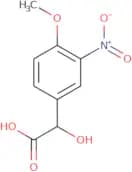
CAS:<p>Versatile small molecule scaffold</p>Fórmula:C9H9NO4Pureza:Min. 95%Peso molecular:195.17 g/mol2-Hydroxy-2-(4-methoxy-3-nitrophenyl)acetic acid
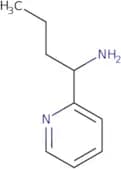
CAS:<p>Versatile small molecule scaffold</p>Fórmula:C9H9NO6Pureza:Min. 95%Peso molecular:227.17 g/mol1-(Pyridin-2-yl)butan-1-amine
CAS:<p>Versatile small molecule scaffold</p>Fórmula:C9H14N2Pureza:Min. 95%Peso molecular:150.22 g/mol1-[4-(Aminomethyl)phenyl]ethan-1-amine
CAS:<p>Versatile small molecule scaffold</p>Fórmula:C9H14N2Pureza:Min. 95%Peso molecular:150.22 g/mol2-tert-Butyl-6-methylpyrimidin-4-ol
CAS:<p>Versatile small molecule scaffold</p>Fórmula:C9H14N2OPureza:Min. 95%Peso molecular:166.22 g/mol6,6-Dimethyl-1,3-diazaspiro[4.4]nonane-2,4-dione
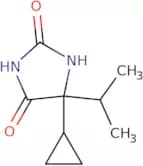
CAS:<p>Versatile small molecule scaffold</p>Fórmula:C9H14N2O2Pureza:Min. 95%Peso molecular:182.22 g/mol5-Cyclopropyl-5-(propan-2-yl)imidazolidine-2,4-dione
CAS:<p>Versatile small molecule scaffold</p>Fórmula:C9H14N2O2Pureza:Min. 95%Peso molecular:182.22 g/mol5-Cyclopropyl-5-propylimidazolidine-2,4-dione
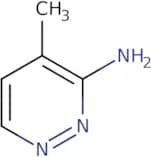
CAS:<p>Versatile small molecule scaffold</p>Fórmula:C9H14N2O2Pureza:Min. 95%Peso molecular:182.22 g/mol3-Amino-4-methyl-pyridazine
CAS:<p>3-Amino-4-methyl-pyridazine is a pyridazine molecule that has analgesic properties. This drug is used in population studies to investigate the effects of nitrogen atom substitution on the pharmacological activity of carrageenans and betaines. 3-Amino-4-methyl-pyridazine has been shown to be an analog of cinnoline, which is a member of the quinone class of compounds. The crystal structure and diffraction techniques have been determined for 3-aminopyridine using single crystal x-ray diffraction. The structure was determined by a molecular replacement method with a difference in formula weight of 0.01%.</p>Fórmula:C5H7N3Pureza:Min. 95%Peso molecular:109.13 g/mol5-Oxobicyclo[2.2.1]heptane-2,3-dicarboxylic acid
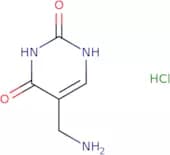
CAS:<p>Versatile small molecule scaffold</p>Fórmula:C9H10O5Pureza:Min. 95%Peso molecular:198.17 g/mol5-(Aminomethyl)-2,4(1H,3H)-pyrimidinedione hydrochloride
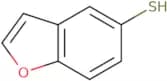
CAS:<p>Versatile small molecule scaffold</p>Fórmula:C5H8ClN3O2Pureza:Min. 95%Peso molecular:177.59 g/mol1-Benzofuran-5-thiol
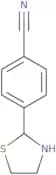
CAS:<p>Versatile small molecule scaffold</p>Fórmula:C8H6OSPureza:Min. 95%Peso molecular:150.2 g/mol4-(1,3-Thiazolidin-2-yl)benzonitrile
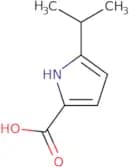
CAS:<p>Versatile small molecule scaffold</p>Fórmula:C10H10N2SPureza:Min. 95%Peso molecular:190.27 g/mol5-Isopropyl-1H-pyrrole-2-carboxylic acid
CAS:<p>Versatile small molecule scaffold</p>Fórmula:C8H11NO2Pureza:Min. 95%Peso molecular:153.18 g/mol8-Oxa-2-azaspiro[4.5]decane-1,3-dione
CAS:<p>Versatile small molecule scaffold</p>Fórmula:C8H11NO3Pureza:Min. 95%Peso molecular:169.18 g/mol3-[(Methylsulfanyl)methyl]aniline
CAS:<p>Versatile small molecule scaffold</p>Fórmula:C8H11NSPureza:Min. 95%Peso molecular:153.25 g/mol3-Azabicyclo[4.3.1]decan-4-one
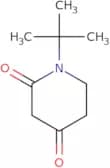
CAS:<p>3-Azabicyclo[4.3.1]decan-4-one is a lactam that contains 4 rings and 10 carbon atoms. The molecule can exist in two geometries, which are both optimized for the lowest energy conformations. This compound has a multicyclic ring system with three azabicyclo[4.3.1]decane rings and one decan ring, which is attached to the nitrogen atom of the amide group. 3-Azabicyclo[4.3.1]decan-4-one has been shown to bind lanthanides and shift their spectral properties, as well as undergo conformational changes when reacting with reagents such as hydrogen cyanide or ammonia gas, indicating that it may be a useful substrate for theoretical studies of lanthanide coordination chemistry and mechanisms of catalysis by metal complexes in organic synthesis.br>br><br>br>br></p>Fórmula:C9H15NOPureza:Min. 95%Peso molecular:153.2 g/mol1-(tert-Butyl)piperidine-2,4-dione
CAS:<p>Versatile small molecule scaffold</p>Fórmula:C9H15NO2Pureza:Min. 95%Peso molecular:169.22 g/mol8-Methyl-8-azabicyclo[3.2.1]octane-3-carboxylic acid hydrochloride
CAS:<p>Versatile small molecule scaffold</p>Fórmula:C9H16ClNO2Pureza:Min. 95%Peso molecular:205.68 g/mol(2,3-Dihydro-benzo[1,4]dioxin-6-yl)-methyl-aminehydrochloride
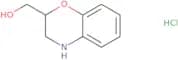
CAS:<p>Versatile small molecule scaffold</p>Fórmula:C9H12ClNO2Pureza:Min. 95%Peso molecular:201.65 g/mol3,4-Dihydro-2H-1,4-benzoxazin-2-ylmethanol hydrochloride
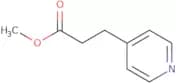
CAS:<p>Versatile small molecule scaffold</p>Fórmula:C9H12ClNO2Pureza:Min. 95%Peso molecular:201.65 g/molMethyl 3-(pyridin-4-yl)propanoate
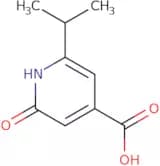
CAS:<p>Versatile small molecule scaffold</p>Fórmula:C9H11NO2Pureza:Min. 95%Peso molecular:165.19 g/mol2-Oxo-6-(propan-2-yl)-1,2-dihydropyridine-4-carboxylic acid
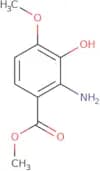
CAS:<p>Versatile small molecule scaffold</p>Fórmula:C9H11NO3Pureza:Min. 95%Peso molecular:181.19 g/molMethyl 2-amino-3-hydroxy-4-methoxybenzoate
CAS:<p>Methyl 2-amino-3-hydroxy-4-methoxybenzoate is a synthetic compound that is an isomeric mixture. It has been shown to be active against gram-negative bacteria and soil bacteria, which are both gram-negative. Methyl 2-amino-3-hydroxy-4-methoxybenzoate has also been shown to have activity against Staphylococcus aureus and gram negative bacterium. This substance's mechanism of action may be due to its ability to inhibit the enzyme enoyl reductase, which is involved in fatty acid synthesis and cell membrane integrity.</p>Fórmula:C9H11NO4Pureza:Min. 95%Peso molecular:197.19 g/molmethyl 2-amino-5-methanesulfonylbenzoate
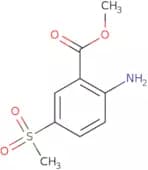
CAS:<p>Versatile small molecule scaffold</p>Fórmula:C9H11NO4SPureza:Min. 95%Peso molecular:229.3 g/molN-Methyl-2,3-dihydro-1,4-benzodioxine-6-sulfonamide
CAS:<p>Versatile small molecule scaffold</p>Fórmula:C9H11NO4SPureza:Min. 95%Peso molecular:229.26 g/mol8,8-Dimethyl-2-oxabicyclo[4.2.0]octan-7-one
CAS:<p>Versatile small molecule scaffold</p>Fórmula:C9H14O2Pureza:Min. 95%Peso molecular:154.21 g/molOctahydropentalene-2-carboxylic acids
CAS:<p>Versatile small molecule scaffold</p>Fórmula:C9H14O2Pureza:Min. 95%Peso molecular:154.2 g/mol7-Oxaspiro[3.5]nonane-2-carboxylic acid
CAS:<p>Versatile small molecule scaffold</p>Fórmula:C9H14O3Pureza:Min. 95%Peso molecular:170.21 g/mol(2-[(6-Chloropyridazin-3-yl)oxy]ethyl)dimethylamine
CAS:Producto controlado<p>Versatile small molecule scaffold</p>Fórmula:C8H12ClN3OPureza:Min. 95%Peso molecular:201.65 g/molEthyl 3-amino-1-ethyl-1H-pyrazole-4-carboxylate
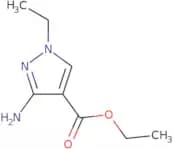
CAS:<p>Versatile small molecule scaffold</p>Fórmula:C8H13N3O2Pureza:Min. 95%Peso molecular:183.21 g/molTricyclo[3.2.1.0,2,4]octan-3-amine
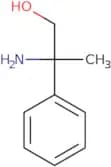
CAS:<p>Versatile small molecule scaffold</p>Fórmula:C8H13NPureza:Min. 95%Peso molecular:123.2 g/mol2-amino-2-phenylpropan-1-ol
CAS:<p>2-Amino-2-methyl-1-propanol is a chemical compound with the molecular formula CH(NH)CH(OH)CH(OH). It is also known as 2-amino-2-phenylpropan-1-ol. This compound has been shown to be effective in the uptake of fatty acids and can be used in the production of coatings and polymers. The viscosity of 2-amino-2-methylpropane 1,3 diol is lower than that of other similar compounds due to its primary alcohol structure. This chemical is not readily polymerized, but can react with chloride ions to form chlorinated derivatives.</p>Fórmula:C9H13NOPureza:Min. 95%Peso molecular:151.21 g/mol2,4,5-Trimethylbenzene-1-sulfonamide
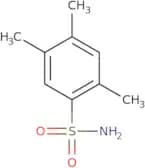
CAS:<p>Versatile small molecule scaffold</p>Fórmula:C9H13NO2SPureza:Min. 95%Peso molecular:199.27 g/mol4-Methoxy-2,3-dimethylbenzene-1-sulfonamide
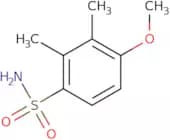
CAS:<p>Versatile small molecule scaffold</p>Fórmula:C9H13NO3SPureza:Min. 95%Peso molecular:215.27 g/mol4-Methoxy-2,5-dimethylbenzene-1-sulfonamide
CAS:<p>Versatile small molecule scaffold</p>Fórmula:C9H13NO3SPureza:Min. 95%Peso molecular:215.27 g/mol4-Methoxy-3,5-dimethylbenzene-1-sulfonamide
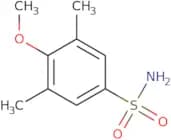
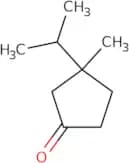
CAS:<p>Versatile small molecule scaffold</p>Fórmula:C9H13NO3SPureza:Min. 95%Peso molecular:215.27 g/mol3-Methyl-3-(propan-2-yl)cyclopentan-1-one
CAS:<p>Versatile small molecule scaffold</p>Fórmula:C9H16OPureza:Min. 95%Peso molecular:140.22 g/mol2-Ethylcyclohexane-1-carboxylic acid
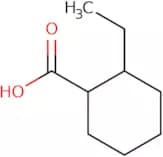
CAS:<p>Versatile small molecule scaffold</p>Fórmula:C9H16O2Pureza:Min. 95%Peso molecular:156.22 g/mol8,8-Dimethyl-2-oxabicyclo[4.2.0]octan-7-ol
CAS:<p>Versatile small molecule scaffold</p>Fórmula:C9H16O2Pureza:Min. 95%Peso molecular:156.22 g/mol2,2-Diethyl-4-methoxy-4-oxobutanoic acid
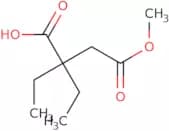
CAS:<p>Versatile small molecule scaffold</p>Fórmula:C9H16O4Pureza:Min. 95%Peso molecular:188.22 g/mol4-[(Ethylsulfanyl)methyl]aniline
CAS:<p>Versatile small molecule scaffold</p>Fórmula:C9H13NSPureza:Min. 95%Peso molecular:167.27 g/mol4-(Pyrrolidin-1-yl)pyridin-3-amine
CAS:<p>Versatile small molecule scaffold</p>Fórmula:C9H13N3Pureza:Min. 95%Peso molecular:163.22 g/mol4-Morpholinopyridin-3-amine
CAS:<p>Versatile small molecule scaffold</p>Fórmula:C9H13N3OPureza:Min. 95%Peso molecular:179.22 g/mol1-(2-Chloro-4-methylphenyl)-ethanone
CAS:<p>Versatile small molecule scaffold</p>Fórmula:C9H9ClOPureza:Min. 95%Peso molecular:168.62 g/mol4-Chloro-2,5-dimethylbenzoic acid
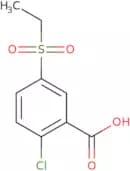
CAS:<p>Versatile small molecule scaffold</p>Fórmula:C9H9ClO2Pureza:Min. 95%Peso molecular:184.62 g/mol2-Chloro-5-(ethanesulfonyl)benzoic acid
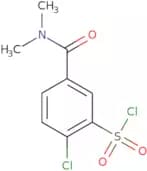
CAS:<p>Versatile small molecule scaffold</p>Fórmula:C9H9ClO4SPureza:Min. 95%Peso molecular:248.68 g/mol2-Chloro-5-(dimethylcarbamoyl)benzene-1-sulfonyl chloride
CAS:<p>Versatile small molecule scaffold</p>Fórmula:C9H9Cl2NO3SPureza:Min. 95%Peso molecular:282.14 g/mol1-[(tert-Butyldimethylsilyl)oxy]cyclopropane-1-carbaldehyde
CAS:<p>1-[(tert-Butyldimethylsilyl)oxy]cyclopropane-1-carbaldehyde is a cyclopropanecarboxylic acid that can be prepared by reacting cyclopropane with an ester of ethoxyethyl chloride. It has been used as a precursor for the synthesis of sulfoxide and sulfone derivatives. Cyclopropanecarboxylic acids are used in the preparation of chlorides, esters, and solvents. This compound has also been used as a reagent for the synthesis of oxalyl chloride and pyridinium chloride. 1-[(tert-Butyldimethylsilyl)oxy]cyclopropane-1-carbaldehyde can be purified by recrystallization from organic solvents such as benzene or ether, or it can be purified by preparative thin layer chromatography (PTLC).</p>Fórmula:C10H20O2SiPureza:Min. 95%Peso molecular:200.35 g/mol4-amino-3-fluoro-n-methylbenzamide
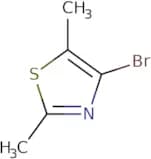
CAS:<p>Versatile small molecule scaffold</p>Fórmula:C8H9FN2OPureza:Min. 95%Peso molecular:168.17 g/mol4-Bromo-2,5-dimethyl-1,3-thiazole
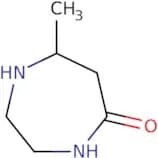
CAS:<p>Versatile small molecule scaffold</p>Fórmula:C5H6BrNSPureza:Min. 95%Peso molecular:192.08 g/mol7-Methyl-1,4-diazepan-5-one
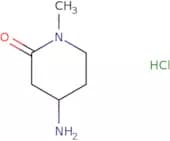
CAS:<p>Versatile small molecule scaffold</p>Fórmula:C6H12N2OPureza:Min. 95%Peso molecular:128.17 g/mol1-Methyl-4-amino-2-piperidinone hydrochloride
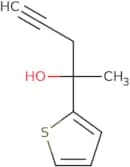
CAS:<p>Versatile small molecule scaffold</p>Fórmula:C6H13ClN2OPureza:Min. 95%Peso molecular:164.63 g/mol2-(Thiophen-2-yl)pent-4-yn-2-ol
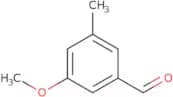
CAS:<p>Versatile small molecule scaffold</p>Fórmula:C9H10OSPureza:Min. 95%Peso molecular:166.24 g/mol3-Methoxy-5-methylbenzaldehyde
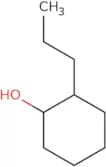
CAS:<p>3-Methoxy-5-methylbenzaldehyde is a natural product that has been identified as an intermediate in the biosynthesis of the sesquiterpene, ursolic acid. It can be synthesized by reacting piperazine with methoxymethyl chloride. 3-Methoxy-5-methylbenzaldehyde has also been used for labeling proteins and nucleic acids. The technique of chromatographic mass spectrometric detection uses this compound to detect volatile compounds in headspace by gas chromatography.</p>Fórmula:C9H10O2Pureza:Min. 95%Peso molecular:150.17 g/mol2-Propylcyclohexanol (cis- and trans- mixture)
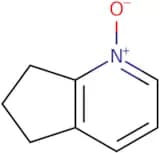
CAS:<p>2-Propylcyclohexanol is a cyclic alcohol that is used as a solvent in organic chemistry. It has two different forms: cis-2-proptyclohexanol and trans-2-proptyclohexanol, which is a mixture of the two. 2-Propylcyclohexanol can be used as a bifunctional reagent for bond cleavage reactions and dehydration reactions. This compound also has properties that make it useful as an organic solvent, such as its ability to dissolve hydronium ions and its relatively low boiling point. 2-Propylcyclohexanol can be used in microscopy because it does not interfere with fluorescence detection or other light sources. It can also be used in the preparation of carbohydrates. The monomers from which this compound is made are cyclic, meaning that they are shaped like circles or rings. These monomers are made up of carbon atoms, hydrogen atoms, and oxygen atoms.</p>Fórmula:C9H18OPureza:Min. 95%Peso molecular:142.24 g/mol2,3-Cyclopentenopyridine N-oxide
CAS:<p>Versatile small molecule scaffold</p>Fórmula:C8H9NOPureza:Min. 95%Peso molecular:135.17 g/mol6,7-Dihydro-5h-cyclopenta[b]pyridin-7-yl acetate
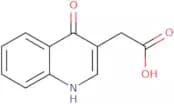
CAS:<p>Versatile small molecule scaffold</p>Fórmula:C10H11NO2Pureza:Min. 95%Peso molecular:177.19 g/mol2-(4-Hydroxyquinolin-3-yl)acetic acid
CAS:<p>Versatile small molecule scaffold</p>Fórmula:C11H9NO3Pureza:Min. 95%Peso molecular:203.19 g/mol5-Chloro-7-methoxythieno[3,2-b]pyridine
CAS:<p>Versatile small molecule scaffold</p>Fórmula:C8H6ClNOSPureza:Min. 95%Peso molecular:199.65 g/mol7-Chlorothieno[3,2-b]pyridine-6-carboxylic Acid
CAS:<p>Versatile small molecule scaffold</p>Fórmula:C8H4NO2SClPureza:Min. 95%Peso molecular:213.64 g/molMethyl 5,7-dihydroxythieno[3,2-b]pyridine-6-carboxylate
CAS:<p>Versatile small molecule scaffold</p>Fórmula:C9H7NO4SPureza:Min. 95%Peso molecular:225.22 g/mol5-Ethyl-1-methyl-1H-1,2,4-triazol-3-amine
CAS:<p>Versatile small molecule scaffold</p>Fórmula:C5H10N4Pureza:Min. 95%Peso molecular:126.16 g/molN-[(Allyloxy)carbonyl]glycine
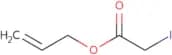
CAS:<p>N-[(Allyloxy)carbonyl]glycine is a synthetic compound that is used as a pharmaceutical agent. It is one of the four stereoisomers of N-allyloxycarbonylglycine, which are all synthesized by solid-phase synthesis. This drug was shown to inhibit the growth of cancer cells and may be useful in treating animals infected with infectious diseases. The antimicrobial activity of N-[(Allyloxy)carbonyl]glycine has been demonstrated using bacterial cultures, which showed that it inhibits the growth of bacteria by inhibiting protein synthesis. It also has been shown to have an effect on cellular processes such as DNA replication and transcription.</p>Fórmula:C6H9NO4Pureza:Min. 95%Peso molecular:159.14 g/molProp-2-en-1-yl 2-iodoacetate
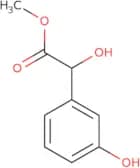
CAS:<p>Prop-2-en-1-yl 2-iodoacetate is a reactive, hydroxyl group containing organometallic molecule that is used as a polymerization initiator in organic reactions. Prop-2-en-1-yl 2-iodoacetate is also used as an agent for catalytic reduction of hydrocarbons and as a reagent in the synthesis of organic compounds. This compound can also be used to synthesize polymers with hydrophobic effect by reacting with halides. The mechanism of this reaction involves formation of a carbocation intermediate followed by nucleophilic attack on the propargyl cation.</p>Fórmula:C5H7IO2Pureza:Min. 95%Peso molecular:226.01 g/molMethyl 2-hydroxy-2-(3-hydroxyphenyl)acetate
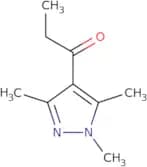
CAS:<p>Versatile small molecule scaffold</p>Fórmula:C9H10O4Pureza:Min. 95%Peso molecular:182.17 g/mol1-(Trimethyl-1H-pyrazol-4-yl)propan-1-one
CAS:<p>Versatile small molecule scaffold</p>Fórmula:C9H14N2OPureza:Min. 95%Peso molecular:166.22 g/mol[2-(Diethylamino)ethyl](propyl)amine
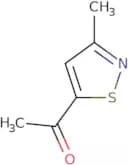
CAS:<p>Versatile small molecule scaffold</p>Fórmula:C9H22N2Pureza:Min. 95%Peso molecular:158.28 g/mol1-(3-Methyl-isothiazol-5-yl)-ethanone
CAS:<p>Versatile small molecule scaffold</p>Fórmula:C6H7NOSPureza:Min. 95%Peso molecular:141.19 g/mol6-Bromo-3-methylindolin-2-one
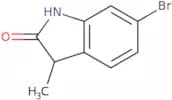
CAS:<p>Versatile small molecule scaffold</p>Fórmula:C9H8NOBrPureza:Min. 95%Peso molecular:226.07 g/mol2-Cyclohexylpropan-2-amine hydrochloride
CAS:<p>Versatile small molecule scaffold</p>Fórmula:C9H20ClNPureza:Min. 95%Peso molecular:177.71 g/molN,2,2-Trimethylcyclohexan-1-amine
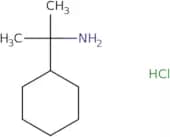
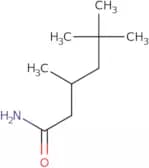
CAS:<p>Versatile small molecule scaffold</p>Fórmula:C9H19NPureza:Min. 95%Peso molecular:141.25 g/mol3,5,5-Trimethylhexanamide
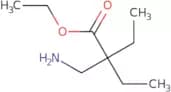
CAS:<p>Versatile small molecule scaffold</p>Fórmula:C9H19NOPureza:Min. 95%Peso molecular:157.25 g/molEthyl 2-(aminomethyl)-2-ethylbutanoate
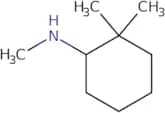
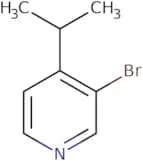
CAS:<p>Versatile small molecule scaffold</p>Fórmula:C9H19NO2Pureza:Min. 95%Peso molecular:173.25 g/mol3-Bromo-4-(propan-2-yl)pyridine
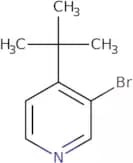
CAS:<p>Versatile small molecule scaffold</p>Fórmula:C8H10BrNPureza:Min. 95%Peso molecular:200.08 g/mol3-Bromo-4-tert-butylpyridine
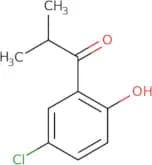
CAS:<p>Versatile small molecule scaffold</p>Fórmula:C9H12BrNPureza:Min. 95%Peso molecular:214.1 g/mol1-(5-Chloro-2-hydroxyphenyl)-2-methylpropan-1-one
CAS:<p>Versatile small molecule scaffold</p>Fórmula:C10H11ClO2Pureza:Min. 95%Peso molecular:198.64 g/mol2-(Piperidin-4-yl)ethanol hydrochloride
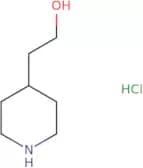
CAS:<p>Versatile small molecule scaffold</p>Fórmula:C7H16ClNOPureza:Min. 95%Peso molecular:165.66 g/mol4-(4,5-Dihydro-1H-imidazol-2-yl)piperidine dihydrochloride
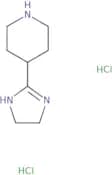
CAS:<p>Versatile small molecule scaffold</p>Fórmula:C8H17Cl2N3Pureza:Min. 95%Peso molecular:226.14 g/mol4-[3-(1H-Imidazol-1-yl)propyl]piperidine
CAS:<p>Versatile small molecule scaffold</p>Fórmula:C11H19N3Pureza:Min. 95%Peso molecular:193.29 g/mol4-[(1H-Imidazol-2-yl)methyl]piperidine dihydrochloride
CAS:<p>Versatile small molecule scaffold</p>Fórmula:C9H17Cl2N3Pureza:Min. 95%Peso molecular:238.15 g/mol4-[(3-Methylphenyl)methyl]morpholine
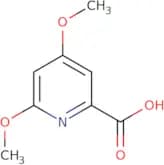
CAS:<p>Versatile small molecule scaffold</p>Fórmula:C12H17NOPureza:Min. 95%Peso molecular:191.27 g/mol4,6-Dimethoxypicolinic acid
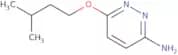
CAS:<p>Versatile small molecule scaffold</p>Fórmula:C8H9NO4Pureza:Min. 95%Peso molecular:183.16 g/mol6-(3-Methylbutoxy)pyridazin-3-amine
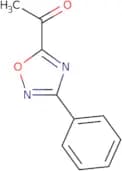
CAS:<p>Versatile small molecule scaffold</p>Fórmula:C9H15N3OPureza:Min. 95%Peso molecular:181.23 g/mol1-(3-Phenyl-1,2,4-oxadiazol-5-yl)ethan-1-one
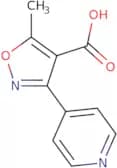
CAS:<p>Versatile small molecule scaffold</p>Fórmula:C10H8N2O2Pureza:Min. 95%Peso molecular:188.18 g/mol5-Methyl-3-pyridin-4-yl-isoxazole-4-carboxylic acid
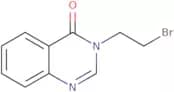
CAS:<p>Versatile small molecule scaffold</p>Fórmula:C10H8N2O3Pureza:Min. 95%Peso molecular:204.19 g/mol3-(2-Bromoethyl)-3,4-dihydroquinazolin-4-one
CAS:<p>3-(2-Bromoethyl)-3,4-dihydroquinazolin-4-one is a synthetic compound with a polycyclic structure. It is soluble in methanol and water and has an abnormal smell. The melting point of this compound is not available.</p>Fórmula:C10H9BrN2OPureza:Min. 95%Peso molecular:253.09 g/mol2-Chloro-N-[4-(cyanomethyl)phenyl]acetamide
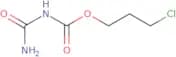
CAS:<p>Versatile small molecule scaffold</p>Fórmula:C10H9ClN2OPureza:Min. 95%Peso molecular:208.64 g/mol3-Chloropropyl N-carbamoylcarbamate
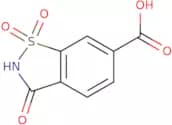
CAS:<p>Versatile small molecule scaffold</p>Fórmula:C5H9ClN2O3Pureza:Min. 95%Peso molecular:180.59 g/mol1,1,3-Trioxo-2,3-dihydro-1,2-benzothiazole-6-carboxylic acid
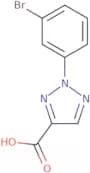
CAS:<p>Versatile small molecule scaffold</p>Fórmula:C8H5NO5SPureza:Min. 95%Peso molecular:227.19 g/mol2-(3-Bromophenyl)-2H-1,2,3-triazole-4-carboxylic acid
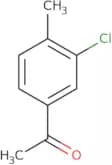
CAS:<p>Versatile small molecule scaffold</p>Fórmula:C9H6BrN3O2Pureza:Min. 95%Peso molecular:268.07 g/mol3-Chloro-4-methylacetophenone
CAS:<p>3-Chloro-4-methylacetophenone is an acetophenone with a molecular weight of 149.3 g/mol and a melting point of -98°C. It has an acyl group with the molecular weight of 126.2 g/mol. 3-Chloro-4-methylacetophenone is soluble in ethanol, ether, benzene, chloroform, carbon tetrachloride and ethyl acetate. 3-Chloro-4-methylacetophenone is used as a solvent for cellulose nitrate, phenolic compounds and resins.</p>Fórmula:C9H9ClOPureza:Min. 95%Peso molecular:168.62 g/mol2-Chloro-N-[1-(3,4-dichlorophenyl)ethyl]acetamide
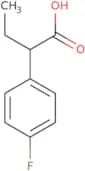
CAS:<p>Versatile small molecule scaffold</p>Fórmula:C10H10Cl3NOPureza:Min. 95%Peso molecular:266.5 g/mol2-(4-Fluorophenyl)butanoic acid
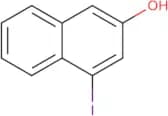
CAS:<p>Versatile small molecule scaffold</p>Fórmula:C10H11FO2Pureza:Min. 95%Peso molecular:182.19 g/mol4-Iodonaphthalen-2-ol
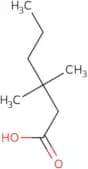
CAS:<p>Versatile small molecule scaffold</p>Fórmula:C10H7IOPureza:Min. 95%Peso molecular:270.07 g/mol3,3-Dimethylhexanoic acid
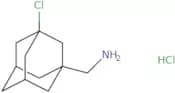
CAS:<p>3,3-Dimethylhexanoic acid is a stereoselective drug that is prescribed for the treatment of migraines and epileptic seizures. It has been shown to be effective against both the ipsilateral and contralateral sides of the brain. 3,3-Dimethylhexanoic acid is a racemic mixture with two stereoisomers: 1R,2S and 1S,2R. The compound has been shown to have anti-psychotic properties as well as epileptic effects. 3,3-Dimethylhexanoic acid binds to receptors in the brain that bind glutamate or GABA molecules. This binding inhibits the release of glutamate in nerve cells and increases the activity of GABA neurons in the brain. This results in a decrease in seizure frequency as well as an improvement in mood disorders such as depression and anxiety.</p>Fórmula:C8H16O2Pureza:Min. 95%Peso molecular:144.21 g/mol(3-Chloroadamantan-1-yl)methanamine hydrochloride
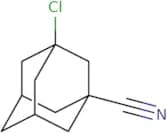
CAS:<p>Versatile small molecule scaffold</p>Fórmula:C11H19Cl2NPureza:Min. 95%Peso molecular:236.18 g/mol3-Chloroadamantane-1-carbonitrile
CAS:<p>3-Chloroadamantane-1-carbonitrile is a derivative of acetonitrile. It can be used as a catalyst in the production of carboxylic acids and their derivatives, including esters and amides. 3-Chloroadamantane-1-carbonitrile reacts with a wide range of carboxylic acids to produce the corresponding carbonitriles. These reactions are catalyzed by metal salts such as molybdenum, tetrachloride, vanadium, or carbon tetrachloride. The product can then undergo hydrolysis to form the corresponding carboxylic acid.</p>Fórmula:C11H14ClNPureza:Min. 95%Peso molecular:195.69 g/mol4-(Methylsulfanyl)-2-(4-oxo-2-sulfanylidene-1,3-thiazolidin-3-yl)butanoic acid
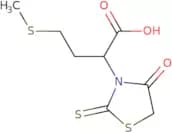
CAS:<p>Versatile small molecule scaffold</p>Fórmula:C8H11NO3S3Pureza:Min. 95%Peso molecular:265.4 g/mol4-(Carboxymethoxy)benzoic acid methyl ester
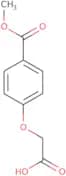
CAS:<p>Versatile small molecule scaffold</p>Fórmula:C10H10O5Pureza:Min. 95%Peso molecular:210.18 g/mol{[(4-Chlorobutan-2-yl)oxy]methyl}benzene
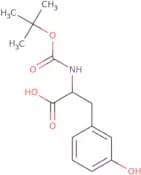
CAS:<p>Versatile small molecule scaffold</p>Fórmula:C11H15ClOPureza:Min. 95%Peso molecular:198.69 g/molN-Boc-3-hydroxy-D-phenylalanine
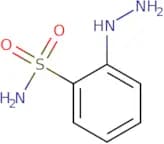
CAS:<p>Versatile small molecule scaffold</p>Fórmula:C14H19NO5Pureza:Min. 95%Peso molecular:281.3 g/mol2-Hydrazinylbenzene-1-sulfonamide
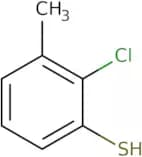
CAS:<p>Versatile small molecule scaffold</p>Fórmula:C6H9N3O2SPureza:Min. 95%Peso molecular:187.22 g/mol2-Chloro-3-methylbenzenethiol
CAS:<p>Versatile small molecule scaffold</p>Fórmula:C7H7ClSPureza:Min. 95%Peso molecular:158.65 g/mol2-Methylimidazo[1,2-a]pyrimidine-3-carboxylic acid
CAS:<p>Versatile small molecule scaffold</p>Fórmula:C8H7N3O2Pureza:Min. 95%Peso molecular:177.16 g/mol2-(3-Chlorophenyl)-2H-1,2,3-triazole-4-carboxylic acid
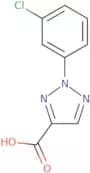
CAS:<p>Versatile small molecule scaffold</p>Fórmula:C9H6ClN3O2Pureza:Min. 95%Peso molecular:223.61 g/mol


![6-Methyl-2H-benzo[e][1,2,4]thiadiazin-3(4H)-one 1,1-dioxide](/_next/image/?url=https%3A%2Fstatic.cymitquimica.com%2Fproducts%2F3D%2Fthumb-webp%2FQDA37046.webp&w=3840&q=75)
![Methyl 2-[(1-methoxy-1-oxopropan-2-yl)sulfanyl]propanoate](/_next/image/?url=https%3A%2Fstatic.cymitquimica.com%2Fproducts%2F3D%2Fthumb-webp%2FQDA37117.webp&w=3840&q=75)
amine hydrochloride](/_next/image/?url=https%3A%2Fstatic.cymitquimica.com%2Fproducts%2F3D%2Fthumb-webp%2FQDA38920.webp&w=3840&q=75)
amine hydrochloride](/_next/image/?url=https%3A%2Fstatic.cymitquimica.com%2Fproducts%2F3D%2Fthumb-webp%2FQDA38952.webp&w=3840&q=75)


![3-[(Butylamino)methyl]benzonitrile](/_next/image/?url=https%3A%2Fstatic.cymitquimica.com%2Fproducts%2F3D%2Fthumb-webp%2FQDA39000.webp&w=3840&q=75)
amine](/_next/image/?url=https%3A%2Fstatic.cymitquimica.com%2Fproducts%2F3D%2Fthumb-webp%2FQDA39028.webp&w=3840&q=75)


![N,N-Dimethyl-1-[(5-oxo-5,6,7,8-tetrahydronaphthalen-2-yl)sulfanyl]formamide](/_next/image/?url=https%3A%2Fstatic.cymitquimica.com%2Fproducts%2F3D%2Fthumb-webp%2FQDA40189.webp&w=3840&q=75)
![7-chloro-benzo[b]thiophene](/_next/image/?url=https%3A%2Fstatic.cymitquimica.com%2Fproducts%2F3D%2Fthumb-webp%2FQDA40714.webp&w=3840&q=75)




![2-Methyl-2-[(propan-2-yl)amino]propan-1-ol](/_next/image/?url=https%3A%2Fstatic.cymitquimica.com%2Fproducts%2F3D%2Fthumb-webp%2FQDA43444.webp&w=3840&q=75)


![rac-(1R,2R)-2-[(tert-Butyldimethylsilyl)oxy]cyclohexane-1-carbaldehyde](/_next/image/?url=https%3A%2Fstatic.cymitquimica.com%2Fproducts%2F3D%2Fthumb-webp%2FQDA46060.webp&w=3840&q=75)
![1-[(tert-Butoxy)carbonyl]-1,2,3,6-tetrahydropyridine-2-carboxylic acid](/_next/image/?url=https%3A%2Fstatic.cymitquimica.com%2Fproducts%2F3D%2Fthumb-webp%2FQDA47144.webp&w=3840&q=75)


![Ethyl 2-oxabicyclo[3.1.0]hexane-6-carboxylate](/_next/image/?url=https%3A%2Fstatic.cymitquimica.com%2Fproducts%2F3D%2Fthumb-webp%2FQDA48242.webp&w=3840&q=75)
![3-Azabicyclo[3.3.1]nonan-9-ol](/_next/image/?url=https%3A%2Fstatic.cymitquimica.com%2Fproducts%2F3D%2Fthumb-webp%2FQDA48313.webp&w=3840&q=75)
amine](/_next/image/?url=https%3A%2Fstatic.cymitquimica.com%2Fproducts%2F3D%2Fthumb-webp%2FQDA55343.webp&w=3840&q=75)
![2-[(4-Methanesulfonyl-2-nitrophenyl)amino]acetic acid](/_next/image/?url=https%3A%2Fstatic.cymitquimica.com%2Fproducts%2F3D%2Fthumb-webp%2FQDA55840.webp&w=3840&q=75)
![N-[(4-Bromophenyl)methyl]acetamide](/_next/image/?url=https%3A%2Fstatic.cymitquimica.com%2Fproducts%2F3D%2Fthumb-webp%2FQDA56176.webp&w=3840&q=75)
![N-[2-(Chloromethyl)phenyl]acetamide](/_next/image/?url=https%3A%2Fstatic.cymitquimica.com%2Fproducts%2F3D%2Fthumb-webp%2FQDA56237.webp&w=3840&q=75)
![2-{[(4-Chlorophenyl)methyl]amino}acetic acid hydrochloride](/_next/image/?url=https%3A%2Fstatic.cymitquimica.com%2Fproducts%2F3D%2Fthumb-webp%2FQDA56254.webp&w=3840&q=75)




![1-[4-(Aminomethyl)phenyl]ethan-1-amine](/_next/image/?url=https%3A%2Fstatic.cymitquimica.com%2Fproducts%2F3D%2Fthumb-webp%2FQDA56531.webp&w=3840&q=75)

![6,6-Dimethyl-1,3-diazaspiro[4.4]nonane-2,4-dione](/_next/image/?url=https%3A%2Fstatic.cymitquimica.com%2Fproducts%2F3D%2Fthumb-webp%2FQDA56574.webp&w=3840&q=75)

![5-Oxobicyclo[2.2.1]heptane-2,3-dicarboxylic acid](/_next/image/?url=https%3A%2Fstatic.cymitquimica.com%2Fproducts%2F3D%2Fthumb-webp%2FQDA58232.webp&w=3840&q=75)
![8-Oxa-2-azaspiro[4.5]decane-1,3-dione](/_next/image/?url=https%3A%2Fstatic.cymitquimica.com%2Fproducts%2F3D%2Fthumb-webp%2FQDA60723.webp&w=3840&q=75)
![3-[(Methylsulfanyl)methyl]aniline](/_next/image/?url=https%3A%2Fstatic.cymitquimica.com%2Fproducts%2F3D%2Fthumb-webp%2FQDA60733.webp&w=3840&q=75)
![3-Azabicyclo[4.3.1]decan-4-one](/_next/image/?url=https%3A%2Fstatic.cymitquimica.com%2Fproducts%2F3D%2Fthumb-webp%2FQDA60789.webp&w=3840&q=75)
![8-Methyl-8-azabicyclo[3.2.1]octane-3-carboxylic acid hydrochloride](/_next/image/?url=https%3A%2Fstatic.cymitquimica.com%2Fproducts%2F3D%2Fthumb-webp%2FQDA60878.webp&w=3840&q=75)
![(2,3-Dihydro-benzo[1,4]dioxin-6-yl)-methyl-aminehydrochloride](/_next/image/?url=https%3A%2Fstatic.cymitquimica.com%2Fproducts%2F3D%2Fthumb-webp%2FQDA60993.webp&w=3840&q=75)

![8,8-Dimethyl-2-oxabicyclo[4.2.0]octan-7-one](/_next/image/?url=https%3A%2Fstatic.cymitquimica.com%2Fproducts%2F3D%2Fthumb-webp%2FQDA61194.webp&w=3840&q=75)

![7-Oxaspiro[3.5]nonane-2-carboxylic acid](/_next/image/?url=https%3A%2Fstatic.cymitquimica.com%2Fproducts%2F3D%2Fthumb-webp%2FQDA61260.webp&w=3840&q=75)
![(2-[(6-Chloropyridazin-3-yl)oxy]ethyl)dimethylamine](/_next/image/?url=https%3A%2Fstatic.cymitquimica.com%2Fproducts%2F3D%2Fthumb-webp%2FQDA64147.webp&w=3840&q=75)
![Tricyclo[3.2.1.0,2,4]octan-3-amine](/_next/image/?url=https%3A%2Fstatic.cymitquimica.com%2Fproducts%2F3D%2Fthumb-webp%2FQDA64211.webp&w=3840&q=75)

![8,8-Dimethyl-2-oxabicyclo[4.2.0]octan-7-ol](/_next/image/?url=https%3A%2Fstatic.cymitquimica.com%2Fproducts%2F3D%2Fthumb-webp%2FQDA64673.webp&w=3840&q=75)
![4-[(Ethylsulfanyl)methyl]aniline](/_next/image/?url=https%3A%2Fstatic.cymitquimica.com%2Fproducts%2F3D%2Fthumb-webp%2FQDA64806.webp&w=3840&q=75)


![1-[(tert-Butyldimethylsilyl)oxy]cyclopropane-1-carbaldehyde](/_next/image/?url=https%3A%2Fstatic.cymitquimica.com%2Fproducts%2F3D%2Fthumb-webp%2FQDA66009.webp&w=3840&q=75)

![6,7-Dihydro-5h-cyclopenta[b]pyridin-7-yl acetate](/_next/image/?url=https%3A%2Fstatic.cymitquimica.com%2Fproducts%2F3D%2Fthumb-webp%2FQDA68559.webp&w=3840&q=75)
![5-Chloro-7-methoxythieno[3,2-b]pyridine](/_next/image/?url=https%3A%2Fstatic.cymitquimica.com%2Fproducts%2F3D%2Fthumb-webp%2FQDA69091.webp&w=3840&q=75)
![7-Chlorothieno[3,2-b]pyridine-6-carboxylic Acid](/_next/image/?url=https%3A%2Fstatic.cymitquimica.com%2Fproducts%2F3D%2Fthumb-webp%2FQDA69094.webp&w=3840&q=75)
![Methyl 5,7-dihydroxythieno[3,2-b]pyridine-6-carboxylate](/_next/image/?url=https%3A%2Fstatic.cymitquimica.com%2Fproducts%2F3D%2Fthumb-webp%2FQDA69113.webp&w=3840&q=75)

![N-[(Allyloxy)carbonyl]glycine](/_next/image/?url=https%3A%2Fstatic.cymitquimica.com%2Fproducts%2F3D%2Fthumb-webp%2FQDA71156.webp&w=3840&q=75)
amine](/_next/image/?url=https%3A%2Fstatic.cymitquimica.com%2Fproducts%2F3D%2Fthumb-webp%2FQDA72312.webp&w=3840&q=75)
![4-[3-(1H-Imidazol-1-yl)propyl]piperidine](/_next/image/?url=https%3A%2Fstatic.cymitquimica.com%2Fproducts%2F3D%2Fthumb-webp%2FQDA74759.webp&w=3840&q=75)
![4-[(1H-Imidazol-2-yl)methyl]piperidine dihydrochloride](/_next/image/?url=https%3A%2Fstatic.cymitquimica.com%2Fproducts%2F3D%2Fthumb-webp%2FQDA74764.webp&w=3840&q=75)
![4-[(3-Methylphenyl)methyl]morpholine](/_next/image/?url=https%3A%2Fstatic.cymitquimica.com%2Fproducts%2F3D%2Fthumb-webp%2FQDA75464.webp&w=3840&q=75)
![2-Chloro-N-[4-(cyanomethyl)phenyl]acetamide](/_next/image/?url=https%3A%2Fstatic.cymitquimica.com%2Fproducts%2F3D%2Fthumb-webp%2FQDA77287.webp&w=3840&q=75)
![2-Chloro-N-[1-(3,4-dichlorophenyl)ethyl]acetamide](/_next/image/?url=https%3A%2Fstatic.cymitquimica.com%2Fproducts%2F3D%2Fthumb-webp%2FQDA79396.webp&w=3840&q=75)
![{[(4-Chlorobutan-2-yl)oxy]methyl}benzene](/_next/image/?url=https%3A%2Fstatic.cymitquimica.com%2Fproducts%2F3D%2Fthumb-webp%2FQDA81269.webp&w=3840&q=75)
![2-Methylimidazo[1,2-a]pyrimidine-3-carboxylic acid](/_next/image/?url=https%3A%2Fstatic.cymitquimica.com%2Fproducts%2F3D%2Fthumb-webp%2FQDA83011.webp&w=3840&q=75)