Building Blocks
Subcategorías de "Building Blocks"
- Ácidos borónicos y derivados del ácido borónico(5.778 productos)
- Building Blocks quirales(1.243 productos)
- Building Blocks de hidrocarburos(6.098 productos)
- Building Blocks orgánicos(61.038 productos)
Se han encontrado 205191 productos de "Building Blocks"
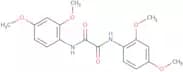
N,N'-Bis(2,4-dimethoxyphenyl)ethanediamide
CAS:Versatile small molecule scaffold
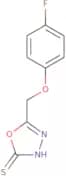
Fórmula:C18H20N2O6Pureza:Min. 95%Peso molecular:360.4 g/mol5-(4-Fluorophenoxymethyl)-1,3,4-oxadiazole-2-thiol
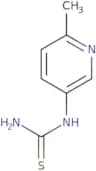
CAS:Versatile small molecule scaffoldFórmula:C9H7FN2O2SPureza:Min. 95%Peso molecular:226.23 g/mol(6-Methylpyridin-3-yl)thiourea
CAS:Versatile small molecule scaffold
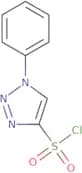
Fórmula:C7H9N3SPureza:Min. 95%Peso molecular:167.23 g/mol1-Phenyl-1H-1,2,3-triazole-4-sulfonyl chloride
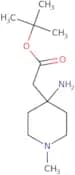
CAS:Versatile small molecule scaffoldFórmula:C8H6ClN3O2SPureza:Min. 95%Peso molecular:243.67 g/moltert-Butyl 2-(4-amino-1-methylpiperidin-4-yl)acetate
CAS:Versatile small molecule scaffold
Fórmula:C12H24N2O2Pureza:Min. 95%Peso molecular:228.33 g/molRef: 3D-VAD15400
Producto descatalogadoN-Cyclopropyl-4-sulfamoylbenzamide
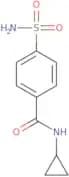
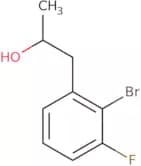
CAS:N-Cyclopropyl-4-sulfamoylbenzamide is a sulfonamide antibiotic that inhibits the growth of bacteria by blocking the synthesis of folic acid. It has been shown to be effective against Escherichia coli, Salmonella enterica, and Staphylococcus aureus. N-Cyclopropyl-4-sulfamoylbenzamide is metabolized in the liver by cytochrome P450 enzymes and excreted in the urine. The rate of metabolism is determined by mutant enzyme activity. This drug has been shown to inhibit detoxification enzymes such as Triticum aestivum desmethylase and acetolactate synthase, which may be responsible for its toxic effects on plants.Fórmula:C10H12N2O3SPureza:Min. 95%Peso molecular:240.28 g/mol1-(2-Bromo-3-fluorophenyl)propan-2-ol
CAS:Versatile small molecule scaffoldFórmula:C9H10BrFOPureza:Min. 95%Peso molecular:233.08 g/molRef: 3D-UFC04202
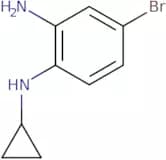
Producto descatalogado4-Bromo-1-N-cyclopropylbenzene-1,2-diamine
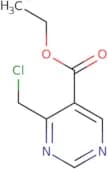
CAS:Versatile small molecule scaffoldFórmula:C9H11BrN2Pureza:Min. 95%Peso molecular:227.1 g/molEthyl 4-(chloromethyl)pyrimidine-5-carboxylate
CAS:Versatile small molecule scaffoldFórmula:C8H9ClN2O2Pureza:Min. 95%Peso molecular:200.62 g/mol(1S)-1-(Oxan-4-yl)ethan-1-ol
CAS:Versatile small molecule scaffold
Fórmula:C7H14O2Pureza:Min. 95%Peso molecular:130.18 g/molRef: 3D-SMC98537
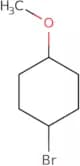
Producto descatalogado1-Bromo-4-methoxycyclohexane
CAS:Versatile small molecule scaffold
Fórmula:C7H13BrOPureza:Min. 95%Peso molecular:193.08 g/molMethyl[(3-propyl-1,2-oxazol-5-yl)methyl]amine
CAS:Versatile small molecule scaffold
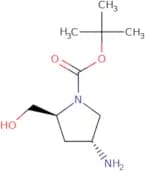
Fórmula:C8H14N2OPureza:Min. 95%Peso molecular:154.21 g/mol(2S,4R)-1-Boc-2-Hydroxymethyl-4-aminopyrrolidinehydrochloride
CAS:Versatile small molecule scaffold
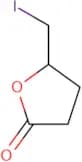
Fórmula:C10H21ClN2O3Pureza:Min. 95%Peso molecular:252.74 g/mol5-(Iodomethyl)oxolan-2-one
CAS:Versatile small molecule scaffold
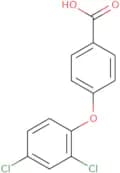
Fórmula:C5H7IO2Pureza:Min. 95%Peso molecular:226.01 g/mol4-(2,4-Dichlorophenoxy)benzoic acid
CAS:Versatile small molecule scaffold
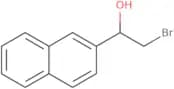
Fórmula:C13H8Cl2O3Pureza:Min. 95%Peso molecular:283.1 g/mol2-Bromo-1-(naphthalen-2-yl)ethan-1-ol
CAS:Versatile small molecule scaffold
Fórmula:C12H11BrOPureza:Min. 95%Peso molecular:251.12 g/mol5-bromo-4-chloro-7-methyl-7H-pyrrolo[2,3-d]pyrimidine
CAS:Versatile small molecule scaffold
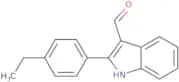
Fórmula:C7H5BrClN3Pureza:Min. 95%Peso molecular:246.5 g/mol2-(4-Ethylphenyl)-1H-indole-3-carbaldehyde
CAS:Versatile small molecule scaffoldFórmula:C17H15NOPureza:Min. 95%Peso molecular:249.31 g/mol6-(4-{[(9H-Fluoren-9-yl)methoxy]carbonyl}piperazin-1-yl)pyridazine-3-carboxylic acid
CAS:Versatile small molecule scaffold
Fórmula:C24H22N4O4Pureza:Min. 95%Peso molecular:430.5 g/molRef: 3D-QID29084
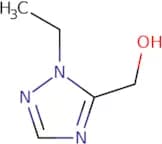
Producto descatalogado(1-Ethyl-1H-1,2,4-triazol-5-yl)methanol
CAS:Versatile small molecule scaffold
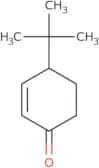
Fórmula:C5H9N3OPureza:Min. 95%Peso molecular:127.14 g/mol4-tert-Butylcyclohex-2-en-1-one
CAS:Versatile small molecule scaffold
Fórmula:C10H16OPureza:Min. 95%Peso molecular:152.23 g/molRef: 3D-AAA93707
Producto descatalogadoN'-(3-Hydroxyphenyl)-N,N-dimethylsulfamide
CAS:Versatile small molecule scaffold
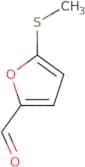
Fórmula:C8H12N2O3SPureza:Min. 95%Peso molecular:216.26 g/mol5-(Methylsulfanyl)furan-2-carbaldehyde
CAS:Versatile small molecule scaffold
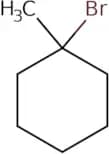
Fórmula:C6H6O2SPureza:Min. 95%Peso molecular:142.18 g/mol1-Bromo-1-methylcyclohexane
CAS:1-Bromo-1-methylcyclohexane is a monomolecular gas that is used as an intermediate in organic synthesis. It reacts with halides to form cyclopentyl derivatives. This reaction has been shown to be faster than the corresponding reaction of 1-bromocyclohexane with chlorides or bromides. The rate of this reaction may be due to the polarizability and conformational changes of the molecule upon substitution by a methyl group. 1-Bromo-1-methylcyclohexane is also an ionizing reagent, which means it can cause electrophilic reactions to occur on other molecules. It has been found that the solvent effect on this product can affect its reactivity, with solvents such as water having more of an effect than solvents such as benzene. 1-Bromo-1-methylcyclohexane has been shown to interact with other compounds in both transfer and complex
Fórmula:C7H13BrPureza:Min. 95%Peso molecular:177.08 g/mol1,3-Dimethyl-1H-thieno[2,3-c]pyrazole hydrochloride
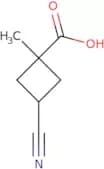
CAS:Versatile small molecule scaffoldFórmula:C7H9ClN2SPureza:Min. 95%Peso molecular:188.68 g/mol3-Cyano-1-methylcyclobutane-1-carboxylic acid
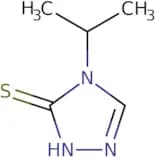
CAS:Versatile small molecule scaffoldFórmula:C7H9NO2Pureza:Min. 95%Peso molecular:139.15 g/mol4-(Propan-2-yl)-4H-1,2,4-triazole-3-thiol
CAS:Versatile small molecule scaffoldFórmula:C5H9N3SPureza:Min. 95%Peso molecular:143.21 g/mol2-Methylsulfonylthiophene
CAS:2-Methylsulfonylthiophene is a modulating agent that can inhibit the activity of carbonic anhydrase, adenosine receptors and 5-membered heteroaryl. It has been shown to have affinity for CB1 receptor antagonists and is used to treat cardiovascular diseases. 2-Methylsulfonylthiophene also inhibits the enzymatic activity of anhydrase in the eye, which leads to suppression of intraocular pressure (IOP). The drug also has anti-glaucoma effects by reducing the production of aqueous humour. 2-Methylsulfonylthiophene is used as a dyestuff intermediate and as an organic solvent.
Fórmula:C5H6O2S2Pureza:Min. 95%Peso molecular:162.23 g/molCyclopropyl(3,4-dimethylphenyl)methanone
CAS:Cyclopropyl(3,4-dimethylphenyl)methanone (CPM) is a synthetic cannabinoid that has been shown to have similar effects to the natural cannabinoids found in cannabis. CPM binds to and activates the CB2 receptor, which is found on cells of the immune system, brain, and other organs. It has been studied for its ability to reduce glioma tumor growth in mice by inhibiting glutamate release. The molecular modeling study showed that CPM binds to the receptor with a geometry similar to other CB2 agonists like JWH-133. In addition, CPM inhibits locomotor activity in rats and has been shown to produce some symptoms of anxiety in mice. A receptor knockout study with mice showed that CPM can bind to CB2 receptors without activating them. X-ray diffraction data indicated that CPM is an achiral molecule with an idealized molecular geometry of "s".
Fórmula:C12H14OPureza:Min. 95%Peso molecular:174.24 g/mol1,9,10,11,12,12-Hexachloro-5-oxatetracyclo[7.2.1.0²,⁸.0⁴,⁶]dodec-10-ene-3,7-dione
CAS:Versatile small molecule scaffoldFórmula:C11H4Cl6O3Pureza:Min. 95%Peso molecular:396.9 g/molN-[3-(Dimethylamino)propyl]-2-hydroxybenzamide
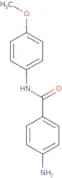
CAS:Versatile small molecule scaffoldFórmula:C12H18N2O2Pureza:Min. 95%Peso molecular:222.28 g/mol4-Amino-n-(4-methoxyphenyl)benzamide
CAS:4-Amino-N-(4-methoxyphenyl)benzamide is a catalytic sulfamate that has been optimized for use in the synthesis of benzimidazole derivatives. 4-Amino-N-(4-methoxyphenyl)benzamide is used as a reagent for the preparation of aldehydes from sulfamic acid and various types of carboxylic acids. The reaction mechanism involves nucleophilic attack by the hydroxyl group from the sulfamate on the carbonyl carbon atom to form an intermediate, which then reacts with water to release hydrogen sulfate and form a new double bond.
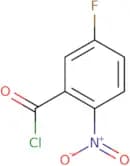
Fórmula:C14H14N2O2Pureza:Min. 95%Peso molecular:242.27 g/mol5-Fluoro-2-nitrobenzoyl chloride
CAS:5-Fluoro-2-nitrobenzoyl chloride is a conformationally locked macrocyclic compound that has been synthesized by solid phase synthesis. It is found in two conformational states and can be made to switch between these two states by applying a force to the molecule. This conformation can be controlled by changing the side chain of 5-fluoro-2-nitrobenzoyl chloride, which can be done experimentally. The conformational behavior of this macrocycle was studied using molecular dynamics simulations and it was found that there are four possible conformations for the molecule. The conformations with different side chains were found to have different energies, which could be used as a measure of their relative stability.
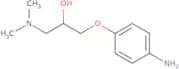
Fórmula:C7H3ClFNO3Pureza:Min. 95%Peso molecular:203.55 g/mol1-(4-Aminophenoxy)-3-(dimethylamino)propan-2-ol
CAS:Versatile small molecule scaffold
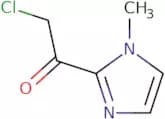
Fórmula:C11H18N2O2Pureza:Min. 95%Peso molecular:210.27 g/mol2-Chloro-1-(1-methyl-1H-imidazol-2-yl)ethan-1-one
CAS:Versatile small molecule scaffold
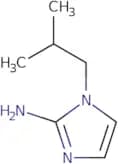
Fórmula:C6H7ClN2OPureza:Min. 95%Peso molecular:158.58 g/mol1-(2-Methylpropyl)-1H-imidazol-2-amine
CAS:Versatile small molecule scaffold
Fórmula:C7H13N3Pureza:Min. 95%Peso molecular:139.2 g/mol3-Hydroxy-5-methylpyridine
CAS:3-Hydroxy-5-methylpyridine (3HMP) is a chemical substance that has been classified as an amine. It is a product of the metabolism of purines, which are nitrogenous bases found in DNA and RNA. 3HMP is produced by aerogenic bacteria (such as Enterobacter), and can be used to estimate the number of these bacteria present in water samples. 3HMP has been shown to have antiviral properties against influenza virus, and can be used as a biomarker for the presence of other viruses in animals. 3HMP also has mineralization properties, which have been studied extensively, particularly with regards to pancreatic disease.
Fórmula:C6H7NOPureza:Min. 95%Forma y color:PowderPeso molecular:109.13 g/molRef: 3D-FH16174
Producto descatalogado4-Chloro-2-hydroxy-6-methylphenylboronic acid
CAS:Versatile small molecule scaffoldFórmula:C7H8BClO3Pureza:Min. 95%Peso molecular:186.4 g/mol2-Bromo-3,3,3-trifluoro-1-propene
CAS:Producto controlado2-Bromo-3,3,3-trifluoro-1-propene is a chemical compound that has been synthesized in an asymmetric reaction. The reactant is bromopropane and the product is 2,2,2-trifluoropropene. The methylene group on the propene molecule is activated by the nucleophilic attack of a fluoride ion from hydrogen fluoride to form a cavity with a highly strained bond. The kinetic study of this reaction revealed that the activation energy for the reaction is 42 kJ/mol. Palladium-catalyzed coupling reactions are catalyzed by palladium and require nonpolar solvents such as toluene or dichloromethane. This type of reaction has been shown to be exothermic with an isolated yield of 1%.
Fórmula:C3H2BrF3Pureza:Min. 95%Forma y color:Colorless PowderPeso molecular:174.95 g/mol4,5-Dihydroxy-2,3-Pentanedione
CAS:4,5-Dihydroxy-2,3-pentanedione is a carbonyl compound that is the product of the oxidation of ascorbic acid. It is used in wastewater treatment and has antimicrobial properties against infectious diseases. This compound has been shown to inhibit protein synthesis by binding to the ribosome and preventing the formation of peptide bonds between amino acids. 4,5-Dihydroxy-2,3-pentanedione has also been shown to bind to plasma proteins, which may be due to its acyl chain structure. 4,5-Dihydroxy-2,3-pentanedione can be synthesized in a catalytic mechanism that involves dehydroascorbic acid and molecular oxygen.
Fórmula:C5H8O4Pureza:Min. 95%Forma y color:PowderPeso molecular:132.11 g/molRef: 3D-FD180770
Producto descatalogadoPiperyline
CAS:Piperyline is an alkanoic acid that has shown to be effective against skin cancer. It also has antimicrobial properties, which may be due to its ability to bind metal ions and form polymeric compounds. Piperyline inhibits microbial growth by inhibiting the synthesis of proteins and nucleic acids. The antimicrobial activity is related to its cationic polymerization with hydroxyl groups, which forms a structure that can inhibit microbial enzymes and disrupt microbial cell membranes. This compound also interacts with the skin's natural lipids, making it difficult for microorganisms to attach and grow on the skin. Piperyline is synthesized in organic chemistry laboratories as an amide precursor of other pharmaceuticals such as penicillin.
Fórmula:C16H17NO3Pureza:Min. 95%Peso molecular:271.31 g/mol


![Methyl[(3-propyl-1,2-oxazol-5-yl)methyl]amine](/_next/image/?url=https%3A%2Fstatic.cymitquimica.com%2Fproducts%2F3D%2Fthumb-webp%2FSMB51964.webp&w=3840&q=75)
![5-bromo-4-chloro-7-methyl-7H-pyrrolo[2,3-d]pyrimidine](/_next/image/?url=https%3A%2Fstatic.cymitquimica.com%2Fproducts%2F3D%2Fthumb-webp%2FRAC34330.webp&w=3840&q=75)
![6-(4-{[(9H-Fluoren-9-yl)methoxy]carbonyl}piperazin-1-yl)pyridazine-3-carboxylic acid](/_next/image/?url=https%3A%2Fstatic.cymitquimica.com%2Fproducts%2F3D%2Fthumb-webp%2FQID29084.webp&w=3840&q=75)

![1,3-Dimethyl-1H-thieno[2,3-c]pyrazole hydrochloride](/_next/image/?url=https%3A%2Fstatic.cymitquimica.com%2Fproducts%2F3D%2Fthumb-webp%2FNKD07503.webp&w=3840&q=75)


![1,9,10,11,12,12-Hexachloro-5-oxatetracyclo[7.2.1.0²,⁸.0⁴,⁶]dodec-10-ene-3,7-dione](/_next/image/?url=https%3A%2Fstatic.cymitquimica.com%2Fproducts%2F3D%2Fthumb-webp%2FNBA66780.webp&w=3840&q=75)
![N-[3-(Dimethylamino)propyl]-2-hydroxybenzamide](/_next/image/?url=https%3A%2Fstatic.cymitquimica.com%2Fproducts%2F3D%2Fthumb-webp%2FNBA39443.webp&w=3840&q=75)