Building Blocks
Esta sección contiene productos fundamentales para la síntesis de compuestos orgánicos y biológicos. Building blocks son los materiales de partida esenciales utilizados para construir moléculas complejas a través de diversas reacciones químicas. Desempeñan un papel crítico en el descubrimiento de fármacos, la ciencia de materiales y la investigación química. En CymitQuimica, ofrecemos una gama diversa de building blocks de alta calidad para apoyar sus investigaciones innovadoras y proyectos industriales, asegurando que tenga los componentes esenciales para una síntesis exitosa.
Subcategorías de "Building Blocks"
- Ácidos borónicos y derivados del ácido borónico(5.756 productos)
- Building Blocks quirales(1.242 productos)
- Building Blocks de hidrocarburos(6.095 productos)
- Building Blocks orgánicos(61.036 productos)
Se han encontrado 195887 productos de "Building Blocks"
Ordenar por
Pureza (%)
0
100
|
0
|
50
|
90
|
95
|
100
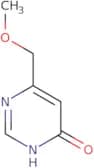
6-(Methoxymethyl)-4-pyrimidinol
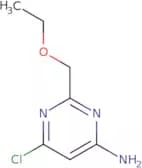
CAS:<p>Versatile small molecule scaffold</p>Fórmula:C6H8N2O2Pureza:Min. 95%Peso molecular:140.14 g/mol6-Chloro-2-(ethoxymethyl)pyrimidin-4-amine
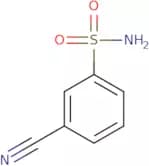
CAS:<p>Versatile small molecule scaffold</p>Fórmula:C7H10ClN3OPureza:Min. 95%Peso molecular:187.63 g/mol3-Cyanobenzenesulfonamide
CAS:<p>Versatile small molecule scaffold</p>Fórmula:C7H6N2O2SPureza:Min. 95%Peso molecular:182.2 g/mol9-Azatricyclo[6.2.2.0,2,7]dodeca-2,4,6-trien-10-one
CAS:<p>Versatile small molecule scaffold</p>Fórmula:C11H11NOPureza:Min. 95%Peso molecular:173.21 g/mola-methyl-1-naphthaleneacetic acid
CAS:<p>a-methyl-1-naphthaleneacetic acid is a metabolite of butyric acid that has been shown to have anticoagulant properties. It is also a precursor for the synthesis of naphthoic acid, which can be used to make coatings and inks. It is an anti-inflammatory agent that has been shown to inhibit inflammatory bowel disease and cancer. The mechanism of action is not known, but it may involve its ability to inhibit the synthesis of proinflammatory cytokines and tumor necrosis factor (TNF).</p>Fórmula:C13H12O2Pureza:Min. 95%Peso molecular:200.23 g/mol2-Phenoxy-2-phenylacetic acid
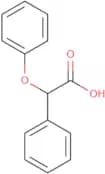
CAS:<p>2-Phenoxy-2-phenylacetic acid is an immunosuppressant, which has been shown to bind to the glucocorticoid receptor. It binds in a similar manner to other drugs that are used for the treatment of inflammatory bowel disease and congestive heart failure. 2-Phenoxy-2-phenylacetic acid also inhibits the activity of pparγ, which is a nuclear receptor that regulates lipid metabolism. This drug has been shown to have anti-inflammatory effects in mice by inhibiting lipopolysaccharide (LPS) induced inflammation. 2-Phenoxy-2-phenylacetic acid has also been shown to inhibit NFκB activation through inhibition of diazonium salt or diphenyl ether, both of which are electrophiles.</p>Fórmula:C14H12O3Pureza:Min. 95%Peso molecular:228.24 g/mol(1R)-1-Cyclohexylethan-1-ol
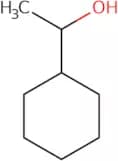
CAS:<p>Versatile small molecule scaffold</p>Fórmula:C8H16OPureza:Min. 95%Peso molecular:128.21 g/mol(1S)-1-Cyclohexylethan-1-ol
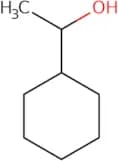
CAS:<p>Versatile small molecule scaffold</p>Fórmula:C8H16OPureza:Min. 95%Peso molecular:128.21 g/mol1-[3-(Trifluoromethyl)phenyl]prop-2-yn-1-ol
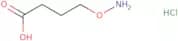
CAS:<p>Versatile small molecule scaffold</p>Fórmula:C10H7F3OPureza:Min. 95%Peso molecular:200.16 g/mol4-(Aminooxy)butanoic acid hydrochloride
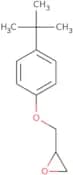
CAS:<p>Versatile small molecule scaffold</p>Fórmula:C4H10ClNO3Pureza:Min. 95%Peso molecular:155.58 g/mol4-tert-Butylphenyl Glycidyl Ether
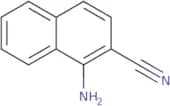
CAS:<p>4-tert-Butylphenyl Glycidyl Ether is a reactive chemical species that can react with human actin filaments. This chemical has been shown to bind to the surface of hamster V79 cells and mammalian cells, as well as electron microscopy studies. 4-tert-Butylphenyl Glycidyl Ether has been shown to cause allergic reactions in mice and has clinical relevance for humans. It binds to dopamine receptors in the brain, which may have effects on mood, appetite, sleep patterns, and other functions related to the central nervous system.</p>Fórmula:C13H18O2Pureza:Min. 95%Peso molecular:206.29 g/mol1-Amino-2-naphthonitrile
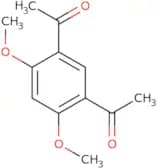
CAS:<p>1-Amino-2-naphthonitrile is a chemical compound that is used in the production of 4,4'-diaminodiphenyl ether. It is also a precursor to the synthesis of 1-aminoanthracene, which is an electrophile and has been shown to induce cancer in experimental animals. The skeleton of 1-amino-2-naphthonitrile contains a phenyl group and can be detected using x-ray crystallography. This compound also forms carbocations during reactions with carbon disulfide. Carbon disulfide reacts with 1-amino-2-naphthonitrile and yields methyl ketones. The methyl ketones are then reacted with ethylene glycol to yield 4,4'-diaminodiphenyl ether.</p>Fórmula:C7H5FN2SPureza:Min. 95%Peso molecular:168.19 g/mol1-(5-Acetyl-2,4-dimethoxyphenyl)ethan-1-one
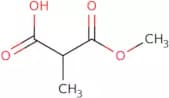
CAS:<p>Versatile small molecule scaffold</p>Fórmula:C12H14O4Pureza:Min. 95%Peso molecular:222.24 g/mol3-Methoxy-2-methyl-3-oxopropanoic acid
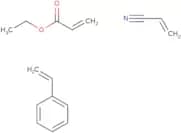
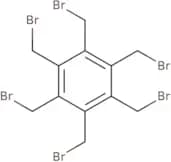
CAS:<p>Methoxy-2-methyl-3-oxopropanoic acid is a chemical compound that belongs to the class of phenoxy. It is used in the preparation of esters, amides, lactams, and other organic compounds. Methoxy-2-methyl-3-oxopropanoic acid can be prepared by reacting phosphorus pentachloride with an alcohol such as hydroxyethanol or octahydroethanol. The chloride ions can be removed by hydrolysis with a base such as potassium hydroxide or sodium hydroxide. This product is reactive towards acids and bases, but not towards halogens or oxidizing agents. It has been used to synthesize monoethylacrylate and diethyl ester from acrylonitrile and ethyl alcohol respectively.</p>Fórmula:C5H8O4Pureza:Min. 95%Peso molecular:132.11 g/molHexakis(bromomethyl)benzene
CAS:<p>Hexakis(bromomethyl)benzene (HBB) is a dendron with a large, stable, and rigid structure. It is a green-emitting material that can be used as an organic light-emitting diode (OLED) emitter. HBB is soluble in common organic solvents, such as benzene and chloroform, which makes it easy to synthesize and purify. HBB has luminescent properties that can be tuned by altering the size of the dendron or changing the substituent on the benzene ring. Hexakis(bromomethyl)benzene has been shown to interact with chloride ions and form a crystal lattice that exists in two different crystal systems: orthorhombic and monoclinic.</p>Fórmula:C12H12Br6Pureza:Min. 95%Peso molecular:635.65 g/mol3'-Amino-6'-hydroxy-3H-spiro[2-benzofuran-1,9'-xanthen]-3-one
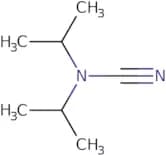
CAS:<p>Versatile small molecule scaffold</p>Fórmula:C20H13NO4Pureza:Min. 95%Peso molecular:331.3 g/molDiisopropylcyanamide
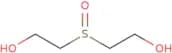
CAS:<p>Diisopropylcyanamide is a labile organic solvent that reacts with triazine and pyridine compounds to form cyanuric acid. It is used as a crystallization solvent in the synthesis of various ligands, including growth factors. The compound has been shown to be thermally stable, reacting at temperatures up to 200°C under vacuum conditions. Diisopropylcyanamide can be synthesized by reacting an amine with hydrogen cyanide. This reaction takes place in an organic solvent such as chloroform or dichloromethane and requires heating for 2 hours at 60°C.</p>Fórmula:C7H14N2Pureza:Min. 95%Peso molecular:126.2 g/mol2-(2-Hydroxyethanesulfinyl)ethan-1-ol
CAS:<p>2-Hydroxyethanesulfonic acid (2-HES) is a metabolite of 2-(2-hydroxyethanesulfinyl)ethan-1-ol (HESA), which is a natural compound found in urine. HESA is produced by the oxidation of various compounds, such as hydrochloric acid and monocarboxylic acid. This metabolite can be detected in urine samples during the diagnosis of bladder cancer. The presence of 2-HES can be confirmed using analytical chemistry techniques, such as liquid chromatography with chemical ionization mass spectrometry detection. !-- --></p>Fórmula:C4H10O3SPureza:Min. 95%Peso molecular:138.19 g/mol2-Chloro-N-[2-chloro-4-(cyanosulfanyl)phenyl]acetamide
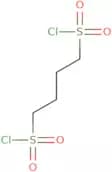
CAS:<p>Versatile small molecule scaffold</p>Fórmula:C9H6Cl2N2OSPureza:Min. 95%Peso molecular:261.13 g/molButane-1,4-disulfonyl dichloride
CAS:<p>Butane-1,4-disulfonyl dichloride is a positron-emitting radiopharmaceutical that can be used as a marker for positron emission tomography. It is a diamagnetic molecule with an effective nuclear magnetic resonance (NMR) chemical shift of 2.2 ppm and has a diameter of about 0.5 nm. Butane-1,4-disulfonyl dichloride can be synthesized by reacting pyridine with peroxide in the presence of divalent metal ions such as Cu(II), Ni(II), or Zn(II). This compound is used to label radiotracers such as 3H, 14C, 11C, 15O, 13N, 18F, and 76Br for imaging biological tissues. The radiolabeled compound binds to methyl groups on proteins and lipids within the tissue to form positron emitting molecules that permit detection by PET scan. Butane-1,4-dis</p>Fórmula:C4H8Cl2O4S2Pureza:Min. 95%Peso molecular:255.1 g/mol2-Amino-N-hydroxy-N-methylacetamide hydrochloride
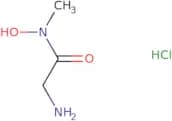
CAS:<p>Versatile small molecule scaffold</p>Fórmula:C3H9ClN2O2Pureza:Min. 95%Peso molecular:140.57 g/mol1-Nitro-2-propoxybenzene
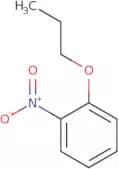
CAS:<p>Versatile small molecule scaffold</p>Fórmula:C9H11NO3Pureza:Min. 95%Peso molecular:181.19 g/mol1-Methanesulfinyloctane
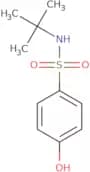
CAS:<p>Versatile small molecule scaffold</p>Fórmula:C9H20OSPureza:Min. 95%Peso molecular:176.3 g/molN-tert-Butyl-4-hydroxybenzene-1-sulfonamide
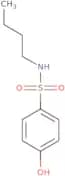
CAS:<p>Versatile small molecule scaffold</p>Fórmula:C10H15NO3SPureza:Min. 95%Peso molecular:229.3 g/molN-Butyl-4-hydroxybenzene-1-sulfonamide
CAS:<p>Versatile small molecule scaffold</p>Fórmula:C10H15NO3SPureza:Min. 95%Peso molecular:229.3 g/mol4-Hydroxy-N-(propan-2-yl)benzene-1-sulfonamide
CAS:<p>Versatile small molecule scaffold</p>Fórmula:C9H13NO3SPureza:Min. 95%Peso molecular:215.27 g/mol1H-Indole-5-sulfonamide
CAS:<p>1H-Indole-5-sulfonamide is a molecule that belongs to the class of orientations. It has been shown to have oxidase inhibitory activities and can be used for the treatment of neurodegenerative diseases. 1H-Indole-5-sulfonamide inhibits the activity of dopamine decarboxylase, which is an enzyme involved in the synthesis of dopamine from tyrosine. This inhibition prevents the production of catecholamines, thereby reducing their effects on neurotransmission. 1H-Indole-5-sulfonamide can also bind to amines and other molecules with a nucleophilic group. It is catabolized by enzymes such as propargylamine oxidase or cytochrome P450 reductase, which may lead to functional groups such as trifluoromethyl groups.</p>Fórmula:C8H8N2O2SPureza:Min. 95%Peso molecular:196.23 g/mol2,3-Dihydro-1H-indole-6-sulfonamide
CAS:<p>2,3-Dihydro-1H-indole-6-sulfonamide is a carboxylate antibiotic that has been shown to be active against a variety of bacteria including Staphylococcus and Streptococcus. The enzyme activity of the drug is related to the nature of the carboxylates. 2,3-Dihydro-1H-indole-6-sulfonamide has a unique chemical structure that includes both amines and piperidine, which may explain its inhibitory potency. The active site for this drug is in the indoline ring, which contains an oxygen atom with a double bond between carbons 1 and 2.</p>Fórmula:C8H10N2O2SPureza:Min. 95%Peso molecular:198.24 g/molN-(5-Acetamidopentyl)acetamide
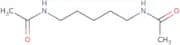
CAS:<p>5-Acetamidopentylacetamide (5AA) is a molecule that is used in the treatment of cancer. It inhibits the growth of tumor cells by causing cell death in the cytoplasm. 5AA has been shown to inhibit the production of tumor necrosis factor alpha, as well as protein kinase C and phospholipase A2, which are involved in tumor cell proliferation. This molecule also induces apoptosis and inhibits viral replication by preventing viral RNA transcription. 5AA is a potent inducer of gene expression in diploid lymphoblastoid cells, which may be due to its ability to stimulate uptake and metabolism of the drug. It has been shown that 5AA can be taken up by fibroblast cells in culture through passive diffusion or an active transport mechanism. This agent is metabolized into an organic solvent and excreted via trichloroacetic acid (TCA) or salivary routes. The use of 5AA has</p>Fórmula:C9H18N2O2Pureza:Min. 95%Peso molecular:186.25 g/molMethyl 2-methylidenepentanoate
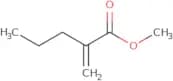
CAS:<p>Versatile small molecule scaffold</p>Fórmula:C7H12O2Pureza:Min. 95%Peso molecular:128.17 g/molSpiro[3.3]heptane-2,6-dicarboxylic acid
CAS:<p>Spiro[3.3]heptane-2,6-dicarboxylic acid is an isomeric form of glutamic acid that has a diastereomeric relationship with glutamic acid. It is used as a building block in organic synthesis, and it can be used to synthesize lactams, which are heterocyclic compounds that have the skeleton of a cyclic amide. Spiro[3.3]heptane-2,6-dicarboxylic acid also has an acidic nature and can be hydrolyzed under acidic conditions to produce hydrogen chloride gas. The molecule has been shown to undergo nucleophilic attack by chloride ions, forming a chloroformate ester intermediate. The stereochemistry of spiro[3.3]heptane-2,6-dicarboxylic acid is enantiopure because there are two chiral centers on the ring system.</p>Fórmula:C9H12O4Pureza:Min. 95%Peso molecular:184.19 g/mol2,3,4-Trimethyl-3-pentanol
CAS:<p>2,3,4-Trimethyl-3-pentanol is a monocarboxylic acid that has been shown to have functional groups including a proton and three methyl groups. The compound has been isolated from the strain CECT 4495 of clostridium. The 2,3,4-Trimethyl-3-pentanol molecule is connected by a carbon tetrachloride bond. It has been shown to enhance the flow rate of chromatographic separations with preparative separations using magnetic resonance spectroscopy. Monocarboxylic acids are found in nature and are used as solvents for oil and grease in industrial settings.</p>Fórmula:C8H18OPureza:Min. 95%Peso molecular:130.23 g/mol4-Methoxy-1,3-benzothiazole
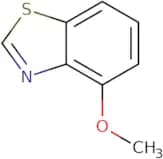
CAS:<p>4-Methoxy-1,3-benzothiazole is a chromophore that has been shown to inhibit the proliferation of cancer cells in vitro. It was also found to be a potential anticancer agent in vivo, but its mechanism of action has not yet been elucidated. 4-Methoxy-1,3-benzothiazole inhibits the production of pheomelanin and carotenoids by inhibiting tyrosine kinase activity. This leads to decreased production of melanin and carotenoids, which are responsible for the colouration of skin, hair and feathers. 4-Methoxy-1,3-benzothiazole is also mesomeric and can be used as an analog for other chromophores.</p>Fórmula:C8H7NOSPureza:Min. 95%Peso molecular:165.21 g/molo-Hydroxy-±,±-dimethylbenzyl Alcohol
CAS:<p>Versatile small molecule scaffold</p>Fórmula:C9H12O2Pureza:Min. 95%Peso molecular:152.19 g/mol2-Phenyl-1H-pyrrole
CAS:<p>2-Phenyl-1H-pyrrole is a fungicide that has been shown to have high resistance against resistance mutants. The redox potential of 2-phenyl-1H-pyrrole is -0.8 volts, which is higher than the redox potential of most fungicides. This compound can be used as an alternative to other current fungicides due to its ability to inhibit the growth of fungi and bacteria, such as Penicillium sp., Cephalosporium sp., and Bacillus subtilis. 2-Phenyl-1H-pyrrole has also been shown to inhibit the growth of wild type strains, heterocycles, and alkylsulfonyl groups. It reacts with phenylpyrrole when dissolved in a reaction solution.</p>Fórmula:C10H9NPureza:Min. 95%Peso molecular:143.19 g/mol4,5-dihydro-3H-1-benzoxepin-2-one
CAS:<p>4,5-Dihydro-3H-1-benzoxepin-2-one is a peroxide that is an intermediate in the synthesis of cyclohexanones. It can be obtained by treatment with trifluoroacetic acid or immobilized catalysts. The yields are between 60 and 70%. A cyclohexanone can be synthesized from 4,5-dihydro-3H-1-benzoxepin-2-one by epoxidation with polyphosphoric acid. This reaction also produces a carboxylic acid as a byproduct. The use of lipase as catalyst leads to production of higher yields of cyclohexanones and carboxylic acids.</p>Fórmula:C10H10O2Pureza:Min. 95%Peso molecular:162.18 g/mol3,3-Dichloroprop-2-en-1-ol
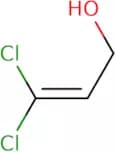
CAS:<p>Versatile small molecule scaffold</p>Fórmula:C3H4Cl2OPureza:Min. 95%Peso molecular:126.97 g/mol6-chloro-9-methyl-9H-purin-2-amine
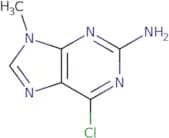
CAS:<p>6-chloro-9-methyl-9H-purin-2-amine is a cytostatic agent that is used in the synthesis of other compounds. It is prepared by the quaternization of 6-chloropurine with methylmagnesium chloride followed by amination with methyl iodide. Purinium chloride is then obtained by reacting chloroform with potassium hydrogen fluoride and hydrochloric acid. This product can be used as an intermediate in the synthesis of purines, x-rays, and iodides. 6-Chloro-9-[methyl(3,5,6 -trimethylphenyl)amino]purin-2 amine has been shown to have cytostatic activity against human lymphocytes in vitro.</p>Fórmula:C6H6ClN5Pureza:Min. 95%Peso molecular:183.6 g/mol5-Bromo-2-chlorothiazole
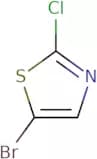
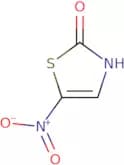
CAS:<p>5-Bromo-2-chlorothiazole is a dihalogenated aromatic heterocycle that has been synthesized from tetrachloromethane and lithium bromide. This molecule has been used as a reagent for the synthesis of other heterocycles and has also been shown to yield high yields in reactions with other compounds.</p>Fórmula:C3HBrClNSPureza:Min. 95%Peso molecular:198.47 g/mol5-Nitro-2,3-dihydro-1,3-thiazol-2-one
CAS:<p>Versatile small molecule scaffold</p>Fórmula:C3H2N2O3SPureza:Min. 95%Peso molecular:146.13 g/molBis(2-dimethylaminoethyl) Ether
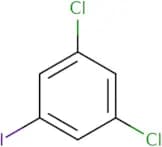
CAS:Producto controlado<p>Bis(2-dimethylaminoethyl) Ether is a growth factor that is used to grow cells in culture. It has been shown to stimulate the proliferation of cells by stimulating the release of amines, water vapor and ft-ir spectroscopy from the cell. The molecule also has a cavity that can be filled with hydrochloric acid and sodium carbonate, which generates hydrogen gas as a result of an exothermic reaction. This molecule is also able to form hydrogen bonding interactions with other molecules, such as ethylene diamine.</p>Fórmula:C8H20N2OPureza:Min. 95%Peso molecular:160.26 g/mol1,3-Dichloro-5-iodobenzene
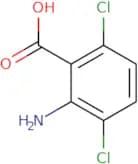
CAS:<p>1,3-Dichloro-5-iodobenzene is a synthetic chemical that belongs to the class of trifluoroacetic acid. It hydrolyzes in water to give hydrochloric acid, which is an irritant. 1,3-Dichloro-5-iodobenzene has been shown to inhibit the activity of cytochrome P450 enzymes. It has two isomers and can be used as a macrocyclic probe for nucleophilic attack on aromatic rings. The stereoselectivity of this compound is also selective for the less hindered side of the biphenyl ring.</p>Fórmula:C6H3Cl2IPureza:Min. 95%Peso molecular:272.89 g/mol2-Amino-3,6-dichlorobenzoic acid
CAS:<p>2-Amino-3,6-dichlorobenzoic acid is a synthetic compound that has been used as a pesticide and in the manufacture of dyes. It has also been used to synthesize other compounds such as amino acids, pharmaceuticals, and other organic molecules. The chemical structure of this substance is similar to the natural amino acids phenylalanine and tyrosine. 2-Amino-3,6-dichlorobenzoic acid is synthesized by reacting an amine with nitrous acid and chlorine gas in the presence of a solid catalyst. It can be crystallized from water or alcohol solutions. 2-Amino-3,6-dichlorobenzoic acid can be deformed by heat or light exposure or by oxidation.</p>Fórmula:C7H5Cl2NO2Pureza:Min. 95%Peso molecular:206.03 g/mol2-(2-Hydroxybenzylidene)hydrazinecarboxamide
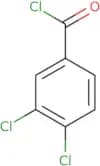
CAS:<p>2-(2-Hydroxybenzylidene)hydrazinecarboxamide is a molecule that has been shown to inhibit the growth of leukemia cells. It interacts with the hydroxyl group of the 2-position of hydrazinecarboxamide, forming an intermediate which reacts with oxygen in the presence of a catalytic amount of ferrous ions to form a peroxide. The peroxide reacts with nitrogen atoms on the leukemia cells to form reactive species that cause cell death. 2-(2-Hydroxybenzylidene)hydrazinecarboxamide has also been shown to have anti-cancer activity against HLA-A2+ human leukemia HL-60 cells at concentrations as low as 0.1 μM.</p>Fórmula:C8H9N3O2Pureza:Min. 95%Peso molecular:179.18 g/mol3,4-Dichlorobenzoyl Chloride
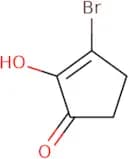
CAS:<p>3,4-Dichlorobenzoyl chloride is an organic compound that is used as a building block in the synthesis of other compounds. It reacts with amines to form benzamides. 3,4-Dichlorobenzoyl chloride is also used to synthesize 5-nitrosalicylic acid, which is used for the treatment of degenerative diseases. 3,4-Dichlorobenzoyl chloride has been shown to inhibit efflux pumps in bacteria and inflammatory diseases by interacting with ATP binding cassette transporters. This compound can also reversibly oxidize nitrogen atoms in an electron reduction reaction.</p>Fórmula:C7H3Cl3OPureza:Min. 95%Peso molecular:209.46 g/mol3-Bromo-2-hydroxycyclopent-2-en-1-one
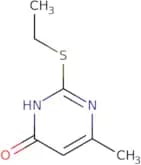
CAS:<p>3-Bromo-2-hydroxycyclopent-2-en-1-one is used as a cycloaddition and aldol reaction catalyst. It has been shown to produce the highest yields in both reactions, with excellent synlett yields of β-unsaturated aldehydes and cyclopentenones. 3-Bromo-2-hydroxycyclopent-2-en-1-one can be used for the synthesis of tetracyclic, dihydrofuran, and other compounds that contain functional groups. 3Bromo 2HCPE is also lithiated to produce an intermediate in the synthesis of pharmaceuticals.</p>Fórmula:C5H5BrO2Pureza:Min. 95%Peso molecular:177 g/mol2-Ethylsulfanyl-6-methyl-pyrimidin-4-ol
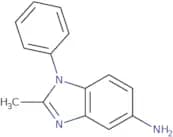
CAS:<p>2-Ethylsulfanyl-6-methyl-pyrimidin-4-ol is a nitrogen heterocycle that can be used as a research chemical. It has been shown to have tumor necrosis factor activity and 6-methyluracil, which is an adamantyl substituent. This compound may also be an activator of hydrocarbon exocyclic radicals.</p>Fórmula:C7H10N2OSPureza:Min. 95%Peso molecular:170.23 g/mol2-Methyl-1-phenyl-1H-1,3-benzodiazol-5-amine
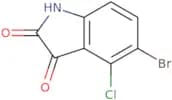
CAS:<p>Versatile small molecule scaffold</p>Fórmula:C14H13N3Pureza:Min. 95%Peso molecular:223.27 g/mol5-Bromo-4-chloro-2,3-dihydro-1H-indole-2,3-dione
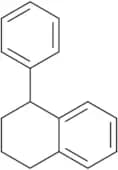
CAS:<p>Versatile small molecule scaffold</p>Fórmula:C8H3BrClNO2Pureza:Min. 95%Peso molecular:260.47 g/mol1-Phenyl-1,2,3,4-tetrahydronaphthalene
CAS:<p>1-Phenyl-1,2,3,4-tetrahydronaphthalene is a hydroxylated aromatic hydrocarbon that is used as a monomer in polymerization reactions. It is used in the production of styrene, which is an important chemical for the manufacture of polymers. 1-Phenyl-1,2,3,4-tetrahydronaphthalene has been shown to be effective as a polymerization initiator and can be used in pharmaceutical formulations. This compound can also be used as a solvent for hydrocarbons such as benzene and toluene. The particle size of 1-phenyl-1,2,3,4-tetrahydronaphthalene dictates its processability in the manufacturing process. The smaller the particle size of 1-phenyl-1,2,3,4-tetrahydronaphthalene particles are processed at a slower rate than larger particles</p>Fórmula:C16H16Pureza:Min. 95%Peso molecular:208.3 g/mol

![9-Azatricyclo[6.2.2.0,2,7]dodeca-2,4,6-trien-10-one](/_next/image/?url=https%3A%2Fstatic.cymitquimica.com%2Fproducts%2F3D%2Fthumb-webp%2FDAA11816.webp&w=3840&q=75)
![1-[3-(Trifluoromethyl)phenyl]prop-2-yn-1-ol](/_next/image/?url=https%3A%2Fstatic.cymitquimica.com%2Fproducts%2F3D%2Fthumb-webp%2FDAA10833.webp&w=3840&q=75)
![3'-Amino-6'-hydroxy-3H-spiro[2-benzofuran-1,9'-xanthen]-3-one](/_next/image/?url=https%3A%2Fstatic.cymitquimica.com%2Fproducts%2F3D%2Fthumb-webp%2FDAA08644.webp&w=3840&q=75)
![2-Chloro-N-[2-chloro-4-(cyanosulfanyl)phenyl]acetamide](/_next/image/?url=https%3A%2Fstatic.cymitquimica.com%2Fproducts%2F3D%2Fthumb-webp%2FDAA08223.webp&w=3840&q=75)


![Spiro[3.3]heptane-2,6-dicarboxylic acid](/_next/image/?url=https%3A%2Fstatic.cymitquimica.com%2Fproducts%2F3D%2Fthumb-webp%2FDAA05791.webp&w=3840&q=75)