Building Blocks
Subcategorías de "Building Blocks"
- Ácidos borónicos y derivados del ácido borónico(5.778 productos)
- Building Blocks quirales(1.243 productos)
- Building Blocks de hidrocarburos(6.099 productos)
- Building Blocks orgánicos(61.038 productos)
Se han encontrado 205376 productos de "Building Blocks"
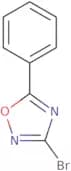
3-Bromo-5-phenyl-1,2,4-oxadiazole
CAS:3-Bromo-5-phenyl-1,2,4-oxadiazole (3BrO) is an organic compound that can be synthesized by coupling a benzoyl chloride with a cyanide salt. 3BrO is also produced in the pyrolysis of benzophenone and 1,2,4-triazole. The fragmentation of 3BrO produces catechol and phenylhydrazine. The deoxygenative coupling reaction of 3BrO with sodium azide produces the explosive compound 2,4,6-trinitrobenzamide. This chemical has been used as the starting material for the synthesis of many other explosives such as RDX and TNT.
Fórmula:C8H5BrN2OPureza:Min. 95%Peso molecular:225.04 g/mol5-Bromo-2,3-dihydrobenzo[b]furan
CAS:Please enquire for more information about 5-Bromo-2,3-dihydrobenzo[b]furan including the price, delivery time and more detailed product information at the technical inquiry form on this page
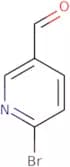
Fórmula:C8H7BrOPureza:Min. 95%Forma y color:White to pale red solid.Peso molecular:199.04 g/mol6-Bromopyridine-3-carboxaldehyde
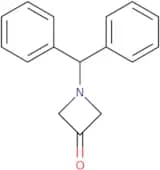
CAS:6-Bromopyridine-3-carboxaldehyde (6-BPAR) is a synthetic compound that binds to copper ions and has been shown to have inhibitory activities against trifluoroacetic acid, calcium carbonate, optical properties, and low energy. 6-BPAR also has an aldehyde group and hydroxamic acid group. This chemical can be used as a catalyst for the hydrogenation reduction of metal ions such as chloride or formyl groups.Fórmula:C6H4BrNOPureza:Min. 95%Forma y color:White To Dark Red Or Brown SolidPeso molecular:186.01 g/mol1-Benzhydrylazetidin-3-one
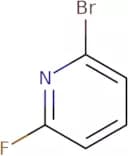
CAS:The 1-benzhydrylazetidin-3-one molecule has an ionizing potential of 29.6 eV, which is the amount of energy required to remove one electron from the outermost shell of a hydrogen atom. The molecule is photoelectron reactive, with a reaction yield of 0.5%. It reacts with ultraviolet radiation and interacts with other molecules such as azetidine (2-methylaziridine). The 1-benzhydrylazetidin-3-one molecule has an ionization potential of 29.6 eV, which is the amount of energy required to remove one electron from the outermost shell of a hydrogen atom. The molecule is photoelectron reactive, with a reaction yield of 0.5%. It reacts with ultraviolet radiation and interacts with other molecules such as azetidine (2-methylaziridine).Fórmula:C16H15NOPureza:Min. 95%Forma y color:White To Beige SolidPeso molecular:237.3 g/mol2-Bromo-6-fluoropyridine
CAS:2-Bromo-6-fluoropyridine is a versatile building block that can be used to create a range of compounds. It is a useful intermediate and can be applied in the synthesis of high quality reagents, speciality chemicals, and complex compounds. It has been used as a reaction component in the synthesis of 2-(2-bromoethoxy)pyridine and 2-bromopyridine. This compound has CAS No. 144100-07-2, which makes it an important research chemical.
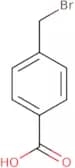
Fórmula:C5H3BrFNPureza:Min. 95%Forma y color:PowderPeso molecular:174.943294-(Bromomethyl) benzoic acid
CAS:4-(Bromomethyl) benzoic acid (4-BA) is a chemical compound that is used as an antimicrobial agent and a reagent in organic synthesis. It has been shown to have a broad spectrum of activity against Gram-positive and Gram-negative bacteria, fungi, and protozoa. 4-BA is stable at neutral pH and can be prepared by the reaction of 2-bromobenzeneacetic acid with sodium borohydride in the presence of acetic acid. This compound reacts with nucleophiles such as imatinib, forming an iminium intermediate. The resulting product can then react with chloride or hydrogen bond to form 4-BA chloride or 4-BA hydrogen bond respectively. Magnetic resonance spectroscopy has also been used to study the magnetic properties of this compound.
Fórmula:C8H7BrO2Pureza:Min. 95%Forma y color:White PowderPeso molecular:215.04 g/mol4-Bromoisoquinoline
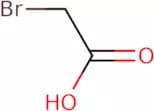
CAS:4-Bromoisoquinoline is an aryl halide that can be used in the cross-coupling reaction with other aryl halides. It has been shown to have anticancer activity and to inhibit the growth of tumour cell lines in vitro. This compound is also efficient for inhibiting leukemia cells. 4-Bromoisoquinoline has been shown to have an inhibitory effect on cancer cells through the inhibition of DNA synthesis and RNA transcription, as well as by inducing apoptosis. The mechanism of action may be due to its ability to bind to aromatic hydrocarbons and halides, which leads to thermodynamic changes and vibrational energy transfer.Fórmula:C9H6BrNPureza:Min. 95%Peso molecular:208.05 g/molBromoacetic acid
CAS:Bromoacetic acid is a brominated carboxylic acid that has been shown to bind to response elements and inhibit the synthesis of proteins. It has been shown to inhibit the growth of bacteria in human serum at concentrations of 1-5 mM. Bromoacetic acid also binds to metals, such as copper and zinc, and inhibits their activity. This compound has also been shown to have anti-inflammatory properties in experimental models. Bromoacetic acid is not toxic in rats, but it may cause myocardial infarction in humans.Fórmula:C2H3BrO2Pureza:Min. 95%Forma y color:Clear LiquidPeso molecular:138.95 g/mol2-Bromo-2-nitro-1,3-propanediol
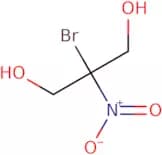
CAS:2-Bromo-2-nitro-1,3-propanediol (BNP) is a preservative that is used in wastewater treatment. It is an antimicrobial agent that has synergistic effects with other antimicrobial agents such as triclosan, benzalkonium chloride and sesquiterpene lactones. 2-Bromo-2-nitro-1,3-propanediol has been shown to have a phase transition temperature of -28°C, which can be used to identify it in the laboratory. This compound also has a pK value of 4.4, which indicates that it is weakly acidic. 2-Bromo-2-nitro-1,3-propanediol can be used as an analytical method for the determination of p - hydroxybenzoic acid in aqueous samples by electrochemical impedance spectroscopy (EIS).
Fórmula:C3H6BrNO4Pureza:Min. 95%Forma y color:PowderPeso molecular:199.99 g/mol2-(3-Nitrophenoxymethyl)oxirane
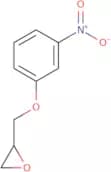
CAS:Versatile small molecule scaffold
Fórmula:C9H9NO4Pureza:Min. 95%Peso molecular:195.17 g/mol1-Phenylpentane-1,3-dione
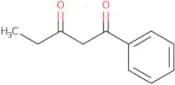
CAS:1-Phenylpentane-1,3-dione is an organic compound that is a colorless liquid at room temperature. It belongs to the class of aliphatic hydrocarbons and can be used as an organic solution or as an alcohol group in organic solvents. This compound has a hydroxyl group and a hydroxy group, which gives it the ability to react with other compounds. 1-Phenylpentane-1,3-dione has been shown to be a good solvent for many organic reactions. It reacts with metals such as iron to form metal chelate complexes. 1-Phenylpentane-1,3-dione is also used in radiation treatments because it blocks the formation of new abnormal cells. The average particle diameter of this compound is 6 nm and its particle size ranges from 0.01 μm to 10 μm.Fórmula:C11H12O2Pureza:Min. 95%Peso molecular:176.21 g/mol2-(Thiophen-2-yl)propan-2-ol
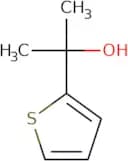
CAS:Versatile small molecule scaffold
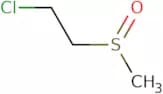
Fórmula:C7H10OSPureza:Min. 95%Peso molecular:142.22 g/mol1-Chloro-2-methanesulfinylethane
CAS:Versatile small molecule scaffold
Fórmula:C3H7ClOSPureza:Min. 95%Peso molecular:126.61 g/mol4-m-Tolyl-thiazol-2-ylamine
CAS:Versatile small molecule scaffold
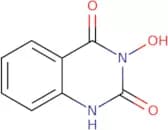
Fórmula:C10H10N2SPureza:Min. 95%Peso molecular:190.26 g/mol3-Hydroxy-1,2,3,4-tetrahydroquinazoline-2,4-dione
CAS:3-Hydroxy-1,2,3,4-tetrahydroquinazoline-2,4-dione is an amido-containing amino acid that is a potent and selective antagonist of the AMPA receptor. It has been shown to be active against influenza A and B viruses in cell culture. 3-Hydroxy-1,2,3,4-tetrahydroquinazoline-2,4-dione also inhibits glutamate release in the brain by blocking presynaptic calcium currents. The molecular modeling study of this drug on a chlorine atom revealed a hydrogen bond with the carboxyl group at position 2 and a nitrogen atom at position 4. This hydrogen bond may explain its pharmacokinetic properties.Fórmula:C8H6N2O3Pureza:Min. 95%Peso molecular:178.14 g/mol4,4'-Sulfonylbis-morpholine
CAS:Versatile small molecule scaffold
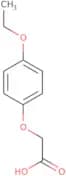
Fórmula:C8H16N2O4SPureza:Min. 95%Peso molecular:236.29 g/mol2-(4-Ethoxyphenoxy)acetic acid
CAS:Versatile small molecule scaffold
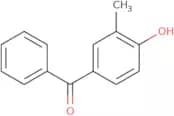
Fórmula:C10H12O4Pureza:Min. 95%Peso molecular:196.2 g/mol4-Hydroxy-3-methyl-benzophenone
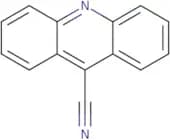
CAS:4-Hydroxy-3-methyl-benzophenone is a benzene derivative with a 4-hydroxyl group and 3 methyl groups. It is an organic compound that has the ability to form hydrogen bonds. This compound is used in the production of polymers, plastics, and resins.Fórmula:C14H12O2Pureza:Min. 95%Peso molecular:212.24 g/molAcridine-9-carbonitrile
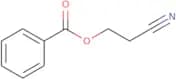
CAS:Acridine-9-carbonitrile is a fluorescent dye that is sensitive to peroxide. Acridine-9-carbonitrile has been used as a hydrogen peroxide probe in the determination of peroxidase activity, and it has also been used as an oxidizing agent in organic synthesis. It is also active against carbamazepine and fluorophore. Acridine-9-carbonitrile can be activated by irradiation with ultraviolet light or by nitrous oxide. This compound was first synthesized in 1891, and has been studied for its advances in techniques such as fluorescence microscopy and DNA sequencing.Fórmula:C14H8N2Pureza:Min. 95%Peso molecular:204.23 g/mol2-Cyanoethyl benzoate
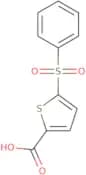
CAS:2-Cyanoethyl benzoate is a nucleophilic reagent that can be used for the synthesis of polypeptides. It acts as an acyl transfer agent and is used in the immobilization of proteins on solid supports, such as acrylonitrile or cellulose. 2-Cyanoethyl benzoate has been shown to have anti-inflammatory properties, which may be due to its inhibition of prostaglandin synthesis. The mechanism may involve inhibition of cyclooxygenase and lipoxygenase enzymes by blocking the conversion of arachidonic acid to prostaglandins and leukotrienes. This reagent also has been shown to have antipsychotic effects, which are likely due to its antagonistic effects against dopamine receptors in the brain.Fórmula:C10H9NO2Pureza:Min. 95%Peso molecular:175.18 g/mol5-(Benzenesulfonyl)thiophene-2-carboxylic acid
CAS:Versatile small molecule scaffold
Fórmula:C11H8O4S2Pureza:Min. 95%Peso molecular:268.3 g/mol3-Methanesulfonyl-2,2-dimethylpropanoic acid
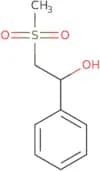
CAS:Versatile small molecule scaffoldFórmula:C6H12O4SPureza:Min. 95%Peso molecular:180.22 g/mol2-Methanesulfonyl-1-phenylethan-1-ol
CAS:Versatile small molecule scaffold
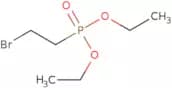
Fórmula:C9H12O3SPureza:Min. 95%Peso molecular:200.26 g/molDiethyl 2-Bromoethylphosphonate
CAS:Diethyl 2-bromoethylphosphonate is a chemical compound that is used in the synthesis of pharmaceuticals. It can be used to prepare conjugates, which are important for biological properties, such as alkylation. Diethyl 2-bromoethylphosphonate also has proton and reversed-phase high performance liquid chromatography applications. This compound is used to synthesize decyl phosphonic acid, which is an organic solvent with biological properties. Diethyl 2-bromoethylphosphonate can be hydrolyzed by hydrochloric acid or nitro. It can also be analyzed using gravimetric analysis.
Fórmula:C6H14BrO3PPureza:Min. 95%Peso molecular:245.05 g/mol2,3-Dichloro-1-benzothiophene
CAS:2,3-Dichloro-1-benzothiophene is an organochlorine compound that is a colorless solid. It has the formula CHClS and it is used as a precursor to other compounds. 2,3-Dichloro-1-benzothiophene can be prepared by reacting phenylphosphine with hydrogen chloride in the presence of chlorine:
2PCl + 2HCl → 2CHClS + PCl
It can also be synthesized from 1,4-dichlorobenzene and sulfuric acid. The chemical reactions for this are shown below:
2C6H4Cl2 + H2SO4 → (CH)5CO2H + Cl2
The product is purified by recrystallization or distillation. The major use of 2,3-dichloro-1-benzothiophene is as a precursor to other compounds such asFórmula:C8H4Cl2SPureza:Min. 95%Peso molecular:203.09 g/mol3-[(2-Hydroxyethyl)sulfanyl]propan-1-ol
CAS:3-[(2-Hydroxyethyl)sulfanyl]propan-1-ol is a sulfide metabolite that is formed in the body from the sulfhydryl group of cysteine. It is an aliphatic compound that can be found in plants, animals, and microorganisms. 3-[(2-Hydroxyethyl)sulfanyl]propan-1-ol has been shown to inhibit bacterial growth by binding to DNA and RNA. This process inhibits transcription and replication of bacterial DNA, which leads to cell death.
Fórmula:C5H12O2SPureza:Min. 95%Peso molecular:136.22 g/molN-(4-Acetylphenyl)-4-methylbenzene-1-sulfonamide
CAS:Versatile small molecule scaffold
Fórmula:C15H15NO3SPureza:Min. 95%Peso molecular:289.4 g/mol2-Amino-5-chloro-4-methyl-1,3-thiazole
CAS:Versatile small molecule scaffoldFórmula:C4H5ClN2SPureza:Min. 95%Peso molecular:148.61 g/mol2-Methyl-1H-imidazole-4,5-dicarboxylic acid
CAS:2-Methyl-1H-imidazole-4,5-dicarboxylic acid is a dicarboxylic acid that has both acidic and basic properties. It can be found in architectures such as the nitrogen atom (N) and hydrogen sulfate (HSO). The molecular formula is C2H3N3O4 and the chemical name is 2-methyl-1H-imidazole-4,5-dicarboxylic acid. This compound stabilizes metal ligands in coordination geometry. Crystal x-ray diffraction studies have shown that 2MIDA forms a fluorescence complex with protonated carboxylate groups. The fluorescent properties of this compound are due to its supramolecular interactions with other molecules and its ability to coordinate with metal ions. Photocatalytic activity has been observed for this substance when it was mixed with titanium dioxide nanoparticles.Fórmula:C6H6N2O4Pureza:Min. 95%Peso molecular:170.12 g/molN-Methylbenzenecarbothioamide
CAS:N-Methylbenzenecarbothioamide is a chemical compound that has a molecular weight of 269.3 g/mol, and is a colorless liquid with a boiling point of 115°C. It is soluble in water and alcohols, but insoluble in ether. N-Methylbenzenecarbothioamide has low toxicity to animals when used at sublethal doses. The uptake of this substance by the lungs can be increased by exposure to chloride ions or serotonin. This chemical has shown to have an effect on the central nervous system as well, which may be due to its ability to release serotonin from the presynaptic nerve terminal. N-Methylbenzenecarbothioamide can also form hydrogen bonds with other molecules, including protonated amines, hydroxyl groups, and sulfuric acid groups. This chemical was first synthesized by Emil Fischer in 1894 and was later named "carboxylic acid methyl ester"Fórmula:C8H9NSPureza:Min. 95%Peso molecular:151.23 g/mol4-(4-Methoxyphenyl)cyclohexan-1-one
CAS:Versatile small molecule scaffold
Fórmula:C13H16O2Pureza:Min. 95%Peso molecular:204.26 g/mol2,3-Dimethylbenzene-1,4-diamine
CAS:Versatile small molecule scaffold
Fórmula:C8H12N2Pureza:Min. 95%Peso molecular:136.2 g/mol4-Methylazetidin-2-one
CAS:Versatile small molecule scaffold
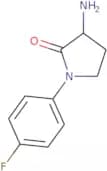
Fórmula:C4H7NOPureza:Min. 95%Peso molecular:85.1 g/mol3-Amino-1-(4-fluorophenyl)pyrrolidin-2-one
CAS:Versatile small molecule scaffold
Fórmula:C10H11FN2OPureza:Min. 95%Peso molecular:194.21 g/mol3-Amino-1-(4-chlorophenyl)pyrrolidin-2-one
CAS:Versatile small molecule scaffoldFórmula:C10H11ClN2OPureza:Min. 95%Peso molecular:210.66 g/mol5-(Bromomethyl)-3-(2,4-dichlorophenyl)-1,2-oxazole
CAS:Versatile small molecule scaffoldFórmula:C10H6BrCl2NOPureza:Min. 95%Peso molecular:306.97 g/mol5-(Bromomethyl)-3-(4-chlorophenyl)-1,2-oxazole
CAS:Versatile small molecule scaffoldFórmula:C10H7BrClNOPureza:Min. 95%Peso molecular:272.52 g/molEthyl 6-Hydroxyhexanoate
CAS:Ethyl 6-hydroxyhexanoate is an ester with the chemical formula CH3COOC2H5. It is a colorless liquid that can be prepared by the reaction of ethyl alcohol and acetyl chloride. Ethyl 6-hydroxyhexanoate has been shown to react with amines at a rate that is faster than the reaction rate for fatty acids, which may be due to its higher surface area. This ester also reacts with primary alcohols to form esters or ethers. The functional groups on ethyl 6-hydroxyhexanoate include carboxylic acid, hydroxyl group, and primary alcohol.
Fórmula:C8H16O3Pureza:Min. 95%Peso molecular:160.21 g/mol{2-[(3-Carboxypropanoyl)oxy]ethyl}trimethylammonium chloride
CAS:Succinylcholine is a depolarizing neuromuscular blocking agent that is used in surgical procedures. Succinylcholine hydrolyzes to succinic acid and choline in vivo and is metabolized by the liver. The half-life of succinylcholine is about 2 minutes in humans. It has been shown that this drug causes respiratory paralysis, but only at high doses. Succinylcholine also has potent cardiac effects, which are due to its ability to block nicotinic acetylcholine receptors on the heart muscle. It was found that succinylmonocholine (a metabolite of succinylcholine) can be detected in urine samples after administration of this drug with a kinetic data analysis method. This method uses LC-MS/MS to measure the concentration of succinylmonocholine in human serum and isolated heart tissue samples. A pharmacokinetic study showed that succinycholines accumulation rate constant was 0.051 ± 0.
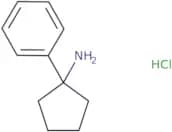
Fórmula:C9H18ClNO4Pureza:Min. 95%Peso molecular:239.69 g/mol1-Phenylcyclopentanamine hydrochloride
CAS:Versatile small molecule scaffoldFórmula:C11H16ClNPureza:Min. 95%Peso molecular:197.7 g/mol2-[(2,6-Dimethylphenoxy)methyl]oxirane
CAS:Versatile small molecule scaffold
Fórmula:C11H14O2Pureza:Min. 95%Peso molecular:178.23 g/mol2-[(Phenylsulfanyl)methyl]oxirane
CAS:2-[(Phenylsulfanyl)methyl]oxirane is an unsaturated heterocyclic that can be synthesized by the reaction of ethylene and acrylonitrile on-line. The metal surface catalyzes this reaction, which is used as a corrosion inhibitor in magnesium. 2-[(Phenylsulfanyl)methyl]oxirane has been shown to inhibit insulin resistance in mice by targeting the metal salt in the body. It also inhibits hyperglycemia in diabetic mice, which may be due to its ability to bind with carboxyalkyl groups and block their interactions with insulin receptor sites.Fórmula:C9H10OSPureza:Min. 95%Peso molecular:166.24 g/mol2,2'-dichlorobenzophenone
CAS:2,2'-dichlorobenzophenone is a benzophenone derivative that is used as a precursor in the production of dyes, flame retardants, and plasticizers. It has the molecular conformations of both cis and trans isomers. In the cis conformation, the dipole moment points towards the 2 position on the ring. The trans conformation has a dipole moment pointing to the 3 position on the ring.
Fórmula:C13H8Cl2OPureza:Min. 95%Peso molecular:251.11 g/molDiethyl Benzylidenemalonate
CAS:Diethyl benzylidenemalonate is a polymerization catalyst that can be used in the synthesis of polyesters. It is used as a homogeneous catalyst for reactions involving trifluoroacetic acid, x-ray diffraction data and solid catalysts. This polymerization catalyst has been shown to be active with methylene groups and carbonyl groups. Diethyl benzylidenemalonate has been shown to be able to catalyze the synthesis of β-unsaturated ketones in an isolated yield.
Fórmula:C14H16O4Pureza:Min. 95%Forma y color:Clear LiquidPeso molecular:248.28 g/mol(2R)-2-Amino-3-[(3-methylbut-2-en-1-yl)sulfanyl]propanoic acid
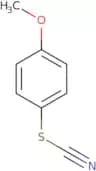
CAS:(2R)-2-Amino-3-[(3-methylbut-2-en-1-yl)sulfanyl]propanoic acid is a fatty acid ester that has been used as a model system for the study of growth factor activity. It is a zwitterion with an acidic pH and it is soluble in water. This drug is used to manufacture pharmaceutical dosage forms, such as reconstituted tablets. (2R)-2-Amino-3-[(3-methylbut-2-en-1-yl)sulfanyl]propanoic acid has been studied for its targetable properties, which may be useful in diagnostic applications. The compound can also be used to implant therapeutic factors into cells or tissues circumferentially.Fórmula:C8H15NO2SPureza:Min. 95%Peso molecular:189.28 g/molThiocyanic acid, 4-methoxyphenyl ester
CAS:Thiocyanic acid, 4-methoxyphenyl ester is a functionalised molecule that has been used as a reagent in organic chemistry. This compound contains a heteroaromatic ring with a perfluoroalkyl group and copper. Thiocyanic acid, 4-methoxyphenyl ester has been used as a catalyst for the conversion of chloride to elemental chlorine. The reactivity of this molecule is dependent on the presence of other functional groups such as oxo or thiol groups.Fórmula:C8H7NOSPureza:Min. 95%Peso molecular:165.21 g/mol(Phenylsulfanyl)formonitrile
CAS:Phenylsulfanyl)formonitrile is a trimethylaliphatic hydrocarbon that has been used in the synthesis of many other organic compounds. It can be produced by reacting phenylhydrazine with formaldehyde and hydrogen chloride gas, or by reacting aminobutyric acid with hydroxylacetone. This compound is a reactive functional group which can undergo nucleophilic attack. Phenylsulfanyl)formonitrile has an absorption maxima at 275 nm and is sensitive to ultraviolet light. It is used in sample preparation for bacterial strains and mutant strains as well as analytical methods for determining the inhibitory effect of this compound on these organisms. Phenylsulfanyl)formonitrile also inhibits the growth of Trichomonas vaginalis.Fórmula:C7H5NSPureza:Min. 95%Forma y color:PowderPeso molecular:135.19 g/mol[(4-Methylphenyl)sulfanyl]formonitrile
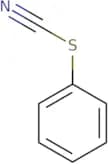
CAS:[(4-Methylphenyl)sulfanyl]formonitrile is a reactive chemical that is used in the synthesis of organic and organometallic compounds. It has been shown to be an effective thiocyanation agent, which may be due to its ability to form cyanate upon reaction with sulfide. The cross-coupling mechanism for [(4-Methylphenyl)sulfanyl]formonitrile is not well understood, but it does not appear to involve the formation of sulfur transfer or a mechanistic intermediate. This reactive compound has two functional groups that are similar to those found in biomolecules such as amino acids and nucleic acids.Fórmula:C8H7NSPureza:Min. 95%Peso molecular:149.21 g/mol1-Propanesulfonic acid
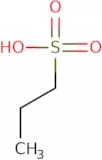
CAS:1-Propanesulfonic acid is a chemical compound with the molecular formula CHOS. It is a white, water-soluble solid that can be used as a strong acid in organic synthesis. 1-Propanesulfonic acid has been shown to have high values of cell lysis and basic protein stability when used as an analytical method for wastewater treatment. This chemical compound has been shown to be stable in the presence of redox potentials, which would make it an ideal candidate for use in electrochemical impedance spectroscopy. The structural analysis of 1-propanesulfonic acid shows that it is very similar to dinucleotide phosphate, which is needed for DNA replication and transcription.
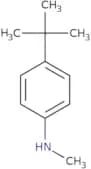
Fórmula:CH3CH2CH2SO3HPureza:Min. 95%Peso molecular:124.16 g/mol4-tert-Butyl-N-methylaniline
CAS:Versatile small molecule scaffold
Fórmula:C11H17NPureza:Min. 95%Peso molecular:163.26 g/mol

![5-Bromo-2,3-dihydrobenzo[b]furan](/_next/image/?url=https%3A%2Fstatic.cymitquimica.com%2Fproducts%2F3D%2Fthumb-webp%2FFB11160.webp&w=3840&q=75)





![3-[(2-Hydroxyethyl)sulfanyl]propan-1-ol](/_next/image/?url=https%3A%2Fstatic.cymitquimica.com%2Fproducts%2F3D%2Fthumb-webp%2FFAA32360.webp&w=3840&q=75)




![{2-[(3-Carboxypropanoyl)oxy]ethyl}trimethylammonium chloride](/_next/image/?url=https%3A%2Fstatic.cymitquimica.com%2Fproducts%2F3D%2Fthumb-webp%2FFAA29717.webp&w=3840&q=75)
![2-[(2,6-Dimethylphenoxy)methyl]oxirane](/_next/image/?url=https%3A%2Fstatic.cymitquimica.com%2Fproducts%2F3D%2Fthumb-webp%2FFAA29634.webp&w=3840&q=75)
![2-[(Phenylsulfanyl)methyl]oxirane](/_next/image/?url=https%3A%2Fstatic.cymitquimica.com%2Fproducts%2F3D%2Fthumb-webp%2FFAA29621.webp&w=3840&q=75)


![(2R)-2-Amino-3-[(3-methylbut-2-en-1-yl)sulfanyl]propanoic acid](/_next/image/?url=https%3A%2Fstatic.cymitquimica.com%2Fproducts%2F3D%2Fthumb-webp%2FFAA28746.webp&w=3840&q=75)
![[(4-Methylphenyl)sulfanyl]formonitrile](/_next/image/?url=https%3A%2Fstatic.cymitquimica.com%2Fproducts%2F3D%2Fthumb-webp%2FFAA28574.webp&w=3840&q=75)