Building Blocks
Subcategorías de "Building Blocks"
- Ácidos borónicos y derivados del ácido borónico(5.778 productos)
- Building Blocks quirales(1.243 productos)
- Building Blocks de hidrocarburos(6.099 productos)
- Building Blocks orgánicos(61.038 productos)
Se han encontrado 205376 productos de "Building Blocks"
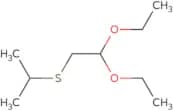
1,1-Diethoxy-2-(propan-2-ylsulfanyl)ethane
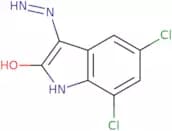
CAS:Versatile small molecule scaffoldFórmula:C9H20O2SPureza:Min. 95%Peso molecular:192.3 g/mol5,7-Dichloro-3-hydrazinylidene-2,3-dihydro-1H-indol-2-one
CAS:Versatile small molecule scaffold
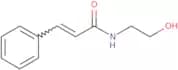
Fórmula:C8H5Cl2N3OPureza:Min. 95%Peso molecular:230.05 g/mol(2E)-N-(2-Hydroxyethyl)-3-phenylprop-2-enamide
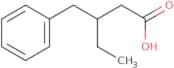
CAS:Acetaminophen is a drug used to treat pain and fever. It belongs to the class of drugs called analgesics, which are also known as non-steroidal anti-inflammatory drugs (NSAIDs). Acetaminophen has been shown to be effective in the treatment of bowel disease and inflammatory bowel disease. Acetaminophen is usually given orally or intravenously, but it can also be given rectally for bowel disease. Acetaminophen is an analog of phenacetin, which was replaced in many countries because phenacetin was found to cause kidney damage. The mechanism by which acetaminophen relieves pain and reduces fever is not well understood. It may inhibit prostaglandin synthesis, block cyclooxygenase, or inhibit the production of substances that sensitize nerve endings to pain. Acetaminophen can cause allergic reactions such as skin rash, urticaria and angioedema. Acetaminophen also causes psychiatric side effects such as anxiety, moodFórmula:C11H13NO2Pureza:Min. 95%Peso molecular:191.23 g/mol3-Benzylpentanoic acid
CAS:Versatile small molecule scaffoldFórmula:C12H16O2Pureza:Min. 95%Peso molecular:192.25 g/mol6-Bromotetrazolo[1,5-a]pyridine
CAS:Versatile small molecule scaffold
Fórmula:C5H3BrN4Pureza:Min. 95%Peso molecular:199.01 g/mol5-Chloro-[1,2,3,4]tetrazolo[1,5-a]pyridine
CAS:Versatile small molecule scaffoldFórmula:C5H3ClN4Pureza:Min. 95%Peso molecular:154.56 g/molEthyl 2-chloro-2-{2-[2-(trifluoromethyl)phenyl]hydrazin-1-ylidene}acetate
CAS:Versatile small molecule scaffold
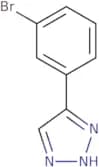
Fórmula:C11H10ClF3N2O2Pureza:Min. 95%Peso molecular:294.66 g/mol4-(3-Bromophenyl)-1H-1,2,3-triazole
CAS:Versatile small molecule scaffold
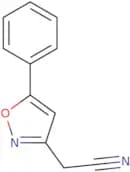
Fórmula:C8H6BrN3Pureza:Min. 95%Peso molecular:224.06 g/mol(5-Phenylisoxazol-3-yl)acetonitrile
CAS:Versatile small molecule scaffold
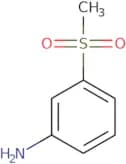
Fórmula:C11H8N2OPureza:Min. 95%Peso molecular:184.19 g/mol3-(Methylsulfonyl)aniline
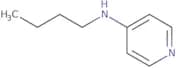
CAS:3-(Methylsulfonyl)aniline is a benzodioxole that inhibits tyrosine kinases. It has been shown to have potent inhibitory effects on the activity of receptor tyrosine kinases, which are involved in the transmission of signals from cell surface receptors to the interior of cells. 3-(Methylsulfonyl)aniline has been shown to be an inhibitor of various protein kinases including PDGF receptor, insulin receptor, and c-Kit. The crystal structure of 3-(methylsulfonyl)aniline bound to an ATP molecule has been determined by X-ray crystallography and shows interactions with residues in the ATP binding pocket.Fórmula:C7H9NO2SPureza:Min. 95%Peso molecular:171.22 g/molN-Butylpyridin-4-amine
CAS:Versatile small molecule scaffold
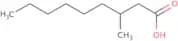
Fórmula:C9H14N2Pureza:Min. 95%Peso molecular:150.22 g/mol3-Methylnonanoic acid
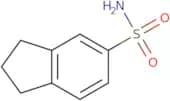
CAS:3-Methylnonanoic acid is a fatty acid that is involved in the metabolism of energy. It is a long-acting contraceptive and has been shown to decrease body fat and weight gain in animals. 3-Methylnonanoic acid also inhibits the uptake of fatty acids into cells, which may be due to its ability to acetylate the cytosolic protein acyl CoA synthetase 2 (ACS2). The acetylation of ACS2 may alter its conformation, leading to an inefficient method for fatty acid uptake. 3-Methylnonanoic acid can be synthesized in a two-step process by cross-coupling of methyl esters with acetonitrile. This efficient synthesis provides a practical method for producing this compound on an industrial scale.Fórmula:C10H20O2Pureza:Min. 95%Peso molecular:172.26 g/molIndane-5-sulphonamide
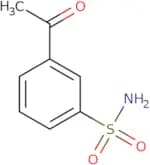
CAS:Indane-5-sulphonamide is a sulfonamide drug that has been shown to inhibit the growth of cancer cells in vitro and in vivo. It is an anti-diabetic agent that inhibits glucose uptake by inhibiting glycolysis. Indane-5-sulphonamide has also been shown to have inhibitory properties against aerobic glycolysis, which may be related to its acidic character. Indane-5-sulphonamide may be used as an adjuvant therapy for the treatment of cancer.Fórmula:C9H11NO2SPureza:Min. 95%Peso molecular:197.26 g/mol3-Acetylbenzenesulfonamide
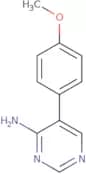
CAS:Versatile small molecule scaffoldFórmula:C8H9NO3SPureza:Min. 95%Peso molecular:199.22 g/mol5-(4-Methoxyphenyl)pyrimidin-4-amine
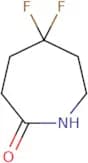
CAS:Versatile small molecule scaffoldFórmula:C11H11N3OPureza:Min. 95%Peso molecular:201.22 g/mol5,5-Difluoro-2-azepanone
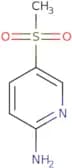
CAS:Versatile small molecule scaffoldFórmula:C6H9F2NOPureza:Min. 95%Peso molecular:149.14 g/mol2-Amino-5-(methylsulfonyl)pyridine
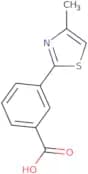
CAS:Versatile small molecule scaffoldFórmula:C6H8N2O2SPureza:Min. 95%Peso molecular:172.2 g/mol3-(4-Methyl-1,3-thiazol-2-yl)benzoic acid
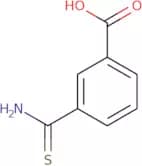
CAS:Versatile small molecule scaffoldFórmula:C11H9NO2SPureza:Min. 95%Peso molecular:219.26 g/mol3-Carbamothioylbenzoic acid
CAS:3-Carbamothioylbenzoic acid is an antimicrobial agent that is used to treat chronic bacterial infections. It has been shown to inhibit the synthesis of proteins by binding to the ribosome, preventing peptide bond formation. 3-Carbamothioylbenzoic acid has been shown to be effective against a number of bacteria, including protocatechuic acid, benzoate and all-trans-retinoic acid. The reaction products are thought to be responsible for its antibacterial activity. 3-Carbamothioylbenzoic acid also inhibits the production of cycloheximide, an inhibitor of protein synthesis. This inhibition prevents cell division and leads to cell death by apoptosis.
Fórmula:C8H7NO2SPureza:Min. 95%Peso molecular:181.21 g/mol8-Phenyl-8-azabicyclo[3.2.1]octan-3-one
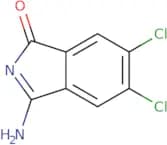
CAS:Versatile small molecule scaffoldFórmula:C13H15NOPureza:Min. 95%Peso molecular:201.26 g/mol5,6-Dichloro-3-imino-2,3-dihydro-1H-isoindol-1-one
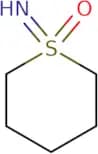
CAS:Versatile small molecule scaffoldFórmula:C8H4Cl2N2OPureza:Min. 95%Peso molecular:215.03 g/molHexahydro-1λ4-thiopyran-1-imine 1-oxide
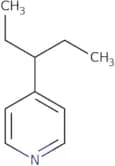
CAS:Versatile small molecule scaffoldFórmula:C5H11NOSPureza:Min. 95%Peso molecular:133.21 g/mol4-(3-Pentyl)pyridine
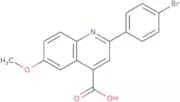
CAS:4-(3-Pentyl)pyridine is a colorless and odorless liquid that is soluble in organic solvents. It has been shown to be a good solvent for many organic compounds, such as the acetonitrile, and has a high boiling point. 4-(3-Pentyl)pyridine can also undergo photolysis and thermally induced reactions, which may make it suitable for use as an additive in solar cells.Fórmula:C10H15NPureza:Min. 95%Peso molecular:149.24 g/mol2-(4-Bromophenyl)-6-methoxyquinoline-4-carboxylic acid
CAS:Versatile small molecule scaffold
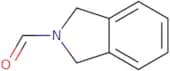
Fórmula:C17H12BrNO3Pureza:Min. 95%Peso molecular:358.2 g/mol1,3-Dihydro-2H-isoindole-2-carboxaldehyde
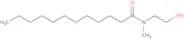
CAS:Versatile small molecule scaffoldFórmula:C9H9NOPureza:Min. 95%Peso molecular:147.17 g/molN-(2-Hydroxyethyl)-N-methyldodecanamide
CAS:N-(2-Hydroxyethyl)-N-methyldodecanamide is a surfactant that is used in cosmetics for its ability to form micelles and solubilize fatty acids and oils. It is a hydrophobic molecule with a high viscosity, which makes it suitable for use in products such as shampoos, body lotions, and face creams. N-(2-Hydroxyethyl)-N-methyldodecanamide can also be used as an emulsifier in the preparation of foods such as mayonnaise, salad dressings, and whipped cream. This compound has been shown to be toxic to the worm Caenorhabditis elegans at concentrations above 10%.Fórmula:C15H31NO2Pureza:Min. 95%Peso molecular:257.41 g/mol1-[4-Chloro-3-(trifluoromethyl)phenyl]propan-2-one
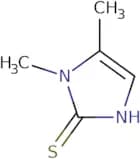
CAS:Versatile small molecule scaffoldFórmula:C10H8ClF3OPureza:Min. 95%Peso molecular:236.62 g/mol1,5-Dimethyl-2,3-dihydro-1H-imidazole-2-thione
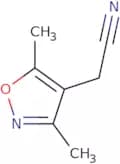
CAS:Versatile small molecule scaffoldFórmula:C5H8N2SPureza:Min. 95%Peso molecular:128.2 g/mol2-(Dimethyl-1,2-oxazol-4-yl)acetonitrile
CAS:Versatile small molecule scaffold
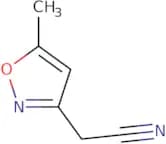
Fórmula:C7H8N2OPureza:Min. 95%Peso molecular:136.15 g/mol-2(5-Methylisoxazol-3-Yl)Acetonitrile
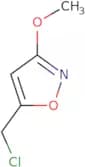
CAS:-2(5-Methylisoxazol-3-Yl)Acetonitrile is a heterocyclic compound that is used as a catalyst in cross-coupling reactions. It can be utilised for the synthesis of aromatic heterocycles and tosylate derivatives. -2(5-Methylisoxazol-3-Yl)Acetonitrile is an analogue of 2,5-dimethylisoxazole, and it can be used as a synthetic intermediate for the synthesis of various pharmaceuticals.Fórmula:C6H6N2OPureza:Min. 95%Peso molecular:122.12 g/mol5-(Chloromethyl)-3-methoxy-1,2-oxazole
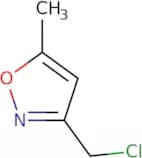
CAS:Versatile small molecule scaffoldFórmula:C5H6ClNO2Pureza:Min. 95%Peso molecular:147.56 g/mol3-(Chloromethyl)-5-methylisoxazole
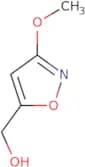
CAS:3-(Chloromethyl)-5-methylisoxazole is an organolithium reagent that is used for the synthesis of a variety of complex organic compounds. 3-(Chloromethyl)-5-methylisoxazole is a versatile reagent that can be used in metallation reactions, cycloadditions, and selective transformations. The selectivity of this reagent has been shown to be due to its ability to form stable organolithium compounds with heteroatoms such as oxygen and nitrogen.Fórmula:C5H6ClNOPureza:Min. 95%Peso molecular:131.56 g/mol(3-Methoxy-1,2-oxazol-5-yl)methanol
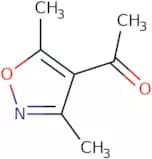
CAS:Versatile small molecule scaffoldFórmula:C5H7NO3Pureza:Min. 95%Peso molecular:129.11 g/mol1-(3,5-dimethylisoxazol-4-yl)ethan-1-one
CAS:Versatile small molecule scaffoldFórmula:C7H9NO2Pureza:Min. 95%Peso molecular:139.15 g/mol2-(Pentylamino)ethan-1-ol
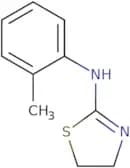
CAS:2-(Pentylamino)ethan-1-ol is a hydric compound that contains an ethanolamine group. It has antibacterial properties and reacts with polyvinyl chloride, which can produce reactive compounds. 2-(Pentylamino)ethan-1-ol is also used as a reactive ingredient in the synthesis of polyvinyl alcohols and polyvinyl acetates. The hydroxyl group on the molecule reacts with aromatic hydrocarbons, such as benzene, to form a cationic surfactant. This product is used in textile production to enhance dyeing and printing processes.Fórmula:C7H17NOPureza:Min. 95%Peso molecular:131.22 g/molN-(2-Methylphenyl)-4,5-dihydro-1,3-thiazol-2-amine
CAS:Versatile small molecule scaffold
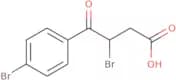
Fórmula:C10H12N2SPureza:Min. 95%Peso molecular:192.28 g/mol3-Bromo-4-(4-bromophenyl)-4-oxobutanoic acid
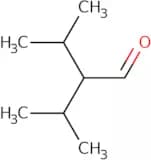
CAS:Versatile small molecule scaffoldFórmula:C10H8Br2O3Pureza:Min. 95%Peso molecular:335.98 g/mol3-Methyl-2-(propan-2-yl)butanal
CAS:Versatile small molecule scaffold
Fórmula:C8H16OPureza:Min. 95%Peso molecular:128.21 g/mol5,7-Dimethylpyrazolo[1,5-a]pyrimidine
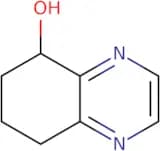
CAS:Chlorpromazine is a potent antipsychotic drug that is used to treat mental disorders such as schizophrenia and bipolar disorder. It works by blocking the action of dopamine, a neurotransmitter in the brain. Chlorpromazine has minimal acute toxicity in animals and low potential for abuse or addiction. The most common side effects are drowsiness, dry mouth, nausea, and sedation. Chlorpromazine can interact with other drugs such as diazepam or chlorodiazepoxide to produce an anxiolytic effect. It also interacts with analgesics to produce depressant effects by increasing their sedative properties. In monkeys, chlorpromazine has been shown to have anxiolytic efficacy and depressant effects when given at high doses.Fórmula:C8H9N3Pureza:Min. 95%Peso molecular:147.17 g/mol5,6,7,8-Tetrahydroquinoxalin-5-ol
CAS:5,6,7,8-Tetrahydroquinoxalin-5-ol is a chiral compound that can be used to synthesize carboxylic acid derivatives. It is prepared by the catalytic hydrogenation of 5-(hydroxymethyl)tetrahydroquinoxaline-2,3(1H)-dione (1). The enantiomeric purity of this compound can be determined by its reaction with sulfuryl chloride in hydrochloric acid (HCl) to yield the corresponding sulfonyl chloride. This reaction forms an asymmetric sulfonamide that can then be separated by crystallization.Fórmula:C8H10N2OPureza:Min. 95%Peso molecular:150.18 g/mol1-(2-Chloroethyl)-2-methoxybenzene
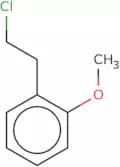
CAS:Versatile small molecule scaffold
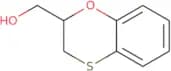
Fórmula:C9H11ClOPureza:Min. 95%Peso molecular:170.6 g/mol2,3-Dihydro-1,4-benzoxathiin-2-ylmethanol
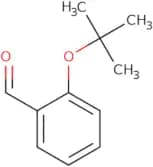
CAS:Versatile small molecule scaffoldFórmula:C9H10O2SPureza:Min. 95%Peso molecular:182.24 g/mol2-(tert-Butoxy)benzaldehyde
CAS:Versatile small molecule scaffold
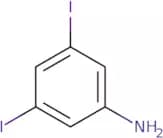
Fórmula:C11H14O2Pureza:Min. 95%Peso molecular:178.23 g/mol3,5-Diiodoanaline
CAS:3,5-Diiodoanaline is a crystalline solid. It is synthesized by the reaction of phenylhydrazine and hydrogen peroxide in acetonitrile. The product is purified by gel permeation chromatography and characterized using X-ray crystallography. 3,5-Diiodoanaline has two optical isomers and a melting point of 133-135 °C. 3,5-Diiodoanaline has been used to produce amides that are unsymmetrical with respect to the carboxylic acid and amine groups. This chemical can also be used as a peroxide or functional group for synthetic reactions.Fórmula:C6H5I2NPureza:Min. 95%Peso molecular:344.92 g/mol{7,7-Dimethylbicyclo[2.2.1]heptan-1-yl}methanol
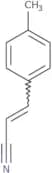
CAS:Versatile small molecule scaffoldFórmula:C10H18OPureza:Min. 95%Peso molecular:154.25 g/mol3-(4-Methylphenyl)prop-2-enenitrile
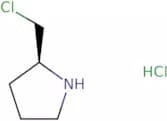
CAS:Versatile small molecule scaffoldFórmula:C10H9NPureza:Min. 95%Peso molecular:143.18 g/mol(S)-2-Chloromethyl-pyrrolidine hydrochloride
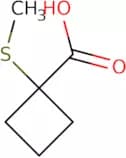
CAS:2-Chloromethyl-pyrrolidine hydrochloride is an organic compound with the chemical formula CHClNCHCOH. It is a white solid that can be used as a reagent in organic synthesis. 2-Chloromethyl-pyrrolidine hydrochloride is prepared by the reaction of chloroform and pyrrolidine. The product is purified by recrystallization from ethanol and dithionite, followed by alkaline hydrolysis.Fórmula:C5H11Cl2NPureza:Min. 95%Peso molecular:156.05 g/mol1-(Methylsulfanyl)cyclobutane-1-carboxylic acid
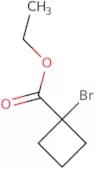
CAS:Versatile small molecule scaffoldFórmula:C6H10O2SPureza:Min. 95%Peso molecular:146.21 g/molEthyl 1-bromocyclobutanecarboxylate
CAS:Ethyl 1-bromocyclobutanecarboxylate is a reactive compound that is used in the synthesis of various organic compounds. It can be prepared by the reaction of an alkyl bromide with a ketone, followed by hydrolysis of the ester group. This product is also used in biomolecular chemistry as a reactant for synthesizing oxindoles and anilines. It is oxidized to yield aldehydes and ketones. The oxidation reaction mechanism begins with the formation of an unstable ethyl radical which abstracts hydrogen atoms from neighboring molecules to form a secondary radical. This secondary radical then reacts with molecular oxygen to produce H2O2, which then reacts with another molecule of ethyl 1-bromocyclobutanecarboxylate to produce peroxy radicals (RO•) and alcohols.
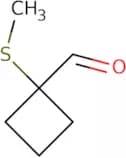
Fórmula:C7H11BrO2Pureza:Min. 95%Peso molecular:207.07 g/mol1-(Methylsulfanyl)cyclobutane-1-carbaldehyde
CAS:Versatile small molecule scaffold
Fórmula:C6H10OSPureza:Min. 95%Peso molecular:130.21 g/mol

![6-Bromotetrazolo[1,5-a]pyridine](/_next/image/?url=https%3A%2Fstatic.cymitquimica.com%2Fproducts%2F3D%2Fthumb-webp%2FKBA23574.webp&w=3840&q=75)
![5-Chloro-[1,2,3,4]tetrazolo[1,5-a]pyridine](/_next/image/?url=https%3A%2Fstatic.cymitquimica.com%2Fproducts%2F3D%2Fthumb-webp%2FKBA23572.webp&w=3840&q=75)
![Ethyl 2-chloro-2-{2-[2-(trifluoromethyl)phenyl]hydrazin-1-ylidene}acetate](/_next/image/?url=https%3A%2Fstatic.cymitquimica.com%2Fproducts%2F3D%2Fthumb-webp%2FKBA22986.webp&w=3840&q=75)
![8-Phenyl-8-azabicyclo[3.2.1]octan-3-one](/_next/image/?url=https%3A%2Fstatic.cymitquimica.com%2Fproducts%2F3D%2Fthumb-webp%2FKBA19393.webp&w=3840&q=75)
![1-[4-Chloro-3-(trifluoromethyl)phenyl]propan-2-one](/_next/image/?url=https%3A%2Fstatic.cymitquimica.com%2Fproducts%2F3D%2Fthumb-webp%2FKBA17295.webp&w=3840&q=75)

![5,7-Dimethylpyrazolo[1,5-a]pyrimidine](/_next/image/?url=https%3A%2Fstatic.cymitquimica.com%2Fproducts%2F3D%2Fthumb-webp%2FKBA14938.webp&w=3840&q=75)
![{7,7-Dimethylbicyclo[2.2.1]heptan-1-yl}methanol](/_next/image/?url=https%3A%2Fstatic.cymitquimica.com%2Fproducts%2F3D%2Fthumb-webp%2FKBA12223.webp&w=3840&q=75)