Building Blocks
Subcategorías de "Building Blocks"
- Ácidos borónicos y derivados del ácido borónico(5.778 productos)
- Building Blocks quirales(1.243 productos)
- Building Blocks de hidrocarburos(6.099 productos)
- Building Blocks orgánicos(61.038 productos)
Se han encontrado 205376 productos de "Building Blocks"
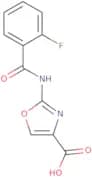
2-(2-Fluorobenzamido)-1,3-oxazole-4-carboxylic acid
CAS:Versatile small molecule scaffold
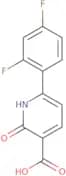
Fórmula:C11H7FN2O4Pureza:Min. 95%Peso molecular:250.18 g/mol6-(2,4-Difluorophenyl)-2-oxo-1,2-dihydropyridine-3-carboxylic acid
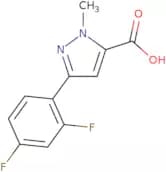
CAS:Versatile small molecule scaffoldFórmula:C12H7F2NO3Pureza:Min. 95%Peso molecular:251.18 g/mol3-(2,4-Difluorophenyl)-1-methyl-1H-pyrazole-5-carboxylic acid
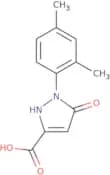
CAS:Versatile small molecule scaffoldFórmula:C11H8F2N2O2Pureza:Min. 95%Peso molecular:238.19 g/mol1-(2,4-Dimethylphenyl)-5-oxo-2,5-dihydro-1H-pyrazole-3-carboxylic acid
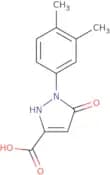
CAS:Versatile small molecule scaffoldFórmula:C12H12N2O3Pureza:Min. 95%Peso molecular:232.23 g/mol1-(3,4-Dimethylphenyl)-5-oxo-2,5-dihydro-1H-pyrazole-3-carboxylic acid
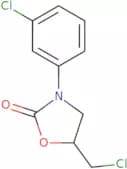
CAS:Versatile small molecule scaffoldFórmula:C12H12N2O3Pureza:Min. 95%Peso molecular:232.23 g/mol5-(Chloromethyl)-3-(3-chlorophenyl)-1,3-oxazolidin-2-one
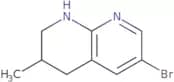
CAS:Versatile small molecule scaffoldFórmula:C10H9Cl2NO2Pureza:Min. 95%Peso molecular:246.09 g/mol6-bromo-3-methyl-1,2,3,4-tetrahydro-1,8-naphthyridine
CAS:Versatile small molecule scaffoldFórmula:C9H11BrN2Pureza:Min. 95%Peso molecular:227.1 g/mol2-Methyl-4-{[1,3]thiazolo[5,4-b]pyridin-2-yl}aniline
CAS:Versatile small molecule scaffoldFórmula:C13H11N3SPureza:Min. 95%Peso molecular:241.31 g/mol2-Amino-4-(cyclopropyl)pyrimidine
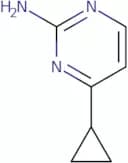
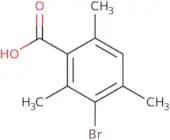
CAS:Please enquire for more information about 2-Amino-4-(cyclopropyl)pyrimidine including the price, delivery time and more detailed product information at the technical inquiry form on this pageFórmula:C7H9N3Pureza:Min. 95%Peso molecular:135.17 g/mol3-Bromo-2,4,6-trimethylbenzoic acid
CAS:Versatile small molecule scaffold
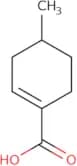
Fórmula:C10H11BrO2Pureza:Min. 95%Peso molecular:243.1 g/mol4-Methylcyclohex-1-ene-1-carboxylic acid
CAS:Versatile small molecule scaffoldFórmula:C8H12O2Pureza:Min. 95%Peso molecular:140.18 g/mol4-(3,4-dimethoxyphenyl)-4-oxobutanoic acid
CAS:4-(3,4-dimethoxyphenyl)-4-oxobutanoic acid is an acylation reaction product. It can be made by the acylation of succinic anhydride with nitrobenzene. Optimizing the parameters for this reaction will yield the most desirable product. The optimum conditions for this reaction are 30 minutes at 60 degrees Celsius in a solvent of propionic acid. 4-(3,4-dimethoxyphenyl)-4-oxobutanoic acid can also be made by the Friedel-Crafts acylation reaction between veratrole and succinic anhydride. This reaction takes place over a period of 20 hours at room temperature in a solvent of ethylene glycol dimethyl ether.Fórmula:C12H14O5Pureza:Min. 95%Peso molecular:238.24 g/mol6-Chloro-1-methyl-1H-pyrazolo[3,4-d]pyrimidin-4(7H)-one
CAS:Versatile small molecule scaffold
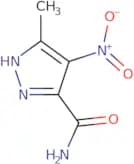
Fórmula:C6H5ClN4OPureza:Min. 95%Peso molecular:184.58 g/mol5-Methyl-4-nitro-1H-pyrazole-3-carboxamide
CAS:Versatile small molecule scaffoldFórmula:C5H6N4O3Pureza:Min. 95%Peso molecular:170.13 g/molN,1-Dimethyl-1H-pyrazolo[3,4-d]pyrimidin-4-amine
CAS:N,1-Dimethyl-1H-pyrazolo[3,4-d]pyrimidin-4-amine is an isomer of pyrazolopyrimidine. It has been shown to be a strong inhibitor of uracil incorporation in DNA and RNA syntheses. The autoassociation kinetics of this compound are dependent on the concentration of its methyl derivatives. The equilibrium constants for the N,1-dimethyl derivative are different from those for the N,2-dimethyl derivative. The parameters and constants used in the simulation were obtained from thermodynamic calculations and from experimental data for other molecules with similar properties. The equilibrium constant for tautomeric interaction was determined by calculating the ratio of concentrations at equilibrium for two competing tautomers.Fórmula:C7H9N5Pureza:Min. 95%Peso molecular:163.18 g/mol1-Methyl-1H-pyrazolo[3,4-d]pyrimidin-4(7H)-one
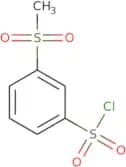
CAS:Versatile small molecule scaffoldFórmula:C6H6N4OPureza:Min. 95%Peso molecular:150.14 g/mol3-(Methylsulfonyl)benzenesulfonyl Chloride
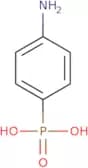
CAS:Versatile small molecule scaffoldFórmula:C7H7ClO4S2Pureza:Min. 95%Peso molecular:254.71 g/mol(4-Aminophenyl)phosphonic Acid
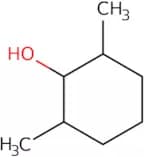
CAS:4-Aminophenylphosphonic acid (4AP) is an organic compound that is used as a building block for the synthesis of other chemicals. It reacts optimally with chlorhexidine, a human receptor binding agent, to form 4-aminophenylchlorohexidinium chloride. 4AP has been shown to have antimicrobial properties and is used in topical applications. It also has an inhibitory effect on the growth of bacteria such as Pseudomonas aeruginosa, which can cause serious infections in humans. 4AP inhibits bacterial growth by interfering with the synthesis of proteins and nucleic acids. This inhibition occurs because 4AP binds to phosphatases and hydrolyzes them into phosphate and amine groups. The amine group will bind to the DNA or RNA molecule and inhibit its function.Fórmula:C6H8NO3PPureza:Min. 95%Peso molecular:173.11 g/mol2,6-Dimethylcyclohexanol (mixture of isomers)
CAS:2,6-Dimethylcyclohexanol is a mixture of isomers that has been shown to enhance the activity of cationic surfactants in a cell culture model. The isomers are 2,6-dimethylcyclohexane carboxylic acid and 2,6-dimethylcyclohexanol. This compound has been used in mice to determine if it can reverse the infertility caused by exposure to monoterpene hydrocarbons. It also inhibits the activity of recombinant human epidermal growth factor receptor (EGFR) and can be used as an anticancer drug for EGFR-overexpressing tumors. The solubility data indicate that this molecule has low solubility in water and organic solvents such as chloroform or methanol. The molecular modeling shows that this molecule contains a hydroxyl group at C2 and two methyl groups at C6. The nmr spectra show a signal at δ =
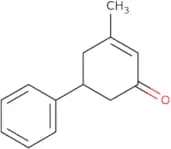
Fórmula:C8H16OPureza:Min. 95%Peso molecular:128.22 g/mol3-Methyl-5-phenylcyclohex-2-en-1-one
CAS:3-Methyl-5-phenylcyclohex-2-en-1-one is an organic compound that belongs to the class of cyano compounds. This agent is a colorless, oily liquid with a peculiar odor. 3-Methyl-5-phenylcyclohex-2-en-1-one has been used as a solvent for acetoacetate and solvents. The use of this agent in the synthesis of ethyl benzoylacetate has been reported. The axial orientation of the methyl group and the orientations of the phenyl ring have been optimized in order to achieve a conformation that does not lead to steric hindrance during the reaction. A sodium ethoxide solution was used as an additive to promote nucleophilic attack on the carbonyl group in order to obtain ethyl acetoacetate.
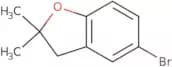
Fórmula:C13H14OPureza:Min. 95%Peso molecular:186.25 g/mol5-Bromo-2,2-dimethyl-2,3-dihydro-1-benzofuran
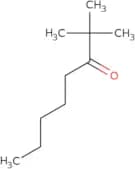
CAS:Versatile small molecule scaffoldFórmula:C10H11BrOPureza:Min. 95%Peso molecular:227.1 g/mol2,2-Dimethyloctan-3-one
CAS:Versatile small molecule scaffold
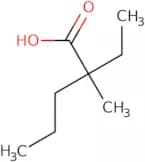
Fórmula:C10H20OPureza:Min. 95%Peso molecular:156.26 g/mol(2RS)-2-Ethyl-2-methylpentanoic acid
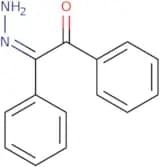
CAS:(2RS)-2-Ethyl-2-methylpentanoic acid is an organic compound that is used to synthesize the drug 2-ethylhexanoic acid. This compound can be obtained by asymmetric synthesis and it has cytosolic activity. It inhibits the growth of tumor cells by inducing necrotic cell death and hemolysis in erythrocytes. The pH of this substance is acidic and it can be used for the uptake of drugs. In addition, (2RS)-2-Ethyl-2-methylpentanoic acid has significant cytotoxicity as well as fusogenic properties. It also has endosomal excipients and can be used as a neutral or acidic buffer solution for intravenous injections.Fórmula:C8H16O2Pureza:Min. 95%Peso molecular:144.21 g/mol(2E)-2-hydrazinylidene-1,2-diphenylethan-1-one
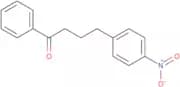
CAS:Versatile small molecule scaffoldFórmula:C14H12N2OPureza:Min. 95%Peso molecular:224.26 g/mol4-(4-Nitrophenyl)-1-phenylbutan-1-one
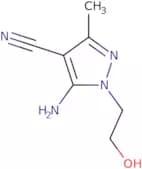
CAS:Versatile small molecule scaffoldFórmula:C16H15NO3Pureza:Min. 95%Peso molecular:269.29 g/mol5-Amino-1-(2-hydroxyethyl)-3-methyl-1H-pyrazole-4-carbonitrile
CAS:Versatile small molecule scaffoldFórmula:C7H10N4OPureza:Min. 95%Peso molecular:166.18 g/mol2-([1,1'-Biphenyl]-2-yloxy)acetic acid
CAS:2-([1,1'-Biphenyl]-2-yloxy)acetic acid is a white solid that has a melting point of 9 °C and a boiling point of 244 °C. It is soluble in water, ethanol, and acetone. This compound can be used as an organic solvent and is used to synthesize sodium carbonate. 2-([1,1'-Biphenyl]-2-yloxy)acetic acid is also used as a recrystallizing agent for industrial purposes. The synthesis method for this compound includes the use of catalysts such as carbonates and trifluoroacetic anhydride. The substance has been shown to cause pollution in the environment due to its high reactivity with oxygen.Fórmula:C14H12O3Pureza:Min. 95%Peso molecular:228.25 g/mol2-Bromobenzo[b]thiophene 1,1-dioxide
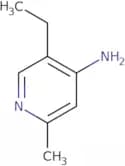
CAS:Versatile small molecule scaffoldFórmula:C8H5BrO2SPureza:Min. 95%Peso molecular:245.09 g/mol5-Ethyl-2-methylpyridin-4-amine
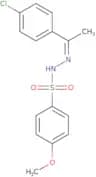
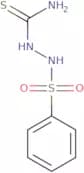
CAS:Versatile small molecule scaffoldFórmula:C8H12N2Pureza:Min. 95%Peso molecular:136.19 g/molBenzenesulfonamidothiourea
CAS:Benzenesulfonamidothiourea is a biocompatible polymer that has been shown to inhibit the proliferation of tumor cells. The polymer is injected into tumor tissues and binds to boron, which prevents the formation of new blood vessels. This inhibits the growth of tumors and induces cell death. Benzenesulfonamidothiourea is an in vitro method with intracellular targets. It has been shown to be effective against tumors that have been irradiated or exposed to neutron radiation. This polymer also has analytical properties that allow it to be used for biochemical studies such as determining DNA sequencing and structure analysis.
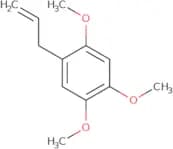
Fórmula:C7H9N3O2S2Pureza:Min. 95%Peso molecular:231.3 g/mol1,2,4-Trimethoxy-5-(prop-2-en-1-yl)benzene
CAS:1,2,4-Trimethoxy-5-(prop-2-en-1-yl)benzene is a pharmaceutical drug that belongs to the class of compounds known as alpha-asarone or asarone. It has been shown to have hemolytic activity and is used in food composition. The compound has not been tested for carcinogenic, mutagenic, or reproductive toxicity. 1,2,4-Trimethoxy-5-(prop-2-en-1-yl)benzene can be injected intravenously in a 10% solution with sodium carbonate as a buffer and diluted with water for injection. This drug is also available in an oral formulation that is administered in tablet form. The bioavailability of 1,2,4-trimethoxy 5-(prop - 2 - en - 1 - yl)benzene is low due to its high affinity for proteins and low solubility in water.
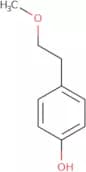
Fórmula:C12H16O3Pureza:Min. 95%Peso molecular:208.25 g/mol4-(Methoxymethyl)phenol
CAS:4-(Methoxymethyl)phenol is a chemical compound which has been shown to inhibit the growth of bacteria. It is a photochemical that has a low sub-effective dose and high photochemical properties. 4-(Methoxymethyl)phenol is found in many plants and vegetables, such as parsley and celery, and can be used as an antimicrobial agent. Stenotrophomonas maltophilia, which causes pneumonia in cystic fibrosis patients, was one of the bacterial strains inhibited by this compound. The mechanism for inhibition of this compound is unknown but it does not seem to involve the production of reactive oxygen species. Furthermore, 4-(Methoxymethyl)phenol has been shown to have potent inhibitory activity against RNA polymerase II, which is important for protein synthesis.Fórmula:C8H10O2Pureza:Min. 95%Peso molecular:138.16 g/molGMQ hydrochloride
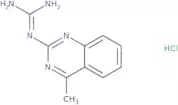
CAS:GMQ hydrochloride is a blocker with sensitivity and blocking effects. It blocks the neurogenic inflammation induced by proton influx, which may be due to its antagonistic effect on 5-hydroxytryptamine (5-HT) receptors. GMQ hydrochloride has been shown to block the neurogenic inflammation induced by injecting substances into the skin or muscle of mice. GMQ hydrochloride also blocks the neurogenic inflammation that arises from chronic migraine, which is related to 5-HT3 receptors.
Fórmula:C10H11N5·HClPureza:Min. 95%Peso molecular:237.69 g/mol4-Sulfobenzaldehyde Hydrate
CAS:4-Sulfobenzaldehyde hydrate is a chemical intermediate that is used for the production of detergents and other products. This compound can be prepared by reacting phenol with sulfur dioxide in the presence of a chlorinating agent. 4-Sulfobenzaldehyde hydrate can also be obtained by reacting aniline or phenol with sodium hypochlorite in the presence of a catalyst. The biphenyl molecule contains two benzene rings joined by a single carbon atom, and this compound can be oxidized to form biphenyldicarboxylic acid, which has fluorescent properties. 4-Sulfobenzaldehyde hydrate is an acid and cleaves in water to form hydrochloric acid and benzoic acid.
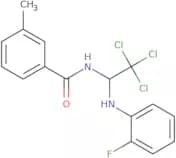
Fórmula:C7H6O4S·xH2OPureza:Min. 95%Peso molecular:186.19 g/mol2-(1,3-Dioxo-2,3-dihydro-1H-isoindol-2-yl)propanoyl chloride
CAS:Versatile small molecule scaffoldFórmula:C16H14Cl3FN2OPureza:Min. 95%Peso molecular:375.6 g/mol2,2-Dichlorocyclopropane-1-carboxylic acid
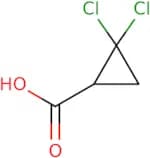
CAS:2,2-Dichlorocyclopropane-1-carboxylic acid is a chemical substance that belongs to the group of fungicides. It is used as an acceptor in organic synthesis and as a dehydrative agent. 2,2-Dichlorocyclopropane-1-carboxylic acid has bactericidal effects on some bacteria species and is active against fungi. The compound can be prepared by reacting chloroacetic acid with cyclopropanecarboxylic acid or by the reaction of 2,2,2-trichloroethanol with cyclopropanecarboxylic acid. 2,2-Dichlorocyclopropane-1-carboxylic acid can be used as an enantiomer to synthesize other compounds. This compound has two resonance forms which are related to its carboxylic group and its optically active form.Fórmula:C4H4Cl2O2Pureza:Min. 95%Peso molecular:154.98 g/mol2,2-Dibromocyclopropane-1-carboxylic acid
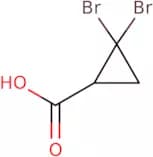
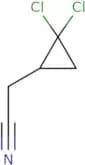
CAS:Versatile small molecule scaffoldFórmula:C4H4Br2O2Pureza:Min. 95%Peso molecular:243.88 g/mol2-(2,2-Dichlorocyclopropyl)acetonitrile
CAS:2-(2,2-Dichlorocyclopropyl)acetonitrile is a polyatomic molecule that is often used in the synthesis of other compounds. It has been shown to react with sodium cyanide to form a compound called covid-19, which is then reacted with piperidine and thiophenol to form polyatomic molecules. Covid-19 is also the active ingredient in a vaccine that was developed as a response to the pandemic of H1N1 influenza. This drug has been shown to be effective against influenza A strains and other flu viruses, including avian flu.Fórmula:C5H5Cl2NPureza:Min. 95%Peso molecular:150 g/mol2-(2,2-Dichlorocyclopropyl)acetic acid
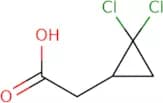
CAS:Versatile small molecule scaffold
Fórmula:C5H6Cl2O2Pureza:Min. 95%Peso molecular:169 g/mol1,8-Dioxo-1,3,4,8-tetrahydro-2H-pyrido[1,2-a]pyrazine-6-carboxylic acid
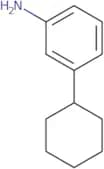
CAS:Versatile small molecule scaffoldFórmula:C9H8N2O4Pureza:Min. 95%Peso molecular:208.17 g/mol3-Cyclohexylaniline
CAS:Versatile small molecule scaffold
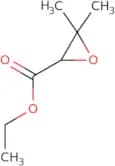
Fórmula:C12H17NPureza:Min. 95%Peso molecular:175.27 g/molEthyl 3,3-dimethyloxirane-2-carboxylate
CAS:Versatile small molecule scaffold
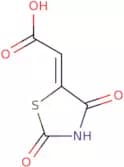
Fórmula:C7H12O3Pureza:Min. 95%Peso molecular:144.17 g/mol(2Z)-(2,4-Dioxo-1,3-thiazolidin-5-ylidene)acetic acid
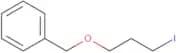
CAS:Versatile small molecule scaffoldFórmula:C5H3NO4SPureza:Min. 95%Peso molecular:173.15 g/mol1-Benzyloxy-3-iodopropane
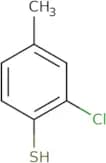
CAS:1-Benzyloxy-3-iodopropane is an enantiopure prenyl alcohol, which can be used in the alkylation of unsaturated fatty acids. It has been used to synthesize pseudoephedrine with yields of up to 97% and chirality that is stereospecific and enantiopure. In addition, it can be used as a reagent for biomolecular studies.Fórmula:C10H13IOPureza:Min. 95%Peso molecular:276.11 g/mol2-Chloro-4-methylbenzenethiol
CAS:Versatile small molecule scaffold
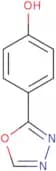
Fórmula:C7H7ClSPureza:Min. 95%Peso molecular:158.65 g/mol4-(1,3,4-Oxadiazol-2-yl)phenol
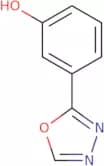
CAS:4-(1,3,4-Oxadiazol-2-yl)phenol (ODOP) is a potent and selective apoptosis inducer that causes the death of cancer cells by generating reactive oxygen species. ODOP activates polyphosphoric acid in the mitochondria to form reactive oxygen species. The cytotoxicity of ODOP is dose-dependent and can be reconfirmed by nucleophilic attack on DNA. ODOP has been shown to have pharmacokinetic properties that are similar to those of other drugs in the same class, such as acylhydrazides. These drugs are rapidly metabolized by esterases or glucuronidases in vivo and are excreted mainly through urine.Fórmula:C8H6N2O2Pureza:Min. 95%Peso molecular:162.15 g/mol3-(1,3,4-Oxadiazol-2-yl)phenol
CAS:Versatile small molecule scaffold
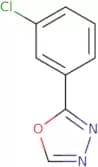
Fórmula:C8H6N2O2Pureza:Min. 95%Peso molecular:162.15 g/mol2-(3-Chlorophenyl)-1,3,4-oxadiazole
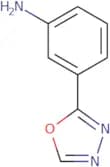
CAS:Versatile small molecule scaffoldFórmula:C8H5ClN2OPureza:Min. 95%Peso molecular:180.59 g/mol3-(1,3,4-Oxadiazol-2-yl)aniline
CAS:Versatile small molecule scaffold
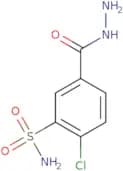
Fórmula:C8H7N3OPureza:Min. 95%Peso molecular:161.16 g/mol2-Chloro-5-(hydrazinecarbonyl)benzene-1-sulfonamide
CAS:2-Chloro-5-(hydrazidecarbonyl)benzene-1-sulfonamide is an aliphatic aldehyde that is used to synthesize other chemicals. It can be synthesized from the condensation of 2-chloroacetaldehyde with hydrazine and formaldehyde in the presence of a base. This compound has been shown to have diuretic and saluretic properties, which are due to its ability to increase urine flow by inhibiting reabsorption of sodium ions in the kidney tubules. 2-Chloro-5-(hydrazidecarbonyl)benzene-1-sulfonamide is soluble in alcohols and dioxane, but insoluble in water. This compound hydrolyzes in acidic conditions, so it cannot be stored for long periods without protection from moisture.Fórmula:C7H8ClN3O3SPureza:Min. 95%Peso molecular:249.68 g/mol

![2-Methyl-4-{[1,3]thiazolo[5,4-b]pyridin-2-yl}aniline](/_next/image/?url=https%3A%2Fstatic.cymitquimica.com%2Fproducts%2F3D%2Fthumb-webp%2FEYB29768.webp&w=3840&q=75)
![6-Chloro-1-methyl-1H-pyrazolo[3,4-d]pyrimidin-4(7H)-one](/_next/image/?url=https%3A%2Fstatic.cymitquimica.com%2Fproducts%2F3D%2Fthumb-webp%2FFAA33435.webp&w=3840&q=75)
![N,1-Dimethyl-1H-pyrazolo[3,4-d]pyrimidin-4-amine](/_next/image/?url=https%3A%2Fstatic.cymitquimica.com%2Fproducts%2F3D%2Fthumb-webp%2FFAA33449.webp&w=3840&q=75)
![1-Methyl-1H-pyrazolo[3,4-d]pyrimidin-4(7H)-one](/_next/image/?url=https%3A%2Fstatic.cymitquimica.com%2Fproducts%2F3D%2Fthumb-webp%2FFAA33456.webp&w=3840&q=75)
![2-([1,1'-Biphenyl]-2-yloxy)acetic acid](/_next/image/?url=https%3A%2Fstatic.cymitquimica.com%2Fproducts%2F3D%2Fthumb-webp%2FFAA34875.webp&w=3840&q=75)
![2-Bromobenzo[b]thiophene 1,1-dioxide](/_next/image/?url=https%3A%2Fstatic.cymitquimica.com%2Fproducts%2F3D%2Fthumb-webp%2FFAA35005.webp&w=3840&q=75)

![1,8-Dioxo-1,3,4,8-tetrahydro-2H-pyrido[1,2-a]pyrazine-6-carboxylic acid](/_next/image/?url=https%3A%2Fstatic.cymitquimica.com%2Fproducts%2F3D%2Fthumb-webp%2FFAA36842.webp&w=3840&q=75)